General General 3 min read

Absurd laws still on the books

You’re probably breaking these laws and you don’t even know it!

Image: Tingey Injury Law Firm

Yes, we know that laws are meant to keep society running smoothly, but some of them are really puzzling. Across the US, you’ll find laws that ban everything from dancing on Sundays to stealing crawfish. Even if many of these laws are outdated , quirky, or just bizarre, they’re still technically on the books. So, if you’re planning a road trip, you might want to brush up on these strange state laws, just in case!

1
Georgia: No eating fried chicken with utensils
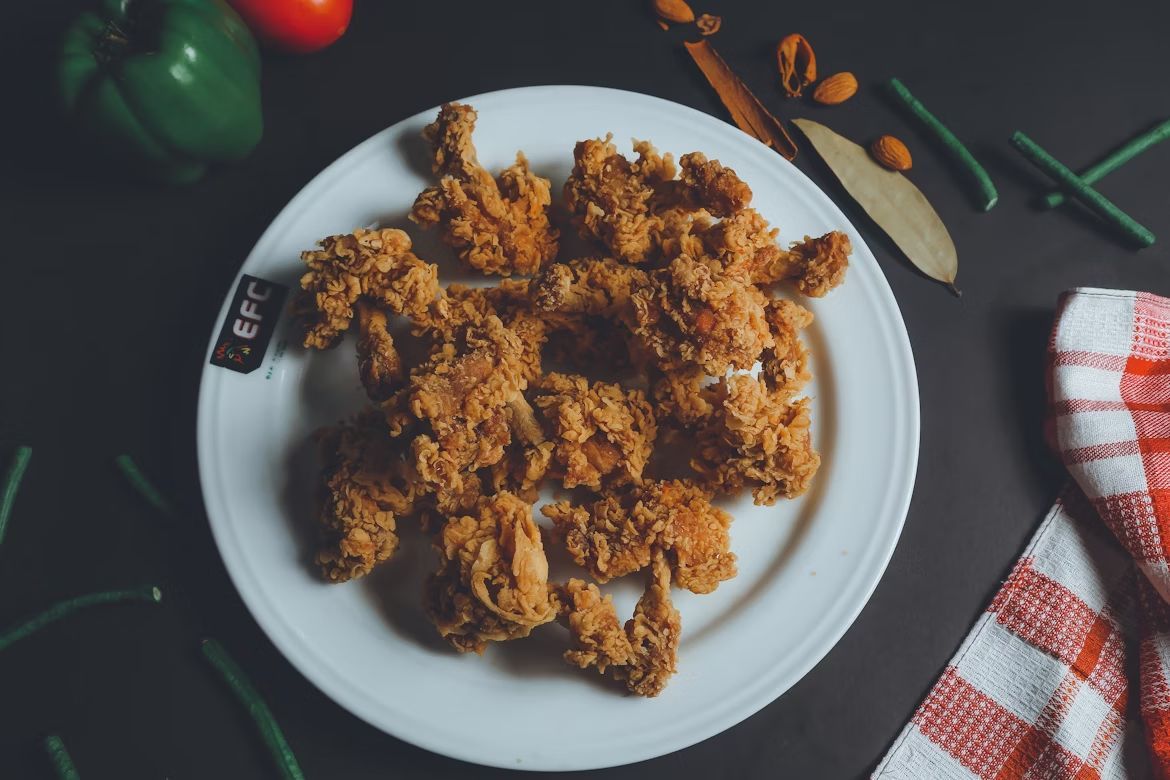
Image: Shourav Sheikh

In Gainesville, Georgia, it’s i llegal to eat fried chicken with a fork . This law, passed in 1961, was meant as a publicity stunt to promote the city’s status as the "poultry capital of the world."

While no one’s actually getting arrested for improper chicken consumption, a tourist was once jokingly "arrested" for breaking this law in 2009. If you visit Gainesville, just remember, fingers only!

2
Alabama: No stink bombs or confetti

Image: Damiano Lingauri

If you love a good prank or enjoy tossing confetti at celebrations, Mobile, Alabama, is not the place for you. The city has made it illegal to possess or use stink bombs , "funk balls," and anything designed to create unpleasant odors.

That’s not all, confetti and spray string are also outlawed, so don’t plan any glittery parades. Mobile prefers its air fresh and its sidewalks clean. We cannot blame them!

3
Arizona: No spitting in public

Image: Pete F

In Goodyear, Arizona, it’s not just bad manners to spit in public, it’s illegal. The law specifically bans spitting on sidewalks, roads, parks, and public buildings, and if you’re caught doing it, you could face a $2,500 fine or even six months in jail.

So, if you have a bad habit of spitting on the sidewalk , you might want to think twice before visiting Goodyear. Besides, it’s just gross!

4
Louisiana: No crawfish theft

Image: Rasmus Gundorff Sæderup

Think stealing crawfish is a minor offense? Not in Louisiana! Swiping someone’s crawfish , especially if the value exceeds $1,500, is taken so seriously that it can lead to a $3,000 fine or up to ten years in prison.

So, next time you’re enjoying a seafood boil in the Bayou State, make sure you’re not swiping from someone else’s plate!

5
Massachusetts: No dancing to the National Anthem

Image: Jeffrey F Lin

Patriotism is important, but nobody gets it like Massachusetts! In this state, a 1917 law makes it illegal to dance to the national anthem , though enforcing it would likely be a First Amendment nightmare.

It’s unclear why lawmakers felt the need to crack down on patriotic grooves, but to be safe, keep your hand over your heart and save the dancing for later!

6
South Carolina: No working (or dancing!) on Sundays

Image: Jess Bailey

Did you know that in South Carolina, you may technically have an excuse to skip work on Sundays?

An old law still on the books prohibits working on Sundays , though it’s rarely enforced. Strangely enough, dancing is also banned on Sundays. If you were hoping for a weekend filled with productivity and footloose fun, you might have to sit this one out!

7
North Dakota: No late-night fireworks

Image: Ray Hennessy

In Devil’s Lake, North Dakota, you can buy fireworks between December 26th and January 1st, but you can’t set them off after 11 p.m. What?

Let us explain: This law was originally passed for the millennium celebrations in 1999, but it’s still on the books today. Are you planning to ring in the New Year with a bang? Make sure you light those fireworks early or risk breaking the law!

8
Montana: No "folf" allowed

Image: Oskar Kadaksoo

Montana’s wide-open spaces might seem perfect for throwing a Frisbee, but in Helena, playing Frisbee golf (also known as "folf") outside of designated areas is illegal.

If you get caught, you could face a $500 fine or even six months in jail. Where are all these weird laws coming from, anyway?

9
Indiana: Black cats must wear bells on Friday the 13th

Image: Andreea Popa

Are you superstitious? You’ll love this one. In French Lick Springs, located in Indiana, black cats must wear bells around their necks on Friday the 13th.

This law was introduced in 1939 as a "war measure" to reduce stress among the public. While it’s unlikely anyone enforces this rule today, it’s still an amusing nod to old-school superstitions!

10
Hawaii: No billboards allowed

Image: Dennis Maliepaard

Ever notice that Hawaii’s landscapes are free of massive billboards ? That’s because billboards are banned statewide! The law, dating back to 1927, is part of an effort to preserve the state’s natural beauty.

Hawaii is one of the few places in the US where advertisements don’t compete with breathtaking ocean views. Now, that’s a law we can all enjoy!
Culture Culture 5 min read

Yes, that was normal

These old childhood rules and traditions would shock parents today

Image: Rohan Mathur

There was a time when childhood looked very different. Often unsupervised, kids would roam, explore, improvise, and occasionally scare their parents half to death. Cultural norms have changed, and many of the routines and traditions that once defined the all-American childhood now seem reckless . Let’s look at some of them and see how drastically things have changed.

1
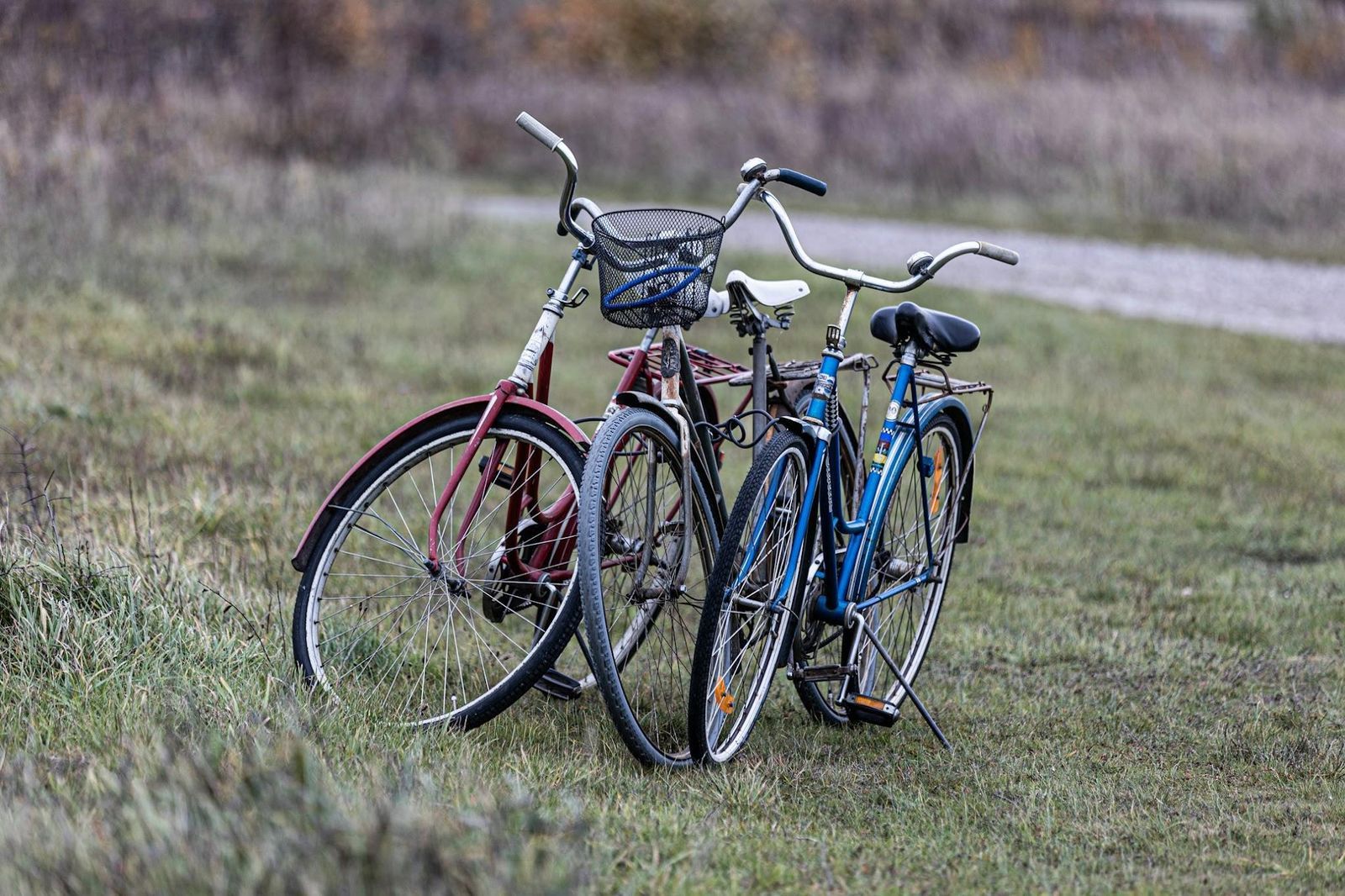
Leaving with your bike in the morning and coming back for suppertime

Image: Carl Tronders

For a few generations of American kids, a bicycle meant freedom. From the 1940s through the 1980s, children often left home after breakfast with little more than a vague instruction: "Be back before dinner."

Neighborhoods were informal safety nets, and kids were free to navigate them without phones or GPS trackers.

2
Foraging fruit from neighbors’ yards

Image: Libby Penner

It was a risky gamble: Picking and eating fruit from unknown plants in your neighborhood could result in a yummy treat…or abdominal trouble.

There was a time when kids freely grabbed berries, apples, or other fruit growing along sidewalks or in neighbors’ gardens. Today, property boundaries have grown, and kids are reminded not to forage without permission.

3
Riding public transportation alone

Image: Vitolda Klein

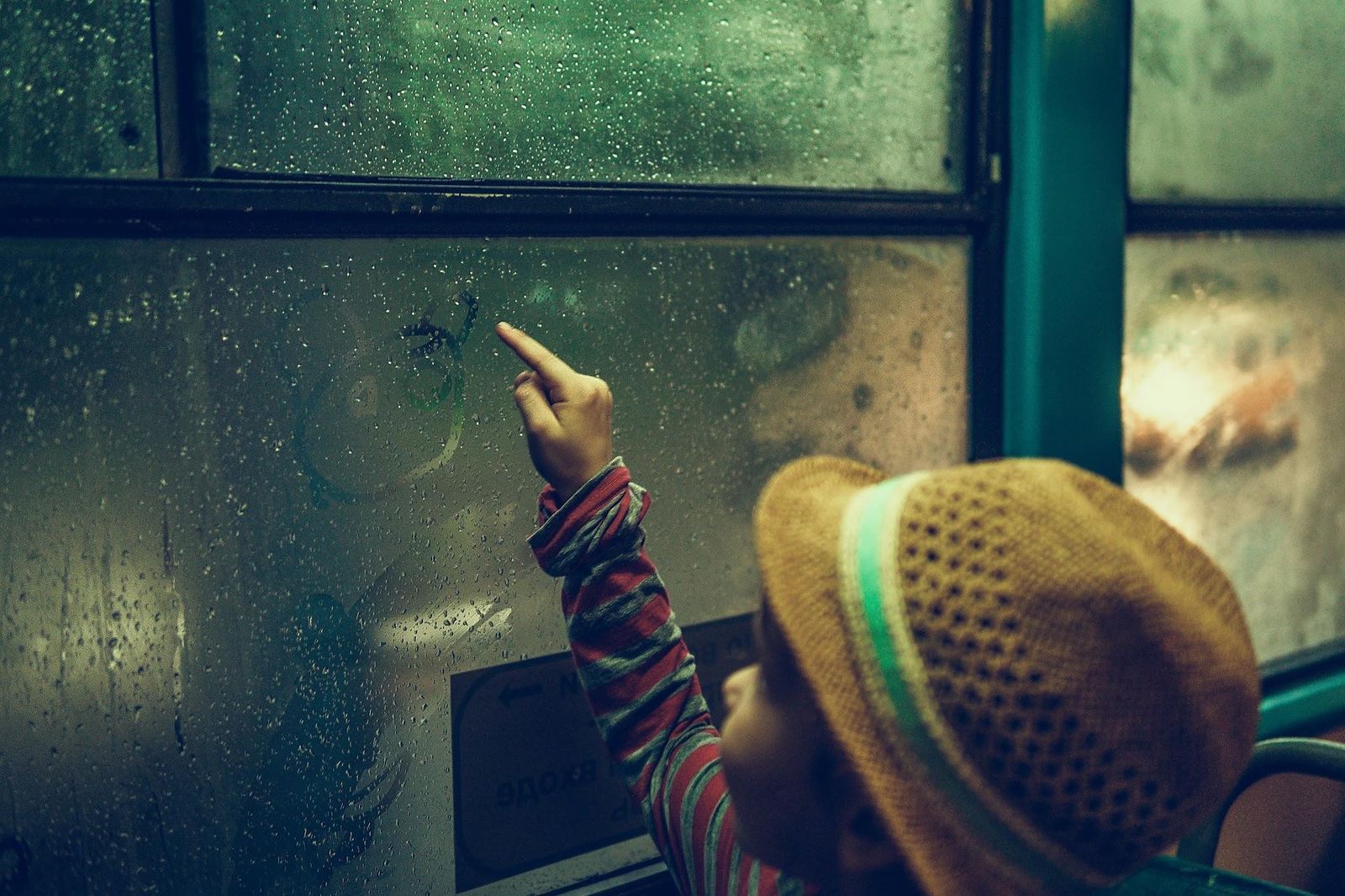
For much of the 20th century, it wasn’t unusual for children as young as 7 to ride buses, subways, or streetcars alone, especially in large cities like New York, Chicago, and Boston.

Kids commuting to school independently was considered a practical life skill. Parents expect children to learn responsibility through real-world experience , handling routes, change, and unexpected delays.

4
Roller coasters had no belts and no headrests

Image: Tore Odiin

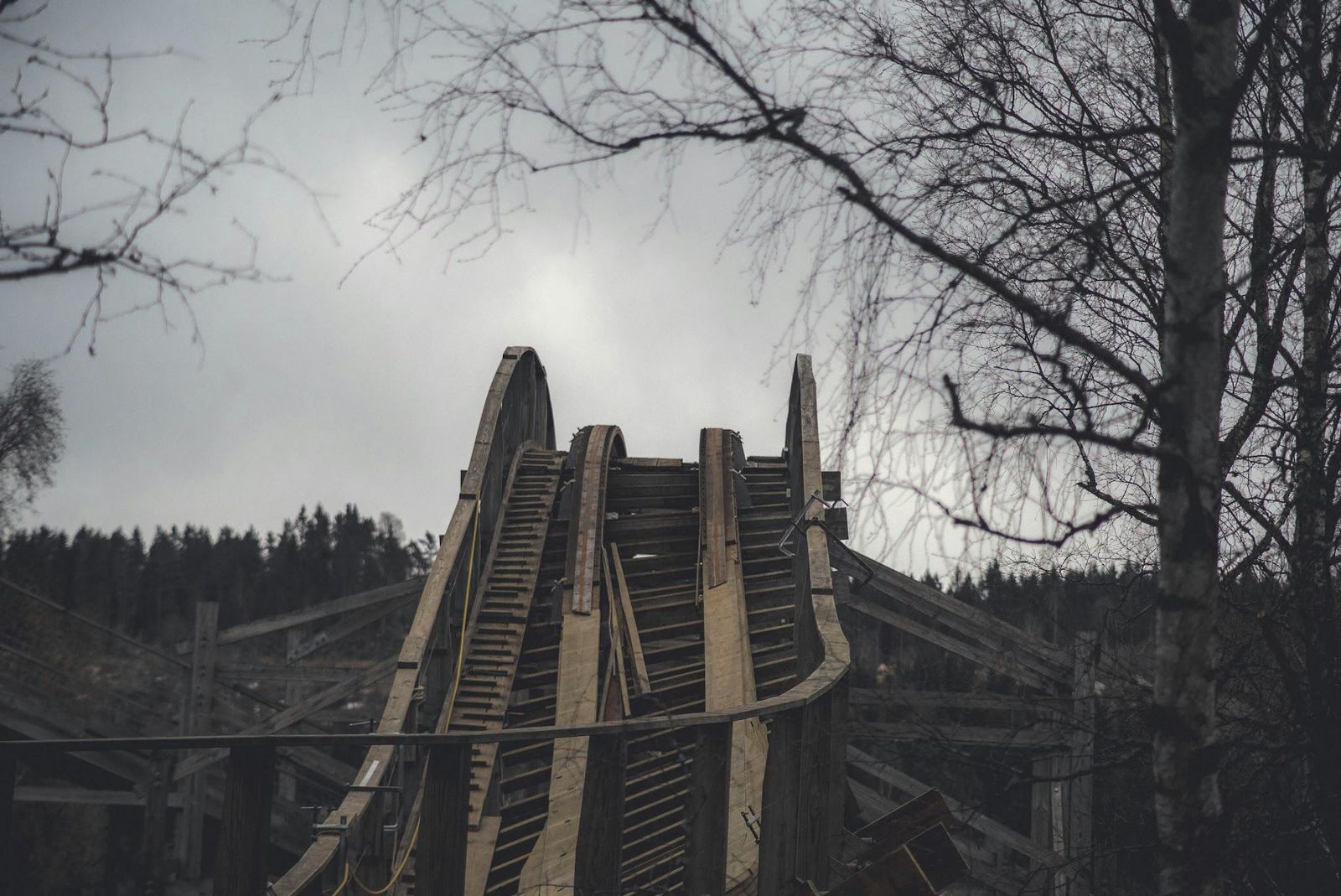
Do you have memories of rickety rollercoasters? You might correctly remember that earlier rides were thrilling in ways that might give modern safety inspectors pause.

Many of the rides made popular in the 50s relied primarily on simple lap bars and operated with minimal restraints. Designers assumed riders would hold on tightly. Safety rules have evolved drastically since then, and now we have over-the-shoulder harnesses and improved lap restraints.

5
Walking miles to a friend’s house alone

Image: Ansis Kančs

Kids routinely walked long distances across neighborhoods or even between towns without adult accompaniment, guided by landmarks and memory. While this independence helped build confidence, it also reflected a different perception of risk.

6
Not ringing the bell: just yelling your friend’s name from outside

Image: the blowup

Before texting "I’m here" or coordinating playdates through apps, kids often announced their arrival the old-fashioned way: by standing outside and shouting a friend’s name.

Front yards, sidewalks, and porches acted as social hubs where everyone recognized familiar voices. As concerns about privacy, safety, and structured schedules grew with the years, the casual shout-from-the-street culture slowly disappeared.

7
Spending long days at the beach without adults

Image: Gaëtan De Cuyper

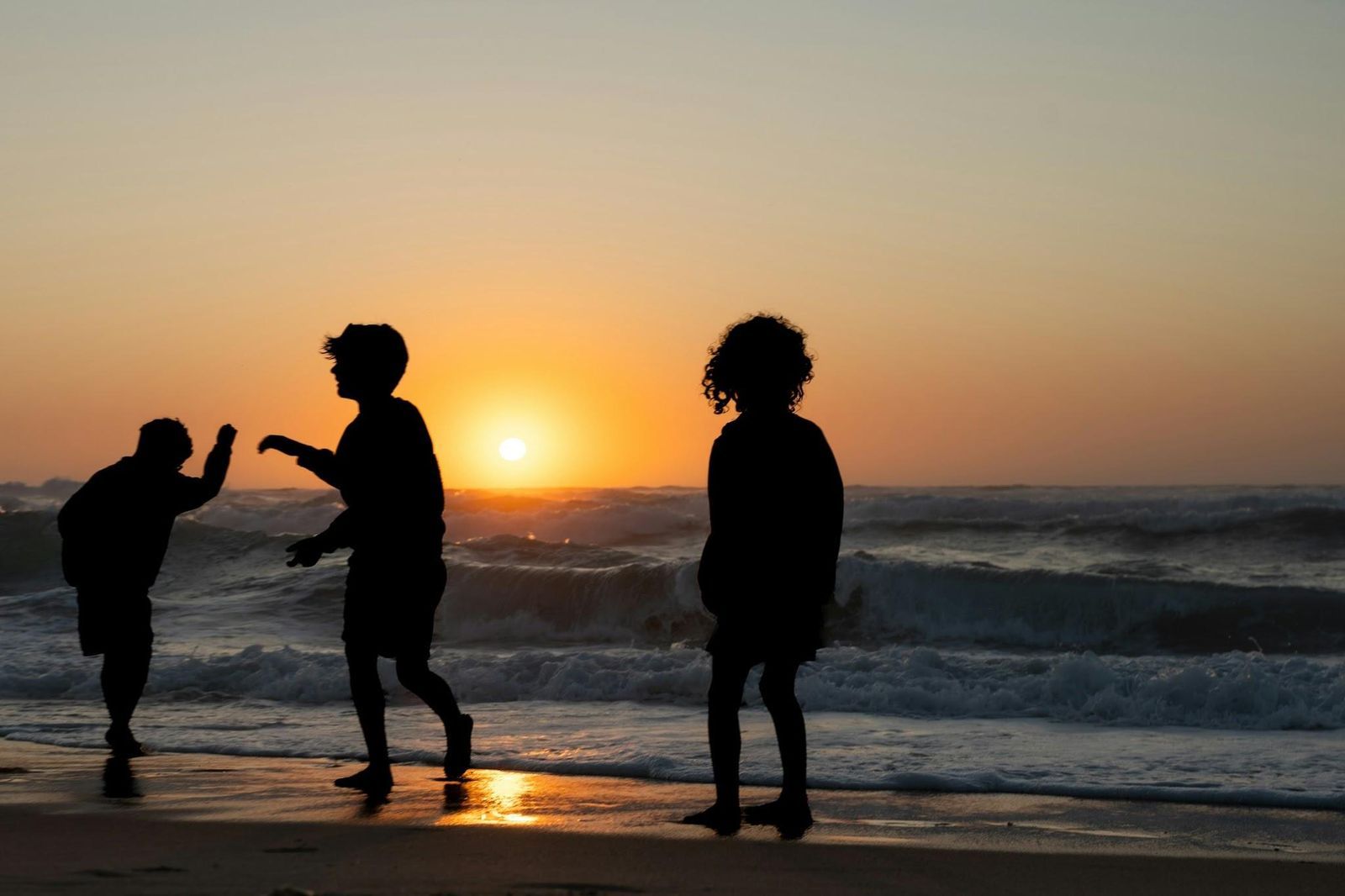
Surf culture in places like California and Hawaii, as well as East Coast boardwalk towns, normalized groups of kids swimming, riding the waves, and returning home only at sunset.

Public beaches were seen as community environments where lifeguards and familiar locals provided informal oversight . Today, increased safety standards, liability concerns, and changing parenting norms mean most children visit beaches with close adult supervision.

8
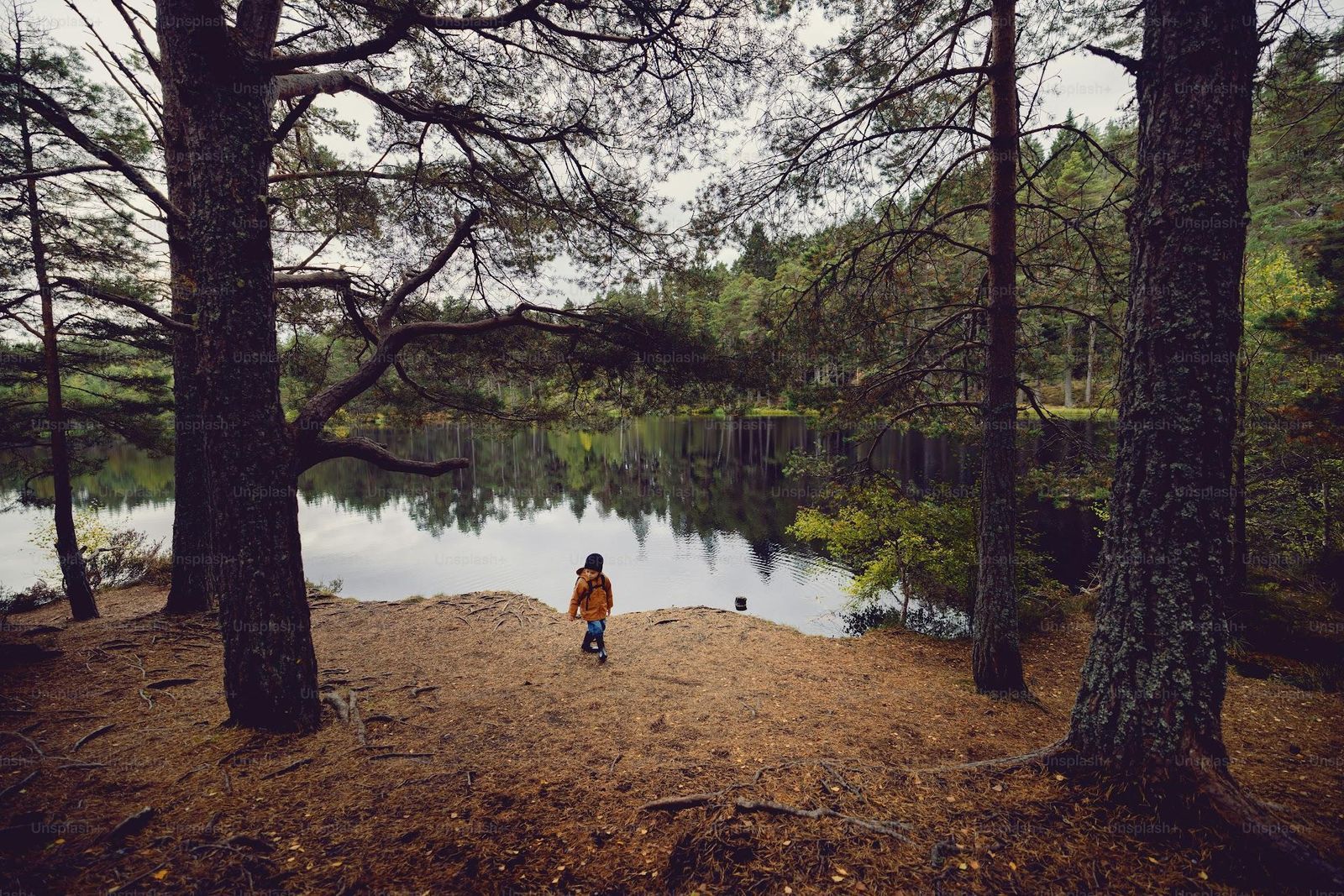
Exploring woods alone

Image: Joshua Earle

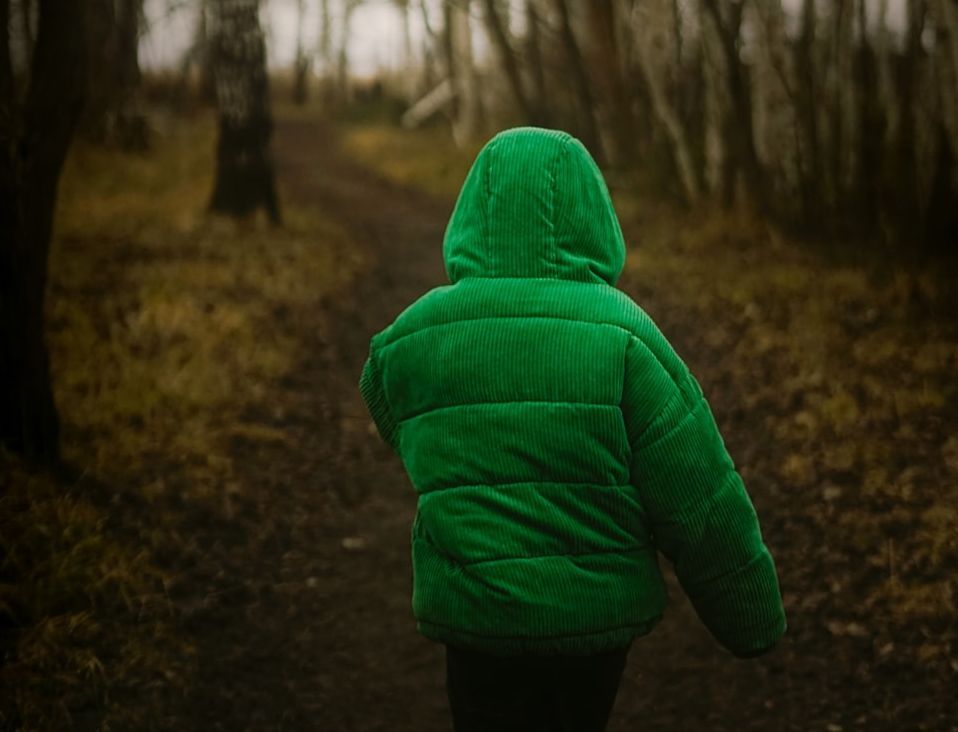
Few children who lived near a forest or rural area could resist the pull to explore it, either alone or with friends. Building forts, climbing trees, and learning their way around nature were influenced by scouting movements and postwar ideas about resilience and independence.

Psychologists today even describe this kind of unstructured outdoor play as beneficial for creativity and risk assessment skills. However, modern concerns about safety, traffic, and environmental hazards have reduced opportunities for unsupervised exploration.

9
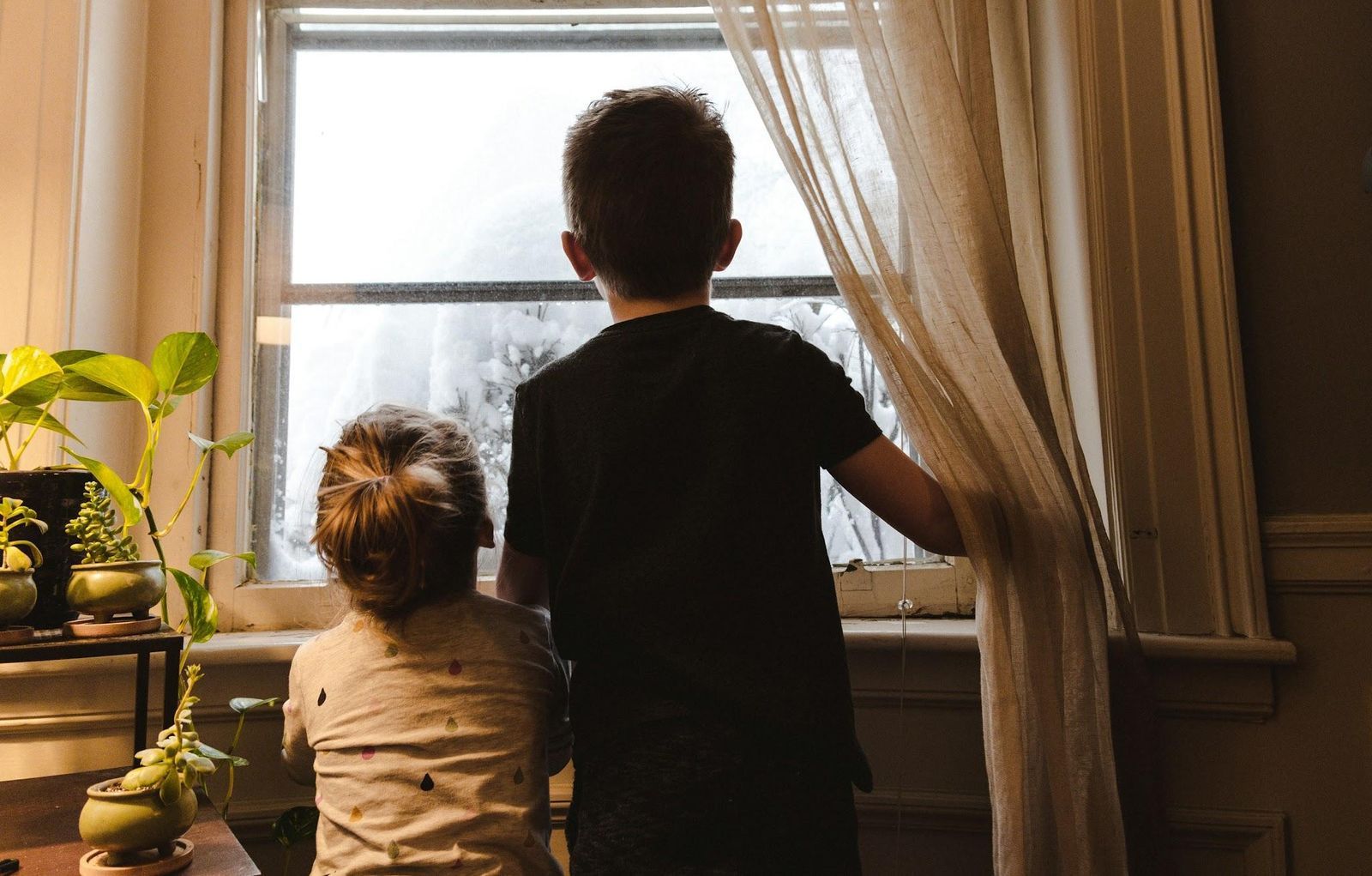
Staying home alone or being babysat by older siblings

Image: Kelly Sikkema

The rise of the "latchkey kid" became especially visible in the United States during the 1970s and 1980s, when increasing numbers of dual-income households, or single-parent homes, meant children returned home from school to empty houses.

Many kids carried house keys, prepared snacks, and entertained themselves until their parents finished work. Today, research on changing childhood independence shows that unsupervised play and autonomy have significantly declined compared to previous generations.

10
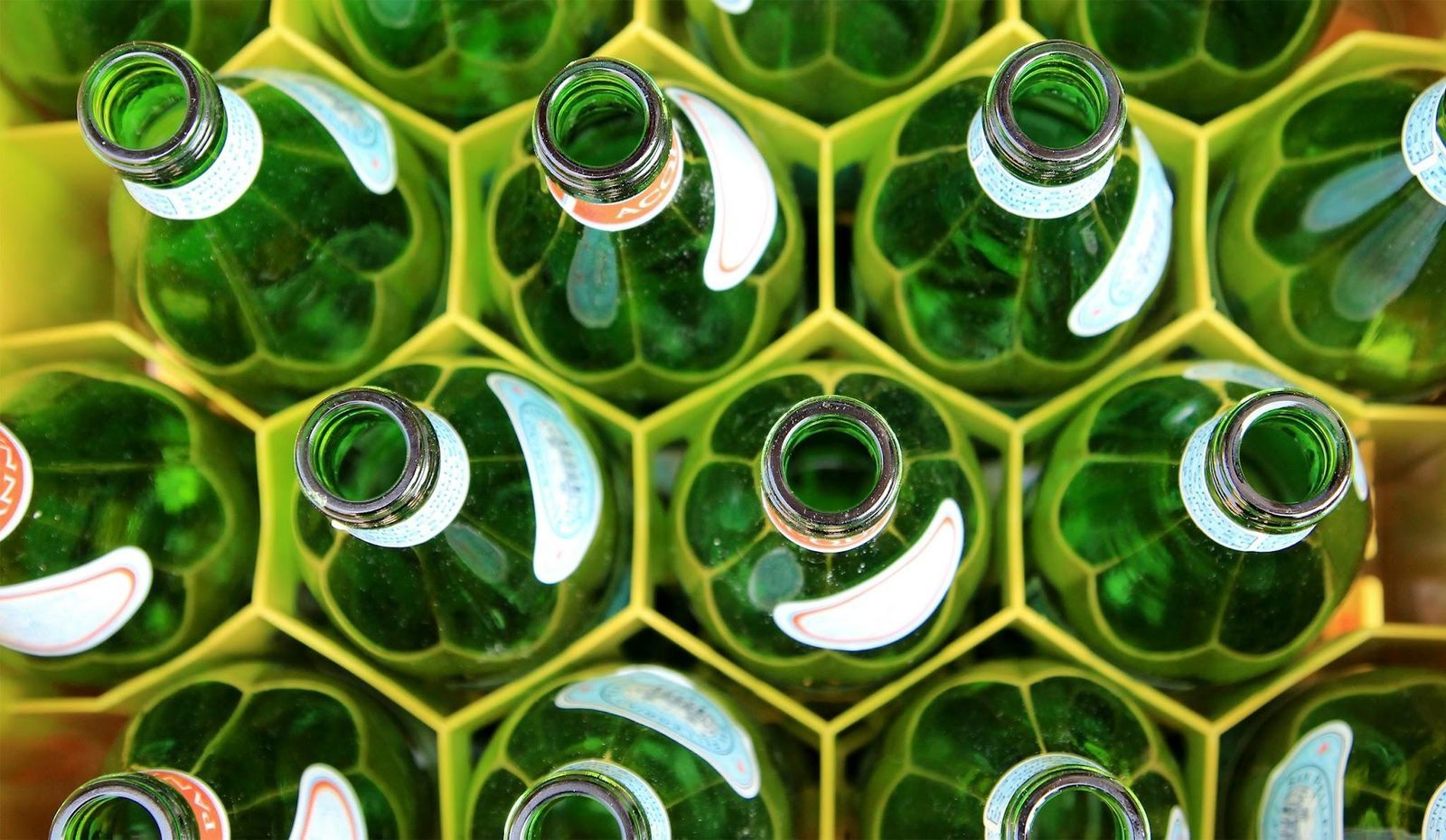
Collecting glass bottles for some cents back

Image: Lacey Williams

Long before recycling bins appeared on every curb, kids learned about value through bottle returns. Soda and milk bottles carried deposits, and children would collect empties from their own homes or even from neighbors to trade for a few coins at local stores.

It was a first taste of earning money independently, although it often funded candy purchases or comic books.

11
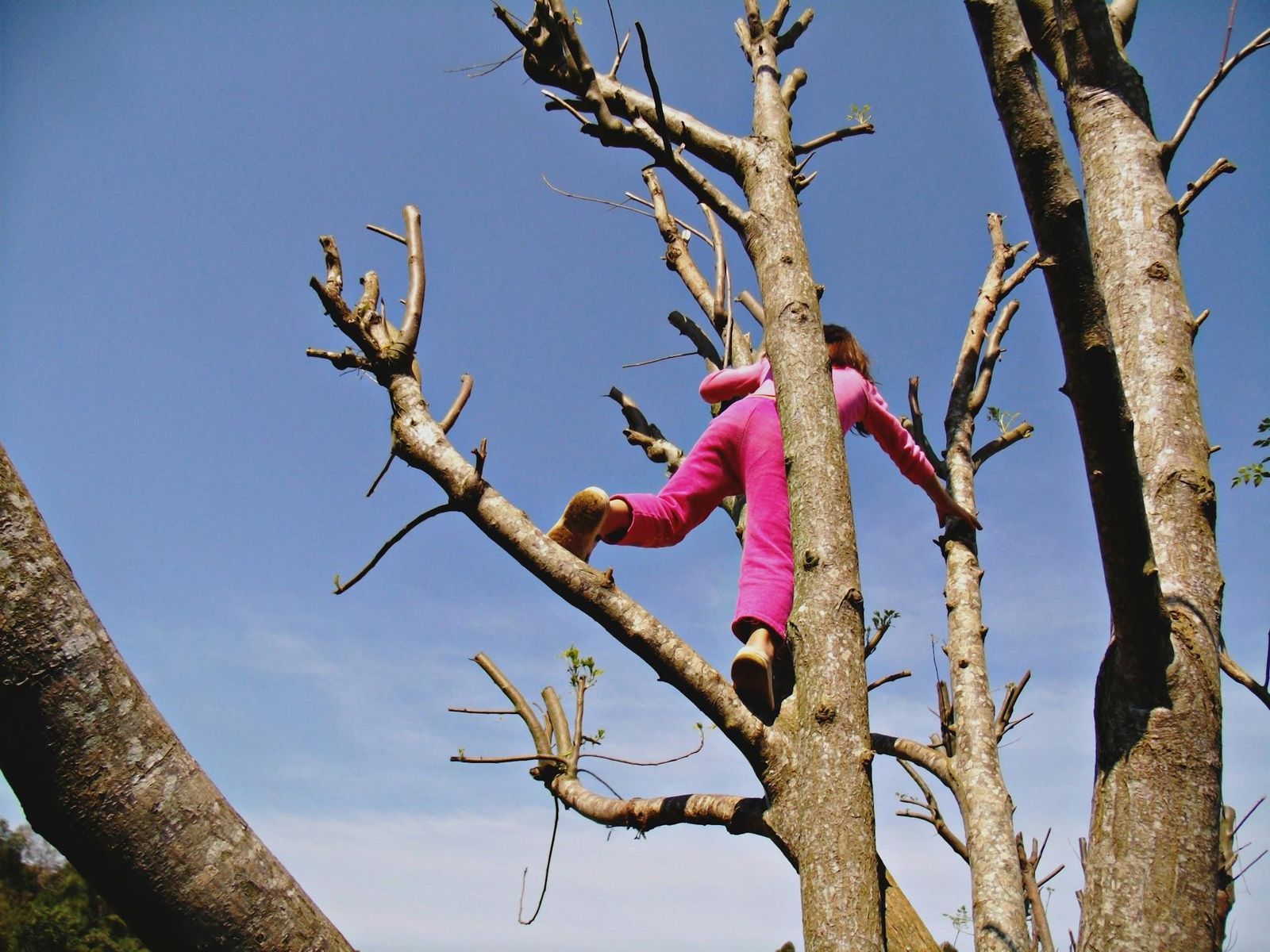
Climbing trees or rooftops, unsupervised

Image: Victória Kubiaki

When you are a kid, climbing a tree is decidedly an adventure. There was a time when this was considered a universal childhood activity in America, even encouraged as a playful challenge, since mid-century parenting often embraced manageable risk.

But current safety standards and greater awareness of injury risks have dramatically reduced these kinds of unsupervised play environments.

12
Casually hanging out in abandoned buildings

Image: Ljubica

Another tempting area for children happened to be empty lots, half-built structures, and abandoned buildings . It was difficult to keep out curious and brave kids. This pastime is not entirely eradicated today, although it seems to be teenagers or young adults who engage in it.

13
Riding in cars without seatbelts

Image: Anton Luzhkovsky

For decades, families piled into cars without buckling up, simply because seatbelts weren’t standard equipment. Although basic seatbelt designs existed earlier, widespread adoption didn’t begin until the late 1950s and 1960s.

Even then, many Americans resisted using them, seeing belts as unnecessary or uncomfortable . Laws requiring seatbelt use didn’t become common until the 1980s and beyond, meaning generations of kids grew up riding freely in the back seat.

14
Playing in flooded streets after a storm

Image: Ayla Meinberg

Children once treated flooded streets like temporary playgrounds. Heavy rain expanded the available activities for a suburban child. They could splash barefoot through puddles or float makeshift boats down rushing gutters.

Over time, public health campaigns highlighted dangers such as contaminated runoff, hidden debris, electrical hazards, and traffic risks. Enough to scare modern parents!

Geography Geography 6 min read

Gotham secrets revealed

Start spreadin' the news: 10 fun facts about New York City

Image: Roberto Vivancos

Welcome to New York, a city as bustling as it is fascinating. From towering skyscrapers and breathtaking parks to delicious food and riveting culture, New York City boasts such a rich history that it would be impossible to capture its essence in just one article. Therefore, this time around, we have selected 10 curious facts about the Big Apple that you may not know about. Join us!

1
New York’s many names…

Image: ian dooley

Did you know that New York has had several names throughout its history? The first documented European visit to New York Harbor was in 1524 by Giovanni da Verrazzano, an Italian explorer who claimed the area for France and named it Nouvelle Angoulême (New Angoulême), after the French city located on the banks of the Charente River.

Almost a century later, English explorer Henry Hudson rediscovered New York and claimed it for the Dutch East India Company, who christened Manhattan Island as Nieuw Amsterdam (New Amsterdam). In 1664, due to the war between The Netherlands and the United Kingdom, the British took over the area and renamed it New York , as a tribute to King Charles II's brother, James, Duke of York.

2
…and nicknames

Image: Artem Zhukov

In addition to its various official names, New York City has earned a good number of nicknames over the years. For example, Canvas Town, The Empire City, The City of Churches, Second City of the World, The Melting Pot, The City that Never Sleeps, The Center of the Universe, The City So Nice They Named It Twice, The Five Boroughs, and Metropolis, among many others.

But perhaps the most iconic New York City monikers are Gotham —coined by writer Washington Irving in 1807— and, of course, The Big Apple . In May 1921, sportswriter John Joseph Fitz Gerald of the New York Morning Telegraph first used The Big Apple in a feature on horse racing. As he later explained, that was the way New Orleans grooms' referred to New York City. Later, in the 1970s, an advertising campaign revived the nickname, and the rest is history.

3
National capital

Image: Cornelius Tiebout, artist and engraver of the original; this copy engraved by Hatch & Smillie and printed by J. &. G. Neale., Public domain, via Wikimedia Commons

Given its cultural, political, and financial richness, it's curious that New York is not the capital of the United States. However, although it was only for five years, at one point in history it became a reality. Between January 11, 1785, and August 12, 1790, The Empire City served as the last capital under the Articles of Confederation and the first capital under the U.S. Constitution .

While the capital resided in New York, the representatives of Congress met in Federal Hall, a building located close to the current site of the Wall Street Stock Exchange. In fact, this is where George Washington was sworn in as president in 1789. However, a year later the Residence Act established the temporary seat of government in Philadelphia until the construction of the new capital, Washington, DC, was completed. Congress met for the first time in its new and current location on November 17, 1800.

4
Linguistically diverse

Image: Dan Gold

Did you know that New York is one of the most linguistically diverse places in the world? It’s like a modern-day Tower of Babel, which is no surprise given its nickname, The Melting Pot . It is estimated that up to 700 different languages are currently spoken in New York, many of them endangered. For example, in Queens, there is a small community that speaks Tagalog, the language on which Filipino is based. In the Bronx, on the other hand, several families still speak Laotian at home.

Alongside these lesser-known dialects, other more widespread languages such as Spanish, Chinese, Arabic, Hebrew, Russian, and Italian, are spoken daily by communities that migrated to New York from their native countries. And that today, after several generations, still have a relevant representation in the most cosmopolitan city on the planet.

5
First pizza

Image: Jon Tyson

Not surprisingly, the first pizzeria in the United States is located in New York. The Italian immigrants who arrived in the city at the end of the 19th century brought with them their language, customs, and of course, their delicious food. One of these immigrants, Gennaro Lombardi, used leftover dough from the bread he sold in his Little Italy grocery store to make "tomato pies," following his Neapolitan family's recipe.

This pizza was so successful that in 1905, Lombardi converted his store into a pizza place. Little by little, he adapted his pizza to American ingredients and tastes, and lo and behold in a short time he had created what we now know as New York-style pizza. Lombardi's Pizza, today one of the most legendary pizzerias in New York, is the oldest in the United States. Be sure to grab a slice next time you visit The Big Apple — you won’t regret it!

6
Golden city

Image: Zlaťáky.cz

A city of firsts and mosts, New York is also home to the world's largest known depository of monetary gold. Buried 80 feet below street level, on the bedrock of Manhattan Island, hides an incredible treasure. Established in 1924, the vault of the main building of the Federal Reserve Bank of New York, located in the Financial District, stores more gold than The United States Bullion Depository, better known as Fort Knox.

As of 2024, it houses approximately 507,000 gold bars. This reserve is enclosed in a 140-ton steel-and-concrete frame protected by a state-of-the-art security system. About 98% of the gold belongs to foreign governments, while the rest is owned by the U.S. government and other financial institutions, such as the International Monetary Fund.

7
Unique ZIP codes

Image: William Wachter

Apart from being home to major companies, the most photographed building in the world, and getting struck by lightning about 25 times a year, the Empire State Building is also notable for having its own ZIP code: 10118.

Although located in South Midtown, the building is so large that the U.S. Postal Service needed to assign it a unique zone improvement plan—ZIP for short—to handle its high volume of mail more accurately and efficiently. To be fair, other buildings in New York also have their own ZIP codes , including 30 Rockefeller Plaza, the Chrysler Building, The Pavilion, Park Avenue Plaza, and the Pennsylvania Building, among others.

8
Birding paradise

Image: Laila Zouaki

New York has something for everyone, but wildlife? Who would have thought! When it comes to fauna, New York is much more than just rats, squirrels, and cockroaches. In fact, this concrete jungle has had animals at its heart since the beginning: two beavers adorn the official city seal. But not many New Yorkers know that Central Park is one of the nation's top spots for bird-watching.

The city is located at a concentration point on the Atlantic Flyway bird migration route, making it possible to observe birds year-round. In 1886, the park's first official bird census counted 121 species. Since then, 282 have been observed, including cuckoos, warblers, sparrows, owls, gulls, and Peregrine Falcons, among many others. Some of the best places in Central Park for birding are North Woods, The Ramble, Hallett Nature Sanctuary, and The Pond.

9
Times Square

Image: graphicsdays1989

The busiest street in the Big Apple owes its current name to a newspaper . Formed by the junction of Broadway, Seventh Avenue, and 42nd Street, this area is now a spectacle of lights, screens, neon signs, theaters, and hordes of people. However, it was once the center of New York's horse carriage industry. For this reason, in the late 19th century it was known as Longacre Square.

In the early 20th century, The New York Times moved its offices to a skyscraper on 42nd Street. A new subway station soon followed and the area was given the name we know it by today, Times Square. Although the newspaper moved out a few years later, that building is still famous for the Times Square Ball drop on its roof every New Year's Eve.

10
Film mecca

Image: Marta Wave

Declared a National Historic Landmark, Central Park is a staple of New York City. It’s no wonder that this area, in addition to its natural beauty, is a world cultural icon. Central Park is, in fact, the most-filmed location in the world , having been featured in movies as far back as 1908.

With silver screen classics like An Affair to Remember or Breakfast at Tiffany's and modern films including Home Alone and The Avengers , more than 300 productions have chosen this 843-acre park in the heart of the bustling city to film some of the most iconic scenes in movie history. Have you ever spotted Central Park in a film or TV show? Now you won't stop seeing it everywhere!

Explore more American facts

Choose your favorite category!

General
General

As American as apple pie—the very best America has to offer!

Culture
Culture

Delve into the astounding richness of American lore.

Geography
Geography

Hop in and explore vast and diverse American landscapes.

History
History

Discover the key moments that shaped the United States.