History History 4 min read

Where did they go?

You won’t believe what Matt LeBlanc is doing today: 12 vanished stars
Image: Gugu Curado

It happens more often than you might think: stars who once lit up the big screen seem to disappear overnight. Yes, some make surprise returns—but others don’t. From Bridget Fonda’s graceful retreat to Rick Moranis’s heartfelt hiatus, let’s look at 12 once-famous stars who traded red carpets for real life.

1
Rick Moranis
Image: Erik Mclean

Rick Moranis, one of the biggest comedy stars of the ’80s and ’90s, left Hollywood to focus on raising his children after his wife passed away.

His decision to leave the spotlight has been widely discussed—a rare choice in an industry where few walk away at the peak of their careers. He has since done a few voice roles, and fans are thrilled about reports of his long-awaited return in Spaceballs II.

2
Macaulay Culkin

Image: Kira Cherkavskaya

Macaulay Culkin rose to global fame as a child star, but the pressure and family troubles made that success a heavy burden. Since the ’90s, he has acted occasionally but has largely stayed out of the spotlight.

In recent years, he’s also performed with a pizza-themed Velvet Underground parody band called The Pizza Underground .

3
Emilio Estevez

Image: Taylor Brandon

While his brother, Charlie Sheen, has often been in the limelight—for better or worse—Emilio Estevez has largely stepped away from it. A core member of the Brat Pack in the ’80s, he’s best known for playing Billy the Kid in Young Guns .

In the last few years, Emilio has focused more on directing and independent projects.

4
Lou Ferrigno

Image: Limor Zellermayer

Lou Ferrigno rose to fame in the late ’70s and ’80s as the Hulk, bringing the comic book character to life with his massive frame.

Despite his TV success, he never achieved the same big-screen fame as his bodybuilding rival, Arnold Schwarzenegger. Born with significant hearing loss —**about 80%**—Ferrigno faced challenges in both acting and studio opportunities, though he remained active in bodybuilding, guest appearances, and voice work.

5
Mara Wilson

Image: Lia Den

Mara Wilson, known for ’90s classics like Matilda and Mrs. Doubtfire , was a familiar face throughout her childhood. In 2012, she explained her decision to leave acting , calling it "no longer fun," the fame "ridiculous," and auditions "brutal and dehumanizing.

And you can read about her experiences in her book Where Am I Now?

6
Sarah Michelle Gellar

Image: Igam Ogam

Sarah Michelle Gellar rose to fame in ’90s teen hits and earned a devoted fan base with Buffy the Vampire Slayer. After starring in Scooby-Doo and marrying her co-star Freddie Prinze Jr., she gradually stepped back from acting , taking on fewer roles over the years.

But those loyal fans will be happy to know she’s set to slay a few more vampires soon with the return of Buffy .

7
Neve Campbell

Image: Jakob Owens

Neve Campbell was a major star in the ’90s and early 2000s, thanks to Party of Five and the Scream films. Her face quickly became instantly recognizable.

Despite her success, she chose a different path. After four Scream movies, she stepped away from the franchise in 2022, citing a salary dispute. But fear not, Scream VII will have her back.

8
Mike Myers

Image: Илья Мельниченко

Mike Myers hasn’t officially retired, but he has slowed his Hollywood career considerably. He rose to fame with Wayne’s World and became iconic for playing multiple roles in the Austin Powers films. Since The Love Guru , he’s kept a lower profile , making only occasional appearances in movies like Inglourious Basterds and Bohemian Rhapsody.

9
Meg Ryan

Image: The Paris Photographer

Meg Ryan ruled ’90s romantic comedies with hits like When Harry Met Sally and You’ve Got Mail before gradually stepping back from the spotlight . Media scrutiny of her personal life played a major role in her retreat.

She hasn’t left the industry entirely—Ryan has shifted to directing and now takes on only select roles, focusing on indie projects that genuinely interest her.

10
Matt LeBlanc

Image: Mahrous Houses

Matt LeBlanc will always be remembered as Joey Tribbiani —a role that’s been hard to shake despite his later efforts. He earned critical praise for his performance in Episodes, but hasn’t reached the same level of post- Friends success as his co-star Jennifer Aniston.

These days, he stays far away from the limelight and has decided to take it easy for as long as he wants to.

11
Liv Tyler

Image: D A V I D S O N L U N A

Liv Tyler shone as Arwen in The Lord of the Rings , proving she was much more than just Steven Tyler’s daughter. While she didn’t achieve the same level of critical acclaim as some of her co-stars, she has maintained a steady career, including a standout role in the Emmy-nominated series The Leftovers .

12
Bridget Fonda

Image: René Ranisch

Bridget Fonda, part of the legendary Fonda family, began acting at a young age, appearing in Easy Rider at just five years old.

After graduating from NYU, she quickly built a successful film career and seemed destined for Hollywood longevity. But in 2002, she retired unexpectedly and has remained off-screen ever since.
General General 3 min read

Open your wallet

Loose change and dollar secrets: Fun facts about US currency

Image: Viacheslav Bublyk

You use money every single day, but you might be surprised after learning some details about it! From presidents facing the "wrong" way to secret symbols hiding in plain sight, U.S. coins and bills are packed with quirky details and curious history. Whether you're flipping a penny or eyeing a $100 bill, there’s more going on than meets the wallet. Let’s dig into some of the strangest, sneakiest, and most surprising facts about American currency.

1
The $2 bill is real and still legal

Image: Alicia Razuri

Yep, that mysterious $2 bill featuring Thomas Jefferson isn’t a collector’s fantasy. It’s still produced today (though rarely), and the reverse shows the Signing of the Declaration of Independence. People tend to save them, thinking they’re rare, but you can spend them just like any other bill.

2
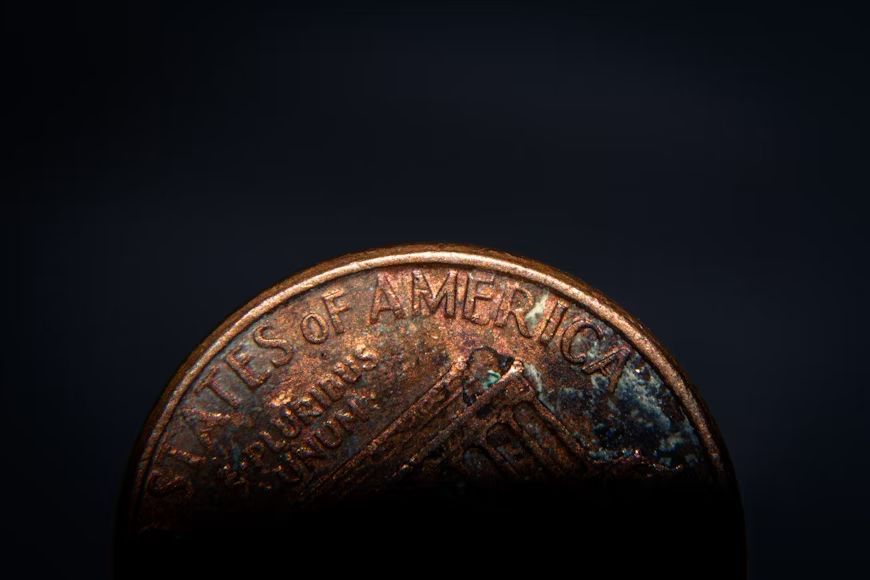
The penny used to be made of pure copper

Image: Adam Nir

During WWII, copper was needed for ammo, so in 1943, pennies were made from steel and coated in zinc. They looked silver and rusted easily, some even stuck to magnets! Today, most pennies are actually 97.5% zinc with just a thin copper coating.

3
George Washington didn’t appear on the first $1 bill.

Image: Jonathan Borba

The very first $1 bill (from 1862) featured Salmon P. Chase, the Secretary of the Treasury at the time. Washington didn't show up until 1869, and Chase had a not-so-humble role in placing his own face there.

4
There’s a tiny owl hidden on the $1 bill

Image: rc.xyz NFT gallery

Take a magnifying glass to the upper-right corner of the "1" on a dollar bill. Some people swear there’s a tiny owl or spider hidden in the pattern, said to symbolize wisdom or surveillance. Officially, it's just part of the ornate design, but still a fun little mystery!

5
The $100,000 bill actually existed

Image: Dmytro Glazunov

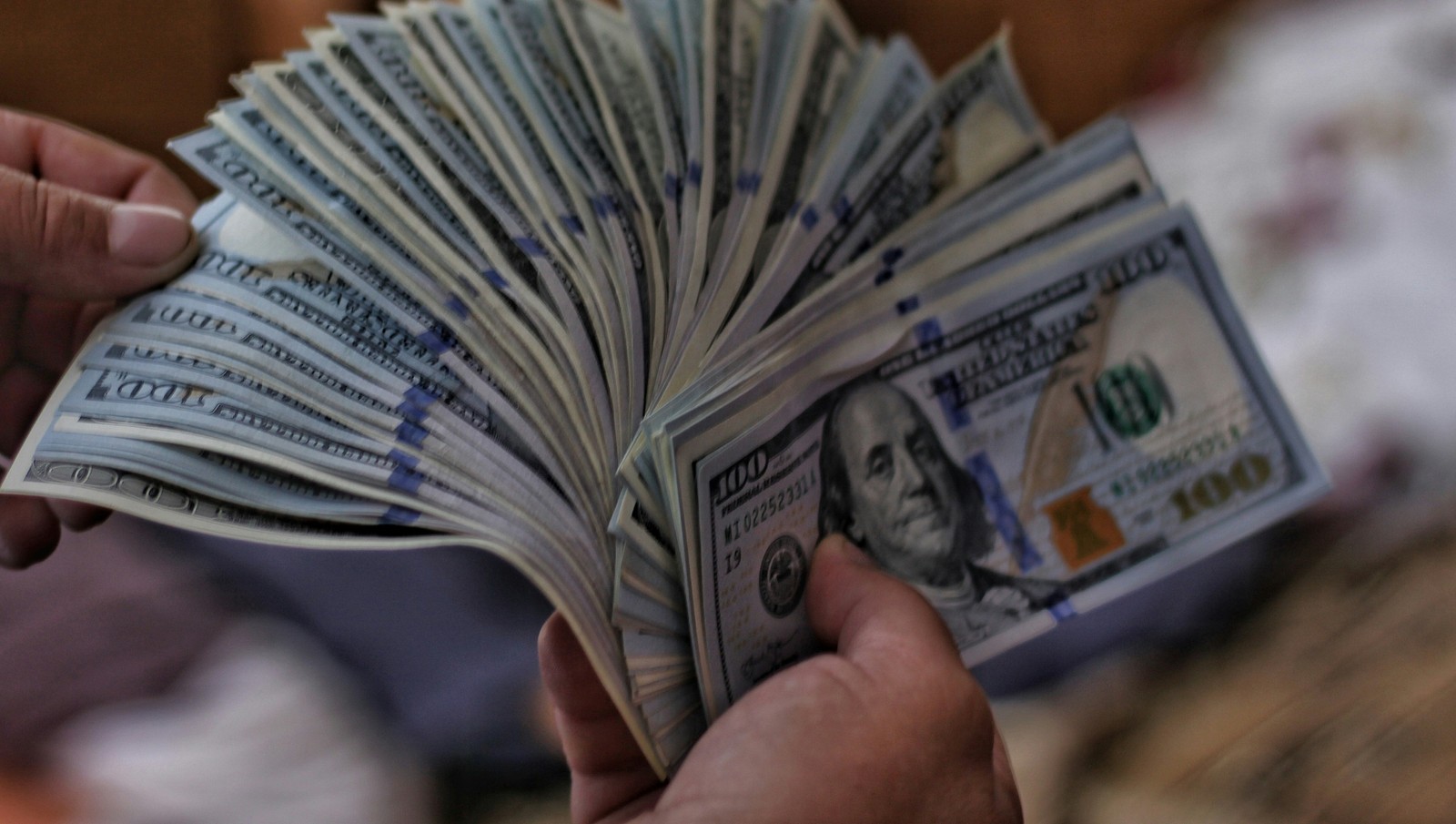
No, you can’t use it at Target. Printed in 1934 and featuring Woodrow Wilson, this gold certificate was used only for transactions between Federal Reserve Banks. It was never meant for public use, and owning one today is illegal!

6
Lincoln faces the other way for a reason

Image: JustStartInvesting

On most bills, presidents face to the right. But on the penny, Lincoln faces left. One theory is that the designer used a portrait that happened to face left, but it also makes Lincoln the only president looking "inward" when coins are lined up in value order.

7
"In God We Trust" wasn’t always on our money

Image: Jonathan Borba

That phrase didn’t become mandatory on U.S. currency until 1955 during the Cold War. It first appeared on coins in 1864, but the push to include it everywhere came as a nod to America’s spiritual identity in contrast to atheistic communism.

8
Coins last way longer than bills

Image: Barry A

Your average dollar bill survives about 6.6 years in circulation. Coins? They can keep going for 30 years or more! That’s why coins are still a budget-friendly way for the government to make money — and we mean that literally!

9
The buildings on the back aren’t random

Image: Ryan Quintal

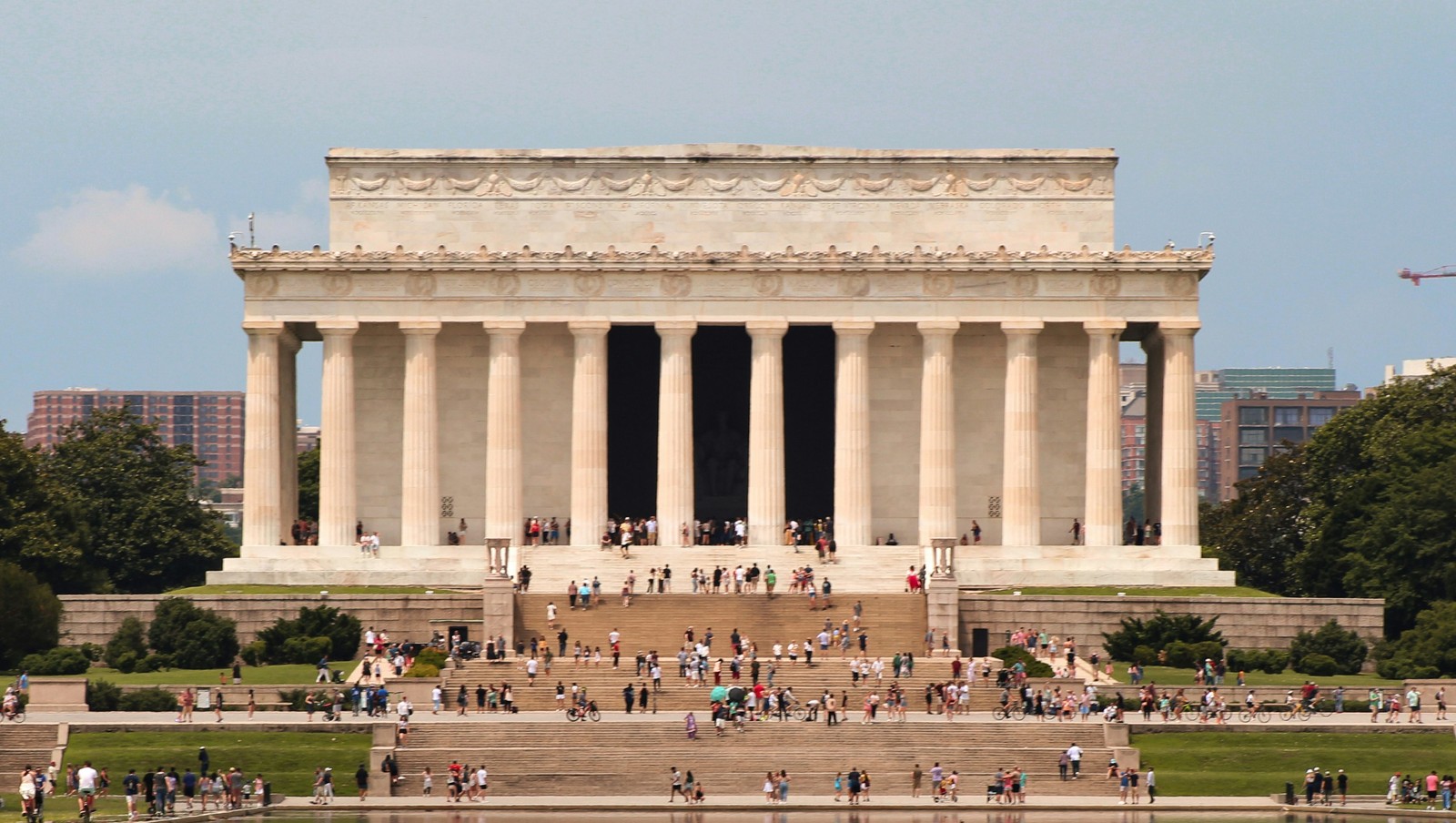
Each bill’s reverse side typically features a building related to the person on the front. For instance, the Lincoln Memorial is on the back of the $5 bill (with Lincoln on the front), and the White House appears behind Andrew Jackson on the $20 bill. The choice of course had to do with government history itself! Which building do you think is missing?

10
There are secret codes on every bill

Image: Andrew Dawes

Look closely and you’ll spot tiny letters and numbers that identify which printing plate was used and where the bill was made. Ever see a tiny "F6" on a $1? That means it was printed in Atlanta, Georgia.

11
A dollar is technically made of cloth

Image: Live Richer

Despite calling it "paper money," U.S. bills are actually made of 75% cotton and 25% linen. That’s why they feel so distinct, and don’t shred like regular paper when they get wet (though they still don’t love laundry day).

Geography Geography 2 min read

Back to the roots

10 great American trees that shaped our history—and you never knew

Image: Art Institute of Chicago

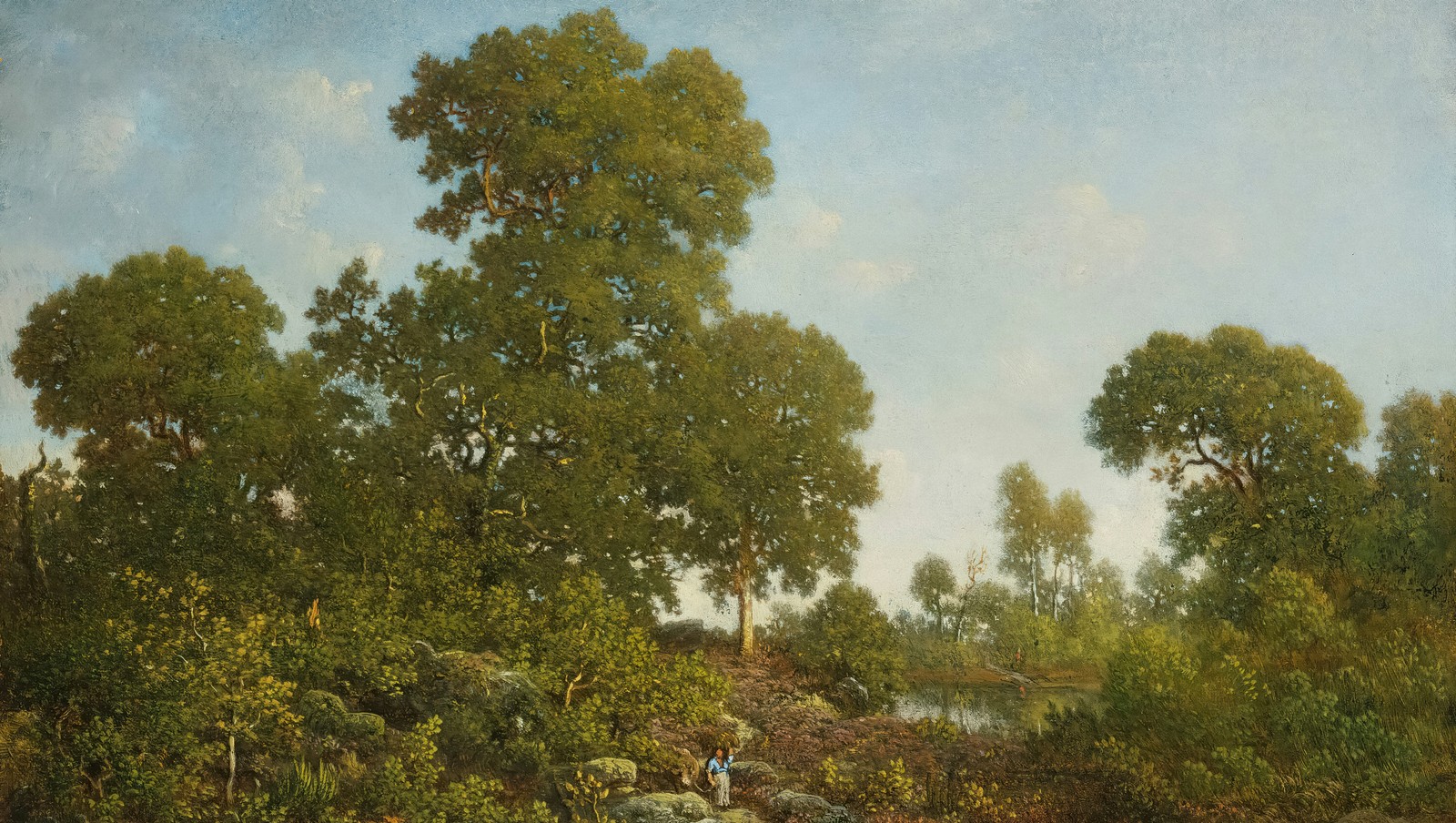
From towering forests to city streets, American trees have shaped culture, commerce, and the environment. Many provided food, medicine, and building materials, while others played a role in history. This list explores 10 iconic American trees and the surprising ways they’ve been used, preserved, and celebrated.

1
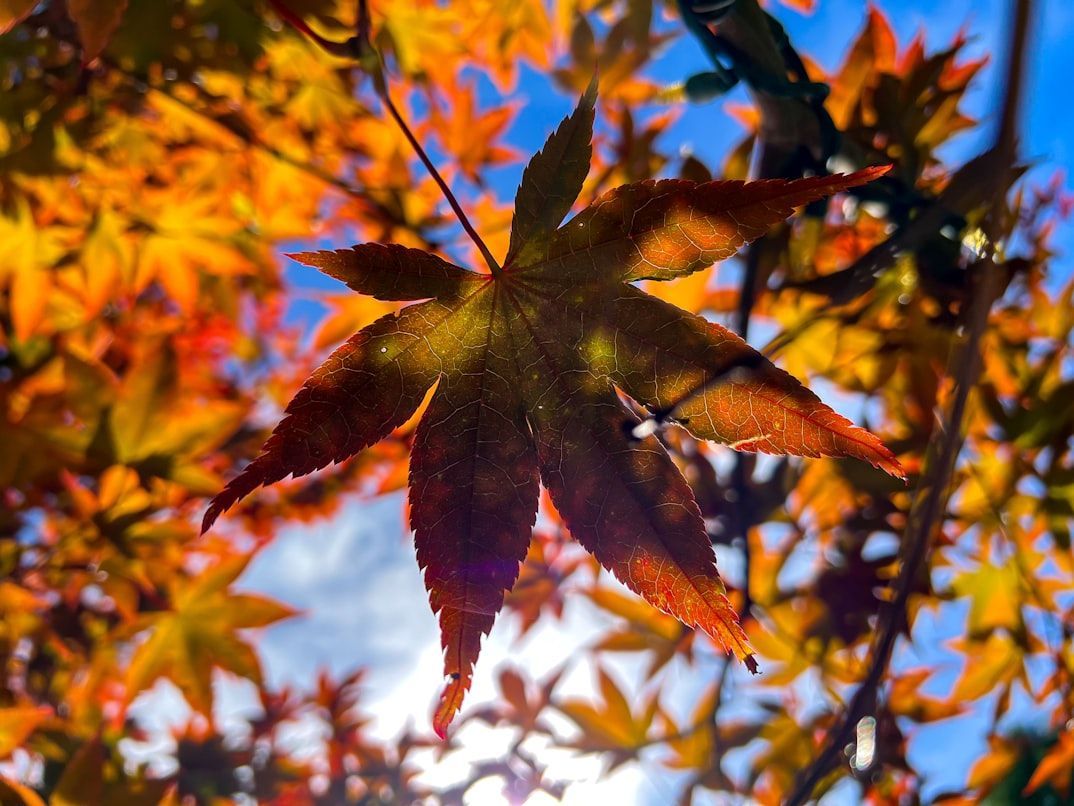
Sugar Maple (Acer saccharum)

Image: GraceHues Photography

The sugar maple produces the sap that becomes maple syrup, a North American staple. Its hardwood is also prized for furniture and flooring.

Native to the northeastern U.S. and Canada, sugar maples support both culinary traditions and forestry industries. They can live for over 200 years and are crucial to fall foliage tourism.

2
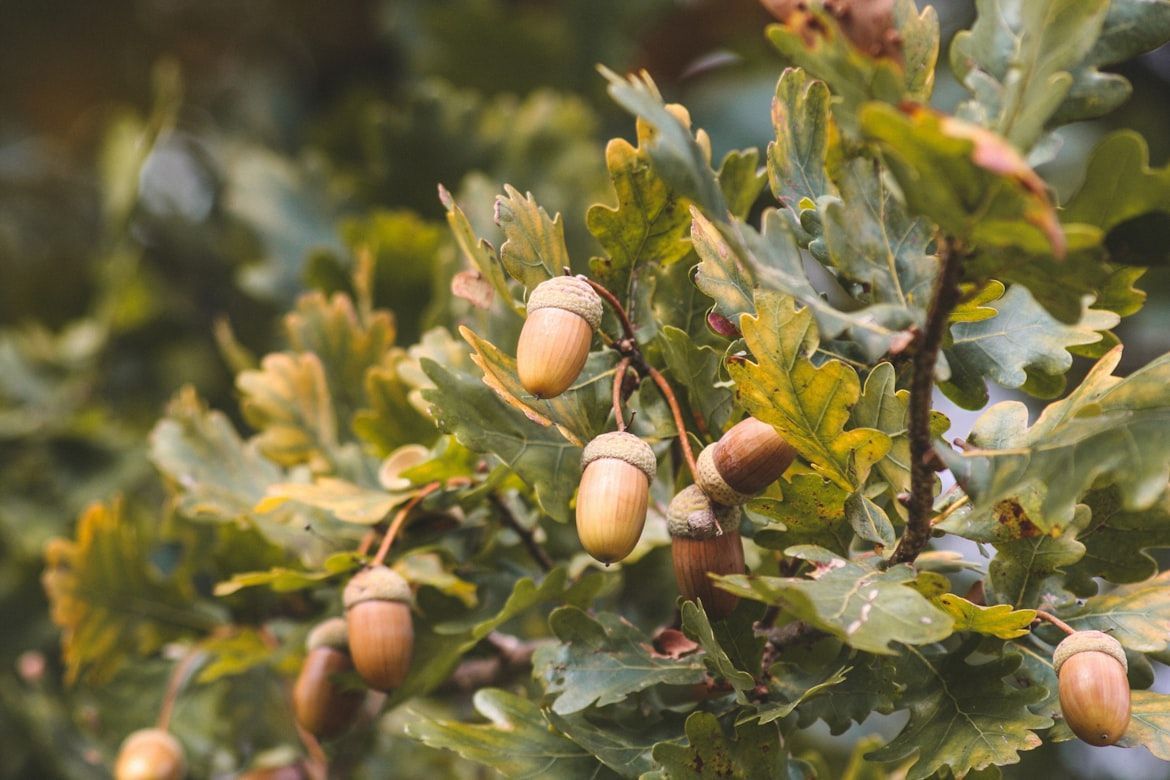
White Oak (Quercus alba)

Image: Tina Xinia

White oak wood is valued for barrels, furniture, and flooring due to its strength and natural rot resistance.

Historically, it was used in shipbuilding during colonial times. White oak forests also support diverse wildlife, and their acorns feed deer, squirrels, and birds.

3
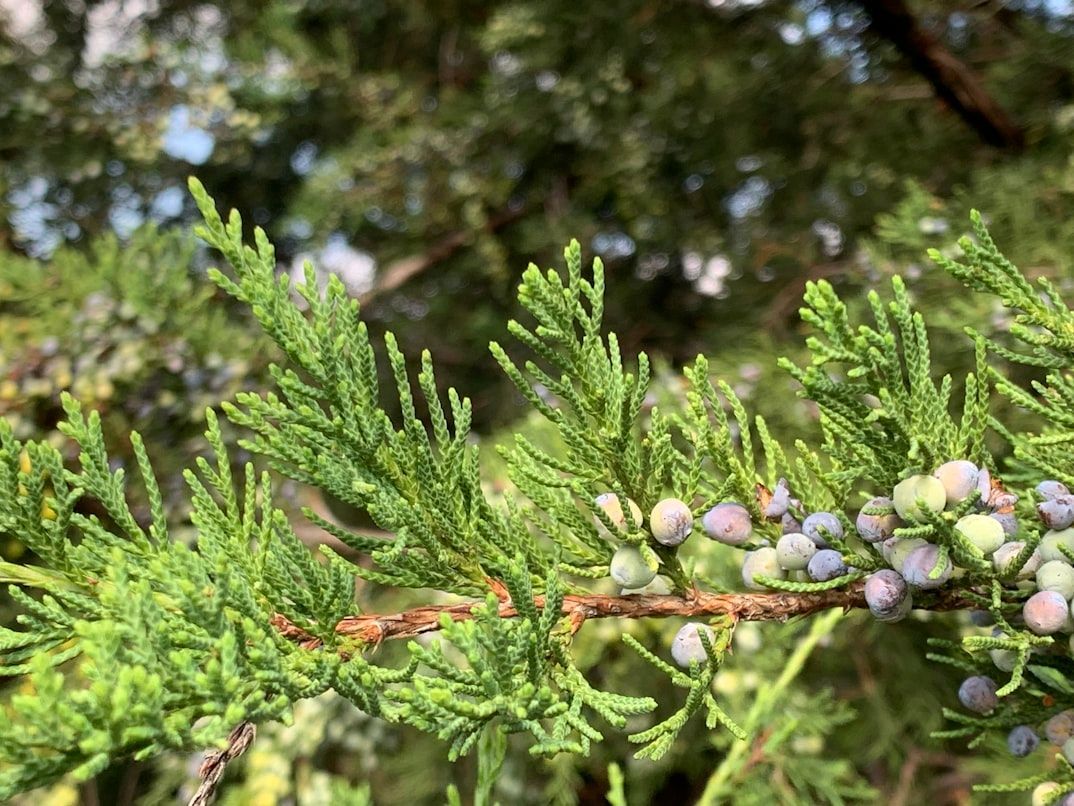
Eastern Red Cedar (Juniperus virginiana)

Image: Aimee Summers

This tree’s wood is aromatic and naturally repels moths, making it a good choice for closets and storage chests.

Red cedar oil was also used in medicine by Native Americans. Its dense wood has been extensively used for fence posts and small-scale construction.

4
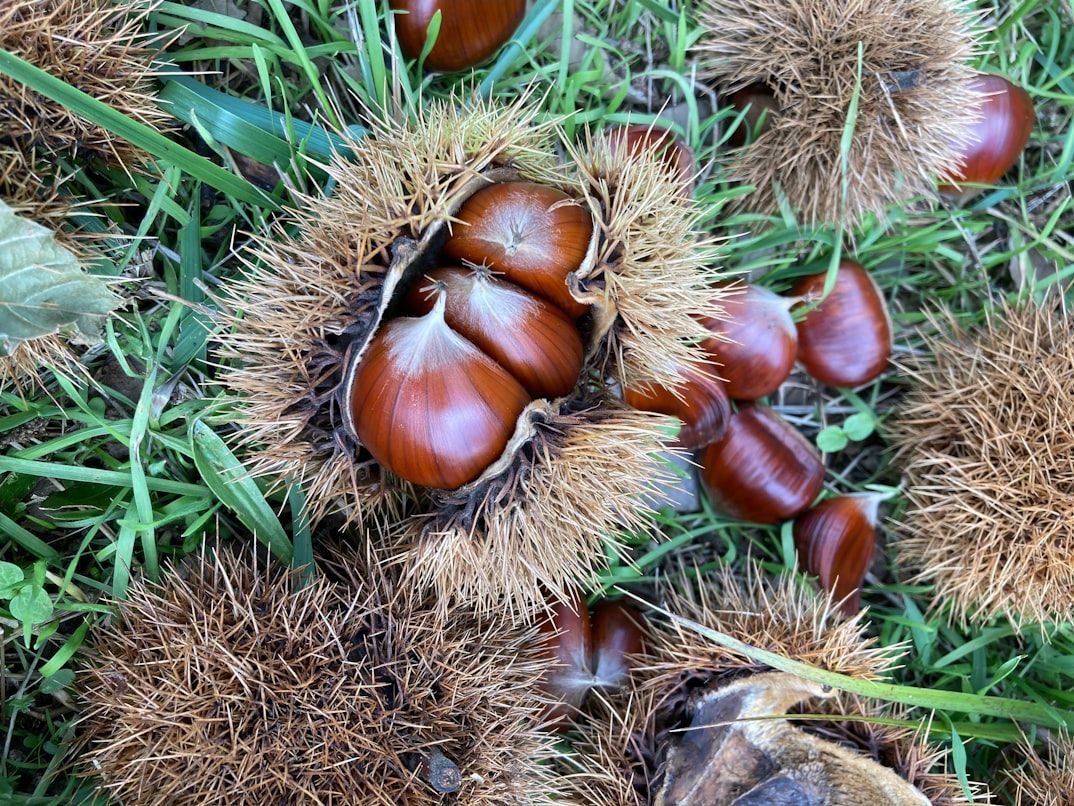
American Chestnut (Castanea dentata)

Image: Marta Reis

Once dominant in eastern forests, the American chestnut was devastated by blight in the early 20th century.

Its wood was lightweight yet strong, ideal for furniture and building. The nuts were a staple food for wildlife and humans alike. Breeding programs now aim to restore it.

5
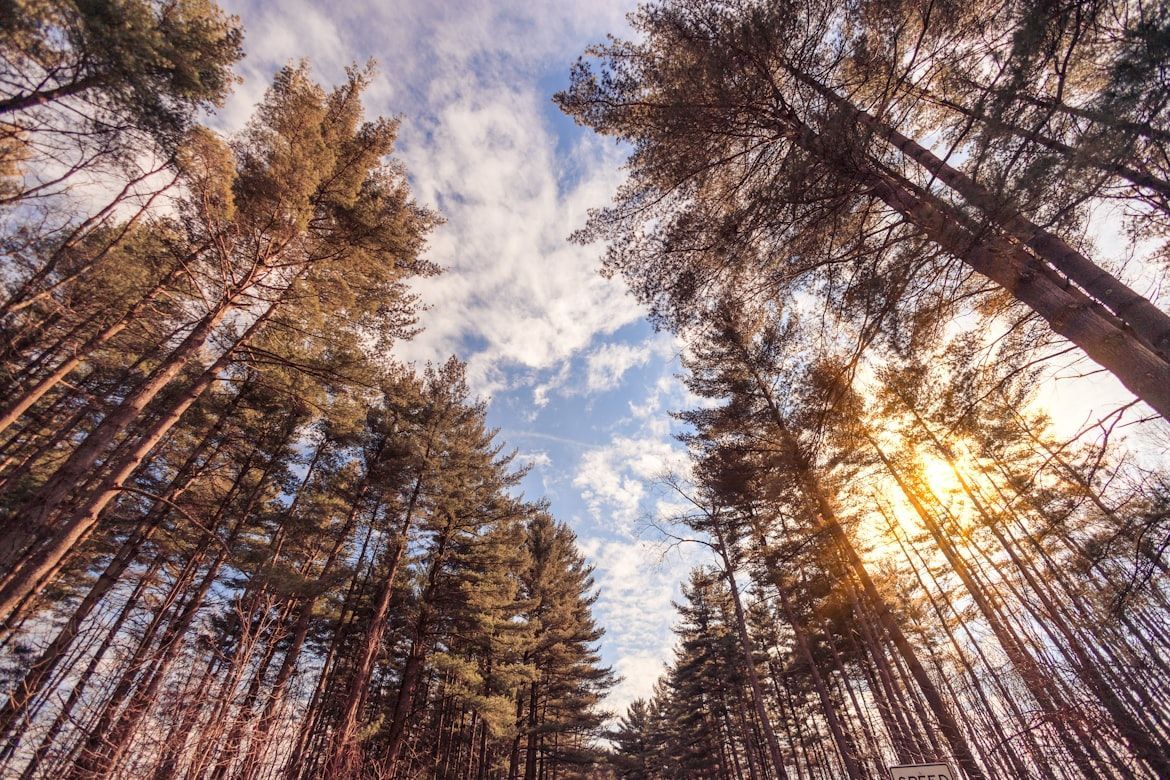
Ponderosa Pine (Pinus ponderosa)

Image: benjamin lehman

Ponderosa pines dominate the western U.S. and are a major timber source.

Their wood is used for construction, paper, and fuel. Native Americans also used the bark and resin for medicinal purposes and ceremonial practices.

6
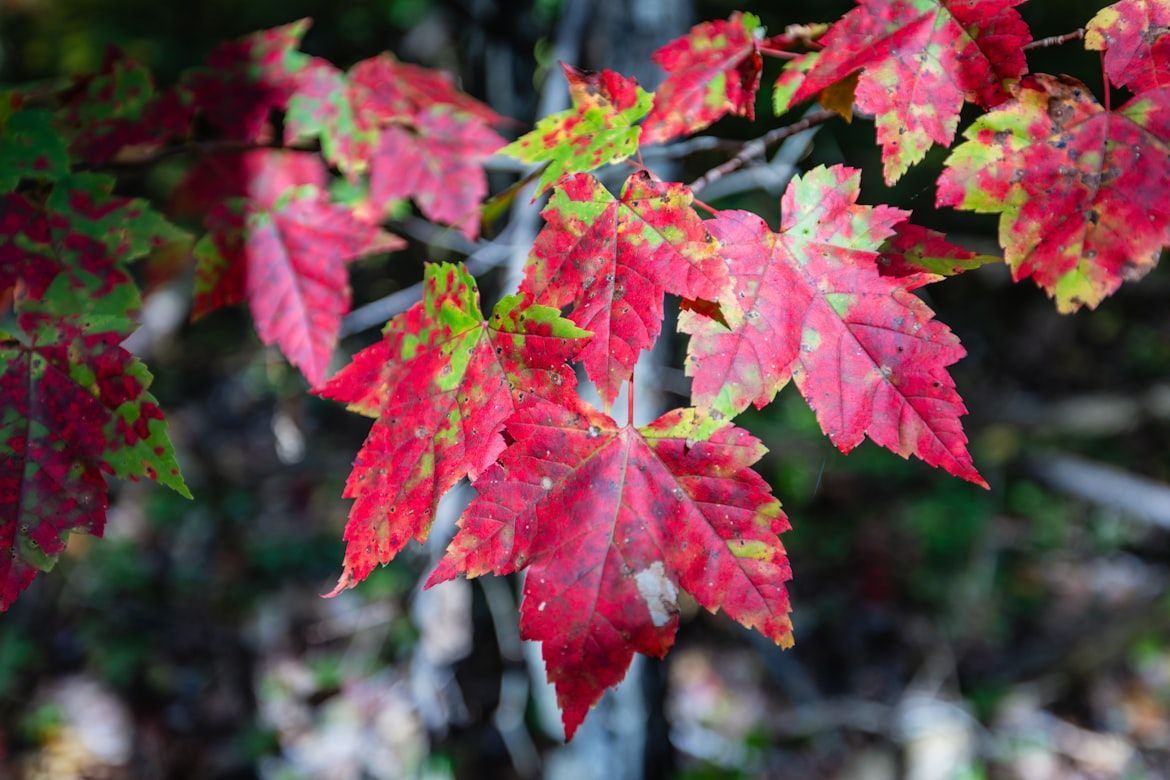
Red Maple (Acer rubrum)

Image: Edmond Lau

Red maples are adaptable trees that provide timber and spectacular fall colors.

Like the sugar maple, their sap can also produce syrup, and the wood is used in furniture and flooring. The species thrives in wetlands, supporting a wide range of ecological diversity.

7
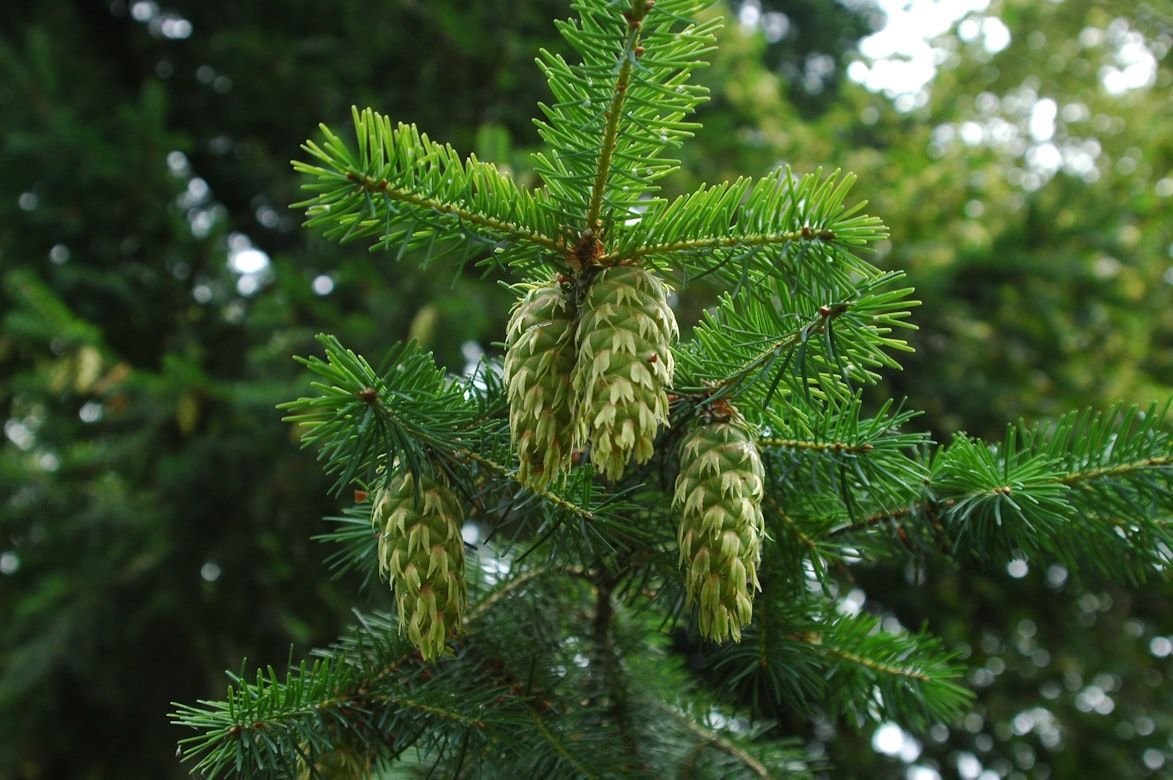
Douglas Fir (Pseudotsuga menziesii)

Image: Ulrike R. Donohue

A key timber species, the noble Douglas fir is used for construction, plywood, and paper.

It’s also one of the most popular Christmas trees. Native Americans used the bark and needles for medicinal purposes.

8
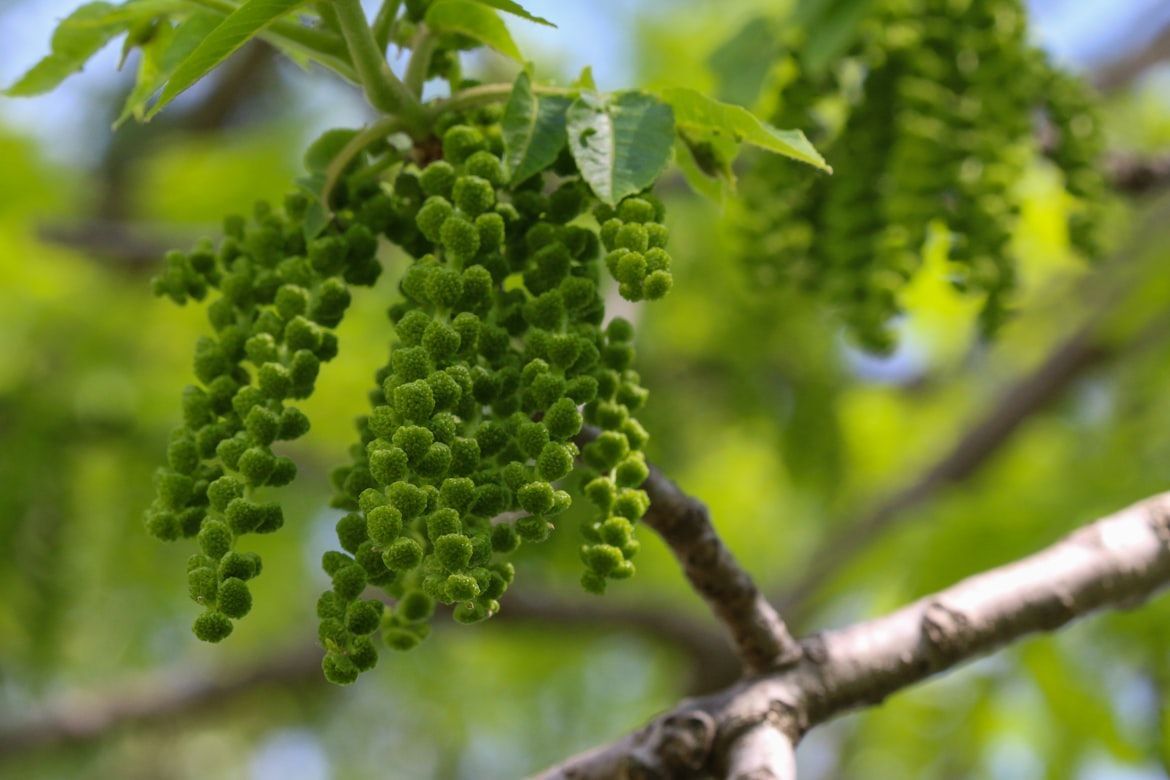
Black Walnut (Juglans nigra)

Image: Ross Domke

Black walnut produces edible nuts and dark, durable wood for furniture and gunstocks.

Its wood is highly prized by woodworkers for fine cabinetry. The nuts support wildlife, while the husks can be used for natural dye.

9
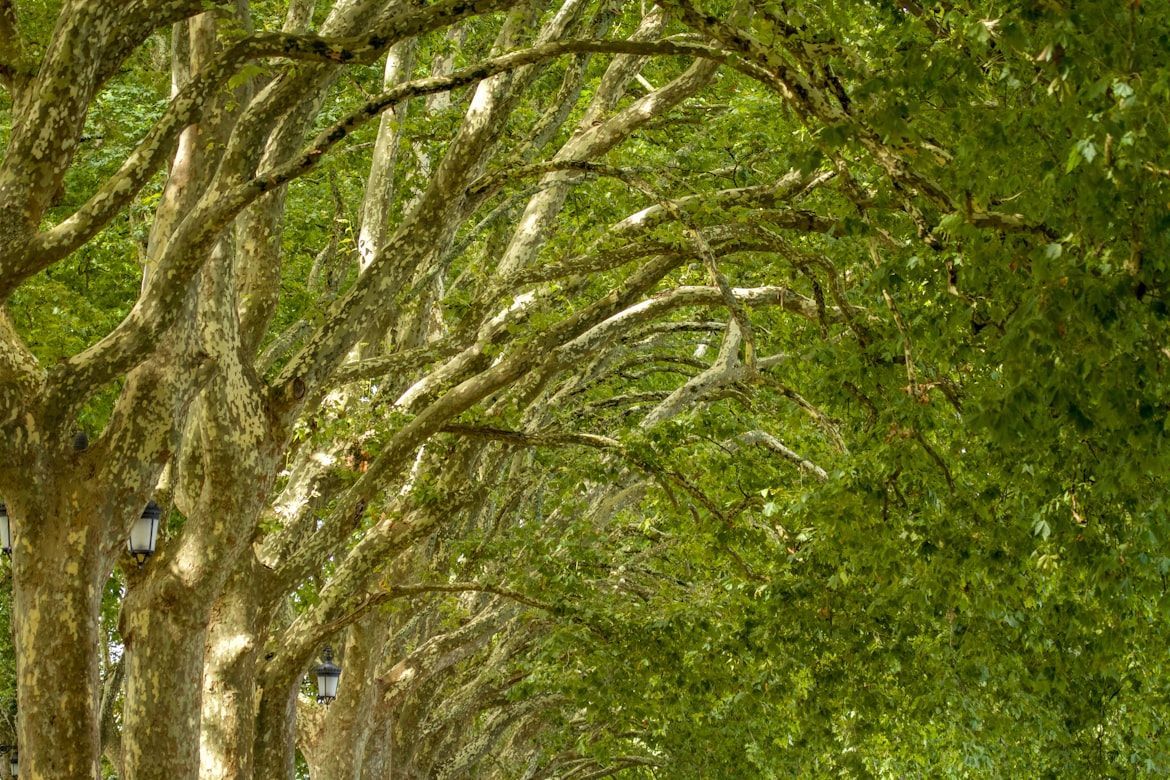
American sycamore (Platanus occidentalis)

Image: Heather Wilde

American sycamores are found along rivers and lakes, stabilizing soil and preventing erosion.

Their large, patchy bark makes them visually distinctive. Historically, their wood was used for butcher blocks, furniture, and veneers.

10
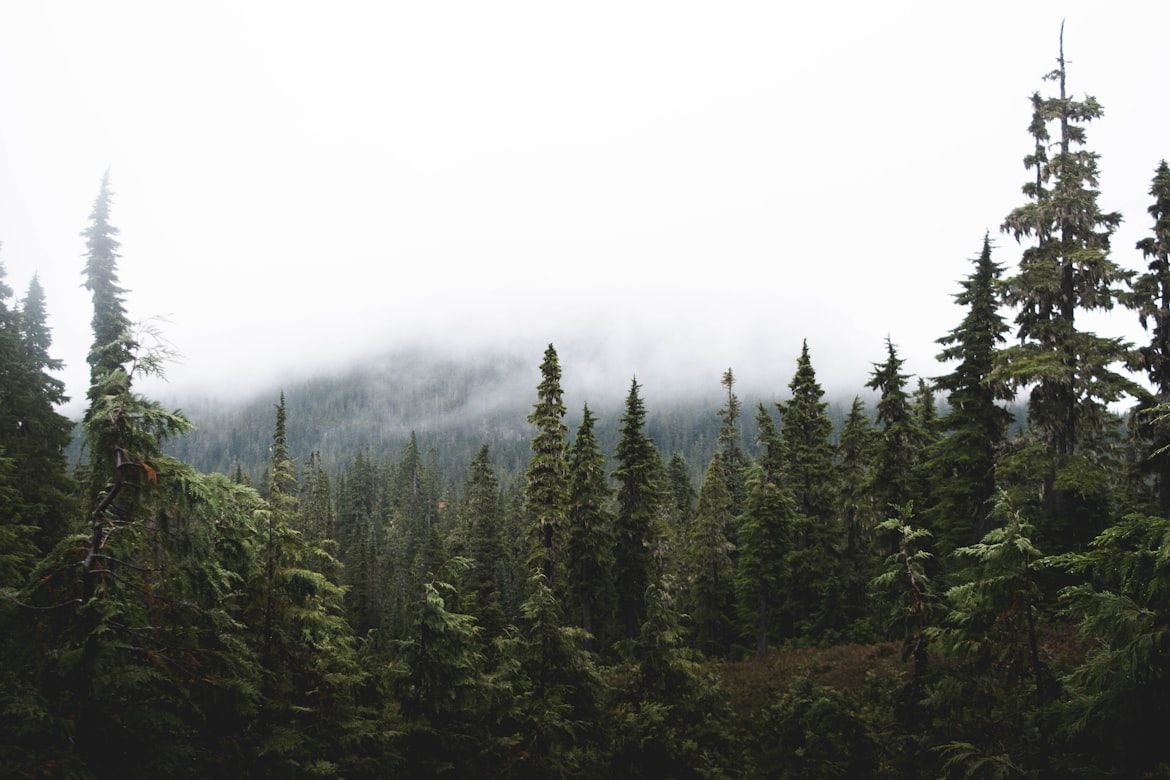
White Spruce (Picea glauca)

Image: Joel Cross

White spruce supports timber, paper, and pulp industries in northern forests.

Its wood is lightweight yet strong, ideal for construction and musical instruments. Spruce forests are also critical habitats for migratory birds and wildlife.

Explore more American facts

Choose your favorite category!

General
General

As American as apple pie—the very best America has to offer!

Culture
Culture

Delve into the astounding richness of American lore.

Geography
Geography

Hop in and explore vast and diverse American landscapes.

History
History

Discover the key moments that shaped the United States.