History History 4 min read

Western stories

Debunking myths and truths about the California Gold Rush
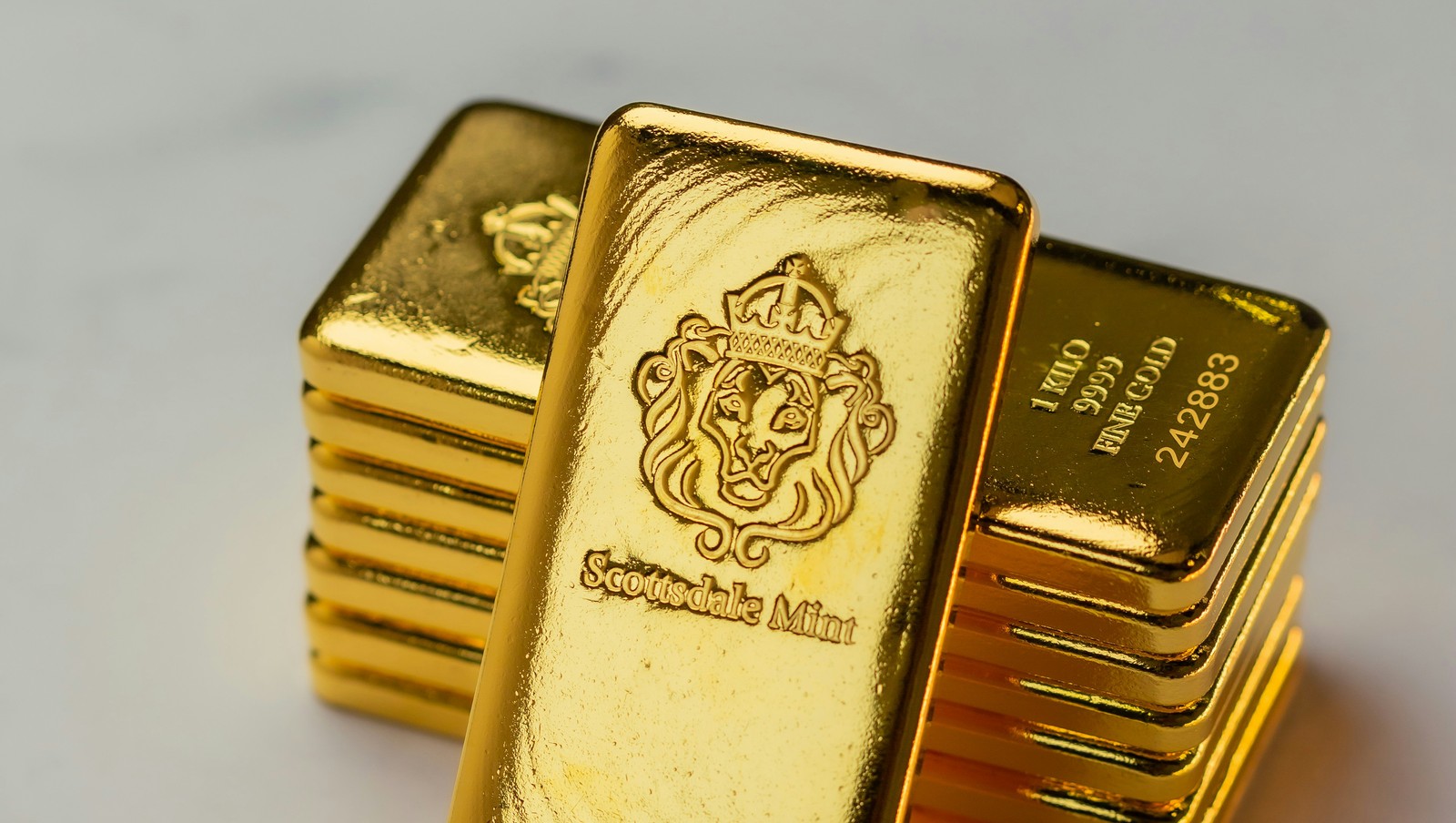
Image: Scottsdale Mint

Were the 49ers pioneering winners? Who made the most money over there, in the West? Who wrote the best accounts of lifestyle and stories about the gold fever? If the answers to these questions are a mystery to you, you might enjoy these lesser-known stories about the California Gold Rush!

1
Gold Rush myths bubbled up immediately
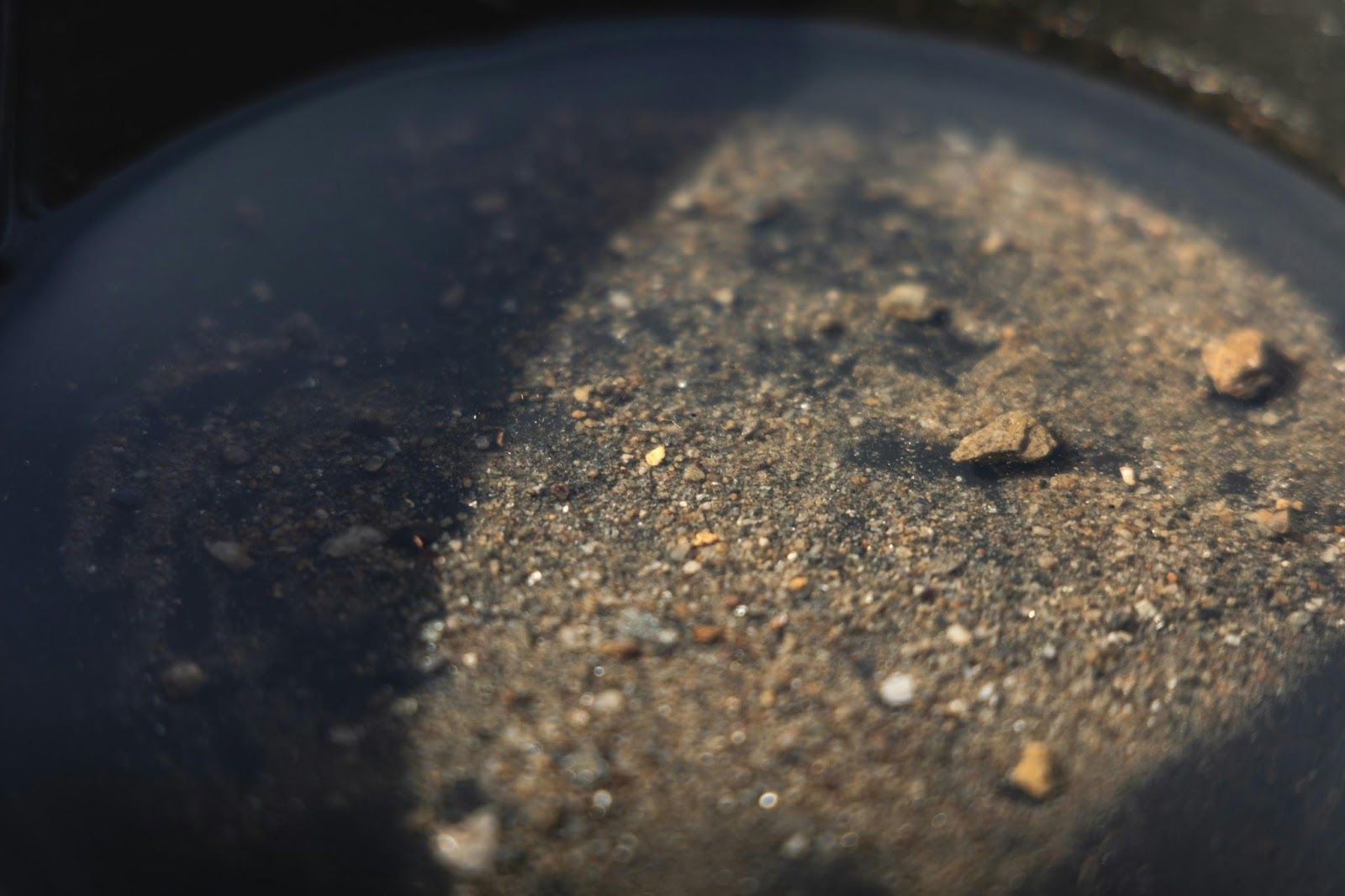
Image: Tomáš Malík

It didn’t take long for the truth to get buried. As soon as gold was discovered, the stories started to shimmer. Tales of instant wealth, golden boulders, and rivers gleaming with nuggets.

Letters home were often exaggerated, and newspapers sensationalized every find. These myths fueled the frenzy and caused proverbial FOMO all over the world. People wanted to see it for themselves.

2
The best Western business wasn’t in fact gold
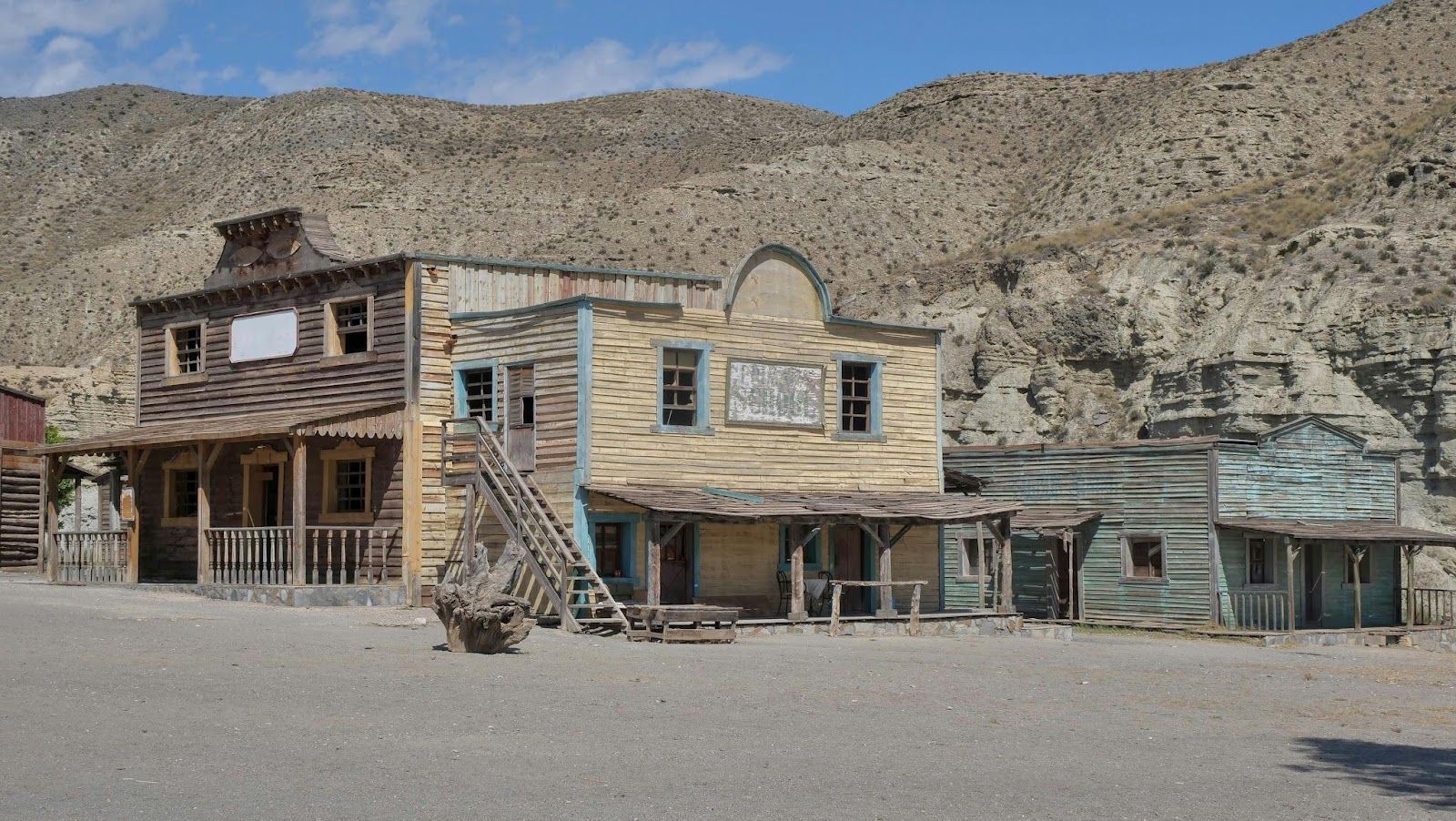
Image: Stefan Münz

If you wanted to get rich during the gold rush, you had better chances opening a store than mining. That was the golden rule for smart entrepreneurs like Levi Strauss, who didn’t strike it rich in a streambed, but in a sewing room. Another legend, Samuel Brannan, made a fortune selling picks, pans, and shovels —not gold.

3
The "49ers" were actually latecomers

Image: Emilie

The famed "49ers," the nickname for those swept up in the gold frenzy in 1849, weren’t the first on the scene. There’s a plot twist. Gold was discovered in January 1848 at Sutter’s Mill.

But the news spread slowly . By the time the world caught on, most of the easily accessible gold had already been plucked from riverbeds by locals, soldiers, and early arrivals.

4
Thousands came from China and South America
Image: rc.xyz NFT gallery

The Gold Rush was a global stampede . Tens of thousands of Chinese immigrants crossed the Pacific, some bringing generations of mining knowledge with them. Others came from Chile, Peru, and Mexico, arriving in San Francisco to find opportunity.

5
Women were there not just as camp followers
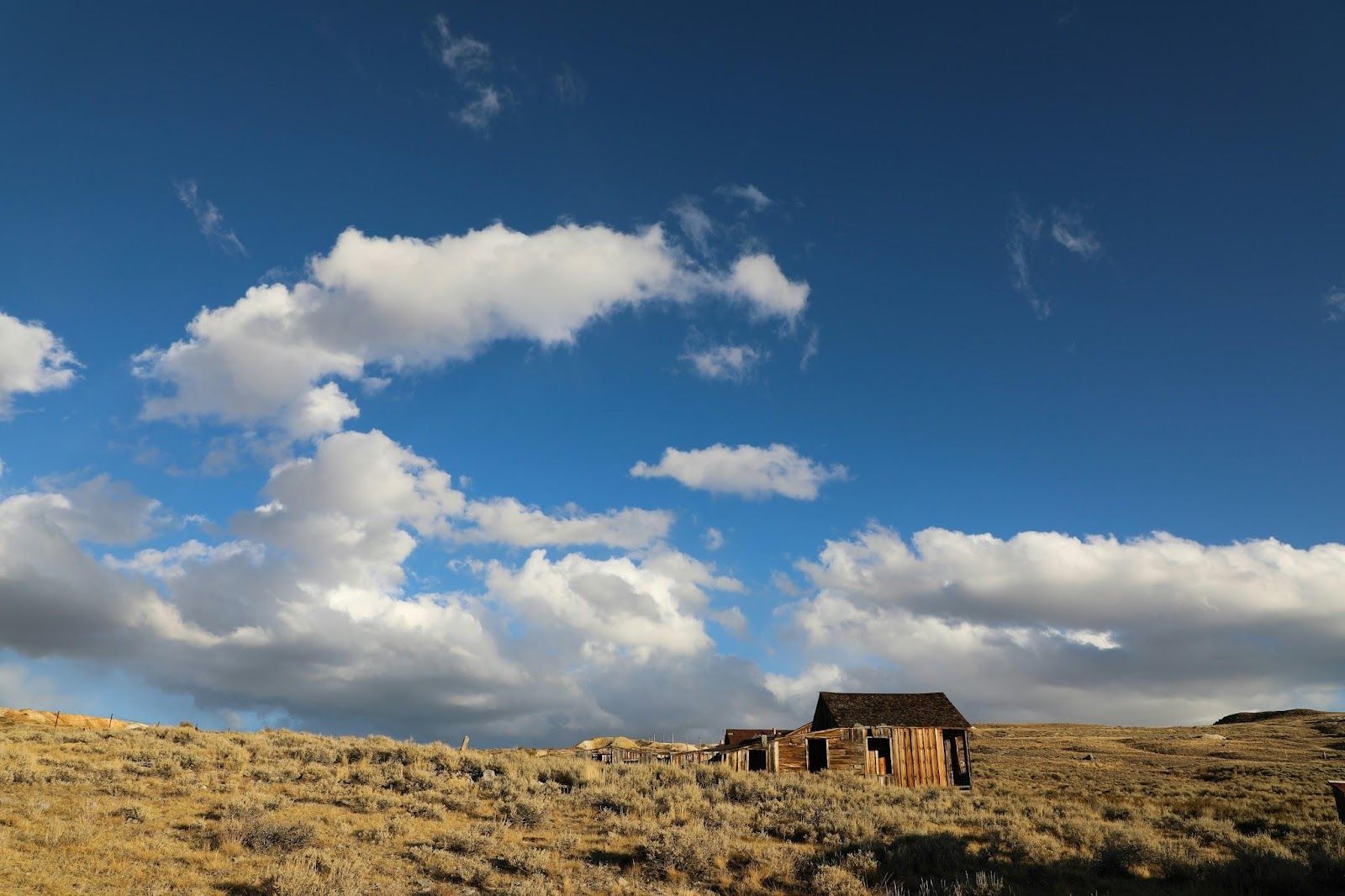
Image: Michael & Diane Weidner

Women were there too, not just as wives, but as businesswomen, cooks, hoteliers, and even miners. Take Luzena Wilson, a widow who hauled her children west and set up a boarding house for miners. Her clean beds and hot meals turned into a booming business.

Others ran laundries, tended bar, or staked their own claims. In a lawless land where survival meant creativity, many women found fortune in hard work.

6
Some came from Hawaii, Russia, and Europe
Image: Trey Hollins

They called them " Argonauts ," a romantic nod to the Greek myth of Jason and his quest for the Golden Fleece. And like the legend, the real Gold Rush was international. Adventurers came not just from the American East, but from as far as Russia’s Pacific coast, the Hawaiian Islands, and every corner of Europe.

7
Gold Rush towns became ghost towns
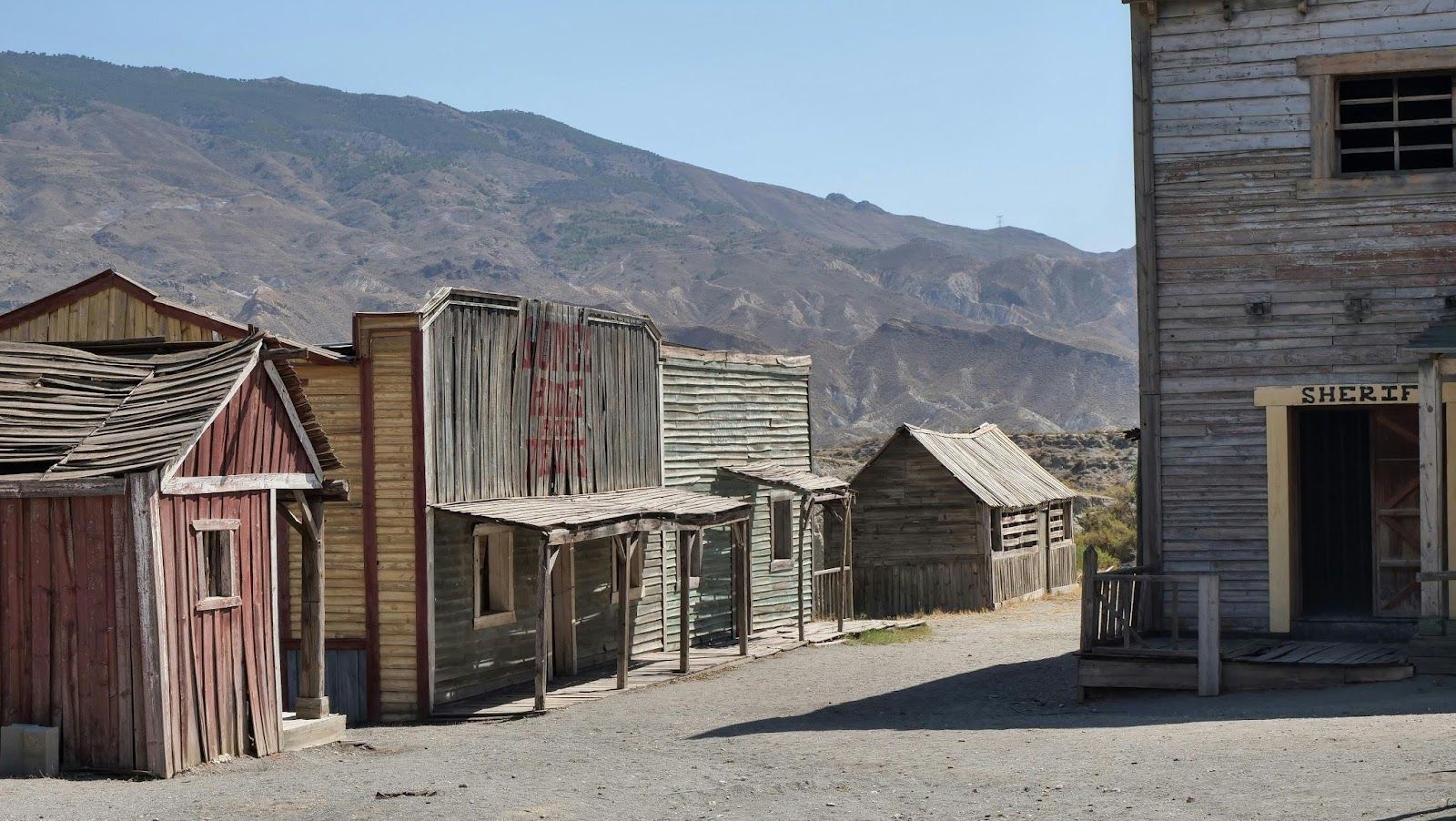
Image: Stefan Münz

Take Bodie, for example. A lawless hotspot where saloons outnumbered schools. At its peak, it had over 10,000 residents. A few decades later, it was all tumbleweeds and creaky wood .

Once the gold ran out, so did the people. Tools were abandoned and whole towns vanished almost overnight, leaving behind eerie remnants.

8
The "Gold Fever" spread worldwide
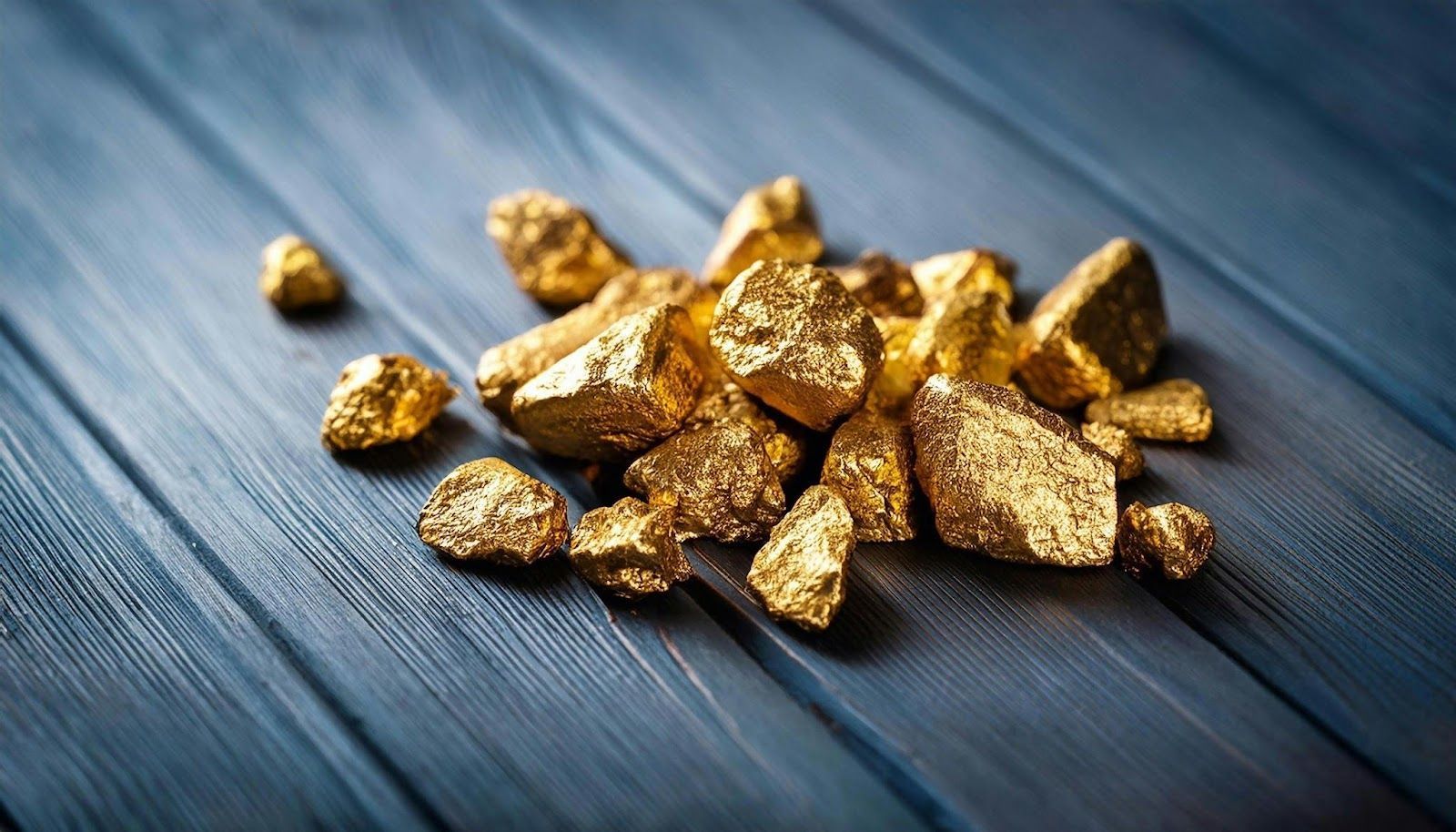
Image: suradeach saetang

Once word of gold reached distant shores, "gold fever" spread around the world . Australia had its own rush by 1851. The Klondike in Canada followed in the 1890s, and South Africa’s rich deposits turned Johannesburg into a boomtown in the 1880s.

Prospectors chased hope, not just gold. Each new report of found gold sparked a fresh migration, with fortune-seekers packing up and heading to the hot spots.

9
Gold mining required team effort

Image: Elena Mozhvilo

Forget the image of the lone prospector whistling by the river . That only worked for a short time.

As surface gold dried up, miners turned to hard labor, which involved blasting rock, diverting rivers, and eventually using powerful water cannons in a process called hydraulic mining. It was expensive. Teams of men pooled resources, hired help, and invested in equipment.

10
Many "Gold Seekers" never even made it to California

Image: James Lee

Getting to California in the 1840s was no stroll through the prairie. Hundreds of the hopefuls who set out never arrived. Some perished on the overland trails due to disease, accidents, or exhaustion.

The sea route around Cape Horn was no solution; it was just longer and colder. Some turned back. Others settled in Oregon or Utah. A few found fortune far from the gold fields.

11
The "Gold Rush" fueled California's statehood
Image: Emre Ayata

In 1848, California was a sleepy outpost with little U.S. oversight. By 1850, it had boomed into a booming, brawling land with more than enough people.

The rush had brought merchants, farmers, lawyers, and politicians. With them came the push for schools, railroads, and laws. California skipped the usual phase of being a U.S. territory and leapfrogged straight into statehood.

12
Women and children wrote some of the best eyewitness accounts
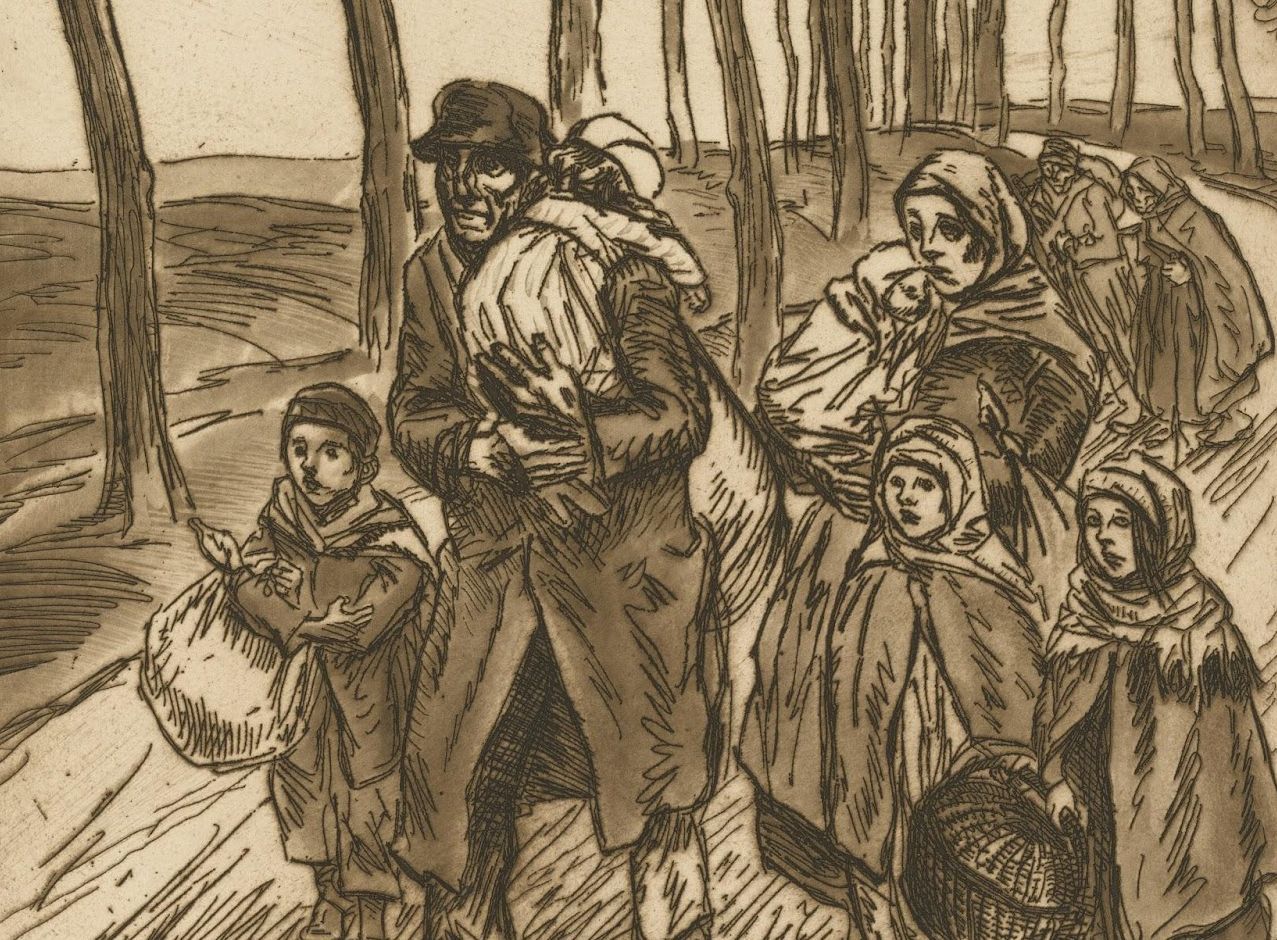
Image: The Cleveland Museum of Art

Some of the most vivid details of this era came from women and children who chronicled the chaos . Their letters and diaries tell of lonely cabins, muddy streets, makeshift schools, and the daily drama of camp life.

Women like Louise Clappe (aka "Dame Shirley") wrote witty, unfiltered dispatches from the Sierra Nevada. Young girls described the thrill of arriving in San Francisco and the terror of crossing the plains.

13
The Gold Rush didn't end in 1850
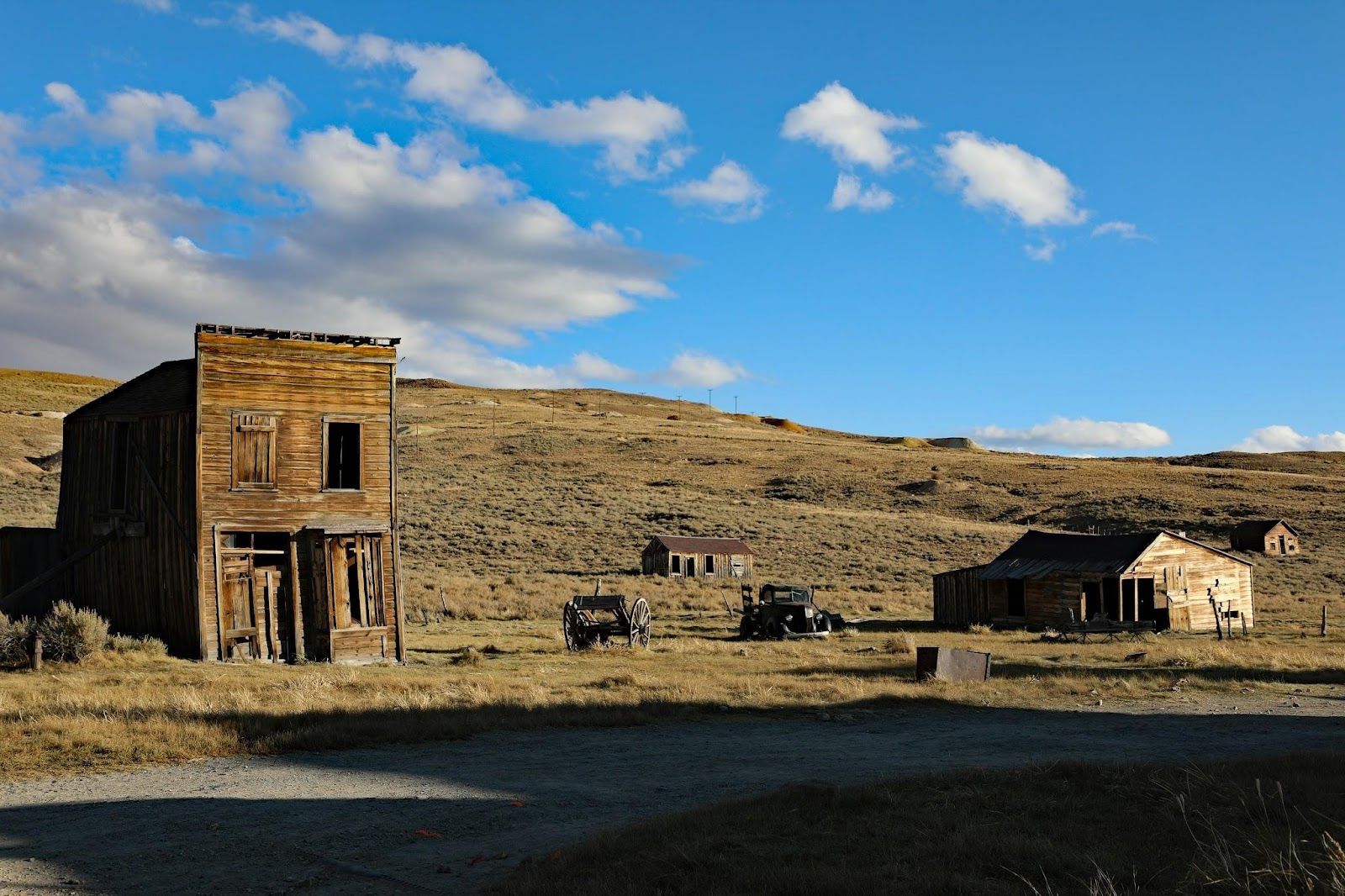
Image: Michael & Diane Weidner

By the time most folks arrived, the easy pickings were gone, and the story was just getting started.

The gold fever didn’t vanish in a year. Prospecting surged well into the 1850s and beyond. Some of the biggest strikes, like Nevada’s Comstock Lode in 1859, came after the main rush was supposedly over. By then, mining had evolved into an industrial enterprise, with machinery, corporations, and deeper digs.

Culture Culture 4 min read

Seudonyms for life

Behind made-up names: Stars who changed their original names and why

Image: Matt Botsford

Much like Bruce Wayne hid behind Batman, many celebrities whose careers we’ve followed through the years bear made-up names . Was it to protect their family names from stardom? Was it to wear the personas as costumes they could hang at the door? Let’s look into fake and real names of well-known icons and see, if known, why they chose to do it.

1
Stevie Wonder

Image: Osman Rana

The musical genius behind hits like "Superstition" and "Isn't She Lovely," Stevie Wonder, was born Stevland Hardaway Judkins.

Blind from infancy, he was a child prodigy, signed to Motown Records at just 11 years old. They decided to rebrand him as "Little Stevie Wonder." Isn’t that how a legend gets made?

2
Muhammad Ali

Image: engin akyurt

"The Greatest," Muhammad Ali, known for his legendary boxing career and his outspoken personality, was born Cassius Clay.

After converting to Islam, he refused to keep his birth name and rebranded himself as Muhammad Ali. He floated like a butterfly, stung like a bee, and certainly wasn't shy about making a statement!

3
Whoopi Goldberg

Image: asim alnamat

The hilarious and outspoken Whoopi Goldberg, known for her roles in films like The Color Purple and Ghost , was called Caryn Elaine Johnson at birth.

If her name reminds you of a Whoopee Cushion, here’s where you learn that that was intentional. Her friends called her that –Whoopi Cushion– and she wanted it to be her stage name, but her mom convinced her to take herself more seriously and use one of her family surnames, Goldberg.

4
Lady Gaga

Image: Hrayr Movsisyan

The queen of pop, Lady Gaga, known for her outrageous fashion style and catchy hits like "Bad Romance" and "Born This Way," was born Stefani Joanne Angelina Germanotta. Elegant, but still a mouthful when you are trying to become the next Madonna.

While designing her legendary persona, she was inspired by the Queen song "Radio Ga Ga," and she stuck with that name. It does fit her theatrical aesthetic much better than Stefani Germanotta, doesn't it?

5
Prince

Image: ROMBO

This one is less of a story than you might imagine —Prince’s first name was, indeed, Prince. The Purple One was born Prince Rogers Nelson, just like his father, a jazz musician who performed under the stage name "Prince Rogers." So, that name was taken.

He rose to fame as simply "Prince," although some remember him as "The Artist Formerly Known as Prince (TAFKAP)," which he established as his name after a dispute with Warner Bros Records.

6
Bob Dylan

Image: Samuel Ramos

The voice of a generation, Bob Dylan, known for his poetic lyrics and iconic songs like "Blowin' in the Wind," was born Robert Allen Zimmerman.

Did he choose the name after Dylan Thomas? No, the musician eventually confessed he’d never read much of the poet. Toying around with his first surname, Allen, Bob had been trying to decide whether to call himself "Bob Allen" or "Bob Allyn," until he realized "Dylan" was, in his words, stronger.

7
Meg Ryan

Image: Kit Suman

America's sweetheart, Meg Ryan, known for her roles in romantic comedies like Sleepless in Seattle and You've Got Mail , was born Margaret Mary Emily Anne Hyra.

When you have such a long name, you have to make some decisions. She first presented herself as "Margaret Hyra", but when registering for the Screen Actors Guild, Margaret became Meg, and her dad’s surname was replaced by the maiden name of her grandma, Ryan.

8
Demi Moore

Image: Bruno Mattos

Actress Demi Moore was born Demetria Gene Guynes. She shortened her first name to Demi when she began her acting career and adopted the surname Moore from her first husband, Freddy Moore.

The Moores eventually separated, but Demi decided to carry the surname on throughout her career.

9
Brad Pitt

Image: Amjith S

Did you know that Brad Pitt might easily have been known as "Bill Pitt"? Or "Willy Pitt"? We surely prefer Brad!

Hollywood’s heartthrob was born William Bradley Pitt. Early in his career, he presented himself with his full name, but eventually, he dropped the "William." He went on to become a multi-awarded and beloved movie star and producer.

10
Winona Ryder

Image: Elviss Railijs Bitāns

The quirky and talented Winona Ryder, known for her roles in films like Beetlejuice and Girl, Interrupted , was born Winona Laura Horowitz.

Why did she choose "Ryder" for her movie credits? She says that she picked the name out of a Mitch Ryder record her dad loved. Seems whimsical, but remember: She was only a teenager when she rose to fame!

11
Emma Stone

Image: Mirko Fabian

Academy Award-winning actress Emma Stone, known for her roles in films like La La Land and Easy A , was born Emily Jean Stone.

She would have signed up with her real name proudly, but when she went to register with the Screen Actors Guild, she found that Emily Stone was taken. She decided to go for the next best thing and name herself after her favorite Spice Girl, Emma Bunton.

History History 3 min read

The many faces of the flag

Our flag has changed 27 times: Explore its evolution

Image: Joshua Hoehne

The Stars and Stripes are now recognized around the world, but the US flag didn’t always look the way it does today. While the red, white, and blue colors have been there from the beginning, the design has changed about 27 times! And so have the rules for handling it. If you want to see what our flag looked like in the past, or learn more about the protocols and traditions surrounding it, keep reading!

1
1776

Image: Bureau of Engraving and Printing., Public domain, via Wikimedia Commons

During the American Revolution, the Grand Union Flag, also called the Continental Colors, was created to represent the colonies. It featured 13 alternating red and white stripes (symbolizing the original colonies), but instead of stars in the upper left corner like we see today, it displayed the Union Jack.

2
1777

Image: Bureau of Engraving and Printing., Public domain, via Wikimedia Commons

In 1777, following the Declaration of Independence, the Continental Congress adopted the first official flag of the United States. It featured 13 alternating red and white stripes, which still honor the original colonies today. Replacing the Union Jack, it introduced a new element that would be key for the rest of its history: 13 white stars set in a blue field, or canton, arranged in a circle to symbolize equality and unity among the states.

3
1795

Image: Nyttend, Public domain, via Wikimedia Commons

It wasn’t until 1795 that the flag changed again, when two more stars and two additional stripes were added to represent the recently admitted states of Vermont (1791) and Kentucky (1792). This version was the only US flag to feature more than 13 stripes and later became known as "The Star-Spangled Banner", since it was the very flag that inspired Francis Scott Key to write the poem that would later be the lyrics of the national anthem.

4
1818

Image: Michael Rivera, CC BY-SA 4.0 <https://creativecommons.org/licenses/by-sa/4.0>, via Wikimedia Commons

In 1818, the flag’s design changed once again. The 15 stripes were reduced back to 13 to permanently honor the original colonies. Five new states had joined the Union, bringing the total number of stars to 20. These stars were sometimes arranged in straight rows and other times in the shape of a large star, which earned this version the nickname "The Great Star Flag."

5
1912

Image: This image is a work by Wikipedia and Wikimedia Commons user Aktron.When reusing, please credit me as: Aktron / Wikimedia Commons. I would appreciate being notified if you use my work outside Wikimedia.More of my work can be found in my personal gallery.csen+/−csenmkplsr+/−, CC BY-SA 3.0 <https://creativecommons.org/licenses/by-sa/3.0>, via Wikimedia Commons

Each new state joining the Union meant one more star on the flag. In 1912, when New Mexico and Arizona were added, the number of states reached 48, so their stars also took their place. That year, President Taft issued an executive order setting the official proportions of the flag and specifying that the stars should be arranged in six horizontal rows of eight.

6
1960

Image: chris robert

The most recent design change came in 1960. After Alaska and Hawaii joined the Union in 1959, two more stars were added, bringing the total to 50. They were arranged in nine alternating rows of six and five stars, like the official flags you see displayed across the country today.

7
Flag time

Image: Jon Sailer

Beyond its official design, the US flag follows a set of protocols established over the years. One key rule specifies the time to display it: generally, the flag should be flown from sunrise to sunset. If displayed at night, it must be properly illuminated.

8
Weather conditions

Image: Anandu Vinod

The flag code doesn’t just set the time of day; it also indicates the proper weather conditions for display. According to the protocol, the flag should not be flown in bad weather, such as rain, snow, or storms, unless it’s an all-weather flag designed for such conditions.

9
Position

Image: Roger Starnes Sr

Of course, the flag must always have the blue canton in the upper left corner. But there are more rules for its position. When flown with other symbols, such as state flags, the national flag must be in the center and slightly higher. Additionally, if it needs to be lowered from the flagpole, the flag must never touch the ground.

10
Don'ts

Image: Alex Martinez

If you need to handle the flag, it’s important to know the proper way. But it's also crucial to know what not to do. Some of the key "don'ts" include never letting it touch the ground, avoiding creasing it, not writing or drawing on it, and one that might surprise many: don’t use it as clothing or decoration.

Explore more American facts

Choose your favorite category!

General
General

As American as apple pie—the very best America has to offer!

Culture
Culture

Delve into the astounding richness of American lore.

Geography
Geography

Hop in and explore vast and diverse American landscapes.

History
History

Discover the key moments that shaped the United States.