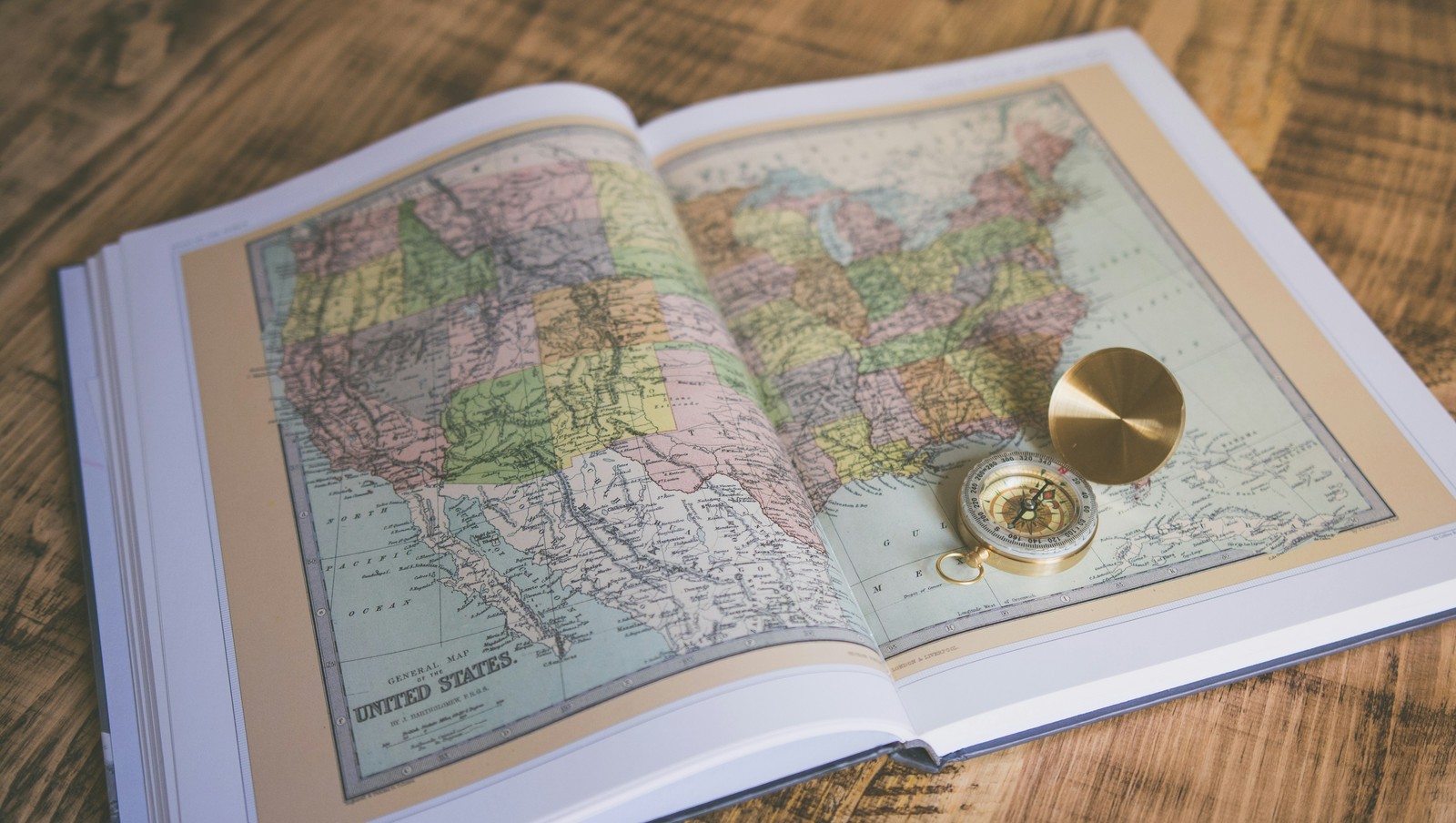
History History 3 min read

We can all get along

You will not believe these 12 unexpected friendships between celebrities

Image: Roberto Nickson

For some reason, odd friendships always seem so satisfying, and that is especially true when it comes to celebrities and famous people. Think Martha Stewart and Snoop Dogg sharing laughs in the kitchen, or Britney Spears turning to Mel Gibson for support. These unlikely duos prove that friendship doesn’t always follow the rules of fame or personality. Sometimes, the most different people make the best connections. Did you know about these 12?

1
Snoop Dogg and Martha Stewart
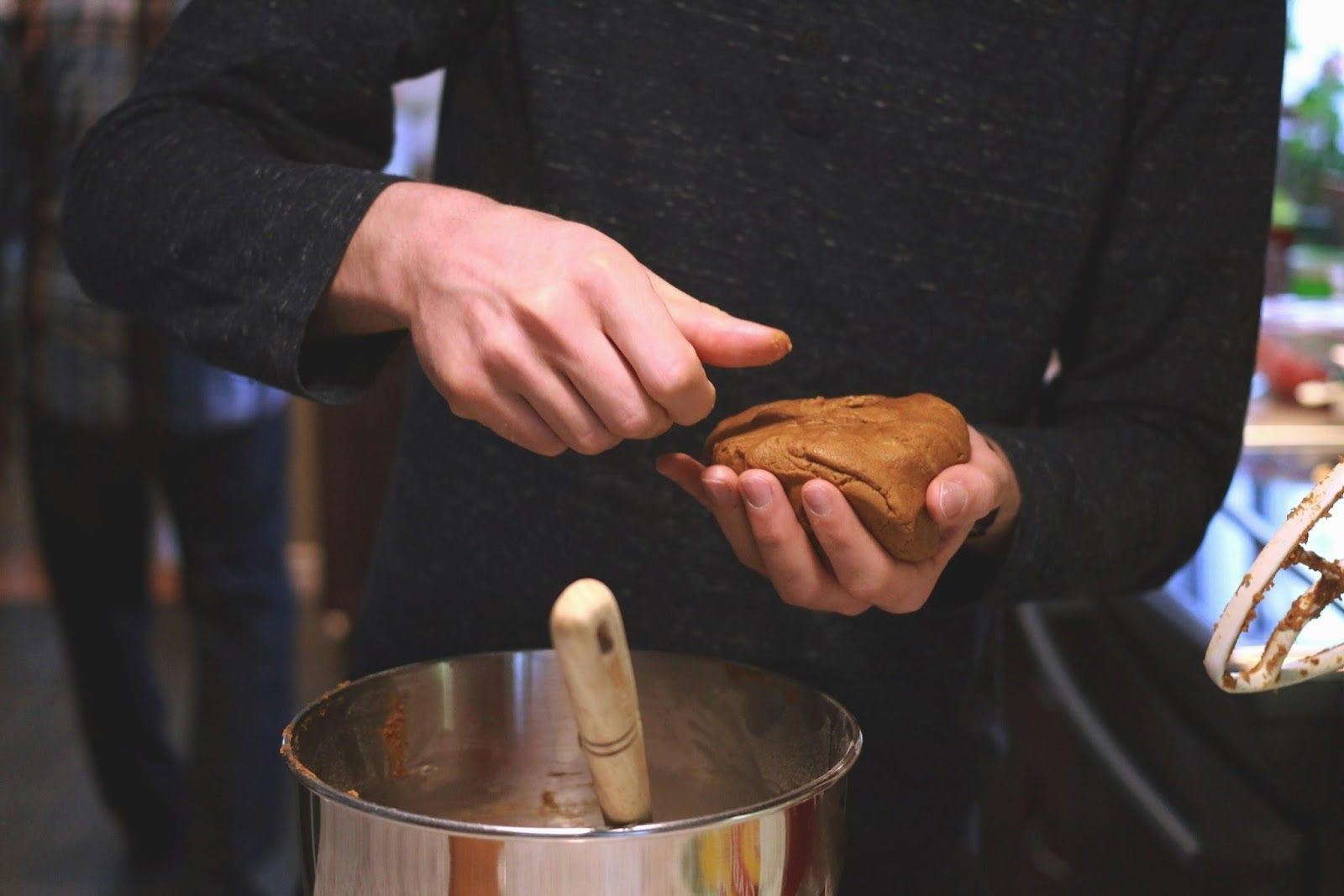
Image: Sigmund

When Snoop Dogg joined Martha Stewart on her show to make mashed potatoes, no one expected a lasting friendship. But their bond grew through TV appearances, comedy roasts, and countless collaborations .

Stewart once said working with Snoop is like having a sidekick: he helps her loosen up and feel free.

2
Helen Mirren and Vin Diesel
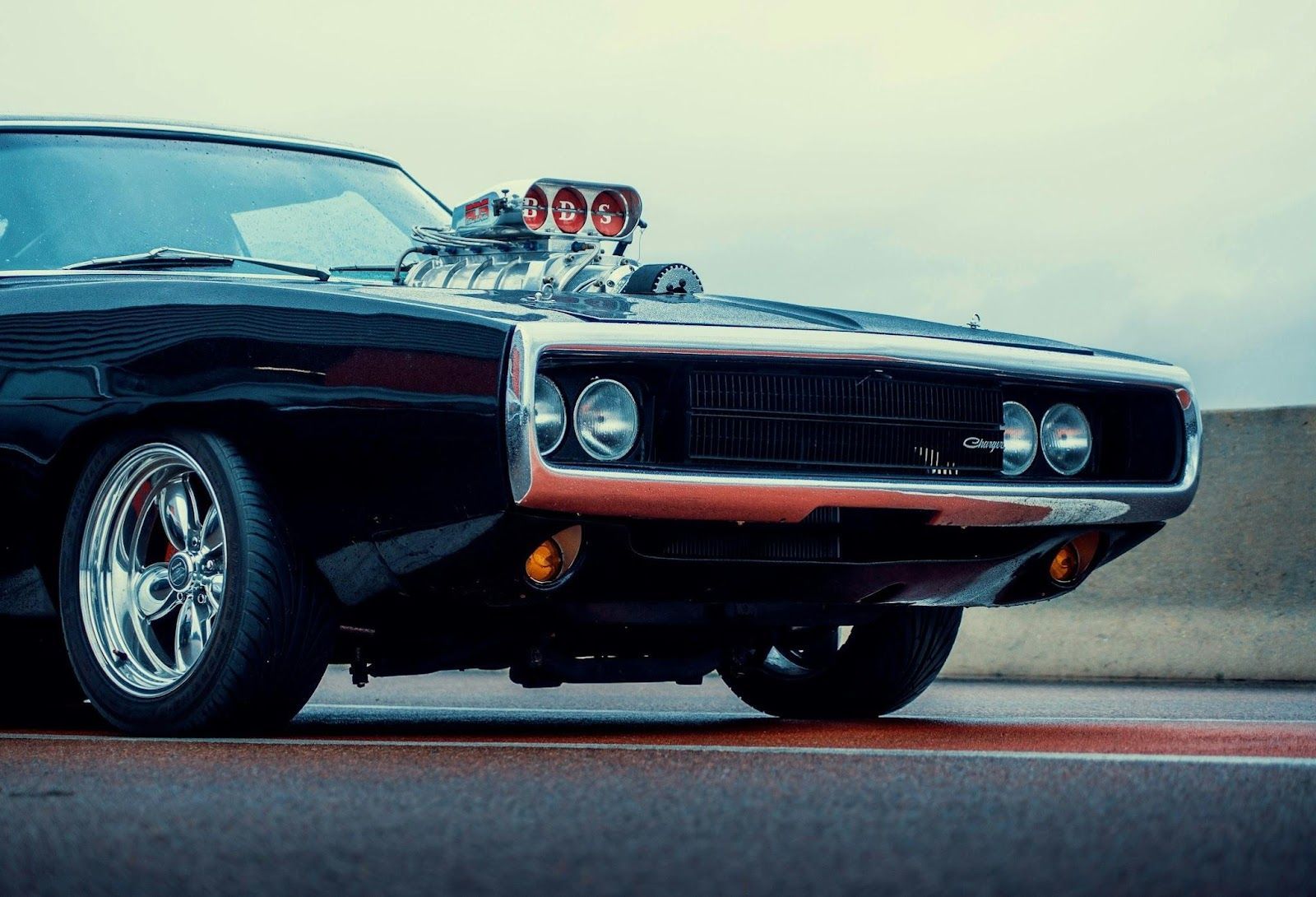
Image: Cook aynne

Dame Helen Mirren met Vin Diesel while filming Fate of the Furious in 2018, later joining him in F9 , Hobbs & Shaw , and Fast X .

"The most random people just have chemistry," she said. "And I adored Vin from the moment I met him."

3
Ellen DeGeneres and George W. Bush
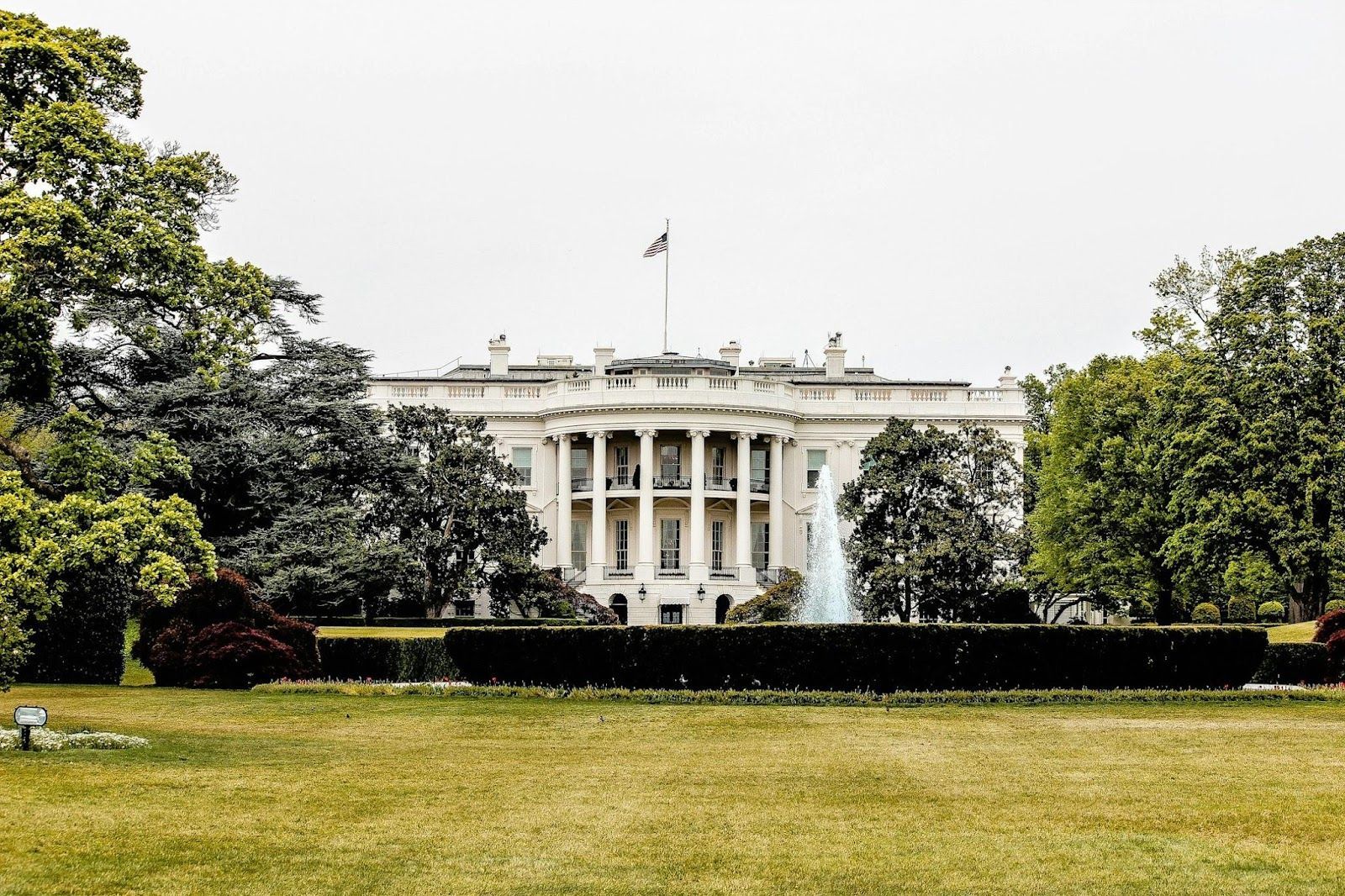
Image: René DeAnda

In 2019, Ellen DeGeneres and former President George Bush were photographed together at a Dallas Cowboys game with their wives, Portia de Rossi and Laura Bush.

On her talk show, DeGeneres addressed their friendship, saying, "I’m friends with George Bush… and a lot of people who don’t share my beliefs. We’re all different, and I think we’ve forgotten that it’s okay."

4
Timothée Chalamet and Larry David
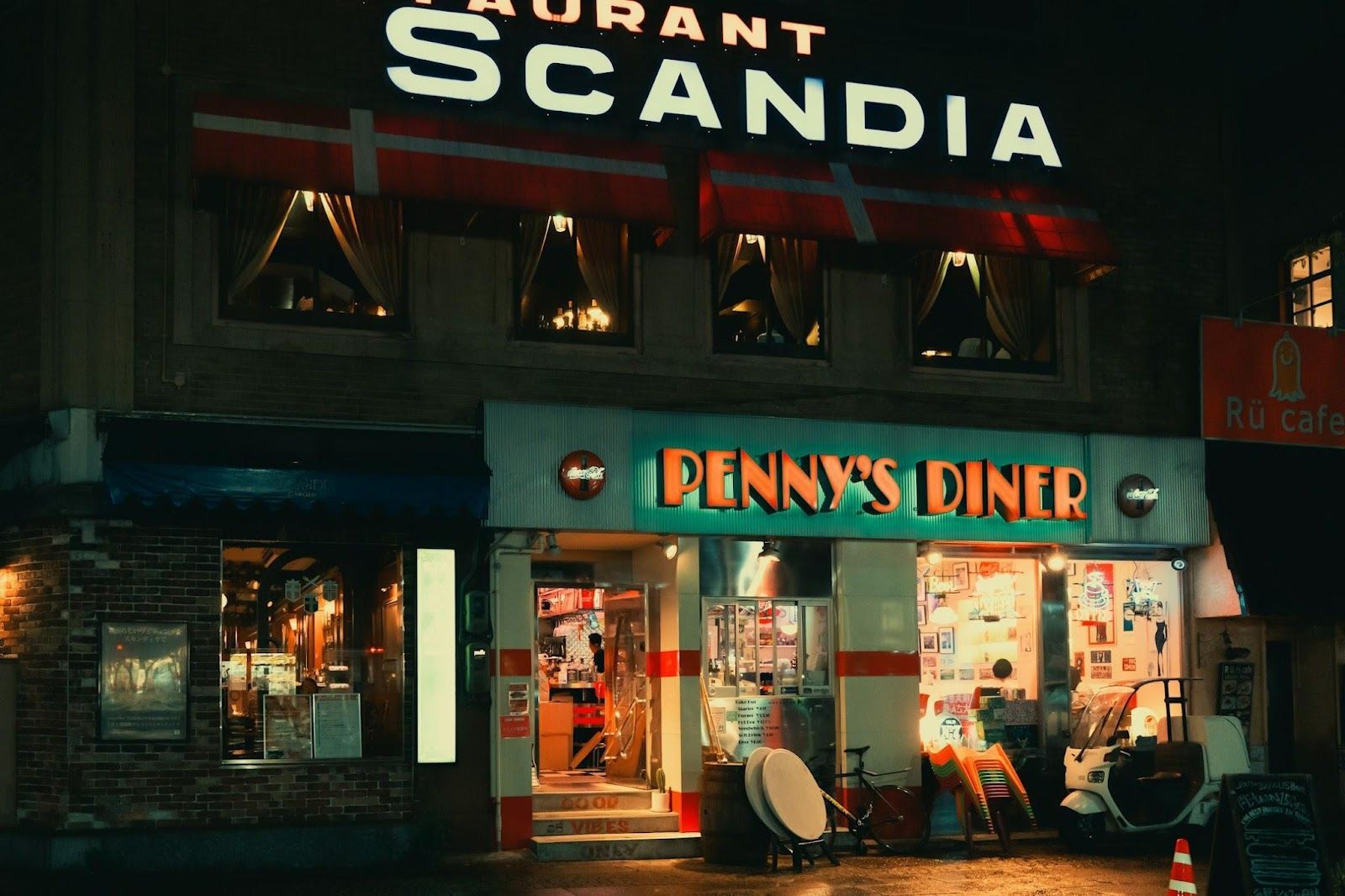
Image: ayumi kubo

Timothée Chalamet and comedy legend Larry David were spotted having lunch together at Sant Ambroeus in New York City.

Fans were delighted by the unlikely pairing, watching two very different Hollywood stars share a casual meal and a surprising connection.

5
50 Cent and Bette Midler
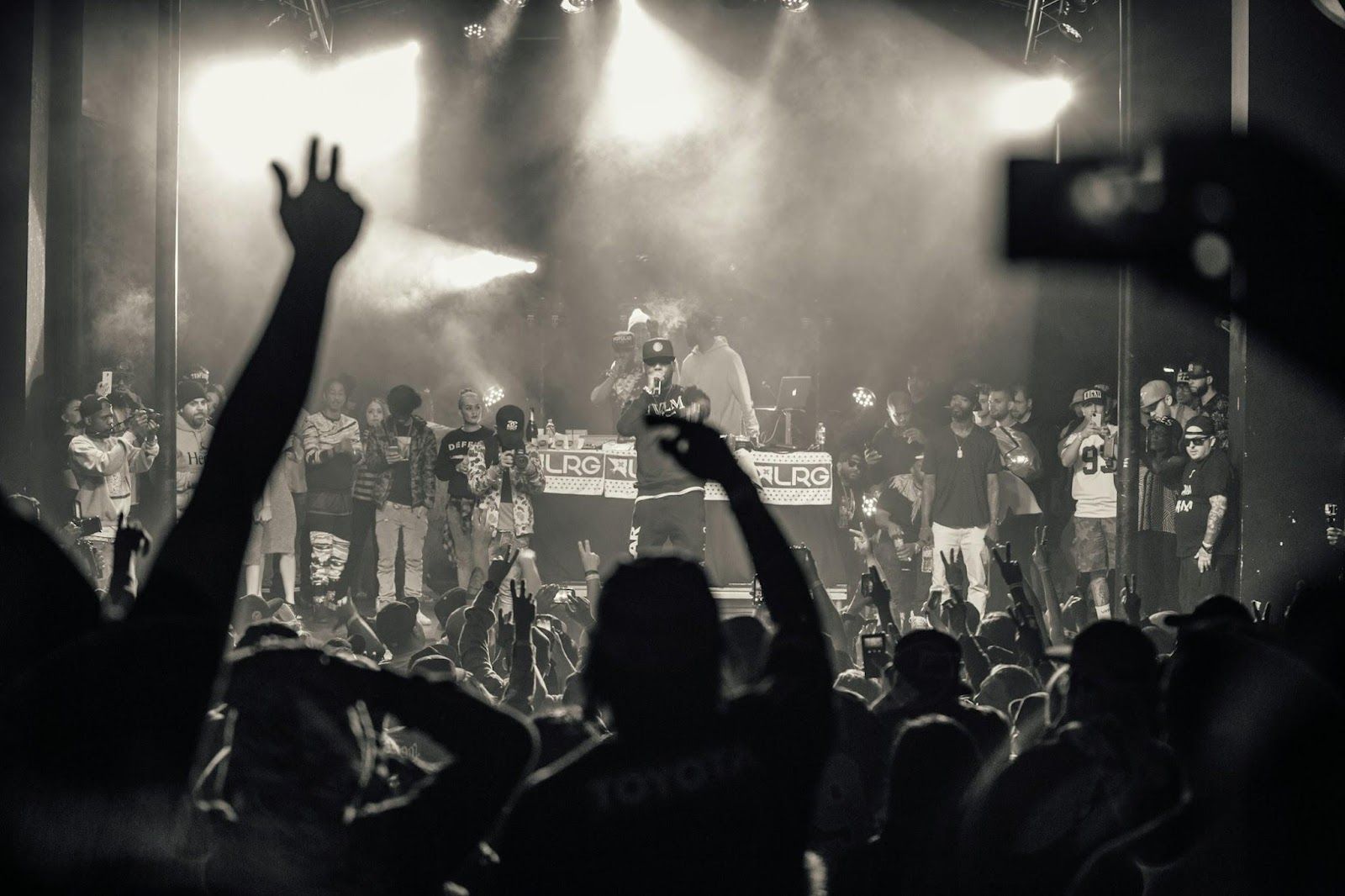
Image: Joel Muniz

In 2008, Bette Midler reached out to 50 Cent for fundraising advice , praising his G-Unity Foundation for donating millions to nonprofits.

She later shared how much his support meant, saying, "He’s really made my life worth living" and had stood by her "through thick and thin."

6
Britney Spears and Mel Gibson
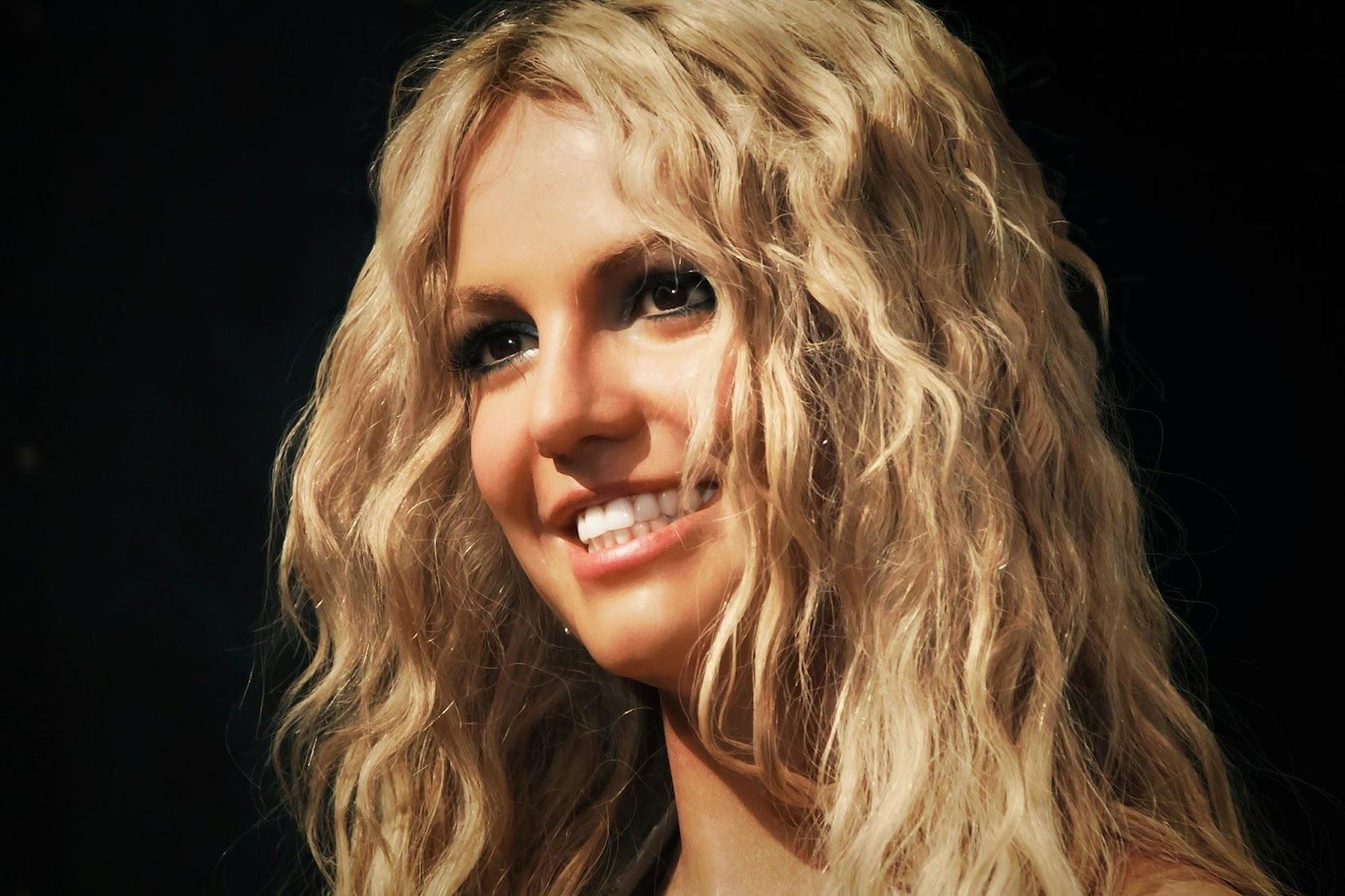
Image: Mathew Browne

Mel Gibson reached out to Britney Spears in 2007, concerned about how the media was treating her .

"I just thought, ‘Is anyone reaching out to her?’" he told Jimmy Kimmel. He later took her on a trip to Costa Rica in 2008 to help her escape the spotlight.

7
Elton John and Eminem
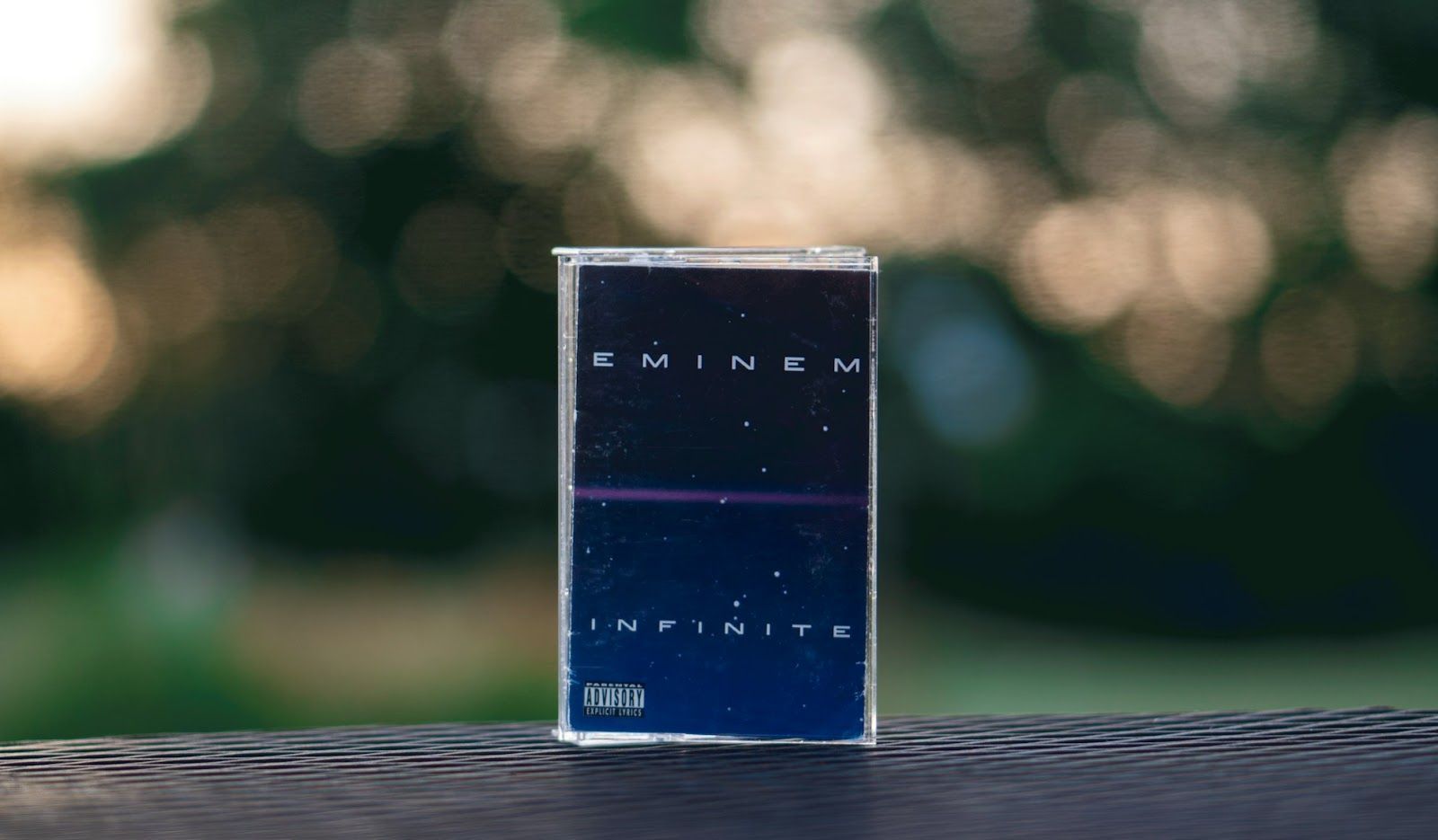
Image: TopSphere Media

Eminem and Elton John struck up an unexpected friendship after performing together at the 2001 Grammys.

Eminem later turned to Elton for support during his struggles with addiction and even sent him a gift after his civil union.

8
Diane Keaton and Justin Bieber
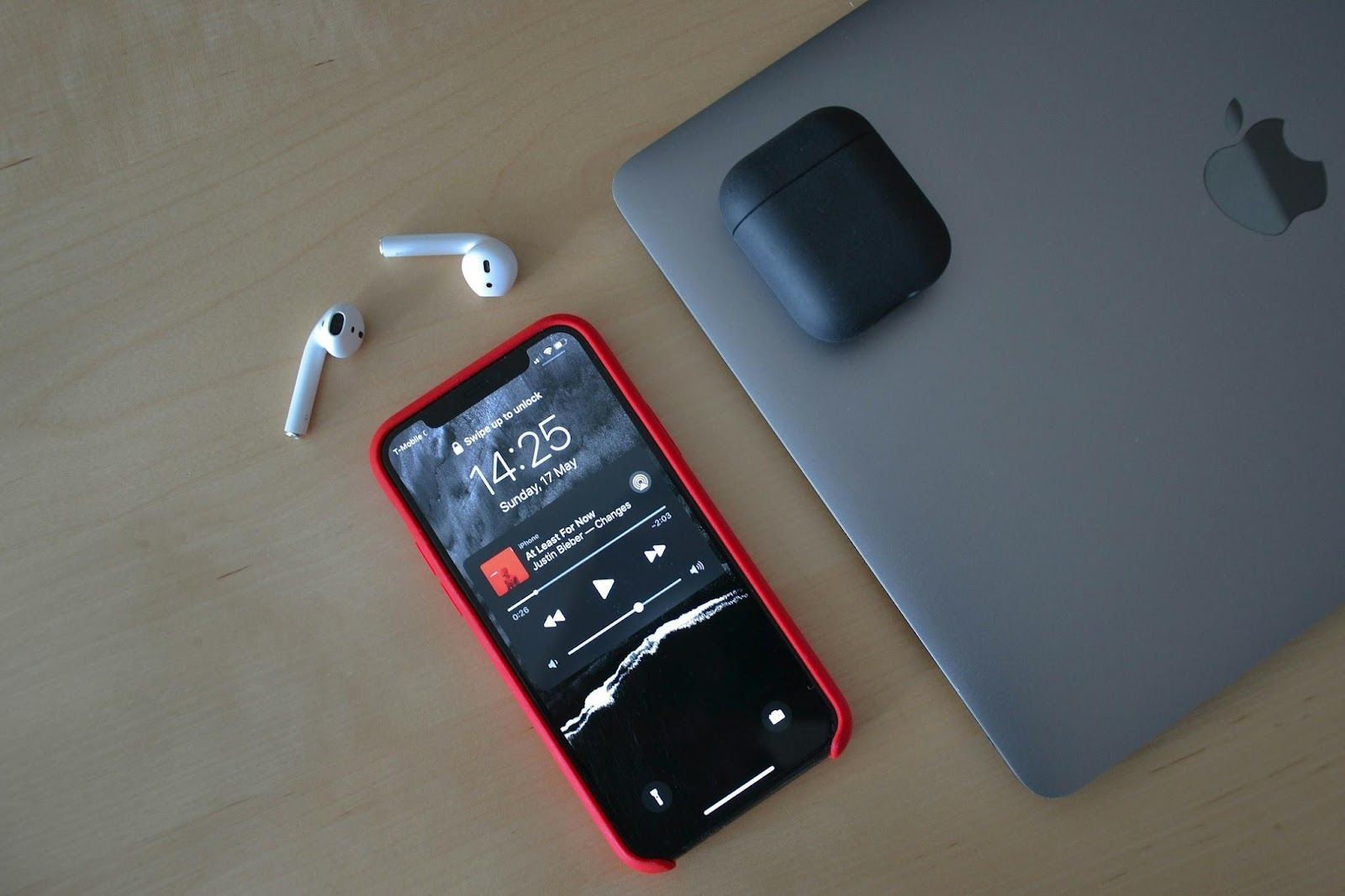
Image: Barbora Dostálová

Diane Keaton starred in Justin Bieber's "Ghost" music video and soon became one of his closest confidantes .

Reflecting on the experience, Keaton said, "I couldn’t believe it. This was one of those moments when you think, ‘I’m what?’"

9
Russell Crowe and RZA
Image: Chase Fade

Russell Crowe and Wu-Tang Clan's RZA have worked together on several films, including The Man with the Iron Fists , American Gangster , and The Next Three Days .

Their bond goes beyond work, with Crowe sharing that they have deep conversations . "It’s no effort for me to give a friend advice," he said.

10
Harry Styles and Stevie Nicks
Image: Illia Horokhovsky

Harry Styles and Stevie Nicks’ friendship began in 2015 when Styles gave Nicks a birthday cake after a Fleetwood Mac show.

Styles admires Nicks deeply , calling her a "beacon" and saying, "She is everything you’ve ever wanted in a lady, in a lover, in a friend." Nicks, in turn, considers Styles like a son , praising his rock & roll album for its 1970s vibe, saying, "He could have made a pop record, but he chose the harder path."

11
Ed Sheeran and Courteney Cox

Image: Mahrous Houses

Ed Sheeran and Courteney Cox formed an unexpected friendship when he moved into her LA beach house .

In a show of support, Sheeran wrote on Instagram, urging fans to vote for Cox for a People’s Choice Award, saying, "She’s never won one, and she lets me live in her beach house, so let’s win her the damn thing."

12
Stella McCartney and Johnny Depp
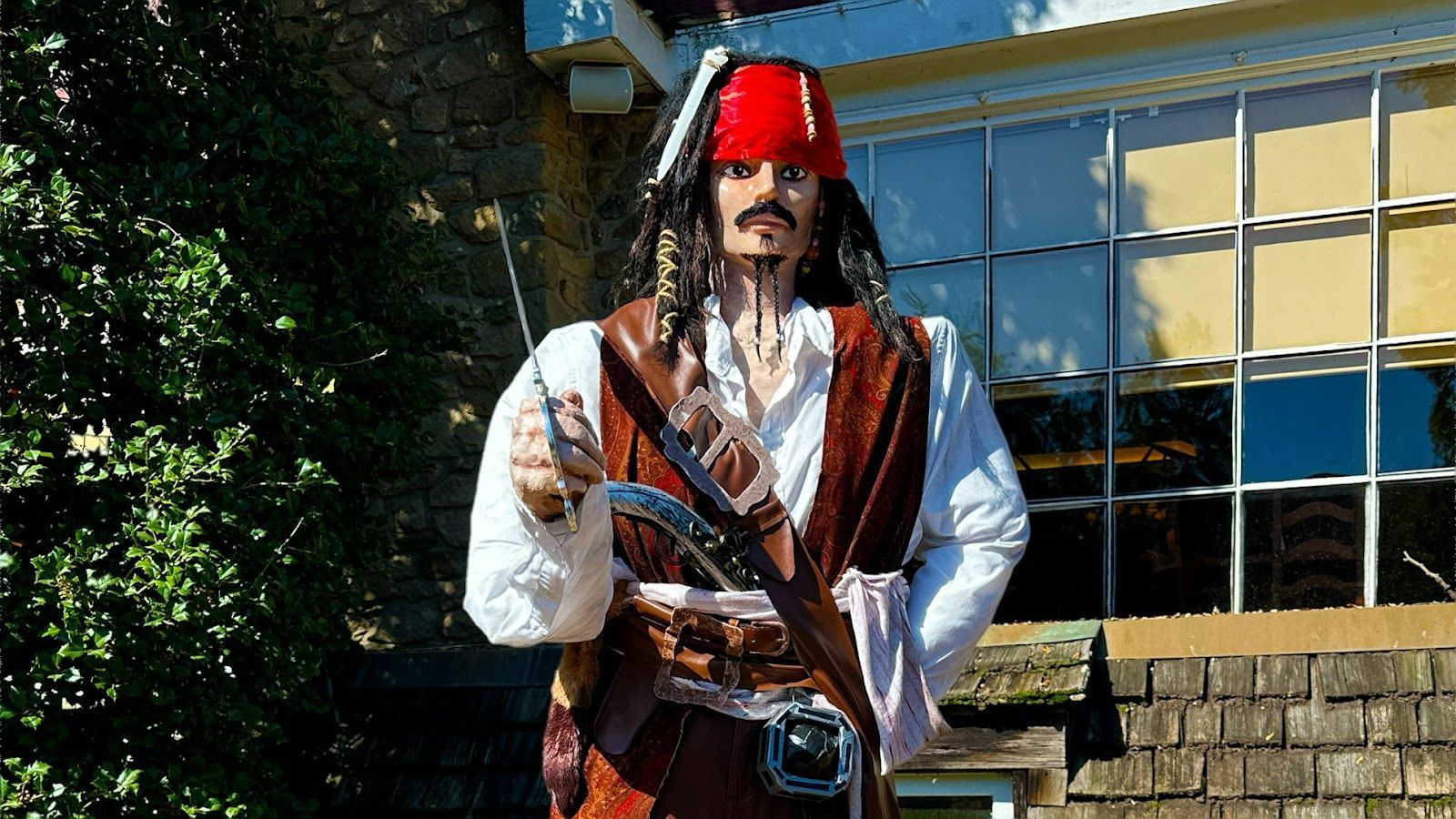
Image: Christopher Zenzel

Fashion designer Stella McCartney has known Johnny Depp since her student days at Central Saint Martins.

During her graduate show, Depp and Kate Moss stayed at her London home. Last year, McCartney shared a photo with Depp from the set of her father Paul McCartney's Queenie Eye music video, celebrating their long friendship.

General General 3 min read

Do you have a landline?

Can you tell what this was for? 12 items we no longer use!

Image: Luca Onniboni

Little by little, many of the things we used just a few decades ago have been phased out by newer technologies and changing habits. Your relatives no longer invite you over for a family viewing of holiday photos on a slide projector—they share them in the family WhatsApp group. Hardly anyone calls you on a landline anymore—they call your smartphone instead. Take a look at the following 12 things we no longer use. Do you miss any of them?

1
Paper road maps

Image: Sylwia Bartyzel

Paper maps—atlases, or topographic maps—are beautiful and there is always room for those as home decorations or teaching geography in schools. But as far as bulky roadmaps on your back pocket go, smartphones with GPS capabilities have made them obsolete.

2
Bathing machine

Image: Uta Scholl

Back in the day, modesty was far more strictly enforced than it is today. Forget about simply wearing your beach clothes to the shore—the bathing machine was a device, popular from the 18th century to the early 20th century, that allowed beachgoers to change out of their regular clothes , put on swimwear, and wade into the ocean.

3
Public telephones

Image: Pedram Farjam

Before cell phones existed, coin-operated pay phones were the go-to option for contacting someone or leaving a message. Pay phones were everywhere—on street corners, in malls, restaurants, airports, train stations, and hotels, allowing people to make calls in public places.

4
Teleseme

Image: Zoshua Colah

In the late 19th and early 20th centuries, luxury hotels featured an electric signaling device in each room , allowing guests to request goods or services from over 100 options. An attendant in the hotel office would receive the request via a corresponding teleseme and ensure the order was fulfilled.

These devices were eventually replaced by private branch exchange (PBX) telephone systems.

5
Slide projectors

Image: Nathan Anderson

As mentioned earlier, slide projectors were once a common household appliance in many homes and a popular form of entertainment . However, they became obsolete as video projectors became more affordable and accessible.

6
Phonebooks

Image: Brittany Colette

Imagine a book containing the home phone numbers of everyone in your city . It once existed and was delivered annually to every household with a landline by the telephone company. These hefty directories became obsolete with the rise of online listings and the death of landlines in favor of cell phones.

7
Typewriters

Image: Bernard Hermant

Imagine not being able to revise what you’re writing without scrapping the whole page . While that situation was a great exercise for your focusing abilities, it was phased out by home computers and word processors, which allowed for infinite rewrites in no time.

8
Photo Album

Image: Laura Fuhrman

Smartphones have made photography more accessible than ever, yet we print fewer photos than before. When photography wasn’t digital, people took their film rolls to be developed , returning with 36 crisp pictures—some of which, if deemed worthy, were carefully placed in photo albums .

9
Cassette tape players

Image: Dave Weatherall

If you're over 40, you’ve probably owned a cassette player—whether a Walkman, a boombox, or any other model. Cassettes were sturdy, reliable, and easy to use . However, with the arrival of CDs, which offered superior sound quality and the ability to skip tracks at the press of a button, cassettes and their players quickly faded into obscurity.

10
Encyclopedias

Image: James

Before the internet, encyclopedias were the primary source of knowledge. These extensive book collections adorned bookshelves in homes and public libraries, offering detailed descriptions of almost any subject imaginable , all listed in alphabetical order .

11
Fax machines

Image: alecale35

By today’s standards, sending and receiving faxes wasn’t particularly fast, but at the time, it was a game-changer. The fax machine digitized documents with a scanner and transmitted printed pages over telephone lines . However, it became obsolete with the rise of email, scanners, and smartphones.

12
VHS tapes and VCRs

Image: Leonard Reese

Being able to see any movie you want at home feels ordinary today, but, in the early 80s, it was a dream come true. And this dream was made possible by VCRs and VHS tapes. These bulky devices were eventually replaced by DVD players, which offered superior image quality and eliminated the need to rewind the tape.

Geography Geography 4 min read

Ol’ Men Rivers

Without these 12 rivers, cities like Las Vegas likely wouldn't exist

Image: Carlos Delgado

Long before highways and airports, rivers were America’s original transportation network. Settlers, traders, and industries depended on waterways to move goods and people across vast distances. As a result, many of the nation’s largest cities developed where streams offered access to trade, power, and fertile land. From the Mississippi to the Colorado, these 12 famous rivers helped shape the growth of some of the biggest urban centers.

1
Mississippi River (New Orleans)

Image: Gower Brown

The Mississippi River, which flows through Minnesota, Wisconsin, Iowa, Illinois, Missouri, Kentucky, Tennessee, Arkansas, Mississippi, and Louisiana, has long served as the backbone of commerce in America. Winding through 10 states, it connects farms, factories, and cities across the country .

New Orleans flourishes at its mouth, which turned it into one of America’s busiest ports. Goods from the Midwest, like grain, cotton, and timber, traveled downriver to ships bound for global markets.

2
Hudson River (New York City)

Image: Melanie Celine

The Hudson River transformed New York City into the East Coast's leading port, as its deep waters allowed ocean-going ships from the Atlantic to travel far inland .

When the Erie Canal opened in 1825, it linked the Hudson River to the Great Lakes near Waterford, New York, about 150 miles north of the city. This created a direct trade route between the Midwest and the Atlantic, cementing New York’s economic dominance.

3
Chicago River (Chicago)

Image: Zander Betterton

Chicago’s rise began with its strategic location along the Chicago River, a short but crucial waterway connecting Lake Michigan to inland routes .

With the construction of the Illinois and Michigan Canal in 1848, Chicago became the gateway between the Great Lakes and the Mississippi River basin, fueling explosive growth in trade and industry.

4
Charles River (Boston)

Image: Prateek Pisat

The Charles River played a central role in early American industry. In the early 1800s, mills along its banks harnessed the river’s power to run machinery .

The nearby textile mills in Waltham helped pioneer the American factory system. The Boston Manufacturing Company mill was the first fully integrated textile factory in the U.S., integrating the spinning, weaving, and finishing processes under one roof. The river’s energy helped transform the Boston region into a major industrial center.

5
Delaware River (Philadelphia)

Image: Mick Kirchman

Philadelphia was founded along the Delaware River, which quickly became one of colonial America’s most important trade corridors.

Ships carrying grain, lumber, and manufactured goods traveled between Philadelphia and the Atlantic . The river helped the city grow into one of the largest and most prosperous ports of early America.

6
Potomac River (Washington, D.C.)

Image: Nicholas Wright

The Potomac River helped determine the location of the nation’s capital, which was established in 1790. This broad waterway was intended to provide access between the Atlantic and the interior of the new country .

Early leaders, like George Washington, hoped the river would become a major commercial corridor linking the young capital to western towns through canals and improved navigation routes.

7
Schuylkill River (Philadelphia)

Image: Alejandro Barba

Flowing through Philadelphia, the Schuylkill River powered much of the city’s early industrial growth. Its waters supported mills and factories throughout the 19th century .

The Schuylkill Canal also carried vast shipments of Pennsylvania anthracite coal, providing the fuel that powered factories and heated homes across the growing nation.

8
Ohio River (Pittsburgh)

Image: Carson Kaskel

The Ohio River begins at Pittsburgh, where the Allegheny and Monongahela rivers meet. This strategic location turned the city into a gateway to the expanding American frontier .

Beginning in the 1810s, steamboats carried settlers and goods downstream to cities like Cincinnati and Louisville, helping Pittsburgh grow into a major industrial and transportation center.

9
Missouri River (Kansas City, Missouri)

Image: Nathan Sack

The Missouri River served as a key launching point for westward expansion during the 19th century.

Kansas City grew where river trade intersected with overland trails heading west , including the Santa Fe and Oregon Trails. The river made the city a critical supply hub for pioneers and traders.

10
Detroit River (Detroit)

Image: GV Chana

The Detroit River links Lake Erie and Lake St. Clair, forming a vital passage in the Great Lakes shipping system .

Detroit developed along this busy corridor, where ships transported iron ore, timber, and other raw materials. These resources helped fuel the city’s rise as a manufacturing center.

11
Cuyahoga River (Cleveland)

Image: DJ Johnson

The Cuyahoga River winds through Cleveland before emptying into Lake Erie, creating a natural harbor that attracted industries .

Steel mills, shipyards, and refineries lined its banks during the late 19th and early 20th centuries, turning Cleveland into one of the Midwest’s most important industrial cities.

12
Colorado River (Las Vegas)

Image: Veronica Ascencio

Though best known for carving the Grand Canyon, the Colorado River also helped make the rise of modern cities in the desert Southwest possible .

Projects like Hoover Dam and Lake Mead provided water supplies and hydroelectric power that supported the rapid growth of nearby cities, such as Las Vegas, in an otherwise arid region.

Explore more American facts

Choose your favorite category!

General
General

As American as apple pie—the very best America has to offer!

Culture
Culture

Delve into the astounding richness of American lore.

Geography
Geography

Hop in and explore vast and diverse American landscapes.

History
History

Discover the key moments that shaped the United States.