History History 4 min read

What’s in a name?

Would you have used "BackRub" daily? The original names of popular brands
Image: Iulia Buta

Which name do you like better for the world’s biggest search engine: Google or BackRub? Believe it or not, a lot of people were supporting the latter at some point. It’s hard to imagine a world where "BackRubbing" information is a daily habit! Here, we go over the original names of very famous brands and explore why they didn't stick. Do you wish any of them had been used?

1
BackRub
Image: Deepanker Verma

Before it became the verb we all use today, Google was known as BackRub. The name referred to the search engine’s ability to analyze backlinks (links from one webpage to another) as a way to rank search results.

But it sounded more like a massage parlor than a tech startup. In 1997, they wisely rebranded to Google, a twist on "googol," the term for the number 1 followed by 100 zeros.

2
Brad’s Drink
Image: NIKHIL

It was going to carry around the nickname of its creator forever. Caleb Bradham was a pharmacist in New Bern, North Carolina. He invented a drink back in 1893 as a refreshing, energizing tonic for digestion, which included pepsin , a digestive enzyme.

A few years later, Brad decided on a more marketable name than his own : Pepsi-Cola.

3
Taco-Tia
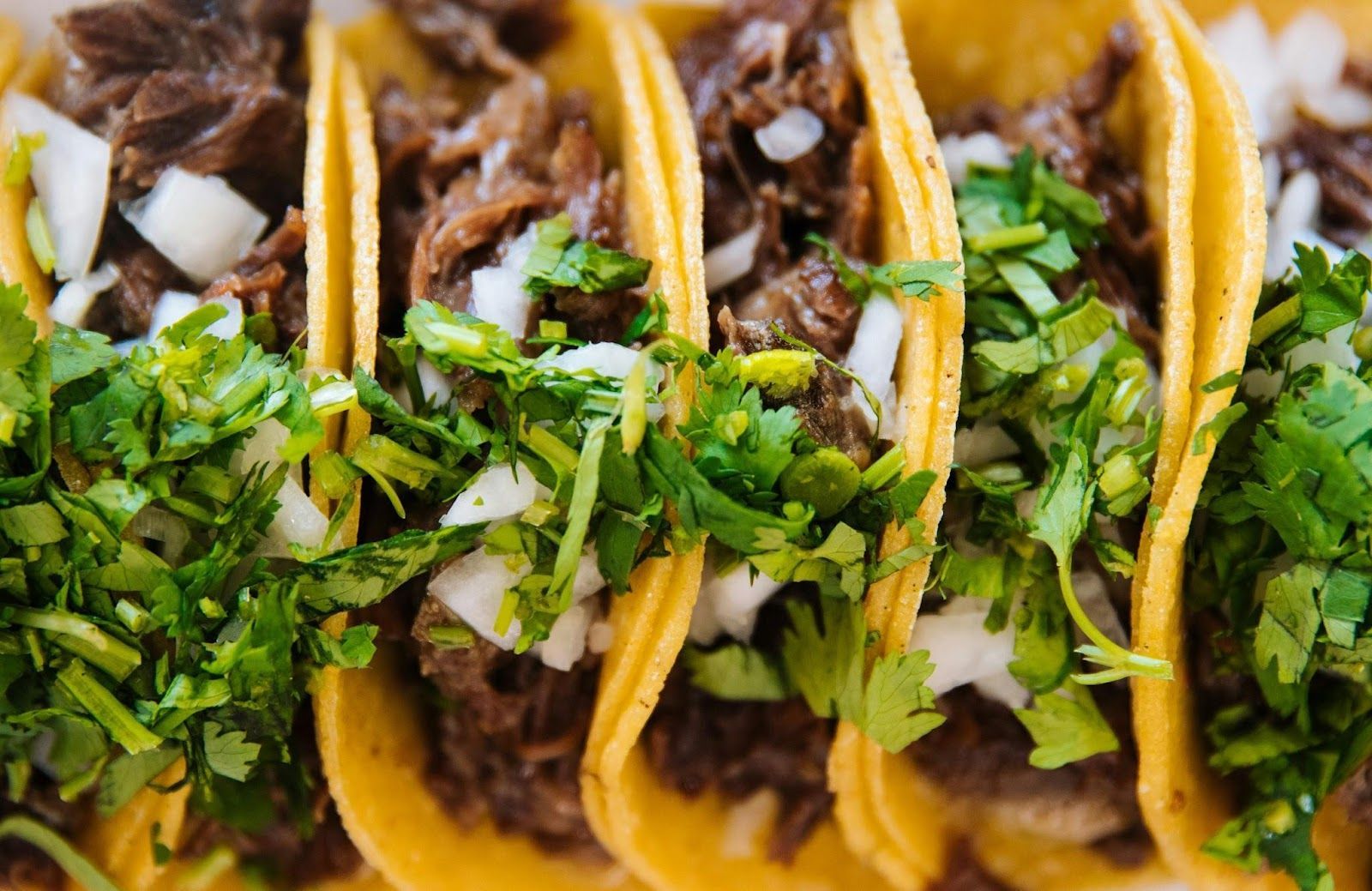
Image: Jeswin Thomas

Glen Bell owned Bell’s Drive-In, a stand selling hot dogs, when he noticed long lines outside a Mexican restaurant. He decided he needed to learn how to make tacos.

Over a few years, he refined his concept and opened a new chain selling Mexican food, which received several names over time, including Taco-Tia. Eventually, he landed on Taco Bell. It was conveniently Americanized , easy for mainstream customers to remember and pronounce, and suggested a memorable logo.

4
Sound of Music
Image: Josip Ivankovic

At first, this mega-electronics retailer was all about stereos. Founded in the 60s, Sound of Music specialized in home audio equipment. But after a tornado wrecked their main store in the 80s, they ran a massive clearance sale and told people they would get their "best buy" there.

By the end of the day, they had pretty much sold out. The sale was such a hit that, in 1983, they decided to rebrand entirely as "Best Buy".

5
Tote’m Stores
Image: Piccinng

Once upon a time, you didn’t pop into a 7-Eleven—you got your goods home from Tote’m Stores. The chain got its original name because customers "toted" their purchases.

In 1946, to highlight their revolutionary new hours (7 a.m. to 11 p.m.—wild for the time), they wisely rebranded as "7-Eleven."

6
Blue Ribbon Sports

Image: NEXT Distro

If it had been called "Blue Ribbon Sports," there would probably not be a swoosh . This company began as a distributor for Japan’s Onitsuka Tiger running shoes.

But in the 70s, as they launched their own footwear line, they realized they needed a brand with more bite. They chose "Nike," after the Greek goddess of victory. The swoosh logo was designed that same year for just $35.

7
AuctionWeb

Image: appshunter.io

The original name was straightforward, but also boring. eBay's original incarnation was AuctionWeb, launched in 1995 by Pierre Omidyar as a side project under his larger personal domain, eBay.com (which stood for his consulting firm Echo Bay Technology Group ). When he found that the domain echobay.com was already taken by a mining company, he settled on ebay.com. Later, as the online auction section became wildly successful, Omidyar dropped AuctionWeb entirely and adopted eBay as the company name.

8
Pequod
Image: Gema Saputera

The founders of this coffee shop were inspired by Herman Melville’s Moby-Dick. They wanted the quality of the coffee to be connected with seafaring and adventure . So, their first choice was "Pequod," the name of Captain Ahab’s doomed whaling ship.

That name didn’t have enough of a punch, however, so they decided to go for a wink at another character in the same book, with a much more marketable sound: Starbucks.

9
Pete’s Super Submarines
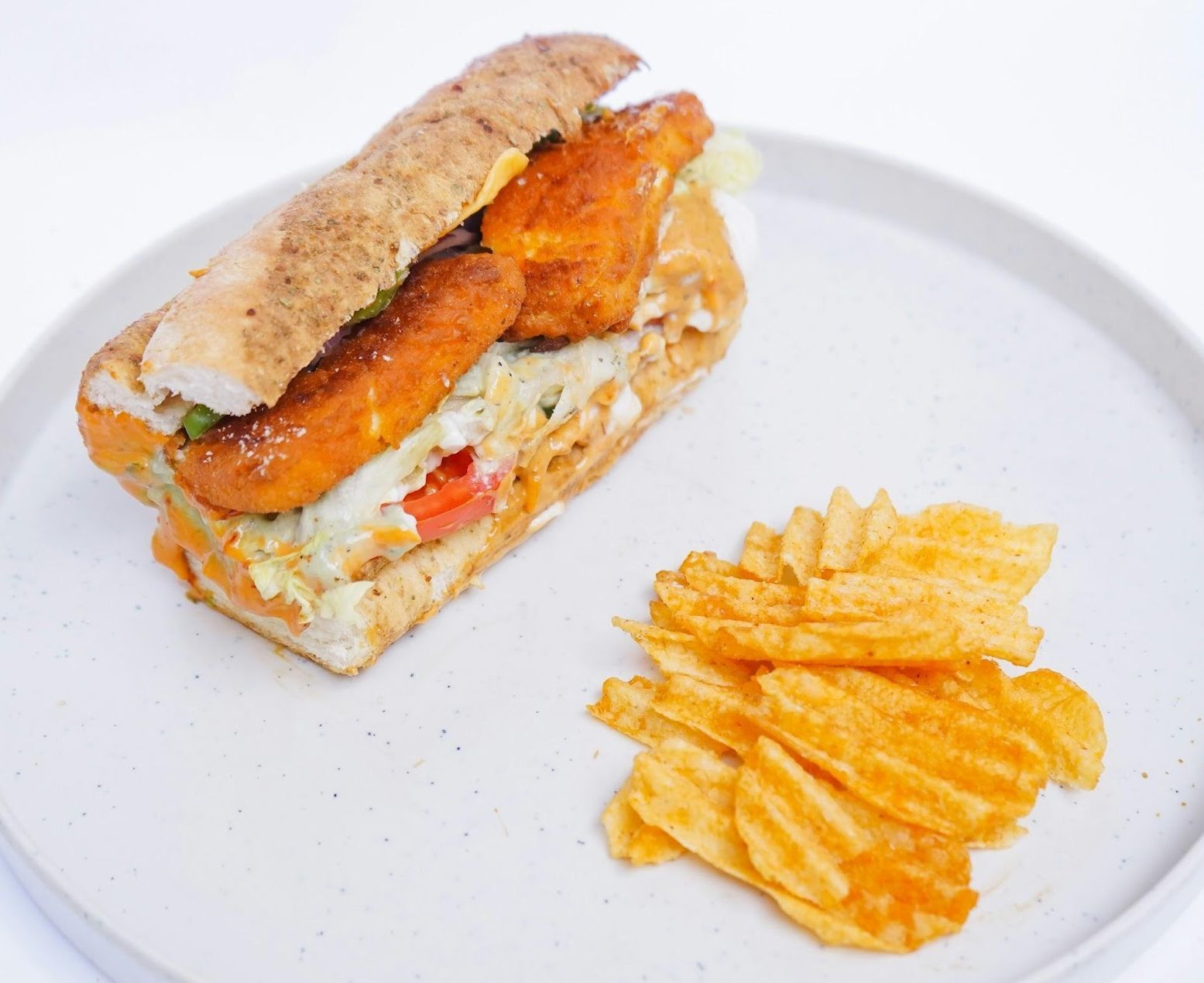
Image: Mustafa Fatemi

It was the 60s when 17-year-old Fred DeLuca opened a sandwich shop in Connecticut with financial help from a family friend: Dr. Peter Buck. In his honor, DeLuca named it "Pete’s Super Submarines."

The business grew, however, and the name was a bit of a mouthful. They needed a name that was shorter, catchier, and easier to advertise on the radio. They rebranded as "Subway," winking both at their food (subs) and the fast, urban lifestyle they hoped to serve.

10
Cadabra

Image: ANIRUDH

Too spooky, right? Amazon nearly had a name that conjured magic tricks. In 1994, Jeff Bezos registered the name "Cadabra," short for abracadabra . That lasted until someone pointed out how much like "cadaver" the name sounded.

Bezos then considered "Amazon," the name of the immense river. Not only did it suggest something vast, exotic, and full of potential, but it also placed the brand at the top of alphabetical listings —an old-school SEO move.

General General 4 min read

Were you fooled?

Myths and stories behind famous brands: Are they true?

Image: Ana Dvoranen

Can you tell fact from fiction when it comes to major brands? Some stories sound too wild to be true—a $35 logo that became iconic, a soda once laced with cocaine, a chocolate tycoon who dodged the Titanic. In this article, your challenge is to guess whether the myths are true or false before we decode them. Ready to play Fact or Fiction ?

1
Nike’s Swoosh was created for $35

Image: Shubham Mittal

Yes, it was. The iconic Nike swoosh was sketched in 1971 by Carolyn Davidson, a graphic design student, for the grand sum of $35. She was helping out a friend—Nike co-founder Phil Knight—who needed a logo for his up-and-coming sneaker brand.

Years later, as Nike soared, the company gave her a thank-you gift: a gold swoosh ring and stock options that ended up being worth millions .

2
Coca-Cola originally contained cocaine

Image: Olena Bohovyk

It sounds like an urban legend, but it’s true: early versions of Coca-Cola did contain coca leaf extract , which naturally included trace amounts of cocaine. When pharmacist John Pemberton invented the drink in 1886, it was marketed as a "brain tonic" and nerve remedy, back when cocaine was legal and considered medicinal. By 1929, the formula was fully decocainized.

3
Neither Ben nor Jerry had any previous business experience

Image: Hybrid Storytellers

Absolutely. Longtime friends Ben Cohen and Jerry Greenfield took a $5 correspondence course in ice cream making from Penn State and launched their first scoop shop in a converted gas station in Vermont in 1978.

4
Barbie was based on a German adult doll

Image: Peyman Shojaei

True! She sure was. In the 1950s, Ruth Handler spotted a German novelty doll called Bild Lilli while on vacation. Originally sold as a gag gift for men, Lilli was fashionable, curvy, and definitely not meant for children. But Handler saw potential: she reimagined Lilli as a stylish role model for girls, and the first Barbie debuted in 1959.

5
Milton Hershey missed the Titanic voyage

Image: Janne Simoes

He definitely wasn’t on board—lucky for him! But just how close he came to sailing is uncertain. Legend has it that Milton Hershey and his wife were set to sail on the Titanic in 1912, but canceled at the last minute.

The only clue? A check stub showing a $300 deposit to the White Star Line. While there’s no confirmed ticket, the story has stuck.

6
GM hated (and banned) the nickname "Chevy"

Image: Jose Mueses

This one is partially true. In 2010, GM sent a memo urging employees to stop using the nickname "Chevy" in favor of the full "Chevrolet." The public backlash was swift—critics called the move tone-deaf. After all, "Chevy" was beloved, catchy, and woven into Americana.

Within days, the company backpedaled , assuring fans that "Chevy" wasn’t going anywhere. You just can’t mess with a nickname that’s already set in people’s hearts.

7
Apple was named after the forbidden fruit

Image: TheRegisti

Not quite. Steve Jobs chose the name "Apple" in 1976 because it sounded "fun, spirited, and not intimidating." It also gave the young company a strategic edge—it came before "Atari" in the phone book, which mattered in the era of printed directories.

8
Starbucks was named after Moby Dick’s first mate

Image: Athar Khan

Yes, though it was a winding path. The founders were searching for a name that evoked the seafaring tradition of coffee trading. After toying with " Pequod " (Captain Ahab’s ship), they landed on "Starbuck"—the first mate in Moby-Dick and a name with a strong, classic ring to it.

9
Harley-Davidson was going bankrupt, but its logo saved it

Image: Donald Teel

This one is sort of true. In the early 1980s, Harley-Davidson was revving on empty. The rise of Japanese bikes had them cornered—until the brand leaned hard into nostalgia . The bar-and-shield logo, dating back to 1910, became the centerpiece of a marketing push built on American pride, leather jackets, and the unmistakable growl of a V-twin engine.

It worked. The logo became a badge of rebellion, and Harley rebounded.

10
There’s an arrow hidden in FedEx’s logo

Image: Toni Pomar

Once you see it, you can’t unsee it. Look closely between the "E" and the "x" in the FedEx logo—there’s a white arrow formed by the negative space. It’s a perfect symbol for speed, direction, and efficiency.

The logo was designed in 1994 by Lindon Leader, and the hidden arrow was no accident. It’s a subtle nod to the company’s core promise: to get it there fast .

11
"Breakfast at Tiffany’s" launched the brand

Image: Sam Lashbrooke

False! Breakfast at Tiffany’s didn’t launch the brand. Tiffany & Co. had been around since 1837, known for fine jewelry and that iconic blue box. However, after the 1961 film, Audrey Hepburn’s little black dress and wistful gaze into the Tiffany’s shop window helped cement the brand’s image of elegance .

12
Levi’s blue jeans were created for gold miners

Image: Varun Gaba

Absolutely. In 1873, Levi Strauss and tailor Jacob Davis patented durable denim trousers with copper rivets— perfect for miners during the California Gold Rush . The jeans were tough, practical, and ideal for the grueling work conditions out west. In time, what began as rugged workwear became an American icon.

13
Amazon was named after "the biggest river"

Image: Sunrise King

Yes, it was intentional. Jeff Bezos wanted a name that conveyed vastness, exoticism, and would appear early in web listings . "Amazon" fit the bill—although it could have been named "Nile," which is often cited as the world’s longest river. Bezos liked the idea of building the biggest online store in the world, just like the Amazon is the biggest river by volume.

General General 7 min read

SAUCY REGIONAL TRADITIONS

United States Barbecue: 10 Mouth-Watering Styles Across America

Image: Z Grills Australia

Almost every region in the United States has its own style of barbecue and all of them claim to offer the best one. Texas, North and South Carolina, Kansas City, and even Hawaii, all proudly boast of their BBQ prowess.

The term "barbecue", used to describe any slow-cooked meat, is said to derive from the Taino Indian word babracot . In fact, this practice can be traced back five centuries and originally evolved as a necessity to preserve food and, at the same time, feed many people. Nowadays, barbecue seems to be the epitome of comfort food nationwide . Keep reading to discover the best barbecue styles America has to offer!

1
Texas barbecue

Image: Andrik Langfield

Texas barbecue is heavily influenced by central European traditions . German and Czech immigrants settled in the state in the mid-nineteenth century introducing new ingredients. That is the main reason we find pork products like sausages in Texas-style barbecue, in addition to the classic beef brisket. In order to preserve fresh meat longer, they used to smoke it and cook it for a very long time. Over the years, this traditional barbecued meat, which originated in central Texas, spread throughout the state, so today we can enjoy not one but four different styles !

Central Texas BBQ is generally very straightforward, the meat is smoked over pecan, mesquite, or oak wood with just a salt and pepper dry rub. South Texas BBQ has Mexican influences and uses a molasses-based sweet sauce. East Texas BBQ is marinated in a sweet tomato-based sauce and slowly cooked via indirect heat. Finally, West Texas BBQ is prepared over an open flame using mesquite wood.

2
Memphis barbecue

Image: Philipp Kämmerer

No doubt about it, Memphis is one of the BBQ capitals of America . Unlike barbecue styles in other states, in Memphis, the meat is cooked using charcoal instead of hardwood logs. Pork ribs and pork shoulder are the signature cuts prepared with a tangy and sweet sauce based on molasses and tomato. Classic sides for the Memphis barbecue are sweet baked beans and slaw.

Barbecue originated in Memphis at the beginning of the 20th century , when African Americans began to populate the state. Often found in lunchtime pork sandwiches and late-night treats in nightclubs, Memphis BBQ style soon became a staple in the area. Many entrepreneurs opened new restaurants during this time, including John H. Mills, considered Memphis’s First Barbecue King. Rumor has it that even the great Bing Crosby was a regular at Mills’s place whenever he was in town.

3
Kansas City barbecue

Image: fstop314.com

According to the Visit KC website, "Barbecue in Kansas City is more than a menu item or a method of preparation. It’s an institution." The fact is that Kansas barbecue has a long history and is central to the city's culinary culture . Not for nothing is it called the "BBQ Capital of the World". With more than 100 restaurants, there’s even a Kansas City Barbeque Society in charge of promoting this style of cooking around the world.

Kansas City’s love for barbecue started in the early 1900s when a man called Henry Perry began selling slices of hickory smoked meat wrapped in newspaper. Soon after, others followed and started developing their own barbecue recipes. Nowadays, the Kansas City barbecue style involves grilling or smoking different kinds of meat seasoned with a dry rub, then finished with a tomato-based barbeque sauce. Sides include bread, pickles, baked beans, and slaw.

4
North Carolina barbecue

Image: Peter Bravo de los Rios

Whether at a backyard grill, or a traditional wood fire pit at a local restaurant, North Carolina has a proud barbecue tradition. This particular method of smoking and cooking meat has its roots in the emergence of hog cultivation . In the 1500s, Spanish settlers brought pigs to the region and natives on Roanoke Island contributed with their wood-fired slow-cooking method. Over the years, barbecue in North Carolina became a special feature in every celebration and special occasion.

Although recipes may vary between different regions in the state, pork is always the main ingredient . While in the East people cook the whole hog, western Carolinians prioritize the pork shoulder. The sauce is a matter of controversy too. The Eastern tradition calls for a thin vinegar and pepper sauce, whereas Western recipes add tomato or ketchup. Geographical customs aside, if you happen to visit North Carolina, order a local barbecue in one of the many great restaurants and you won’t be disappointed!

5
South Carolina barbecue

Image: @felipepelaquim

Some argue that South Carolina is "The Birthplace of Barbecue" . We won’t be able to settle this debate here and now, but what is certain is that the Palmetto State's barbecue tradition goes back at least five centuries. As with North Carolina, South Carolina barbecue also has its origins in the cultural exchange between Spanish settlers and American Indians . Europeans brought and raised pigs on the islands off the Atlantic coast and the natives knew exactly how to cook them.

The South Carolina barbecue style means cooking and smoking meat —preferably pork— low and slow over hardwood coals. Sometimes pulled from a whole hog, sometimes chopped from a shoulder or ham, South Carolina barbecue comes with a signature sauce depending on the region . You can find a blend of vinegar, salt, and some red pepper to spice things up or a yellow sauce made of cider vinegar, brown sugar or honey, and mustard. No matter which one you get, be prepared for an exceptionally tender and flavorful dish!

6
St. Louis barbecue

Image: Rachel Bramlett

Did you know St. Louis is said to consume more BBQ sauce per person than anywhere else in the country? St. Louisans are big on spare ribs, which may have been introduced in the local culinary tradition more than a century ago. As the legend goes, a steamboat cook named Henry Perry used to slow smoke discarded slabs of ribs from the Kansas City stockyards using locally harvested hardwood trees.

Nowadays, the St. Louis barbecue style includes a variety of seasonings and cooking methods . From grilling to slow smoking, ribs, pulled pork, burnt ends, and pork steaks are smeared with a sauce made from ingredients such as salt, vinegar, black pepper, brown sugar, tomato, and even apricots. Unlike other types of barbecue, St Louis style does not require a dry rub and it cooks a lot faster. White bread is the side of choice, especially if you want to make the most out of all that BBQ sauce!

7
Hawaiian barbecue

Image: Tirza van Dijk

Yes, they have barbecues in Hawaii. Although you won’t get the traditional ribs, pulled pork, and brisket, the Aloha State is home to a delicious kind of barbecue. Influenced by its many immigration waves —primarily from China, Korea, Japan, Portugal, and the Philippines—, it has labor origins dating back to the late 19th century . While modern Hawaiian barbecue includes various cooking techniques, such as roasting, smoking, and grilling, the traditional way requires an imu , an underground oven lined with hot rocks, and banana and ti leaves.

Barbecues from the Paradise of the Pacific are often sweet, tangy, and tropical . You can find chicken, beef, pork, and even seafood. Marinades and sauces incorporate Asian flavors and ingredients like soy sauce, garlic, ginger, and brown sugar. Side dishes range from sticky rice to macaroni salad, complementing and balancing the bold flavors of the meats.

8
Alabama barbecue

Image: Rachel Bramlett

In the South, barbecue is synonymous with any meat that's cooked over the fire. Although pork is often the protein of choice, some restaurants in Alabama also feature brisket, chicken, and beef ribs. Barbecue became popular in Alabama during the early 19th century when difficult economic times required a clever way for the working class to bring flavor and tenderness to cheap cuts of meat.

Sauces involved in the Alabama barbecue style are as diverse as they come . Influenced by the neighboring states of the so-called "barbecue belt", you can find variations of tomato-based sauces, spicy marinades, mustard dressings, and even a white sauce made with mayonnaise, lemon juice, apple cider vinegar, salt, and black pepper. Across Alabama, these mouth-watering smoked meats are often served on hamburger buns filled with dill pickles and topped with coleslaw.

9
Kentucky barbecue

Image: Luis Santoyo

Barbecues in Kentucky have been popular for a long time. In the Bluegrass State pork shoulders are a popular cut cooked on concrete block masonry pits for at least half a day. However, Kentucky is most famous for smoking mutton over hickory coals . Kentuckians also barbecue other meats like chicken, pork tenderloins, cured hams, and turkey breasts for sandwiches.

Kentucky is home to a diverse array of barbecue sauces with almost every county having its own take. For example, Hickman County uses mostly vinegar and cayenne pepper, while McCracken County sauces taste strongly of vinegar and chili powder. Others prefer an allspice Worcestershire-based dip. The signature sides for Kentucky barbecue are toast, vinegar slaw, and pickled eggs.

10
Florida barbecue

Image: Dim Hou

Florida may be best known for its fresh seafood but the Sunshine State also has its own barbecue style . And a soft spot for pork too! A testament to the important place pig meat has in Floridian cuisine is the Cuban twist on the classic BBQ sandwich found at many local joints.

What sets Florida barbecue apart from others is its Caribbean and Latin American influences. Florida BBQ often blends techniques of the Southern United States style barbecues —like the use of sweet tomato sauce or mustard sauce— with Caribbean flavors such as vinegar, fruits, peppers, and spices. It may not be the most traditional barbecue in the country but it is certainly worth a try!

Explore more American facts

Choose your favorite category!

General
General

As American as apple pie—the very best America has to offer!

Culture
Culture

Delve into the astounding richness of American lore.

Geography
Geography

Hop in and explore vast and diverse American landscapes.

History
History

Discover the key moments that shaped the United States.