General General 5 min read

QUICK & DELICIOUS MEALS

Take A Bite Out Of These 10 Iconic American Fast-Food Restaurants!

Image: Fernando Andrade

Fast food gets a pretty bad rep nowadays, doesn’t it? While it's true that it is not the healthiest choice and should definitely be enjoyed only sporadically, the truth is that fast food provides us with fun and delicious meals that can lead to unforgettable moments with friends and family. In that regard, America has an entire cornucopia of iconic fast-food restaurants, and we have selected ten of our favorites. We hope this list doesn’t make you hungry!

1
McDonald’s

Image: Jurij Kenda

We’ll start with probably the most popular fast-food brand in the world. Few logos are as intently recognizable as McDonald’s "golden arches", to the point that they are present in virtually every single country in the world. But before it became an international behemoth, this fast-food chain began as a single restaurant in San Bernardino, California, founded in 1940 by brothers Richard and Maurice McDonald.

We could probably fill this entire article with McDonald’s fun facts, like how an astronaut smuggled a cheeseburger onboard a space shuttle. However, we’ll end this entry with the fabled Big Mac index: Since, as we previously mentioned, McDonald’s restaurants are virtually everywhere, economists have used the price of a Big Mac burger as a global indicator of each country's economic strength.

2
Burger King

Image: Alexis AMZ DA CRUZ

While Burger King is often and unfairly considered to be playing second-fiddle to McDonald’s, the truth is that this chain is definitively fast-food royalty. First founded as Insta-Burger King in 1953, this restaurant offers a selection of burgers, fries, and other delectable products.

Burger King is perhaps most well-known for its signature burger, the " Whopper ". Created in 1957, this iconic product was the very first of its kind, causing competing franchises to develop their very own signature burgers. The Whopper’s legacy resulted in Burger King proudly adopting the nickname "Home of the Whopper".

3
Taco Bell

Image: Ömer Haktan Bulut

You might be surprised to learn that Taco Bell , synonymous with one of Mexico’s most treasured culinary delicacies, was actually founded in America. Not only that: Did you know that the Bell in Taco Bell’s name comes from the founder’s last name?

When Glen Bell started his company in 1953, he didn’t know that this little taco stand would eventually grow into a massive chain serving over two billion satisfied customers each year. Taco Bell is known for a myriad of delicious meals, including its iconic "Crunchwrap Supreme".

4
Domino’s

Image: Miroslav Denkov

In 1960, brothers Tom and James Monaghan bought a small pizza chain close to Eastern Michigan University called "DomiNick’s". Little did the brothers know that they would turn this $1400 investment into one of the biggest pizza chains in the world , with approximately 15,000 locations all around the world.

Known for its 30-minute guarantee, Domino’s offers delicious and affordable pizza delivered with pinpoint accuracy. Over 60 years have passed since its founding, but this pizza chain remains a beloved American icon.

5
Wendy’s

Image: Batu Gezer

Who said that hamburgers need to be round? Wendy’s is a living testament that burgers will always be delicious, no matter what shape they are in. This iconic chain’s burgers are particularly famous for their two main characteristics: Their legendary square shape and the fact that their meat is always fresh and never frozen.

You might be curious as to who the titular Wendy featured in every restaurant is. Well, the restaurant’s founder Dave Thomas named it after his fourth daughter, Melinda Lou, who was known as "Wendy" from an early age. Not only that, Melinda’s likeness was used as the company’s logo, and she continues to serve as its official mascot.

6
KFC

Image: Aleks Dorohovich

Just like Dave Thomas modeling his company’s logo after his daughter, KFC chose to honor its founder by making him an instantly recognizable icon. After all, this iconic fast-food chain’s history starts with Colonel Harland Sanders’ will and determination to drive his family out of their humble beginnings.

In the 1930s, Sanders took the cooking skills he learned from his mother as a child and founded a small restaurant called "Sanders Court & Café". By the 1950s, he saw the potential that franchising provided and opened the very first "Kentucky Fried Chicken" in Salt Lake City. Nowadays, KFC operates thousands of locations all over the world, all of which serve the Coronel’s legendary chicken seasoned with his "11 herbs and spices".

7
Starbucks

Image: Athar Khan

We’ve been dealing with burgers and fried chicken for a while now, so how about a nice cup of Joe instead? While we were hesitant to add Starbucks to the realm of fast food, the truth is that this international company has grown into the world’s largest coffeehouse chain , all the while optimizing the process of delivering a hot and delicious cup of coffee to the hands of the consumer.

Founded in Seattle in 1971, Starbucks was named after a character from Herman Melville’s classic novel "Moby-Dick": In that sense, the twin-tailed mermaid that serves as their iconic logo was also inspired by Melville’s masterpiece. Starbucks is world-famous for its innovative drinks, including the revolutionary cold coffee brew known as the "Frappucino".

8
Subway

Image: Ola Mishchenko

If you are looking for a healthy yet equally accessible fast-food restaurant, then Subway is the place for you. This company was first founded in 1965 by friends Fred DeLuca and Peter Buck, hoping to save enough money to pay for medical school tuition. By the start of the new millennium, Subway became one of the world’s most profitable franchises, as well as one of the fastest growing.

Known for their world-famous slogan "Eat Fresh", Subway’s main appeal is the fact that you can select which ingredients you want in your sandwich. While products like the "B.M.T." or the "Italian Hero" keep their distinctive identity, being able to add your favorite flavors onto your sandwich truly provides a tailor-made customer experience.

9
White Castle

Image: Valeria Boltneva

While it might seem smaller compared to other international juggernauts in this list, White Castle holds the remarkable distinction of being the world’s very first fast-food hamburger chain . Just like many other restaurants, the humble beginnings of White Castle started in 1916 when a cook named Walt Anderson opened his first diner in a converted streetcar. Five years after that, Anderson partnered with Billy Ingram to found the very first White Castle restaurant in Wichita, Kansas.

Over a hundred years after this first location, White Castle is still a beloved destination for all burger lovers. Their most famous product is probably their iconic "sliders", complete with square patties and steamed onions.

10
Pizza Hut

Image: Alan Hardman

We’ll end with another pizza institution. Founded in 1958 by two Wichita State students, Pizza Hut locations are instantly recognizable by their distinctive architecture, which features a red rooftop resembling a hut. Moreover, while their pizza is certainly delicious, Pizza Hut holds the distinction of owning one of the most groundbreaking achievements in pizza delivery history.

While Domino’s prides itself on its 30-minute delivery policy, Pizza Hut holds the record of the very first outer-space delivery in history. In 2001, the company designed a vacuum-sealed pizza suitable to be delivered to the International Space Station. This interplanetary pie literally reached the stars, where it was happily enjoyed by Russian cosmonaut Yuri Usachov.

Culture Culture 7 min read

Foreign gems

These 12 iconic Americans weren't actually born in the U.S.

Image: cytis

Alexander Hamilton wasn’t the only prominent American to be born abroad. Some personalities are so ingrained in American culture that we just assume they were born in the United States. However, many of the major contributors to American science, art, and politics didn’t begin life in our country. Although some iconic figures of American history were immigrants, their stories are absolutely inspirational. Continue reading to learn more about the lives of 12 great Americans you might not have realized were born outside the U.S.

1
Alexander Hamilton

Image: John Trumbull, CC0, via Wikimedia Commons

On January 11, 1757, in the remote Colony of Nevis, British Leeward Islands, a boy was born. He went from having nothing to being a key player in the history of the United States of America. Alexander Hamilton, the illegitimate son of a Scottish trader and a French-English woman, would become George Washington's right hand and one of the nation's Founding Fathers.

At the age of 16, he landed in New York, where he began to study law. But his studies were interrupted when the Revolutionary War broke out. During his lifetime, Hamilton was an influential promoter of the U.S. Constitution, as well as the founder of the nation's financial system, the Federalist Party, the U.S. Coast Guard, and The New York Post .

2
Bob Hope

Image: d

"I left England when I realized I couldn't be king," Bob Hope liked to say. Leslie Townes Hope was so American that his audience was unaware he was actually born in London. When he was five years old, however, his family emigrated to the United States and settled in Cleveland, Ohio.

He began working in show business when he finished high school, appearing in countless Broadway plays, Hollywood films, and television shows. Throughout his more than 60-year career, Hope was not only one of the most influential comedians of his time; he was also one of the most awarded actors in history, the unofficial entertainer of the American troops, and the presenter who hosted the Oscars ceremony the most times.

3
Henry Kissinger

Image: White House Photographic Office, Public domain, via Wikimedia Commons

During the 20th century, this controversial diplomat played a key role in American politics. However, Heinz Alfred Kissinger was born into a Bavarian Jewish family on May 27, 1923. Escaping Nazi Germany, he emigrated to the United States, where his name was changed to Henry.

Henry Kissinger soon obtained citizenship. He served in the Army, studied at Harvard University, and had a long and active life in our country's politics. During the Eisenhower, Kennedy, and Johnson administrations, he worked as a security consultant for various agencies. His reputation led him to be appointed National Security Advisor by President Richard Nixon in 1969, and Secretary of State in 1973, the first person in history to hold both positions simultaneously.

4
Charlie Chaplin

Image: Bain News Service, publisher.Library of Congress, Prints & Photographs Division, Public domain, via Wikimedia Commons

Charles Chaplin, one of the greatest Hollywood legends, was born in London in 1889. At the age of 20, Chaplin crossed the Atlantic to try his fortune in the United States. It was here that he came up with his signature character, Charlot, an endearing tramp who has become a universal icon.

From then on, Charlot appeared in dozens of films that allowed Chaplin to consolidate his reputation as one of the industry's most beloved actors. In 1972, the Academy of Motion Picture Arts and Sciences awarded him an Honorary Oscar for his outstanding career. The audience applauded for twelve uninterrupted minutes.

5
Alexander Graham Bell

Image: Harris & Ewing, photographer, Public domain, via Wikimedia Commons

​​Known for being the inventor of the first patented telephone, Alexander Graham Bell also worked on the development of deaf-friendly systems, was one of the founders of the National Geographic Society, and made great contributions to the U.S. telecommunications industry. Yet, he was born in 1847 in Edinburgh, Scotland.

In 1871, Bell settled in Boston, Massachusetts, where he worked as a teacher and tutor of deaf students. His influence on American science and culture was so important that on the day of his death, all telephone services in the United States stopped for one minute in his honor.

6
Samuel Goldwyn

Image: Metro-Goldwyn-Mayer, Public domain, via Wikimedia Commons

Films, perhaps the most representative industry of American culture, would not be the same without the contribution of numerous foreigners who settled in California since the beginning of the 20th century. This is the case of Samuel Goldwin, one of the most influential magnates in the history of Hollywood, born in Warsaw, Poland, in 1879.

During his more than 50 years of activity, Goldwyn founded several film studios and produced the first feature film entirely made in Hollywood. His reputation in the industry grew steadily, based on his incredible eye for finding great talent. There is a theater named after him in Beverly Hills, and he received a star on the Hollywood Walk of Fame for his invaluable contributions to cinema.

7
Joseph Pulitzer

Image: Allen & Ginter, CC0, via Wikimedia Commons

This self-made, foreign man became an American media mogul and inspired the world's most prestigious journalism award. Born in 1847 in Hungary, young Joseph Pulitzer emigrated to the United States at the age of 17 without knowing a word of English.

After fighting in the Civil War, Pulitzer began to study law. He soon discovered his talent for journalism. Within a few years, he became a leading national figure in the U.S. Democratic Party, began running the New York World newspaper, and became a pioneer of tabloid journalism.

8
Albert Einstein

Image: Archivo General de la Nación, Public domain, via Wikimedia Commons

Despite being born in Germany, the most famous scientist of the 20th century ended his days in the United States, where he was able to continue his research after Nazism took power. In 1933, Albert Einstein was visiting our country, and given the context in Europe, he decided not to return to the old continent and renounced his German citizenship.

Einstein accepted a position at the Institute for Advanced Study in Princeton, where he continued his scientific work until his death. During his stay in America, he remained active in the academic world and received multiple awards. His scientific legacy remains fundamental to modern physics and the understanding of the cosmos.

9
Madeline Albright

Image: U.S. Department of State, Public domain, via Wikimedia Commons

Madeleine Albright was the first woman in the history of the United States to serve as Secretary of State. What you may not know is that the diplomat was born in Prague, Czechoslovakia, as Marie Jana Korbelová. In 1948, Albright immigrated with her family to America and settled in Denver, Colorado.

After graduating from Wellesley College, she worked as a journalist and editor for different newspapers. She later earned her doctorate and began her political career working in the White House. She was a senior advisor to the Democratic Party, and when Bill Clinton became president, she was first appointed Ambassador to the United Nations. A few years later, she became Secretary of State.

10
Alfred Hitchcock

Image: Shamley Productions , Paramount Pictures, Public domain, via Wikimedia Commons

The great Alfred Hitchcock began his film career in England, where he was born, but it was in the United States where he was really able to display all his genius. While in Hollywood, he directed more than 30 films, some of which are considered masterpieces to this day.

Although Hitchcock was relatively successful in his country, in 1939, producer David O. Selznick convinced him to cross the pond and settle in our country. And thank goodness he did! The master of suspense is considered one of the most influential directors of all time and is regarded as one of the most important artists of the seventh art.

11
Meyer Guggenheim

Image: Joe Dudeck

The patriarch of the Guggenheim family, known for playing a decisive role in the transformation of the American mining and smelting industries, was actually born in Lengnau, Canton Aargau, Switzerland. Meyer Guggenheim emigrated to the United States in 1847, where he started working as a salesman.

After earning a considerable sum of money buying and selling stocks, he began investing in silver mines. In a short time, he amassed one of the largest fortunes of the 19th century. Meyer died in 1905 in Palm Beach, but his legacy still influences many sectors today, from industry to philanthropy.

12
Levi Strauss

Image: manusama

Is there anything more American than a pair of blue jeans? What started as a strong and durable pair of pants became the garment that revolutionized the fashion market. Worn by miners, cowboys, rock stars, presidents, and men and women all over the world, blue jeans have been a favorite for generations. However, their creator was not born in the United States.

Levi Strauss, the founder of the first jeans manufacturing company, was born in 1829 in Buttenheim, Germany, as Loeb Strauss. In 1847, he emigrated to New York, but when the California gold rush began, he decided to move to the West Coast and open a branch of the family business in San Francisco. And the rest is history!

History History 7 min read

Moments that made a difference

The bloodiest battle in the Civil War could have had a different outcome

Image: Unseen Histories

What key moments made America the country it is today? The first to come to mind include the signing of the Declaration of Independence and the Emancipation Proclamation, and the Allies' Victory in World War II. But what if other events had transpired differently? What if a battle had ended with the victors losing and vice versa? Or if a protest had never happened? Here are ten pivotal what-if moments in our history.

1
The Boston Tea Party (1773)

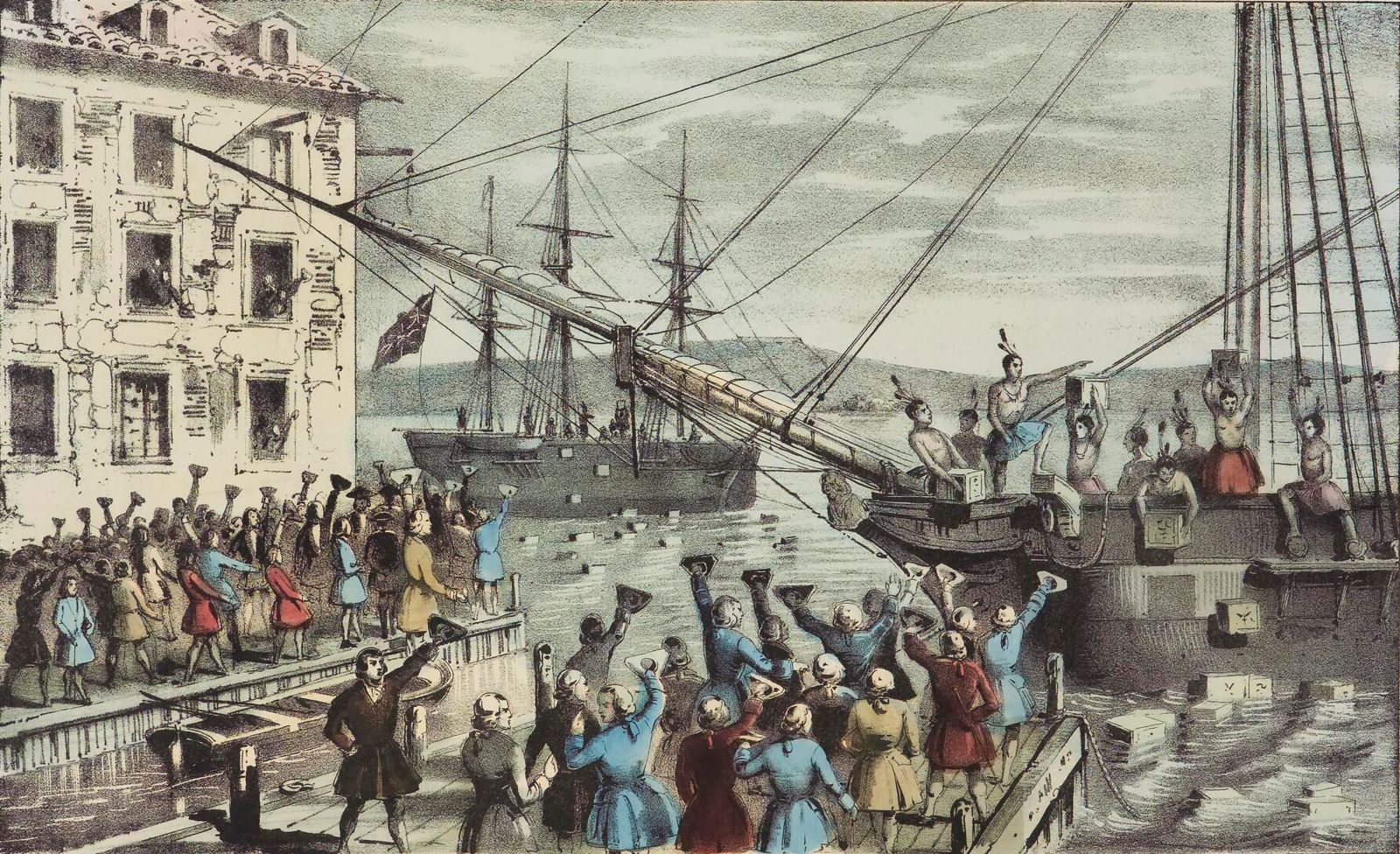
Image: Nathaniel Currier, Public domain, via Wikimedia Commons

The political unrest that eventually led to the American Revolutionary War was brewing well before the Boston Tea Party of 1773, but things might have gone a different way had this event not happened. The destruction of the East India Company’s tea by the Sons of Liberty as a protest against taxation was seen as a direct act of defiance by the British Parliament , who retaliated by closing the Boston Port, intervening in the Massachusetts colonial government, and stationing troops in private residences. This was seen as an act of war by the colonists, and it accelerated the gathering of the First Continental Congress and the start of the American Revolution.

2
The Crossing of the Delaware (1776)

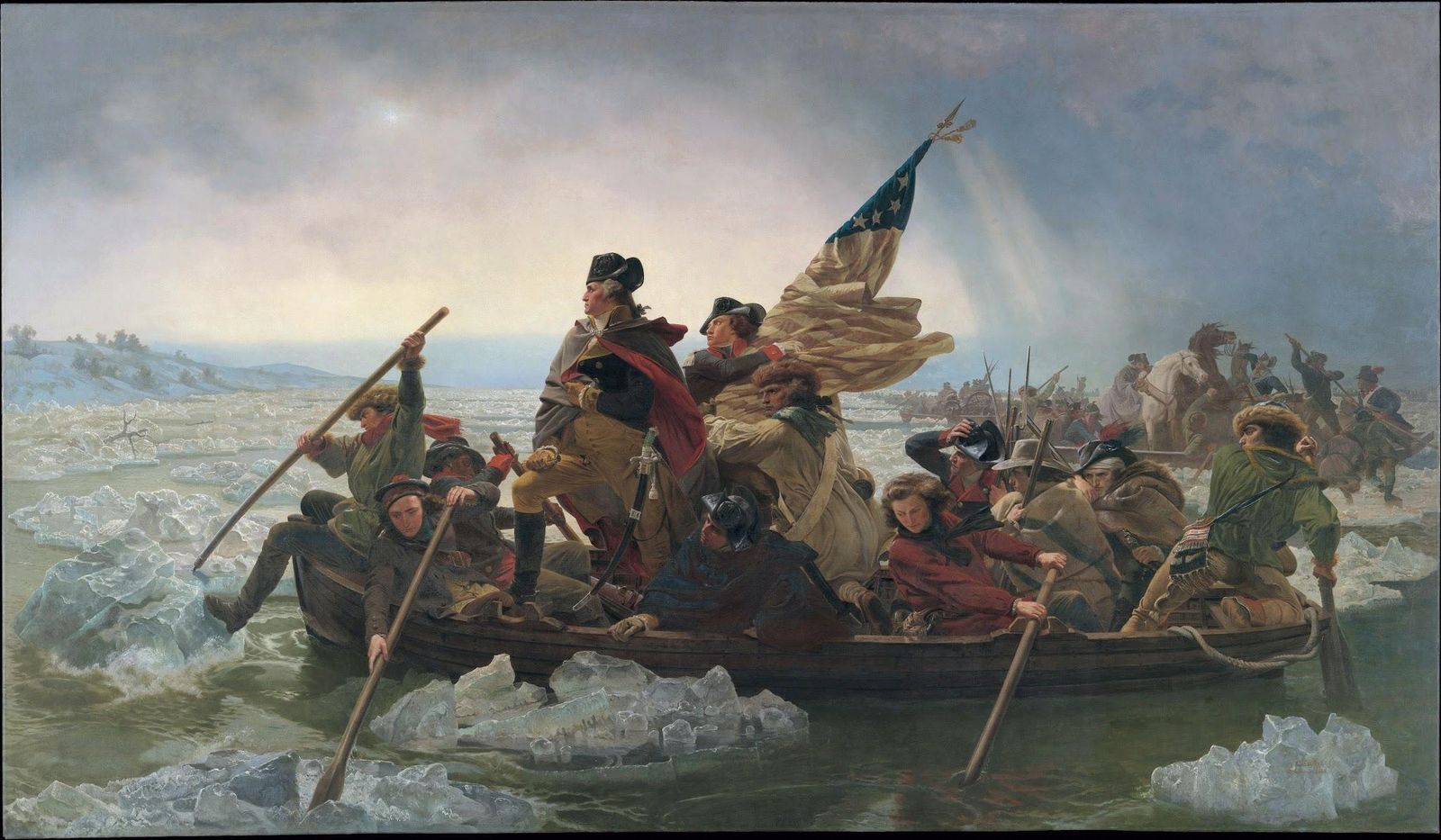
Image: Emanuel Leutze, CC0, via Wikimedia Commons

By December 1776, the Continental Army was on the brink of defeat after a series of losses. The soldiers’ morale was low, and most enlistments were set to expire by the new year. The British had decided to hunker down for the winter season, instead of chasing the colonists, and General George Washington knew he had to act fast. On the night of December 25th, he led 2,400 across the icy Delaware River in the midst of a blizzard, hoping to catch the British forces garrisoned at Trenton by surprise. The attack was successful, and it was the first of a series of victories that uplifted the revolutionaries’ morale and changed the course of the war.

3
The Whiskey Rebellion (1791)

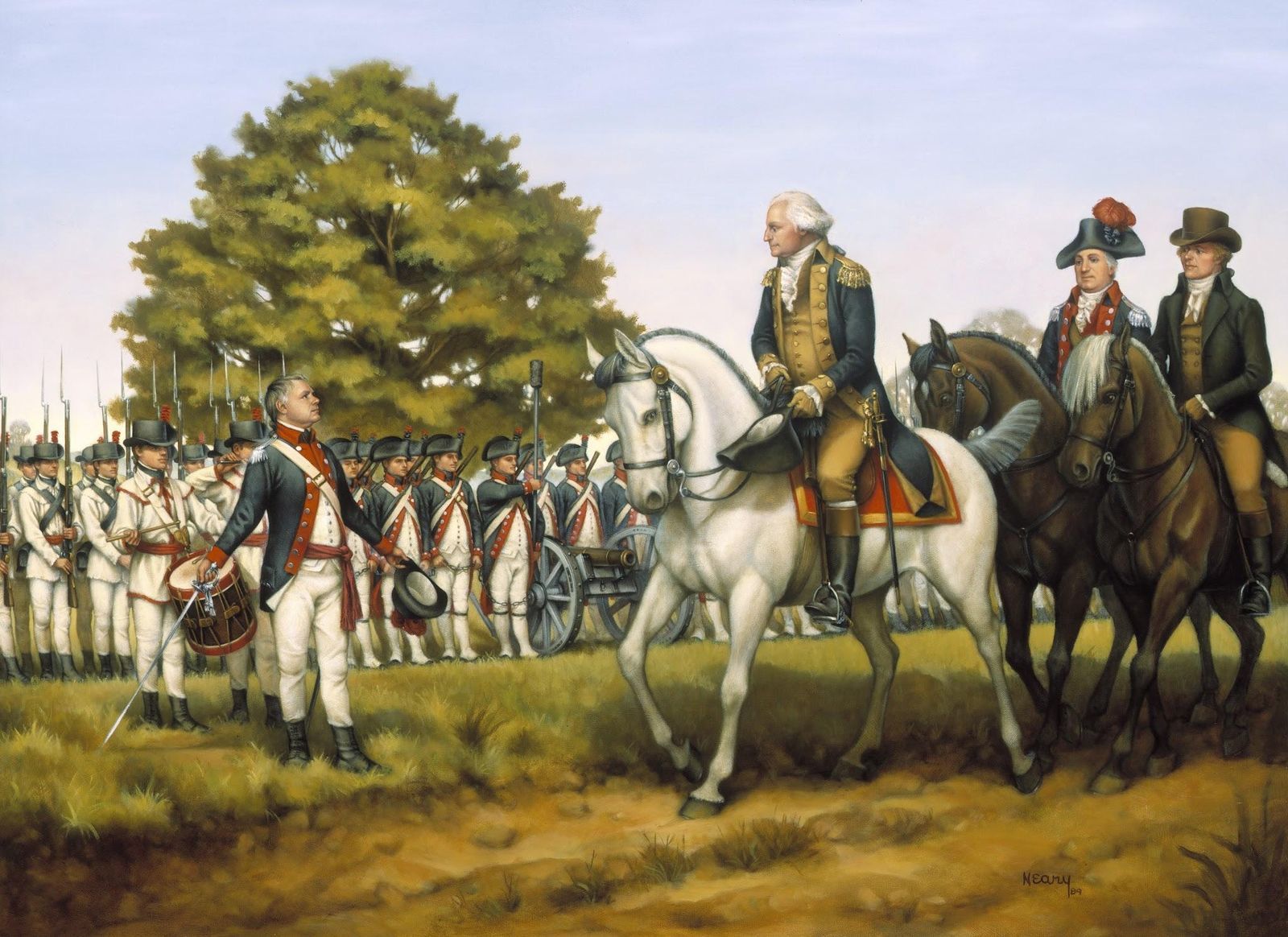
Image: The National Guard, Public domain, via Wikimedia Commons

In 1791, the newly formed American government levied its first federal tax on whiskey, with the intention of using the revenue to pay war debts. However, this was met with strong resistance, protests, and even armed insurrection in the state of Pennsylvania. The peaceful suppression of the rebellion not only prevented further conflicts but also cemented the authority of the federal government over the states in matters of taxation. The role of the army led by Washington himself was crucial in the creation of a standing army—strongly opposed by many founding fathers—and it was the origin of the American military as one of the world's strongest.

4
The Bill of Rights (1791)

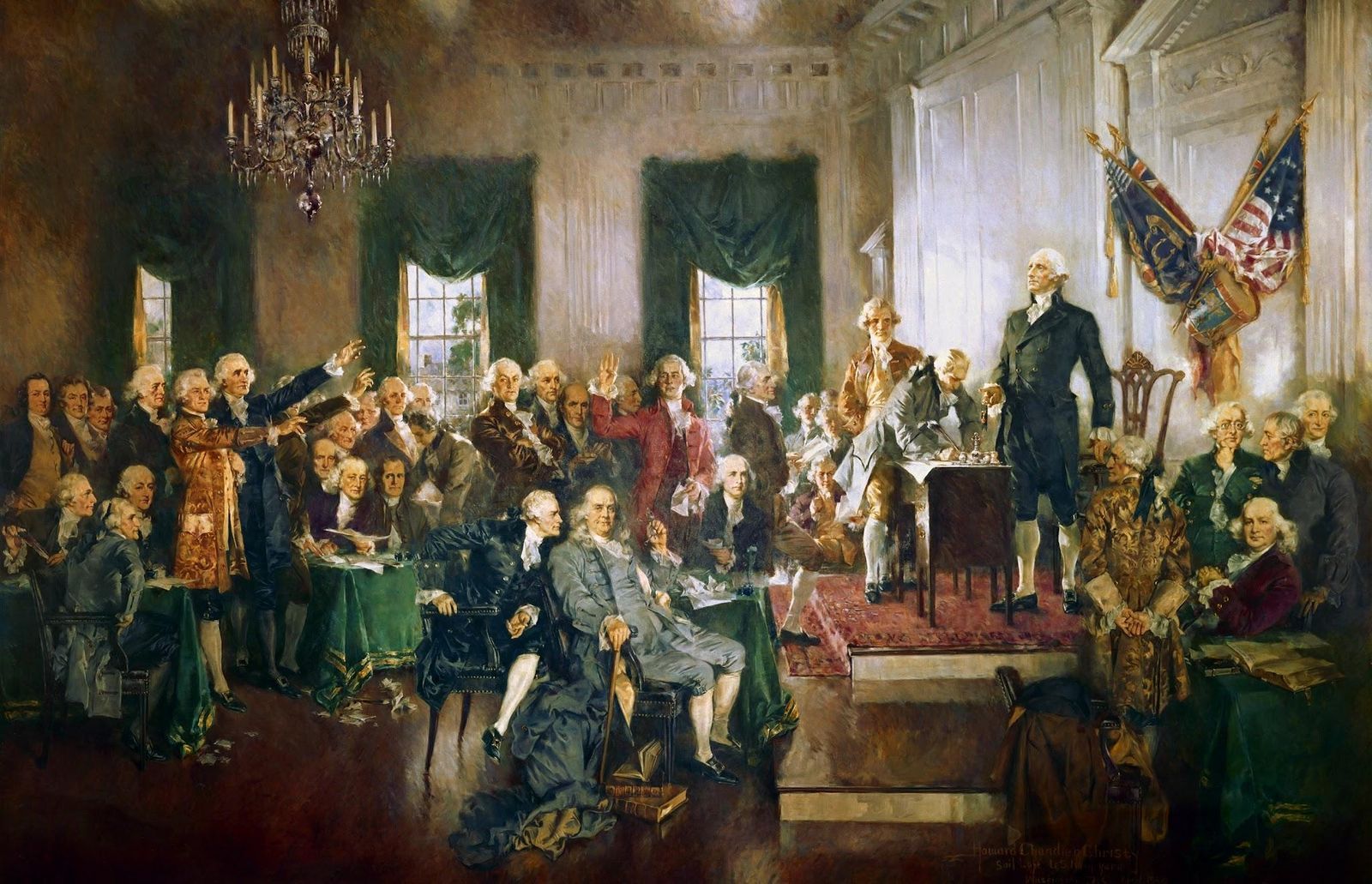
Image: Howard Chandler Christy, Public domain, via Wikimedia Commons

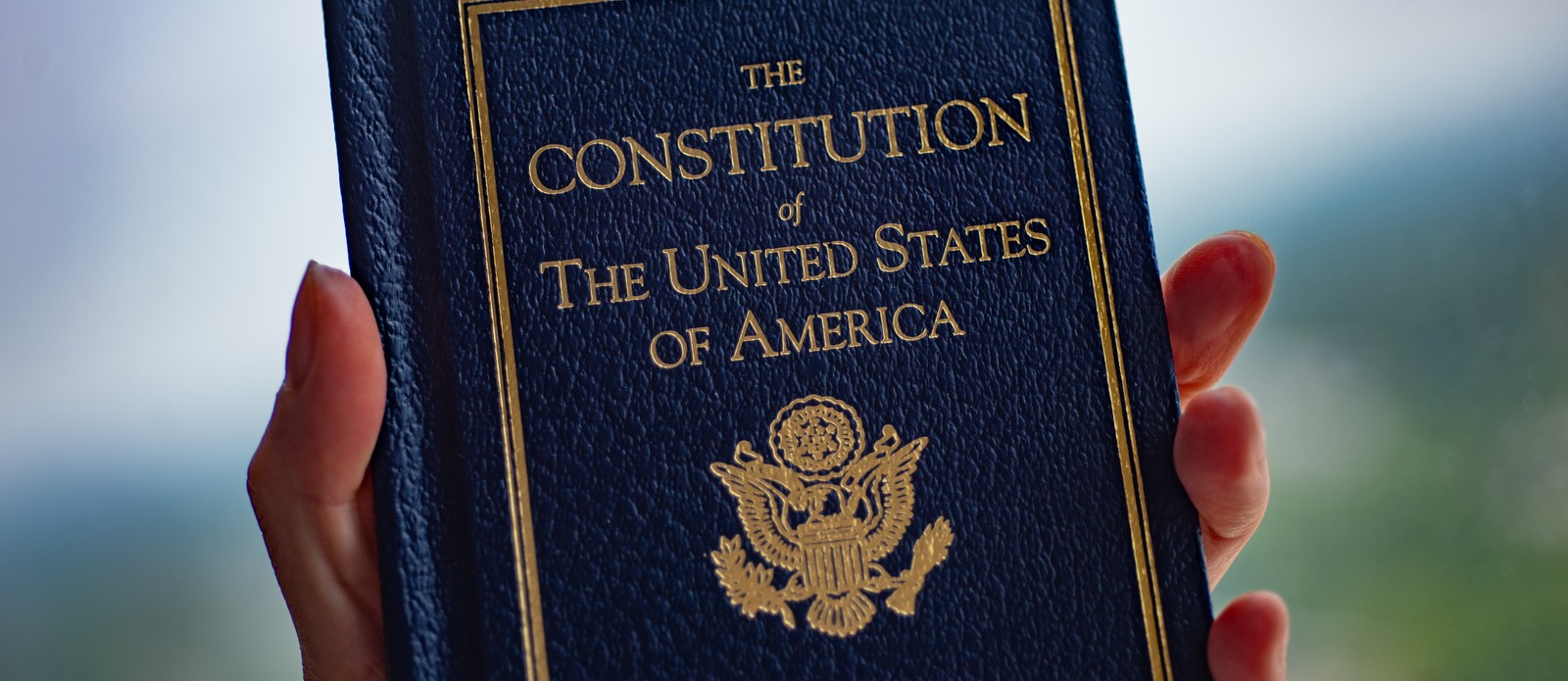
The original U.S. Constitution was met with strong opposition by many states, who saw it as infringing on individual rights and liberties, and as a possible source of government tyranny. A Bill of Rights, establishing and securing fundamental freedoms, was drafted and added as a condition for the ratification of the document. While this compromise was crucial for establishing the bases of the American nation, it also put into practice the mechanism for amending the Constitution, codified in Article V, and set the precedent that the supreme law of the land could evolve with the nation.

5
The Louisiana Purchase (1803)

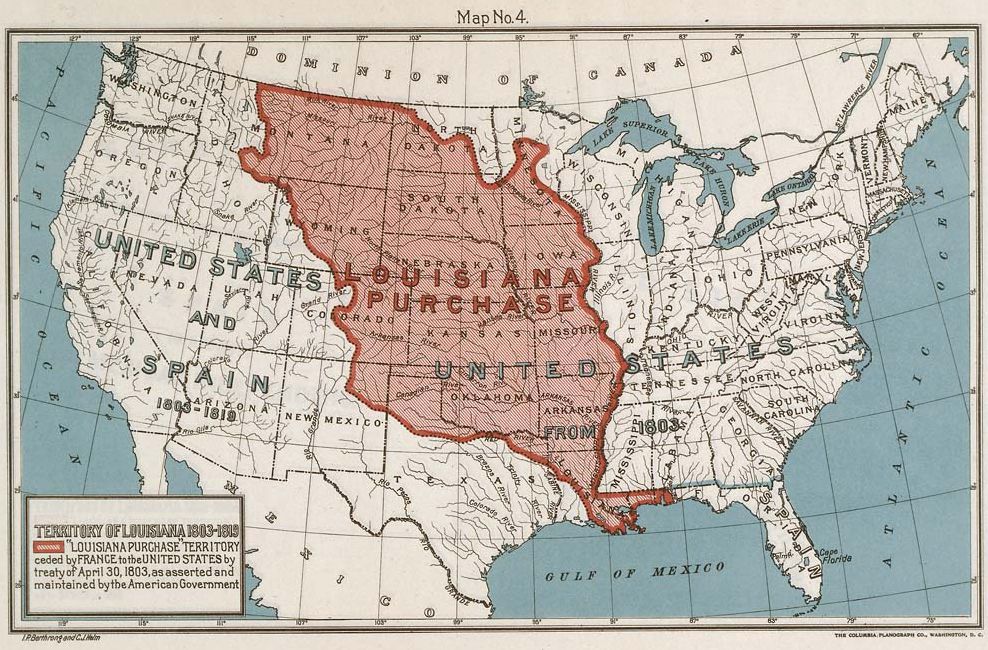
Image: BioKnowlogy, Public domain, via Wikimedia Commons

Thomas Jefferson’s purchase of Louisiana from the French in 1803 was much more than a simple territorial acquisition. The 828,000 square miles territory, purchased for roughly 15 million dollars, doubled the size of America, now expanding its initial borders from the Mississippi to the Rocky Mountains. By securing the Mississippi River and the port of New Orleans, the U.S. expanded its agricultural economy and gained access to vast natural resources , while the control over a former French territory diminished the influence of European powers—mainly, the rising Napoleon Bonaparte— in North America. The soon-to-follow Westward expansion would add 13 new states to the Union.

6
The Battle of San Jacinto (1836)

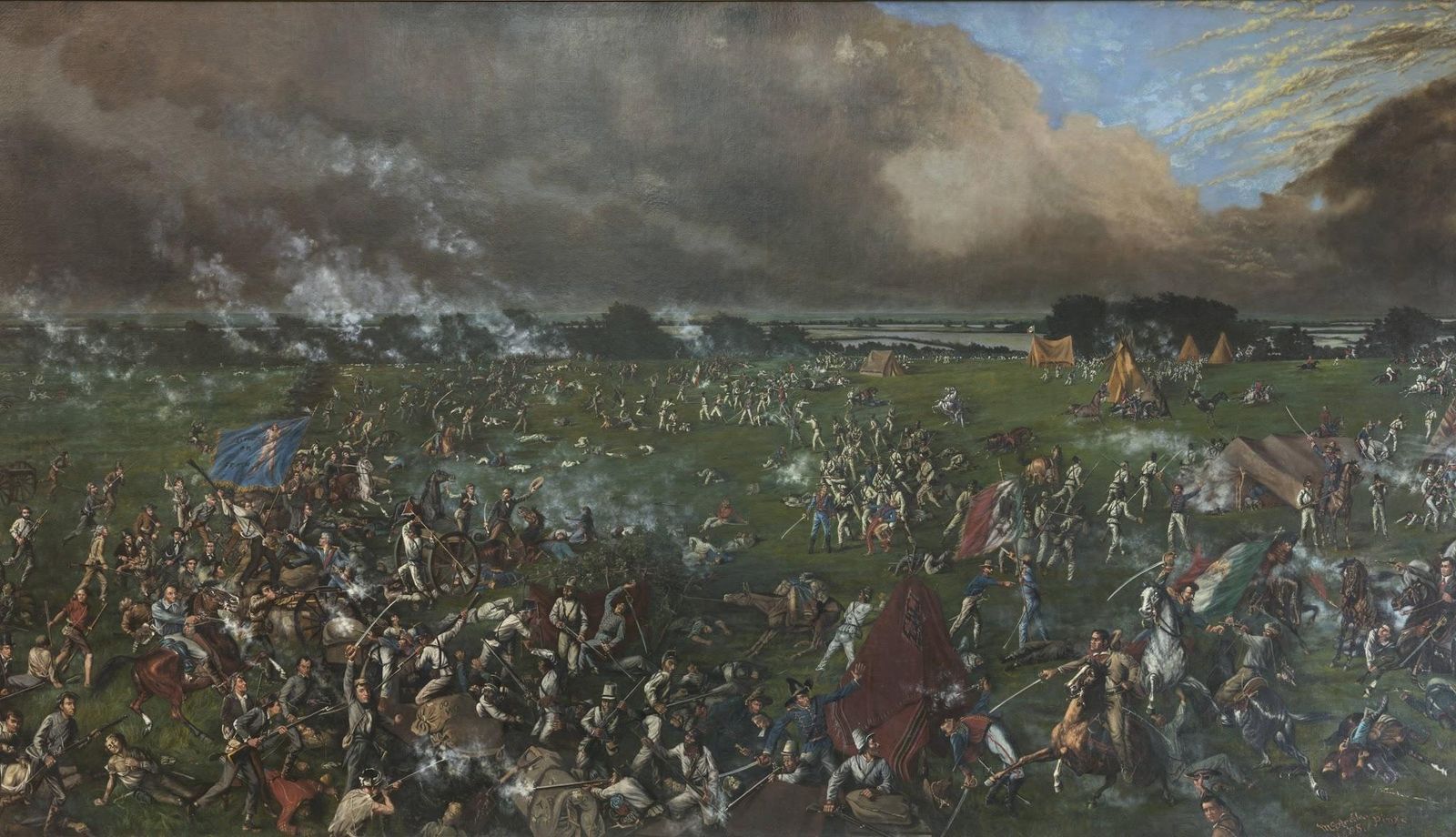
Image: Henry Arthur McArdle, Public domain, via Wikimedia Commons

Given its significance in Texan and American history, it is easy to forget that the 1836 Battle of San Jacinto lasted a mere 18 minutes. After the victory of the Mexican army at the Alamo and the massacre of war prisoners in Goliad, Texan morale was low, and the quest for Texas’ independence was nearly ended. Pursuing the remnants of the army led by Sam Houston, Mexican scouts incorrectly reported the route taken by the Texans, which allowed Houston to evade the enemy. After blocking the escape route and while the Mexican soldiers were taking a nap, 900 Texan soldiers attacked by surprise, killing more than half of the Mexican forces (around 1,300 men) and capturing the rest.

7
The Battle of Antietam (1862)

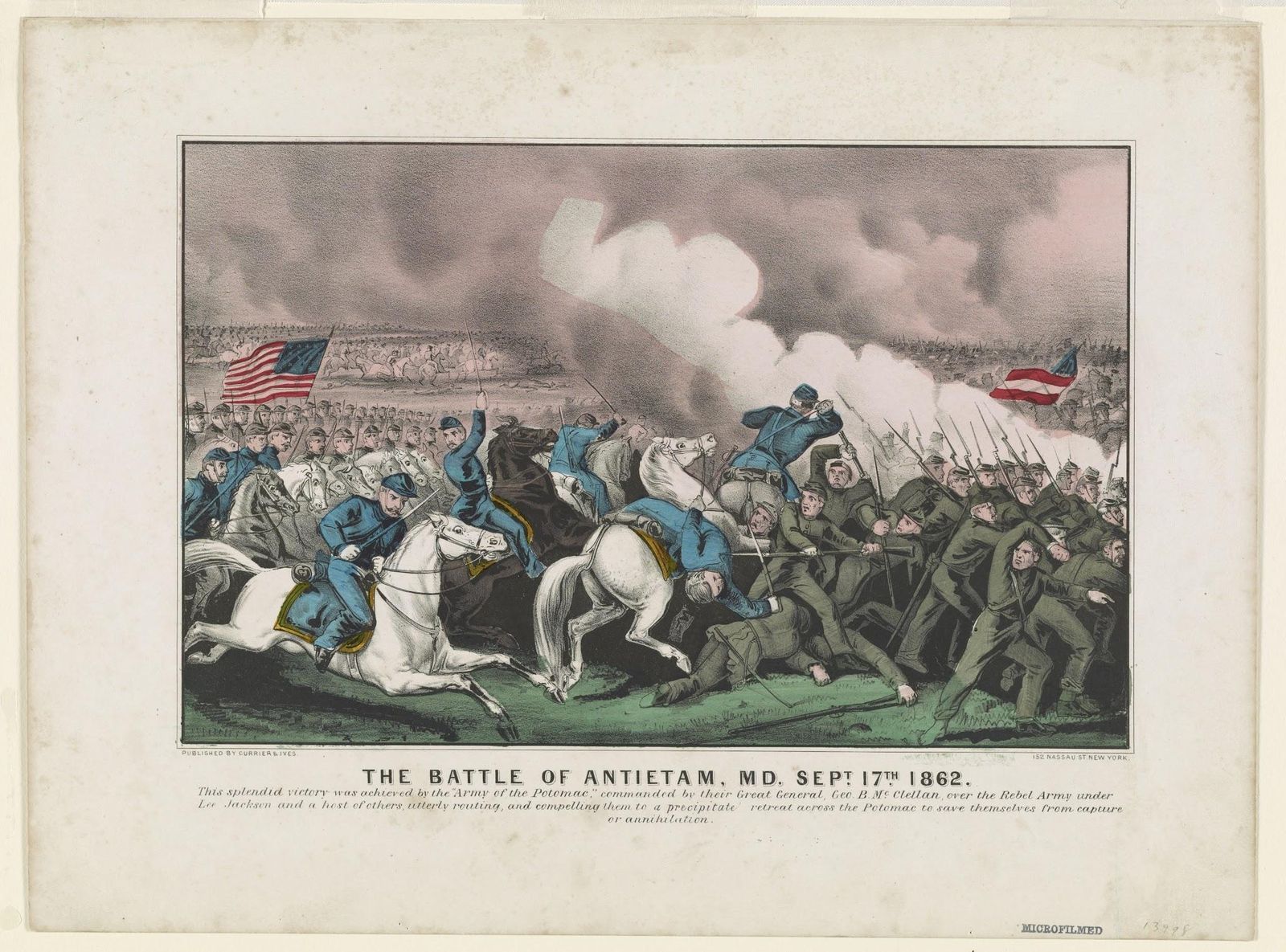
Image: Currier & Ives., Public domain, via Wikimedia Commons

Widely considered to be the bloodiest battle of the American Civil War, with a tally of 22,726 casualties between dead, wounded, and missing people, the 1862 Battle of Antietam ultimately tipped the balance in the Union’s favor. But did you know that the casualties could have been far less? As the Union Army of the Potomac was moving to intercept the Confederate forces of General Lee, two Union soldiers came across a copy of Lee’s battle plans, detailing his intention of dividing the troops , which would allow the Union forces to isolate and defeat the Confederate army. However, Union General McClellan waited 18 hours before deciding to attack, which gave Lee the time to mount a strong defense in Antietam.

8
The New Deal (1932)

Image: Margaret DeMott Brown, Public domain, via Wikimedia Commons

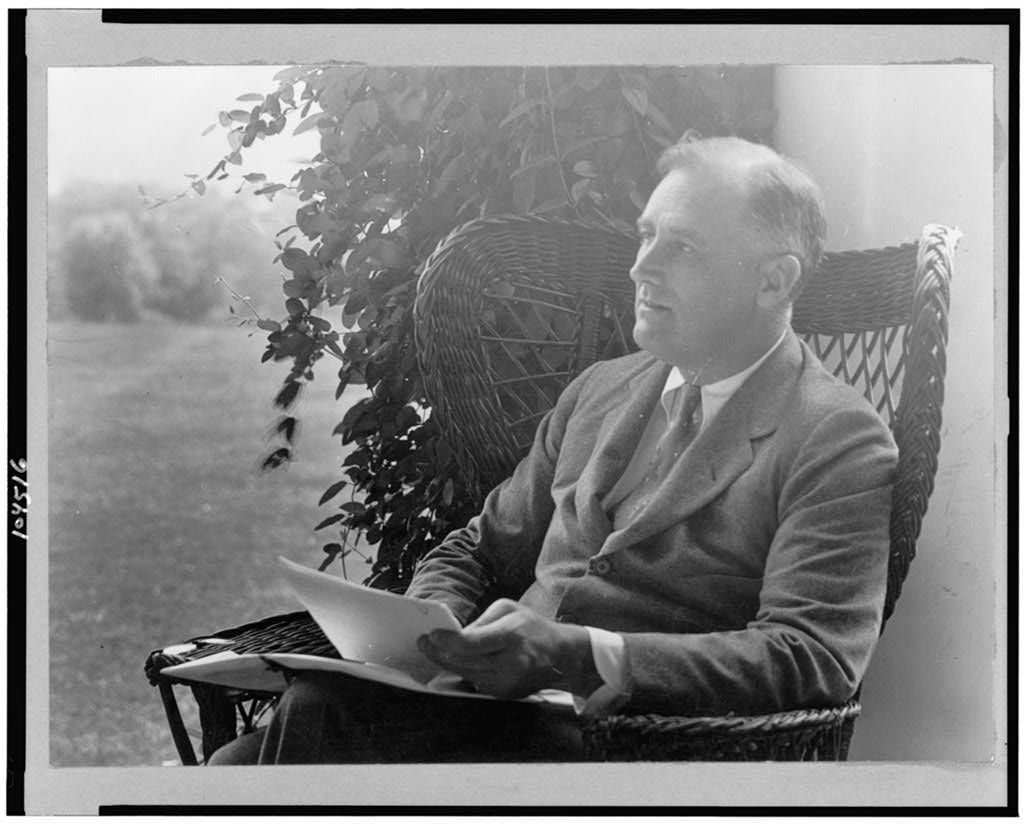
Burdened by the consequences of the Great Depression, Americans overwhelmingly supported the election of Franklin D. Roosevelt as president in 1932. Roosevelt’s main campaign promise, the New Deal, involved a series of economic, social, and political reforms to combat America’s economic crisis and restore the country’s trust in the government. The reforms weren’t entirely successful in ending the Great Depression —it only fully ended with the industrial mobilization for World War II— but they were key to ensuring that America would not suffer such a crisis again by establishing structural changes, relief programs, social security, and safety nets, regulating financial institutions, and ultimately showing American citizens that the government was working to help them.

9
The Cuban Missile Crisis (1962)

Image: Cecil W. Stoughton, Public domain, via Wikimedia Commons

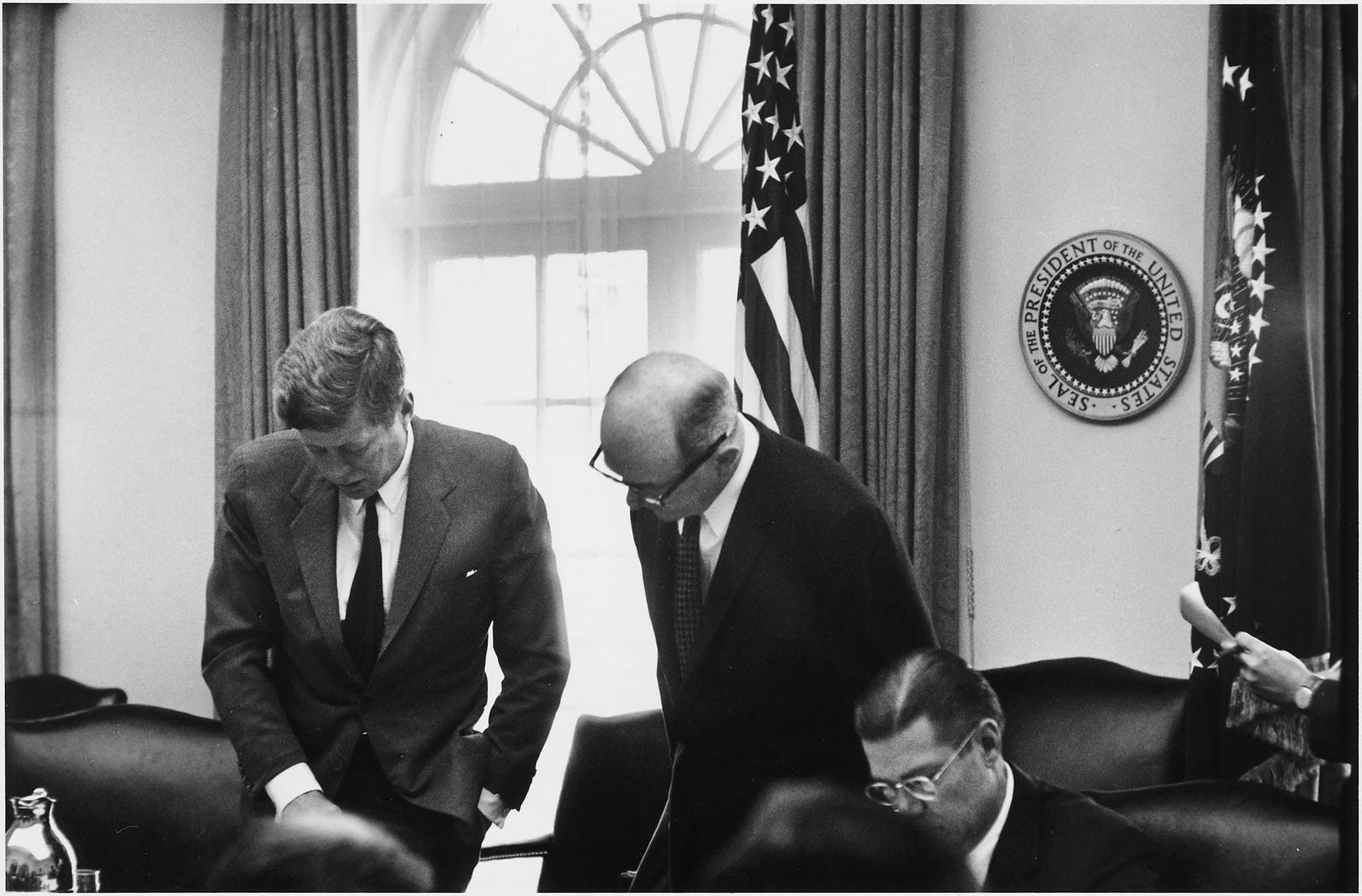
There were several moments during the Cold War Era (1947-1991) when the world thought a nuclear war was imminent, but none as close to it as the Cuban Missile Crisis. In October 1962, the Soviet government deployed nuclear missiles in Cuba as a response to similar deployments made by the U.S. in the UK, Italy, and Turkey. A 13-day crisis ensued, with President Kennedy ordering a naval blockade in Cuba, while his advisors pushed for an air strike and an all-out invasion. While the conflict ended peacefully, the nuclear war had been closer than most imagined: a U.S. Navy ship in the blockade had dropped signaling charges to deter a Soviet submarine, not knowing the submarine carried a nuclear torpedo. The Soviet captain assumed war had started and prepared to attack the ship, but he had to wait for confirmation. Luckily, the attack never happened, and a nuclear war was avoided.

10
The March on Washington (1963)

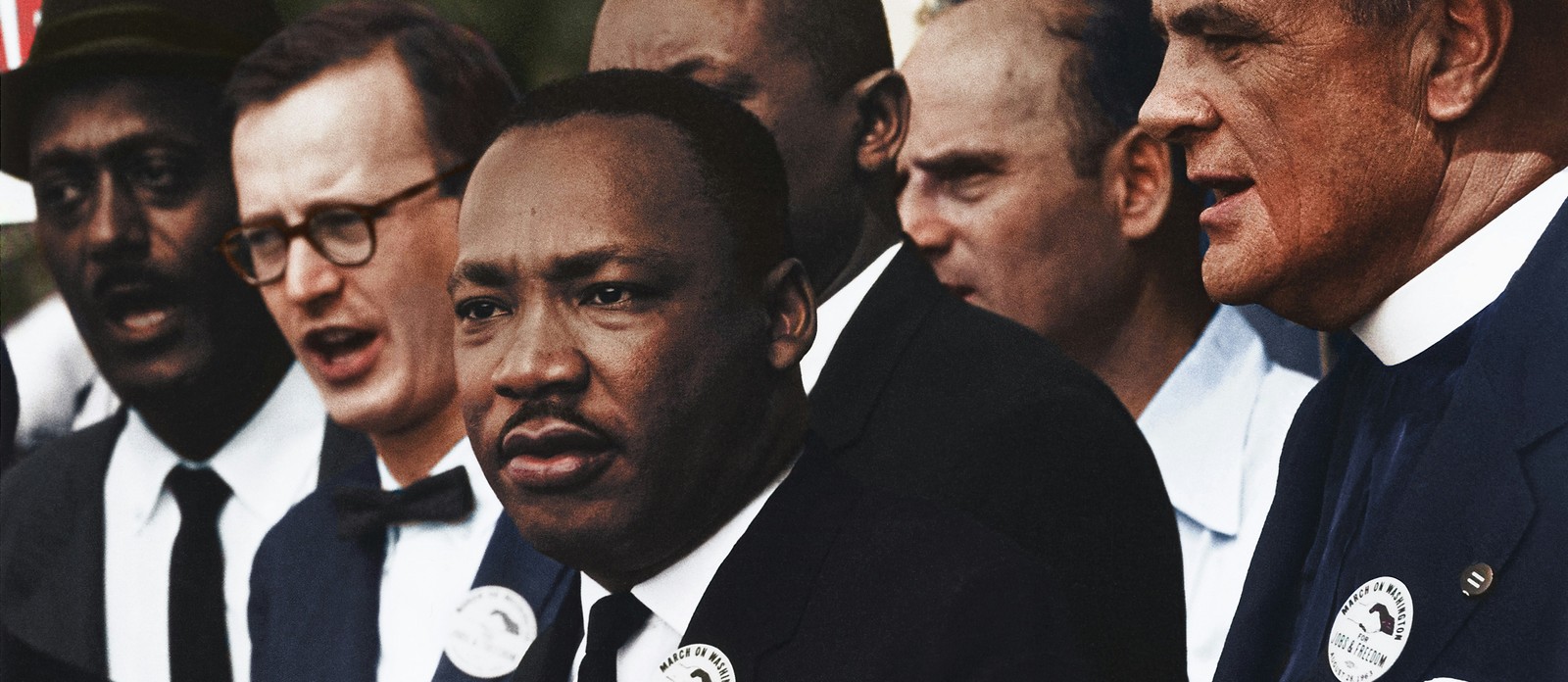
Image: Unseen Histories

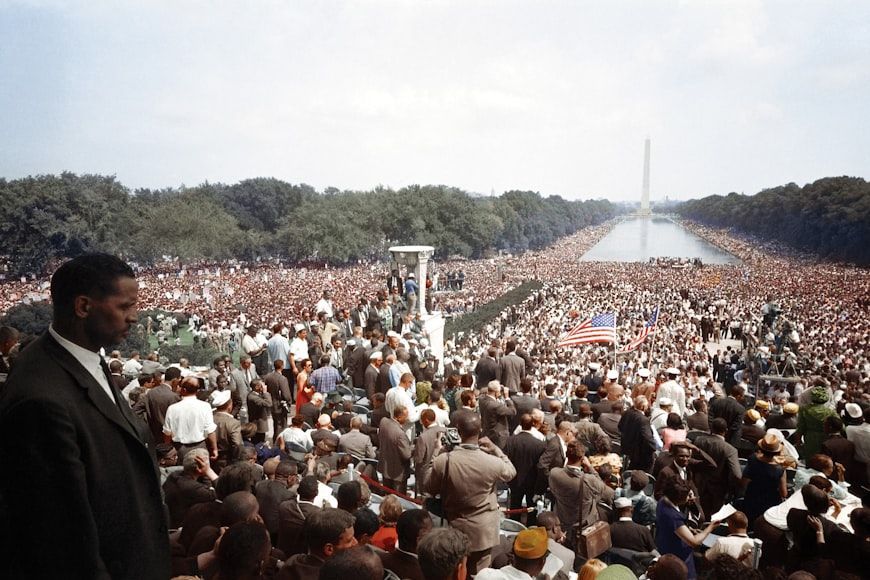
In 1963, at the height of the civil rights movement, social tensions were at an all-time high. Violent confrontations had happened in marches across the country, usually as a result of attacks on peaceful protesters. Still, these incidents had fueled the narrative of Civil Rights activists as violent and dangerous. As President Kennedy announced his intention to push for civil rights legislation, several organizations and leaders came together to organize the ‘March on Washington for Jobs and Freedom’. The march took place on August 28, 1963, and it's considered to have been one of the largest human rights rallies in American history, with an attendance of around 250,000 people. Besides landmark moments—such as MLK’s "I have a dream" speech— the march was crucial in showing peaceful protest and in pressuring the government to advance in what would later become the Civil Rights Act of 1964 and Voting Rights Act of 1965.

Explore more American facts

Choose your favorite category!

General
General

As American as apple pie—the very best America has to offer!

Culture
Culture

Delve into the astounding richness of American lore.

Geography
Geography

Hop in and explore vast and diverse American landscapes.

History
History

Discover the key moments that shaped the United States.