General General 3 min read

Banned in the USA

Would you ban velvet Elvis paintings? These towns really did it
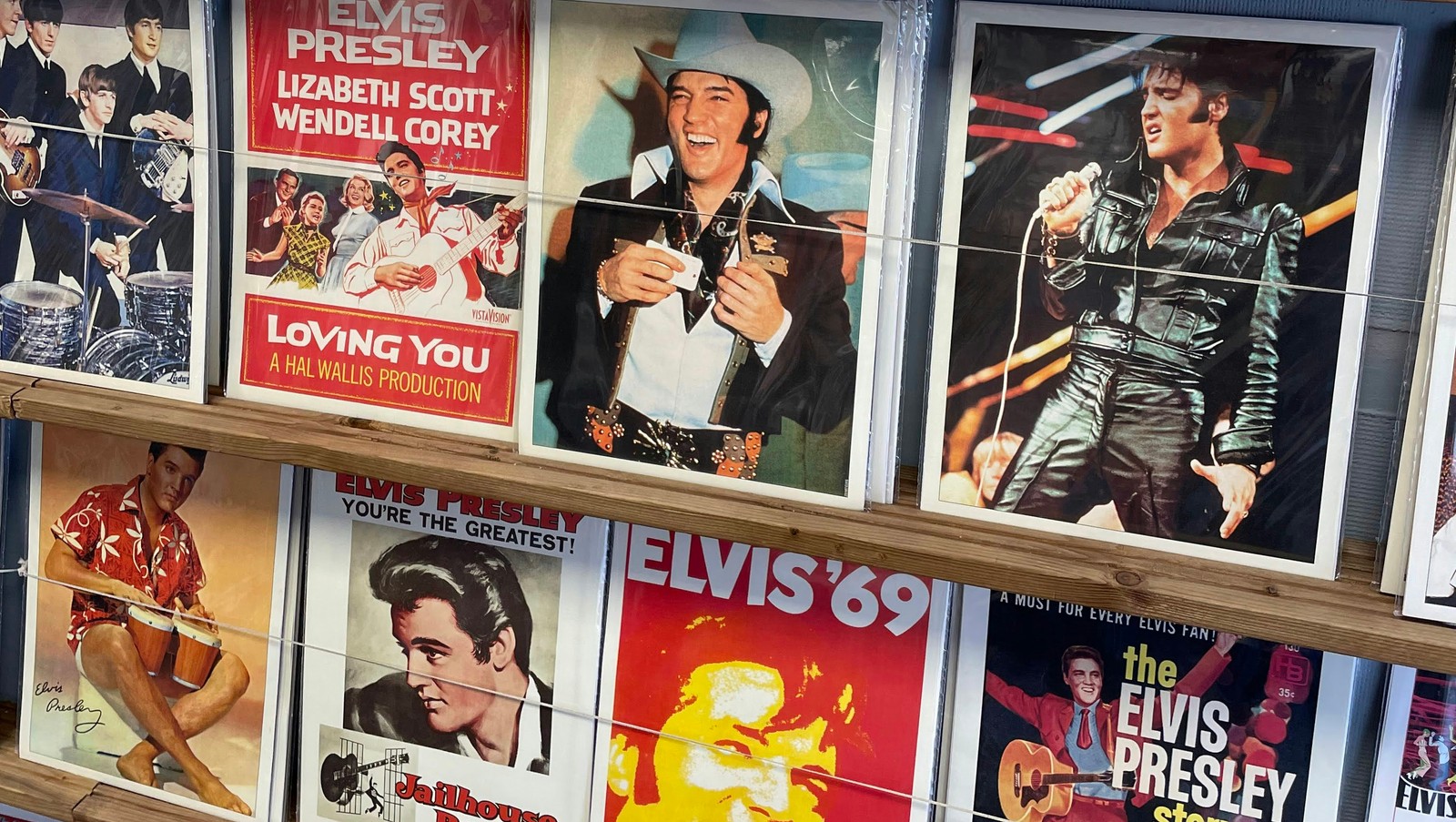
Image: Dmitry Alexandrovich

The Land of the Free has had its fair share of strange bans over the years, and not all of them make sense today. From quirky laws to outright odd restrictions, plenty of everyday things have been outlawed at one point or another. Here are 12 unusual things that, believe it or not, were once banned in the U.S.

1
Sliced bread
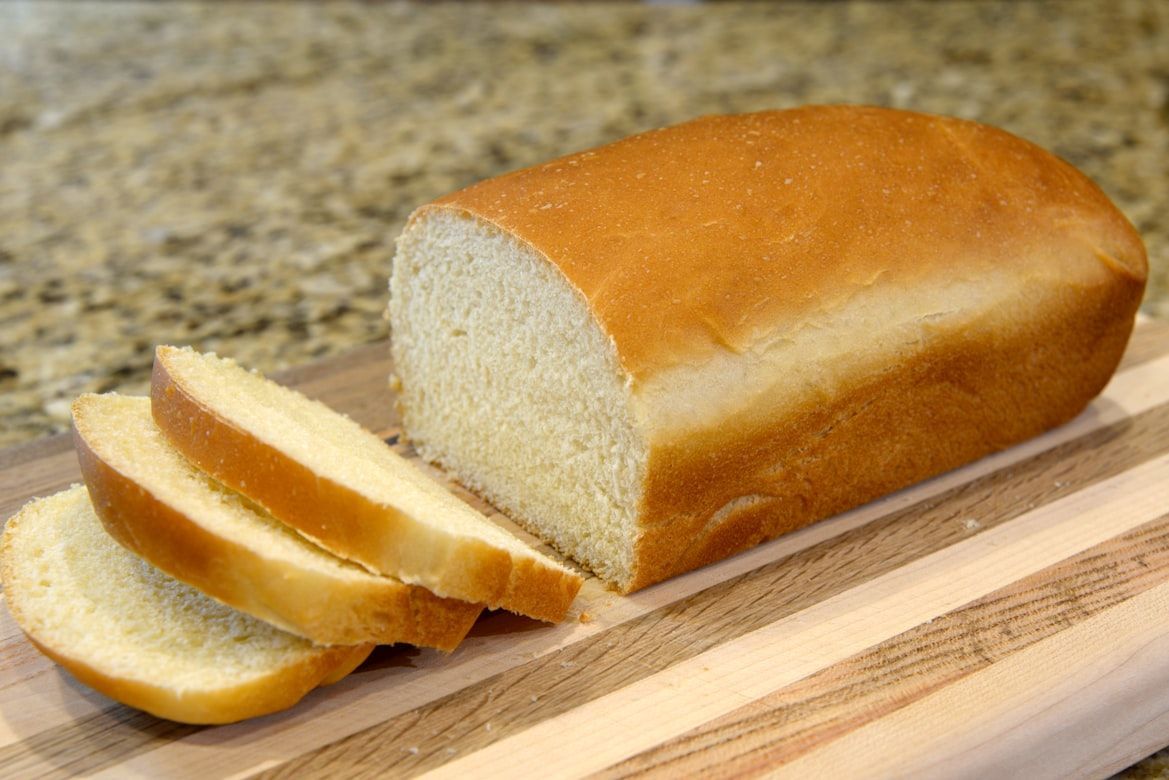
Image: Laura Ockel

Not even the best of inventions are safe from odd bans. In 1943, the U.S. government temporarily banned pre-sliced bread as part of wartime resource conservation .

Thankfully, the ban only lasted a few months. Housewives, bakeries, and even newspapers complained, arguing that sliced bread was a necessity. The ban was lifted quickly due to public backlash.

2
Pinball machines
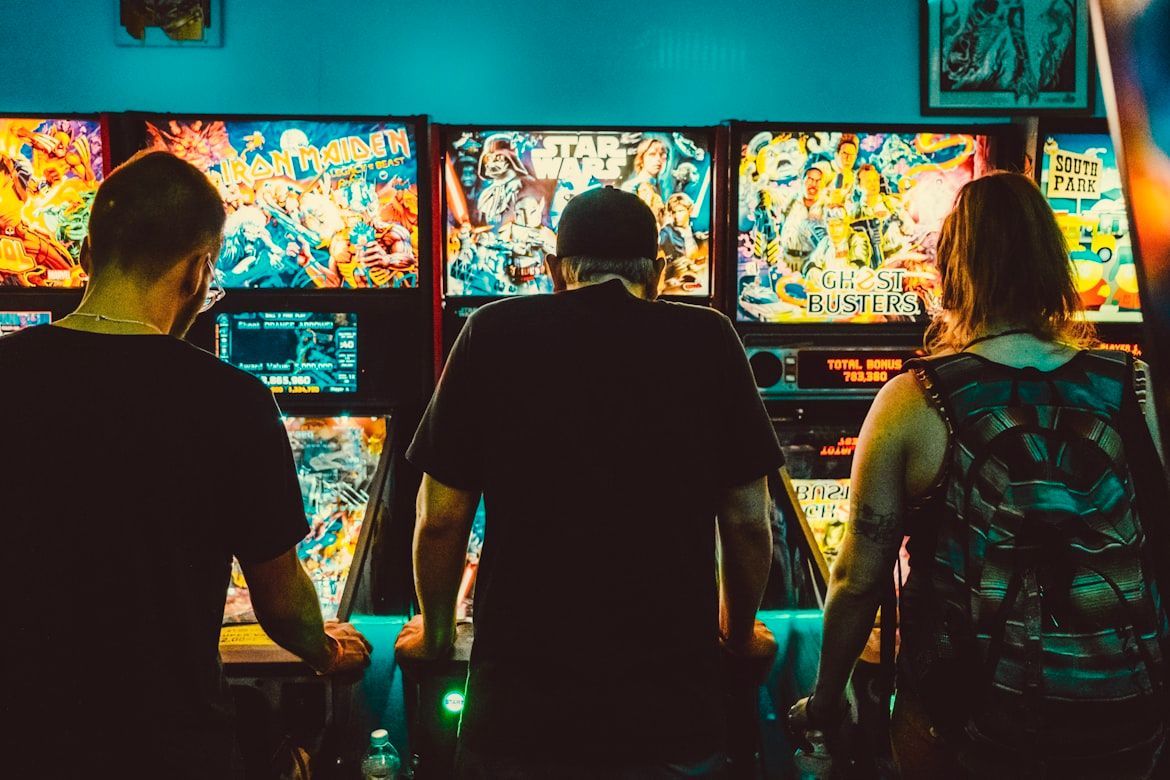
Image: Louie Castro-Garcia

Believe it or not, from the 1940s until the mid-1970s, pinball machines were outlawed in several major cities, including New York and Chicago. Officials claimed the machines promoted gambling and corruption .

Machines were confiscated and destroyed. The ban finally ended when it was proven that pinball was more skill-based than luck, leading to its revival as a popular arcade game.

3
Yo-Yos
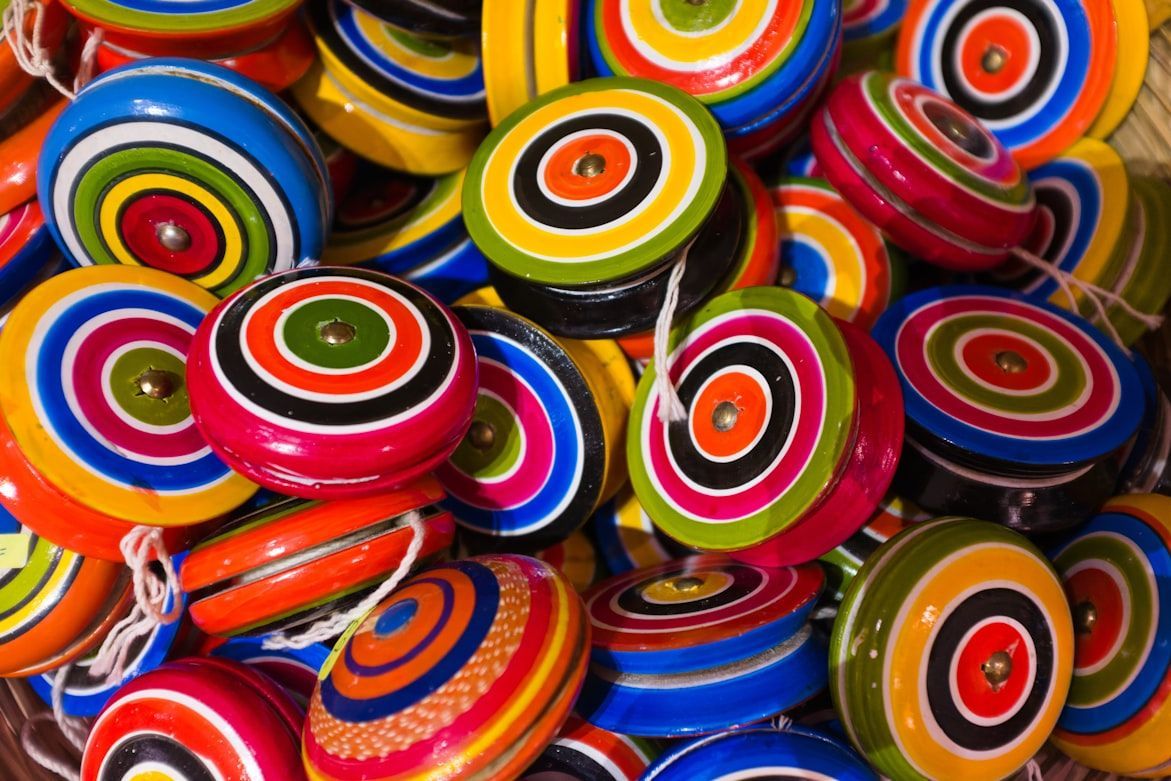
Image: Eric Prouzet

During the 1930s, some U.S. towns banned yo-yos, believing they caused bad luck and distracted children from schoolwork . The fad was seen as both frivolous and superstitious.

Though short-lived, the bans show how something as harmless as a toy could spark moral panic and strange local laws.

4
Christmas

Image: Erwan Hesry

In the 1600s, the Puritans of Massachusetts Bay Colony banned Christmas , claiming it was rooted in pagan traditions and encouraged rowdy behavior .

Anyone caught celebrating risked punishment or fines. It wasn’t until the mid-1800s that Christmas gained widespread acceptance in the U.S.

5
Dancing after midnight
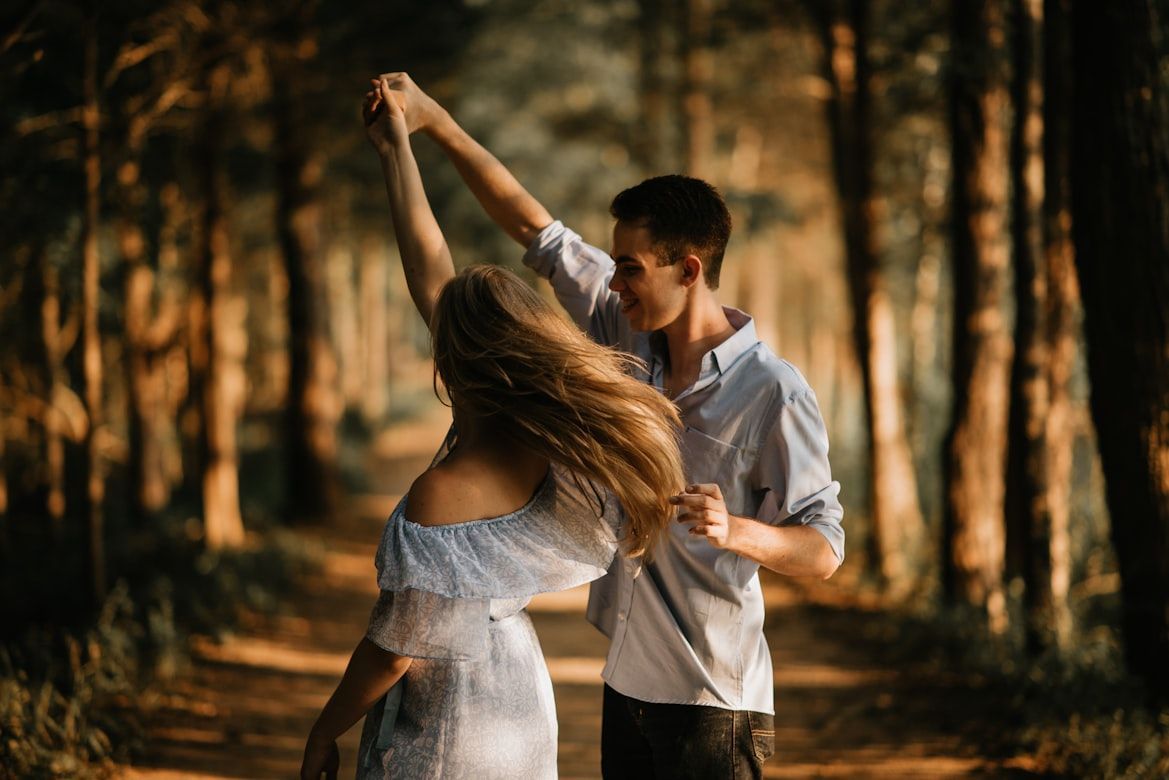
Image: Scott Broome

At different occasions during the 20th century, some cities enforced laws that restricted or outright banned late-night dancing . New York City’s "Cabaret Law" limited dancing to licensed venues only.

Authorities argued it was about maintaining order, but many saw it as cultural repression. By the 1990s, these laws faced strong opposition, and most have since been repealed, allowing nightlife to thrive.

6
Comic books
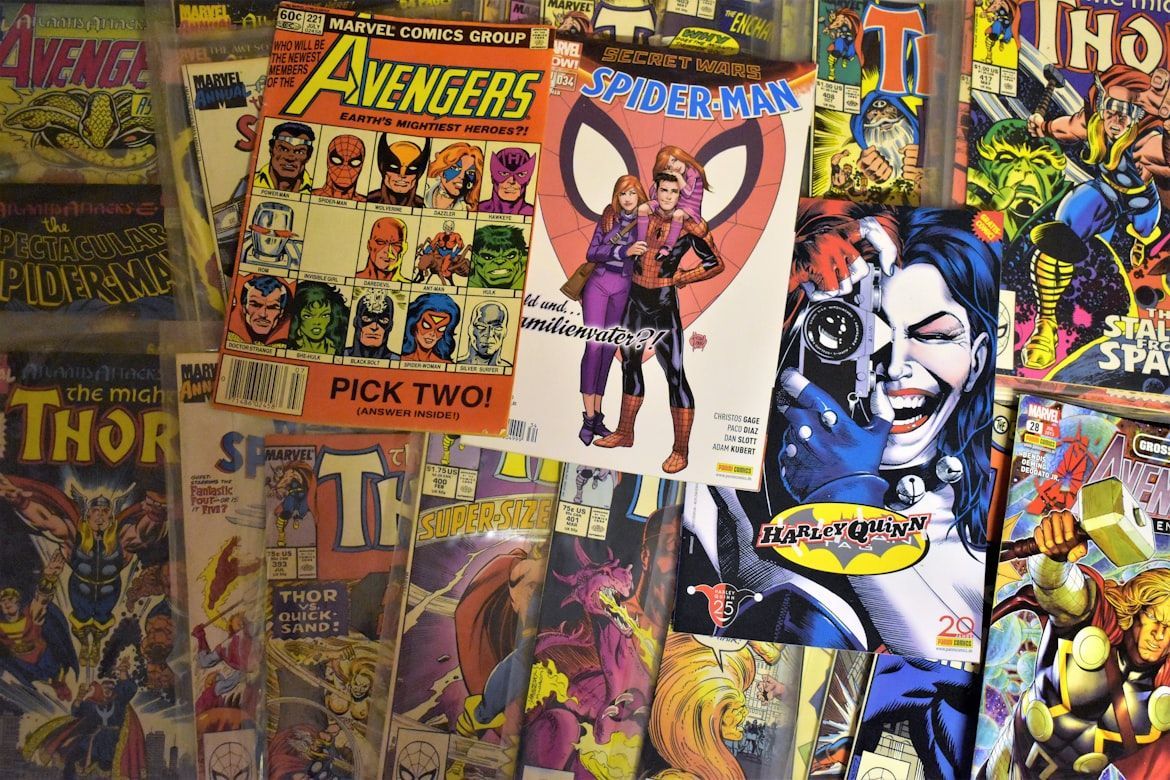
Image: Waldemar

Comic books have been a scapegoat for different things in different periods. For example, in the 1950s, they came under fire, accused of corrupting America’s youth . Parents, educators, and politicians believed violent and horror-themed comics encouraged delinquency.

Entire towns banned sales, and even public book burnings took place in different corners of the country.

7
Yellow margarine
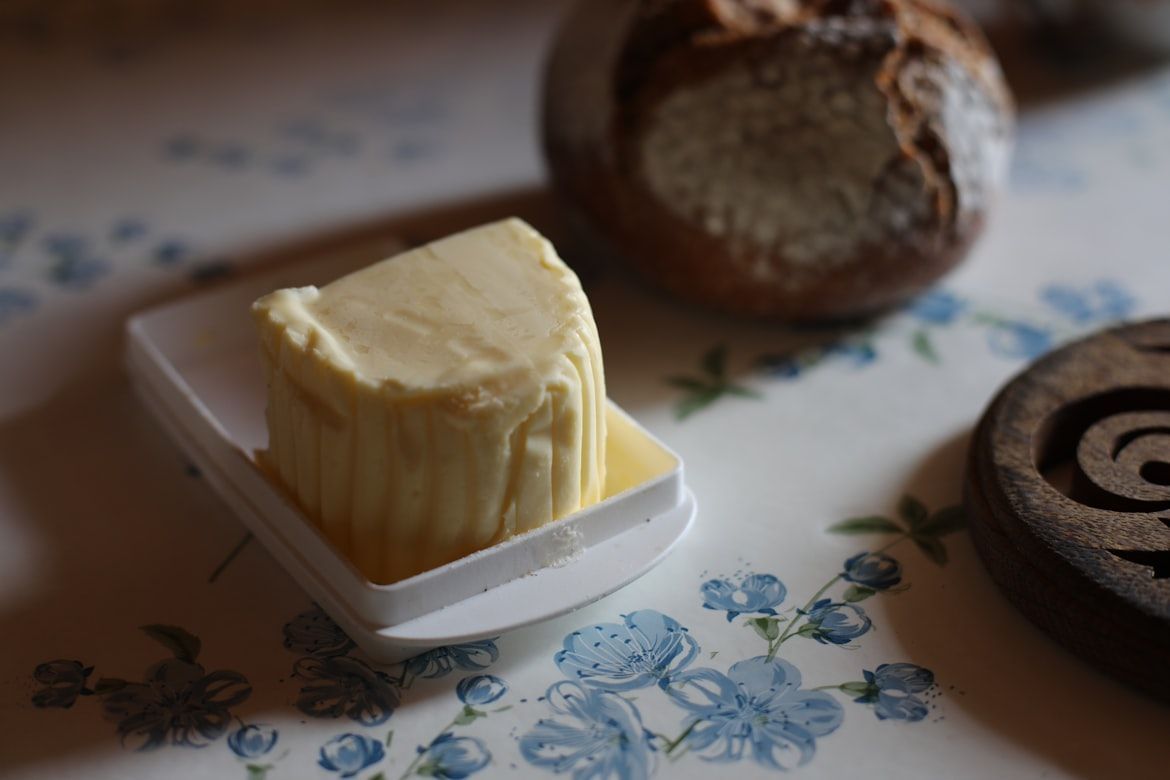
Image: Marine Le Gac

Being a substitute for butter, margarine was heavily lobbied against by dairy farmers in the late 1800s. Several states passed laws banning margarine dyed yellow to resemble butter .

As a result, margarine was sold plain white, or consumers had to mix in dye packets themselves. These odd restrictions lasted well into the mid-1900s before finally being repealed.

8
Men’s long hair

Image: Siri louis

During the 1960s and 70s, schools across the U.S. cracked down on boys with long hair . Beatles-inspired styles were viewed as rebellious, unclean, and disruptive.

Some students were suspended or expelled over hair length. These policies reflected the cultural clashes of the era.

9
Left-handed writing
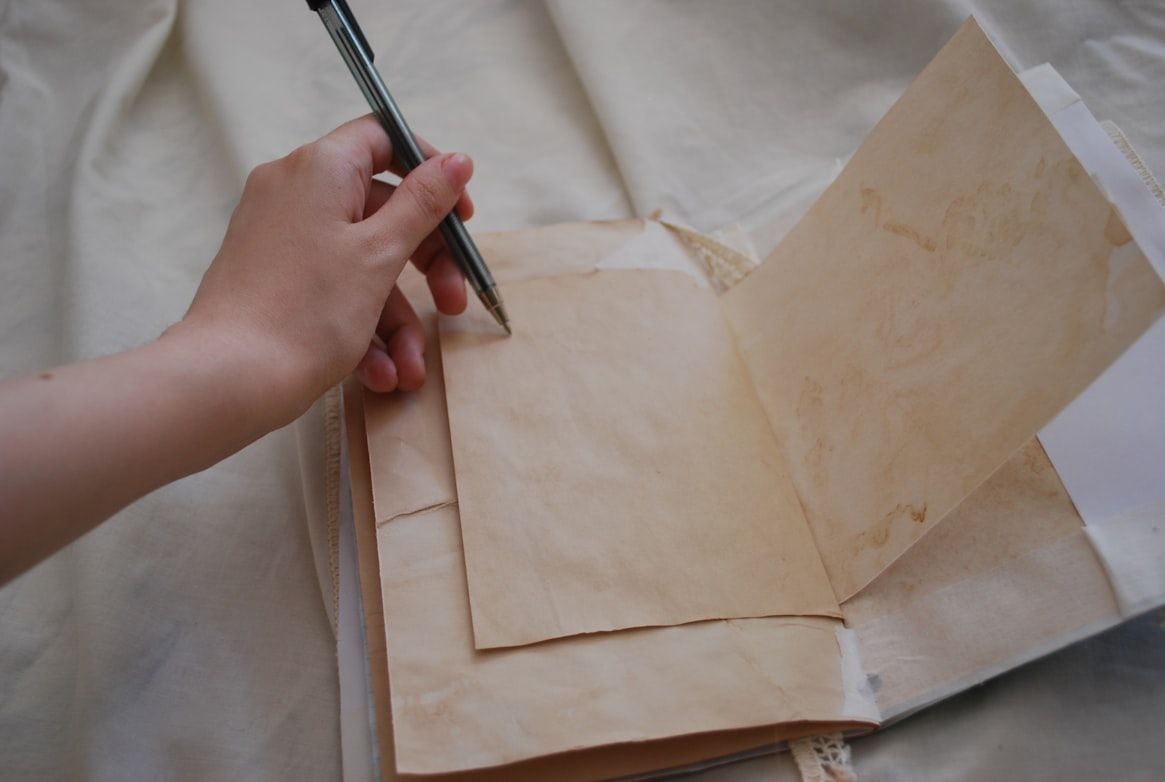
Image: Anna Savina

For much of the 19th and early 20th centuries, left-handed students were forced to switch hands . Teachers tied their left arms or punished them until they wrote with their right hand.

This practice was based on superstition and prejudice, with left-handedness considered "wrong" or even sinister.

10
Bathing suits above the knee
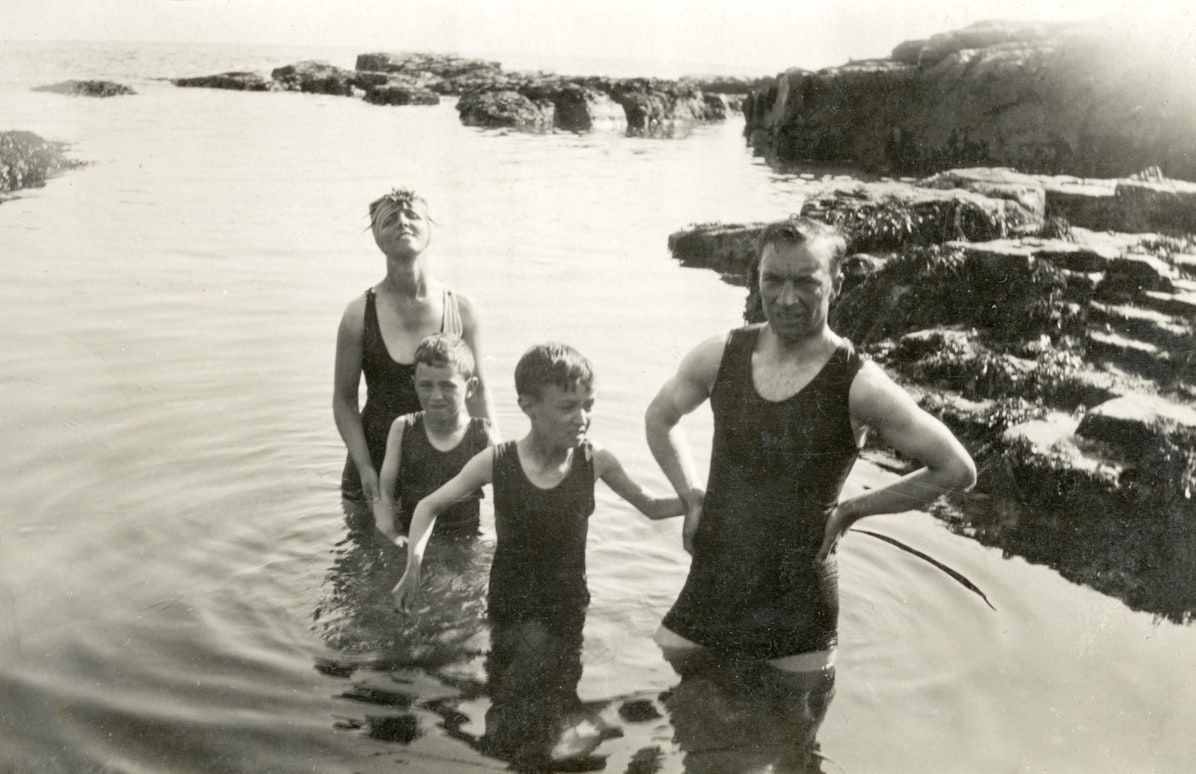
Image: Brett Jordan

In the early 1900s, strict laws dictated swimwear modesty at public beaches . Bathing suits that rose above the knee could result in fines or even arrest by "beach police."

Photographs from the time show officers measuring swimsuit lengths with rulers. The bans slowly disappeared as fashion and social norms shifted.

11
Coffee

Image: Jakub Dziubak

In the late 1600s, in Boston, coffee was briefly banned for being considered dangerous and unproductive . Authorities feared it encouraged idleness and vagrancy.

Coffeehouses were seen as gathering places for gossip and dissent. The ban didn’t last long, and coffee soon became a staple of American culture, eventually surpassing tea in popularity.

12
Velvet Elvis paintings
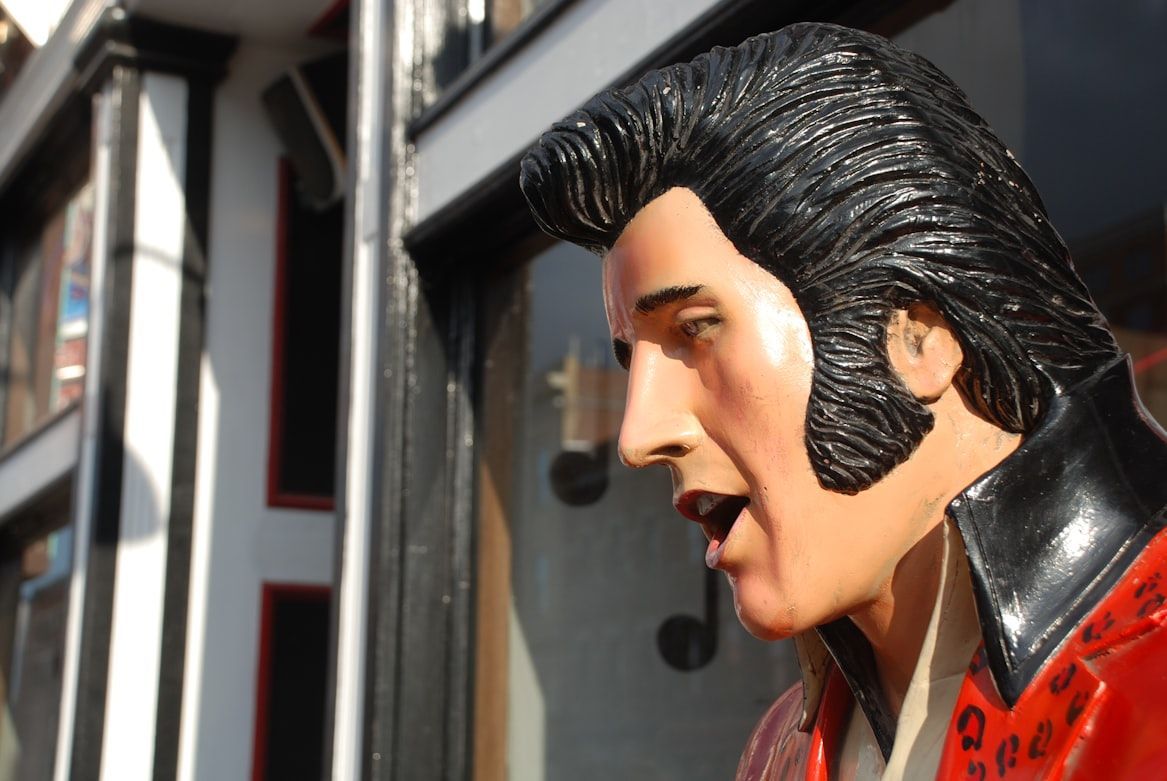
Image: Susan Mohr

In the 1970s and 80s, velvet Elvis paintings became a kitschy art craze. Some towns, embarrassed by the trend, tried banning their sale, calling them indecent or tacky .

Though the bans were rarely enforced, they reflected how taste and morality sometimes crossed into law.
Culture Culture 3 min read

Career chameleons

An NBA legend built a billion-dollar empire. Who else switched careers?

Image: Domenico Loia

Some people stay in one lane their whole lives, but others take sharp turns and surprise everyone. From athletes who became business giants to actors who built global brands, Americans have never been shy about switching gears. Take a look at familiar names who chose bold new paths and proved that a second act can shine just as bright as the first.

1
Arnold Schwarzenegger’s triple career

Image: E R

Arnold Schwarzenegger lifted his way to bodybuilding fame, then jumped into blockbuster movies, and later into California politics. Each chapter looked completely different from the last, yet he tackled them with the same drive. Few Americans can say they succeeded in three major worlds.

2
Ronald Reagan’s journey from film to the White House

Image: Nathan DeFiesta

Long before he sat in the Oval Office, Ronald Reagan was a rising actor in Hollywood. His path from movie sets to politics took time, but he carried his communication skills with him. By the time he reached the presidency, he was already a familiar face to millions.

3
Robert De Niro’s taste for fine dining

Image: Jakub Dziubak

Robert De Niro made his name in gritty films, yet he had a soft spot for world-class sushi. His partnership with chef Nobu Matsuhisa created a restaurant brand recognized worldwide. The chain brought Japanese fusion to a huge audience and showed that De Niro’s instincts go far beyond Hollywood.

4
Serena Williams is sewing her own path

Image: Aleksandr Galichkin

Serena Williams is known for dominating tennis, but she also made a name for herself in fashion. Her line on HSN featured modern, easy-to-wear pieces that made it to New York Fashion Week. With guidance from industry legends, Serena proved she could design clothes with the same confidence she brings to the court.

5
George Clooney’s smooth move into spirits

Image: Max Böhme

George Clooney and his friend Rande Gerber loved tequila so much that they created their own. What started as a private passion soon turned into Casamigos , a top-shelf brand with awards, celebrity fans, and plenty of buzz. The duo went from movie sets to tasting rooms without missing a beat.

6
Magic Johnson’s winning streak off the court

Image: Adeolu Eletu

After lighting up the NBA, Magic Johnson built a powerhouse company focused on investing in underserved communities. His deals stretched from movie theaters to restaurants to major teams. His business success soon rivaled his days on the court, turning him into one of America’s most admired entrepreneurs.

7
Kate Hudson turns activewear into a powerhouse

Image: Lauren

Kate Hudson co-founded Fabletics and quickly tapped into a growing fitness fashion market. The brand became the fastest-growing label under its parent company, TechStyle Fashion Group, and expanded from online sales into plans for dozens of physical stores. Even with challenges surrounding its parent company, Fabletics kept gathering new fans.

8
Will Ferrell builds a comedy hub

Image: 0xk

Will Ferrell helped launch Funny or Die , a comedy site filled with sketches, celebrity appearances, and user videos. It became a big name in online humor and produced shows and specials that fans still talk about. Even through bumps in the road, the company stayed influential in the comedy world.

9
Martha Stewart reinvents herself

Image: Ella Jardim

Before becoming the queen of homemaking, Martha Stewart modeled professionally and worked as a stockbroker. She later blended her love of cooking, decorating, and organization into a full lifestyle brand. That leap turned her into one of the most recognizable names in American media.

10
Kevin Costner tackles ocean cleanup

Image: OCG Saving The Ocean

Kevin Costner’s big career twist came after an oil spill caught his attention. He invested in technology that could separate oil from water and pushed the idea forward for years. When the Gulf of Mexico spill happened, BP bought dozens of its machines to help with the cleanup. His invention pulled in millions and showed a surprising side of the movie star.

General General 5 min read

National wildlife

Animals made in the USA: Did you know these 10 incredible creatures?

Image: Mathew Schwartz

It should go without saying that we are not the only inhabitants of this wonderful country of ours. "America the Beautiful" is also home to an amazing variety of wildlife. Our fauna is as fascinating as it is beautiful, ranging from the majestic bird chosen as our national symbol to the large ground squirrels believed to have the ability to predict the weather. In that regard, we have selected 10 of the most iconic animals that can be found across all corners of our country. Enjoy!

1
Bison

Image: Alex Moliski

We’ll begin with the national mammal of the United States. Actually, that might be a bit reductive: the bison is not just a national symbol, but it has also been chosen as representative by a plethora of institutions, including the U.S. Department of the Interior, the University of Colorado, and several Great Plains states.

Since the end of the 19th century, indiscriminate hunting made the bison an extremely endangered species: By 1884, only 325 bison remained in the country. Luckily, thanks to the hard work of several conservation agencies, that number has gradually increased over the years, reaching a population of 500,000 bison by 2017.

2
Prairie dog

Image: Moritz Kindler

Here’s a question for any biologist reading this article: Why, pray tell, are prairie dogs not called "prairie squirrels"? While these mammals possess little to no dog-like features, they are definitely a close relative of squirrels. In fact, they belong to the same family. Food for thought, right?

In any case, prairie dogs are proof that an animal doesn’t have to be big to be important. All five species are considered keystone species to their environments, as their burrowing and mound-building help renew and revitalize the soil of their habitats. Not only that, they are extremely important components of the food chain, since they provide sustenance to many predators.

3
Alligator

Image: Matthew Essman

From the warm weather of the American South comes the only reptile on this list. Alligators are truly fascinating creatures: not only do they date back to the age of dinosaurs, but they can also only be found in 2 countries in the entire world—China and, of course, the United States.

While they are certainly deadly predators, don’t let their ferocity fool you: they rarely attack humans, and only when disturbed. Moreover, alligators are key species in maintaining their habitats, not just through population control, but also by encouraging plant diversity through the construction of alligator holes.

4
Grizzly bear

Image: Joshua J. Cotten

Anyone who has looked at a picture of a bear has probably thought in disbelief, "How can something that looks this adorable be so dangerous?" While this philosophical conundrum might be the reason that Teddy bears are so popular, the truth is that the grizzly bear is a perfect representative of the duality found in most of these large mammals: a combination of extreme cuteness with dangerous ferocity.

In that sense, we only need to take a look at the etymology of the grizzly bear to find the feral nature of this seemingly adorable creature. When Lewis and Clark first encountered these bears, they recorded their name as "grisley," which many believe comes from a Middle English word for "gruesome."

5
Gray wolf

Image: Anthony Sebbo

Many biologists consider the gray wolf the unsung hero of American wildlife. This majestic hunter is a keystone species in Yellowstone National Park, helping to maintain the elk and deer populations. And while it has notably appeared in many blankets and t-shirts, the gray wolf, sadly, has not been recognized as any state’s official mammal.

Originally, grey wolves’ range covered approximately two-thirds of America, but they can currently be found in the northern part of the country. Most notably, Alaska houses the largest wolf population in the country, with a number between 7,000 and 11,000 wolves roaming the state.

6
Turkey

Image: Tyler Jamieson Moulton

There’s an urban legend that states that Benjamin Franklin proposed the turkey to be our national symbol. If the stories are true, there might very well be a universe in which this odd-looking bird represents Americans everywhere. And although we’ll take the bald eagle as a symbol any day of the week, there’s something to be said about the nobility of this game bird.

Unlike their domesticated counterparts, wild turkeys are more adept at flying. Although we may never see a majestic turkey soar through the skies, they are able to fly short distances of up to a quarter mile. What’s perhaps most impressive about these birds is their wide range of vocalizations, which may sound like a simple "gobble, gobble" to us, but convey numerous meanings to other turkeys.

7
Groundhog

Image: Andy Sanchez

Sure, Beverly Hills might be the home of Hollywood’s royalty, but the borough of Punxsutawney, Pennsylvania, is home to one of America’s most famous stars. Since 1887, a groundhog by the name of Phil (Punxsutawney Phil, to be exact) has been the key figure in the town’s most famous tradition: "Groundhog Day," a celebration in which Phil predicts when will winter end.

While Punxsutawney Phil is perhaps America’s most famous groundhog, the truth is that these quirky rodents are one of America’s most recognizable animals. Interestingly, groundhogs are also known as "woodchucks," which is a rather baffling name, since these creatures are not known for chucking wood of any kind.

8
Florida panther

Image: Maheera Kulsoom

The alligator might be Florida’s most famous animal, but this large cat shouldn’t be overlooked. The Florida panther is the only cougar species living in the Eastern United States, with a worrying 200 individuals currently living in the Sunshine State.

This majestic cougar is a source of pride for many Floridians, and numerous conservation campaigns have been launched over the years to help protect its habitat. The Florida panther was named the state’s official animal in 1982, as well as being the namesake of the South Florida ice hockey team.

9
Roadrunner

Image: Anish Lakkapragada

Isn’t it strange not to see a coyote included in the title of this entry? We feel bad about separating this iconic pair, but we are sure you’ll agree that the roadrunner is an amazing bird in its own right, even becoming New Mexico’s official state bird in 1949.

Warner Bros. cartoons quickly capitalized on this bird’s most remarkable feature: its running speed. Roadrunners can reach speeds of up to 20 mph, which comes in great help for hunting and running away from predators (like a certain coyote).

10
Bald eagle

Image: Michael Jerrard

The bald eagle shares the title of "most instantly recognizable American symbol" with the American flag and Mount Rushmore. Its status sometimes makes us forget about the spectacular specimen hiding behind the American icon, so we thought it would be a good idea to close this article with a small tribute to our favorite bird of prey.

Let’s start with the obvious: the name "bald eagle" doesn’t come from any distinct lack of plumage, but rather from the old meaning of the word "bald," which used to stand for "white-headed." This distinction seems necessary because one of the most breathtaking aspects of this bird is the contrast of its feathers, which produces a stunning image when paired with its yellow beak. For a while, the status of the bald eagle was endangered until its population recovered thanks to conservation efforts.

Explore more American facts

Choose your favorite category!

General
General

As American as apple pie—the very best America has to offer!

Culture
Culture

Delve into the astounding richness of American lore.

Geography
Geography

Hop in and explore vast and diverse American landscapes.

History
History

Discover the key moments that shaped the United States.