General General 4 min read

Your wallet will thank you

Everybody should know these 10 tips before buying something these days

Image: Avery Evans

It’s no secret that spending more money than planned is easy when shopping. Businesses use a myriad of methods to lure you into buying things you don’t really intend to—and paying the highest possible price in the process. Luckily for us, technology comes to our aid, offering many tools to help us save money, make better decisions, and secure our wallets. Take a look at the following tips and see if you can adopt one in your daily life.

1
Check the reviews

Image: Sergey Zolkin

When considering a purchase, browse the internet for reviews from other buyers. Simply type the item’s name followed by the word "reviews" in a search engine , and you’ll likely be flooded with websites that compile consumer opinions on the stuff they buy.

While fake reviews exist, they’re usually easy to spot. Focus on the negative reviews, as you probably already know the positive aspects of the product you’re researching.

2
Compare prices

Image: Aaron Lefler

Comparing prices has never been easier since the advent of the World Wide Web. (In fact, most of the items on this list have become significantly simpler thanks to the Internet!) Best of all, anyone can do it in multiple ways.

Many specialized websites compare prices for specific items , such as smartphones, but you can also check different retailers yourself to find the best deal. Always compare prices, even if an item is "on sale"—you might still find it cheaper elsewhere.

3
Check the details

Image: Nick Morrison

This one’s a no-brainer: always read the full description of products sold online carefully . Make sure the size, materials, and user guide align with the purpose you’re buying it for.

It’s not uncommon for people to purchase an item without checking the fine print, only to realize later that the product doesn’t fit the purpose it was intended for.

4
Beware of scams

Image: Zanyar Ibrahim

A downside of the online world is the proliferation of scams everywhere. Be extremely cautious when sharing personal or financial information online, especially if the website isn’t well-known or reputable. Scam websites and phishing emails often contain odd phrasing, spelling mistakes, or poor translations.

5
New is not necessarily better

Image: Suansita K

While some things are best bought new, many products can be purchased used, allowing you to save money without sacrificing quality—sometimes, it’s even the better option. Consider buying a used item from a local seller, a friend, or even a friend of a friend .

Manufacturers also sell refurbished products directly to consumers. These items have been repaired by the manufacturer and, in most cases, come with a product warranty. Be sure to ask all necessary questions and only buy if you’re certain everything is in order—the product should be complete and in perfect working condition.

6
Don’t give in to pressure

Image: Ivan Aleksic

Don’t let high-pressure sales tactics bully you into buying something you’re not completely sure about buying. It’s okay to say no and walk away . If it’s over the phone, you can interrupt at any time, say you’re not interested, and hang up.

Take your time making a decision, especially if it involves a significant amount of money. Think it through, research, consider alternatives, and check your budget before making a purchase.

7
If an offer is too good to be true, it probably is

Image: Afif Ramdhasuma

Another low-hanging fruit in the consumer tips section is this one. Offers that promise unusually high returns always come with a catch. If the price seems too good to be true or too low , there’s likely an issue somewhere .

A demand for an immediate decision is a red flag. Don’t risk your hard-earned money on shady deals—you’ll regret it in the end.

8
Don’t buy things you don’t need. Even if they are on sale

Image: Jess Bailey

9

Just because something is on sale or has a great price doesn’t mean you need it . It’s easy to be tempted into buying things we don’t actually use just because they’re discounted. In reality, bargain-bin finds often end up forgotten, collecting dust in our cabinets. That money would be better spent on something you truly need.

10
Pay by card

Image: Blake Wisz

It’s always best to use a debit or credit card when shopping online. This allows you to request a chargeback if your order doesn’t arrive or is incorrect. Before entering your payment details , check that the website is secure . Look for a small padlock symbol near the address bar and ensure the URL starts with "https" (the "s" stands for secure) rather than just "http" or "www."

Take a screenshot of your completed order or save a copy of the order confirmation in case something goes wrong. Monitor your bank statements regularly, and if you notice anything unusual—such as duplicate charges—contact your bank immediately.

11
Keep receipts
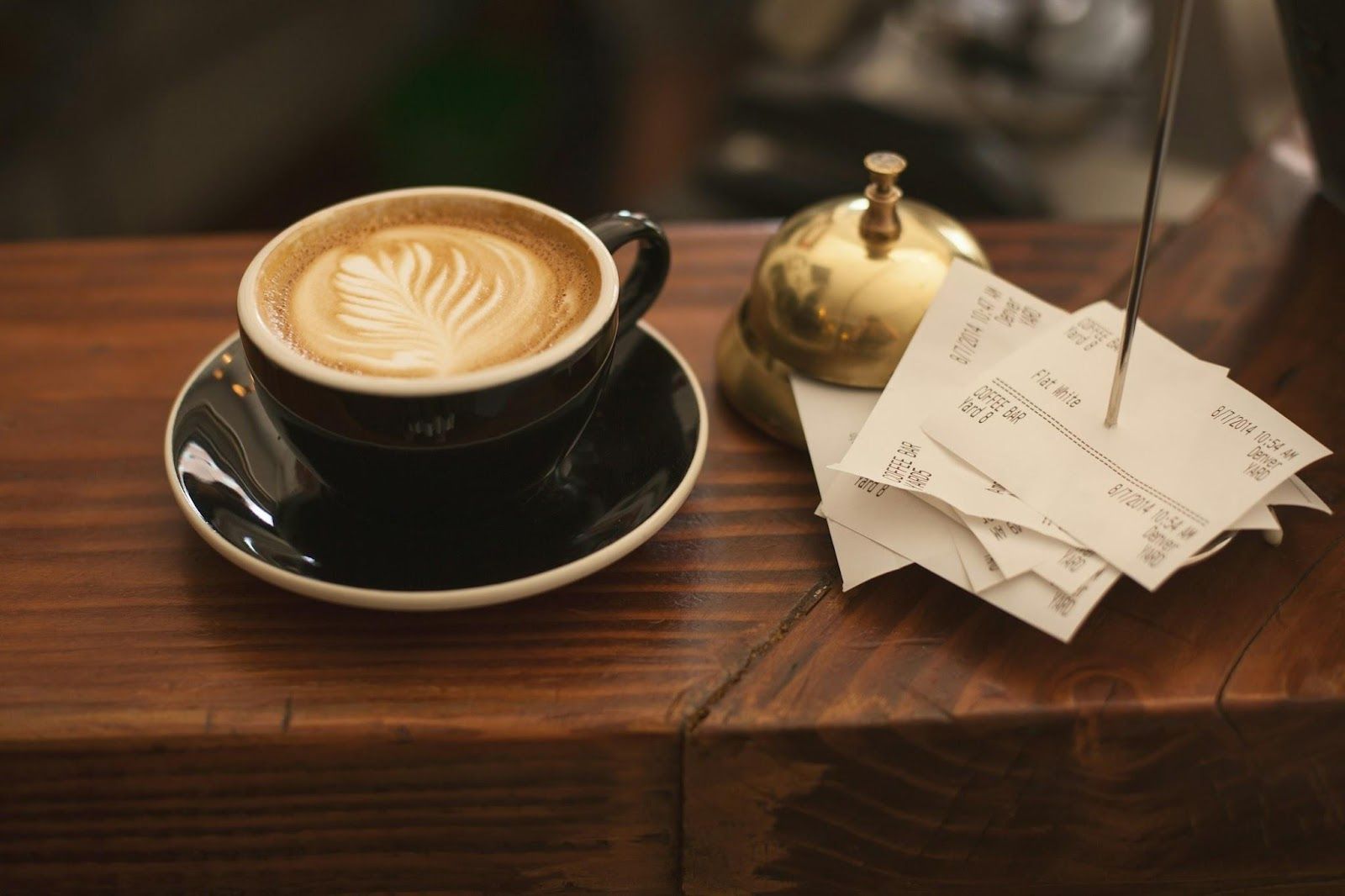
Image: Carli Jeen

Last but not least, always take a photo of your purchase receipts and save them on your phone in case you need proof of purchase later. Most of the time, you won’t need them—but every once in a while, they can be a lifesaver. It costs nothing and could potentially save you a lot of money.

Geography Geography 5 min read

Thriving in the heat

This is the most dangerous scorpion in all of North America!

Image: Dennis Thompson / PetrCZ

The desert can be one of the most dangerous environments for humans. However, despite the harsh conditions, a surprising number of species not only can survive but also exhibit incredible traits and abilities. If you're ready to meet 10 of these powerful (and, we must admit, threatening) creatures, keep reading!

1
Chuckwalla

Image: Matthew Mentley

The chuckwalla can grow up to 16 inches long, making it one of the largest desert lizards. However, its size isn't the most impressive thing about it. What sets it apart from the rest is its ability to inflate like a balloon to twice its size! That's right; chuckwallas inflate their bodies to fit perfectly into holes and crevices in rocks, making it nearly impossible for predators to pull them out.

As if that weren't enough, these lizards live in desert environments with virtually no water. Although they do take in some liquid, most of their hydration comes from the plants they eat.

2
Kangaroo rat

Image: Michael Jerrard

The incredible kangaroo rat is a specialist in surviving the harshest environments. One of its talents is construction; this rodent knows how to build elaborate burrows in sandy soils for shelter and protection. In addition, kangaroo rats have fur-lined cheek pouches that allow them to carry food from where they find it back to their burrows.

But what makes them unique is their jumping ability. As small rodents (just 3.5 to 5.5 inches), their leap is surprising: they can reach up to 9 feet in a single bound! Plus, like the chuckwalla, the kangaroo rat also survives in the desert on minimal water intake.

3
Gila monster

Image: David Clode

The Gila monster is as famous as it is amazing. This reptile, native to the southwestern United States and northern Mexico, stands out for its unique appearance: a dark, scaly skin with pink or orange spots. In addition, the Gila monster has something that makes it special: it's one of only two venomous lizards in North America. Its potent venom is full of neurotoxins that affect the nervous system of its prey, causing intense pain, swelling, bruising, and even paralysis.

4
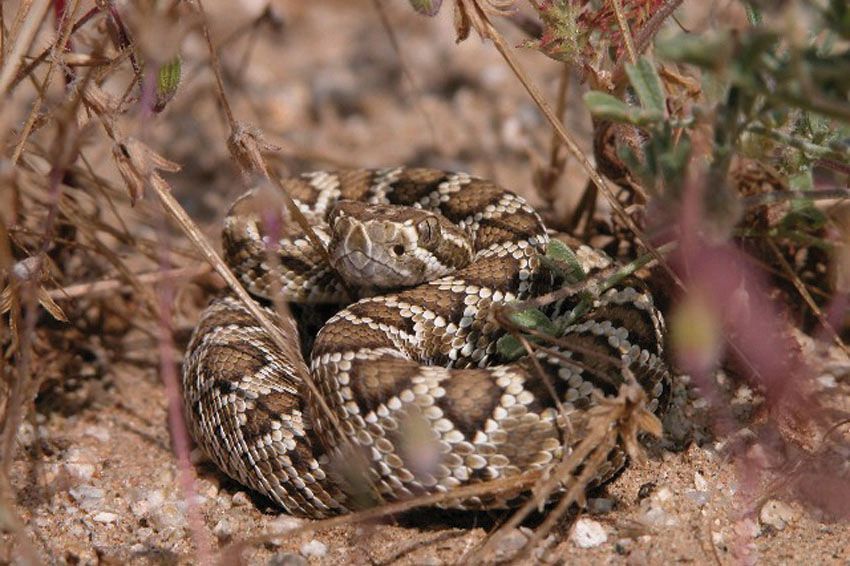
Mojave green rattlesnake

Image: Photo by Mark Bratton, Public domain, via Wikimedia Commons

While any snake can be terrifying to most of us, the Mojave Green Rattlesnake stands out for several reasons.

The crotalus scutulatus —according to its scientific name— is distinguished by its greenish hue, which not only gives it its characteristic nickname but also helps it camouflage in the desert sand. This snake is not only venomous but is considered one of the most dangerous rattlesnakes! Its potent venom contains neurotoxins that, if left untreated with antivenom, can be lethal to various species, including humans.

5
Cactus wren

Image: Carol Lee

You've probably tried transplanting a cactus or got close to one, only to end up with tiny thorns that pricked you for days. But this doesn't happen to the cactus wren, an amazing bird known for its exceptional adaptation to the desert.

As its name implies, one of the most impressive features of the cactus wren is its ability to build large and sturdy nests on cacti without getting hurt. As if that weren't impressive enough, the bird's cleverness leads it to cover its nest with snakeskin to discourage potential predators. Incredible, right?

6
Green tarantula

Image: Thomas Oldenburger

Spiders are among the most feared creatures by humans. But if there's one spider that could scare even the bravest, it's the Mojave green tarantula, which can grow up to 4 inches long and has legs that span up to 6 inches!

Its venom delivers intense pain to its prey while simultaneously paralyzing them. In addition, these tarantulas have urticating hairs that irritate predators' skin, eyes, and respiratory systems. On the other hand, one of their great traits is their lifespan: This species can live up to 25 years in the wild!

7
Sidewinder rattlesnake

Image: Michael Jerrard

The sidewinder rattlesnake is definitely one of the desert bosses. You can tell it’s dangerous just by seeing it: Its typical triangular, flat head is topped with two horns that don't look friendly at all.

But what makes it a unique species is its movement pattern. This snake doesn't move in a straight line but in a sidewinding motion, lifting its body off the ground in a zigzag pattern. That allows it to confuse its prey while moving quickly without getting burned by the hot sand.

8
Pinyon jay

Image: frank mckenna

The cactus wren is not the only bird on this list; the pinyon jay also has its place. Nicknamed "forest farmers," pinyon jays bury the seeds of pinyon pines to eat later. The seeds they leave uneaten sprout into new pines, creating a symbiotic relationship between tree and bird. Even more impressive is their incredible memory: pinyon jays can remember thousands of seed burial locations, even months after hiding them!

9
Desert tortoise

Image: Abraham Weiss

Unlike bears and other animals that hibernate during the winter, desert tortoises enter a form of hibernation known as brumation. This occurs when it's very hot to save energy and they need to protect themselves from the heat. To do so, desert tortoises create deep burrows using their strong, shovel-like front legs. In addition, they can live up to 50 years in the wild, making them one of the longest-living reptiles.

10
Bark Scorpion

Image: Andrey Tikhonovskiy

When it comes to danger, the Bark Scorpion of the Mojave Desert is also one of the stars on this list. Considered one of the most dangerous scorpions in all of North America, this arachnid has a light yellowish body with darker spots. It tends to hide under rocks or trees, so you know where to be most careful. While it's not famous for attacking humans, it may sting if it feels threatened.

General General 5 min read

Americans superstar foods

Hemingway and JFK both had the same favorite cocktail: what was it?

Image: Kelly Visel

Food and drink represent much more than the nutrition and hydration we need to survive — they’re part of a nation’s culture and history. Just as Hemingway and JFK loved drinking daiquiris, which were supposedly invented as a worker's "medicine" , these 10 iconic foods and drinks all carry surprising stories behind their names, recipes, and rise to fame.

1
Daiquiri

Image: Timothé Durand

Is it possible that our favorite vacation cocktail was originally a "medicine"? Back in 1898, an American mining engineer named Jennings Cox was working in the village of Daiquiri, Cuba. He mixed local rum, lime, and sugar to keep his workers refreshed and to ward off yellow fever.

This drink migrated to the States, becoming popular during the 1940s and 1950s, and a favorite of Ernest Hemingway and President John F. Kennedy . While Hemingway famously drank daiquiris in Havana, JFK later helped make the cocktail fashionable in American political circles. Rum brands like Bacardi and Captain Morgan helped make the cocktail a summer favorite, and the original recipe started to vary among bars and vacation spots.

2
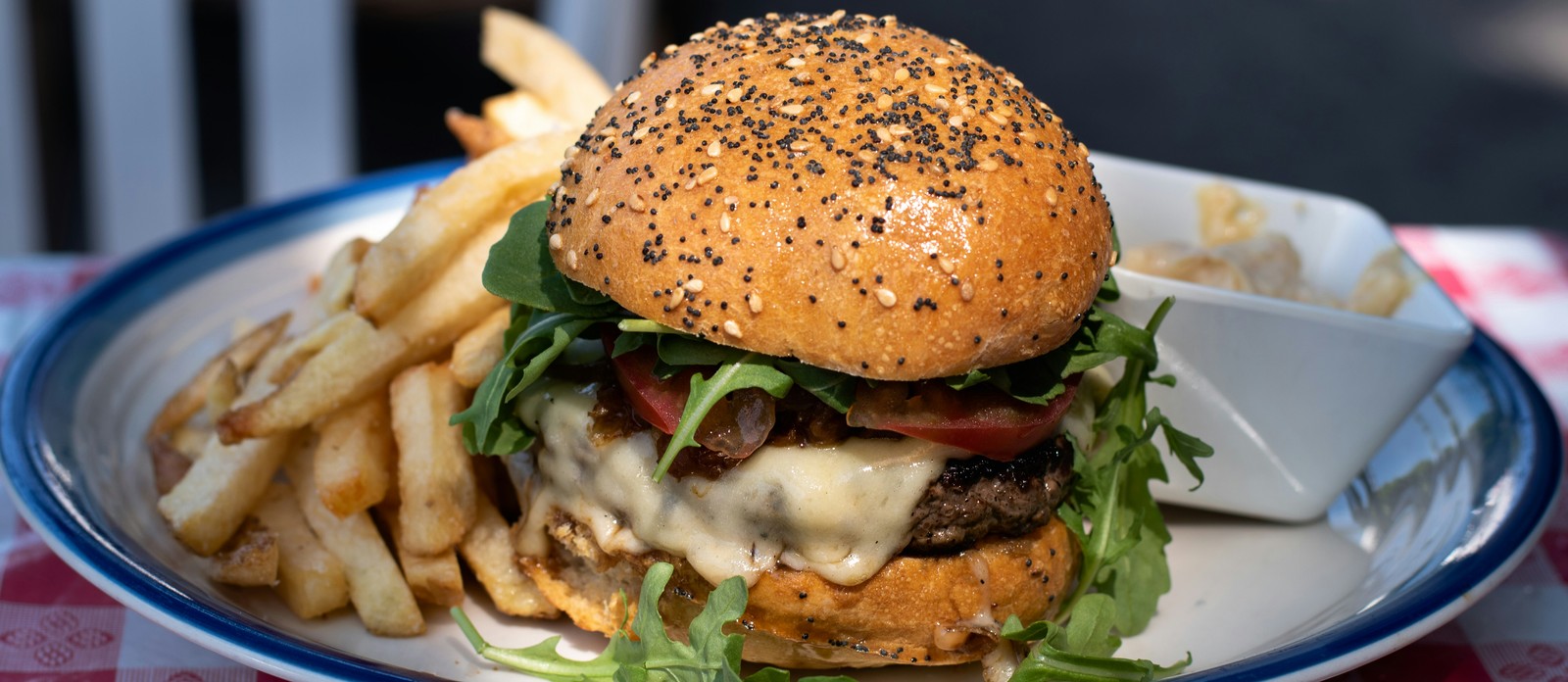
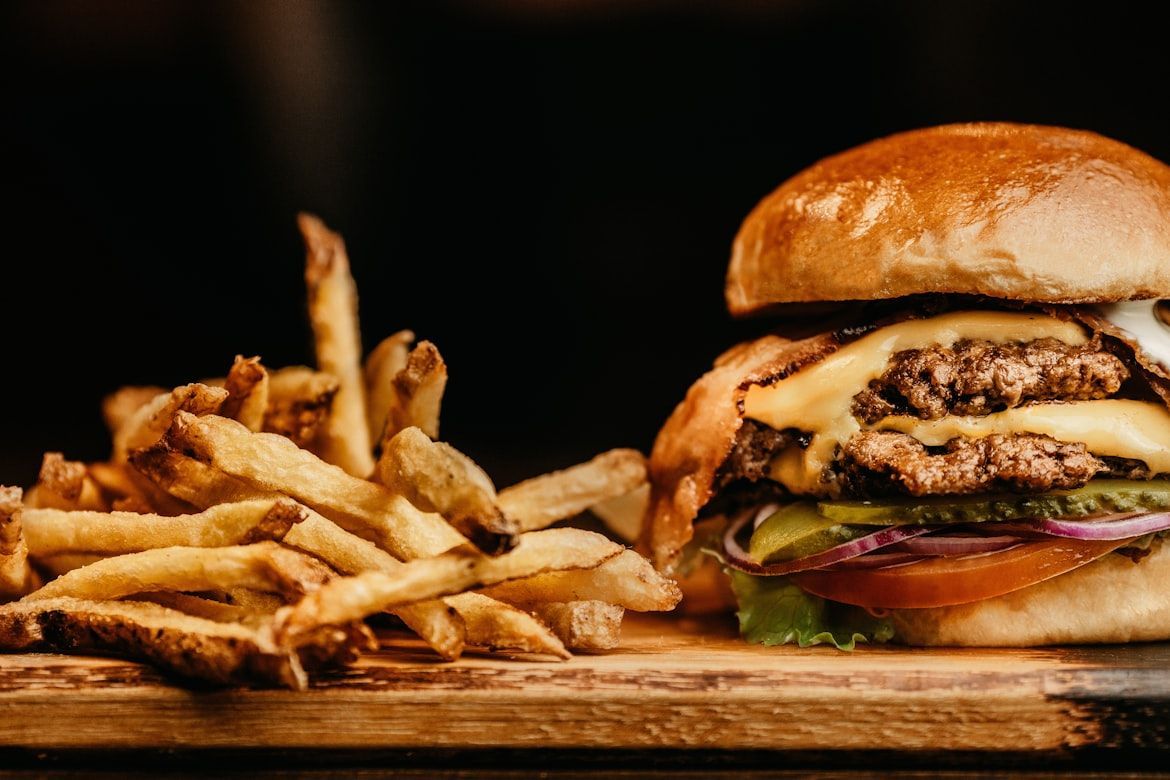
Hamburger

Image: Jonathan Borba

Did you know one famous hamburger origin story points to a small town in New York? According to the Menches family legend, brothers Frank and Charles Menches were selling pork sausage sandwiches at the 1885 Erie County Fair in Hamburg, New York, when they ran out of pork . A local butcher suggested ground beef instead. The brothers reportedly seasoned the beef with coffee, brown sugar, and other ingredients, then served it between bread with ketchup and sliced onions. The sandwich was said to be a hit, so they named it the "hamburger" after the town where the fair was held.

3
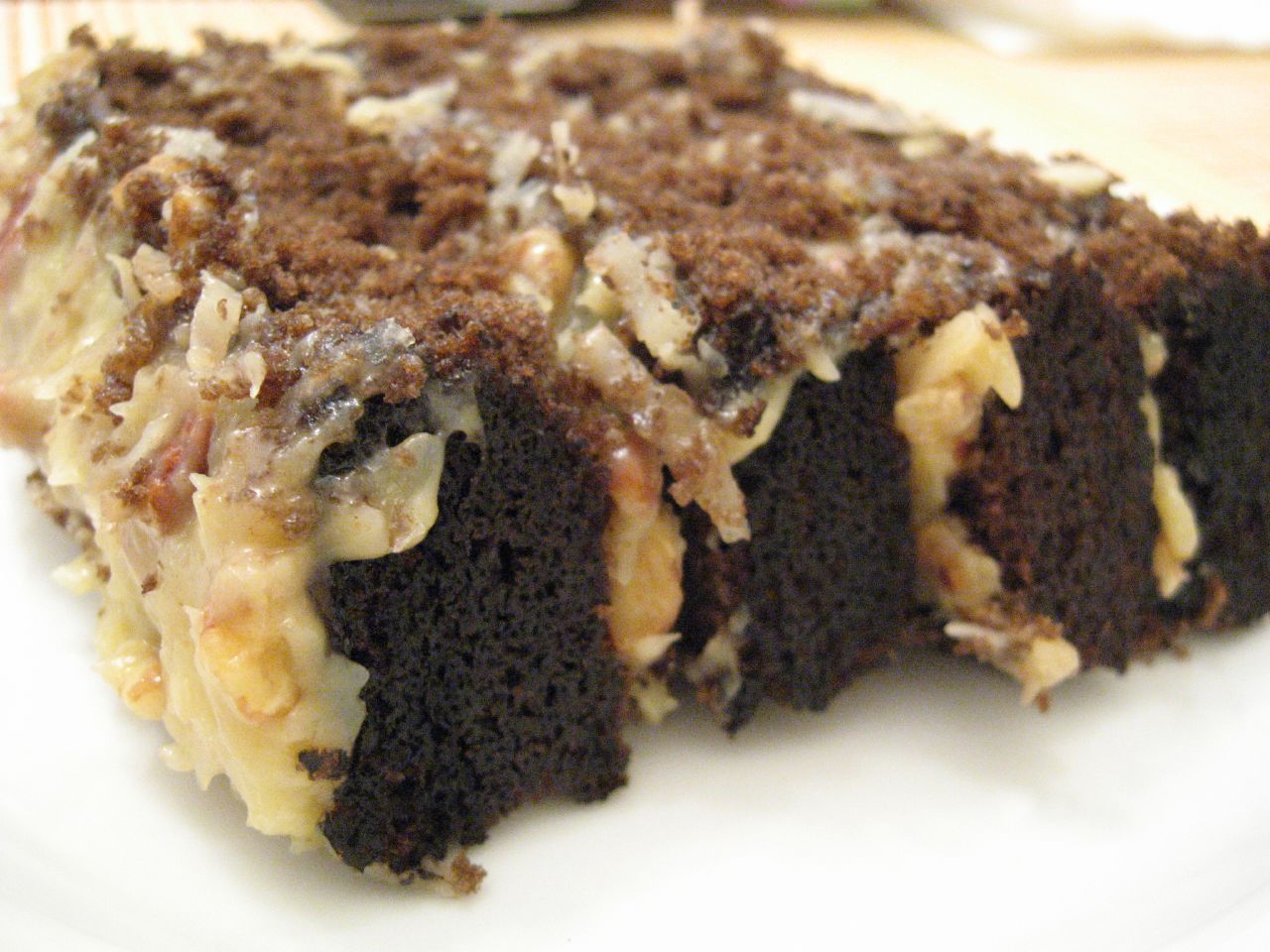
German Chocolate Cake

Image: Kimberly Vardeman

Don’t let the name fool you into thinking this recipe comes from overseas. This dessert was actually born in Dallas in 1957 when Mrs. George Clay sent the recipe to the local newspaper, the Dallas Morning News . The German part actually comes from Sam German, the man who developed the dark baking chocolate for Baker’s Chocolates Company back in the 1850s.

This cake quickly became a sensation at birthdays and other celebrations thanks to its coconut-pecan frosting. The confection eventually inspired similar cupcakes, brownies, and even an ice cream flavor.

4
Philly Cheesesteak

Image: Snappr

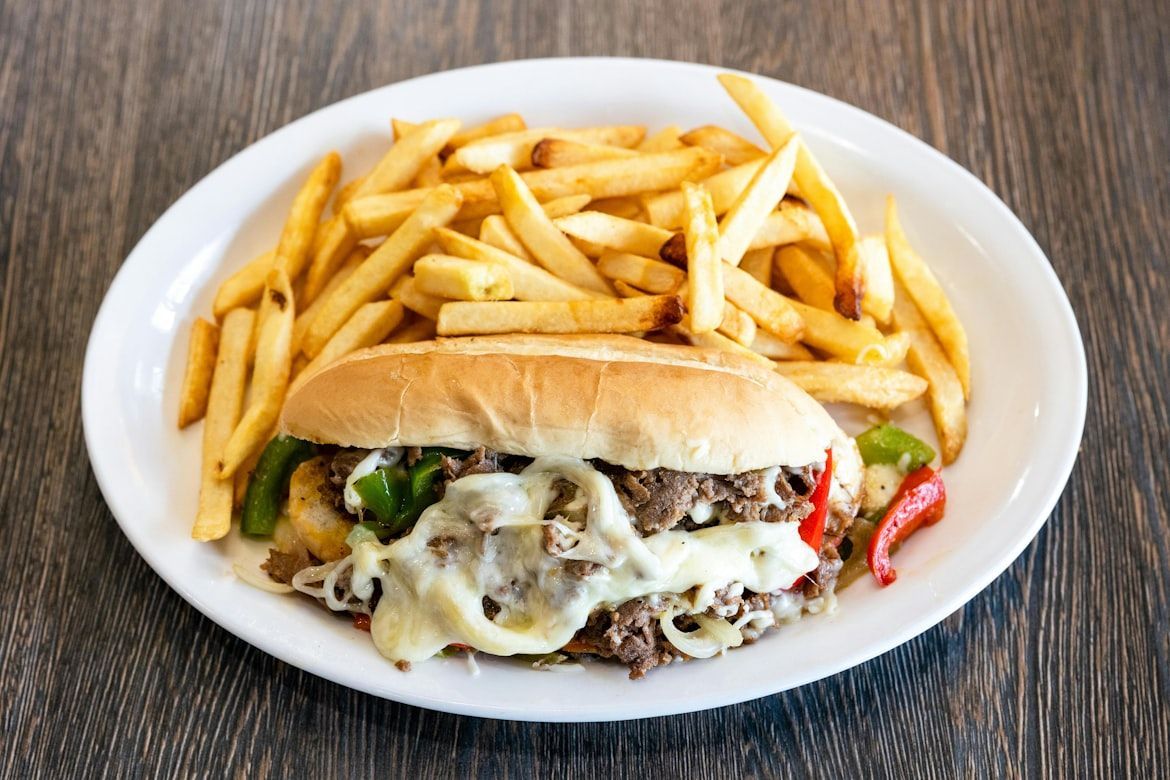
One of Philadelphia’s most famous foods started almost by accident. In 1930, Pat Olivieri was running a hot dog stand in South Philly when he decided to grill some chopped beef and place it inside an Italian roll for himself. A taxi driver nearby smelled it, asked for one too, and legend follows that the word spread quickly around the city .

Shortly after, melted cheese became part of the recipe —usually Cheez Whiz, provolone, or American cheese. Today, locals debate whether the best version is sold at Pat's King of Steaks or Geno's Steaks.

5
Hot Dog

Image: Ball Park Brand

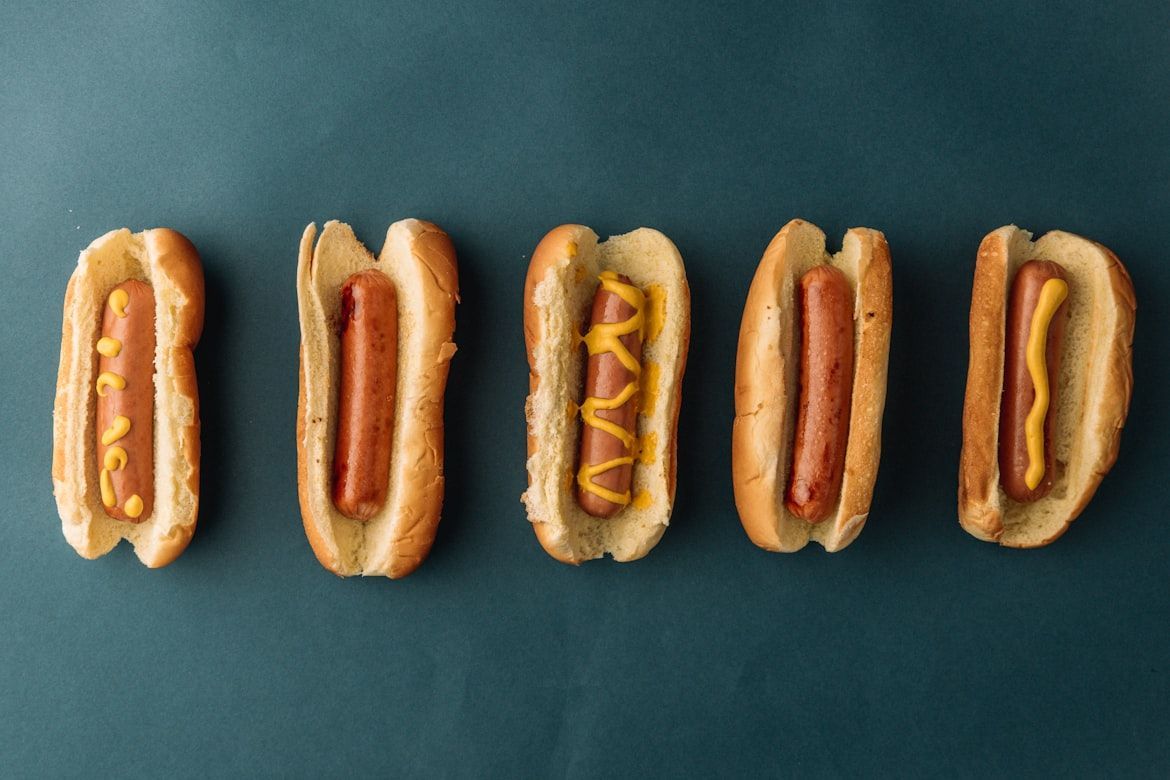
Just like the hot dog itself has two main ingredients, its origin story also comes in two parts. Some people say the sausage came from Frankfurt, Germany, while others believe the wieners of Vienna, Austria, inspired it. Frankfurt even celebrated the sausage’s 500th anniversary in 1897 to strengthen its claim.

But how did the hot dog become an American favorite? Before the 1850s, people in New York usually ate frankfurters between two slices of bread. Around that time, Austrian baker Ignatz Frischman arrived near Coney Island, and he noticed how much the crowds loved the sandwiches. After opening his bakery, he created a long, soft roll made especially for the sausages, and street vendors quickly started using them .

6
S'mores

Image: Ava Tyler

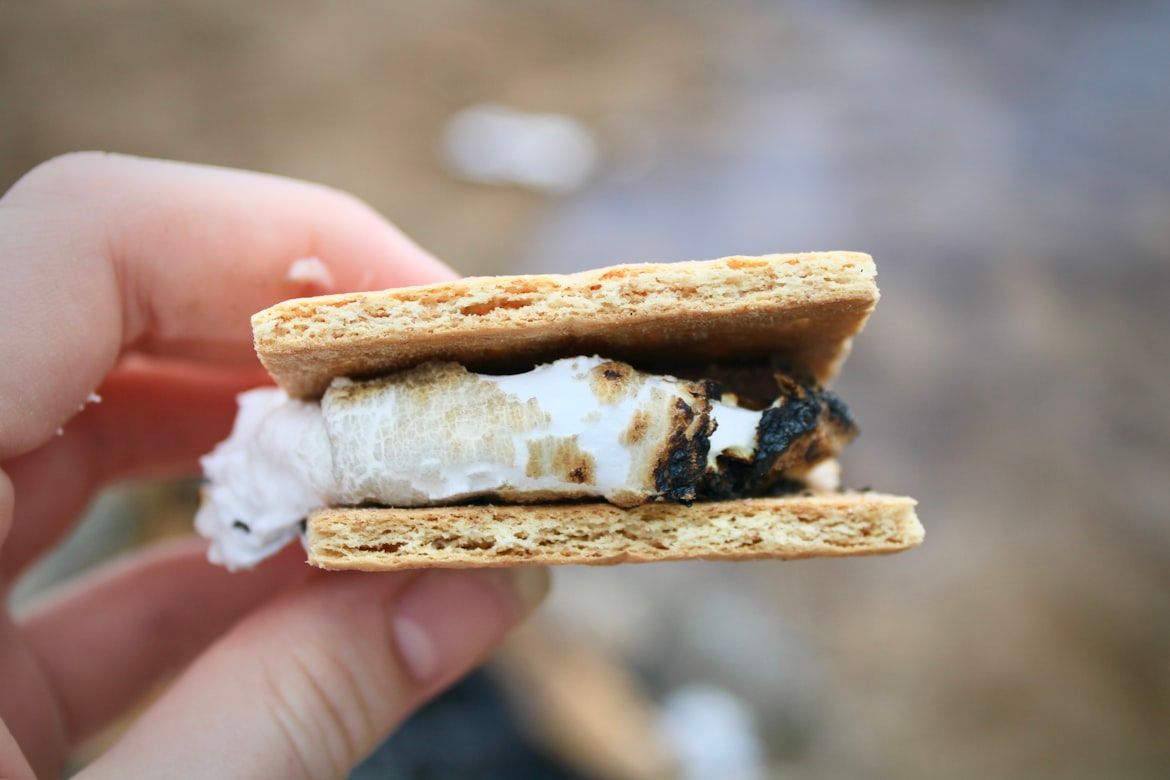
The first known recipe for the summertime classic appeared in a 1927 Girl Scout handbook, where campers were taught to roast marshmallows over a fire and sandwich them between graham crackers and chocolate.

Companies like Hershey's, Jet-Puffed, and Honey Maid helped turn s’mores into a must for campfire treats, and now, they can be made in ovens or microwaves with peanut butter or flavored chocolate.

7
Corn Dog

Image: Blake Guidry

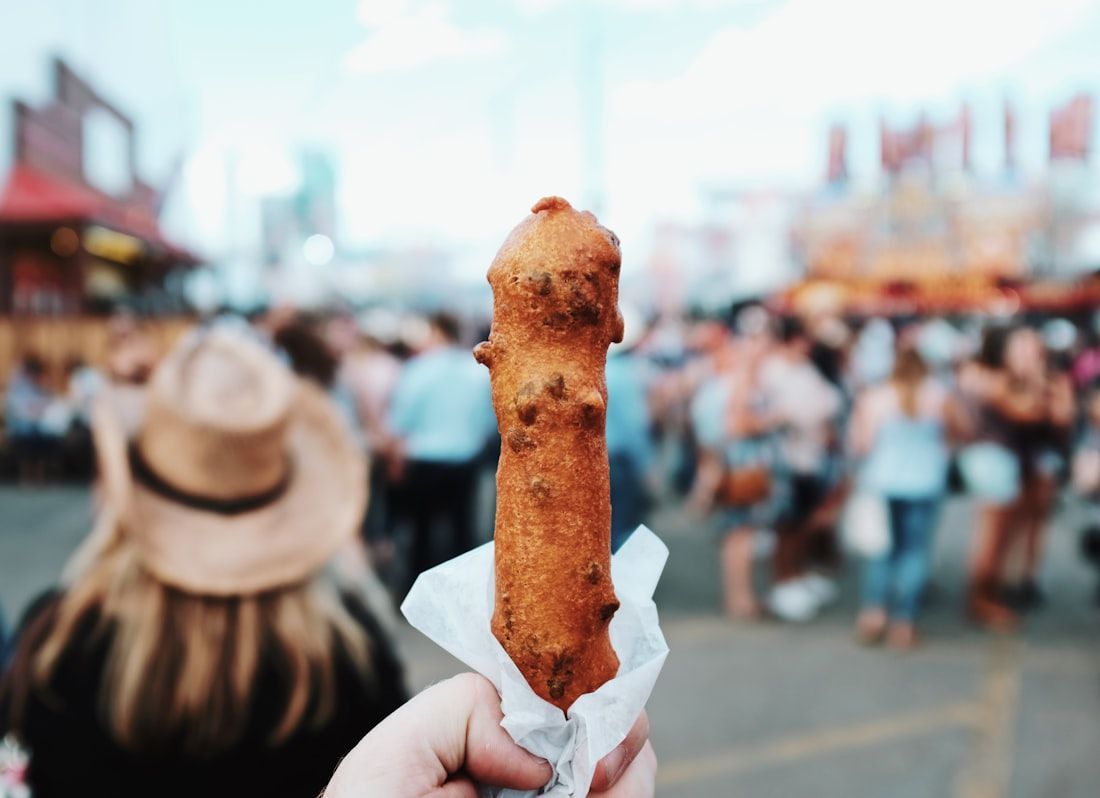
A hot dog dipped in cornmeal batter, placed on a stick, and deep-fried until golden brown. That is how a classic corn dog is made. During the late 1920s, one Minnesota family sold their version of the corn dog at the Oregon local fairs under the name "Pronto Pup" because they disliked the term "corn dog." Even so, "corn dog" became the most recognized name, especially after state fairs in Texas and the Midwest helped popularize it throughout the country.

They are staples at carnivals, baseball games, and amusement parks, and are usually adorned with mustard or ketchup . Also, newer versions use spicy sausages, cheese-filled batter, or mini bite-sized pieces for easy snacking.

8
Lobster Roll

Image: Will Ma

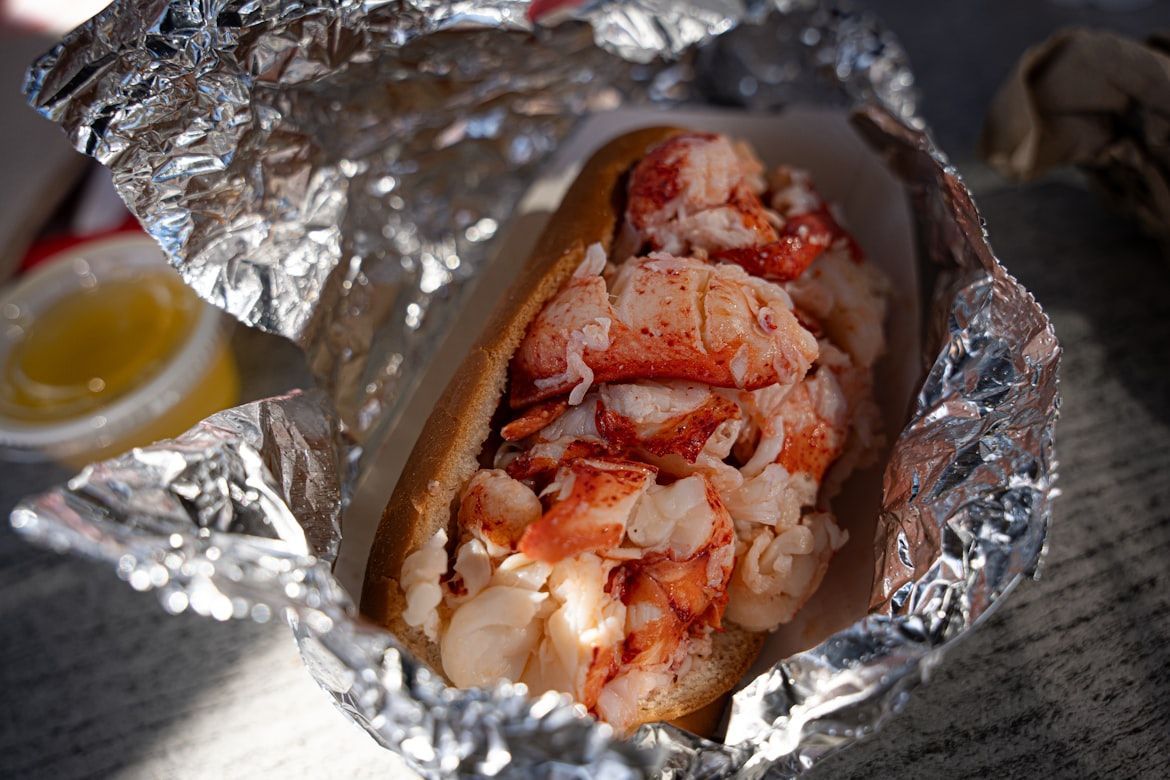
One early story places its birth in a Connecticut restaurant during the 1920s, where warm lobster soaked in butter was served inside a toasted roll. Years later, Maine helped popularize a different version with cold lobster mixed with mayonnaise, and the debate between the two styles continues.

By the 1970s, lobster rolls had turned into a symbol of seaside vacations across the Northeast. People have them at seafood shacks, harbor towns, and summer festivals. Famous spots like Red's Eats became famous for lobster meat rolls, while others, such as Luke's Lobster, helped introduce the sandwich to the rest of the country.

9
Reuben Sandwich

Image: Michaela den

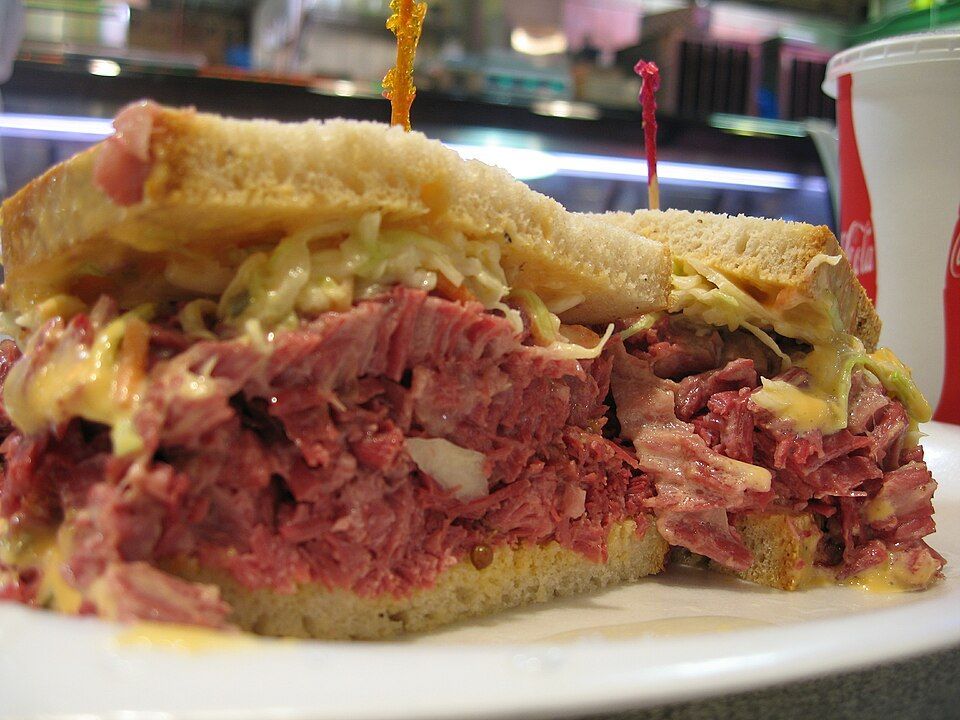
The Reuben Sandwich has been part of a food debate for nearly a century. One version takes us to the 1920s, Omaha, Nebraska, where grocer Reuben Kulakofsky asked for a special sandwich during late-night poker games at a hotel . The other one says a New York deli owner was already serving something very similar around the same time.

No matter the truth, the sandwich was already appearing on menus by the 1930s with its mix of corned beef, Swiss cheese, sauerkraut, and Russian dressing on rye bread. It is a classic choice at American diners and Jewish-style delis.

10
Piña Colada

Image: Brenda Godinez

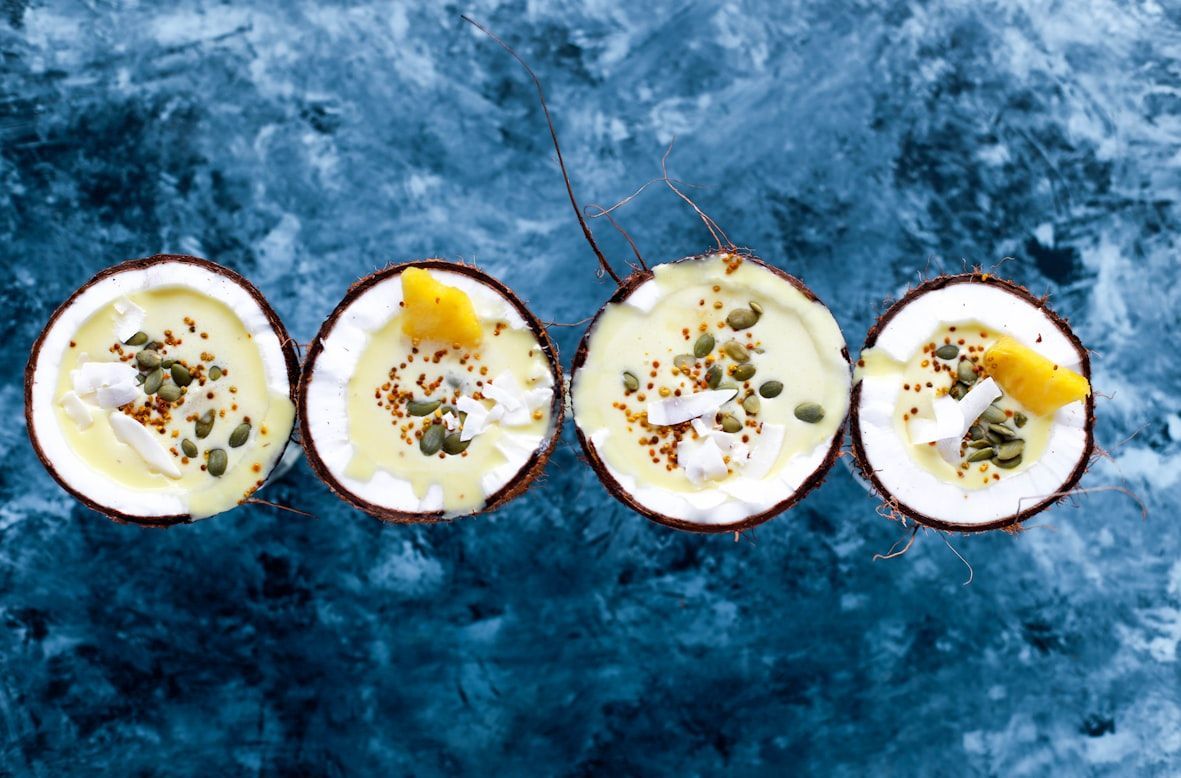
It first appeared in 1954 at the Caribe Hilton. Bartender "Monchito" Marrero, after trying different recipes, finally arrived at the rum, coconut, pineapple juice fusion we enjoy today.

Coco López and Malibu, both liquor brands, helped turn the drink into an easy, homemade one, enabling more flavors like strawberry, mango, or even banana. Also, as Caribbean vacations and cruise trips became popular during the second half of the 20th century, the piña colada started showing up at beach bars and resorts all over the country.

Explore more American facts

Choose your favorite category!

General
General

As American as apple pie—the very best America has to offer!

Culture
Culture

Delve into the astounding richness of American lore.

Geography
Geography

Hop in and explore vast and diverse American landscapes.

History
History

Discover the key moments that shaped the United States.