General General 3 min read

Served on a plate!

Tasty beginnings: food firsts that took place in America!

Image: Steven Giacomelli

From campfire snacks to sizzling skillets, America has cooked up some iconic dishes that people around the world now crave. But where did these familiar favorites come from? You might be surprised to learn that many were invented right here in the US. Let’s take a tasty stroll down memory lane and discover the unexpected hometowns of some of your favorite bites.

1
Pecan pie: the South’s nutty masterpiece
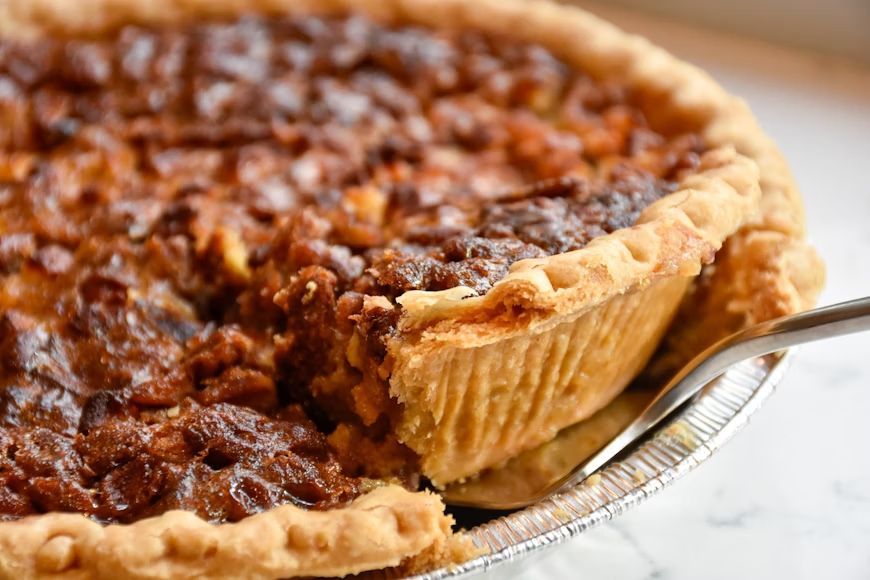
Image: Keighla Exum

This rich, sticky dessert has deep Southern roots. French settlers in New Orleans encountered Native Americans who introduced them to pecans, and that’s when the magic began. Texas cookbooks helped spread the word, and Karo syrup sealed the deal in the 1930s with its bottle-side recipes. Today, pecan pie is a holiday must-have.

2
The California roll’s West Coast switch-up
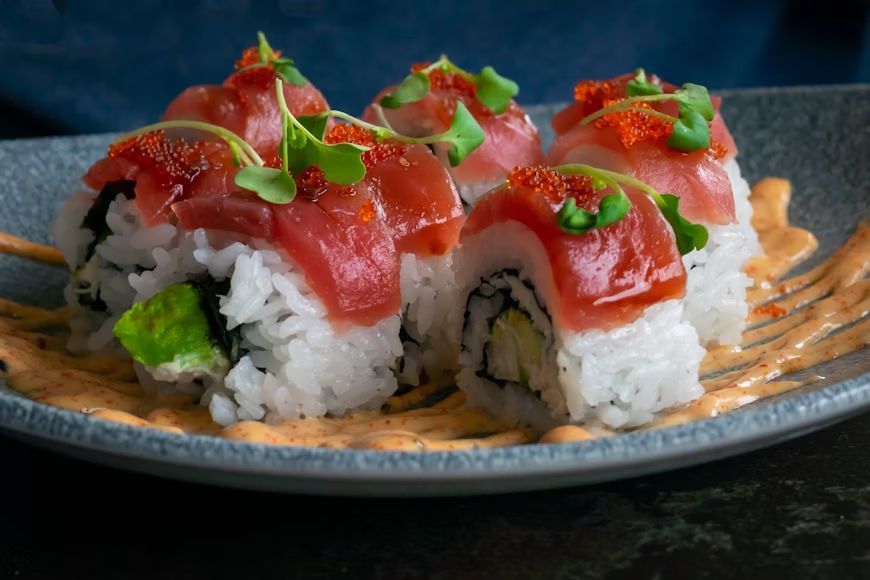
Image: Ben Lei

Sushi purists may scoff, but the California roll is what got a lot of Americans eating sushi. Well, kind of. Created in Los Angeles (though Vancouver, Canada, also claims the credit), this roll swapped raw tuna for avocado and imitation crab, making sushi less scary and way more approachable.

3
Fajitas, from cattle hands to cast iron
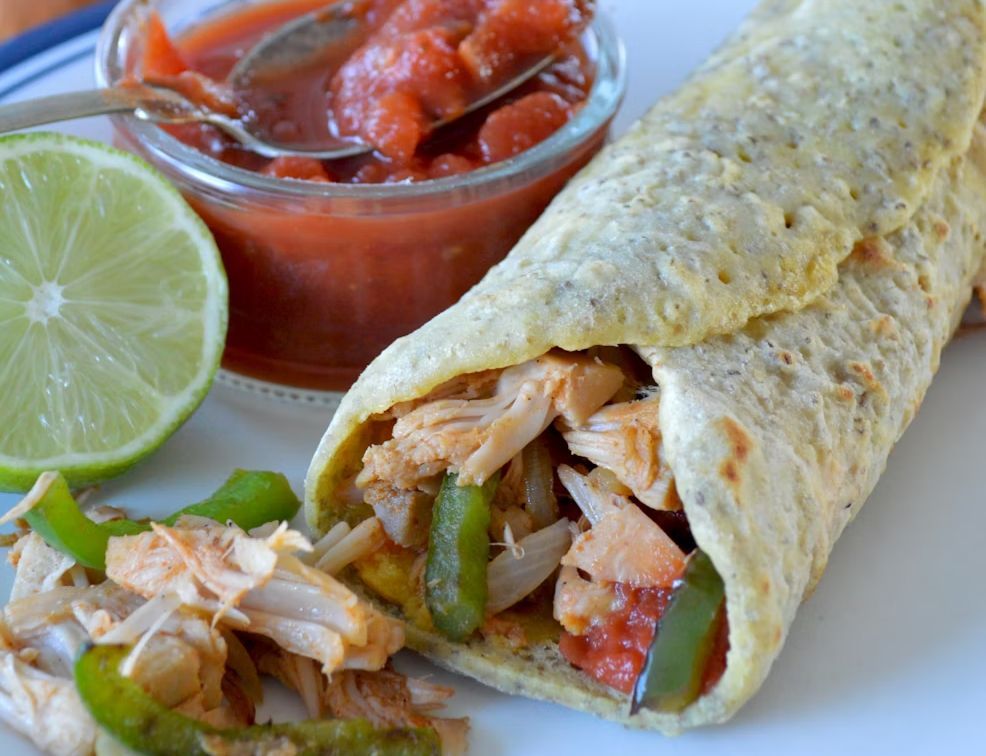
Image: Nadine Primeau

Back in the day, ranch workers along the Texas-Mexico border made the most of tough skirt steak by grilling it and tossing it into tortillas. That no-frills meal eventually became the sizzling skillet spectacle we now call fajitas. Toss in onions, peppers, and a dollop of guac, and boom! Tex-Mex gold.

4
Corn dogs and the mystery on a stick
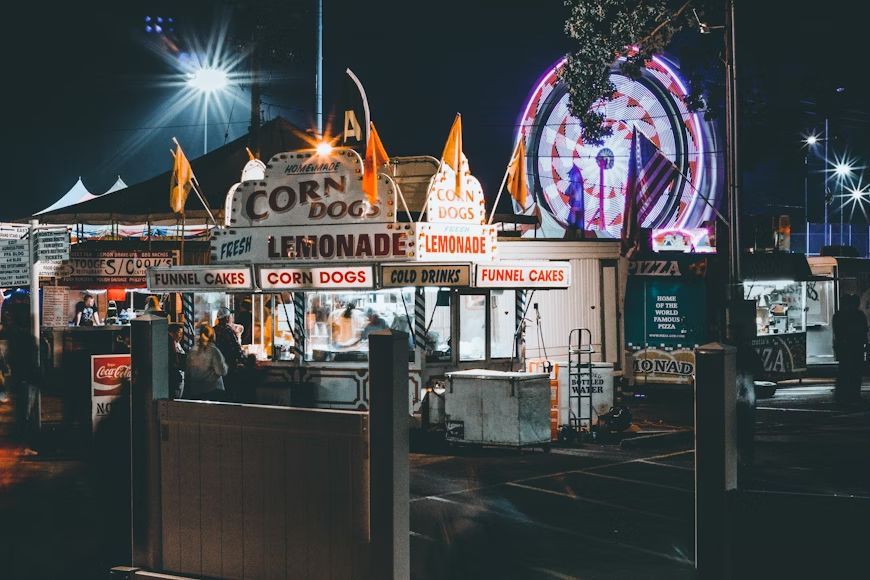
Image: Taylor

A hot dog on a stick sounds simple—we know—but getting to the modern corn dog took some trial and error. Patents were filed, batter recipes tweaked, and somewhere between a beach shack in Illinois and a fairground in Texas or Oregon, the corn dog was born. One thing’s for sure: once Americans figured out how to deep-fry a hot dog in cornmeal, there was no going back!

5
S’mores and the sweet tooth showdown
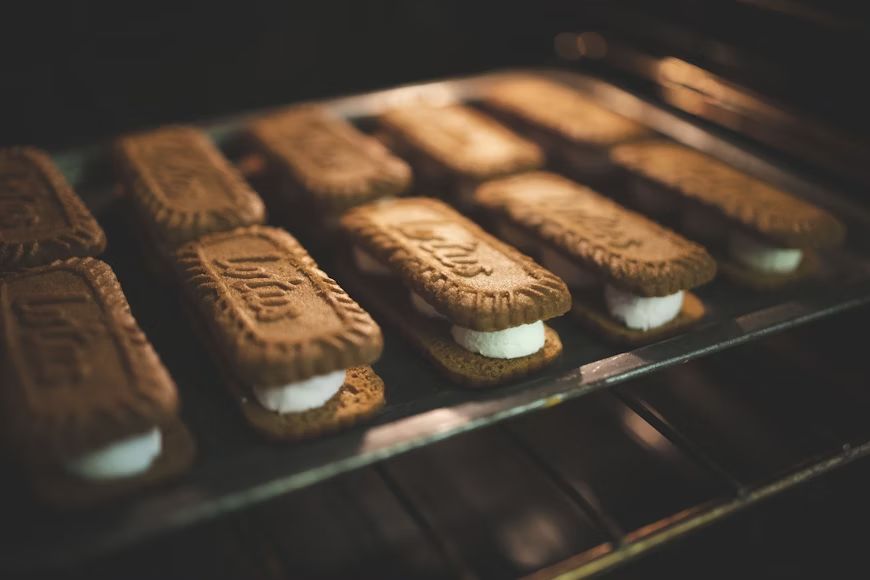
Image: Jonathan Taylor

Did you know the Girl Scouts have such a legacy? Their 1927 handbook gave us the first printed recipe for s’mores, and we’ve been hooked ever since. Roast a marshmallow, squish it between graham crackers and chocolate, and try not to eat five. Campfire memories wouldn’t be the same without this gooey, finger-sticky treat. And yes, of course—they stand for "some more."

6
The Caesar salad’s border-crossing fame
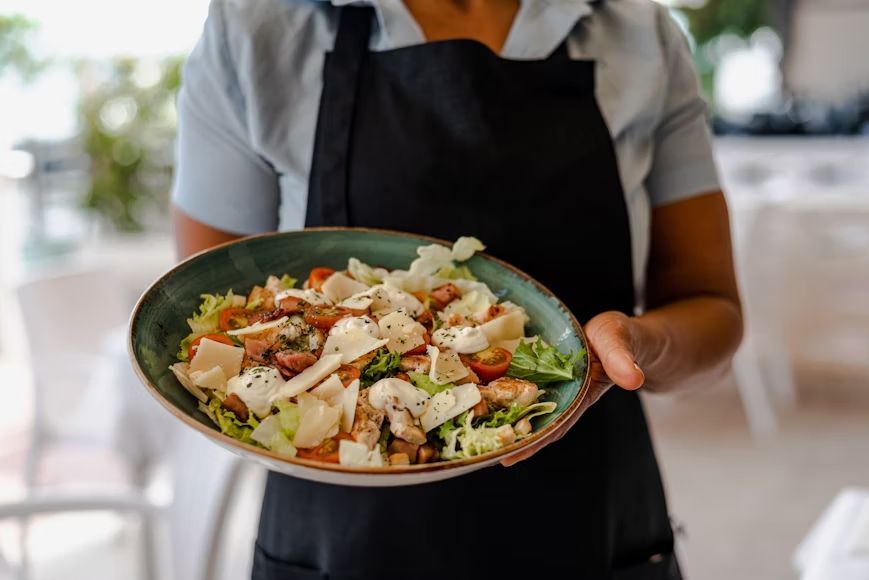
Image: Frames For Your Heart

Italian chef Caesar Cardini whipped up this leafy dish not in Rome, but in Tijuana. During the Prohibition era, Americans sneaked over the border for a legal drink and left raving about the crunchy, garlicky salad. It may have Mexican birth papers, but with Hollywood stars singing its praises and the dressing later patented in the US, the Caesar salad became a true celebrity.

7
Philly cheesesteaks: city of hoagie love
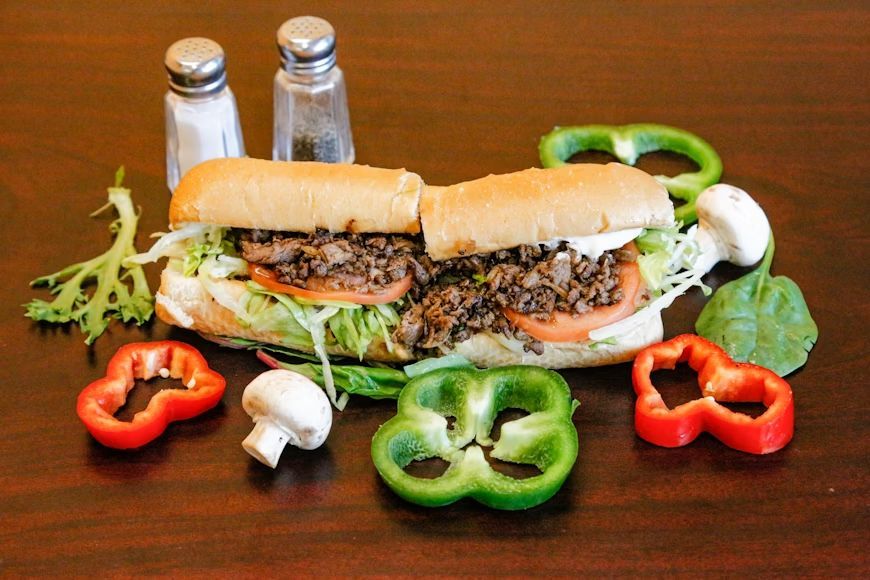
Image: Syed F Hashemi

Philadelphia's most famous sandwich started with a hot dog stand and a hunk of beef! Pat Olivieri slapped some steak on a roll, later added cheese, and boom—the cheesesteak was born, and the rest is history. Locals still argue over where to get the best one, but everyone agrees it’s a sandwich worth standing in line for.

8
Spaghetti and meatballs, made the American way
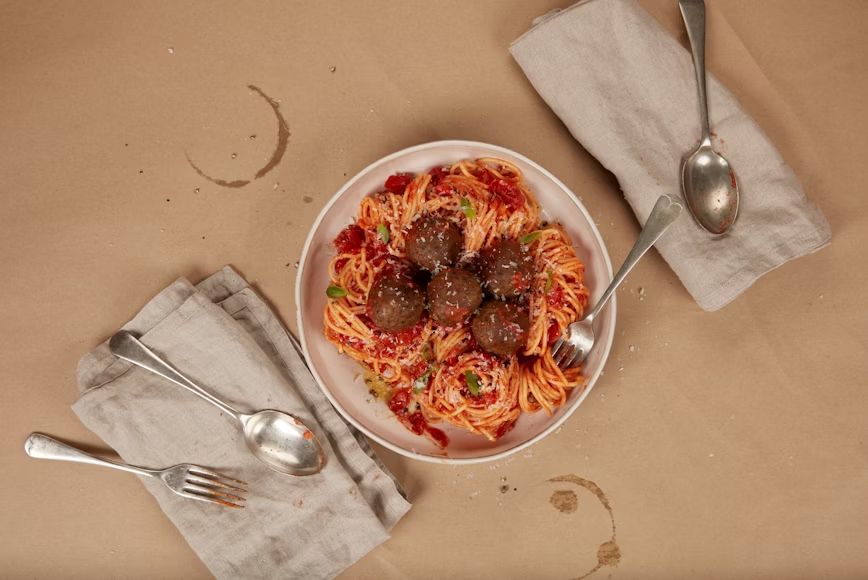
Image: Ivy Farm

If you order spaghetti and meatballs in Italy, they’ll look at you funny. Why? Because this comfort food classic was created by Italian immigrants in New York. Meat was cheaper here, sauce was plentiful, and suddenly, Sunday dinner had a new star. It’s Italian by ancestry but all-American in execution.

9
Chocolate chip cookies, thanks to a happy accident
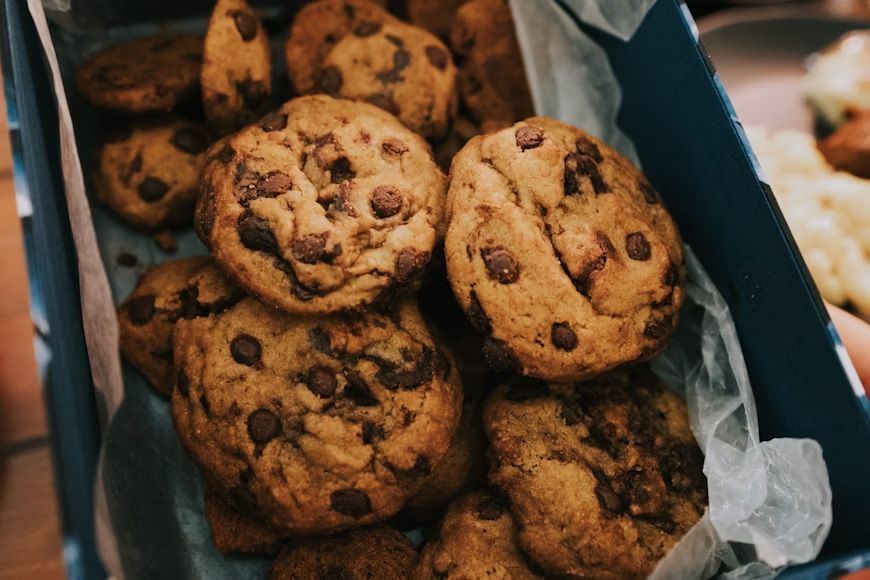
Image: SJ 📸

Sometimes the best things happen by mistake. Here’s an example: Ruth Wakefield, owner of the Toll House Inn, wanted to make chocolate cookies but didn’t melt the chocolate—and voilà, the chocolate chip cookie was born. Nestlé acquired the recipe, and now it’s printed on every bag of chips. Homemade, store-bought, or eaten straight from the dough, this cookie is as American as it gets.

10
Jambalaya and its melting pot roots
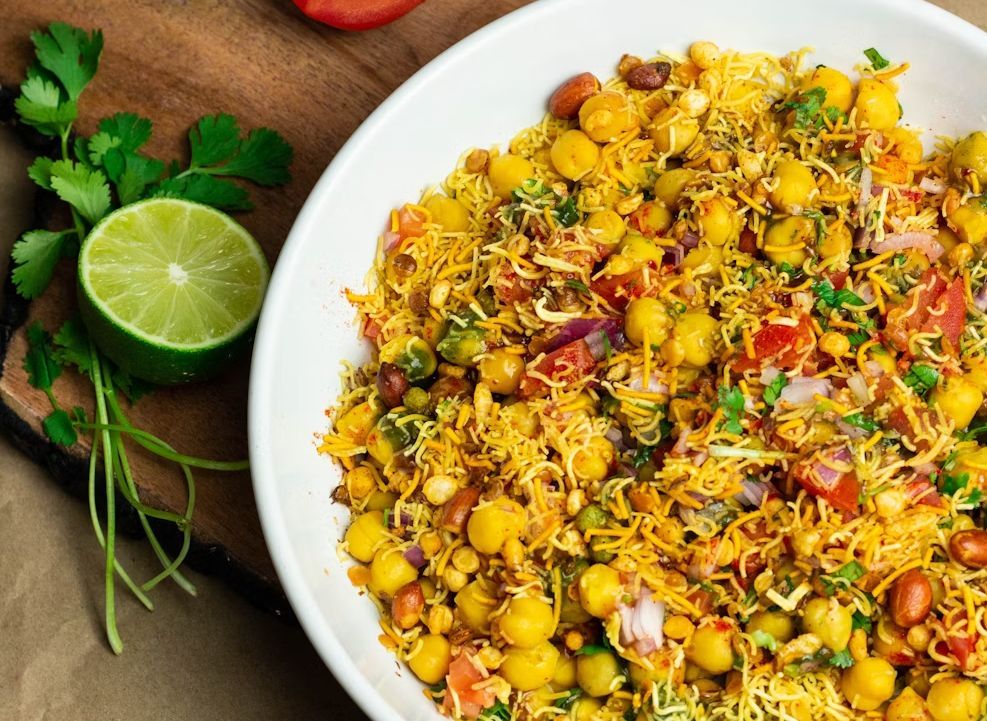
Image: Kalyani Akella

Let’s close things out with a burst of flavor: Jambalaya may have a European passport, but it earned its American green card in Louisiana. Spanish paella, West African jollof rice, and French seasonings all came together in New Orleans, where rice, meat, and veggies came together to create one exquisite dish for everyone to enjoy!
General General 4 min read

Haunted and happy to show it

Think you're brave? Explore these 13 haunted US spots… If you dare

Image: Herbert Aust

If you think ghost stories are just for campfires, think again. The United States is full of places where the past still lingers, and some say the residents never really left. From historic hotels to lighthouses, these spots are brimming with charm, history, and a touch of mischief from the other side. So grab your sense of adventure, keep your camera handy, and join us for a lighthearted stroll through 13 of America’s most haunted places.

1
Bodie, California

Image: Michael & Diane Weidner's profile Michael & Diane Weidner

Once a booming Gold Rush town in the late 1800s, Bodie now sits frozen in time. Visitors wander through dusty streets past old saloons and storefronts that look as if their owners just stepped out for lunch… a century ago. Locals whisper about strange sounds and ghostly piano music. And here’s a fun superstition: take anything home, even a pebble, and bad luck might just hitch a ride with you.

2
Bonaventure Cemetery, Savannah, Georgia

Image: Alla Kemelmakher

This is Southern Gothic at its finest. Towering oaks drip with Spanish moss over winding paths and Victorian monuments. Some visitors claim to have seen a little girl in a dress near a certain marble statue, while others swear they’ve heard distant laughter or the sound of dogs barking. Even if you never meet a ghost, the beauty of this historic cemetery will linger with you.

3
Crescent Hotel, Eureka Springs, Arkansas

Image: Nick Elmer

Often called "America’s most haunted hotel," it’s also one of the prettiest in the Ozarks. Over its long history, it’s been a resort, a college, and even a so-called cancer hospital. Guests today report friendly phantom encounters, from a Victorian gentleman strolling the halls to a playful little girl. Whether you meet the staff or the "extra" guests, you’ll get a good story out of your stay.

4
Dock Street Theatre, Charleston, South Carolina

Image: Brittani Burns

Charleston is rich in history, and this theater is a key part of its story. The stage has witnessed centuries of performers, fires, and renovations. Visitors sometimes report seeing a woman in a red gown gliding across the balcony, while others hear faint footsteps backstage when no one is there. Even if you don’t believe in ghosts, the building’s charm might still sweep you off your feet.

5
The Driskill, Austin, Texas

Image: Matthew Smith

This stately hotel has been greeting travelers since 1886, and some say its original owner never checked out. Guests report flickering lights, strange scents, and the occasional sighting of a figure in old-fashioned clothing. With its grand lobby and polished brass, you might just forget you came for ghost stories and stay for the atmosphere.

6
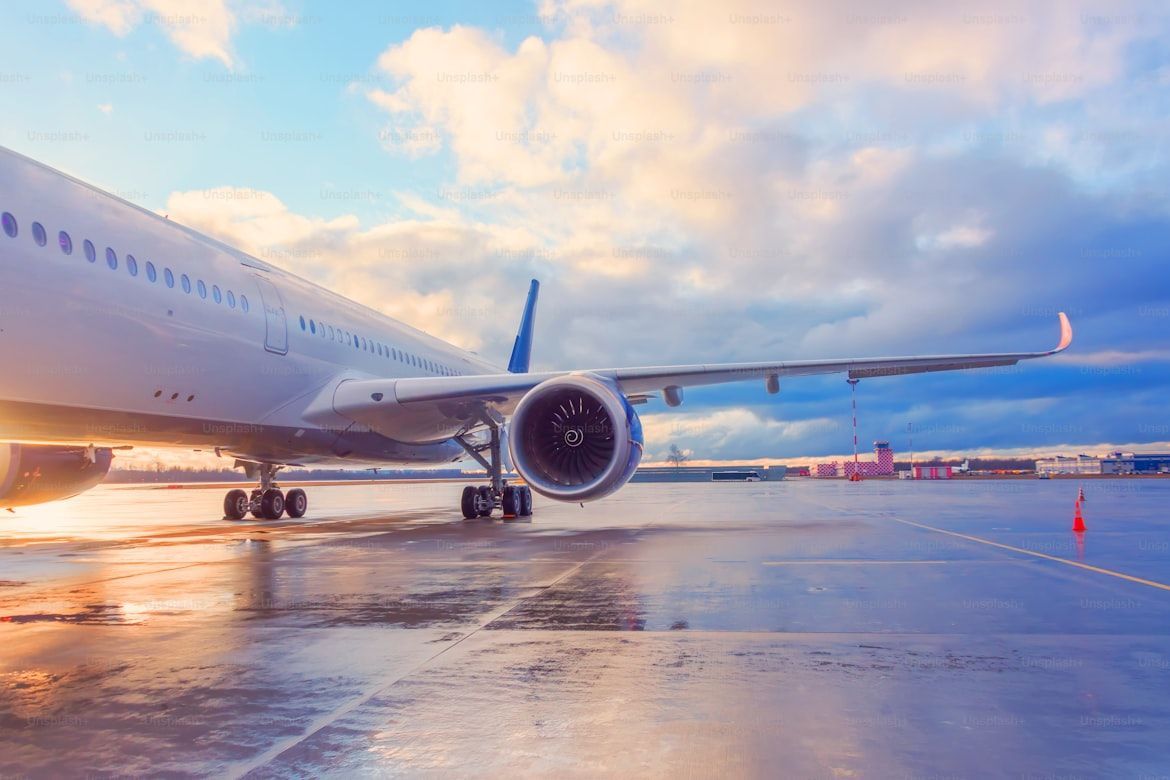
Honolulu International Airport, Hawaii

Image: Pascal Meier

Not every haunted spot is old and creaky, you know? At this busy airport, passersby tell of a "lady in waiting" seen in off-limits areas, said to be searching for a long-lost love. A few travelers have even reported toilets flushing on their own or paper rolls unraveling without help. We can say mystery flies around here!

7
Hotel Monte Vista, Flagstaff, Arizona

Image: Jacob

This historic hotel has welcomed movie stars and musicians, but it’s the uninvited guests that make it famous. From mysterious phone calls to the sound of a baby crying in an empty hallway, there’s never a dull moment. One legendary long-term boarder even hung raw meat from a chandelier—a story the staff still tells with a grin.

8
Lincoln Park Zoo, Chicago, Illinois

Image: Deborah L Carlson

A zoo might not seem spooky, but this one was built atop an old cemetery. Not all of the bodies were moved, and over the years, visitors have reported spotting mysterious figures or feeling sudden chills. Still, the zoo’s lush gardens and animal exhibits make it a must-see—haunted or not.

9
The Mark Twain House, Hartford, Connecticut

Image: Jessica Furtney

This handsome Victorian home is where Mark Twain penned some of his most beloved works. Visitors have reported faint traces of cigar smoke in the billiard room, even though smoking ended long ago. Others claim to have seen a lady in white near the stairwell. History buffs will appreciate the house’s charm, ghost or no ghost.

10
Pittock Mansion, Portland, Oregon

Image: Sean Benesh

Built by a wealthy couple with big dreams, this mansion boasts sweeping views and fine craftsmanship. Sadly, the owners lived there for only a few years before passing away. Tour guides say the scent of roses sometimes fills the air when no flowers are in sight, and a certain painting is said to move on its own.

11
St. Augustine Lighthouse, Florida

Image: Evgeni Tcherkasski

Perched on the coast, this lighthouse has been guiding ships since the 1800s. Some visitors report hearing the giggles of children playing or catching sight of a figure high in the tower. Even without the ghost tales, the view from the top is worth every step.

12
Trans-Allegheny Lunatic Asylum, Weston, West Virginia

Image: Andy Li

With its massive stone walls and sprawling grounds, this former asylum looks straight out of a movie set. Once home to thousands of patients, it’s now a historic site where tour guides share both medical history and lighthearted ghost tales. Maybe you’re in it for the architecture, or maybe it’s the stories. Whatever draws you in, it’s a fascinating place to explore.

History History 4 min read

"Speak easy when you order"

Did you know these facts about the Prohibition era?

Image: DayanaLiquorNerd / maja7777

Endless myths and stories have permeated our culture about the era when alcoholic beverages were banned. Did pharmacists really get rich selling whiskey? Were all women in favour of Prohibition? In fact, were all rulers in favor of it, or did some publicly celebrate its ending? Let’s dive into some not-so-well-known facts about the Eighteenth Amendment .

1
The term "Speakeasy" came from a whispered instruction

Image: Shtefan Lounge

This expression, by now forever associated with the Prohibition Era, came from bartenders quietly warning patrons to "speak easy" when ordering illegal drinks.

It is believed that the phrase was already in use in 1800s saloons, but it took off during Prohibition. Hidden behind trapdoors or fake businesses, these secret bars required passwords or knocks to enter.

2
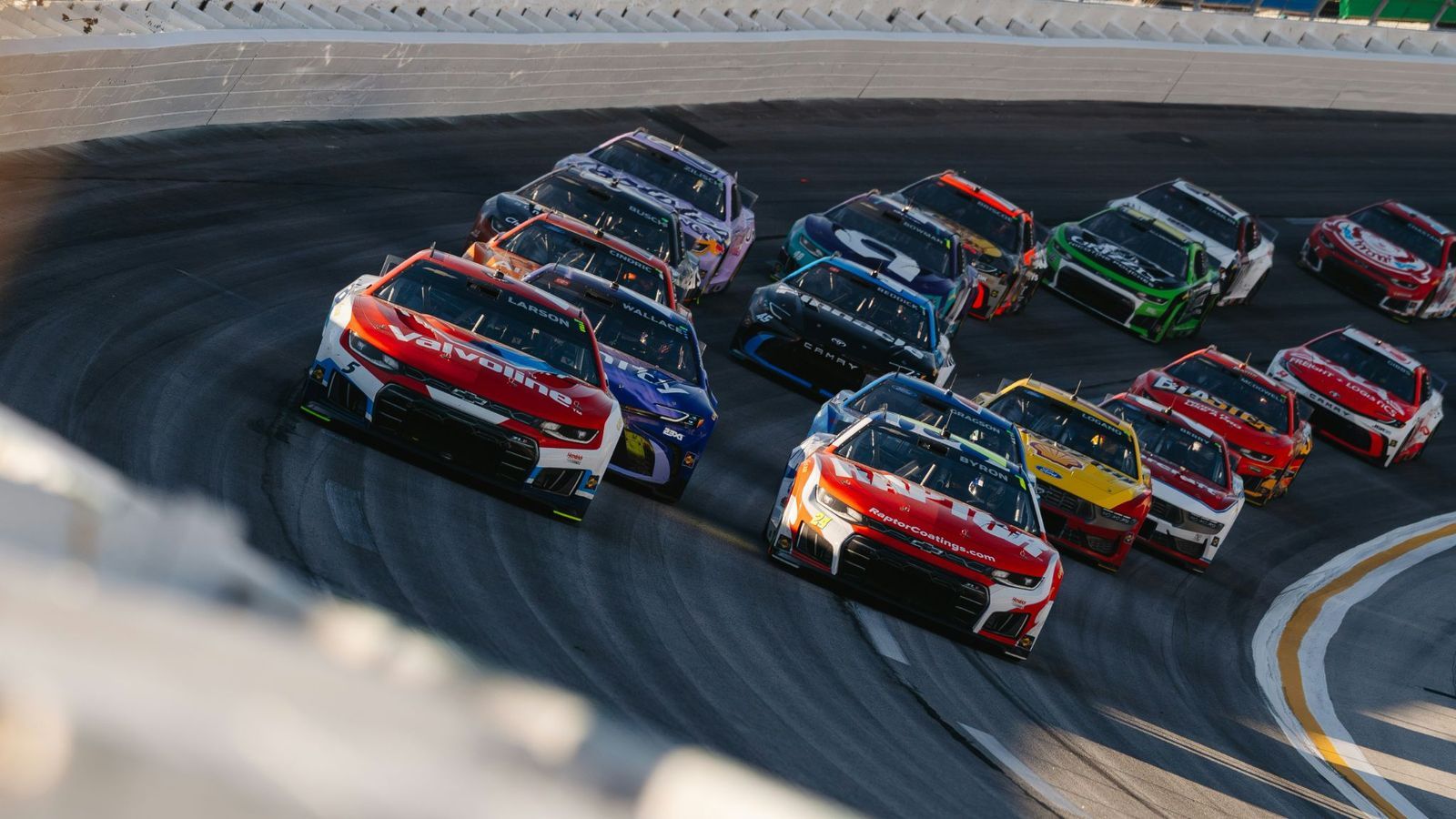
Prohibition sparked the rise of NASCAR

Image: Caleb Woods

Southern moonshiners during Prohibition needed to move whiskey fast. To evade federal agents, they needed to modify cars for speed and for driving through uneven terrains under the cover of the night.

What do you do with that peculiar set of skills when the Prohibition ends, then? Many of these trained drivers began racing each other for fun , and eventually for prizes. These informal competitions laid the groundwork for stock car racing, and in 1948, NASCAR was officially founded.

3
Grape bricks were a legal alternative

Image: Keegan Houser

Though commercial winemaking was banned, winemakers adapted quickly by selling "grape concentrate bricks" legally.

They were dense blocks that came with a cheeky warning: "Do not dissolve in water , add yeast, and let sit for 21 days, or it may ferment into wine." Of course, that’s exactly what people did.

4
Al Capone opened a soup kitchen

Image: Drew Gilliam

During the Great Depression, mob boss Al Capone operated a soup kitchen in Chicago, serving thousands of unemployed individuals .

The sign outside read "Free Soup, Coffee & Doughnuts for the Unemployed." It was certainly a clever PR move that helped soften his infamous image, even as he profited from illegal booze and violence.

5
There was a "whiskey prescription" loophole

Image: Anastasia Zhenina

While Prohibition outlawed alcohol sales, there was one major exception: whiskey prescribed by a doctor. The government allowed the writing of prescriptions for " medicinal liquor ," so millions were written. Patients could pick up their booze at a local pharmacy, usually in a clearly labeled bottle: "For Medicinal Use Only."

6
"Mountain Dew" meant Moonshine

Image: Josh McLain

Long before it was a neon-green soda, "mountain dew" was slang for homemade whiskey . The term already appeared in folk songs of the Appalachian region back in the 19th century, and it became especially popular during Prohibition, as illegal distilling became widespread.

In the 1940s, the creators of the soft drink Mountain Dew originally formulated it as a mixer for whiskey. The name was a wink after the bootlegging culture it came from.

7
Women were on both sides of the front lines

Image: Agustina Tolosa

Fierce women activists led the temperance movement, yes. For example, Carrie Nation famously stormed saloons with a hatchet. But many women also thrived in the world of illegal liquor.

Some saw Prohibition as an opportunity and became successful bootleggers, smugglers, and speakeasy owners. One of the most famous was Gertrude "Cleo" Lythgoe, nicknamed "The Queen of the Bahamas," who smuggled high-end liquor from Nassau to the U.S. East Coast and built a fortune.

8
Toothpaste and hair tonics were alcoholic

Image: Chelms Varthoumlien

With liquor banned, some people turned to unlikely products to get drunk. Items like bay rum aftershave, vanilla extract, hair tonics, and even toothache drops were legally sold and packed with high-proof alcohol. Desperate drinkers downed them despite the awful taste and potential health risks.

In New York City alone, an estimated 150,000 gallons of bay rum were consumed for intoxication in a single year.

9
Bootlegging funded jazz and nightlife

Image: cottonbro studio

Prohibition did help launch a cultural revolution . Speakeasies became centers of nightlife and music, and in places like Harlem, they gave rise to the Harlem Renaissance. Jazz greats like Duke Ellington and Billie Holiday got their start playing in these clubs.

10
New York’s mayor toasted the end with a beer… on air

Image: Muhammed ÖÇAL

When the 21st Amendment officially ended Prohibition on December 5, 1933, New Yorkers celebrated with flair. So did their mayor. Fiorello La Guardia, a vocal critic of the alcohol ban , marked the occasion by cracking open a beer during a press conference and drinking it on live radio.

La Guardia had long argued that Prohibition bred crime and disrespect for the law, so this on-air symbolic gesture made sense and marked the beginning of instant change.

11
Some states didn’t ratify the end until the 21st century

Image: Chris Hardy

Though the 21st Amendment repealed Prohibition in 1933, some states and counties held out for decades . Mississippi didn’t officially end state Prohibition laws until 1966; that’s 33 years after the national repeal. Kansas, meanwhile, banned public bars until 1987.

Even today, Prohibition echoes remain. Several U.S. counties are still "dry," meaning alcohol sales are restricted or banned outright.

Explore more American facts

Choose your favorite category!

General
General

As American as apple pie—the very best America has to offer!

Culture
Culture

Delve into the astounding richness of American lore.

Geography
Geography

Hop in and explore vast and diverse American landscapes.

History
History

Discover the key moments that shaped the United States.