Geography Geography 7 min read

LAND OF GHOSTS

Would You Visit Any of These Haunted Spots?

Image: Rythik

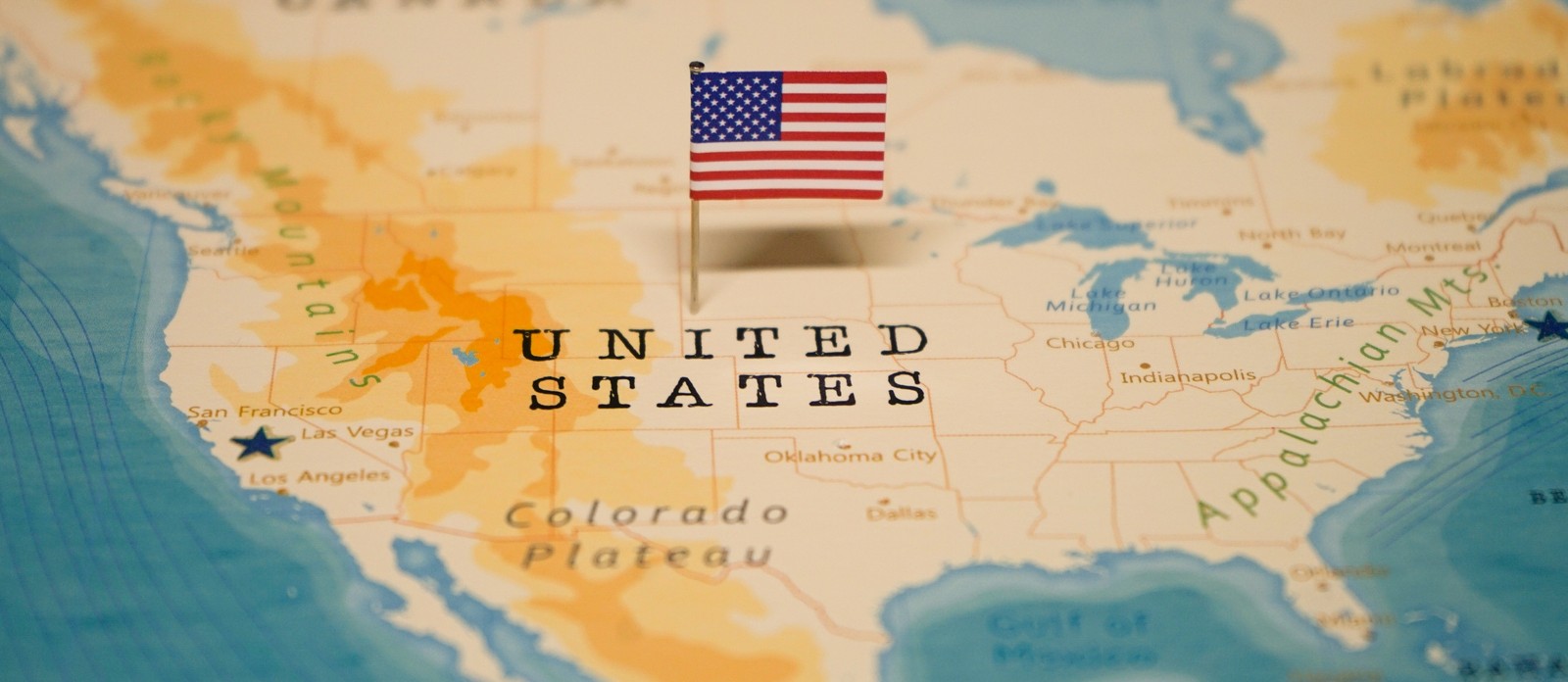
In the land of the free and the home of the brave, beneath the stars and stripes, lies a tapestry woven with threads of history, mystery, and the supernatural . From coast to coast, the United States boasts an array of haunted spaces like Alcatraz, or the Myrtles Plantation, where the echoes of the past reverberate through time, inviting the curious to delve into realms unknown.

In this article, we’ll go through the shadows and unveil the chilling tales of America’s most haunted spots . Join us if you dare!

1
The Stanley Hotel - Estes Park, Colorado

Image: Fern M. Lomibao

The majestic Rocky Mountains of Colorado, surrounded by towering peaks and crisp mountain air already set a specific scenario, don’t they? Now, in that already eerie landscape emerges The Stanley Hotel . If the name doesn’t ring a bell already, you can probably recognize it as the one in the novel-based movie "The Shining." But let us tell you, the real-life tales of this place are even more hair-raising than anything King could dream up.

Built by F.O. Stanley, a man with a penchant for the paranormal, the Stanley Hotel is dripping with history and intrigue.

Only a few steps inside it and you’ll feel it, an otherworldly vibe that sends shivers down your spine . Some say it’s the owner’s ghost lingering around. Others swear they’ve encountered apparitions wandering the corridors, lost souls searching for peace. Whatever it is, only the boldest souls will dare to find out, are you one of those?

2
Eastern State Penitentiary - Philadelphia, Pennsylvania

Image: Lance Anderson

Philadelphia is full of spots that witnessed the history of the country’s Independence. Amidst the cobblestone alleyways and colonial charm lies a place shrouded in darkness: Eastern State Penitentiary.

Once hailed as a revolutionary institution for its innovative approach to incineration, the Eastern State now stands as a crumbling relic of the past. But don’t let its dilapidated facade fool you, this place is teeming with ghostly energy.

Step through the iron gates, and you’ll feel it immediately, a sense of unease you can’t just shake. They say the spirits of former inmates still haunt these crumbling halls , trapped between this world and the next.

Eastern State Penitentiary is a playground for the paranormal enthusiast. But beware, for not all who enter emerge unscathed. Are you brave enough to confront the ghosts of the Eastern State? Yours is the choice!

3
The Myrtles Plantation - St. Francisville, Louisiana

Image: David Hertle

In the heart of the south, you will find sprawling plantations and moss-draped oak trees. It is a picture-perfect scene straight out of a Southern Gothic novel. But, within the beauty lies a dark secret: The Myrtles Plantation.

At plain sight, this place seems like something out of a fairytale , it has stately columns and picturesque gardens. But that is not all, this place has a sinister side as well and the feeling you are not alone is always there.

But perhaps the most chilling part of all is the infamous "mirror room," where the spirits of the dead are said to be trapped for all eternity . If you are craving a taste of Southern hospitality with a side of spine-tingling thrills, the Myrtles Plantation awaits.

4
The Queen Mary - Long Beach, California

Image: Bradley Pisney

The history behind RMS Queen Mary takes different turns, from luxurious to creepy in just one lifetime. Initially, this ship served in the war, and it later transitioned to its opulent role, welcoming esteemed passengers across the vast seas. This first part of its story is not free of tragedy and mystery. For example, one incident involves a sailor who met his end crushed by a door in the engine room , while others recount the loss of children in the ship’s pool.

As of 1967, the Queen Mary belongs to Long Beach which acquired it and transformed it into a hotel that continues to charm guests to this da y. Yet, along with its hospitality, the ship harbors whispers of spectral inhabitants, ghostly remnants of its tumultuous past.

However, they have used it to its favor since the ship offers a visit and guided tours to explore the place around, ghosts and everything!

5
Alcatraz Island - San Francisco, California

Image: Rodrigo Soares

The San Francisco Bay, the iconic Golden Bridge, PIER 39, San Francisco is filled with marvelous places to visit . Just as marvelous is the fact that one of the scariest spots, not to mention haunted, is located there as well. Just the name is creepy enough, don’t you think so?

Alcatraz was once the prison where America’s most notorious criminals were sent. And, today, it is home to a thousand ghostly anecdotes. According to them, Alcatraz is haunted by the ghosts of its former inmates, who weren’t necessarily meek as lambs!

The curious thing is that it’s not just the prisoners who refuse to leave, or at least that’s what one can assume. Visitors and park rangers alike have reported eerie encounters with unexplained phenomena, especially inexplicable sounds echoing through the empty corridors.

6
The Whaley House - San Diego, California

Image: Phil Hearing

In 1857, against the backdrop of San Diego’s burgeoning landscape, Thomas Whaley built up his family house on the historic ground of the city’s original public gallows. Now, legend has it that as soon as they settled into their new abode, Whaley began to experience mysterious phenomena , to say the least. He reported hearing the echoing footsteps of "Yankee" Jim Robinson, a notorious drifter, who met his end at the very site four years prior to the construction of the house.

However, the haunting tales did not cease with Robinson’s spectral presence. Tragedy seemed to shadow the Whaley family, with a series of untimely deaths and suicides befalling several members of the family inside the house. To this day, whispers persist of apparitions roaming the halls, often accompanied by the unmistakable scent of cigar smoke and heavy perfume.

7
San Fernando Cathedral - San Antonio, Texas

Image: Priscilla Fraire

San Fernando Cathedral stands as the oldest church in the state, it hosts the unique El Mariachi Mass every Sunday. Its Gothic Revival architecture is a sight to behold. However, as darkness falls, the atmosphere around it takes on a creepy aura and only the bravest souls are willing to venture onto its myth-laden grounds.

In 1936, during structural renovations, construction workers made a chilling discovery near the altar: bones, nails, and tattered military uniforms, believed by some to have belonged to three soldiers of the Alamo.

Since the unsettling event, reports of shadowy futures and orbs appearing in photographs have circulated among visitors, along with sightings of ghosts within the church itself. Among these spectral sightings are accounts of mysterious men dressed in black and hooded figures reminiscent of monks, adding to the cathedral’s mystique.

8
Sheffield Island Lighthouse - Norwalk, Connecticut

Image: Randy Laybourne

This lighthouse was erected in 1868 and it served as a beacon for ships navigating the waters to reach Sheffield Island , a mere 45-minute ferry journey from South Norwalk. This historic landmark harbors a somber history.

In 1972, tragedy struck when the lighthouse’s original keeper passed away under mysterious circumstances while scanning the horizon with a spyglass, his demise shrouded in unanswered questions. Nearly two decades later, in 1991, an archaeologist conducting preservation work on the site uncovered unsettling occurrences. Eerie melodies, distant pleas for assistance, and the unmistakable sound of a foghorn.

Legend has it these phenomena are attributed to the relentless spirit of Captain Robert Sheffield, the enigmatic figure who acquired the islands in the early 1800s and reputedly possessed a penchant for peculiar musical instruments, adding an aura of mystique to this maritime marvel.

9
Winchester Mystery House - San Jose, California

Image: Kelly Zhang

The Winchester Mystery House stands as a testament to Sarah Winchester's unique response to tragedy. After losing her husband and child, Sarah was convinced by a seer that her family's demise was orchestrated by vengeful spirits seeking retribution for deaths caused by Winchester rifles.

Intending to keep these spirits at bay, she embarked on an elaborate construction project that resulted in the eerie mansion known today . Among its unsettling features are staircases leading to nowhere, doors opening onto solid walls, and windows revealing hidden passages, all perpetuating the house's mystique and intrigue.

Exploring this enigmatic abode offers a glimpse into Sarah Winchester's profound grief and her quest for solace among the paranormal.

10
Emily’s Bridge - Stowe, Vermont

Image: Xiaocong Yan

In picturesque Stowe, Vermont, located among the charming covered bridges that dot New England’s landscape, there is one that harbors a chilling tale: Emily’s Bridge.

It is only 50 feet long, but this bridge has become synonymous with a tragic legend dating back to the mid-1800s.

As the story goes, a young woman named Emily was meant to rendezvous with her lover there for an elopement, but he never arrived . Devastated Emily took her own life, by hanging herself from the rafters. Yet, her spirit is said to linger, casting a sinister presence over the bridge. Locals tell Emily’s ghost allegedly torments passersby by clawing at their cars and leaving behind scary scratches.

Among the tales of spectral hauntings, sightings of a ghostly figure in white and inexplicable sounds echoing from the tunnel only add to the bridge’s macabre mystique.

Culture Culture 5 min read

Obsolete occupations

12 forgotten jobs that once existed and became obsolete

Image: Igor Saikin

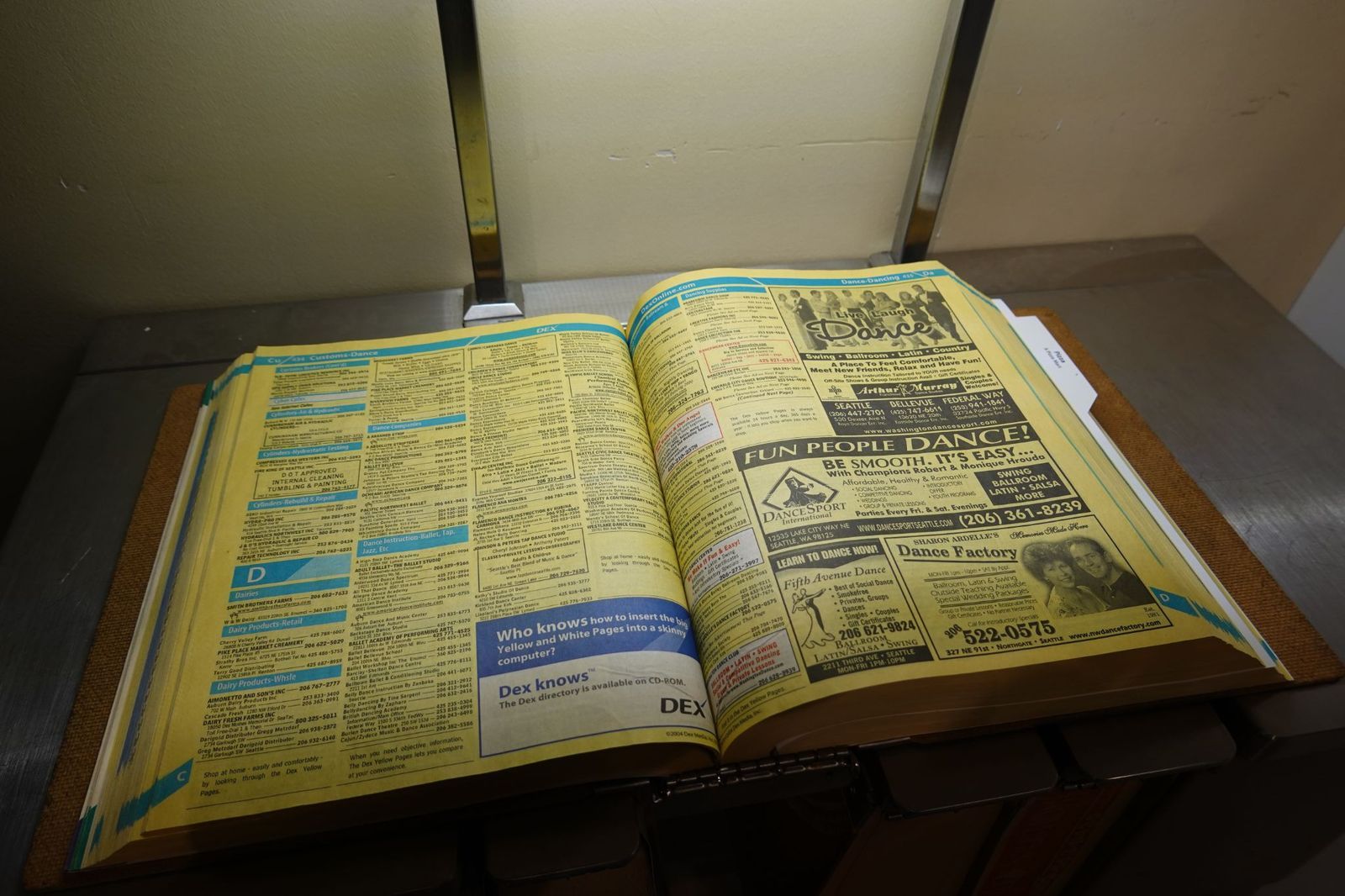
At various points in history, people earned a living performing jobs that sound downright strange today. Folks once knocked on windows to wake strangers for work. Others spent their days resetting bowling pins by hand, lighting streetlamps at dusk, or harvesting ice from frozen rivers. Machines have certainly made life easier in many ways, but they have replaced the livelihood of many. Here’s a small handful of some forgotten jobs that were once fundamental to everyday life in America and elsewhere in the world.

1
Town crier

Image: Birmingham Museums Trust

In early American towns (and elsewhere in the world), before printed media and mass communication were the norm, news didn’t arrive through newspapers or broadcasts: it arrived by voice. Town criers walked streets ringing bells and loudly announcing public notices, laws, and important events . They were essential in communities where literacy was limited, and information traveled slowly.

2
Factory lectors

Image: Amsterdam City Archives

Nowadays, when you have some manual, boring labor to do, you can turn on the radio, listen to some music, or a podcast. Of course, that wasn’t an option once upon a time. In some factories, workers hired a lector to read aloud while they worked .

Starting in the mid 1800s and into the beginning of the 1900s, lectors in factories shared newspapers, novels, and political texts, keeping workers informed and entertained during long hours.

3
Elevator operator

Image: Possessed Photography

Using an elevator seems easy enough today, but for decades, elevators didn’t run themselves. Operators manually controlled speed, direction, and stopping points using levers and switches , while also greeting passengers and announcing floors.

In luxury hotels and department stores, a skilled, often uniformed operator was part of the experience, expected to be polite, precise, and calm under pressure. The job peaked in the early 20th century, especially in big cities like New York and Chicago.

4
Switchboard operator

Image: Matt Benson

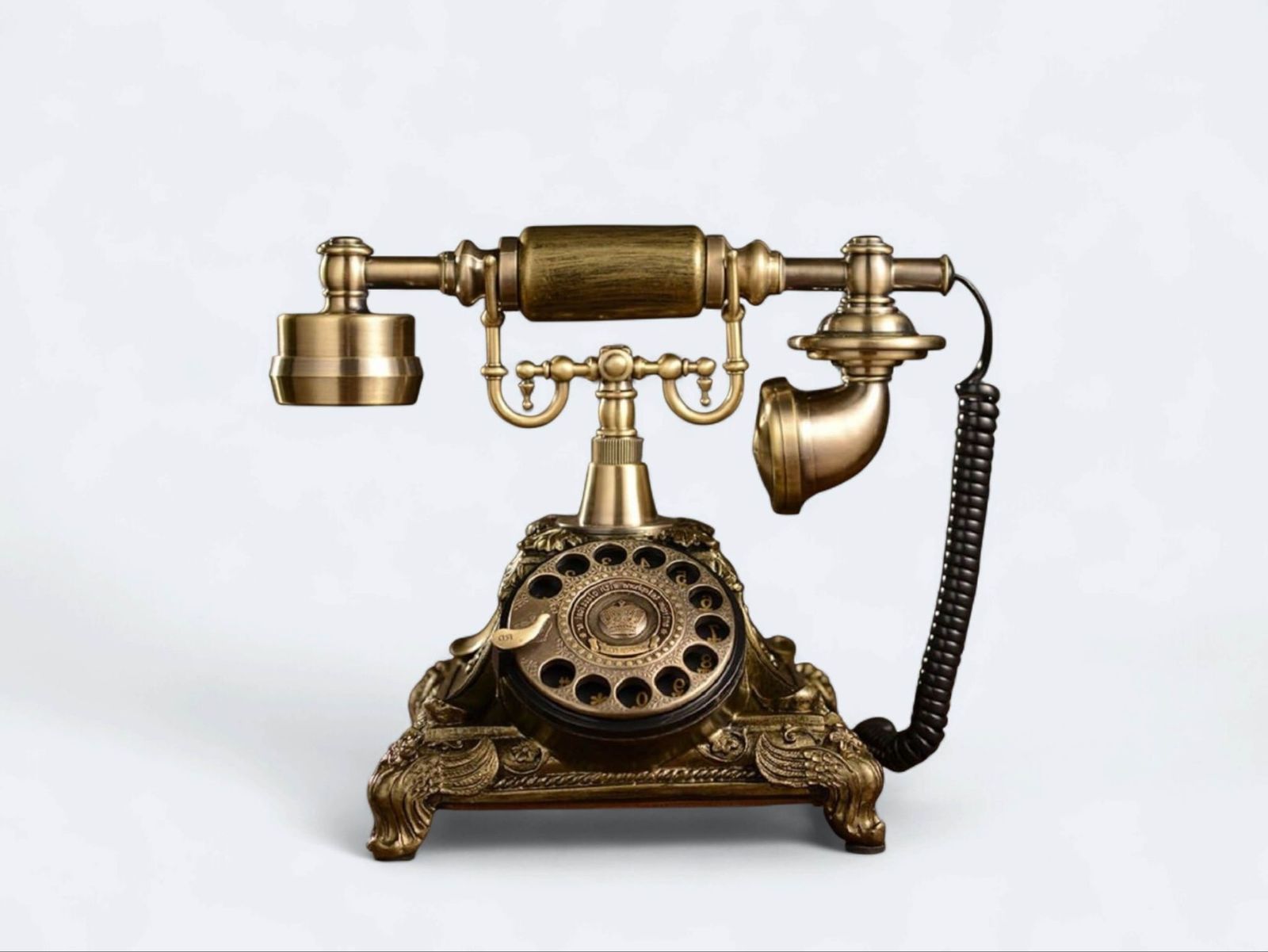
For early telephone calls, switchboard operators had to manually plug cords into panels to link callers together . The occupation rose shortly after Alexander Graham Bell patented the telephone in the 1870s, and became a fundamental job until the middle of the following century, when direct dialing was introduced.

Most operators were women, chosen for their calm voices, speed, and courtesy. They often memorized local names, numbers, and even callers’ personal habits and routines.

5
Bowling pinsetter

Image: engin akyurt

In early bowling alleys, pins did not magically reset themselves via machines. Pinsetters stood behind the lanes, manually rearranging pins after every roll.

It was noisy, repetitive, and sometimes dangerous work, often done by teenagers . It was only in the 1950s that automatic pinsetting machines were introduced.

6
Lamplighter

Image: Jason Peter

Since the beginning of the 19th century, every evening, lamplighters walked city blocks, lighting gas lamps one by one . At dawn, they returned to extinguish them. This job was vital for public safety because the lights helped prevent crime and accidents in dark streets.

It wasn’t until the 1880s that the first electric streetlights were introduced in some cities, but they weren’t the norm until the 1950s. At that point, the cost of maintaining gas pipes had become too high compared to electricity, so the last gas lamps were removed.

7
Milkman

Image: Nationaal Archief

For the first half of the 20th century, the milkman was a familiar sight on American streets. He delivered fresh milk in glass bottles, leaving them in insulated boxes by the door. Many families depended on daily or near-daily deliveries, since refrigeration was limited or unreliable. By the 1940s, however, most American homes owned a refrigerator and the role of milkmen slowly faded.

8
Typist

Image: Denise Jans

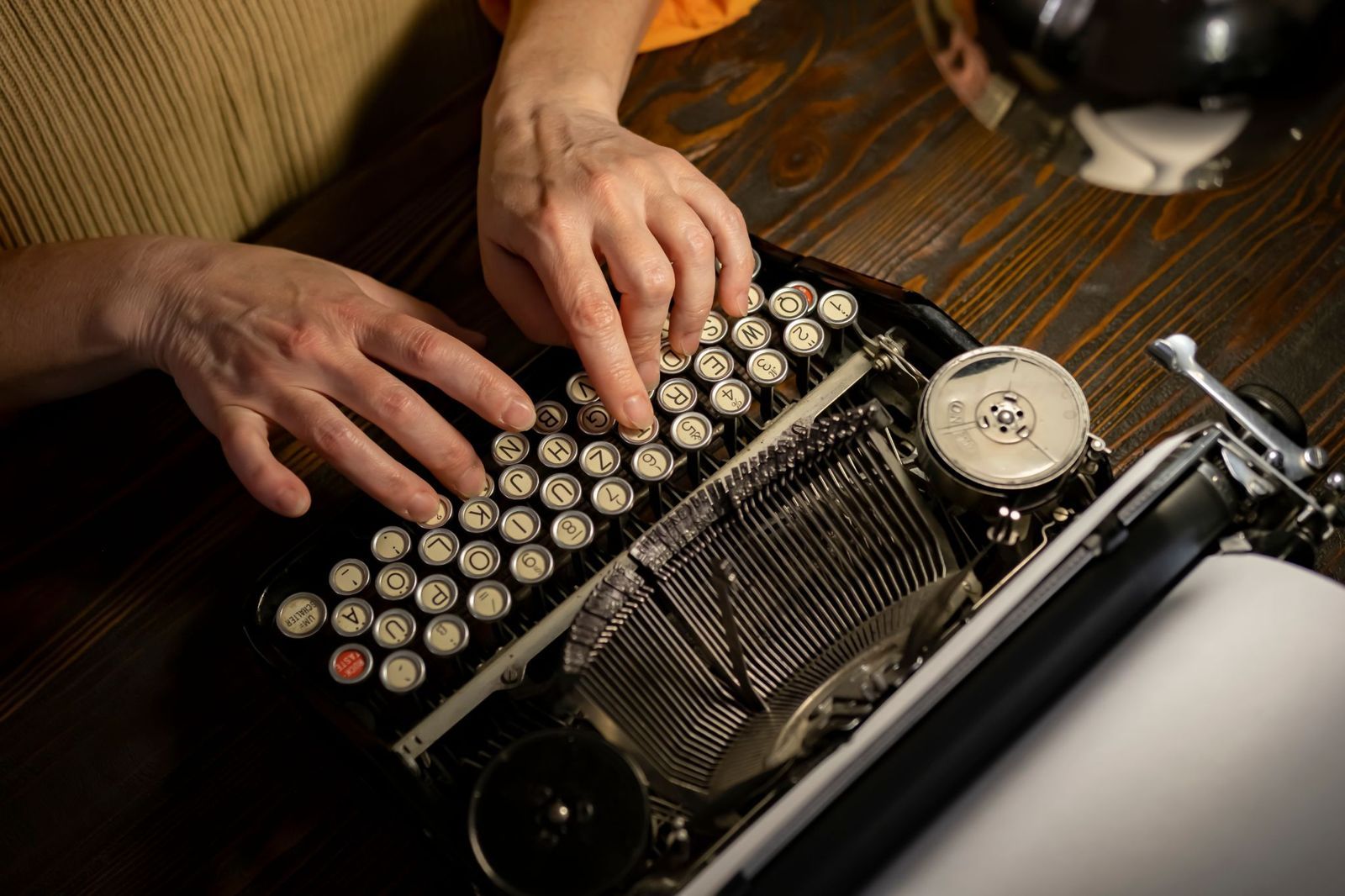
There was a time, before computers, autocorrect, and AI, when offices relied on professional typists to produce everything from letters to legal documents. Many large companies employed entire "typing pools," rooms filled with workers trained to type quickly and accurately on typewriters. Precision mattered more than you may think; unlike today, mistakes on paper (rather than the screen) sometimes meant starting the document over.

9
Human computer

Image: Roman Mager

There was also a time when "computers" were people; their occupation was first mentioned in texts from 1613. Their role was to develop complex mathematical calculations by hand for scientific research, engineering projects, and more. Astronomers during the Renaissance, navigators during the Age of Exploration, and NASA space missions all relied on human computing for their operations.

Imagine that: teams worked through equations for hours or days, checking each other’s math for accuracy. During World War II and the early Cold War, this work was vital to national defense.

10
Knocker-upper

Image: Annie Spratt

Before the Industrial Revolution, most people woke up with the sun. However, by the early 1800s, when factory systems took hold of big cities, being even five minutes late ceased to be an option for workers. To avoid oversleeping, which could mean lost wages, they paid a person to wake them up.

Knocker-uppers walked neighborhoods early in the morning, tapping on windows with long poles or shooting dried peas through blowpipes . Eventually, alarm clocks were introduced in the late 1800s, and the need for this occupation started declining.

11
Telegraph operator

Image: Amsterdam City Archives

A case in which the occupation disappeared along with the technology. Before phones and instant messaging, the telegraph, which was invented in 1837, was the fastest way to send information across long distances.

Telegraph operators translated messages into Morse code , sending dots and dashes through wires that spanned the country. Speed and accuracy were critical, especially for news, business, and wartime communication. With the introduction of radio transmissions and telephones in the late 1800s, the service became more and more obsolete, although Western Union, the major telegraph service in the US, continued to operate until 2006.

12
Iceman

Image: Joy Ru

Finally, there were the icemen. Before refrigerators became household staples, the iceman was an essential figure in American daily life. He delivered massive blocks of ice straight to people’s homes .

These blocks kept food fresh and milk cold in an era before electric cooling. Ice was harvested from frozen lakes in winter, stored in insulated warehouses, and rationed carefully during warmer months.

General General 4 min read

Hidden stories and unexpected details from across the U.S.

How well do you know the U.S. states? These 10 facts might surprise you

Image: Jametlene Reskp

America is made up of 50 states, each with its own history, culture, and unique quirks. While many people know about their capitals, nicknames, and most famous landmarks, there are plenty of lesser-known facts that make each state stand out. Unusual laws, surprising geographic features, and record-breaking claims reveal a side of the country that many are unfamiliar with. Here are 10 surprising facts about different states that might shine a new light on what you know about America.

1
Alaska has more coastline than the rest of the U.S. combined

Image: Rod Long

Alaska’s size is already impressive: it’s the largest state in the country by far, over twice the size of Texas (the second largest state by area). But what surprises many people is just how much coastline it has.

With over 33,900 miles of shoreline, including islands, Alaska has more coastline than all the other U.S. states combined. Its rugged shores stretch along the Arctic Ocean, the Pacific Ocean, and the Bering Sea.

2
Arizona is home to one of the best-preserved meteor craters

Image: John Ballem - a collection of personal photos

Arizona’s desert landscape holds one of the most famous impact sites on Earth: Meteor Crater. This massive depression, measuring about 3,900 feet across and more than 500 feet deep, was formed around 50,000 years ago when a large iron meteorite struck the ground with unimaginable force. It’s so well preserved that scientists have used it to study planetary impacts for decades.

3
California has the tallest, largest, and oldest trees

Image: Venki Allu

California is home to some incredible tree-based records. On the northern coast, redwoods grow routinely over 300 feet, and represent the tallest tree species on Earth. In addition, giant sequoias hold the record for the largest trees by volume, and bristlecone pines in eastern California are among the oldest living trees on the planet, some reaching more than 4,800 years of age.

4
Colorado contains the highest paved road in North America

Image: Jonathan Speek

Colorado’s mountainous terrain makes it a paradise for scenic drives, but one road stands above all the rest. Literally.

The Mount Blue Sky Scenic Byway climbs to over 14,000 feet above sea level, making it the highest paved road in North America. It visits Echo Lake Park, the Mount Goliath Natural Area, the Dos Chappell Nature Center, and Summit Lake Park, and culminates in the highest peak of the region, Mount Blue Sky (formerly known as Mount Evans). A fee is charged to travel State Highway 5 to the summit, and vehicles over 30 feet long are not allowed for safety reasons.

5
Florida is the only state that borders both the Atlantic and the Gulf

Image: Igor Oliyarnik

Florida’s location gives it a special geographic distinction. It is the only U.S. state that borders both the Atlantic Ocean and the Gulf of America, known globally as the Gulf of Mexico.

This unique positioning helps explain why Florida has so many beaches, marine ecosystems, and one of the longest coastlines in the country, second only to the aforementioned Alaska.

6
Hawaii grows coffee commercially

Image: Clint McKoy

Coffee production in the United States is rare, but Hawaii, sitting in the Pacific Ocean about 2,000 miles southwest of the U.S. mainland, is one of the few places where it happens on a large scale. The state’s volcanic soil and tropical climate make perfect conditions for growing coffee, especially the famous Kona coffee grown on the slopes of volcanoes on the Big Island.

7
Kansas is flatter than a pancake, sort of

Image: Joel Heaps

Kansas has long been joked about as being extremely flat. But, in 2003, researchers from the geography departments of Texas State University and Arizona State University took the matter to the lab, and worked to mathematically determine if Kansas is actually flatter than a standard pancake purchased from IHOP.

The researchers concluded that, mathematically speaking, Kansas is actually flatter than a pancake when measured over large distances. The study became famous for both its humor and its unusual approach.

8
Louisiana has parishes instead of counties

Image: Heather Doty

48 of the states divide their local governments into counties. Alaska uses the term boroughs. Louisiana, however, is divided into parishes . The reason lies with the state's early history with the Roman Catholic Church.

A parish , in many Christian denominations, is a territory under the care and jurisdiction of a priest. Before the Louisiana Purchase in 1803, the region had been under both French and Spanish influence, both catholic countries. When the state of Louisiana joined the Union in 1812, it had already inherited an organized system of administrative units derived from those used by the catholic church. Eventually, when a new state constitution was ratified in 1845, local tradition won, and the name parish stuck.

9
Nevada is the most mountainous state

Image: joel protasio

When people think of Nevada, they often picture either endless deserts or the chaotic energy of Las Vegas, with its world-famous hotels and casinos. But Nevada is a very large state (the 7th largest overall), and its 110,572 square miles are filled with mountains.

Nevada contains more mountain ranges than any other state in the country, over 300 of them, thanks to the geological stretching of the Basin and Range region. These mountain ranges create isolated valleys that serve as refuges for endemic species.

10
Oregon has a lake inside a volcano

Image: Jeff Hopper

Oregon is home to Crater Lake, one of the many stunning natural sights in the US. It formed inside the collapsed caldera of an ancient volcano called Mount Mazama. No river flows in or out of the lake; the system stays stable because evaporation is compensated by rain and snowfall.

Crater Lake is the deepest lake in America, reaching depths of nearly 2,000 feet, and its intense blue and water clarity solidify it as one of the country's most sought-after tourist destinations.

Explore more American facts

Choose your favorite category!

General
General

As American as apple pie—the very best America has to offer!

Culture
Culture

Delve into the astounding richness of American lore.

Geography
Geography

Hop in and explore vast and diverse American landscapes.

History
History

Discover the key moments that shaped the United States.