Culture Culture 5 min read

The 10 best films about real American presidents
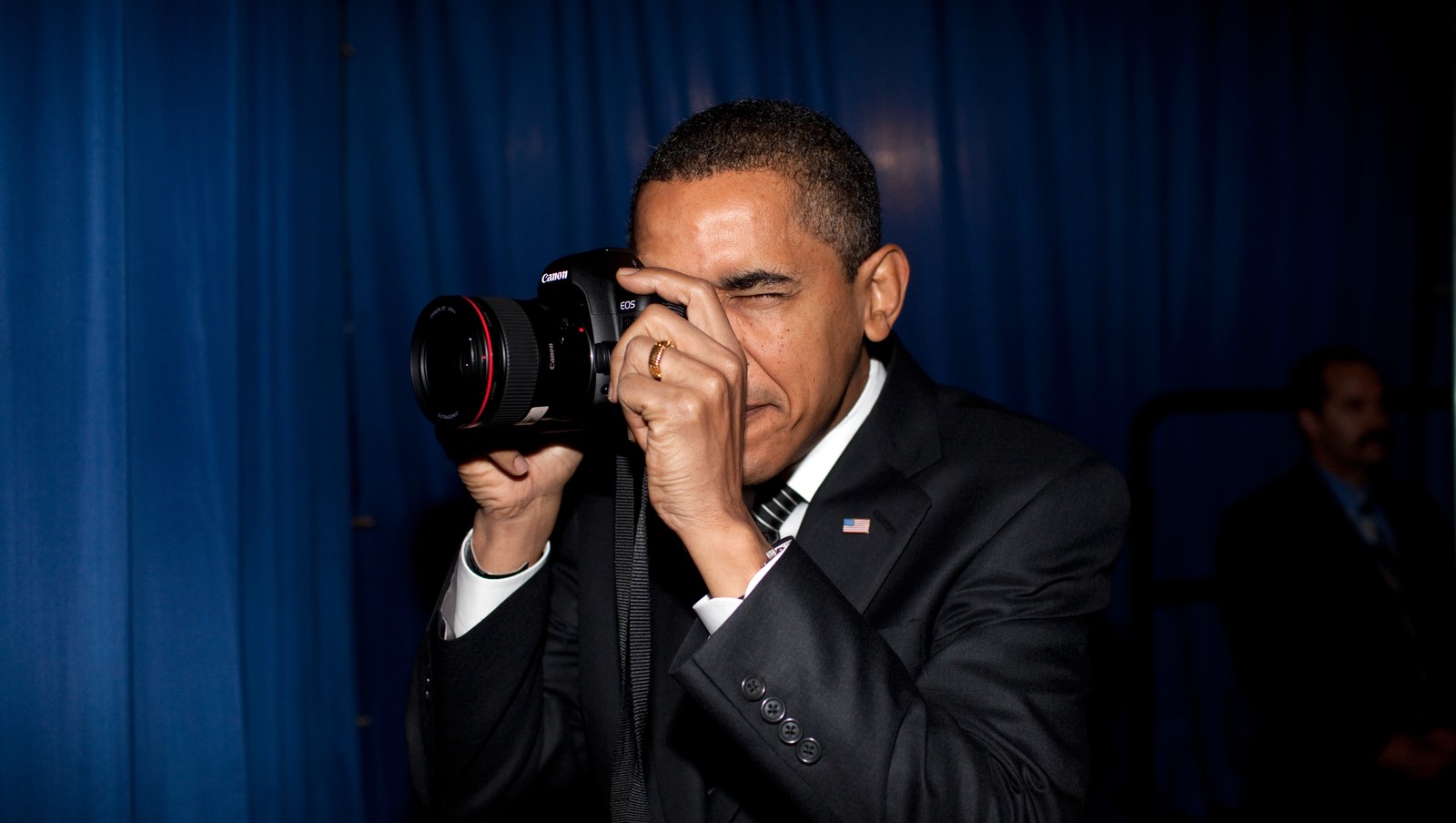
Image: Barack Obama Presidential Library, Public domain, via Wikimedia Commons

Throughout history, Hollywood has captured the complexity of commanding America’s highest office in countless films. The lives and challenges of characters such as Abraham Lincoln, George Washington, and John F. Kennedy have been vastly explored on the big screen. Each of these productions has not only depicted the crucial decisions made by these leaders, but also the values and conflicts that have shaped American society. Can you guess which are the top 10 films about the United States' most emblematic presidents?

1
The Crossing (2000)
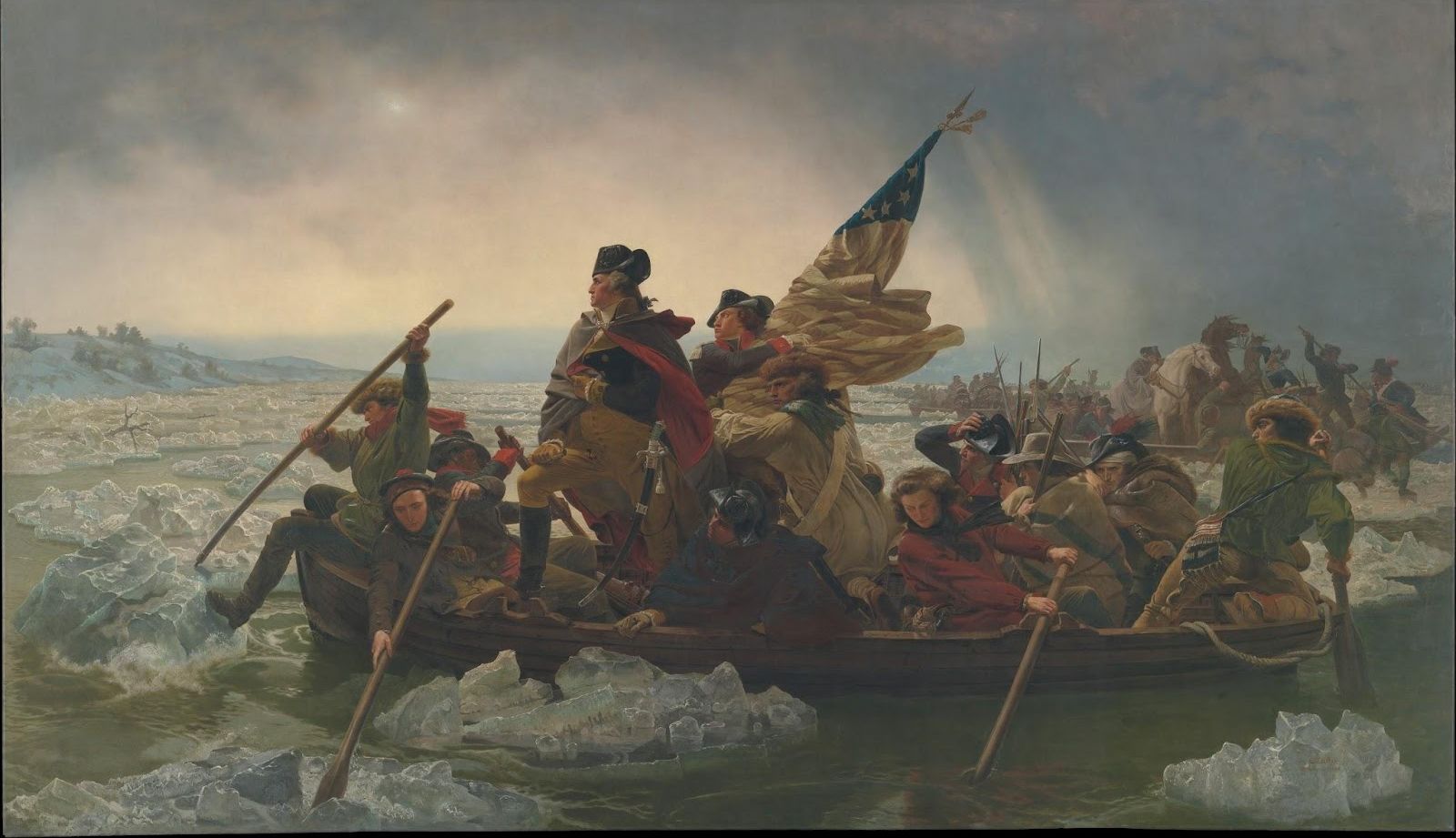
Image: Emanuel Leutze, CC0, via Wikimedia Commons

Of course, there had to be a film that reflected at least a small portion of the extensive political and military life of the first president of the United States. The Crossing focuses on the famous Delaware River mission commanded by Washington, a surprise attack against the British that would definitively change the course of the Revolutionary War.

Jeff Daniels' superb performance expertly captures George Washington's bravery and sense of duty, especially in relation to the patriotic vision that drove him to lead America’s independence.

2
Thirteen Days (2000)
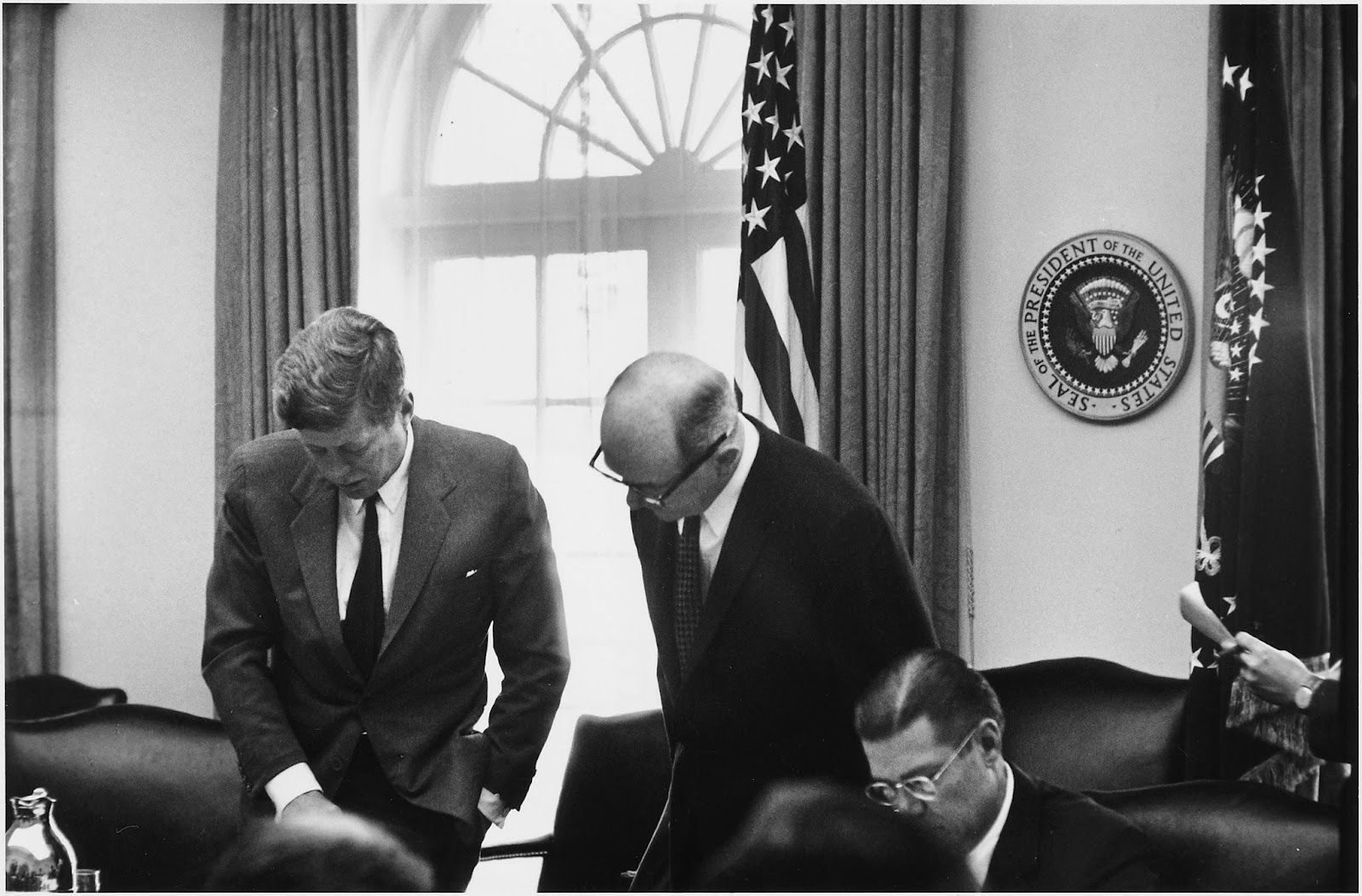
Image: Cecil W. Stoughton, Public domain, via Wikimedia Commons

This historical political thriller dramatizes the intense 13 days during the Cuban Missile Crisis in October 1962. The film captures John F. Kennedy’s strategic mind and leadership qualities as he navigates diplomatic and military dilemmas to avert a nuclear war with the Soviet Union.

Starring Bruce Greenwood, Thirteen Days showcases a president under immense pressure steering the United States through one of the toughest moments of the Cold War. Greenwood’s nuanced portrayal of Kennedy’s resolve, fear, and commitment to peace offers a riveting glimpse into the decision-making process inside the White House during a pivotal moment in history.

3
Truman (1995)
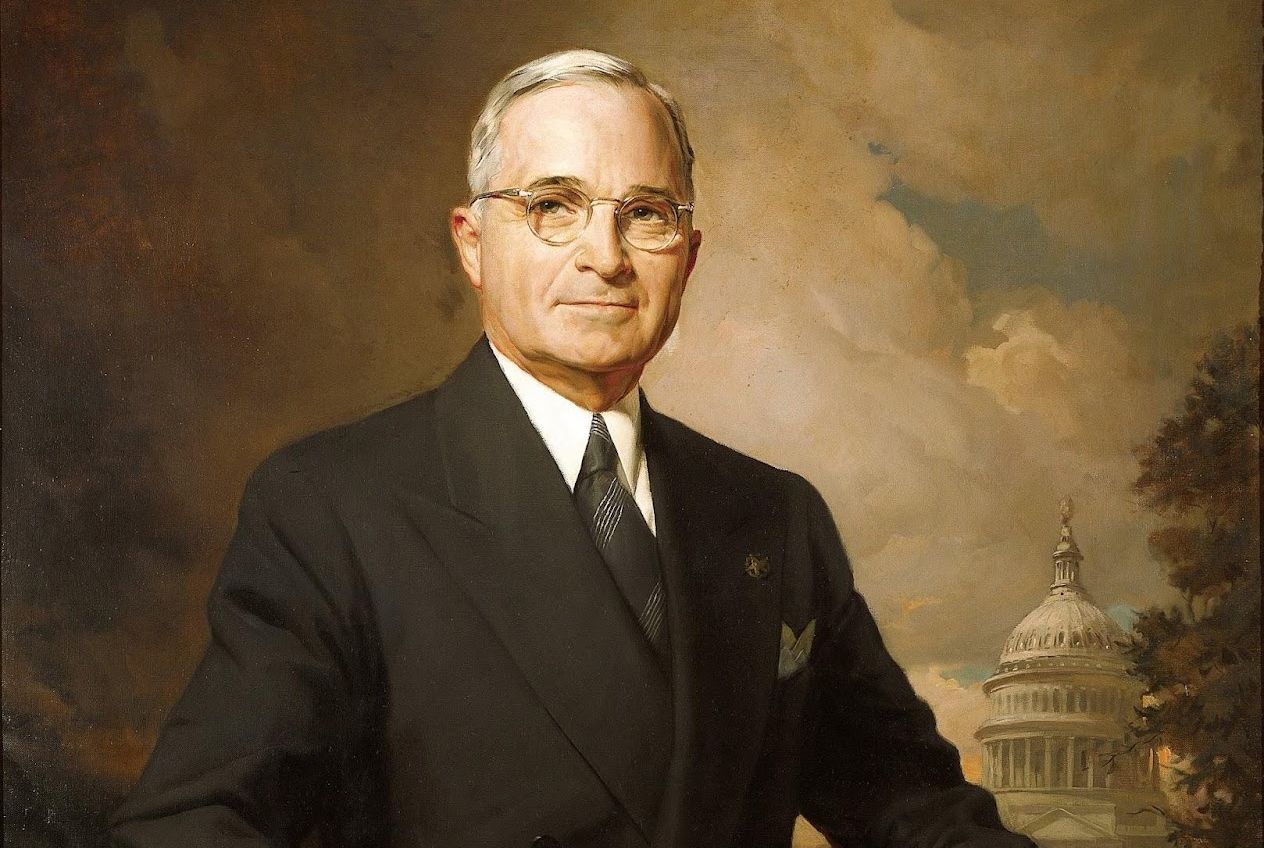
Image: Greta Kempton, Public domain, via Wikimedia Commons

This portrayal of Harry S. Truman is a masterful take on an often underestimated president who led our country through the end of World War II and the first years of the Cold War.

In the role of Truman, Gary Sinise effectively captures the 33rd president’s ascent from a modest background to the highest office. Sinise embodies Truman’s integrity and willpower, while bringing up his pragmatic approach to governance, which earned him a well-deserved Golden Globe.

4
The Special Relationship (2010)
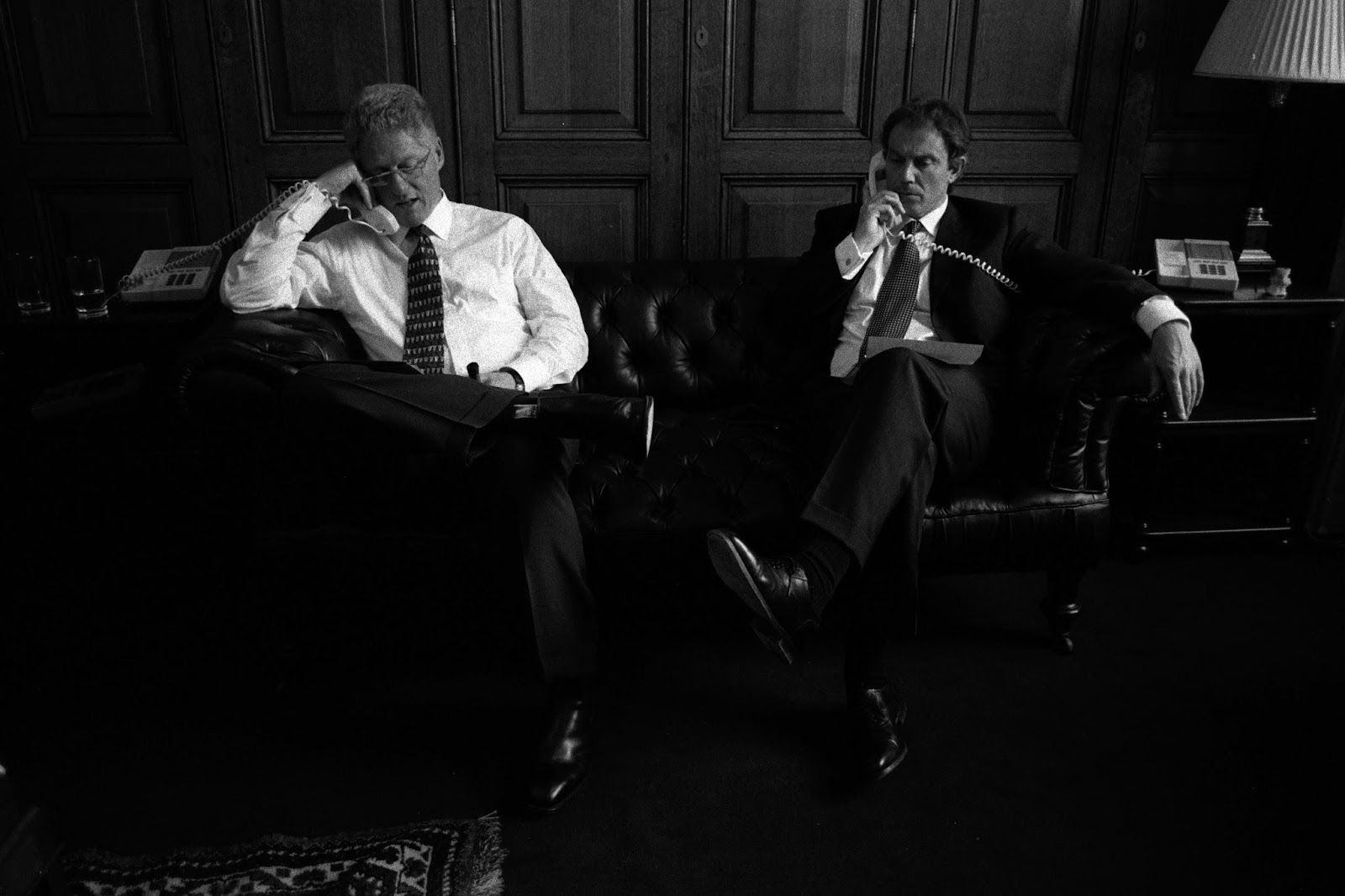
Image: Ralph Alswang White House Photograph Office, Public domain, via Wikimedia Commons

The special relationship traces Bill Clinton’s interactions with British Prime Minister Tony Blair between 1997 and 2001, offering viewers front-row insight on power dynamics, how friendship develops in high-level governance, and its impact on global affairs.

Dennis Quaid brings to life the former president’s multifaceted persona, shedding light on his vulnerabilities. He perfectly nails not only Bill Clinton’s magnetic charm but also his ability to navigate complicated political landscapes and balance diplomacy with personal connections.

5
Hyde Park on Hudson (2012)
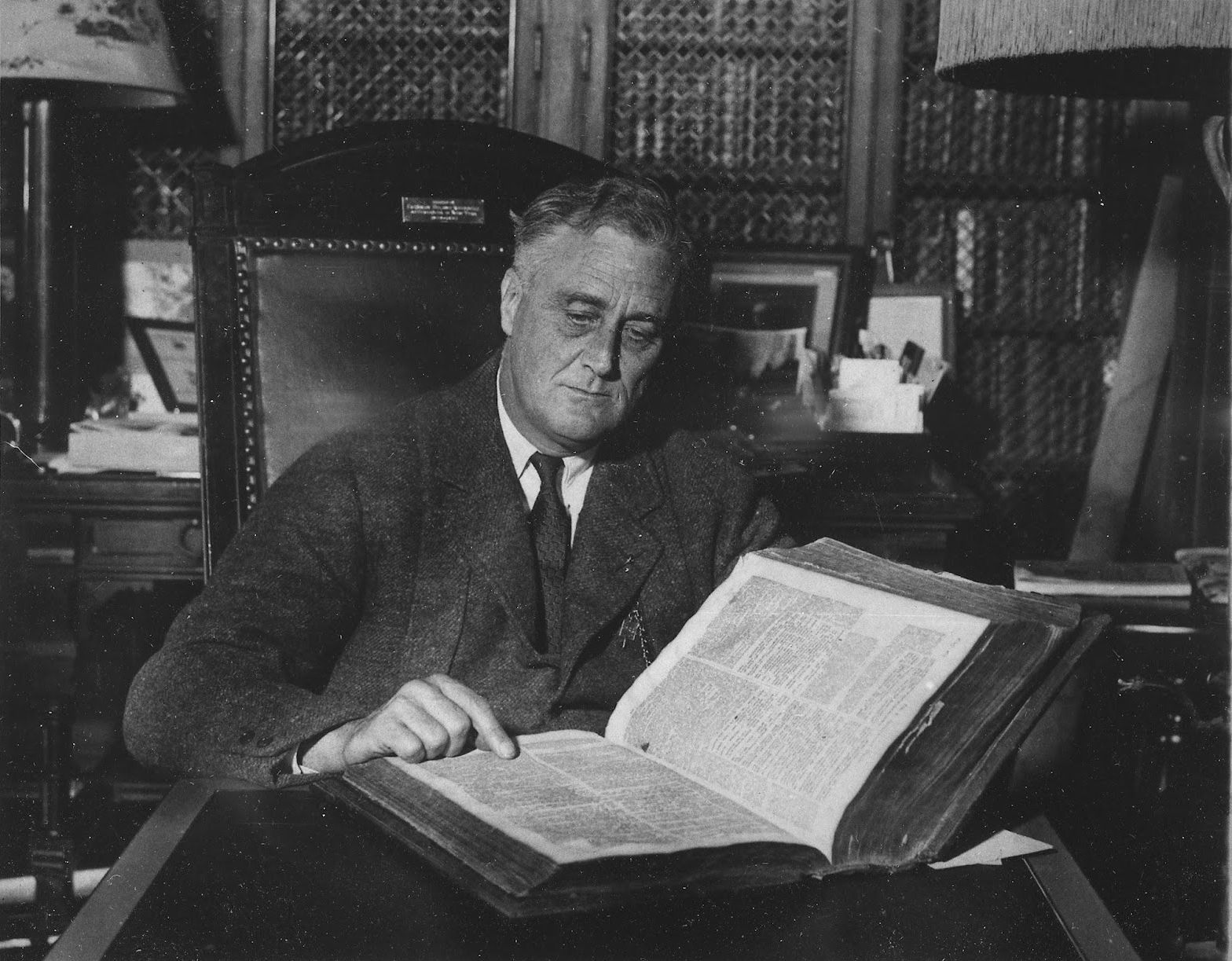
Image: National Archives and Records Administration, Public domain, via Wikimedia Commons

This historical drama depicts Franklin D. Roosevelt’s personal life and the complexities of leadership during a weekend visit by the King and Queen of England. Hyde Park on Hudson navigates through the 32nd president’s intimate relationships within his inner circle while working on strengthening the US-UK alliance on the eve of World War II.

Primarily known for his comedic genius, Bill Murray’s portrayal of Roosevelt reveals a lesser-seen side of the former president. Murray manages to capture his charm, wit, and burdens of leadership with a subtle performance blending the president’s public persona with his private vulnerabilities.

6
W. (2008)
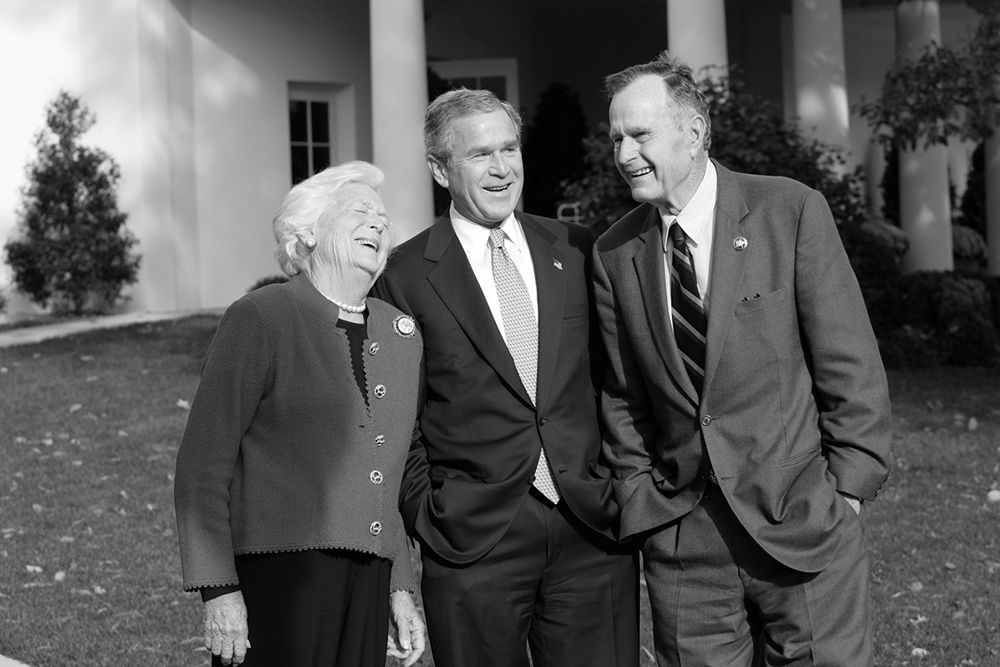
Image: d

Oliver Stone’s W. explores George W. Bush’s journey from his early tumultuous years to his tenure in the White House. The film delves into his motivations, decisions regarding the Iraq war, and his personal and political challenges.

Josh Brolin successfully embodies Bush’s distinctive mannerisms, speech patterns, and the dynamics of his relationships with his family and advisers. The actor’s take is critical yet empathetic, providing insight into the former president’s character without caricature, and offering a deeper understanding of the man behind the president.

7
All the Way (2016)
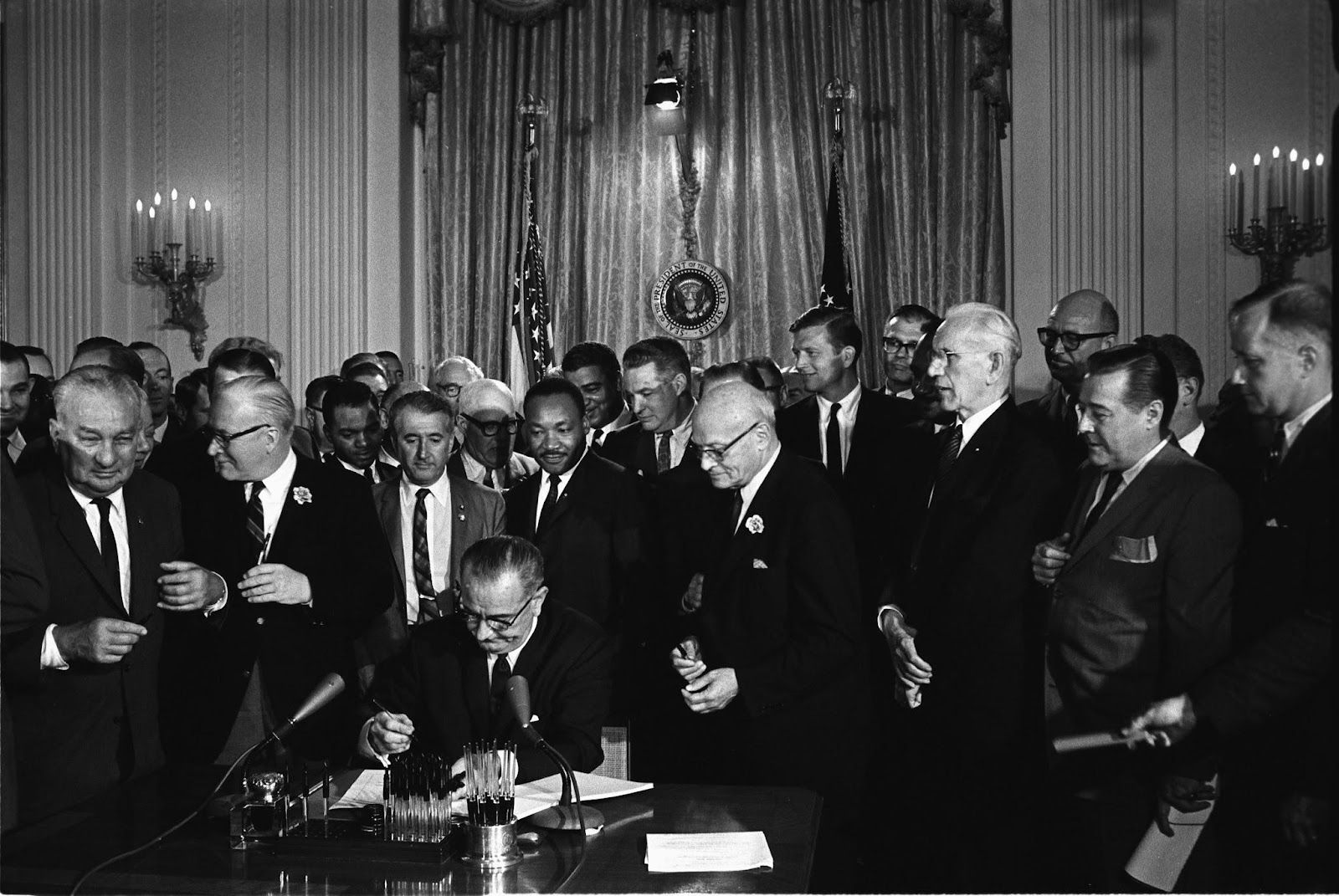
Image: Cecil Stoughton, White House Press Office (WHPO), Public domain, via Wikimedia Commons

This TV biographical drama focuses on Lyndon B. Johnson’s efforts to pass the Civil Rights Act during his first year in office, while showcasing his persuasive tactics, political dexterity, and the moral challenges he had to deal with.

Bryan Cranston remarkably captures a leader committed to transformative social change who is, at the same time, burdened by the legacy of his predecessor, John F. Kennedy. His embodiment of Johnson’s larger-than-life personality, along with conveying intimate moments of vulnerability, earned Cranston much critical acclaim for bringing humanity to one of America’s most consequential figures.

8
Frost/Nixon (2008)
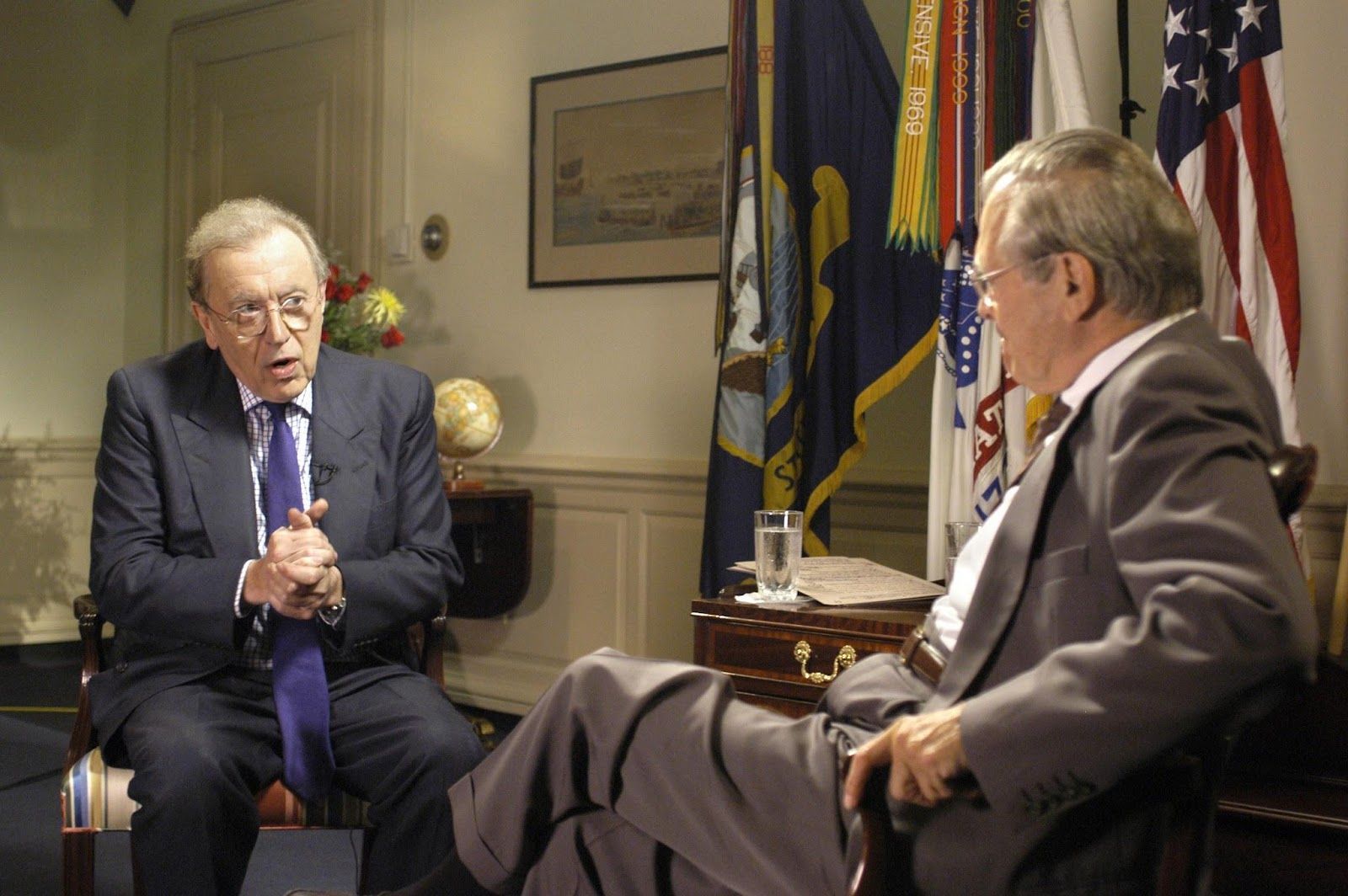
Image: Robert D. Ward, Public domain, via Wikimedia Commons

Centered around a series of televised interviews between Richard Nixon and British talk show host David Frost, this riveting film showcases a battle of wits and wills. Directed by Ron Howard, Frost/Nixon offers a deeply human look at an isolated president struggling with the consequences of his actions.

Frank Langella plays Nixon in the aftermath of his resignation, as he attempts to salvage his legacy while grappling with the guilt and shame of his downfall. Langella’s masterful depiction of one of America’s most controversial figures goes beyond impersonation, which earned the actor an Academy Award nomination.

9
Amistad (1997)
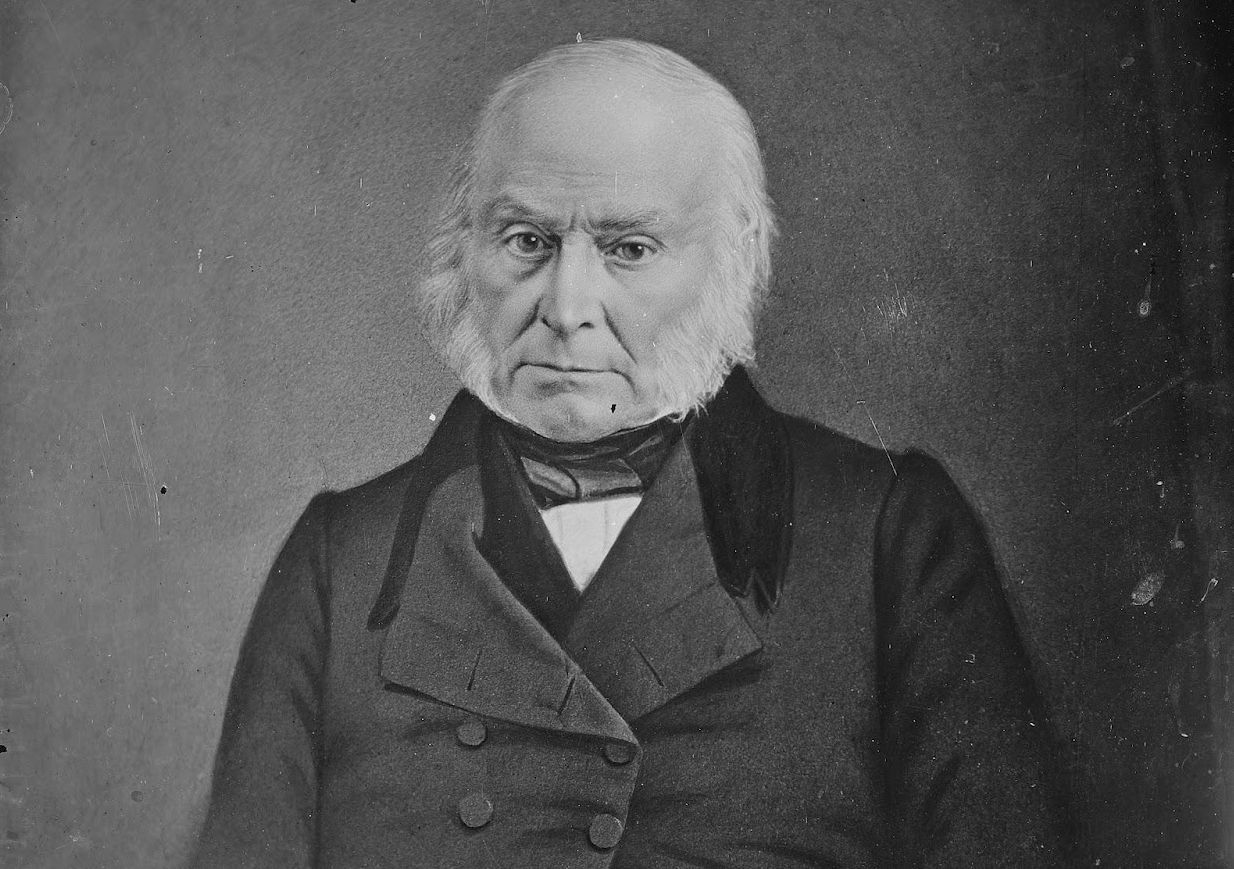
Image: Mathew Benjamin Brady, Public domain, via Wikimedia Commons

Steven Spielberg’s Amistad revolves around John Quincy Adams’ role as an attorney defending African men who revolted aboard a Spanish slaveship. The legendary Anthony Hopkins portrays Adam’s passionate arguments before the Supreme Court and reveals his commitment to justice and equality.

Hopkins also compellingly conveys Adam’s intelligence, determination, and the weight his legacy as both a former president and a champion of the abolitionist cause represented for him.

10
Lincoln (2012)
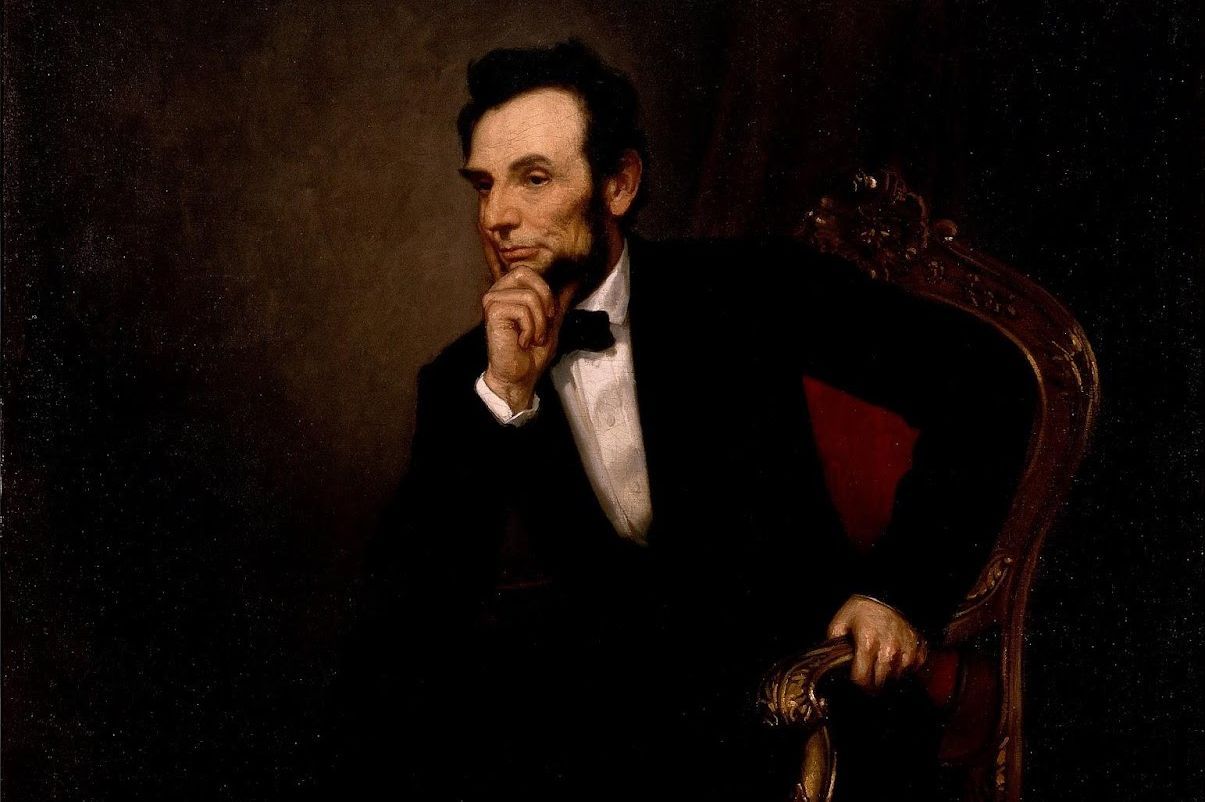
Image: George Peter Alexander Healy, Public domain, via Wikimedia Commons

Focused on the final moments of Abraham Lincoln’s life, Steven Spielberg’s biopic highlights the 16th president’s efforts to pass the 13th Amendment, abolishing slavery.

The talented Daniel Day-Lewis delivers an absolutely iconic performance as Lincoln. He embodies the former president’s physicality and voice with such authenticity that viewers are transported to the heart of 19th-century American politics. Day-Lewis also manages to perfectly blend the president’s moral gravity, political savvy, and personal turmoil. His commitment to the role is so evident that it earned him an Oscar for Best Actor.
General General 5 min read

What are the most essential traditional folk songs? 10 contenders

Image: Metropolitan Museum of Art, CC0, via Wikimedia Commons

Traditional folk music, with its origins deeply rooted in American history and tradition, is a treasure that has endured through the centuries. This form of musical expression has left an indelible mark on our culture, and its legacy is evident in a wide variety of modern musical genres. In this article, we bring back 10 traditional folk songs that not only influenced great artists such as Bob Dylan but also continue to inspire listeners today.

1
John Henry

Image: Ylanite Koppens

John Henry is one of the greatest heroes of American folklore, so it is not surprising that several songs celebrate his deeds. The legend of his battle with the steam drill symbolizes humanity’s struggle against automation and technological change, inspiring countless tunes.

There are many musical versions of John Henry’s story: some are ballads, while others are "hammer songs" (a type of song related to railroad work). Whatever the genre, all of these traditional songs are so good that the best American musicians have recorded them multiple times over the years.

2
Oh My Darling, Clementine

Image: Angshu Purkait

There are multiple variations of this song, but it is believed to have been written by Percy Montrose in 1883. The melody may be older and possibly inspired by a Spanish ballad , while the lyrics likely emerged sometime after the Gold Rush era.

Over the years, several verses were added and numerous versions were recorded, such as Bing Crosby's in the 1940s and Bobby Darin's in the 1960s. Despite its age, "Clementine" remains a popular song for group singing all across America.

3
In the Pines

Image: Priscilla Du Preez

Like numerous other folk songs, the lyrics and melody of "In the Pines" were passed down orally from generation to generation, and its original author remains unknown. What we do know is that it dates back to at least the 1870s and likely originated in the Southern Appalachian region.

The structure of this unique, moody, blues-style song, as we know it today, has mutated over the years, merging with other tunes. The important thing is that "In the Pines" has become a staple of American music, being recorded by numerous artists, including Bill Monroe, Lead Belly, and even grunge band Nirvana.

4
Worried Man Blues

Image: LunarSeaArt

When hillbilly singers came into contact with African American blues, songs like "Worried Man Blues" began to emerge. The verses were likely inspired by the story of someone sentenced to work on a chain gang.

The song may have roots in a 19th-century African American spiritual , but it became widely known after the Carter Family recorded it in the 1930s, giving it a strong foothold in the country and early bluegrass repertoire. Decades later, folk revivalists adopted the tune, ensuring its place as a classic of American folk music.

5
Oh Shenandoah

Image: Matheus Ferrero

Although the exact origin of this folk song is uncertain, we know that it was sung as a river shanty in the 19th century, especially by American and Canadian fur traders traveling down the Missouri River.

The word Shenandoah is connected to the Shenandoah Valley in Virginia, though its precise meaning is debated. Some suggest it derives from an Iroquois word meaning "land of big mountains" or "daughter of the stars." Some versions of the song tell the story of a redskin chief, Shenandoah, and his beautiful daughter. According to the legend, a white trader eloped with the maiden after silencing the chief with firewater.

6
Oh! Susanna

Image: ClickerHappy

"Oh! Susanna" is often considered the first big hit in American popular music. It became especially famous among the '49ers during the California Gold Rush and became an emblem of the conquest of the West.

With influences from European polka music and earlier traditional folk songs, "Oh! Susanna" was published in 1848 by Stephen Foster, later nicknamed the "Father of American Music." Many artists recorded different versions over the years, including The Big 3, The Byrds, and James Taylor.

7
Red River Valley

Image: Priscilla Du Preez

It is common for folk songs to be adapted to different regions , and this tune is no exception. Over the years, it has been named and renamed for many different valleys and locales. Most 20th-century versions use the title "Red River Valley" and, by implication, place it along the Red River that forms part of the boundary between Texas and Oklahoma.

However, some evidence suggests that the original version actually dates to around 1870 in Canada, near the Red River that flows into Lake Winnipeg. In that version, the lyrics tell of a French-Indian maiden lamenting the departure of a soldier who had come, stayed briefly, and then left. For Americans, though, the song is most closely associated with cowboys and the Red River of the South.

8
Man of Constant Sorrow

Image: Wilawan Pantukang

The origin of this southern mountain song is somewhat obscure. It is absent from most of the major standard collections, but some experts believe it might have been inspired by the 19th-century hymn "I Am a Poor Pilgrim of Sorrow."

Although numerous versions with different names and lyrics have circulated since at least the early 20th century, "Man of Constant Sorrow" was popularized by the Stanley Brothers in the 1950s. Soon after, musicians such as Bob Dylan, Joan Baez, and Judy Collins recorded their own interpretations, helping to cement its place as a classic of American folk music.

9
Home on the Range

Image: Jeremy Bishop

One of the best-known cowboy and Western songs, "Home on the Range," has long been the subject of disputes regarding its authorship. The most widely held theory is that it was inspired by a poem called "My Western Home," written by Dr. Brewster Higley in the 1870s. The well-known American composer David W. Guion claimed to have composed the music, stating that he wrote it at the age of 16, influenced by his life in West Texas.

"Home on the Range" enjoyed great popularity in the 1930s through radio broadcasts and recordings during the cowboy-song fad. Since 1947, it has been Kansas’s official state song.

10
Michael, Row the Boat Ashore

Image: Blind Rhino Media

Folk song revivalists discovered "Michael, Row the Boat Ashore" in the Georgia Sea Islands and passed it around widely and fervently. The tune blends spiritual, calypso, and sea-song styles, and it likely originated as both a spiritual and a work song sung by enslaved crews on plantation riverboats.

The name Michael refers to the Archangel Michael, and the song was likely used when the load was heavy or the boat was going against the tide. In the 1960s, it was popularized by folk band The Highwaymen and was also recorded by other artists such as Pete Seeger, Bob Gibson, and Harry Belafonte, among others.

History History 4 min read

Big Friday instead of Black Friday? That was a flop, this article isn't!

Image: Max Fischer

Ah, Black Friday! A day when we brave the crowds (or click feverishly online) to snag the best deals, right? But how much do you really know about its history? It’s not just about discounts and doorbusters, even if that’s what comes to mind first. From surprising origins to unexpected traditions, Black Friday has plenty of fascinating facts to share. Let’s dive into some fun facts that’ll have you seeing this shopping holiday in a whole new light. Who knows, you might impress your friends at the next dinner with these tidbits!

1
Before bargains, there were stock market crashes

Image: Kelly Sikkema

Long before Black Friday meant shopping sprees, it had a gloomier vibe. Back in the late 1800s, the term was used to describe major stock market crashes . Imagine a Wall Street meltdown, and you’ll get the picture.

One infamous event occurred in 1869 when a financial fiasco involving gold prices rocked the country. While the term’s meaning has flipped over the years, its history isn’t always as rosy as a holiday ad. Thankfully, these days, "Black Friday" is more about spending than stressing—well, unless you’re in line at 5 a.m.!

2
From Santa Claus to shopping sprees

Image: rawkkim

Before malls opened at dawn and websites crashed under traffic, Black Friday was all about parades —specifically, Santa Claus parades! The tradition began in the early 1900s, with department stores like Macy’s sponsoring grand events to usher in the holiday season. These parades were a spectacle of floats, marching bands, and, of course, jolly old St. Nick.

Over time, the day became synonymous with shopping as stores started offering sales to parade-goers. So, if you’ve ever wondered why Santa and Black Friday seem so intertwined, it all started with a parade and a clever marketing move.

3
The plumber’s busiest day

Image: Unseen Histories

Here’s a fun (and slightly gross) fact: Black Friday is a goldmine for plumbers. Why, you may ask? Well, Thanksgiving feasts often lead to… let’s call them plumbing emergencies . From overloaded garbage disposals to bathroom backups, plumbers are busier than ever on this day. In fact, many in the industry refer to it as "Brown Friday" (we don’t need to explain that one to you!). It’s not the most glamorous Black Friday gig, but someone has to do it!

4
Why Thanksgiving got a time-out

Image: Iga Palacz

Did you know that Thanksgiving wasn’t always on the fourth Thursday of November? Back in 1939, retailers panicked over a shorter holiday shopping season, so President Franklin D. Roosevelt decided to push Thanksgiving back by a week to give everyone more time to shop .

The change caused quite an uproar, with people dubbing it "Franksgiving." Eventually, Congress stepped in and settled on the date we know today. So, next time you’re enjoying leftovers and plotting your Black Friday buys, thank FDR for the extra shopping days.

5
"Big Friday" was a big flop

Image: 愚木混株 cdd20

In 1961, officials in Philadelphia tried to give Black Friday a friendlier spin by renaming it "Big Friday." The reason? Local police were fed up with the day’s chaotic traffic and crowds . Unfortunately, the new name didn’t catch on; after all, "Black Friday" had a certain dramatic twist. Over time, the term stuck, and its connotations shifted to something more positive. But can you imagine telling friends, "I’m gearing up for Big Friday sales"? It doesn’t have the same charm, does it?

6
When Saturday stole the spotlight

Image: Kelly Sikkema

Believe it or not, Black Friday wasn’t always the reigning king of shopping days. For decades, the Saturday after Thanksgiving held that title . Can you guess why? Many people preferred to relax on Friday before diving into the holiday hustle. That would be our choice if you asked us!

It wasn’t until the early 2000s, when retailers began offering jaw-dropping deals, that Black Friday took the crown. Long live the king!

7
The global spread of Black Friday

Image: Kelsey Knight

Black Friday isn’t just an American obsession anymore—it’s gone global! Over 15 countries, including Canada, the UK, and even Brazil, have embraced the tradition of post-Thanksgiving sales.

Even if some places don’t celebrate Thanksgiving, they’ve adopted the shopping frenzy with open arms. After all, a good bargain is a universal language. So, if you find yourself traveling during the holidays, don’t be surprised to see Black Friday signs in unexpected places.

8
Thanksgiving evening: The new Black Friday

Image: Libby Penner

In 2011, Walmart threw tradition out the window by opening on Thanksgiving night. This controversial move kickstarted the trend of retailers starting sales earlier and earlier . While some loved getting a head start, others missed the old-school thrill of early-morning Black Friday madness.

In any case, it marked a significant shift in how we approach holiday shopping. These days, "Black Friday" often feels more like "Black Thursday Night," but hey, nobody’s complaining about the extra deals.

9
Contactless is the new black

Image: SumUp

Black Friday shoppers are going cashless in droves; 53% of people prefer using contactless payments when hitting the stores . Are you one of them? With just a tap, you’re out the door, deal in hand—no fumbling for change or wrestling with a wallet while juggling bags! Meanwhile, 30% of shoppers admit they’re not too comfortable using cash anymore. And can you blame them? Between convenience and hygiene, contactless is clearly the king of modern shopping. Which method do you prefer?

10
Shopping under the influence

Image: Douglas Lopez

Here’s a fact that might make you chuckle: about 12% of Black Friday shoppers admit to hitting the stores—or their keyboards— after a drink or two . Maybe it’s leftover wine from Thanksgiving, or perhaps it’s liquid courage for battling the crowds.

Either way, some of those impulse buys might be less about bargains and more about buzzed decision-making. So, if you’ve ever woken up to a mysterious order confirmation, you’re not alone! Black Friday shopping is wild enough; add wine, and it’s a whole new adventure!

Explore more American facts

Choose your favorite category!

General
General

As American as apple pie—the very best America has to offer!

Culture
Culture

Delve into the astounding richness of American lore.

Geography
Geography

Hop in and explore vast and diverse American landscapes.

History
History

Discover the key moments that shaped the United States.