General General 3 min read

Folklore files

Think you’re tough? Try reading these hometown legends at night!

Image: Justin Ziadeh

Every town has at least one story that makes folks lower their voices and lean in a little closer. Across the country, these tales have grown legs and wandered far beyond the places where they started. Here are ten of America’s most talked-about urban legends, the ones that keep popping up in conversations, road trips, and campfire chats.

1
Bigfoot in the Pacific Northwest
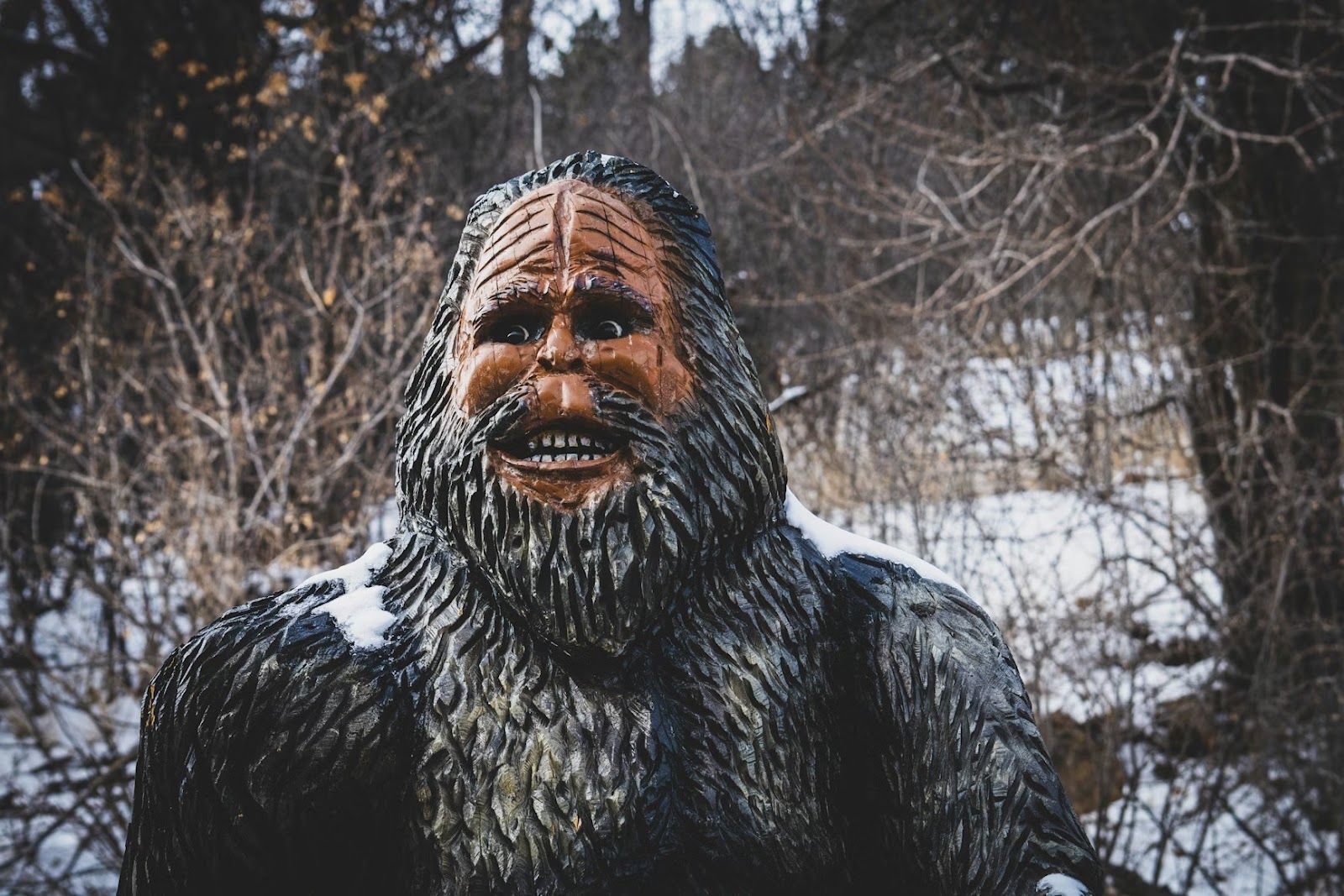
Image: Jon Sailer

The forests of Oregon and Washington have been a treasure trove of Bigfoot sightings for decades. Hikers, campers, and loggers all have their own take, from gentle encounters to hair-raising escapes. Whether he’s a shy forest neighbor or just a legendary wanderer, the mystery has inspired countless hunts, tales, and devoted believers who swear the creature is still out there.

2
West Virginia’s winged visitor

Image: Bhong Bahala

Point Pleasant had quite a moment in the 1960s, when locals reported seeing a tall figure with glowing eyes sweeping through the sky. Newspapers named it the Mothman, and soon the stories were everywhere. Some people thought it was a bird, others guessed something stranger. The sightings even lined up with a real bridge collapse, which only added to the town’s long-lasting fascination.

3
Minnesota’s winter monster

Image: Anoushka Puri

Northern tribes have long shared stories about the Wendigo, a creature tied to greed, hunger, and the frozen wilderness. Descriptions vary, but all versions paint a picture of something you wouldn’t want to cross paths with on a snowy night. Whether seen as a physical creature or a spirit, the tale has survived because it taps into those deep winter fears we all understand, right?

4
The Jersey Devil in New Jersey
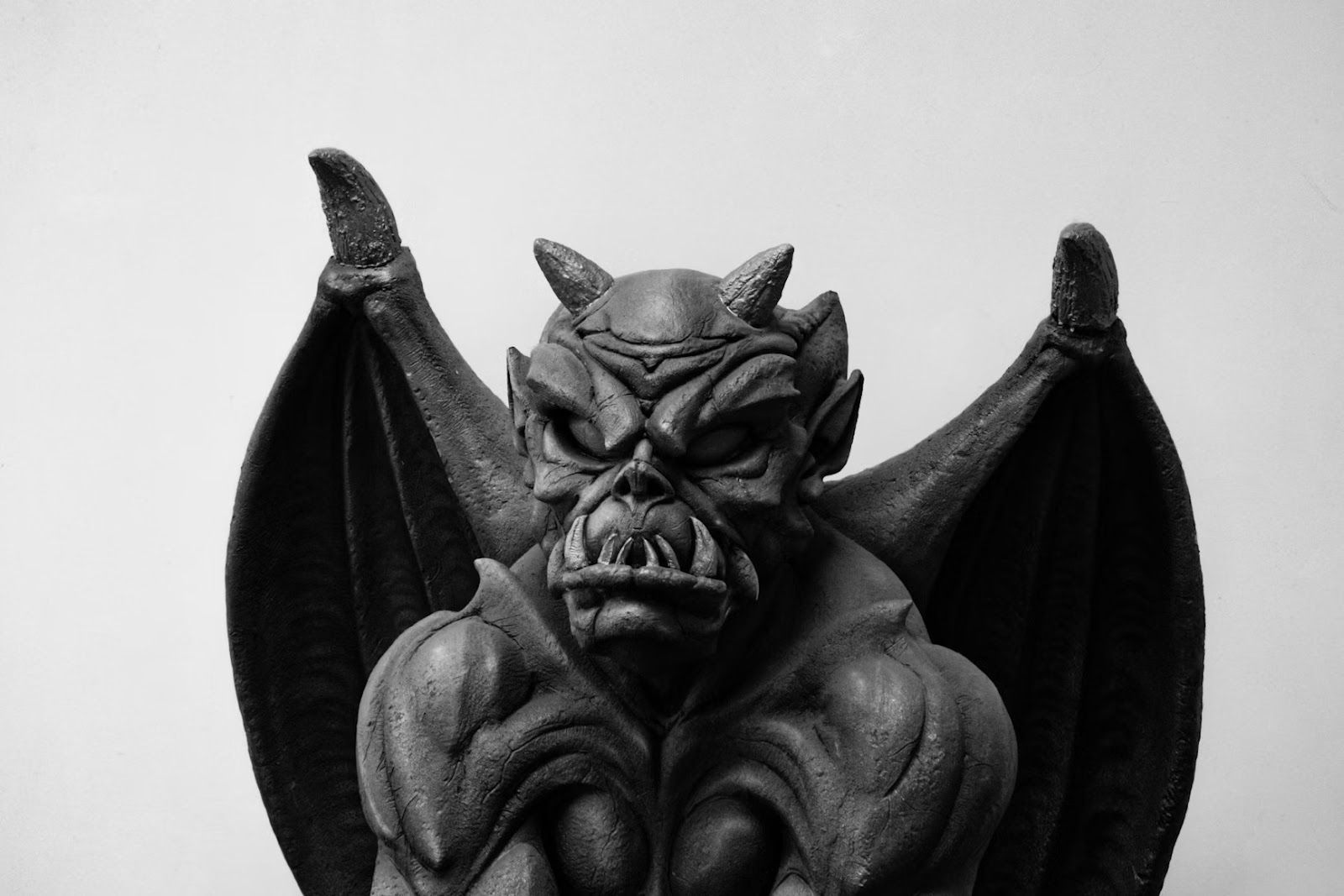
Image: Donovan Reeves

The Pine Barrens have been home to strange stories since colonial days. One of the oldest is about Mother Leeds, who supposedly cursed her thirteenth child. Folks say the baby flew off into the forest and took on a life of its own, complete with wings and hooves. Sightings pop up every so often, especially during the wave of excitement in 1909, when everyone was looking over their shoulder.

5
Riverdale Road in Colorado
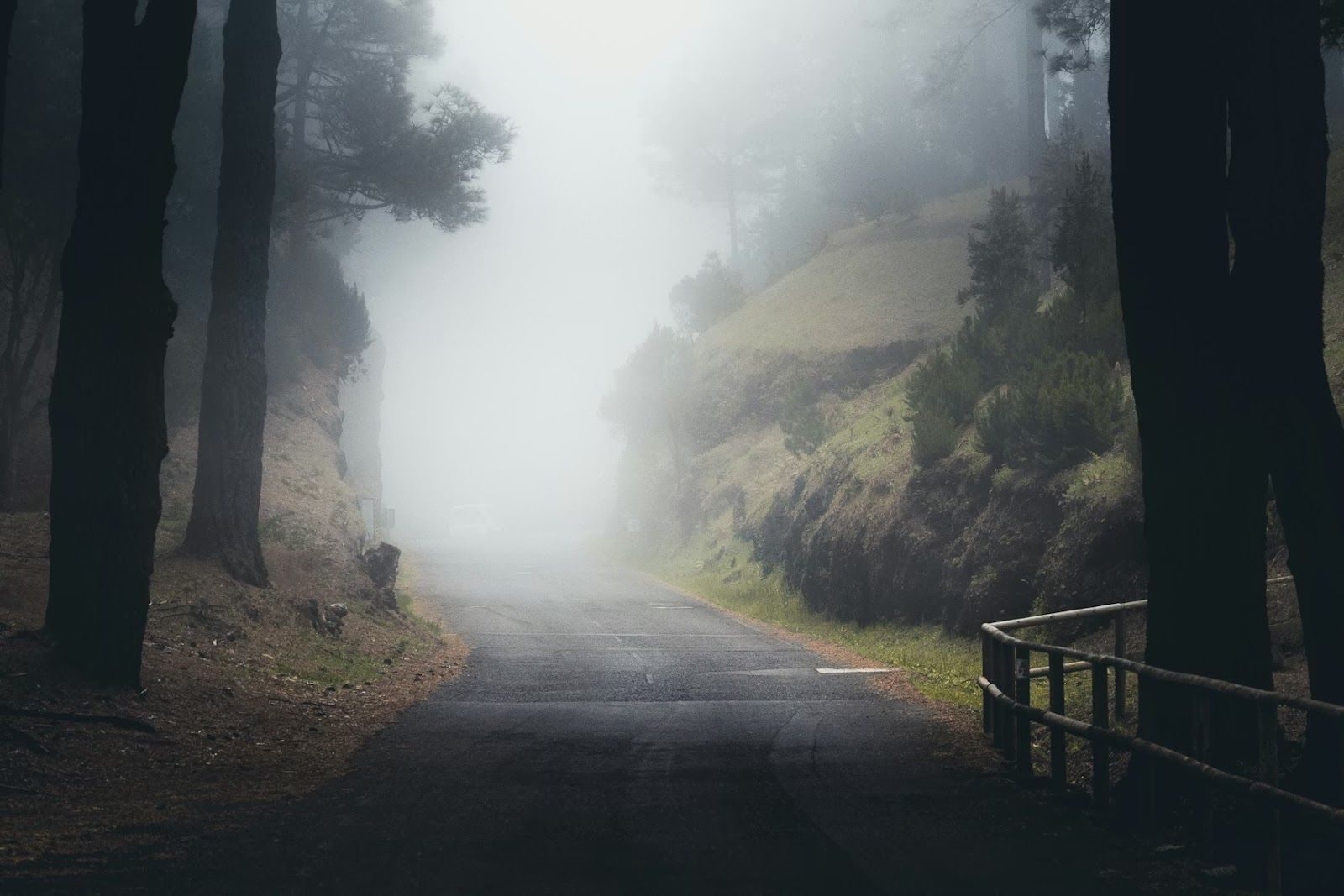
Image: Dennis Schmidt

This quiet stretch of pavement near Thornton has earned quite a reputation. People love to talk about its old gates, said to be the ruins of a long-gone mansion, where a ghostly woman in white sometimes steals the spotlight. Drivers also swap stories about a phantom jogger keeping pace with them.

6
The Shaman’s Portal in Oklahoma

Image: Daniëlle Eibrink Jansen

Out in Beaver Dunes Park, people have been whispering for centuries about strange lights flickering across the sand. Early explorers were warned to steer clear, and some stories claim travelers simply vanished after a flash of eerie green. Modern visitors usually come for ATV rides, but the legend of an otherworldly doorway tucked into the dunes still gives the place a curious chill.

7
Hell’s Gate Bridge in Alabama
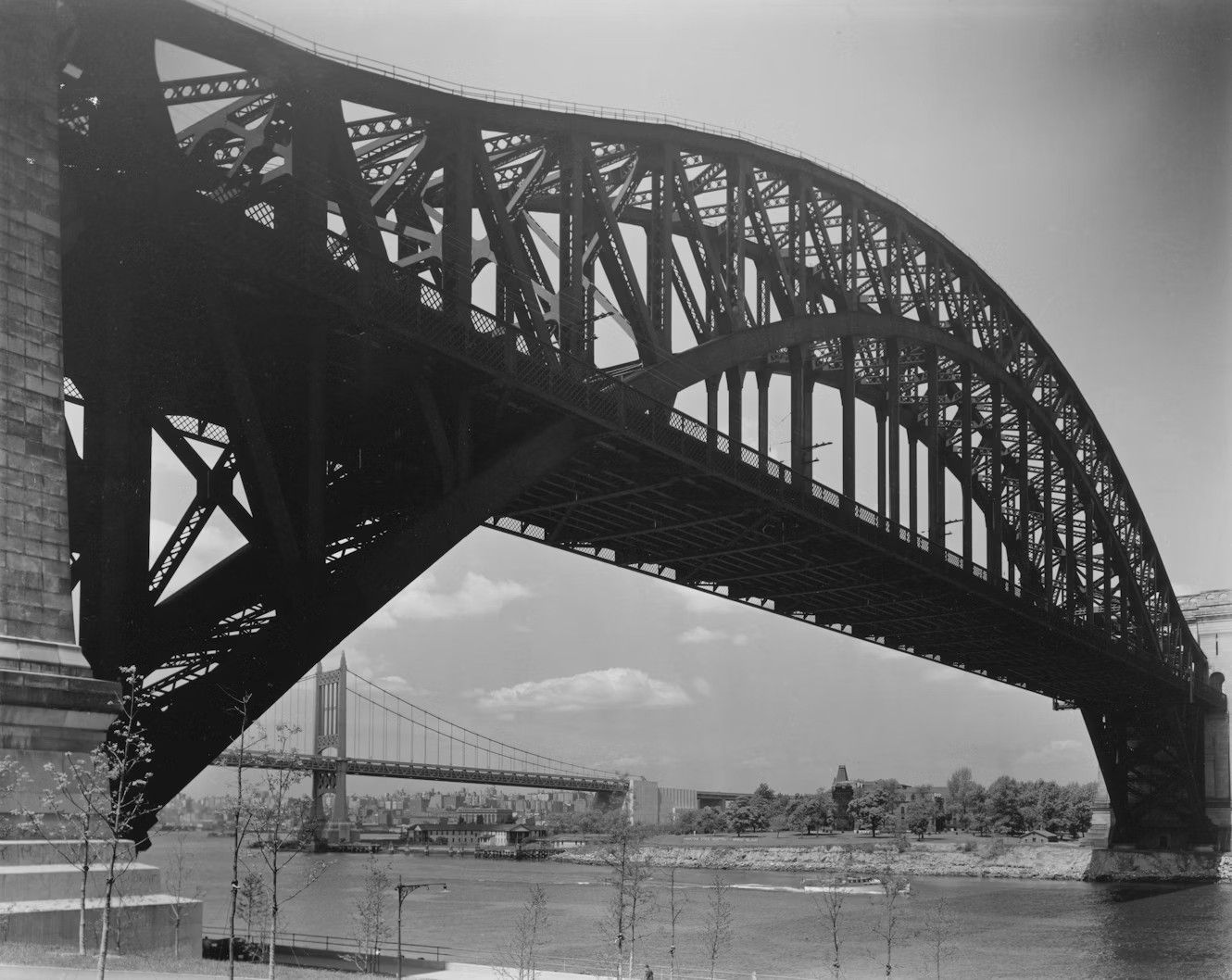
Image: The New York Public Library

Locals tell an old tale about a young couple whose late-night drive ended in tragedy. The story took on a life of its own, with people claiming that if you sit on the bridge in the dark, you might spot the couple. Everyone knows it’s just a slice of local lore, but it hasn’t stopped anyone from swapping stories.

8
Utah’s petrified forest curse

Image: Adrian Hernandez

Escalante Petrified Forest is a beautiful destination, but visitors hear one warning loud and clear: leave the wood where it lies. Rangers say they get packages every year with pieces of petrified wood sent back by people who swear they had nothing but bad luck after taking a souvenir. Whether you believe in curses or just want a peaceful trip, it’s safer to enjoy the scenery with your hands empty.

9
The Cropsey tale in New York

Image: Mahdi Bafande

Growing up in New York, plenty of kids heard a version of Cropsey. Sometimes he was a runaway patient, other times a shadowy presence lurking near camps or tunnels. The unsettling part is that a real criminal case in the 1980s made the stories feel even closer to home. Over time, the legend inspired scary movies, bedtime warnings, and a whole generation of whispered fears.

10
Virginia’s Bunnyman
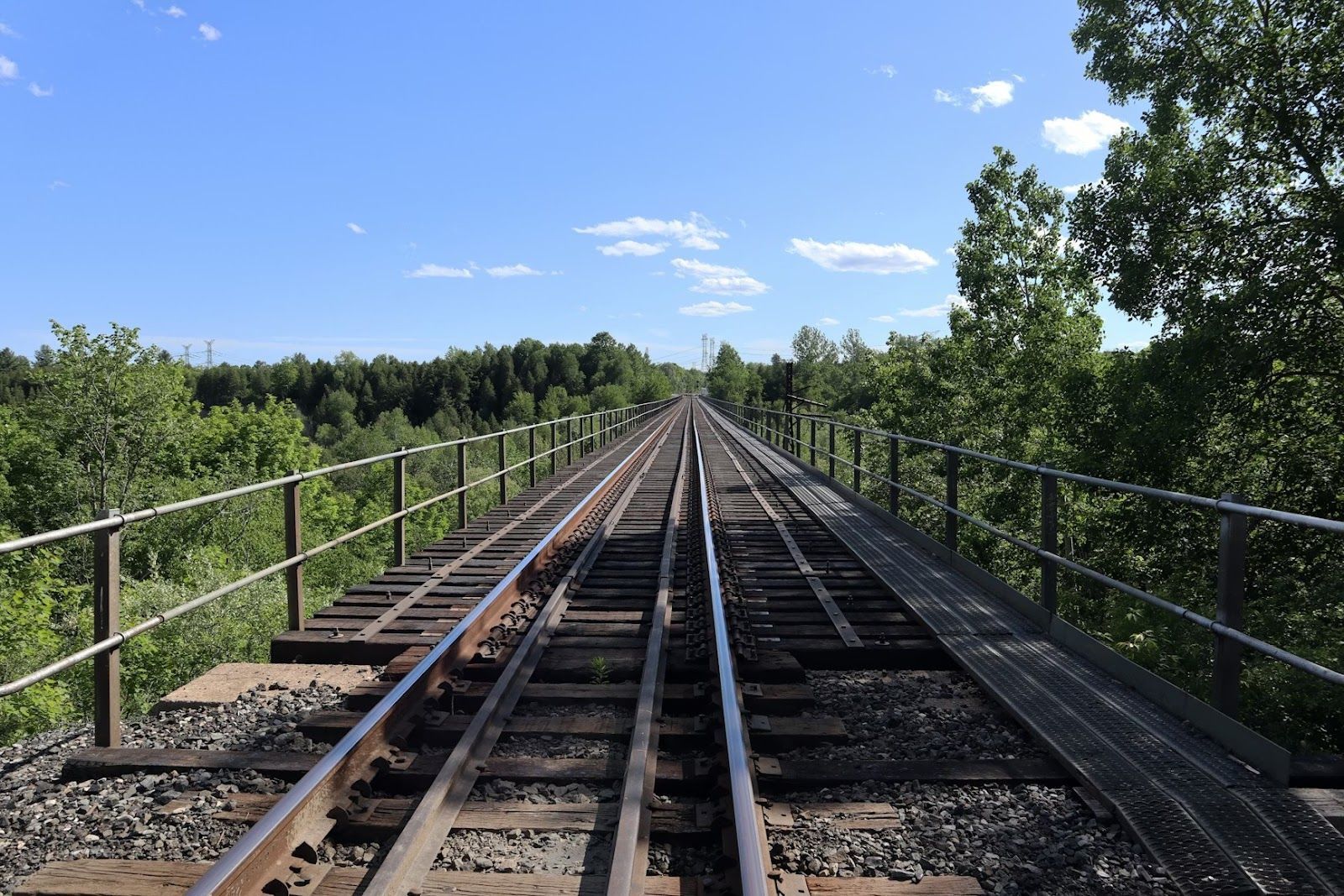
Image: Justin Ziadeh

Clifton has a little train bridge that looks simple enough in the daytime. But the Halloween story tied to it turned it into a local fixture. Some say a dangerous fugitive patient once hid there. Others remember a real-life incident from the 1970s involving a hatchet and a mysterious figure. The tale grew in the retelling, and before long, the Bunnyman hopped right into regional folklore.
General General 3 min read

Is the customer always right?

These 11 golden rules of customer service are slowly dying, and it’s sad

Image: Frankie Cordoba

Before apps, chatbots, and self-checkout lanes, American customer service followed a quiet code. These unwritten rules shaped how stores, diners, hotels, and service counters operated for decades. Many of these rules aren’t posted on walls or included in training manuals, but customers expect them all the same. Many older Americans still remember a time when good service felt personal, patient, and proudly human.

1
Every customer deserves a warm greeting

Image: Fotos

It might sound strange these days, but there was a time when walking into a store without acknowledgment was once considered bad service . Clerks were expected to smile, make eye contact, and greet customers promptly.

That greeting also set expectations. It told customers help was available and that their presence mattered. For many Americans, being welcomed was just as important as the product itself.

2
Anticipating needs before being asked

Image: SERGEI BEZZUBOV

Good service meant paying attention. A waiter refilled the water before the glasses were empty. A clerk offered assistance before confusion set in. Anticipation showed experience and pride in the job, not pushiness .

Customers noticed these small gestures. They made interactions smoother and more personal, creating the feeling that service was thoughtful rather than reactive or scripted.

3
Quick service shows respect for time

Image: Brad Rucker

Old-school service emphasized quick acknowledgement, even if immediate help wasn’t possible. Letting customers wait without explanation was considered rude . A simple "I’ll be right with you" went a long way.

Speed mattered, but calm mattered more. The goal was efficiency without rushing, making customers feel valued rather than hurried through an interaction.

4
Courtesy is non-negotiable

Image: Vitaly Gariev

"Please" and "thank you" were mandatory words in customer service. These phrases weren’t optional politeness, they were expected standards that showed mutual respect between employee and customer.

Their absence was noticeable. Courtesy made transactions feel human and cooperative, reminding customers they were being served by people and not being processed by a system.

5
Eye contact means attention

Image: Petr Sevcovic

Maintaining eye contact was a core part of service etiquette. It showed that the employee was listening and engaged , not distracted or indifferent. Customers felt acknowledged simply by being looked at.

Avoiding eye contact suggested boredom or disinterest. In traditional service culture, body language carried as much weight as spoken words.

6
Know the product by heart

Image: Lefteris kallergis

Employees were expected to know their products or menus thoroughly. Having to constantly check references or ask others weakened customer confidence and slowed service.

Product knowledge signaled competence and pride . Customers trusted businesses more when employees spoke clearly and confidently about what they sold.

7
Personal conversations stay private

Image: Vitaly Gariev

Chatting about personal matters within earshot of customers was strongly discouraged. Service time belonged to the customer, not coworkers’ off-duty lives .

This rule reinforced focus and professionalism. Customers expected attention, not background noise that suggested distraction or disinterest.

8
Complaints are handled calmly

Image: Amir mohammad jafari

Arguing with customers was seen as a failure of service. Employees were trained to listen first, apologize when appropriate, and resolve issues without defensiveness .

Even when customers were wrong, maintaining calm preserved dignity of both sides. The goal was always resolution, never confrontation.

9
Regular customers are remembered

Image: Vitaly Gariev

Recognizing repeat customers by name or preference was common practice . It made people feel valued and turned routine visits into familiar experiences.

This personal recognition built loyalty long before reward cards existed. Customers returned because they felt known, not tracked.

10
Cleanliness is godliness

Image: Alexander Mils

A clean counter or dining area signaled care and attention. Customers assumed that if visible areas were clean, unseen operations were handled in the same manner .

Cleanliness wasn’t just decorative, it was reassuring. It quietly communicated reliability and professionalism.

11
Customer privacy is sacred

Image: Taylor Davidson

What happened during a transaction stayed there . Discussing customers outside the interaction was considered extremely unprofessional and disrespectful.

Trust was part of the service experience. Customers expected discretion, especially in smaller communities where word traveled quickly.

General General 7 min read

REVOLUTIONARY ACHIEVEMENTS

The 10 Means Of Transportation That Changed America

Image: Jacob Norrie

From the time of the invention of the wheel more than 5000 years ago, human beings have found ways to move themselves and goods across the territory. But the last 250 years have brought groundbreaking innovations that changed the way we conceive transportation . In this sense, Americans have contributed a great deal to the development of new modes of transport that even allowed us to leave the atmosphere and travel to the moon.

In this article, we have compiled a list of the 10 means of transportation that changed the history of the United States and how all of humanity connects. Keep reading to discover the first American car, subway, and bike!

1
The Mayflower

Image: William Halsall, Public domain, via Wikimedia Commons

In 1620, about 100 passengers set sail on the Mayflower , a merchant ship that usually carried goods, to start a life in the New World. They left England in September and in November landed in Cape Cod, Massachusetts, putting the first stone in the foundation of the future American Nation.

The trip lasted two long months full of storms and perils. Finally, the ship, which was intended to land in Virginia, spotted the coastline up North in New England. The Mayflower pilgrims decided to stay in the area previously named Plymouth by famous explorer John Smith. During the first winter, the Mayflower served as a source of shelter . Although only half of the Pilgrims survived, they eventually founded the Plymouth Colony, celebrated the first American Thanksgiving with the Pokanoket people, and were able to establish a self-sufficient economy based on hunting, farming, and trading.

2
The Stagecoach

Image: Edward Joseph Holslag, Public domain, via Wikimedia Commons

Before the invention of trains and automobiles, animal power was the main form of transportation. People, goods, and even mail would travel by horse, donkey, oxen, and pulled coaches and wagons, connecting cities with rural parts of the country. In the United States, the carriage era started in the late 17th century and lasted until the early 1900s when the automobile replaced horse-drawn vehicles.

The stagecoach, in particular, was the main public vehicle responsible for the conquest of the American West. It traveled along predetermined routes and had stops every 12 or 50 miles where people could rest and grab a bite to eat and horses could be changed. Moving goods and people throughout the territory meant the growth of cities, the settling of rural areas, and the creation of wealth . In this sense, carriages played a key role in the transportation revolution that transformed American life forever.

3
The Clermont

Image: Samuel Ward Stanton (d1912), Public domain, via Wikimedia Commons

Although steamboats began to be developed in the late 1700s by the Scottish engineer James Watt, and that John Fitch was technically the first to build a steamboat in the United States in 1787, the North River Steamboat would be the one to make it into the history books .

This boat, also known as The Clermont , was designed by American inventor Robert Fulton. On August 17, 1807, this 142-foot-long vessel left New York City for Albany, constituting the first commercial steamboat service in the world . With a group of special guests aboard, the trip up the Hudson River took a total of 32 hours, at about 5 miles per hour. After this inaugural expedition, Fulton continued to build more boats, improving engine and propulsion design and making the steamboat a practical means of transportation. The success of The Clermont certainly changed river traffic and trade on major American rivers for years to come.

4
The American Railway System

Image: Popular Graphic Arts, Public domain, via Wikimedia Commons

There’s no doubt that trains had a significant role in shaping the landscape of the country. The origins of trains can be found in the ancient world, back when causeways and wooden rails were used to guide wagons. However, it would not be until the invention of the steam locomotive in the early 1800s that the history of transportation would be forever changed , spurring an industrial revolution around the world. And The United States was no exception.

The construction of new factories drove the need for materials to be transported over large distances, and railway travel provided the perfect solution. The concept of constructing a railroad in the U.S. was first conceived in 1812 by Colonel John Stevens. Yet, the first American railroad, the Baltimore and Ohio Railroad, was built in 1827 . For the next 50 years, the government would issue grants to build railroads across the country, which became a very lucrative investment for companies, leading to economic growth and the development of new towns and cities.

5
The San Francisco Cable Car

Image: Public domain, via Wikimedia Commons

Did you know that the cable car was invented in San Francisco in the late 1800s? It was developed by Andrew Smith Hallidie based on mining systems and is a symbol of the city still today. Clay Street Hill Railroad began public service on September 1, 1873, and it was an instant success. Other companies followed suit and launched their versions of Hallidie's patented system in the following years, totaling 53 miles of track across the city.

Later, although the electric street car, a lot cheaper to build and maintain, became the vehicle of choice for city transit, cable cars continued to be better equipped for steep hills. In 1947 the city Mayor urged to "get rid of all cable lines" leading a committee to launch a public campaign to save this iconic vehicle. Even celebrities rallied for the cause and ultimately the cable car system survived the attempt, specifically because of its great cultural value, especially among the thousands of tourists who visit San Francisco every year.

6
The Columbia Bicycle

Image: Boston Public Library, Public domain, via Wikimedia Commons

In 1878, Civil War veteran Colonel Albert A. Pope, inspired by a British bike he saw at the Philadelphia World’s Fair, hired a sewing machine company to make the first American bicycle . The brand went on to be called Columbia , and by 1888 was manufacturing about 5,000 high-quality bikes a year. However, for a couple of years, it would not be seen as a means of transportation but as pure entertainment.

Later, with the development of the British Rover safety bike, bicycles were no longer limited to athletes and the brave. Pope started selling these easier-to-ride vehicles and the American bicycle industry finally took off in 1890. By the beginning of the 20th century, 1 million bikes were produced in the U.S. yearly and people were even riding them to work every day.

7
The First American Car

Image: Public domain, via Wikimedia Commons

Few people know that the first successfully American manufactured car was actually developed by bicycle makers. In the Autumn of 1893, brothers Charles and Frank Duryea road-tested the first gasoline-powered automobile in Chicopee, Massachusetts . It was, in fact, an old horse-drawn buggy into which the brothers installed a 4 HP, single-cylinder gasoline engine.

By 1899 there were around thirty companies manufacturing cars in the U.S. One of the most representative staples of the history of automotive manufacturing in the country is, no doubt about it, the Ford Model T . This "affordable" car was intended for the American middle class and it was first produced in 1908 in Detroit. Within days of its release, over 15,000 Ford cars were sold and the popularity of this iconic American company is still relevant today.

8
The Tremont Street Line

Image: Boston Transit Commission, Public domain, via Wikimedia Commons

The first subway in America was built during the second phase of the Industrial Revolution in Boston, Massachusetts in 1897. This cutting-edge mode of transport was possible thanks to the invention of the electric motor by Frank Sprague in 1866 . But, why Boston? In the late 19th century, bustling Boston had a street congestion problem due to overcrowding and frequent blizzards and needed an out-of-the-box solution.

City officials agreed the best thing to do in a city with narrow colonial streets was to build an underground subway. Finally, on September 1, 1897, a four-track subway line between Boylston Street and Park Street was opened to the public . Additional lines and stations have been added throughout the following centuries, ushering in a new era in American public transportation.

9
The 1903 Wright Flyer

Image: John T. Daniels, Public domain, via Wikimedia Commons

On December 17, 1903, a powered airplane invented by brothers Orville and Wilbur Wright made the first sustained flight over the skies of North Carolina . The Wright Flyer —also known as the _Kitty Hawk_— was a single-place biplane that managed to fly 852 ft on its fourth attempt before it was blown over on landing. The aircraft was later repaired but never flew again —although you can now visit it at the National Air and Space Museum in Washington, D.C.

After this exceptional achievement by the Wright brothers, the progress of American aviation never ceased to amaze. For example, in 1910 the St. Petersburg–Tampa Airboat Line started to operate and although it lasted only three months, it is now considered the United States’ first airline. By 1918 the U.S. Post Office was using airplanes to transport mail across the country . Finally, in 1958 Pan American ushered in the Jet Age with the iconic Boeing 707.

10
The Apollo 11

Image: Project Apollo Archive, Public domain, via Wikimedia Commons

From the 1950s onwards, the Soviet Union and the United States embarked on a space race that made possible an unprecedented program of scientific exploration. On April 12, 1961

the Soviets managed to send the first person into space. In response, just 23 days after Yuri Gagarin, the first American man entered space aboard the Freedom 7 Mercury capsule . Alan Shepard’s trip lasted only 15 minutes and 28 seconds but it was more than enough to mark the beginning of an unprecedented revolution. Who would have thought that only 8 years later we would be transporting humans to the moon?

The story of Apollo 11 is well known, yet it deserves a special place in the history of American transportation , which is by no means limited to the Earth. Without the development of space shuttles, it would be impossible to imagine the future of transportation, a future that will surely be defined by the conquest of the unknown.

Explore more American facts

Choose your favorite category!

General
General

As American as apple pie—the very best America has to offer!

Culture
Culture

Delve into the astounding richness of American lore.

Geography
Geography

Hop in and explore vast and diverse American landscapes.

History
History

Discover the key moments that shaped the United States.