History History 7 min read

Like you've never seen it before

Why did Lincoln keep a Confederate bill? 10 shocking Civil War facts
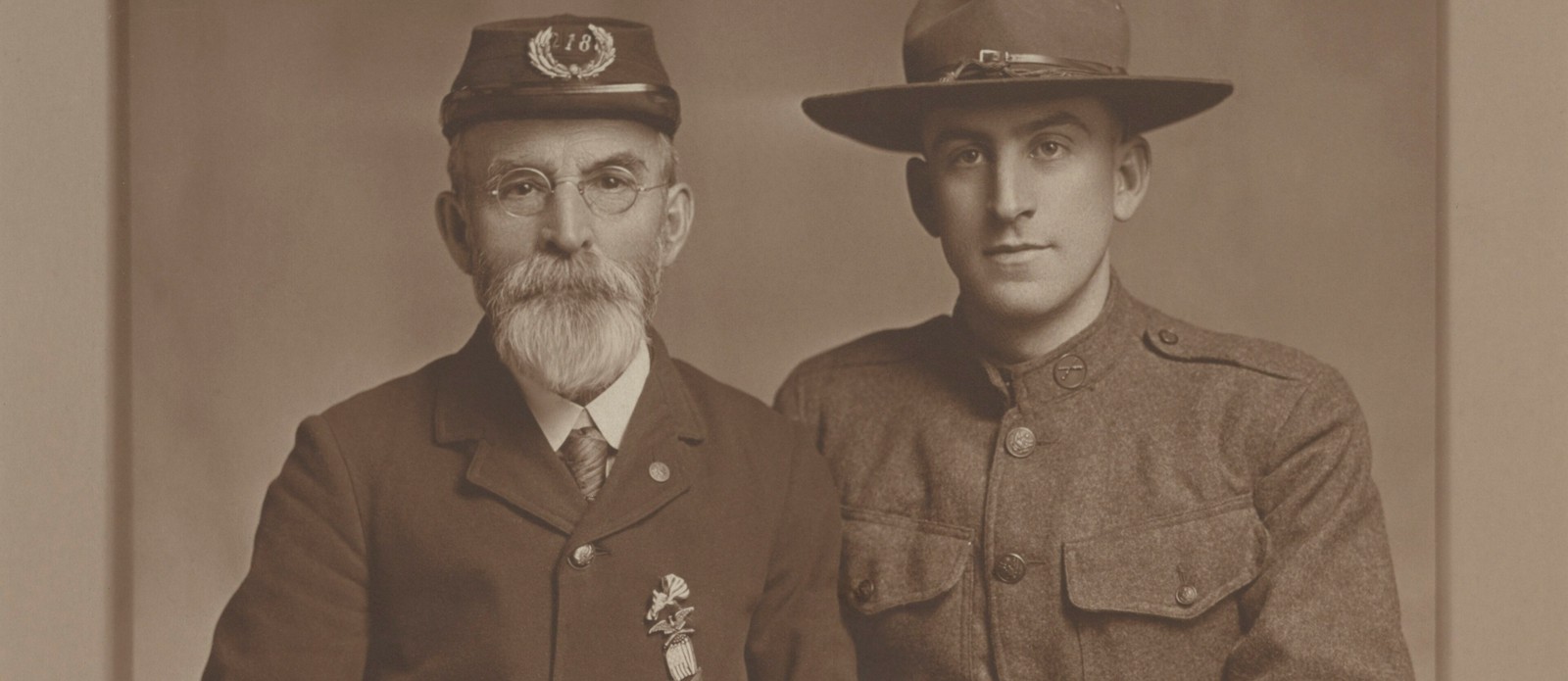
Image: Schriever, James B., photographer, Public domain, via Wikimedia Commons

The Civil War is one of the most studied chapters in American history. We've learned about its battles, generals, and figures in school, books, movies, and documentaries. But beyond the famous stories lies a fascinating world of little-known facts that changed the country forever. From the nation's first official paper money to the surprising origins of everyday conveniences, here are 10 incredible Civil War stories that will make you see this defining chapter of American history in a whole new way.

1
The Wilmer McLean paradox
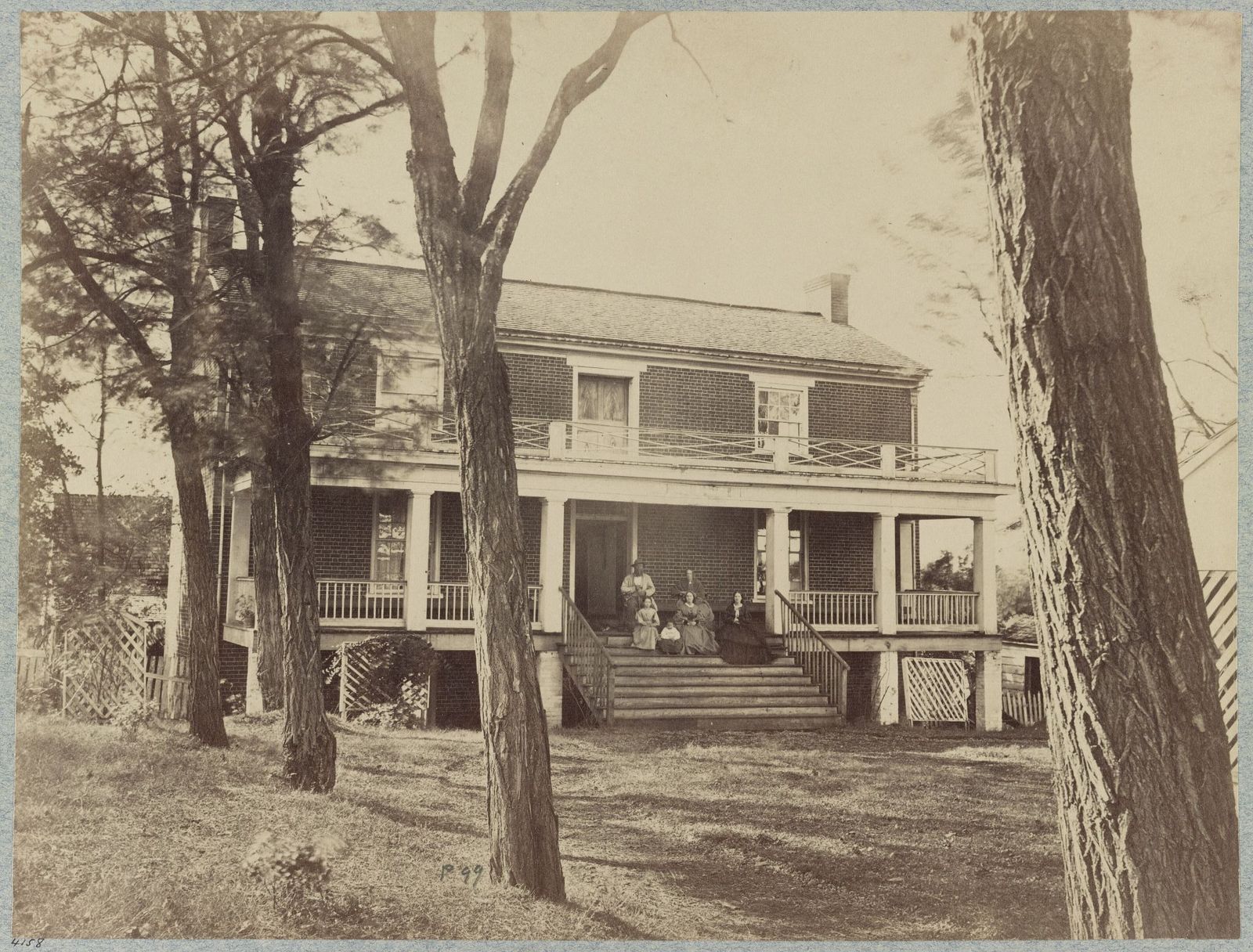
Image: Civil War Glass Negatives, Public domain, via Wikimedia Commons

Do you believe in fate? If not, maybe this story will change your mind.

When the Civil War began, Wilmer McLean was an ordinary 47-year-old man living with his family in Manassas, Virginia. But during the First Battle of Bull Run on July 21, 1861, his house was taken over and used as Confederate headquarters. Hoping to escape the war, McLean moved his family 120 miles away to the quiet village of Appomattox Court House. It seemed like the perfect decision, until history caught up with him. Four years later, the war ended exactly where McLean thought he had found peace. On April 9, 1865, General Robert E. Lee surrendered to Ulysses S. Grant, just in the parlor of McLean's new home. As McLean later joked, "The war began in my front yard and ended in my front parlor."

2
Lincoln's Confederate bill
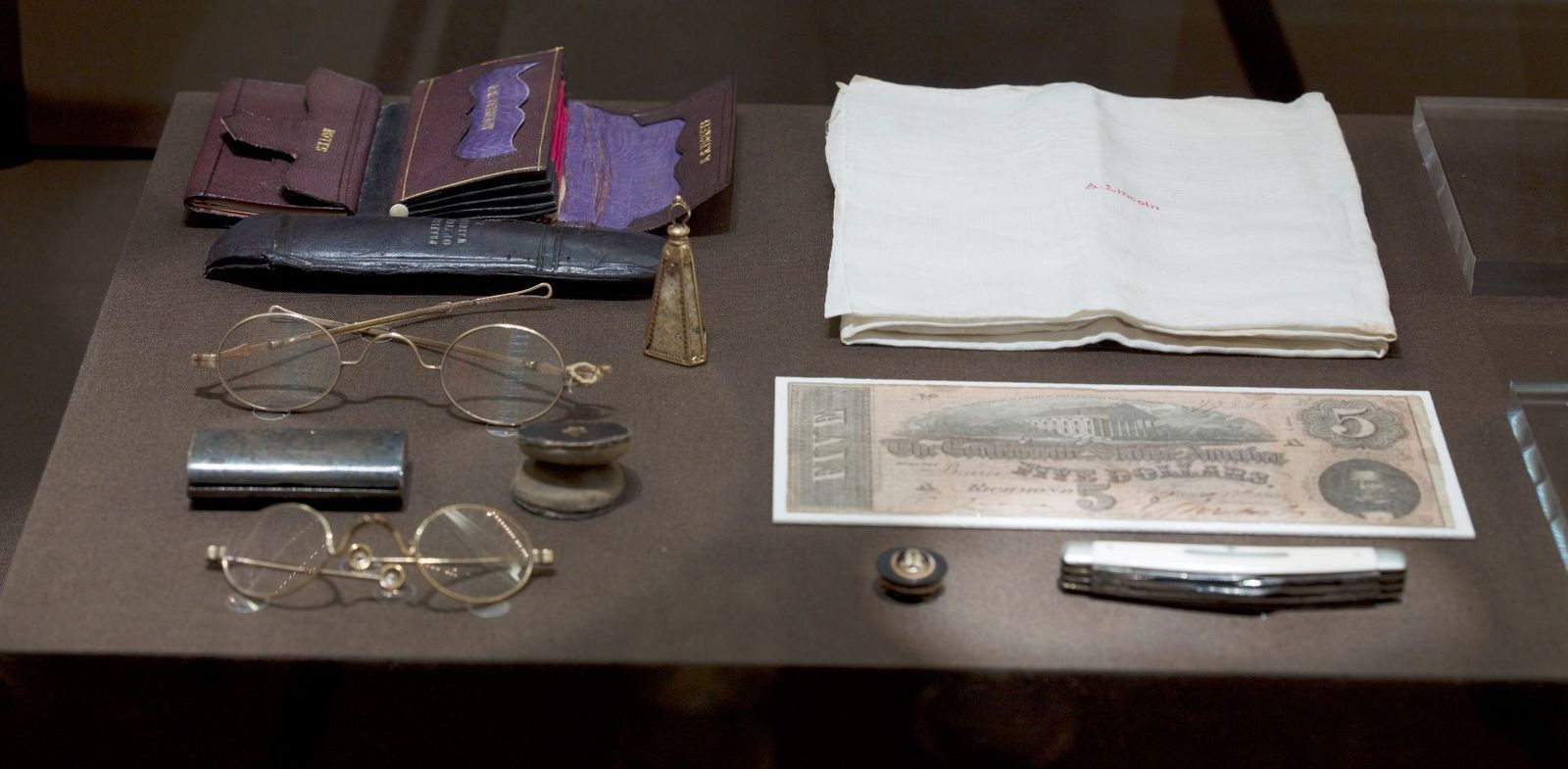
Image: Carol M. Highsmith, Public domain, via Wikimedia Commons

On April 14, 1865, just five days after Confederate General Robert E. Lee surrendered to Union General Ulysses S. Grant, President Abraham Lincoln was shot by actor and Confederate sympathizer John Wilkes Booth during a performance of Our American Cousin at Ford's Theatre in Washington, D.C.

When authorities searched Lincoln's pockets that night, they found the everyday items you'd expect: spectacles, a pocketknife, a handkerchief embroidered with his initials, a watch fob, a sleeve button, and a leather wallet. But one discovery stunned them. Inside the wallet was a Confederate five-dollar bill, the only currency Lincoln was carrying. Historians believe he picked it up as a souvenir during his recent visit to Richmond, the former Confederate capital.

3
Women disguised themselves to fight
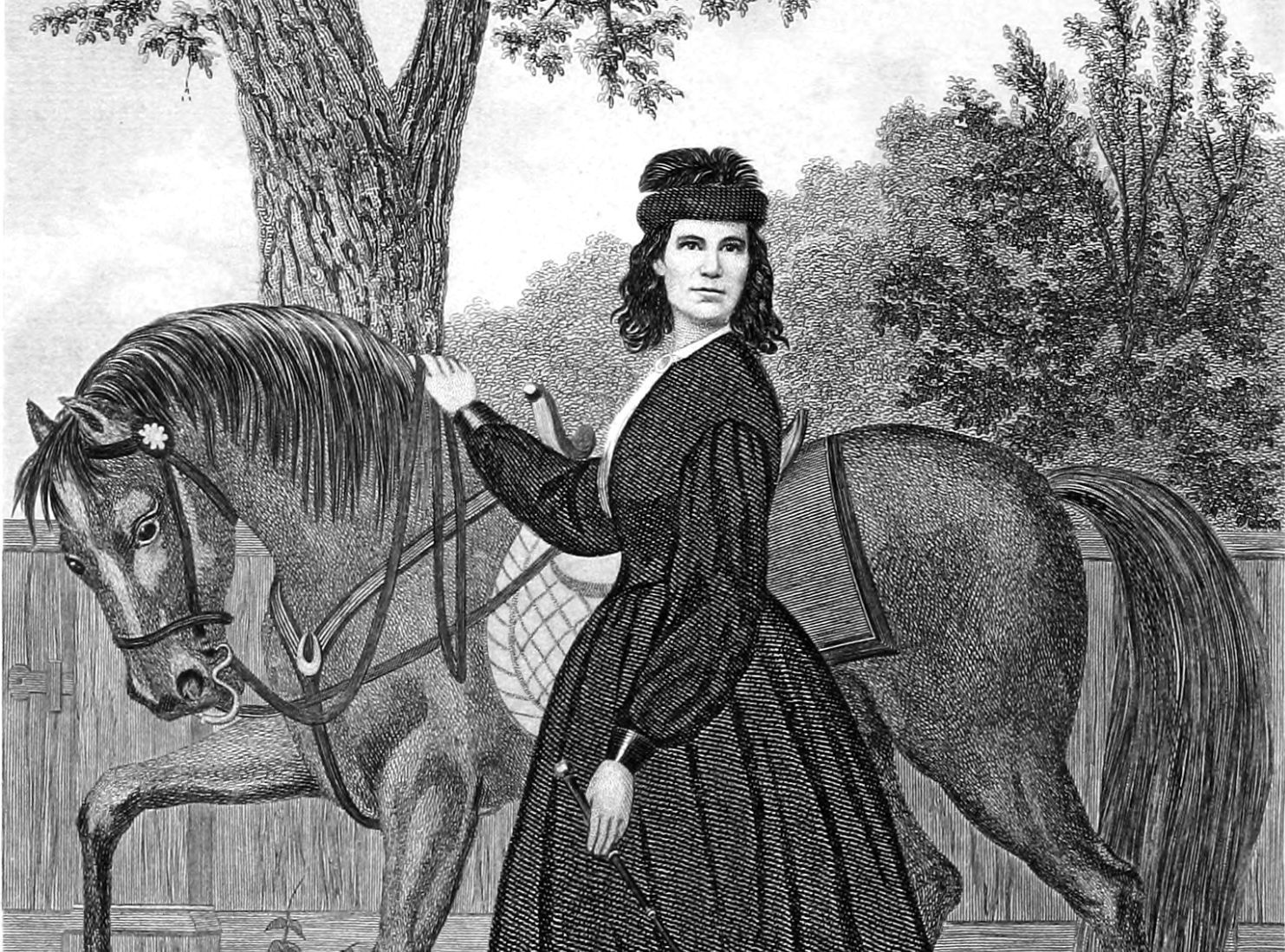
Image: Sarah Emma Evelyn Edmonds, Public domain, via Wikimedia Commons

It's well known that women played a vital role in the US Civil War, serving as nurses, spies, and organizers. Clara Barton, a famous example, brought supplies to wounded soldiers on the battlefield and later founded the American Red Cross. But there's another interesting female role that many people have never heard of.

We’re talking about the thousands of women who disguised themselves as men so they could fight. One of the best-documented was Sarah Emma Edmonds, who enlisted in the Union Army under the name Franklin Thompson. Serving as a soldier, nurse, and spy, she fought in major campaigns, including the First Battle of Bull Run and the Peninsular Campaign. After contracting malaria in 1863, she left her unit rather than risk being exposed in a military hospital and was charged with desertion. Years later, her fellow soldiers testified on her behalf, and in 1884, Congress granted her an honorable discharge and a military pension.

4
Brothers on opposite sides
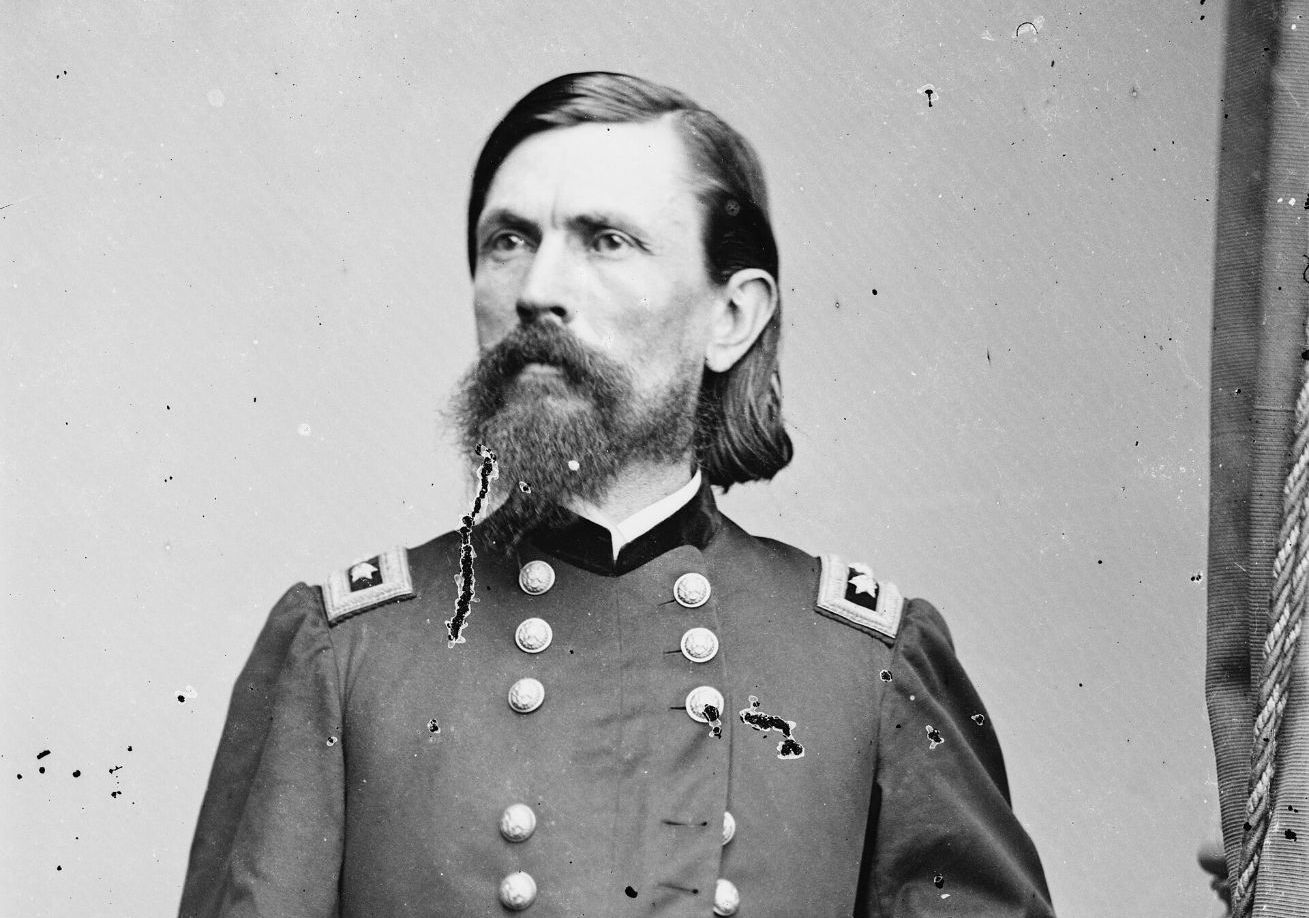
Image: Mathew Benjamin Brady, Public domain, via Wikimedia Commons

The Civil War didn't just divide the nation; it tore families apart. Few stories capture that tragedy better than this one.

The sons of prominent Kentucky Senator and passionate Unionist John J. Crittenden, brothers Thomas Leonidas Crittenden and George Bibb Crittenden, both became generals… but fought on opposite sides of the war. George served as a Confederate major general, commanding troops at the Battle of Mill Springs, while Thomas became a Union major general, fighting in major campaigns including Shiloh, Stones River, and Chickamauga. While they never directly faced each other on the battlefield, their choices caused immense emotional and social fractures within their family. Both survived the war, and today, they are buried in the same Frankfort State Cemetery, finally reunited in the soil of their home state.

5
Standardized clothing sizes
Image: Valentin Ivantsov

When was the last time you had a suit or dress made just for you? Today, we simply walk into a store and buy the size that fits, but before the Civil War, that wasn't how Americans bought clothes.

Before the 1860s, most clothing was custom-made by tailors or sewn at home. But that became a major problem when the war began, and the Union suddenly had to outfit more than a million soldiers. Measuring and tailoring every uniform by hand was impossible. Instead, military officials collected thousands of body measurements, identified common size patterns, and created one of the first standardized sizing systems: Small, Medium, and Large. After the war, clothing manufacturers adopted the same templates for civilian garments, helping give birth to America's modern ready-to-wear clothing industry.

6
Postal home delivery system
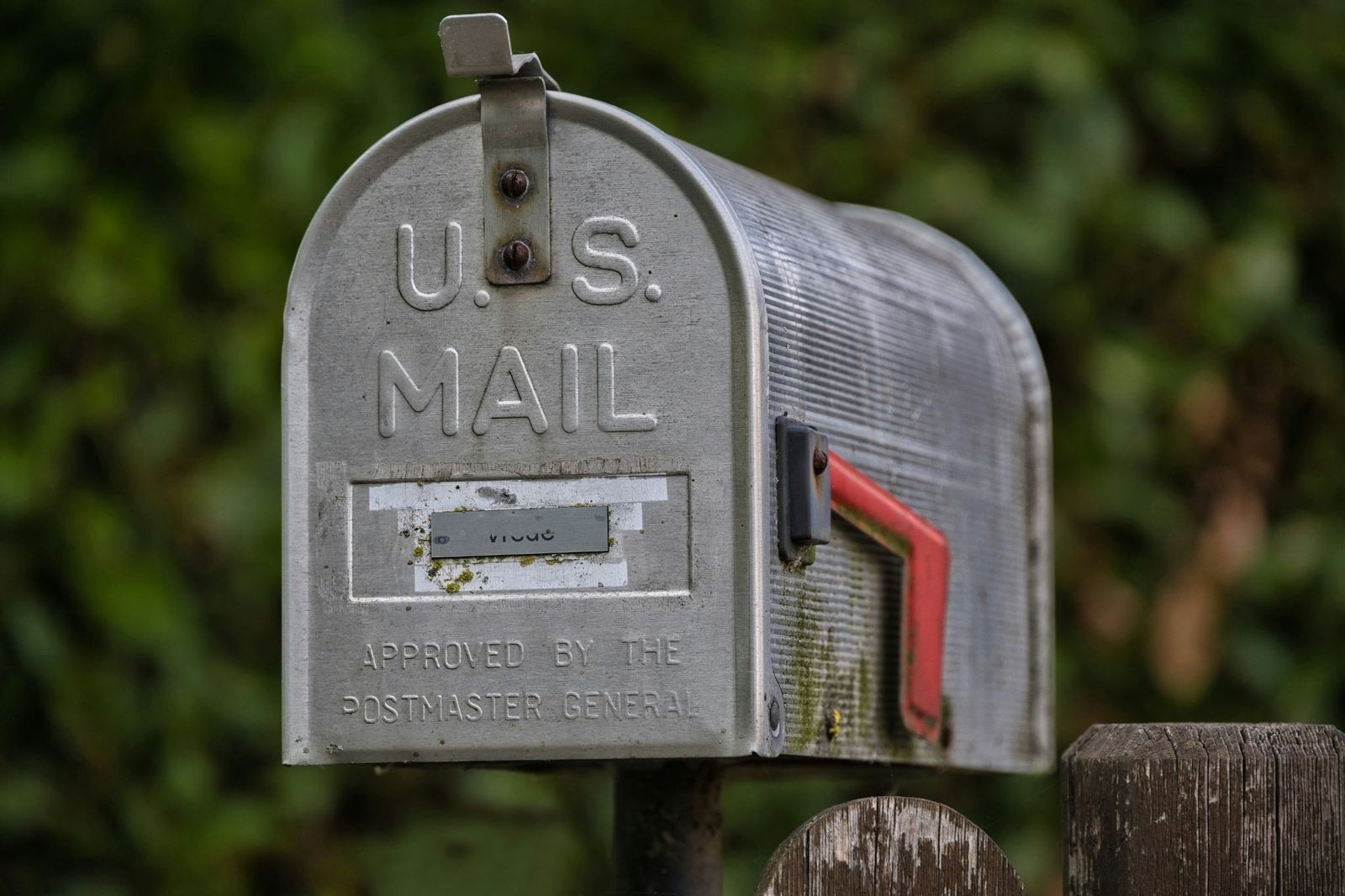
Image: Wolfgang Vrede

Today, having letters and packages delivered right to your front door is so routine that we rarely stop to think about it. But for many years of American history, that convenience didn't exist.

Before the Civil War, Americans had to pick up their mail at the local post office. When the war began, families desperate for news of sons, husbands, and fathers crowded into post offices, often waiting for hours. Seeing the heartbreaking scenes, Cleveland postal clerk Joseph Briggs began delivering letters directly to people's homes, sparing families long waits and needless anguish. His neighborhood deliveries were such a success that they inspired Postmaster General Montgomery Blair and Congress to create the nationwide Free City Delivery Service on July 1, 1863.

7
The US first official paper money
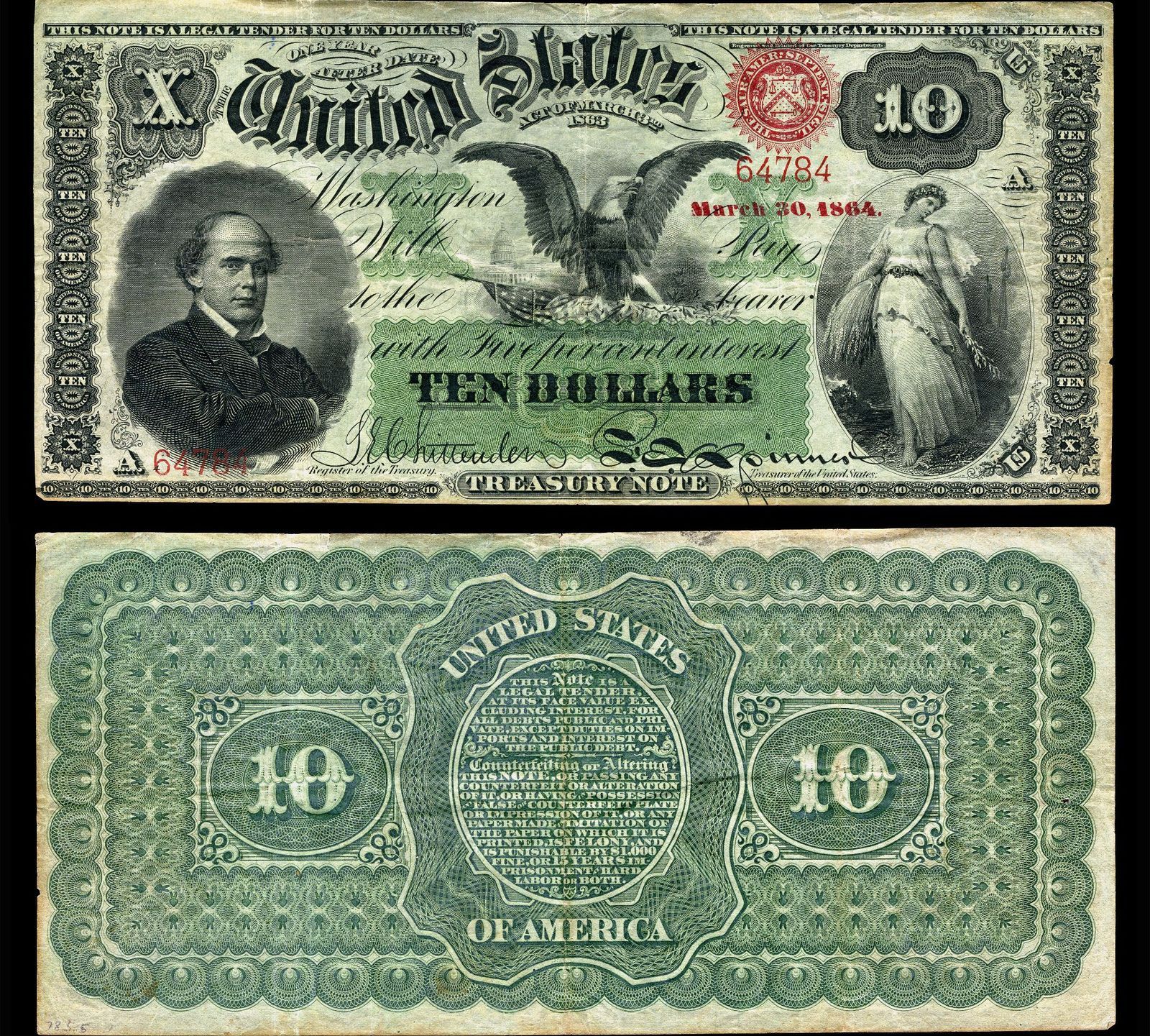
Image: National Museum of American History, Public domain, via Wikimedia Commons

Today, most of our money exists in a digital form. However, when we picture money, we still think of dollar bills and coins. They've been part of our lives for so long that it's hard to imagine a time when the US government didn't print paper money at all. But that time did exist.

Before the Civil War , the federal government issued no standardized national paper currency. It minted gold, silver, and copper coins, while Americans relied on thousands of different banknotes printed by private, state-chartered banks, many of them unreliable and prone to failure. Everything changed in 1861 , when the Union needed money to finance the war. Congress authorized the first federal paper currency, known as Demand Notes, followed by Legal Tender Notes in 1862. Americans soon nicknamed them "greenbacks" because of their green ink, a name that has survived ever since.

8
A town changing hands 10 times
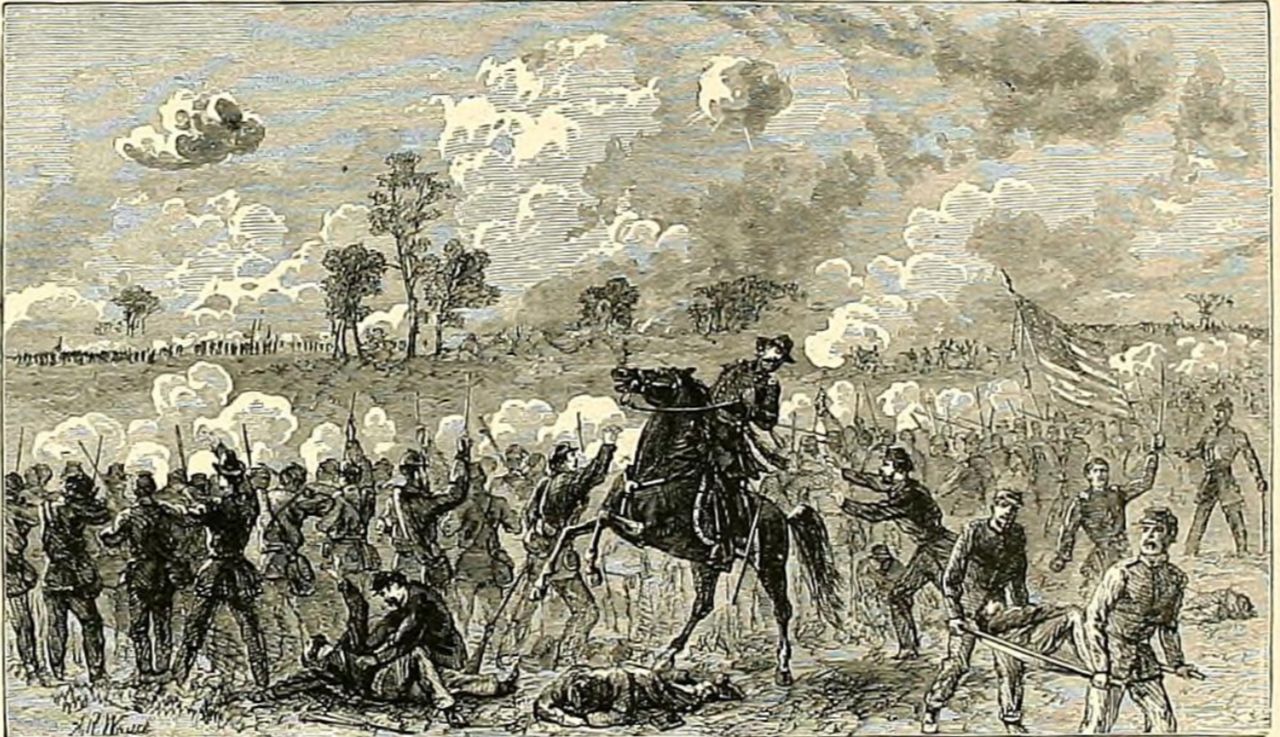
Today, US Route 50 follows much of the old Northwestern Turnpike, a historic road linking Winchester, Virginia, with Parkersburg on the Ohio River. But during the Civil War, living along that route was anything but convenient.

Because the turnpike provided access to the Shenandoah Valley, the Baltimore & Ohio Railroad, and key mountain passes, the town of Romney (now in West Virginia) became a strategic prize for both the Union and the Confederacy. As armies pushed forward and fell back, each side repeatedly captured and abandoned the town. While most cities and regions remained firmly on the same side for the entire war, historians generally agree that Romney changed hands at least 10 times, making it one of the most frequently occupied towns of the Civil War.

9
The war with the most Medals of Honor
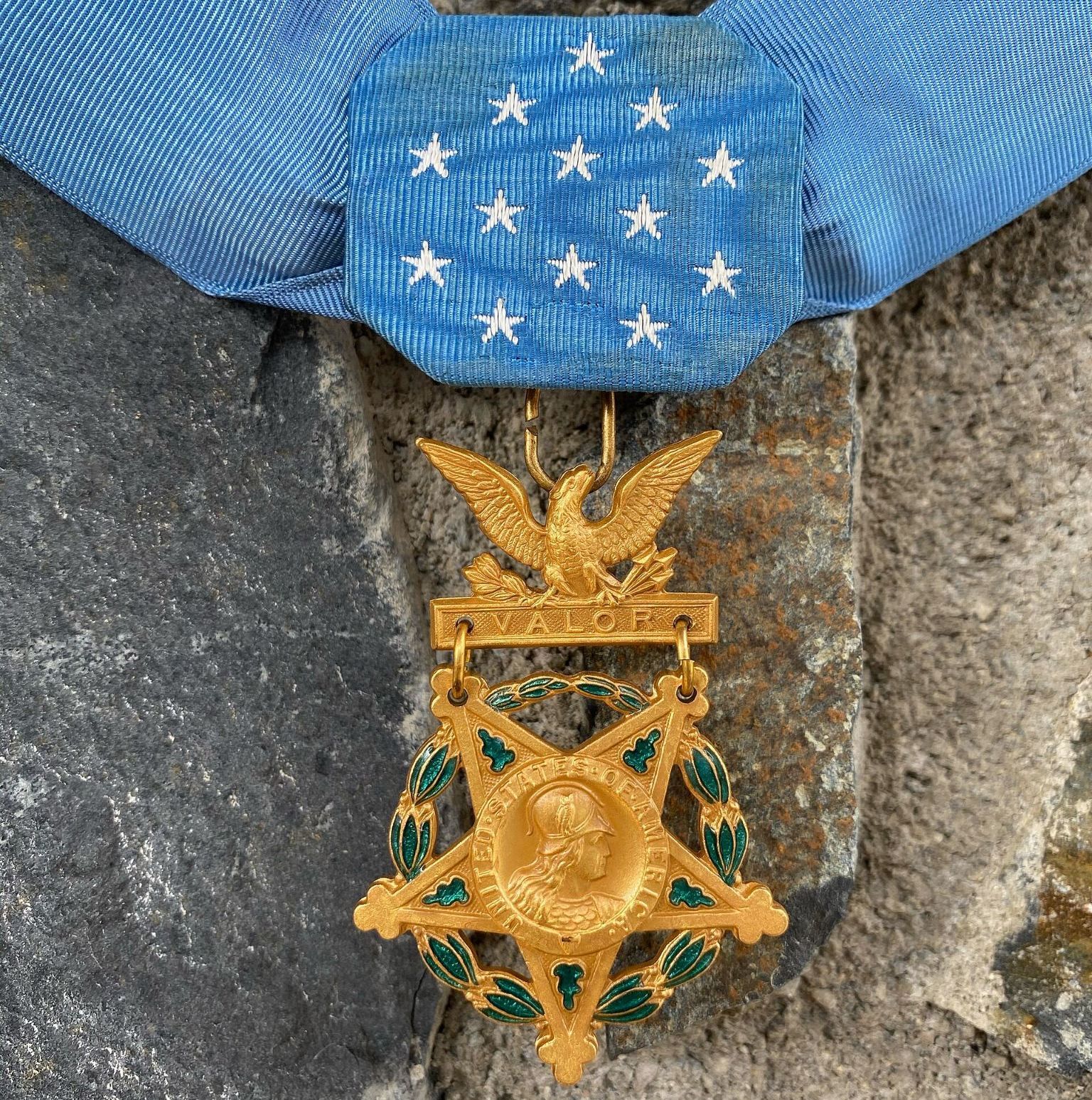
Image: Alexeinikolayevichromanov, CC BY-SA 4.0, via Wikimedia Commons

The Medal of Honor is the nation's highest military award for valor. During the Civil War, about 1,525 service members received it. That may not sound extraordinary… until you compare it with every major American war that followed.

The numbers are striking: 126 Medals of Honor were awarded in World War I, 464 in World War II, and 266 during the Vietnam War. A total of 856 combined, far fewer than in the Civil War alone. But there’s a reason for that. The Medal of Honor was created during the Civil War; at the time, it was the only US military decoration for valor. With no other awards recognizing battlefield heroism, it was presented under standards that were far broader than those adopted in later wars.

10
Can openers
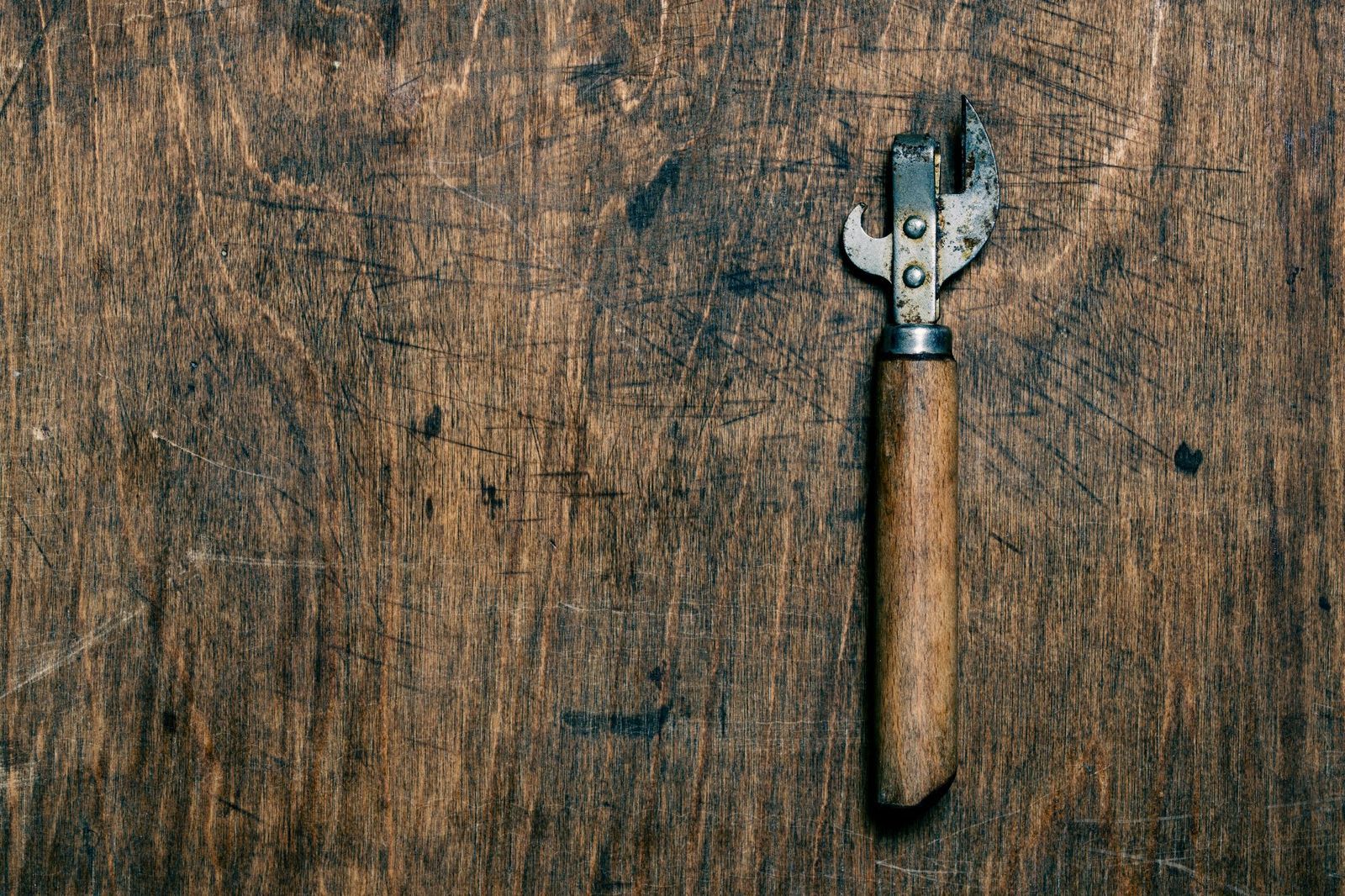
Image: OlegD

It's hard to imagine a kitchen without a can opener. But surprisingly, canned food existed for decades before anyone invented it.

Although canned food had been around since the early 1800s, people often had to open cans with a hammer and chisel. That finally changed when American inventor Ezra J. Warner patented the first practical can opener in 1858. Even then, it remained a curiosity until the Civil War, when the huge demand for canned rations, including Gail Borden's condensed milk for Union troops, made it indispensable. The war turned the can opener from a strange invention into an everyday tool, paving the way for the handheld versions we still use today.
Culture Culture 4 min read

Primetime treasures

From "Frasier" to "I Love Lucy" here are 11 of the best American sitcoms!

Image: Haberdoedas II

Sitcoms hold a special place in the hearts of TV viewers everywhere. They are not only funny and comforting, but they also occasionally tackle heavy subjects. American TV has produced a myriad of endearing and unforgettable characters who have provided us with countless laughs throughout the history of the medium. With that in mind, we have selected some of the most iconic American sitcoms from every decade, hoping to pay tribute to the shows that made TV time a little more special. Enjoy!

1
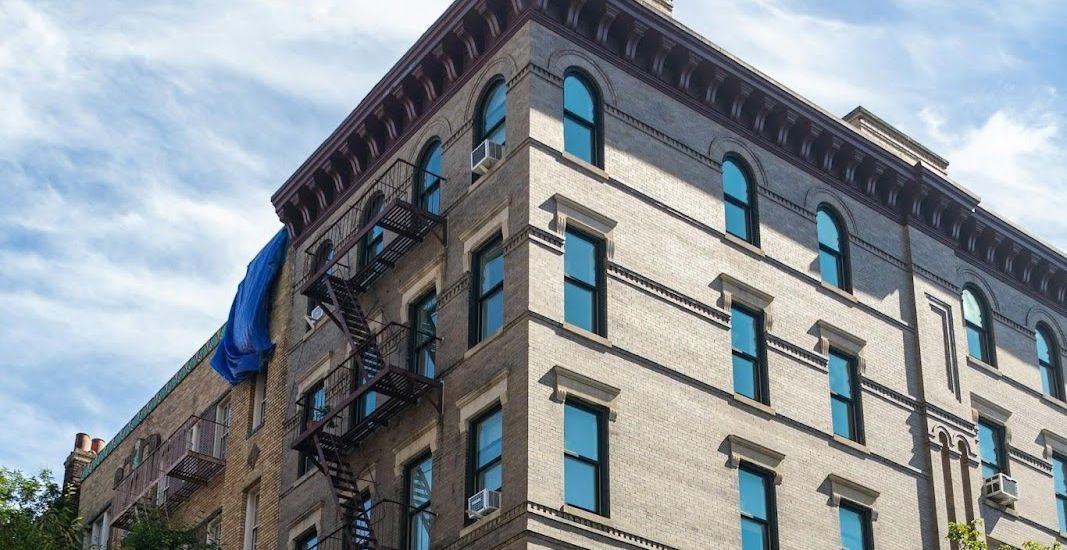
Friends

Image: David Vives

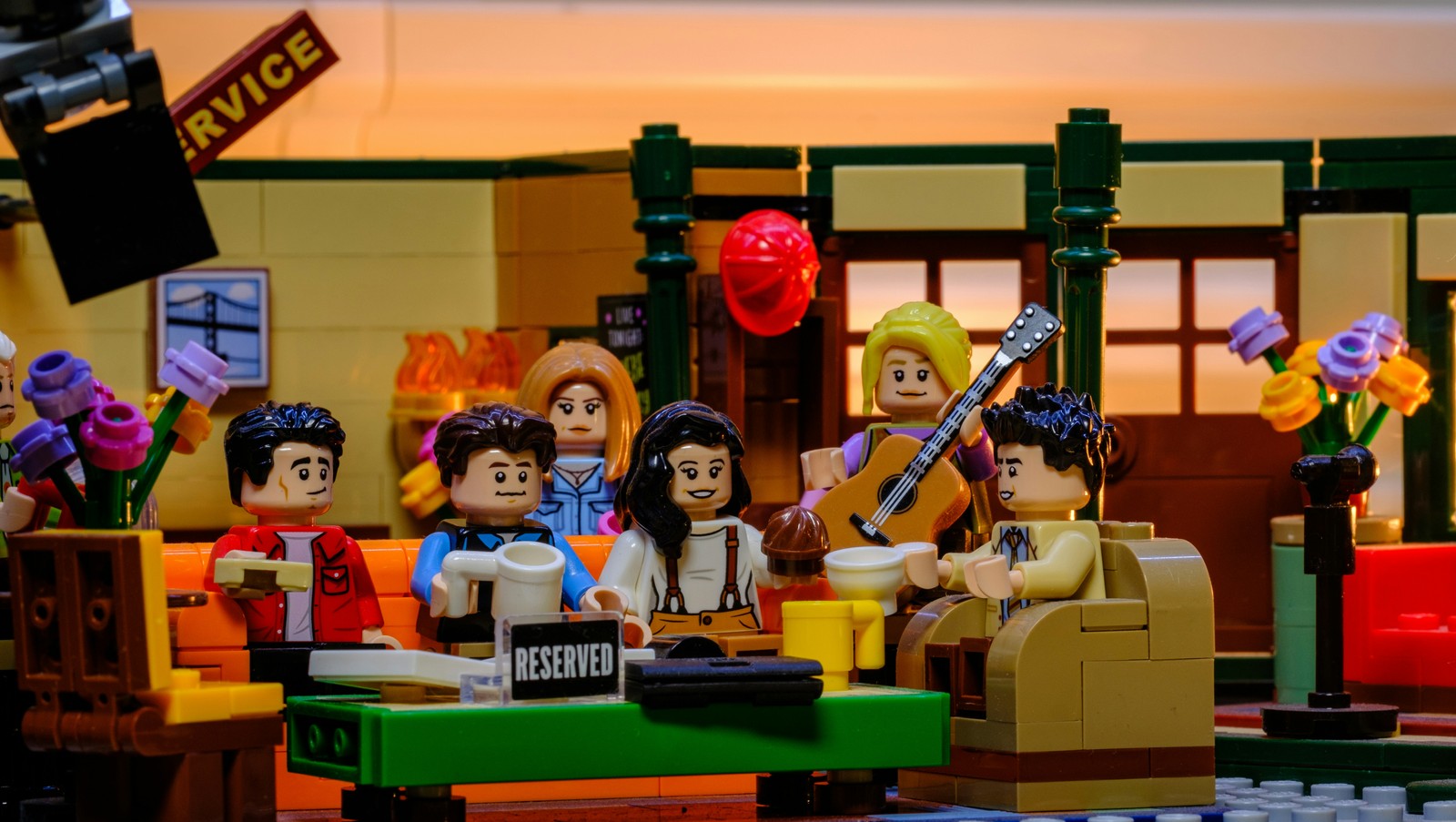
We’ll start with what many consider to be the quintessential sitcom. Debuting in 1994, Friends followed the varied and whimsical lives of six New Yorkers —Chandler, Joey, Ross, Monica, Rachel, and Phoebe—and the everyday adventures they found themselves in. Throughout its 10-year run, Friends received acclaim from both critics and viewers alike and is now considered one of the most successful and highest-grossing television shows of all time.

2
Seinfeld

Image: photo by Alan Light, CC BY 2.0

You might think that a sitcom describing itself as " a show about nothing " wouldn’t be particularly successful—let alone one of the most iconic shows of all time. And yet, Seinfeld remains one of the most influential shows in history, praised for its sharp writing and incredibly talented cast. The series follows comedian Jerry Seinfeld and his three eccentric friends—Elaine, George, and Kramer—as they navigate the often absurd minutiae of daily life.

3
Mad About You

Image: Mandy von Stahl

While sitcom settings may vary greatly, most tend to revolve around subjects that resonate with audiences—love, the workplace, or family life, for example. In that sense, the 1992 sitcom Mad About You seemed to embrace the phrase "if it ain’t broke, don’t fix it" as its mantra. The show centered on a young married couple (played by Paul Reiser and Helen Hunt) living in New York City. As simple as the premise might sound, the series’ stellar performances and insightful writing earned it numerous awards, including 12 Emmys and 4 Golden Globes.

4
The Big Bang Theory

Image: Ben Griffiths

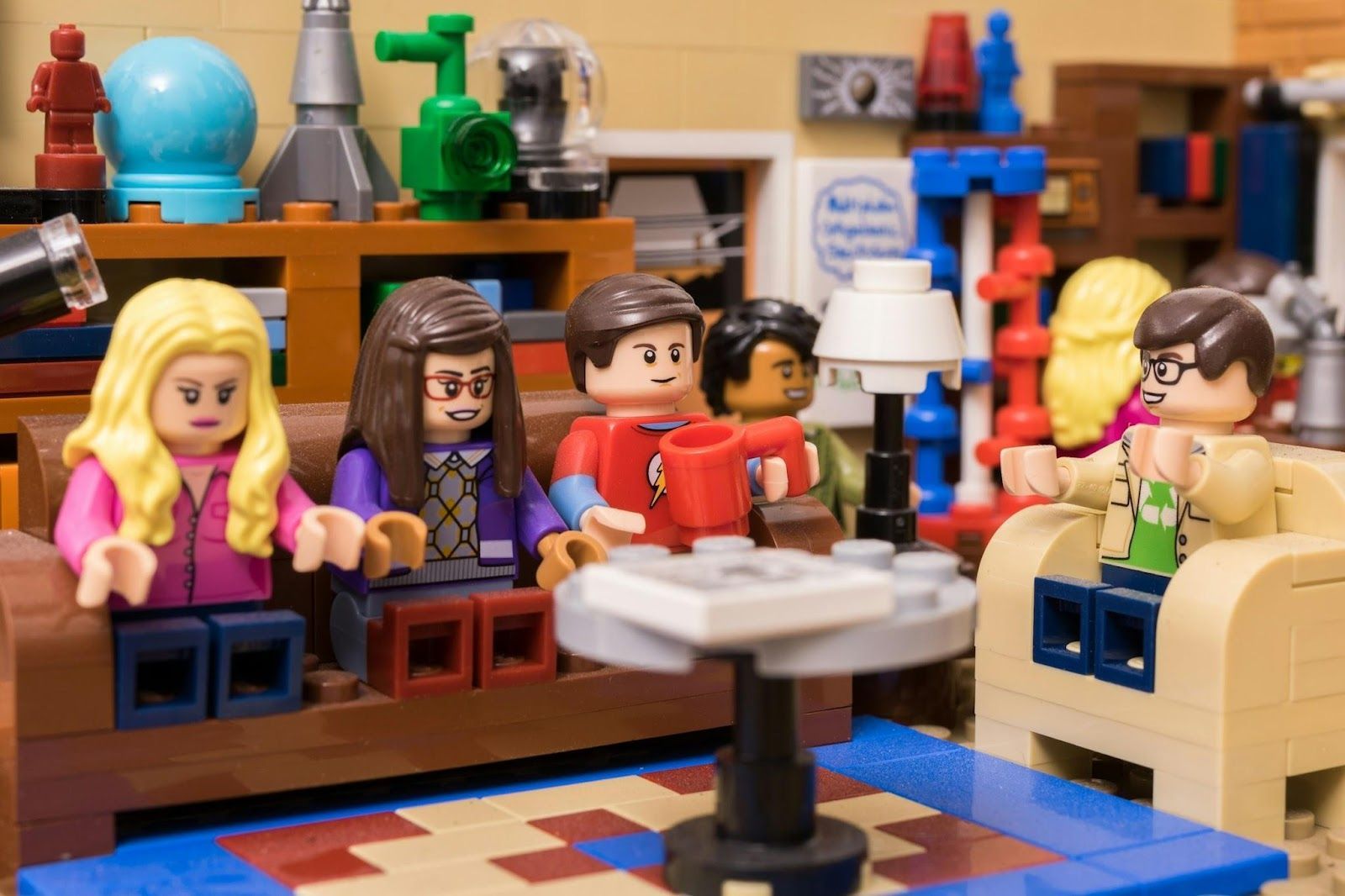
The Big Bang Theory faced the difficult task of making the world of science fun and accessible . Luckily, it had an extremely lovable and talented cast that rose to the occasion. The first episode introduces us to Leonard and Sheldon, two physicists whose lives take an unexpected turn when they meet their new next-door neighbor, Penny.

5
Modern Family

Image: Peabody Awards, CC BY 2.0

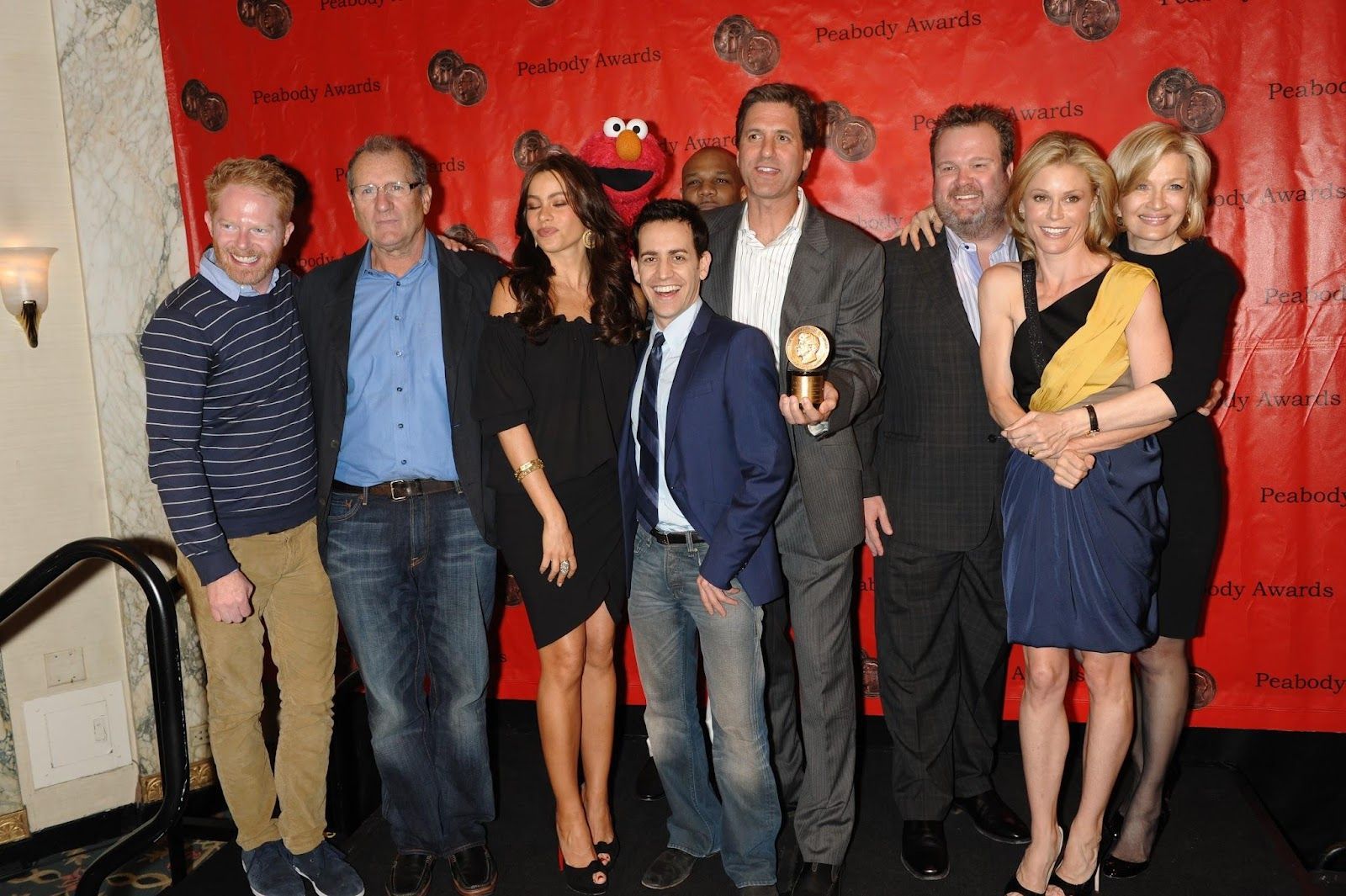
As we mentioned earlier, family life is a recurring theme in many sitcoms. However, the 2009 show Modern Family put a fresh spin on this concept by focusing on three separate yet interconnected families. The series not only featured an exceptionally talented cast but also placed its many characters in both hilarious and heartfelt situations.

6
The Honeymooners

Image: Lauren Richmond

First aired in 1955, The Honeymooners revolves around New York City bus driver Ralph Kramden and his wife, Alice (wonderfully portrayed by Jackie Gleason and Audrey Meadows). Gleason’s quick wit, combined with the show’s many catchphrases ("Bang, zoom, straight to the Moon!" and "Homina, homina!", to name a few), quickly cemented the series in American pop culture. Not only that, many timeless shows, such as The Flintstones , were inspired by The Honeymooners .

7
Cheers

Image: Yutacar

Like many Americans, you might frequent a local "watering hole"—a small bar or tavern where you can unwind and enjoy a drink or two with friends. In that sense, the 1982 sitcom Cheers perfectly captured that feeling from the very start, with its iconic theme song praising a magical place " where everybody knows your name ." The sitcom was so successful that it inspired Frasier , a spin-off centered around one of Cheers’ most popular characters.

8
Community

Image: Unseen Studio

In case you didn’t know, the term "sitcom" is short for "situational comedy." As you might expect, the setting in which these situations unfold is an essential component. With that in mind, showrunner Dan Harmon devised a unique premise for his 2009 show Community . Inspired by the community college he attended in his youth, he created a series centered around a group of quirky misfits studying Spanish at the fictional Greendale Community College.

9
Full House

Image: Ross Joyner

For such a lighthearted sitcom , Full House had a surprisingly somber premise : a recently widowed father (played by Bob Saget) enlists the help of his best friend and brother-in-law to raise his three daughters. Nevertheless, the show quickly became a beloved classic, running for eight seasons and earning several awards along the way.

10
All in the Family

Image: Simon Berger

Few names command as much respect and admiration in comedy writing circles as Norman Lear . This legendary screenwriter and producer was responsible for some of the most iconic shows in television history, including The Jeffersons , Sanford and Son , and One Day at a Time . With that in mind, choosing his best show is no easy task, but we believe All in the Family is the strongest contender. Not only was this 1971 sitcom hilarious and sharp-witted , but it also tackled major issues such as religion and the Vietnam War.

11
I Love Lucy

Image: Mayur Gala

We’ll end this article with what many consider to be the sitcom that started it all . Starring Lucille Ball and her husband, Desi Arnaz, the 1951 show I Love Lucy follows Lucy Ricardo, a New York City housewife determined to break into show business. Soon after its premiere, it became the most-watched show in the United States and went on to win five Emmy Awards. To this day, it remains one of the most influential television shows in history.

History History 5 min read

Spirits in the halls

The White House After Dark: Whose spirits linger in the Mansion?

Image: Tom Fisk / Photo By: Kaboompics.com

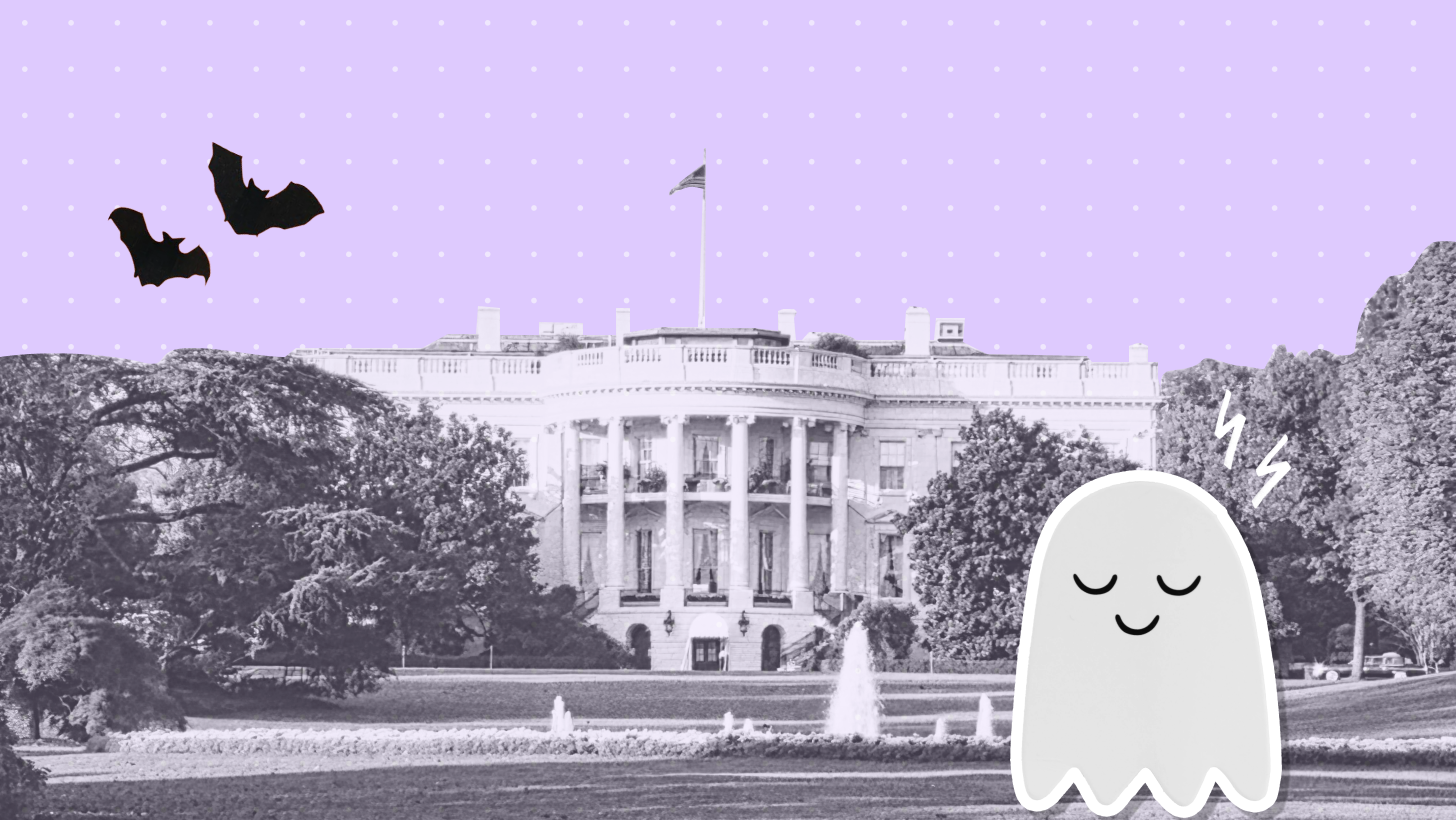
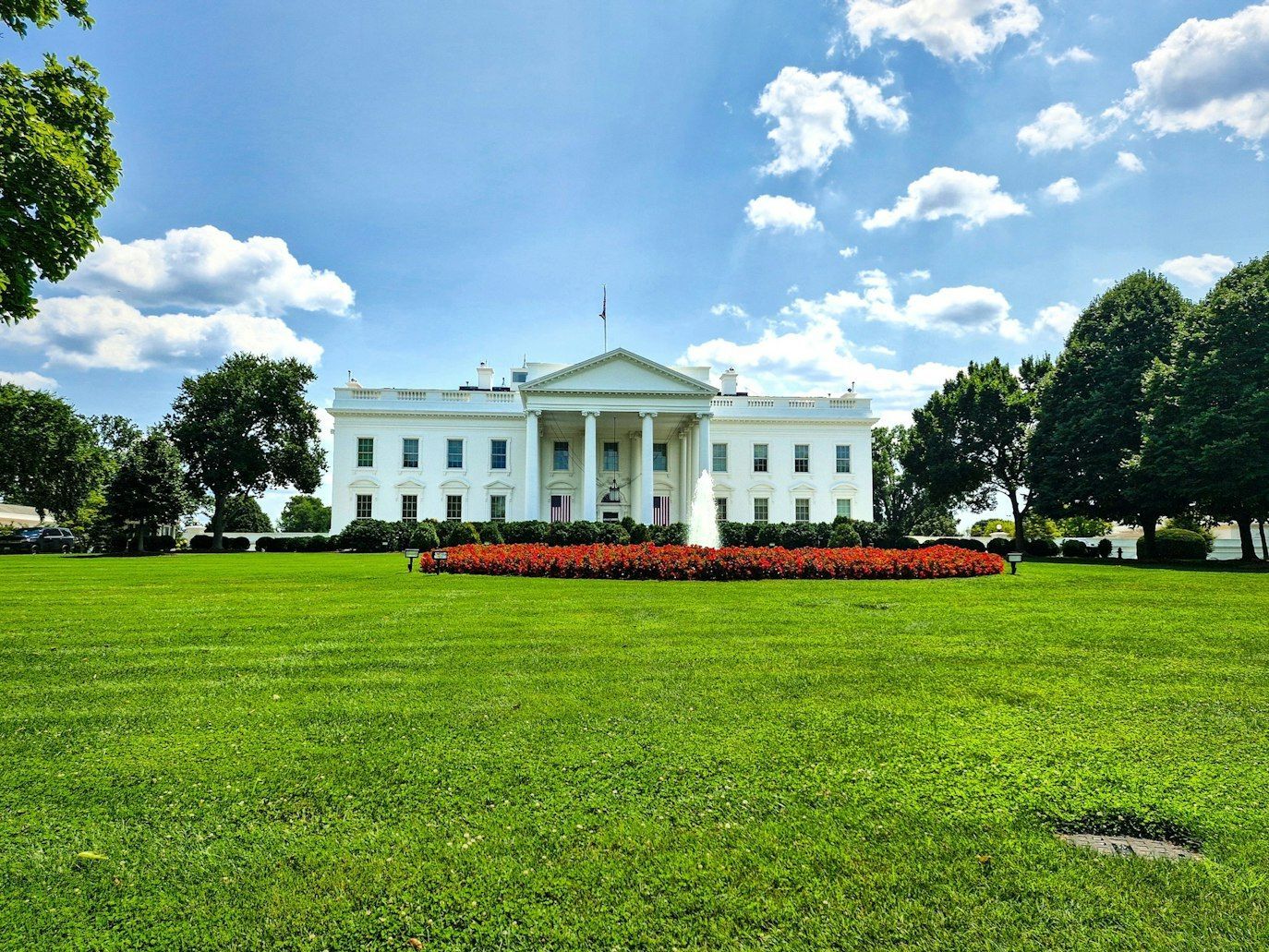
The White House was completed in the 1800s and has served as the home to every US president since. Just imagine the countless people, events, conversations, and even incidents that have taken place there. With six floors and 132 rooms, it's no surprise that the White House has a good dose of paranormal stories. From creepy footsteps and noises to the apparitions of presidential ghosts, the iconic mansion at 1600 Pennsylvania Avenue is full of supernatural tales that will give you goosebumps!

1
Abraham Lincoln

Image: Girma Nigusse

One of the most famous ghosts in the White House is none other than that of Abraham Lincoln. But this is nothing new. Shortly after the president's passing, employees of the Mansion began reporting sightings of a tall, shadowy figure dressed in a black suit. Several First Ladies, including Eleanor Roosevelt and Grace Coolidge, also claimed to have encountered Lincoln's spectral figure.

One of the best stories about his ghost involves a famous statesman from another country: Winston Churchill. During WWII, Churchill visited the White House. The story goes that after a night shower, he encountered Lincoln's ghost standing by the fireplace. Churchill greeted him calmly, saying, "Good evening, Mr. President. You seem to have me at a disadvantage."

2
Andrew Jackson

Image: Peter Oswald

Andrew Jackson, 7th President of the US, was famous for his strong, commanding personality. Perhaps it was this aspect of his character that gave rise to the tales of his loud –some say "angry"– ghost haunting the White House.

Jackson's ghost was said to appear regularly during Theodore Roosevelt's administration. Stories describe his presence as impossible to ignore, with loud footsteps and objects inexplicably falling. Another famous anecdote narrates a dinner party held by President Harry S. Truman at the White House. Many guests allegedly saw Jackson's figure standing in one of the hallways, appearing and disappearing right in front of them.

3
Thomas Jefferson

Image: Dominik Scythe

Thomas Jefferson was not only a Founding Father, the main author of the Declaration of Independence, the 3rd President of the United States, and the man behind the Louisiana Purchase. He was also a skilled violinist.

As a polymath, Jefferson was a wise, educated man with many talents. He played several instruments, but his favorite was the violin. Over the years, several stories have emerged about staff members and even other presidents hearing the haunting sound of a violin, seemingly coming from the Yellow Oval Room.

4
Dolley Madison and the Rose Garden

Image: KaLisa Veer

But paranormal stories aren't just about presidents; First Ladies also star in similar anecdotes.

One such tale is about Dolley Madison, First Lady to James Madison, who lived in the White House from 1809 to 1817 during his two terms. Dolley Madison was known to spend long hours in the gardens during her time at the House, particularly in the Rose Garden, which she loved. After her passing in 1849, many reported seeing a ghostly figure in the Rose Garden, hearing a woman's voice, or feeling as if they were being watched.

5
Abigail Adams

Image: Hugo

John Adams was the first president to ever live in the White House. He was there with his wife, Abigail Adams, during the last year of his term (1800-1801).

After Abigail's passing, many people working in the White House reported sightings of her ghost in the East Room, where she was said to hang laundry. Even today, some staff members claim to smell wet laundry near that room.

6
John Tyler

Image: Madara

Another of the haunted rooms in the White House is the Blue Room, apparently visited by the ghost of President John Tyler.

Tyler married his second wife, Julia Gardiner, in 1844 while still in office. As the story goes, the president had proposed to Julia on several occasions before she finally said yes. Over the years, reports emerged about the Blue Room of the White House, where it is suggested that footsteps are heard, and a man's voice seemingly declaring love or proposing marriage.

7
David Burnes

Image: Vihan Dalal

The White House has stood at 1600 Pennsylvania Avenue since 1800. But before that, the land it occupies belonged to someone else.

David Burnes was one of the original landowners, living there before the government purchased it. Legend has it that he wasn't totally pleased with the sale of his land. After his death, several residents –including Abigail Adams– reportedly saw a figure resembling Burnes walking near the house, often watching it from a distance.

8
William Henry Harrison

Image: Peter Herrmann

It seems ghosts might be lurking in every corner of the White House. As we've seen, several rooms and even the gardens have been the setting for various paranormal tales. But that's not all: The attic holds its secrets, too.

This story involves William Henry Harrison, the 9th president of the US and the first to pass away during his time in the White House. It's said that his spirit now haunts the attic of the mansion, where footsteps and a wailing voice can be heard at times.

9
The Thing

Image: Steinar Engeland

Legend has it that a mysterious entity has been haunting the White House for some time, one not tied to any known historical figure.

Several members of the White House staff have reported strange experiences attributed to "the Thing." That's the name given to this presence that makes those nearby feel as if they are being watched. But here's the creepiest part: Several employees reported feeling pressure on their shoulders as if someone was lightly leaning on them.

10
The Demon Cat

Image: Abdu Rahman

Now, it's time for a ghost that doesn't take human form. It's the well-known " Demon cat" (or "DC"), a spectral black cat said to haunt several government buildings in Washington, DC.

According to legend, cats were brought to the city to control the rat population in the 19th century. But one of those cats never left. It's now a ghost haunting landmarks like the White House and the US Capitol. Some people say the ghostly cat appears small at first but grows to a creepy large size as it approaches. Some even describe it as reaching the size of a "huge tiger."

Explore more American facts

Choose your favorite category!

General
General

As American as apple pie—the very best America has to offer!

Culture
Culture

Delve into the astounding richness of American lore.

Geography
Geography

Hop in and explore vast and diverse American landscapes.

History
History

Discover the key moments that shaped the United States.