General General 4 min read

Were you fooled?

Myths and stories behind famous brands: Are they true?
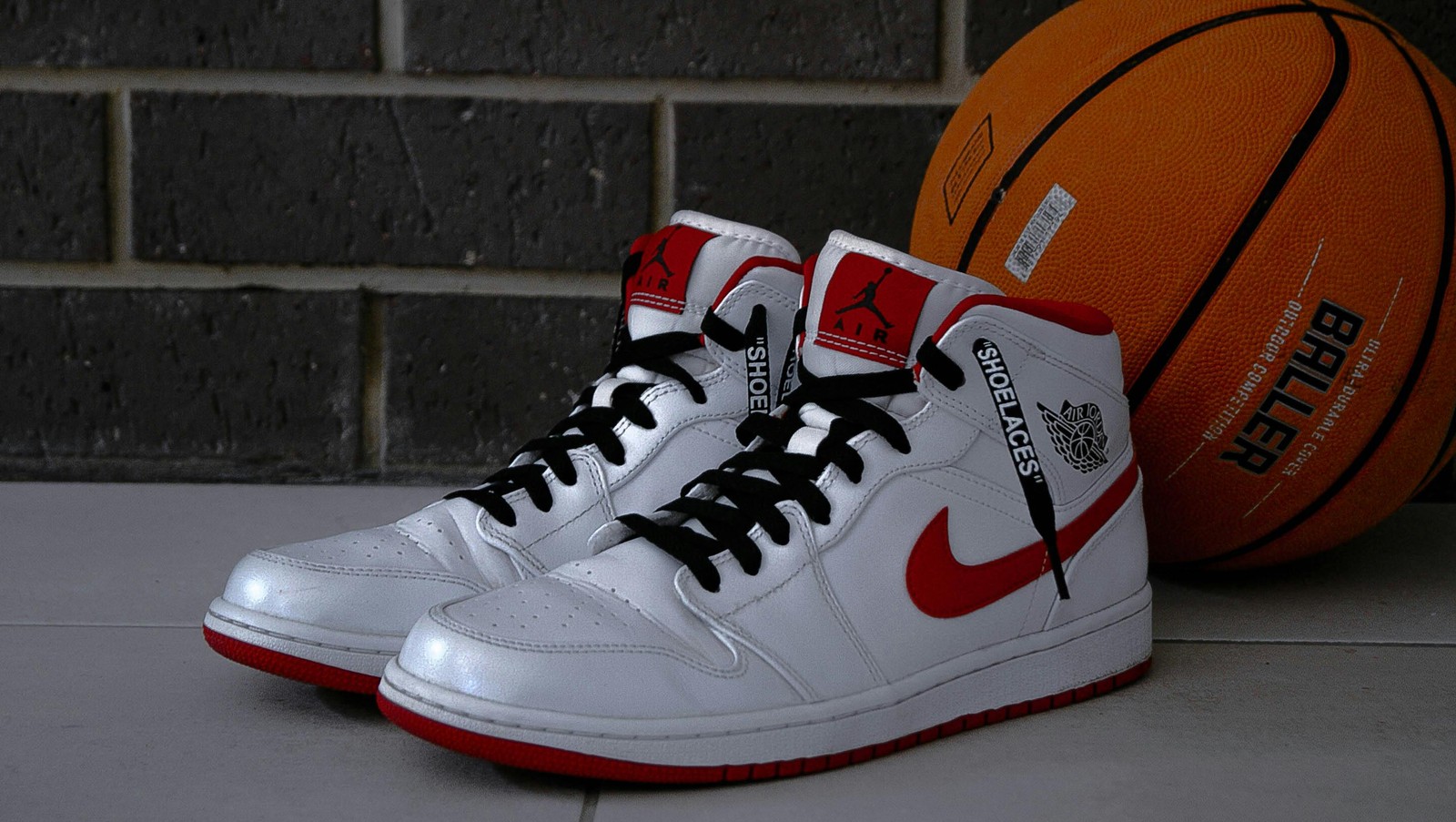
Image: Ana Dvoranen

Can you tell fact from fiction when it comes to major brands? Some stories sound too wild to be true—a $35 logo that became iconic, a soda once laced with cocaine, a chocolate tycoon who dodged the Titanic. In this article, your challenge is to guess whether the myths are true or false before we decode them. Ready to play Fact or Fiction ?

1
Nike’s Swoosh was created for $35

Image: Shubham Mittal

Yes, it was. The iconic Nike swoosh was sketched in 1971 by Carolyn Davidson, a graphic design student, for the grand sum of $35. She was helping out a friend—Nike co-founder Phil Knight—who needed a logo for his up-and-coming sneaker brand.

Years later, as Nike soared, the company gave her a thank-you gift: a gold swoosh ring and stock options that ended up being worth millions .

2
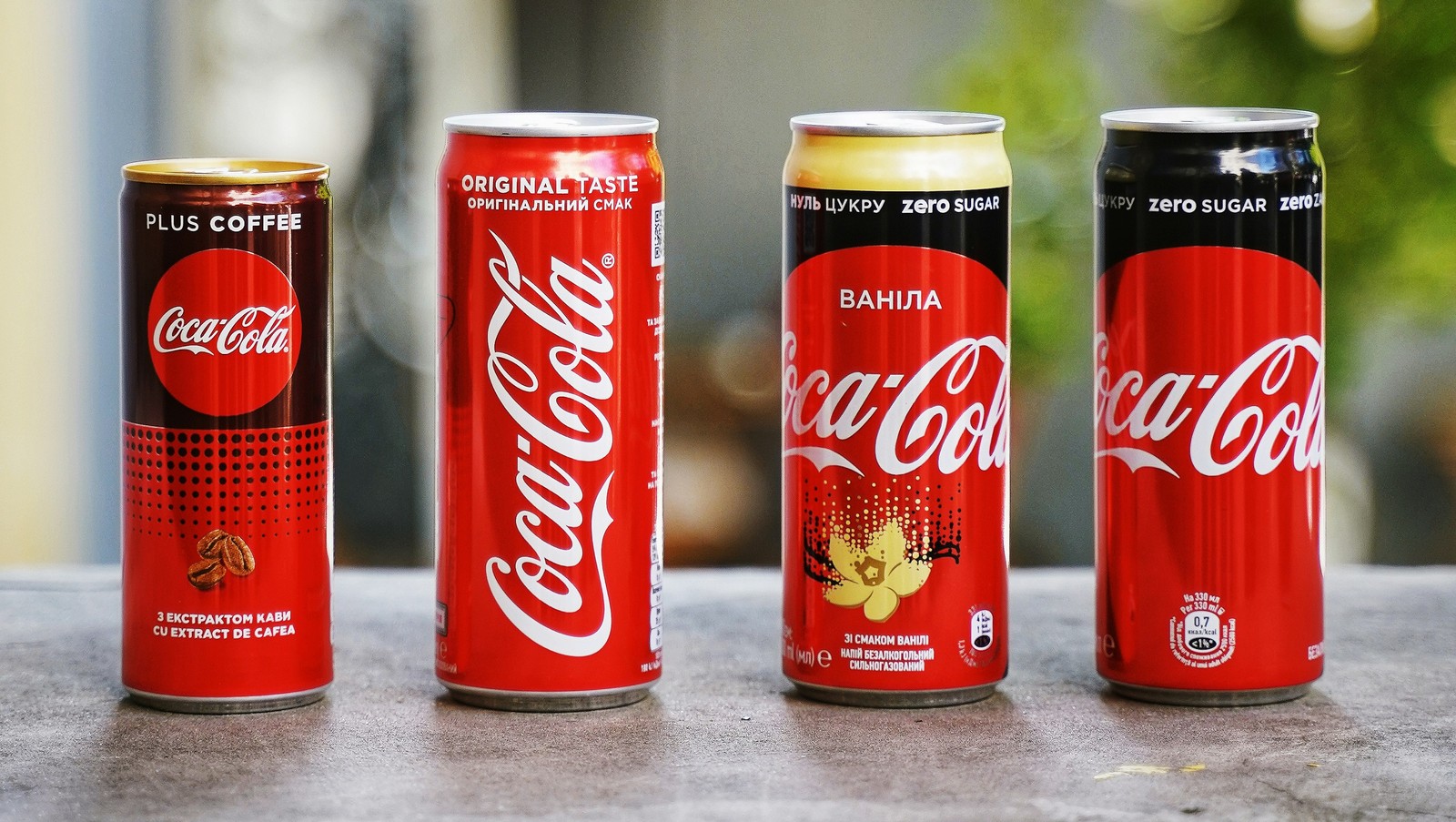
Coca-Cola originally contained cocaine

Image: Olena Bohovyk

It sounds like an urban legend, but it’s true: early versions of Coca-Cola did contain coca leaf extract , which naturally included trace amounts of cocaine. When pharmacist John Pemberton invented the drink in 1886, it was marketed as a "brain tonic" and nerve remedy, back when cocaine was legal and considered medicinal. By 1929, the formula was fully decocainized.

3
Neither Ben nor Jerry had any previous business experience

Image: Hybrid Storytellers

Absolutely. Longtime friends Ben Cohen and Jerry Greenfield took a $5 correspondence course in ice cream making from Penn State and launched their first scoop shop in a converted gas station in Vermont in 1978.

4
Barbie was based on a German adult doll

Image: Peyman Shojaei

True! She sure was. In the 1950s, Ruth Handler spotted a German novelty doll called Bild Lilli while on vacation. Originally sold as a gag gift for men, Lilli was fashionable, curvy, and definitely not meant for children. But Handler saw potential: she reimagined Lilli as a stylish role model for girls, and the first Barbie debuted in 1959.

5
Milton Hershey missed the Titanic voyage

Image: Janne Simoes

He definitely wasn’t on board—lucky for him! But just how close he came to sailing is uncertain. Legend has it that Milton Hershey and his wife were set to sail on the Titanic in 1912, but canceled at the last minute.

The only clue? A check stub showing a $300 deposit to the White Star Line. While there’s no confirmed ticket, the story has stuck.

6
GM hated (and banned) the nickname "Chevy"

Image: Jose Mueses

This one is partially true. In 2010, GM sent a memo urging employees to stop using the nickname "Chevy" in favor of the full "Chevrolet." The public backlash was swift—critics called the move tone-deaf. After all, "Chevy" was beloved, catchy, and woven into Americana.

Within days, the company backpedaled , assuring fans that "Chevy" wasn’t going anywhere. You just can’t mess with a nickname that’s already set in people’s hearts.

7
Apple was named after the forbidden fruit

Image: TheRegisti

Not quite. Steve Jobs chose the name "Apple" in 1976 because it sounded "fun, spirited, and not intimidating." It also gave the young company a strategic edge—it came before "Atari" in the phone book, which mattered in the era of printed directories.

8
Starbucks was named after Moby Dick’s first mate

Image: Athar Khan

Yes, though it was a winding path. The founders were searching for a name that evoked the seafaring tradition of coffee trading. After toying with " Pequod " (Captain Ahab’s ship), they landed on "Starbuck"—the first mate in Moby-Dick and a name with a strong, classic ring to it.

9
Harley-Davidson was going bankrupt, but its logo saved it

Image: Donald Teel

This one is sort of true. In the early 1980s, Harley-Davidson was revving on empty. The rise of Japanese bikes had them cornered—until the brand leaned hard into nostalgia . The bar-and-shield logo, dating back to 1910, became the centerpiece of a marketing push built on American pride, leather jackets, and the unmistakable growl of a V-twin engine.

It worked. The logo became a badge of rebellion, and Harley rebounded.

10
There’s an arrow hidden in FedEx’s logo

Image: Toni Pomar

Once you see it, you can’t unsee it. Look closely between the "E" and the "x" in the FedEx logo—there’s a white arrow formed by the negative space. It’s a perfect symbol for speed, direction, and efficiency.

The logo was designed in 1994 by Lindon Leader, and the hidden arrow was no accident. It’s a subtle nod to the company’s core promise: to get it there fast .

11
"Breakfast at Tiffany’s" launched the brand

Image: Sam Lashbrooke

False! Breakfast at Tiffany’s didn’t launch the brand. Tiffany & Co. had been around since 1837, known for fine jewelry and that iconic blue box. However, after the 1961 film, Audrey Hepburn’s little black dress and wistful gaze into the Tiffany’s shop window helped cement the brand’s image of elegance .

12
Levi’s blue jeans were created for gold miners

Image: Varun Gaba

Absolutely. In 1873, Levi Strauss and tailor Jacob Davis patented durable denim trousers with copper rivets— perfect for miners during the California Gold Rush . The jeans were tough, practical, and ideal for the grueling work conditions out west. In time, what began as rugged workwear became an American icon.

13
Amazon was named after "the biggest river"

Image: Sunrise King

Yes, it was intentional. Jeff Bezos wanted a name that conveyed vastness, exoticism, and would appear early in web listings . "Amazon" fit the bill—although it could have been named "Nile," which is often cited as the world’s longest river. Bezos liked the idea of building the biggest online store in the world, just like the Amazon is the biggest river by volume.
History History 4 min read

Is a slap really a feud?

Was the Will Smith-Chris Rock slap scripted? 12 famous feuds

Image: Andrew Le

Hollywood isn’t always glitz and glam—sometimes it’s full-on drama. From shady tweets to onstage outbursts and headline-making slaps, celebrity feuds have a way of stealing the spotlight just as much as any blockbuster. You probably know about some of these incidents, but a few will surprise you!

1
Joan Crawford vs. Bette Davis

Image: Shubham Panwar

The feud between Joan Crawford and Bette Davis began in 1935 when Bette fell for her co-star Franchot Tone, only for Joan to marry him soon after filming ended .

Their rivalry peaked during the tense 1962 shoot of What Ever Happened to Baby Jane? The tension never eased, and the two reportedly never reconciled before their deaths.

2
Kim Cattrall vs. Sarah Jessica Parker

Image: Erhan Çoban

On Sex and the City , Kim Cattrall and Sarah Jessica Parker played close friends, but off-screen their relationship was far from warm . Tensions reportedly surfaced when Kim declined to join a third Sex and the City movie.

In 2018, things worsened after Sarah publicly offered condolences over the death of Kim’s brother. Kim responded sharply on Instagram, writing, "You are not my friend. You are not my family.

3
David Letterman vs. Jay Leno

Image: Diogo Cardoso

The biggest late-night feud kicked off in 1992 when Johnny Carson retired from The Tonight Show . Many expected David Letterman to take over, but NBC chose Jay Leno instead.

Letterman left for CBS to launch The Late Show , going head-to-head with Leno. Their rivalry, known as the "Late-Night Wars," lasted for years as both battled for ratings before eventually retiring .

4
Gwyneth Paltrow vs. Martha Stewart

Image: Lesya Tyutrina Andrey Biyanov

The feud between Gwyneth Paltrow and Martha Stewart began in 2014, when Martha criticized Gwyneth’s lifestyle brand , saying she should stick to acting.

Things escalated with cheeky recipe jabs—Martha’s "Conscious Coupling" and Gwyneth’s "Jailbird Cake," a nod to Martha’s past prison time.

5
Vin Diesel vs. Dwayne "The Rock" Johnson

Image: Ayu Anggraini

The rivalry between Dwayne "The Rock" Johnson and Vin Diesel began during the filming of The Fate of the Furious in 2016, when The Rock called out unnamed co-stars for unprofessional behavior on social media .

Fans quickly guessed he was referring to Vin, especially after The Rock thanked the cast and crew in a post, but noticeably left out Vin Diesel.

6
Elton John vs. Madonna

Image: Mélody P

Elton John and Madonna’s feud began in 2002, when Elton slammed her Bond theme, calling it "the worst of all time." He later accused her of lip-syncing during live shows.

Things heated up again in 2012, when both were nominated for a Golden Globe. Elton claimed Madonna had "no chance"—but she won. Backstage, Madonna said she adored him and hoped he’d win another award.

7
Elizabeth Taylor vs. Debbie Reynolds

Image: Venti Views

The drama between Debbie Reynolds and Elizabeth Taylor began when Debbie's husband, Eddie Fisher, left her for Elizabeth, who was her close friend at the time.

Their affair began after Eddie comforted Elizabeth following the death of her husband, Mike Todd, in 1958. Years later, after Elizabeth and Eddie split, Debbie and Elizabeth reconciled and remained friends until Taylor’s death.

8
Frank Sinatra vs. Marlon Brando

Image: David Clode

Frank Sinatra and Marlon Brando clashed while filming Guys and Dolls (1955), thanks to their huge egos and very different acting styles .

Sinatra gave Brando rude nicknames, while Brando deliberately ruined takes during a cheesecake scene, forcing Sinatra to eat far more than he wanted.

9
Dean Martin vs. Jerry Lewis

Image: Akbar Nemati

Dean Martin and Jerry Lewis were a wildly popular comedy duo from 1946 to 1956, dominating film, radio, and television. But behind the scenes, tensions grew.

Martin felt Lewis was taking over the act , leading to their split in 1956. Though both went on to solo success, their friendship suffered for years. They finally reconciled in 1976, thanks in part to Frank Sinatra.

10
Angelina Jolie vs. Jon Voight

Image: Daniil Komov

Family ties don’t always guarantee harmony in Hollywood. The feud between Jon Voight and Angelina Jolie largely stems from Voight’s infidelity toward Jolie’s mother , Marcheline Bertrand.

Though they’ve had brief periods of reconciliation, their relationship has repeatedly broken down over the years, making their feud long-lasting and complicated.

11
Will Smith vs. Chris Rock

Image: Frida Lannerström

Will Smith and Chris Rock’s feud exploded publicly at the 94th Academy Awards in 2022, when Will slapped Chris after a joke about Jada Pinkett Smith . The slap was not scripted and took everyone—especially Rock—by surprise.

The incident went viral and had major consequences for Smith. Despite the fallout, there are hints that the two might eventually repair their friendship.

12
Johnny Carson vs. Joan Rivers

Image: Long Ma

The legendary Johnny Carson often featured Joan Rivers as a guest and occasional guest host on The Tonight Show. But when Rivers launched her own late-night show without telling Carson , he saw it as a major betrayal.

Carson never forgave her, and their feud lasted until his death. Sadly, Rivers’ show struggled and never quite matched his success.

General General 5 min read

Stay out of trouble!

Is that a crime? 10 of the most bizarre laws in America

Image: Tingey Injury Law Firm

America is known as the land of the free, but we also have a lot of laws and rules that allow us to live together as a community. While most of us are familiar with major laws, did you know that many states, cities, and towns have some very specific and unique rules? Some of the laws highlighted in this article may seem strange, obscure, or downright ridiculous, but keep in mind—they exist for a reason. Read on to discover 10 weird and funny laws sanctioned across the U.S. you probably didn't know existed.

1
Beware of the banana peel!

Image: SHVETS production

It might sound like a scene straight out of The Three Stooges , but we assure you, this was once a legitimate concern. It’s no myth that residents of Waco, Texas are forbidden from eating bananas and tossing the peels into the street. Lawmakers feared horses could slip on the peels and injure themselves.

This is also true for Elmira, New York. A city ordinance from 1899 stated that no person could throw any banana peels—or any other fruit skins—onto the sidewalk. As it happens, back when bananas were introduced to the northern states, they were very cheap and people usually bought them in bulk. The surplus was huge and the waste was becoming a problem. In fact, in 1893 a woman sued the city after slipping on a banana peel, falling on the sidewalk, and breaking her leg.

2
Dueling candidates

Image: various illustrators, Public domain, via Wikimedia Commons

It may sound old-fashioned, but this law is still in effect in West Virginia. To be eligible as governor, a candidate must not only be at least 30 years old and have resided in the state for at least five years preceding the election, but they must also never have participated in a duel.

According to §6-5-7 of the West Virginia Code, any citizen who sends or accepts a challenge or participates in a duel with deadly weapons "shall ever thereafter be incapable of holding any office of honor, trust or profit in this state." By the end of the American Civil War dueling had become almost obsolete, but for some reason, The Mountain State is one of the few states that still hasn’t repealed its dueling laws.

3
Extraterrestrial exposure

Image: Bradley Dunn

Despite popular opinion, Title 14, Section 1211 of the Code of Federal Regulations did not make it illegal for Americans to have contact with extraterrestrials or their vehicles. Instead, the law was enacted just before the Apollo 11 mission to give the government authority to quarantine astronauts in case they became contaminated with an alien virus during their moonwalk.

This regulation, best known as the Extra-Terrestrial Exposure Law was adopted by NASA in 1969. It stipulated that astronauts be kept in isolation for 21 days after their liftoff from the Moon in case there was a remote possibility that they were harboring "unknown lunar organisms that might endanger life on Earth." The rule was revoked in 1977 and formally repealed in 1991.

4
Women vote

Image: See page for author, Public domain, via Wikimedia Commons

Did you know that although American women were not universally granted the right to vote until 1920, state laws in New Jersey allowed them to vote as early as 1776 ? In 1790, when the New Jersey State Constitution was reformed, it formalized what the previous constitution had only implied: that propertied women could vote.

A few years later, a law expanded the previous election reforms and allowed women without "clear estate" to vote too. So, after the adoption of this 1797 law, the number of women voters at the polls significantly increased. New Jersey women enthusiastically exercised their rights until 1807, when the state finally restricted voting to white men.

5
Keep it classy

Image: Clay Banks

If you want to live in North California, you have to follow some rules of good taste. In 1998, the city of Wilson outlawed the keeping of upholstered furniture on front porches, on the basis that the practice was unsightly and tacky.

A year later, the town of Morganton followed suit, outlawing couches, recliners, and similar indoor furniture from verandas and yards. Mel Cohen, the city mayor at the time, said that outdoor furniture was drawing many complaints, so the city embarked on a quest to "beautify" the neighborhoods. Violators of the ordinance could be fined up to $300 for their offense.

6
Three-second hugging

Image: Mary Taylor

By the beginning of the 21st century, the rules of public displays of affection seemed to be changing and left previous generations in a state of confusion. In 2009, after noticing an increasing number of students embracing in the hallways, school officials in Hillsdale, New Jersey, implemented a "three-second hugging" rule. Apparently, adults were concerned that the constant displays of affection could disrupt the flow of hallway traffic.

Teenagers argued that the gesture was entirely unromantic and merely a way of saying "hello." However, schools preferred to go back to the old handshake in order to maintain an atmosphere of academic seriousness and to prevent any instances of unwanted physical contact.

7
Blue sundaes

Image: Markus Spiske

Ever heard of "blue laws"? Blue laws are rules that once banned certain activities on Sundays, adopted originally for religious reasons. Blue laws often restricted business and recreational activities to encourage observance of the Christian day of worship.

For example, buying ice cream on Sundays was once illegal in Ohio because it was thought to be frivolous and luxurious. To circumvent this law, ice cream vendors began adding fruit toppings to disguise the frozen treat below and make it appear more "nutritious." This clever workaround ultimately led to the creation of the ice cream sundae.

8
Poking turkeys

Image: RDNE Stock project

Finding the perfect Thanksgiving turkey can be an artistry or a real challenge. How can you ensure that the well-rounded breast you pick up in the supermarket’s poultry section will turn into a delicious, juicy treat?

Everyone has their own strategy, but depending on which state you are in, your method might actually be illegal without you even knowing it. For example, did you know that in Los Angeles, California, it is prohibited to poke a turkey for sale in a meat market to check its tenderness? Don’t say we didn’t warn you!

9
Permanent marks

Image: Linda Xu

Carrying a marker in your pocket, purse, or backpack while walking the streets of California could land you in trouble. In the Golden State, it’s illegal to possess "broad-tipped indelible markers" —a.k.a. permanent markers—in a public space. Any person carrying a chisel, an awl, an aerosol paint container, or a harmless felt tip marker can be accused of committing vandalism.

The law is in place to curb graffiti and other forms of unauthorized street art. It is considered a misdemeanor and can be punished with up to 90 hours of community service, typically scheduled outside of school or work hours.

10
Go nuts!

Image: Vladislav Nikonov

Nuts can be a real problem for many people with food allergies. But even so, these laws prohibiting the consumption of nuts in public places may surprise you. For instance, in Boston, Massachusetts, it’s illegal to eat peanuts in church . Meanwhile, in Charleston, South Carolina, eating nuts on a public bus can result in a fine of up to $500 and as much as 60 days in jail.

If you thought it couldn't get any more specific than that, hold your horses! In Ridley Park, Pennsylvania, people are not allowed to eat peanuts while walking backward in front of the Barnstormers Theater during a performance. Probably the craziest law on this list, don’t you think?

Explore more American facts

Choose your favorite category!

General
General

As American as apple pie—the very best America has to offer!

Culture
Culture

Delve into the astounding richness of American lore.

Geography
Geography

Hop in and explore vast and diverse American landscapes.

History
History

Discover the key moments that shaped the United States.