General General 5 min read

Inspiring Jobs

Why did Columbo need "just one more thing" to uncover the truth?
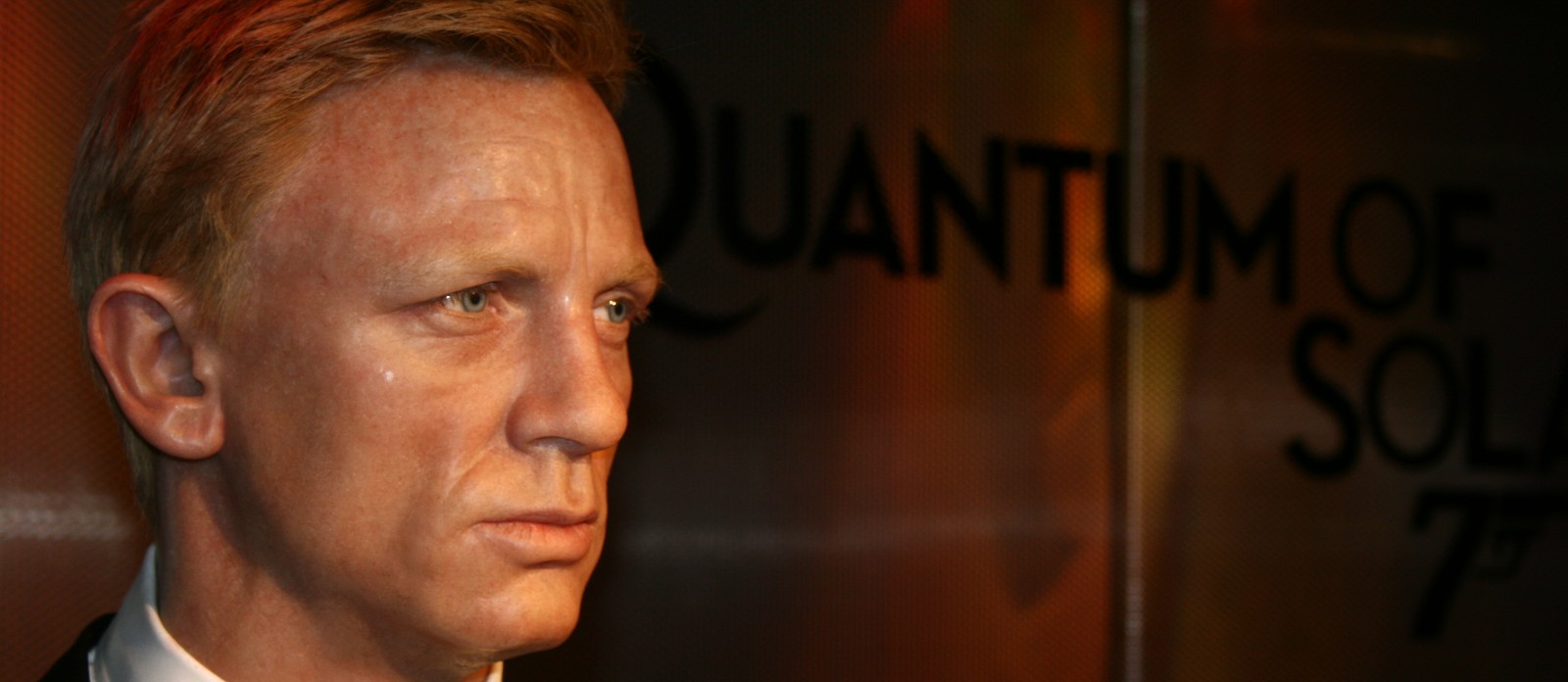
Image: Aashish950 at en.wikipedia, CC BY 3.0, via Wikimedia Commons

How many times have we wished to live the lives we saw onscreen? When watching our favorite TV shows or movies, even the dullest job, filled with paperwork and everyday problems, became inspiring. Characters showed us that, through their work, they could change lives, promote important values, and lead to some unforgettable adventures. Here are 10 fictional characters who used their jobs to make a real difference.

1
Perry Mason, Defense Attorney
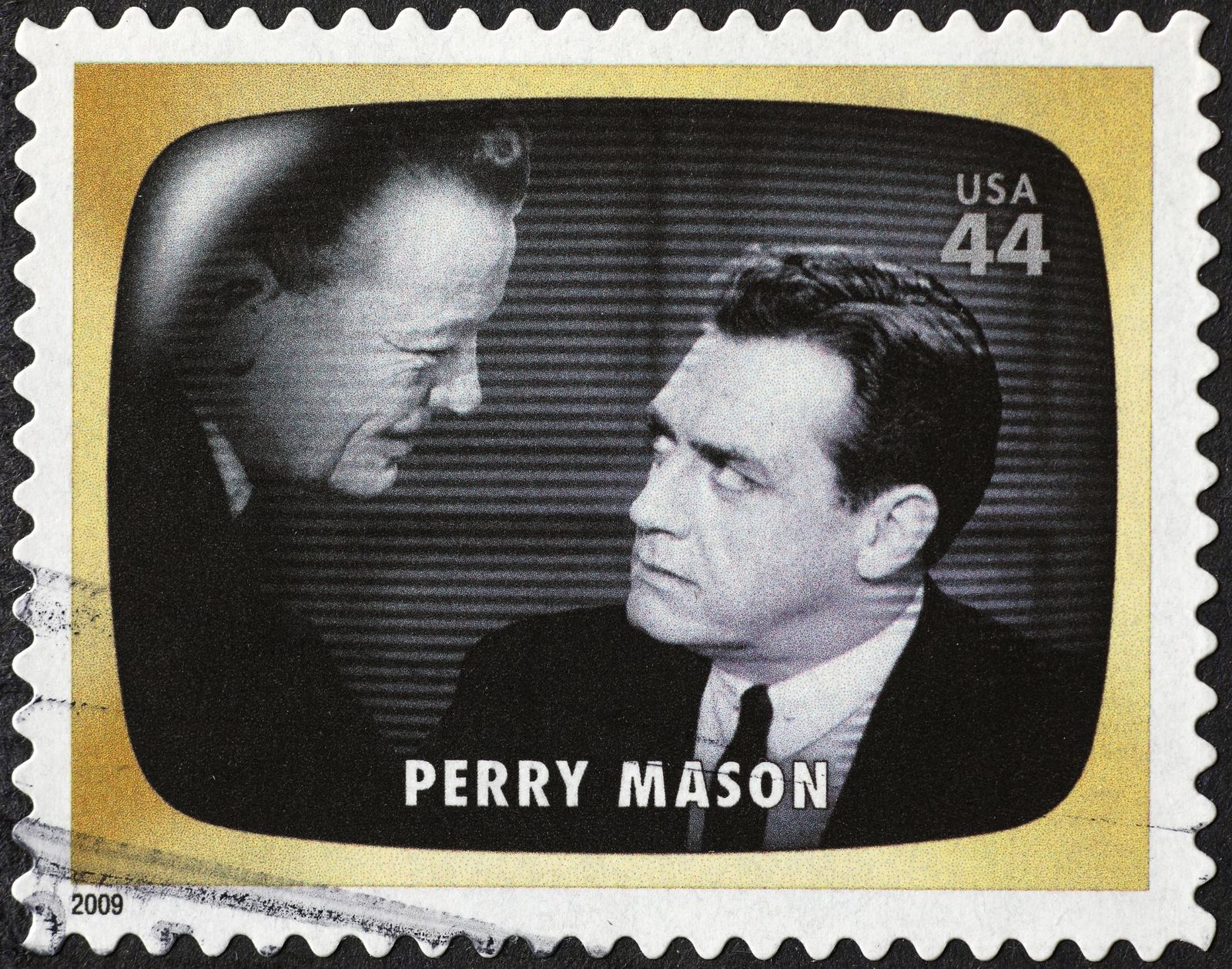
Image: Shutterstock

A defense attorney's job is to protect their clients’ rights, making sure they receive a fair trial. They investigate the case, interview witnesses, collect evidence, negotiate pleas, and defend their client in court.

Perry Mason (Raymond Burr) made the L.A. defense attorney’s job look like the work of a real-life hero on the self-titled series, which aired from 1957 to 1966. With a superior mind and strong sense of right and wrong, Mason did whatever it took to get innocent people out of seemingly hopeless situations. He rarely lost a case, and the most thrilling moments came when he exposed the real killer on the witness stand at the last minute.

2
Lieutenant Columbo, Homicide Detective

Image: Shutterstock

Columbo originally aired from 1971 to 1978 and later returned with new episodes from 1989 to 2003. Portrayed by Peter Falk, Columbo made us all want to be homicide detectives. He understood how society worked, and everything about his actions and appearance was part of his strategy: with his rumpled coat and beat-up car, he played the fool, deliberately making arrogant high-society suspects underestimate him. The most curious of detectives, he could notice tiny inconsistencies when no one else could. With his signature catchphrase, "Just one more thing...," he persisted until he found the truth, showing us that no detail should ever be overlooked.

3
Indiana Jones, Archaeologist
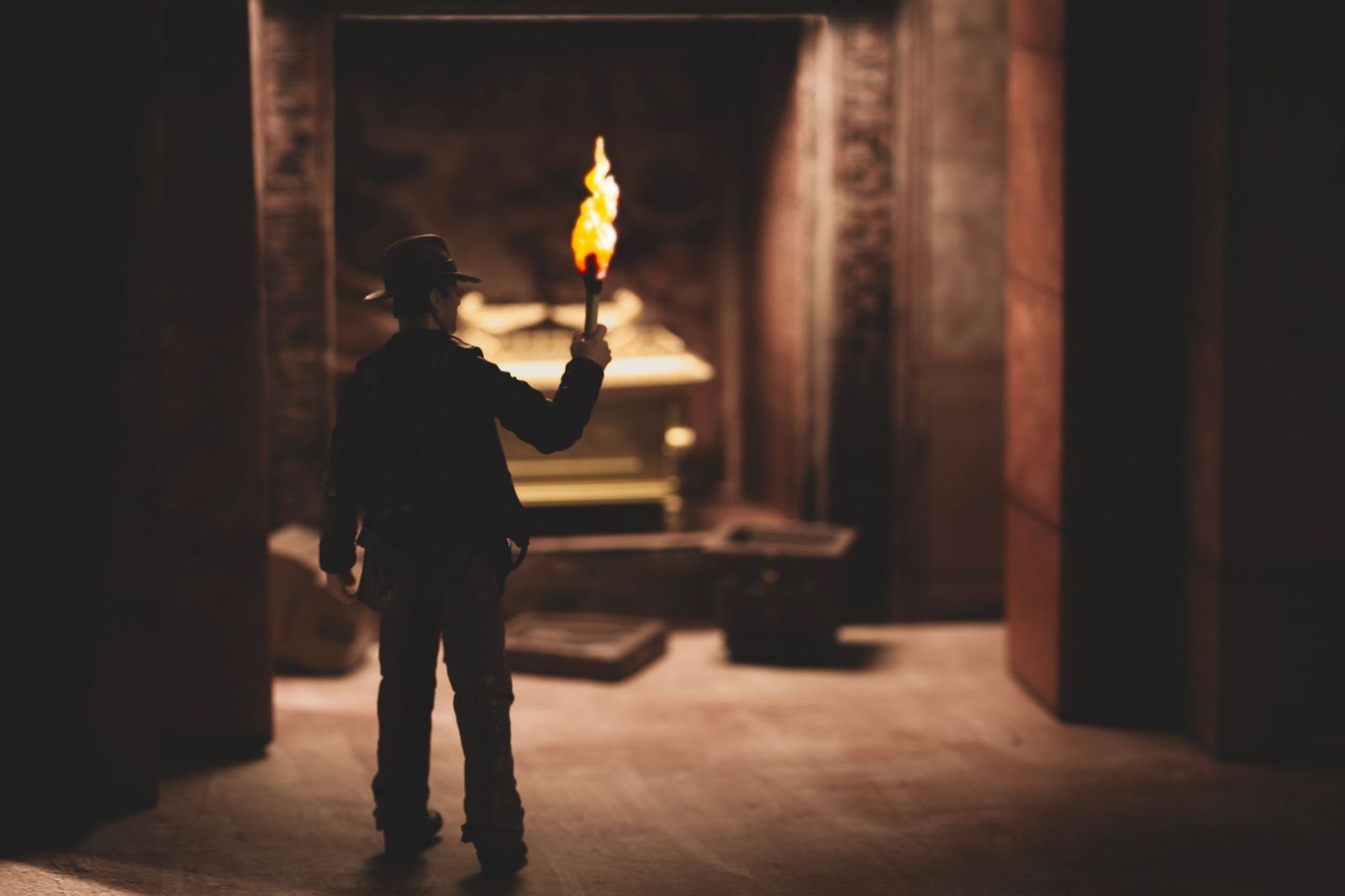
Image: Shutterstock

Spielberg’s Raiders of the Lost Ark was the movie franchise’s first installment, premiering in 1981, with four sequels released through 2023. Indiana Jones (Harrison Ford) actually lived a double life: a quiet, book-loving archaeology professor by day and an explorer whenever trouble knocked on his door. He was truly passionate about discovery. The impact was huge. Indiana Jones inspired generations of students to pursue careers in archaeology, history, and anthropology. He helped spread the idea that ancient artifacts are part of our history and deserve to be protected rather than stolen.

4
James Bond, Secret Agent

Image: Shutterstock

Played by six actors and counting across 25 films since 1962, the iconic British secret agent who worked for MI6 under the code number 007 was, of course, James Bond. Bond brought a level of glamour and excitement that few real-life jobs could ever match: his formal suits, high-tech gadgets, and remarkable confidence.

He always stayed calm and in control, even when things got dangerous. His missions were filled with constant risk, yet he always managed to make it out unharmed . Time and again, Bond proved that he was prepared for almost any mission. And after saving the day, there was always time for his favorite martini: shaken, not stirred.

5
Mary Richards, TV News Producer
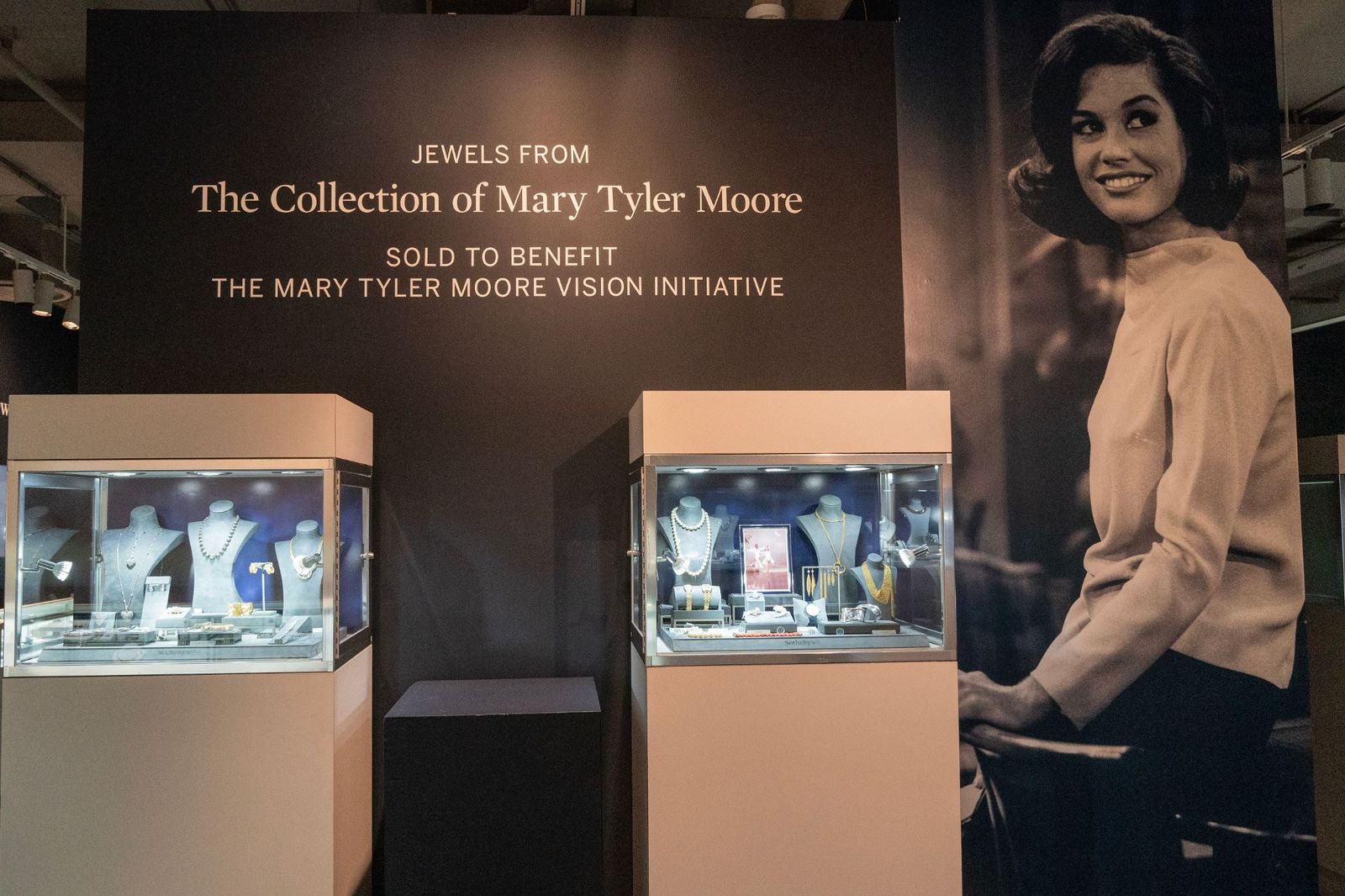
Image: Shutterstock

Mary Richards (Mary Tyler Moore) was the heroine of The Mary Taylor Moore Show, which ran for seven seasons, starting in 1970. She was an independent, single woman of her decade, a TV news producer who showed women could handle demanding careers. She faced everyday office struggles, stood up for equal pay, and even asked for a raise when she realized she earned less than men doing the same work . With her characteristic humor, bravery, spunk, and determination, she helped normalize women’s ambition on television.

6
Ben Cartwright, Rancher
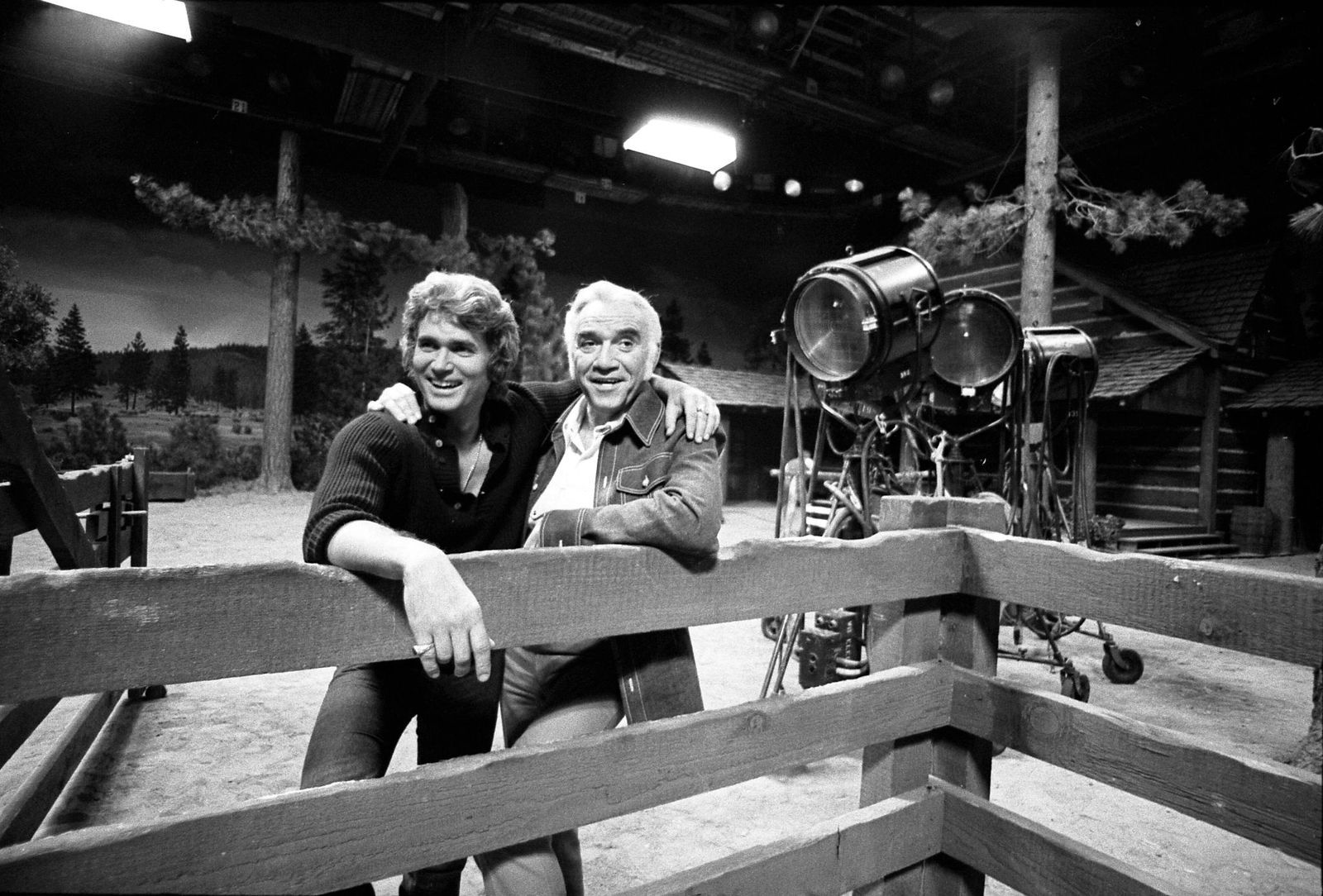
Image: Shutterstock

Ben Cartwright showed us that running a ranch in the Old West involved much more than riding horses and handling cattle. Ben, played by Lorne Greene on Bonanza from 1953 to 1973, owned the Ponderosa Ranch in Nevada, was a widower, and had three sons. He managed the land and its workers while helping his family face the everyday challenges of frontier life.

Ben showed us that a good rancher needed good judgment to survive. He worked hard to protect the Ponderosa and treated everyone fairly: family, workers, neighbors, and even strangers. As the story is set during and after the Civil War, Ben lived in a dangerous world, but he was still a leader and respected the land.

7
Scotty, Engineer

Image: Shutterstock

On a ship traveling through space, the engineer isn’t usually the one who gets the glory. Scotty was the exception. Played by James Doohan, Montgomery "Scotty" Scott appeared in Star Trek: The Original Series , which aired on NBC from 1966 until 1969. The show arrived at the height of the Space Race, three years before the Moon landing, when the idea of exploring distant worlds captured the country’s imagination.

As chief engineer of the Enterprise, Scotty was the man everyone turned to when things fell apart. No matter how impossible the problem seemed, he always found a way to fix it under pressure. His steady, reliable know-how made engineering feel like the most essential job on the entire ship.

8
Mike Brady, Architect
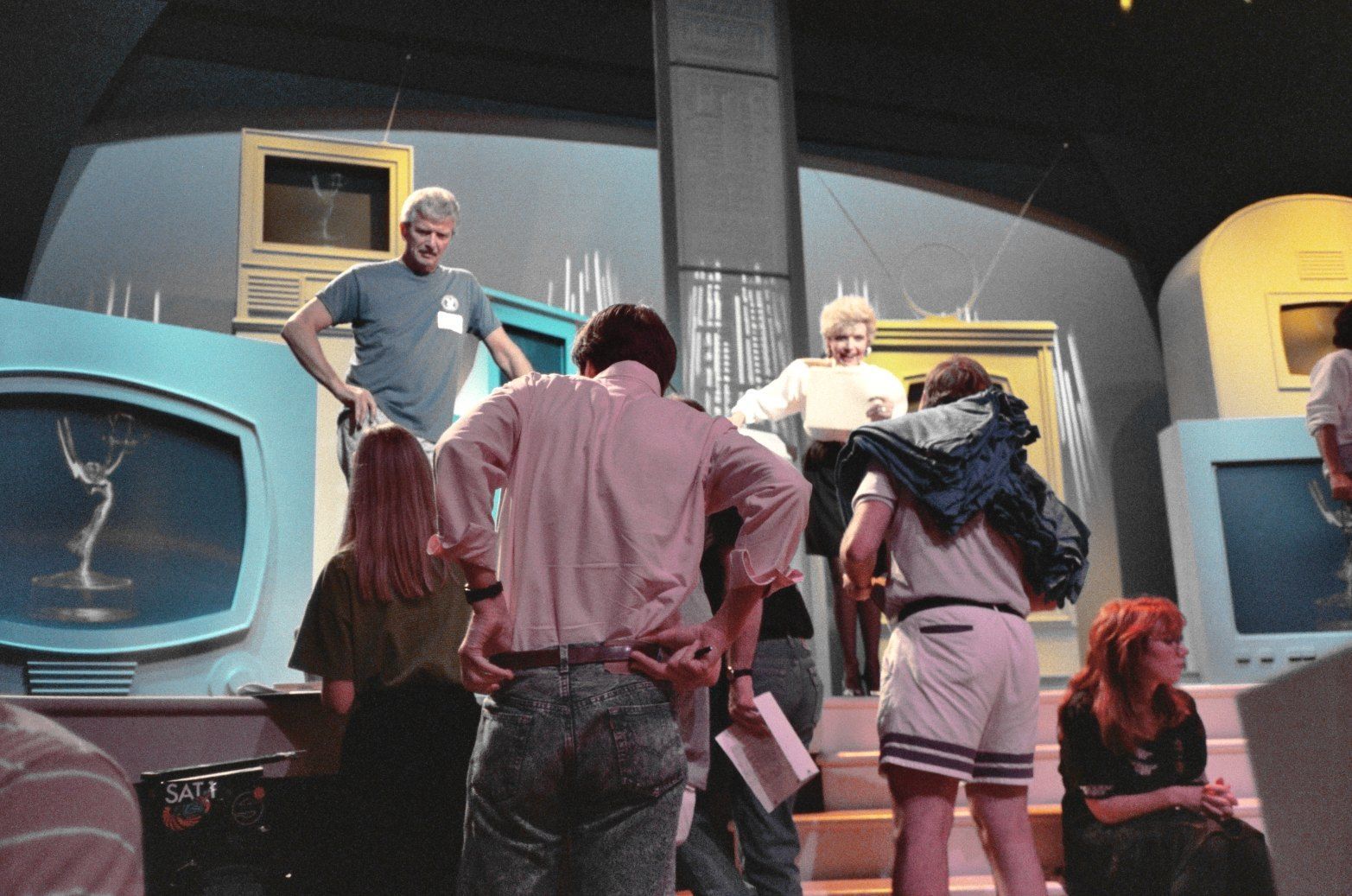
Image: Alan Light, CC BY 2.0, via Wikimedia Commons

With Mike Brady, architecture found its way into mainstream television. Played by Robert Reed, Brady was the patriarch of The Brady Bunch (1969-1974) and had his own architecture firm. He showed that being an architect could go hand in hand with being a devoted husband and father of six. He sometimes worked from home, long before that became common, blending his career with everyday family life. He also prioritized public safety and honesty over profit in his projects. Mike was an ethical architect who made a complicated profession seem accessible and interesting.

9
Quincy, Medical Examiner
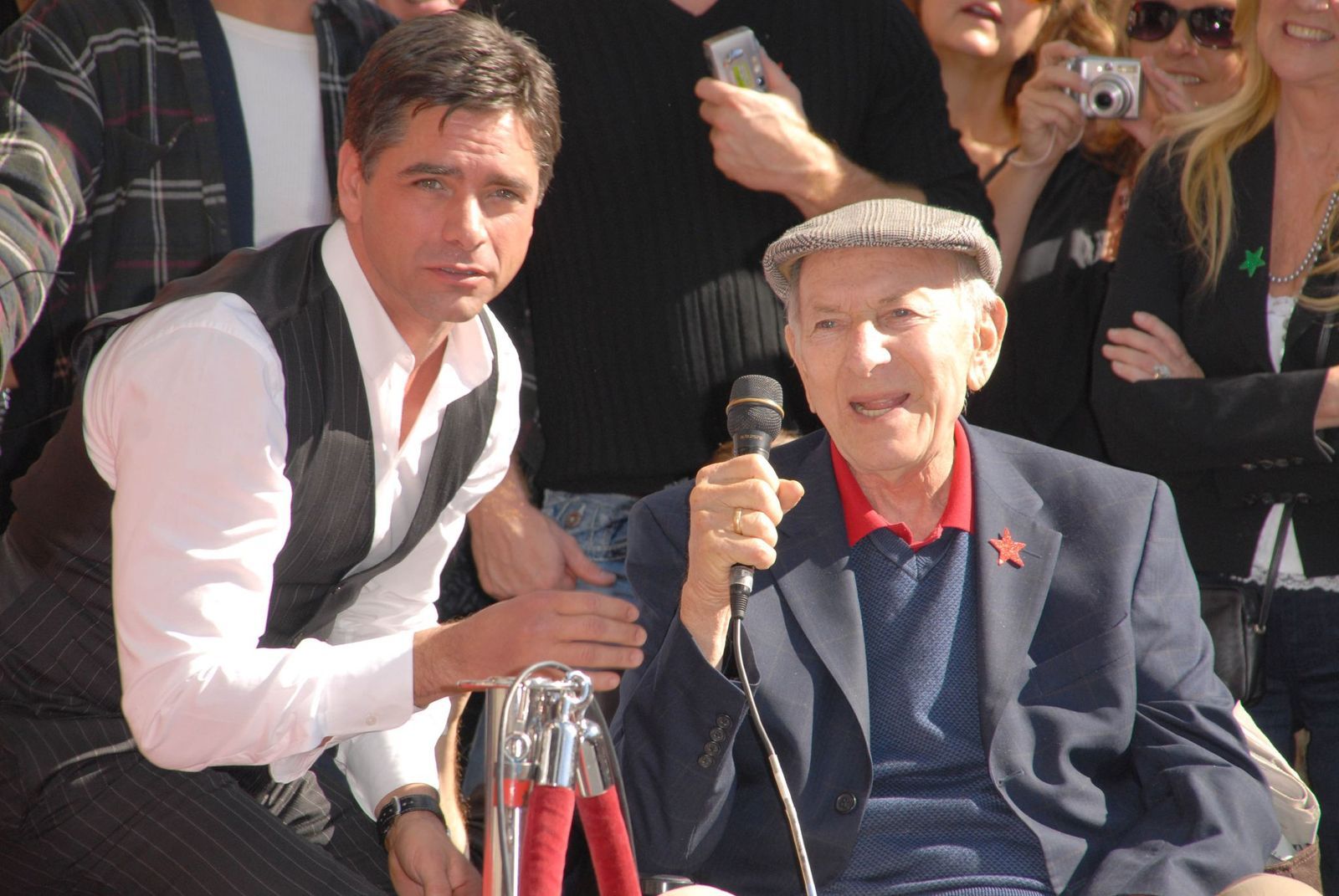
Image: Shutterstock

Quincy, played by Jack Klugman on Quincy M.E. (1976-1983), was the medical examiner who refused to let suspicious deaths go unnoticed. With his unwavering ethic, he treated every body as an important story that deserved to be understood and looked after. He constantly fought against bureaucracy and apathy, driven by his principles rather than personal convenience.

As one of the earliest forensic procedurals on TV aired in the 70s, the show made science a powerful tool for truth and justice, paving the way for modern shows like CSI . It also tackled real-world issues most shows avoided at the time, like public health crises, environmental pollution, pharmaceutical greed, and elder care, all wrapped inside a weekly mystery.

10
John-Boy Walton, Writer

Image: Shutterstock

Played by Richard Thomas on The Waltons , John-Boy Walton grew up in a large family in rural Virginia during the Great Depression. The show aired from 1972 to 1981. While helping his family through difficult times, he dreamed of becoming a professional writer and carefully recorded his experiences in his journal.

John-Boy treated everyday family struggles, conversations, and memories as stories worth preserving. Even when money was tight and his dream seemed distant, he continued studying and writing. Inspiring many, he proved that curiosity and discipline were the secret powers that could take a young writer far beyond.
History History 5 min read

America’s front porch

Ellis Island: From execution site to America's main immigration station

Image: Claudine Van Massenhove

Since its founding, America was regarded as the "land of opportunity", but the number of immigrants who came in search of a better life increased dramatically in the 19th century, and most of them entered the country through the Ellis Island immigration station. When did the station open its gates? Is it still operational today? Let’s explore the history of the Isle of Hope and Tears.

1
A grim past

Image: Lumin Osity

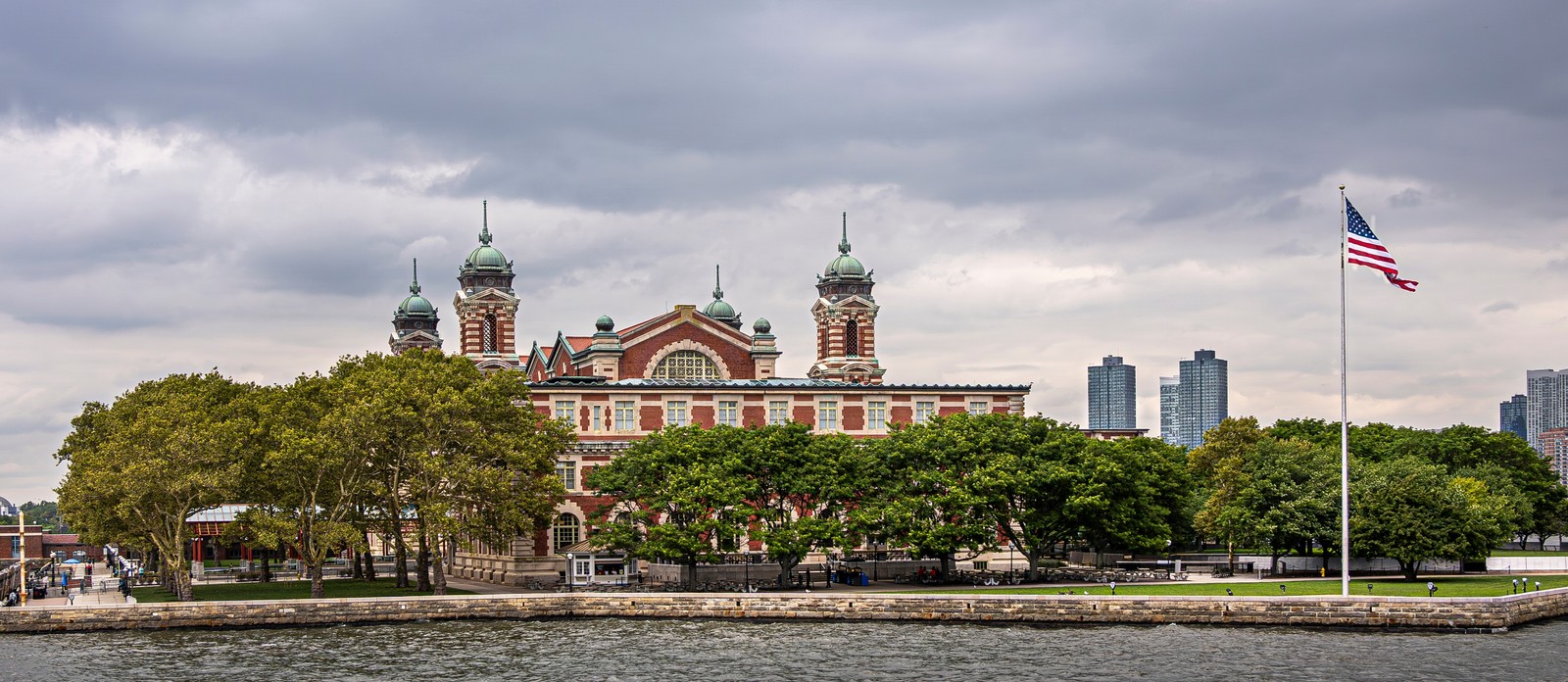
One of the three "Oyster Islands" in Upper New York Bay—along with Liberty Island and the now-submerged Black Tom Island— Ellis Island changed hands many times during the Dutch and British colonial periods. Initially known as Little Oyster Island, it was often used as an execution site for pirates. In 1774, Welsh merchant Samuel Ellis acquired the island, renamed it after himself, and, in the early 19th century, the government bought it to build a fortress.

2
Why Ellis Island?

Image: A. Coeffler, Public domain, via Wikimedia Commons

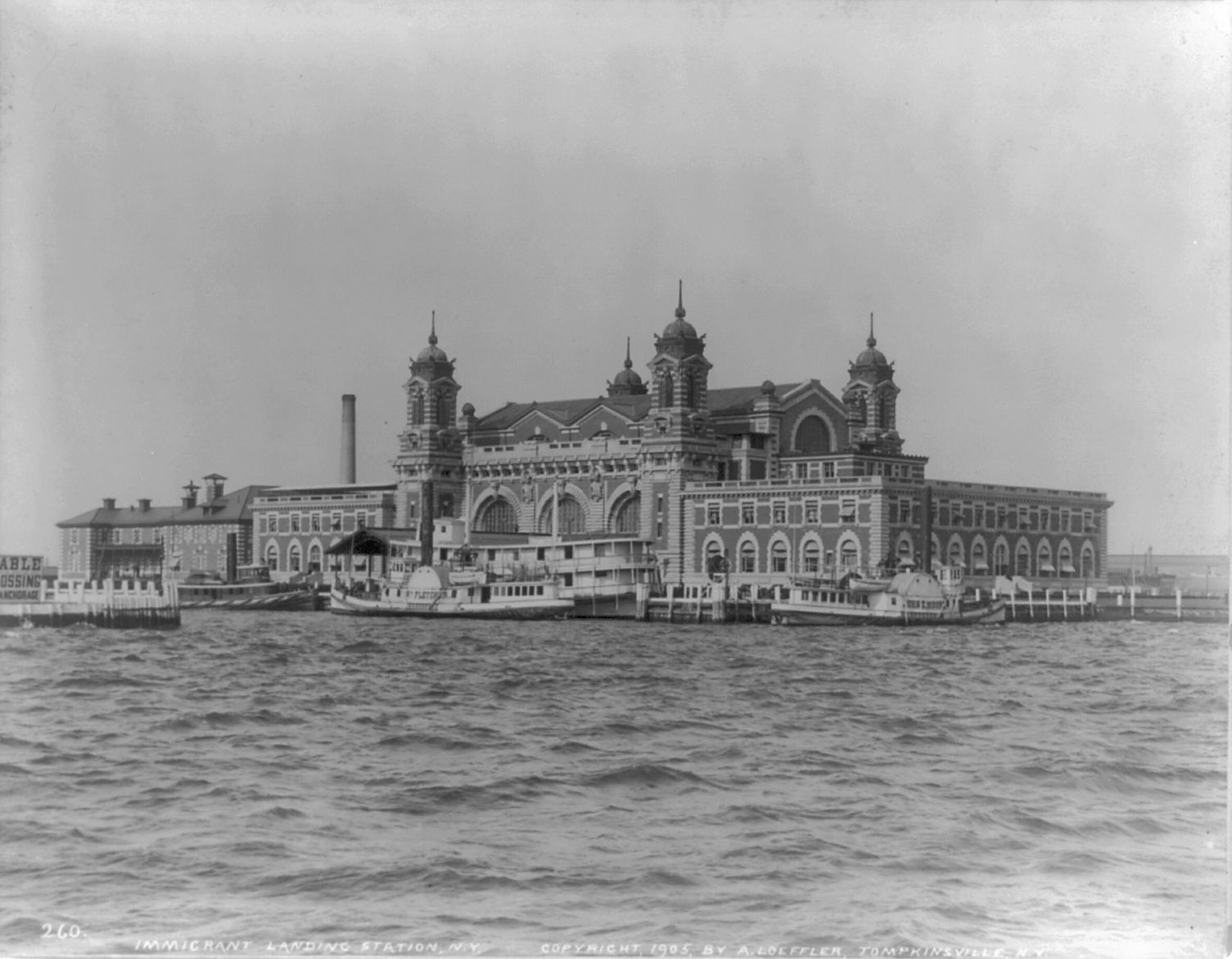
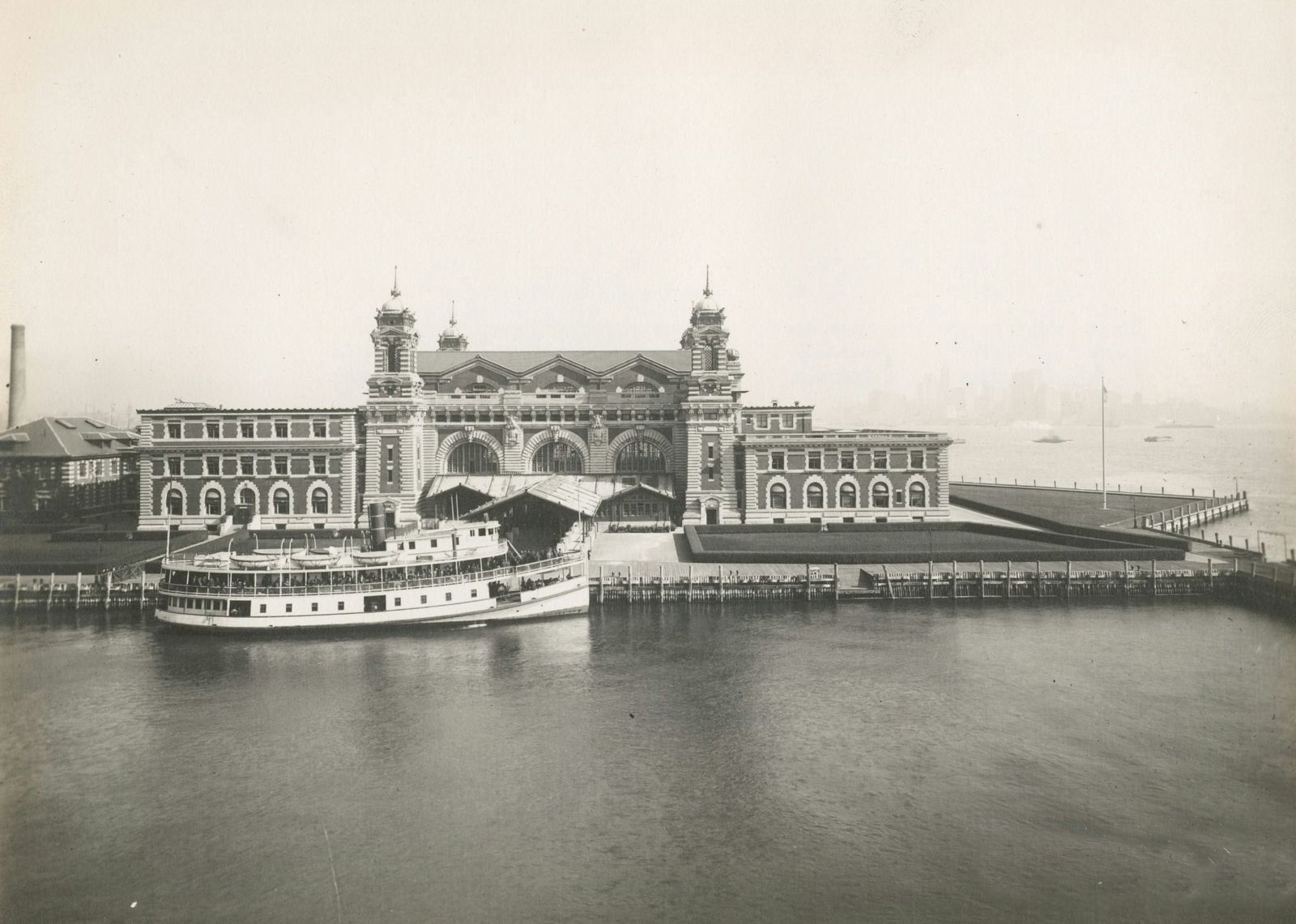
In 1890, the American government decided to shut down the Castle Clinton immigration station on the southern tip of Manhattan due to mismanagement and immigrant abuse. After surveying several locations, Ellis Island was chosen as the site for the new station , and in two years, offices, an immigrant hotel, a hospital, a detention building, a laundry building, and a utility plant were built.

3
A growing island

Image: Tomas Martinez

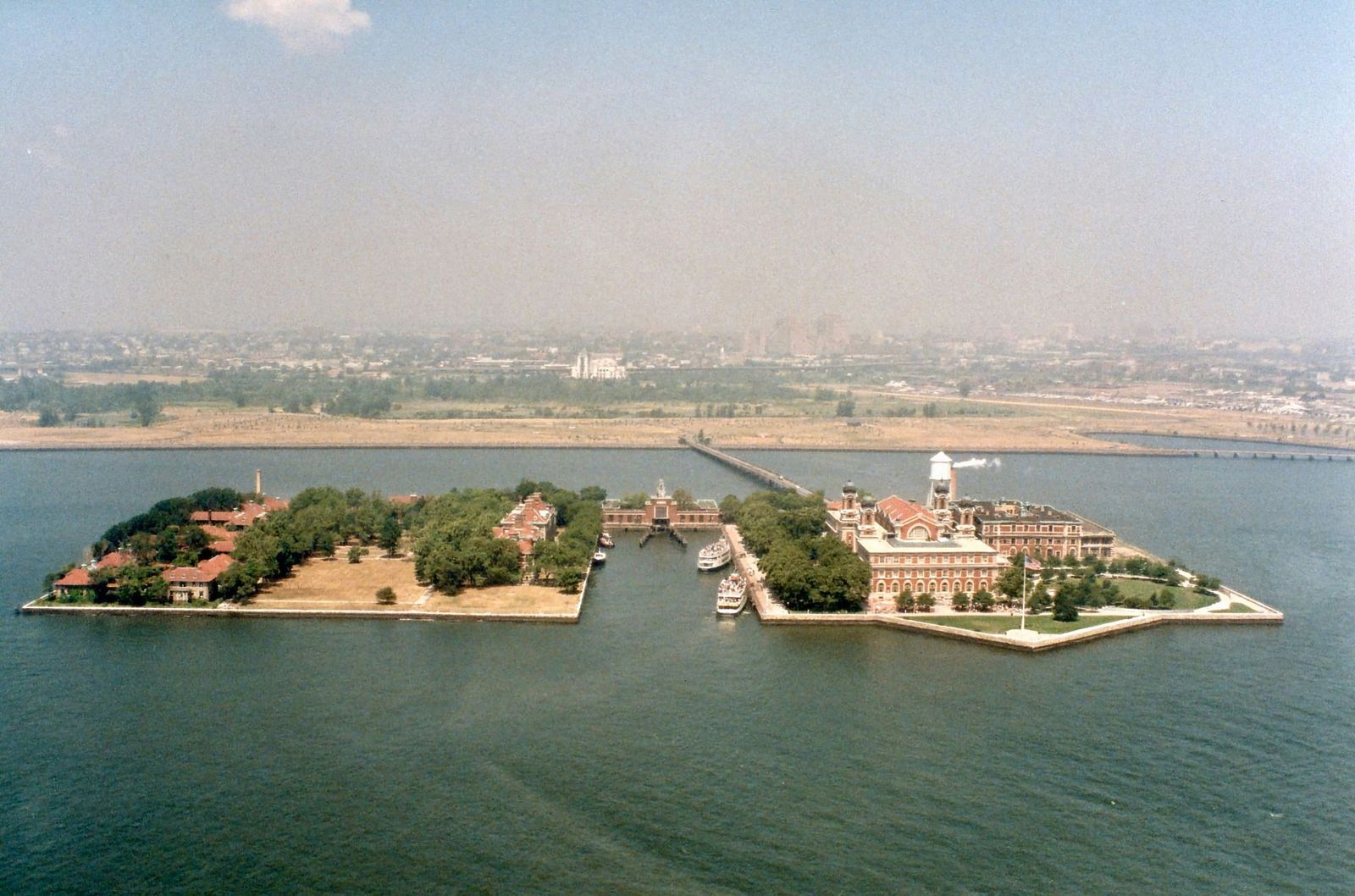
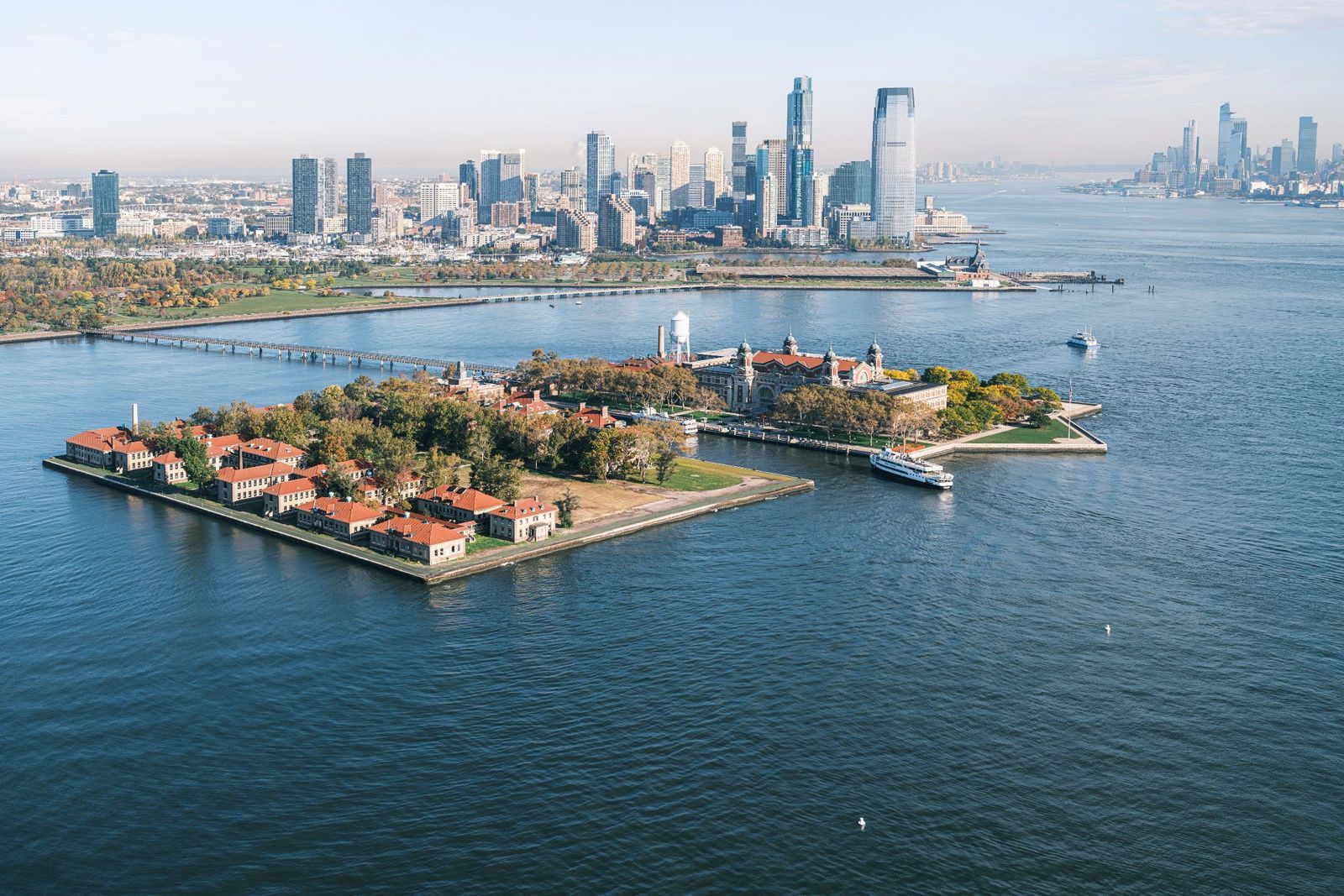
Did you know that Ellis Island used to be much smaller? As construction of the station started, the island was expanded through the creation of three artificial islands, which were then connected to the original land , and much of the dirt and rock used was sourced from the excavation of early New York City subway tunnels. In the end, the island’s original 3.3 acres were expanded to 27.5 acres, meaning that nearly 90% of Ellis Island is manmade.

4
The gateway to America

Image: Luis Santos

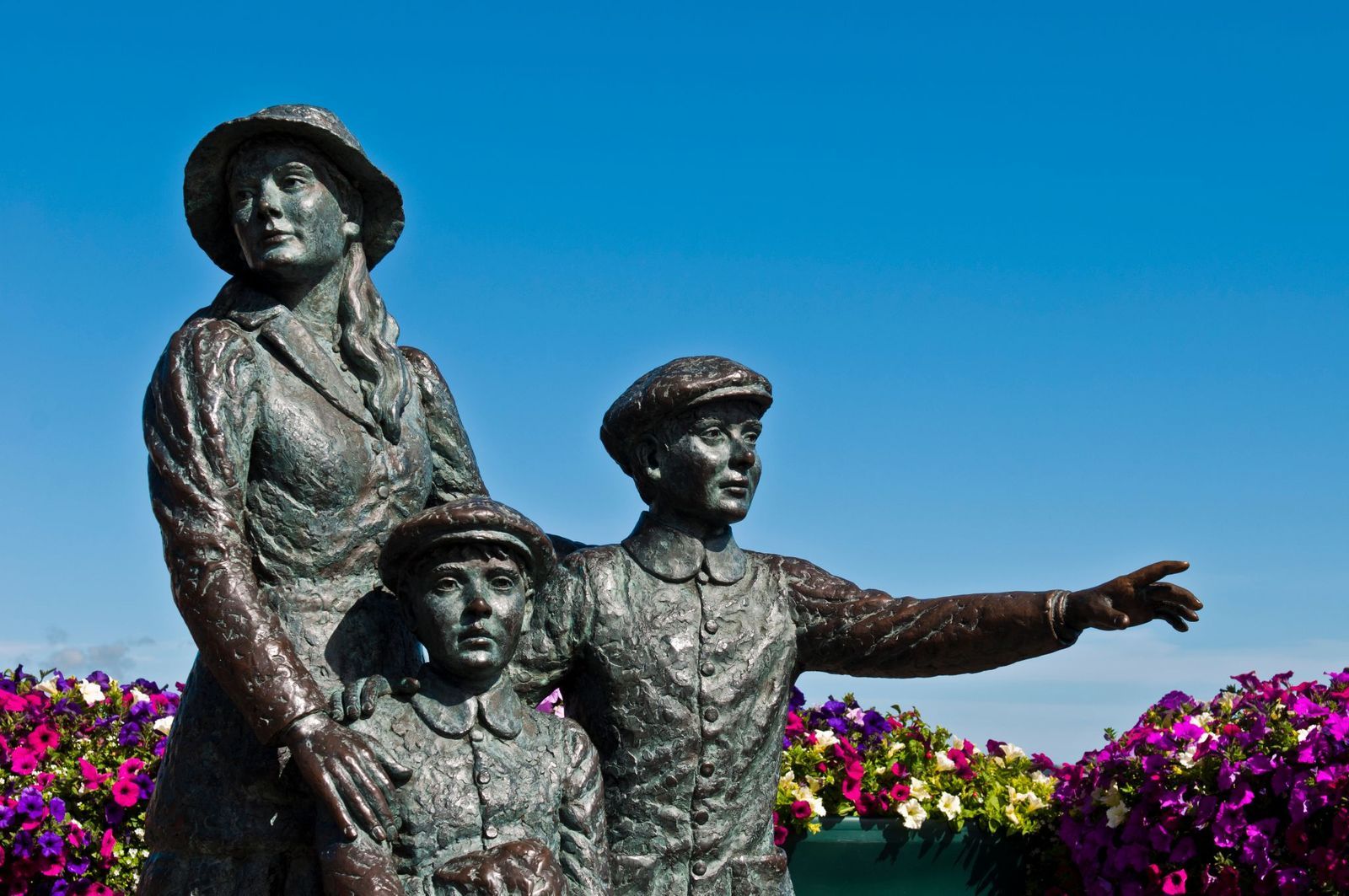
On January 1, 1892, Ellis Island station opened its doors, and the first to come through them were three children. 17-year-old Annie Moore and her two younger brothers had travelled alone from Cork, Ireland, to meet with their parents , who had migrated a few years earlier. Today, a statue depicting the Moore siblings stands on Ellis Island as a tribute to all those who came to America through the station. From its opening in 1892 to its closure in 1954, the station processed more than 12 million immigrants from all over the world.

5
A connection with nearly half of America

Image: Everett Collection

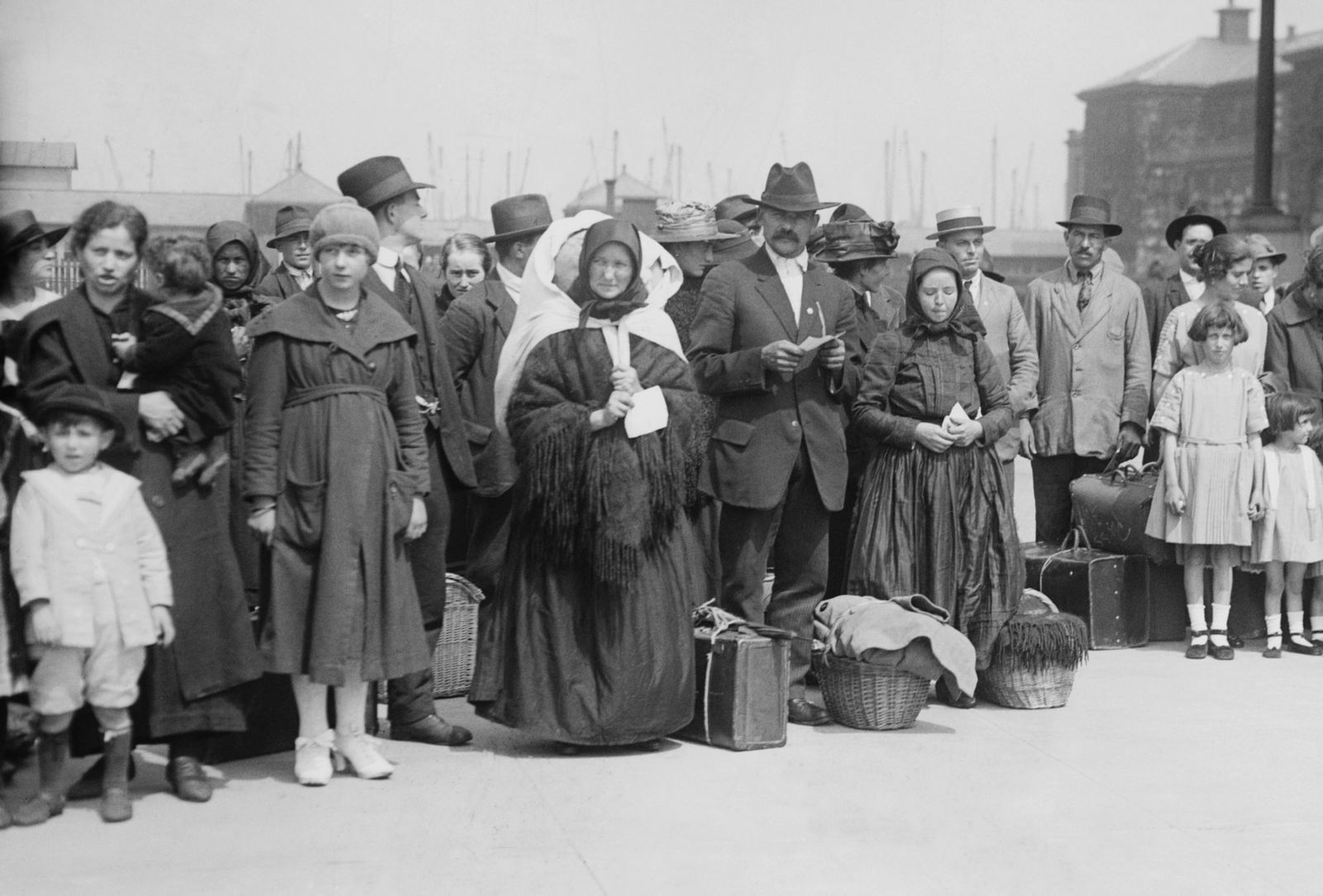
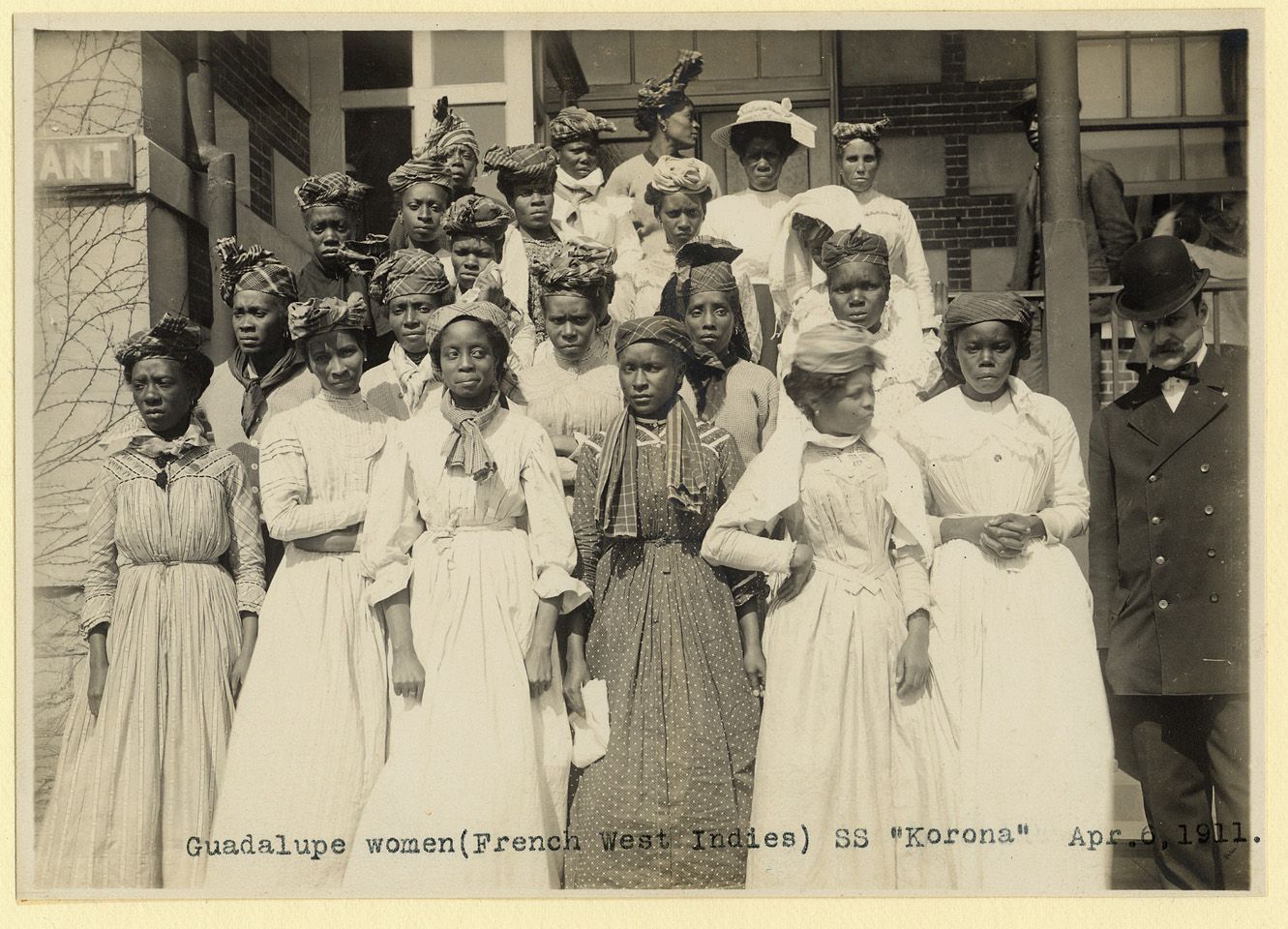
While Ellis Island was not the only immigrant station in America, it was definitely the busiest. It is estimated that around 33 to 40% of living Americans (more than 100 million people) can trace their ancestry back to an Ellis Island immigrant. Today, the station’s records are available online, allowing anyone wanting to explore their family’s past to find their ancestors’ immigration records.

6
Isle of tears

Image: The New York Public Library

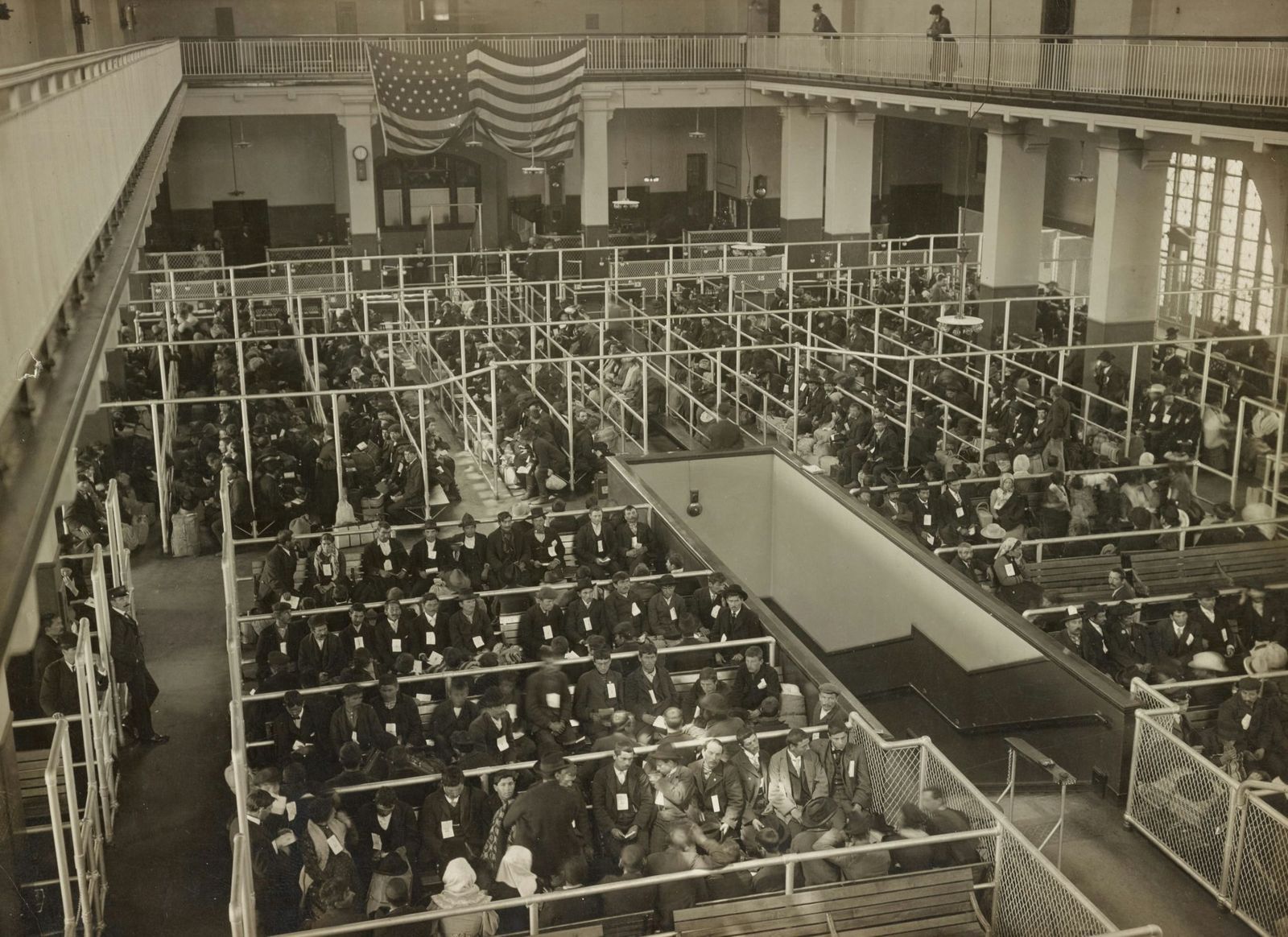
While the popular myth about immigrants having to wait for days to be processed is not true, the inspection process at the station was long and thorough, usually completed in 3 to 5 hours. A medical inspection to rule out physical ailments and infectious diseases was done first, and suspicious cases were sent out to a different area of the station for further testing. Afterwards, a legal questioning about the immigrant’s origin, story, profession, final destination, and economic means was conducted by officers. Those who failed one or both inspections had the chance of a formal hearing before facing deportation, and it is estimated that only 2% of total arrivals were denied entry.

7
Restrictions

Image: English: NPS Photo, Public domain, via Wikimedia Commons

In the early 1920s, immigration quotas based on past censuses were enforced. In 1921, the immigration cap per nationality was restricted to 3% of the U.S. population of that origin represented in the 1910 census, a decision that heavily favored northern and western European immigrants. Three years later, the quota was reduced to 2% of the 1890 census, which further restricted immigration from southern and eastern Europe, as well as from Asia and Africa . In 1924, a new migration policy required migrants to secure a visa before the journey, which drastically reduced the number of people going through the station.

8
The detention center

Image: The New York Public Library

As the flow of immigrants coming through Ellis Island diminished, part of the facilities were repurposed as a detention and deportation center, with the station temporarily closed during WWI, doubling as a jail and a treatment center for wounded soldiers. By the 1930s, the station mainly served as a holding place for individuals detained for illegal entry, overstayed visas, or medical reasons. Unlike other stations, such as Angel Island on the West Coast, Ellis Island was not used as a detention camp for Japanese Americans during WWII, but it was one of the main detention centers for Axis nationals in the New York Area , and later for alleged communist sympathizers during the Red Scare.

9
Who owns Ellis Island?

Image: Sergii Figurnyi

Several islands in New York Harbor have been a point of contention between the States of New York and New Jersey, including Ellis Island. In 1834, the U.S. Supreme Court ruled that the above-water land of Ellis Island belonged to New York, while the surrounding submerged land was part of New Jersey, but the matter was not resolved. In 1993, New Jersey contended that, when the island was artificially expanded to make room for the immigration station, it had been done on the submerged land, and therefore, it was part of New Jersey . In 1998, the Supreme Court ruled in favor of New Jersey, stating that New York only had sovereignty over the original 3.3 acres

10
Ellis Island today

Image: Tada Images

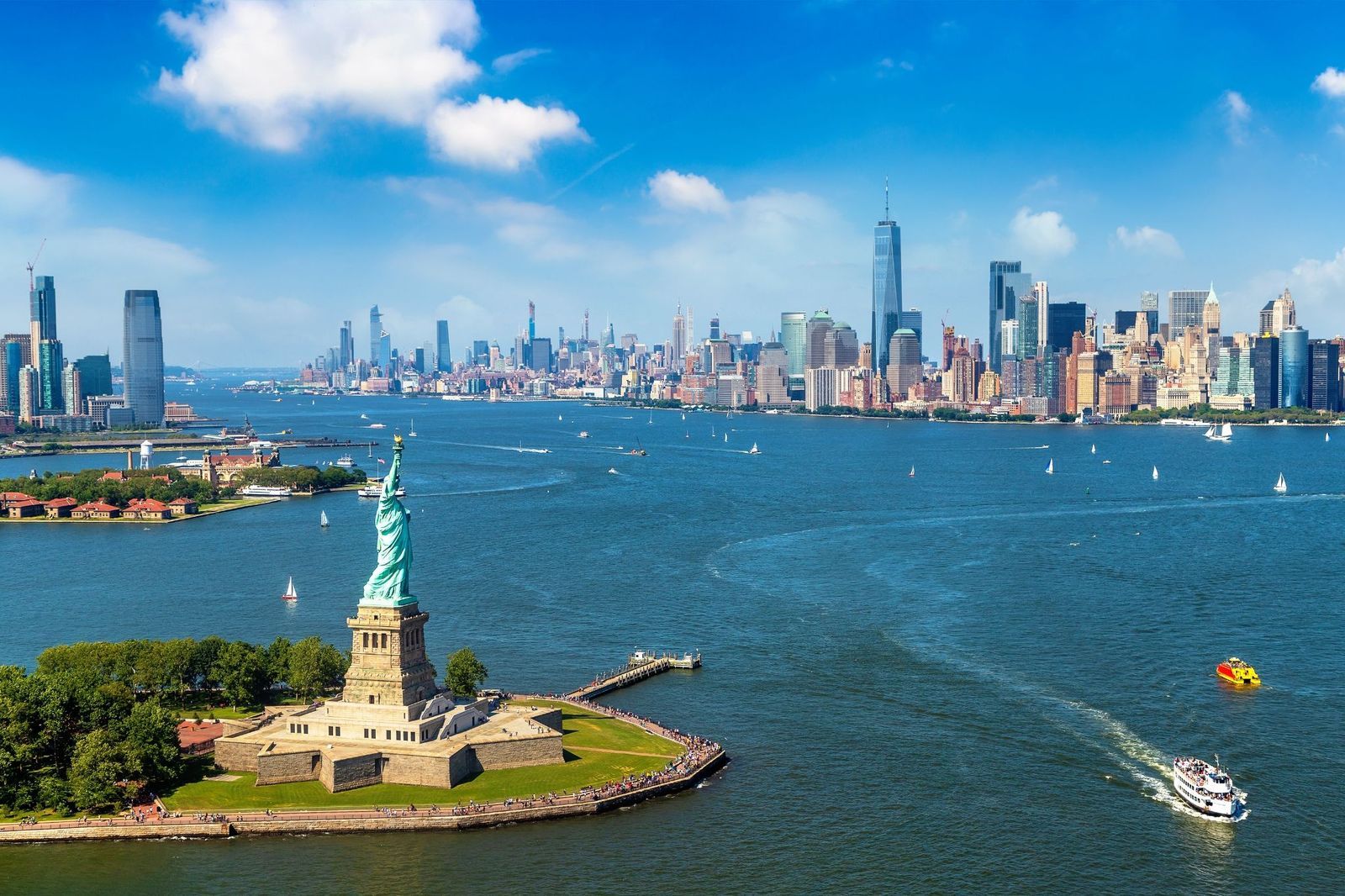
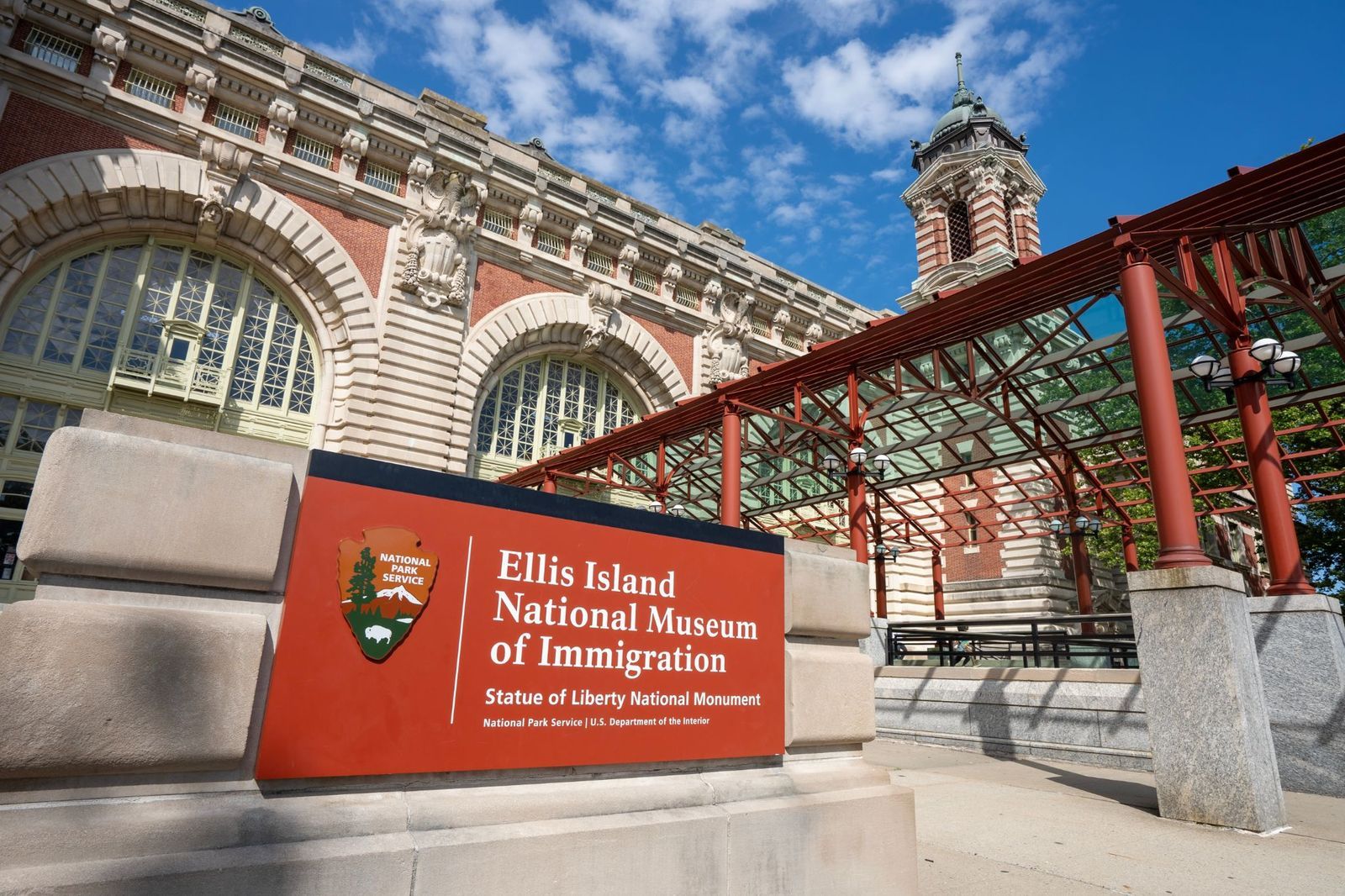
In 1965, Ellis Island was designated as part of the Statue of Liberty National Monument, and its restoration process started in 1984, opening as a museum in 1990. Accessible only by ferry from Battery Park in Manhattan or Liberty State Park in New Jersey , the complex offers guided tours through the installations and access to passenger records. Museum access is free for all visitors, but they need to purchase a ticket for the official ferry.

History History 6 min read

Saddle up, partner

Do you know what cowboy life was like? These 11 facts might surprise you

Image: Jordan Crawford

"Oh, give me a home where the buffalo roam,

Where the deer and antelope play,

Where never is heard a discouraging word

And the sky is not clouded all day."

Home on the range - Traditional

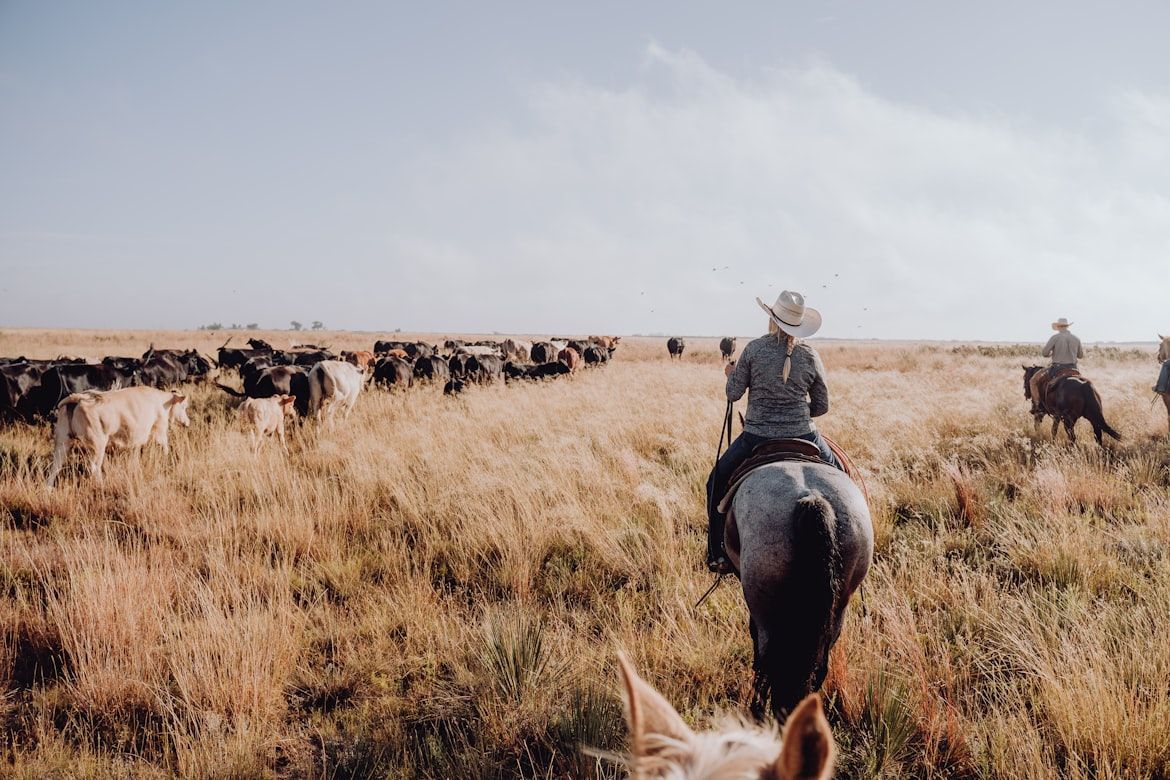
If you grew up **dreaming of "being a cowboy and loving the cowboy ways"**—just like the great Willie Nelson sang—maybe that’s the life for you! But not everything is rosy in a cowboy’s life. Behind the romanticized image of wide-open ranges and carefree cattle drives lies one of the toughest jobs ever known. From brutal weather to dangerous animals—and lawless characters of all kinds —those who took this path had their strength, endurance, and grit tested daily. Here are 11 facts that reveal just how grueling life was for these iconic figures of America’s West.

1
Relentless weather

Image: Donnie Rosie

"There's a blizzard coming on, how I'm wishing I was home

For my pony's lame, and he can't hardly stand.

Listen to that norther sigh, if we don't get home we'll die.

But it's only seven miles to Mary Ann's"

The Blizzard - Jim Reeves

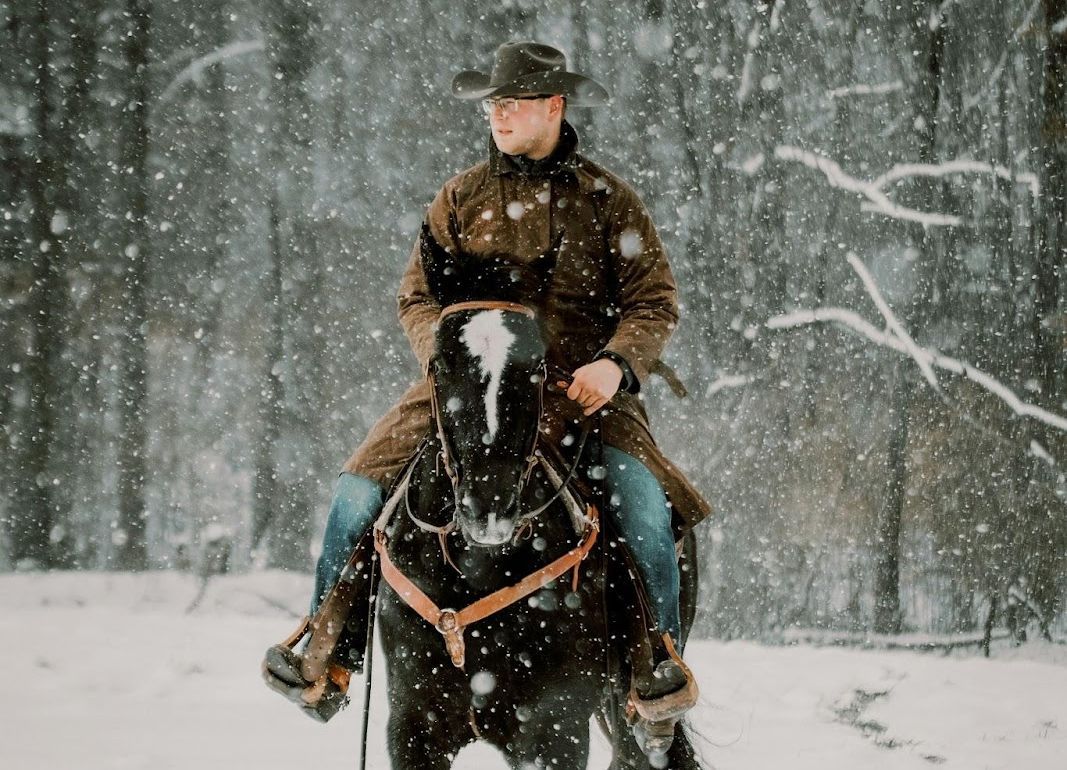
Across the plains from Texas to Montana, cowboys faced everything nature could throw at them —from scorching sun to freezing snowstorms and deadly tornadoes. The elements were a constant, unforgiving adversary in this rugged way of life.

Cowboys had to fear not only for their own lives but also for the lives of their cattle —and reining in a panicked herd during a lightning storm was certainly no walk in the park. Even today, with modern gear and technology, those who still drive cattle must rely on their instincts and skill to survive in the wilderness.

2
Dangerous animals

Image: Duncan Sanchez

"Lightning a flashin' everywhere

Thunder a rollin' through the air

Wind and rain, cattle look insane

This herd might stampede tonight"

Stampede - Sons of the Pioneers

Just as the weather tested their endurance, managing both wild and domesticated animals was no easy task. From wild predators to angry bulls, nervous bucks, and rattlesnakes hiding in the tall grass, the cowboy’s world was full of lethal threats.

Stampedes could scatter thousands of cattle in seconds, leaving riders vulnerable to trampling or injury. Even on the relative safety of the ranch, one wrong move could quickly end in tragedy.

3
Limited medical care

Image: Mathieu Stern

"Far away from his New England,

'Neath the southern sultry skies,

On the banks of a little river

They lay him down to die"

The Dying Cowboy - Traditional

An inherently dangerous job, cowboy life inevitably meant that injury was part of the work. Falling from a horse or taking a kick could incapacitate a cowboy for days or weeks, and with no formal workers’ compensation, many had to keep working despite the pain.

Cuts, broken bones, and infections could quickly turn deadly without proper treatment. Many cowboys learned rudimentary medical skills themselves or relied on frontier doctors with minimal supplies. Even today, those working in remote areas are hours away from medical help.

4
Grueling work hours

Image: Bailey Alexander

"Oh say, little dogies, why don't you lay down? [...]

My horse is leg-weary and I'm awful tired

But if I let you get away, I'm sure to get fired

Bunch up, little dogies, bunch up"

Night Herding Song - Harry Stephens

Cattle drives demanded 14 to 18-hour days with barely any rest. Cowboys often worked dawn till dusk, and sometimes even through the night.

The long days involved walking alongside thousands of cattle, breaking trail, and maintaining herd order. Sleep was often just a few hours, squeezed in wherever possible on the open range or near a campfire.

5
Horseback riding

Image: Jon Sailer

"He started his long ride in Prescott

The sun was a hundred or more

On down he rode at full gallop

Into the flat desert floor"

Ride, Cowboy, Ride - Marty Robbins

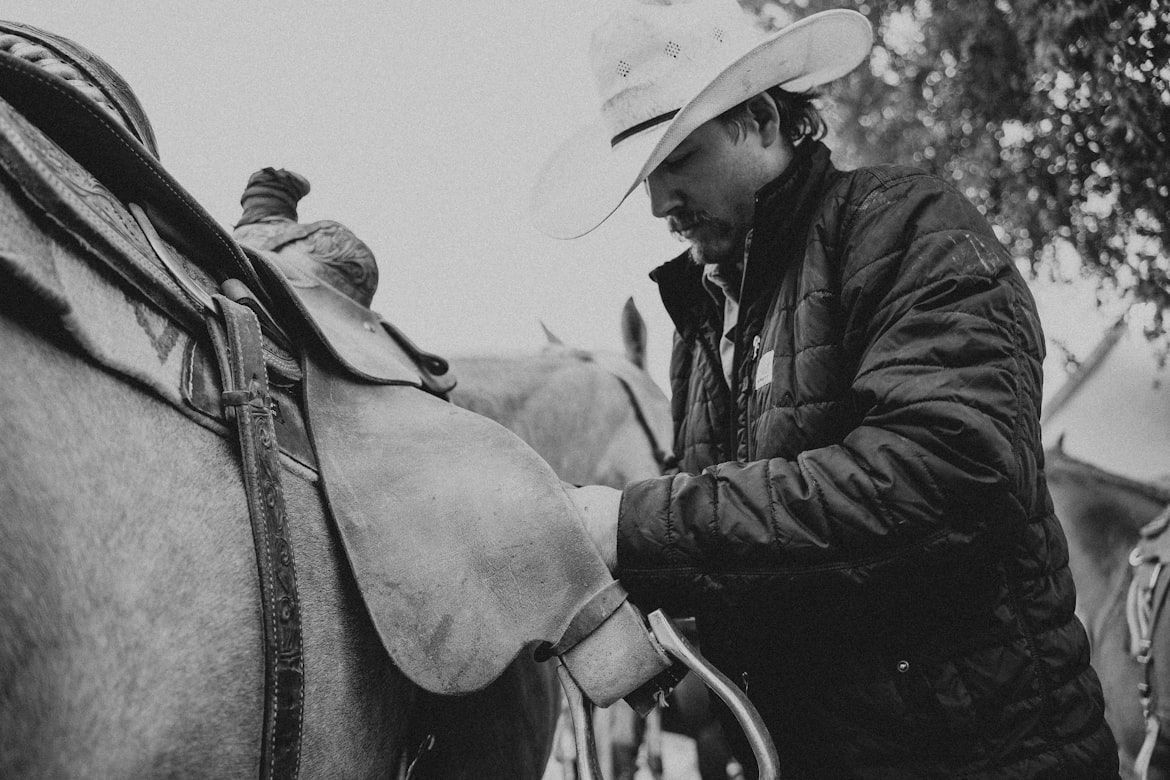
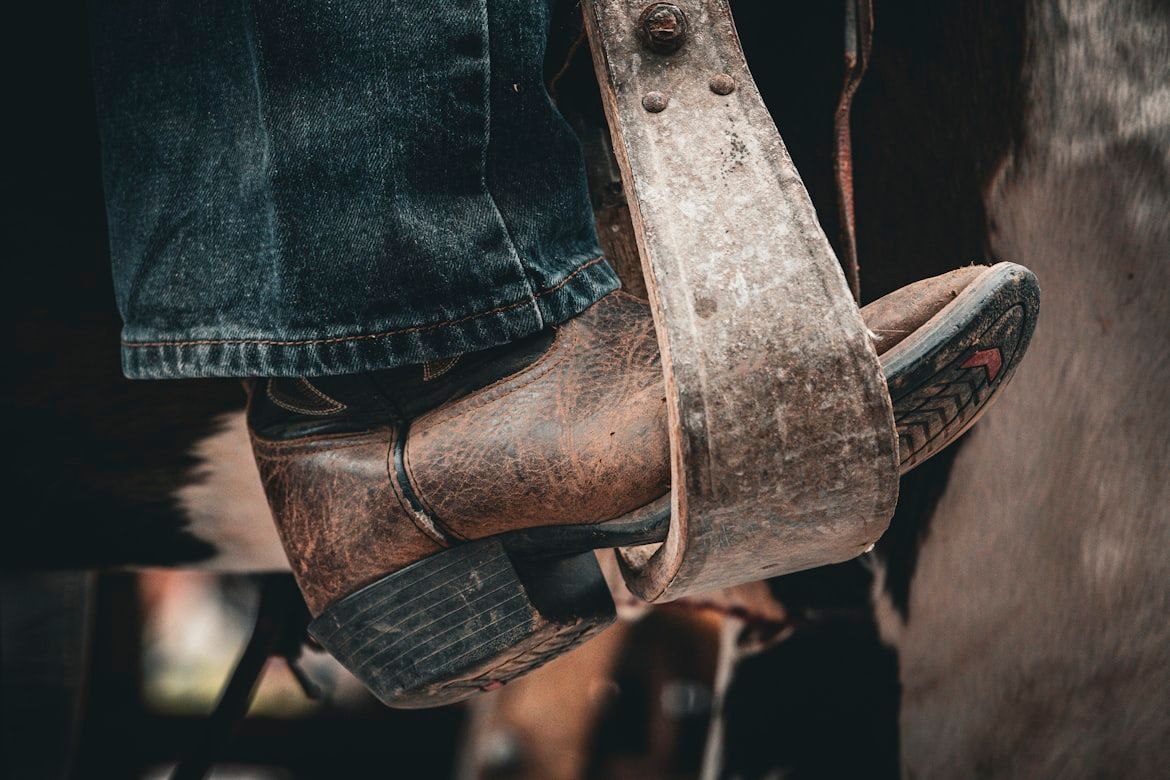
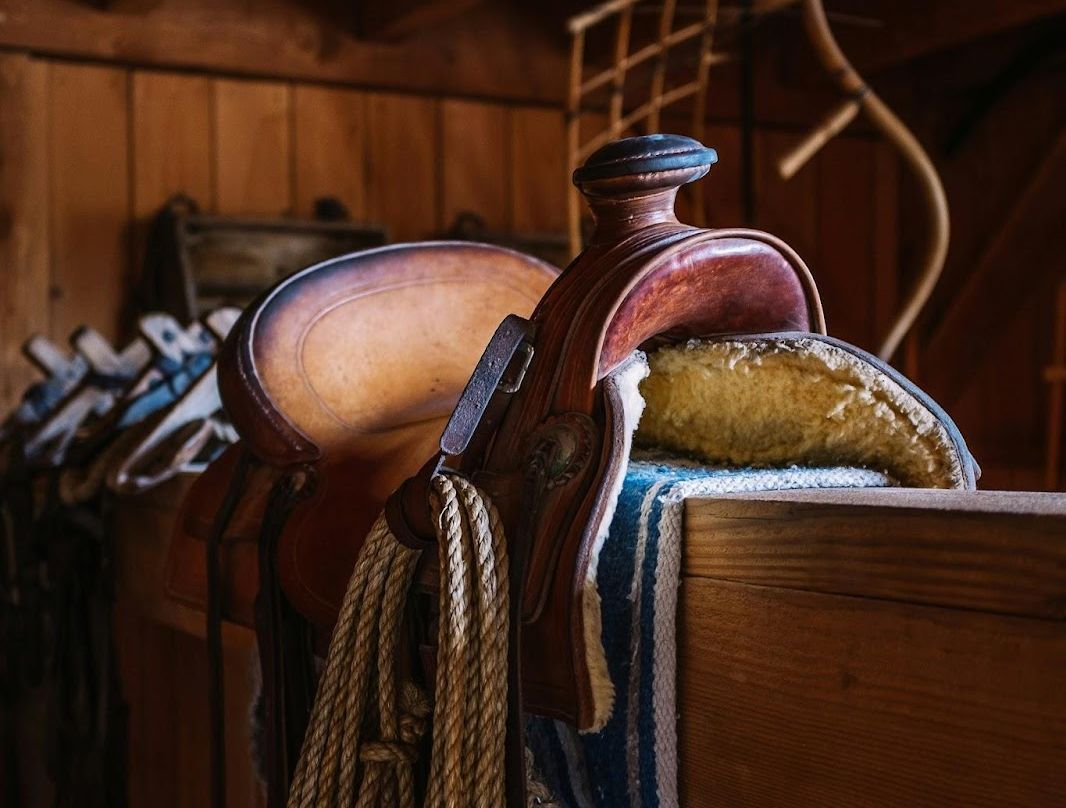
That brings us to the next point… all of that had to be done on horseback, and let me tell you, riding a horse for hours on end is much harder than it looks! Expert riders may make it seem effortless, but it’s far from easy.

Cowboys needed strong legs, resilient backs, and excellent balance. Horses could become tired or lame, but the cowboy had to press on regardless, often swapping mounts to keep the drive moving.

6
Limited food options

Image: Blake Carpenter

"Bacon and beans most every day

Soon to be eating that prairie hay"

Chisholm Trail - Traditional

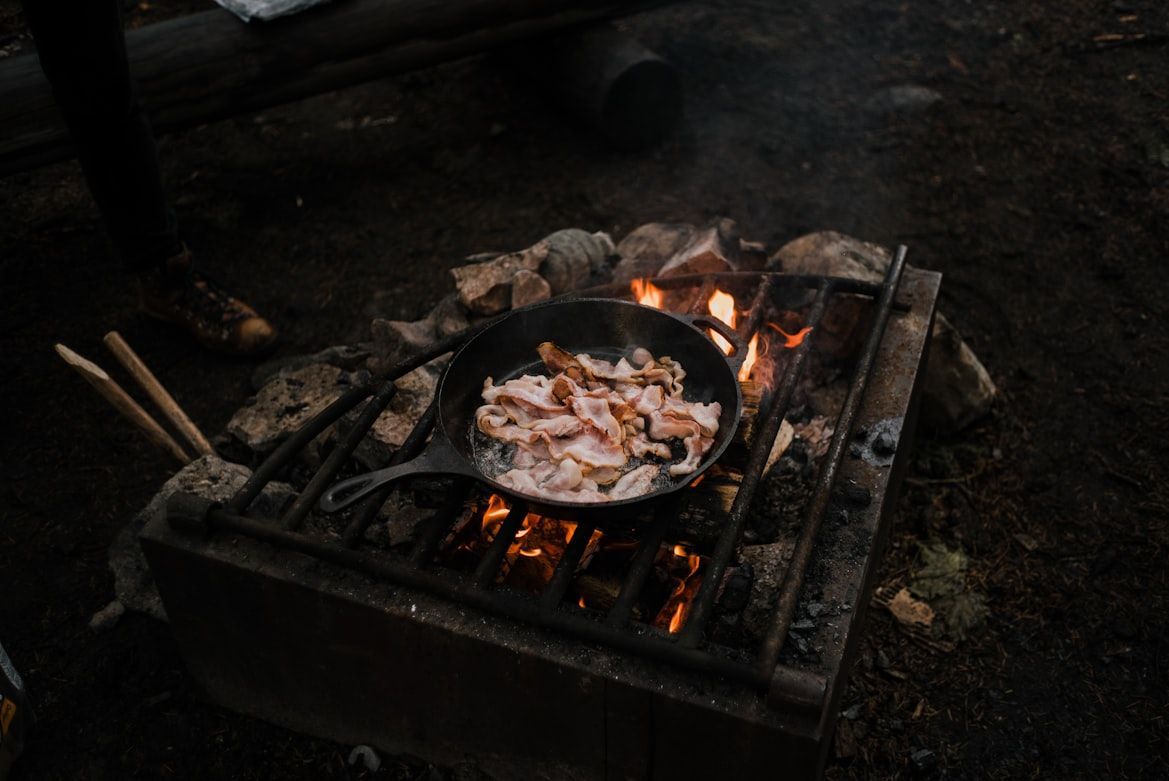
Meals were often sparse and repetitive, mostly beans, salted meat, and hardtack. Cooking was done over open fires, with limited tools, and fresh food was a luxury rarely available.

Preserving meat through salting or smoking was essential for long drives. Still, fresh produce was so scarce that vitamin deficiencies—and even scurvy—could develop in some cases.

7
Water scarcity

Image: Jonathan Greenaway

"All day I've faced a barren waste

Without the taste of water

Cool water

Old Dan and I with throats burned dry"

Cool Water - Bob Nolan

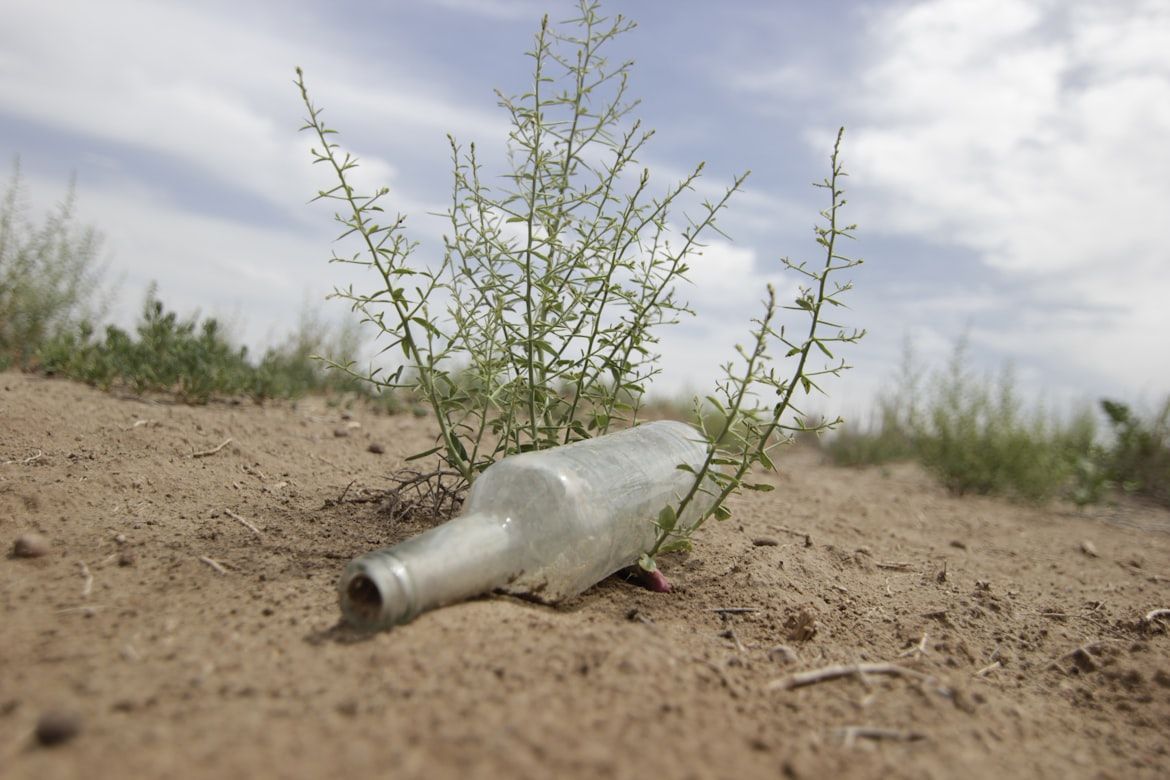
Particularly in the arid southern regions of the West, finding clean water was a daily struggle for both cowboys and cattle—a dry creek could mean the difference between reaching the next stop or falling behind entirely.

While most cowboys were savvy navigators of their regions and often knew where to find drinking water, water holes could still be miles apart, forcing long detours or risky stops. Drinking from stagnant sources carried serious risks, including dysentery, cholera, and other waterborne diseases that could quickly incapacitate both men and animals.

8
Long, dusty trails

Image: Bailey Alexander

"The blue skies have failed so we're on our last trail

Underneath these dusty skies

These ain't tears in my eyes

Just sand from these dusty skies"

Dusty Skies - Bob Wills

Cattle drives could stretch over 1,000 miles, with cowboys and their herds enduring endless dust and scorching heat along the trail.

Prolonged exposure to dust caused respiratory problems and irritated eyes, which is why many cowboys tried to limit their exposure using bandanas or makeshift rags to cover their faces. The same cloth also provided protection from the unforgiving sun and drying wind.

9
Lawlessness and violence

Image: Jon Sailer

"Texas Red had not cleared leather

When a bullet fairly ripped

And the ranger's aim was deadly,

with the big iron on his hip"

Big Iron - Marty Robbins

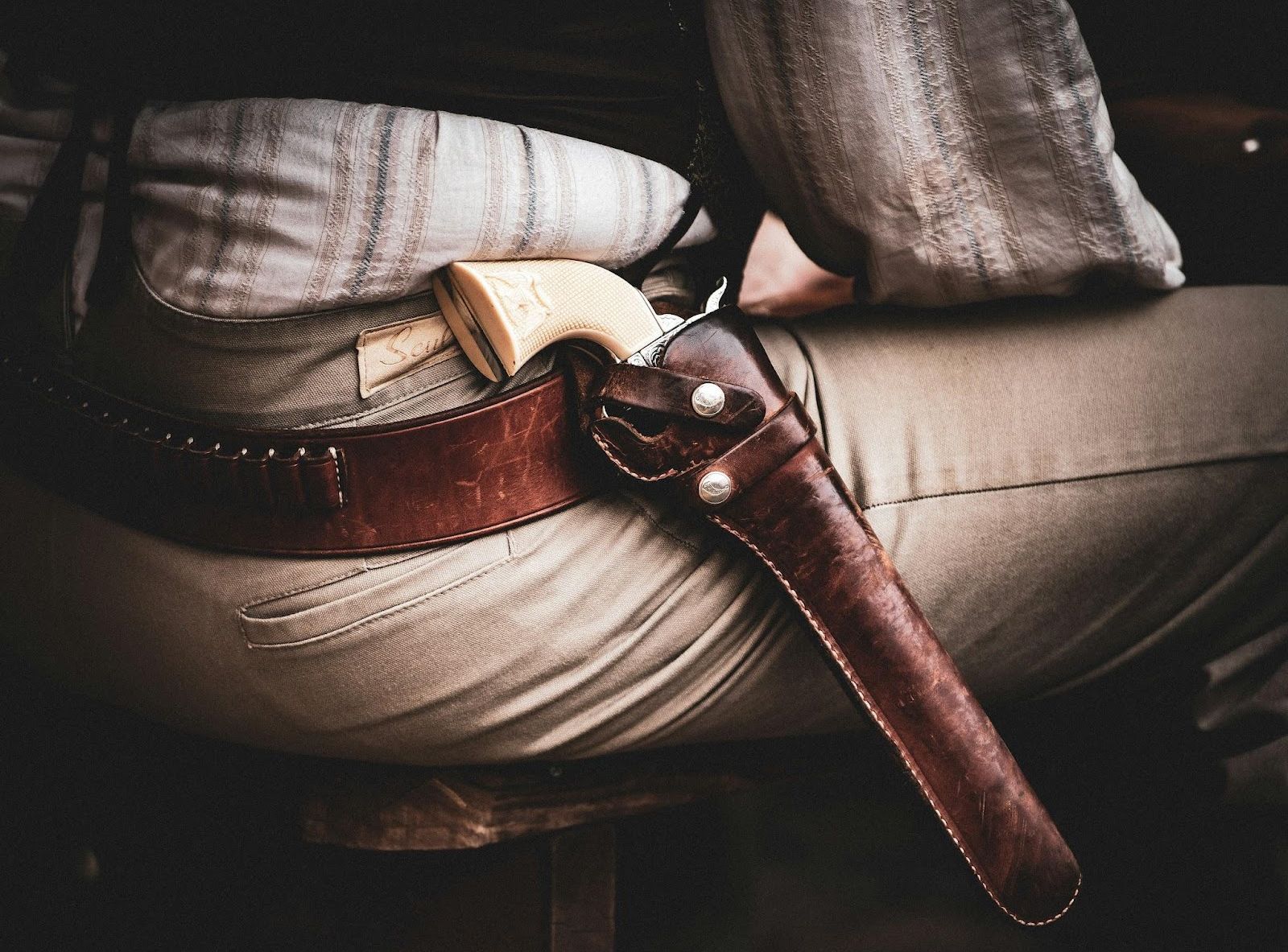
As beautiful and serene as the open range was, the West was also full of danger—outlaws, land disputes, and conflicts over cattle and water were common. Far from the comforts of civilization, the strong arm of the law was often hours or days away, making gunfights, rustling, and revenge killings part of everyday reality.

Cowboys frequently carried firearms for protection, relying on their own skills and the support of their fellow riders to maintain some measure of security on the frontier.

10
Working for dust and pennies

Image: Ashim D’Silva

"And I nearly starved to death, boys

He did mistreat me so

And I never saved a dollar

In the pay of Diamond Joe"

Diamond Joe - Traditional

Despite the danger and hard work, cowboys earned little—sometimes as low as $25 a month, and that was when the boss was being somewhat fair!

The job was seasonal and unstable, with no benefits or retirement plans, so many worked well into old age. Some took on multiple jobs or moved frequently just to get by. Far from lucrative, the cowboy lifestyle was often endured only by those who loved the work or had nowhere else to turn.

11
Isolation and loneliness

Image: Luke Schlanderer

"Cowboys are special with their own brand of misery

From bein' alone too long

You can die from the cold in the arms of a night, man

Knowin' well that your best days are gone"

My Heroes Have Always Been Cowboys - Willie Nelson

While the near-mythological image of the cowboy paints him as a lone, self-reliant hero, the reality is that cowboys depended heavily on one another. Even so, the work could be deeply isolating. Weeks could pass without seeing a town, friends, or family, as they roamed vast, empty landscapes.

This constant solitude often weighed on their mental health, but many fought the loneliness of the trail with campfire songs shared among fellow cowhands or by writing letters to their loved ones.

Explore more American facts

Choose your favorite category!

General
General

As American as apple pie—the very best America has to offer!

Culture
Culture

Delve into the astounding richness of American lore.

Geography
Geography

Hop in and explore vast and diverse American landscapes.

History
History

Discover the key moments that shaped the United States.