General General 4 min read

American uniqueness

10 things America does differently from the rest of the world
Image: Shamblen Studios

The U.S. is a unique country in many ways , but some of these might shock tourists and foreigners because they differ from how they are done in other parts of the world. From etiquette rules to cooking styles to how to record a date, America has its own way of doing certain things . Let’s have a look at some of them!

1
Measuring
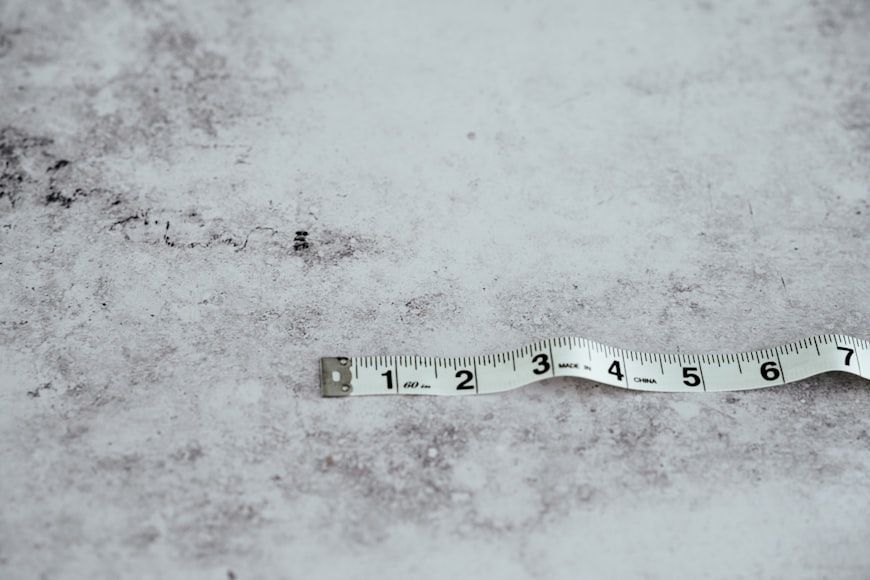
Image: Annie Spratt

This is a difference most Americans are aware of: most countries use the metric system rather than U.S. customary units, and most use Celsius instead of Fahrenheit. Countries such as the UK and Canada still use some imperial units in everyday life, but they mainly use the metric system. Another measure that confuses foreigners is the particular way ingredients are measured in American recipes, which often use cups, tablespoons, and teaspoons rather than measurements by weight.

Fun fact: The only other countries that use the Imperial system officially are Liberia and Myanmar.

2
Sales tax

Image: Zoshua Colah

Do you find having to calculate sales taxes annoying? That’s a unique American experience. In the majority of the world, the price you see is the price you pay , because it has the sales tax already added.

Why is it different in America? Sales taxes vary across states , so retailers find it easier to showcase the base price and then calculate the total at checkout.

3
Cutlery use

Image: Anna Kumpan

Many Americans abroad are surprised by the realization that not everyone uses a knife and fork in the same way they do . In fact, no one else does. While most Americans have learned the American style —also called the zig-zag or fork switching method— that involves using the fork in the left hand for cutting and then changing it to the right to pick up the food, European and Latin American countries don’t do this . It might seem like a small difference, but it completely changes the way you eat.

4
Iced drinks

Image: Battlecreek Coffee Roasters

Do other countries not have ice? They do, but they don’t necessarily assume everyone will want it. While serving water and other beverages with ice is customary in America, in many other countries, you need to request it —even during the hottest of summers.

But even if you get ice, many times you will need to specify the amount : the same drink that would be filled with ice cubes in America might come to you with just two or three cubes elsewhere.

5
Date formatting
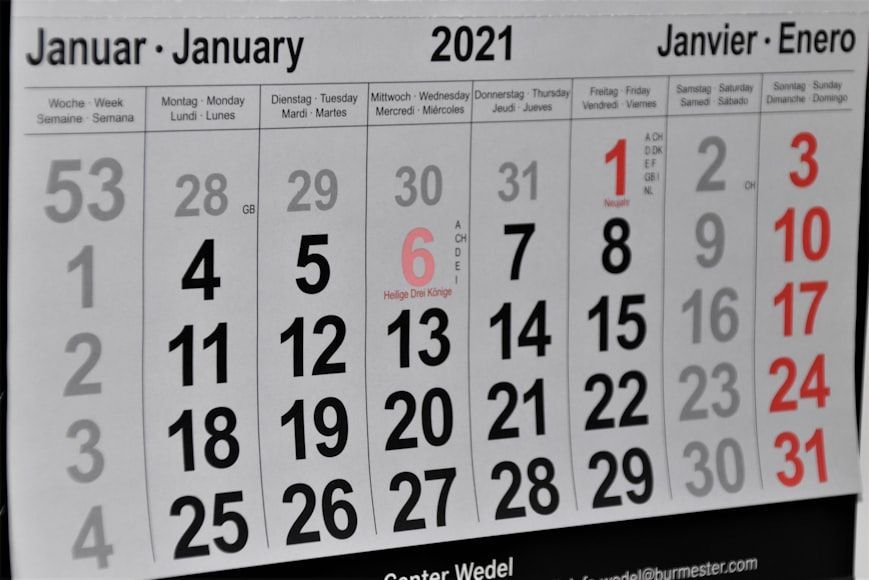
Image: Waldemar

The U.S. is not completely alone on this one, but there’s a difference big enough to be worth mentioning. The standardized way of recording the date in America is month-day-year , a convention also followed by some Caribbean and Asian countries. But in the rest of the Western world, the conventional format is day-month-year , which can lead to confusion for Americans. In most Asian countries , the most commonly used format is year-month-day .

6
The word ‘American’
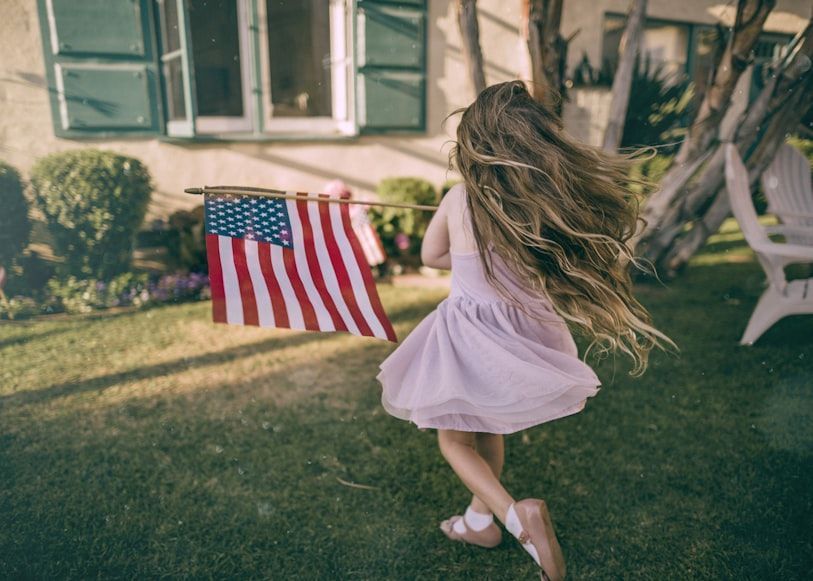
Image: frank mckenna

In the English language, ‘American’ is the only way to refer to people with U.S. citizenship . Other words, such as ‘Usian’ or ‘Unitedstatian’ have been proposed, but never stuck. This is why many Americans are surprised when other countries —Latin American countries in particular— use ‘American’ for anyone in the American continent , or continents, another big difference. In most European and Latin American countries, there is a different word for U.S. citizens, such as the Spanish ‘estadounidense’ or the Portuguese ‘estadunidense’ .

7
Moving out at 18 years old

Image: Dina Badamshina

This one is not so black and white, but more like a general tendency. Compared with most of Europe, Latin America, and Asia, Americans give serious consideration to the possibility of moving out after high school. Not everyone does, and not everyone can afford it, but it's fairly common.

In other countries, young adults generally move out if their job or education requires it , but they tend to stay at home a few more years if they can.

8
Driving a car as a teenager
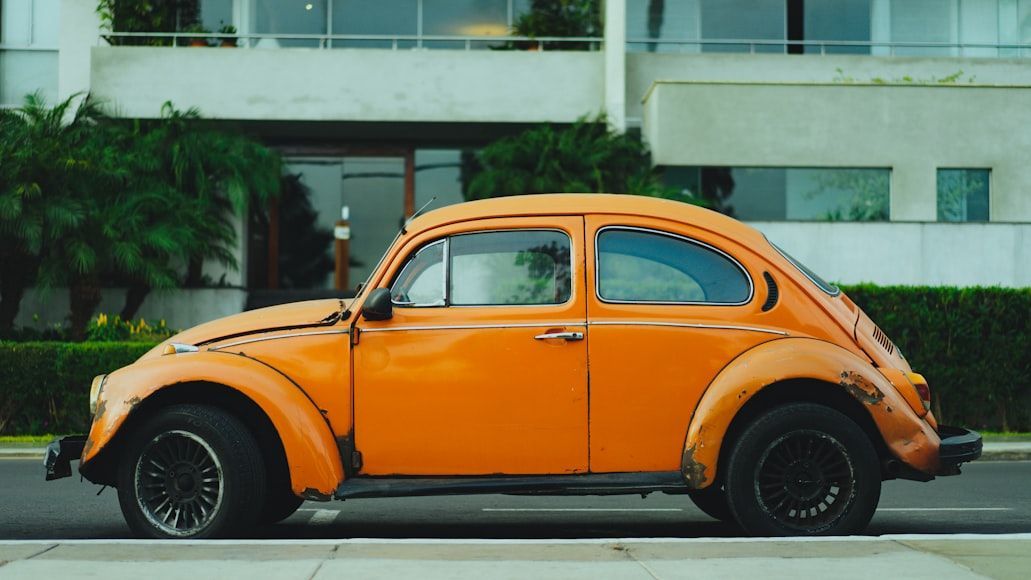
Image: Dan Gold

America is quite car-centric , especially if you live outside of the big cities. While not everyone can afford to have a personal car —even a second-hand one—, it is common for 16 and 17-year-olds to legally drive their parents’ car, or save for their own.

In the rest of the world, the chances of high schoolers driving themselves to school are much lower, as most countries don’t allow underage kids to get a driving license .

9
Solo cups

Image: Artem Beliaikin

Do plastic cups exist outside of the U.S.? They do, but they are not as iconic or as widely used as Solo cups, introduced in the 1970s as a disposable but sturdy cup for parties and events. Many foreigners visiting America are surprised when they realize that solo cups are a real thing , and not something that just happens in movies.

10
Filing taxes
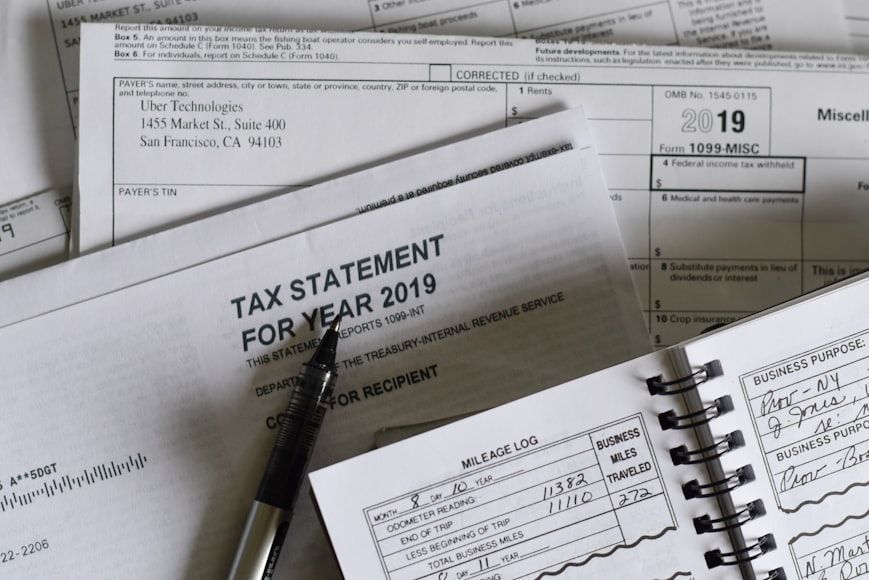
Image: Olga DeLawrence

Taxes in the U.S. are not that different from taxes in other countries, except for how they are filed . During tax filing season, thousands of Americans direct their efforts to ensure they have properly reported their income and that their return will match the IRS’s data.

In other parts of the world, however, the one responsible for calculating and filing taxes is the government , while citizens merely corroborate that everything is in order.

History History 5 min read

History time

Did you know Georgia was founded as a social experiment?

Image: Kaboompics.com

The 13 original British colonies along the East Coast of what is now the United States were the building blocks of a new nation. At the same time, they were lively, complex, and filled with unique stories. Founded for reasons ranging from religious freedom to economic gain, each colony brought its own flavor to the mix. While they eventually united to resist British rule, their individual histories remain captivating. Let’s explore 13 interesting facts about these foundational colonies and uncover the tales that make them unforgettable.

1
New Hampshire: Constitution and potatoes

Image: Spenser Sembrat

New Hampshire was a pioneer in colonial America: They were the first colony to establish its own constitutional government. But its tastiest contribution? Potatoes!

In 1719, Scotch-Irish immigrants near Londonderry planted the first permanent potato crops. The tubers quickly became a staple and spread across the colonies, only to become the most consumed vegetable in the country. Plus, New Hampshire even declared the potato its official state vegetable in 2013. Who knew potatoes had such historical roots?

2
Massachusetts: Named after the original inhabitants

Image: Wei Zeng

When English settlers arrived on the Mayflower in 1620, they weren’t stepping onto empty land. Indigenous peoples had called the area home for thousands of years.

The colony’s name, Massachusetts, honors the Massachusett tribe. Derived from the Algonquian word Massa-adchu-es-et , it translates to "great hill-small place." Even as history tells a more complicated story about their interactions with the settlers, it’s a nice tribute to the land's original inhabitants.

3
Connecticut’s secret tree

Image: Christopher Luther

Connecticut’s colonial history has a touch of mystery and rebellion . In 1662, the colony was granted a royal charter ensuring its right to self-govern by King Charles II. After his death, in 1686, King James II tried to revoke it.

Legend has it that, during a heated debate, the charter was spirited away during a momentary blackout and hidden in the hollow trunk of a white oak tree. The "Charter Oak" became a symbol of freedom and self-determination, and it’s now honored as Connecticut’s official state tree.

4
Rhode Island: Refuge for the rejected

Image: Demure Storyteller

The colonies were revolutionary, but some views were too progressive for the era. That is why Roger Williams, Rhode Island’s founder, was banished from Massachusetts . He had progressive views on religious freedom, and so he found sanctuary in what later became Rhode Island.

In 1636, he purchased land from the Narragansett people and founded a colony based on the separation of church and state. It became a haven for minority religious groups like Baptists, Quakers, and Jews.

5
New York: From New Netherland to a global capital

Image: Benjamín Gremler

Before it was New York, it was New Netherland, a bustling Dutch colony founded in 1624. The Dutch established New Amsterdam on Manhattan Island, but in 1664, the English seized the territory and renamed it after the Duke of York.

New York grew rapidly, eventually becoming the first capital of the United States after the Revolutionary War. It’s amazing to think this vibrant city started as a modest Dutch trading post.

6
New Jersey’s devilish legend

Image: Benjamin Ashton

The Pine Barrens of New Jersey are home to one of America’s oldest and creepiest legends : the Jersey Devil. Do you know how it goes?

According to folklore, a woman named Mother Leeds cursed her 13th child, who was born as a monstrous creature, and fled into the forest. The tale, rooted in both colonial superstition and Indigenous folklore, has been passed down for centuries, keeping imaginations alive and visitors on edge in the Garden State.

7
Pennsylvania: The King’s debt becomes a colony

Image: The Body

Pennsylvania owes its existence to a royal, and quite big, IOU. King Charles II granted William Penn the land in 1681 as payment for a debt owed to Penn’s father.

Penn established the colony as a safe haven for Quakers, emphasizing religious tolerance and fair dealings with Indigenous peoples. Pennsylvania, clearly named after the family’s name, became a model of diversity and coexistence, attracting settlers of all faiths and backgrounds.

8
Delaware: The First to Declare Independence

Image: Demure Storyteller

Independence from Britain? They all did that, but Delaware took it a step further! Though initially governed as part of Pennsylvania, Delaware established its own legislature in 1704.

On June 15, 1776, this colony declared independence not just from Britain but also from Pennsylvania, making it the first colony to break away formally . Known as the "First State" for ratifying the US Constitution in 1787, Delaware’s pioneering spirit is woven into its history.

9
Maryland: A pirate colony?

Image: Luisa Frassier

Maryland’s early days weren’t all peaceful. William Claiborne , a man of the Virginia Council, refused to accept that his settlement on Kent Island was part of Maryland after the colony’s charter was granted in 1632.

Claiborne launched pirate raids on Maryland’s trading posts, leading to charges of piracy and murder. While he eventually lost his claim, Claiborne’s defiance adds a plot twist to Maryland’s story.

10
Virginia: Witch trials in the South

Image: Henry Deng

Did you think witch trials only happened in Salem? Think again. Virginia held about two dozen trials between 1626 and 1730, including the infamous case of Grace Sherwood. If that name doesn’t ring a bell, maybe "The Witch of Pungo" does.

While we’re not going to get into the details of how they proved she "was a witch," she was convicted of witchcraft and spent several years in jail before she was released.

11
North Carolina: The Mystery of Roanoke

Image: Gene Gallin

North Carolina’s Roanoke Colony remains one of America’s greatest mysteries. In 1587, over 100 settlers vanished without a trace , leaving behind only the word "Croatoan" carved into a tree.

As you can imagine, there are plenty of theories surrounding this event: Did they join local Indigenous tribes, or succumb to the harsh environment? While we may never know, the "Lost Colony" keeps historians and treasure hunters quite captivated.

12
South Carolina’s "Blue Gold" boom

Image: Omri D. Cohen

South Carolina’s indigo trade, led by Eliza Lucas Pinckney in the 1730s, turned the colony into an economic powerhouse. This vibrant blue dye, vital for textiles, was so lucrative it earned the nickname "blue gold."

Despite the challenges, which included sabotage by rivals, the crop’s success transformed South Carolina’s economy. However, its growth came at the cost of enslaved labor, a sobering reality of the colony’s prosperity.

13
Georgia: A colony for a cause

Image: Diane Picchiottino

Founded in 1732 by James Oglethorpe, a prison reformer, Georgia was established as a social experiment . It was designed to provide a fresh start for England’s "worthy poor," and to that end, the colony outlawed slavery and large landholdings.

However, settlers soon pushed back, and by 1751, many of the original restrictions were lifted. Despite its challenges, Georgia’s idealistic beginnings make it a unique addition to the 13 colonies.

Geography Geography 5 min read

Stories carved by the Colorado River

The missing pieces of the Grand Canyon: 10 incredible facts

Image: jesus esteban

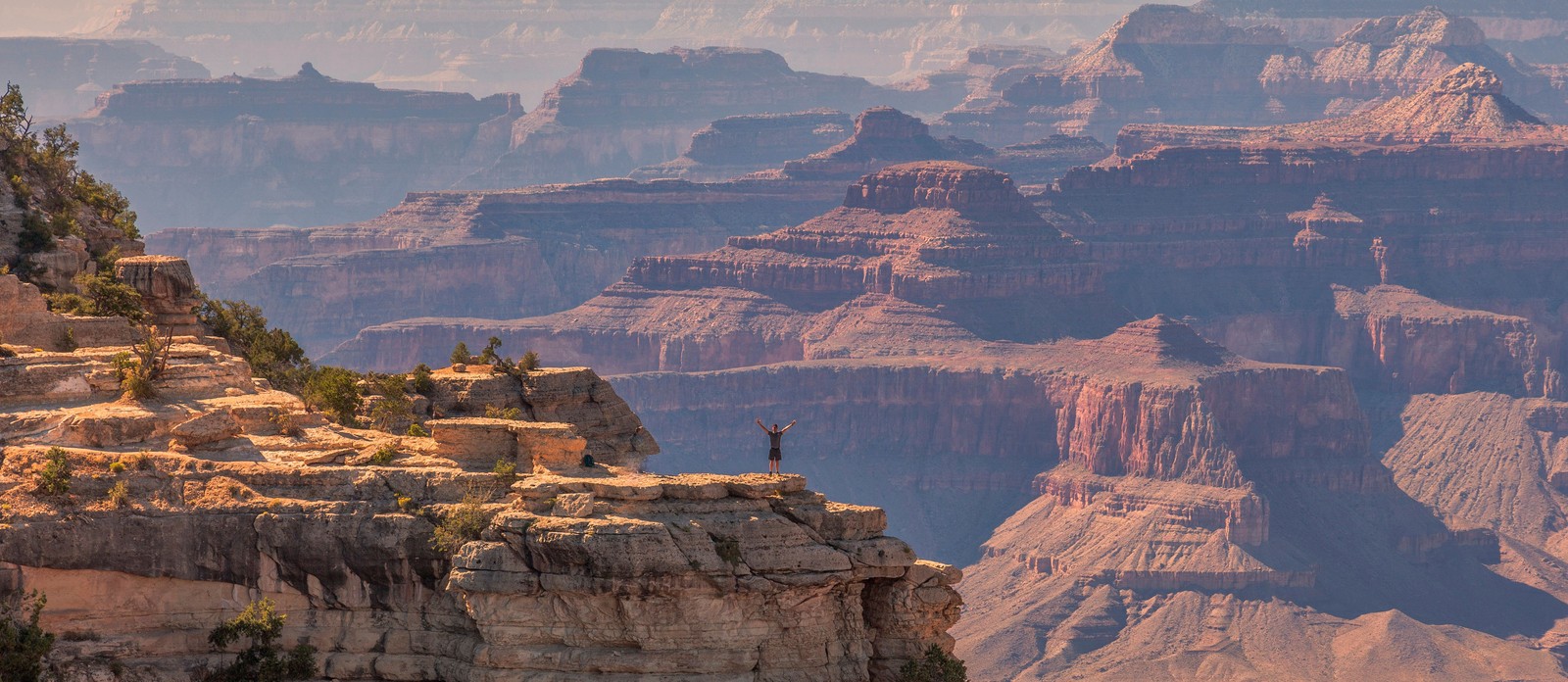
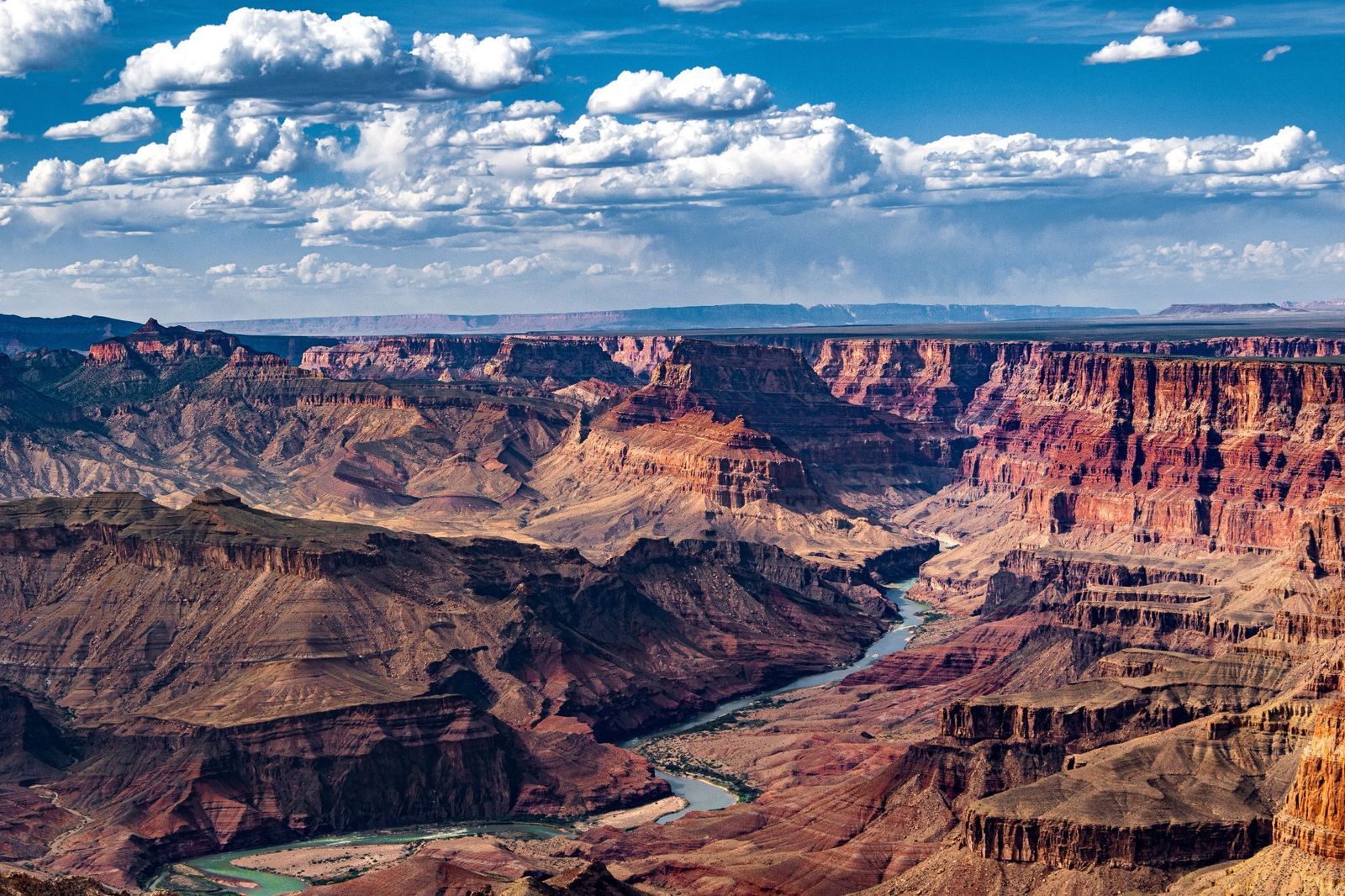
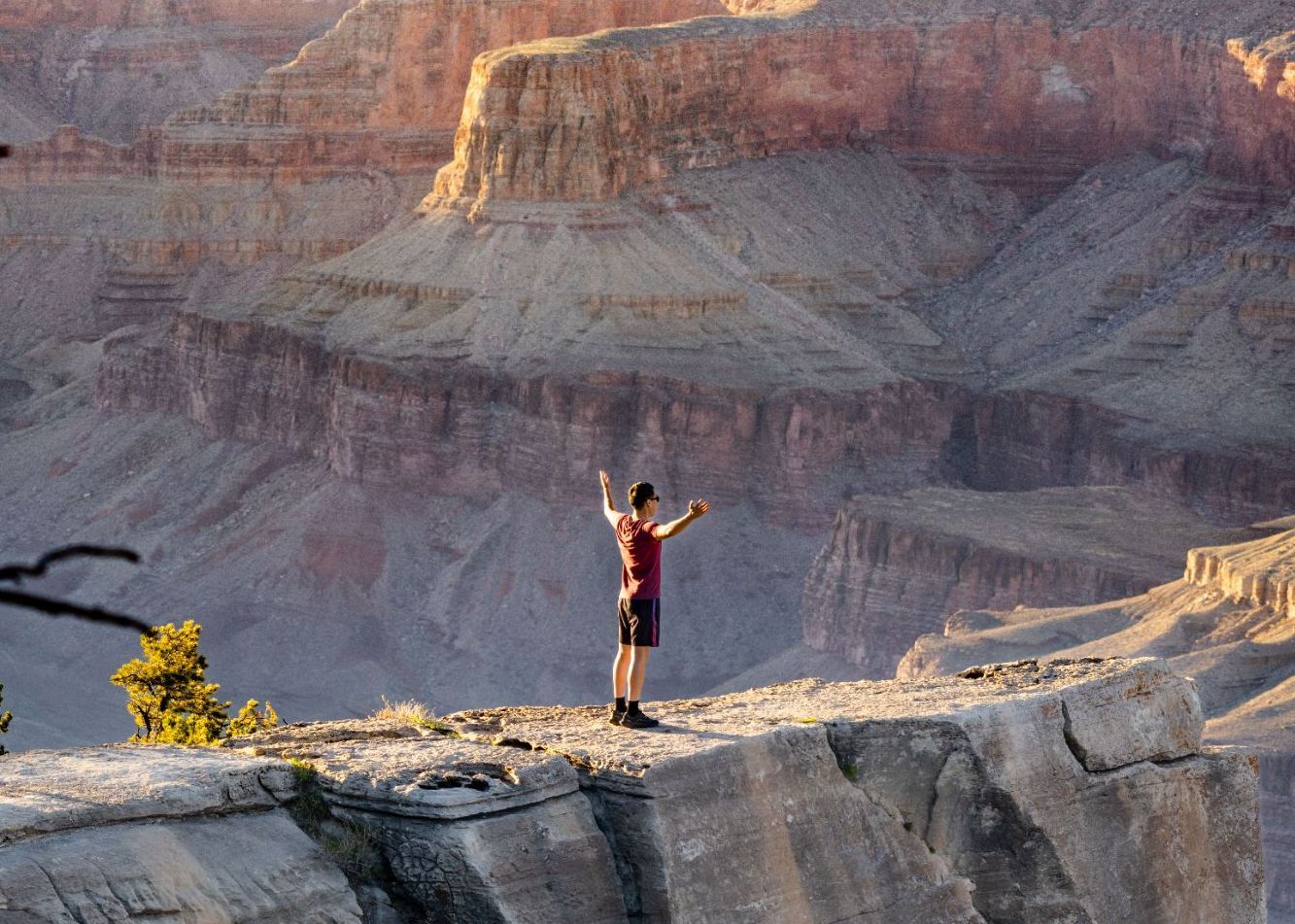
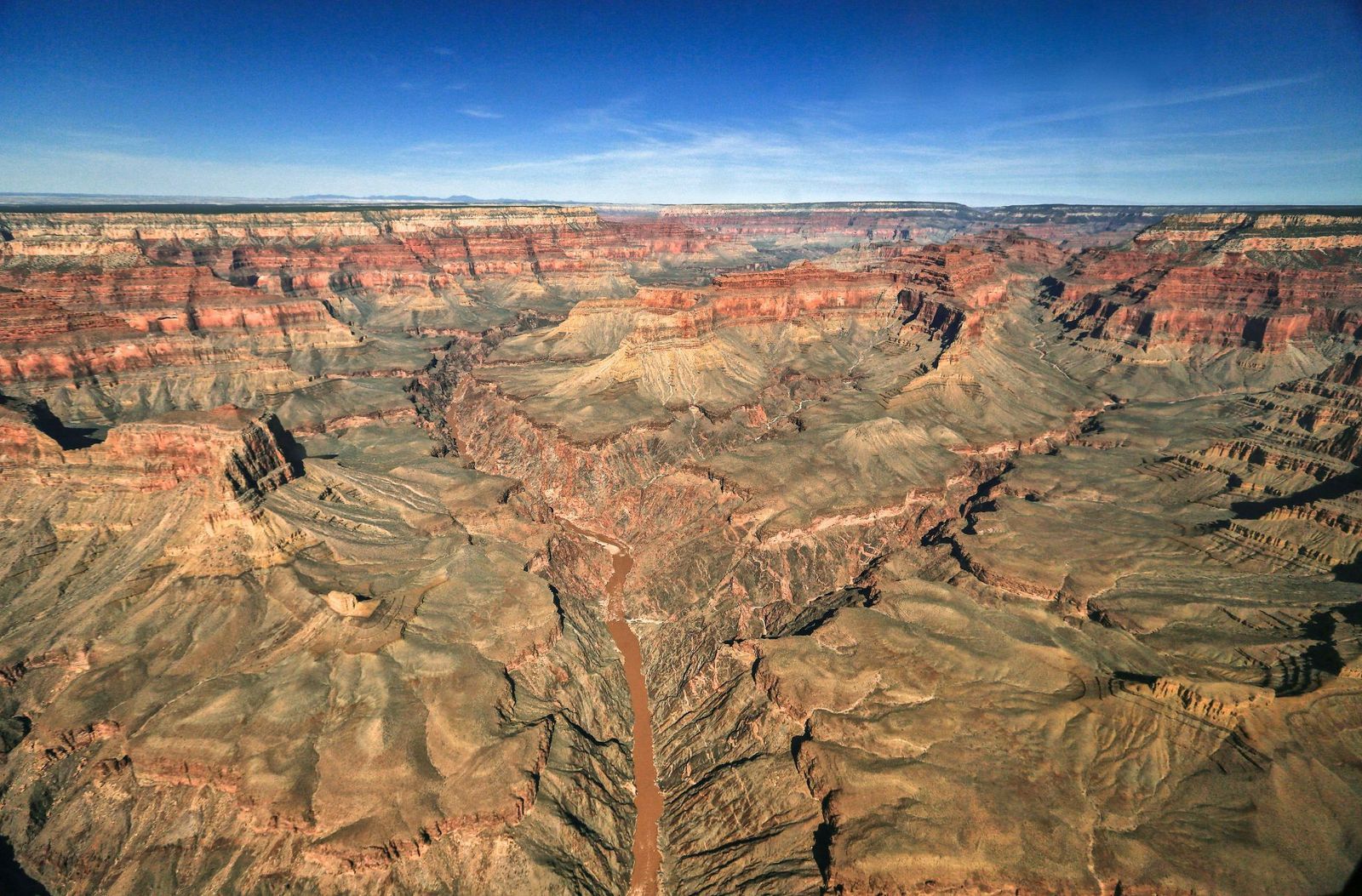
The Grand Canyon is bigger than Rhode Island. It's deeper than four Empire State Buildings stacked end to end. Its rocks are older than dinosaurs. But those stats alone don’t quite capture its immensity — and are hardly the most shocking. There are nuclear shelters, hidden villages, and billion-year mysteries involved. Read on to learn 10 lesser-known facts about the Grand Canyon.

1
There's an unexplained billion-year gap

Image: John Graybosch

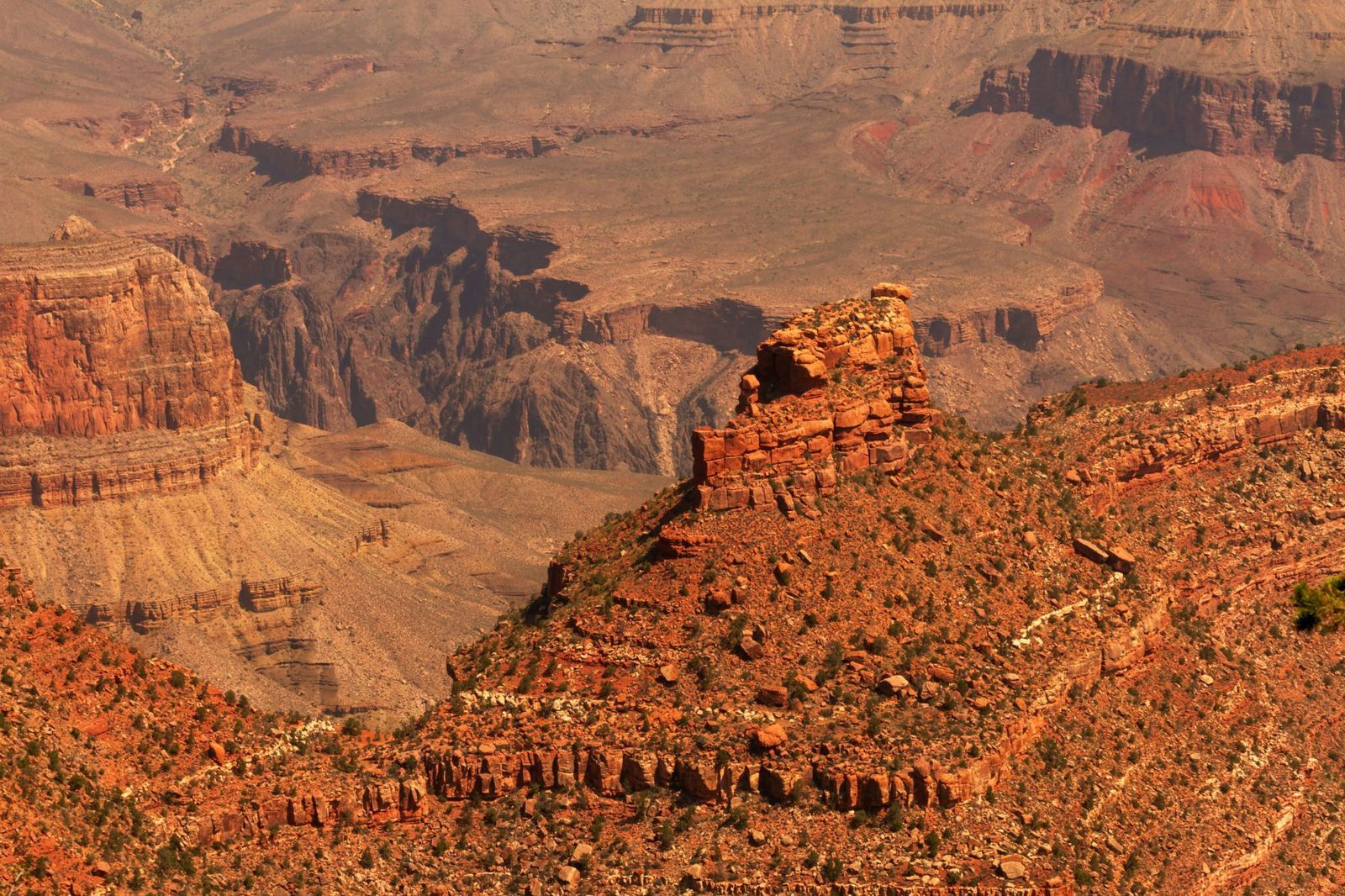
Look closely at the canyon walls, and you'll notice something strange: a clean, sharp line where ancient rock simply stops, and a much younger layer begins directly above it.

This geological puzzle is called the "Great Unconformity," and it represents over a billion years of rock layers that are simply absent , as though that stretch of time never happened. In some spots, rock dated 1.8 billion years old sits directly beneath rock that is only 520 million years old. Where did the missing billion years go?

The leading theory involves the violent breakup of an ancient supercontinent, but scientists are still piecing it together.

2
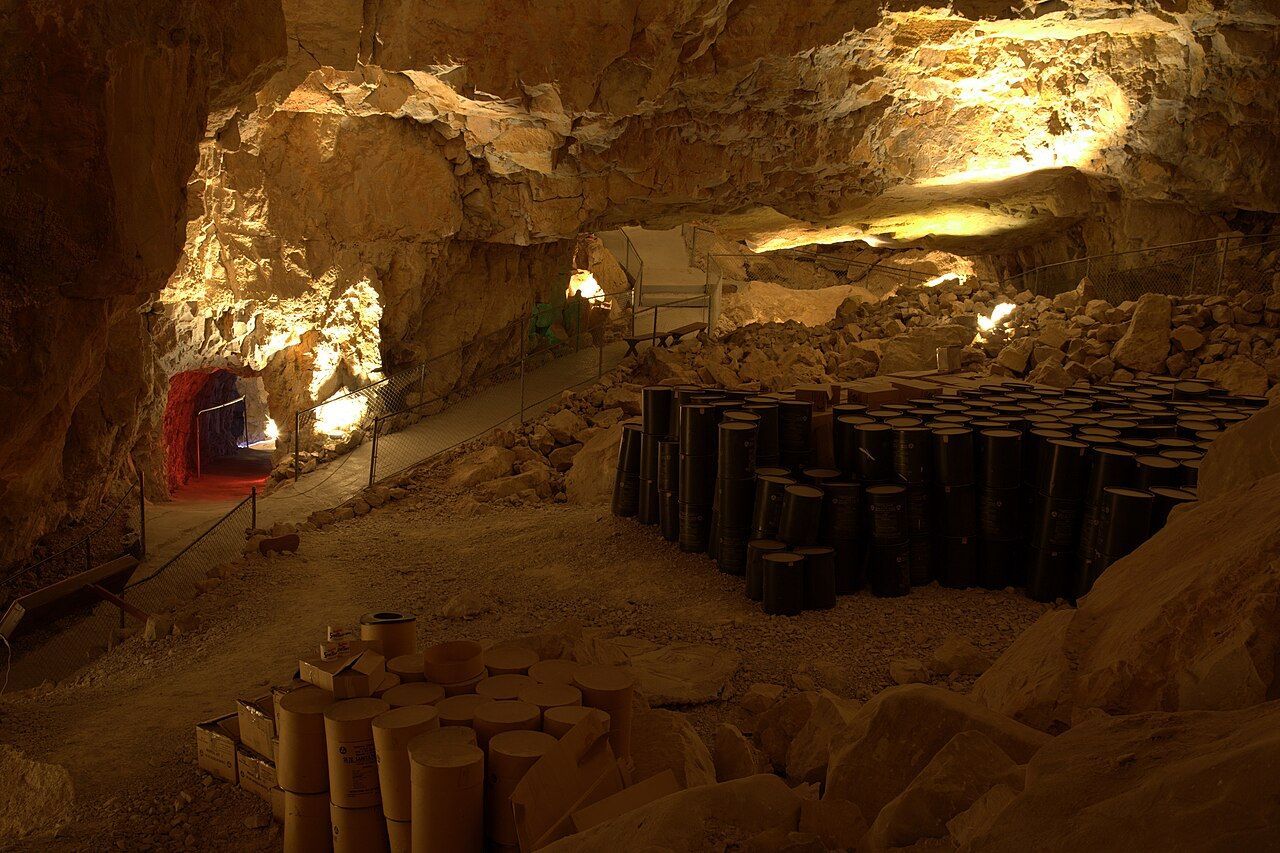
During the Cold War, it hid a nuclear fallout shelter

Image: Lauri Väin from Tallinn, Estonia, CC BY 2.0, via Wikimedia Commons

During the Cuban Missile Crisis in 1962, the U.S. government converted part of the Grand Canyon Caverns into a fallout shelter. This dry cave system, more than 200 feet underground, was stocked with enough food and water to sustain 2,000 people. Naturally, it was never occupied, and the supplies were never used.

The caverns have since been transformed into a tourist attraction, with organized tours winding through the same underground chambers that were once intended as a refuge from nuclear war. You can even book a night's stay there.

3
The Federal Aviation Administration was founded after a crash over the canyon

Image: Alexandre Henry Alves

In 1956, two commercial passenger planes collided in midair over the eastern Grand Canyon, killing all 128 people on board both crafts. Rescue teams struggled to reach the wreckage deep inside the canyon, and the extreme heat of the crash had caused the planes' aluminum to fuse with the bedrock. There were no survivors.

The disaster exposed a terrifying truth: the U.S. air traffic control system was dangerously outdated, relying on pilots' visual estimates and rough guesswork from controllers , with no way to separate fast-moving aircraft from slow ones, or instrument-flying planes from those navigating by sight. Congress responded by passing legislation that created both the Federal Aviation Administration (FAA) and the National Transportation Safety Board.

4
A hoax suggested that an Egyptian civilization had lived there

Image: abdurrohman dzar

In 1909, the Arizona Gazette reported that an explorer named G. E. Kinkaid had discovered a vast underground citadel inside the canyon, filled with artifacts linked to ancient Egyptian civilization. He even claimed the expedition had been funded by the Smithsonian.

This story described hieroglyphics on the walls, mummies in the chambers, and relics pointing to a direct connection with the Egypt of the pharaohs. It was incredibly detailed, and it was, of course, a hoax. No evidence for any of Kinkaid's claims ever surfaced.

5
Fewer than 100 people have ever hiked its full length

Image: Abhishek Navlakha

Among the few people who have completed the through-hike of the Grand Canyon is Jen Hogan, the first woman to accomplish it, finishing her journey in 2021–2022.

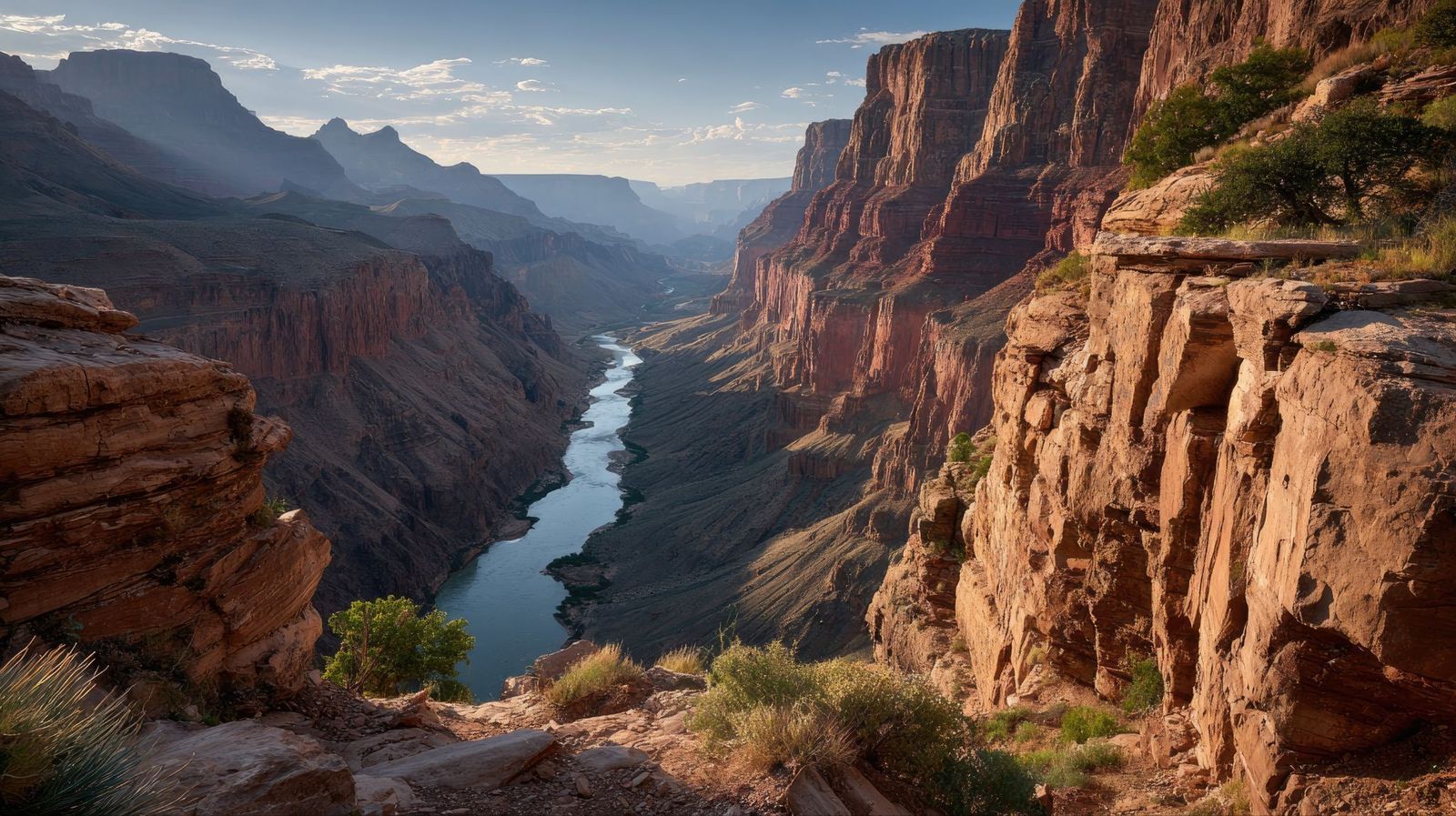
It’s a full 800-mile length below the rim. The route involves extreme heat, flash floods, near-impassable areas, and stretches with no water or trail whatsoever. Around 60 or 70 people have reportedly accomplished it. This makes it one of the most exclusive feats on Earth.

6
The Grand Canyon's rocks predate dinosaurs entirely

Image: MARIOLA GROBELSKA

Visitors scanning the canyon walls for fossils are often surprised to learn they won't find any dinosaur bones here. The rock layers of the Grand Canyon are simply older than dinosaurs. This fact alone can be shocking: staring at its walls means staring at marine fossils from as far back as 1.2 billion years ago. Some of its caves hold the remains of ancient mammals. The canyon is a window into a world that existed long before the dinosaurs, when the land that is now Arizona lay beneath a shallow sea.

7
The park is bigger than Rhode Island

Image: AussieActive

Numbers alone rarely capture the Grand Canyon's scale, so here's a different approach. Rhode Island covers about 1,214 square miles, and the Grand Canyon National Park spans 1,904 square miles.

The canyon's depth exceeds four Empire State Buildings (which is 1,454 feet) stacked on top of one another. That’s 6,093 feet at its deepest point.

8
But it's not the deepest canyon on Earth

Image: Naeemphotographer2

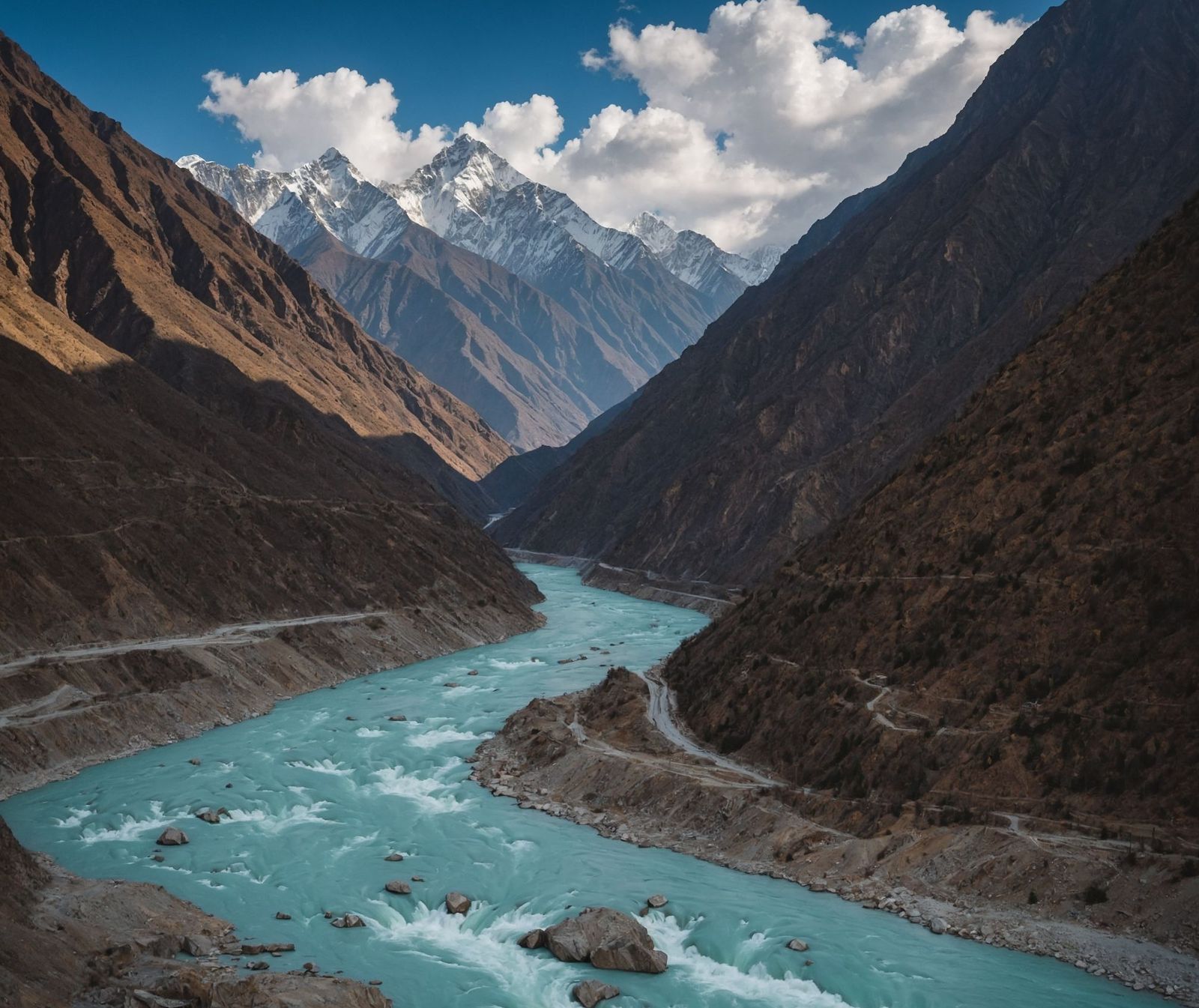
For all its grandeur, the Grand Canyon does not hold the depth record. Pictured above, the Yarlung Tsangpo Grand Canyon in Tibet, China, plunges to 17,567 feet, which is nearly three times deeper. Carved by the Yarlung Tsangpo River as it cuts through the eastern Himalayas, that canyon is so remote and extreme that it remained largely uncharted until the late 20th century.

9
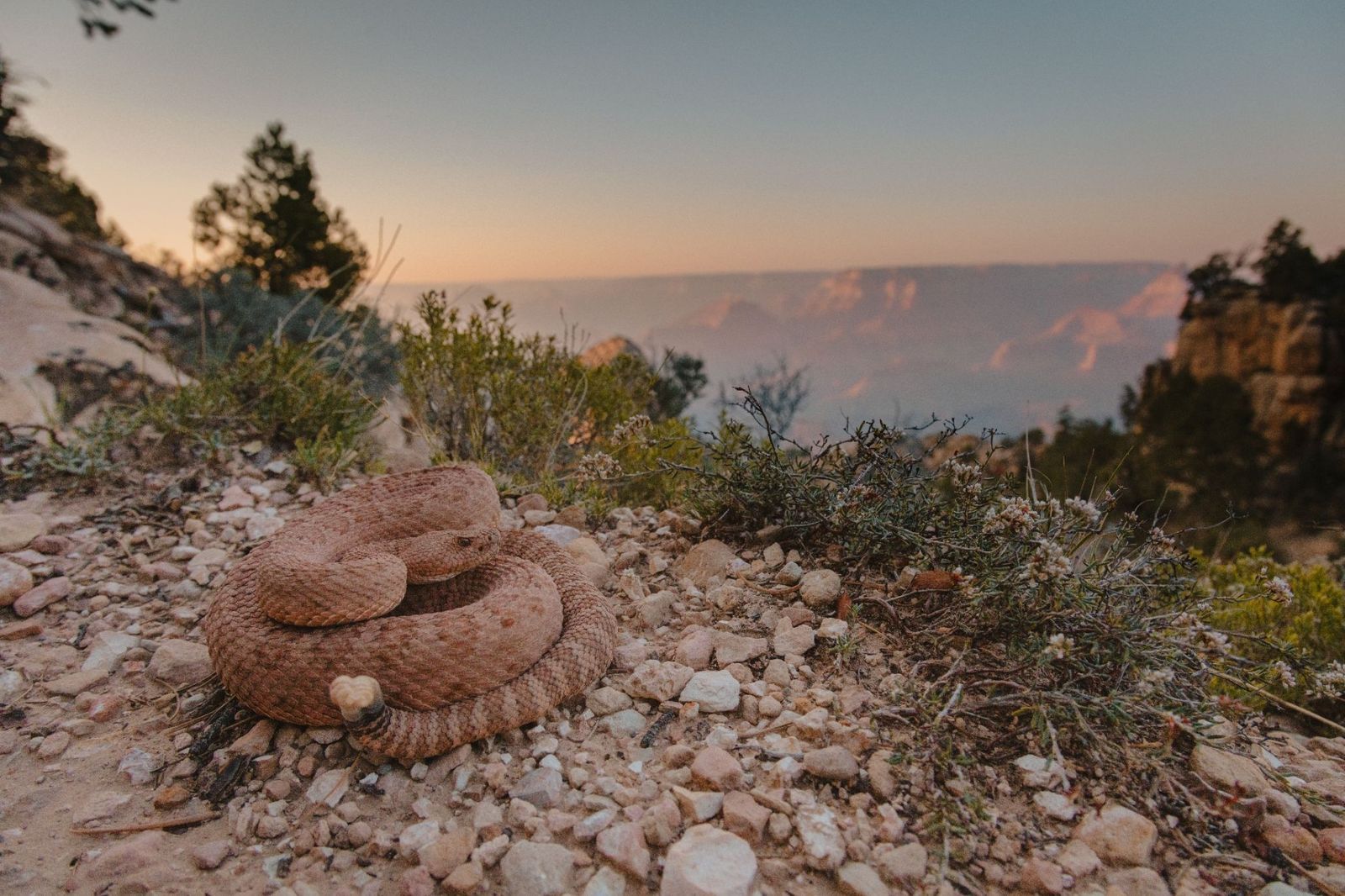
It is home to a pink rattlesnake found nowhere else on Earth

Image: Alexander Wong

The Grand Canyon Pink Rattlesnake has a pinkish-red coloring that matches the canyon's own distinctive rock walls so closely that it's nearly invisible. It is found nowhere else in the world. Officially classified as Crotalus oreganus abyssus , it has darker diamond-shaped markings along its back that deepen the camouflage further.

10
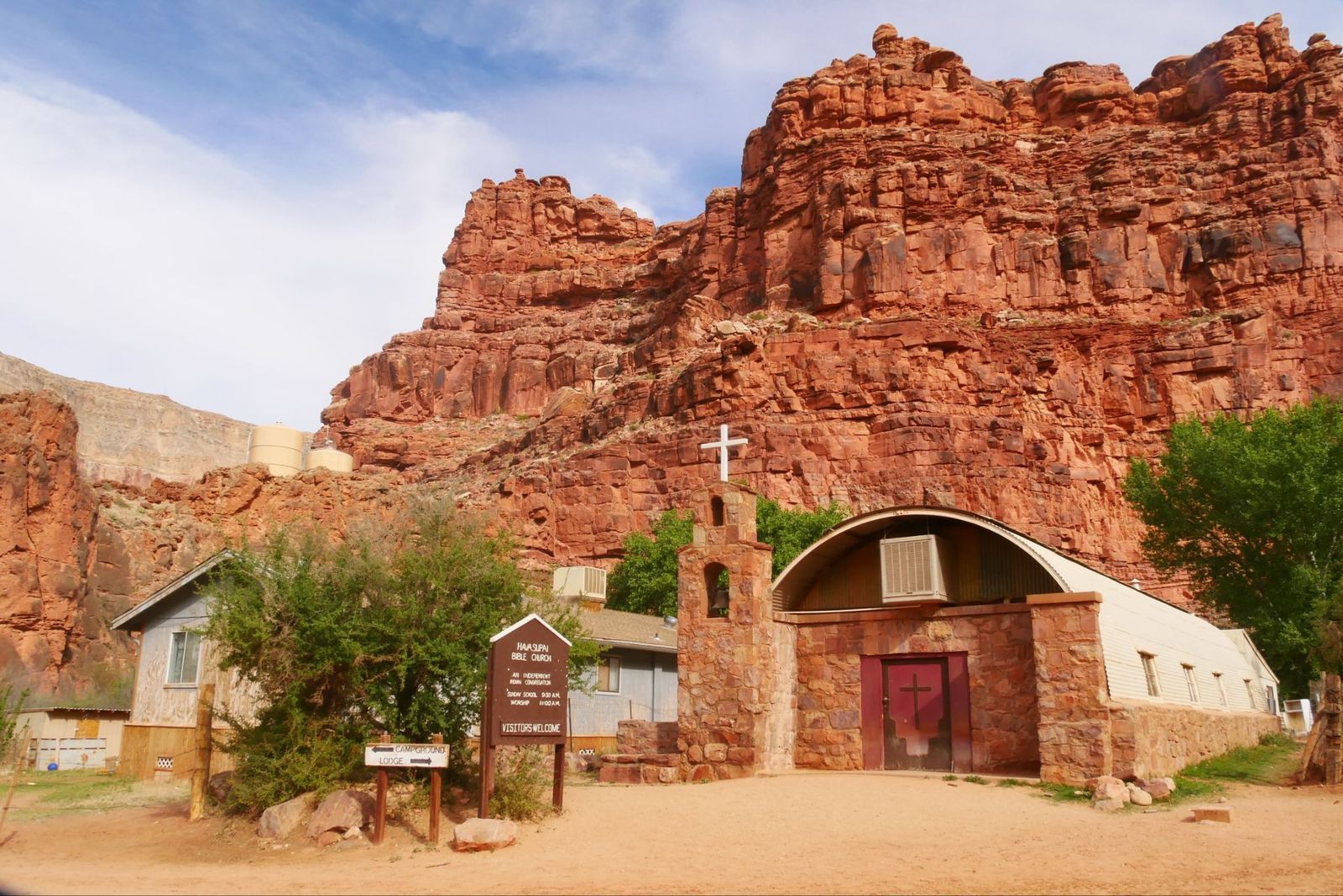
There's a village at the bottom: Supai Village

Image: joojoob27

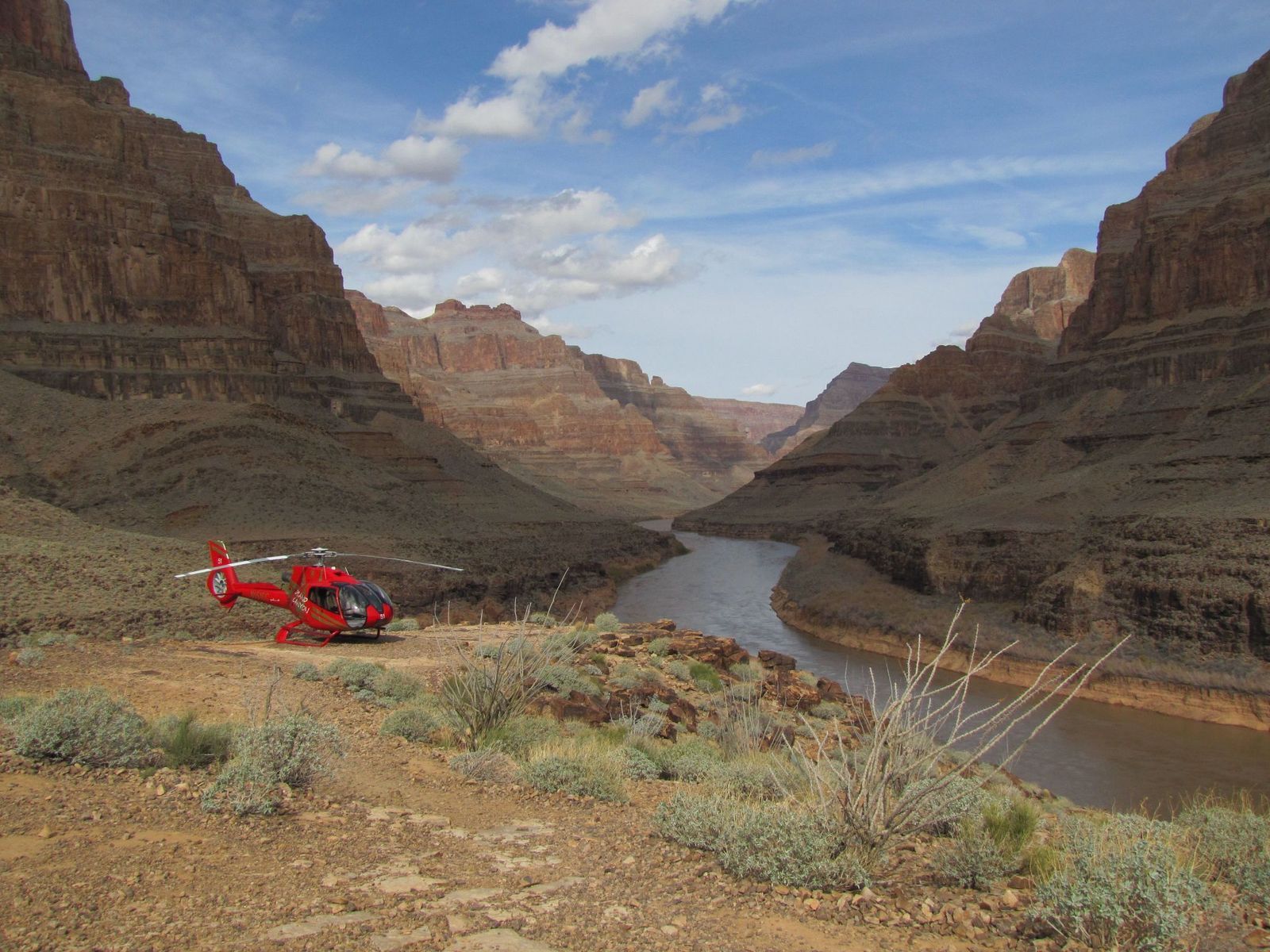
For over 1,000 years, the remote village of Supai has been home to the Havasupai Tribe, the People of the Blue-Green Waters. It is located an eight-mile hike from the rim, but sits roughly 3,000 feet deep inside the Grand Canyon.

The U.S. Department of Agriculture has called it the most remote community in the contiguous United States, and it has no automobiles and no road access. The only ways in are on foot, by mule, or by helicopter. It is also the only place in the United States where the postal service still delivers mail by mule train.

Explore more American facts

Choose your favorite category!

General
General

As American as apple pie—the very best America has to offer!

Culture
Culture

Delve into the astounding richness of American lore.

Geography
Geography

Hop in and explore vast and diverse American landscapes.

History
History

Discover the key moments that shaped the United States.