History History 6 min read

Who was the real Paul Revere? 10 shocking facts beyond the legend
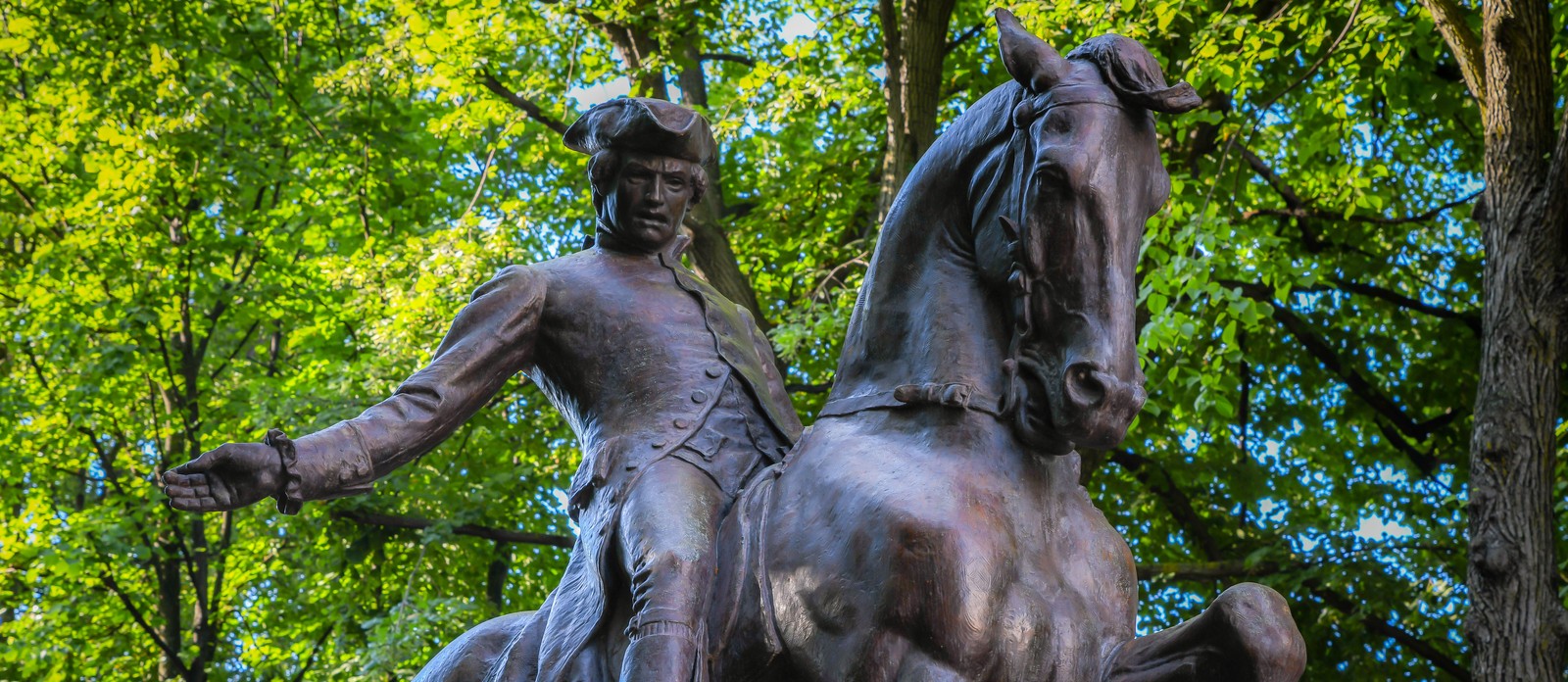
Image: Keith J Finks

Like many stories from early American history, the myth of the heroic patriot galloping through the midnight dark, shouting a legendary warning, has completely overshadowed the man. The real Paul Revere was a fascinating human being. He was a craftsman, an innovator, and a family man. Let’s pull back the curtain on the legend and look at ten surprising facts you probably never knew about America’s favorite midnight rider.

1
He was of French descent
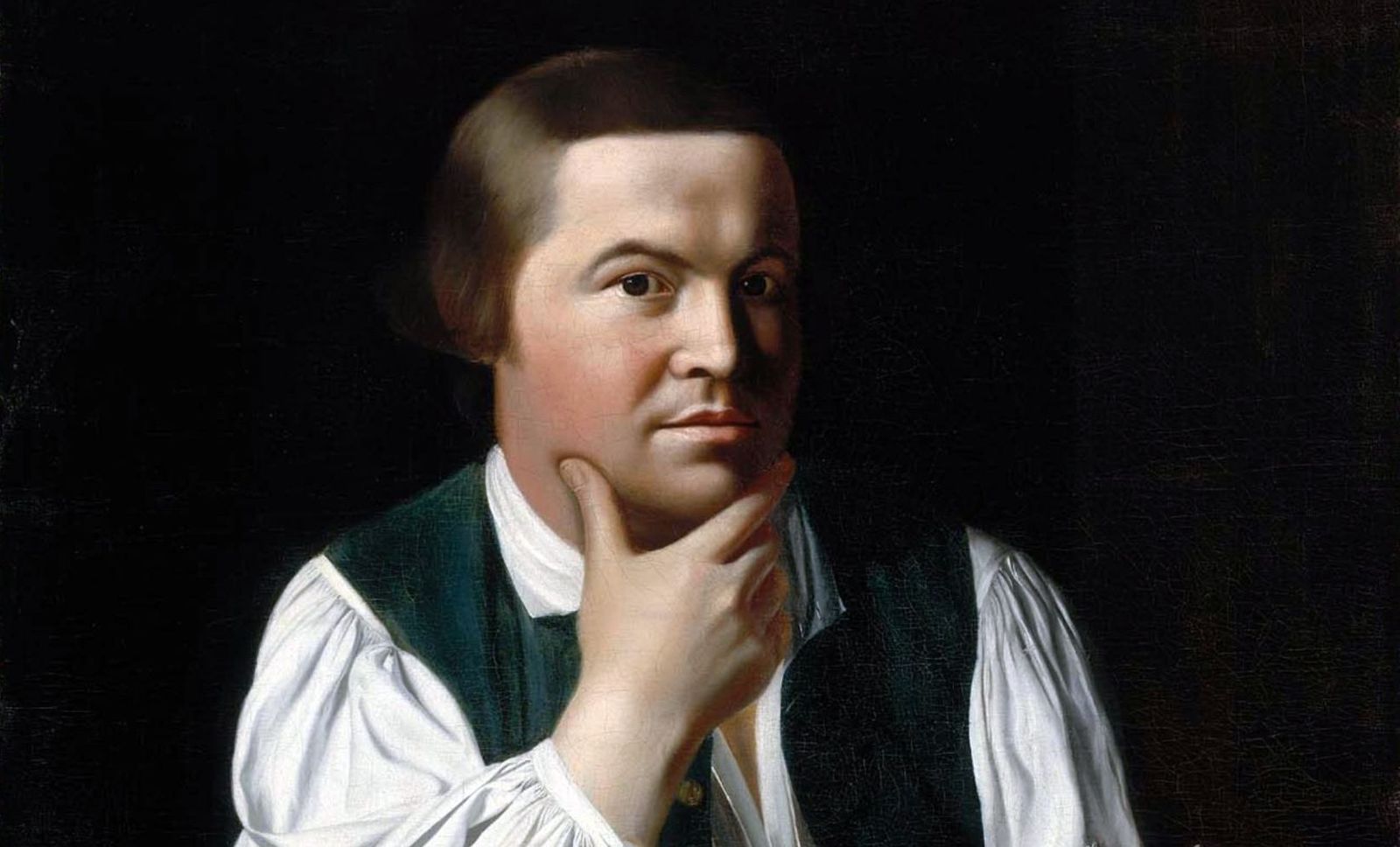
Image: John Singleton Copley, Public domain, via Wikimedia Commons

While we think of Paul Revere as an early American icon, his roots lay across the Atlantic. His father, Apollos Rivoire, was a French Huguenot (a member of the French Reformed Church) who fled religious persecution and immigrated to Boston as a teenager.

To fit in his new home, Apollos Americanized the family name to "Revere". Paul was born in late 1734 or early 1735, the son of Apollos and a Boston local called Deborah Hichborn. Apollos was so interested in blending in that he never taught his children to speak and read French. In fact, a young Paul Revere even fought against the French as part of the colonial forces during the French and Indian War.

2
He was an accomplished artisan
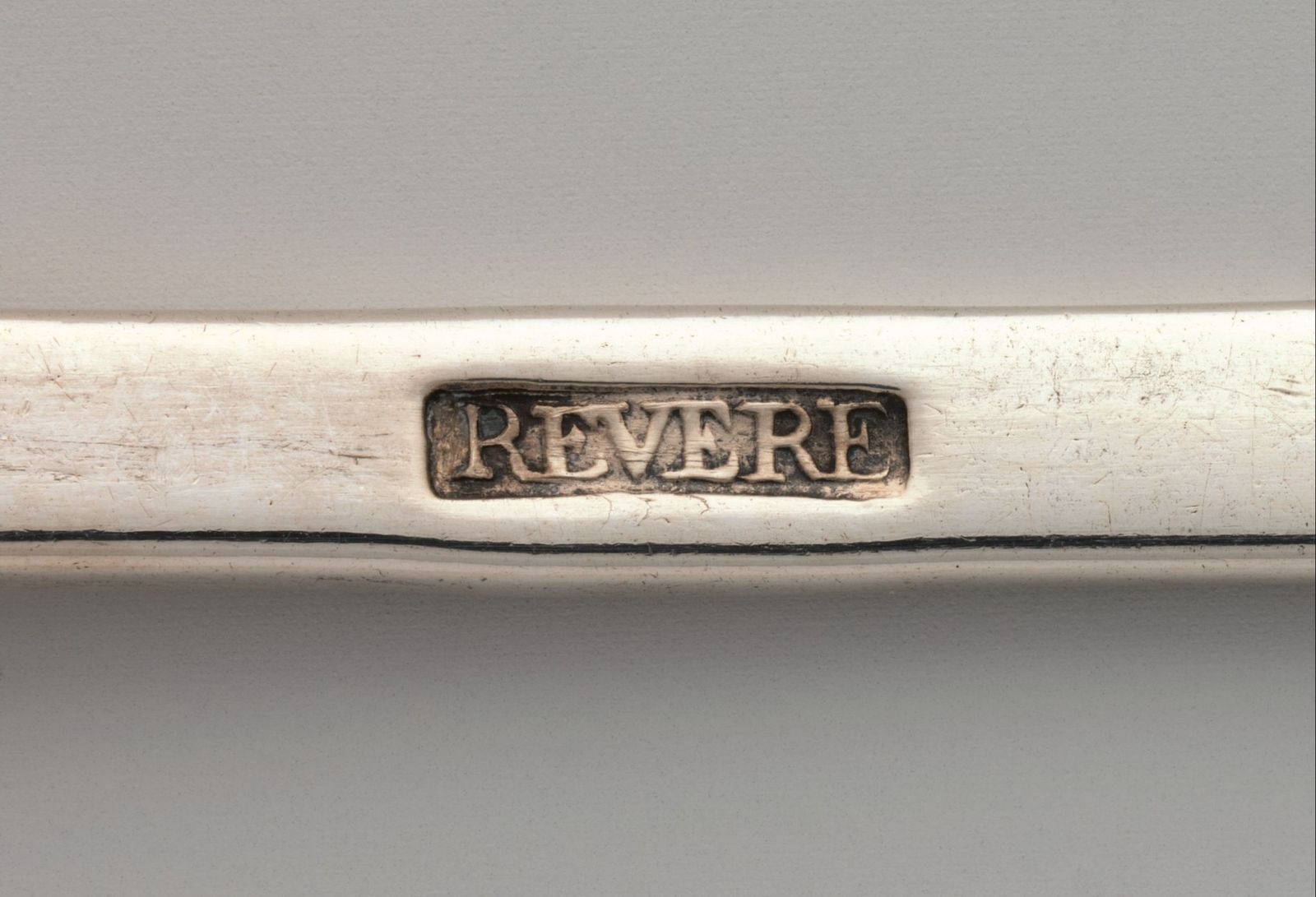
Image: Paul Revere, CC0, via Wikimedia Commons

Before he was a revolutionary, Revere was a master craftsman. He learned the art of silversmithing from his father and quickly gained a reputation as an accomplished artisan. He designed seals, coats of arms, plate engravings, and silver teapots.

Revere also used his engraving skills to create sharp political cartoons that mocked the British. His most famous artistic work was a sensationalized engraving of the 1770 Boston Massacre. It wasn’t entirely historically accurate, but it spread through the colonies, stirring up the anti-British sentiment that laid the groundwork for the Revolution.

3
He worked as an amateur dentist
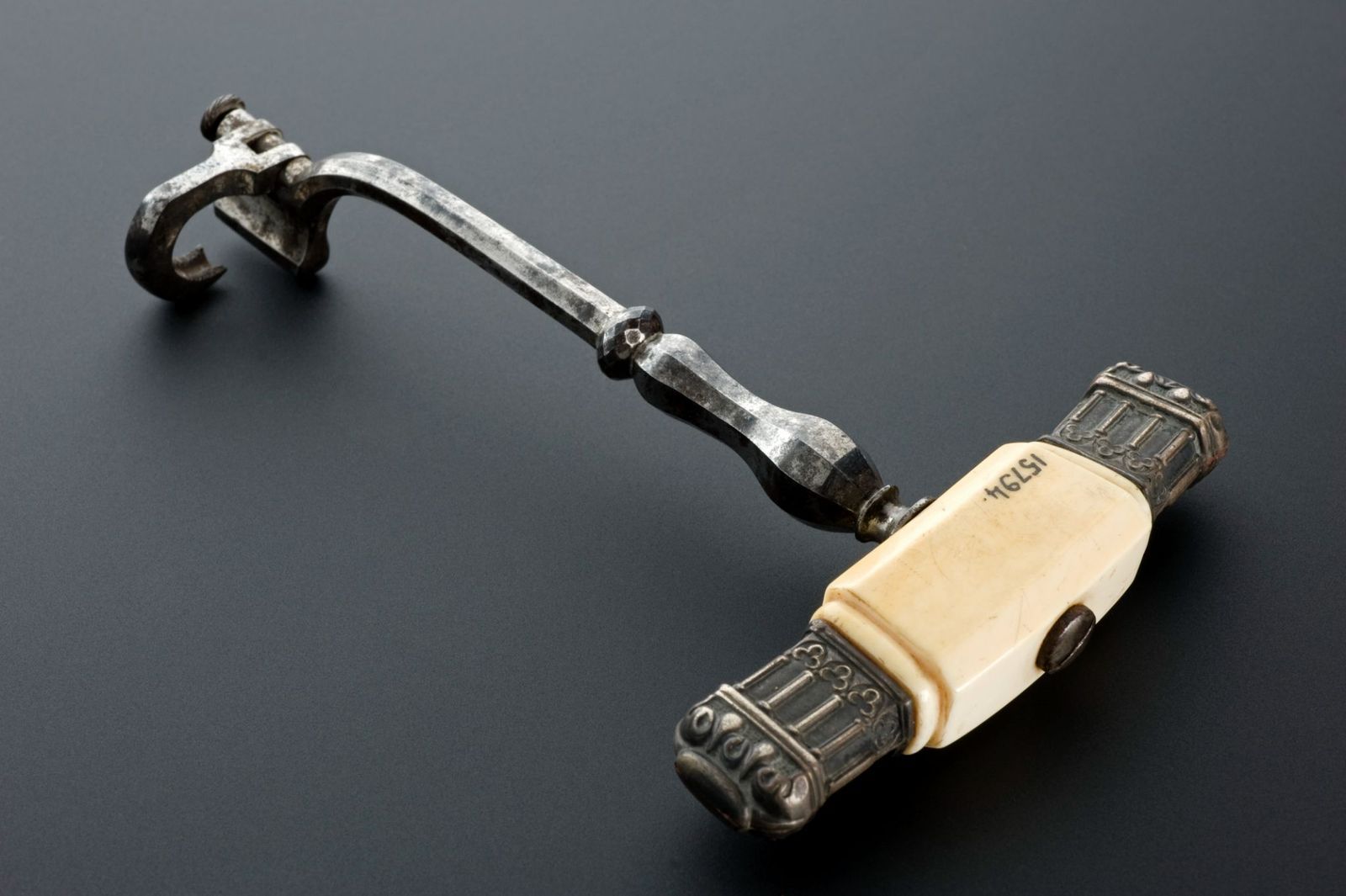
Image: See page for author, CC BY 4.0, via Wikimedia Commons

When silversmithing work ran slow, Revere picked up a side hustle: dentistry. He started cleaning teeth and crafting dental prosthetics out of animal teeth and walrus ivory for the people of Boston.

This amateur dental career actually led to a major moment in American history. In 1775, Revere’s close friend, Dr. Joseph Warren, was killed at the Battle of Bunker Hill and buried in an unmarked mass grave by British soldiers. A year later, when the bodies were exhumed, the remains were unrecognizable. Yet, Revere was able to identify Warren’s body by recognizing the specific ivory tooth and custom wire bridge he had personally crafted for his friend. It’s widely considered one of the earliest documented cases of forensic dentistry in the United States.

4
He played a key role in early intelligence efforts
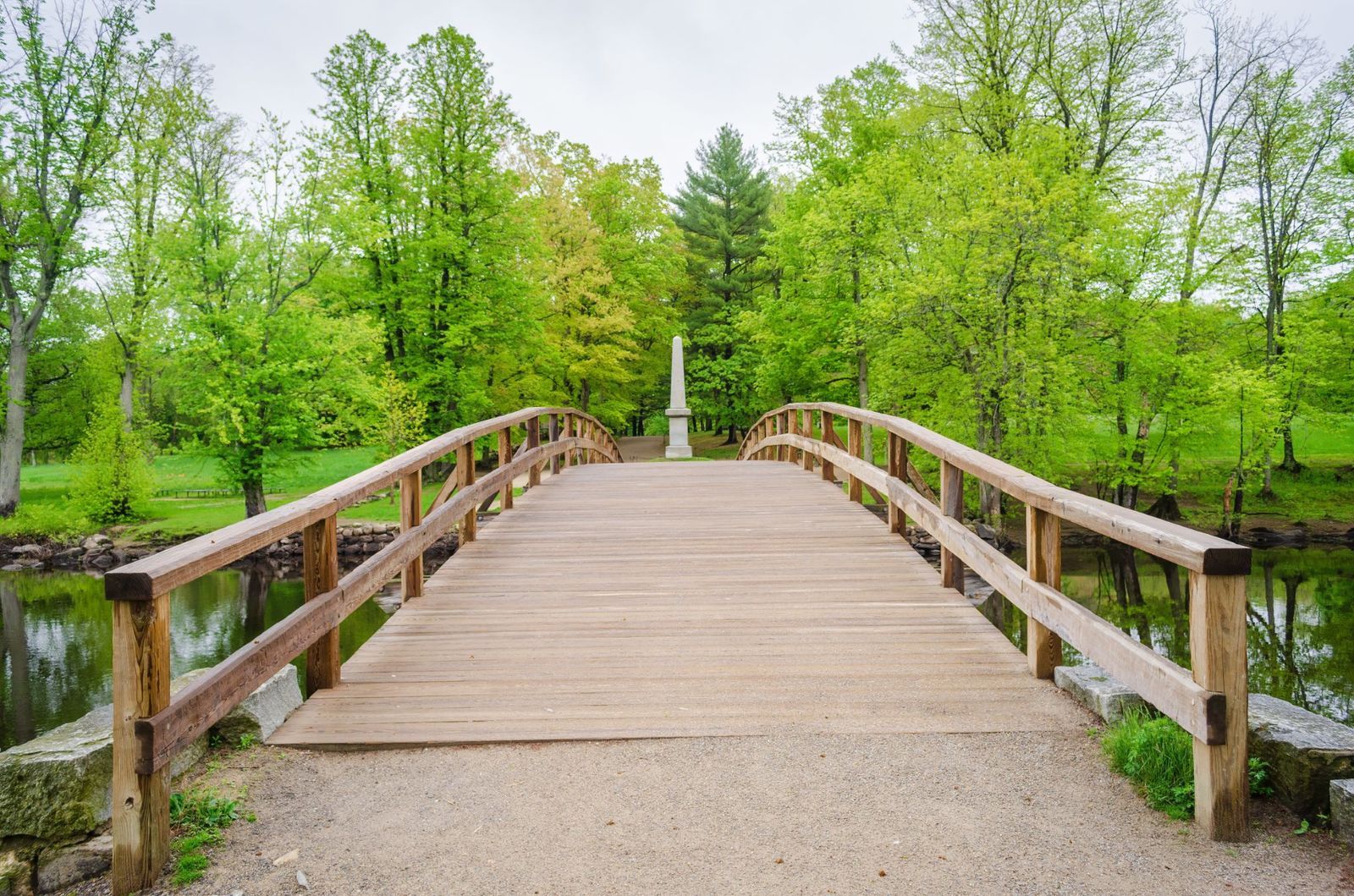
Image: Zack Frank

Long before the CIA existed, Paul Revere was working as a pioneer of organized American espionage. As a member of the Sons of Liberty, Revere wanted to track British movements closely. In 1774, he helped form a spy group known as "the mechanics" or the "Liberty Boys".

These men were Bostonian blacksmiths, artisans, and laborers who used their ordinary routines to watch British troops, listening for rumors of upcoming military actions. The spies would gather at the city’s historic Green Dragon Tavern to trade secrets and map out British movements.

5
Longfellow's inaccurate poem
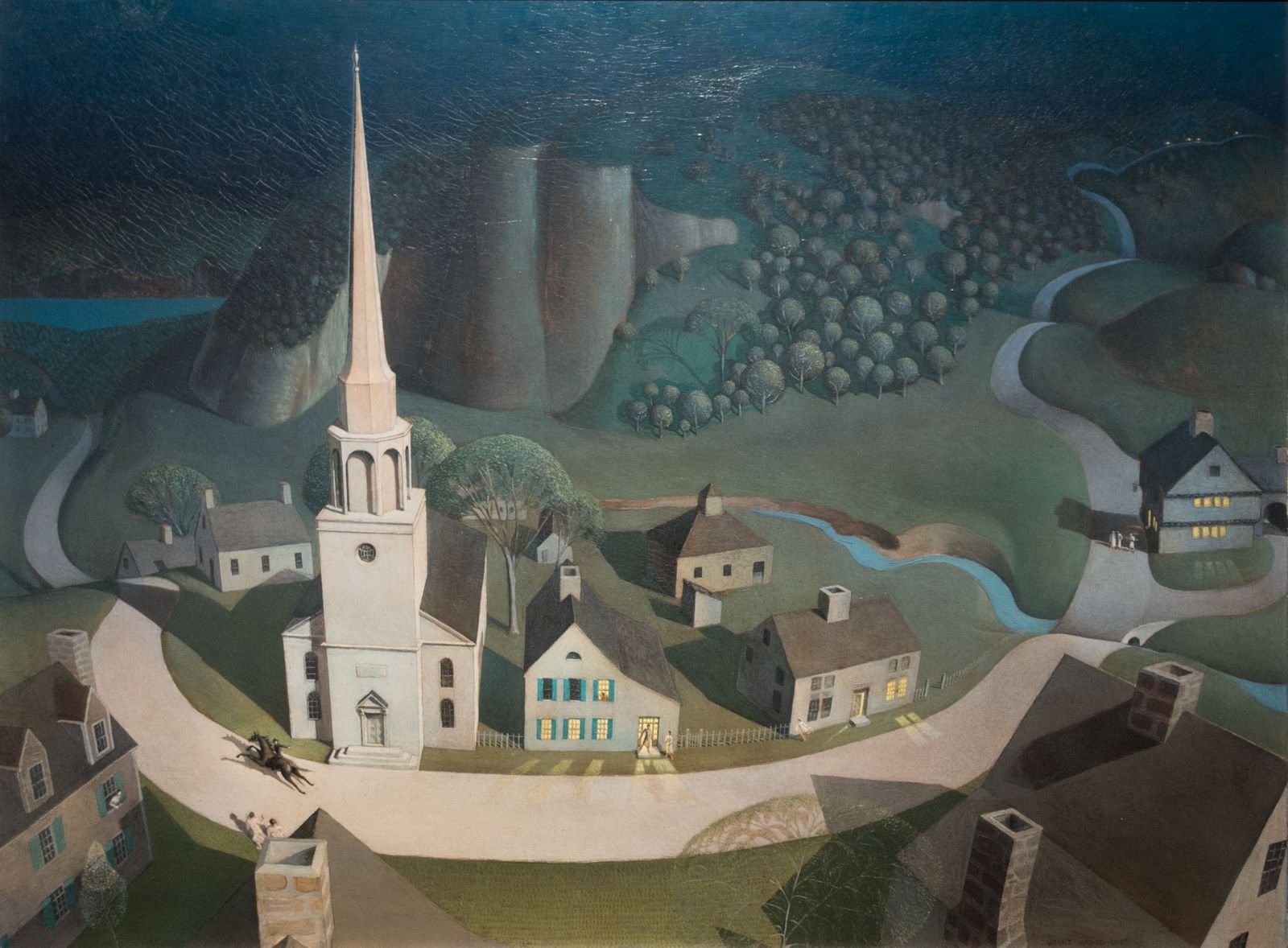
Image: Grant Wood, Public domain, via Wikimedia Commons

If your knowledge of Revere comes from Henry Wadsworth Longfellow’s famous 1861 poem, "Paul Revere's Ride," you’ve been given a romanticized version of history. Longfellow wrote the poem nearly a century later, on the brink of the American Civil War, to stir up national pride.

In reality, Revere wasn’t a lone rider. The night of April 18, 1775, Revere set out with two other main horsemen: William Dawes and Dr. Samuel Prescott. As they triggered local alarms, dozens of other riders joined the effort. By midnight, more than 40 people were racing across the country, spreading the word. Furthermore, Revere never actually made it to his final destination of Concord. He was captured and briefly detained by a British patrol.

6
He didn’t even own a horse for his midnight ride
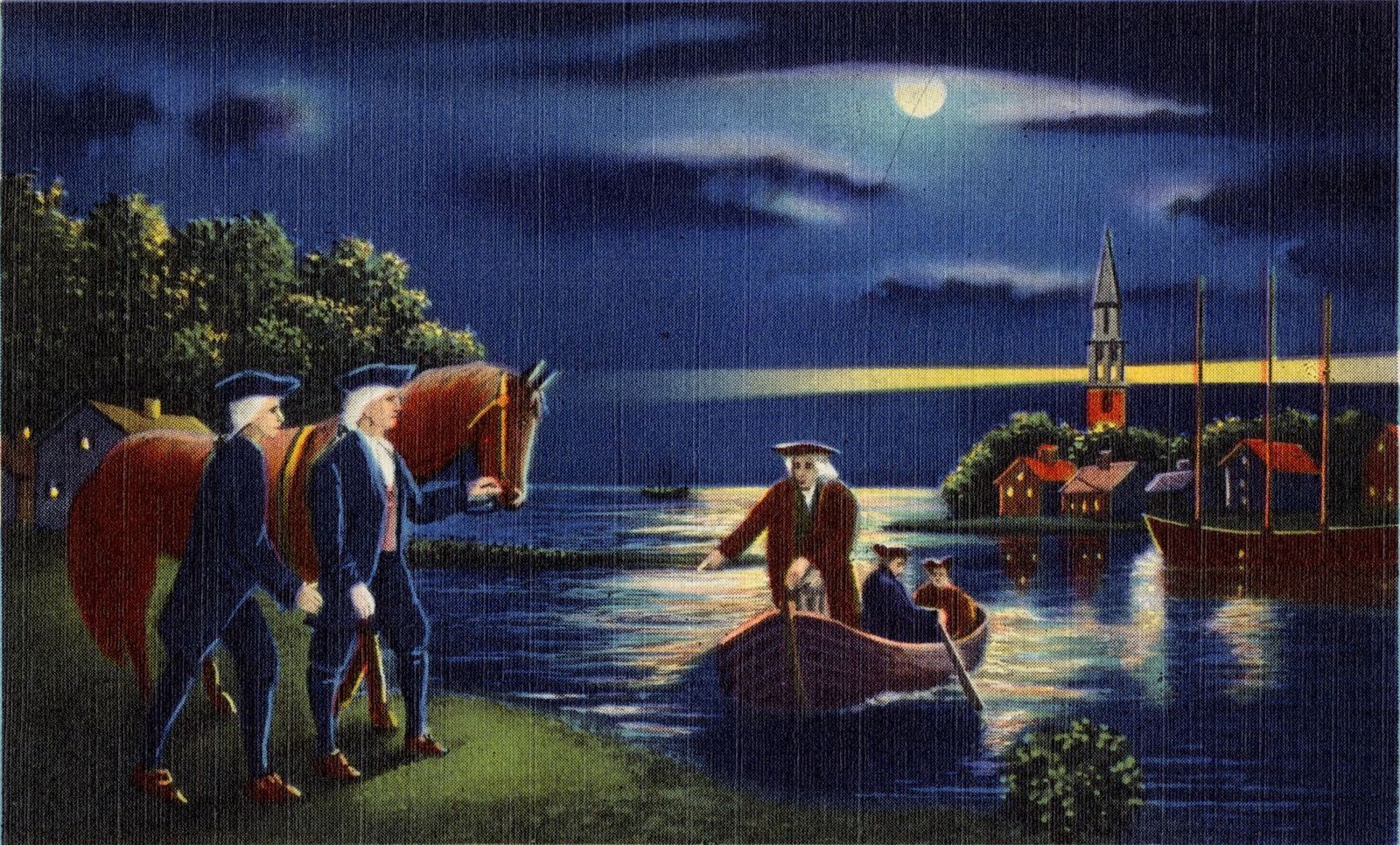
Image: Tichnor Bros. Inc., Boston, Mass., Public domain, via Wikimedia Commons

It’s hard to imagine the midnight ride without Revere’s faithful steed, but the truth is, Revere didn’t even own a horse when the fateful night arrived. Because he had to be quietly rowed across the Charles River, bringing a horse from Boston was out of the question.

Once he reached Charlestown, he had to find a ride. He ended up borrowing a horse from a sympathetic local merchant called John Larkin. Legend has it that this borrowed mare was named "Brown Beauty". Sadly, after Revere was captured later that night, the soldiers confiscated the horse, and she was never seen again.

7
He didn’t actually say THAT
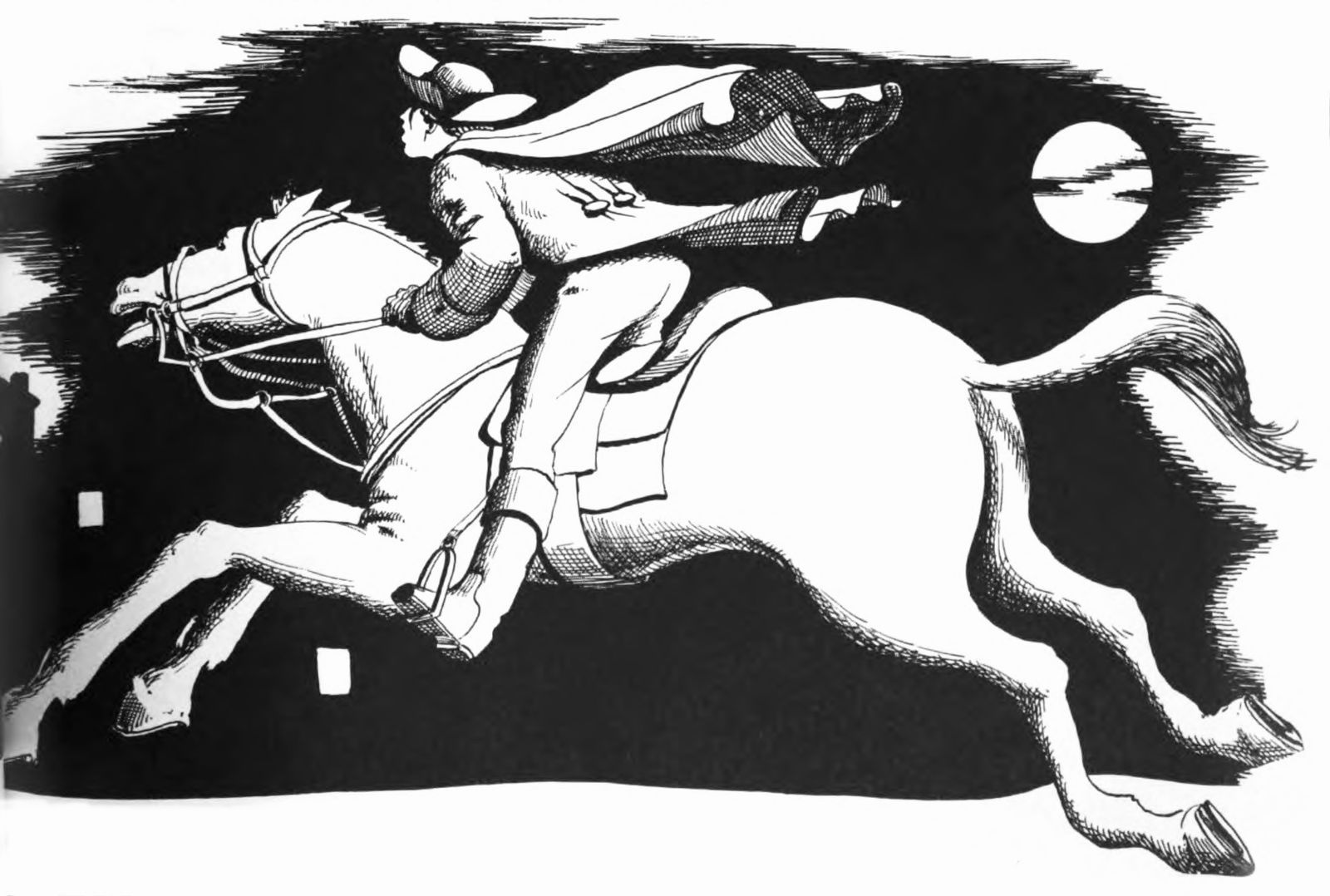
Image: Leonard Everett Fisher, Public domain, via Wikimedia Commons

"The British are coming!" is one of the most famous quotes in American history, but Revere never said it. The countryside was crawling with British soldiers, so his mission had to be very quiet. Yelling at the top of his lungs would have landed him in military prison before he even left town. Instead, he went door to door delivering the warning quietly to specific patriots.

Also, the phrase wouldn’t have made sense to the colonists. At the moment in 1775, the colonists still considered themselves British citizens. Instead, historical accounts indicate that Revere used the phrase, "The Regulars are coming out!" "Regulars" was the standard colonial term for the standing British army troops.

8
His military record wasn't outstanding
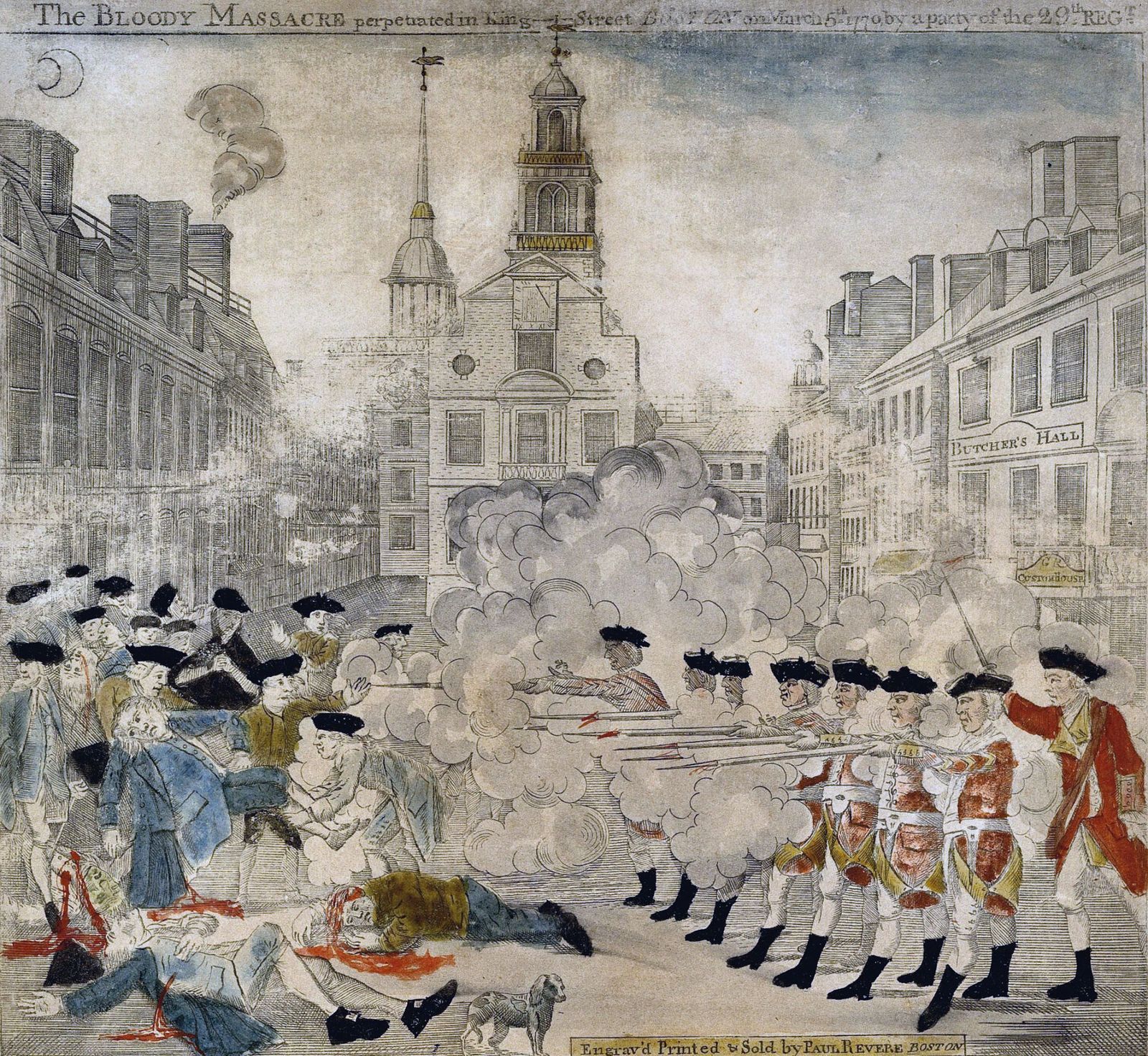
Image: Public domain, via Wikimedia Commons

Although Revere was a phenomenal community organizer and courier, his transition into traditional military leadership didn’t go smoothly. During the war, he served as a major and later a lieutenant colonel in the Massachusetts State Artillery. His military career hit a disastrous low point in the summer of 1779 during the Penobscot Expedition in modern-day Maine.

The mission was a total failure for the Americans. In the aftermath, Revere was accused of cowardice, laziness, and disobedience. He faced a court-martial and spent several years fighting to clear his name. He was ultimately acquitted of all charges in 1782, but the incident permanently tarnished his dreams of military glory.

9
Fatherhood came early… and often
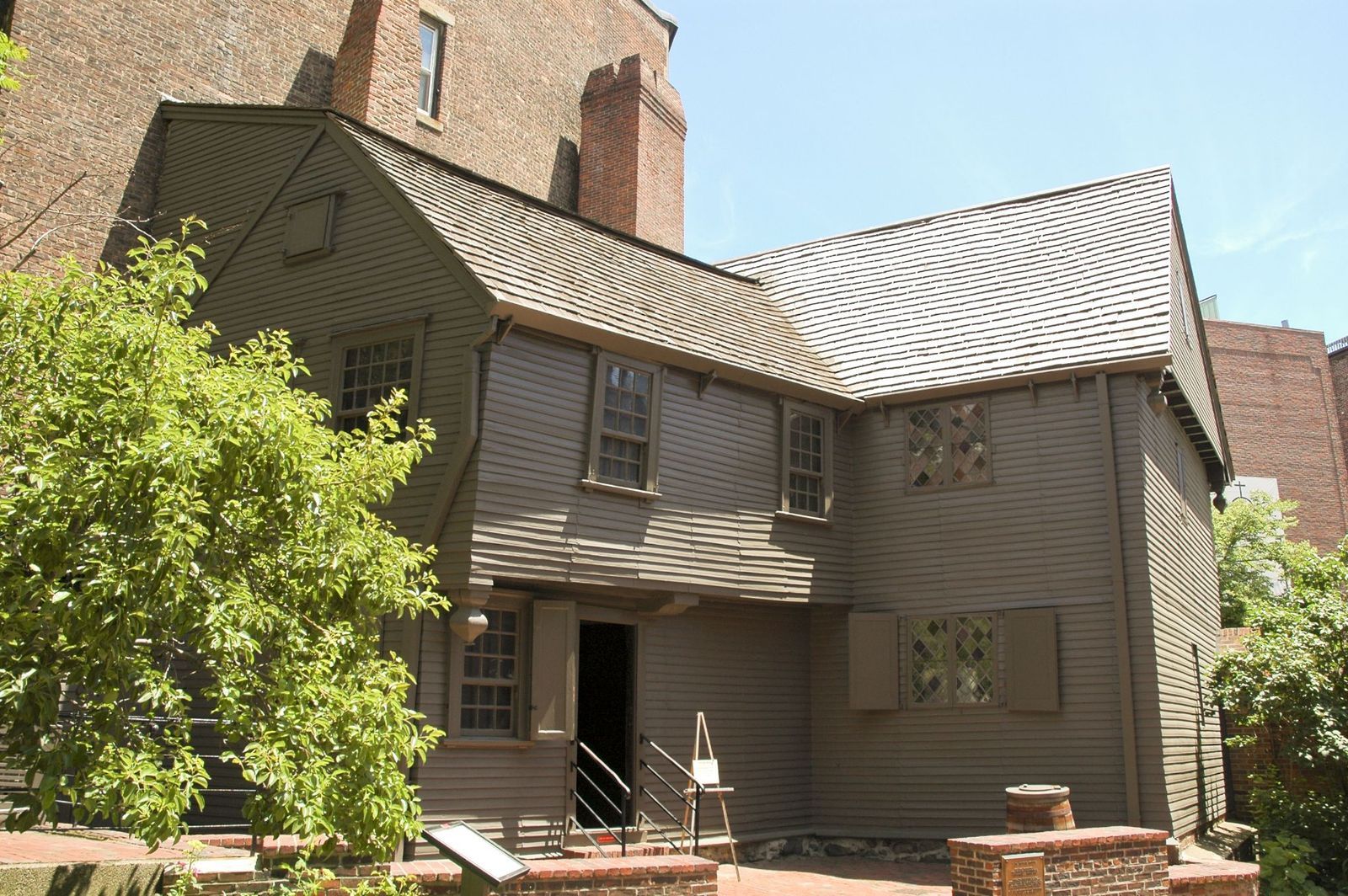
Image: Jeffrey M. Frank

If you think managing a household today is stressful, consider Paul Revere’s domestic life: he fathered an astonishing 16 children.

He had his first eight children with his first wife, Sarah Orne. Following her death in 1773, he remarried a woman called Rachel Walker, with whom he had another eight children. They crammed this huge family into a small townhouse at 19 North Square in downtown Boston. Amazingly for the 18th century, 11 of his 16 children survived to adulthood.

10
Revere Copper Products, Inc. is still in operation
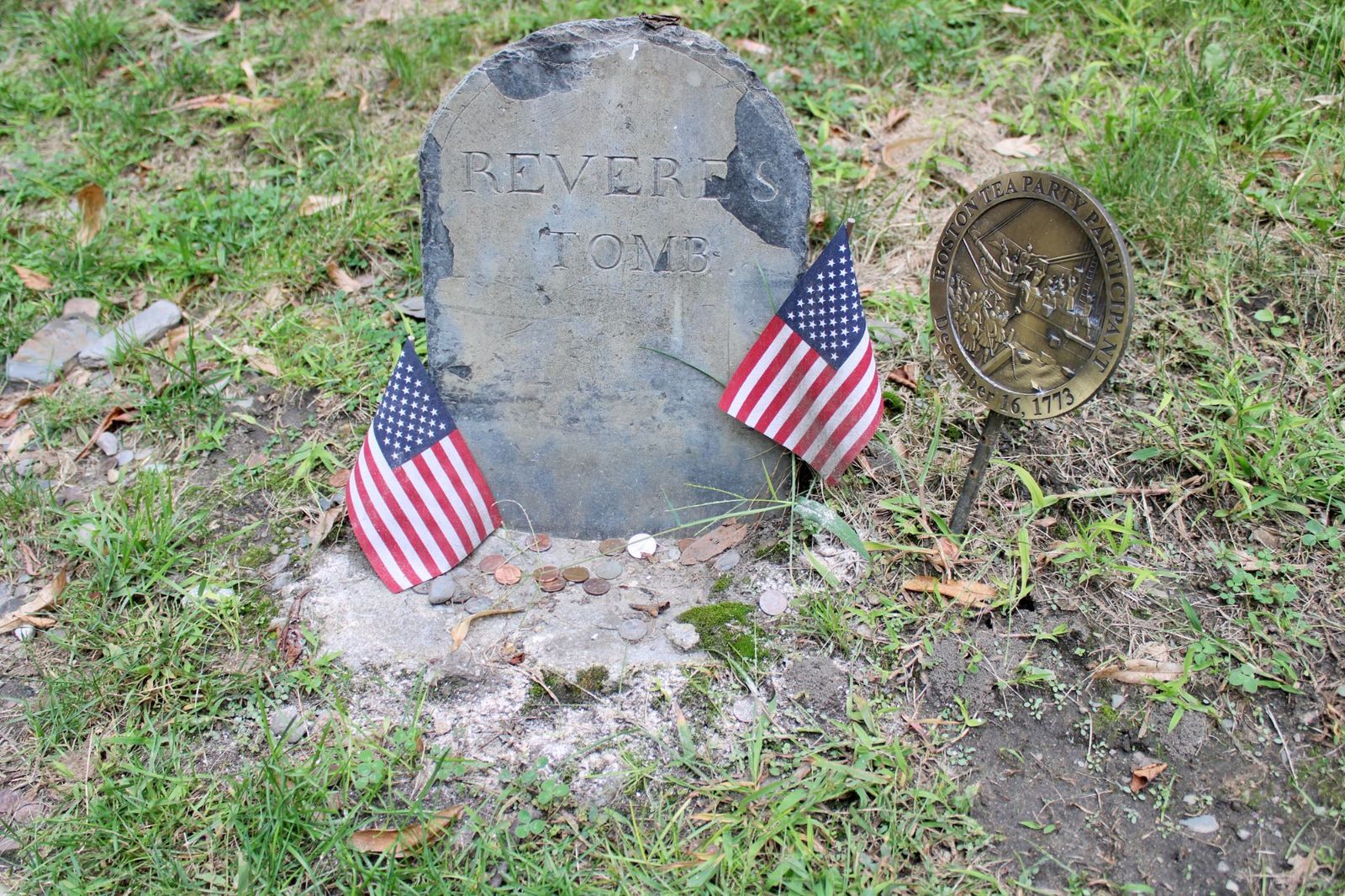
Image: Jaclyn Vernace

After the Revolution ended, Revere left politics and went back to industry with some success. He opened a hardware store, a foundry, and the first rolling copper mill in the United States.

In fact, his business supplied the copper used to protect the hull of the USS Constitution. He also cast nearly 1,000 church bells, many of which still ring across New England today. Amazingly, the company he founded, Revere Copper Products, Inc., is still in business. Paul Revere passed away in 1818 at the age of 83, leaving behind a legacy more industrious than a single night’s ride.
Geography Geography 5 min read

Extraordinary secrets about the capitals of the United States

The only state capital without a McDonald's and 11 other fun facts

Image: AmericanBenchCraft

Can you guess which is the only U.S. capital built on top of an extinct volcano? What about which is the oldest state capital, the least populated, or the one with the coldest temperature? If you're dying to know the answers to these questions, read on to discover 12 fun facts about our state capitals that you probably didn't know!

1
Jackson, Mississippi

Image: Engineers' office, department of Tennessee, Public domain, via Wikimedia Commons

Did you know Jackson, Mississippi, is named after the 7th U.S. President, Andrew Jackson? It is one of the four state capitals named after American presidents —the other three are Jefferson City (Missouri), Lincoln (Nebraska), and Madison (Wisconsin).

Jackson is the only U.S. capital built on top of an extinct volcano. Interestingly, during the Civil War, the city was burned by Union troops, giving it the nickname "Chimneyville". In addition, Jackson is best known for being the center of the civil rights movement during the 1950s and 1960s.

2
Santa Fe, New Mexico

Image: Wendy Shervington

In 1610, Spanish settlers established Santa Fe as the capital of New Mexico, making it the oldest state capital in the country. But that's not the only peculiarity of this quaint city with a temperate climate and a unique historical and cultural richness. At 7,000 feet above sea level, Santa Fe is also the highest U.S. capital.

3
Honolulu, Hawaii

Image: Daniel Lee

Known for its spectacular beaches and rich cultural heritage, Honolulu is the only state capital not on the North American mainland. Considered the birthplace of modern surfing, it also has the highest average annual temperature of any U.S. state capital.

But those aren't the only interesting facts about Hawaii's capital. Here are a few equally (or more) crazy ones: it hosts the only royal palace in the United States (Iolani Palace), the island is made up of volcanic soil, and it houses the world's largest open-air shopping mall (Ala Moana Center).

4
Annapolis, Maryland

Image: Terry Granger

Annapolis is a historic city on the shores of the Chesapeake Bay, known for its colonial architecture, nautical tradition, and academic value. But did you know it is also the smallest U.S. capital by land size? Just 6.7 square miles!

Annapolis was also one of the nine capitals the United States has had throughout its history. For nine months during the Revolutionary War, Maryland's current state capital served as the seat of the Confederation Congress.

5
Bismarck, North Dakota

Image: NASA Astronaut, Public domain, via Wikimedia Commons

If you thought Juneau, Alaska, had the lowest average winter temperature of all state capitals, think again! It's actually Bismarck, North Dakota, where the coldest temperature ever recorded was -45°F. Imagine that!

Bismarck was founded in 1872 on the banks of the Missouri River. The city was named after Otto von Bismarck, the chancellor of Germany, to attract German investors. Another fun fact? In 1930, Bismarck and Fargo had a dispute, known as the "Capitol Tower War," over which city should be the state capital.

6
Charleston, West Virginia

Image: Carol M. Highsmith, Public domain, via Wikimedia Commons

Did you know that the original name of West Virginia's capital was Charles Town in honor of the father of Colonel George Clendenin, one of the first settlers?

Charleston is best known for offering a unique combination of history, culture, and outdoor adventure.

7
Hartford, Connecticut

Image: Balazs Busznyak

Founded in 1635, Connecticut's capital is one of the oldest cities in the U.S. Hartford is known for being a key cultural center in New England. It was the home of writer Mark Twain and is home to historic sites such as the State Capitol, the Harriet Beecher Stowe House, and Bushnell Park, the oldest public park in the country.

Hartford is also called the "insurance capital of the world" due to the presence of major insurance companies. But the city's most curious fact is that it was where Teddy Roosevelt, aboard the Columbia Electric Victoria Phaeton, took the first presidential automobile ride in history!

8
Harrisburg, Pennsylvania

Image: Katherine McAdoo

Pennsylvania's capital city is best known for its role in the Civil War and the Underground Railroad. Located on the banks of the Susquehanna River, Harrisburg has been an important center of transportation and commerce. Today, it is known for its historic architecture, museums, and special events.

Harrisburg is also home to the longest stone arch bridge in the world, the Rockville Bridge, built in 1902. Oh, and in 1979, it came close to a nuclear disaster due to the accident at the Three Mile Island plant, the worst in U.S. history —but that's a longer story for another article!

9
Olympia, Washington

Image: Peter Robbins

Located at the southern tip of Puget Sound, Washington's state capital is known for its natural beauty and vibrant culture. But did you know Olympia is the northernmost state capital in the contiguous U.S.?

Oh, and it's also a great place to try some of the best craft beer in the country.

10
Salt Lake City, Utah

Image: Cong Wang

Utah's state capital is popular for being one of the best places to ski in the United States. But that's not all! Salt Lake City is also the only state capital with three words in its name. Have you ever thought about that?

It has the largest Mormon population in the country and is the world headquarters of the Church of Jesus Christ of Latter-day Saints. Another fun fact? Salt Lake City is home to more plastic surgeons per capita than any other state capital!

11
Montpelier, Vermont

Image: John Holm

Named after the French city of the same name, Montpelier is the least populated state capital, with a population of just 7,900. Probably for that reason, Vermont's capital prides itself on its small local businesses: it is the only state capital that doesn't have a McDonald's or a Starbucks. Could you live without these fast food chains? It doesn't have a Walmart store either!

12
Topeka, Kansas

Image: Nils Huenerfuerst

Topeka, Kansas’s state capital, has several interesting tidbits. For example, did you know its name, of Native American origin, means "a good place to dig potatoes"? Interesting, don’t you think?

In 2010, Topeka temporarily changed its name to "Google, Kansas" to attract the attention of the internet giant and become the capital city of fiber optics. Frivolous facts aside, Topeka was also very important in the history of the civil rights movement.

History History 6 min read

LEADING THE WAY

Let's Remember 10 Iconic American Firsts in History

Throughout the history of the United States , many historical facts and events have taken place. But there's always a first time for everything , right? While things like space travel may seem normal today, it is important to remember that there was a time when it had never been done and was also unimaginable.

If you want to remember the American pioneers who changed history, read on! Today, we will commemorate 10 of the most iconic "firsts" that shaped our nation . Maybe you witnessed one of them!

1
The Everest

Image: Martin Jernberg

James Whittaker made history as the first American to achieve one of the most difficult things in the world.

In 1963 , Whittaker, then 34 years old , became the first American to reach the summit of the highest mountain on the planet, Mount Everest , as part of the American Mount Everest Expedition led by Norman Dyhrenfurth.

Facing challenging weather and low temperatures, Seattle-born Whittaker conquered the summit of the Himalayan giant, which stands at 29,035 feet high! Can you picture yourself on such an expedition?

2
The astronauts

Image: NASA

The 1960s definitely transformed history, marking a period when humanity first traveled into outer space. The first American to reach space was Alan Shepard on May 5, 1961 . After a successful flight of 15 minutes and 22 seconds, Shepard's spacecraft splashed down safely in the Atlantic Ocean. Shepard didn’t complete an orbit of Earth on that trip, but John Glenn arrived and became the first American to orbit our planet on February 20, 1962 .

Of course, these amazing achievements were necessary for Neil Armstrong to take his historic step onto the lunar surface on July 20, 1969 , becoming the first American -and the very first human- to do so.

Want to know who was the first American woman in space ? The title went to Sally Ride , who reached outer space in 1983 .

3
The Skyscraper

Image: Pedro Lastra

Yes, skyscrapers dominate the skyline of many cities in our country today. However, there was a time when there were none. And the title of America's first skyscraper went to the Home Insurance Building in Chicago.

Designed by architect William Le Baron Jenney and completed in 1885 , it was the first to use a structural steel frame. Although iconic and unique in its time, it was demolished in 1931 to build what is now the Bank of America Building.

4
The Nobel

Image: caleb weiner

You'll be happy to know that the first Nobel Prize won by an American was in the Peace category. It was awarded to none other than Theodore Roosevelt in 1906 for his role and contribution to ending the Russo-Japanese War.

Roosevelt stood out precisely for inviting representatives from Russia and Japan to a peace conference in Portsmouth, New Hampshire, in 1905. Of course, the task was not an easy one, but Teddy was determined. His efforts ended in a historic peace agreement known worldwide as The Treaty of Portsmouth.

5
The flight

Image: History in HD

The Wright brothers ' story is one of the most famous. Coming from Dayton, Ohio , these two brothers are credited with inventing the first powered airplane and making the world's first successful flight with it.

But which of them was the first American to fly? Well, it seems Wilbur Wright, the older of the two, gave the honor to his younger brother. So, it was Orville who made history as the first to pilot the successful aircraft.

Orville piloted the first sustained flight of a powered aircraft in December 1903 near Kitty Hawk, North Carolina . His flight lasted 12 seconds and flew a distance of 120 feet. True pioneers!

6
The University

Image: Somesh Kesarla Suresh

388 years is a really long time, right? Well, that's the amount of time that has passed since the first university was founded in the territory of what would eventually become the United States of America.

We are talking about the prestigious Harvard University , born in 1636 in what was then the Massachusetts Bay Colony , with the aim of training clergy. Originally called "New College," the institution was later renamed Harvard College in honor of John Harvard , its first major benefactor.

7
The baseball team

Image: Caitlin Conner

Whether you prefer football, ice hockey, baseball, or basketball, it's undeniable that these four sports best represent our nation.

But only one has earned the title of "America's pastime." Of course, we're talking about baseball . One of the most popular sports today, it was also the earliest to establish a professional team.

The Cincinnati Red Stockings , established in 1869 , were the first professional baseball team in our country. When all the teams were still amateur, the Red Stockings became the first team with paid players, leading the way for the rest of the teams and for the eventual establishment of the National Association of Professional Base Ball Players in 1871.

8
The Flag

Image: Samuel Branch

Every independent country needs a flag to symbolize its identity and ideals. The US flag , in particular, has gone through a series of changes that show the nation's journey through history. First hoisted by George Washington on January 1, 1776 , at Prospect Hill in Somerville, Massachusetts , our first National Flag was born during the years of the Revolution .

Known as the "Continental Colors," this unofficial flag was adopted in 1775 as a symbol of the Continental Army . Its design had 13 red and white stripes , symbolizing the 13 original colonies, and the Union Jack in the upper left corner.

As the Revolutionary War progressed, the Continental Congress considered a series of changes to our flag to better represent the united colonies and their desire for independence. Thus came the "Stars and Stripes" new design on June 14, 1777 , which replaced the Union Jack with 13 white stars, initially often arranged in a circle.

9
The Oscar

Image: Mirko Fabian

If you are a movie enthusiast , this fact is probably already in your memory. And if you're not, it's still a good fact worth knowing.

The first Academy Awards ceremony was held on May 16, 1929 , and featured nominations for classic films like The Racket and Seventh Heaven , both released in 1927.

But the movie that stole the show was Wings , also from 1927 , directed by William A. Wellman and starring Clara Bow, Charles Rogers, and Richard Arlen. This silent film about WWI was the very first to win the category then known as "Outstanding Picture," which today we call "Best Picture." It was notable for its realistic aerial battles and special effects of excellent quality for its time. If you haven't seen it yet, this is your cue to do so!

10
The National Park

Image: Austin Farrington

From expansive deserts to dense forests, and from delightful beaches to impressive mountains, our country's landscapes and biodiversity are truly amazing.

Many of these natural sites have earned the title of National Parks , which guarantees their protection and conservation for the joy of locals and tourists. And while today we have many national parks to visit, there was once a first.

The very first was the great Yellowstone National Park , designated by President Ulysses S. Grant on March 1, 1872 . Located in the states of Wyoming, Montana, and Idaho, this natural site set a precedent for the conservation of our land's natural areas. Have you already visited it?

Explore more American facts

Choose your favorite category!

General
General

As American as apple pie—the very best America has to offer!

Culture
Culture

Delve into the astounding richness of American lore.

Geography
Geography

Hop in and explore vast and diverse American landscapes.

History
History

Discover the key moments that shaped the United States.