Culture Culture 6 min read

Advertising legends

Who paid for the third O? 10 Hollywood Sign secrets
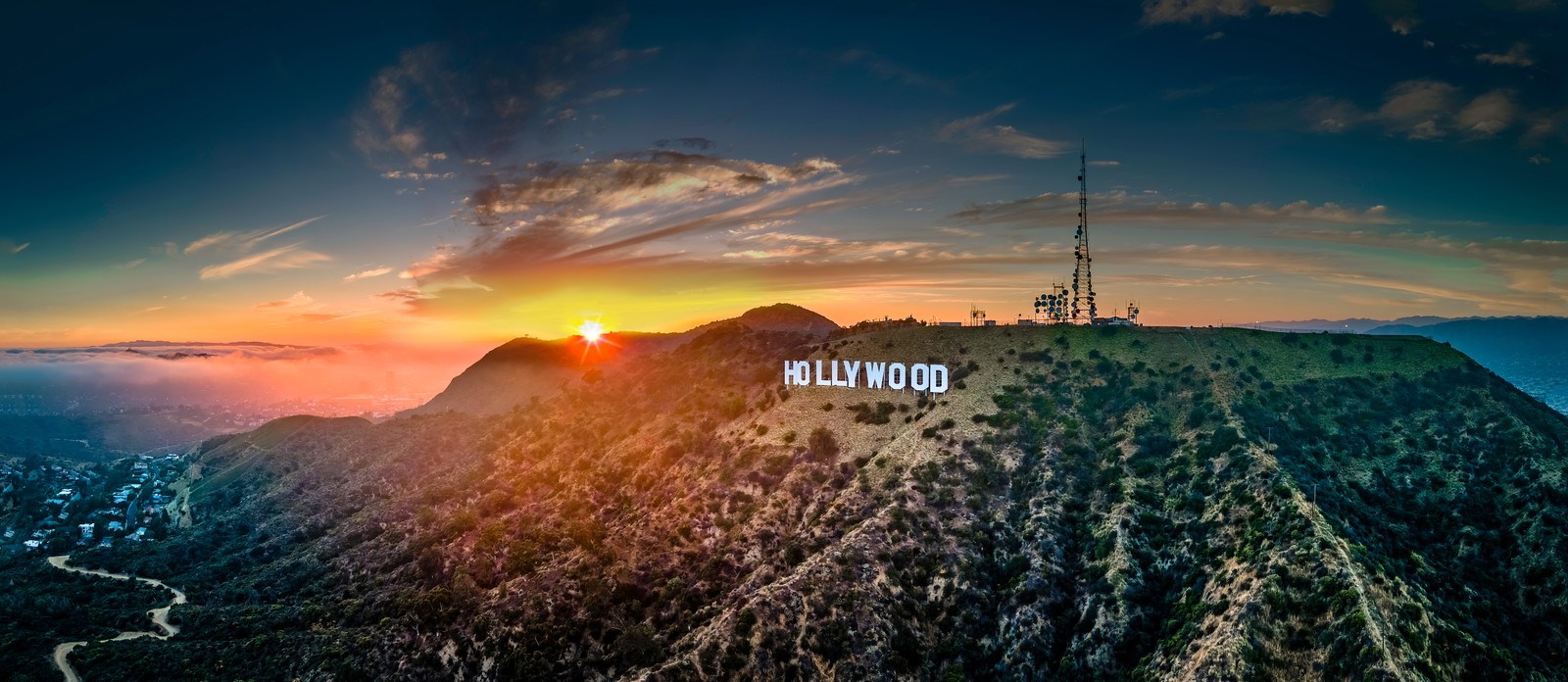
Image: Shutterstock

Can you imagine Los Angeles or the entertainment industry without the iconic, endlessly reproduced Hollywood Sign? Yet the landmark was never meant to represent the movies or fame at all. It started as an advertisement for a new neighborhood and was supposed to stay up for less than two years. Instead, it lost four letters, survived years of damage, and became a beloved and unforgettable symbol. Here is the surprising story behind the sign.

1
The original sign read "Hollywoodland"
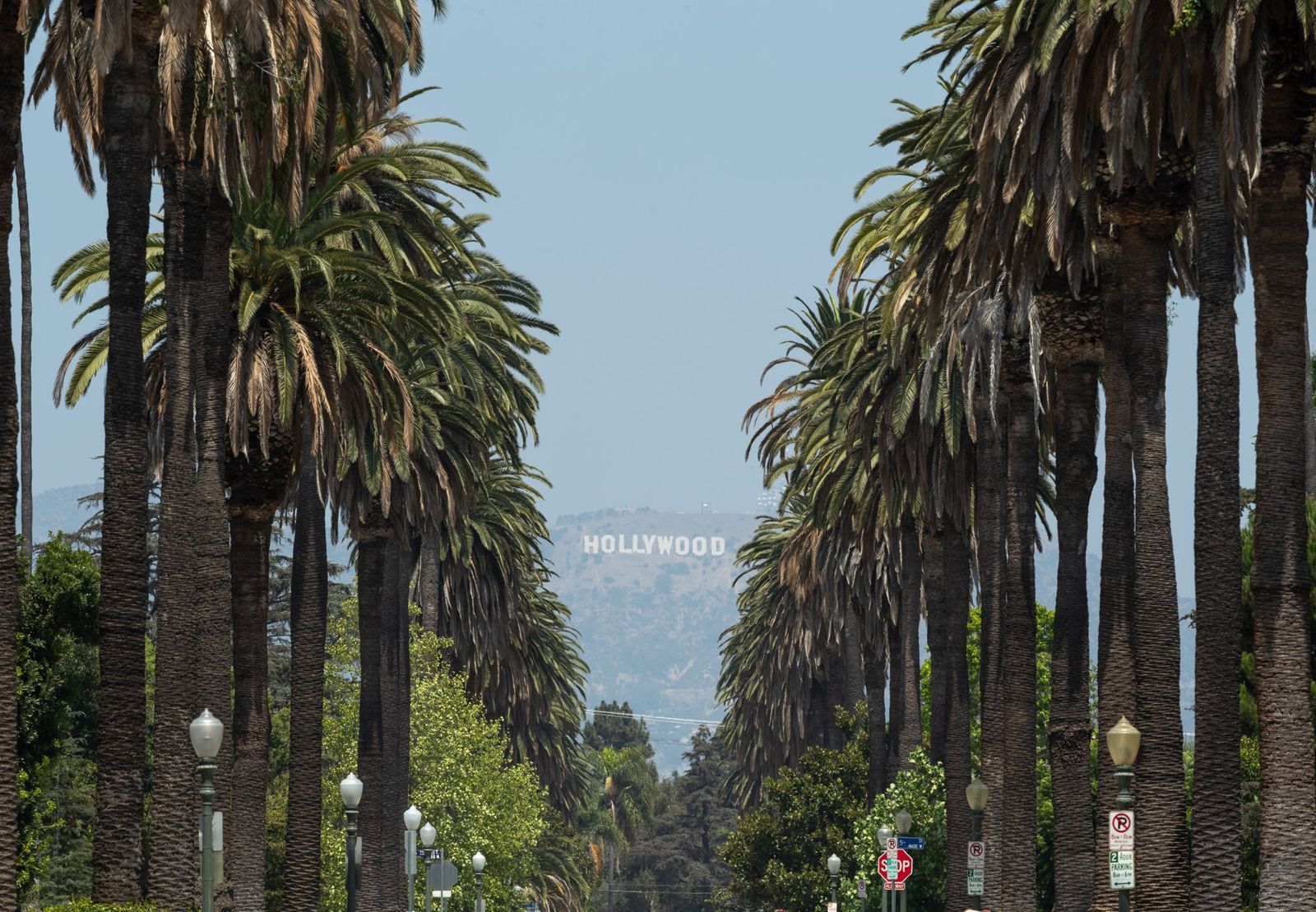
Image: Shutterstock

Imagine driving through Los Angeles and suddenly seeing a giant new word stretched across a hillside, where nothing had stood before. The sign that appeared on Mount Lee in 1923 read "Hollywoodland," with 13 enormous letters rising above Beachwood Canyon. Each letter was about 43 feet tall and 30 feet wide, making the advertisement impossible to miss.

Modern period movies sometimes restore that original view. Ruben Fleischer’s 2013 film Gangster Squad is set in 1949 and opens with a shot that moves from Griffith Observatory toward the complete "Hollywoodland" sign. The extra four letters immediately place the story in an earlier Los Angeles, before the landmark took its familiar form.

2
It advertised real estate
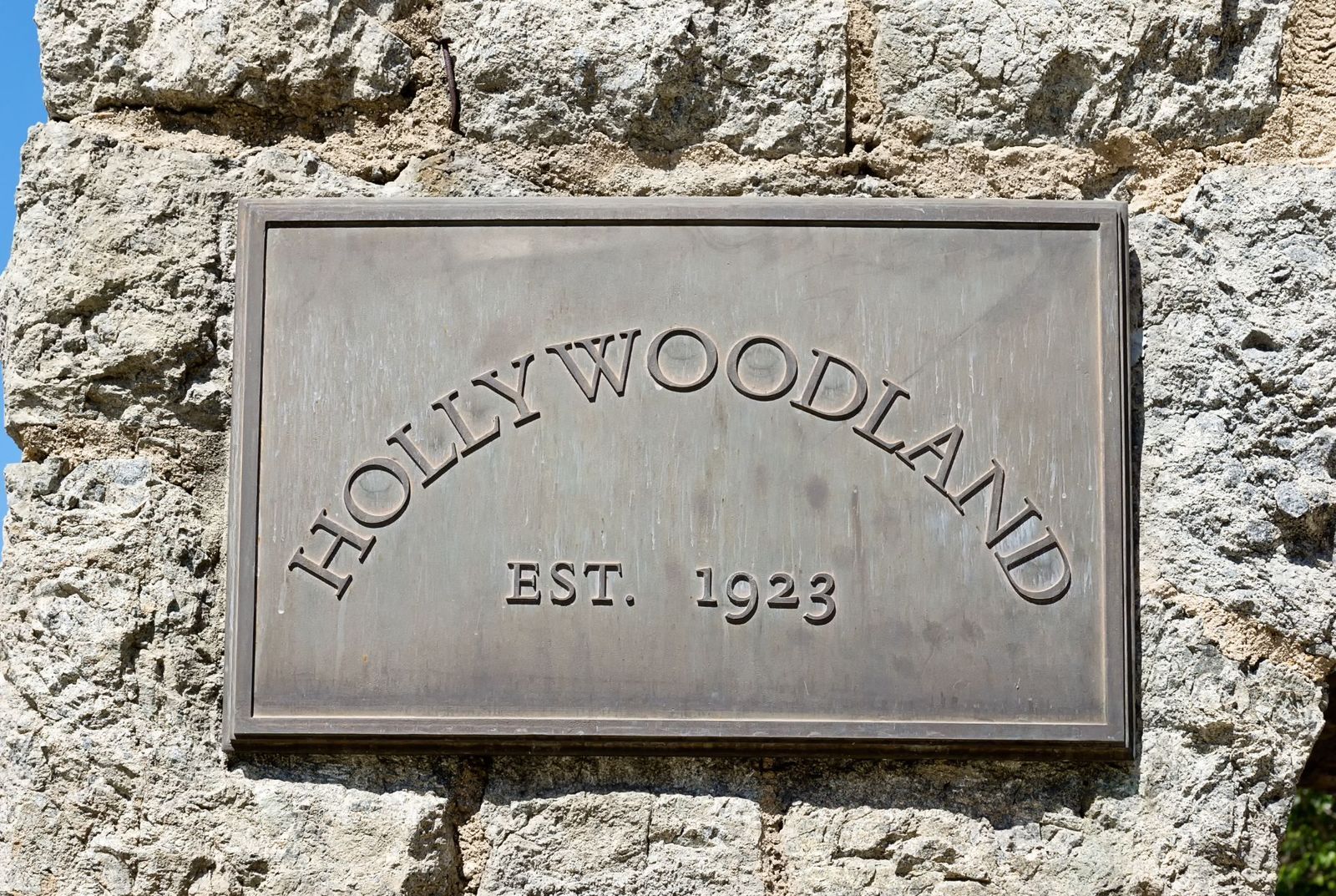
Image: Shutterstock

No one involved in putting up the sign could have imagined how iconic it would become. Before the sign was a celebration of Hollywood’s film industry, it advertised Hollywoodland, a new upscale neighborhood in the hills . A group of real estate investors, including Los Angeles Times publisher Harry Chandler, supported the project and spent about $21,000 on the giant sign.

The development itself was already a large project. A 1923 advertisement said that 200 men were working there, seven miles of roads had been built, and huge amounts of dirt had been removed. The sign was simply the biggest part of the sales campaign.

3
It was supposed to be temporary
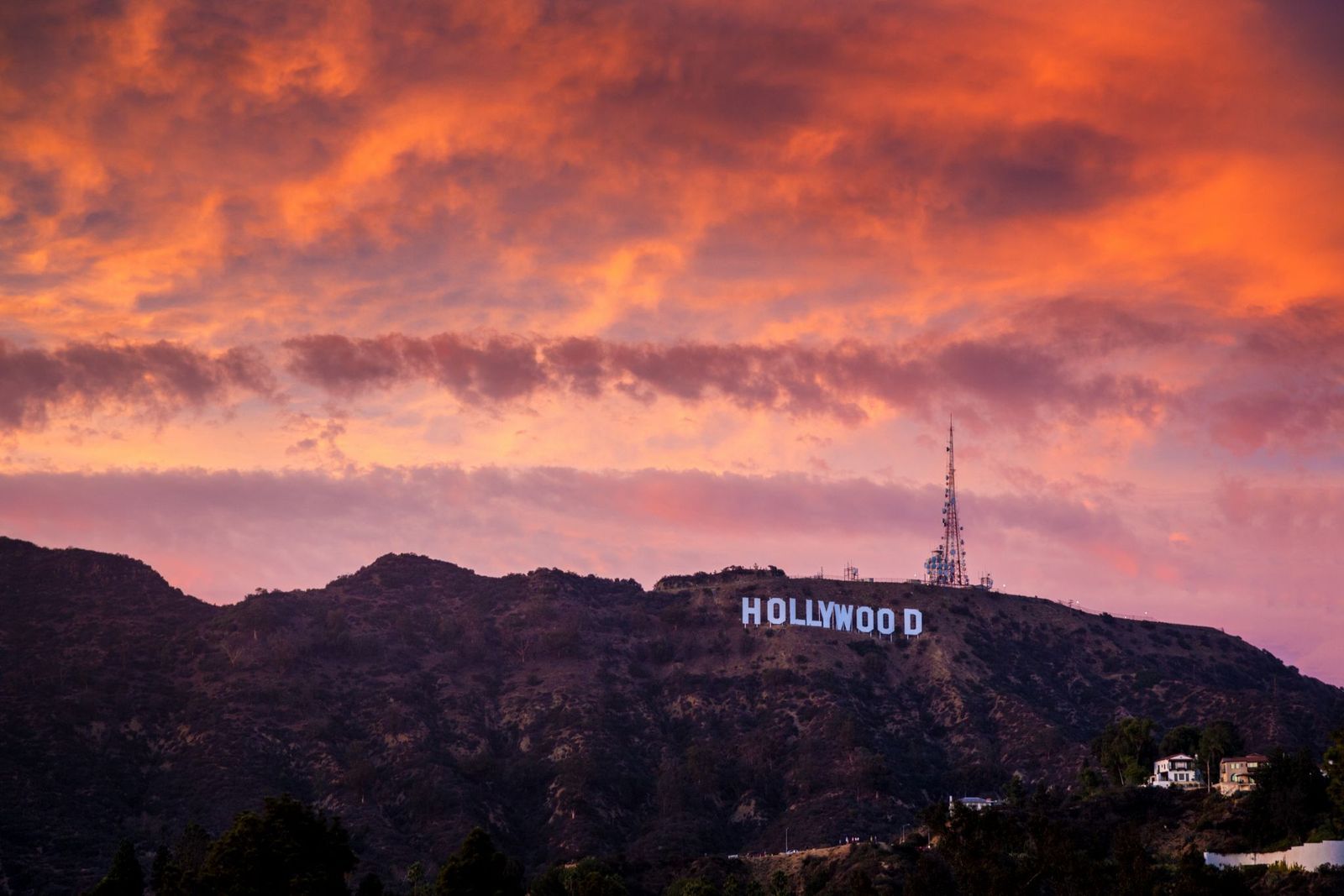
Image: Shutterstock

The Hollywood sign wasn’t meant to last forever. The developers expected it to stay on the hillside for only about 18 months. But that deadline passed, and the sign was still useful for attracting buyers to Hollywoodland, so no one rushed to take it down.

As the years went by, the giant letters became a familiar part of the Los Angeles landscape, especially as the movie industry nearby continued to grow. After the development had sold its properties, the company transferred the sign and the surrounding land to the City of Los Angeles in 1944. By then, the temporary billboard had already been standing over the city for more than 20 years.

4
Thousands of bulbs lit the letters
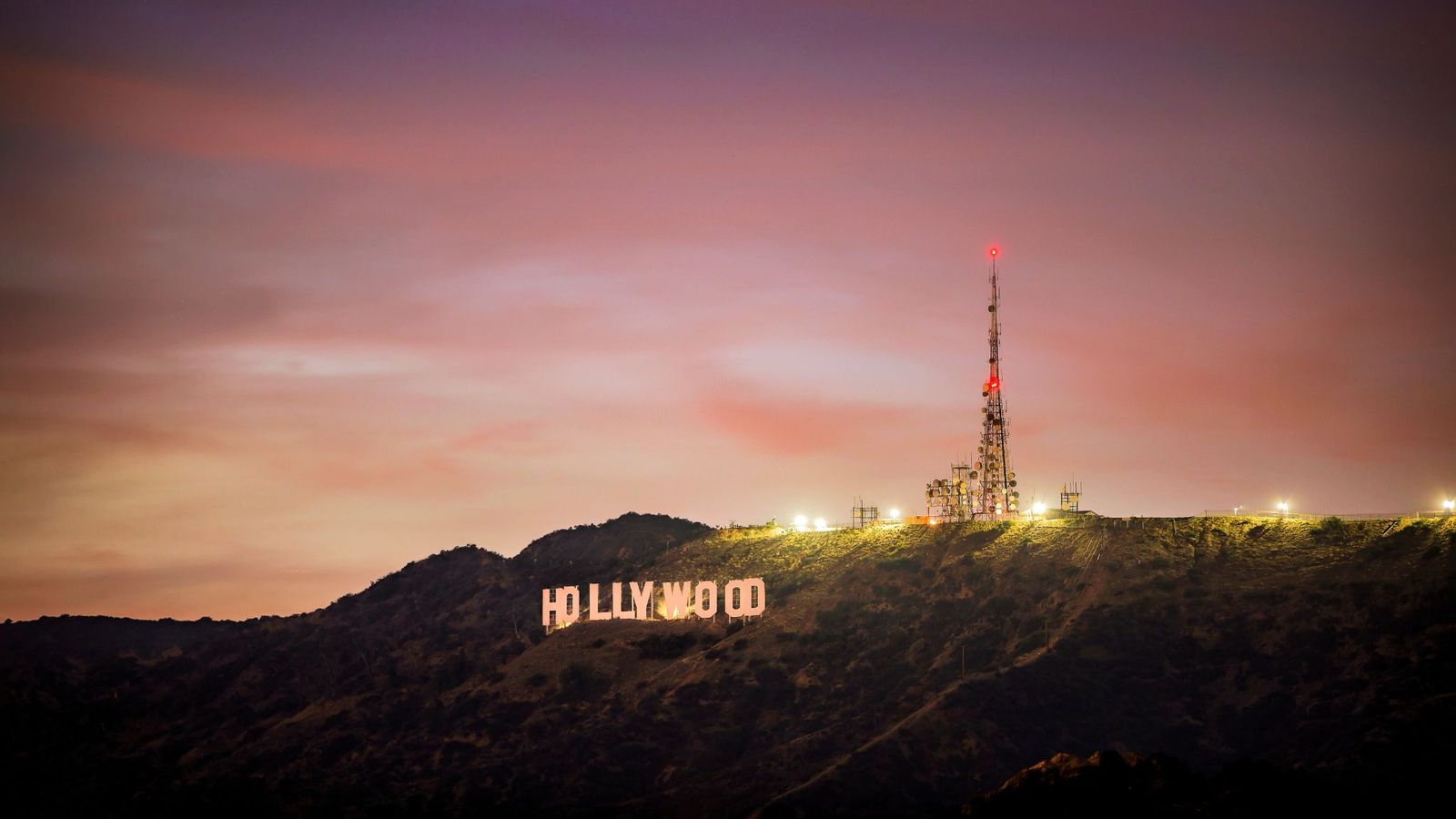
Image: Shutterstock

For Los Angeles residents in the 1920s, the Hollywoodland sign must have looked more like a giant theater marquee than a roadside billboard. As it was designed to stand out after dark just as much as during the day, about 4,000 light bulbs, each rated at 20 watts, covered its metal panels. Placed only eight inches apart, they turned the hillside into an enormous electric display.

And the whole sign didn’t light up at once. First came "Holly," followed by "wood" and then "land," before the complete name appeared. There was even a 35-foot illuminated dot beneath the letters, acting like a giant period at the end of the word.

5
The "Land" section disappeared in 1949
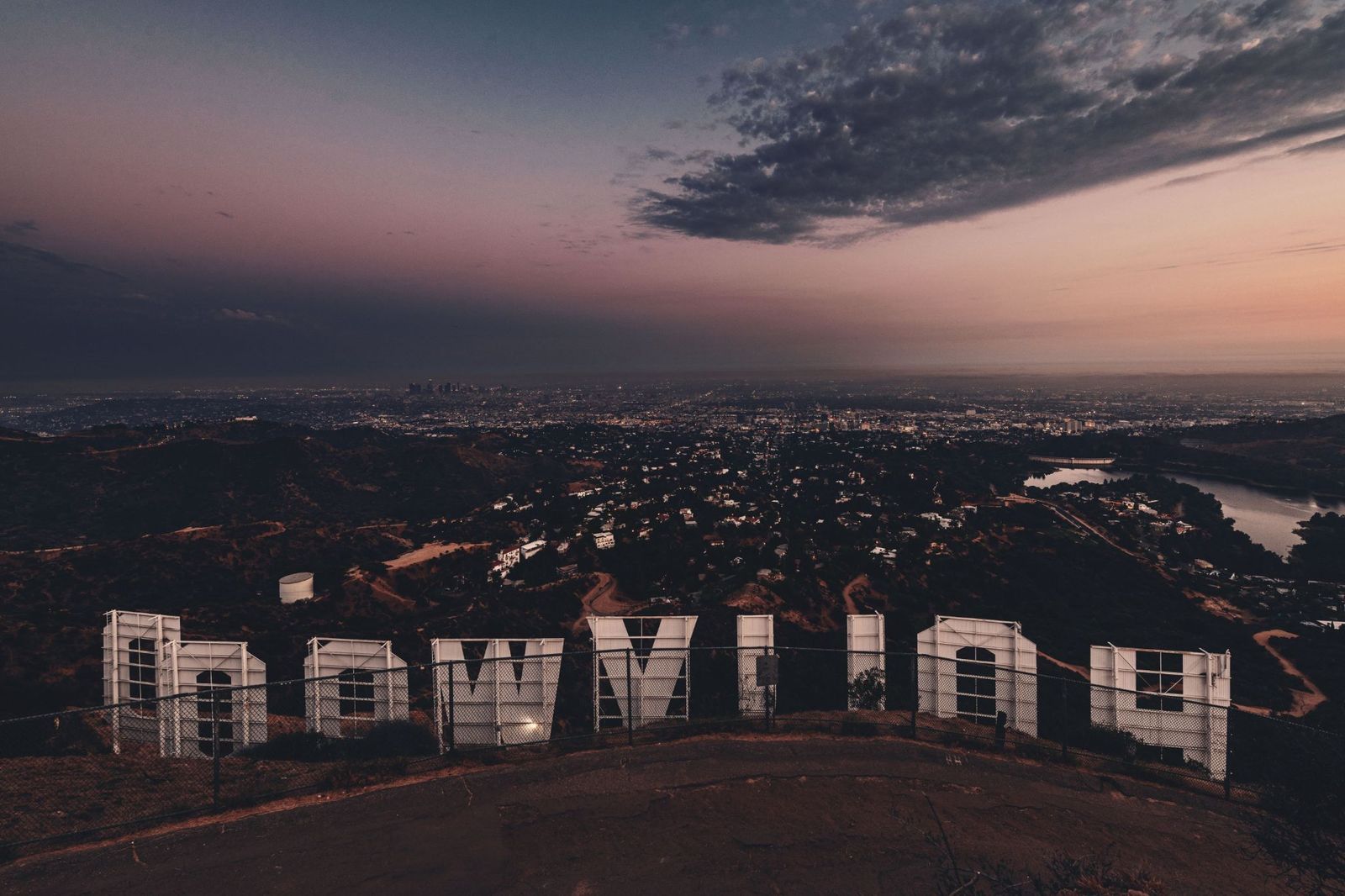
Image: Shutterstock

By the late 1940s, the sign had fallen into such poor condition that city officials considered tearing it down. Residents pushed back, and the Hollywood Chamber of Commerce offered to help restore it. But there was one major change: the last four letters had to disappear.

In April 1949, the city approved a plan to rebuild the missing "H," remove "LAND," and repair the remaining letters. On September 26, "Hollywoodland" officially became "Hollywood." That small change gave the sign a completely new meaning. It no longer advertised a housing development; it now represented the entire Hollywood district.

6
The original letters slowly collapsed
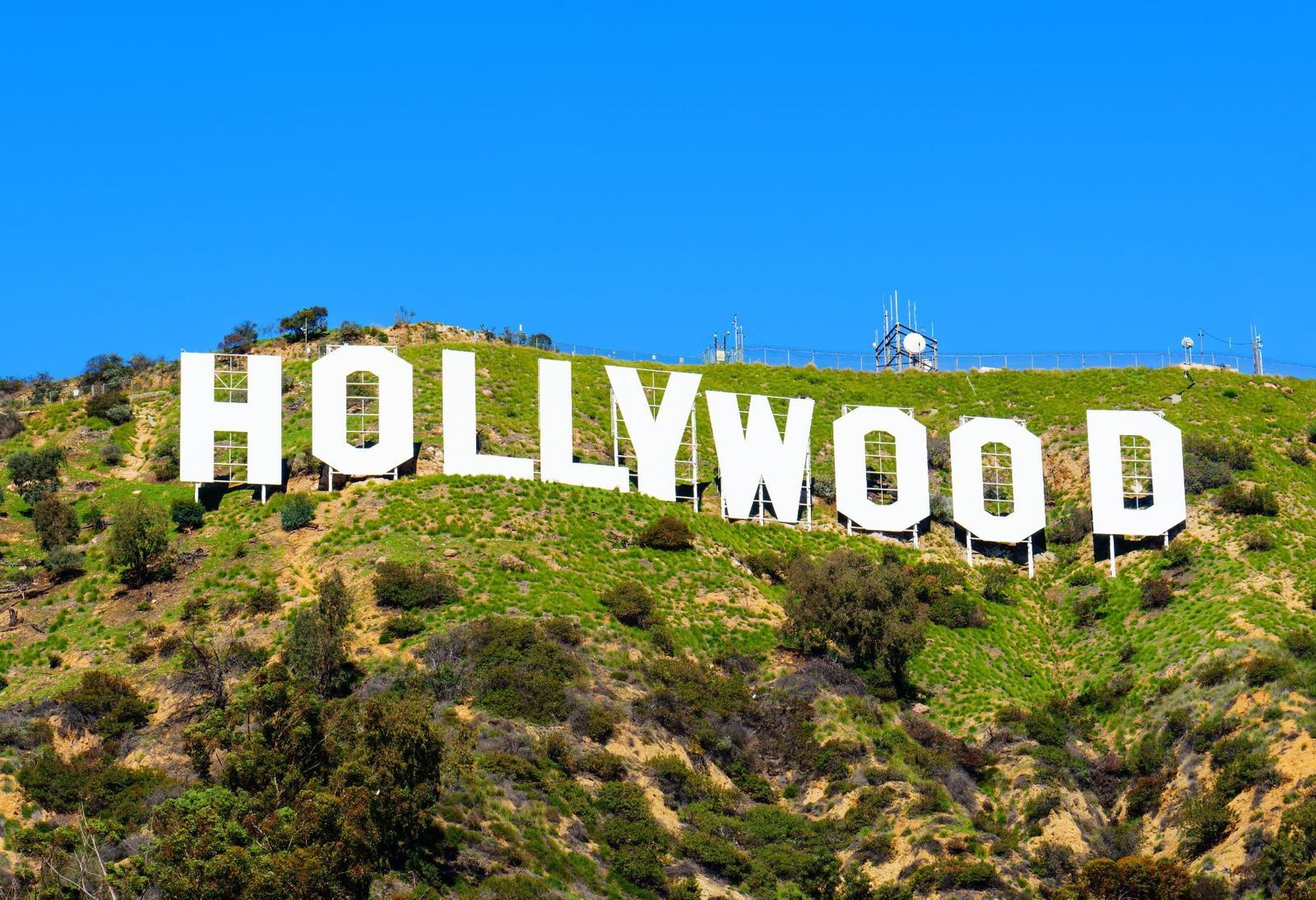
Image: Shutterstock

The 1949 repairs helped for a while, but they didn’t fix the sign’s deeper structural problems. Its metal panels and supporting framework were still exposed to years of sun, rain, wind, termites, neglect, and vandalism. By the 1960s and 1970s, the landmark looked rusty, uneven, and was close to falling apart.

In fact, parts of it did fall down the mountain. The top of the "D" collapsed, the third "O" disappeared completely, and an arsonist damaged the bottom of the second "L." Even after Los Angeles designated the sign a Historic-Cultural Monument in 1973, its condition continued to deteriorate. At that point, another coat of paint was not going to be enough.

7
The sign was rebuilt in 1978
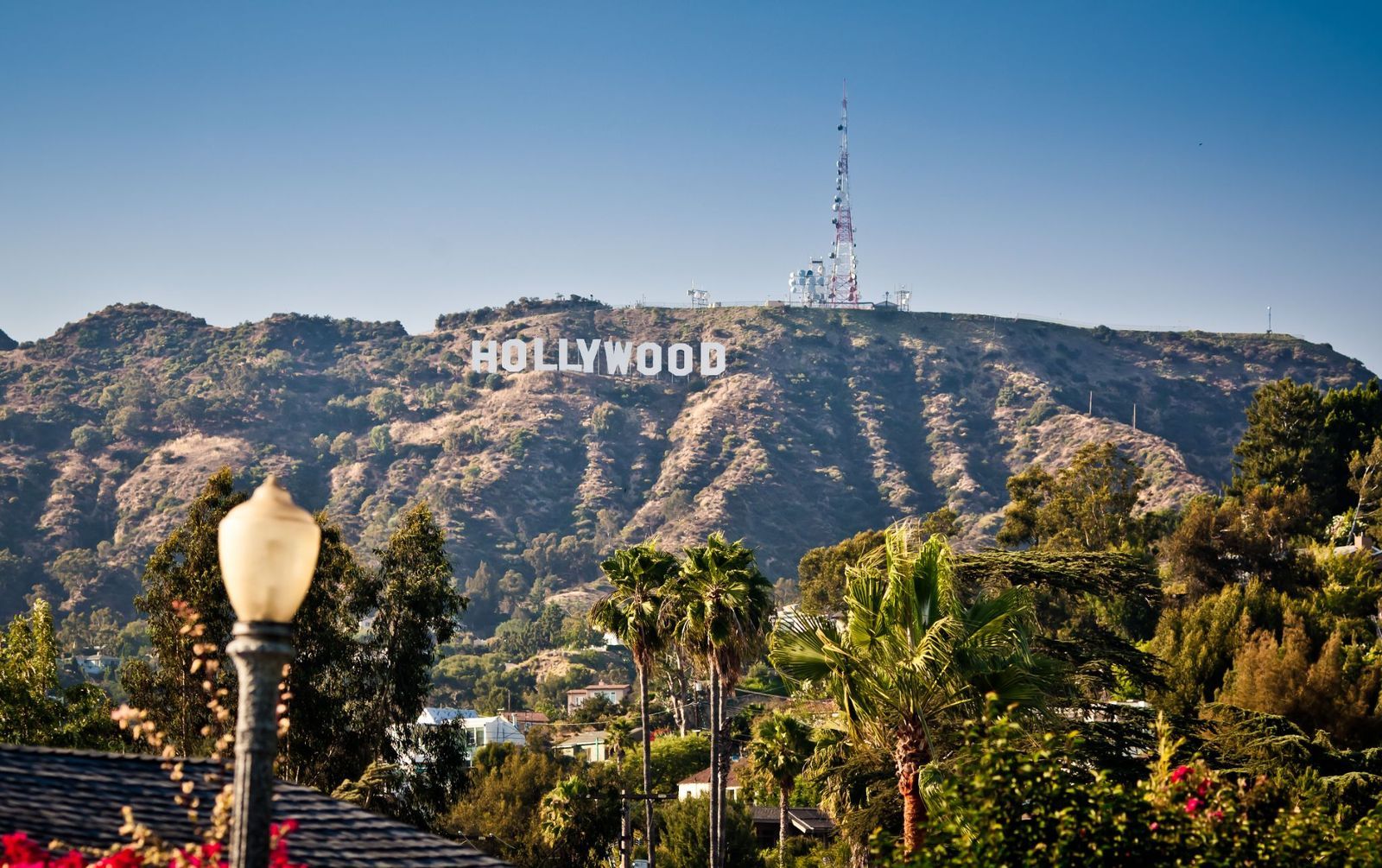
Image: Shutterstock

What would Hollywood do if its most famous sign disappeared? Small repairs were no longer enough by the end of the 1970s. The Hollywood Chamber of Commerce decided that all nine letters had to be replaced, and workers took down the original sign in August 1978, leaving the hillside completely bare for about three months.

This time, the sign was built to last. The new letters were made of steel and enamel and secured with concrete, creating a structure of about 194 tons. The new sign imitated the original and was completed in November 1978. So, t he letters visitors see today aren’t from 1923, but a recovered version of the landmark.

8
Celebrities helped pay for new letters
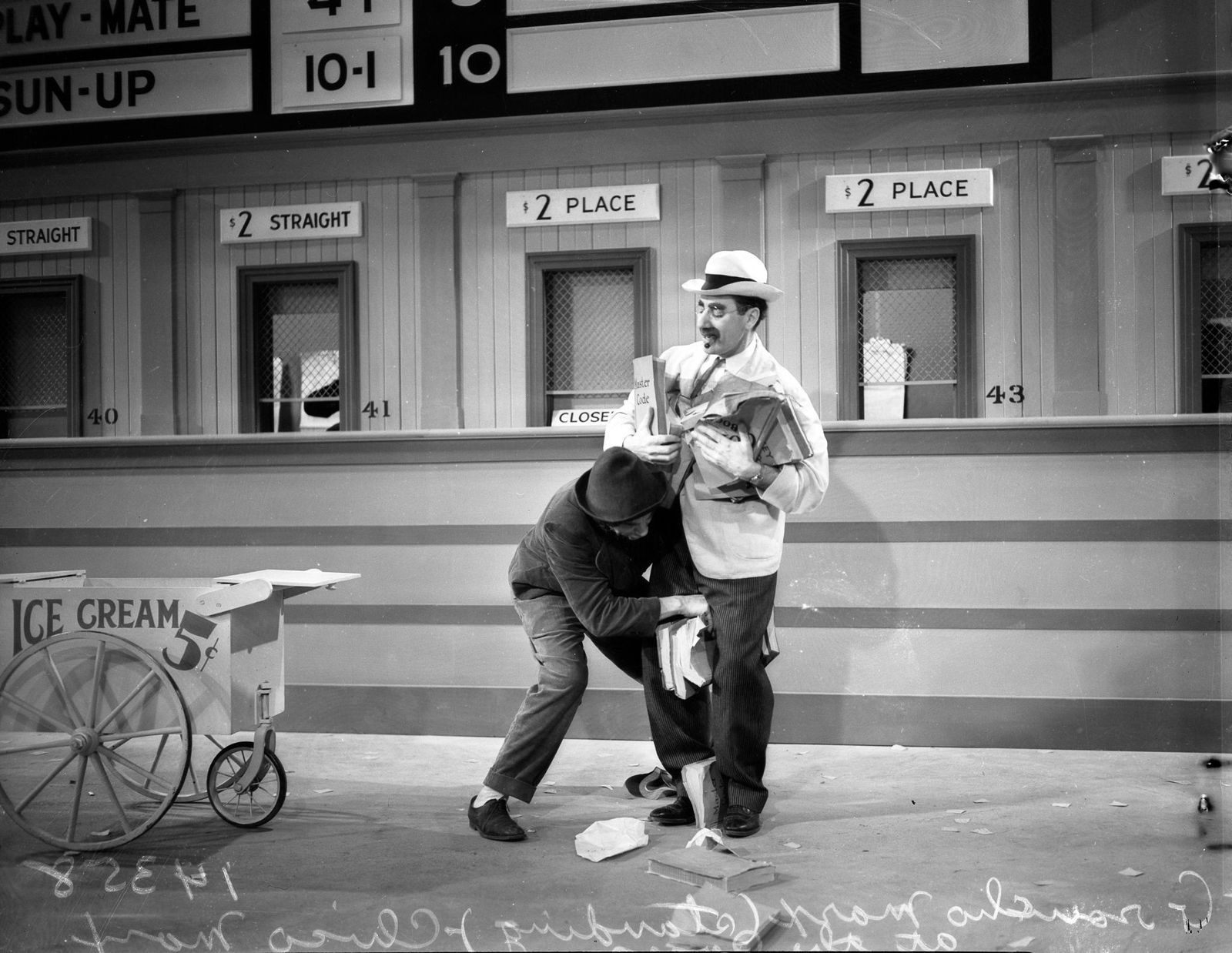
Image: Los Angeles Daily News, CC BY 4.0, via Wikimedia Commons

The project cost about $250,000, and Hollywood raised it the only way it knew how: with famous names and a big party. Hugh Hefner held a party at the Playboy Mansion, where donors could pay about $27,700 to sponsor one of the nine new letters.

Several famous names joined the campaign. Alice Cooper paid for the third "O" in honor of comedian Groucho Marx. Singer Andy Williams sponsored the "W," while Gene Autry and television station KTLA helped pay for the second "L." Warner Bros. Records, Kelley Blue Book founder Les Kelley, and other supporters also helped rebuild the famous sign.

9
The sign has been altered several times
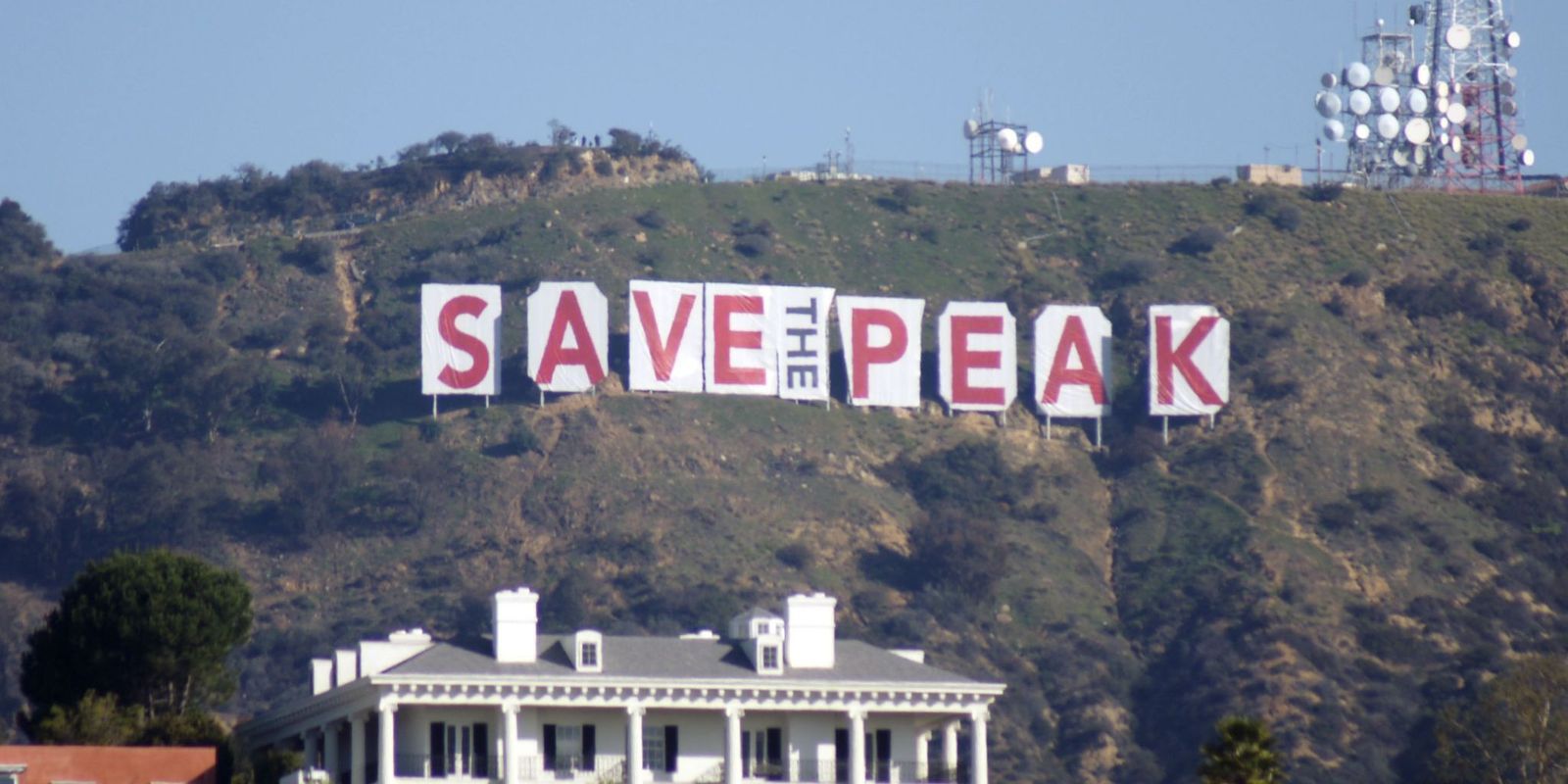
Those giant white letters have always attracted pranksters, students, activists, and advertisers who wanted to display their own messages above Los Angeles. Most of them didn’t remove or damage the original letters. By covering only certain parts of the sign with fabric, plastic, or curtains, they could make the sign appear to spell a completely different word . These changes were usually temporary, lasting only long enough to promote an event, support a cause, or play a public joke.

On New Year’s Day in 1976, art student Daniel Finegood used about $50 worth of curtains to change the sign to "Hollyweed." In 1987, it became "Holywood" during Pope John Paul II’s visit. The sign has also been changed for official promotions, including "FOX" for the television network and "Go Navy" for an Army-Navy football game.

10
An advertisement became an icon
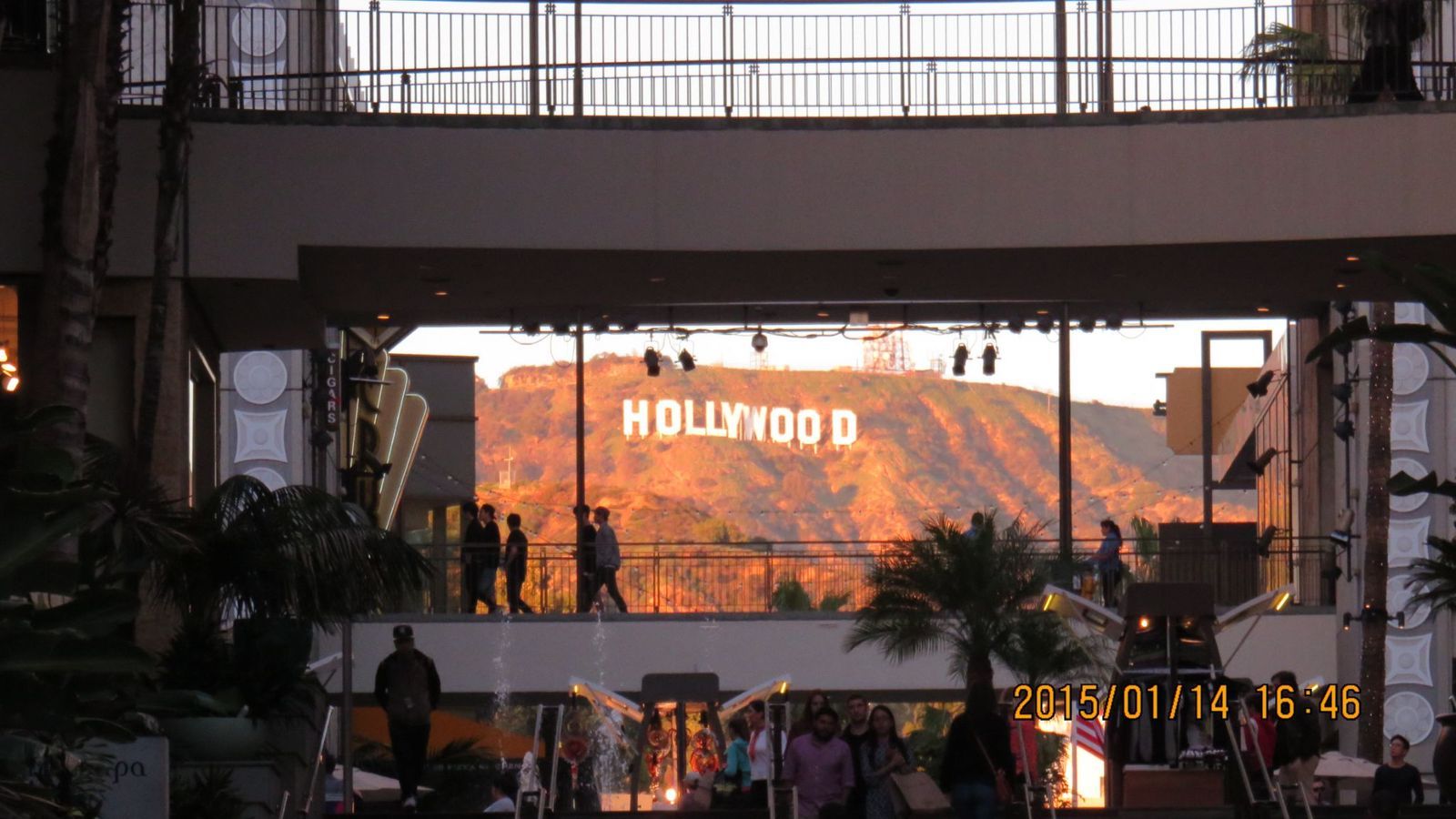
Image: Shutterstock

Los Angeles officially named the sign Historic-Cultural Monument No. 111 in 1973, recognizing that the former advertisement had become an important part of the city’s history. Five years later, during the campaign to rebuild the damaged letters, the Hollywood Sign Trust was created to help protect the landmark for future generations.

Since then, the organization has overseen repairs, repainting, security, and other improvements needed to keep the sign standing on the hillside. The sign represented much more than a place on a map; it’s a symbol of Hollywood dreams and the hope of turning them real.
General General 3 min read

Holiday curiosities

10 Thanksgiving facts you'll be thankful to know!

Image: Element5 Digital

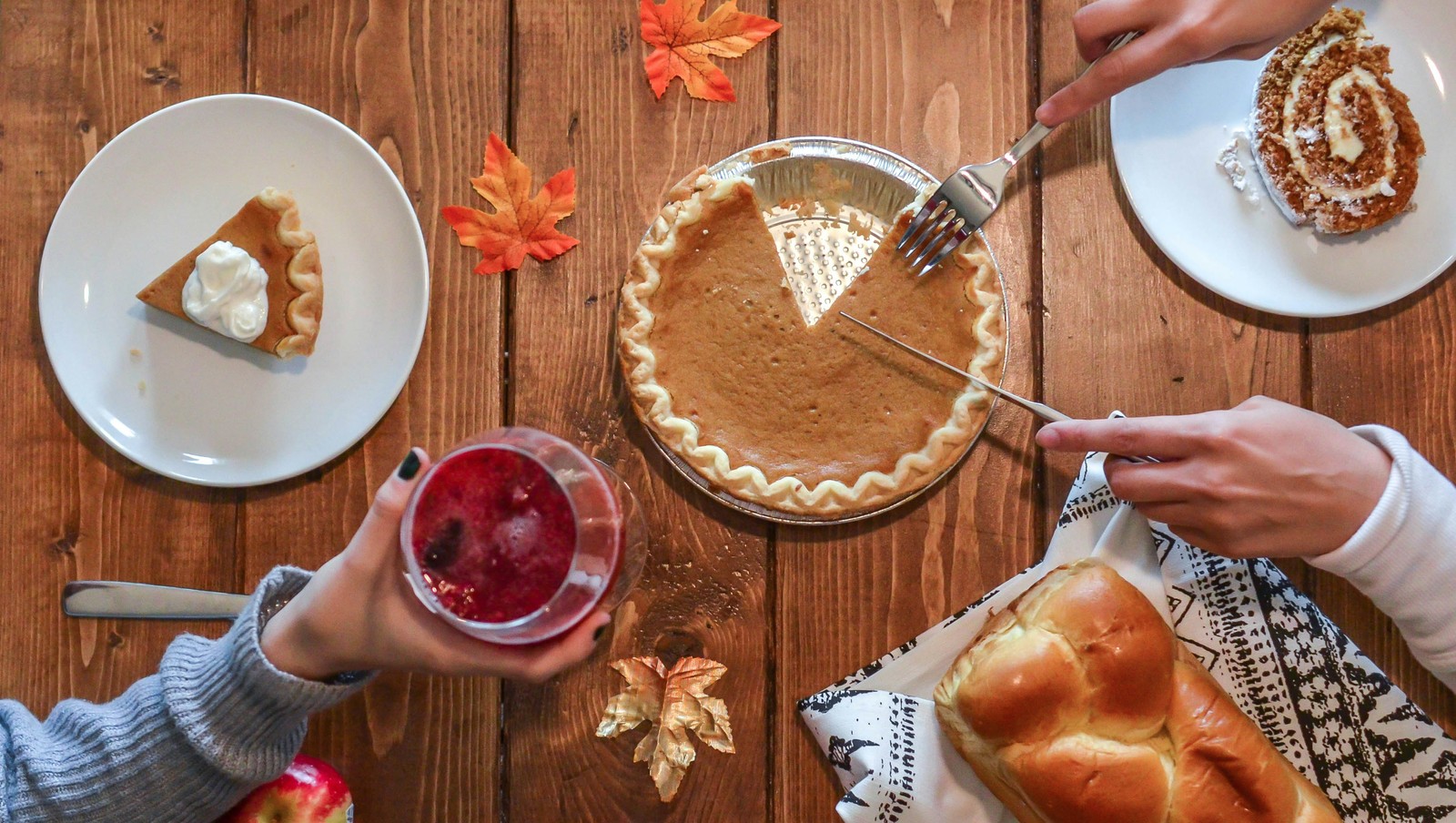
On Thanksgiving Day, Americans gather with family and friends to enjoy a big dinner, watch parades, and catch football games. But this holiday isn't just about traditions and history; there's a lot of fun and surprises too. You might never guess which profession works overtime while everyone else is out chasing Black Friday deals! Read on to discover 10 fun facts about Thanksgiving you probably didn't know!

1
Bussy day

Image: Imani

Many of us spend the day after Thanksgiving relaxing or shopping. But this is not the case for plumbers. In fact, Black Friday is the busiest day of the year for these professionals. The reasons are all too common: clogged kitchen drains, overworked garbage disposals, and toilet troubles.

2
Leftovers vs. dinner

Image: Jed Owen

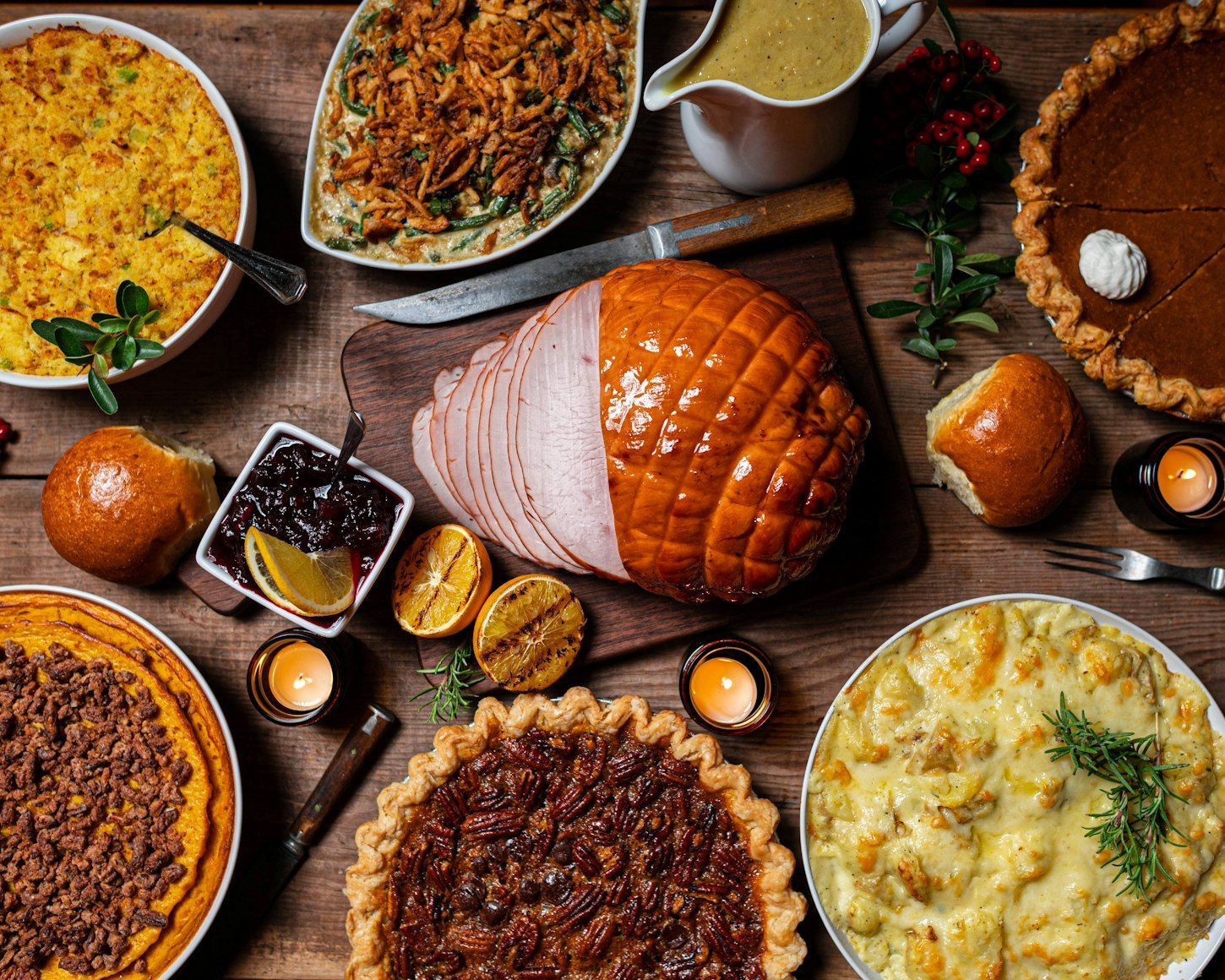
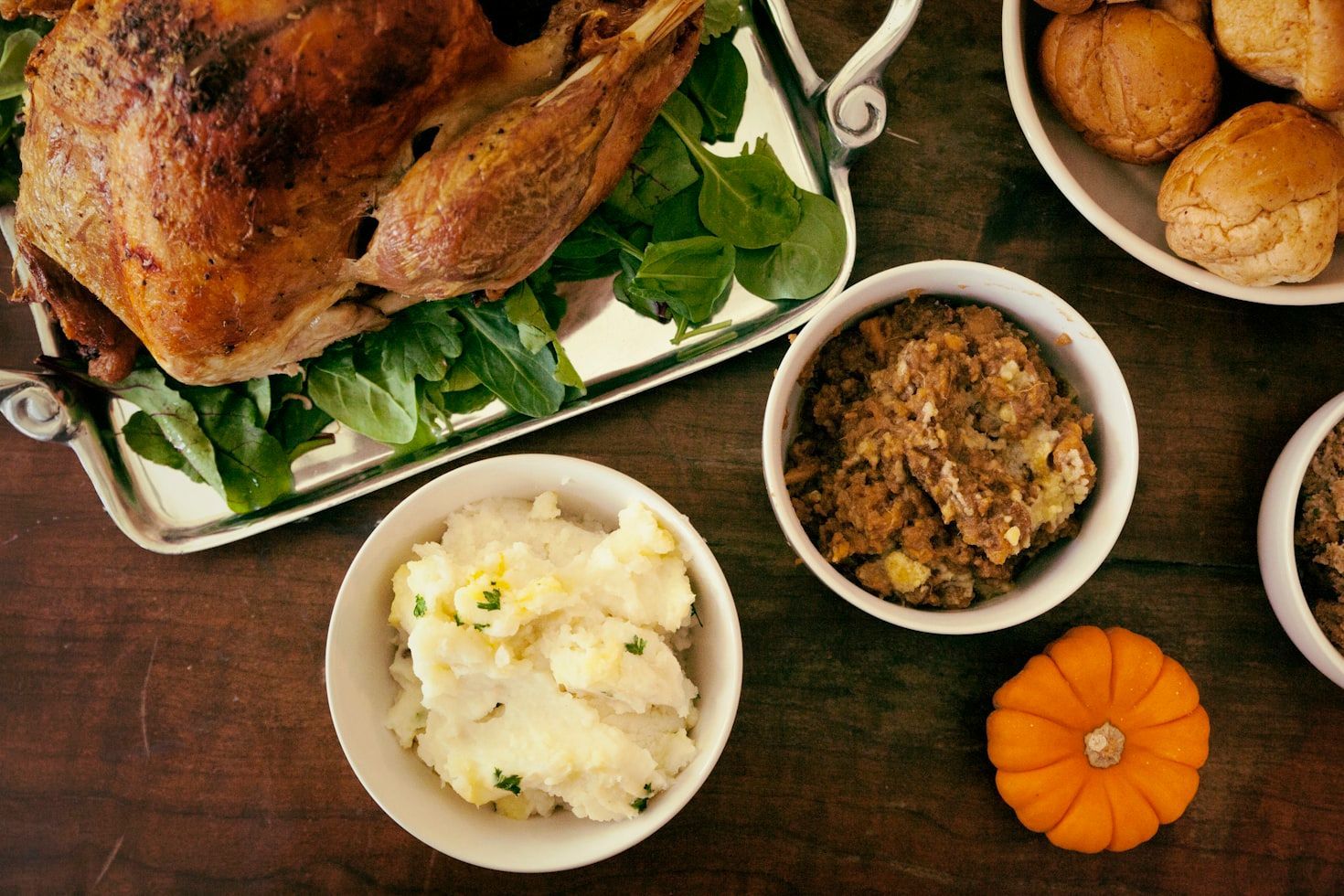
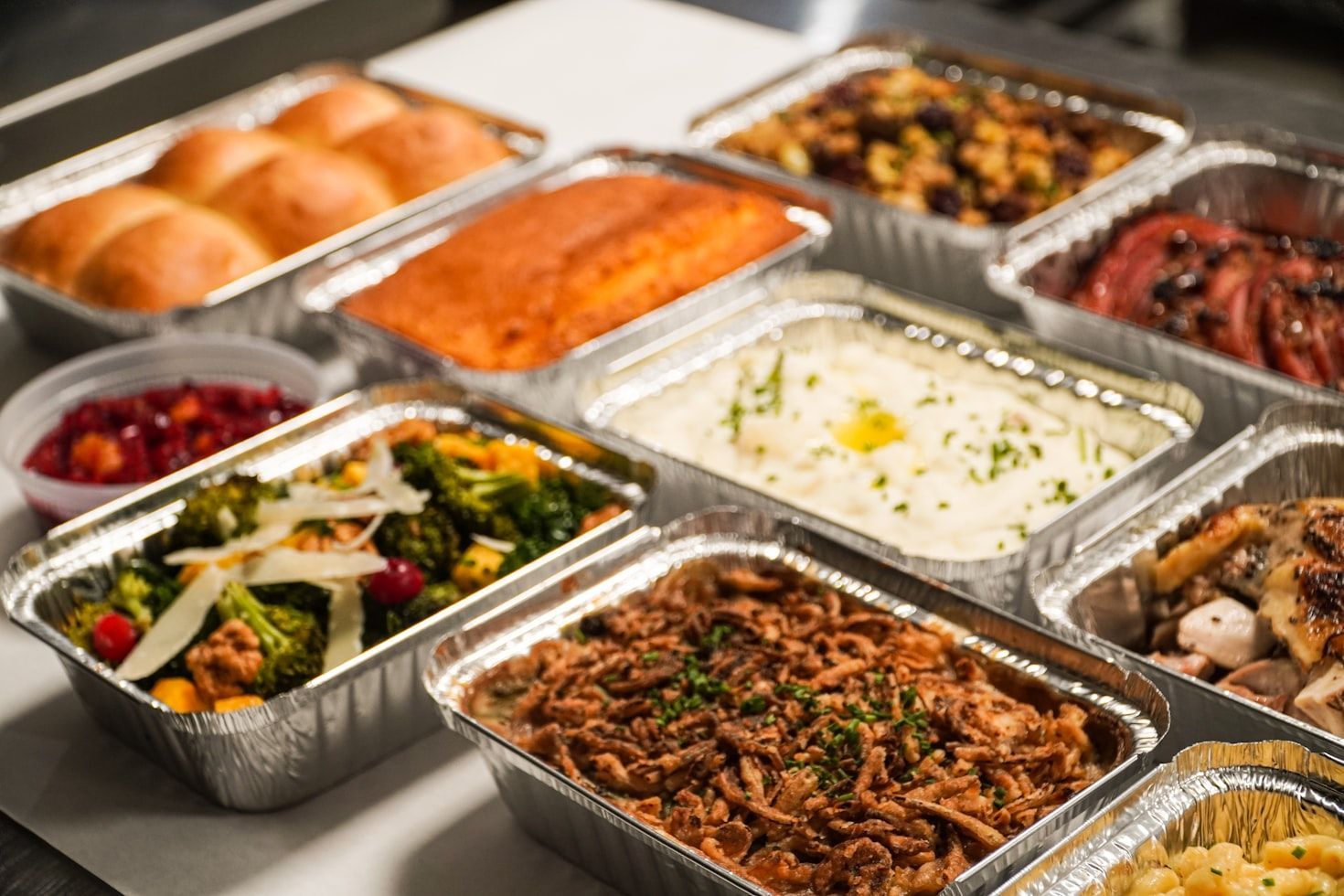
Stuffing, turkey, mashed potatoes, gravy, cranberry sauce, green bean casserole, and pumpkin pie are just a few of the classic food staples we enjoy on Thanksgiving. And as delicious as that feast is, studies show most Americans actually prefer the leftovers the next day! It seems there's something special about waking up and finding that delicious meal waiting for you in the fridge.

3
A caloric day

Image: Jessica Christian

There's no denying that on Thanksgiving, we often surrender to an extra slice of pie or one more piece of turkey than usual. According to the Calorie Control Council, Americans consume between 3,000 and 4,500 calories on Thanksgiving (not counting the leftovers waiting to be eaten the next day!). For comparison, medical guidelines often recommend between 1,600 and 3,000 calories for most healthy adults.

4
Thankful crowd

Image: Carson Masterson

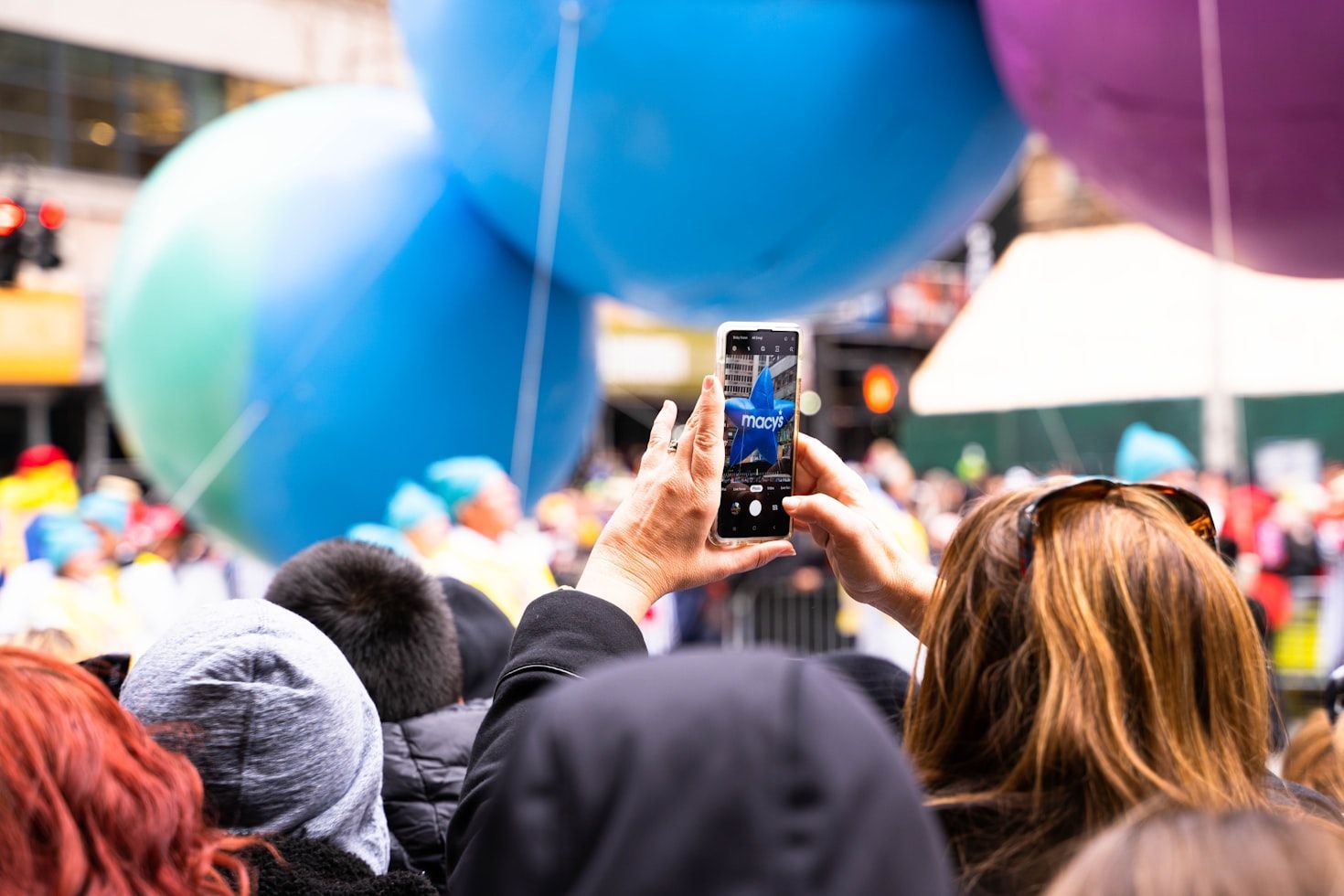
Macy's Thanksgiving Day Parade is definitely a spectacular event you don't want to miss. We all know it's massive, but can you guess how many people actually attend in person? About 3.5 million! Not the best place if you're not a fan of crowds. When the parade started in 1924, the number of spectators was far smaller; around 10,000 people gathered to watch.

5
Green Bean Casserole

Image: Meghan Schiereck

Although it's now a Thanksgiving staple we can't imagine the holiday without, green bean casserole was actually invented in 1955! That's right; it was the brainchild of Dorcas Reilly, who worked for the Campbell Soup Company. Its success probably comes from the delicious flavor, quick prep, and simple ingredients: green beans, cream of mushroom soup, and crispy fried onions.

6
Turkey or not?

Image: Megan Watson

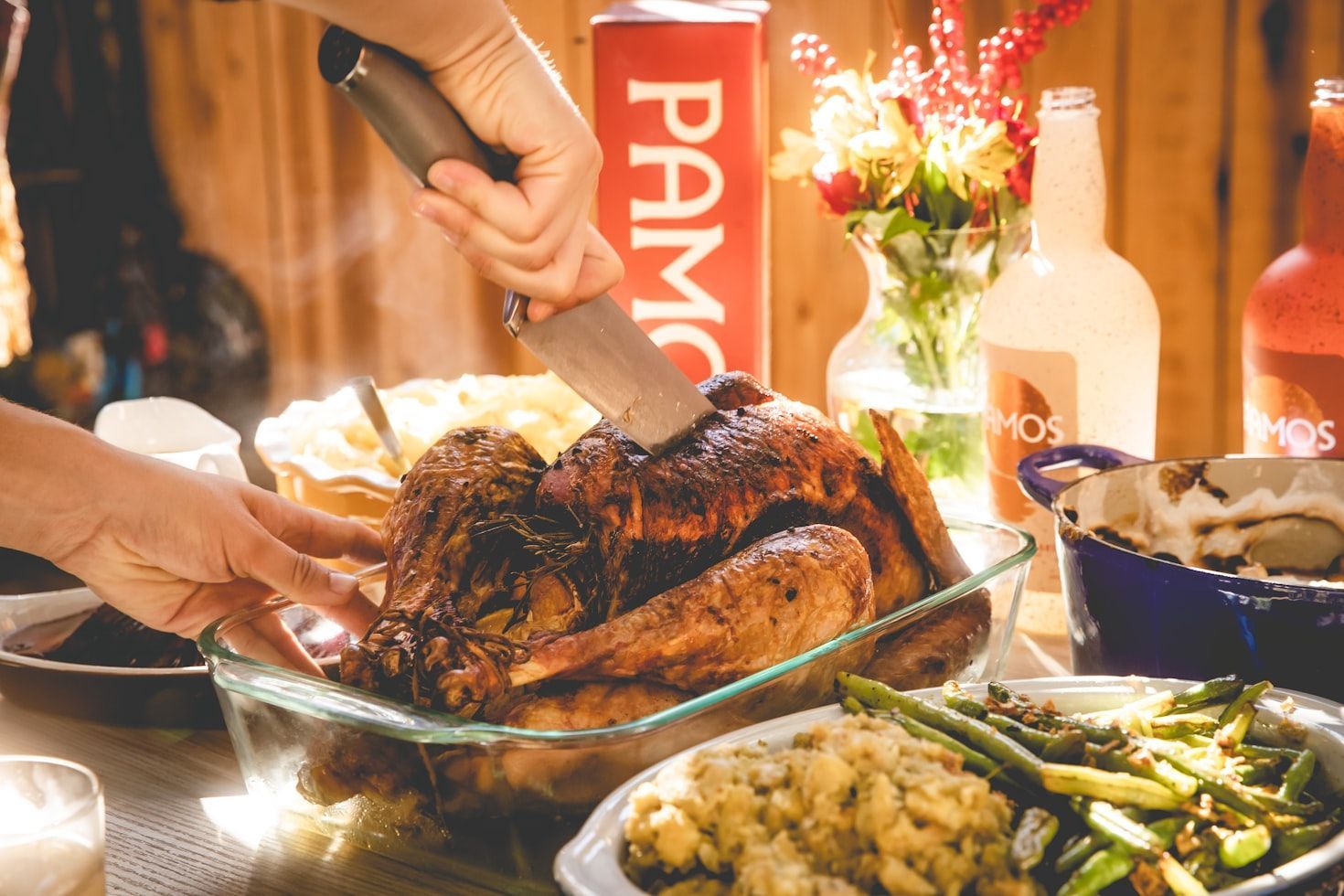
While turkey is the main dish on most tables, surprisingly, 12% of Americans choose to skip it during the holiday. The reasons? Endless. Some prefer other dishes, others follow vegetarian diets, some want to save room for dessert, and others avoid turkey for reasons we'll reveal in the next section!

7
Drowsy dinner

Image: Sander Sammy

Feeling like taking a nap after Thanksgiving dinner? Don't worry, you're not alone. While it's true that turkey contains tryptophan, a natural sleep aid, the present amount isn't any higher than in other birds, and a few bites shouldn't make you drowsy. What actually happens is that we eat a lot of calories in a short period, which slows down our metabolism and makes us sleepy.

8
Americans' favorite

Image: Philippe Murray-Pietsch

If you thought turkey was everyone's favorite, you might want to think again! It turns out that a majority of Americans actually prefer stuffing. Specifically, 56% of Americans say they like side dishes more than turkey. For many, sides have become the real star of the meal.

9
Thanks to a miscalculation

Image: Ana Maltez

The story goes that in the 1950s, the Swanson Company overestimated how much turkey Americans would eat during the holiday and ended up with about 260 tons of frozen leftovers. But a clever salesman came to the rescue: inspired by airline meals, he suggested packaging the turkey in trays with classic sides like stuffing and peas. The result: in late 1953, Swanson launched the first TV-Dinner, and the rest is history!

10
100,000 turkey-related questions

Image: Miryam León

Even though the tradition has been around for many years, people still have many questions about their Thanksgiving turkey. In fact, the Butterball Turkey Talk Line —a legendary Thanksgiving hotline— answers more than 100,000 turkey-related questions every year! Some of the most common include: "How much turkey should I buy?" and "When and how do I thaw a turkey?"

General General 4 min read

PROTEST SONGS CAN BE CATCHY TOO

Born In The USA: 10 Political Songs And Their Meanings

Image: Jseph Chan

Every song expresses an opinion, and a great number of artists have used the tools of their trade to communicate their political ideas since the dawn of mankind. Popular music, with all of its sub-genres, is a particularly powerful instrument for expressing political opinions. From Nina Simone to Rage Against the Machine , we have selected ten examples of how a song can carry a strong message and add a beat to make it more palatable for the masses.

1
Mississippi Goddam, Nina Simone

Image: Alano Oliveira

Nina Simone was an outspoken soul, and her 1963 song, "Mississippi Goddam," is considered by many to be her first song about civil rights. The tune was written as a response to the murder of civil rights activist Medgar Evers , as well as other tragedies that involved the movement during the volatile and ever-changing social dynamics of the decade.

As time went on, Nina Simone continued to send a message through her music, specifically regarding activism and social injustice issues.

2
The Times They Are a-Changin', Bob Dylan

Image: Chris Boland

Never one to keep his mouth shut when it came to topics that he found worth communicating, Bob Dylan wrote this song about the changing tide in America , where young people were voicing their displeasure on issues such as war and racism.

The song is considered one of the greatest of all time. It's also one of the most covered—thanks to the likes of Bruce Springsteen, Joan Baez, and Tracy Chapman.

3
Fortunate Son, Creedence Clearwater Revival

Image: Austin Prock

Anti-Vietnam songs were a staple of 1960s and '70s culture. However, this Creedence Clearwater Revival hit stands out as one of the more mainstream songs that continues to be heard today.

The tune enjoyed prominence in movies like Forrest Gump and has been covered countless times by such bands as Dropkick Murphys.

4
Give Peace a Chance, Plastic Ono Band

Image: Erin Song

One of the most popular anti-war songs of all time, which always makes an appearance in the event of conflict, is "Give Peace A Chance."

While this timeless classic was recorded by the Plastic Ono Band, the writing credit is actually shared between John Lennon and Paul McCartney, marking the beginning of a post-Beatles world.

5
Get Up, Stand Up, The Wailers

Image: Bill Fairs

Bob Marley wrote this classic track in collaboration with his bandmate Peter Tosh. The song was reportedly inspired by Marley’s tour in Haiti . He was taken aback by the country's high level of poverty, as well as the class system.

It has since become a long-time favorite of the band and a staple of Marley's live shows during his lifetime.

6
Ronnie, Talk To Russia, Prince

Image: DJ Johnson

Prince had many hits but this one was not among them. In fact, we can safely assume that The Purple One wrote this song for the express purpose of communicating his political feelings in the most direct possible way. And, being Prince, that had to be done through a song.

"Ronnie, Talk To Russia" is, as the name implies quite obviously**, a straight shout-out to former president Ronald Reagan**. It addresses America's relationship with Russia and the heightened tensions of the time due to the nuclear threat.

7
Born in the U.S.A., Bruce Springsteen

Image: Jose Antonio Gallego Vázquez

Having just mentioned the case of an artist who used music to speak to Ronald Reagan, we now turn to one who was very upset when Reagan spoke about him. The reason for this conflict originated from what may be the most misunderstood and seemingly patriotic song in music history.

"Born In The U.S.A." is a Bruce Springsteen classic that sounds very anthemic but is, in fact -yet another- anti-Vietnam tune.

8
Peace Sells, Megadeth

Image: Juan Di Nella

Megadeth’s frontman Dave Mustaine has never been one to shy away from political commentary, and this song is, perhaps, the most famous example. "Peace Sells… But Who’s Buying" packs his thoughts on government corruption, failing foreign policy, and more , with catchy riffs and an infectious bass line.

The song’s direct and provocative lyrics resonated with many listeners and became a defining anthem of the thrash metal genre.

9
Fight The Power, Public Enemy

Image: Nicholas Green

It is hard to think of a more straightforward political message in a song title than "Fight The Power" released as a single in 1989. Public Enemy was all about the message, and taking down the establishment, big government, and abuse of authority were usually central themes.

The song is one of the group's most famous and influential tracks, and gained additional prominence when it was featured in Spike Lee's film Do the Right Thing.

10
Killing in the Name, Rage Against the Machine

Image: Jordy

Another highly political band, Rage Against The Machine, created this song, which is fitting for the current political and social climate. Police brutality and systemic racism are at the forefront of the message , delivered with massive guitar hooks and aggressive vocals.

Most of RATM’s catalog delves into these kinds of themes with varying success but this song was a hit when it first came out and still remains a fan favorite.

Explore more American facts

Choose your favorite category!

General
General

As American as apple pie—the very best America has to offer!

Culture
Culture

Delve into the astounding richness of American lore.

Geography
Geography

Hop in and explore vast and diverse American landscapes.

History
History

Discover the key moments that shaped the United States.