Geography Geography 5 min read

Route 66 is not here

Which is the loneliest road in America? 10 scenic and uncrowded routes

Image: Tomas Anunziata

The vast roads of America boast hundreds, possibly thousands, of beautiful scenic roads for visitors to travel and enjoy. But in the age of Instagram—where every gorgeous sunset or idyllic lake must be photographed and shared with the world—it can be difficult to delight in the natural wonders of the road with a sense of calm and solitude. Thankfully, there are still gorgeous stretches of land that, for some reason, have yet to capture the attention of the masses and remain relatively undisturbed. So, make haste and hurry to discover these 10 beautiful scenic routes before the smartphone-yielding hordes find them!

1
The Loneliest Road, Nevada

Image: Jake Blucker

Nevada is a state that offers plenty of wide, ample, and uncrowded places, for sure. The US Route 50 cuts through the heart of the state, offering solitude and stark desert beauty. The name "Loneliest Road in America" was bestowed upon this route by a 1986 Life magazine article claiming that there was not much to see—but that claim couldn’t be further from the truth.

Route 50 has plenty of ghost towns, historic mining communities, stunning state parks, unsurpassed recreational opportunities , and a selection of authentic Sagebrush Saloons.

2
Eastern Sierra Scenic Byway, California

Image: Joris Beugels

Yes, the Pacific Coast Highway, stretching along the coast of California, is one of the most famous and beautiful road trips in the world. But, as evidenced by the diverse landscapes of the Eastern Sierra Scenic Byway, the Golden State has so much more to offer.

Alpine lakes, rugged peaks, and desert expanses make up a jaw-dropping panorama all along the eastern side of the Sierra Nevada mountain range . The elevated mountainous terrain also offers breathtaking views of Mono Lake, whose famous salt waters are visible from miles away.

3
The Blues Highway, Tennessee, and Louisiana

Image: Tanner Boriack

It may sound like the title of a movie, or an album but, in this case, at least, the Blues Highway is a real road, stretching from Nashville, Tennessee, to New Orleans, Louisiana. Also known as Highway 61, this iconic route passes through Delta Blues landmarks, the French Quarter in New Orleans, and the historic jazz legacy of Preservation Hall.

As for natural beauty along the way, the Mississippi’s Natchez Trace Parkway offers a look into the area’s Native American history, as well as features stunning views of southern cypress swamps.

4
The San Juan Skyway, Colorado

Image: Maeghan Smulders

A spectacularly scenic high-elevation drive, the San Juan Skyway loop provides breathtaking views and access to historic mining towns. The route goes along U.S. Route 550 from Durango to Silverton, Ouray, and Ridgway, and then along Colorado State Highway 62 to Placerville, Colorado State Highway 145 to Telluride, Rico, Dolores, and Cortez, before completing the loop back to Mancos and Durango via U.S. Route 160.

Along this 236-mile journey, which takes about six hours to drive, you'll encounter, subalpine forests, historic mountain towns, expansive cattle ranges, and prehistoric Native American ruins.

5
High Peaks Scenic Byway, New York
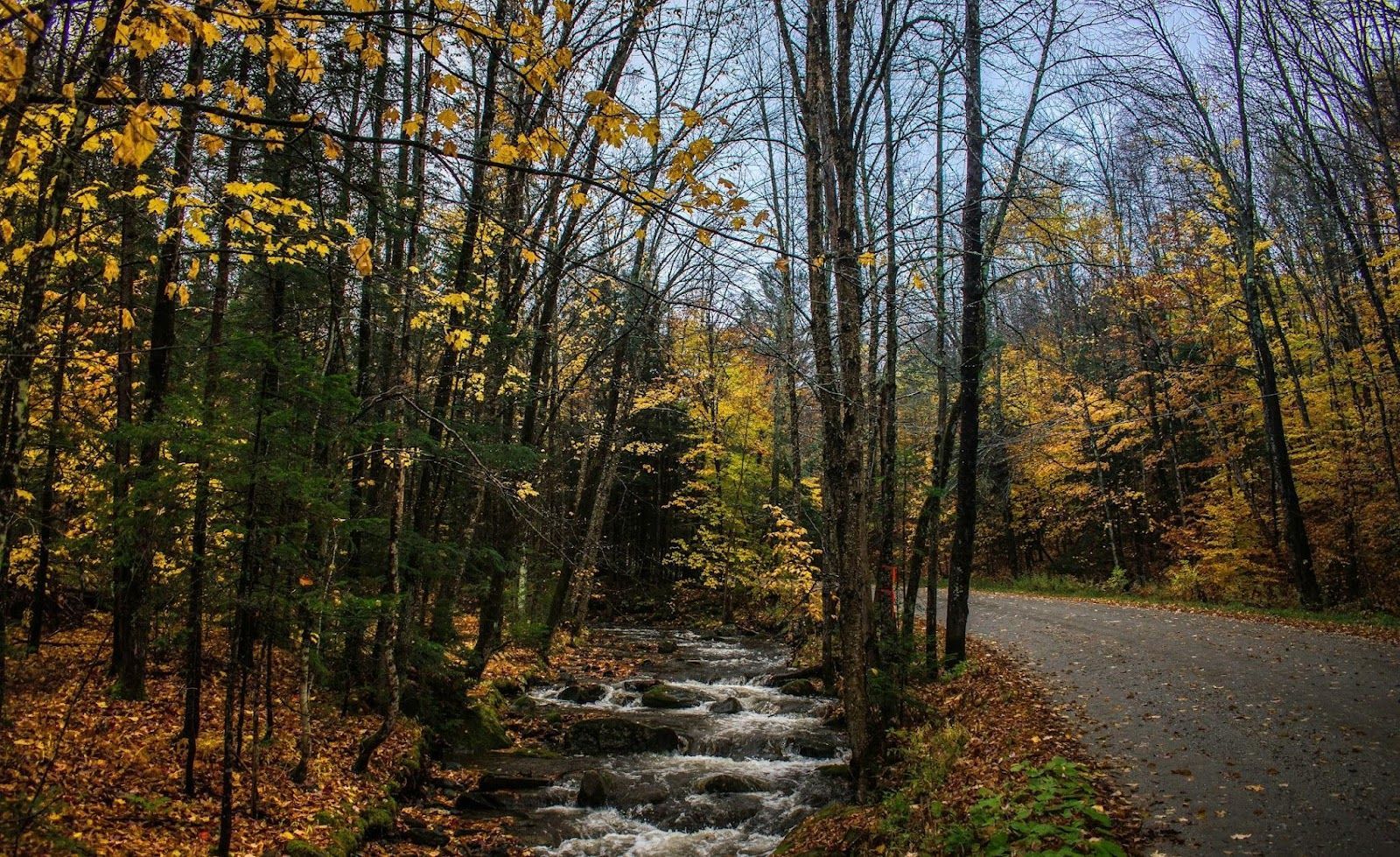
Image: Kevin Wiegand

The drive along the Adirondack Mountains is not named High Peaks Scenic Byway for nothing. This upstate New York route is a short, but stunning slice of nature. Coming in at just under 30 miles long, the byway begins in the town of Keene and runs to Lake Placid, leading travelers along the highest peaks of the Adirondacks, by breathtaking bodies of water such as Chapel Pond and Roaring Brook Falls, and through charming towns and dense forests.

There are plenty of places to pull over and take in the fresh air and scenery along the drive, as well as numerous trails for those seeking more active adventures such as canoeing, biking, fishing, or cross-country skiing.

6
The Black Hills, South Dakota

Image: mary stahl

There is so much more to the Black Hills than Mount Rushmore. This isolated mountain range in western South Dakota and northeastern Wyoming covers an area 125 miles long and 65 miles wide. It encompasses rugged rock formations, canyons and gulches, otherworldly buttes, open grassland parks, tumbling streams, deep blue lakes, and intricate cave systems.

The name "Black Hills" originates from the Lakota term Paha Sapa, meaning "hills that are black." Seen from a distance, these pine-covered hills, rising several thousand feet above the surrounding prairie, appear dark, almost black.

7
North Shore Scenic Drive, Minnesota

Image: Joe Pohle

The Great Lakes boasts countless scenic drives, and the North Shore Scenic Drive is among the most spectacular. Stretching approximately 154 miles from Duluth, Minnesota, to the Canadian border, the route offers unparalleled views of the northern shores of Lake Superior .

The drive takes travelers through charming towns and rugged coastal landscapes , with plenty of opportunities to stop for food and drink while also taking in expansive forests, cascading waterfalls, and beaches studded with colorful agate stones.

8
Trail of the Ancients Scenic Byway, New Mexico

Image: Maddy Baker

The Trail of the Ancients is a scenic byway winding through the rugged landscapes of the Four Corners region, where the states of New Mexico, Arizona, Colorado, and Utah meet. The byway unveils ancient cliff dwellings, underground constructions, and intricate rock art, providing a glimpse into the ancient culture that once thrived in the area.

At the heart of the trail lies New Mexico’s Chaco Culture National Historical Park, known for its intricate stone ruins of what was once a major gathering place for the ancestral Puebloans.

9
The Finger Lakes Loop, New York
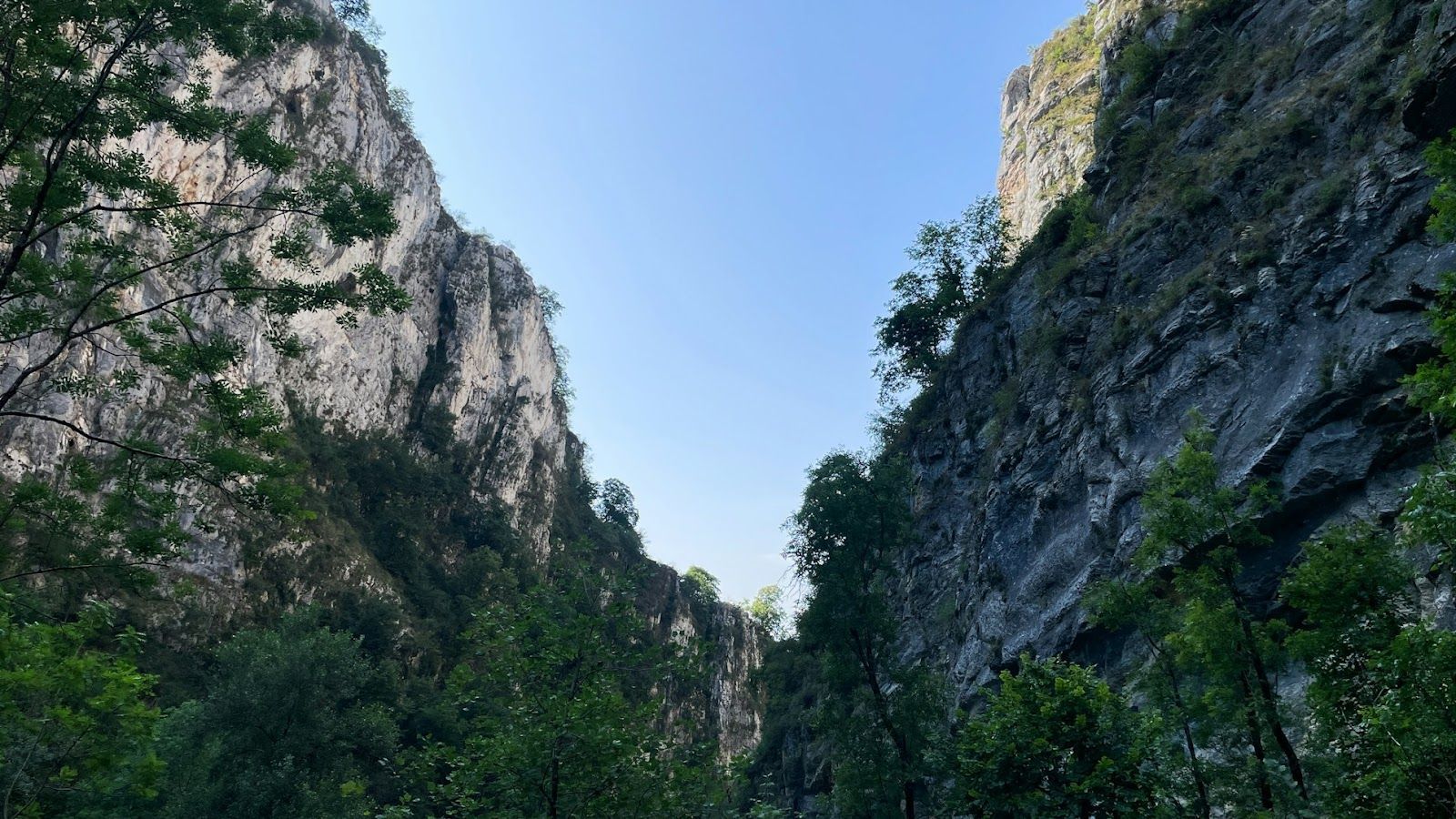
Image: Jametlene Reskp

The Finger Lakes region in upstate New York has plenty of wineries, waterfalls, and charming villages waiting to be discovered. Visitors can explore the area by car, spend the day on a bicycle, take a hike in the woods, paddle on kayak adventures, or tour the many wineries— offering endless opportunities for exploration.

This four-season playground is framed by some of Mother Nature’s finest work, with eleven freshwater lakes fanning out like fingers across the region.

10
Medicine Wheel Passage Scenic Byway, Wyoming
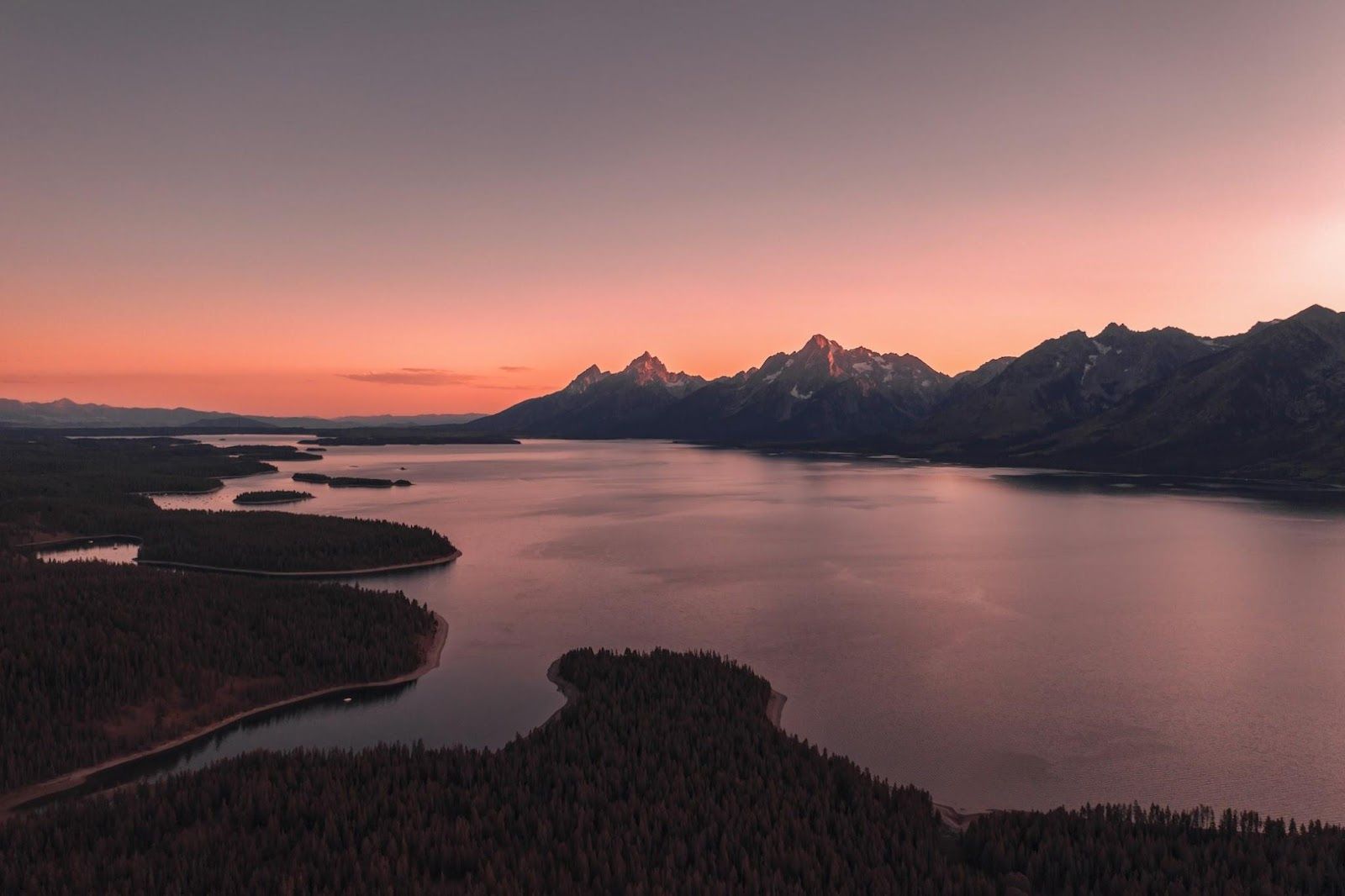
Image: Dan Meyers

Medicine Wheel Passage Scenic Byway is a section of US 14A that ends just west of the boundary for Bighorn Canyon National Recreation Area. At 27 miles, the steep, two-lane stretch travels among soaring mountain peaks, high-altitude deserts covered in grass and sagebrush, as well as conifer and aspen forests.

The byway gets its name from the Medicine Wheel, a sacred and historic limestone circle that sits near the summit of Medicine Mountain. American Indians constructed the wheel in stages sometime over the last 1,000 years, and still use it for ceremonies today.
General General 4 min read

Not all fun and games

Who were the least-liked presidents in the history of the US?

Image: Sora Shimazaki

Becoming President of the United States is a tremendous honor, but it's not always a bed of roses. For one reason or another, quite a few who made it to the Oval Office weren't exactly well-liked or left office with reputations that are, at best, debatable. Historians haven’t overlooked Herbert Hoover’s inaction during the Great Depression, just as the public hasn't forgotten Nixon's role in the Watergate scandal. Join us as we take a look at 10 presidents often considered among the least popular in American history!

1
Richard Nixon (1969–1974)

Image: History in HD

One of the most controversial presidents in US history, Richard Nixon, led the country from 1969 to 1974. Although it's true that Nixon was indeed popular for his foreign policy achievements before the Watergate scandal, his involvement in that unforgettable episode forced him to resign, making him the first and only US president to step down from office.

2
Herbert Hoover (1929–1933)

Image: Tomasz Zielonka

Judging a president goes beyond assessing their decisions: a lack of empathy for the people they serve can be just as damaging. Herbert Hoover was president when the Great Depression began, following the stock market crash of October 1929. He maintained a largely hands-off approach that was harshly criticized as inadequate and led many to see the president as out of touch with the suffering of Americans.

3
Ulysses S. Grant (1869–1877)

Image: Library of Congress

Ulysses S. Grant, the 18th US President, was a polarizing figure. As a Union general, he played a crucial role in securing victory during the Civil War. However, during his presidency, there were several scandals related to corruption that affected his image negatively, both during his time in office and for many years afterward.

4
Andrew Johnson (1865-1869)

Image: Library of Congress

After Abraham Lincoln's assassination, Andrew Johnson served as the US president from 1865 to 1869, just six weeks after becoming Lincoln's vice president. It was a critical period in American history, and he is remembered for opposing many Reconstruction efforts . He even vetoed several key congressional initiatives, including the Civil Rights Act of 1866, though Congress overrode many of his vetoes. In 1868, Johnson became the first US president to be impeached.

5
James Buchanan (1857-1861)

Image: Library of Congress

Often ranked among the least popular presidents, James Buchanan led the nation during a period of deep internal division, just before Abraham Lincoln took office. Despite the growing tensions, he chose to stay out of the conflict. He's most often criticized for his inaction as Southern states began seceding from the Union and making only minimal efforts to prevent the Civil War.

6
Chester A. Arthur (1881–1885)

Image: Library of Congress

Some presidents aren't necessarily considered unpopular because of any specific scandal or failure, but rather they simply went unnoticed. One such figure is Chester A. Arthur, who served as president from 1881 to 1885 after the assassination of James A. Garfield. Although many historians view him as a capable and reform-minded leader, Arthur remains one of the most overlooked presidents in US history.

7
Warren G. Harding (1921–1923)

Image: Library of Congress

Warren G. Harding, the 29th President of the United States, is often regarded by historians as an ineffective leader. Although Harding himself wasn't directly involved, corruption scandals implicating members of his administration along with his inaction in response to them–did the most damage to his reputation and legacy.

8
Millard Fillmore (1850–1853)

Image: Pixabay

Millard Fillmore, who served as US president from 1850 to 1853, is widely criticized for decisions that deepened national divisions , most notably his signing of the Fugitive Slave Act. The law inflamed tensions in an already fractured nation, pushing the country even closer to civil conflict.

9
John Tyler (1841–1845)

Image: Joanna Kosinska

In 1841, John Tyler became the first vice president to assume the presidency following the death of a sitting president. His assumption of office was unexpected even for himself–and his frequent clashes with Whig Party leaders didn't help his image among voters. In fact, he was expelled from the party while still in office. To make matters worse, years after his presidency, Tyler sided with the Confederacy during the Civil War.

10
Zachary Taylor (1849–1850)

Image: Library of Congress

Zachary Taylor became the 12th President of the United States in 1849, but his sudden death in July 1850 meant his time in office lasted only 16 months. While he isn't necessarily disliked, he's less remembered, partly because of his short time in office.

Geography Geography 3 min read

Pushing the limits

From deadly heat to brutal cold: 10 most extreme places in the U.S.

Image: Micaela Parente

The United States is home to some of the most extreme landscapes on Earth. From the hottest deserts to the coldest tundras, America’s diverse geography pushes the limits of nature. Each of these places holds a record for being the highest, lowest, or most intense in some way—whether by temperature, elevation, or sheer remoteness. Buckle up as we take you on a journey through the most extreme places in the U.S., listed in the order they were first explored or recorded.

1
Northern frontier

Image: UC Berkeley, Department of Geography

Location: Point Barrow, AK

Point Barrow, the northernmost point in the U.S., was first explored by Europeans in 1826. Sitting at 71°23′N, it endures long, brutal winters with near-constant darkness.

Winter temperatures drop below -50°F, and the sea remains frozen for much of the year. Despite the conditions, native Iñupiat communities have thrived here for centuries. Today, it remains a key site for Arctic research.

2
Lowest land

Image: Karsten Winegeart

Location: Badwater Basin, CA

First documented in the mid-1800s, Badwater Basin in Death Valley is the lowest point in North America at 282 feet below sea level. It was named after a surveyor’s horse that refused to drink the salty water.

The basin’s extreme location means temperatures here frequently top 130°F in summer. Salt flats stretch for miles, remnants of an ancient lake that dried up thousands of years ago.

3
Hottest spot

Image: Pablo García Saldaña

Location: Furnace Creek, CA

On July 10, 1913, Furnace Creek recorded 134°F, the highest temperature ever measured on Earth. This Death Valley outpost still holds the title for the hottest inhabited place in the U.S.

Despite the heat, Furnace Creek has a permanent population and even a golf course, making it one of the strangest places where people manage to live. The area’s extreme conditions attract researchers studying heat endurance.

4
Coldest cold

Location: Prospect Creek, AK

Alaska’s Prospect Creek hit -80°F in 1971, the lowest temperature ever recorded in the U.S. Originally an outpost for pipeline workers, it’s now abandoned due to its brutal winters.

At this temperature, exposed skin can freeze in seconds, and vehicles must run continuously to avoid freezing. The area sees only a few hours of daylight in winter, making survival nearly impossible without proper equipment.

5
Windiest place

Image: Dan Meyers

Location: Mount Washington, NH

Mount Washington holds the record for the fastest surface wind speed ever recorded outside a tornado: 231 mph, measured in 1934. This New Hampshire peak is notorious for its deadly weather.

Though just 6,288 feet tall, its location at the convergence of several storm systems makes it feel like the roof of the world. Hikers often face hurricane-force winds, whiteouts, and below-zero temperatures even in summer.

6
Wettest town

Image: Martin Zangerl

Location: Kukui, HI

Kukui, on the Hawaiian island of Kauai, receives an average of 460 inches of rain annually. In 1982, it saw a staggering 683 inches, making it one of the wettest places on Earth.

The rain feeds lush tropical forests and countless waterfalls, but the steep terrain means flash floods are a constant danger. Despite its beauty, the relentless downpours make long-term settlement nearly impossible.

7
Deepest cave

Image: Joshua Sortino

Location: Lechuguilla Cave, NM

Discovered in 1986, Lechuguilla Cave is the deepest in the U.S., plunging 1,604 feet below New Mexico’s surface. It remained hidden for centuries due to its small, concealed entrance.

Its vast chambers contain formations found nowhere else on Earth, including giant gypsum chandeliers. Access is restricted to scientists, as the cave’s unique ecosystem is still being studied.

8
Largest volcano

Image: Sherry Jiang

Location: Mauna Loa, HI

Mauna Loa is the world’s largest volcano, covering half of Hawaii’s Big Island. It last erupted in 2022, continuing a pattern of activity dating back over 700,000 years.

Rising 33,500 feet from the ocean floor, Mauna Loa dwarfs even Everest when measured from base to peak. Its slow-moving lava flows have repeatedly reshaped the island’s landscape.

9
Deepest lake

Image: Jeff Hopper

Location: Crater Lake, OR

Formed by a collapsed volcano 7,700 years ago, Crater Lake is the deepest in the U.S. at 1,949 feet. Its intense blue waters come from rain and snowmelt, with no rivers flowing in or out.

The lake’s purity allows sunlight to penetrate to great depths, creating an otherworldly glow. Among its many wonders, the submerged "Old Man of the Lake," a floating log, has been drifting in its waters for over a century.

10
Most remote

Image: Harrison Hargrave

Location: Yellowstone Thorofare, WY

The Yellowstone Thorofare, 32 miles from the nearest road, is the most remote place in the Lower 48. It remains nearly unchanged since its first mapping in the 19th century.

Even experienced hikers struggle here, as grizzly bears, sudden storms, and subzero temperatures make survival difficult. This untouched wilderness offers a rare glimpse of what America once was.

Explore more American facts

Choose your favorite category!

General
General

As American as apple pie—the very best America has to offer!

Culture
Culture

Delve into the astounding richness of American lore.

Geography
Geography

Hop in and explore vast and diverse American landscapes.

History
History

Discover the key moments that shaped the United States.