History History 4 min read

Side hustles

Whiskey, Hollywood, and Grammys? Unexpected jobs of former presidents!
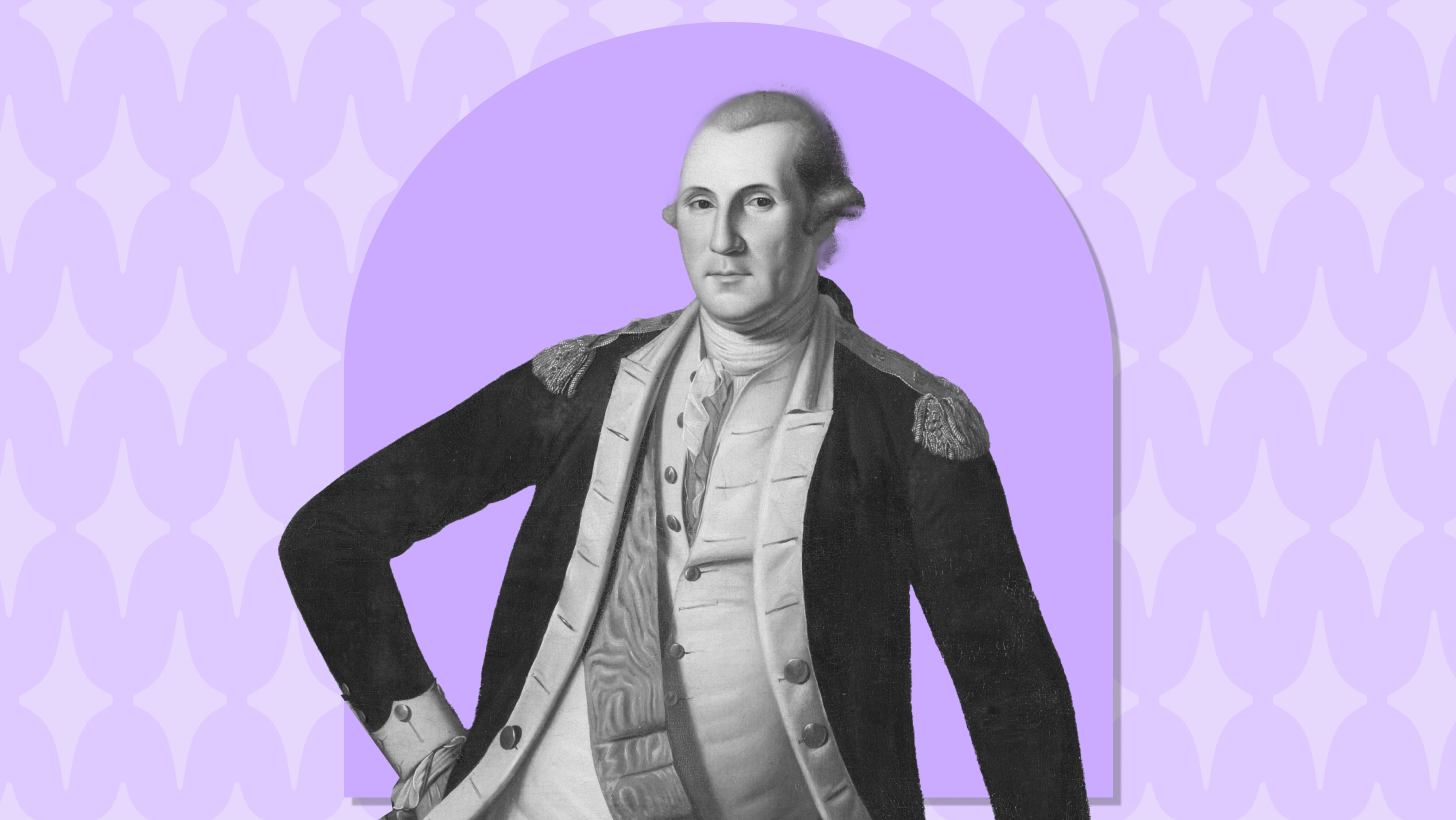
Image: The Cleveland Museum of Art

Picture this: You have just finished your term as President of the United States. It was a tough job to tackle, but you made it. It’s your first day out of office, and you wonder, "What’s next?" A world of possibilities opens up. What is the first thing you would do in that position? These former presidents, from Washington to Bush, went different ways and took up activities most Americans don’t even know about. Let’s take a look at some fascinating second acts of former U.S. presidents.

1
George Washington - The whiskey-making Founding Father

Image: Daniel Vogel

After leading the nation, George Washington stepped into the world of spirits, whiskey spirits, that is! In 1797, his farm manager convinced him to open a distillery at Mount Vernon . Within two years, it became one of the largest in the country, producing nearly 11,000 gallons of whiskey annually.

Here’s a fun fact: Washington didn’t need a marketing team. His whiskey was sold in unmarked barrels to local merchants, and his operation was so successful that it became one of the top money-makers in the area. The best part? You can try it today at the reconstructed distillery!

2
Theodore Roosevelt - Adventurer-in-Chief
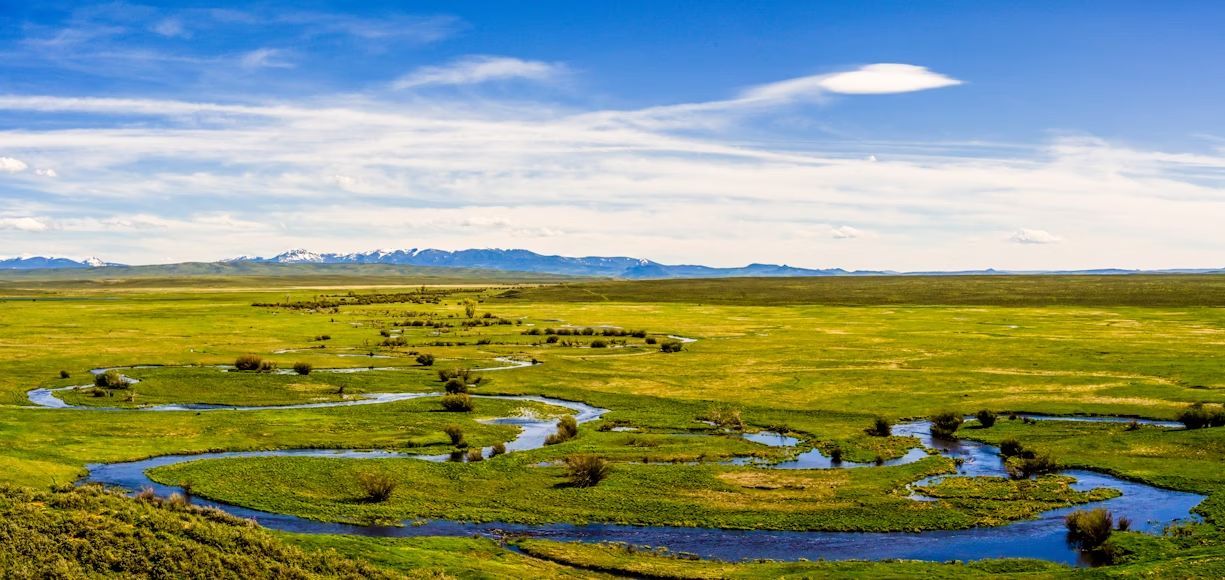
Image: Zetong Li

Not one to sit still, Theodore Roosevelt went on an exploration of the Amazon rainforest after leaving office. In 1913, he embarked on a seven-month journey to map an uncharted river . Guess what it’s called today? The Roosevelt River, of course!

The expedition was grueling: he caught malaria, suffered a leg injury, and nearly died. Though he made it back home, his health never fully recovered. Roosevelt’s post-presidency was all about adventure and risks!

3
Thomas Jefferson - The University Founder
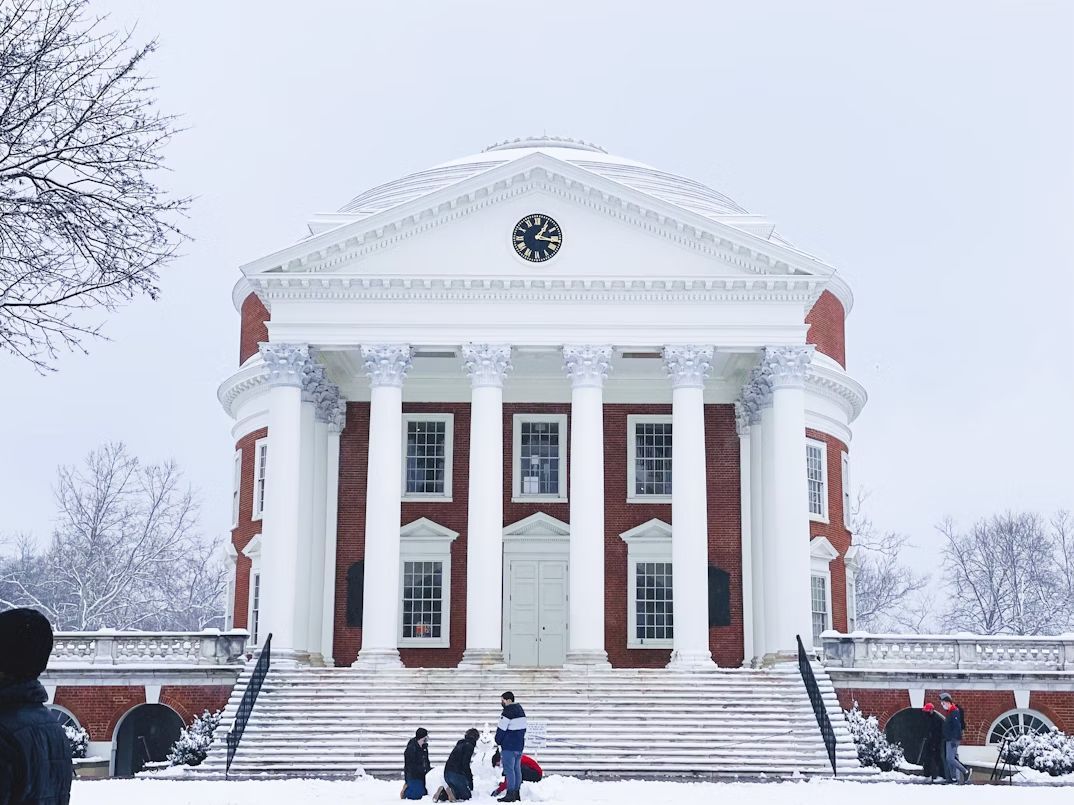
Image: Ryan Ledbetter

Thomas Jefferson didn’t just help write the Declaration of Independence; he also founded the University of Virginia . A firm believer in education, he wanted to create a university that emphasized academic freedom and rigorous learning. So, in 1819, ten years after leaving office, he established the University of Virginia, which opened in 1825.

Jefferson personally designed the campus, including its iconic Rotunda, and hand-picked the first professors. He once called the university one of his greatest accomplishments, right up there with drafting the Declaration of Independence.

4
John Quincy Adams - From President to Congressman
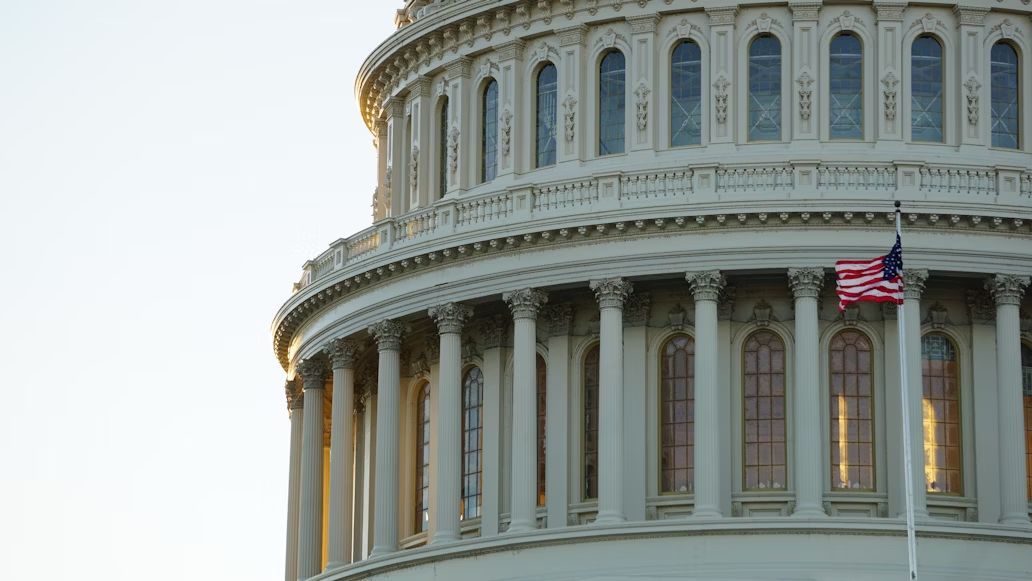
Image: Ian Hutchinson

John Quincy Adams didn’t believe in retirement, you know? He didn’t go back for a second term, but instead of stepping away from public service, he returned to Congress, serving in the House of Representatives for nine terms until his death in 1848.

His dedication earned him the nickname "Father of the House." Even in his final moments, he was working: he collapsed on the House floor after casting a vote and died two days later. Well, once a public servant, always a public servant.

5
William Howard Taft - From President to Supreme Court Justice
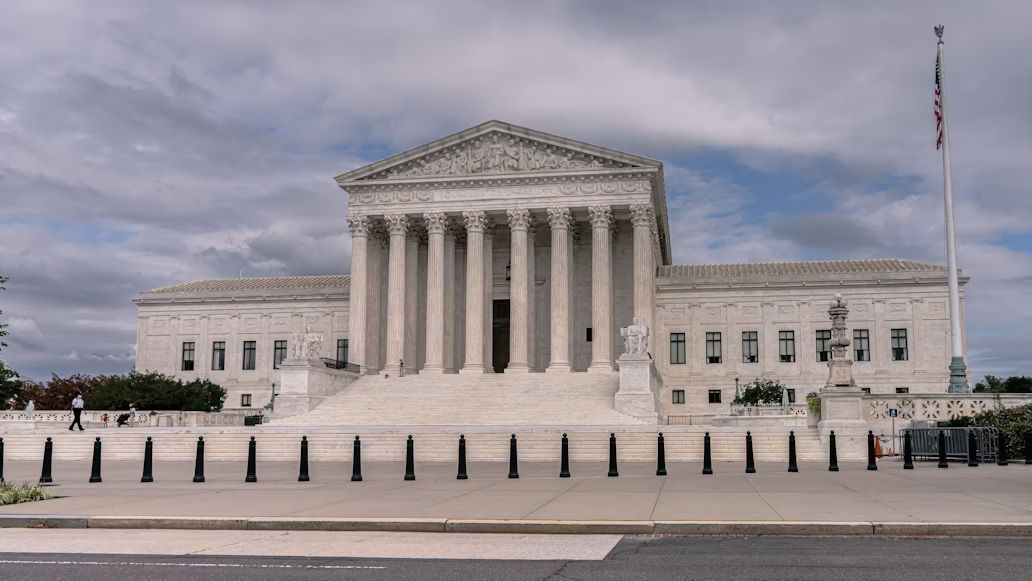
Image: Adam Michael Szuscik

Most former presidents take a step back from government, but William Howard Taft went in the opposite direction. After serving as the 27th president, he was appointed Chief Justice of the Supreme Court in 1921.

He later admitted that being on the Supreme Court was his true calling, famously stating, "I don’t remember that I ever was president." Taft remains the only person in history to have served in both roles! Talk about an upgrade!

6
Calvin Coolidge - Presidential columnist

Image: AbsolutVision

Some former presidents write memoirs, but Calvin Coolidge took it a step further. From 1930 to 1931, he wrote a nationally syndicated newspaper column titled Thinking Things Over with Calvin Coolidge .

His articles covered a range of topics, from politics to everyday life. As it turns out, running a country gives you plenty to write about!

7
Jimmy Carter - The humanitarian president
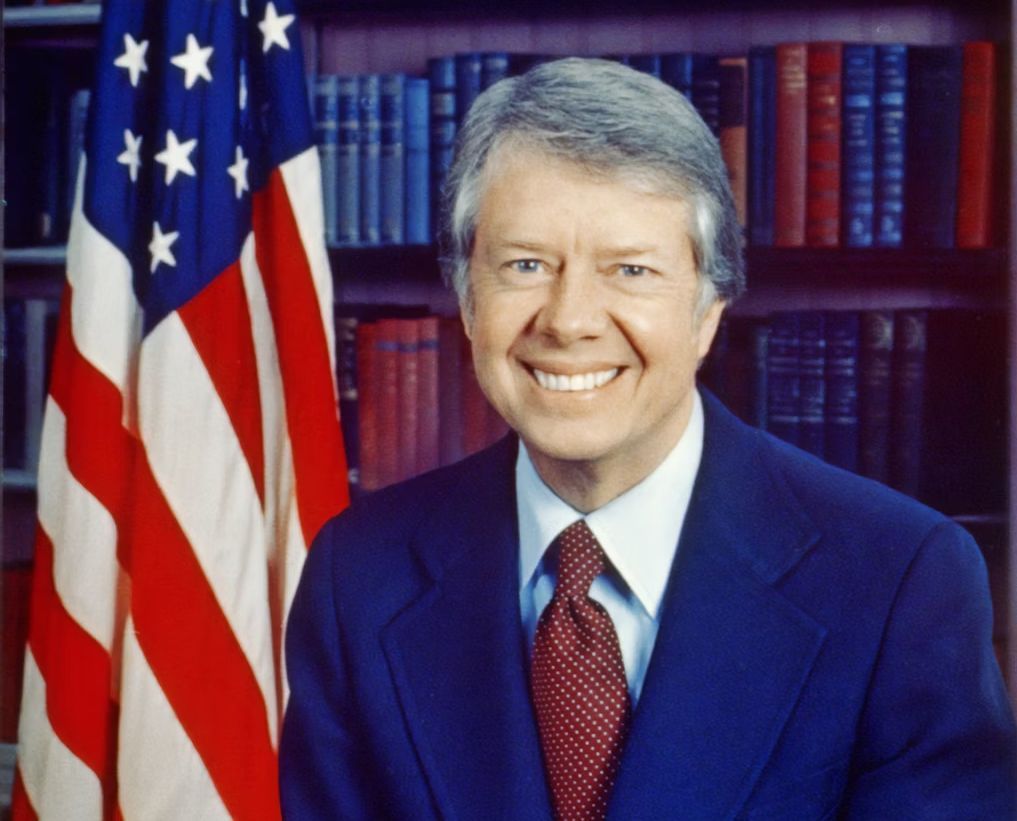
Image: Library of Congress

If there’s one president who redefined life after the White House, that is Jimmy Carter. In 1982, he founded the Carter Center , a nonprofit organization focused on democracy, health, and human rights.

He has also spent decades working with Habitat for Humanity, personally helping to build homes for those in need. In 2002, Carter’s humanitarian work earned him the Nobel Peace Prize, making him the only former president to receive the honor for efforts made after leaving office. He once said his post-presidency was "more gratifying" than his time in politics. Only logical, right?

8
Ronald Reagan - A Knight of the Realm
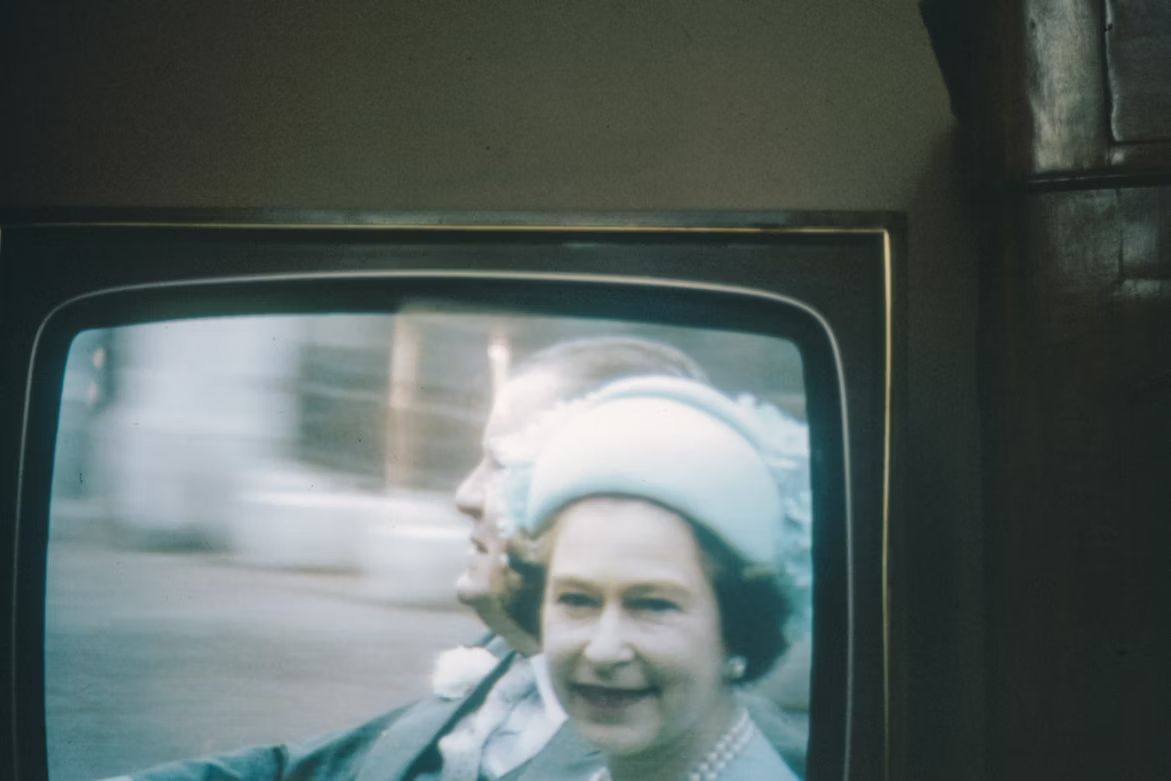
Image: Annie Spratt

Yes, that’s a literal title. Ronald Reagan didn’t take up a new career after leaving office, but he did receive an unexpected knighthood from Queen Elizabeth II. In 1989, just months after stepping down as president, he was made a Knight Grand Cross of the Most Honorable Order of the Bath.

While it’s a prestigious honor, American citizens aren’t allowed to use the title "Sir," so there was no "Sir Ronald" in the works. Reagan wasn’t the only president to receive this honor; Dwight Eisenhower and George H.W. Bush were also knighted.

9
Bill Clinton - Grammy-winning storyteller

Image: Annie Spratt

Bill Clinton has always been a gifted speaker, so it’s no surprise that he won not one, but two Grammy Awards, though they weren’t for playing his famous saxophone. He won Best Spoken Word Album in 2004 and 2005, narrating both a children’s book and his autobiography.

Clinton joins a small but prestigious club of American presidents who have won Grammys, including Barack Obama and Jimmy Carter. His ability to captivate audiences didn’t end with politics; he simply found a new stage.

10
George W. Bush - From the White House to the Art Studio
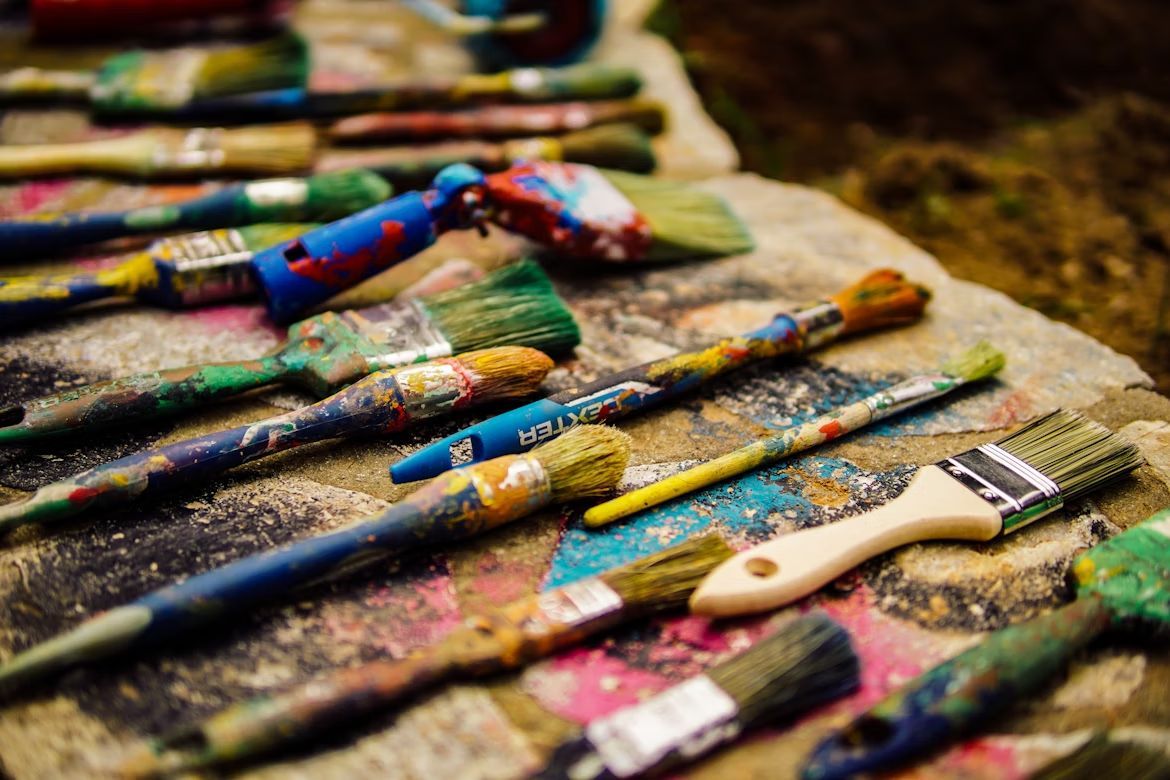
Image: Yannis Papanastasopoulos

After serving two terms as president, George W. Bush discovered a surprising new passion: painting. How about that? In 2012, he began taking art lessons , and by 2013, his paintings were revealed to the public following an email hack.

Bush embraced his new hobby and has since published several collections, including Portraits of Courage , which features paintings of US military veterans. His artwork has been exhibited in galleries, proving that a president can become an artist, too. While politics was his career, painting has become his personal form of expression.

Culture Culture 5 min read

Spooky icons

Are you brave enough to read about these terrifying horror characters?

Image: Jamaal Hutchinson

October is definitely the spookiest month of the year. With the advent of the 10th month, a myriad of scary characters appear everywhere to celebrate Halloween! This ghostly yet fun holiday is at the center of many of our warmest memories. Who didn’t have a lovely time trick-or-treating with friends, looking sharp and dashing in an amazing costume? However, Halloween is also the time for scary movies—a time to huddle together in front of the sofa and tune into a bloodcurdling film that will keep us up all night. With that in mind, we have decided to pay tribute to 10 of the most terrifying horror characters of all time. While definitely scary, these monsters have truly earned a place in our hearts, so let’s show them a little love with this small homage. Without further ado, here’s our pick!

1
Michael Myers from Halloween

Image: norbert velescu

Who better to start this Halloween list than the main villain from Halloween ? John Carpenter’s iconic horror film not only marks the debut role of beloved actress Jamie Lee Curtis, but it also introduced the world to the terrifying Michael Myers , a murderous mental patient with a thirst for blood.

One of Michael’s most terrifying traits is his blank and unfeeling expression, provided by his chilling rubber mask. Interestingly enough, the mask itself probably wouldn’t be as scary on its own; it is a mask of Star Trek actor William Shatner , only painted white and with some traits changed in order to make it scarier.

2
Freddy Krueger from A Nightmare on Elm Street

Image: Enrique Guzmán Egas

The 1984 film A Nightmare on Elm Street is considered by many to be the quintessential slasher horror film of the ’80s, and with good reason: Wes Craven had the genius idea to turn our slumber into one of the scariest environments ever. If, for whatever reason, you feel inclined to thank the character responsible for turning our dreams into nightmares, then you can send your regards to Freddy Krueger.

Freddy’s look is definitely unforgettable: Who can overlook that stripped sweater, black fedora, and, perhaps more menacing, that sinister-looking bladed glove? This killer’s menacing image certainly sent shivers down our spines and made most of us dread going to bed.

3
Jason Vorhees from Friday the 13th

Image: Justin Campbell

Michael Myers is not the only masked menace to make it onto this list! Jason Vorhees made his first appearance in the 1980 slasher Friday the 13th , which depicted a group of campers meeting their end at Jason’s hands in the fictional Camp Crystal Lake. This towering, murderous revenant hunts teenagers at night, armed with his trusted machete and his now-iconic hockey mask.

Jason has appeared in many different films, including an entire franchise reboot in 2009. Not only that, a 2003 film pitted him against another king of the slasher genre, Freddy Krueger. Without spoiling the ending, we can honestly say that both of these horror giants prove their mettle.

4
The Thing from The Thing

Image: Robert Haverly

Don’t let this slightly vague name fool you: The Thing is one of the scariest horror characters in history. John Carpenter’s 1982 masterpiece introduced the world to this mysterious alien creature, able to shapeshift into any object imaginable.

What’s probably most terrifying about this shadowy being is that we never truly see its true form; therefore, this alien can be as terrifying as our imaginations allow it to be. However, don’t let this statement imply that we are discrediting Carpenter’s groundbreaking visual effects, as anyone who has seen any of his amazing creations can testify.

5
The Fly from The Fly

Image: Pedro Miguel Aires

Who knew that a little housefly could be so terrifying? While the original 1958 film is incredibly advanced for its time, David Cronenberg’s 1986 rendition of The Fly left an indelible mark on an entire generation with its uncanny special effects and chilling story.

In this film, Jeff Goldblum plays Seth Brundle, an eccentric scientist whose DNA gets fused with that of a fly after an experiment goes wrong. The resulting hybrid monster’s appearance is truly a remarkable tribute to the talent of this film’s makeup department, which earned them a well-deserved Academy Award.

6
Rachel McNeil from The Exorcist

Image: Kelly Sikkema

Many consider The Exorcist to be the best horror film ever made, and with good reason: not only is it bone-chilling, but it is also a wonderfully crafted film that has led it to be selected by the U.S. National Film Registry for preservation.

A big part of what made this film so incredibly terrifying was the contrast between the sweet and innocent 12-year-old Regan McNeil (wonderfully portrayed by Linda Blair) and the dark demon that possesses her. Legendary Swedish actor Max von Sydow also shines in this film, playing the titular exorcist, Father Lankester Merrin.

7
Chucky from Child’s Play

Image: Erik Mclean

This is a toy you don’t want to see lying around your house! Directed by Tom Holland, the 1988 slasher film Child’s Play features Chucky , a seemingly harmless doll possessed by the soul of a serial killer. While this might not seem particularly menacing, Academy-nominated actor Brad Dourif’s portrayal of this plastic killer truly terrified an entire generation.

The first movie was such a success that it spawned an entire franchise that’s still relevant today, with a TV series premiering in 2021. However, most fans agree that no film will ever surpass the original Child’s Play , an undisputed gem of the slasher genre.

8
The Ghostface Killer from Scream

Image: Nik

Speaking of the slasher genre, we would be remiss if we didn’t include Wes Craven’s iconic 1996 film Scream . This movie is not only terrifying, but it is also a true love letter to the entire genre: In fact, one of the first deaths in the film occurs after a character gets a question about horror trivia wrong.

A huge part of what made Scream so frightening is its antagonist. The Ghostface Killer’s main strength is that he is not a supernatural creature by any definition of the word. Not only that, this mysterious character’s presence adds a layer of intrigue to the film, as the reveal of his true identity becomes a definitive turning point in this masterpiece.

9
Pennywise from It

Image: Nong

Much like the monster from The Thing , the audience never witnesses the true form of this chilling Eldritch monster. However, the main antagonist of Stephen King’s classic novel It often dons the disguise of Pennywise, a scary clown hell-bent on terrifying the town of Derry, Maine.

To date, Pennywise has been portrayed on the big screen on two separate occasions: first by Tim Curry in the 1990 miniseries and later by Swedish actor Bill Skarsgård in the 2017 film adaptation and its 2019 sequel. In both cases, these actors were able to bring a fascinating layer of horror to a colorful figure usually associated with making people smile.

10
The Shark from Jaws

Image: Marcelo Cidrack

Granted, calling Steven Spielberg’s Jaws a horror film is probably not entirely accurate. However, we can comfortably state that the shark antagonist of this 1975 thriller truly terrified moviegoers around the world.

It is pretty hard to state the impact that this shark had, suffice to say, people at the time were incredibly scared to go back into the water due to this movie. Fun fact: Did you know that the shark has a name? Well, a nickname at least: it was called "Bruce" by the film crew, after the name of Spielberg’s lawyer.

General General 3 min read

Your garden, your rules

12 common garden pests in the U.S. and how to control them

Image: Anna Shvets / Igor Son

Even on the smallest possible scale, nature is wild, and garden pests are a clear expression of that reality. Holes in leaves, small grubs around the roots of container plants, speckled foliage, and skeletonized leaves are just a few signs that pests may be present in your garden.

Check your plants often, and act quickly as soon as you spot a problem. Your garden will thank you!

1
Spotted and striped cucumber beetles

Image: Alexandria Szakacs

Striped and spotted cucumber beetles favor cucumbers and melon vines. These insects spread bacterial wilt from plant to plant, a disease that is often fatal. When striped cucumber beetles are a chronic problem, the best course of action is to choose bacterial-wilt-resistant cucumber varieties .

2
Colorado potato beetle

Image: Олександр К

As the name implies, the surest way to attract Colorado potato beetles to your garden is by planting potatoes. These insects lay clusters of orange-yellow eggs on the undersides of leaves, which hatch into highly destructive orange larvae that feed voraciously and grow quickly. While beetles can be killed at any stage, it's easiest to remove the adults and eggs by hand .

3
Eggplant flea beetle

Image: Weronika Romanowska

Eggplant flea beetles can destroy an eggplant plant in just a few days. While many insecticides can kill these pests, the most effective method requires protecting plants with summer-weight floating row covers. These covers transmit enough sunlight while physically blocking the beetles from the plants.

4
Harlequin cabbage bug

Image: David Clode

These insects might look striking, but they are the worst enemy of summer kale, broccoli, and other brassicas. They suck the sap from leaves, leaving behind unsightly pockmarks.

Harlequin cabbage bugs can be picked off by hand , and wearing a face mask can help you avoid the unpleasant odor they emit. Also, spraying them off with a jet of water will help knock them back.

5
Mexican bean beetle

Image: Viktor Talashuk

In a similar case to the one we mentioned earlier, it’s the larvae of Mexican bean beetles that cause the most damage. The adults emerge in late spring but usually don’t become a serious problem on bean plants until midsummer.

The best way to deal with this pest may seem harsh, but necessary if you want to keep your other plants safe: you must completely harvest and remove the infested plants from the garden . After picking all the beans, the entire plant should be pulled, bagged, and taken far away from the garden.

6
Red spider mites

Image: adege

Tiny red spider mites live on the undersides of leaves, where they feed on plant sap. To control them, the best approach is to increase humidity and, if growing under glass, introduce a biological control . Alternatively, organic sprays can also be effective.

7
Codling moth

Image: Mikkel Frimer-Rasmussen

These moths are responsible for the maggots found in apples. To avoid these, spray emerging caterpillars twice with bifenthrin , starting in midsummer. Another useful method involves hanging pheromone traps in late spring to catch male moths and prevent them from mating.

8
Winter moth

Image: Erik Karits

Winter moth caterpillars hide inside webbed leaves on fruit trees during the spring. One effective way to control these pests is by applying sticky traps to capture the adult moths before they lay eggs.

9
Scale insects

Image: efraimstochter

Scale insects cluster on branches and beneath leaves, often leading to poor plant growth. Other common symptoms include sticky excretions (called honeydew) and the development of sooty mold, especially on evergreens. The solution is to wash off the mold and spray the plant with horticultural oil .

10
Viburnum beetle

Image: Grant Ofstedahl

The Viburnum beetle and its larvae can create holes in the leaves. The answer to this is to spray the areas affected during the spring with bifenthrin or thiacloprid .

11
Adult vine weevil

Image: Henry Lai

The adult weevil is a nocturnal, flightless insect that makes notches in the leaves of your plants. To control this pest, apply nematodes by mixing them with water and applying the solution to the soil in the affected area.

12
Rose slug

Image: Naoki Suzuki

The rose slug is easy to overlook until its feeding starts to damage the leaves. Rose slugs feed on the undersides of leaves, out of sight, nibbling on the tissue between the veins. By the time they’re done, the leaves often resemble skeletons.

Luckily, the solution only requires blasting the slugs off the roses with a spray of water or treating them with spinosad, a bioinsecticide derived from soil bacteria.

Explore more American facts

Choose your favorite category!

General
General

As American as apple pie—the very best America has to offer!

Culture
Culture

Delve into the astounding richness of American lore.

Geography
Geography

Hop in and explore vast and diverse American landscapes.

History
History

Discover the key moments that shaped the United States.