Culture Culture 4 min read

Unforgettable lines

These 13 TV catchphrases are still stuck in your head—admit it!

Image: Shutter speed

TV in the golden years gave us more than just entertainment—it gave us catchphrases we’ve been quoting ever since. Whether you were glued to your set in the ‘60s or rewinding VHS tapes in the ‘80s, chances are these lines are burned into your brain. They were punchy, funny, and unforgettable. And let’s be honest—sometimes they still sneak out of our mouths even now. Let’s stroll down memory lane and revisit the most iconic catchphrases from classic American TV.

1
"How you doin’?" – Friends
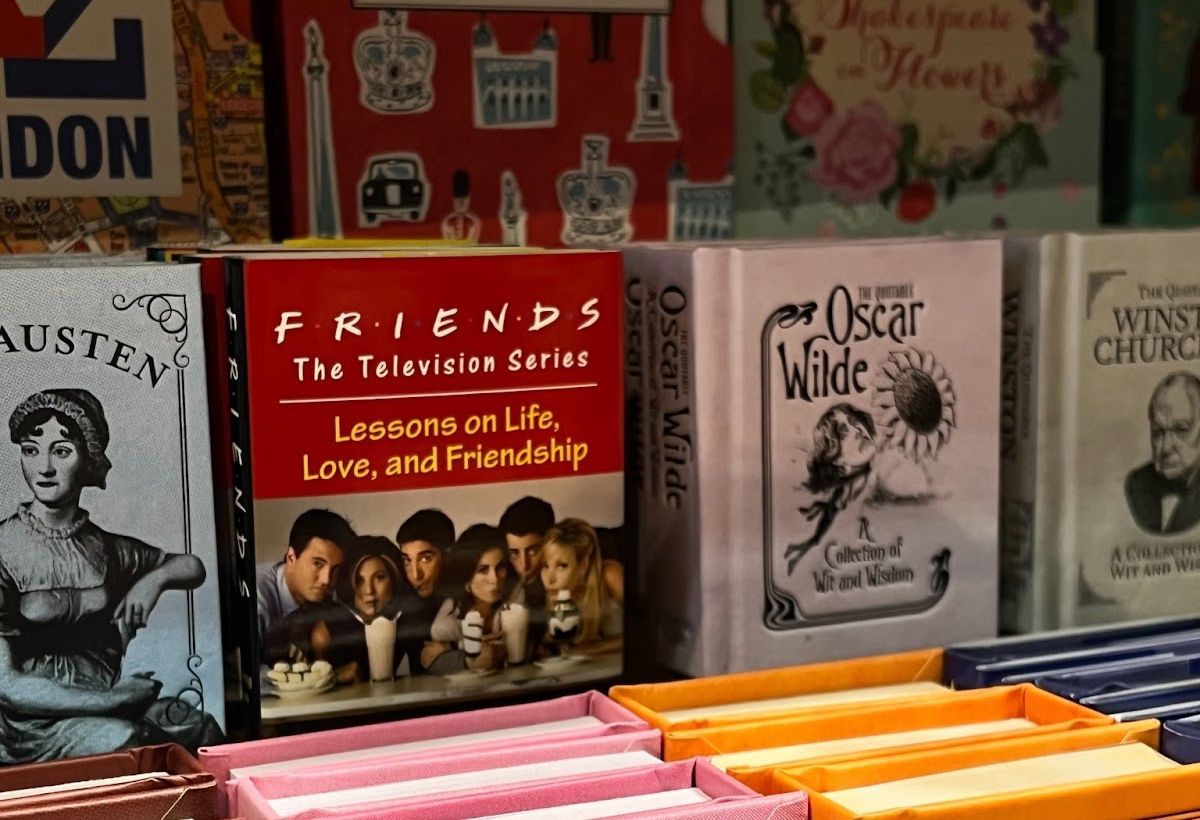
Image: Malavika Pradeep

Friends gave us a lovable group of New Yorkers navigating life and love. But it was Joey Tribbiani’s cheesy yet charming "How you doin’?" that stole the spotlight. This flirty greeting, delivered with a confident grin, became a pop culture gem and Joey’s signature move. It’s the kind of line that can’t help but make you smile—even if you’re not on a date at Central Perk.

2
"You got it, dude", "How rude!", and "Have mercy" – Full House

Image: H031175

Full House warmed hearts with its family-centered humor and wholesome charm. Michelle Tanner, the tiny powerhouse, gave us "You got it, dude," and "How rude!"—adorable comebacks with surprising sass. Meanwhile, Uncle Jesse’s "Have mercy" was his smooth, rock ’n’ roll way of reacting to… well, just about anything worth swooning over.

3
"Well, isn’t that special?" – Saturday Night Live
Image: Asit

With sketches that parodied everyone and everything, SNL gave us the ultra-judgy Church Lady. Dana Carvey’s purse-lipped creation mastered the art of sarcasm. You didn’t need to be holy to recognize that smug tone.

4
Fonzie’s "Aaaay" – Happy Days

Image: Robbie Noble

Arthur Fonzarelli, aka Fonzie from Happy Days , made leather jackets cool and jukeboxes come to life with a single punch. His signature "Aaaay," complete with thumbs-up, said it all—cool, confident, and just a little bit rebellious.

Whether he was fixing a motorbike or schooling Richie on life, Fonzie’s catchphrase became a national symbol of laid-back swagger.

5
"Did I do that?" – Family Matters
Image: White.Rainforest ™︎ ∙ 易雨白林.

Steve Urkel from Family Matters was the lovable nerd who left a trail of chaos behind him. Whenever a plan backfired—and we all know they usually did—he’d pop out with his nasal "Did I do that?" It was part apology, part mischief, and it made Urkel a household name. That clumsy charm was irresistible, even when he turned the Winslows’ house upside down.

6
"Yada, yada, yada" and "Newman" – Seinfeld
Image: Dilip Ale

Seinfeld , the "show about nothing," gave us plenty of quirky phrases. "Yada, yada, yada" became shorthand for skipping the boring parts—or hiding juicy gossip. And then there was Jerry’s exasperated, drawn-out "Newman" whenever his nemesis neighbor appeared. Both lines are still used today. Sometimes, saying very little says it all.

7
"Dy-no-mite!" – Good Times

Image: J Williams

J.J. Evans from Good Times had a big personality and an even bigger catchphrase: "Dy-no-mite!" He’d shout it with such enthusiasm that you couldn’t help but laugh. It captured his upbeat attitude in a show that balanced humor with tough realities. That one word became a rallying cry of fun and energy in every episode.

8
"And that’s the way it is" – CBS Evening News
Image: appshunter.io

Walter Cronkite signed off each evening with calm, steady authority: "And that’s the way it is." It wasn’t flashy, but it became iconic because it felt real and trustworthy. In a time when Americans gathered around the TV for the news, that line gave a sense of closure and comfort after a long day.

9
"Come on down!" – The Price Is Right
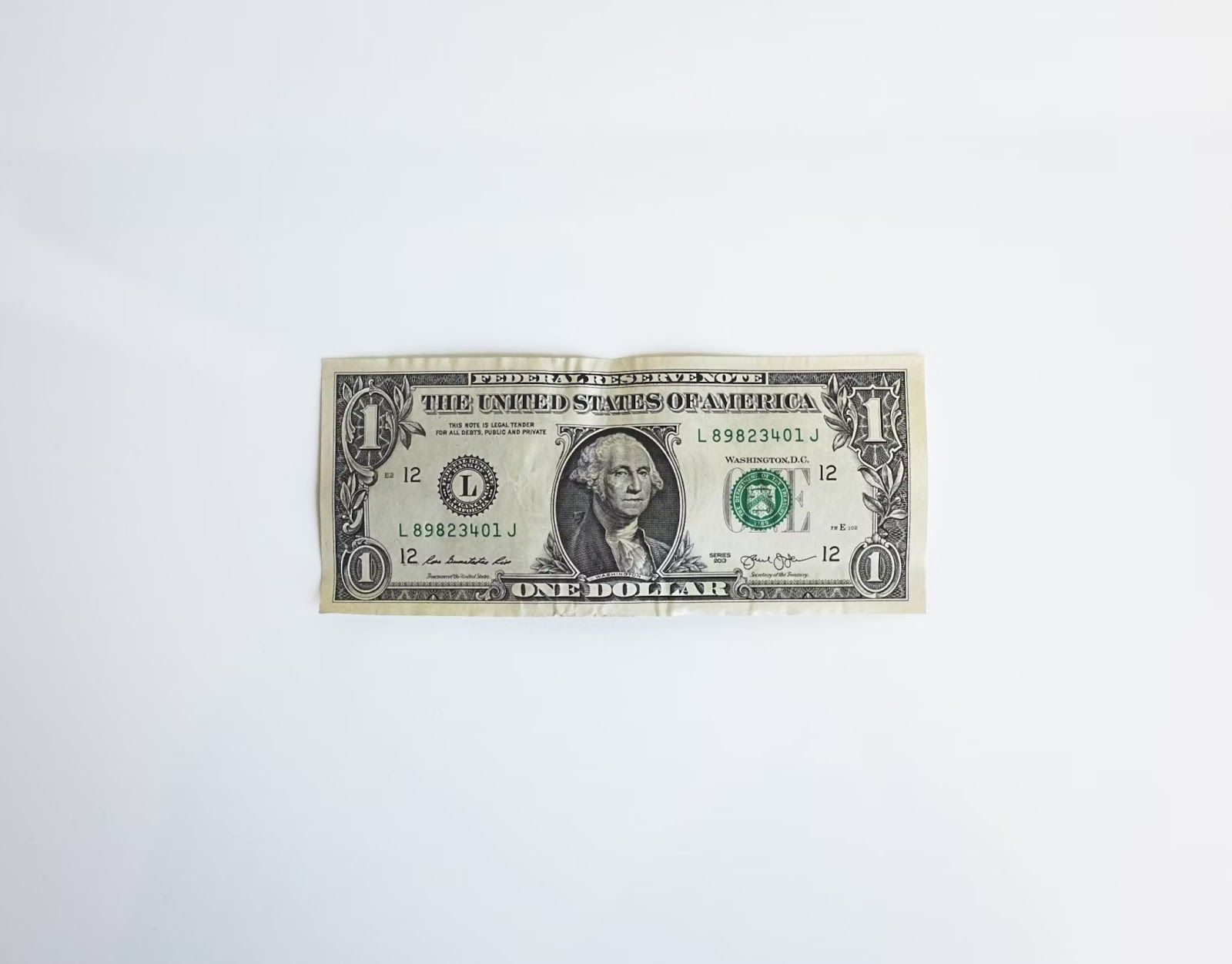
Image: Kenny Eliason

The Price Is Right turned everyday folks into instant game show stars with four exciting words: "Come on down!" Bob Barker’s booming voice (and later Drew Carey’s) invited contestants to race down the aisle and guess the price of, well, just about everything. That line still gets hearts racing for bargain hunters and lucky guessers alike.

10
"Yabba Dabba Doo!" – The Flintstones
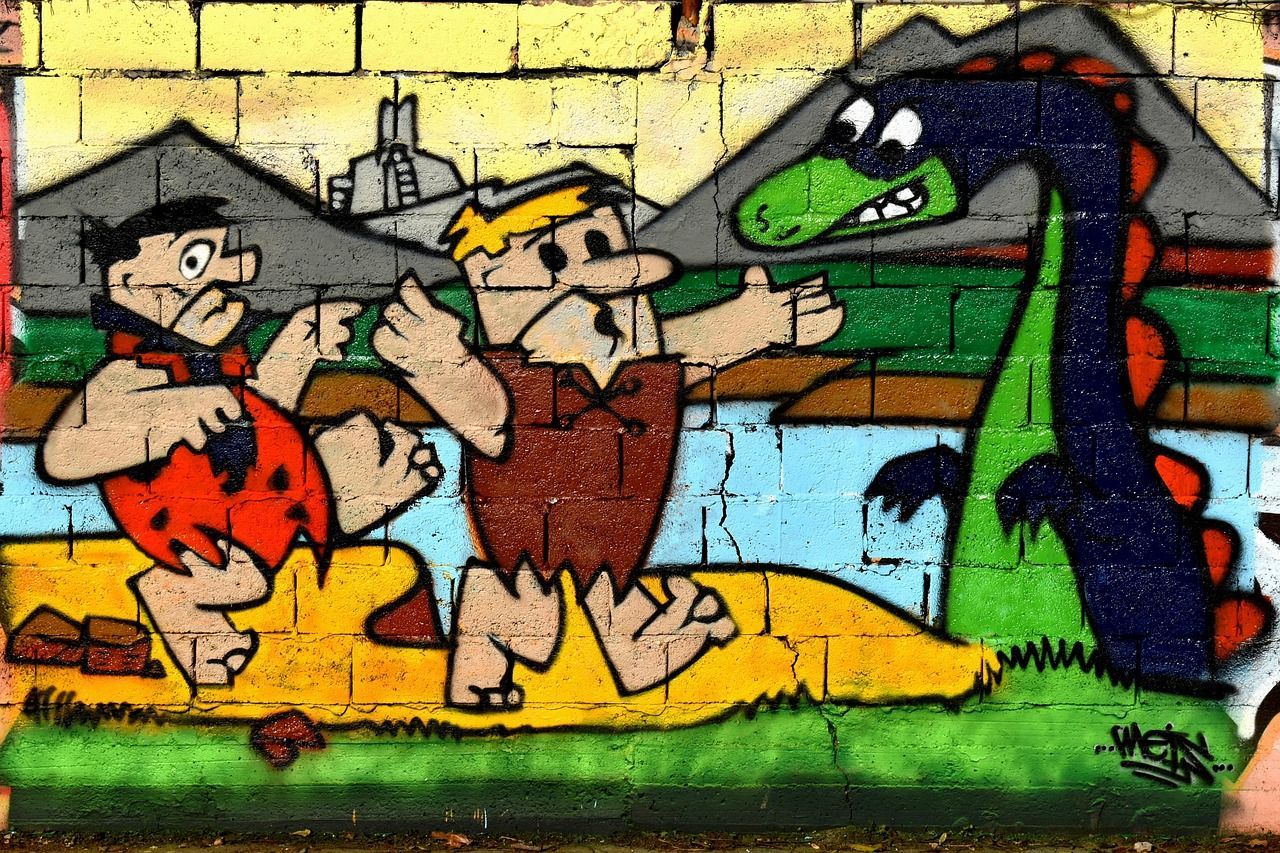
Image: papazachariasa

Fred Flintstone’s caveman cheer, "Yabba Dabba Doo!" from The Flintstones was pure cartoon joy. Whether he was sliding down a dinosaur’s tail after work or just in a good mood, that prehistoric phrase made everyone’s inner child want to shout it too. It was goofy, energetic, and unforgettable.

11
"Norm!" – Cheers

Image: Quan Nguyen

Whenever Norm walked into Cheers , the whole bar would greet him with a booming "Norm!" It wasn’t just a greeting; it was a welcome from friends who felt like family. That running gag captured the cozy, familiar vibe of the show, where everybody really did know your name.

12
"Nip it in the bud" – The Andy Griffith Show

Image: Glenn Carstens-Peters

Barney Fife, the overly enthusiastic deputy from The Andy Griffith Show , had his own way of handling trouble: "Nip it in the bud!" He meant to squash the problem early, though his methods were often hilariously over the top. The line became a comical mantra for over-preparing and overreacting—Barney style.

13
"Marcia, Marcia, Marcia" and "Oh, my nose!" – The Brady Bunch
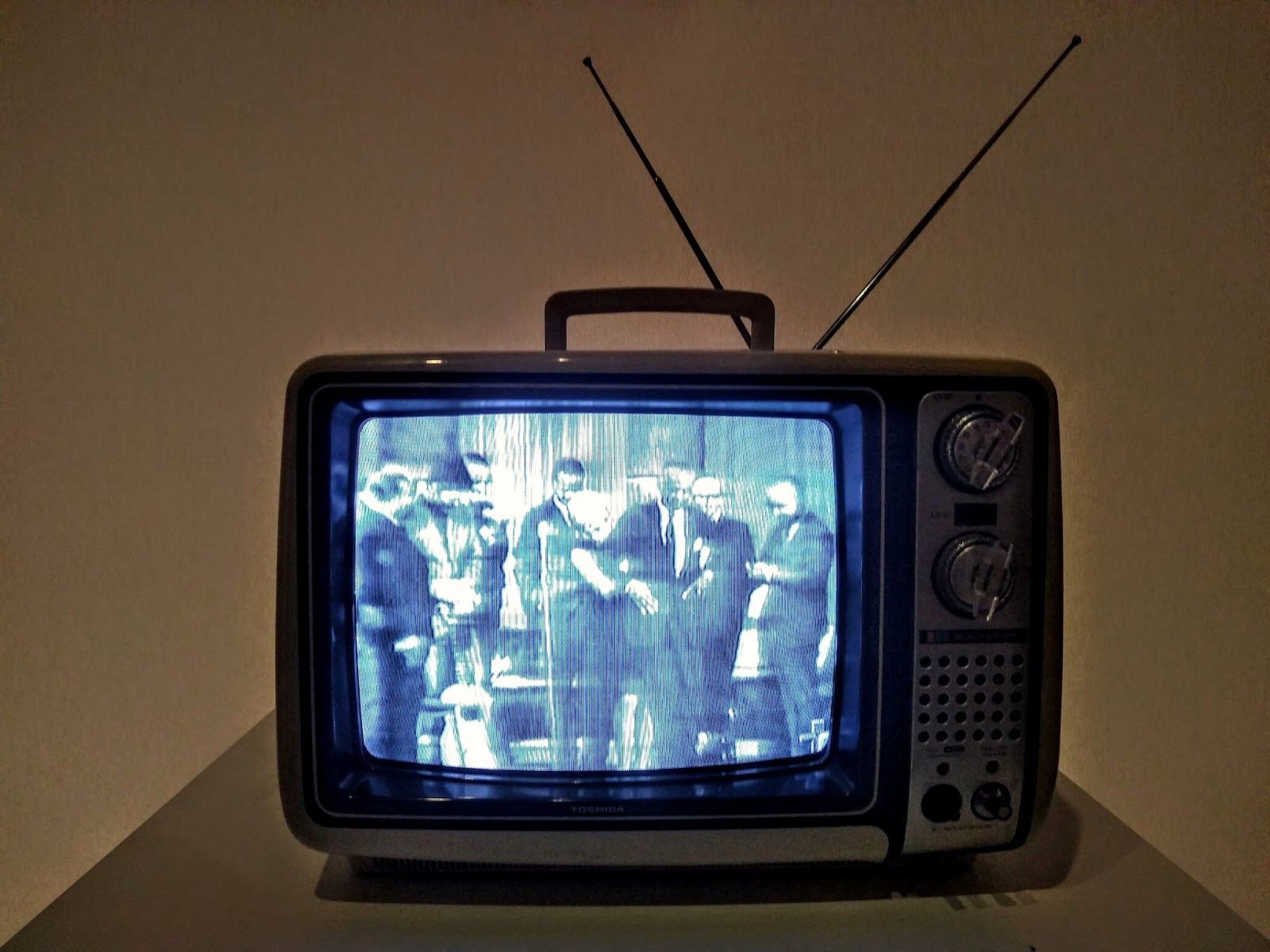
Image: Bruna Araujo

The Brady Bunch gave us sibling drama in its purest form. Jan’s jealous cry of "Marcia, Marcia, Marcia" captured classic middle-child woes, while Marcia’s anguished "Oh, my nose!"—after getting hit with a football—was a dramatic moment that still gets laughs. Both quotes are etched into the memories of anyone who grew up watching the blended Brady family.

Geography Geography 5 min read

Southern charm

Howdy y’all! 10 fascinating facts about the American South

Image: Blake Emge

It would be impossible to capture the essence of American culture without considering its Southern states. With a rich history and breathtaking landscapes, the South is a cornerstone of America’s identity , no matter where you call home. And, as the birthplace of some of the most influential trends in American music, as well as the setting for many historical milestones, few regions have contributed this much to our nation’s heritage. Join us on a fun road trip as we explore 10 intriguing facts about the American South —from blues music to rocket science!

1
Musical roots

Image: Ahmed Rizkhaan

The American South is the birthplace of some of the most influential music genres in history, including blues and jazz. The blues, which originated in the Mississippi Delta in the late 19th century, captured the deep emotional and social experiences of African Americans in the post-Reconstruction South.

As the blues spread throughout the country, its rhythms and melodies laid the groundwork for jazz, which emerged in the vibrant streets of New Orleans in the early 20th century. These new sounds created a new musical language that favored improvisation and complex rhythms. By the 1920s, jazz had become a defining feature of American culture, solidifying the South's role as a cradle of American music.

2
The Lone Star state

Image: Perry Merrity II

Before joining the United States, Texas was an independent nation known as the Republic of Texas. After winning its independence from Mexico in 1836, Texas existed as a sovereign state for nearly a decade, with its own president, currency, and military.

The Lone Star flag, first adopted during this period, symbolized Texas's independent spirit and remains a proud emblem of the state today. Although the Republic of Texas was short-lived, with Texas officially becoming the 28th state of the Union in 1845, its legacy endures in the fierce yet friendly spirit of its inhabitants.

3
First successful powered flight

Image: History in HD

Although the Wright brothers were native Ohioans, the first successful powered flight took place in North Carolina on December 17, 1903. The historic flight occurred in the sand dunes of Kitty Hawk, where the Wright brothers chose to test their aircraft due to the area's steady winds and soft landing surfaces.

The achievement marked a pivotal moment in aviation history, proving that controlled, powered flight was possible. The site of this groundbreaking event is now commemorated by the Wright Brothers National Memorial.

4
Southern hospitality

Image: Aleks Marinkovic

Southern hospitality is more than just a stereotype—it's a deeply rooted tradition that has shaped the culture of the American South for centuries. This ethos of politeness, generosity, and warmth towards guests can be traced back to the region’s agrarian past, where communities were often isolated and people relied on one another for support.

This tradition was further reinforced over time by particular social customs, such as the importance of entertaining visitors with elaborate meals and ensuring that guests feel like part of the family. Southern hospitality is so integral to the region's identity that it’s become a hallmark of the South.

5
Mississippi River

Image: Mathew Benoit

Spanning over 2,300 miles, the Mississippi River is the second-longest river in the United States and plays a critical role in the nation’s geography and economy. Flowing from its source in Minnesota to the Gulf of Mexico, it traverses ten states, including several Southern states like Louisiana, Mississippi, and Arkansas.

A vital artery for transportation and commerce since the early days of American history, the Mississippi also played a crucial role during the Civil War, with control of the river being a strategic priority for both Union and Confederate forces. To this day, the river continues to be a key waterway, supporting local industries and remaining a central part of the cultural and ecological identity of the region.

6
Oldest city in America

Image: Michael J. Vega

St. Augustine, Florida, holds the title of the oldest continuously occupied city of European origin in the United States. Founded in 1565 by Spanish explorer Pedro Menéndez de Avilés, St. Augustine predates the founding of Jamestown and Plymouth by several decades.

As a strategic outpost for the Spanish Empire, the city played a crucial role in defending Spain’s claims to the New World, particularly against British and French incursions. The Castillo de San Marcos, a massive stone fortress completed in 1695, still stands as a testament to the region's rich history.

7
Southern delights

Image: Alex Haney

Southern cuisine, known for dishes like fried chicken, barbecue, and biscuits, is considered a cornerstone of American food culture. In fact, the popularity of Southern food has spread nationwide, with restaurants and festivals celebrating these flavors from coast to coast.

A true melting pot of cultures, the region’s beloved cuisine has a rich history with roots that can be traced back to Native American, African, and European influences. The ingredients reflect the region’s agricultural history, with many recipes using corn or corn-derived products. Southern cuisine also includes iconic dishes like jambalaya and gumbo from Louisiana, which highlight the region’s French and Creole influences.

8
Space pioneers

Image: Brian McGowan

NASA’s southern centers have been pivotal in shaping the U.S. space program. The Marshall Space Flight Center in Huntsville, Alabama, was crucial in developing the Saturn V rocket that made the moon landing possible. The Johnson Space Center in Houston, Texas, is the hub for astronaut training and mission control, and the Kennedy Space Center in Florida has been the launch site for every manned mission since 1968.

To this day, the South’s importance in space and scientific endeavors remains uncontested: NASA centers in the region lead astronaut training and are essential for rocket launches, maintaining their status as pioneers of space exploration.

9
Bourbon & Moonshine

Image: Jeff Frank

Bourbon, often considered America's native spirit, has deep roots in the South, particularly in Kentucky, where it is produced under stringent guidelines. To be classified as bourbon, the whiskey must be made from a mash bill of at least 51% corn and aged in new charred oak barrels. This specific process, along with Kentucky’s unique limestone water, gives bourbon its distinctive flavor and character.

But the tradition extends way beyond just bourbon. The craft of homebrewing various types of alcoholic beverages has long been a vital part of the region’s cultural heritage. For example, during Prohibition, the South became notorious for its moonshine —illegally brewed, high-proof spirits (essentially clear, unaged whiskey)—which were smuggled across the country.

10
Southern Drawl

Image: Joe Lavigne

The Southern accent, often referred to as the "Southern drawl," is one of the most recognizable in the United States. This unique dialect evolved from a mix of British, Irish, and African influences during the early settlement of the region.

The drawl's elongated vowels and slow cadence might even reflect the South's agricultural origins, where life moved at a more leisurely pace. The accent has evolved over centuries and is now recognized as a defining feature of Southern identity, often evoking a sense of charm and regional pride.

Culture Culture 5 min read

HOLLYWOOD REGRETS

What If: 10 Actors Who Turned Down Big Roles

Image: Shlag / Kal Visuals

Forrest Gump played by an actor other than Tom Hanks? What would "Gone with the Wind" be like with Cary Grant in the lead role? Or the blockbuster "Titanic" without Kate Winslet as Rose? Characters become classics mostly thanks to the actors who bring them to life. Hollywood history is full of examples in which incredibly famous characters came close to being played by someone else . In this article, we present 10 stars who, for various reasons, dropped iconic roles that ended up being played by other actors who knew exactly how to make the most of them.

1
Sean Connery, The Lord of the Rings

Image: Thomas Schweighofer

One of the actors who has turned down the most iconic roles in cinema history is probably Sean Connery. For example, he passed on to interpret the evil cannibal in "The Silence of the Lambs", which later earned Sir Anthony Hopkins an Academy Award for Best Actor.

But perhaps the most curious decision of his career was to refuse the role of Gandalf in the 2001 adaptation of "The Lord of the Rings". The producers went so far as to offer him up to ten million dollars and 15% of the film's profits, which would have amounted to around 400 million dollars. Years later the actor declared that he didn’t understand the script and that he didn’t find Tolkien's work attractive enough. Go figure!

2
Gwyneth Paltrow, Titanic

Image: David_Do

More than 25 years after its premiere, we can’t imagine any actress other than Kate Winslet playing the young socialite Rose Bukater in Titanic . However, the director's first choice for the role was American actress Gwyneth Paltrow . After reading the text, Paltrow told her agents that she found the story too corny and ended up turning down the role.

James Cameron's film was a box-office success and Winslet was nominated for an Oscar for her work . But there was another plot twist: a year later, in 1988, the British actress turned down the "Shakespeare in Love" project for which Paltrow won the golden statuette.

3
Al Pacino, Star Wars

Image: Saksham Gangwar

Al Pacino, who starred in great films such as "The Godfather" and "Scent of a Woman", admitted that he was offered the role of Han Solo in "Star Wars", but didn’t accept it because he didn’t understand George Lucas' script .

Recently, he said at an event: "They offered me so much money. I don't understand it.... So I said I couldn't do it. I gave Harrison Ford a career." Truth be told, other actors like Christopher Walken didn't trust the project either . Perhaps in the mid-1970s, no one could have imagined that this fantasy saga would become a multi-million franchise still widely revered by audiences to this day.

4
Marilyn Monroe, Breakfast at Tiffany’s

Image: pure julia

Starring an iconic Audrey Hepburn, "Breakfast at Tiffany’s" was released in 1961. That role marked a turning point in Hepburn’s career, consolidating her as a serious actress. However, Truman Capote, author of the original novel, was totally against her being the protagonist .

Apparently, he wrote the story with Marilyn Monroe as the carefree Holly Golightly in mind . As it turns out, Monroe's acting coach rejected the idea because she didn't want the actress to play "a lady of the night." Capote was never happy with the result and even said, "It is the most miscast film I've ever seen. It made me want to throw up."

5
Gary Cooper, Gone with the Wind

Image: Ian Wagg

Producer David O. Selznick's first choice for the role of Rhett Butler in "Gone With the Wind" was the great Gary Cooper. However, the actor from "The Virginian" didn't want it, and he showed it quite strongly. Cooper reportedly predicted that the film would be the biggest flop in Hollywood history . He allegedly said, "I'm just glad it'll be Clark Gable who's falling on his face and not Gary Cooper."

Of course, he couldn't have been more wrong. Not only is the film considered one of cinema's greatest masterpieces, but it also earned Clark Gable an Oscar nomination for Best Actor and made him one of the most iconic actors of the 20th century. Did Cooper regret it later?

6
Kim Basinger, Basic Instinct

Image: Vlad Deep

Sharon Stone's name will always be associated with the thriller "Basic Instinct" and that famous leg-crossing scene. Although it was the role that made her famous, she got it because other actresses such as Julia Roberts, Michelle Pfeiffer, Geena Davis, Kathleen Turner, and Meg Ryan had previously rejected it.

In the beginning, the film's leading man, Michael Douglas, had recommended Kim Basinger , who had already starred in the erotic romantic drama "9½ Weeks" in 1986. However, Basinger considered Paul Verhoeven's film too extreme for her and chose not to do it. In the end, "Basic Instinct" was one of the highest-grossing films of 1992, although not without controversy.

7
John Travolta, Forrest Gump

Image: Yosuke Ota

The producers' first choice to play the lead role in "Forrest Gump" was John Travolta . The "Grease" and "Saturday Night Fever" actor turned down the role that would later earn Tom Hanks his second Academy Award.

With hindsight, however, we know that Travolta did the right thing . Besides the fact that we couldn't imagine anyone else playing the tender, naïve Forrest, Travolta said no because he had another project in the works. That other film ended up giving him the best character of his entire career: Vince Vega in Pulp Fiction —probably also Quentin Tarantino's best film.

8
Molly Ringwald, Pretty Woman

Image: Look Studio

Vivian Ward's character in "Pretty Woman", which made Julia Roberts a star and for which she won a Golden Globe, had been previously offered to Molly Ringwald . At just twenty years old, Ringwald was already an icon and a reference for the girls of her generation and one of the most sought-after and best-positioned actresses in Hollywood. However, she decided to turn down the offer and go to Paris.

Around that time, she also didn't land roles in "The Silence of the Lambs" and "Working Girl". Those decisions cost her dearly and although she tried to resume her career in the United States years later, it was not easy for her to regain the star status she had had during the 80s.

9
Leonardo DiCaprio, Boogie Nights

Image: Regina Valetova

Leonardo DiCaprio as charismatic porn star Dirk Diggler? Believe it or not, it could have happened. However, at the time DiCaprio felt that director Paul Thomas Anderson didn't have much experience and turned down the lead role in "Boogie Nights" to make "Titanic".

Years later, Di Caprio said in an interview that the 1997 period drama was a film he would have loved to make. "Boogie Nights" is certainly both an audience and critics favorite and the one that catapulted Mark Wahlberg to fame. But if Di Caprio hadn't starred in "Titanic", would he have the career he has today? Luckily, we'll never know!

10
Bette Midler, Sister Act

Image: cottonbro studio

The lead character in "Sister Act" had originally been written for Bette Midler . However, the actress, singer, and comedian was hesitant because she was worried that her fans would not want to see her play a nun.

Producers pestered her for several weeks but Midler felt she could wear anything but a nun's costume and ended up not accepting it. The job eventually went to Oscar winner Whoopi Goldberg who, due to the film's huge success, returned for a sequel in 1992.

Explore more American facts

Choose your favorite category!

General
General

As American as apple pie—the very best America has to offer!

Culture
Culture

Delve into the astounding richness of American lore.

Geography
Geography

Hop in and explore vast and diverse American landscapes.

History
History

Discover the key moments that shaped the United States.