General General 4 min read

Star power comes in all sizes

Which famous actor is 5'6"? Movie magic hides more than you imagine

Image: William Warby

The movie screen shows us everything we want... and sometimes even what we don’t. But some things aren’t so easy to notice, like the height of our favorite stars. From classic icons like John Wayne to today’s celebrities like Taylor Swift, these 10 stars fall into one of two categories: really tall… or really, really short! Can you guess how tall each one is?

1
Clint Eastwood
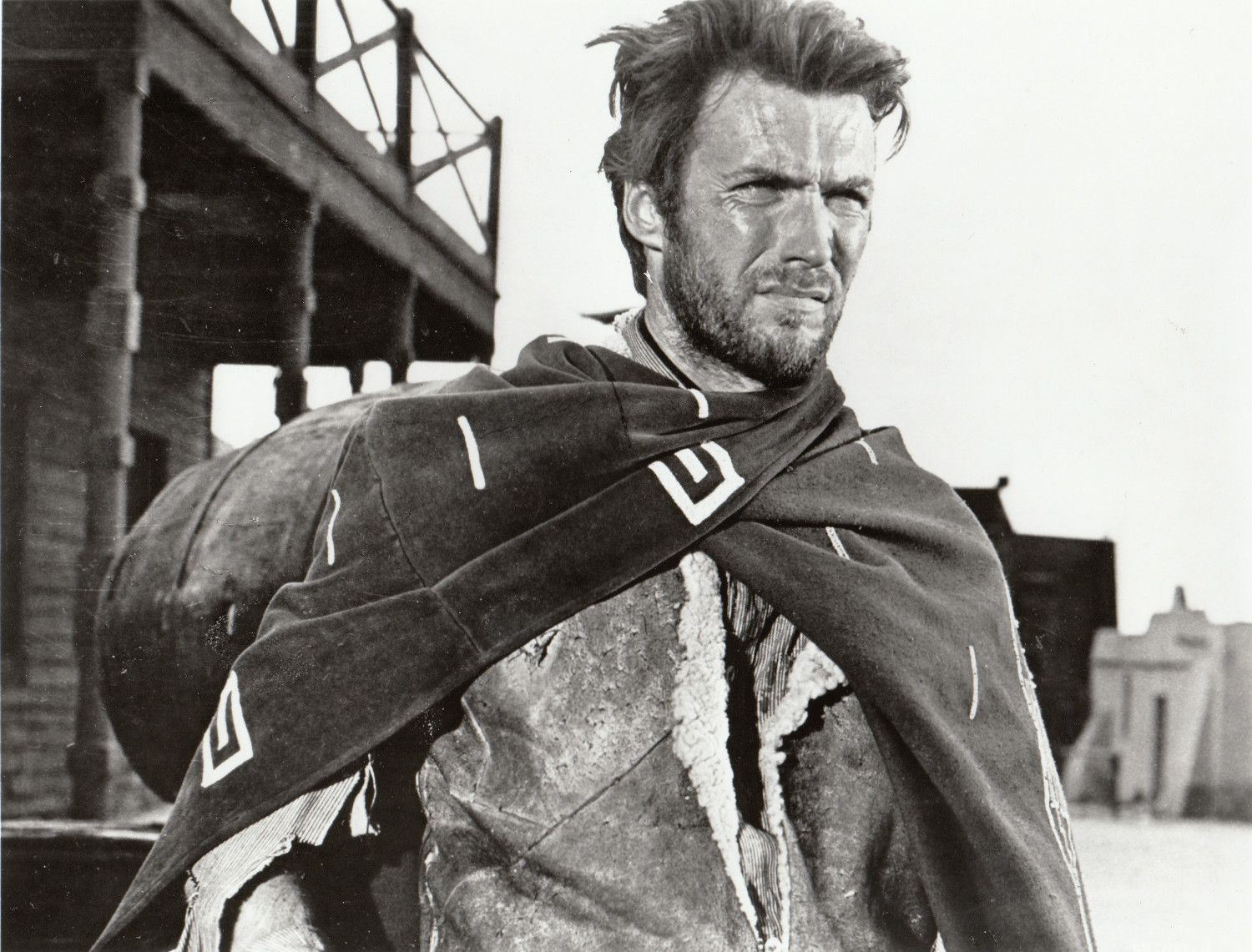
Image: movie studio, Public domain, via Wikimedia Commons

Spaghetti Westerns wouldn’t have been the same without Clint Eastwood, and neither would cinema as a whole. He not only won our hearts with unforgettable performances but also built a career as a respected director and even stepped into politics. But that’s not all: It turns out he’s also one of the tallest actors in Hollywood, standing at an impressive 6'4"!

2
Tom Cruise

Image: Gage Skidmore from Peoria, AZ, United States of America, CC BY-SA 2.0 , via Wikimedia Commons

Tom Cruise is famous for performing his own stunts in some truly dangerous scenes. At 5'7", he may not be Hollywood’s tallest leading man, but that doesn’t stop him from skydiving while flipping through the air, piloting planes, filming atop skyscrapers without a harness, and, of course, being one of the highest-paid actors in the world.

3
John Wayne
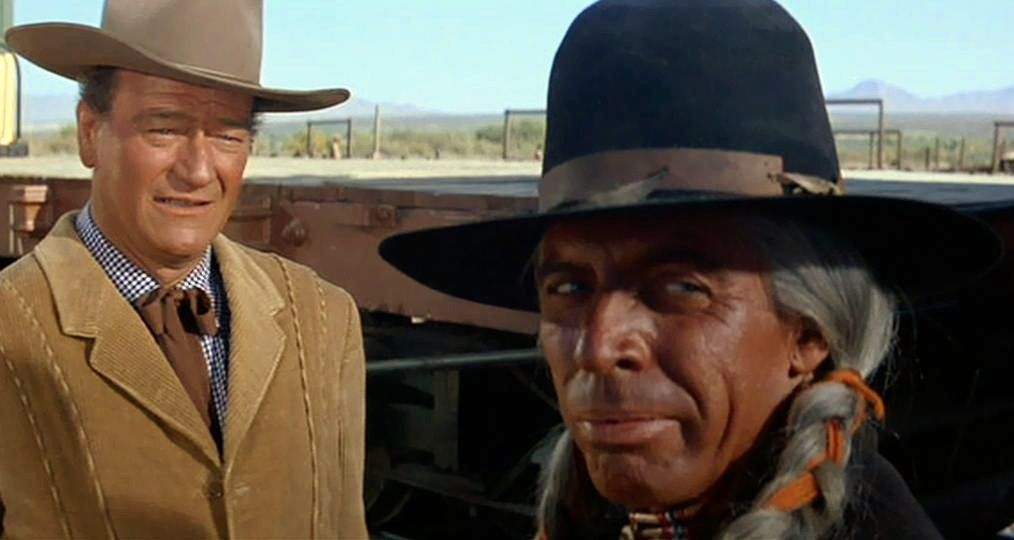
Image: DVD (Batjac-Paramount Pictures), Public domain, via Wikimedia Commons

Western films and war movies owe a lot to the talented John Wayne. Known as "The Duke," his tough-guy persona came not only from his roles but also from his imposing size: he stood an impressive 6 feet 4 inches tall.

4
Dolly Parton
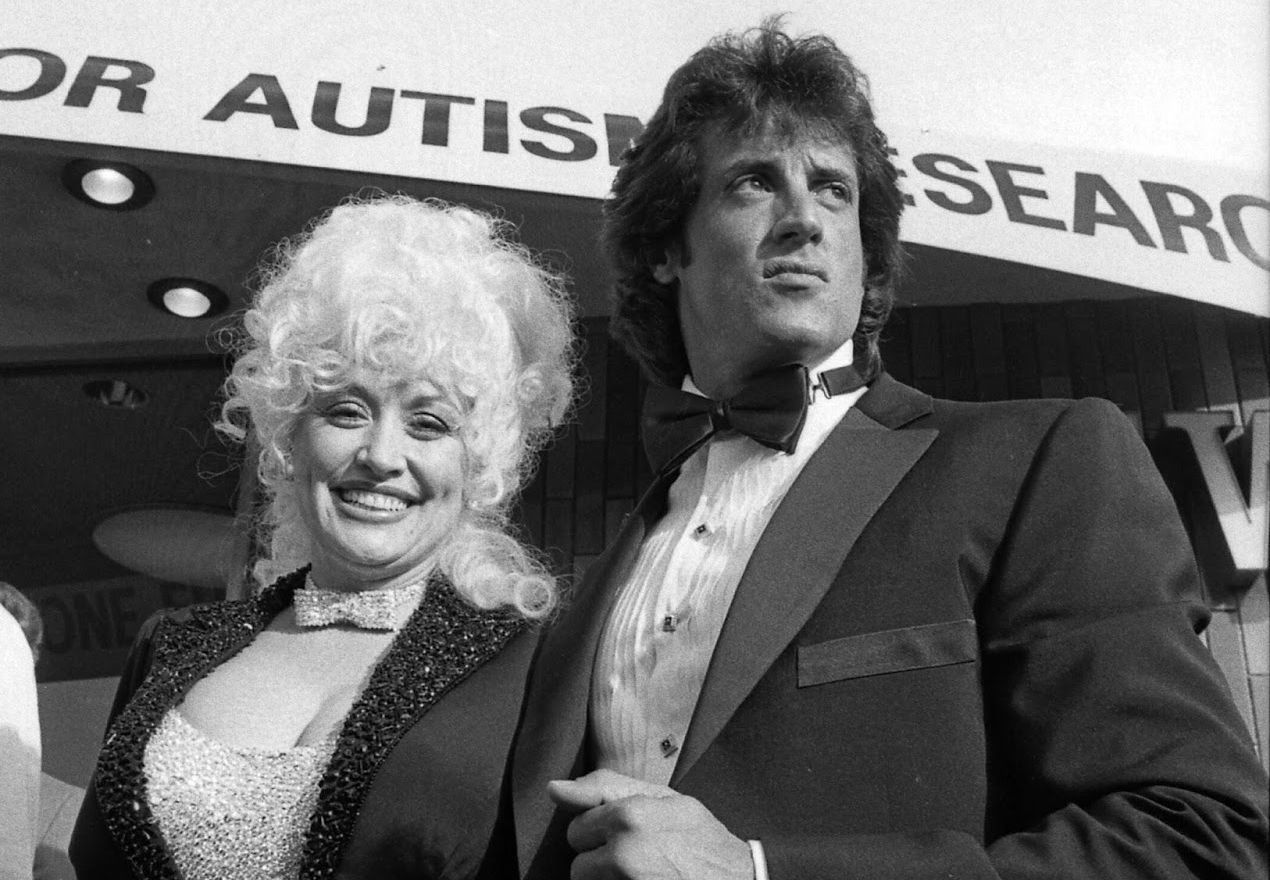
Image: Mel Melcon, Los Angeles Times, CC BY 4.0 , via Wikimedia Commons

The queen of country music doesn’t need height to stand out: At just 5 feet tall, she became one of America’s most beloved female singers. Creator of hits like "Jolene," "9 to 5," and "I Will Always Love You," she often wears heels during performances and TV and movie appearances.

5
Danny DeVito

Image: Mario A. P., CC BY-SA 2.0 , via Wikimedia Commons

If you thought Dolly was the shortest person on this list, think again, as the talented and beloved actor Danny DeVito stands at 4'10''. His height is due to a genetic condition called multiple epiphyseal dysplasia (MED), which affects bone growth. Far from holding him back, Danny has showcased his talent in successful films like Batman Returns (1992), Matilda (1996), Big Fish (2003), and many more.

6
Brooke Shields

Image: MSGT. Don Wetterman, Public domain, via Wikimedia Commons

Height isn’t just for men; just look at actress Brooke Shields, who stands an amazing 6 feet tall. Known for films like The Blue Lagoon (1980) and the sitcom Suddenly Susan (1996–2000), her height and striking beauty also contributed to her great success in the fashion world.

7
Dustin Hoffman

Image: Gorup de Besanez, CC BY-SA 3.0 , via Wikimedia Commons

The Graduate (1967), Midnight Cowboy (1969), and Kramer vs. Kramer (1979) are cinematic classics, in large part thanks to Dustin Hoffman’s outstanding performances. While he wasn’t the tallest protagonist at 5 '7", his height never got in the way of these and many other films achieving huge success.

8
Dwayne Johnson

Image: Eva Rinaldi Celebrity and Live Music Photographer, CC BY-SA 2.0 , via Wikimedia Commons

Also in the Tall Club is Dwayne Johnson, better known as "The Rock." Standing an impressive 6'5", his strength goes beyond his height and acting talent, as he also gained fame as a professional wrestling superstar.

9
Taylor Swift

Image: Marcin Wichary from San Francisco, U.S.A., CC BY 2.0 , via Wikimedia Commons

Named Time’s Person of the Year in 2023, Taylor Swift is undeniably one of the biggest sensations of this era. But her musical talent and knack for creating hit songs aren’t all she brings to the table: Her 5'11" height also adds to her stunning stage presence.

10
Al Pacino

Image: Gotfryd, Bernard, photographer, Public domain, via Wikimedia Commons

Mr. Al Pacino may have brought to life some of the toughest characters, and even a few criminals. But his rugged image might make you think he’s a bit taller. To many people's surprise, Al actually stands around 5' 6". Short or tall, he was destined to be a star!

11
Uma Thurman

Image: Siebbi, CC BY 3.0 , via Wikimedia Commons

Brooke Shields and Taylor Swift aren't the only tall women on this list. The star of Pulp Fiction (1994) and Kill Bill (2003–2004) also ranks among the tallest. At 5'11", Uma Thurman has always stood out for her versatility and commanding screen presence.

General General 5 min read

NATURE'S WARRIORS

Discover The Top 10 Fierce Animals Roaming America

As much as we love animals, it's important to remember one thing: some of them are best admired from a distance. While any wild creature can be a bit scary, a few stand out, particularly for their intimidating traits. With dangerous claws , sharp teeth, or horns that wouldn't fit inside your car, America's fauna has an incredible range of characteristics that could surprise many. Let's discover the names and features of the top 10 fierce animals roaming America; you won't believe the last one!

1
American Alligator

Image: Joshua J. Cotten

Let's start with a powerful one. While they say not to judge by appearances, only one look at an American alligator's face can confirm it might not be the friendliest creature around.

Populating freshwater habitats in the southeastern U.S., males can grow up to 15 feet long. In addition to their impressive size, they have incredibly strong jaws , one of the most powerful in the animal kingdom.

American alligators are also excellent hunters, as they know how to blend into their surroundings while waiting for prey to approach. Clever tactics!

2
Western Diamondback Rattlesnake

Image: Amber Wolfe

The American alligator is not the only reptile on this list. We also have the stellar presence of the impressive Western diamondback rattlesnake. With a name like that, how could it possibly go unnoticed? But believe us, its name is not the only surprising thing about it.

This reptile has particularly large fangs compared to other snakes, and what's even more fascinating is that they are quickly replaced if one breaks or gets damaged. When this carnivorous predator confronts its prey —generally rodents, birds, or some other reptiles— it uses those fangs to inject its venom , a toxin capable of hindering coagulation and even causing tissue damage.

3
Grizzly bear

Image: Becca

This huge creature is far from a cuddly care bear. We are talking about the fearsome grizzly bear, a giant that can weigh up to 1,500 pounds and reach 10 feet tall when standing on its hind legs.

And as if its size were not enough, the great strength of this beast and its territorial nature make it a threat to other species. In addition, despite being omnivores, their sharp claws and large teeth make them tough predators.

One more scary detail: Don't be fooled by its size; grizzly bears can reach speeds of up to 35 miles per hour!

4
Cougar

Image: Robert Sachowski

"Cougar" is a nicer name for the creature also known as a mountain lion, an impressive feline that ranks as the second-largest cat in the Americas, just behind the jaguar.

The cougar can weigh up to 220 pounds and measure up to 8 feet long. Can you imagine a kitten that size? With its claws, teeth, and pointed ears! Despite its name, the mountain lion can adapt to different environments: cold mountains, forests, and even deserts.

But what truly distinguishes this animal is its stealthiness. This solitary creature is an intelligent and cautious predator, approaching its prey slowly and quietly until it's time to attack.

5
American bison

Image: Leslie Driskill

If you got shocked by the 220 pounds of the cougar or the 1,500 pounds of the grizzly bear, just wait until you hear how much the American bison can weigh.

Males of this imposing animal can reach 2,000 pounds! In addition, some specimens reach 6.5 feet from hoof to shoulders. Despite its size and strength, the American bison is an herbivore , which means it doesn't attack other animals for food.

But wait, if this beautiful animal gets angry, its defense can be truly intimidating; just picture a horned creature of that size approaching. It can also run at a speed of up to 35 miles per hour! Definitely an incredible animal.

6
Black widow spider

Image: Jared Subia

The black widow is not only a comic book character but also one of the most feared creatures on this list. This arthropod lives throughout the southern and western United States, as it prefers warm, dry climates.

Unlike other animals, the black widow is a threat to other species and also to its own. This spider's name comes from its notorious behavior: sometimes, the female devours the male.

In addition to this creepy detail, its appearance is also spooky. It has a shiny black body with a bright red marking on its abdomen. But that's not all; this spider also has potent venom used to immobilize its prey. Fortunately, experts say it typically only bites in self-defense.

7
Great white shark

Image: Gerald Schömbs

5,000 pounds , 20 feet long, and several rows of sharp teeth capable of delivering a bite force of up to 4,000 pounds per square inch; this is the impressive great white shark.

Despite its size, it can swim agilely with a speed of up to 25 miles per hour. This fearsome predator, found along both the Pacific and Atlantic coasts of the United States, uses all its advantages to attack its prey quickly and surprisingly.

While their visibility is low, they rely on their ability to perceive the electromagnetic fields of other creatures! Looks like an invincible predator, doesn't it?

8
Black bear

Image: Greg Johnson

While slightly smaller than the grizzly bear, the black bear is still intimidating. With an average weight of 450 pounds , it's a large animal, equipped with sharp claws and teeth that can quickly appear if it or its cubs feel threatened.

In addition to their speed of up to 30 mph, these agile animals can also climb trees! And yes, the myth is true: they do love honey (who wouldn't, right?).

Here's another fun fact: despite their name, black bears can have black, brown, or blond fur.

9
Coral snake

Image: MART PRODUCTION

The rattlesnake isn't the only snake making this list. The coral snake definitely earned its spot, too.

Famed and feared worldwide, this snake species possesses a potent venom that can immobilize and cause respiratory failure in its prey. In addition, its small size (about 2 to 3 feet in length) helps it go unnoticed by other animals before it bites them.

Found in the southeastern United States, the coral snake is known for its impressive appearance but is generally not very aggressive unless provoked. Did you know other snakes mimic the coral snake's colors to appear more intimidating and keep predators away? You know, nature is wise.

10
Fire ants

Image: oktavianus mulyadi

This list isn't just about huge horns, sharp teeth, and hefty bodies; there are also creatures the size of a rice grain.

We're talking about fire ants, tiny but strong insects with a fearsome reputation. Why is the aggressiveness of such a small creature so scary? Well, because their stings are really painful , something that no animal species would want to experience. But that's not all; fire ants have the ability to sting and bite at the same time, causing pain, itching, and burning.

Like all ants, they have a very organized society . Every time they perceive their colony threatened, they launch a chemical alarm and start defending their home like an army!

History History 4 min read

Nature’s wrath unleashed

Wild, wild weather: 10 natural disasters that changed U.S. history

Image: Greg Johnson

America’s vast territories and diverse landscapes make it a hotspot for some of the world’s most remarkable weather and natural phenomena . From raging tornadoes to volcanic eruptions, the U.S. is no stranger to extreme natural events. While some of these events have left deep scars on the nation’s collective memory, many have also driven significant advancements in prevention and disaster response protocols, helping to mitigate the impact of future occurrences. Here’s a look at 10 of the most powerful natural events in American history.

1
Tri-State tornado

Image: Greg Johnson

In 1925, the Tri-State Tornado carved a path of destruction across Missouri, Illinois, and Indiana. With winds exceeding 300 mph, it remains the deadliest tornado in U.S. history, claiming more than 700 lives and leaving thousands homeless.

This record-breaking F5 tornado—classified as such by modern standards—traveled over 200 miles in just three and a half hours, leveling entire towns. Its unprecedented speed and longevity exposed the limitations of early warning systems, prompting significant advancements in tornado research and forecasting.

2
The Dust Bowl

Image: Sophia Simoes

The 1930s Dust Bowl was a man-made disaster exacerbated by a severe drought across the Great Plains. Decades of over-plowing and unsustainable farming practices had left the farmland highly vulnerable to erosion.

When the drought struck, winds swept loose soil into colossal clouds that darkened cities and devastated remaining crops. These massive dust storms, known as "Black Blizzards," choked the skies and forced thousands of families to abandon their homes . Eventually, the disaster led to significant agricultural reforms under the New Deal.

3
Lake Michigan's seiche wave

Image: Silas Baisch

On the morning of June 26, 1954, a 10-foot-high seiche wave crashed onto the Chicago shoreline , sweeping away eight people and injuring many others. But what exactly is a "seiche wave"?

According to researchers, seiche waves are large, sudden standing waves that form in enclosed bodies of water due to extreme atmospheric changes, such as abrupt shifts in air pressure or strong winds. This rare event shocked the Midwest and prompted scientists to study lake oscillations and their connection to storm systems.

4
Great Alaska earthquake

Image: Joris Beugels

In 1964, Alaska was struck by a devastating earthquake with a magnitude of 9.2, making it the most powerful ever recorded in North America and the second most powerful worldwide. Lasting four minutes and thirty-eight seconds, the earthquake triggered massive tsunamis and landslides across the state, along with significant geographic changes —some coastlines sank while others rose dramatically.

The destruction it caused led to major updates in seismic safety protocols and infrastructure standards throughout the U.S. This event emphasized the need for better preparedness and stricter building codes , to handle similar future events, especially in earthquake-prone areas.

5
Hurricane Katrina

Image: NASA

In 2005, Hurricane Katrina ravaged New Orleans and the Gulf Coast, claiming more than 1,300 lives and leaving millions homeless, sparking an urgent humanitarian crisis. The storm caused an estimated $125 billion in damages, making it one of the costliest hurricanes in history , tied with Hurricane Harvey in the Atlantic basin.

Katrina exposed critical flaws in the region's levee systems and emergency response efforts, prompting widespread criticism and driving essential reforms in disaster preparedness and infrastructure.

6
The Peshtigo firestorm

Image: Tim Mossholder

On the same day as the Great Chicago Fire of 1871, a catastrophic firestorm near the small town of Peshtigo, Wisconsin, scorched approximately 1.2 million acres, making it the deadliest wildfire in recorded history . The uncontrolled blaze claimed over 1,500 lives, though the exact number of fatalities remains uncertain.

Since 1883, there has been speculation that the simultaneous outbreaks of major fires across Illinois, Michigan, and Wisconsin, including the Peshtigo and Chicago fires, were not coincidental but caused by burning fragments from Biela's Comet . However, this theory remains unproven.

7
Superstorm Sandy

Image: Matt Hardy

Nicknamed "Superstorm" by the media, Hurricane Sandy wreaked havoc on the Caribbean and the coastal Mid-Atlantic region of the United States in late October 2012. While it affected 24 states, the most severe damage was concentrated in New Jersey and New York .

The storm caused an estimated $70 billion in damages, flooding New York City's subway system and displacing thousands of residents. It also ignited a nationwide debate about the role of man-made climate change in amplifying the intensity of seasonal storms.

8
Death Valley heatwave

Image: Johannes Plenio

Death Valley recorded the world’s hottest temperature —134°F—in 1913. A testament to America’s climatic extremes, the region’s unique topography traps heat, effectively turning it into a natural furnace.

While the record remains a point of fascination for meteorologists and tourists alike, some recent researchers have challenged the accuracy of the 1913 measurement. Regardless, the region has come close to this temperature in recent years, indicating that a new record-breaking summer may be in the cards.

9
The Great Blizzard of 1888

Image: Jan Canty

The "White Hurricane" of 1888 buried the Northeast under as much as 55 inches of snow, crippling major cities and resulting in over 400 fatalities. Railroads were shut down, and many residents were confined to their homes for up to a week.

As one of the most severe blizzards in American history , the storm compelled New York City to bury power lines and redesign its transportation systems to better withstand future extreme weather events.

10
Mount St. Helens eruption

Image: Tetiana Grypachevska

On May 18, 1980, Mount St. Helens erupted in Washington, triggering massive landslides and pyroclastic flows, killing 57 people and causing over $1.1 billion in damages. The violent blast also reduced the mountain’s height by more than 1,300 feet and sent a plume of ash 80,000 feet into the atmosphere, disrupting air travel for weeks.

This volcanic event, the first in the contiguous United States since the much smaller 1915 eruption of Lassen Peak in California, is considered one of the most disastrous volcanic eruptions in U.S. history. Its aftermath raised awareness of volcanic hazards and underscored the importance of geological research in the country.

Explore more American facts

Choose your favorite category!

General
General

As American as apple pie—the very best America has to offer!

Culture
Culture

Delve into the astounding richness of American lore.

Geography
Geography

Hop in and explore vast and diverse American landscapes.

History
History

Discover the key moments that shaped the United States.