History History 5 min read

Mass hysteria, anyone?

Did you fall for any of these 10 outrageous fads?
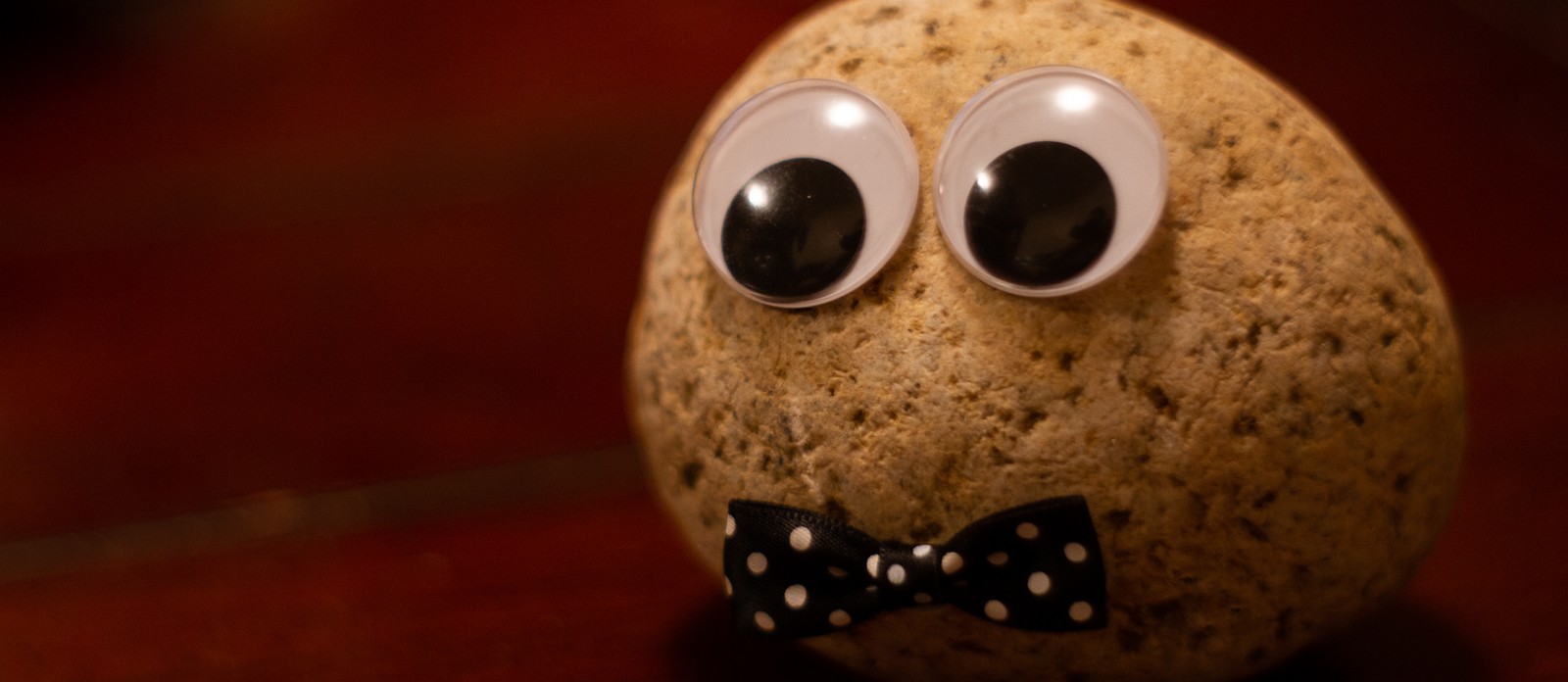
Image: txking

Every generation leaves behind a few trends that make the next one wonder what they were possibly thinking. You probably can think of one or two from your childhood. Long before viral challenges, folks climbed flagpoles, fought over dolls, bought rocks as pets, and turned playground games into miniature economies. Some of these crazes lasted for years, while others disappeared almost overnight. Yet for one strange moment, each of them was enormously popular.

1
People spent weeks sitting on flagpoles
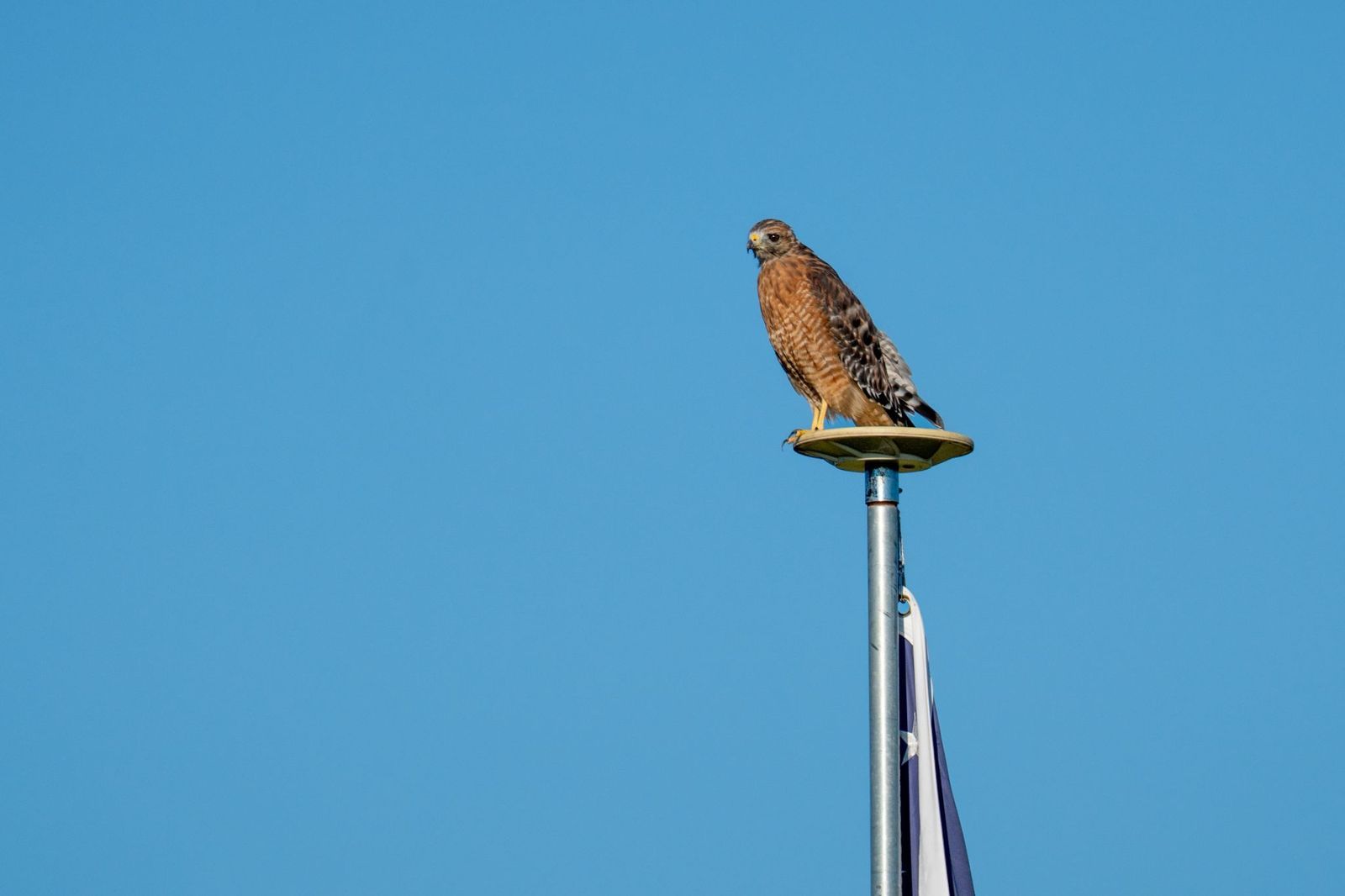
Image: The Camera Dad

In the 1920s, sitting still became a spectator sport —as long as the seat was on top of a flagpole. Stuntman Alvin "Shipwreck" Kelly, from New York City, helped launch the craze in 1924 by remaining aloft for 13 hours and 13 minutes. Soon, imitators across the country were competing to stay up longer.

Kelly kept raising the bar. He spent seven days on a pole in St. Louis, 23 days in Baltimore, and 49 days and one hour above Atlantic City’s Steel Pier in 1930 . He ate, shaved, and even slept on his perch before the Great Depression helped bring the strange craze back down to earth.

2
College students crammed themselves into telephone booths
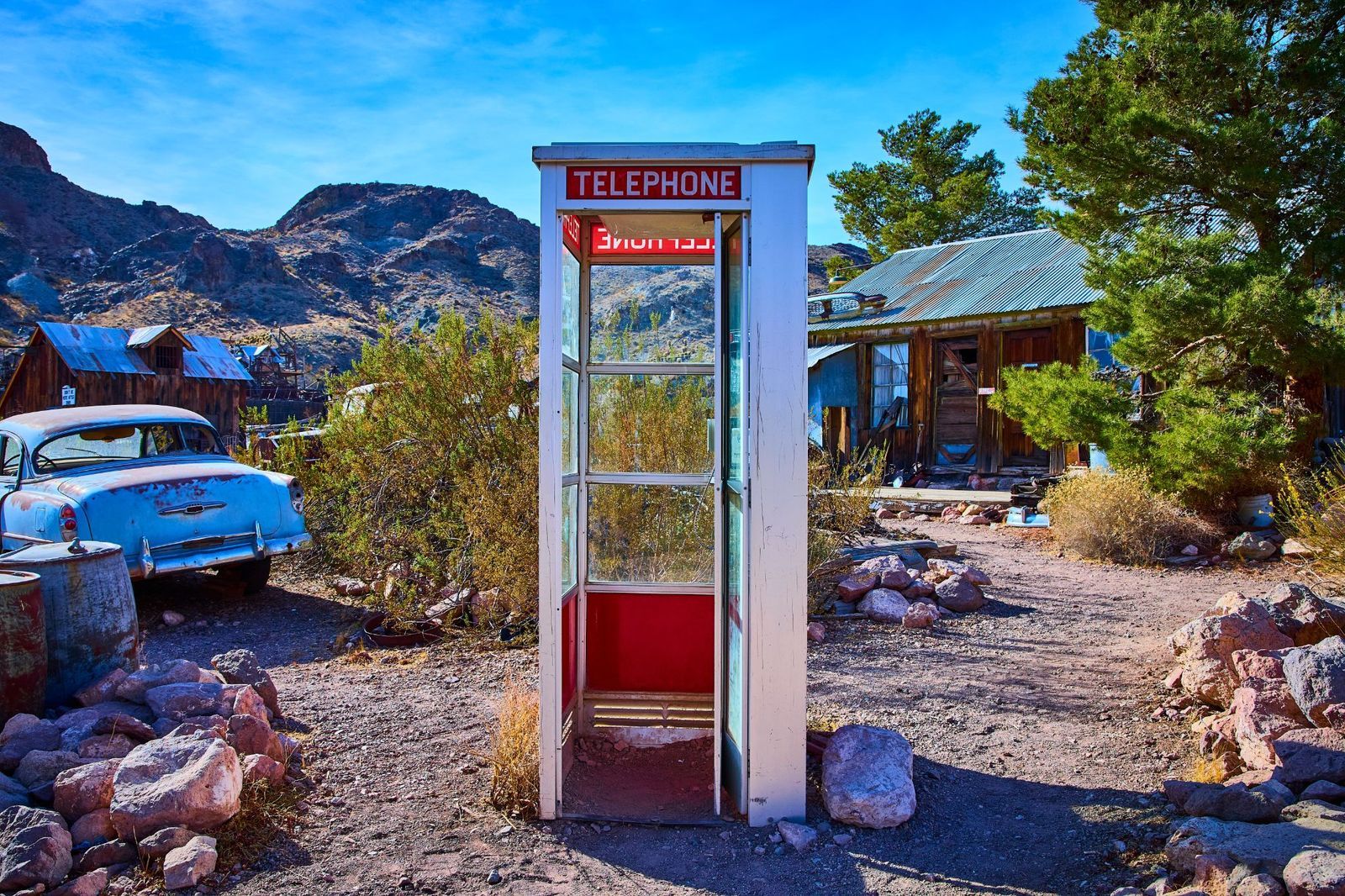
Image: Nicholas J Klein

In 1959, American college students embraced a wonderfully pointless challenge: stuffing as many people as possible into a telephone booth . The fad had already appeared overseas, including a 25-student attempt in Durban, South Africa, before spreading rapidly across U.S. campuses.

At Saint Mary’s College in Moraga, California, 22 students squeezed into one upright booth , producing one of the craze’s most famous photos. Arguments soon broke out over rules: Did feet have to fit? Could the booth lie sideways? By the end of 1959, the fad was already giving way to the next campus novelty.

3
Pet Rocks were a thing
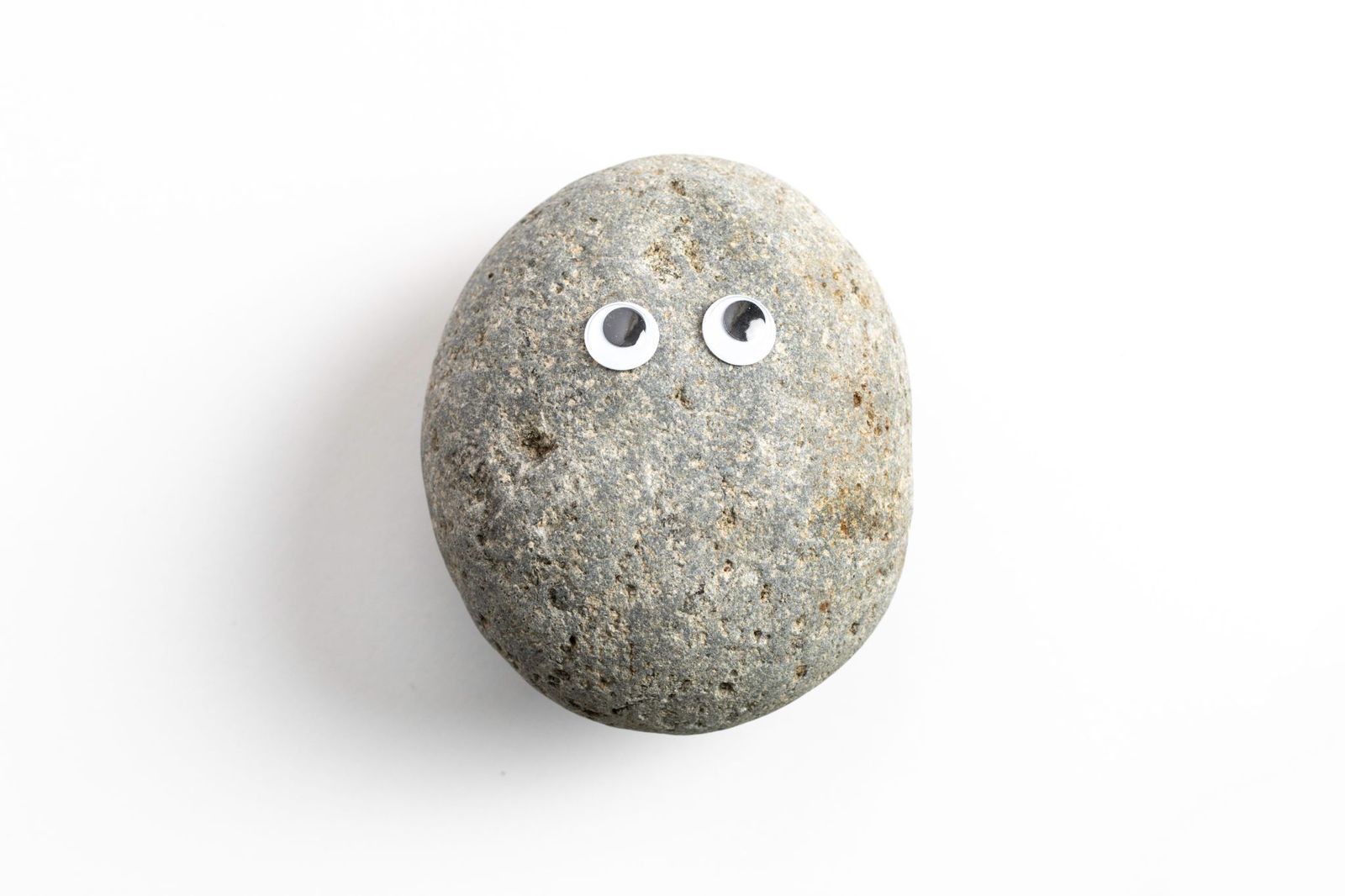
Image: Duntrune Studios

In 1975, advertising executive Gary Dahl came up with the perfect low-maintenance pet: a rock. For about $4, buyers received a smooth Mexican beach stone in a cardboard carrier with straw, air holes, and a tongue-in-cheek manual explaining how to "train" and care for it .

The joke became a genuine business sensation. Dahl later estimated that about 1.5 million Pet Rocks were sold, especially during the 1975 holiday season, making him a millionaire. The craze faded almost immediately afterward, but it proved that clever packaging could turn an ordinary stone into a national phenomenon.

4
Raccoon coats became a college status symbol
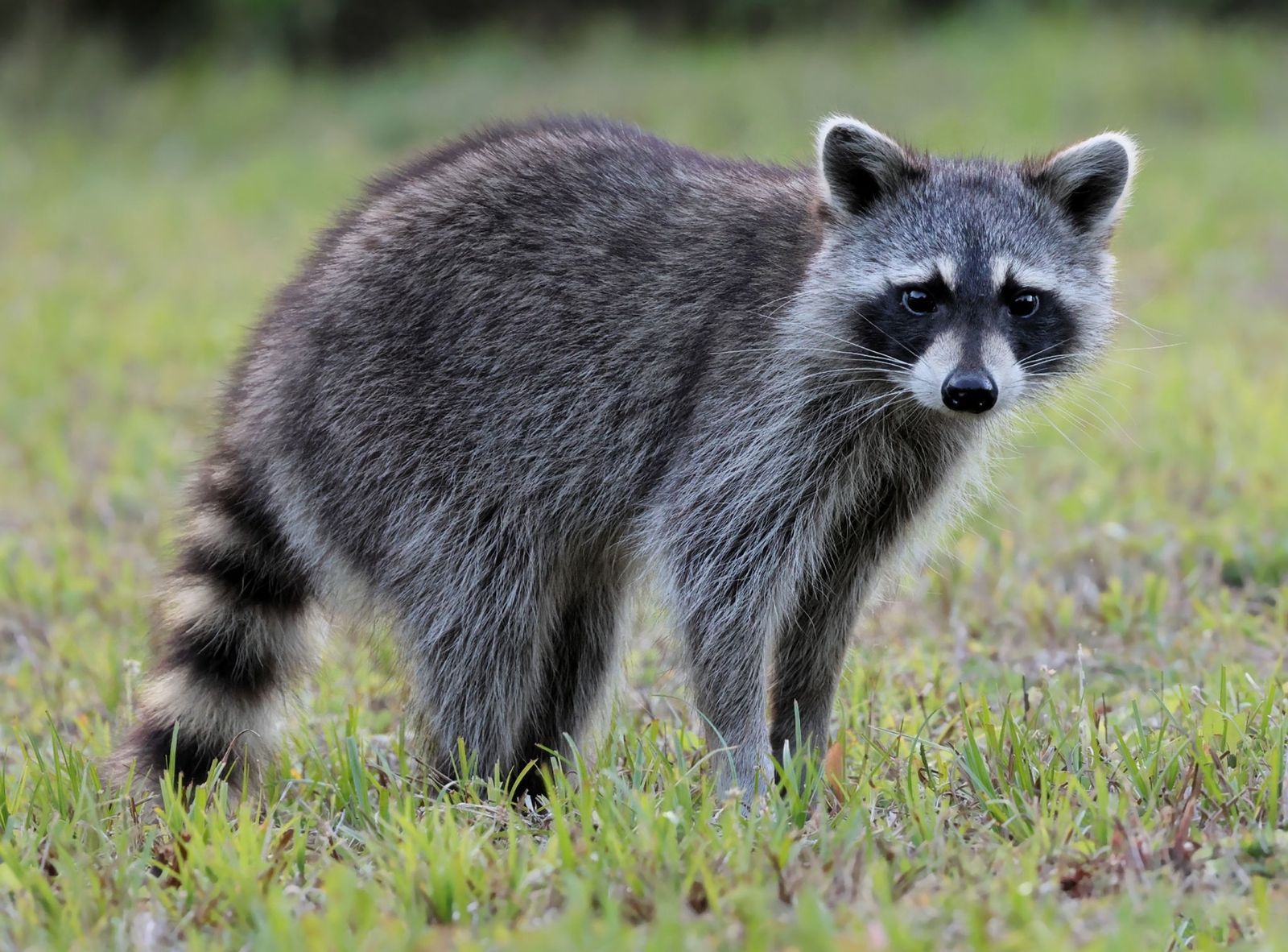
Image: Jean Blom

During the Roaring Twenties, enormous raccoon-fur coats became a fashionable badge of college life . Princeton’s student newspaper reported in 1923 that the coats were "as thick as flies" on campus. They were warm enough for chilly open cars, but they also signaled money and status .

They were expensive, too: typical prices reportedly ranged from $350 to $500 in the 1920s (worth about $5,840 to $8,350 today). Football star Red Grange and movie heartthrob Rudolph Valentino helped popularize the look , and the 1928 song "Doin’ the Raccoon" celebrated the fad. After the 1929 crash, however, such extravagant outerwear lost much of its appeal.

5
Troll dolls were everywhere
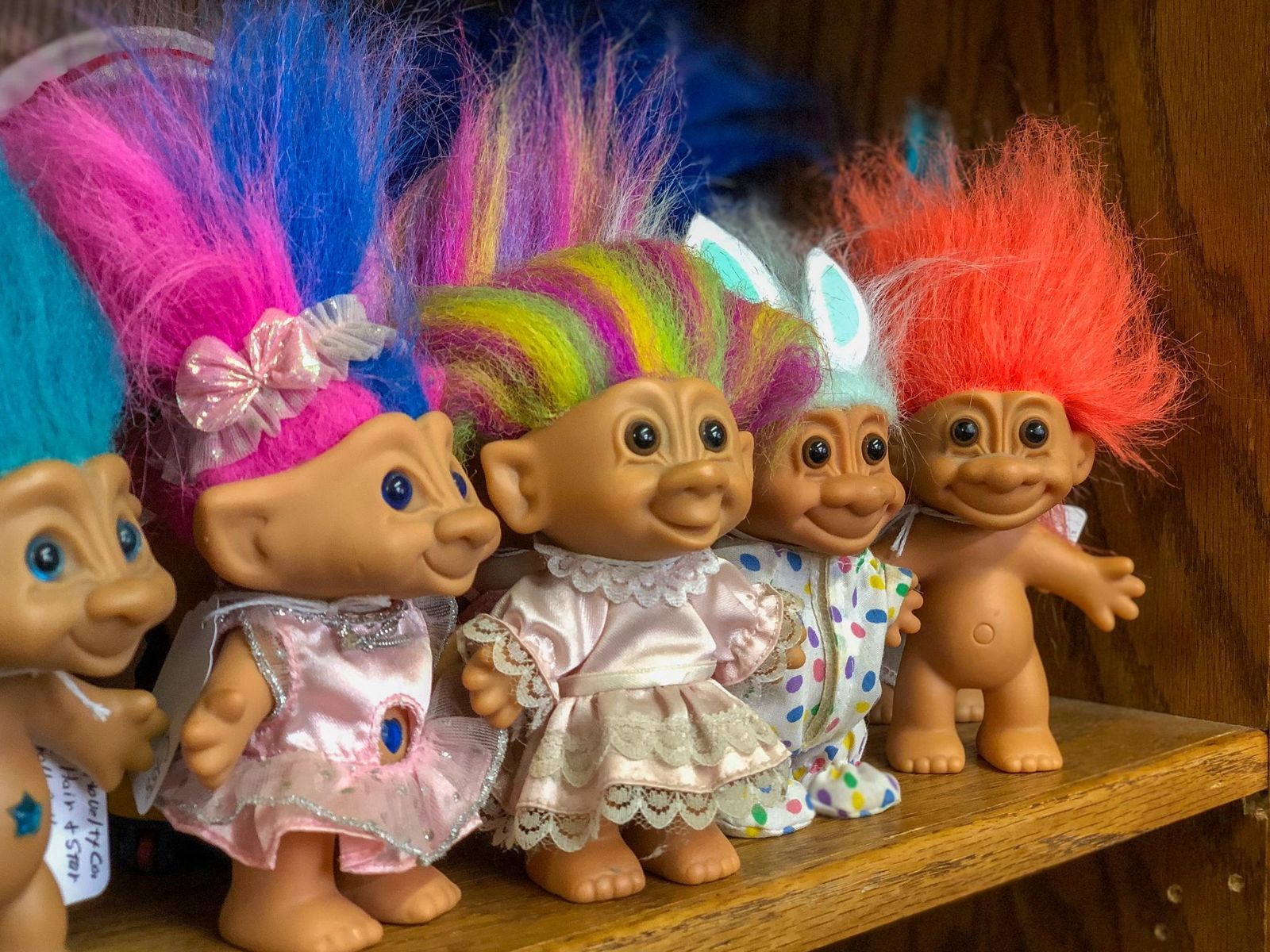
Image: Rex K. Williams

With potbellies, oversized heads, wild hair, and faces that were more odd than cute, troll dolls somehow became a huge American toy craze. Danish creator Thomas Dam developed them in the 1950s, and by the 1960s the strange little figures had become enormously popular in the country .

Americans bought more than one million genuine Dam trolls in 1964 alone. Demand for their distinctive hair reportedly grew so large that Dam’s company bought Iceland’s entire sheepskin harvest. The popular dolls had a revival of sorts in the late 80s and early 90s, but nowhere near their first wave.

6
Cabbage Patch Kids caused shopping mayhem

Image: Del Harper

Cabbage Patch Kids turned holiday shopping into chaos in 1983. The dolls, based on creations by Georgia artist Xavier Roberts, came with names, birth certificates, and adoption papers. When Coleco mass-produced them, demand quickly overwhelmed supply across the country.

At a Hills store in Charleston, West Virginia, about 5,000 shoppers reportedly crowded in during one sale. Elsewhere, customers camped outside, grabbed dolls from carts, and even suffered injuries in the rush . More than 2.5 million dolls (not counting the black market versions that preyed on the craze) were sold in their first year, with a price tag ranging from $18 to $35 depending on location.

7
Pogs took over playgrounds
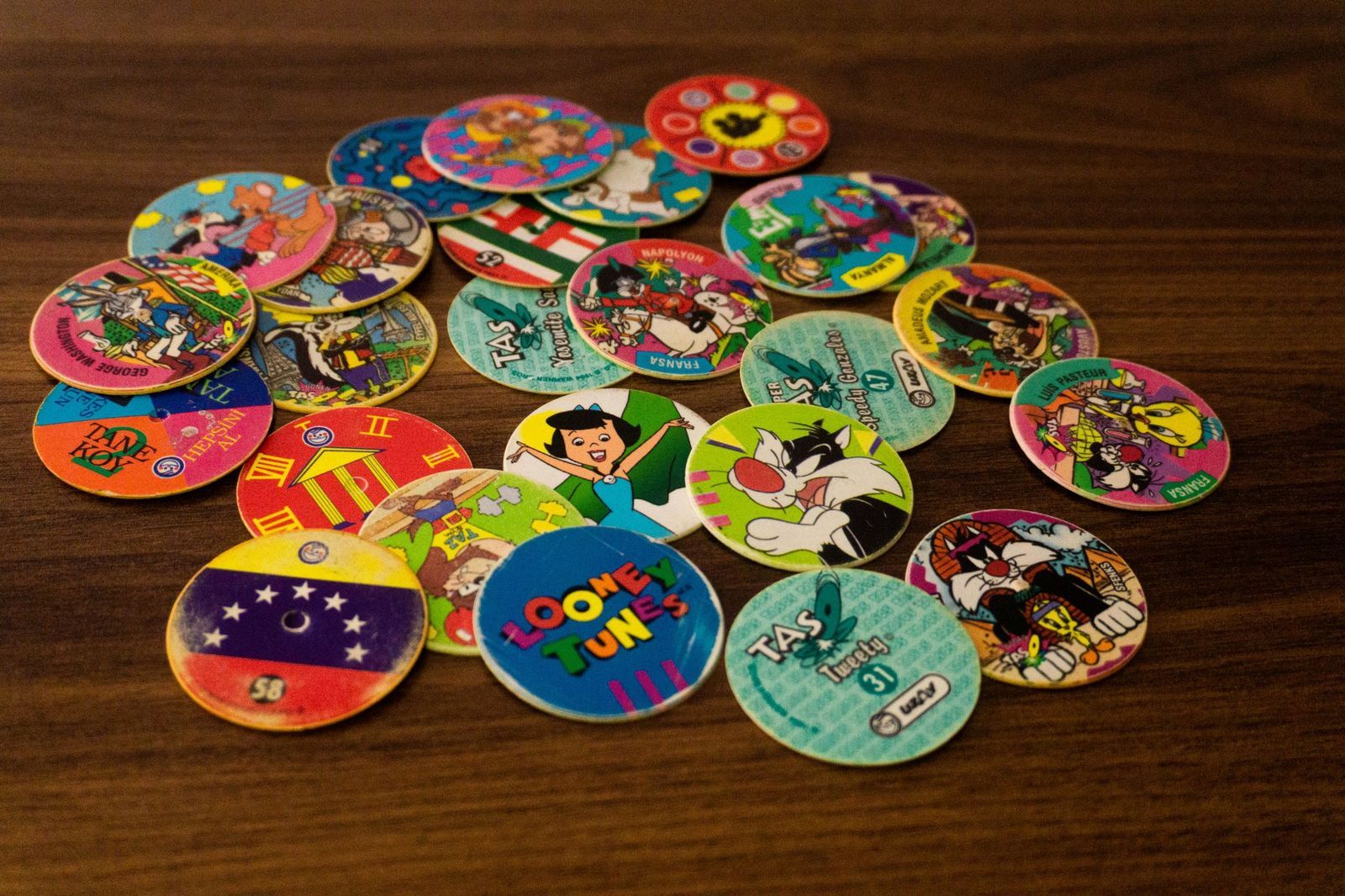
Image: Emre Turkan

For a brief stretch in the 1990s, colorful cardboard discs became serious playground currency. Pogs grew from a Hawaiian milk-cap game revived by teacher Blossom Galbiso around 1991. Players stacked the discs and struck them with a heavier "slammer," trying to flip them over .

The trouble came when children played "for keeps," taking any Pogs they flipped. Arguments, theft, distractions, and concerns about gambling led many schools to ban or restrict the game.

8
Dance marathons lasted weeks
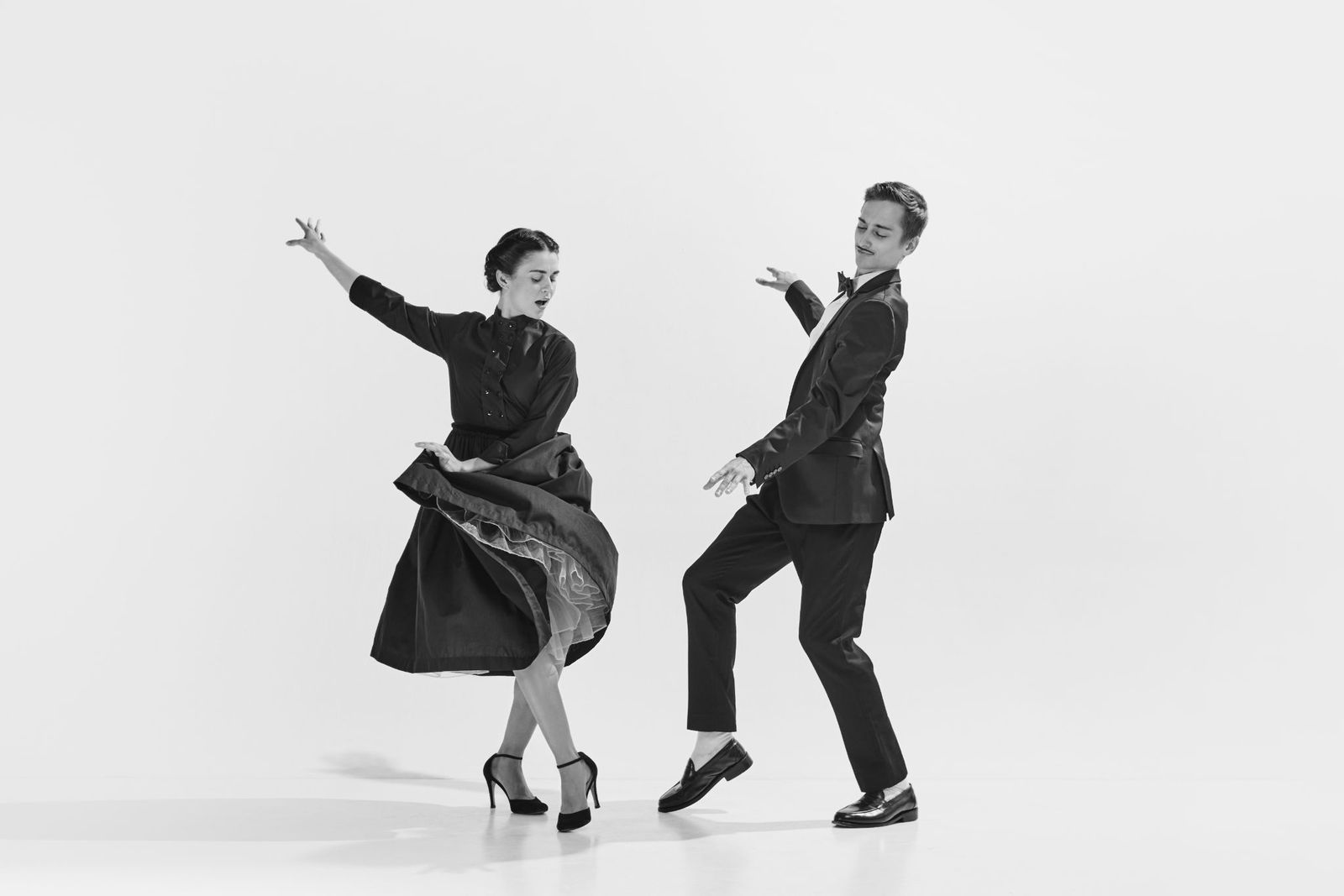
Image: Master1305

Dance marathons began as a 1920s endurance craze and became far harsher during the Great Depression. In 1923, New York instructor Alma Cummings danced for 27 hours, inspiring imitators . Promoters soon turned marathon dancing into paid entertainment watched by large crowds.

Contestants could be required to remain in motion for 45 minutes of every hour, day and night, with only brief rest periods. Some events lasted for weeks: a 1935 marathon in Wenatchee, Washington, ran for 1,492 hours . Cities increasingly objected to the grueling conditions, and Seattle banned the contests in 1928. The bleak Depression-era extremes of the fad were dramatized in the 1969 film They Shoot Horses, Don’t They? starring Jane Fonda.

9
The Davy Crockett caps craze
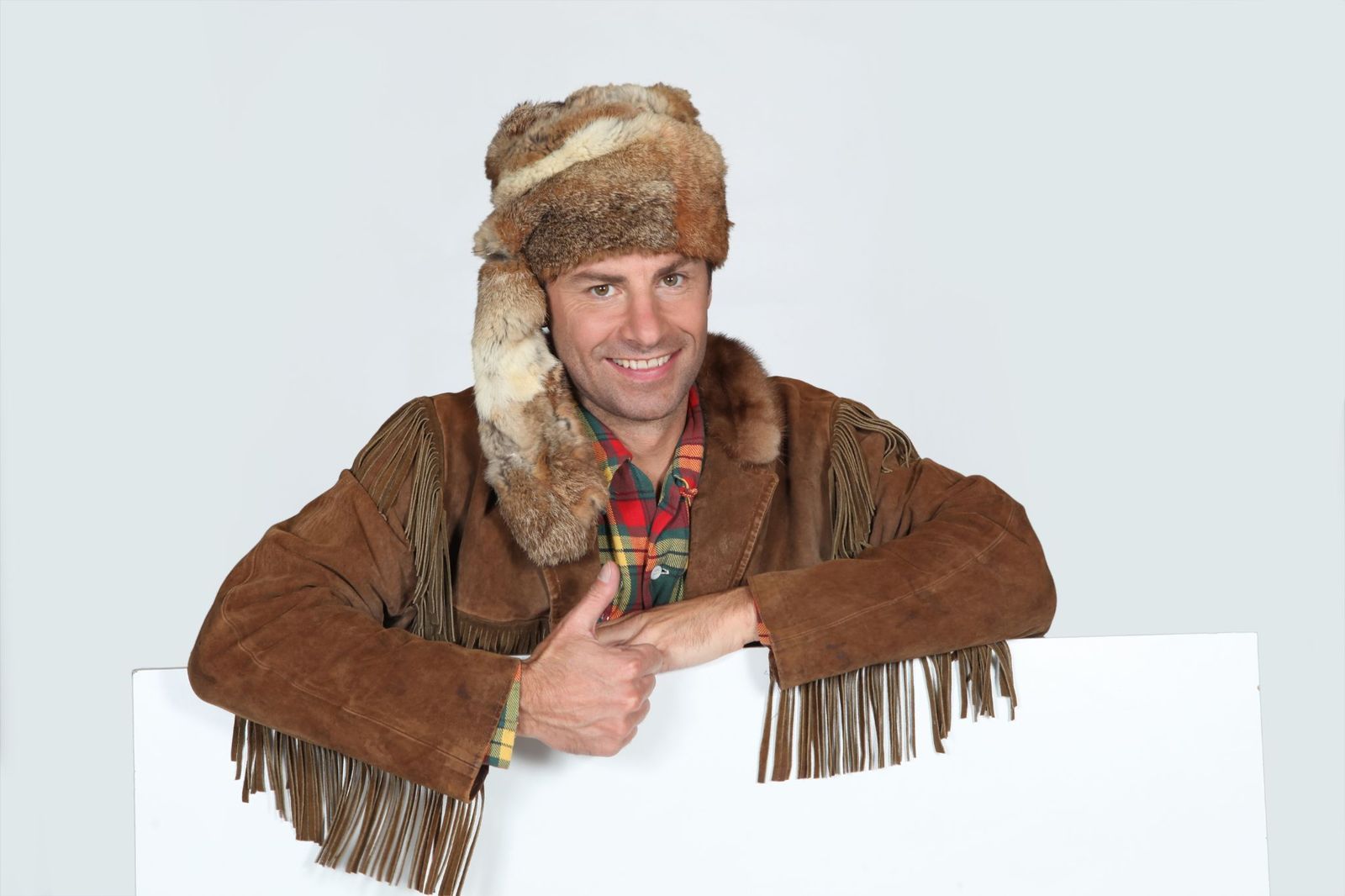
Image: Phovoir

When Disney aired its Davy Crockett television adventures beginning in late 1954, actor Fess Parker helped turn the frontiersman into a national sensation. Children suddenly wanted the hero’s trademark coonskin cap, complete with a furry tail hanging down the back .

At the height of the craze, about 5,000 children’s caps were reportedly selling each day. "Polly Crockett" versions were even marketed to girls. By May 1955, TIME estimated that Americans had bought about $100 million in Crockett merchandise.

10
More than 20 million Hula Hoops sold in four months
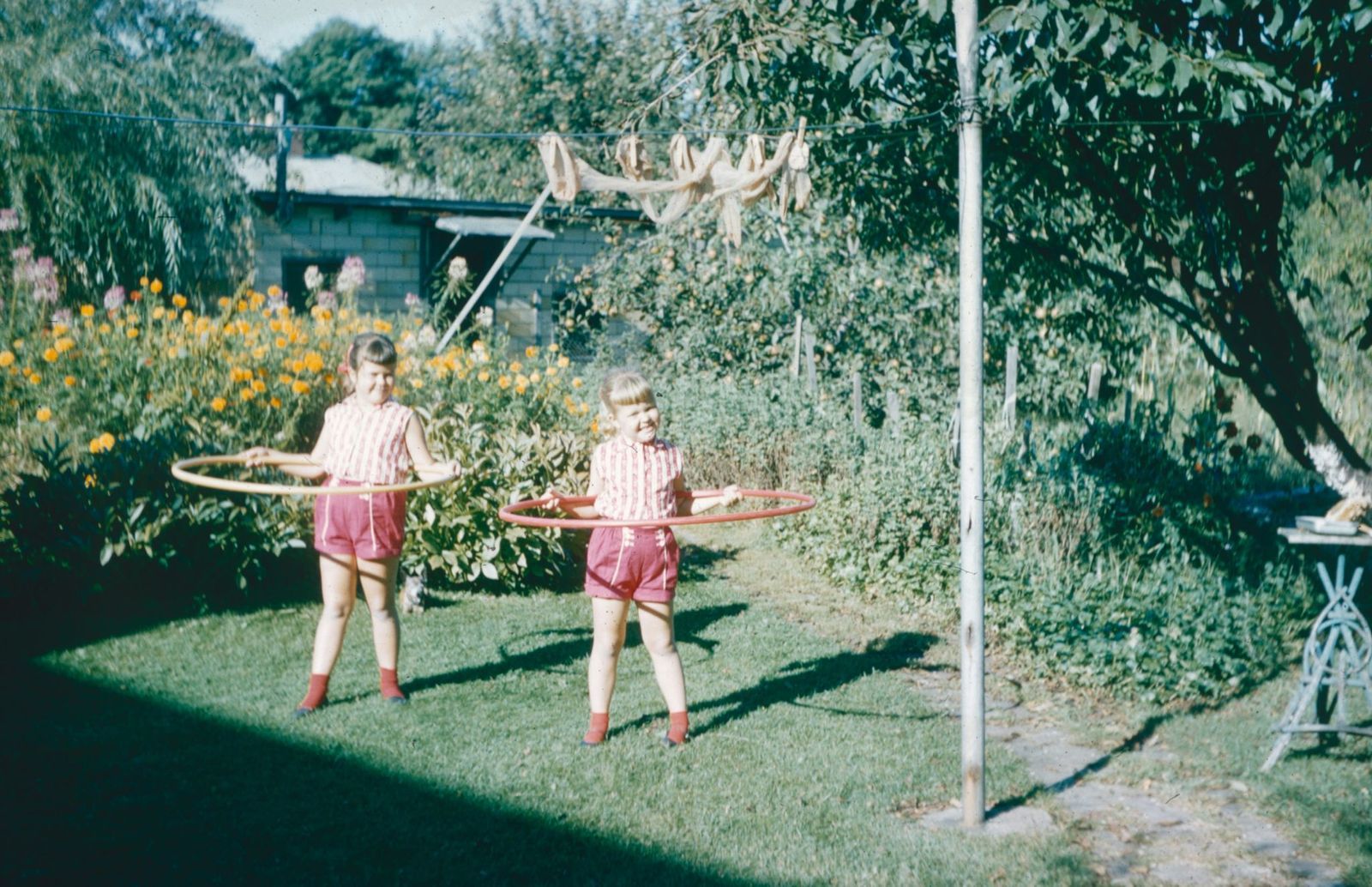
Image: Annie Spratt

When Wham-O introduced the Hula Hoop in 1958, the toy became one of the fastest-moving crazes in American history. Founders Richard Knerr and Arthur "Spud" Melin were inspired by hoops used by Australian children and developed a lightweight plastic version for the local market.

The company promoted the toy directly to schoolchildren, and the strategy worked spectacularly . More than 20 million Hula Hoops were sold in the country within four months. Wham-O was reportedly producing around 20,000 a day as competitors rushed in, before the mania faded almost as quickly as it had begun. Nowadays, Hula Hoops are still popular, but nowhere near their heyday.
General General 5 min read

Hidden gems worth the drive

America's 10 most underrated national parks

Image: Qingqing Cai

Sure, everyone and their Instagram-obsessed nephew has been to Yellowstone or the Grand Canyon. But America’s national parks are like that box of chocolates Forrest Gump was always going on about—there are some surprises in there that'll knock your socks off. While the famous parks are dealing with traffic jams that'd make rush hour in LA look like a breeze, these underrated beauties are waiting for you with open arms and actual parking spaces .

1
Great Basin National Park, Nevada

Image: Yura Lytkin

Tucked away in eastern Nevada, Great Basin is the park that time forgot—in the best way possible. You can hike to a glacier, explore underground caverns, and camp under skies so dark you’ll see stars you didn’t even know existed , all without waiting in line or fighting for a decent photo spot.

2
Congaree National Park, South Carolina

Image: Selma Rizvić

This park protects one of the largest remaining expanses of old-growth bottomland hardwood forest in the United States, which is a fancy way of saying it's got trees so tall and old they make you feel like an ant at a giant's picnic. The real magic happens at night, when the fireflies put on a light show that'll make you forget all about mosquito bites. Plus, you can rent a canoe and paddle through what feels like the set of a Southern Gothic novel—Spanish moss and all.

3
North Cascades National Park, Washington

Image: Pete Alexopoulos

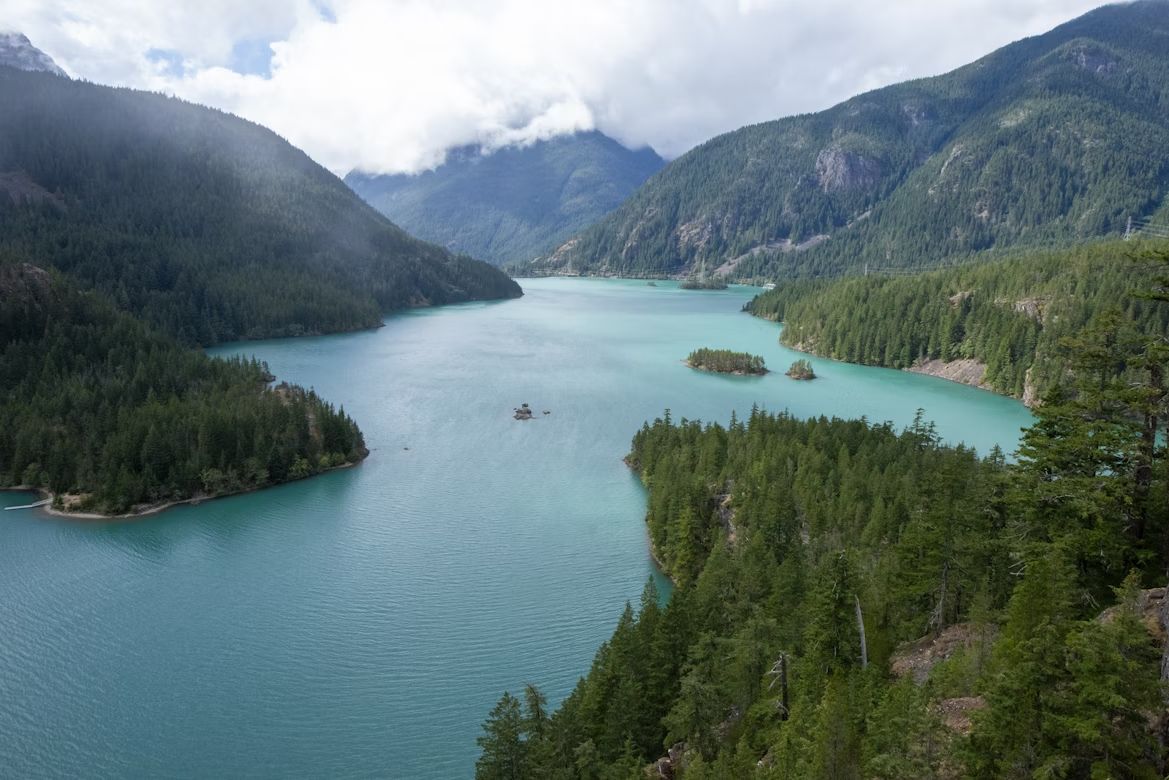
With jagged mountain peaks and more than 300 glaciers, this park offers scenery that’ll make your camera work overtime . The hiking ranges from "pleasant afternoon stroll" to "why did I think this was a good idea?" so there's something for everyone, assuming everyone likes being surrounded by absurdly gorgeous wilderness.

The best part? While everyone's fighting over hotel rooms near Mount Rainier, North Cascades sits there looking spectacular with hardly anyone around. The park sees fewer visitors in an entire year than Yellowstone does on a busy weekend.

4
Dry Tortugas National Park, Florida

Image: Nick Rickert

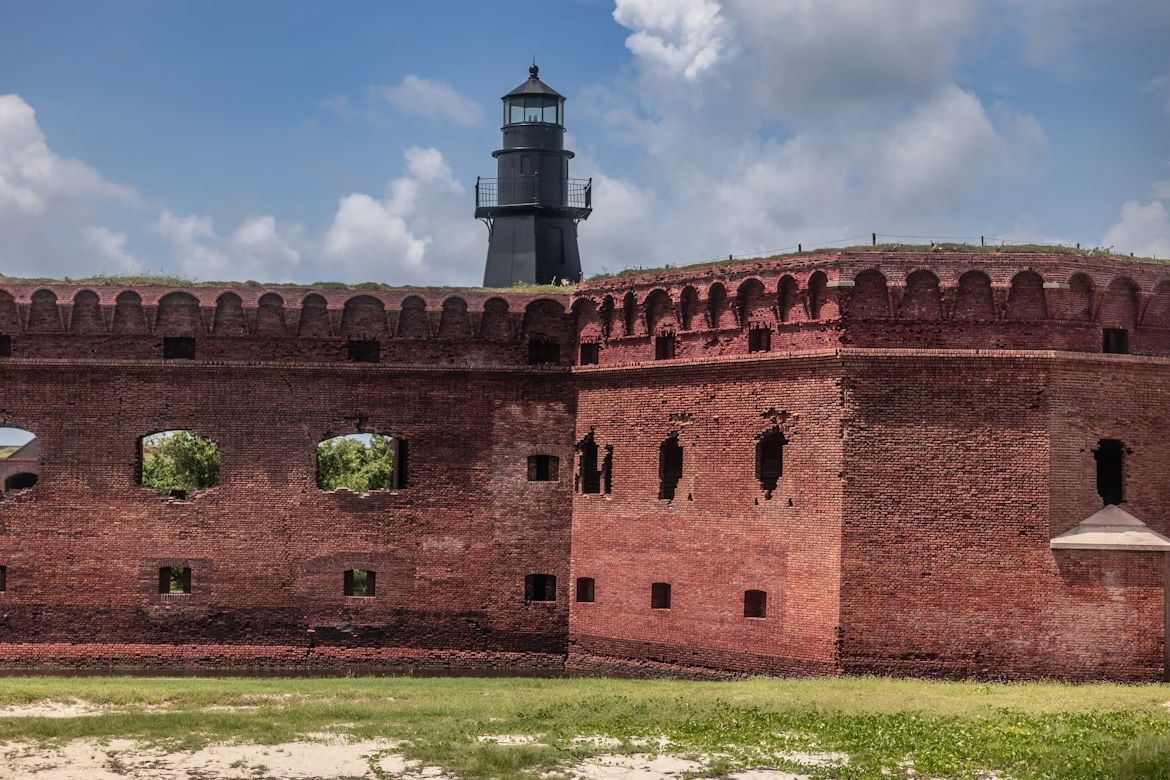
Located 70 miles off the coast of Key West, Dry Tortugas takes "off the beaten path" to a whole new level: you literally need a boat or seaplane to get there. The turquoise waters are so clear you could see fish judging your swimming technique from 30 feet away . Plus, there's Fort Jefferson, a massive 19th-century fort that feels like someone plopped a Civil War–era fortress in the middle of paradise and said, "Sure, that works."

Just remember: there’s no fresh water (hence the "Dry" part), no food service, and no shade except what you bring yourself. It’s like camping, but surrounded by the kind of blue water that makes you understand why people write songs about the ocean.

5
Guadalupe Mountains National Park, Texas

Image: Ryuta F.

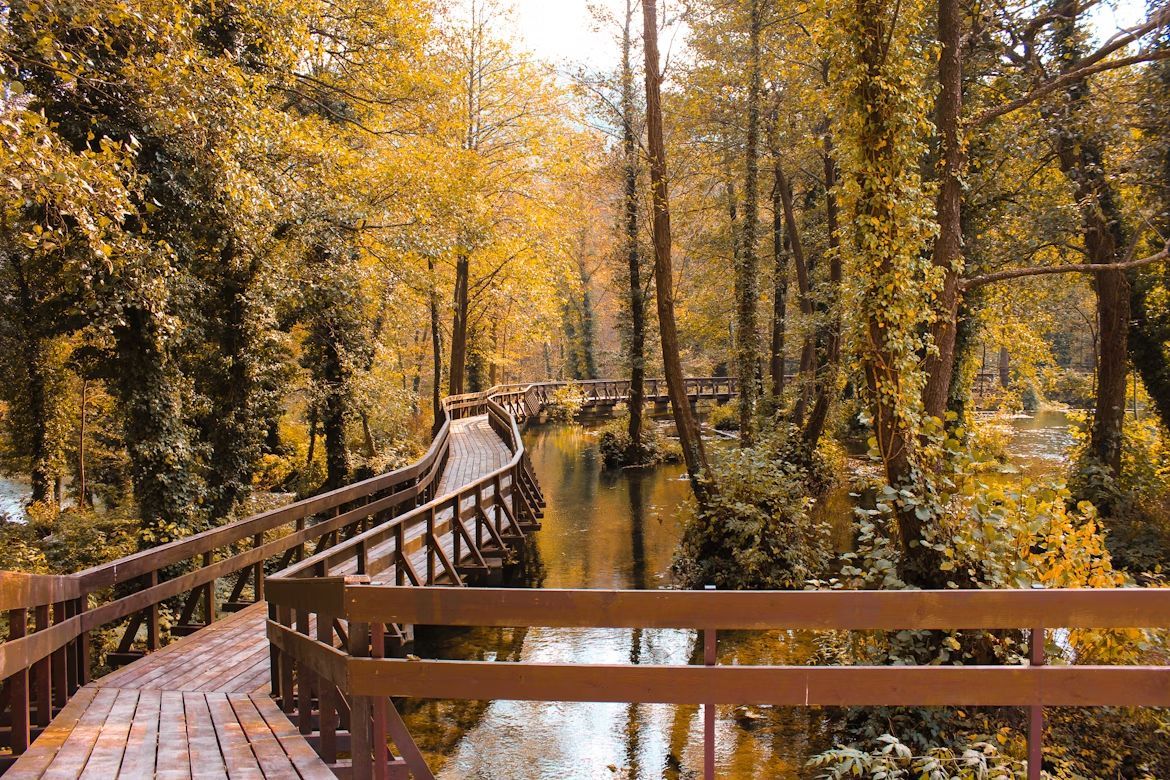
Home to the highest peak in Texas (Guadalupe Peak at 8,749 feet), this park offers hiking that'll remind your knees they're not as young as they used to be, but in a rewarding way. The fall foliage in McKittrick Canyon is legitimately stunning , which surprises people who assume Texas is all tumbleweeds and barbecue joints.

The park sits on an ancient fossil reef from when this whole area was underwater, mind-blowing, if you think about it for more than two seconds. There’s no cell service, limited facilities, and the nearest town is about an hour away, which may sound like a complaint, but it actually forces you to unplug and take in the amazing place around you.

6
Voyageurs National Park, Minnesota

Image: Vyacheslav Makushin

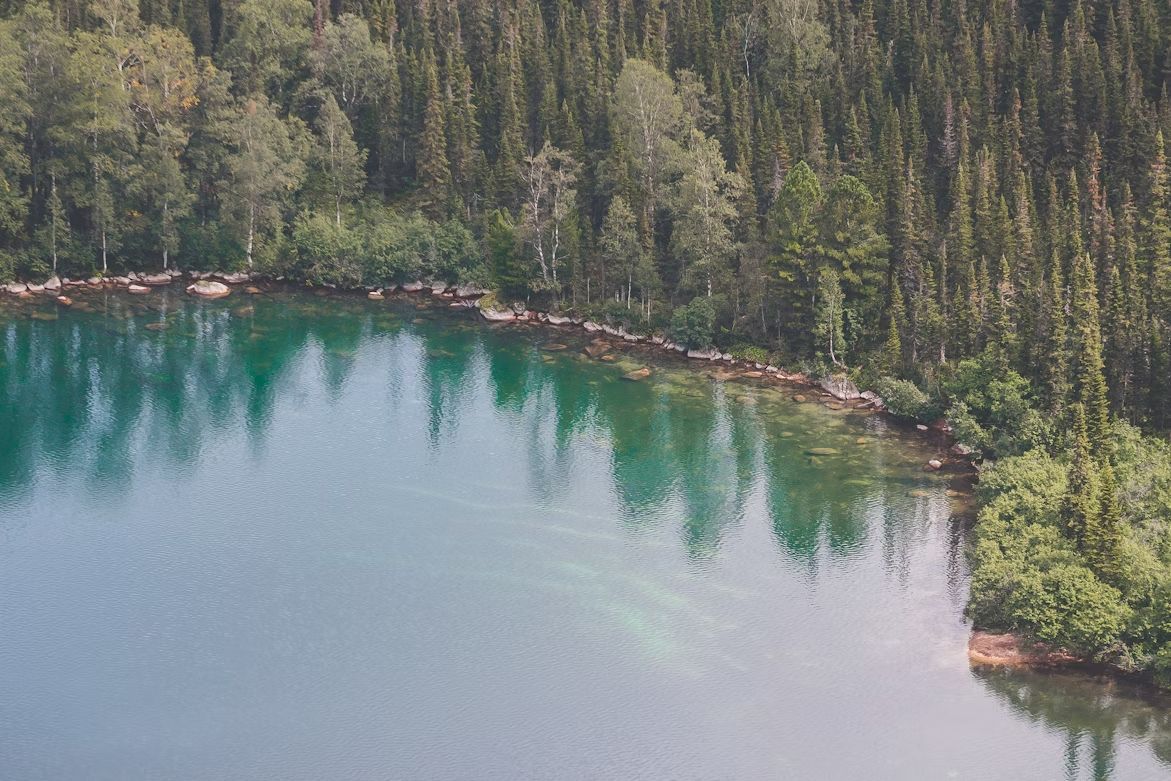
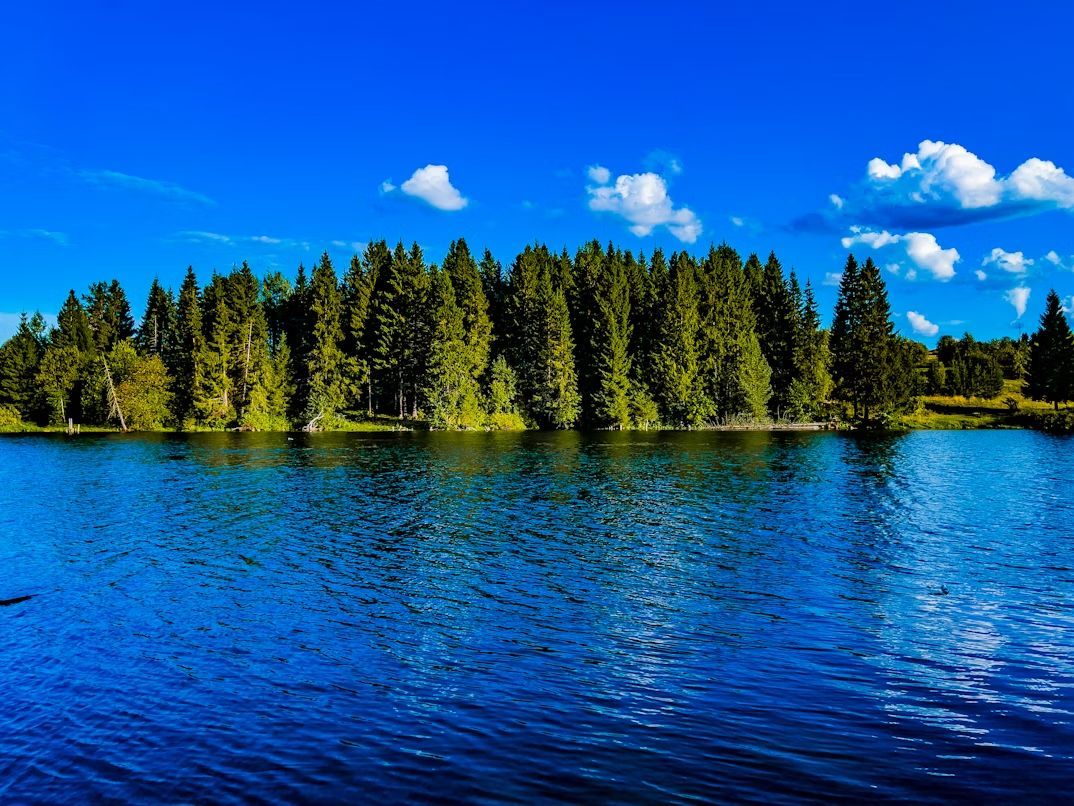
Voyageurs is a water-based park that’s basically a summer camp for adults who can legally drink beer. With over 200,000 acres—about 40% of it water—houseboating is the way to experience it.

The fishing here is legendary, the northern lights make regular appearances, and in winter, the frozen lakes become highways for snowmobiles and cross-country skiers . It's remote enough that you feel like an explorer, but accessible enough that you won't actually die if you forget your matches.

7
Black Canyon of the Gunnison National Park, Colorado

Image: Dustin Weist

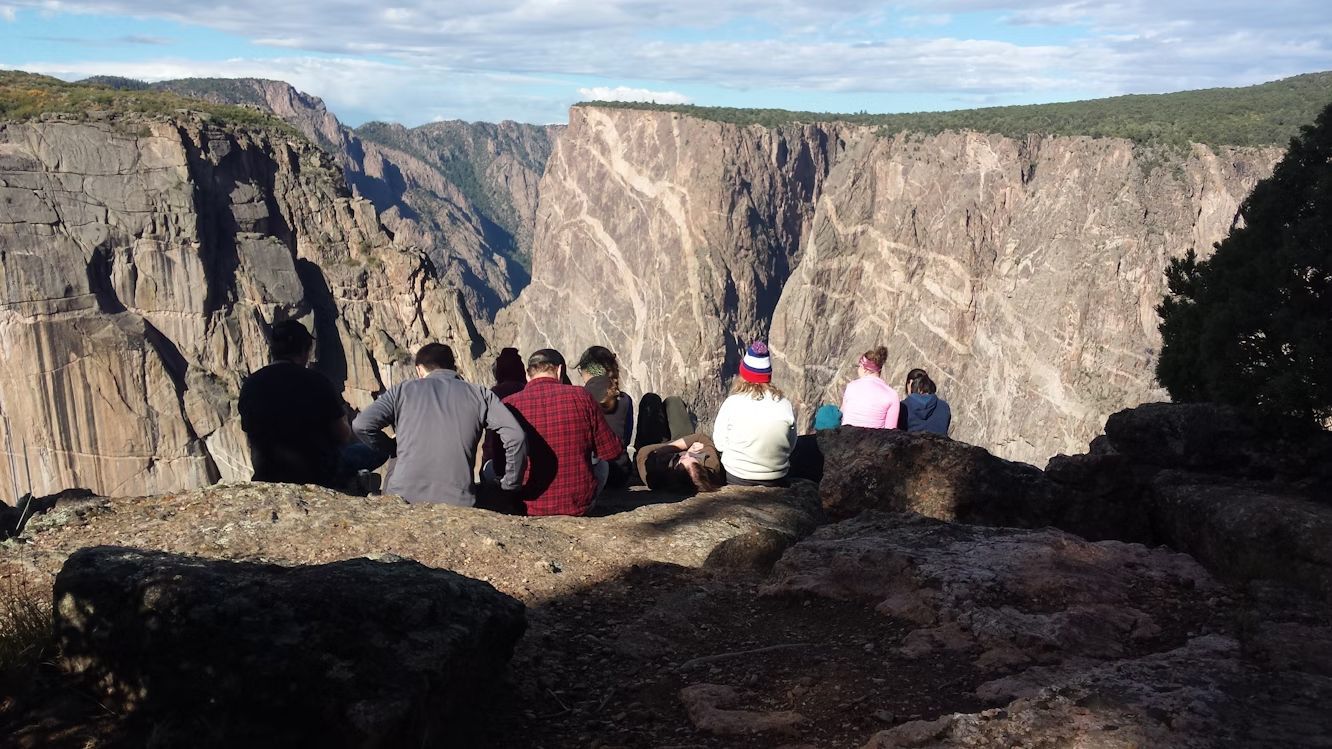
Colorado has so many stunning places that Black Canyon somehow gets overlooked. This canyon is deep, narrow, and so dramatically steep that parts of it only get 33 minutes of sunlight a day . The Gunnison River carved through 2 billion years of rock to create towering walls that make you feel appropriately insignificant, which is good for the soul occasionally.

8
Isle Royale National Park, Michigan

Image: Ivan Vashchenko

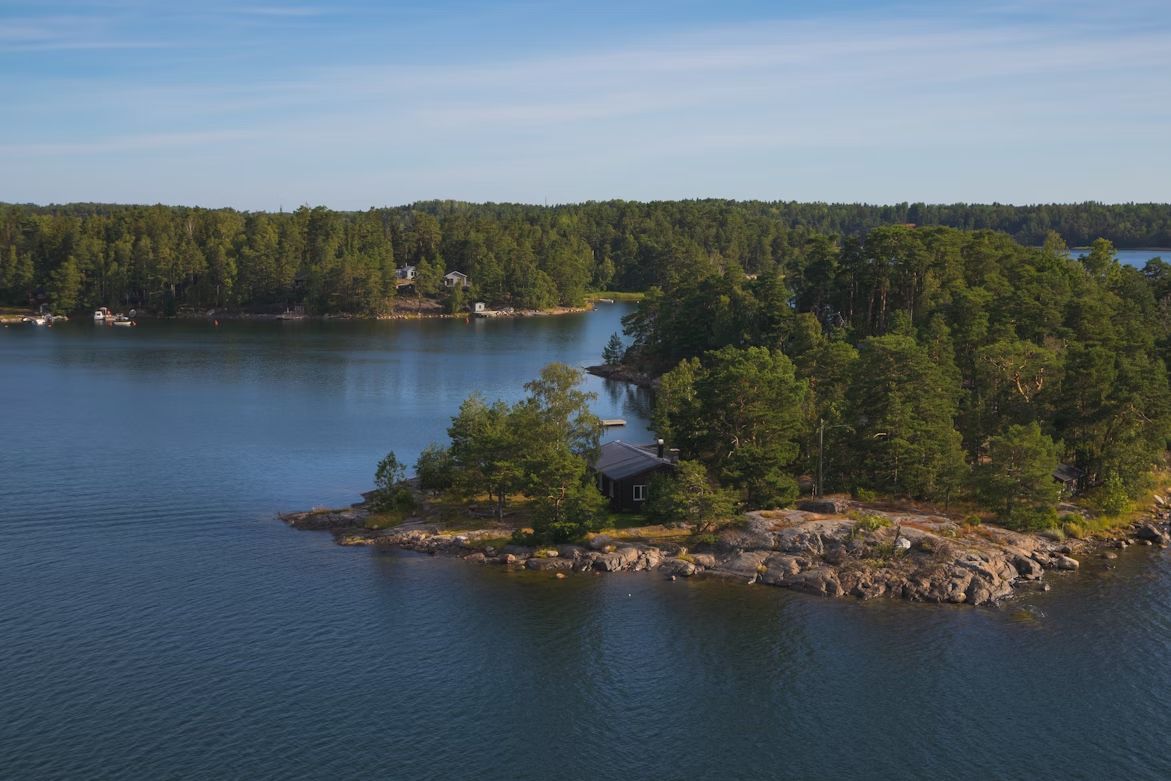
If you want to really get away from it all, Isle Royale is your jam: an island in Lake Superior that requires either a ferry ride or a seaplane to reach. Once you’re there, you’re committed; same-day visits aren’t really a thing. The park is car-free, crowd-free, and home to a fascinating wolf-and-moose study that’s been running since 1958.

The hiking trails crisscross the island through forests and along rocky shorelines where the lake looks more like an ocean . Backcountry camping is the main event here, and the solitude is so profound you'll hear sounds you forgot existed—like actual silence.

9
Pinnacles National Park, California

Image: Cyrus Crossan

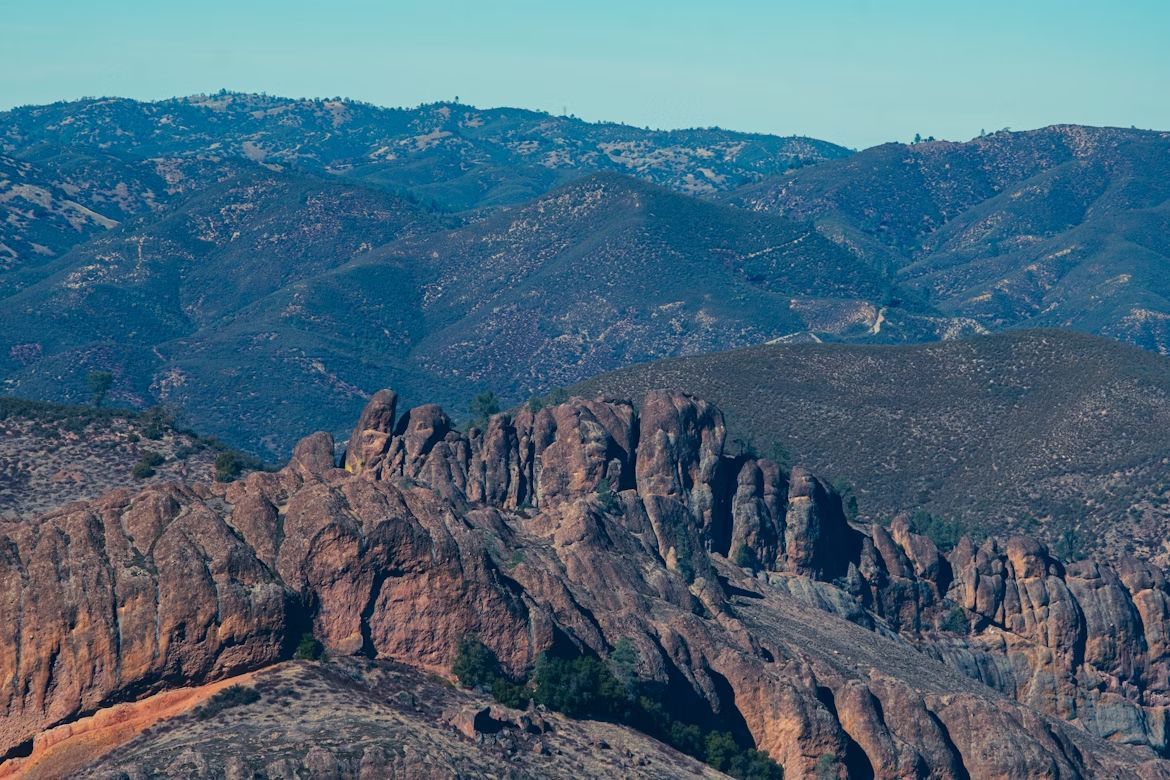
California's newest national park is a playground of volcanic spires, talus caves, and rock formations that look like a giant was playing with clay and just walked away mid-project . The rock climbing here is world-class, and the cave exploration doesn't require any special gear—just a flashlight and a willingness to squeeze through some tight spaces.

The spring wildflower displays are spectacular, and the park is one of the best places to see the endangered California condor, which has a wingspan that makes eagles look modest. It gets hot in summer—and by hot, I mean "surface of the sun" hot—so plan accordingly.

10
Lassen Volcanic National Park, California

Image: Robson Hatsukami Morgan

This park sits on top of one of the world’s largest plug-dome volcanoes—and yes, it could erupt again—Lassen Peak last blew in 1915, which in geological time is basically yesterday. But don't let that stop you from enjoying the bubbling mud pots, steaming fumaroles, and hot springs that make you feel like you're walking on another planet .

The hiking is fantastic, with everything from easy boardwalk strolls through geothermal features to challenging climbs up Lassen Peak itself. Add in alpine lakes, wildflower-filled meadows, and a fraction of Yosemite’s crowds (despite being just a few hours south), and you’ve got a spectacular California secret.

General General 4 min read

Put the pedal to the metal

Mustang, Firebird, and more: 10 classic American cars!

Image: cozmicphotos

It shouldn’t come as a surprise that America loves cars : Our country is synonymous with the freedom to hit the road and drive wherever the wind takes us. In that sense, America has produced its fair share of amazing cars that have transcended their status as mere machines to become full-fledged cultural icons. With that in mind, we have selected 10 American cars that truly defined their respective times, with the hopes of being able to pay homage to all these incredible vehicles. Enjoy!

1
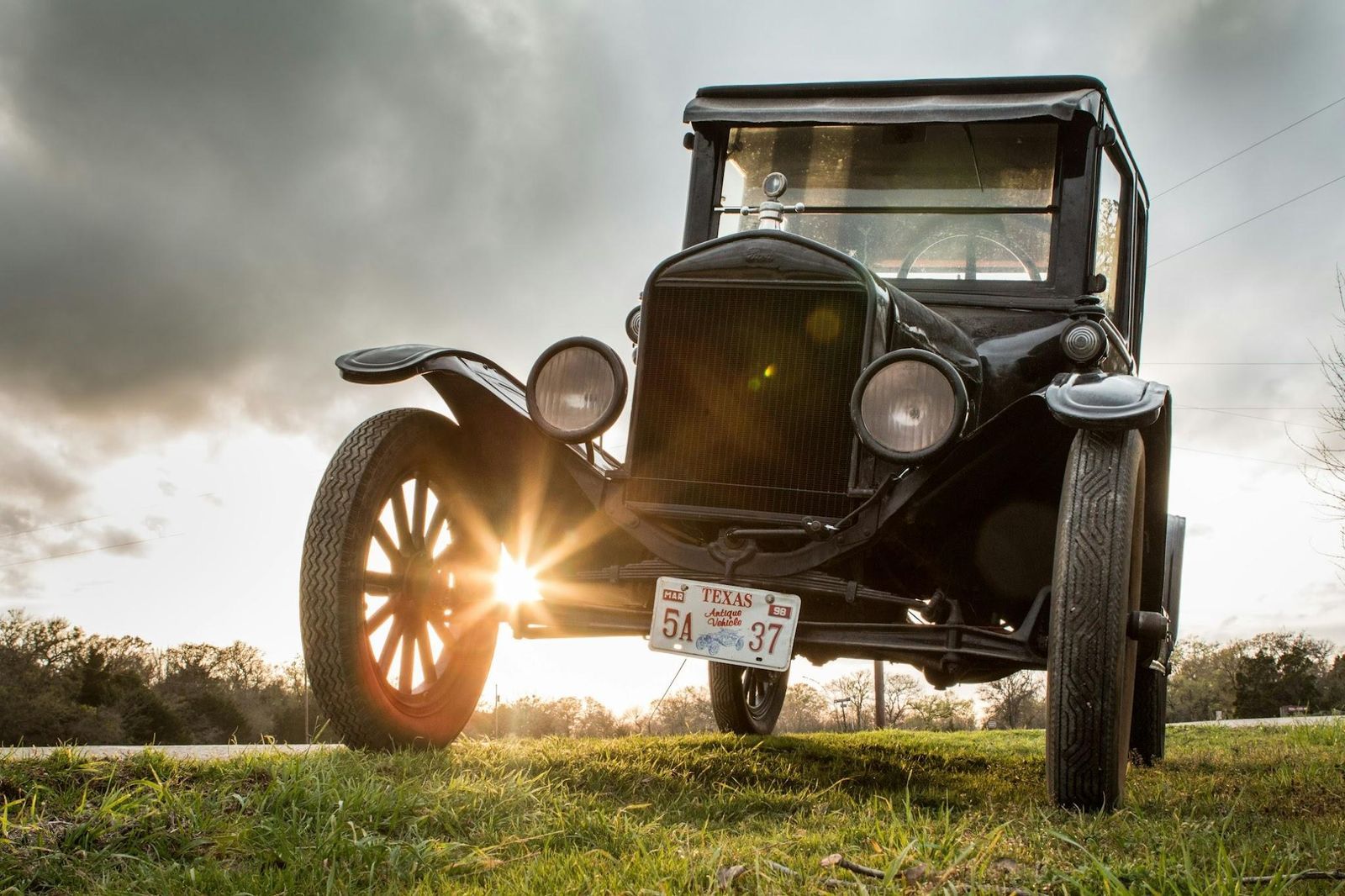
Ford Model T

Image: Matthew Lancaster

We’ll begin this article with the car that started it all. The Model T is considered by historians to be the very first mass-produced and affordable car, thanks to Henry Ford’s incredible innovation with the introduction of the assembly line. In the 1999 "Car of the Century" competition, the Ford Model T was named the most influential car of the 20th century, and with good reason: the creation of this groundbreaking vehicle is considered one of the most revolutionary events in the past few centuries.

2
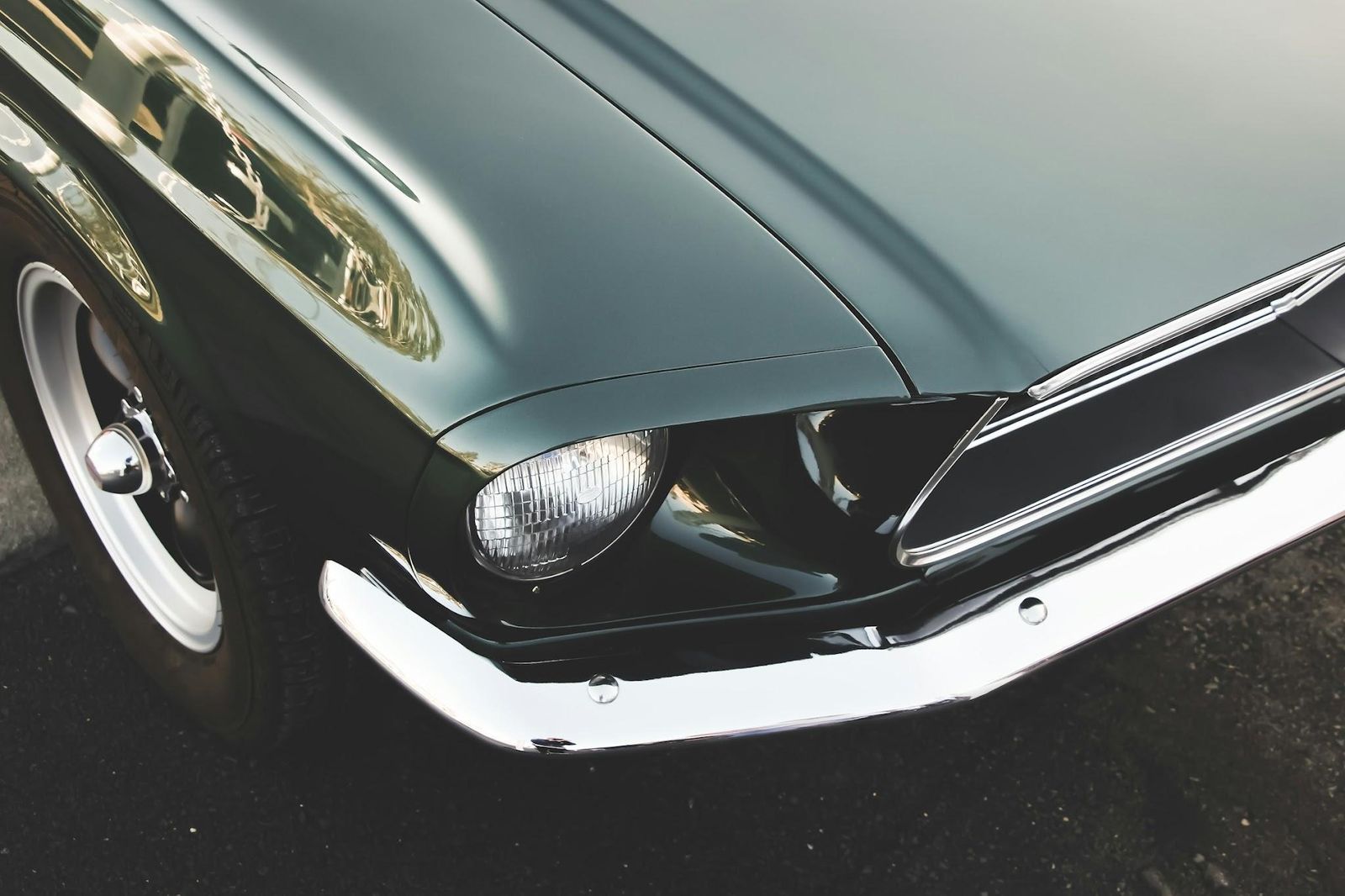
Ford Mustang

Image: Joey Banks

The Mustang has been Ford’s most famous vehicle since 1964, with new series and models coming up to this day. Just like its name suggests, the Mustang is what is known as a "pony car": Affordable, compact, and, above all, highly styled. However, at the time of its launch, the Mustang was also synonymous with speed, debuting as a safety car in the 1964 Indianapolis 500. Not only that, it won the 1964 Tour de France international rally.

3
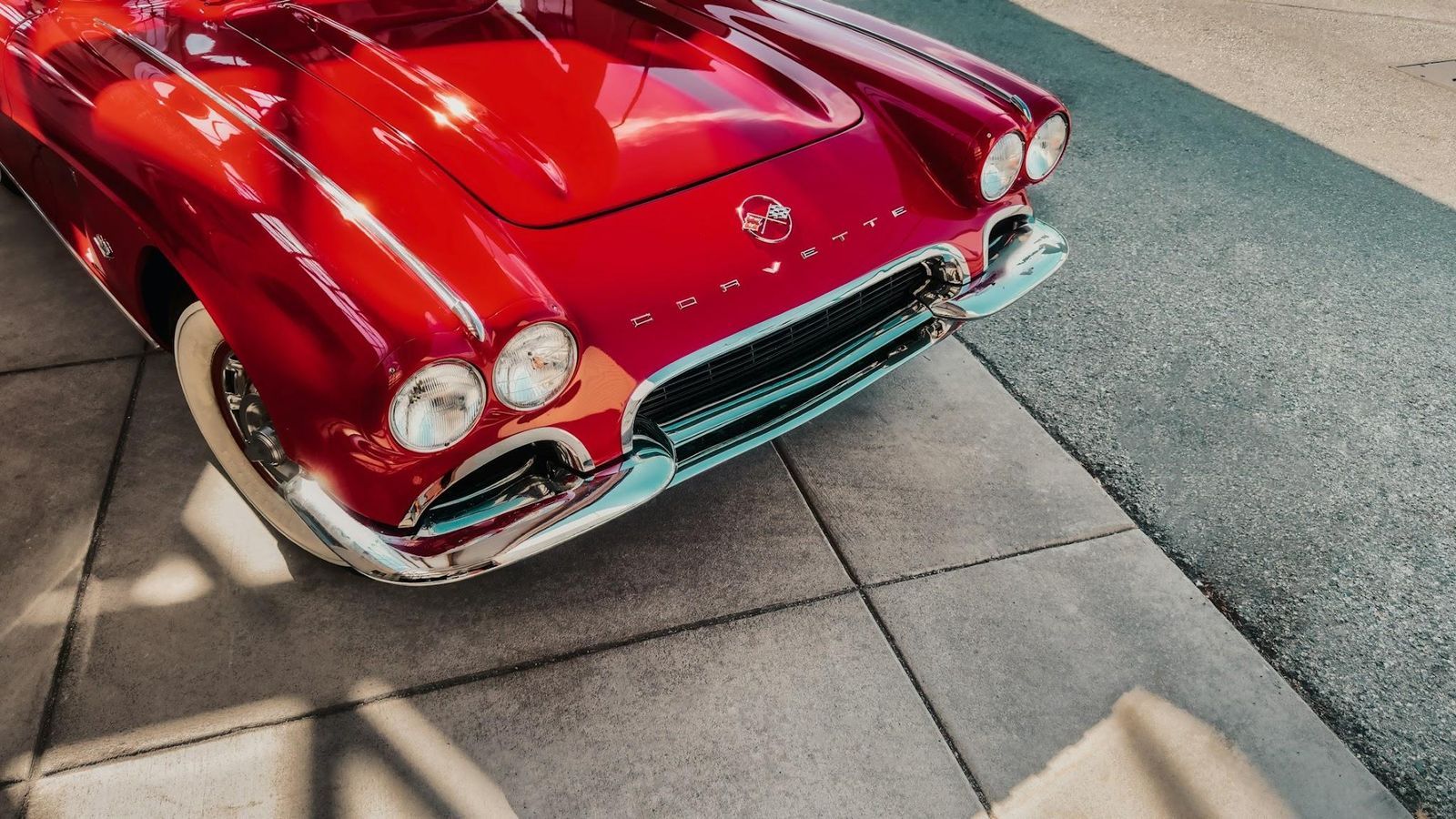
Chevrolet Corvette

Image: Deepthi Clicks

Few sports cars are as iconic and instantly recognizable as the Corvette. First introduced in 1953, the Corvette is still manufactured to this day, with its latest generation introduced in 2020. Experts recognize this car for its stylish design, excellent performance, and competitive pricing. These qualities have turned the Corvette into an undisputed American icon.

4
Cadillac ElDorado

Image: Evgeni Adutskevich

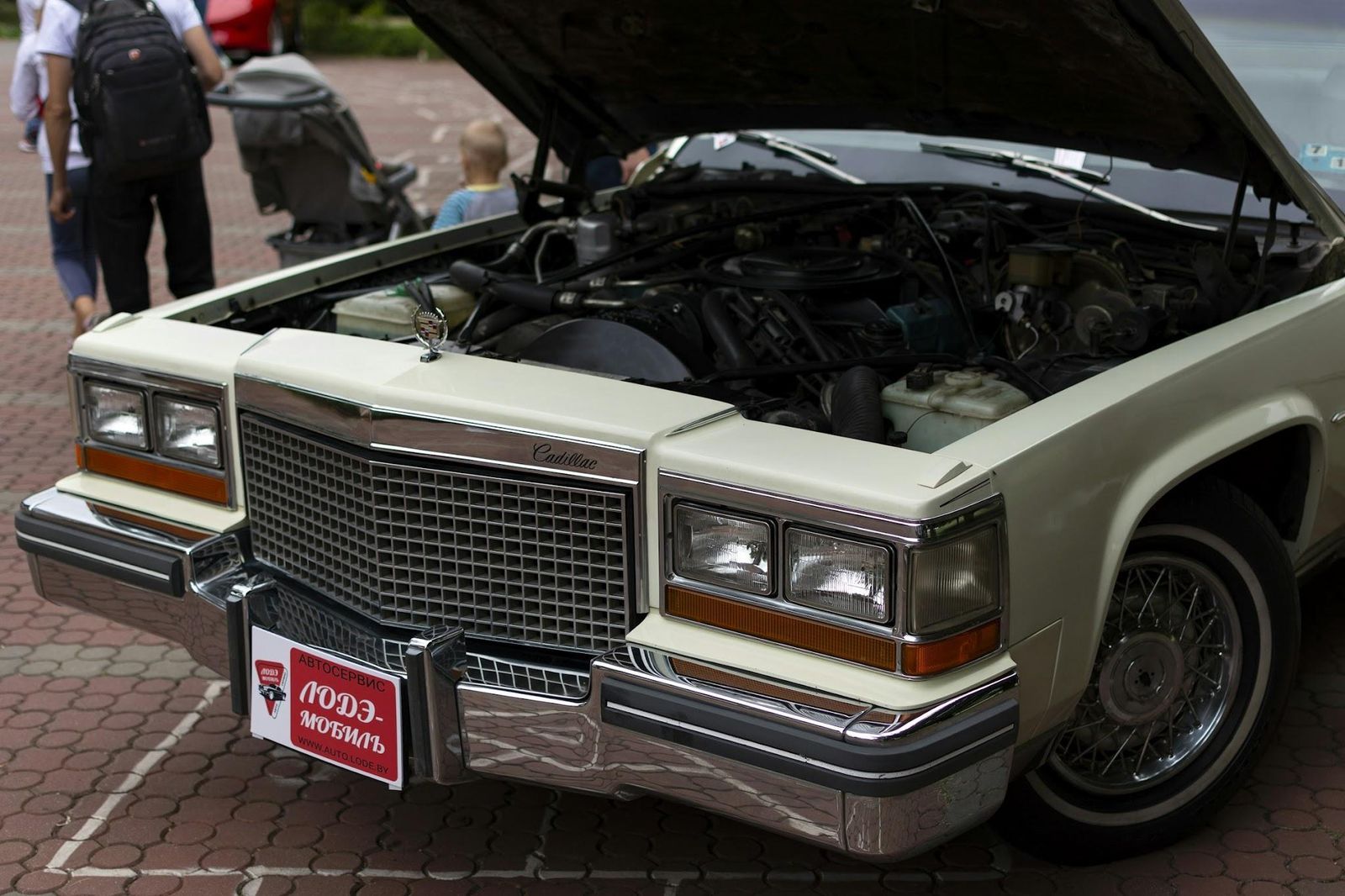
In the 1950s, when it came time for Cadillac to name their new luxury car model, they naturally chose to name it after the mythical city of "El Dorado." After all, what can be more luxurious than a legendary Colombian city made entirely of gold? The Eldorado was created to celebrate Cadillac’s "golden" anniversary, but it quickly became this manufacturer’s most popular vehicle, produced for over 50 years until 2002.

5
Jeep Wrangler

Image: Thomas Tucker

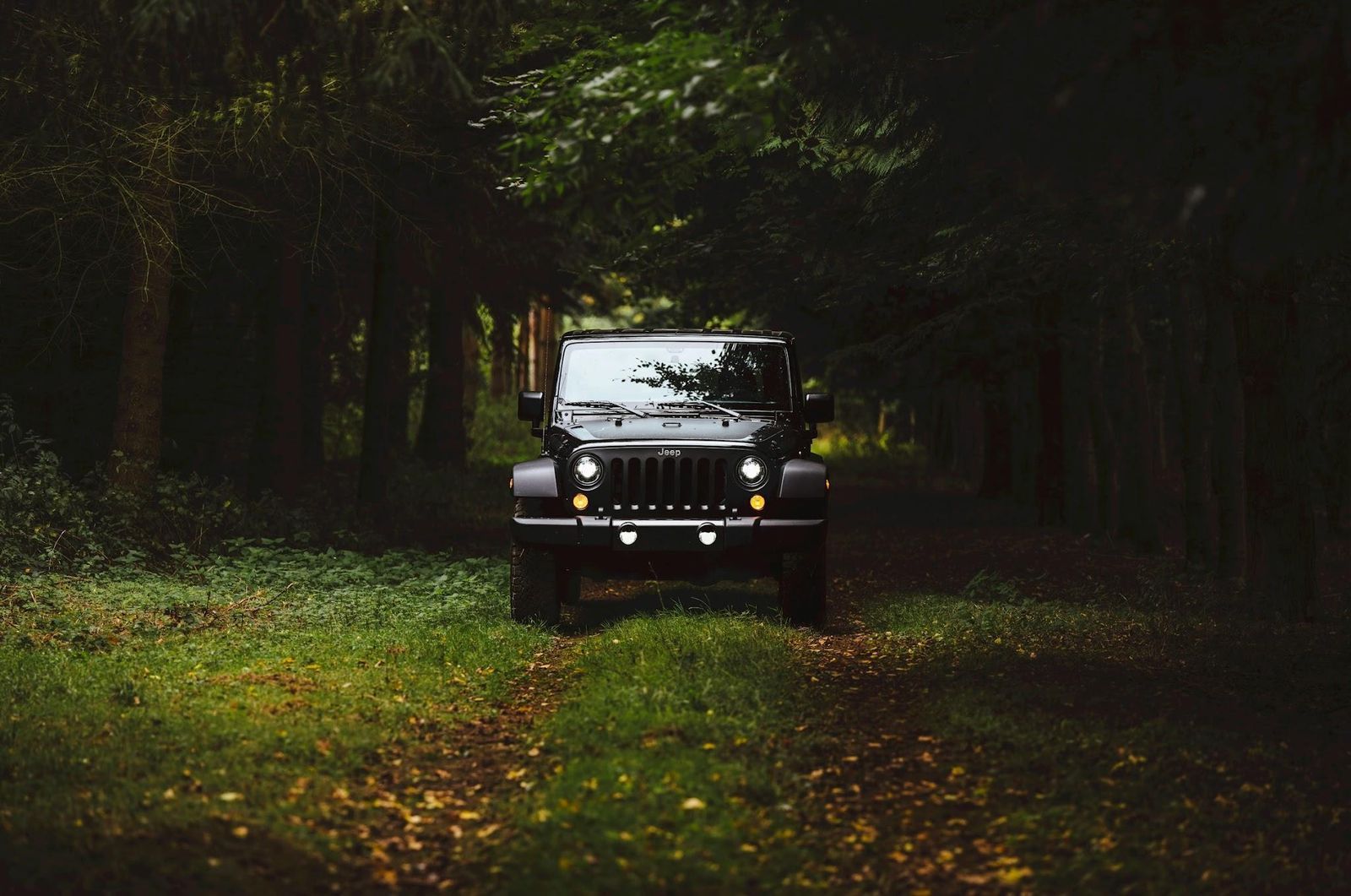
During WWII, the U.S. Army introduced the Willys MB, an off-road vehicle also known as the "Jeep." By the end of the war, a civilian-friendly model of the Jeep, known as the "CJ-1", was introduced to the American public with great success. Cut to 40 years later, in 1986, when Jeep introduced its now-iconic Wrangler. Its maneuverability and power were (and still are) only comparable to its comfort and style.

6
Pontiac Firebird

Image: Reinhart Julian

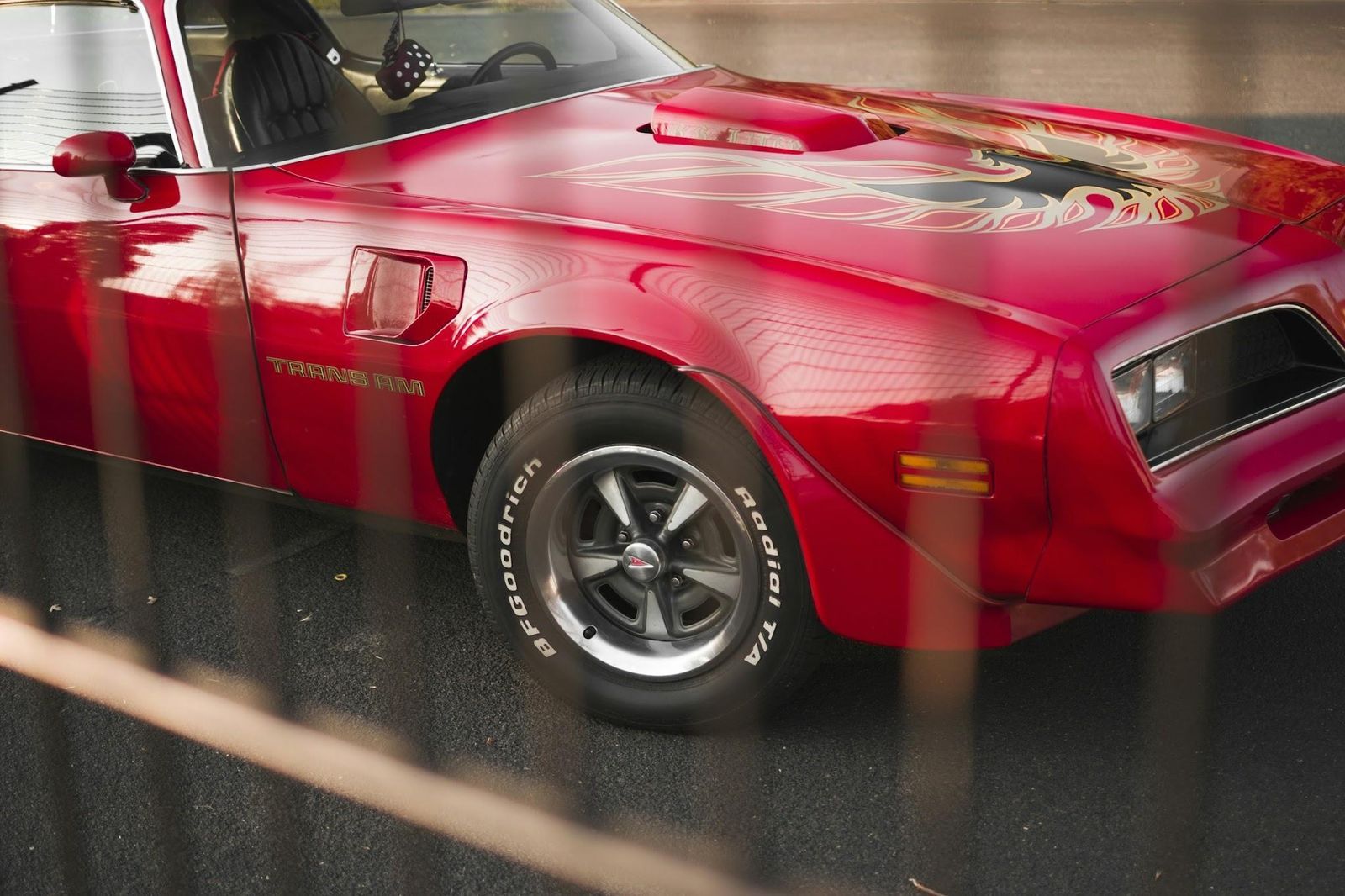
Whenever you see Pontiac’s black and golden phoenix in the hood of a car, you know you are in the presence of one of the most iconic American cars in history. Produced from 1967 to 2002, the Pontiac Firebird was first created as a "pony car" to compete with the Ford Mustang. With 4 different models, the Firebird is definitively synonymous with speed, performance, and, above all, style.

7
Oldsmobile 88

Image: Lisa Bresler

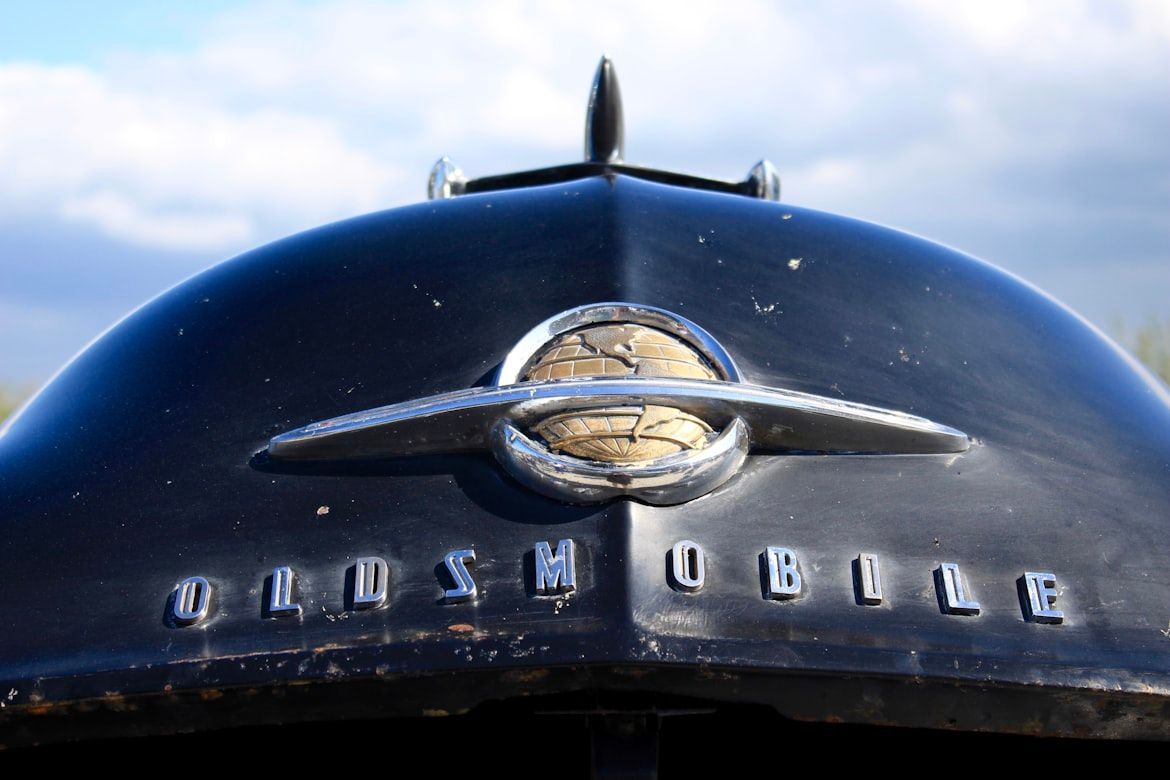
The Oldsmobile 88 is this manufacturer’s best-selling and most famous vehicle, and with good reason. Since its introduction in the 1950s, this full-size car was extremely popular for its lightweight and powerful V8 engine. Not only that, many experts believe that its large and high-performance engine made the 88 the very first muscle car in history.

8
Dodge Charger

Image: Cook aynne

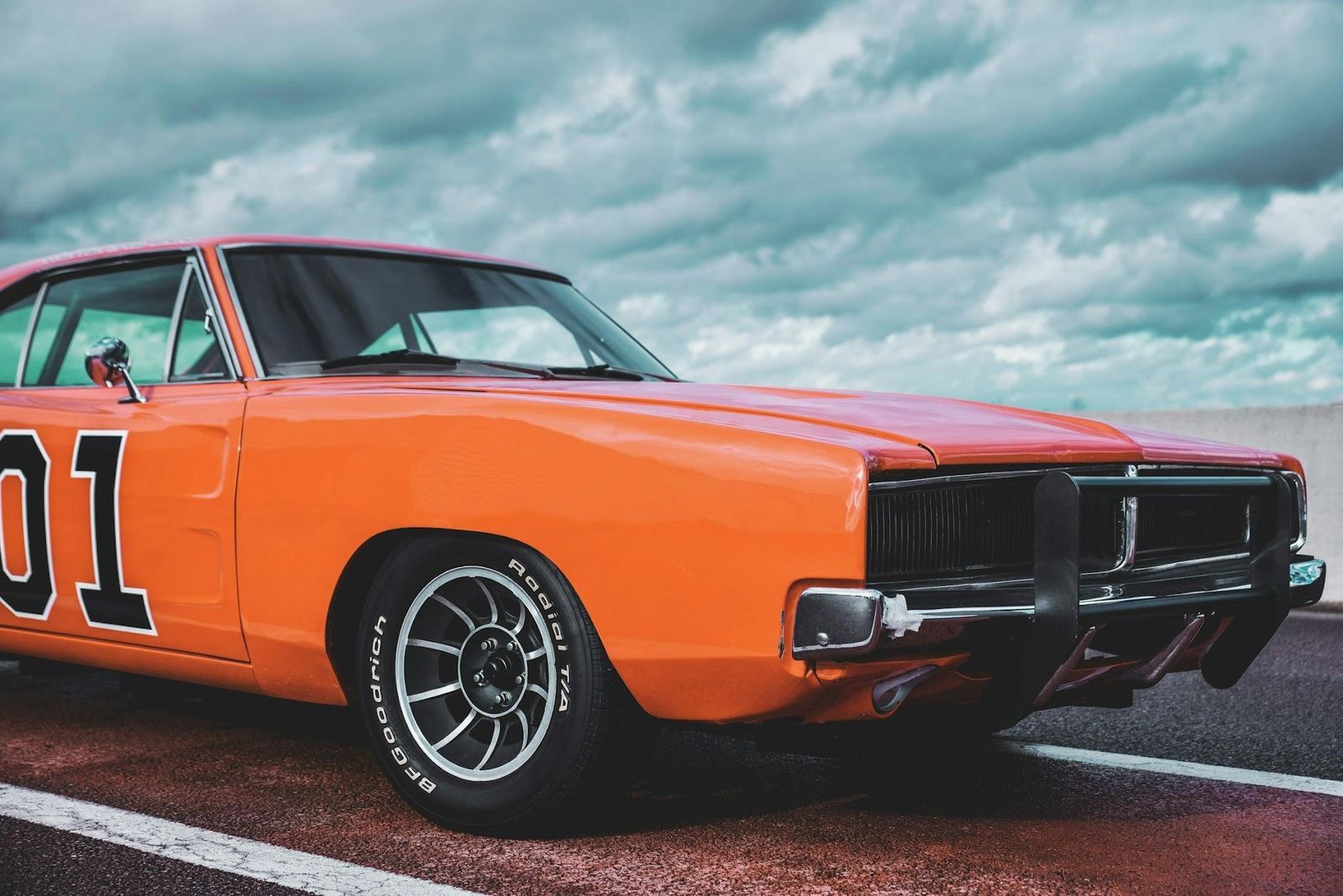
In the late 70s, a now-legendary show called "The Dukes of Hazzard" introduced the world to "them Duke Boys," two cousins who engaged in high-adrenaline adventures through rural Georgia in their trusted Dodge Charger named "General Lee." The popularity of this show made the Charger familiar to America since the high-speed chases showcased by the show allowed the public to see firsthand all the perks the Charger had to offer.

9
Volkswagen Microbus

Image: Ian Usher

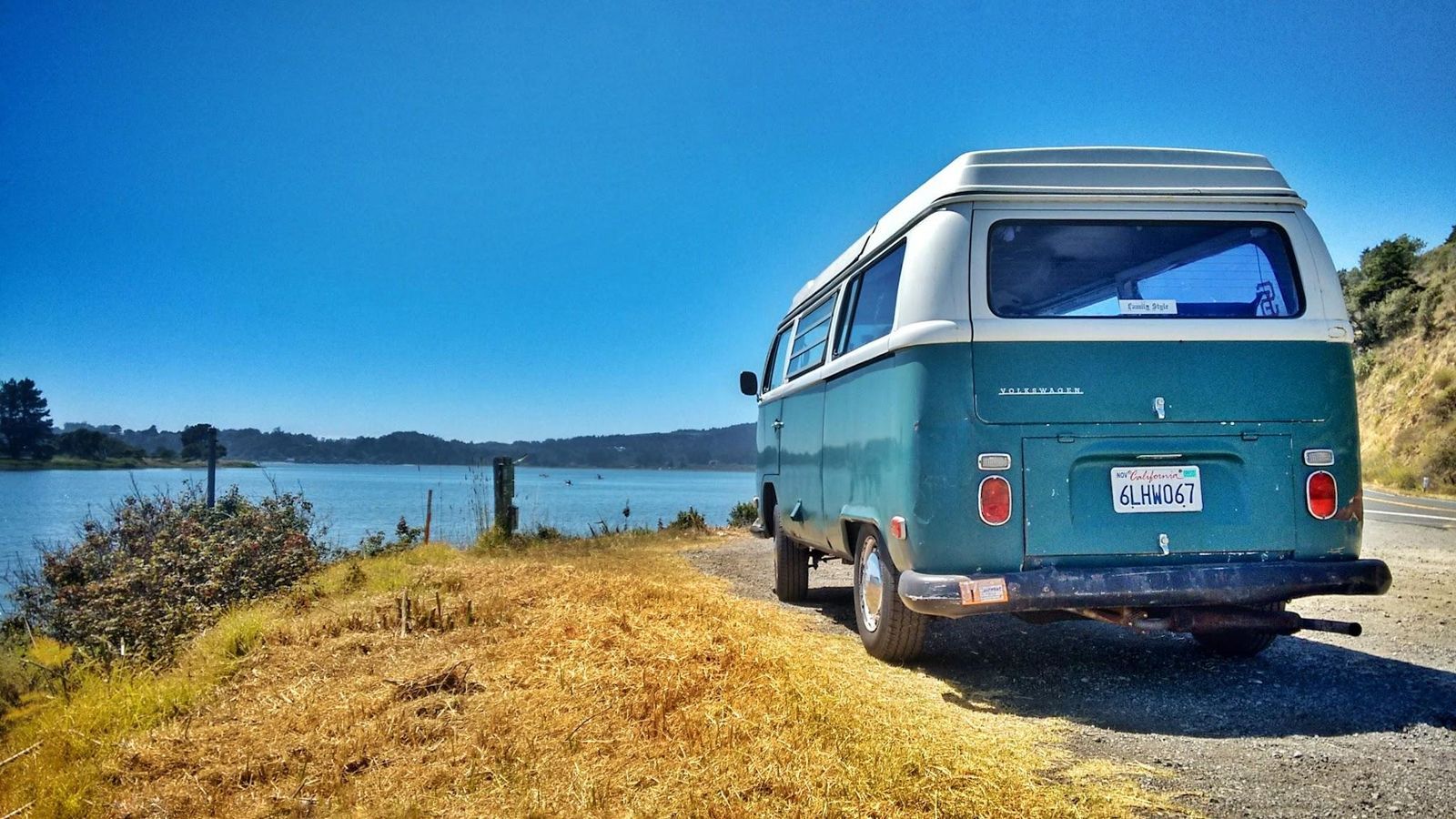
So far, we’ve been focusing on cars known for their speed or power, but what about comfort? This isn’t to say that the vehicles we’ve mentioned before are not comfortable, but this entry is known as the go-to car for those seeking to explore the gorgeous landscapes of our country. Since Volkswagen is a German manufacturer, the Microbus is not technically an American car, but let’s be honest: This car has been synonymous with American road trips since its inception.

10
Lincoln Continental

Image: Marty Maguire

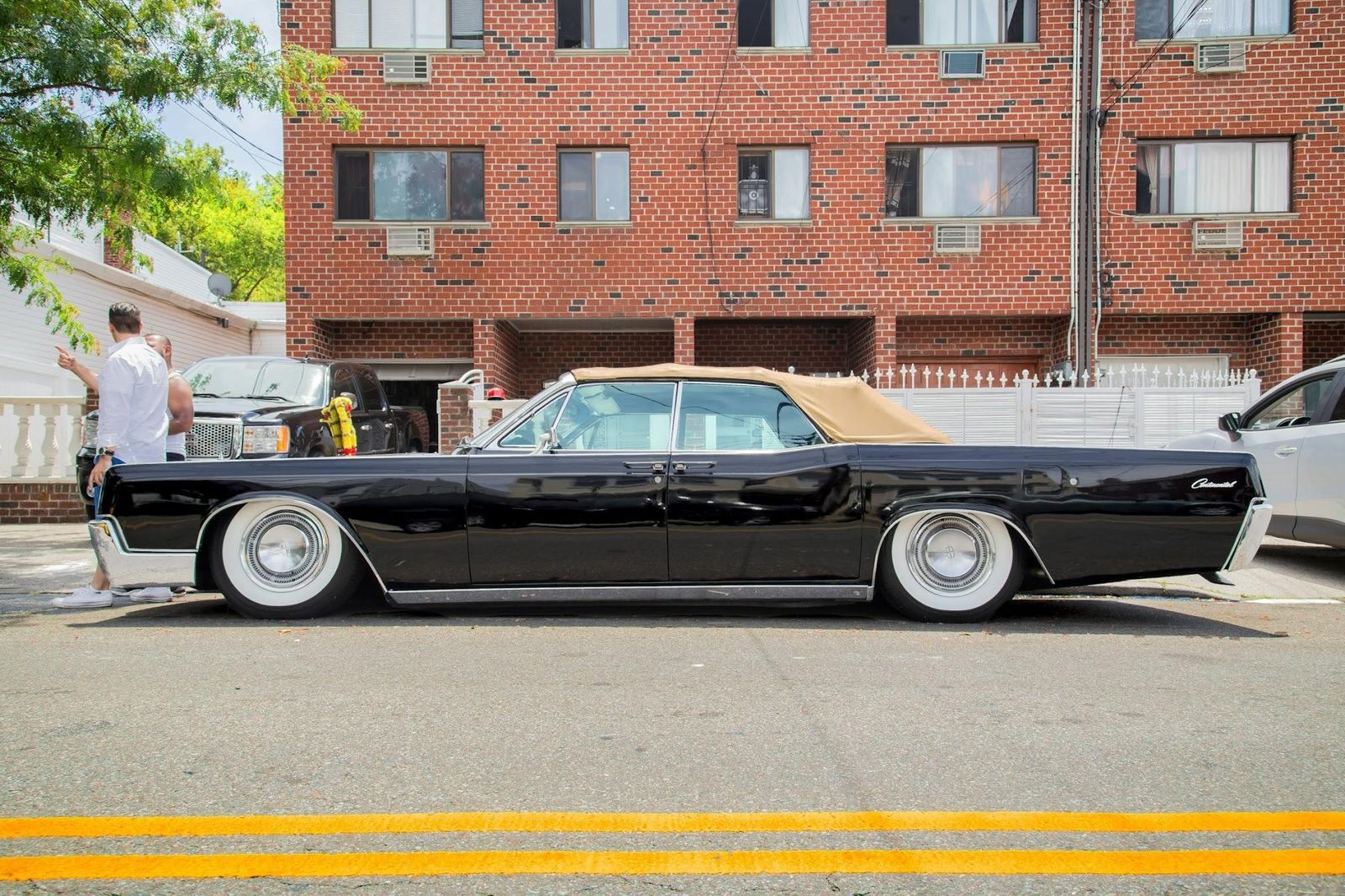
In the early 40s, Edsel Ford, son of legendary industrialist Henry Ford, commissioned the construction of a comfortable luxury personal vehicle. The result was the Lincoln Continental , which quickly evolved from that sole prototype into one of the most iconic American cars in history. The name comes from the car’s European "continental" styling elements, like a modern design and a rear-mounted spare tire.

Explore more American facts

Choose your favorite category!

General
General

As American as apple pie—the very best America has to offer!

Culture
Culture

Delve into the astounding richness of American lore.

Geography
Geography

Hop in and explore vast and diverse American landscapes.

History
History

Discover the key moments that shaped the United States.