General General 3 min read

A breakfast staple

Which breakfast cereal is the most popular? Here are 10 contenders
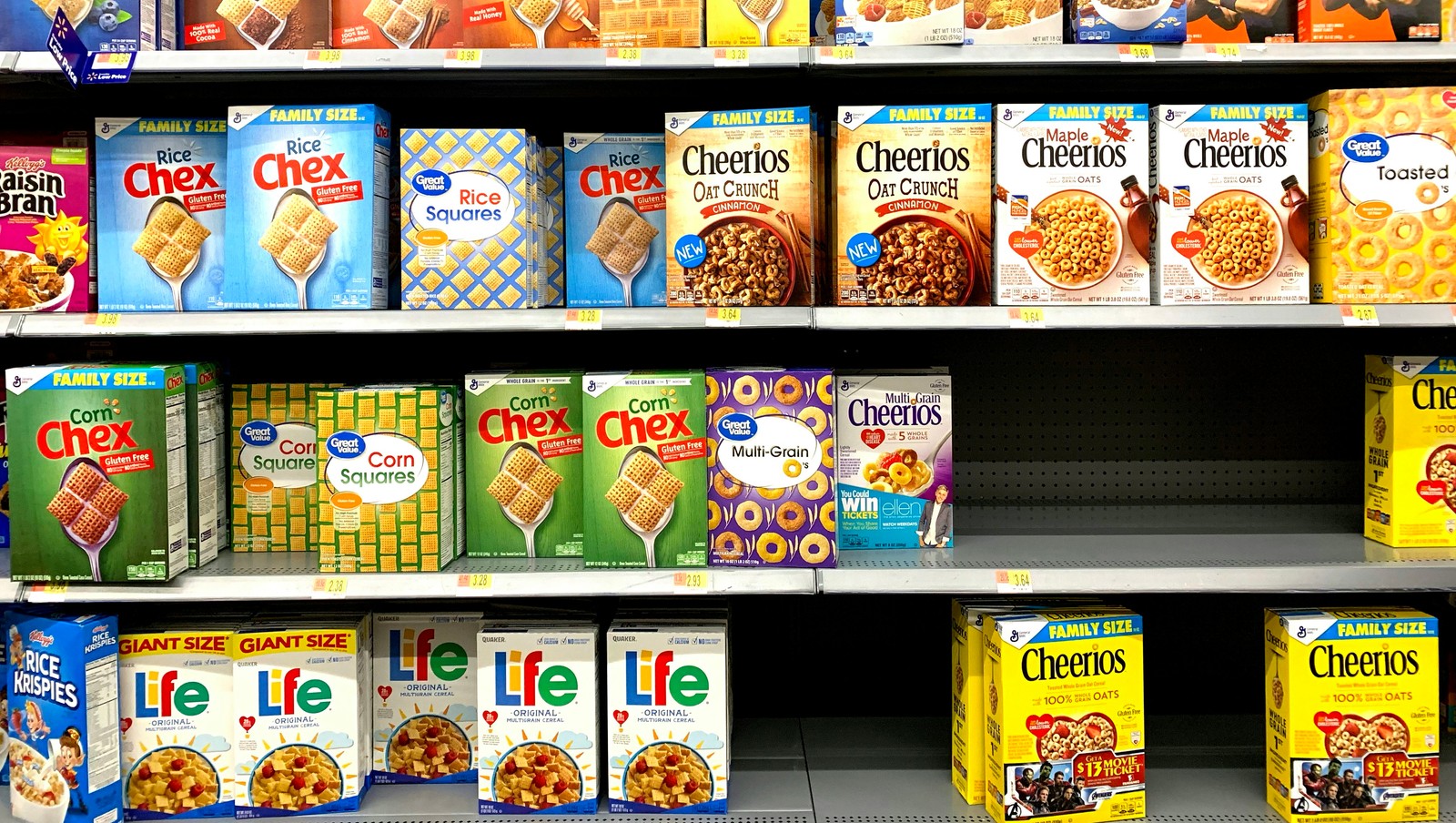
Image: Franki Chamaki

The idiom goes, "as American as apple pie," but, if we are talking breakfast options, it might as well go "as American as breakfast cereal." Cereal is a popular choice in many parts of the world, but it might be hard to find a place where it is as popular as in the U.S.

That said, not all breakfast cereals are created equal, and not all Americans have the same tastes. Cereal may be a staple, but which cereal? Let’s take a look (in no particular order) at 10 of the most popular choices among Americans.

1
Cinnamon Toast Crunch
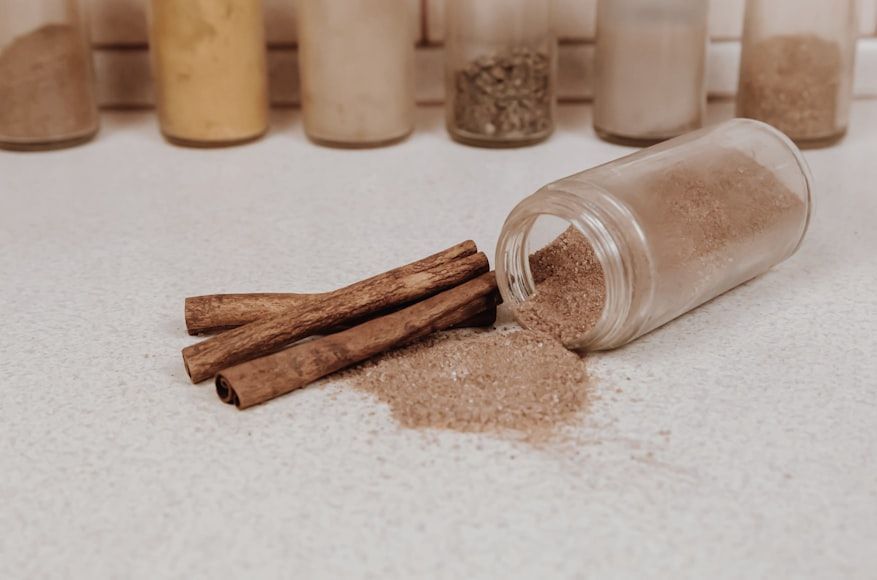
Image: Diana Polekhina

Introduced in 1984 by General Mills, it was designed to be the cereal version of cinnamon toast. It is made from a mix of wheat and rice, and covered in cinnamon sugar. Besides breakfast, Cinnamon Toast Crunch is also popular as a snack on its own, in trail mixes, or as a crunchy topping.

2
Lucky Charms
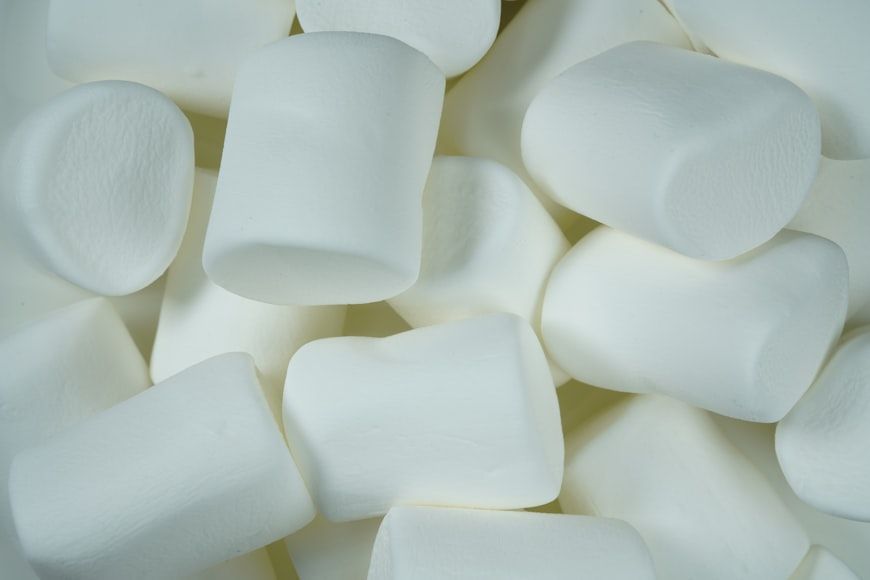
Image: FlyD

Another General Mills classic, this "magically delicious" cereal features a mix of toasted oat pieces and colorful marshmallows. Besides the original flavor, there are several varieties of Lucky Charms, including Chocolatey Chocolate, S'mores, Berry Swirl, and Minis. A breakfast classic for many decades, one of its most famous features is its mascot, Lucky the Leprechaun.

3
Kellogg’s Raisin Bran
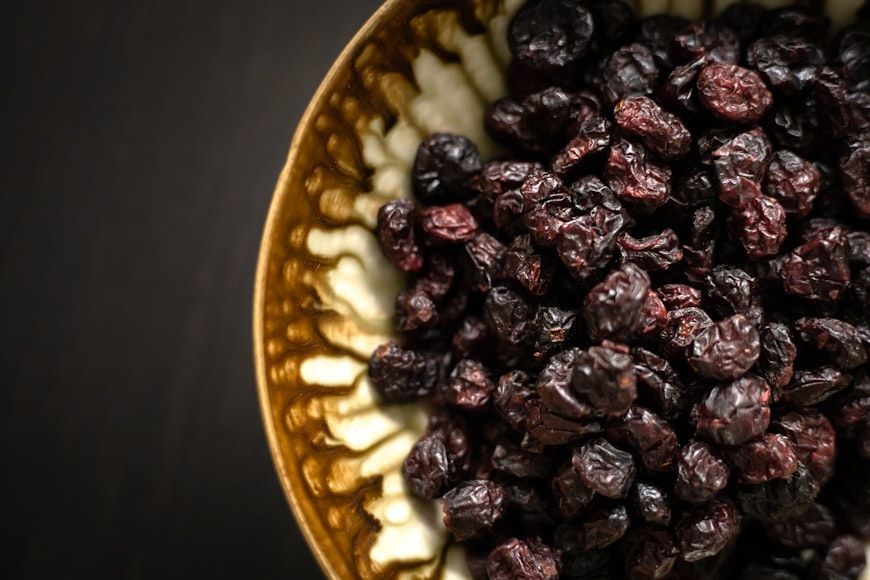
Image: Andreas Haslinger

One of Kellogg’s better-known "healthy" options, Raisin Bran is popular as a source of fiber. It was originally a copy of another cereal of the same name, but after a legal battle, it was determined that "raisin bran" was too descriptive to be a trademark, popularizing the name as a generic term for this type of cereal. What makes it so popular? Its name and marketing have long contributed to the perception of it as a "healthy cereal."

4
Cheerios
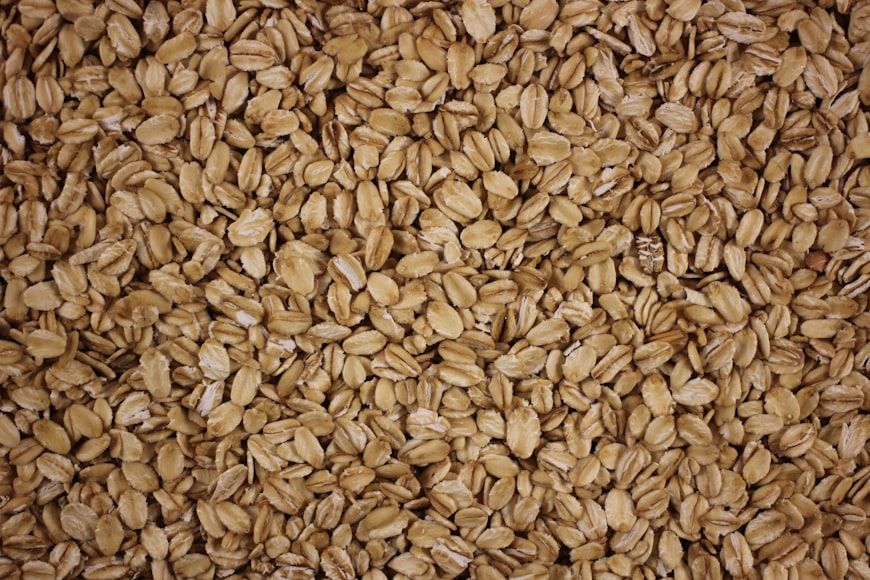
Image: Liia

Did you know that the original name of Cheerios was CheerieOats? It was introduced in the 1940s by General Mills, and it is a popular choice due to its whole-grain oat base, low sugar, no cholesterol, and the fact that it is gluten-free. Unlike many other cereals, the original version is not the most popular; it has been surpassed by the Honey Nut flavor.

5
Life
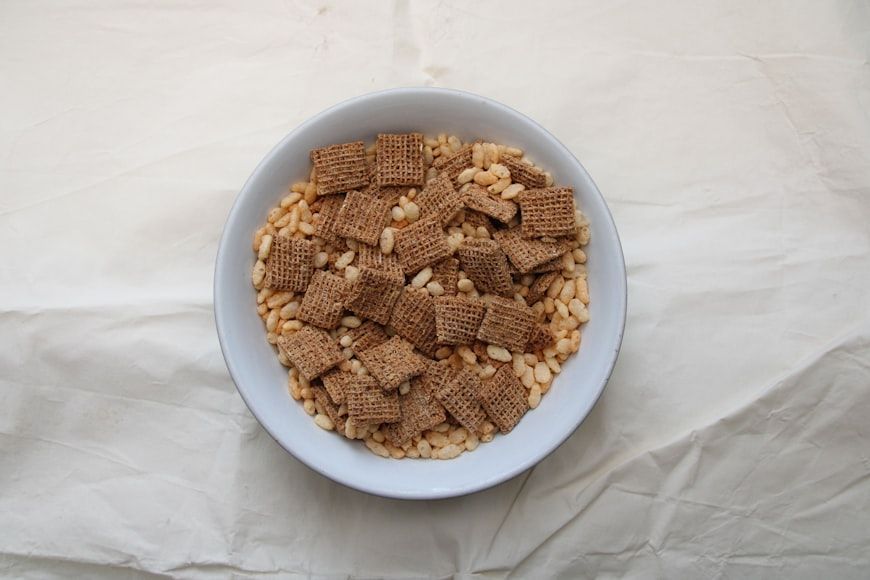
Image: M Alazia

Introduced by Quaker Oats, Life cereal gained popularity through a famous marketing campaign featuring a picky eater named Mikey, one of the longest-running ads in American television history. Life is marketed as a healthy, whole-grain choice without artificial flavors or colors, and has several flavors besides the original.

6
Frosted Flakes
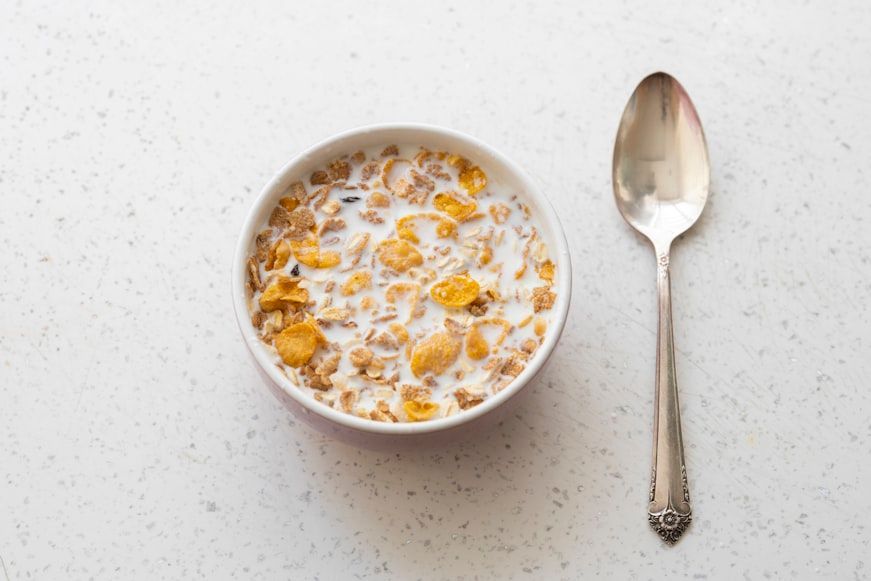
Image: engin akyurt

Did you know that cornflakes were invented by the brother of the founder of Kellogg’s? One of Kellogg’s most well-known cereals worldwide, Frosted Flakes was developed when sweet cereal became increasingly more popular. To boost its appeal to children, the cereal was introduced alongside a mascot, Tony the Tiger, now one of the most recognizable characters in the industry.

7
Cocoa Puffs
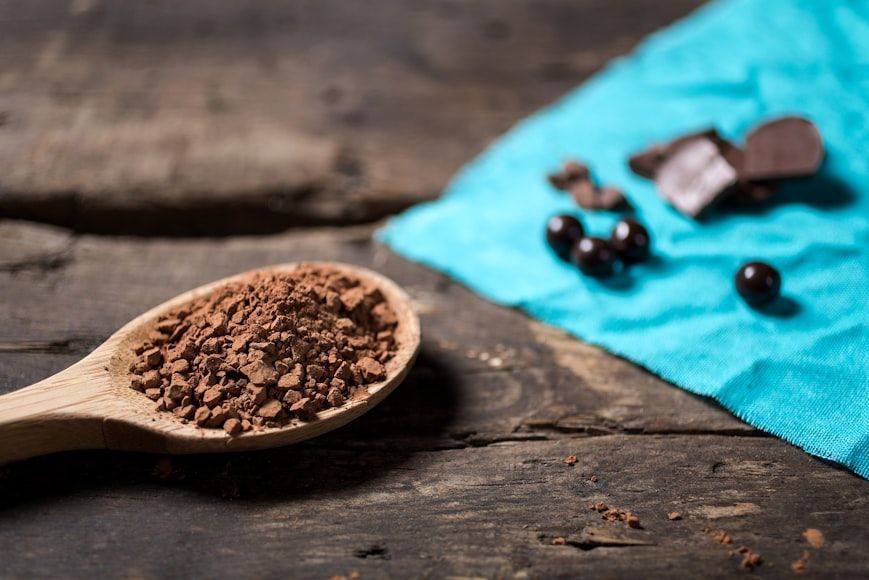
Image: Brands&People

One of the first chocolate cereals to exist, Cocoa Puffs is certainly among the most popular. Developed in the 1950s by General Mills, it initially used Hershey’s cocoa. Cocoa Puffs’ popularity is not limited to the American market. It is also a top seller in Canada, Europe, and Latin America, where it is commercialized in partnership with Nestlé under the name Nesquik.

8
Froot Loops
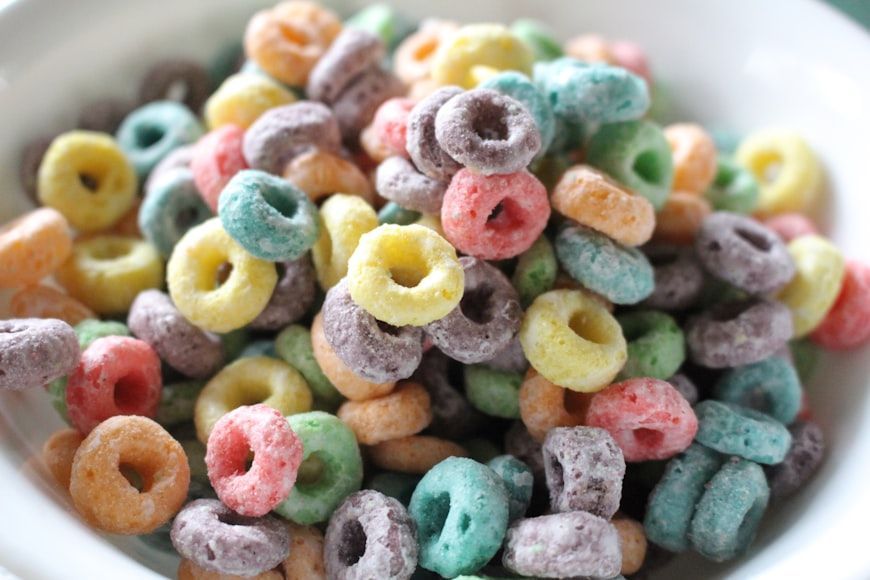
Image: Haley Owens

After Kellogg’s unsuccessfully tried to create a competitor to Cheerios, the company was left with specialized equipment designed to produce O-shaped cereal. Rather than scrap it, Kellogg’s used the machinery to develop a new, colorful cereal, along with a new mascot, Toucan Sam. Although the different colors in Froot Loops are meant to suggest different flavors, Kellogg’s has confirmed that they all taste the same.

9
Honey Bunches of Oats

Image: Benyamin Bohlouli

Originally called Battle Creek, this popular cereal was the result of experimentation. Released by Post in the 1980s, it was developed when one of the company’s employees mixed several existing cereals. After some feedback, honey was added to the mix, and it was renamed Honey Bunches of Oats.

10
Rice Krispies
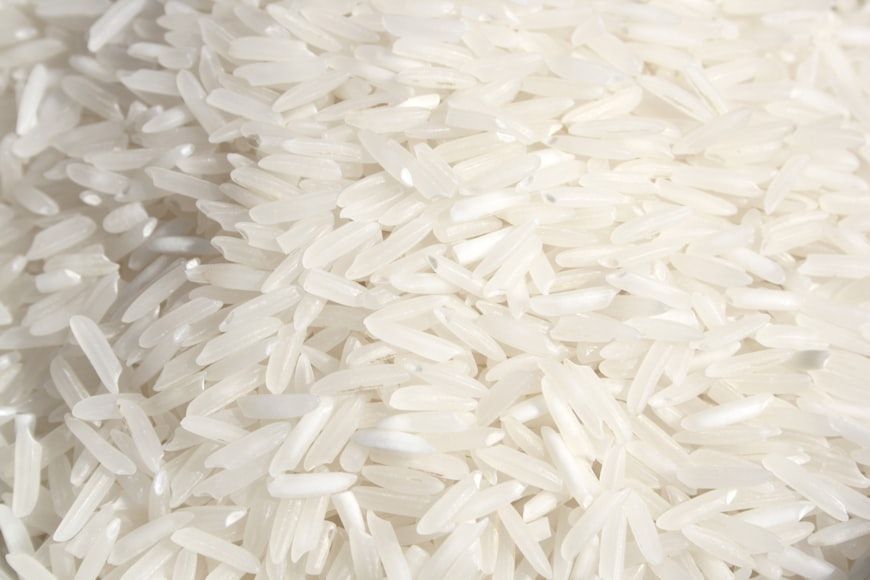
Image: Emma Miller

Developed in the 1920s, Rice Krispies is not only one of Kellogg’s most iconic products but also one of the most popular cereals in America. Its famous "Snap, Crackle, Pop" slogan was inspired by the sounds the cereal makes when milk is added and was later adopted as the names of its three mascots.
General General 3 min read

Feeling uninspired?

Boost your creativity with these 12 easy habits!

Image: Prophsee Journals

Your creativity can be seen as a muscle: if you exercise it, it will grow. And there are many ways you can strengthen your creative brainpower. From taking a walk to reading, staying away from screens, and getting good sleep, these 12 habits will definitely help get your creative juices flowing. Which ones do you know?

1
Keep a journal

Image: Thought Catalog

Writing down your thoughts is a great way to organize them into cohesive ideas . Doing so daily, ideally around the same time every day, generates a creative routine that will promote the appearance of new ideas to emerge consistently around that time.

2
Walking

Image: Chris Hardy

As German philosopher Friedrich Nietzsche once said, "All truly great thoughts are conceived by walking." And while this statement may carry a deeper meaning, it's undoubtedly true that taking a walk helps get the creative juices flowing .

3
Reading

Image: Matias North

Reading not only exercises your brain and improves your vocabulary , but it also boosts your empathy and imagination. People who read literary fiction, in particular, are more likely to understand the feelings and beliefs of others.

4
Unplug

Image: Tobias Tullius

Spend less time in front of screens. Whether it’s your cellphone, computer, or television, unplugging from electronics —even for just a couple of hours each day—can significantly improve your brain’s ability to generate original thoughts and draw inspiration from within.

5
Exercise

Image: Jonathan Borba

This one goes hand in hand with the tip about walking. Exercise is a powerful way to boost your creative energy —it increases your metabolism and provides a sense of accomplishment that can carry over into other areas of your work and personal life.

6
Try new things often

Image: Laura D Vargas

Do something different every day. It could be a small detour from your usual routine or an entirely new activity. Your brain thrives with new things and your creativity feeds on anything that breaks away from the norm.

7
Move around

Image: Christin Hume

Changing locations gives you a new perspective , which affects how your brain processes information. It can be as simple as moving to a different room, working outside for the day, or venturing a bit farther—but it always helps.

8
Identify your best moments

Image: Avi Richards

Some of us work best in the early morning, while some work better late at night. Find the moment of the day when your energy is peaking and take advantage of it. This is the time of day when your concentration is sharpest, and it’s the best time to tackle tasks you've been putting off.

9
Seek out different opinions

Image: Christina @ wocintechchat.com

Creative people tend to interact with people who inspire them and capture their imagination, both in and outside of their own fields. Hearing about different opinions gives you a perspective outside your own and fosters new, creative ideas that you might not have come up with otherwise.

10
Be more curious

Image: Joakim Honkasalo

Being curious is possibly one of the best ways to fuel your creativity . Make it a point to learn something new every day. Allow yourself to go down rabbit holes and chase ideas—no matter how strange or unproductive they might seem (even if only for a short period).

11
Do not fear failure

Image: Kind and Curious

Two advantages to be gained from a mistake are finding out empirically what doesn’t work, and learning how to avoid similar situations in the future . This new information increases your experience and allows your imagination to better anticipate scenarios related to those mistakes.

12
Sleep well

Image: Simon Infanger

Last but not least, sleep well. Lack of sleep can slow down cognitive functions, so prioritize getting a good night’s rest to ensure your brain is in top shape to come up with fresh ideas.

History History 3 min read

Homebrewed ingenuity

The weirdest things Americans once thought were great ideas

Image: Johnny Briggs

From genuine problem-solving to baffling overengineering, American inventors have produced some truly strange creations. From electric spoons to fragile glass instruments, many of these bold designs were patented, tested, or even briefly sold. Below are 10 inventions that prove innovation isn’t always a hit—even when it comes from brilliant minds.

1
The horse diaper

Image: Lucia Macedo

Designed to catch manure in crowded cities—a problem once so severe that it shaped public infrastructure as well as the entrances to houses—the horse diaper was an invention meant to be strapped beneath working horses pulling carts and carriages.

The idea was to reduce disease and street filth during the horse-powered urban era. While the device saw limited use before automobiles rapidly replaced horses, similar designs are still occasionally used in modern veterinary practice.

2
The baby cage

Image: Taylor Flowe

Built as wire cages attached to apartment windows, so-called "baby cages" allowed infants to get fresh air when outdoor space was unavailable. Some models were guaranteed to safely hold over 30 pounds.

While alarming today and ultimately abandoned due to obvious safety concerns, the designs likely inspired some of the baby-proofing nets used today.

3
The pneumatic subway

Image: Eddi Aguirre

In the late 1860s, American entrepreneur and inventor Alfred Ely Beach set out to prove the feasibility of a human-sized pneumatic subway system beneath New York City, capable of moving both people and cargo using nothing more than air pressure.

The prototype was set up as a public attraction and carried passengers along a tunnel just over 300 feet long, from a station to a dead end. Despite its initial success, bureaucratic obstacles and high costs halted expansion, leaving it as a functional but largely forgotten underground experiment.

4
The mechanical horse

Image: Gabriel Tovar

Created for exercise and riding practice, the mechanical horse used a system of gears, cranks, and pedals to simulate walking and trotting motions while the rider sat in a saddle-like seat. It was marketed to urban riders and cavalry trainees who lacked access to stables or live horses.

Though bulky and impractical for widespread use, the device anticipated modern fitness machines by replicating real-world movements for conditioning and skill retention, rather than simple repetitive exercise.

5
The first metal detector

Image: Fer Troulik

After a failed assassination attempt on President James Garfield, Alexander Graham Bell hastily built an early metal detector in an effort to locate the bullet lodged in his body. The device functioned as intended, but it was unable to find the bullet because metal bed springs interfered with the signal.

Despite this setback, Bell’s early design proved the concept and directly influenced the development of modern metal detectors.

6
The pet-powered butter churn

Image: Matt Bero

In an inventive twist on animal-powered machinery, some 19th-century American farmers rigged small treadwheels for dogs, cats, or even goats to generate kinetic energy for churning butter. The animal ran inside the wheel, turning a rope or pulley connected to the churn.

While technically functional, the system was limited by the animal's willingness to cooperate and the small amount of power it generated.

7
The umbrella hat

Image: Claudio Schwarz

Robert W. Patten, often called the "Umbrella Man," patented one of the first commercially successful hands-free umbrella hats. It strapped a small umbrella directly to the wearer’s head, providing both sun and rain protection while keeping the hands free for work or walking.

His original design even included a mosquito net attached to the canopy. Patten didn’t enjoy much commercial success but became somewhat of an eccentric and comical popular figure, partly due to a series of comics that were inspired by his unusual invention.

8
The one-wheel motorcycle

Image: CJ Toscano

In 1971, American inventor Kerry McLean built and refined a monowheel—a one‑wheeled motorized vehicle in which the rider and engine sit inside the wheel’s circumference.

Since then, various attempts have been made to build on his original design, but it remains a niche vehicle used primarily for entertainment rather than practicality, as riders must be highly skilled simply to turn or even stay upright.

9
The first talking doll

Image: Holly Ward

In 1890, Thomas Edison embedded miniature versions of one of his most popular inventions —the phonograph—inside dolls so they could recite nursery rhymes.

While the idea was innovative, the technology was not yet there. The recordings were fragile, distorted, and often failed to work properly. The dolls were pulled from the market within weeks due to customer complaints, making it one of Edison’s rare commercial failures.

10
The glass harmonica

Image: Francesco Bovolin

Faithful to his eccentricity and inventive spirit, Benjamin Franklin redesigned the existing glass harp into a rotating spindle of glass bowls, played by touching the spinning rims with wet fingers, which he called the "glass harmonica."

The instrument produced eerie, sustained tones unlike anything else of its era. However, its fragile nature made it somewhat impractical, and the rotating mechanism posed a potential danger to the player if anything went wrong.

Explore more American facts

Choose your favorite category!

General
General

As American as apple pie—the very best America has to offer!

Culture
Culture

Delve into the astounding richness of American lore.

Geography
Geography

Hop in and explore vast and diverse American landscapes.

History
History

Discover the key moments that shaped the United States.