History History 5 min read

Which US presidents made huge changes during their administrations?

Image: David Trinks

Some presidents don’t leave much of a mark, while others manage to reshape the whole path a nation walks on. Across different generations, certain leaders made choices or introduced ideas that nudged the country in a new direction. In this list, we take a simple, easy look at 10 presidents whose steady hands, practical decisions, and clear vision helped guide the United States into the future.

1
George Washington
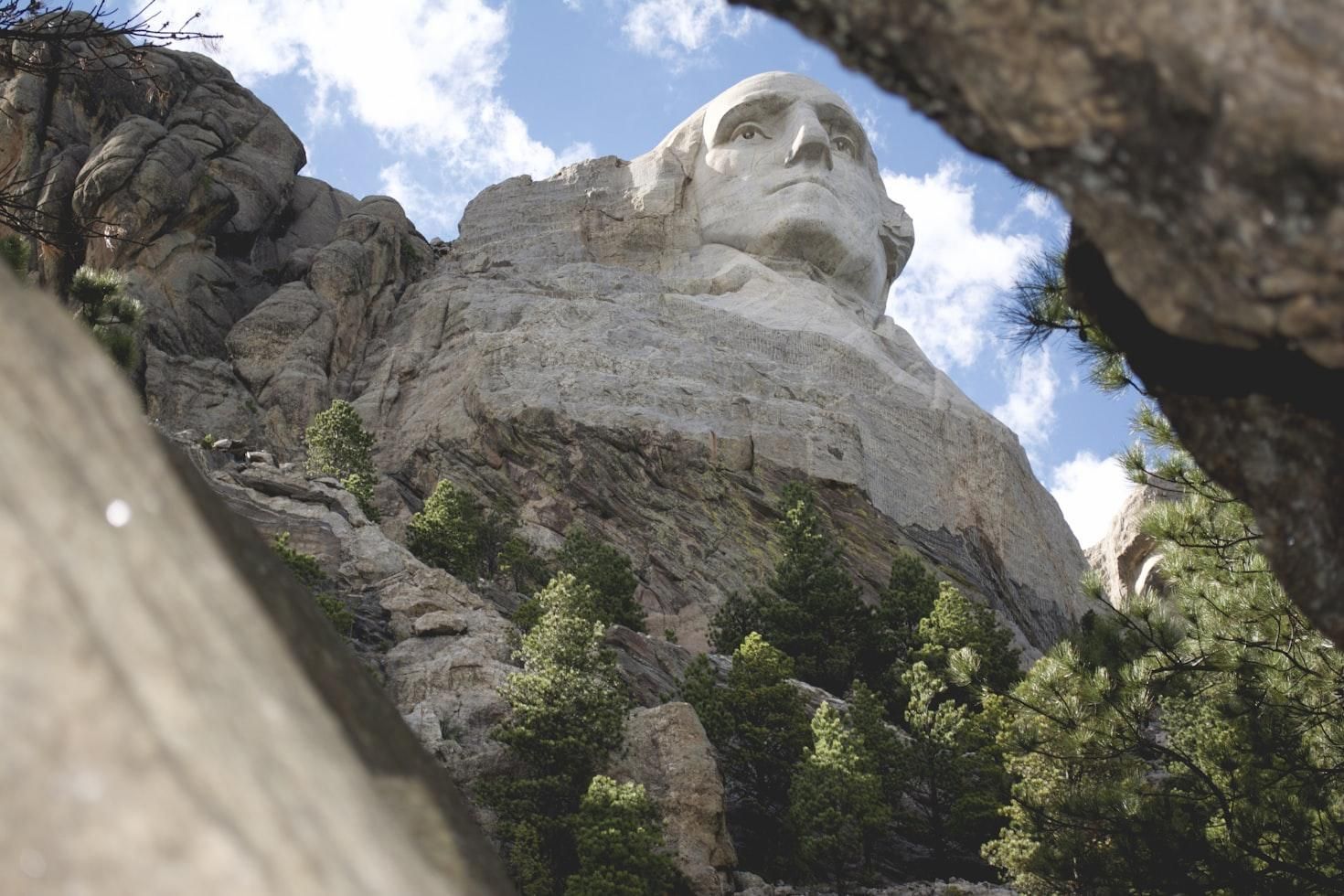
Image: Priscilla Gyamfi

America’s first president had no guidebook to follow, so George Washington ended up writing the first chapters of the office himself. With calm judgment and a focus on fairness, he set the tradition of serving only two terms, showing that leadership should be about duty rather than personal power.

Washington organized the very first Cabinet, established the tone for presidential addresses, and worked hard to promote unity among different regions and viewpoints. His steady approach helped turn a young, uncertain nation into a stable and functioning republic. The patterns he created became the model for every subsequent president.

2
James Madison
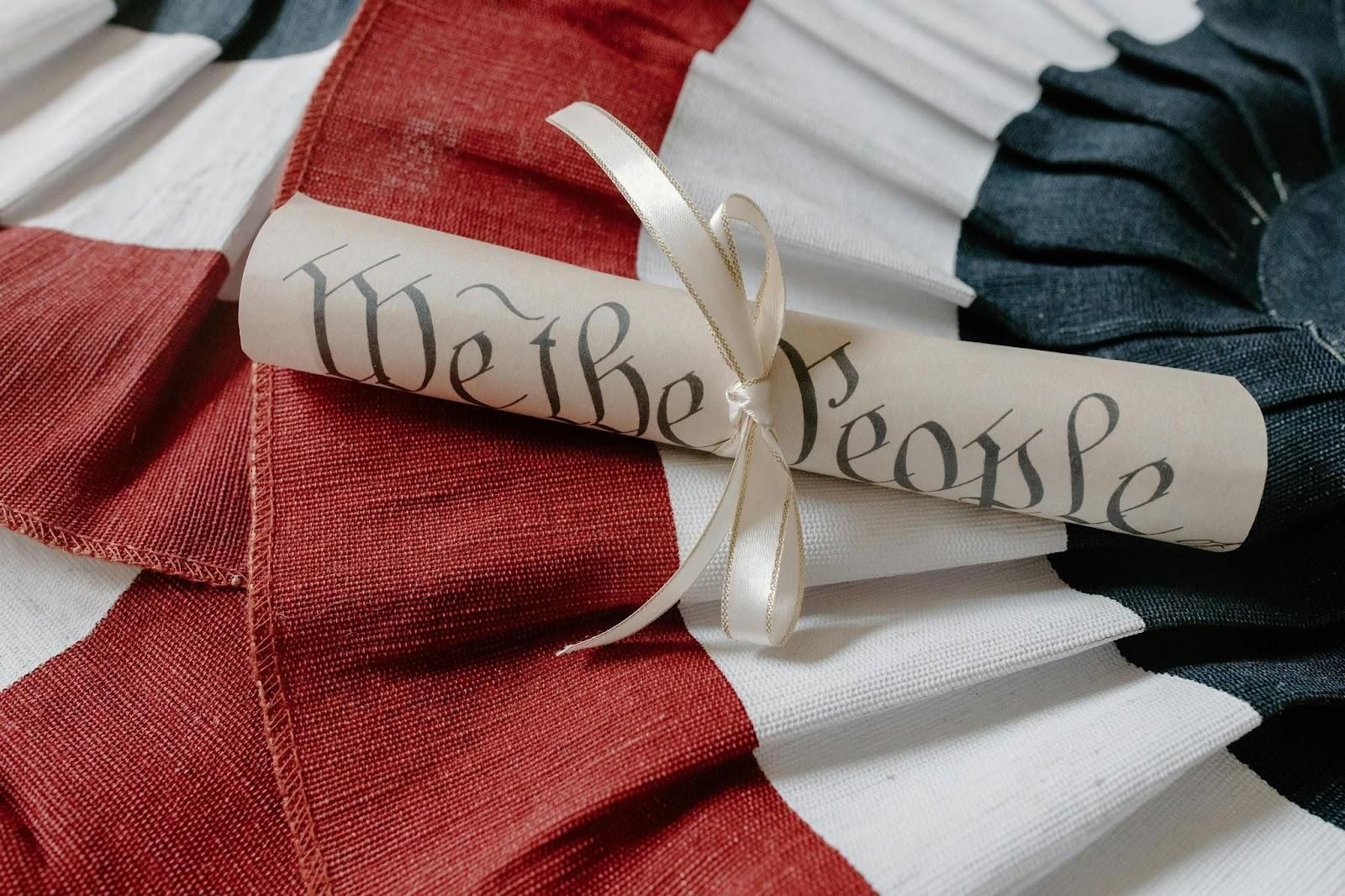
Image: Tara Winstead

Often called the "Father of the Constitution," James Madison helped shape the foundations of the United States long before he stepped into the presidency. He played a central role in writing the Constitution and co-authored the Federalist Papers, a series of essays that explained how the new government was meant to work.

Once in office, Madison continued to support the development of stronger federal systems that could serve a growing country, and he oversaw the admission of new states into the expanding Union. His steady leadership helped reinforce the structure laid down by the founders and proved that the nation’s early ideas—balance, stability, and cooperation—could stand the test of time.

3
Abraham Lincoln
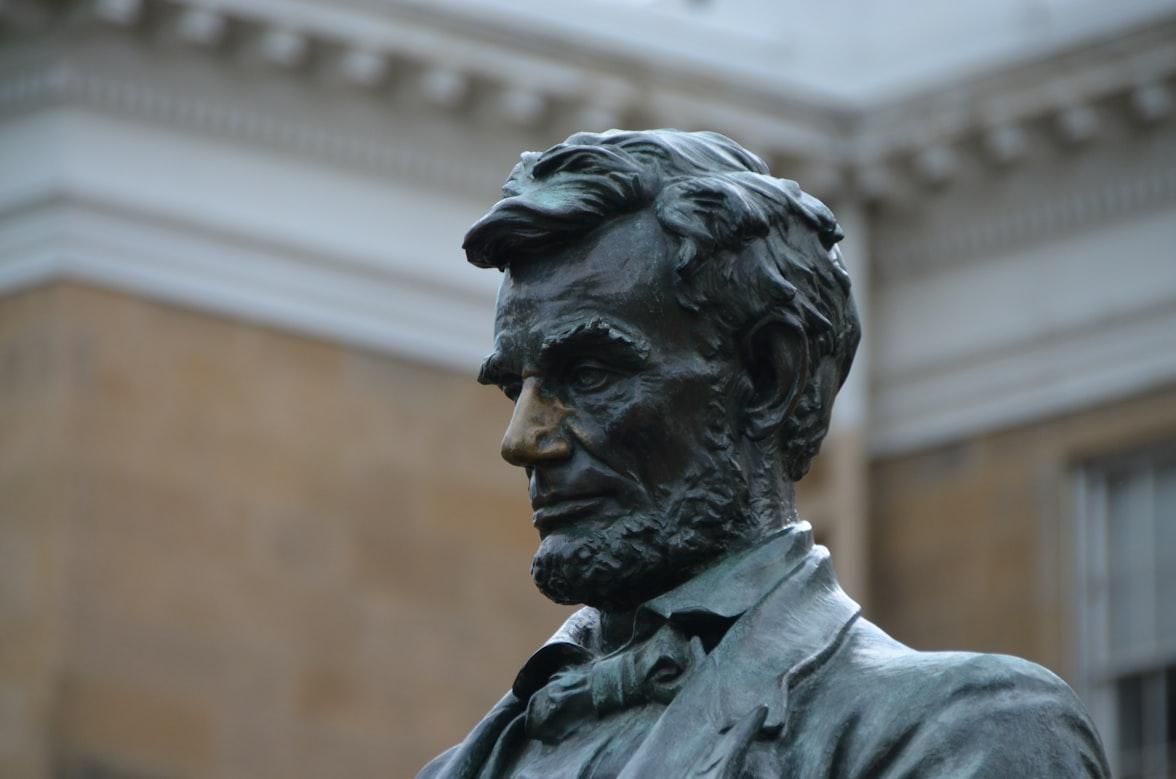
Image: Jacob Thorson

The 16th U.S. president guided the nation through a time of deep division with a calm, steady determination and a clear sense of purpose. He held firmly to the belief that all people are created equal, and he worked to bring those principles to life in practical, lasting ways.

During his presidency, Lincoln supported major constitutional changes that broadened personal freedoms and strengthened the role of the federal government in protecting those rights. He emphasized unity, fairness, and the idea that the country could emerge stronger if it stayed true to its core values. His dedication to these ideals has made him one of the most admired figures in American history, remembered for his integrity and his hope for a more united nation.

4
Theodore Roosevelt
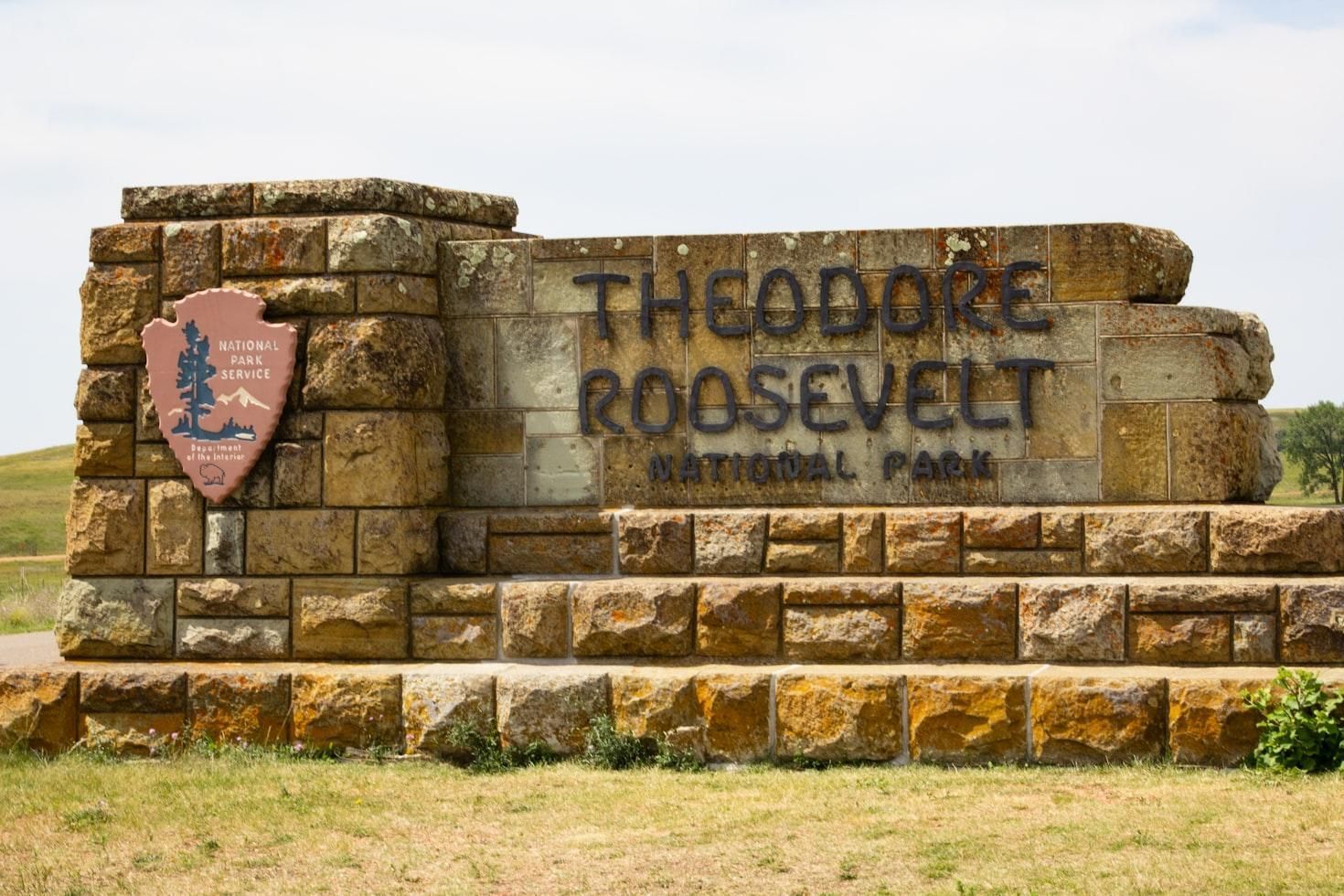
Image: Ryan Stone

Theodore Roosevelt was known for his enthusiasm, his adventurous spirit, and his deep love of the outdoors. He became one of the nation’s strongest voices for conservation, helping to create and expand national parks, forests, and wildlife areas.

His domestic program, the "Square Deal," aimed to make sure consumers, workers, and businesses were treated fairly, and he pushed for stronger rules that protected everyday Americans from unfair practices. Roosevelt also encouraged the nation to step forward with confidence, backing improvements in transportation and modern infrastructure that helped connect the United States more smoothly with the world.

5
Woodrow Wilson

Image: Đào Thân

Woodrow Wilson arrived in Washington with a plan to give everyday Americans a fairer, more balanced system, and his wave of domestic reforms—known as the "New Freedom"—reflected that goal. During his presidency, the nation saw the creation of the Federal Reserve System and the Federal Trade Commission, two major institutions designed to keep the economy steady and well-regulated.

Wilson also encouraged the idea that countries should work together through organized cooperation rather than standing apart, a view that later influenced the formation of important international organizations. His belief in self-determination and his preference for diplomacy over isolation helped guide the United States toward a long-term vision of global partnership and shared responsibility.

6
Franklin D. Roosevelt
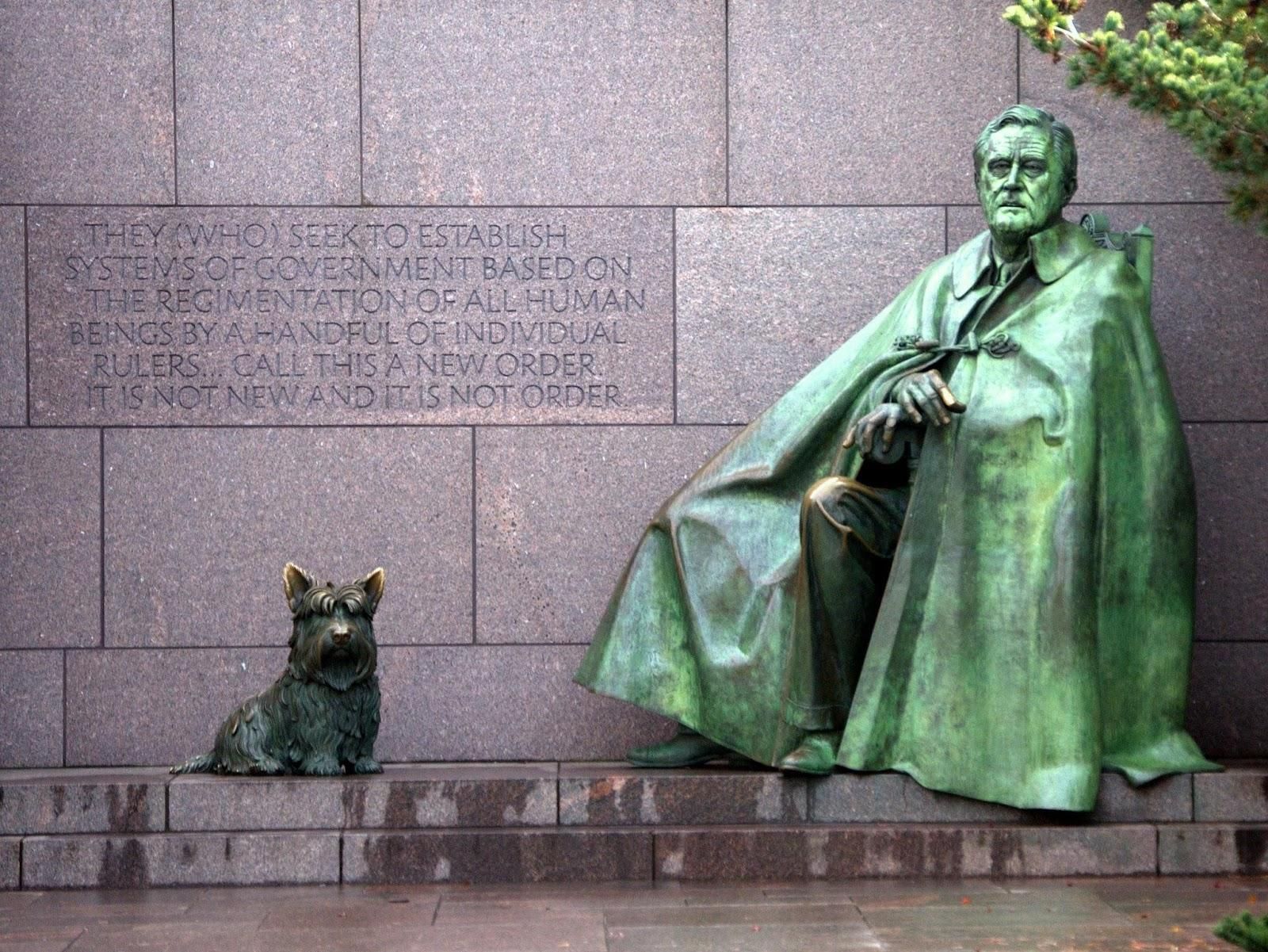
Image: Pedro Gutierrez

Franklin Roosevelt guided the nation through one of its toughest economic periods with a wide-ranging effort known as the "New Deal." This collection of policies helped support workers, steady the banking system, and strengthen protections for consumers. It also introduced Social Security, a program that quickly became a key element of retirement planning for millions of Americans.

Roosevelt understood the importance of keeping the public informed, so he spoke directly to families through his regular radio broadcasts, the famous "Fireside Chats." In these simple, calm conversations, he explained what the government was doing and why, helping people feel more confident in uncertain times. His clear, steady communication made him one of the most trusted and familiar voices of his era.

7
Harry S. Truman
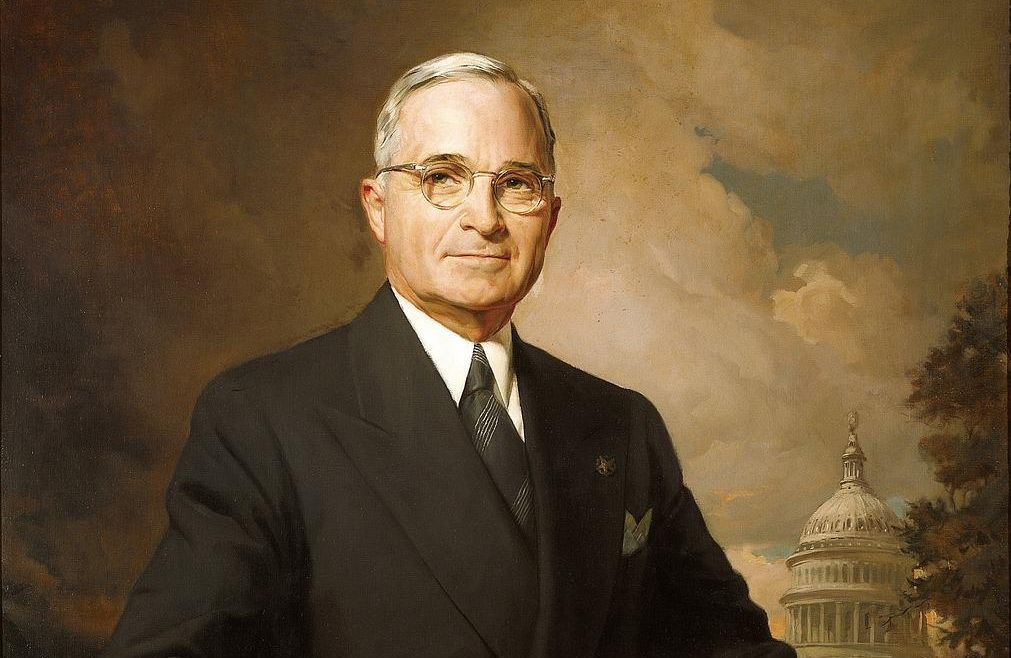
Image: WikiImages

When Harry Truman took office in 1945, both the world and the United States were undergoing a period of rapid change. With a practical mindset, the 33rd president helped launch broad programs aimed at rebuilding European economies and encouraging stronger international cooperation.

He also set a new long-range direction for American policy, one that emphasized stability, democratic principles, and economic support beyond U.S. borders. Truman’s meaningful efforts helped shape how nations worked together and signaled the beginning of important social changes that would continue to unfold in the decades ahead.

8
John F. Kennedy
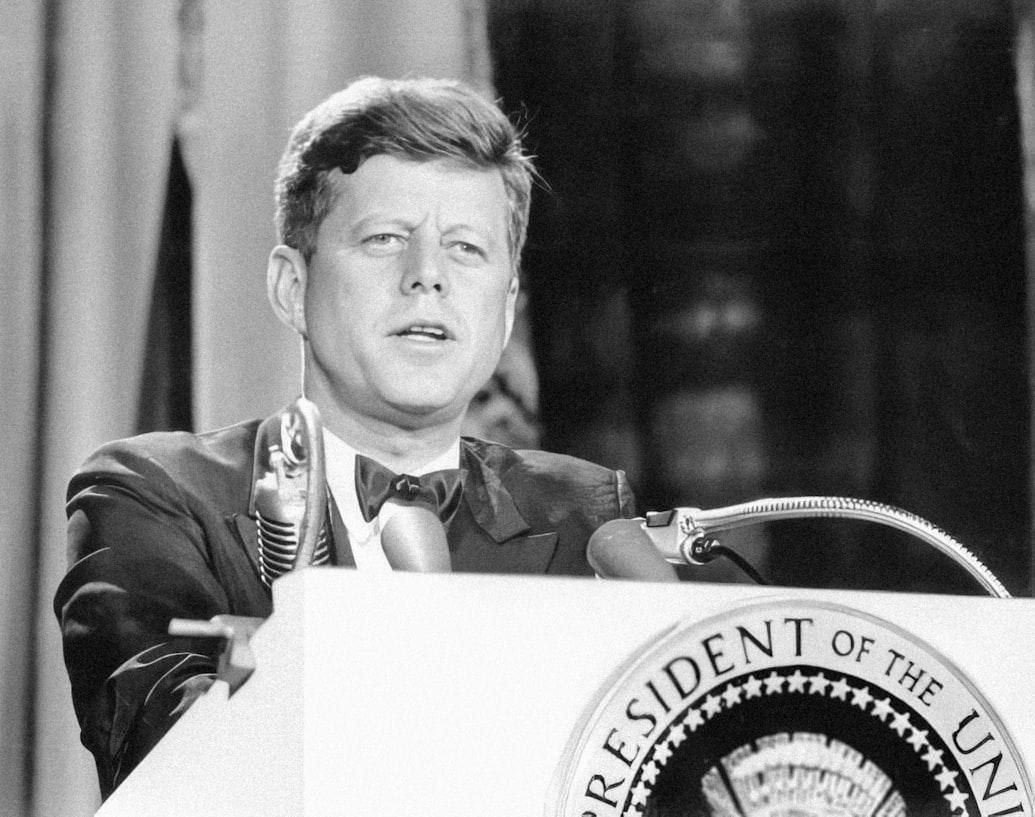
Image: Florida Memory

John F. Kennedy brought a fresh sense of youth and optimism to the early 1960s. His speeches often called on Americans to lend a hand, serve their communities, and think beyond themselves—captured in his well-known line, "Ask not what your country can do for you, ask what you can do for your country."

Kennedy supported important civil rights efforts and encouraged steady progress in science and technology. He also pushed the nation to look toward the future through expanded space exploration and created the Peace Corps, giving young Americans opportunities to volunteer and make a difference overseas. His steady promotion of learning, service, and innovation helped spark a spirit of national progress that defined much of the decade.

9
Lyndon B. Johnson
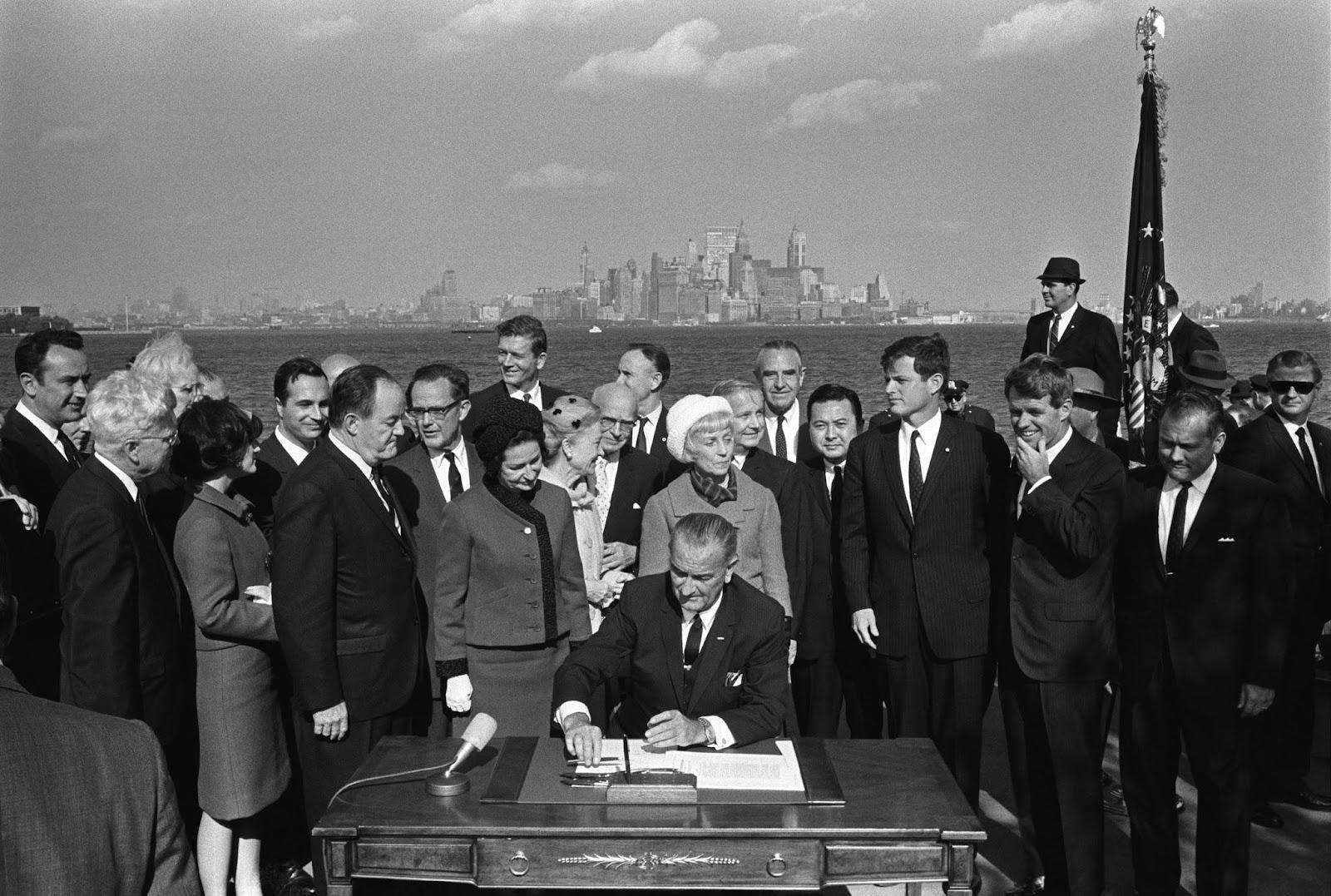
Image: LBJ Library photo by Yoichi Okamoto Restored by: Bammesk, Public domain, via Wikimedia Commons

Lyndon Johnson arrived in the White House with a far-reaching plan he called the "Great Society," a vision aimed at improving everyday life for people across the country. Under his leadership, Congress passed major civil rights legislation that strengthened equality and safeguarded voting rights, setting new standards for fairness.

The 36th president also approved the creation of Medicare and Medicaid, programs that gave millions of older adults and low-income families reliable access to health care for the very first time. Additionally, he supported initiatives to improve education, preserve natural resources, and strengthen local communities.

10
Ronald Reagan
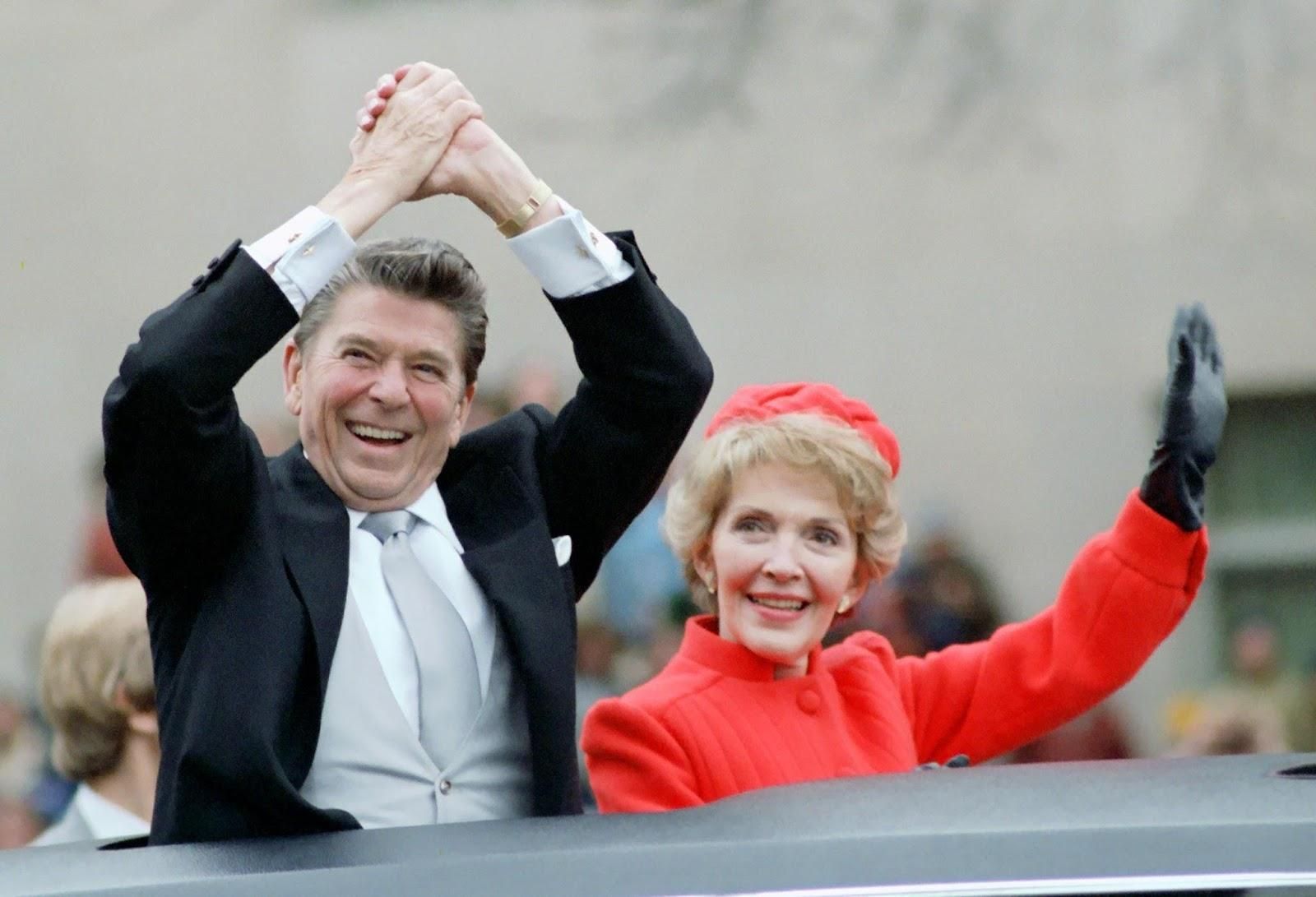
Image: White House Photographic Collection, Public domain, via Wikimedia Commons

Ronald Reagan stepped into the 1980s carrying a message of confidence and renewal, offering Americans a sense of fresh direction after a challenging period. His economic approach—later known as "Reaganomics"—was centered on lowering taxes, easing federal regulations, and giving businesses more room to grow. For many people, this era became associated with rising optimism.

Reagan also spoke often about national pride and traditional values, presenting a steady, recognizable voice on the world stage. His leadership style—straightforward, good-humored, and easy to understand—left a lasting mark on how political ideas were discussed and helped shape the country’s tone for years to follow.
General General 3 min read

Lady Liberty enlightens the world with her torch

Image: Dudubangbang Travel

The Statue of Liberty stands proudly on Liberty Island in New York Harbor, raising her torch high above her head as a symbol of freedom and hope. This American icon has welcomed millions of immigrants and visitors, becoming one of the most recognizable landmarks across the globe. Let's dive into 12 fascinating facts about this beloved American monument!

1
Her torch has been replaced

Image: Mateus Maia

Lady Liberty is no longer holding her original torch. The first one, made out of copper and covered in gold leaf, was replaced in 1986 due to extensive damage. The current torch sports a 24-karat gold flame, which gleams in the sunlight by day and is illuminated by torchlights at night.

2
What happened to the original torch?

Image: Epicgenius, CC BY-SA 4.0 <https://creativecommons.org/licenses/by-sa/4.0>, via Wikimedia Commons

The original torch is on display in the Statue of Liberty Museum on Liberty Island. It was removed on July 4, 1984, after leaks from rain and corrosion from the elements damaged it beyond repair. It was replaced in 1986 with the current replica and inaugurated by First Lady Nancy Reagan.

3
The view from the top

Image: Lowe, Jet, creator, Public domain, via Wikimedia Commons

Visitors could originally climb up to a small observation deck inside the Statue of Liberty's torch. However, the structure was damaged in an explosion in 1916, and access to the torch has been closed ever since.

4
Lady Lighthouse

Image: Luke Stackpoole

From 1886 to 1902, the Statue of Liberty served as an official lighthouse, guiding ships and welcoming visitors into New York Harbor with 14 electric lamps housed inside the torch.

5
A gift from France

Image: Albert Fernique, Public domain, via Wikimedia Commons

To celebrate the centennial of American Independence and the friendship between the American and French nations, the people of France gifted the Statue of Liberty to the United States in 1886.

6
Gustave Eiffel

Image: Carol M. Highsmith, Public domain, via Wikimedia Commons

Gustave Eiffel, the very same engineer behind Paris' most famous tower, designed Lady Liberty's inner iron framework. His design allowed the statue to withstand the strong winds and harsh weather conditions in New York Harbor. The entire puddled iron structure was replaced by corrosion-resistant stainless steel in 1986.

7
She wasn't always green

Image: Maarten van den Heuvel

Lady Liberty's outer shell is made out of copper. It originally had a shiny brown color, but exposure to the elements over time caused the copper to oxidize, giving the statue the famous green patina it is known for.

8
The New Colossus

Image: Gautam Krishnan

Emma Lazarus, the famous American author and poet, was inspired by the Statue of Liberty to write a poem titled The New Colossus . Lines from the sonnet are now inscribed on a bronze plaque on the statue's pedestal.

9
A challenging trek

Image: Zoshua Colah

Visitors to the Statue of Liberty's famous crown observation deck must do so by climbing 354 narrow steps. The view from the top, however, sure is worth it!

10
Visitors from the Seven Seas

Image: Laurenz Heymann

Lady Liberty's crown has seven rays or spikes. The number was chosen to mirror the Seven Seas of ancient literature, as well as the seven continents of the world, meaning Asia, Africa, North America, South America, Antarctica, Europe, and Australia. Through this symbol, the Statue of Liberty extends her message of freedom across the globe.

11
Her left hand

Image: Ron Cogswell from Arlington, Virginia, USA, CC BY 2.0 <https://creativecommons.org/licenses/by/2.0>, via Wikimedia Commons

Besides the torch in her right hand, Lady Liberty is holding a tablet in her left hand. The tablet reads JULY IV MDCCLXXVI . In Roman numerals, that is July 4, 1776, the date of the American Declaration of Independence.

12
Broken chains

Image: Atsme, CC BY-SA 4.0 <https://creativecommons.org/licenses/by-sa/4.0>, via Wikimedia Commons

The Statue of Liberty stands 305 feet from the ground to the tip of her torch, making her one of the tallest statues in the world. At her feet lie broken shackles and chains, symbolizing the abolition of slavery, oppression, and tyranny.

General General 3 min read

Folklore files

Think you’re tough? Try reading these hometown legends at night!

Image: Justin Ziadeh

Every town has at least one story that makes folks lower their voices and lean in a little closer. Across the country, these tales have grown legs and wandered far beyond the places where they started. Here are ten of America’s most talked-about urban legends, the ones that keep popping up in conversations, road trips, and campfire chats.

1
Bigfoot in the Pacific Northwest

Image: Jon Sailer

The forests of Oregon and Washington have been a treasure trove of Bigfoot sightings for decades. Hikers, campers, and loggers all have their own take, from gentle encounters to hair-raising escapes. Whether he’s a shy forest neighbor or just a legendary wanderer, the mystery has inspired countless hunts, tales, and devoted believers who swear the creature is still out there.

2
West Virginia’s winged visitor

Image: Bhong Bahala

Point Pleasant had quite a moment in the 1960s, when locals reported seeing a tall figure with glowing eyes sweeping through the sky. Newspapers named it the Mothman, and soon the stories were everywhere. Some people thought it was a bird, others guessed something stranger. The sightings even lined up with a real bridge collapse, which only added to the town’s long-lasting fascination.

3
Minnesota’s winter monster

Image: Anoushka Puri

Northern tribes have long shared stories about the Wendigo, a creature tied to greed, hunger, and the frozen wilderness. Descriptions vary, but all versions paint a picture of something you wouldn’t want to cross paths with on a snowy night. Whether seen as a physical creature or a spirit, the tale has survived because it taps into those deep winter fears we all understand, right?

4
The Jersey Devil in New Jersey

Image: Donovan Reeves

The Pine Barrens have been home to strange stories since colonial days. One of the oldest is about Mother Leeds, who supposedly cursed her thirteenth child. Folks say the baby flew off into the forest and took on a life of its own, complete with wings and hooves. Sightings pop up every so often, especially during the wave of excitement in 1909, when everyone was looking over their shoulder.

5
Riverdale Road in Colorado

Image: Dennis Schmidt

This quiet stretch of pavement near Thornton has earned quite a reputation. People love to talk about its old gates, said to be the ruins of a long-gone mansion, where a ghostly woman in white sometimes steals the spotlight. Drivers also swap stories about a phantom jogger keeping pace with them.

6
The Shaman’s Portal in Oklahoma

Image: Daniëlle Eibrink Jansen

Out in Beaver Dunes Park, people have been whispering for centuries about strange lights flickering across the sand. Early explorers were warned to steer clear, and some stories claim travelers simply vanished after a flash of eerie green. Modern visitors usually come for ATV rides, but the legend of an otherworldly doorway tucked into the dunes still gives the place a curious chill.

7
Hell’s Gate Bridge in Alabama

Image: The New York Public Library

Locals tell an old tale about a young couple whose late-night drive ended in tragedy. The story took on a life of its own, with people claiming that if you sit on the bridge in the dark, you might spot the couple. Everyone knows it’s just a slice of local lore, but it hasn’t stopped anyone from swapping stories.

8
Utah’s petrified forest curse

Image: Adrian Hernandez

Escalante Petrified Forest is a beautiful destination, but visitors hear one warning loud and clear: leave the wood where it lies. Rangers say they get packages every year with pieces of petrified wood sent back by people who swear they had nothing but bad luck after taking a souvenir. Whether you believe in curses or just want a peaceful trip, it’s safer to enjoy the scenery with your hands empty.

9
The Cropsey tale in New York

Image: Mahdi Bafande

Growing up in New York, plenty of kids heard a version of Cropsey. Sometimes he was a runaway patient, other times a shadowy presence lurking near camps or tunnels. The unsettling part is that a real criminal case in the 1980s made the stories feel even closer to home. Over time, the legend inspired scary movies, bedtime warnings, and a whole generation of whispered fears.

10
Virginia’s Bunnyman

Image: Justin Ziadeh

Clifton has a little train bridge that looks simple enough in the daytime. But the Halloween story tied to it turned it into a local fixture. Some say a dangerous fugitive patient once hid there. Others remember a real-life incident from the 1970s involving a hatchet and a mysterious figure. The tale grew in the retelling, and before long, the Bunnyman hopped right into regional folklore.

Explore more American facts

Choose your favorite category!

General
General

As American as apple pie—the very best America has to offer!

Culture
Culture

Delve into the astounding richness of American lore.

Geography
Geography

Hop in and explore vast and diverse American landscapes.

History
History

Discover the key moments that shaped the United States.