History History 5 min read

Which President spoke Mandarin? 10 presidential past lives
Image: Donghun Shin

It’s easy to assume that the path to the highest office is paved exclusively with Ivy League diplomas, elite military careers, and political connections. However, the early lives of American presidents proved to be far grittier and more eclectic. From elite athletic combat to teenage summer gigs, these ten unexpected jobs held by U.S. presidents before entering politics show that the road to the White House can start in some truly surprising places.

1
Abraham Lincoln
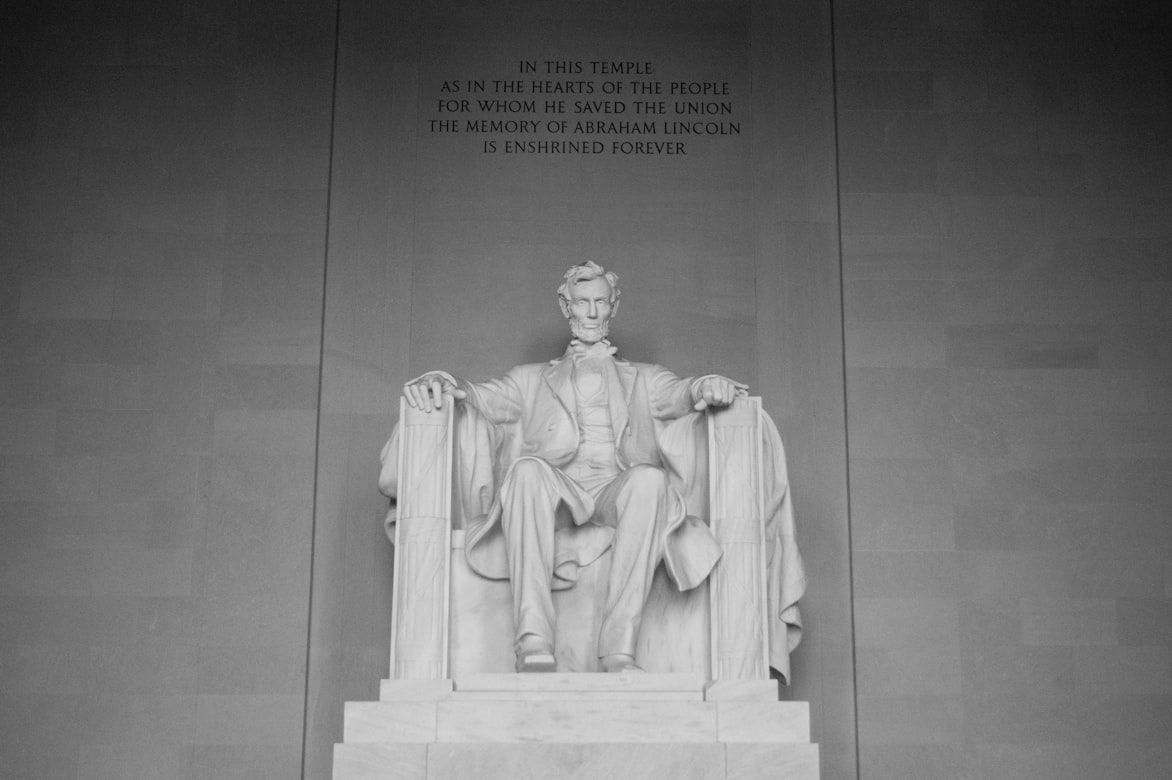
Image: Maarten Brakkee

Long before he preserved the Union or delivered the Gettysburg Address, Abraham Lincoln was renowned across Illinois as a fearsome wrestler. Standing at 6’4", Lincoln had immense leverage and strength cultivated from years of clearing timber.

In the early 1830s, he competed in roughly 300 matches and was defeated only once. His most famous fight happened in New Salem, Illinois, against Jack Armstrong, the leader of a local gang known as the Clary’s Grove Boys. Lincoln soundly defeated Armstrong, earning the lifelong respect of the community. He was even inducted into the National Wrestling Hall of Fame as an "Outstanding American".

2
Herbert Hoover
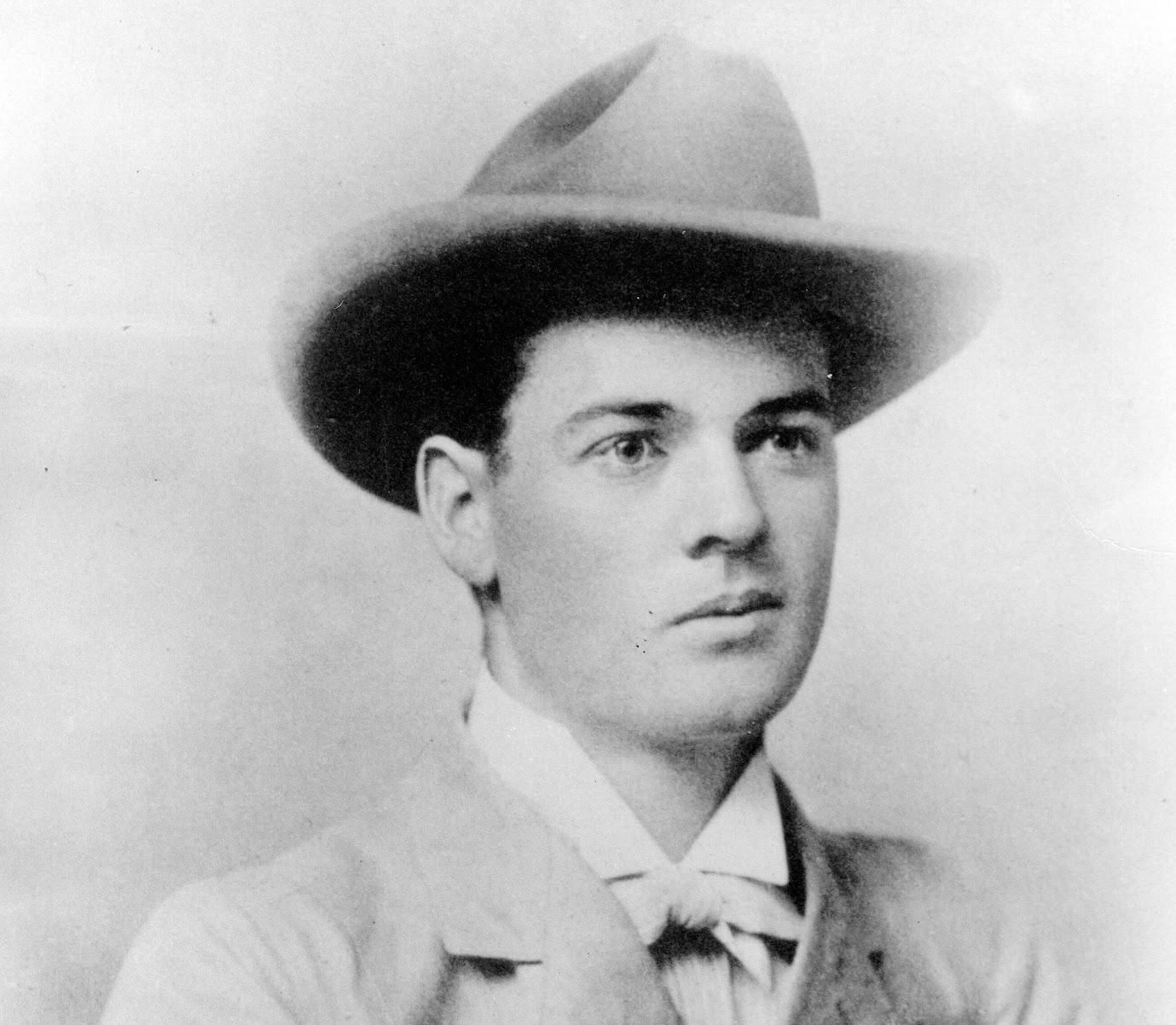
Image: See page for author, Public domain, via Wikimedia Commons

Herbert Hoover’s pre-political life was defined by his career as a world-traveling mining engineer. In the late 1890s, Hoover took a job with the Chinese Engineering and Mining Company, moving to China.

To effectively manage the local operations and navigate the complex social landscape, Hoover and his wife, Lou Henry, learned to speak Mandarin. They became so fluent that decades later, the President and First Lady would speak Mandarin to one another whenever they wanted to have a private conversation in front of White House staff or guests.

3
Andrew Jackson
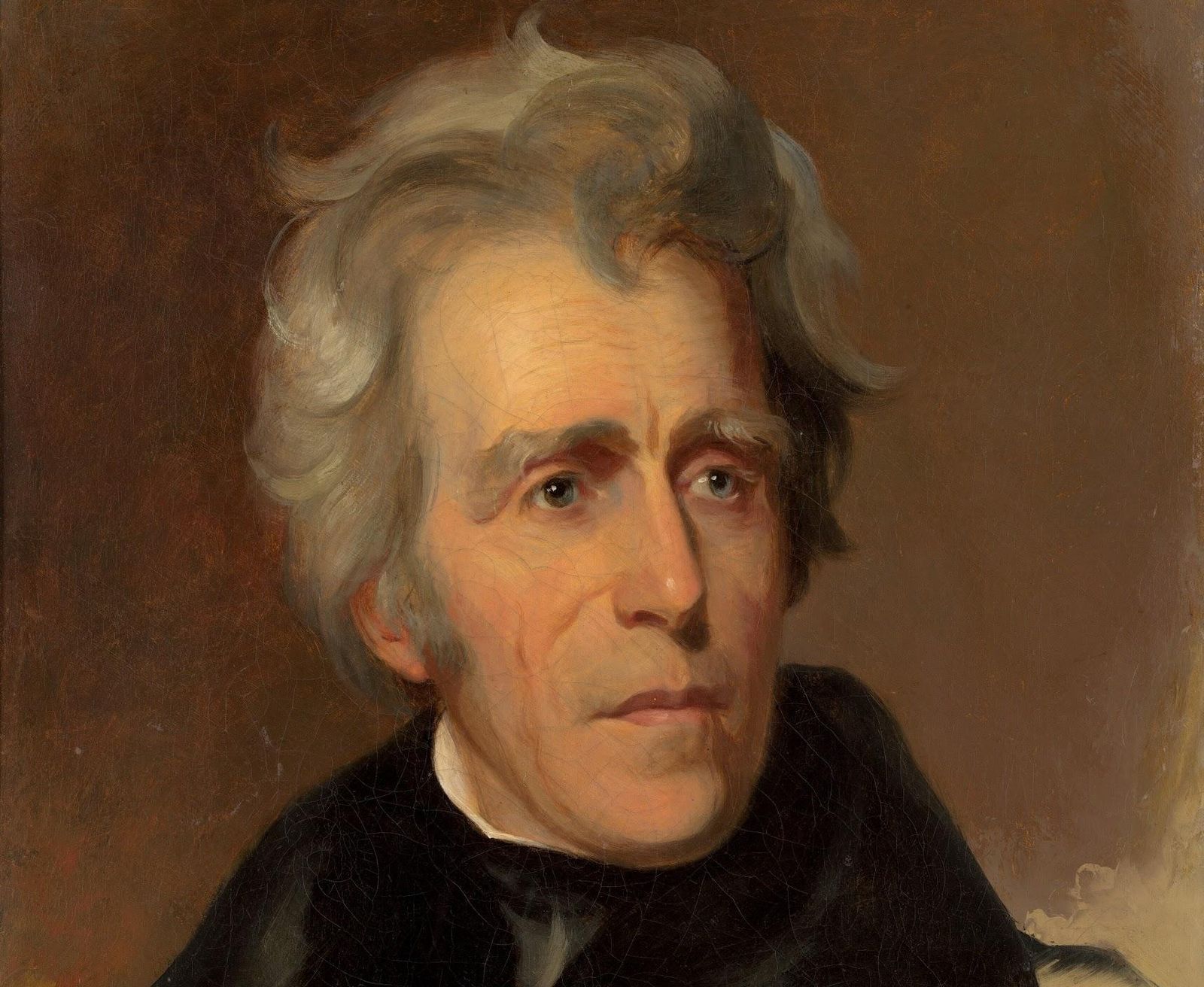
Image: Jengod, CC0, via Wikimedia Commons

Andrew Jackson’s early life was marked by extreme hardship. By the age of fourteen, he had lost his entire immediate family to the Revolutionary War, making him an orphan.

In the early 1780s, a teenage Jackson moved to Salisbury, North Carolina, to survive. There, he apprenticed under a local master craftsman to learn the trade of saddle making. The intense manual labor provided him with a practical trade before he eventually taught himself the law and began his ascent into Tennessee politics.

4
Jimmy Carter
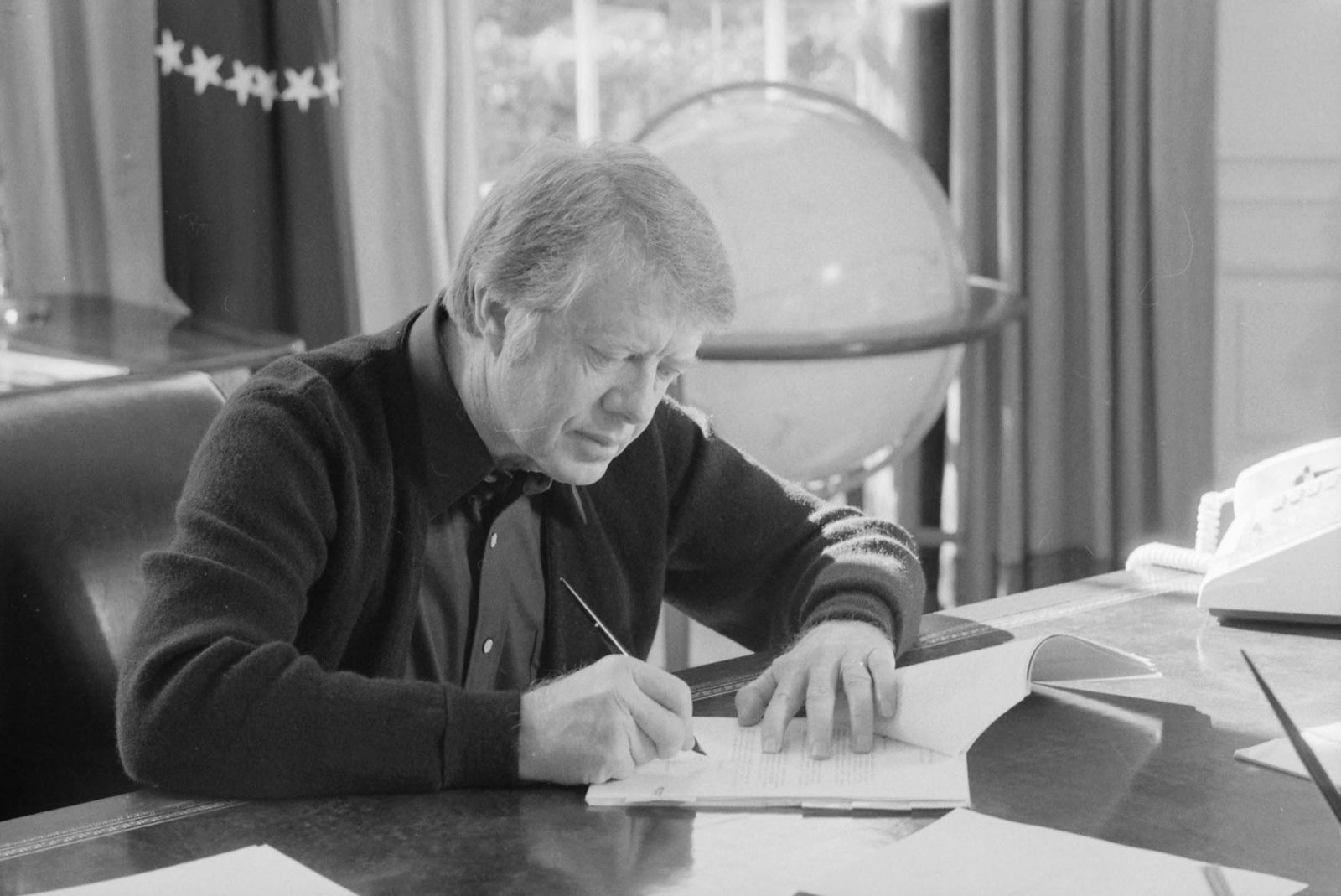
Image: National Archives and Records Administration, Public domain, via Wikimedia Commons

Jimmy Carter’s identity is intertwined with his background as a peanut farmer, but this wasn’t just a casual hobby. After serving as a naval officer, Carter returned to Plains, Georgia, following the death of his father in 1953, to take over the family’s struggling farm.

Faced with severe debts and a local drought, Carter worked the land alongside his laborers. He used his background in engineering to modernize the operation, transitioning it from a basic farm into a successful, tech-forward agribusiness.

5
Ronald Reagan
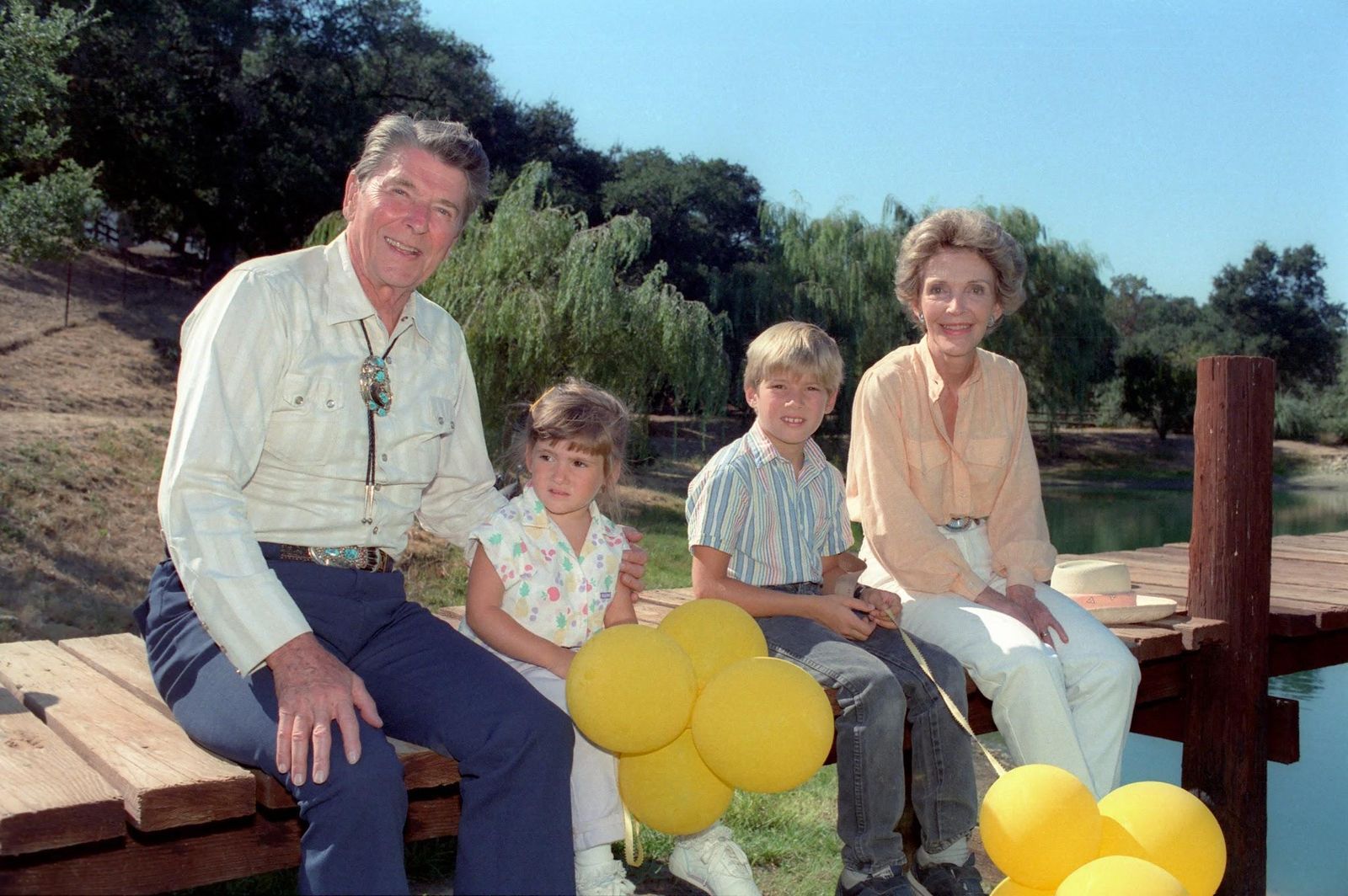
Before he was an actor, governor, or president, a teenage Ronald Reagan spent his summers working as a lifeguard at Lowell Park on the Rock River in Dixon, Illinois. Over the course of seven summers, beginning in 1927, Reagan is credited with saving a staggering 77 lives from the river’s treacherous undercurrents. Reagan took immense pride in this job, famously carving a notch into a nearby log for every single swimmer he successfully pulled from the water.

6
Lyndon B. Johnson
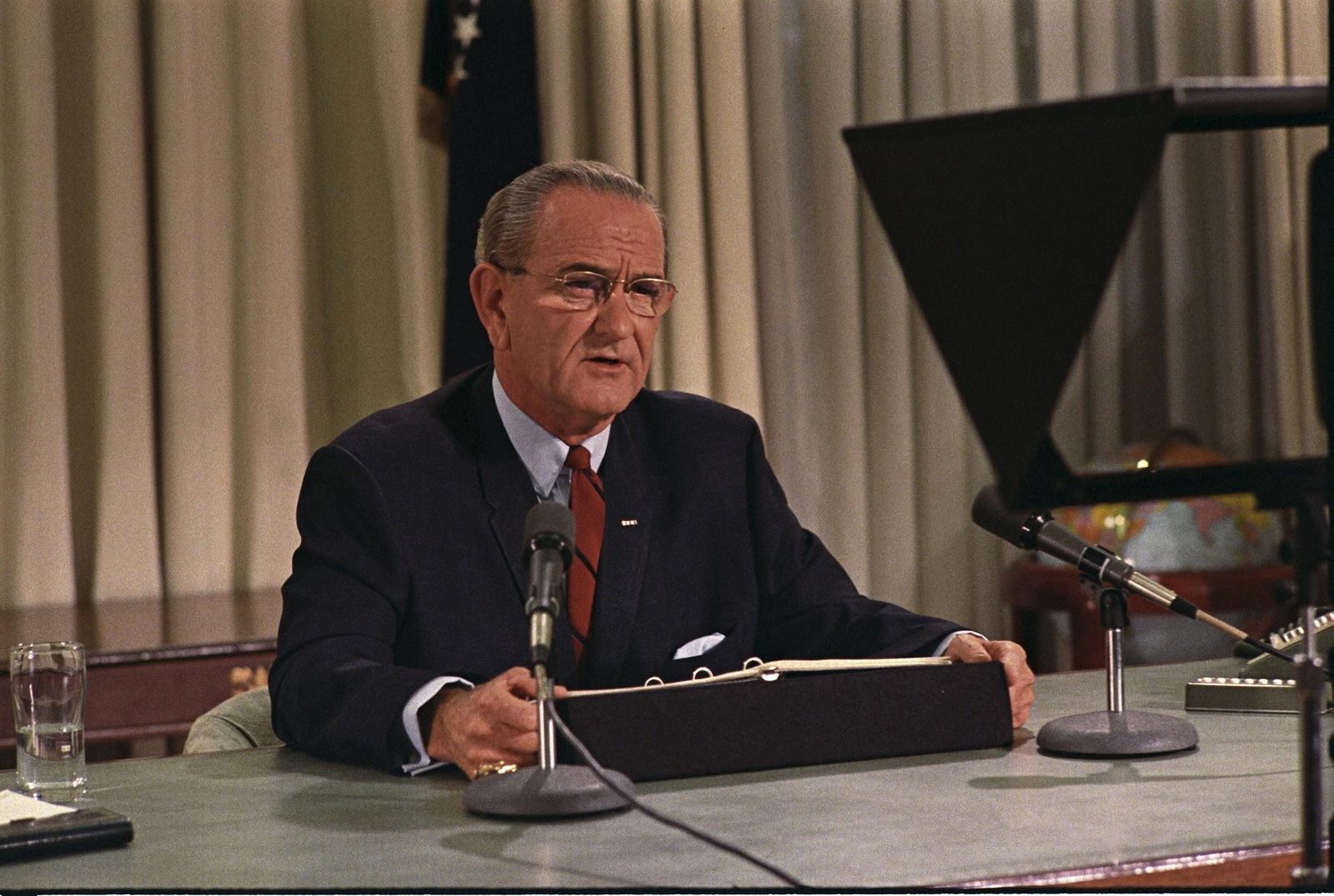
Image: Yoichi Okamoto, Public domain, via Wikimedia Commons

Lyndon B. Johnson was a man driven by ambition, but his youth was spent working a variety of low-wage odd jobs across the American West. After dropping out of school and running away to California in 1924, a young LBJ found himself completely broke.

Among other trades, he took a job as an elevator operator at a hotel in San Bernardino. Standing inside a cramped wooden box for hours on end, opening doors for affluent travelers, gave the future architect of the "Great Society" an up-close look at class distinctions and human behavior.

7
Warren G. Harding
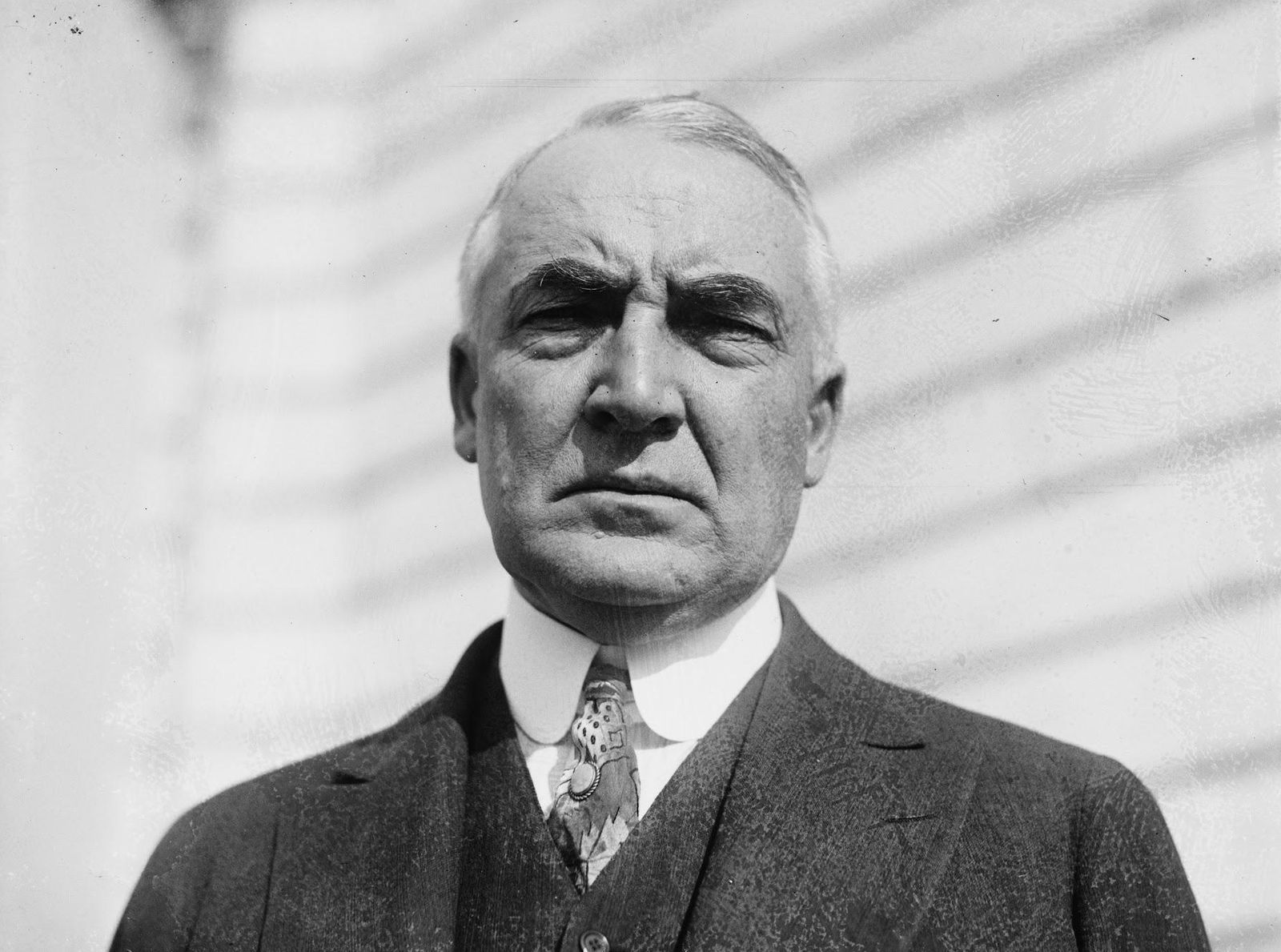
Image: National Photo Company Collection, Public domain, via Wikimedia Commons

Warren G. Harding began his professional career with a profound love for ink and typesetting. In 1884, at just 19 years old, Harding used his meager resources to purchase a failing, defunct local newspaper called the Marion Daily Star in Ohio.

Harding acted as a reporter, ad salesman, and press operator. Under his leadership, the paper grew into a highly profitable business, shaping his communicative style and providing him with the perfect media megaphone to launch his political career.

8
Calvin Coolidge
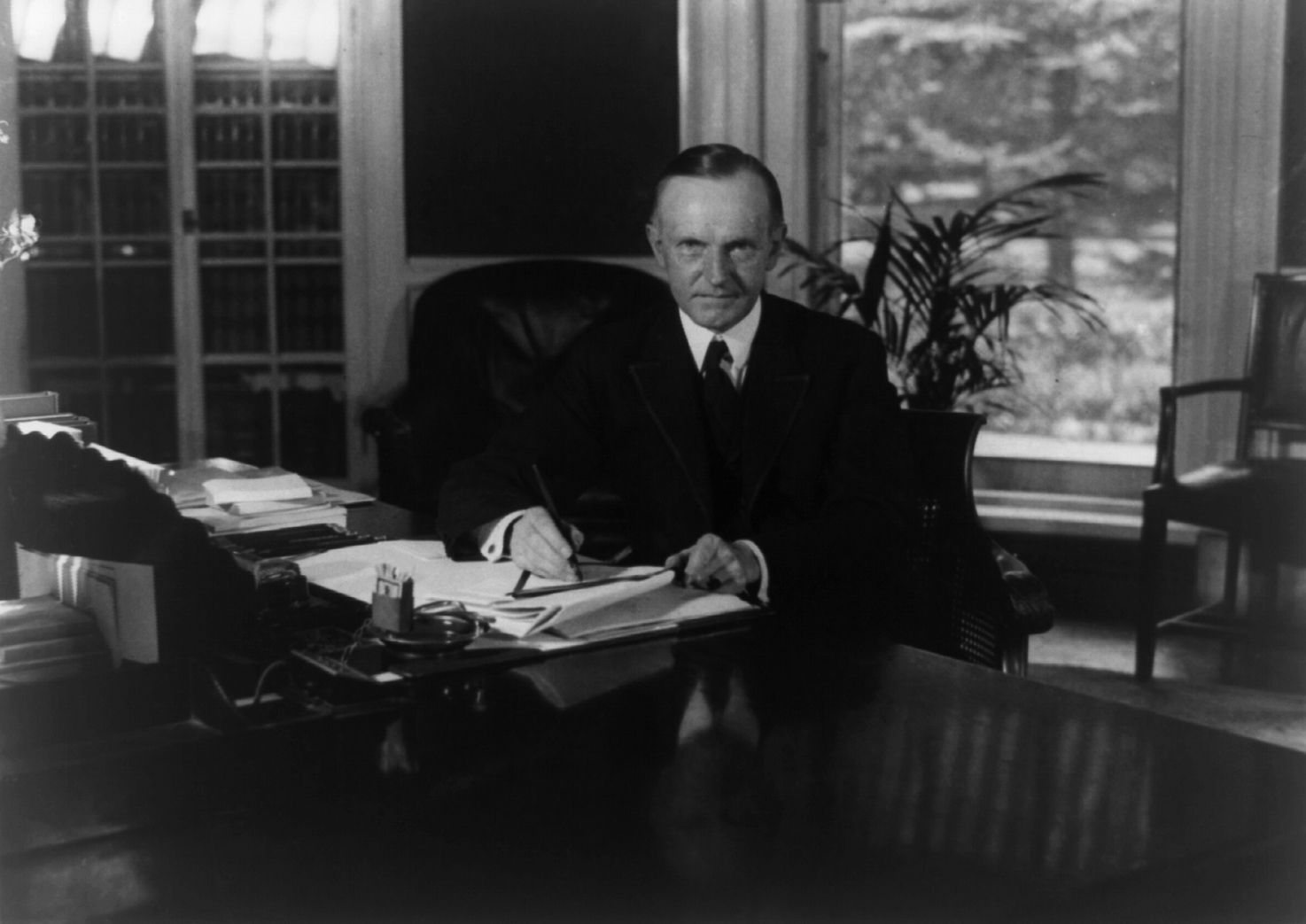
Image: National Photo Company, Public domain, via Wikimedia Commons

Calvin Coolidge was famous for his quiet and incredibly reserved demeanor, earning him the nickname "Silent Cal". It is entirely fitting, then, that one of his earliest jobs during his youth was crafting doll carriages at a toy manufacturing company in Ludlow, Vermont, in the late 1880s. Coolidge treated the position with the same meticulous, serious dedication that he would later bring to the governance of the nation.

9
Barack Obama
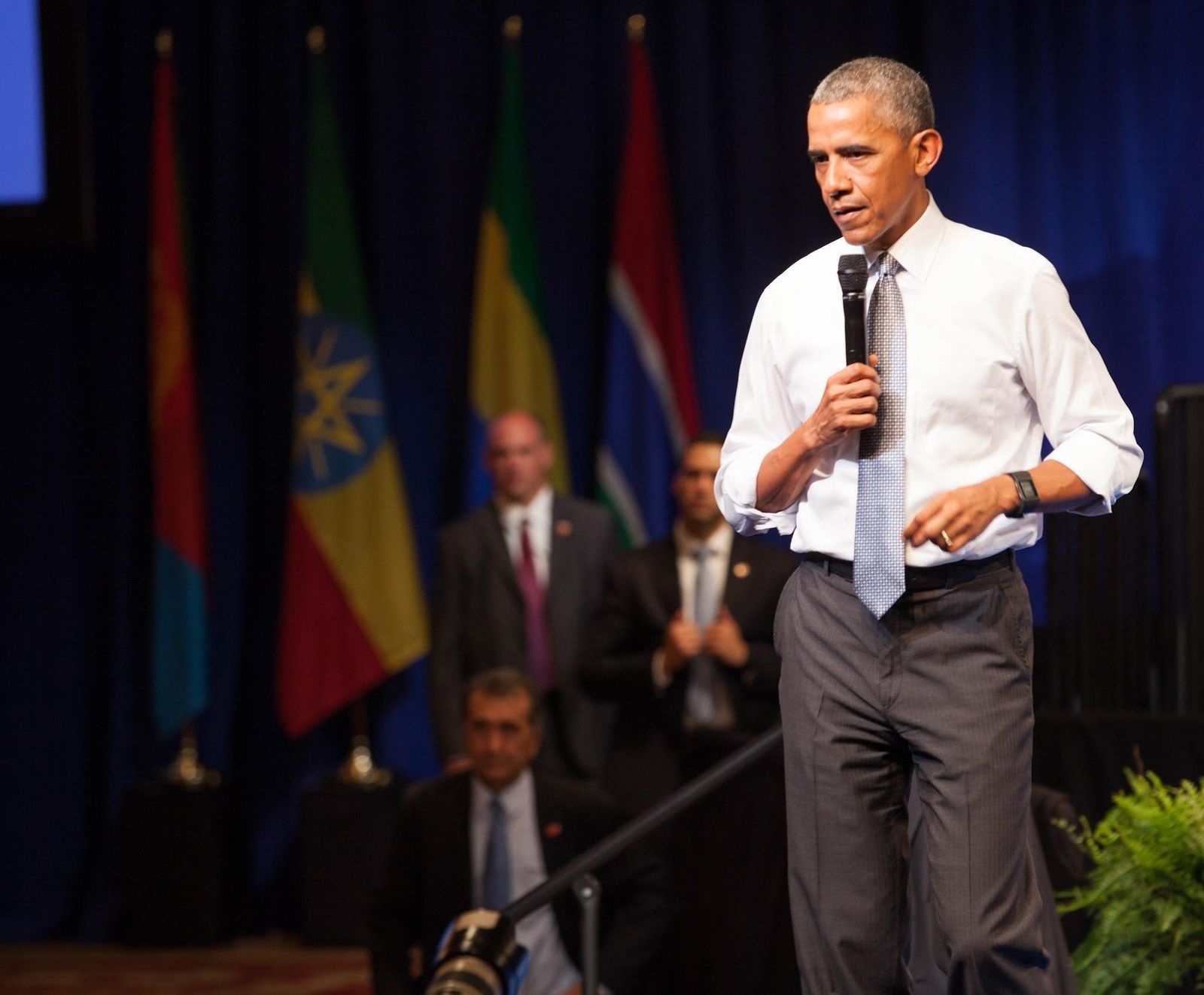
Image: Exchanges Photos, CC0, via Wikimedia Commons

Long before he was dealing with global diplomacy or economic crises, a teenage Barack Obama landed his very first job at a Baskin-Robbins franchise in Honolulu, Hawaii.

In the summer of 1978, Obama spent his days scooping ice cream, a task he later recalled as being far harder on the wrists than people realize. He noted that the job taught him responsibility, hard work, and balancing a job with friends, family, and school. It also had a permanent effect on his palate: he famously admitted that he completely lost his appetite for ice cream for years.

10
Thomas Jefferson
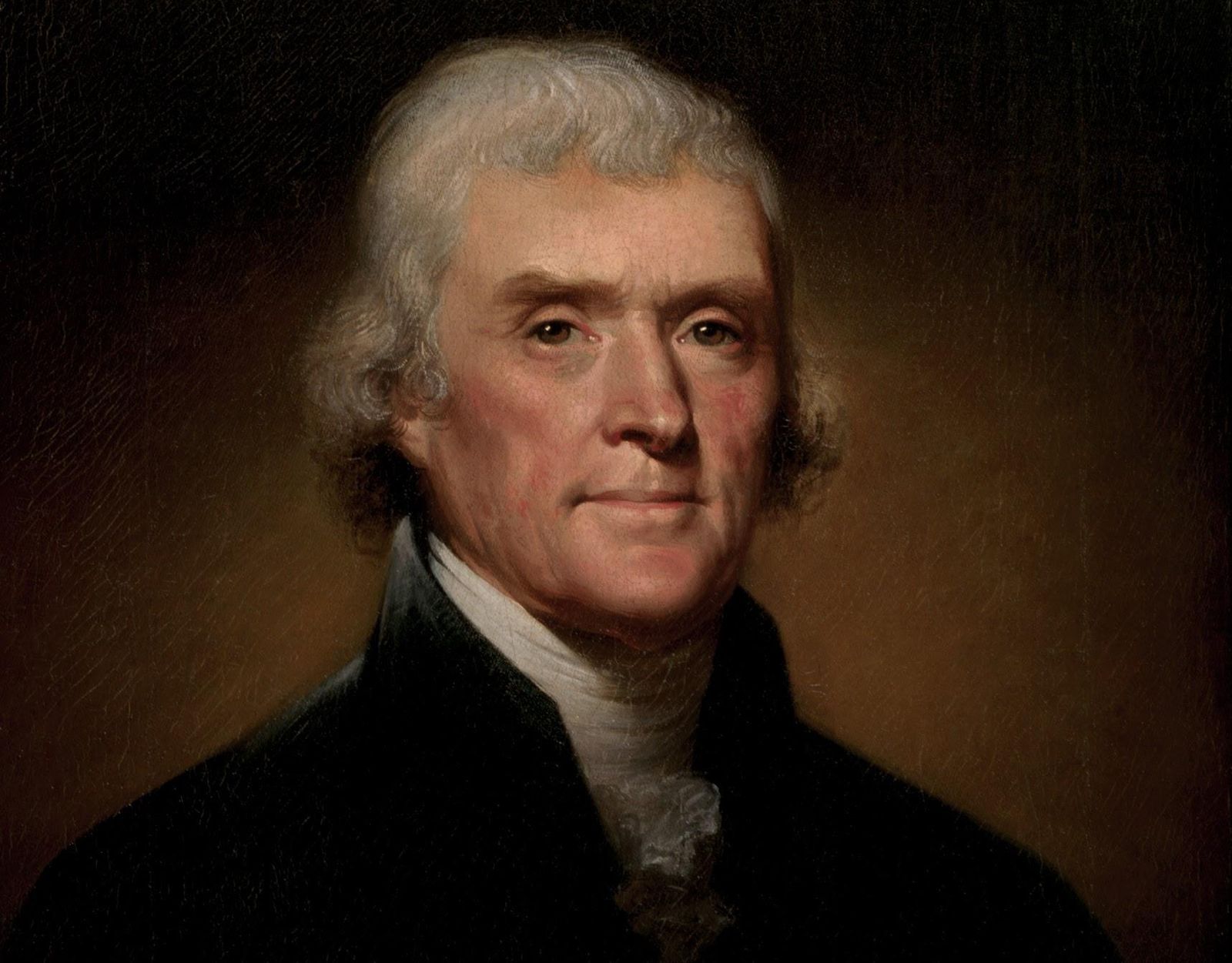
Image: Rembrandt Peale, Public domain, via Wikimedia Commons

Thomas Jefferson was the ultimate Renaissance man, but few realize he holds a legitimate title as one of America's first true archaeologists. In 1784, intrigued by the numerous Native American burial mounds scattered across Virginia, Jefferson decided to investigate one located near his Monticello estate.

Instead of simply digging for artifacts, Jefferson applied a rigorous, scientific method that was decades ahead of its time. He dug trenches to observe the various layers of earth and carefully documented the positioning of human remains. His systematic approach earned him recognition from modern historians as a pioneer of American archaeological science.

General General 4 min read

Embracing our multilingual nation

Do you know what is the second most spoken language in the United States?

Image: Houcine Ncib

In the United States, the number of people who speak a language other than English at home has nearly tripled over the last three decades, increasing from 23.1 million to 67.8 million. According to the 2019 American Community Survey by the Census Bureau, more than 350 languages are spoken across the country , making it one of the world's most linguistically diverse nations. In this article, we’ll explore the 12 most spoken languages in the United States. Can you guess how the rankings go?

1
12. Portuguese

Image: Etienne Girardet

Today, there are over 845,000 Portuguese speakers in the United States, making it the 12th most spoken language after English.

The Portuguese-speaking community is composed of immigrants from both Portugal and Brazil. Since the 1960s, many Portuguese immigrants have settled along the coast of Massachusetts, where they could continue their traditional fishing activities. Besides Massachusetts, Portuguese is most commonly spoken in Connecticut, Rhode Island, and Utah.

2
11. Hindi

Image: Rohan Solankurkar

Hindi is the most widely spoken Indian language in the United States, with more than 890,000 people speaking it . Hindi belongs to the Indo-European language family and has been included on the U.S. State Department's list of critical languages due to strategic commercial interests in South Asia.

Hindi-speaking Indians began immigrating to North America in the early 19th century. The community has primarily settled in large cities such as New York City, Washington D.C., San Francisco, Los Angeles, and Chicago.

3
10. Russian

Image: Tessakay

There are currently almost 950,000 Russian speakers in the United States. Did you know that Russian is one of the two official languages aboard the International Space Station? NASA astronauts typically take Russian language courses to communicate with their Russian counterparts.

Another well-known Russian-speaking community is in New York's Brighton Beach neighborhood, often referred to as "Little Odessa." Cultural events, festivals, and markets featuring traditional Russian foods, music, and crafts are common sights here. Los Angeles is another city where Russian is regularly used.

4
9. Korean

Image: 昆 阿

Over the past few decades, the number of Korean speakers in the United States has grown significantly, with nearly 1,100,000 people now speaking Korean .

Los Angeles is home to the largest Koreatown in the country, and many residents in other major cities speak Korean at home, helping to maintain and promote the heritage of this Asian culture in the United States.

5
8. Arabic

Image: Rawan Yasser

With more than 1.2 million speakers, Arabic is the eighth most spoken language in our country.

Arabic is spoken in immigrant communities from countries such as Egypt, Lebanon, Syria, Iraq, and Yemen. These communities are most prominent in states like California, New York, and Michigan, where Arabic is commonly heard in homes and community centers.

6
7. German

Image: FotosFuerBlogger

German is widely spoken in states with high populations of German ancestry, such as Pennsylvania, Wisconsin, and Texas. When including Yiddish, Pennsylvania Dutch, and other West Germanic languages, there are over 1,450,000 German speakers in the United States.

Cities like Fredericksburg and New Braunfels, Texas, were founded by German immigrants and continue to celebrate their heritage with festivals such as Oktoberfest. In Pennsylvania, a large number of Pennsylvania Dutch speakers—predominantly among the Amish and Mennonite communities—speak this German dialect, which is not, as one might expect, Dutch.

7
6. Vietnamese

Image: Huynh Van

The number of Vietnamese speakers in the United States is similar to that of the previous language on this list, with more than 1.5 million people speaking the language of this Southeast Asian country.

In recent decades, the number of Vietnamese immigrants has been increasing exponentially. Most have settled in California, followed by Texas, Florida, Washington, and Georgia.

8
5. Tagalog

Image: Emmanuel Nicolas Jr.

Despite being the fifth most spoken language in the United States, Tagalog is often overlooked. For those who have never heard of it, Tagalog is one of the official languages of the Philippines.

A significant number of Filipino immigrants have settled in the United States since the early 19th century. According to the U.S. Census Bureau, there are currently more than 1.7 million Tagalog speakers . Thirty-eight percent of Filipinos in the United States live in California, with relatively large concentrations also in Hawaii and Texas.

9
4. French

Image: Erik Mclean

If we include Patois, Cajun, Haitian, and Louisiana Creole—a hybrid of French and various African languages—French is the fourth most widely spoken language in the United States.

The French influence, which dates back to the 17th century, is evident in a wide variety of American English words and phrases. Today, there are nearly 2.1 million French speakers in the country.

10
3. Chinese

Image: 五玄土 ORIENTO

The Chinese language, including its different variants such as Mandarin, Cantonese, and Hokkien, contributes significantly to the cultural diversity of the United States. Although the gap between the second and third most spoken languages in the country is considerable, the number of people who speak Chinese is still representative.

With approximately 3.5 million Chinese speakers across the country, the greatest influence of this culture can be found in states with the highest concentrations of Chinese immigrants, such as New York and California.

11
2. Spanish

Image: Leeloo The First

Spanish is the second most spoken language in the United States and one of the fastest-growing languages in the country. This is no surprise, as approximately 19% of the total population is of Hispanic origin.

According to the U.S. Census Bureau, more than 40 million people speak Spanish in addition to English in the United States. Hispanic communities are found throughout the nation, with the largest concentrations in California, Texas, Florida, and New York.

12
1. English

Image: Wilhelm Gunkel

Although it is not surprising that English is the most widely spoken language in the United States, it is still not recognized as an official language. However, more than half of the 50 states have passed laws granting it official language status.

English speakers make up a large percentage of the U.S. population, with approximately 78 percent speaking only English . American English is also incredibly rich, composed of dozens of regional dialects with distinct grammar, vocabulary, and pronunciation.

Culture Culture 6 min read

Simplier traditions

10 American traditions younger generations will never truly understand

Image: Jackson Barger

Do you remember flipping through the Sears "Wish Book" before Christmas and circling everything you wanted? Or when families planned their evenings around a TV schedule? Maybe it's been a while since you've had to wait to get your vacation photos developed, not knowing until days later whether the pictures even came out. Somewhere along the way, most of these familiar routines, traditions, and little shared experiences quietly disappeared from everyday life. Here are 10 customs that younger generations may never experience, but that millions of Americans once grew up with.

1
Watching TV together at a fixed time

Image: shutterstock

Back when the only screen in the house was the TV in the living room, families gathered every night to watch their favorite shows at a specific time.

Long before streaming services let us pause, rewind, skip commercials, binge, or watch on demand, families built their evenings around the TV schedule. Shows like I Love Lucy , The Ed Sullivan Show , and later M A S H and The Cosby Show gave millions of Americans something to laugh and talk about together the next day. By the 2000s, though, that shared experience began to fade. With endless entertainment available anytime on phones, tablets, and computers, families no longer had to gather around one screen at one set hour.

2
Drive-in movies

Image: shutterstock

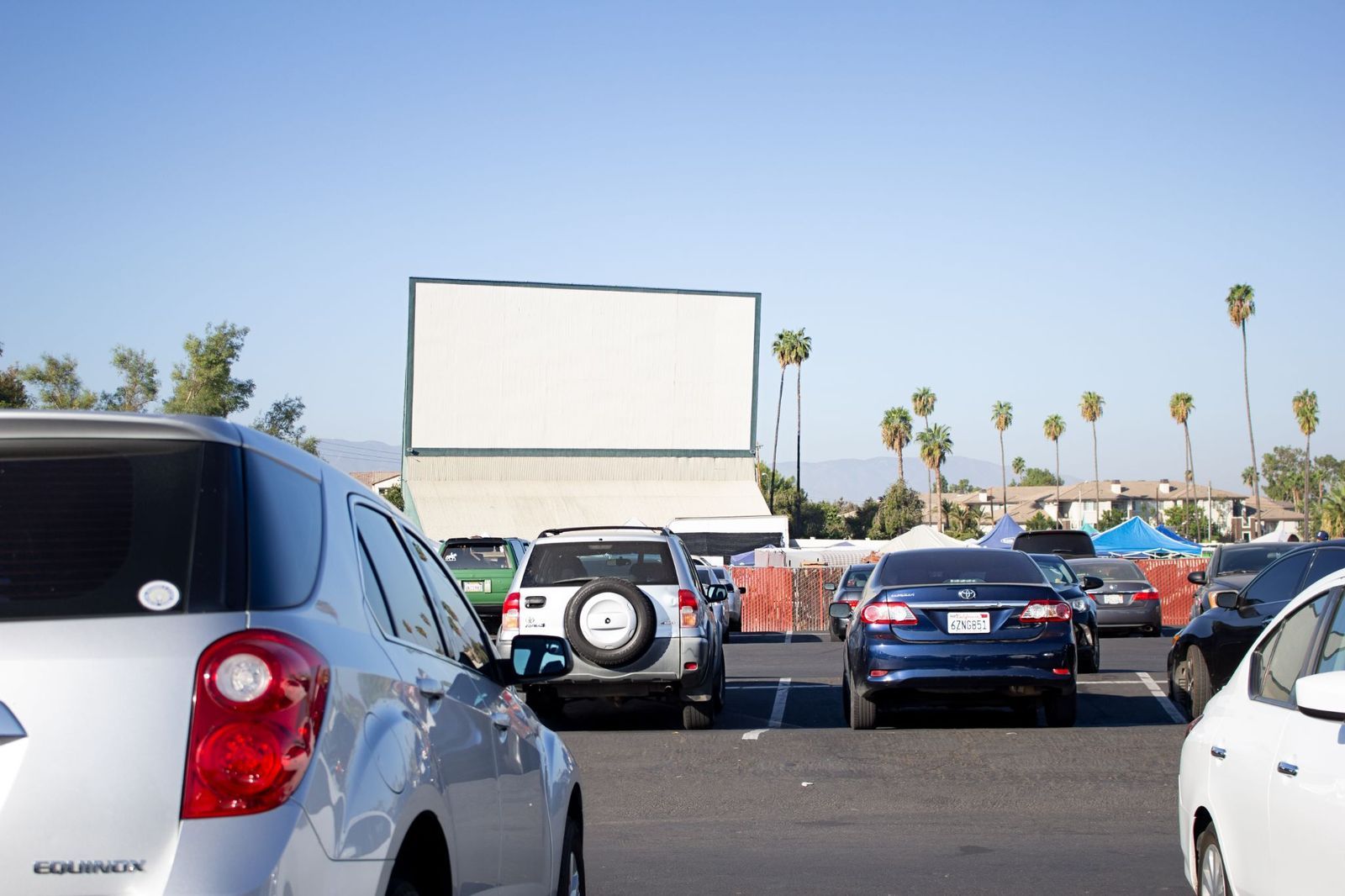
A night at the drive-in was about much more than just watching a movie. Families piled into the car with blankets and snacks, kids often already wearing their pajamas, while teenagers saw it as the perfect date night. It was a kind of movie experience that today’s theaters can’t quite recreate.

But beginning in the 1970s, many drive-ins started disappearing. Growing suburban property values made those huge lots that provided low-cost entertainment harder to maintain, while cable TV and VHS gave families an easier and cheaper option: staying home to watch movies instead. Despite all this, drive-ins didn’t disappear completely. Around 300 are still operating across the country today, including famous spots like Bengies Drive-In Theatre in Middle River, Maryland, home to one of the largest movie screens in America, at 52 feet high by 120 feet wide.

3
Browsing the Sears catalog before Christmas

Image: Mike Kalasnik from Jersey City, USA, CC BY-SA 2.0, via Wikimedia Commons

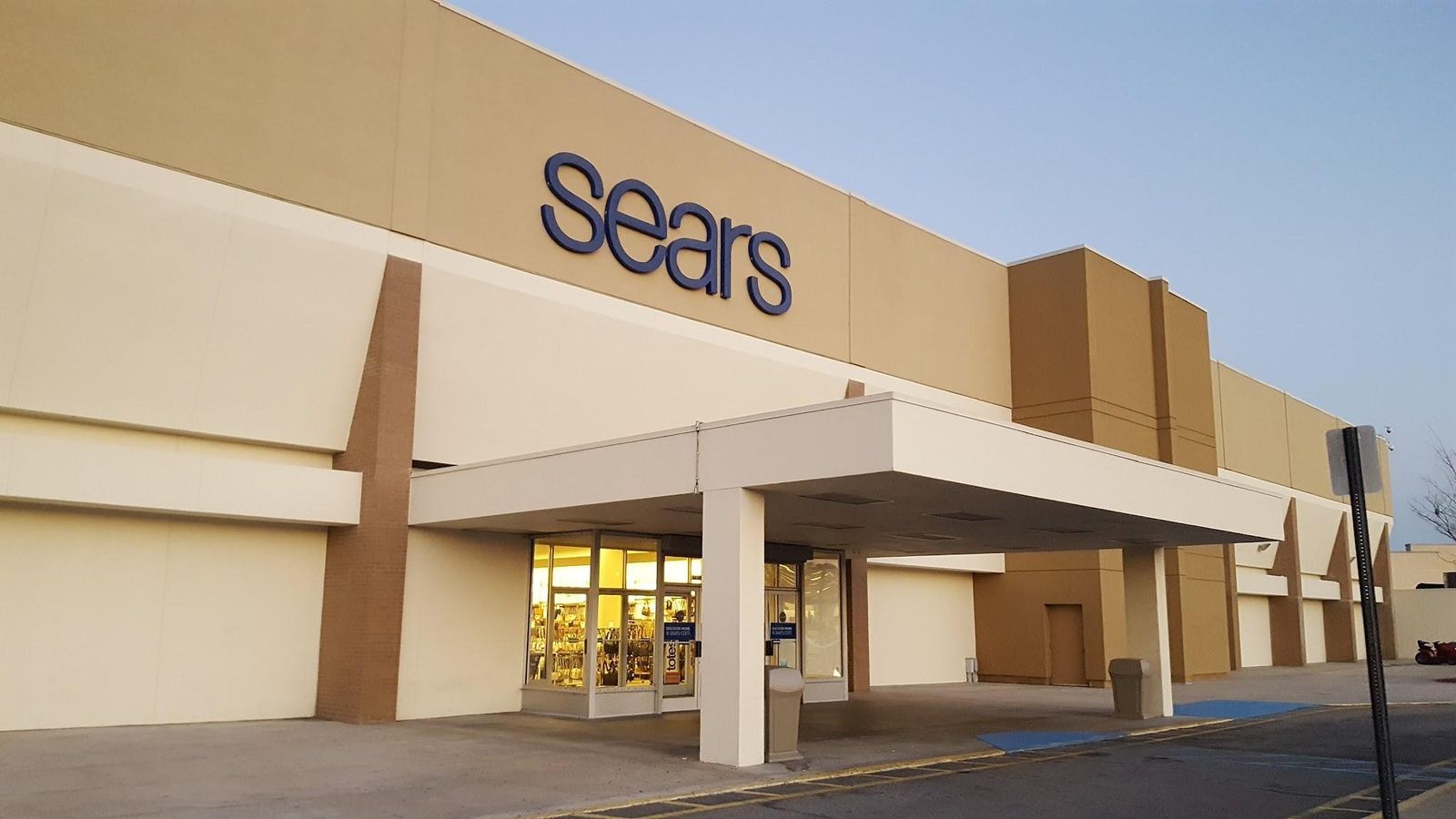
Long before Amazon, we had another way to shop remotely: the famous Sears catalog. For many families, the arrival of the Sears Christmas "Wish Book" was one of the signs that the holiday season had begun.

Kids spent hours flipping through its pages, circling toys they dreamed of, while parents browsed everything from clothes and appliances to tools and furniture. You filled out an order form, mailed in a check, and waited for your package to arrive. First introduced in 1933, the beloved Wish Book remained a holiday tradition for generations, but as online shopping grew and Sears struggled to keep up with changing times, the iconic catalog slowly disappeared before being discontinued in 2011.

4
Larger celebrations

Image: Nadia Valko

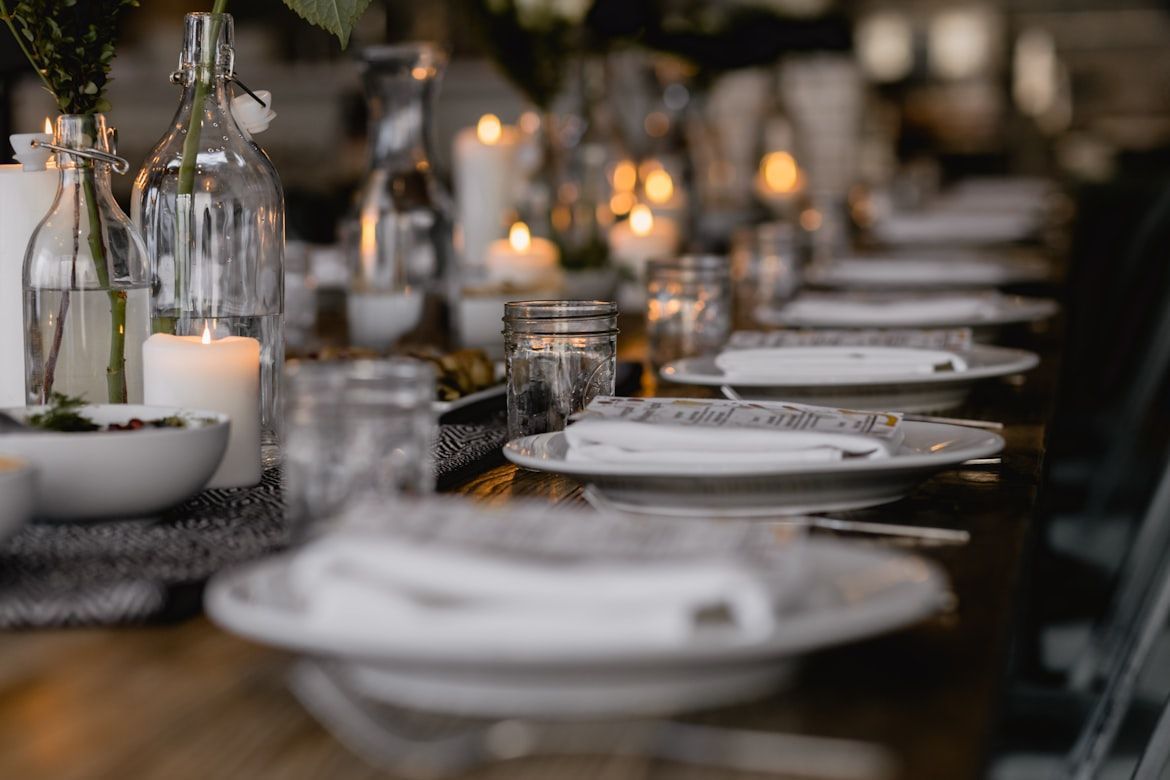
Years ago, holidays like Christmas and Thanksgiving often meant one thing: the whole family gathering in one house. The turkey had to be big enough for everyone, and folding tables appeared out of nowhere for cousins, grandparents, aunts, and uncles.

Holiday gatherings are still an important American tradition, but they are often smaller than they used to be. Today, many families celebrate with only close relatives or a few friends instead of the massive family reunions. And there’s something that explains part of this phenomenon: in earlier generations, these holidays were one of the few chances extended families had to truly reconnect. Long-distance calls were expensive, travel was harder, and there were no video calls to keep everyone in touch year-round. Ironically, even though we were far apart, we actually saw each other in person more often.

5
Waiting for photos to be developed

Image: shutterstock

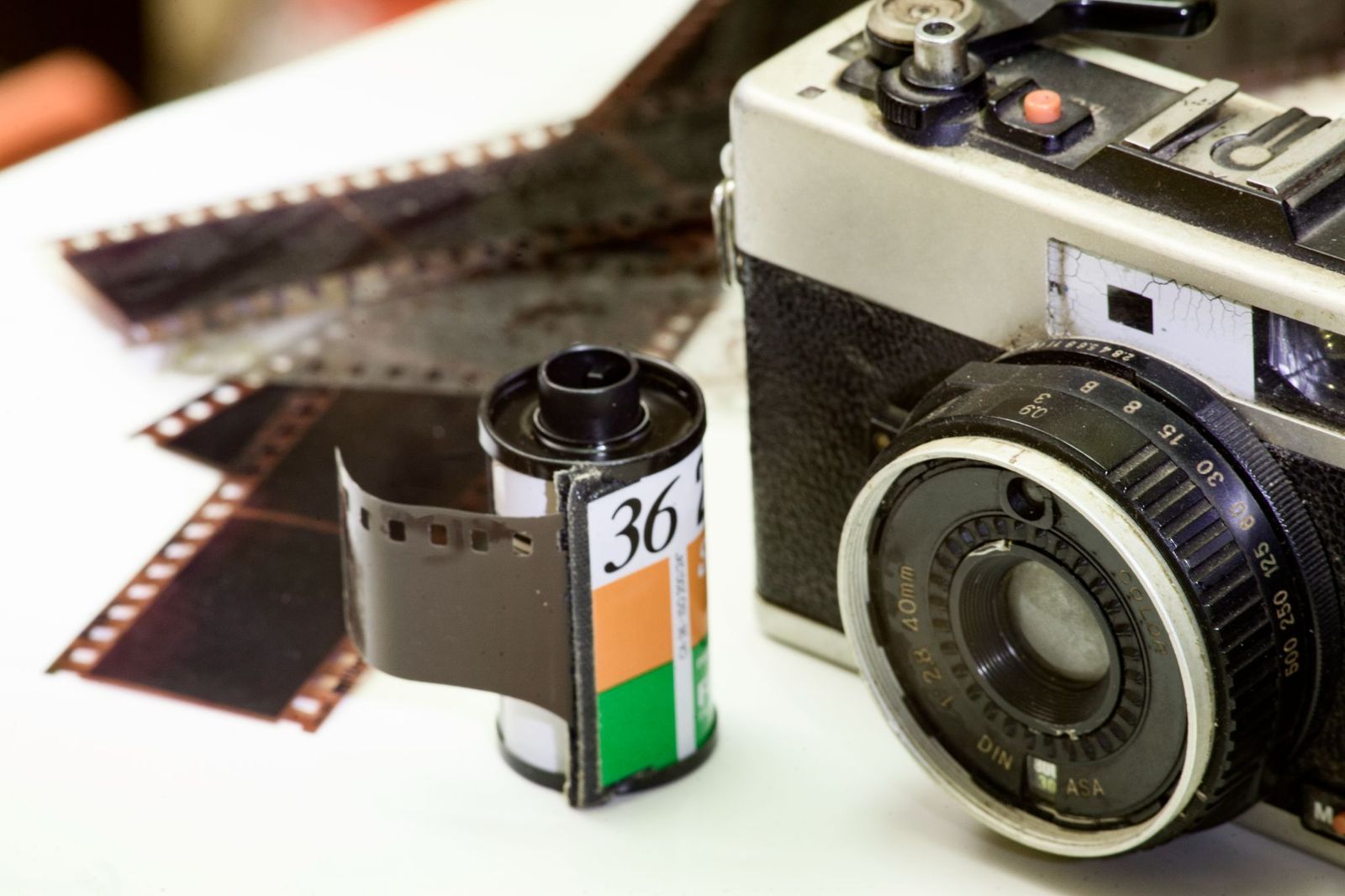
For much of the 20th century, capturing memories meant waiting days, sometimes weeks, for vacation and holiday photos to be developed. And that wait was part of the fun. There was always a little excitement in wondering how the pictures had turned out, along with the surprise of discovering funny or beautiful moments you didn’t even remember capturing.

Those photos didn’t stay buried in a phone gallery; they filled family albums, sat in frames around the house, and became something families pulled out to relive old memories. But beginning in the 1980s, instant cameras like Polaroid and later digital photography slowly changed all that. Today, we can instantly take and keep thousands of pictures, but nothing compares to the analog experience.

6
Popping over to a friend’s house unannounced

Image: shutterstock

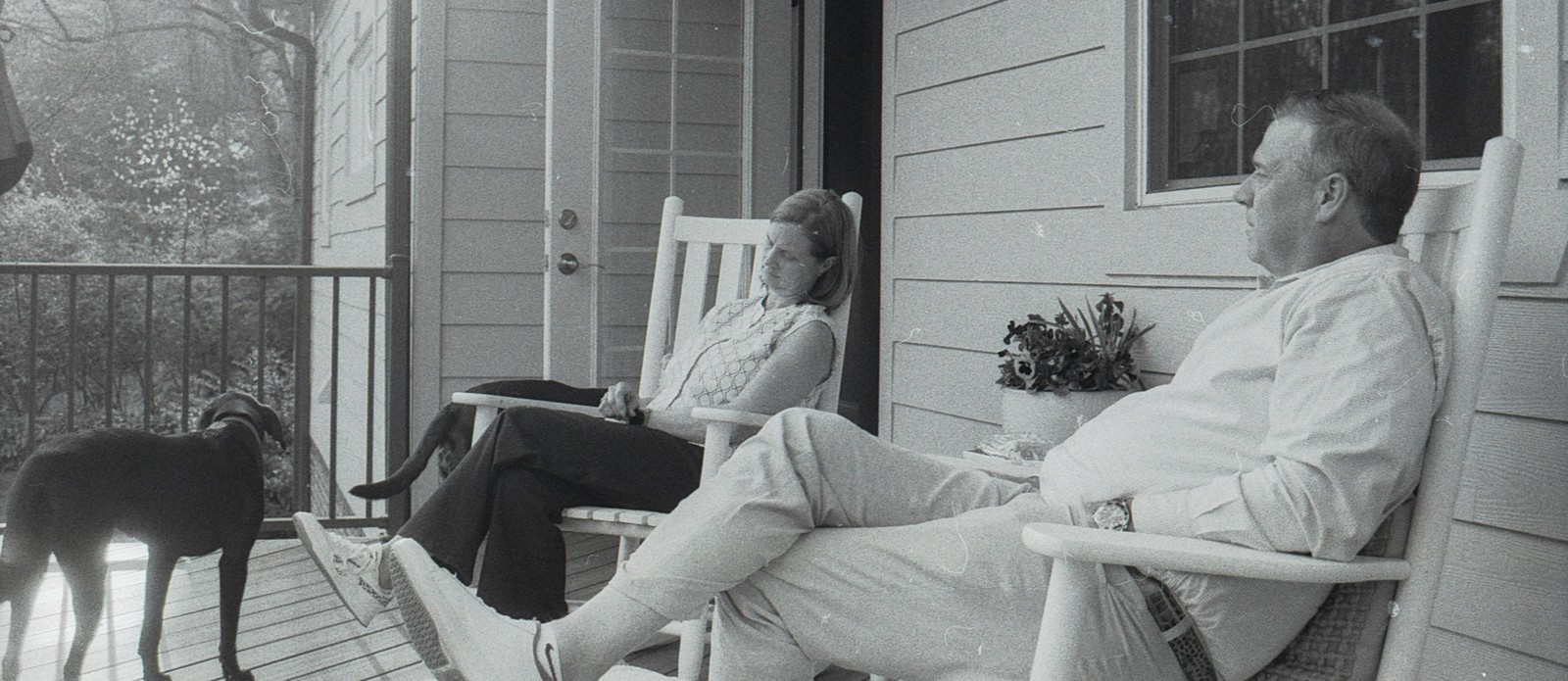
Young people today often wonder how we made plans, checked if friends were home, or stayed connected before cell phones. The answer is as simple as life was back then: people just showed up.

Before texting and instant messaging, it was completely normal to stop by a friend’s or neighbor’s house unannounced, ring the doorbell, and see if they were around. Today, with constant digital communication, that kind of spontaneity has largely faded. Sometimes, showing up without warning is now seen as rude rather than friendly. But in many ways, that shift makes sense: busier schedules and a greater need for privacy have naturally led to a more planned way of life.

7
Sending Christmas cards and holiday postcards

Image: Becky Phan

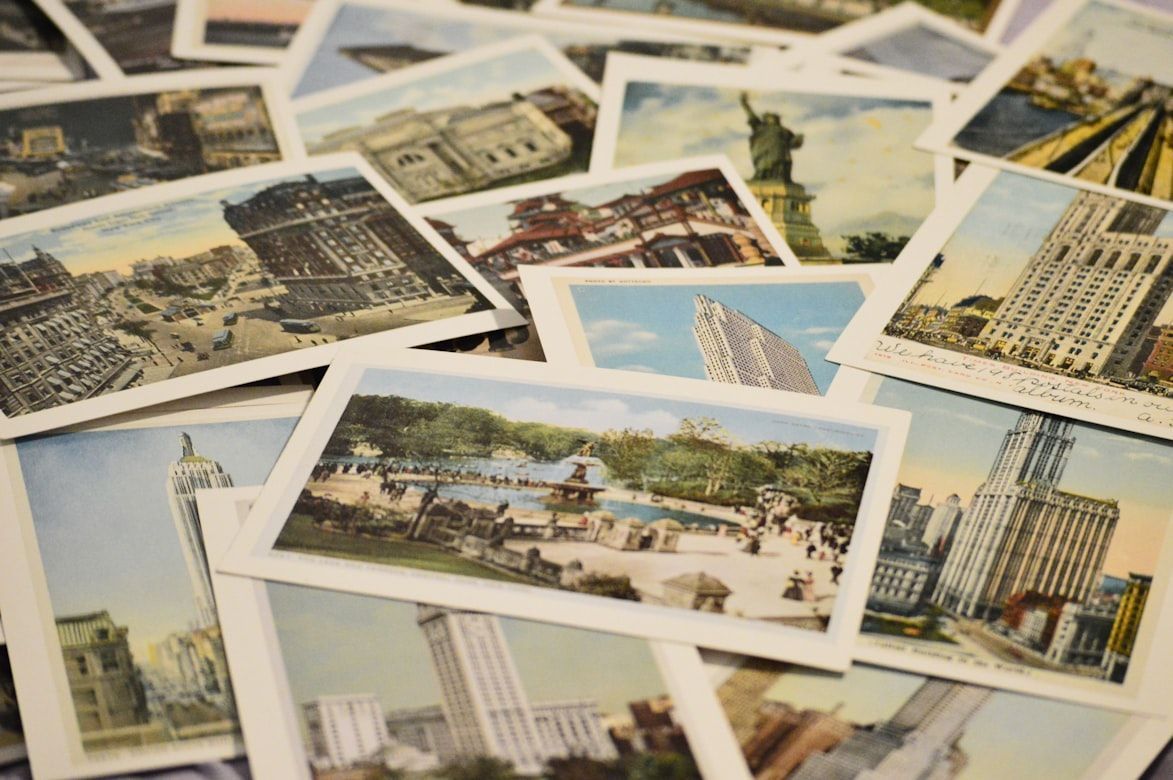
Long before emails, group chats, and social media, sending Christmas cards and postcards was one of the most common ways we stayed connected during the holidays.

Although the tradition began in Britain, it truly took off in the US in the 1870s, thanks in large part to German immigrant Louis Prang, whose beautifully printed Christmas cards became wildly popular across the country. By the early 20th century, mailing holiday cards had become a cherished American tradition, with families eagerly checking the mailbox throughout December. The custom is still alive today, but it is no longer as central to the holiday season as it once was. Even so, we still send an estimated 1.3 to 1.6 billion Christmas and holiday cards every year.

8
Using paper road maps

Image: Tabea Schimpf

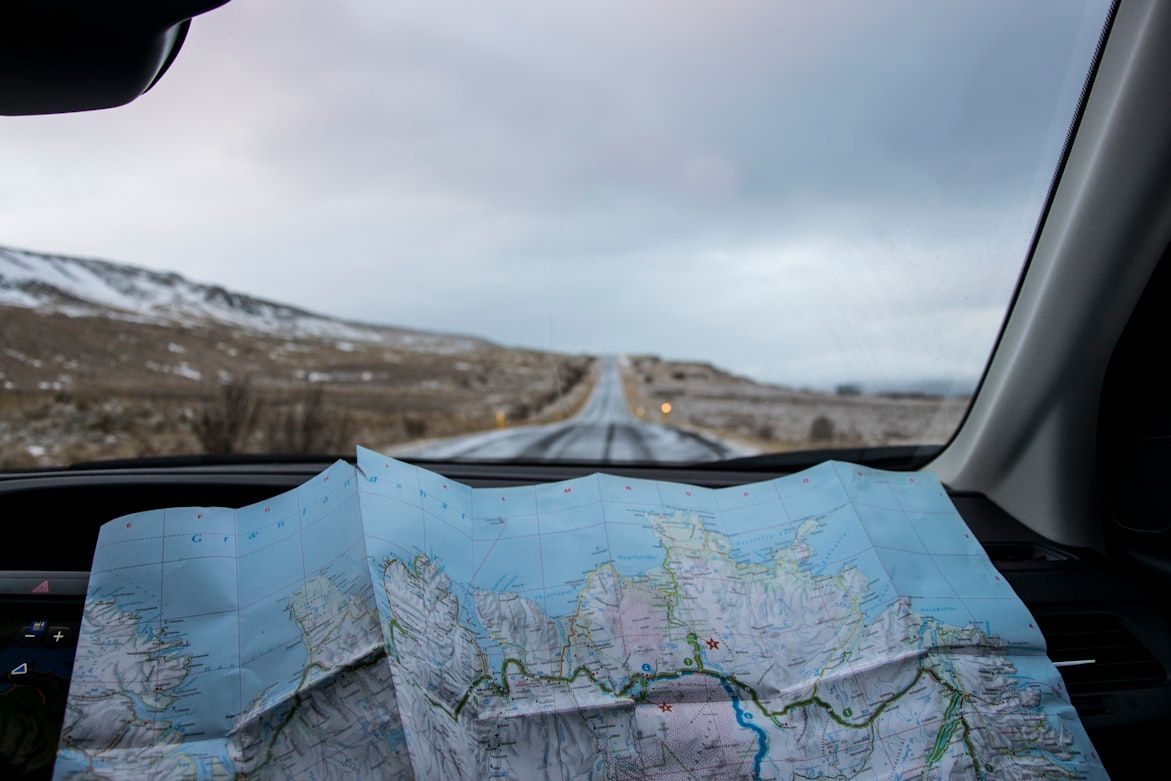
For decades, almost every car had one thing tucked inside the glove compartment: a folded paper road map. Long before GPS and smartphones, knowing how to read a map was a requirement for any traveler.

Gas stations often gave them away for free, and on family road trips, one person usually drove while another tried to follow the route and give directions, sometimes correctly, sometimes not. Getting lost, arguing over the map, and struggling to fold it back up were all part of the experience.

9
Midnight Black Friday shopping

Image: freestocks

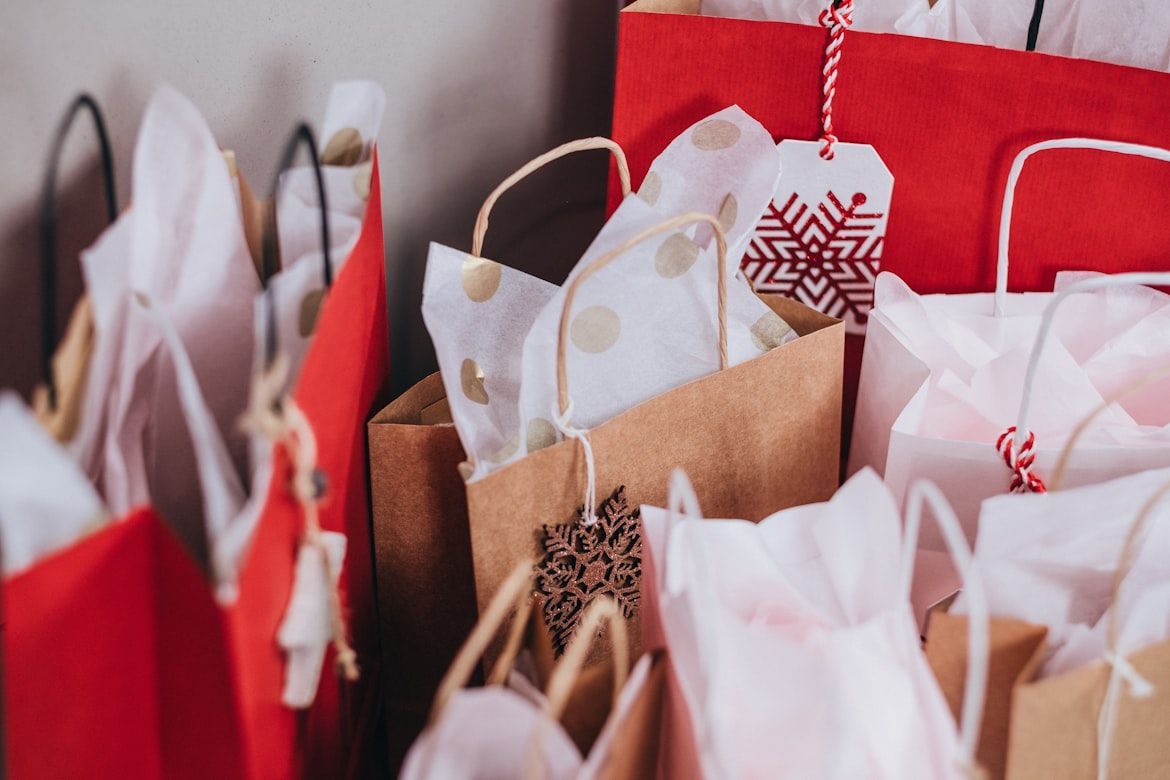
Do you remember when people spent a night outside stores, waiting for the doors to open on Black Friday? As the shopping frenzy grew in the late 2000s, major retailers like Target, Best Buy, and Macy’s pushed their opening hours earlier and earlier, until many stores were opening right at midnight.

Shoppers bundled up in coats, stood in long lines, and rushed through the doors to grab the year’s hottest TVs, toys, and holiday gifts before they sold out. It was chaotic, exhausting, and for many, surprisingly fun. But once online shopping and home delivery became faster and easier, those midnight shopping crowds slowly began to disappear. By the 2010s, the tradition was already fading away.

10
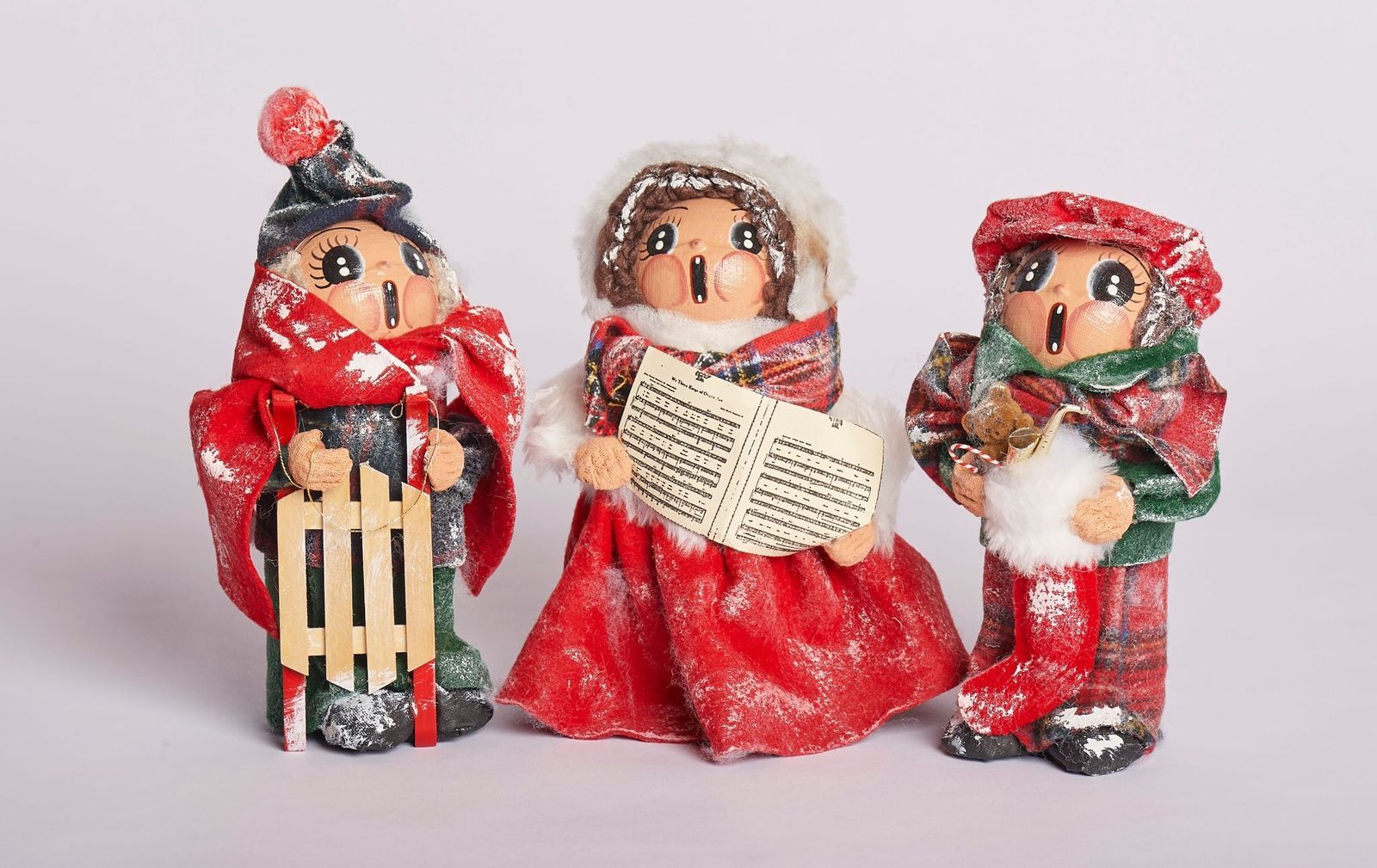
Door-to-door caroling

Image: shutterstock

A few decades ago, opening the door during Christmastime often meant being greeted by neighbors or local groups singing carols. From the late 19th into the early 20th century, caroling was a community tradition, with churches, schools, and neighborhoods organizing routes.

Over time, the tradition began to fade. As cities grew and daily life became more fast-paced, privacy and safety concerns changed how people interacted with their neighbors. Today, door-to-door caroling is much less common, though it still survives in some communities. But America still loves the music: According to the market research company "YouGov," about 75% say they listen to holiday songs or carols at home during the season.

Explore more American facts

Choose your favorite category!

General
General

As American as apple pie—the very best America has to offer!

Culture
Culture

Delve into the astounding richness of American lore.

Geography
Geography

Hop in and explore vast and diverse American landscapes.

History
History

Discover the key moments that shaped the United States.