General General 3 min read

Presidential bill

10 surprising things U.S. presidents actually pay for themselves!
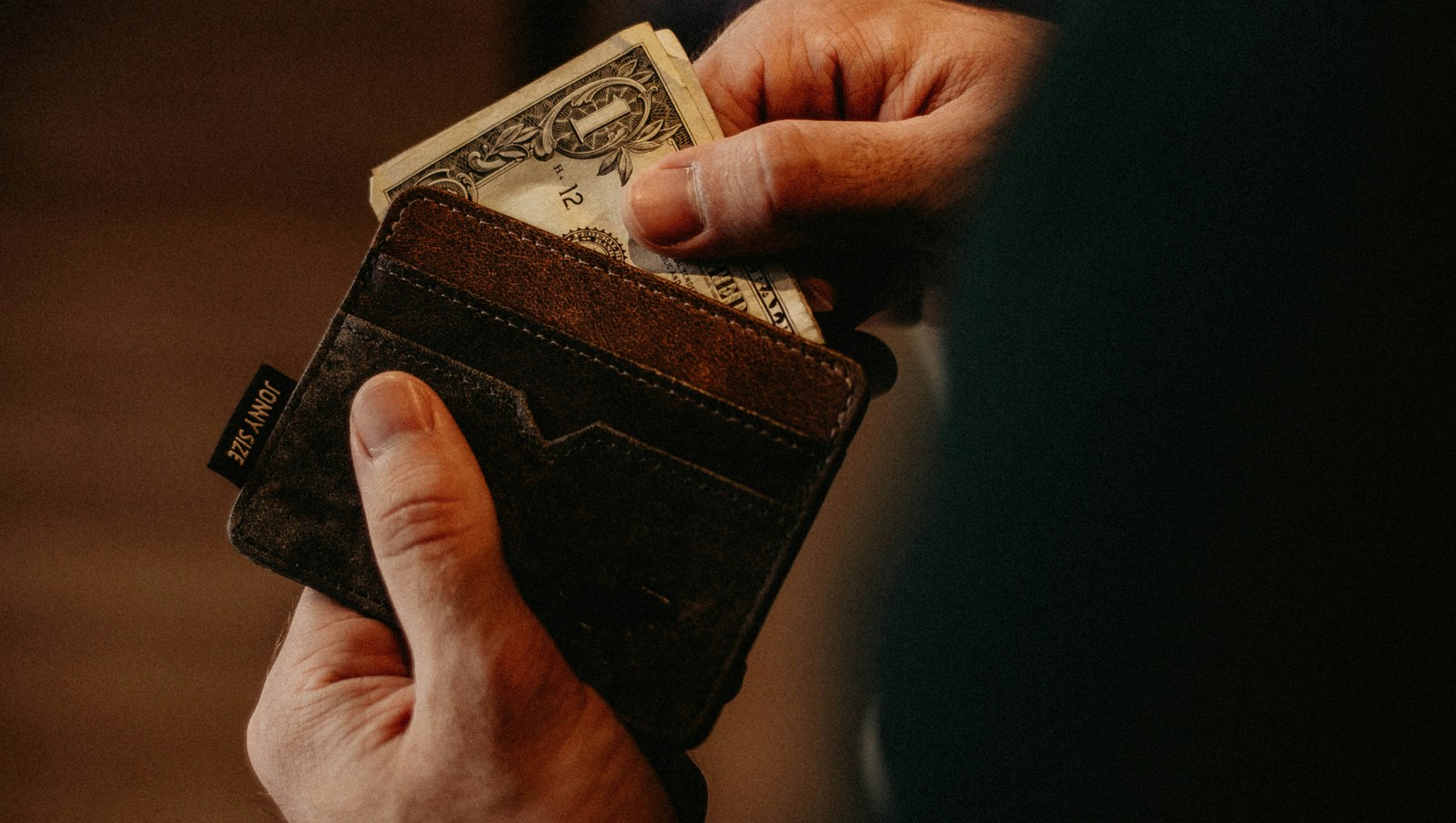
Image: Allef Vinicius

You might think that once someone becomes president, the wallet goes into permanent retirement and everything becomes magically gratis. Think again. U.S. presidents pay for quite a few things out of pocket , and some will definitely surprise you. Here are 10 expenses that even the most powerful person in the country cannot avoid. Which one shocks you the most?

1
Groceries

Image: Maria Lin Kim

Sure, the kitchen is massive, and the chef is part of the deal. But when a new First Family moves into the White House, the fridge is not stocked. The President and their family pay for their own food, just like the rest of us. Former First Lady Michelle Obama confirmed it herself. No rent, sure, but groceries are their responsibility. Fair is fair, right?

2
Interior decorations
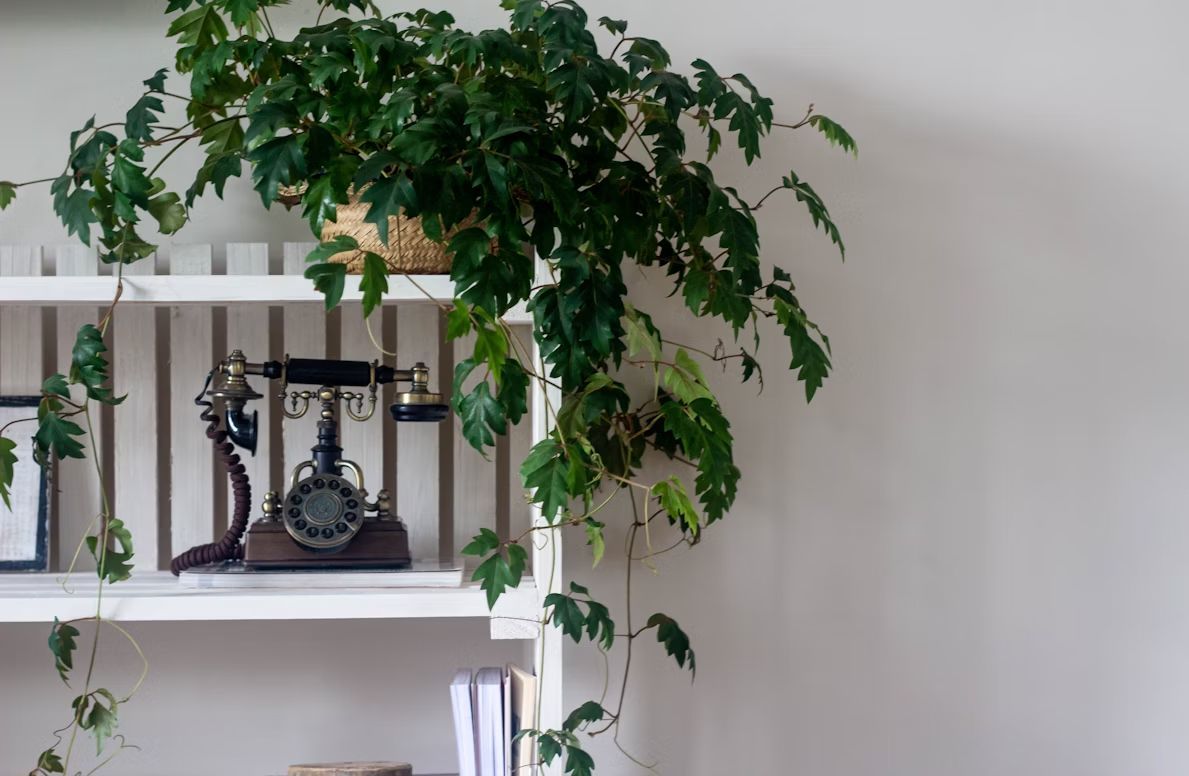
Image: Lucas de Moura

The White House has its official historic look, but every family wants to make it feel like home. Artwork, new drapes, or a different couch are all allowed, but none of it goes on the government’s tab. If the First Family wants it, they buy it.

3
Personal homes

Image: Patrick Perkins

Even though 1600 Pennsylvania Avenue is home base for four or eight years, the president still owns their personal home . All the upkeep, bills, and maintenance back home stay their responsibility.

4
Designer clothing
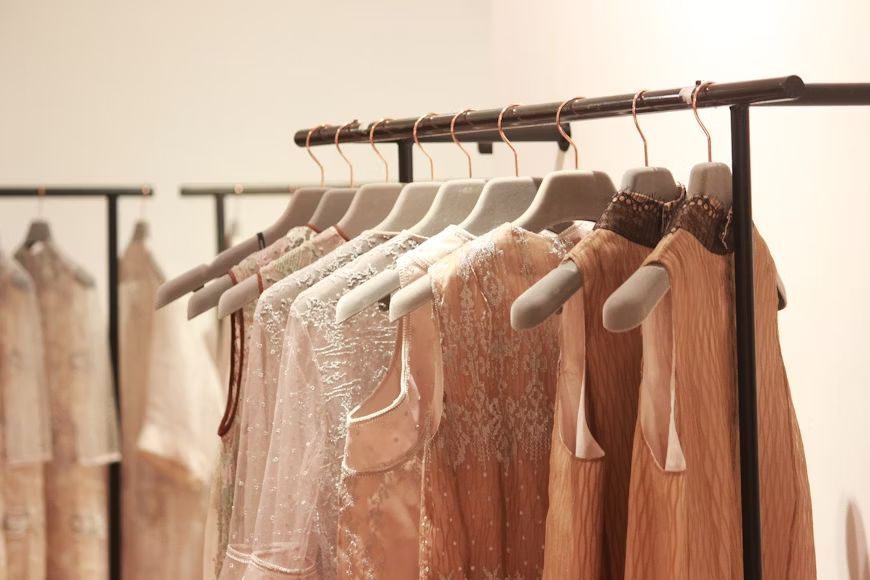
Image: Highlight ID

You might assume designers line up to dress presidents and first ladies for free. Not so. Any clothing they wear, whether off the rack or high fashion, comes out of their own funds . Sometimes designers lend outfits, but any fashion bills are never part of the White House budget.

5
Dry cleaning
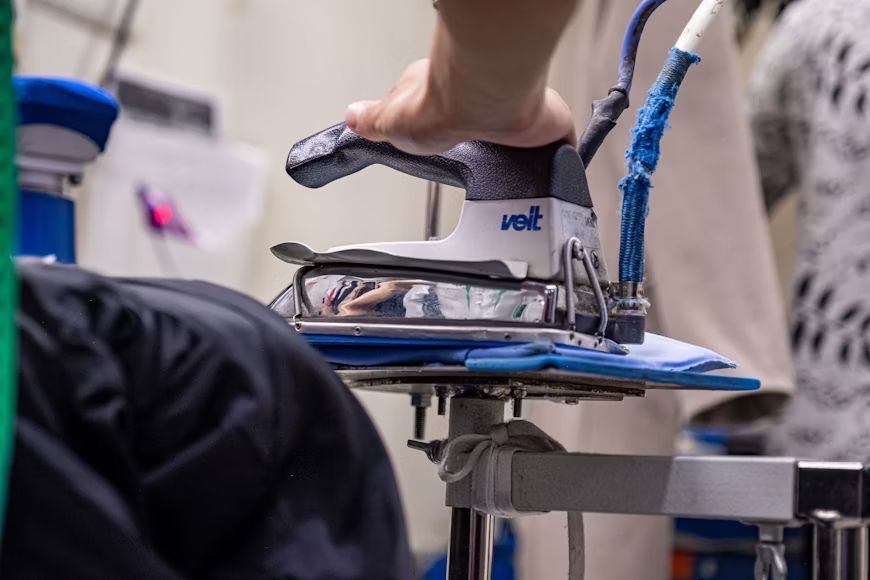
Image: Anton Savinov

And speaking of clothing, special garments don’t clean themselves. While the White House has its own laundry, t he president and family pay for dry cleaning of personal items . Those designer suits and gowns come with a personal laundry tab.

6
Hairstylists
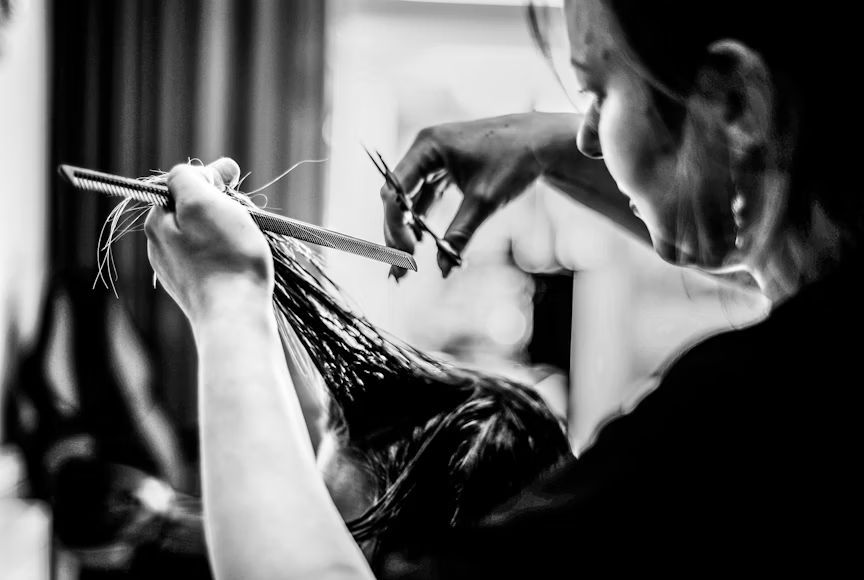
Image: Gabriela

Just like designer clothes, everything related to the First Family’s personal grooming is billed to them . When you’re photographed daily, hair matters. But those stylists? They’re not government employees. Every trim, blowout, and touch-up is paid for privately by the First Family.

7
Vacations and accommodations
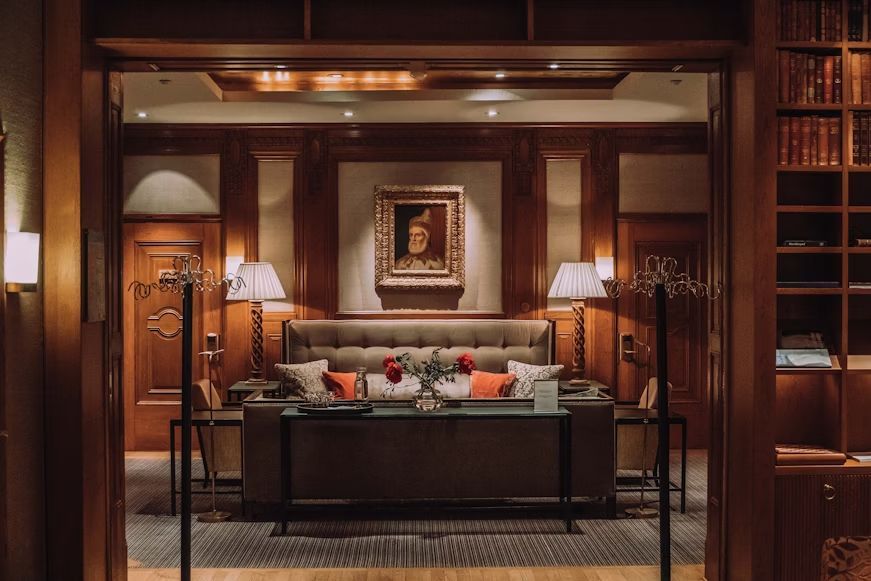
Image: Rod Long

Yes, even presidents need a break. When the First Family travels on personal vacations, they foot the bill for their own lodging, food, and fun. Transport and security are covered, but hotels, dinners, and souvenirs? That’s on them.

8
Private events outside the White House
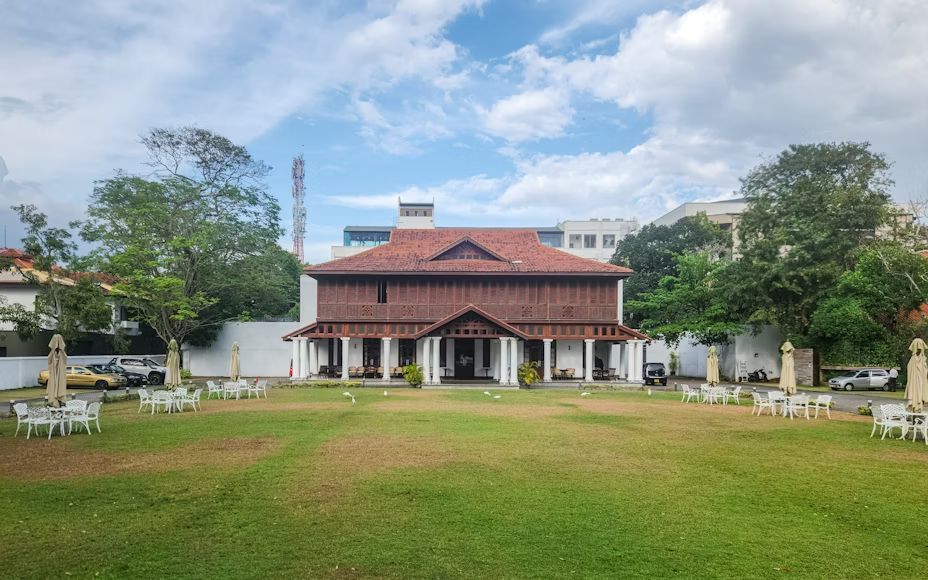
Image: Zoshua Colah

Presidents don’t exactly get to do whatever they please, but if they plan a private dinner or event away from official grounds , they’re responsible for the costs. No taxpayer-funded parties here.

9
Private staff
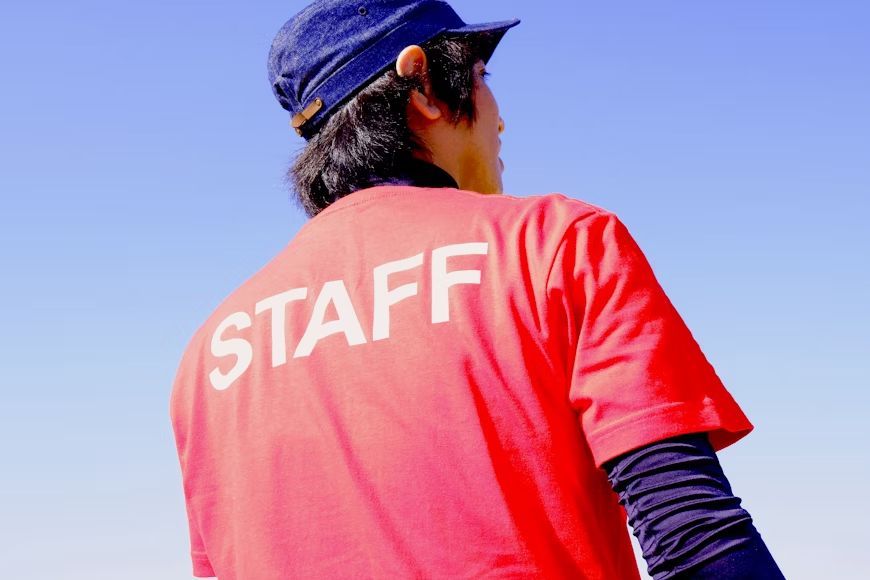
Image: DuoNguyen

On a similar note, whenever extra waiters, musicians, or planners for a private gathering in the White House are needed, those staff members are hired and paid by the First Family directly. Throwing a soiree at the Executive Mansion might sound glamorous, but the bill lands squarely in their own inbox.

10
Gifts for other dignitaries
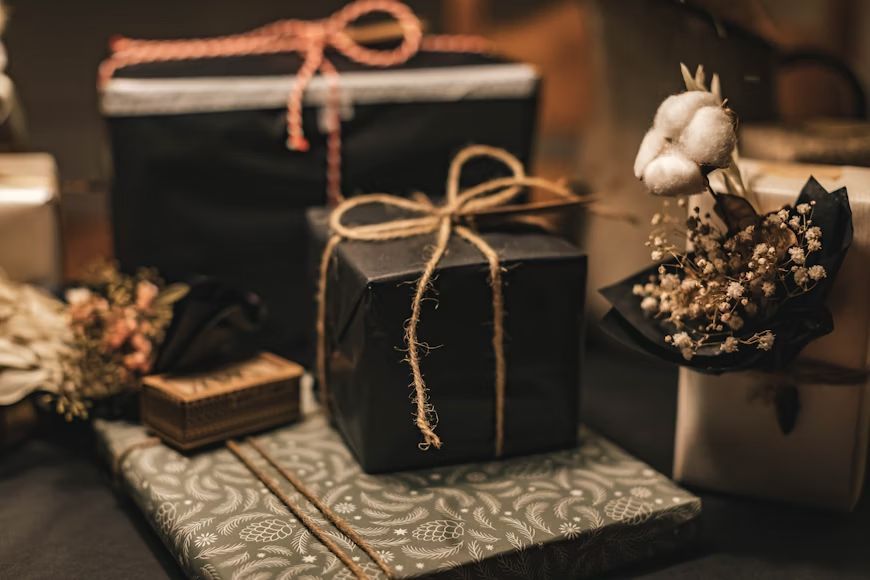
Image: Nina Mercado

Diplomatic gifts are a tradition, and there’s even a special office that helps choose the perfect item for each foreign leader. Depending on the gift and especially if it’s a personal one, the President may have to pay for it themselves. As long as it is diplomatic, the Government pays for it, but if the gift is based on a personal relationship, that comes out of the Chief’s pocket.
History History 3 min read

How much would you pay?

The weirdest things ever sold at auction—and how much they went for

Image: Towfiqu barbhuiya

Sure, we can all understand why people bid high sums for historical artifacts or invaluable pieces of art. But would you pay any money, let alone millions of dollars, for a $20 note, a regular banana, or a grilled cheese sandwich? It would depend on the context, of course! Here, we’ll dive into the stories of very odd objects and how they sold for outrageous amounts.

1
Banana duct‑taped to a wall

Image: Ussama Azam

The world was shocked in 2024 when an infamous piece consisting of a banana stuck to a wall via a piece of tape was sold… for $6.24 million !

The buyer was Justin Sun, a crypto mogul who saw it as a powerful statement of art and cryptocurrency culture. It was the certificate of authenticity he cared for, not the fruit itself.

2
Britney Spears’ chewing gum

Image: Markus Spiske

Pop stars do drive their fans crazy. Apparently, people are willing to pay any sum for anything they allegedly touched. That was made sufficiently clear when a piece of chewing gum, reportedly chewed by Britney Spears , sold on eBay for $14,000.

3
A Virgin Mary grilled cheese sandwich

Image: engin akyurt

You might remember this story spreading through the internet many years ago. In 2004, a grilled cheese sandwich became famous because someone noticed, halfway through eating it, that it bore the burnt image of the Virgin Mary .

GoldenPalace.com, an online casino notorious for quirky purchases, bought it on eBay for $28,000.

4
Princess Diana’s sweatshirt

Image: Provincial Archives of Alberta

How much would you pay for a fleece sweatshirt worn by beloved Princess Diana ? In an auction held in Beverly Hills in 2025, a buyer paid $221,000 for it. The sale of several of her old belongings totaled around $5 million.

5
A ghost town

Image: Pascal Bernardon

A ghost town named Buford, Wyoming, was sold for $900,000 in 2012. Its population was one person, and it was nicknamed "the smallest town in America."

The winning bidder was Vietnamese entrepreneur Pham Dinh Nguyen, who purchased the 10-acre hamlet to launch PhinDeli Coffee. It might have all been a very expensive marketing stunt.

6
Wallace Hartley’s Titanic violin

Image: Kin Li

A relic from the Titanic’s fateful maiden voyage fetched a remarkable $1.7 million in 2013. It was the violin that belonged to bandleader Wallace Hartley , who famously played music to calm passengers as the ship sank.

This one is not an odd object, but it shows how much value a well-told story can add!

7
Darth Vader’s mask

Image: Matthew Ball

Darth Vader’s original screen-worn helmet sold for around $1 million. The iconic mask came up for auction along with several other Star Wars treasures, each piece triggering nostalgic gasps among wealthy fans. Of all the memorabilia sold, this one fetched the highest price .

8
Olivia Newton-John’s jacket and pants from Grease

Image: Anna Evans

In a Beverly Hills auction, Olivia Newton-John’s iconic black jacket and pants from the legendary film Grease sold for a cool $405,700. The dark uniform represented the rebellious transformation of her character, Sandy Olsson. Pop culture and movie magic combined!

9
The "Del Monte Note"

Image: Giorgio Trovato

Back in 2003, a curious item known as the "Del Monte note" sold on eBay for $10,100. It was a piece of currency featuring a rare, collectible Del Monte label, famous for its canned fruits and vegetables.

What made it stand out was the mystery surrounding the random tag, which intrigued collectors. Another example of an inflated myth summoning a fortune!

10
Lincoln’s last gloves

Image: Kelli Dougal

Dark and gory. In 2025, a pair of white leather gloves worn by Abraham Lincoln the night he was assassinated at Ford’s Theatre, sold for $1.52 million at a Chicago auction.

The gloves were the top lot among 144 items aimed at helping the Lincoln Presidential Foundation repay an $8 million loan.

History History 6 min read

Out with the new, in with the old

Would you sit on a flagpole? 10 American fads from the early 20th Century

Image: Ali Bakhtiari

The early 20th century was a wild time in America, and the fads that swept across the nation were just as colorful and curious as the era itself. The world was changing for sure and teens had to find new ways to have fun and adapt to the evolving times. From that came some of the weirdest trends, and today we’re taking a look back at ten of the most popular fads that shaped the first half of the 20th century. You might even remember a few of these yourself, or perhaps you’ve heard stories from the "good old days." Let’s dive into these blasts from the past!

1
Dance marathons

Image: Ardian Lumi

Dancing has always been a praised activity for having some fun and passing the time. It’s simple and requires nothing but a music-playing device. So, back in the ‘20s, people felt the need to find a new twist for this basic entertainment and so they thought making dance marathons was a great idea.

How did they work? The concept was as simple as dancing: Couples would compete to see who could dance the longest all for a shot at cash prizes. But we’re not talking hours here—the contest could last for days! Audiences watched in fascination (and a bit of morbid curiosity, we might add) as exhausted dancers pushed their bodies to the limit. Remember, this was a time when missing out on a chance for quick money and a bit of fun was not a possibility!

2
Flagpole sitting

Image: Jonathan Simcoe

We don’t know if he was trying to break a record or if he just needed some alone time, but after Alvin "Shipwreck" Kelly climbed atop a flagpole in 1924 and stayed there for over 13 hours, a new fad was born: flagpole sitting.

And speaking of basic trends, this is exactly as you read it: People all over America were climbing up and sitting on flagpoles to see how long they could stay up there. We can all agree that these people were after entertainment and a bit of competition. And it got so serious the record eventually stretched to an astonishing 49 days!

By the 1930s, though, the thrill wore off and the fad faded, but the absurdity of it all remains—and earned it a spot on this list!

3
Stickball and stoopball

Image: Jeremy Stewardson

Sports today are no longer just about playing the game. For most of them, you need a lot of equipment, which is rather expensive, especially if you’re going to use it in the streets with your friends from the block.

Back in the ‘20s, baseball equipment was hard to come by. As a result, American kids in crowded urban areas came up with their own inventive versions of the game: stickball and stoopball. The fun behind this trend? Using whatever they had on hand to play: Broomsticks for bats, rubber balls, and parked cars or stoops as bases. The games required nothing more than creativity and a few friends. And no one can deny—the 1920s were indeed a creative time!

4
Johnny on a pony

Image: freestocks

This is a trend that started in the 1940s, and the names used for this game are simply hilarious: "Strong horses, weak donkeys," "Hunch, Cuddy, Hunch," just to name a few.

Johnny on a Pony, or Buck Buck, was a rough-and-tumble game in which one team bent over to form a "horse" while the other team took turns jumping on their backs, trying to knock them over .

You may think this was innocent, but not quite—it was chaotic, sometimes painful, and, more often than not, left participants in a pile of tangled limbs.

Kids do not care for those things, but the game’s physical nature made it exhilarating and dangerous at the same time. That’s why, eventually, concerned parents and schools stepped in and banned it—one too many injuries to keep it going!

5
Drive-In movie theaters

Image: Tim Mossholder

Movie theaters are great, but drive-in movie theaters are even better—they were the ultimate fusion of America’s love for cars and entertainment.

The first official drive-in theater opened in 1933, and it was an alternative for families to a fun and affordable night out under the night sky, watching a movie from the comfort of their car . No wonder this quickly became a beloved American pastime. And you can already imagine whose favorite this was: Teens and young couples, who enjoyed the privacy of their cars while watching the latest films of the time.

The trend slowly faded as film rentals became more popular, and later with the rise of streaming platforms. However, keep an eye out for this one, because it’s definitely making a comeback!

6
Miniature golf

Image: Will Porada

Some may argue that the fad behind miniature golf never actually died, and that’s partially true. But let’s go back to the time it first appeared and all the craze that erupted around it.

It wasn’t until Garnet Carter opened his "Tom Thumb" golf course in 1927 that miniature golf became a true sensation . Located in Lookout Mountain, Tennessee, Carter’s course wasn’t just about putting greens; it also featured miniature goblins, gnomes, and other fun obstacles for players.

We don’t know if he knew this would be so successful, but Carter went all in: He patented the design, and it hit the jackpot—miniature golf became a nationwide success.

7
Hood ornaments

Image: Clem Onojeghuo

Funny thing about the past: You didn’t always need to be extravagant to be trendy—sometimes, just a tiny ornament on your car was enough.

In the 1920s and ‘30s, no car was complete without a stylish hood ornament adorning its radiator . At first, these ornaments were designed to check on the engine temperature. But they soon evolved into artistic expressions of each brand to showcase wealth and personality.

We all recognize the winged goddess or the jaguar jumping out of the car, right?

However, this trend didn’t last long. As car designs modernized and safety became a concern, hood ornaments became less common, and eventually, all but disappeared. If you see a car with one of these today, you can bet it’s worth more than one can get in a lifetime!

8
Kilroy was here

Image: Richard Cohrs

There are two generations: One is looking for Waldo, and the other is looking for Kilroy. Which one do you belong to? Now, if you’re wondering who Kilroy is, let us tell you.

Kilroy was a doodle, and the complete drawing consisted of Kilroy and a message that read "Kilroy Was Here." This graffiti popped up just about everywhere during World War II.

The doodle, featuring a bald, long-nosed figure peeking over a wall, was a symbol of American presence and humor. It’s said that Kilroy was originally the work of James J. Kilroy, a shipyard inspector who scrawled it on equipment he inspected.

But that was just the beginning—the drawing spread to every corner of the globe. Have you ever come across one?

9
Swing dancing

Image: Clarisse Meyer

Few things are as time-sensitive and culturally reflective of an era, don’t you think? In the early 20th century, specifically during the 1920s and 1930s, the dance that dominated every dance floor was swing . And it makes perfect sense—this was the Jazz Age, so swing dancing perfectly matched the exuberance of that music!

Dances like the Lindy Hop, Charleston, and Jitterbug took over dance halls, with young people spinning, jumping, and flipping to the infectious rhythm of big bands.

Older generations sometimes frowned upon the flashy, intimate dance styles, but that only made them more appealing to rebellious youth. Some things never change!

10
Stamp collecting

Image: Tolga deniz Aran

Philately is the collection of stamps or the study of them, and it became a fad across the United States during the 1920s and the ‘30s. Why? Here is the reason.

Stamps offered people a way to explore history, geography, and art. They were everyday items, easy to access, and nobody could escape them. For example, President Franklin D. Roosevelt was an avid stamp collector. Not that he needed them to learn about history or art—it was just a way to have fun.

Contrary to other trends we have discussed, schools encouraged this hobby, because it was both educational and enjoyable. Collecting stuff is a never-ending trend; there are all kinds of collections today and stamp collections today are almost invaluable!

Explore more American facts

Choose your favorite category!

General
General

As American as apple pie—the very best America has to offer!

Culture
Culture

Delve into the astounding richness of American lore.

Geography
Geography

Hop in and explore vast and diverse American landscapes.

History
History

Discover the key moments that shaped the United States.