Geography Geography 3 min read

NYC uncovered

Which NYC building has a secret train platform beneath? Find out here!
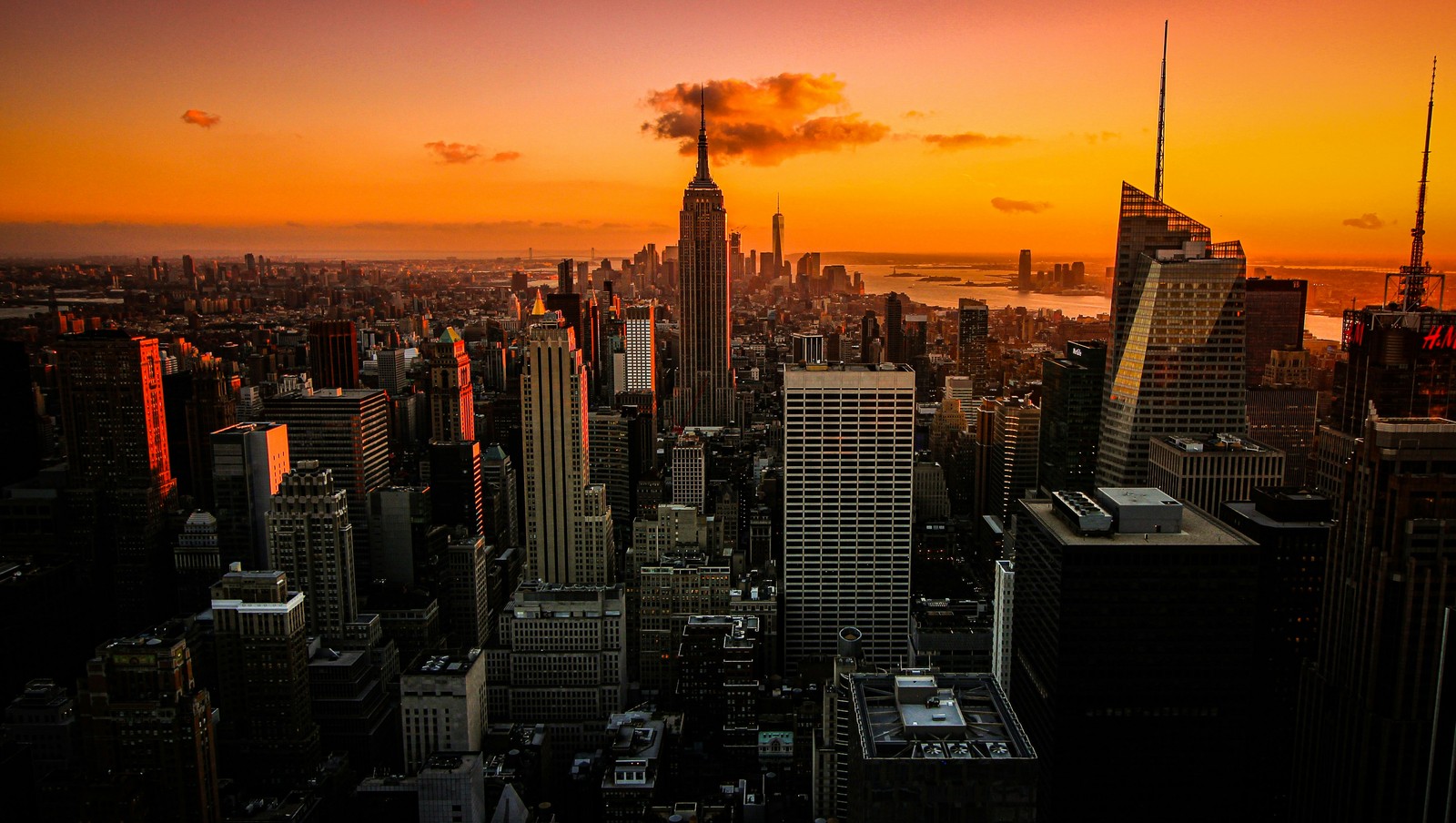
Image: Florian Wehde

New York City has been written about, filmed, sung about, and argued over for generations. Yet even people who love it and even live there are often surprised by what they do not know. Behind the busy streets and famous landmarks, lots of stories explain how this city grew, who shaped it, and why it continues to feel larger than life. Get ready to get the NYC facts right!

1
New York City population
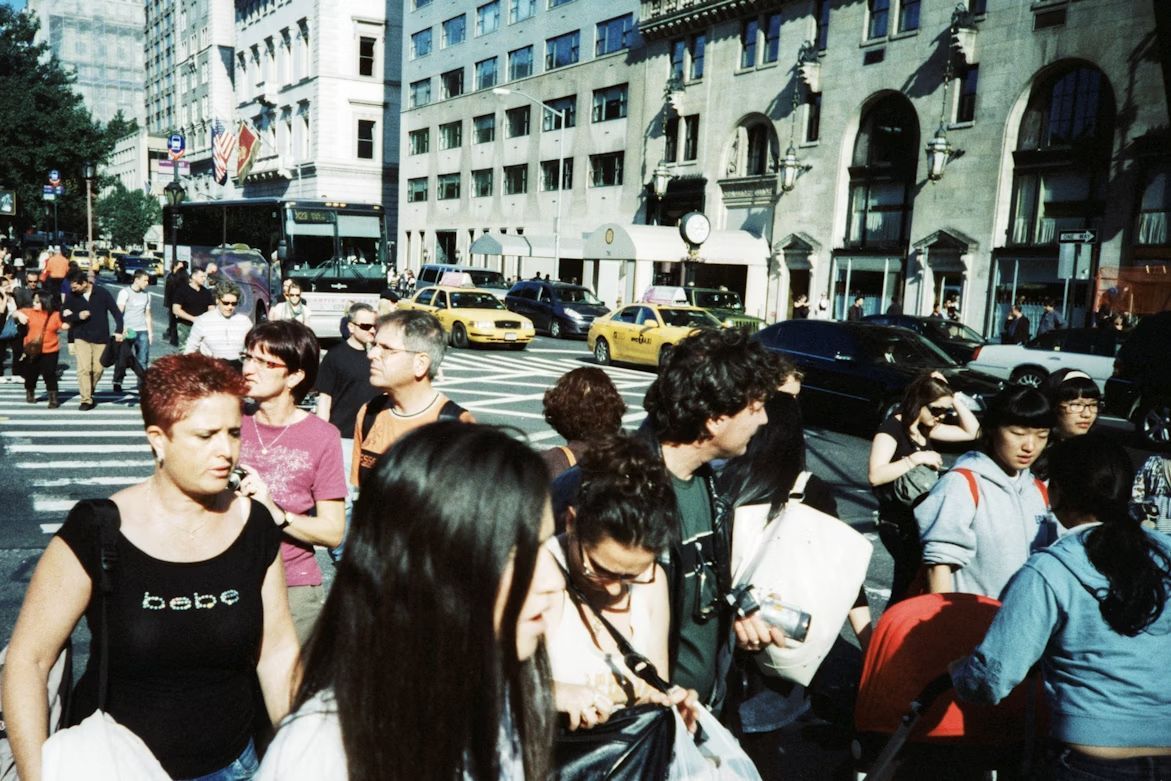
Image: Scott Evans

More than eight million people call New York City home. That means roughly one out of every 38 Americans lives within its five boroughs. It helps explain why the city feels endlessly busy and why every neighborhood seems to have its own rhythm, personality, and pace. The City that Never Sleeps feels like the right nickname, right?

2
Languages spoken
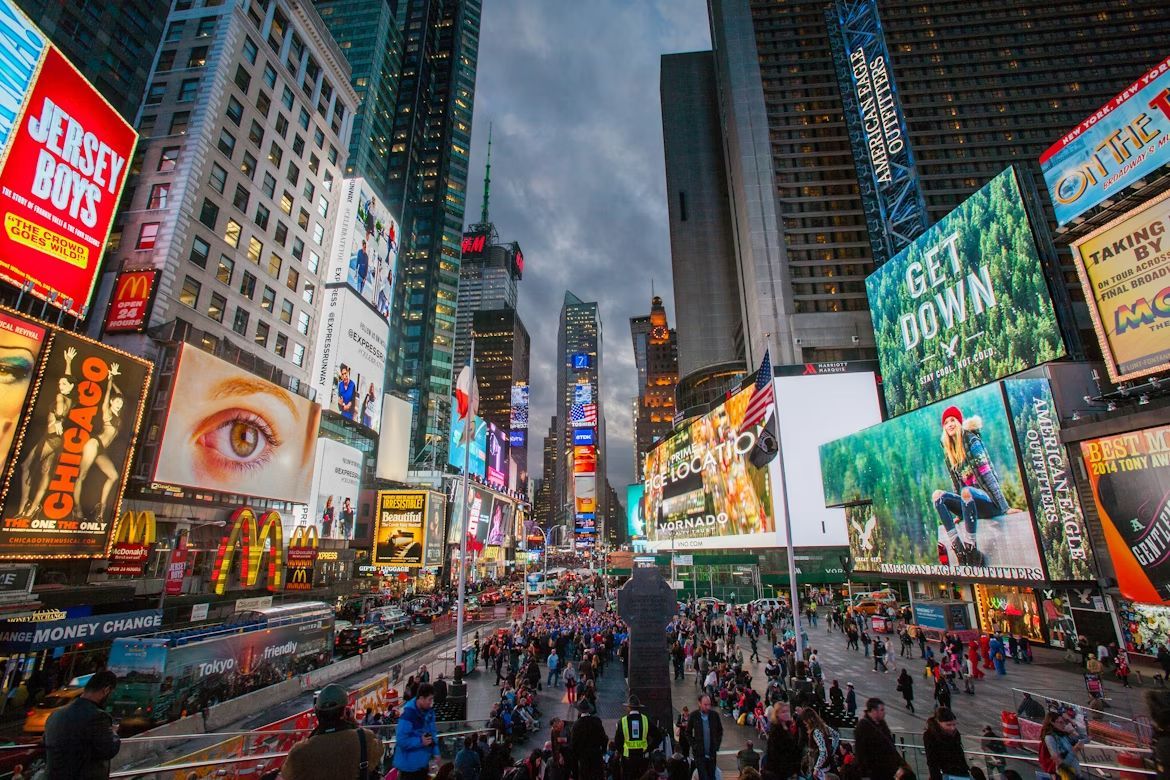
Image: James Ting

New York City is the most linguistically diverse city on Earth. More than 800 languages are spoken here, and about four in ten households use a language other than English at home. Wanna feel like you’ve travelled across every continent? Walk down a city block and you will!

3
Statue of Liberty
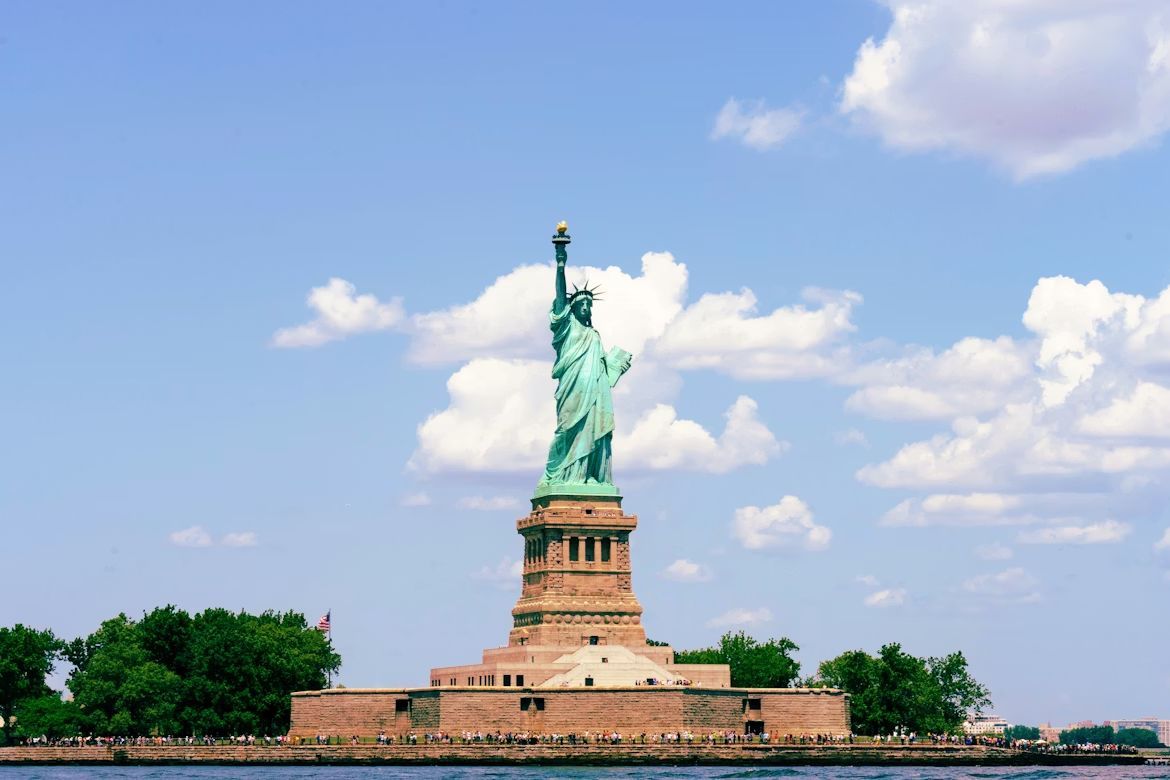
Image: Avi Werde

The Statue of Liberty arrived from France as a gift celebrating American independence. She did not come in one piece. Instead, the statue arrived in 214 crates, each containing 350 separate parts, and took four months to assembl e. Even symbols of freedom sometimes require instructions, you know?

4
Federal Reserve Bank gold vault
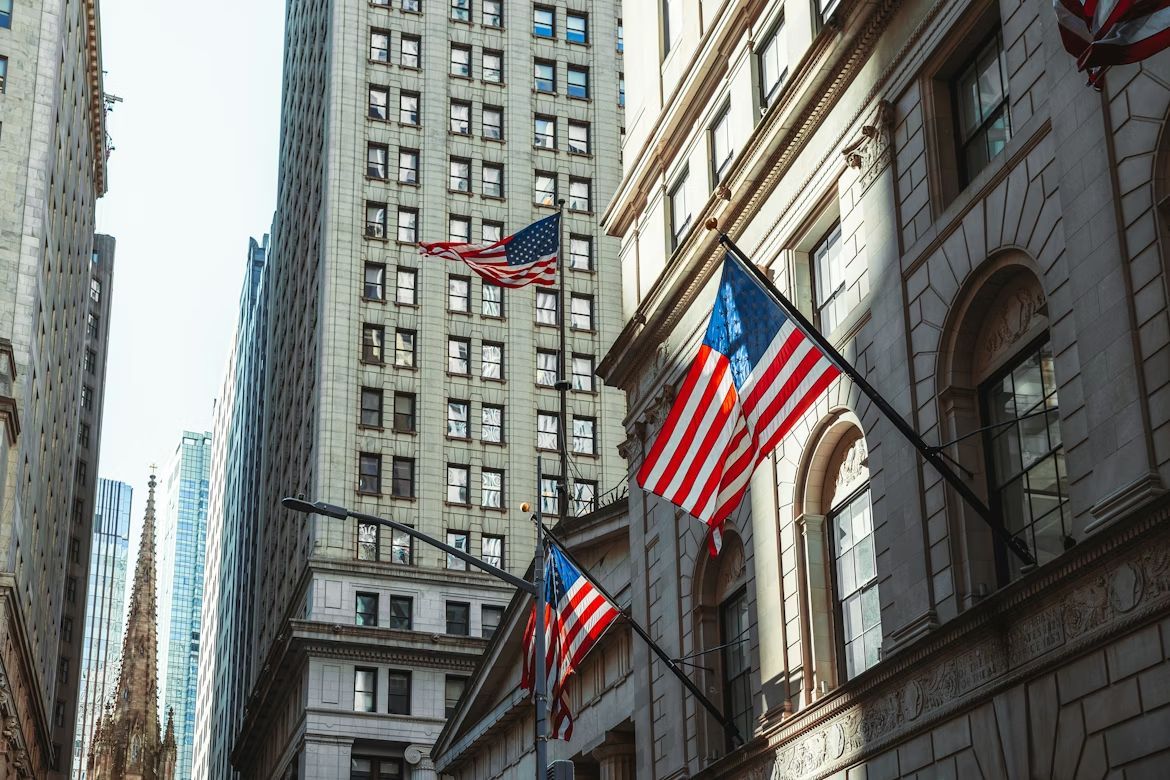
Image: Diane Picchiottino

Deep beneath the streets of Manhattan sits the largest gold storage vault in the world. Located 80 feet below street level, it holds about $90 billion worth of gold . Most visitors walk right over it without realizing they are passing above one of the most secure rooms on the planet.

5
New York Public Library
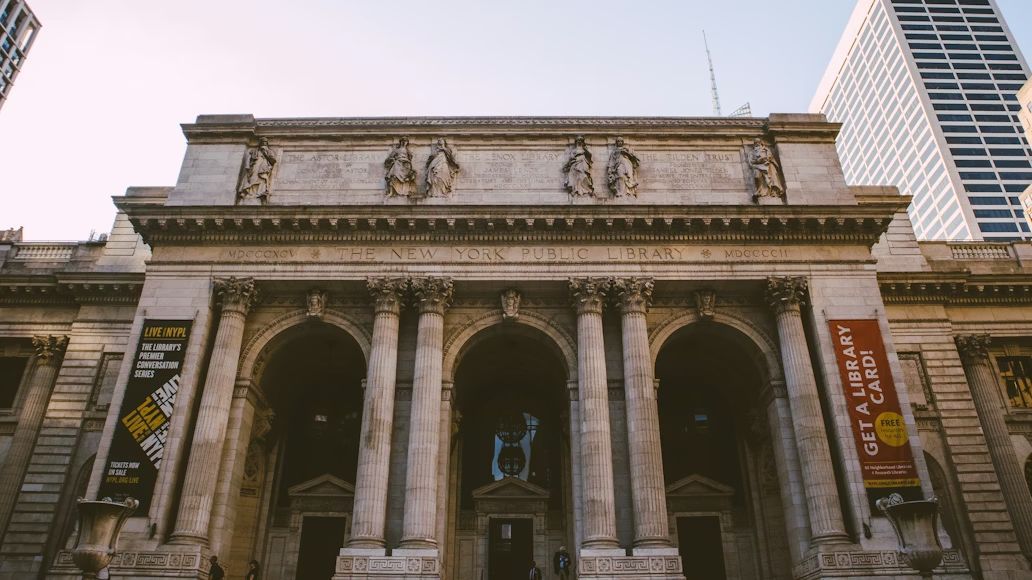
Image: Alejandro Barba

The New York Public Library system holds more than 50 million books and items. It is second in the United States, only to the Library of Congress, and ranks third worldwide . Those iconic lion statues guard far more than a quiet reading room. They watch over an astonishing archive of human knowledge. Have you ever visited it?

6
United Nations headquarters
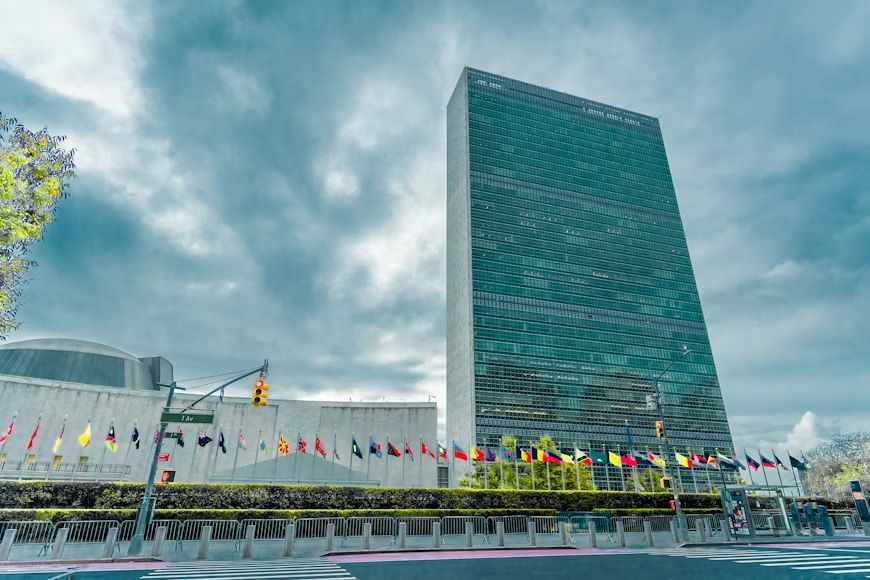
Image: Nils Huenerfuerst

The United Nations established its headquarters in New York City in 1952 following World War II. Since then, diplomats from nearly every country have gathered here to debate, negotiate, and occasionally argue. Few city blocks anywhere else host quite so many global decisions.

7
Brooklyn borough size
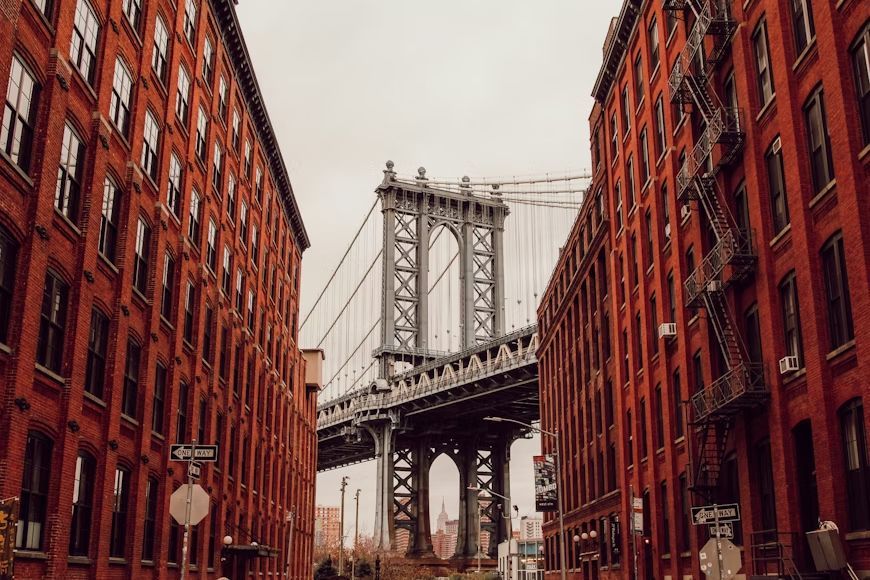
Image: Miltiadis Fragkidis

Brooklyn alone would rank as the fourth-largest city in the United States if it stood on its own. Queens would claim the same spot as well. Together, they show just how massive New York City really is, even when broken into boroughs.

8
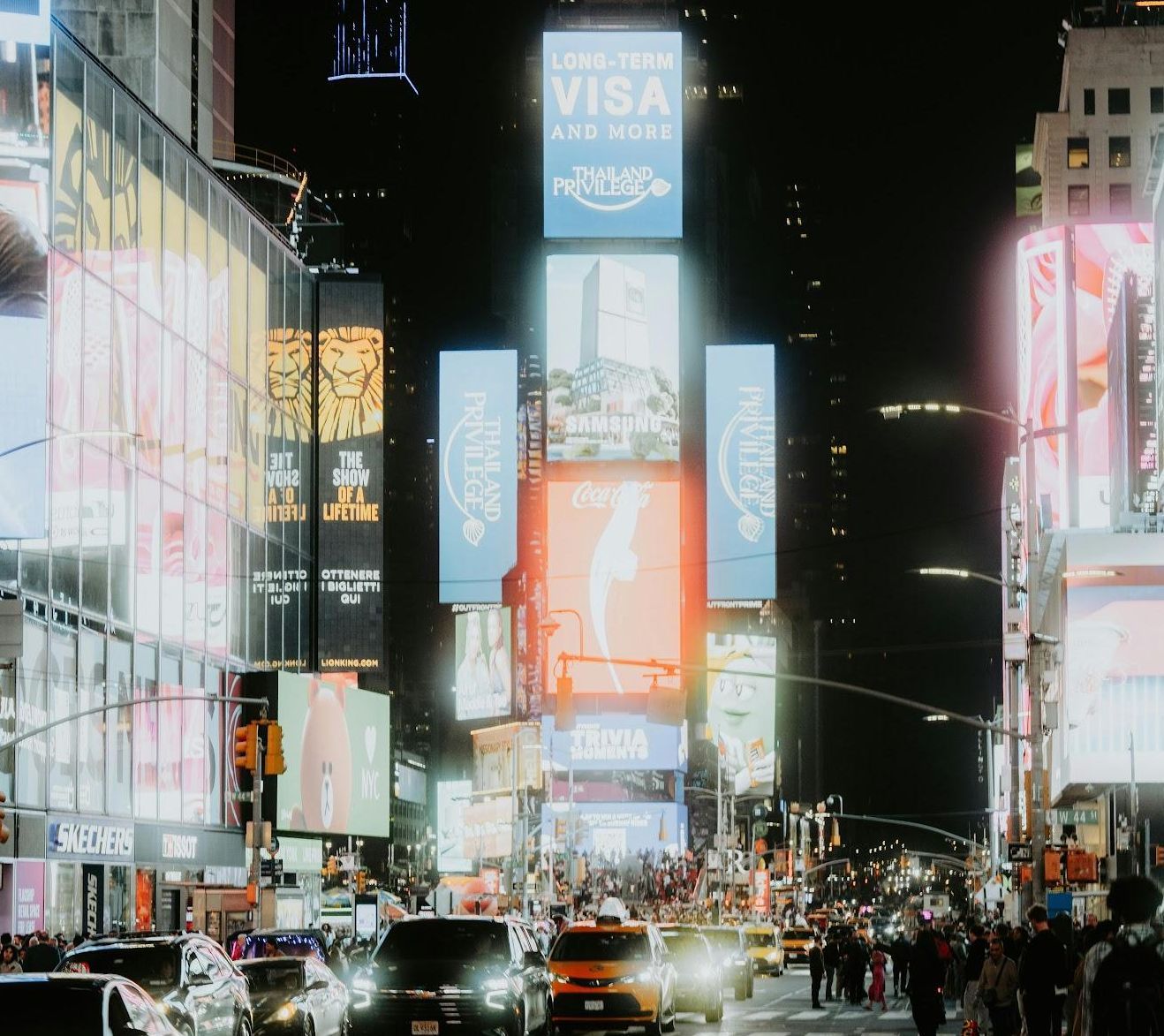
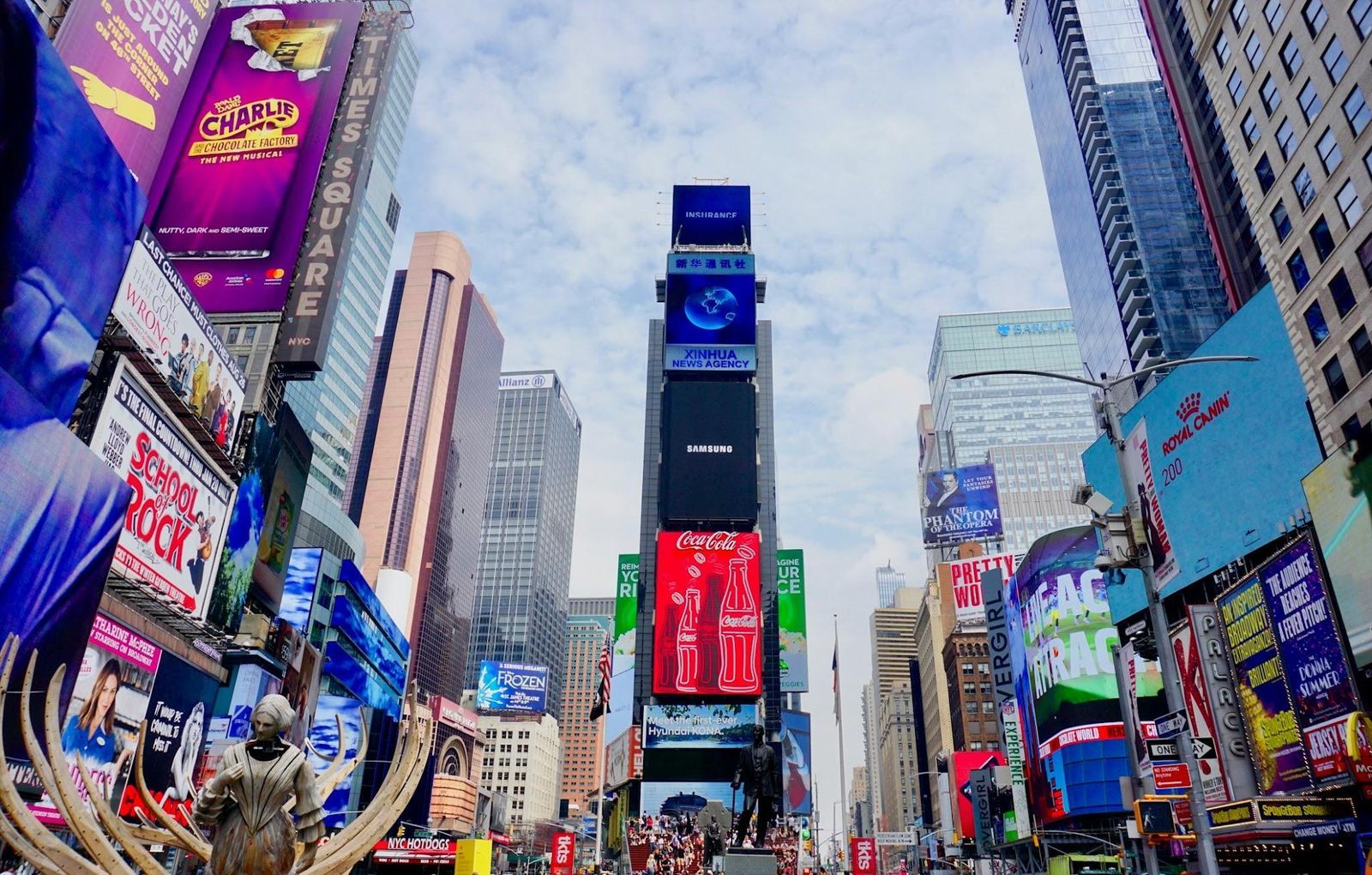
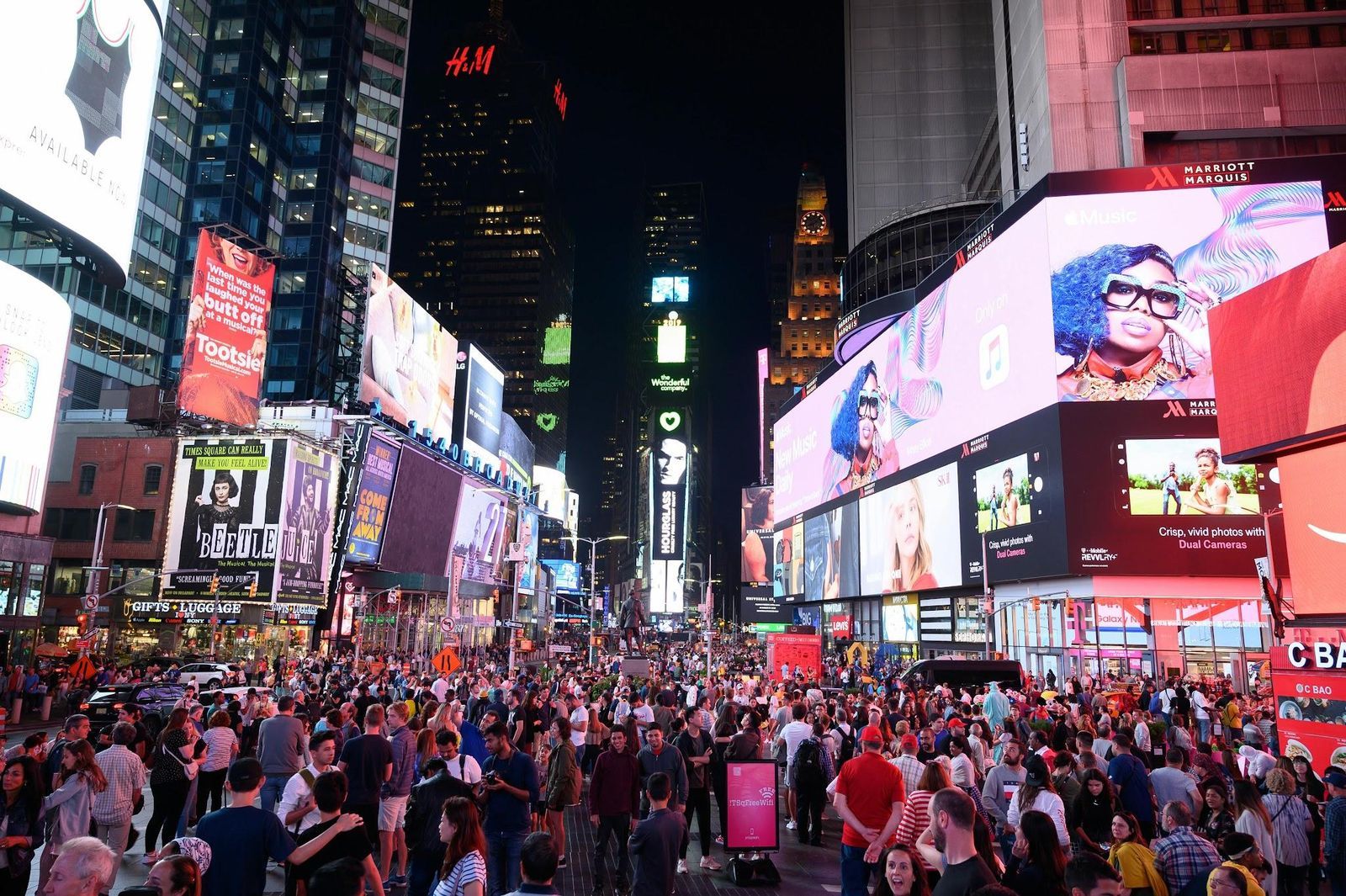
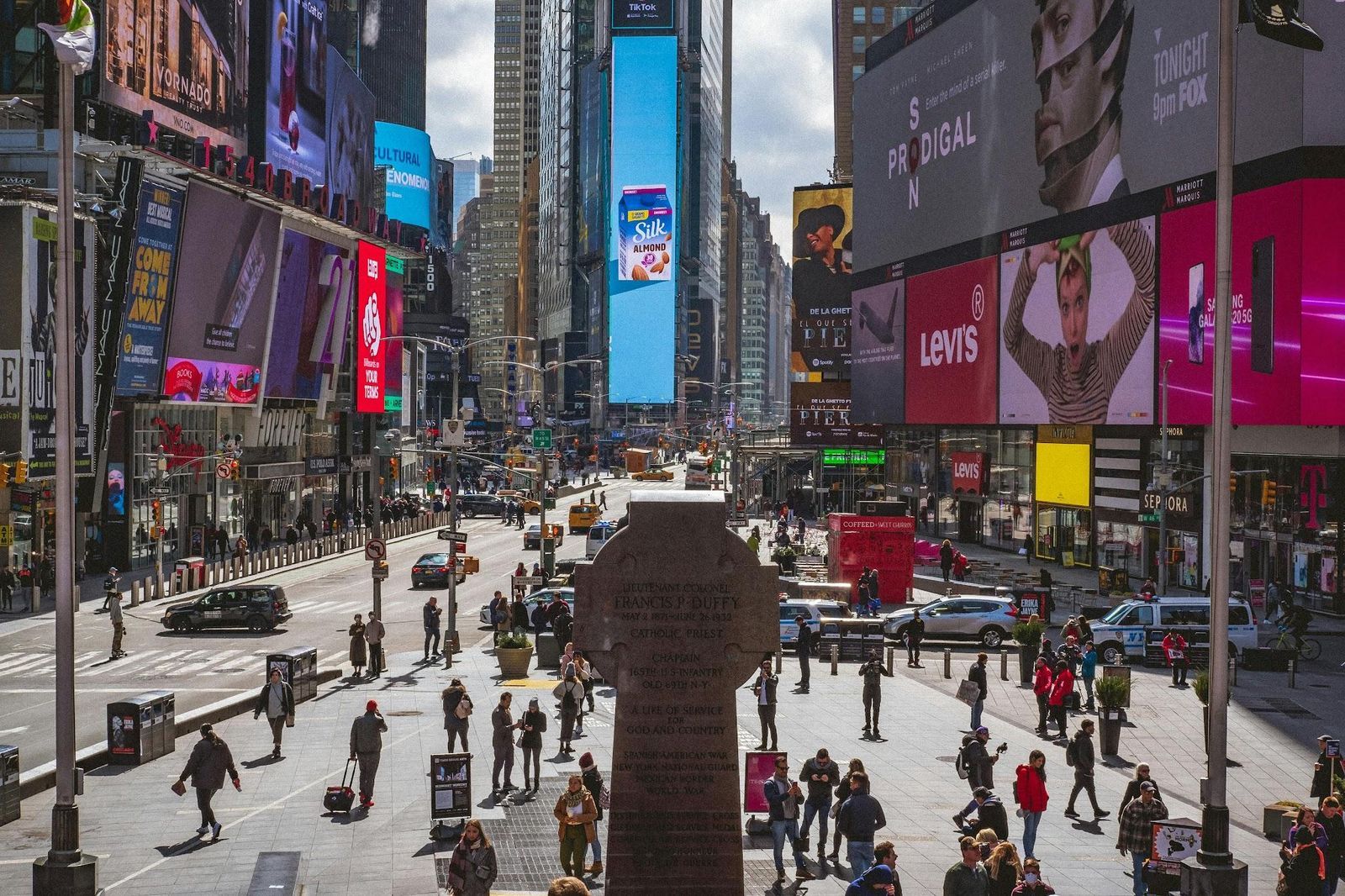
Times Square naming
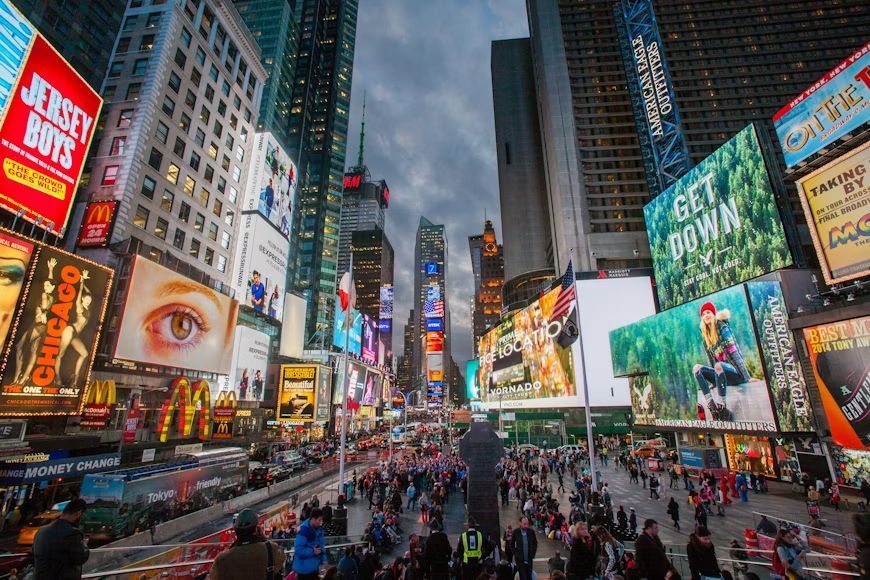
Image: James Ting

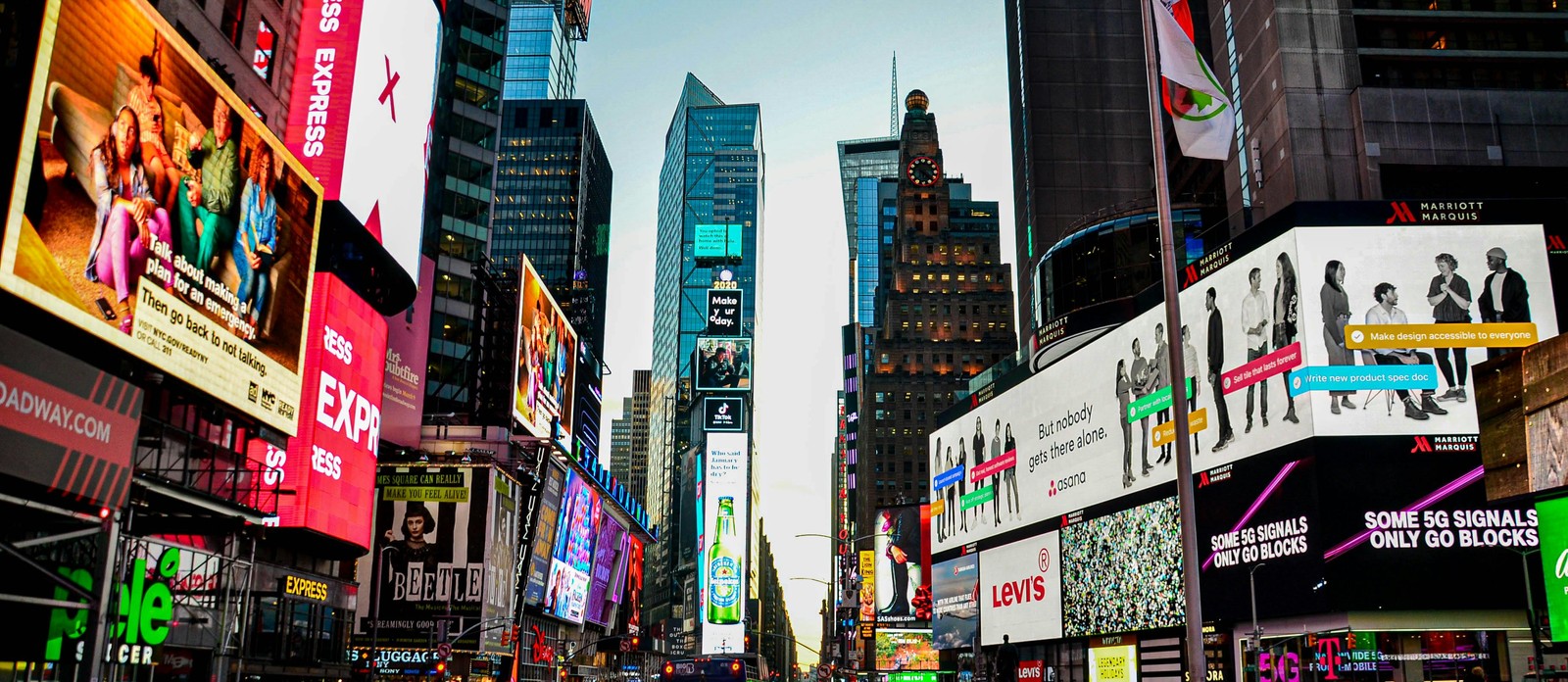
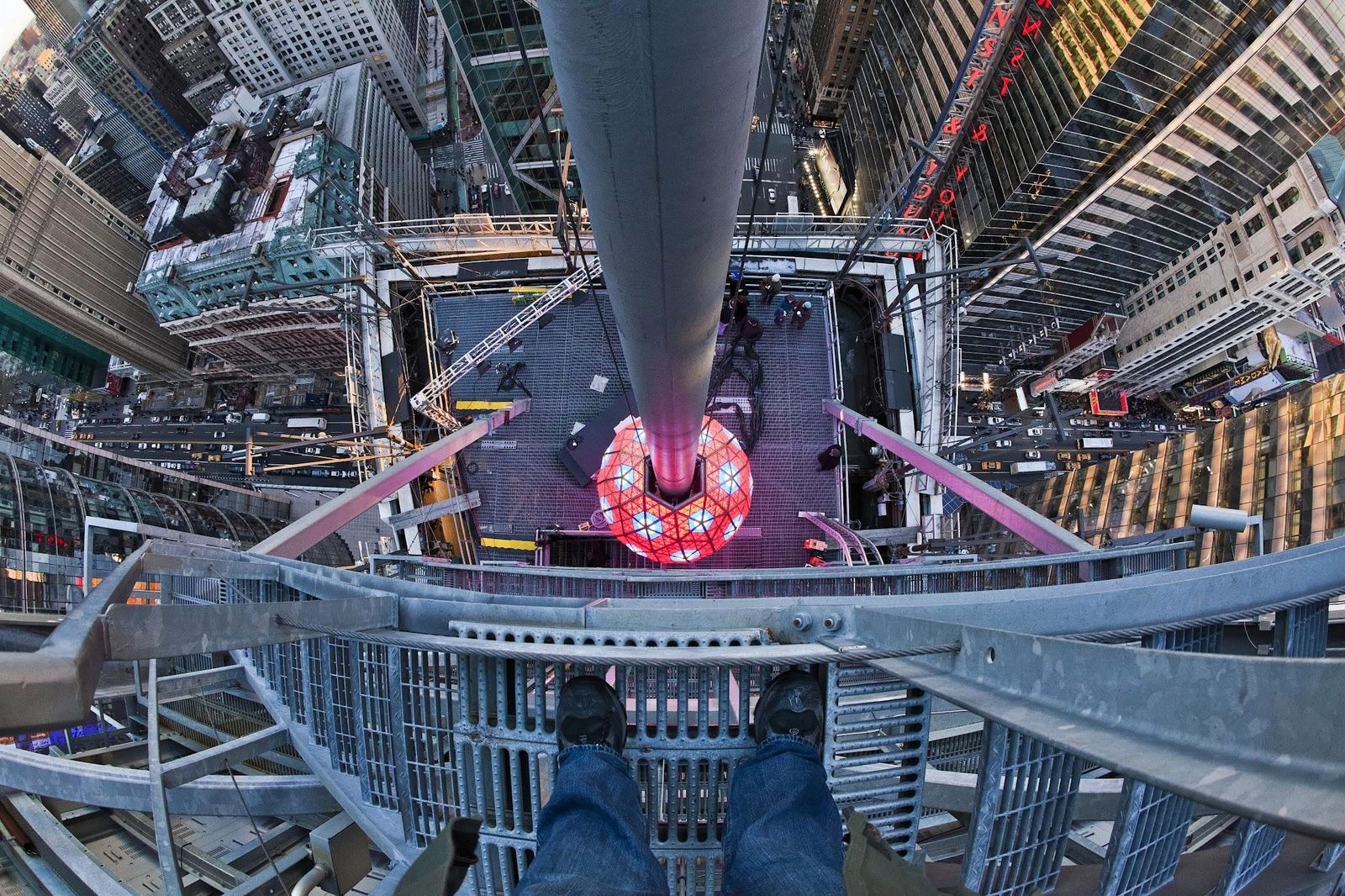
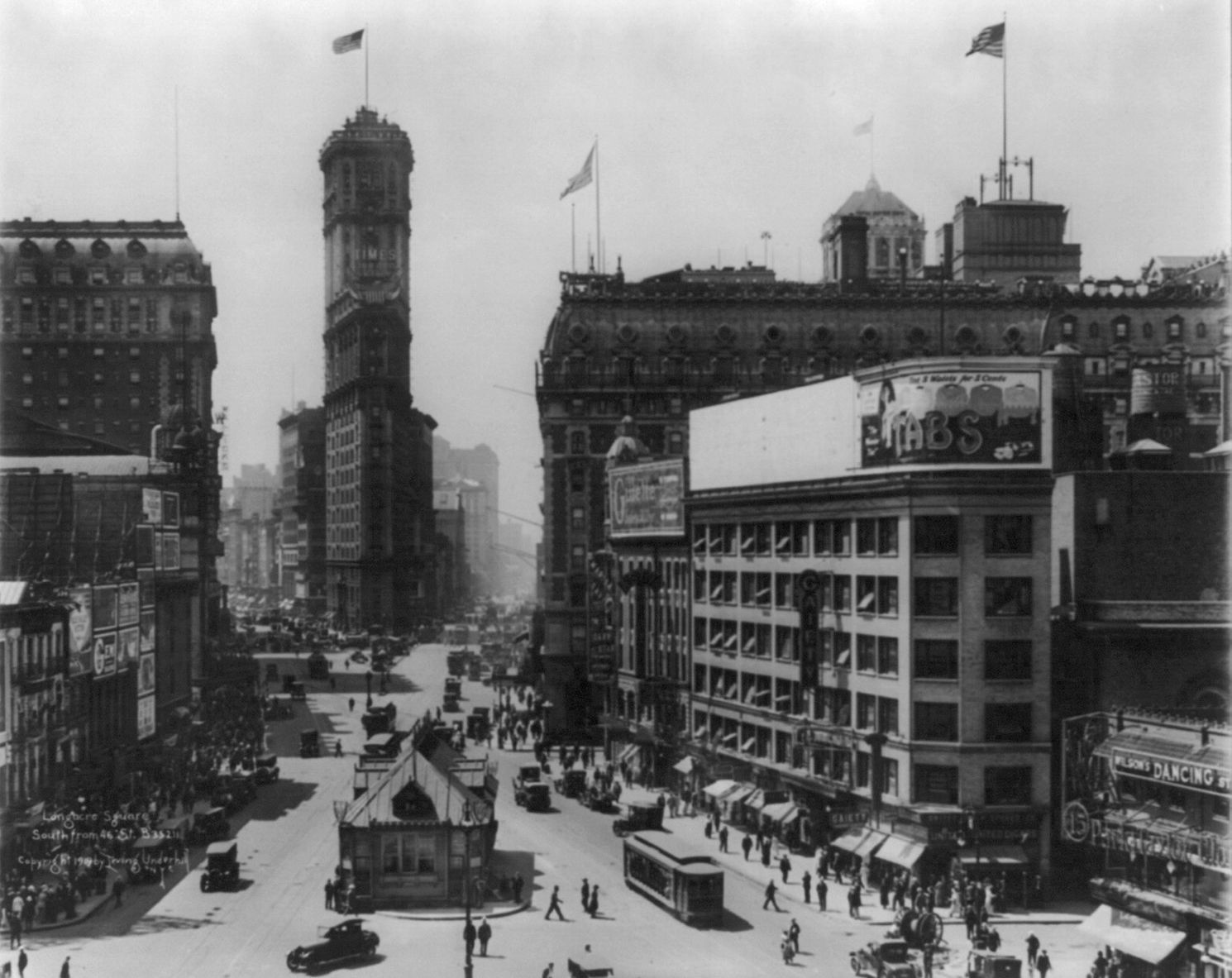
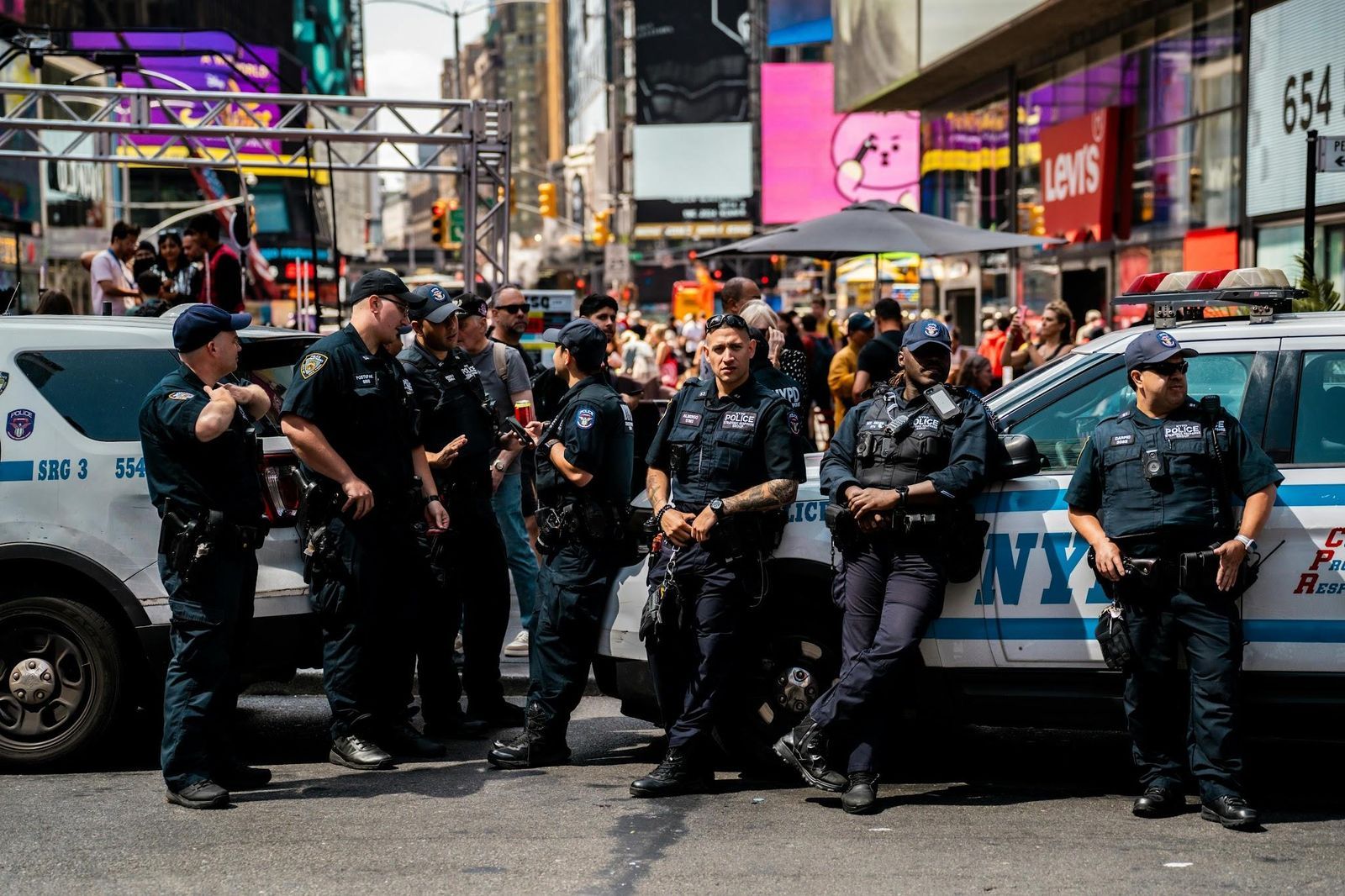
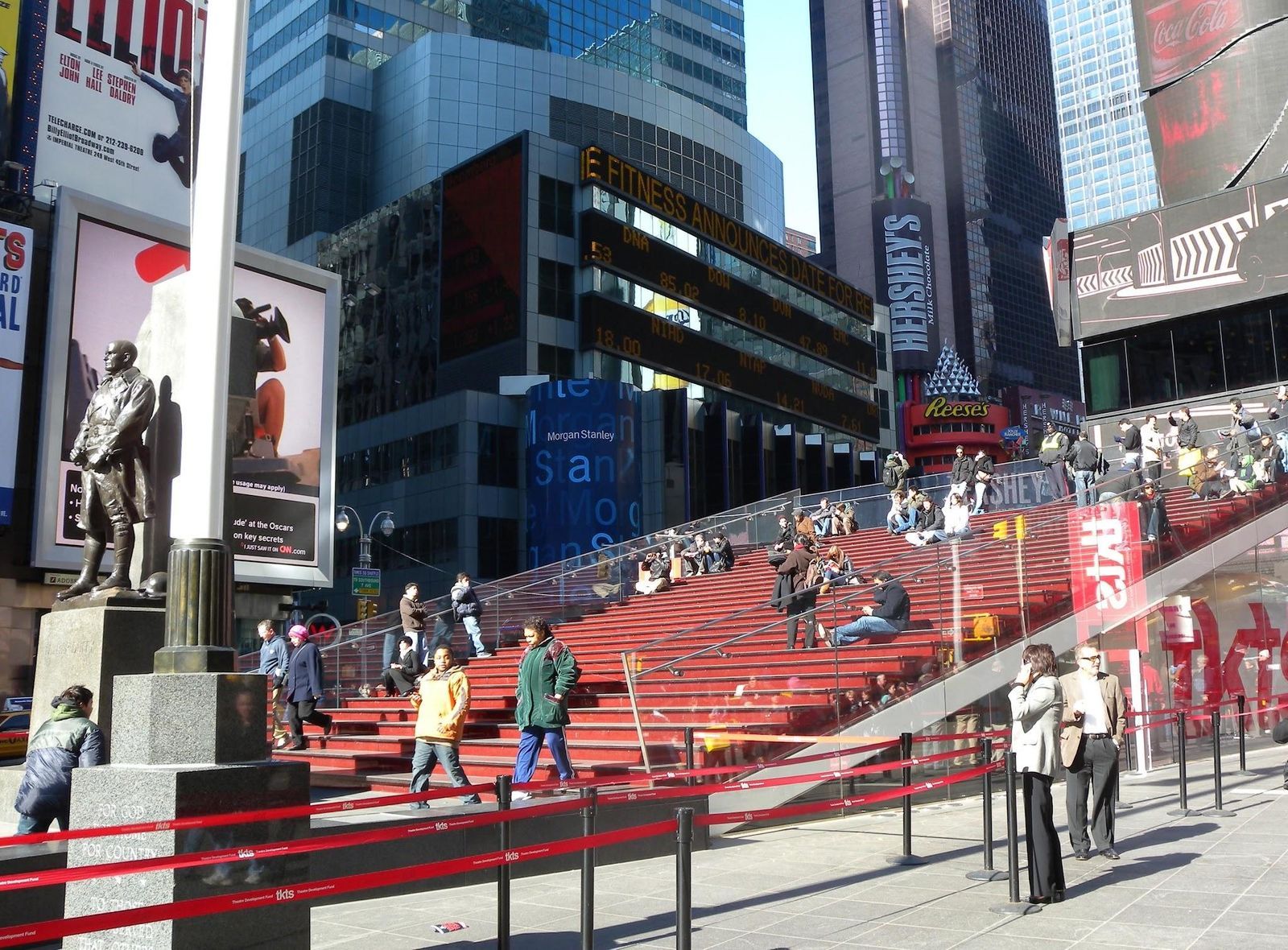
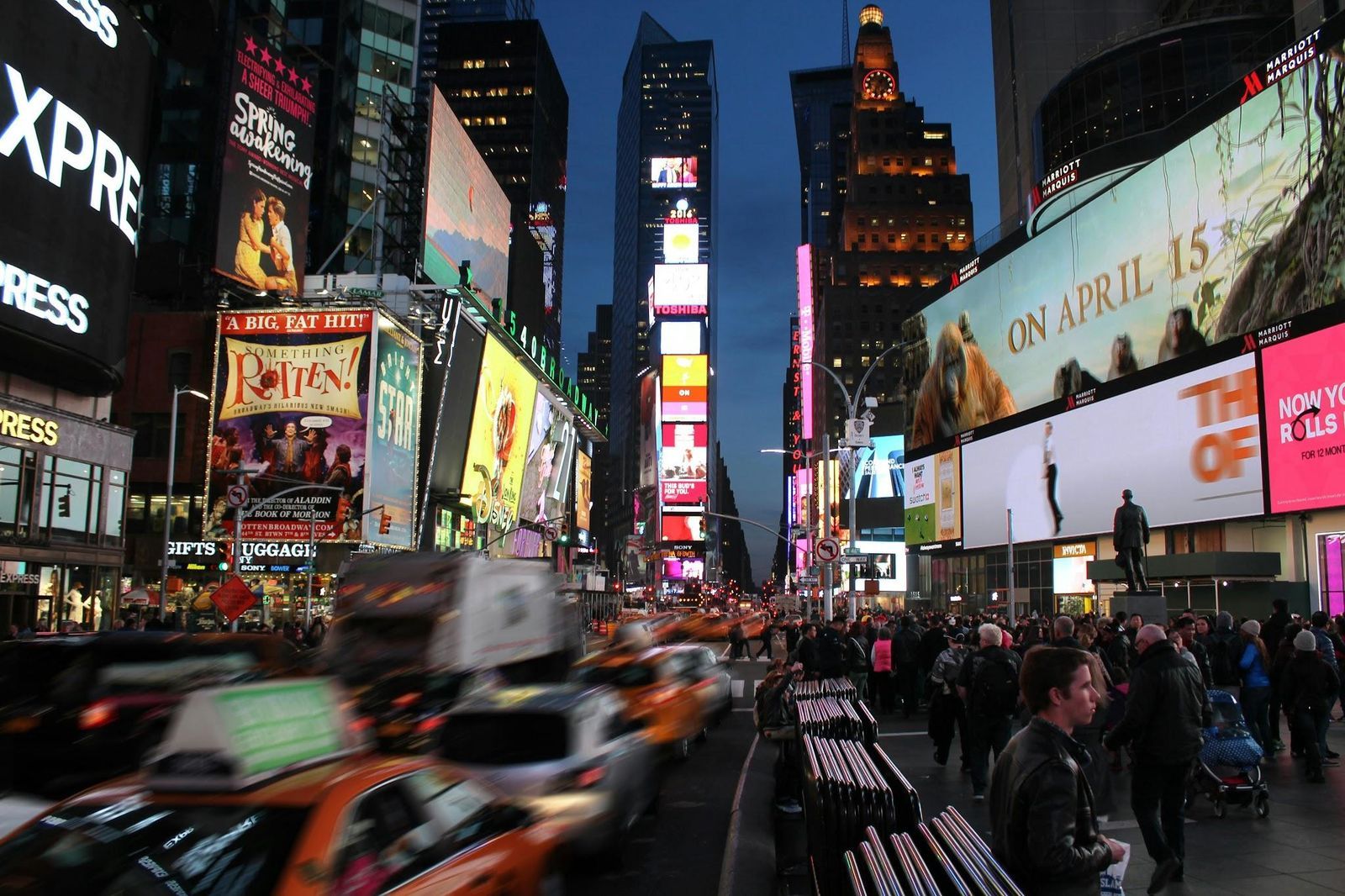
Times Square did not always have its famous name. It was once called Longacre Square until The New York Times moved its headquarters there in 1904. The name stuck, the lights followed, and the area became one of the most recognizable intersections in the world.

9
Chinatown population
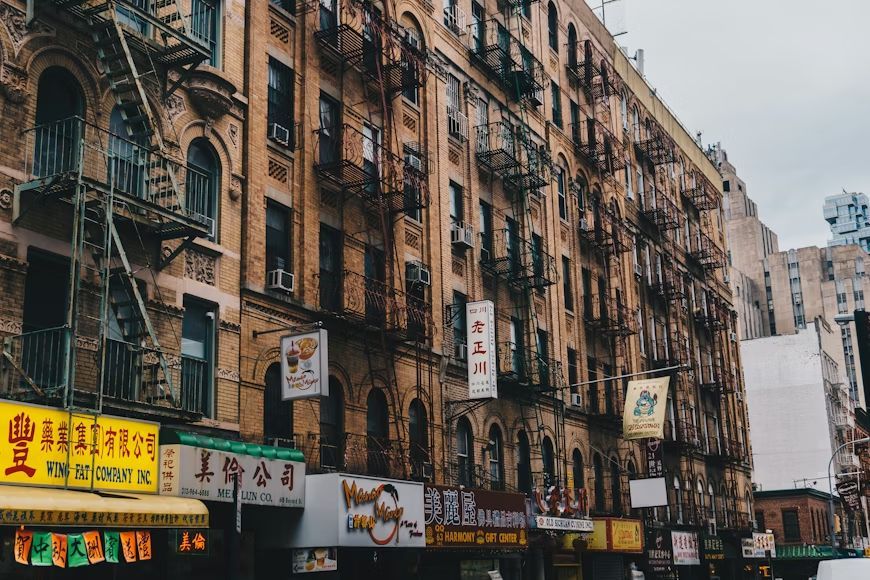
Image: Juan Di Nella

More Chinese people live in New York City than in any other city outside Asia. This influence shapes neighborhoods, food scenes, businesses, and traditions across the city. It is one more reason New York feels like many worlds packed into one place .

10
Pinball ban history

Image: Louie Castro-Garcia

Believe it or not, pinball machines were once against the law in New York City. Back in 1942, city leaders viewed the game as a form of gambling , and Mayor Fiorello LaGuardia ordered it banned. For more than 30 years, pinball disappeared from public view until the rule was finally lifted in 1976.

11
Secret train platform beneath the Waldorf Astoria
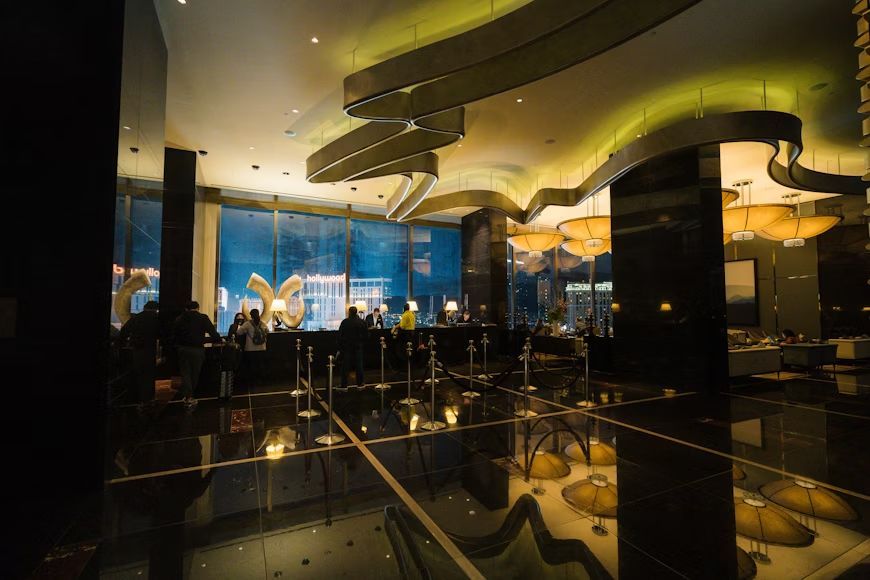
Image: Frugal Flyer

Hidden beneath the elegant Waldorf Astoria Hotel is a little-known train platform called Track 61. According to long-standing stories, President Franklin D. Roosevelt used it to arrive and leave discreetly, away from crowds and cameras. The platform is no longer active today , but knowing it exists adds a layer of mystery to an already legendary building.


History History 4 min read

Let’s take a tour

Alcatraz: The secrets, myths, and history of America’s prison

Image: Leon Bastain

Alcatraz, also known as "The Rock," is one of the most famous prisons in American history. But there’s more to this island than just high-security cells and daring escape attempts. From its unexpected origins to some weird inmate requests, Alcatraz is packed with stories that go far beyond what Hollywood has shown us. Whether you've visited before or just love a good history lesson, these 12 fascinating facts will give you a fresh perspective on this legendary landmark.

1
Alcatraz wasn’t always a prison

Image: Maxim Babichev

Before housing America’s most dangerous criminals, Alcatraz served as a military fort. In 1850, President Millard Fillmore designated the island as a military reservation, and by the Civil War, it held prisoners of war. Its strategic location in San Francisco Bay made it ideal for defense. It wasn’t until 1933 that it officially became a federal penitentiary. Over the years, its role shifted dramatically, but its reputation as an isolated fortress remained constant.

2
Prisoners built their own cells

Image: Oxana Melis

Talk about a tough day on the job! When Alcatraz transitioned from a military prison to a federal one, military prisoners were put to work constructing their own confinement. Between 1909 and 1911, they reinforced the existing structures to prepare for the worst of the worst. By the time the Department of Justice took over, the prison was ready to house America’s most notorious inmates. Imagine building the very walls that would later trap you inside!

3
Guards and their families lived on the island

Image: Tyler Rutherford

Alcatraz wasn’t just a prison; it was also home to families. The guards and their families lived in houses and apartments on the island, creating a tight-knit community. Children took a ferry to school in San Francisco every day and played safely away from the prison yard. Some even recall watching movies in the recreation hall while criminals like Al Capone were locked up just a few feet away. Life on Alcatraz wasn’t all gloomy for those outside the cells.

4
No executions took place on Alcatraz

Image: Rita Morais

Despite its reputation, Alcatraz never had an execution chamber. While prisoner violence did lead to some deaths, executions were not carried out on the island. Inmates sentenced to death were transferred to facilities like San Quentin. That didn’t make life any easier in Alcatraz; many prisoners still feared the harsh conditions and inescapable isolation of The Rock.

5
The Pacific Coast’s first lighthouse was on Alcatraz

Image: Bruce Warrington

Before it became infamous for its prison, Alcatraz played a vital role in maritime safety . In 1854, it became home to the first lighthouse on the Pacific Coast, guiding ships through the often foggy San Francisco Bay. Though a larger lighthouse replaced it in 1909, the original helped countless sailors navigate the treacherous waters surrounding the island. Today, it stands as a historic landmark, reminding visitors of Alcatraz’s earlier days.

6
No inmate officially escaped

Image: Leo_Visions

While Hollywood loves a good prison break story, no prisoner ever successfully escaped Alcatraz, at least not officially. The closest attempt came in 1962 when three inmates, including Frank Morris, disappeared after digging their way out using spoons. Their bodies were never found, leading to decades of speculation. Did they drown in the freezing bay or make it to freedom? The mystery remains unsolved.

7
Alcatraz shut down due to high costs

Image: Jack Walker

Despite its reputation as America’s toughest prison, Alcatraz didn’t close due to security issues: It was just too expensive to maintain . The constant exposure to salt water eroded the buildings, and the cost of housing each inmate was three times higher than in other federal prisons. By 1963, the government decided to shut it down. The island was abandoned for years before turning into the tourist attraction it is today.

8
Some inmates requested transfers to Alcatraz

Image: Mylo Kaye

Despite its harsh image, some prisoners actually wanted to be transferred to Alcatraz. The prison provided single cells, which meant no cellmates to fight with . It also had some of the best food in the federal system because officers believed that well-fed inmates were less likely to cause trouble. For some, the strict routine and isolation were preferable to overcrowded, violent prisons elsewhere.

9
Alcatraz was named after pelicans

Image: Mollie Sivaram

Before it became synonymous with crime and punishment, Alcatraz was simply an island full of birds. Spanish explorer Juan Manuel de Ayala named it La Isla de los Alcatraces in 1775, which translates to "Island of the Pelicans." Over time, the name was anglicized to Alcatraz. Even today, the island remains a haven for seabirds, making it a birdwatcher’s paradise.

10
Alcatraz was never packed to capacity

Image: Kenny Eliason

Alcatraz was never overflowing with inmates . The prison had a maximum capacity of 336, but on average, only about 260 prisoners lived there at any given time. Sometimes, there were as few as 222. This was intentional—authorities wanted to ensure strict control over the inmates. It’s a far cry from the overcrowded prisons we hear about today.

11
Warm water showers had a hidden purpose

Image: David Castellón

Prisoners at Alcatraz were given warm water showers, not necessarily out of kindness, but as a security measure. Authorities believed that if inmates were used to warm water, they’d be less likely to brave the freezing bay in an escape attempt. Whether it worked or not is up for debate, but it certainly added another layer to Alcatraz’s infamous reputation.

12
Officers and inmates tended the gardens

Image: Maxim Babichev

Alcatraz wasn’t all cold concrete and iron bars; there were actually gardens on the island. Prison officers and even some inmates planted flowers and hardy greenery to make the island more livable. The tradition continued for decades, and today, the National Park Service maintains the Gardens of Alcatraz . It’s a surprising touch of beauty in a place best known for its harshness.

General General 3 min read

One-of-a-kind

The one thing these states can brag about (and no one else can)

Image: RDNE Stock project

Every state in the U.S. has its own personality, but some come with bragging rights no one else can touch. From deserts and diamonds to cave systems and cheese-making microbes, each of these states has a claim to fame that sets it apart. If you enjoy travel trivia, fun facts, or just knowing more about our big and quirky country, you’ll want to stick around for this one. Let’s take a lighthearted look at the states that are true originals.

1
South Dakota sits right in the middle of it all

Image: Intricate Explorer

Just outside the town of Belle Fourche, South Dakota, lies the geographic center of the United States when you include Alaska and Hawaii . It is not marked with neon signs or big crowds, but there is something satisfying about standing near the heart of the whole country. It feels like the center of gravity for the U.S.

2
Iowa is flanked by rivers on both sides

Image: Justin Wilkens

If you look at a map, you will see Iowa neatly tucked between two mighty rivers . The Mississippi River borders it to the east, and the Missouri River forms most of its western boundary. No other state can say that its entire east and west borders are made up of rivers. That gives Iowa a front-row seat to river life from both sides.

3
Kansas is flatter than a breakfast pancake

Image: Edson Saldaña

Believe it or not, a group of researchers once compared Kansas to a pancake and found that Kansas is actually flatter . This was not a joke. They used real measurements. If long, open roads and wide horizons are your thing, Kansas is the ultimate smooth ride.

4
Arizona has all the deserts in one place

Image: Keith Hardy

Arizona is not just dry, it’s uniquely arid. It is the only state that includes parts of nearly all of the major North American deserts . These include the Sonoran, Mojave, Chihuahuan, and Great Basin deserts. That makes it a desert lover's dream and a living science exhibit where four very different ecosystems meet in one sunbaked state.

5
Michigan lives and breathes freshwater

Image: Aaron Burden

Michigan has more freshwater shoreline than any other state in the country. It borders four of the five Great Lakes , features two peninsulas, and is even home to a floating post office that delivers mail by boat. If you enjoy water views and lakeside life, Michigan delivers the goods in a big way.

6
Connecticut gave counties the pink slip

Image: Rusty Watson

Unlike most states, Connecticut does not have county governments. The state decided back in the late 1950s and early 1960s to get rid of them entirely. Now, counties are just lines on a map and have no political power. If you live in Connecticut, you deal directly with your town or city. No middleman needed.

7
Delaware still uses ‘hundreds’ and no, not the money kind

Image: Gary Cole

In Delaware, land is still divided into areas called hundreds . These are old British-style subdivisions that originally represented areas able to support roughly 100 households. While they do not play a role in law or government today, the names still show up in property documents and tax records.

8
Kentucky hides the longest cave under its feet

Image: Joshua Sortino

Beneath Kentucky’s surface lies a giant underground wonder called Mammoth Cave. It holds the record as the longest known cave system in the world , with over 400 miles of mapped tunnels. That is a whole lot of rock and mystery. Whether you are into history, geology, or just cool natural landmarks, this cave system is something special.

9
Louisiana prefers parishes over counties

Image: Joe Lavigne

Louisiana does not have counties like the rest of the country. Instead, it has parishes , a term carried over from its French and Spanish colonial days. These parishes work the same way counties do elsewhere, but the name gives the state a unique cultural twist.

10
Montana provides the nation's platinum and palladium

Image: Calvin Chai

Montana is the only significant source of domestically mined platinum and palladium in the United States. These rare metals are used in things like jewelry, dental tools, and car parts. Tucked into its rugged mountains, Montana’s mines quietly produce some of the most valuable materials in the country.

11
Wisconsin has an official microbe, and it makes cheese

Image: Azzedine Rouichi

Of course, Wisconsin would go this route. The state named Lactococcus lactis as its official microbe. It is the helpful little organism behind the cheese-making magic. Without it, you would not have cheddar, Colby, or many other favorites. Leave it to the dairy state to give a tiny cheese-maker its moment of fame.

Explore more American facts

Choose your favorite category!

General
General

As American as apple pie—the very best America has to offer!

Culture
Culture

Delve into the astounding richness of American lore.

Geography
Geography

Hop in and explore vast and diverse American landscapes.

History
History

Discover the key moments that shaped the United States.