History History 5 min read

The foundation of the American nation

The Founding Fathers of America: 10 interesting facts
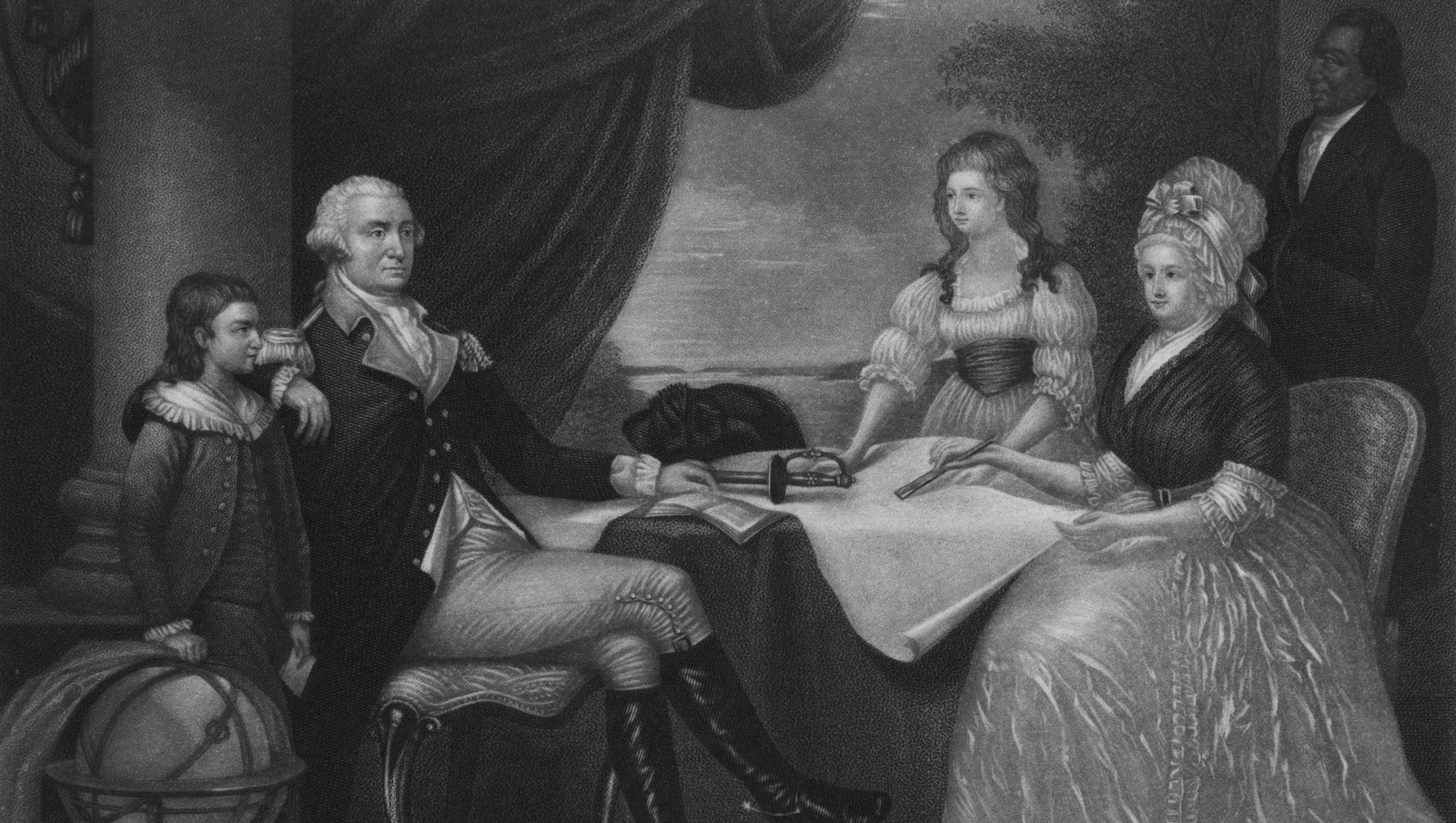
Image: The New York Public Library

We all know who the Founding Fathers were, but we seldom think of them as human beings rather than heroes who gave shape to our country . Despite their amazing deeds, they still were a group of men of varied origins, ideologies, beliefs, and concerns, which led to more than one discussion and rivalry. Let’s learn some more about them!

1
There is no official ‘Founding Fathers’ list
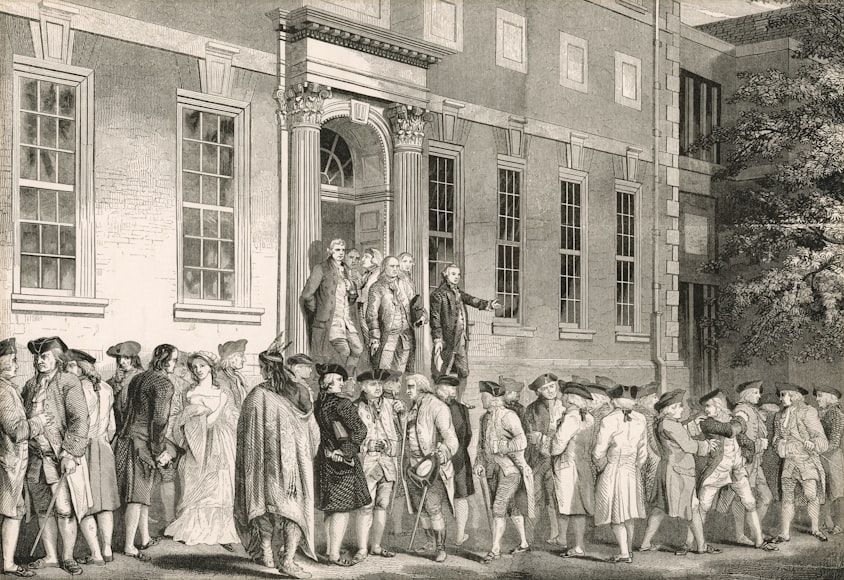
Image: The New York Public Library

Who can be called a Founding Father? The term was coined by Senator Warren G. Harding in 1916 and is used to refer to the leaders of the Revolutionary movement, but there’s no set list . While it is mainly used for key figures such as George Washington, Thomas Jefferson, John Adams, Benjamin Franklin, Alexander Hamilton, John Jay, and James Madison, the term applies broadly to those who signed the Declaration of Independence and the Constitution .

2
4th of July deaths

Image: Stephanie McCabe

The legal separation of the Thirteen Colonies from the British Crown was voted by the Continental Congress on July 2nd, 1776, but was formally adopted on July 4th , immortalizing the date for the rest of American history. But did you know that it is also the death anniversary of three Founding Fathers?

Thomas Jefferson and John Adams both died July 4, 1826, on the 50th anniversary of the Declaration of Independence, while James Monroe died five years later, on July 4th, 1831. Interestingly, John Adams disliked the date chosen for celebrations, as he believed the day of the vote to be more significant.

3
Refusal to sign the Constitution
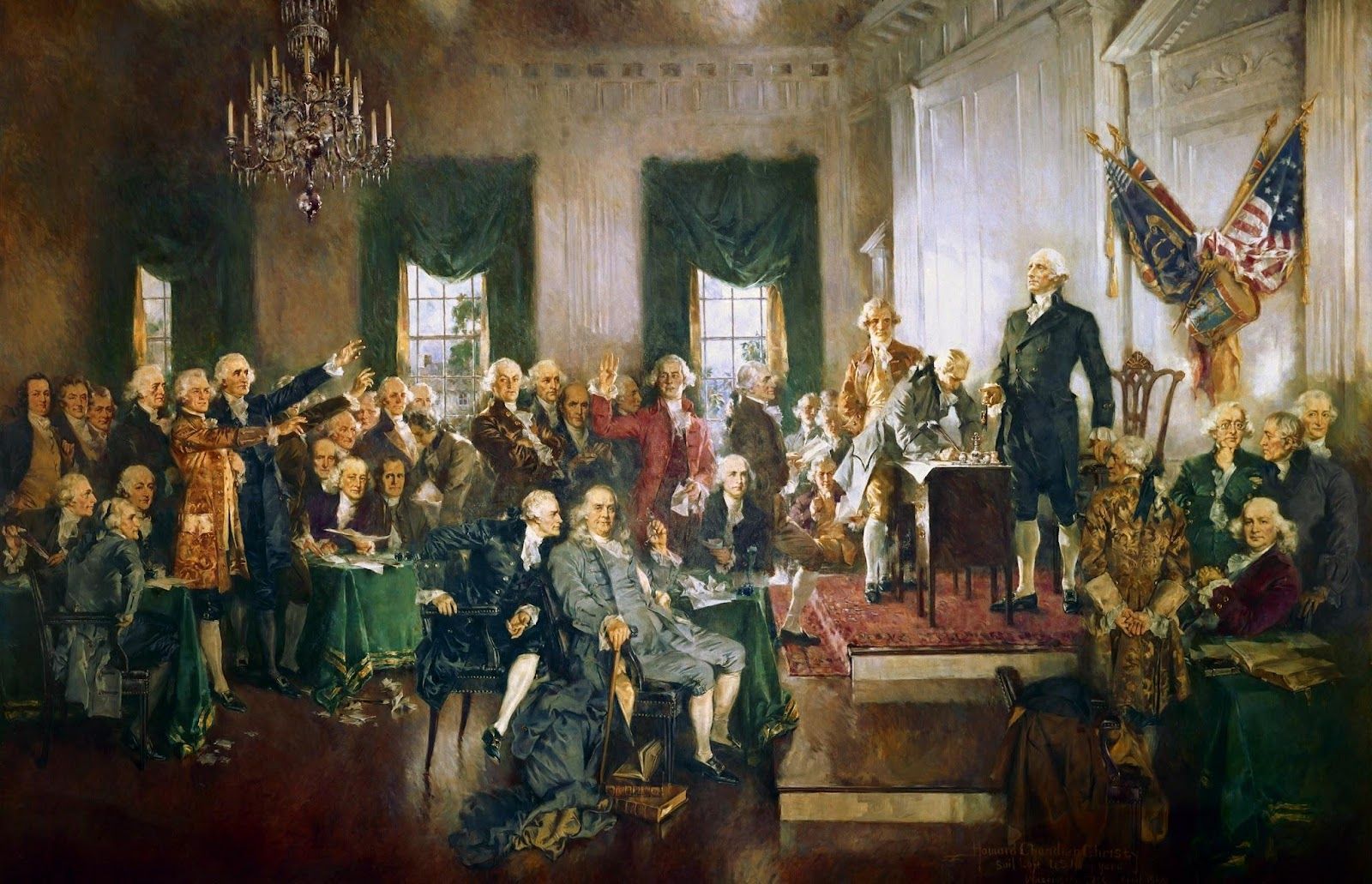
Image: Howard Chandler Christy, Public domain, via Wikimedia Commons

The Constitutional Convention took place in 1787, from May to September. The Constitution of the United States was presented on September 28, 1787 , but nearly two years had to pass for it to be ratified by all the states, superseding the nation’s first constitution, the Articles of Confederation.

Not all signing constituents agreed on the final seven articles, among them Benjamin Franklin, but three of them in particular —George Mason, Edmund Randolph, and Elbridge Gerry— flat out refused to sign the document . Mason suggested the addition of a bill of rights, but was denied, a suggestion that would ultimately inspire the drafting of the Bill of Rights by James Madison.

4
A lawyer for the enemy
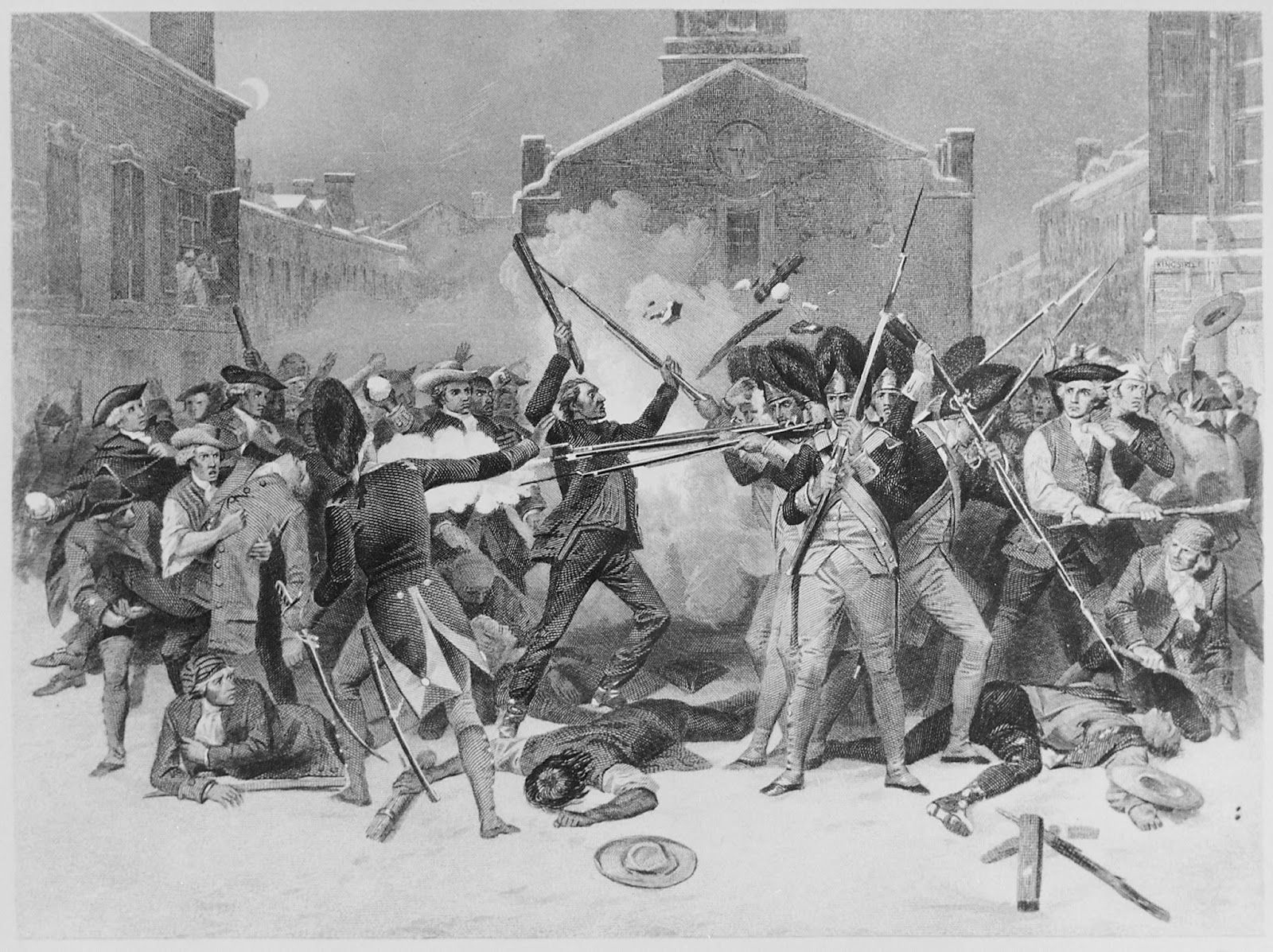
Image: National Archives at College Park, Public domain, via Wikimedia Commons

The Boston Massacre of 1770 was part of the incidents that prompted the start of the Revolutionary movement in the colonies. British soldiers stationed in Massachusetts to support the implementation of the Townshend Acts were confronted by an angry crowd. Overwhelmed, the soldiers opened fire without authorization, resulting in five deaths and six wounded.

During the subsequent trial, Founding Father John Adams worked as a defense lawyer for the British soldiers charged , a decision that prompted public criticism. However, he was a firm believer in the right to a fair trial for everyone, and argued that most soldiers had acted in self-defense. In the end, only two soldiers were convicted of manslaughter, a verdict Adams agreed with.

5
The origins
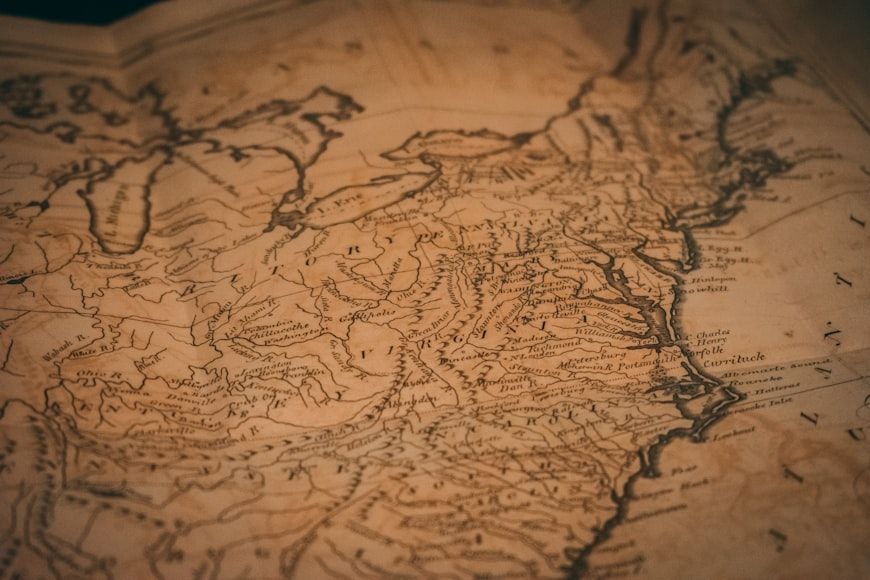
Image: Alex Boyd

None of the Founding Fathers was born an American (for obvious reasons), but most of them were born in the American colonies and had British origins . Out of the 56 signers of the Declaration of Independence, 47 were born in what is now U.S. territory.

The other nine? Eighth of them came from the British Isles : Two were English-born (Button Gwinnett, Robert Morris), three were Irish (George Taylor, Matthew Thornton, and James Smith), two were Scottish (James Wilson, John Witherspoon), and one was Welsh (Francis Lewis). The last one, Alexander Hamilton, was born in the British West Indies , now St. Kitts and Nevis.

6
The first signature
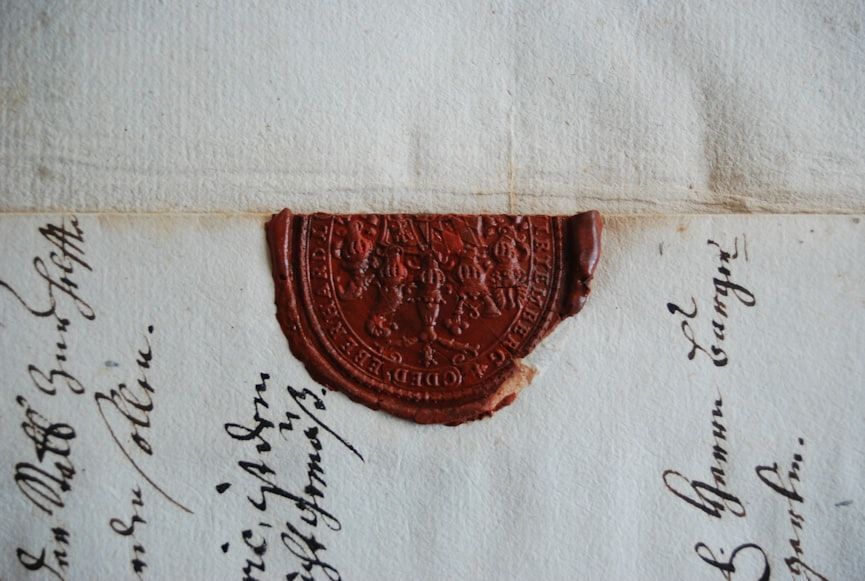
Image: David Nitschke

Have you ever wondered why people ask for a ‘John Hancock’ when they need a signature? It is all because of Founding Father John Hancock. One of the wealthiest men in the Thirteen Colonies, Hancock was a merchant (and smuggler) by trade, served as president of the Continental Congress, and as Governor of the Commonwealth of Massachusetts after the Revolution.

Why is he associated with a signature? John Hancock was the first person to sign the Declaration of Independence, and his signature stands out because it is visibly larger than the rest. According to legend, he claimed to have made it big so King George would be able to read it.

7
The anti-slavery clause that wasn’t

Image: Hussain Badshah

It is no secret that many Founding Fathers were slaveholders, but there was no unified opinion on the subject. Some, such as George Washington, freed their slaves in their wills, while others, such as Franklin, Paine, Hamilton, and Adams, were passionate abolitionists. Thomas Jefferson was a curious case: while he owned numerous slaves all his life, he was against the international slave trade and believed that America had to abolish slavery gradually to avoid civil unrest.

In his first draft of the Declaration of Independence, Jefferson included his conflicted views on slavery in a paragraph condemning King George III for his role in the Transatlantic Slave Trade and the affronts to liberty caused by this. Ultimately, this clause had to be removed due to the objections of many delegates who supported slavery.

8
The vice president
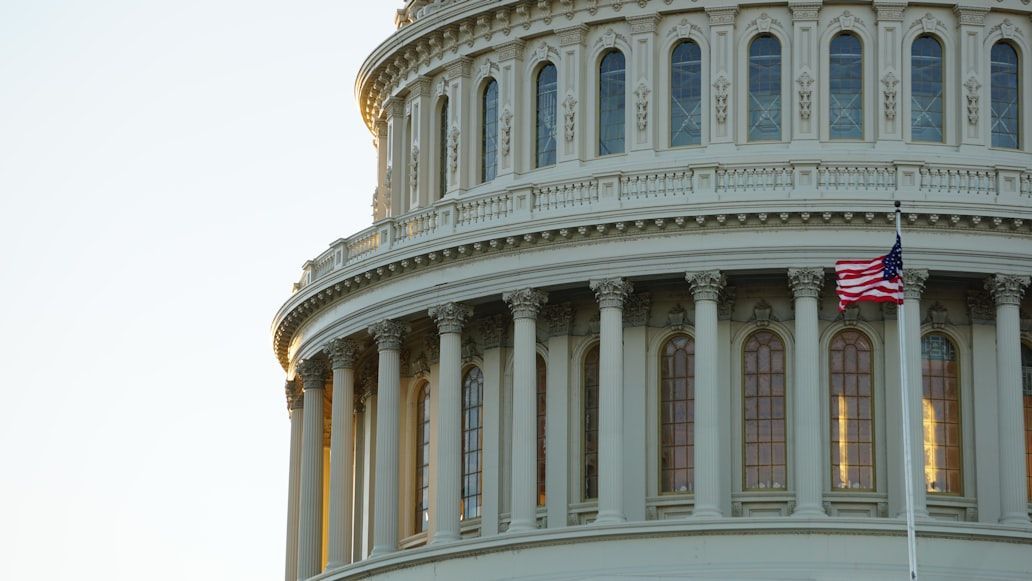
Image: Ian Hutchinson

When the Constitutional Convention considered the best way to choose a chief executive (a.k.a., the president), they weren’t even considering the figure of the vice president , and had decided that the Senate would elect its own president. After creating the Electoral College, they realized that, being a new country, state loyalty would most likely outweigh loyalty to the union. The solution? Each elector had to choose two candidates, one of which should be from a different state. The two most-voted candidates would be president and vice president, respectively.

The first elected vice president, John Adams, was not happy with the position . He had received a huge amount of votes, but George Washington had still won in a landslide. Although he regarded the position as the "most insignificant office that ever the invention of man contrived", he took on his role as President of the Senate with the utmost dedication.

9
Confidence in the Constitution
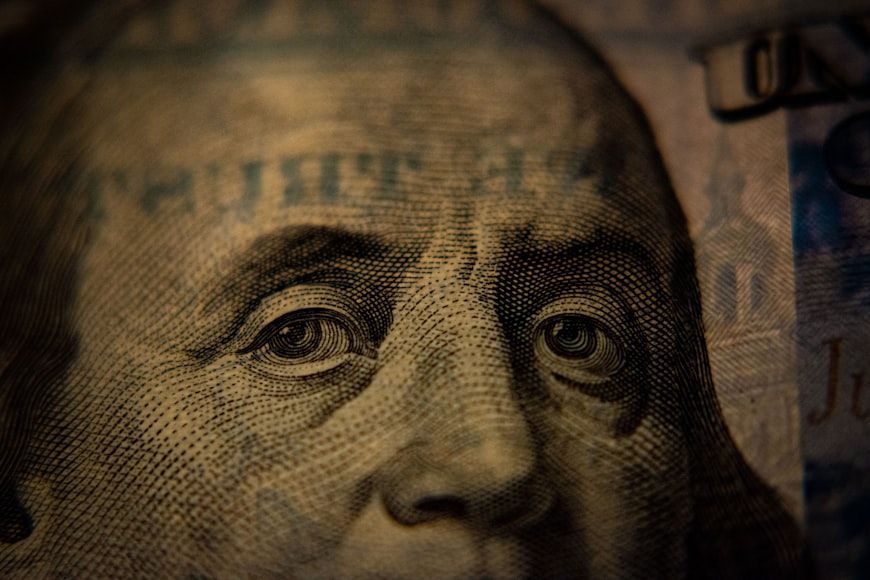
Image: Adam Nir

It is difficult to believe that any Founding Father thought the Constitution to be perfect. After all, not only did some refuse to sign it, but they also included the possibility of amending it to better protect the stability and liberties of the country.

Some Founding Fathers, however, lacked confidence in the Constitution as a document. Benjamin Franklin expressed his disapproval of certain clauses . Still, he was not sure they could write one better, so he decided to sign it, faults and all, preferring to doubt himself than halt the constitutional process. On the other hand, Washington believed the Constitution to be much better than the Articles of the Confederation, but he expressed his doubts about the document lasting for more than twenty years.

10
A varied group of men
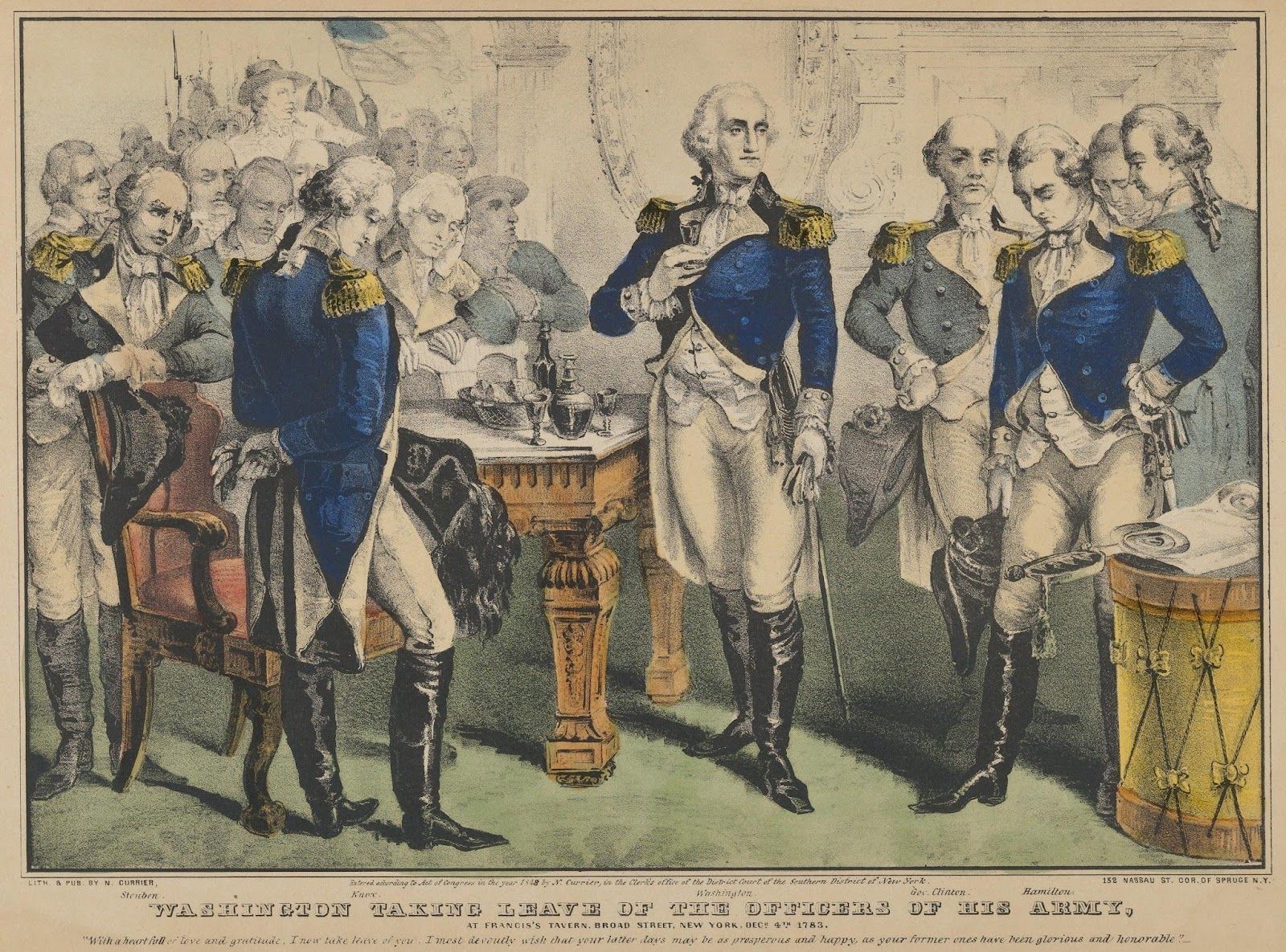
Image: Nathaniel Currier, CC0, via Wikimedia Commons

The centuries passed, and the wigs on the portraits have created the illusion of the Founding Fathers being a group of old men , but this is not exactly right. Although Benjamin Franklin was around 70 years old during the Revolutionary War, most Founding Fathers were young enough to fight and were between 30 and 45 years old.

The differences of age, background, and ideology between the Founding Fathers were the cause of many discussions, enmities, and rivalries, but these differences contributed to the foundation of the United States of America.

Culture Culture 6 min read

Stories of blockbusters

Otherworldly budgets: The most expensive movies ever made

Image: 金 运 / Denise Jans

Alien invasions, superhero fights, and sinking ships are never easy to stage. Although Hollywood production companies don’t always disclose exact expenditures, some reports allow us to calculate which mega-productions were the most expensive at the time of their creation. A major movie production typically has a budget of around $100 million . However, the lowest budget on this list of blockbusters was $258 million–and that was in 2007. Which iconic scenes specifically made incredible bumps in these budgets? Were they worth it? Discover surprising facts about ten incredibly expensive movies in this article.

1
Spider-Man 3 (2007)

Image: Dante Muñoz

Tobey Maguire’s Spider-Man had been one of the most successful hits of the 2000s . That’s why, when Spider-Man 3 (2007) began production in 2005, it was given the highest budget of any movie in history at the time: around $258 million.

If you’ve seen this movie, you might have guessed that the biggest portion of the budget went into special effects for its three different villains. The New Goblin, Venom, and Sandman were three separate challenges for the visual effects team, particularly Sandman , played by Thomas Haden Church. Groundbreaking technology had to be developed to animate explosive sand fists and parting bodies of sand, making the character’s action scenes cost millions of dollars each.

2
Titanic (1997)

Image: Derek Oyen

To begin with, building the full-scale ship model and massive water tank for Titanic (1997) cost over $150 million. Director James Cameron was very particular about authenticity, so the ship’s interior design was meticulously designed to match that of the original Titanic. At the time, it was also the most expensive movie ever made. But one might argue it was all worth it.

The CGI, stunts, and practical effects used for replicating the sinking sequence were especially costly. Bear in mind that Leonardo DiCaprio and Kate Winslet were already known young talents by the time they were cast for this movie, so they took a small share of the fortune—around $5 million between them. Famously, though, James Cameron forfeited his paycheck to keep the movie under budget, much like Jack climbing down from the door to keep Rose afloat. It worked out in the end because he earned $97 million from backend profits.

3
Avengers: Infinity War (2018)

Image: André Volkmann

Balancing the stories of all of these superheroes was just as challenging as paying all the corresponding actors. Avengers: Infinity War (2018) had an estimated budget of almost $400 million. Who could forget the battle scenes filled with as many timeless superheroes as A-list actors? Reportedly, Robert Downey Jr. alone took home around $75 million after backend deals.

This two-hour-and-a-half movie had over 2,500 visual effects shots, which included the destruction of a planet and a ship, as well as an epic battle in the fictional Wakanda . Not to mention the advanced motion-capture technology required for Josh Brolin’s portrayal of Thanos, the villain of the film.

4
Avengers: Endgame (2019)

Image: Igor Bumba

When Avengers: Infinity War was released, it became the highest-grossing superhero film in history, amassing over $2 billion at the box office. But that title lasted it around a year, until its sister sequel Avengers: Endgame (2019) surpassed it. The sequel cost roughly the same as the previous installment but came just shy of earning $3 billion .

Just like the previous ones, this Avengers installment had a star-studded cast that included Scarlett Johansson, Chris Evans, and Chris Hemsworth. A feast of 3 hours worth of cameos, the movie ended with a climactic final battle scene, where almost every hero from the Marvel Cinematic Universe assembled. Making this movie involved hundreds of extras, an enormous amount of CGI, masterful choreography, and an unprecedented skill for star scheduling .

5
Pirates of the Caribbean: At World’s End (2007)

Image: cottonbro studio

Pirates of the Caribbean: At World’s End had a budget of around $300 million, making it one of the most expensive films ever at the time of its 2007 release. Whoever watched this film will remember a waterfall at the edge of the world or a massive final battle between two ships over a maelstrom. Those takes relied heavily on CGI, but not entirely. As with previous productions in the franchise, filming required large-scale water sets and multiple ships to be built. The cost of both practical and visual effects for these scenes was astronomical.

Admittedly, a significant portion of the budget went to the ensemble cast, particularly Johnny Depp, who received a notable pay bump following the massive success of the first two films. Keith Richards , the Rolling Stones guitarist, was also famously featured, adding to the film’s star power.

6
Avengers: Age of Ultron (2015)

Image: Deepak Rastogi

Surprise! The Avengers movie with the most colossal budget was the least liked of the four. It sometimes puzzles fans to learn that it cost $365 million in 2015, which, adjusted for inflation, would be over $430 million today.

Avengers: Age of Ultron (2015) had to use massive amounts of CGI to create cinematic takes on the levitating fictional city of Sokovia. Destruction, flying characters, drones, and explosions contributed significantly to the costs. More importantly, filming on location and flying so many celebrities around the globe added to the expense. This movie showed scenes filmed all over the world, including the U.S., South Africa, Italy, South Korea, and England.

7
Star Wars: The Rise of Skywalker (2019)

Image: LJ

Lightsaber battles have never been cheap. Star Wars: The Rise of Skywalker (2019) had a reported production budget of around $275 million. It was the third Star Wars movie produced by Disney, and while the budget had decreased compared to the previous installments, it was still a financial success.

The final battle sequence on the Sith planet Exegol required a fortune, but it needed to: as it served as the climax of Disney’s trilogy. Special effects even included the scenes of characters like General Leia, played by the late Carrie Fisher . The film faced the unique challenge of incorporating footage of Fisher filmed for previous Star Wars movies after her passing in 2016.

8
Pirates of the Caribbean: On Stranger Tides (2011)

Image: Pixabay

Even though the 4th installment of the Pirates franchise had relatively low reviews, it became the second film in the saga to surpass a billion dollars in box office revenue. Released in 2011, Pirates of the Caribbean: On Stranger Tides had a staggering budget of $379 million.

Mermaids, zombies, splitting ships, boats on fire, and a Fountain of Youth all required the coordination of several visual effects teams. The salaries of new stars like Penélope Cruz , along with filming locations across Hawaii, the UK, California, and Puerto Rico, added to the costs. Also, this was the first movie in the franchise to be shot for 3D screenings .

9
Jurassic World: Fallen Kingdom (2018)

Image: Nick Wehrli

A movie that revolves around dinosaurs fleeing from a volcanic eruption , Jurassic World: Fallen Kingdom (2018), received an estimated budget of around $432 million. How are dinosaurs created? Much like the earlier films of the saga, this one used a mix of CGI and animatronics , especially for the more up-close, intimate scenes involving Velociraptors and an Indoraptor.

For the dinosaur auction scene, a whole large-scale set was built. Filming also took place in Hawaii, England, and Spain. The stars of the Jurassic World trilogy, Chris Pratt and Bryce Dallas Howard, reportedly earned around $10 million each.

10
Star Wars: The Force Awakens (2015)

Image: Rod Long

When Disney acquired the rights to produce movies from Lucasfilm , it proceeded to give the first installment of their Star Wars reboot the biggest budget it had ever given. That was over $447 million in 2015.

With J.J. Abrams directing a Star Wars movie after so long, he could indulge in creating a full-size Millennium Falcon , animatronic creatures, and remote-controlled puppetry. The Starkiller Base destruction sequence was one of the most expensive scenes. Not to mention that the legendary face of Star Wars , Mark Hamill, had a very short cameo at the end of this movie; that one-minute feature alone earned him $3 million .

History History 3 min read

Say what?!

Believe it or not, these foods were once marketed as health remedies

Image: Barnabas Davoti

For much of American history, grocery staples didn’t just promise flavor, they also claimed to heal. Yes, you read that right: before strict regulations, inventors, pharmacists, health reformers, and plain snake oil salesmen pushed new products as cures for nerves, digestion, or things as abstract as "vitality". Take a look at 11 everyday food items that were once considered medicinal.

1
Coca-Cola

Image: Artem Beliaikin

The first item in our list is one of the most famous examples. Created in 1886 by a pharmacist named John Pemberton, Coca-Cola was introduced as a nerve tonic meant to calm headaches and boost energy . Early ads called it a "brain elixir," and it was sold from pharmacy counters.

Over time, the drink’s medicinal claims faded as its sweet and refreshing flavor alone won over the public.

2
Grape-Nuts

Image: Mona Bernhardsen

Grape-Nuts arrived in 1897 with big promises about health benefits, including digestion and even appendicitis . Ads insisted on its remarkable healing power.

As science advanced, the claims faded, but the cereal stayed popular. Its crisp texture and hearty flavor became the true selling point once the medicinal hype fell through.

3
Corn flakes

Image: Deepak N

Developed at the Battle Creek Sanitarium, Kellogg’s Corn Flakes were created as a bland, calming food meant to improve digestion and overall health . They were part of a larger awareness movement.

The cereal’s simple crunch won broad appeal, and the medical message softened. It ultimately became the breakfast staple that we know today.

4
Ovaltine

Image: pariwat pannium

Introduced in the early 1900s, Ovaltine claimed to boost strength, improve sleep, and support children’s growth . It was marketed as a malt-based health enhancer.

As breakfast habits changed, Ovaltine’s tine softened, but its cozy appeal endured. It became more of a nostalgic treat than a serious health product.

5
7-Up

Image: Shawn Powar

This one had some backing to its claims. When 7-Up was launched in 1929, it contained lithium citrate, an ingredient used in mood-stabilizing treatments . Early advertising pitched it as a mood-lifting, calming tonic.

As formulas changed and regulations grew, the lithium disappeared, and 7-Up’s identity shifted. It ultimately took its place as a crisp lemon-lime soda with no therapeutic claims.

6
Jell-O

Image: Girl with red hat

When Jell-O debuted, it was pitched as a pure, digestible food for children and invalids . Doctors were encouraged to recommend it as a gentle nourishment.

Its colorful aspect soon eclipsed any medicinal sales angle. Today, Jell-O is tied to family gatherings, not medicinal prescriptions.

7
Fig Newtons

Image: Armando Brenlha

Early ads promoted Fig Newtons as a digestive biscuit thanks to their fruit filling . They were considered easy to assimilate and helpful for regularity issues.

Modern marketing focuses on wholesome snacking rather than health claims. Their soft, chewy texture is their lasting appeal.

8
Marshmallow candy

Image: Ricardo Loaiza

Before becoming modern candy, marshmallow confections were sold in pharmacies as throat soothers made from marshmallow root. They were considered medicinal lozenges.

As recipes changed, and gelatin replaced the plant extract, their purpose shifted entirely. Today, they’re tied to desserts and campfires.

9
Peanut butter

Image: Towfiqu barbhuiya

Health reformers promoted peanut butter as a protein-rich substitute for meat , ideal for the ill or elderly who struggled with chewing. It was part of a therapeutic diet.

Soon, its versatility outshone its medicinal beginnings. Peanut butter became beloved for sandwiches and snacks rather than health regimens.

10
Ginger Ale

Image: Nancy Hughes

Ginger Ale entered the market positioned as a stomach soother . Ginger’s long-standing reputation as a digestive remedy made the drink appealing to pharmacies.

Over time, ginger ale settled into its role as a refreshing mixer and comfort beverage. Its gentle reputation lingers, though it’s no longer pitched as a medical aid.

11
Welch’s Grape Juice

Image: Callum Hill

Welch’s promoted grape juice as a pure, healthful alternative to alcohol . Early ads suggested it supported vitality and overall well-being.

Its wholesome image stuck, though the medical claims did not. Today, Welch’s is associated more with family and wholesome habits than with old health ideals.

Explore more American facts

Choose your favorite category!

General
General

As American as apple pie—the very best America has to offer!

Culture
Culture

Delve into the astounding richness of American lore.

Geography
Geography

Hop in and explore vast and diverse American landscapes.

History
History

Discover the key moments that shaped the United States.