General General 4 min read

Ever wondered where presidents live?

Where did presidents escape when the White House got too stressful?
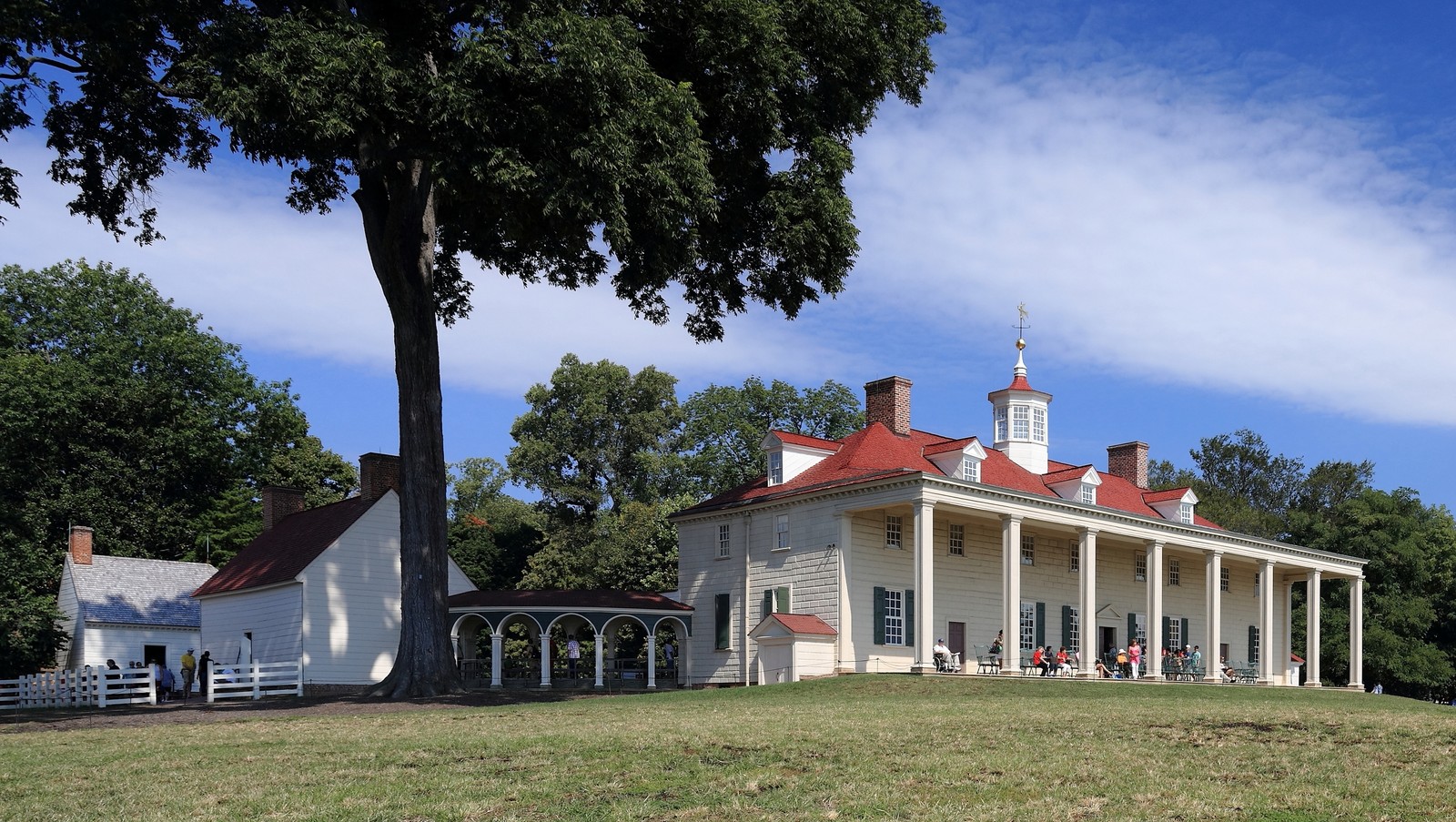
Image: Anthony Roberts

Ever wonder what kind of digs a president calls home when they’re not stress-eating in the Oval Office? It turns out our commanders-in-chief have surprisingly eclectic tastes in real estate. From sprawling plantation estates to modest farmhouses , these presidential pads offer a peek behind the curtain of American history. So grab your walking shoes and your sense of historical curiosity—here are ten presidential homes that welcome visitors.

1
Mount Vernon (George Washington) - Mount Vernon, Virginia
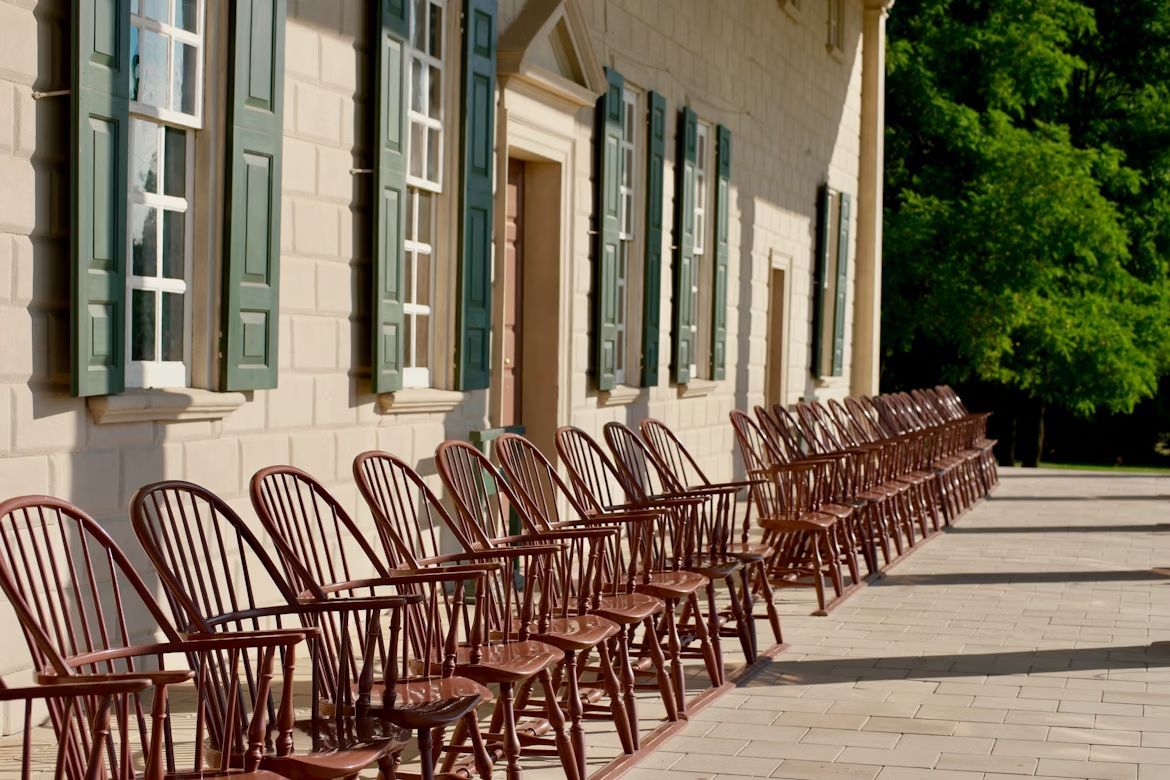
Image: Matt Briney

George Washington's Mount Vernon isn't just a house—it's basically an 18th-century empire. Sitting majestically on the Potomac River, this sprawling estate was where our first president played gentleman farmer when he wasn't, you know, founding a nation.

The estate includes the mansion, beautiful gardens, Washington's tomb, and even a working distillery where they still make whiskey using his original recipe. Fair warning: the place is huge, so plan to spend at least half a day exploring.

2
Monticello (Thomas Jefferson) - Charlottesville, Virginia
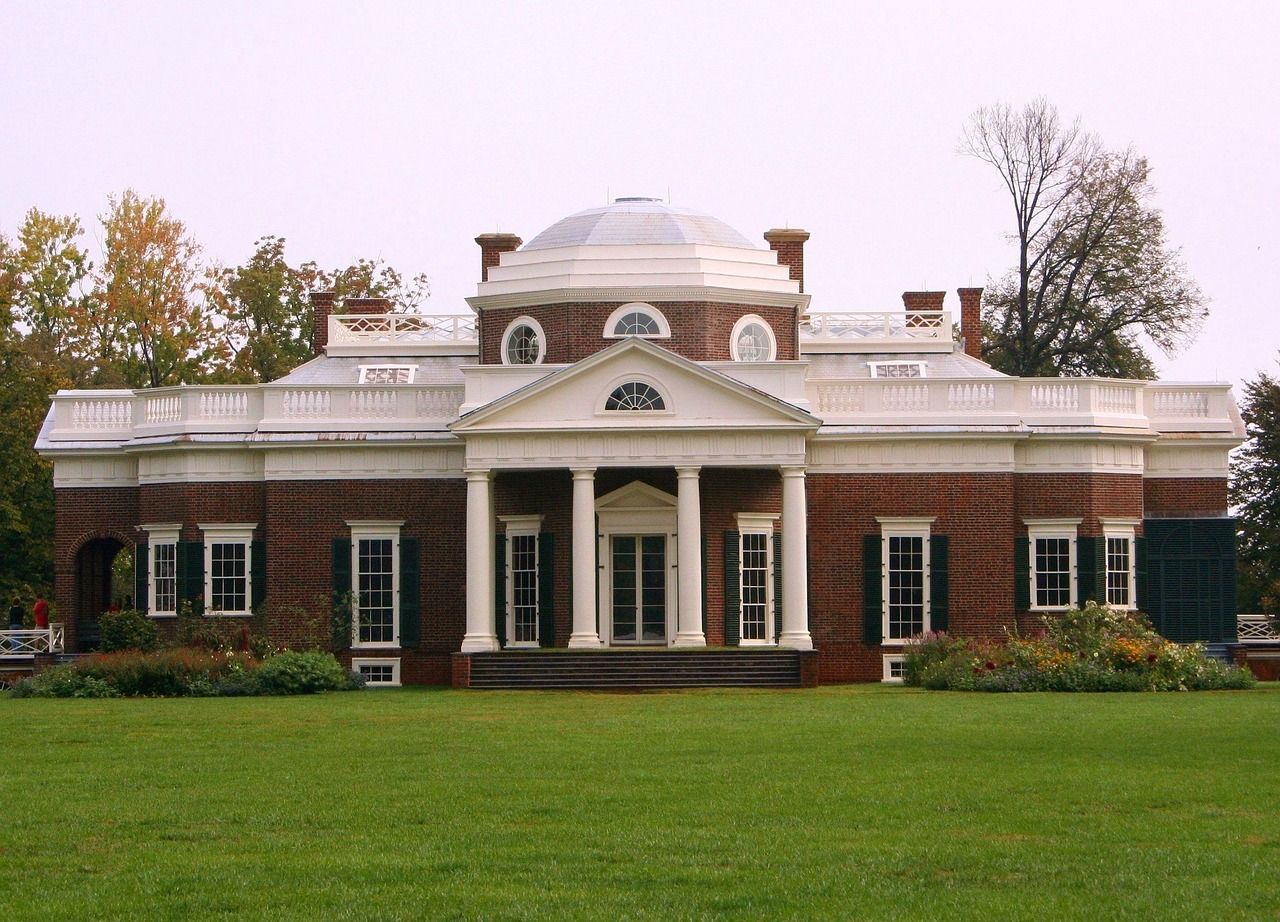
Image: James DeMers

Thomas Jefferson didn't just write the Declaration of Independence—he also designed one of America's most ingenious homes. Monticello is an architectural marvel, packed with Jefferson's clever inventions, from a seven-day clock to a bed alcove between two rooms .

Perched atop a mountain with stunning views of Virginia's countryside, Monticello reflects Jefferson's obsessions: architecture, science, wine, and collecting artifacts. You'll see his extensive library, scientific instruments, and even the desk where he penned some of America's most important documents.

3
Hermitage (Andrew Jackson) - Nashville, Tennessee
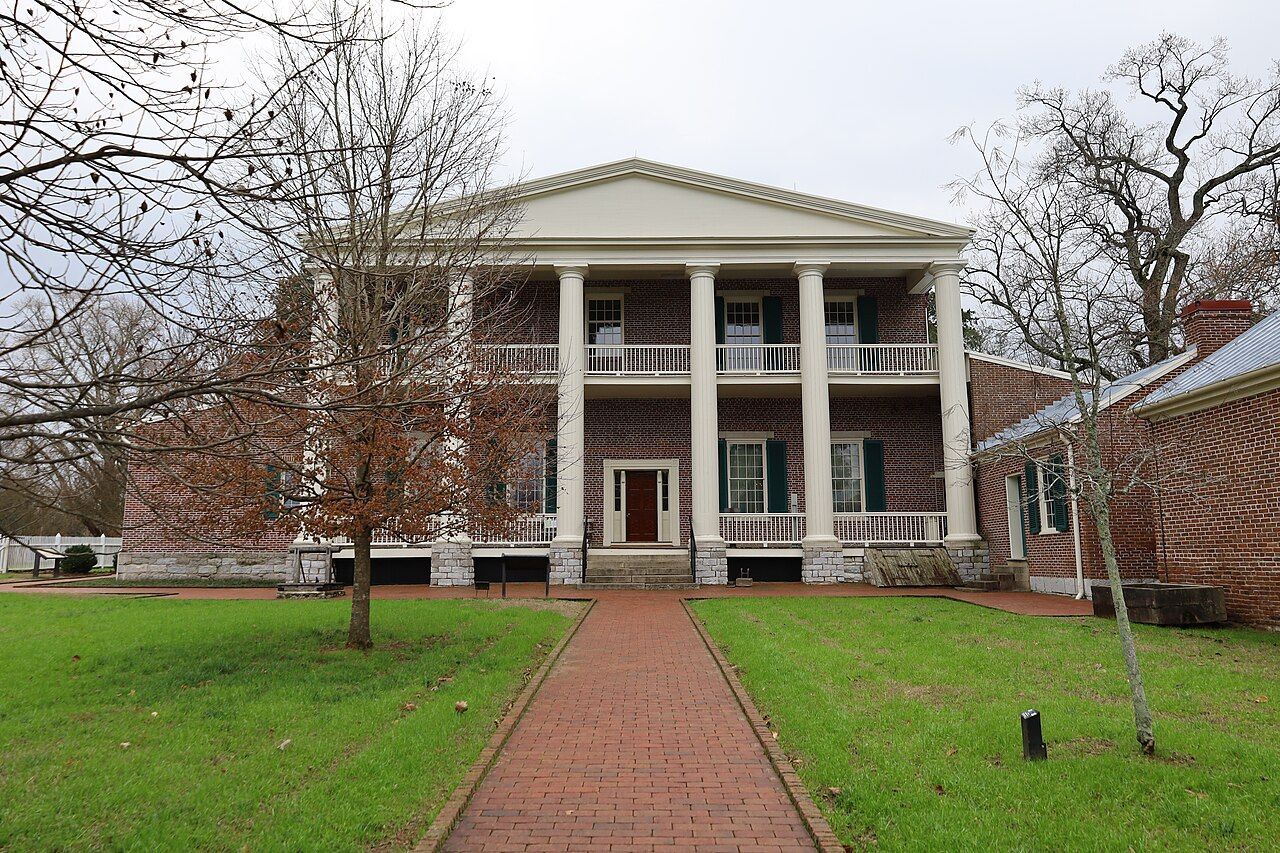
Image: Giorgio Trovato

Andrew Jackson's Hermitage proves that Old Hickory had a softer side—at least when it came to interior decorating. This Greek Revival mansion near Nashville showcases surprisingly elegant taste for a guy who basically invented political mudslinging. The home features original wallpaper, family furnishings, and enough period detail to make any history buff swoon.

The grounds include Jackson's tomb, beautiful gardens, and the Tulip Grove mansion where his nephew lived . There's also a museum that doesn't shy away from the more controversial aspects of Jackson’s legacy, including his policies toward Native Americans.

4
Sagamore Hill (Theodore Roosevelt) - Oyster Bay, New York
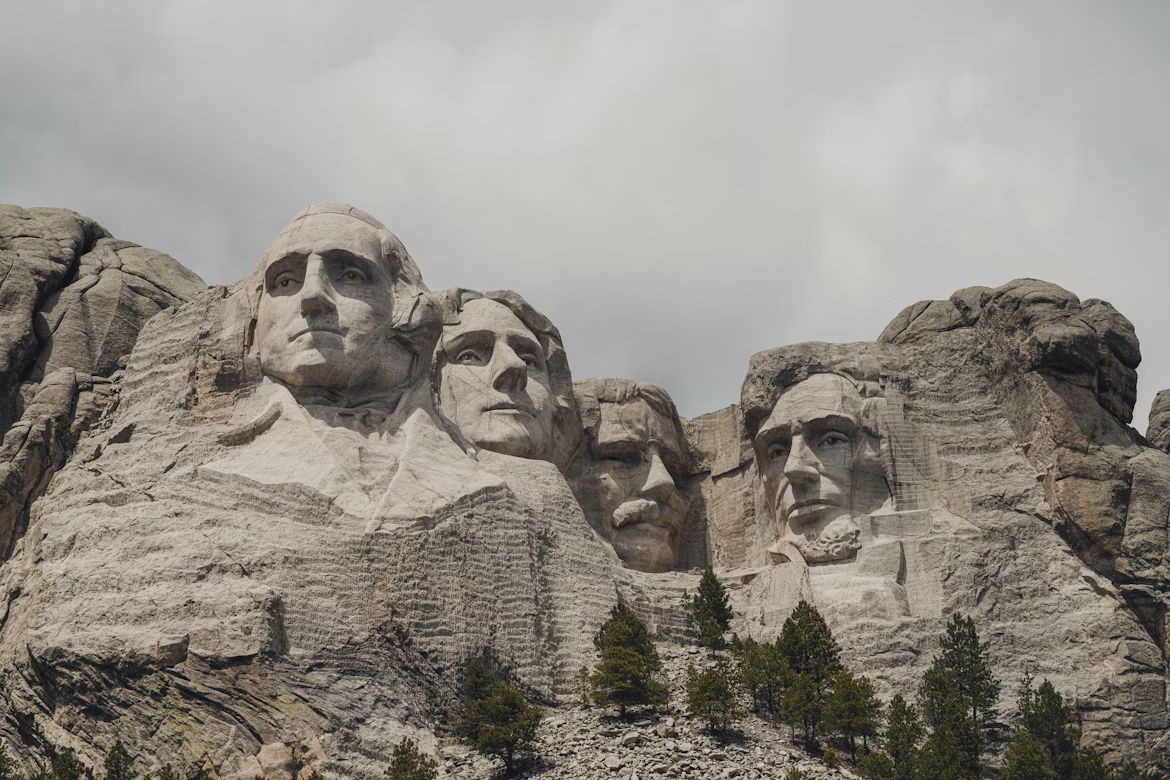
Image: Laura Nyhuis

If you've ever wondered what a president's "Summer White House" looks like, Sagamore Hill delivers in spades. Teddy Roosevelt's Long Island retreat is filled with hunting trophies, books, and artifacts from his adventures around the globe .

The rambling Victorian mansion overlooks Oyster Bay and perfectly captures TR's larger-than-life personality. You'll see the study where he conducted presidential business while supposedly on vacation, because apparently, Teddy Roosevelt didn't understand the concept of "unplugging."

5
Springwood (Franklin D. Roosevelt) - Hyde Park, New York
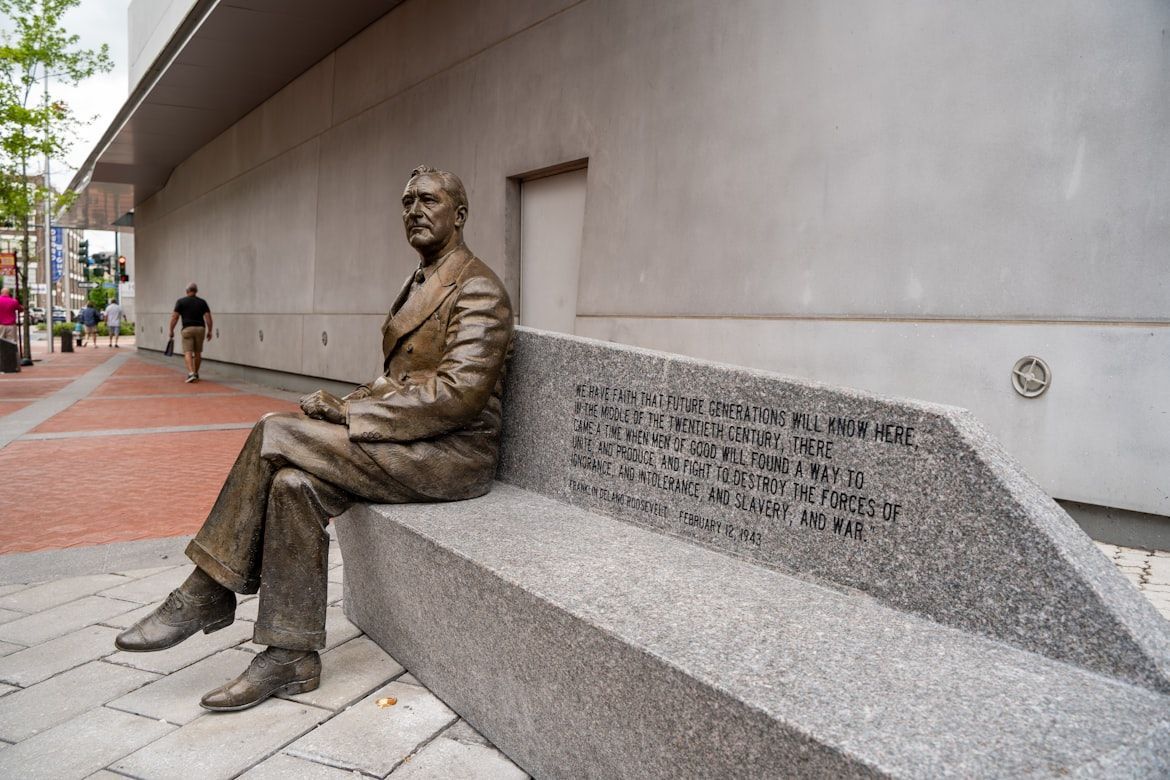
Image: Jessica Tan

Springwood is where Roosevelt returned throughout his presidency, seeking refuge from Washington's pressures and the challenges of polio. The house tour includes the room where he was born .

The estate also features his presidential library—the first of its kind—and the rose garden, where both Franklin and Eleanor are buried. The Top Cottage, FDR's personal retreat on the property, shows insight into how he adapted to living with paralysis.

6
Harry S. Truman House - Independence, Missouri
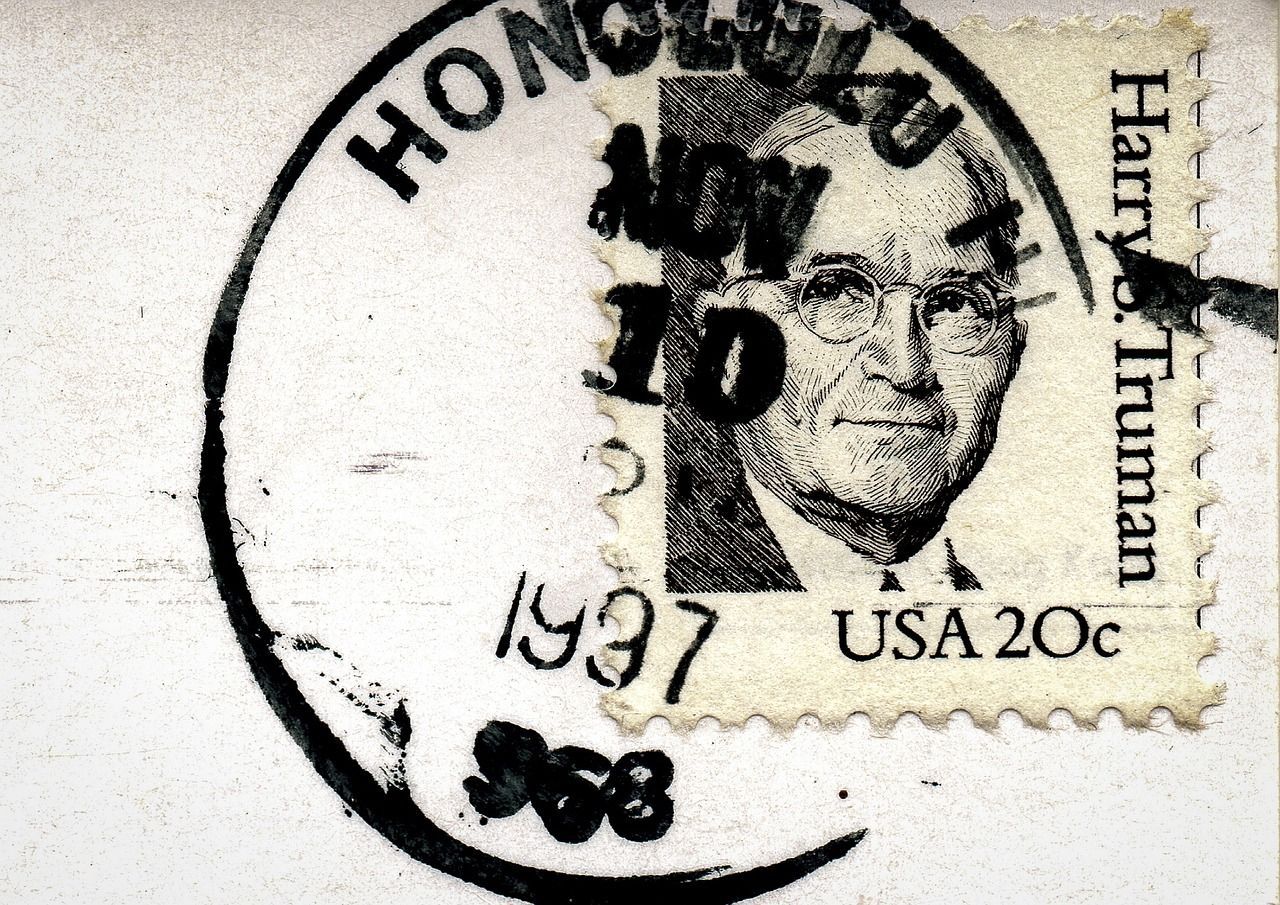
Image: urbanvibe14

Harry Truman's home in Independence is refreshingly normal—which makes sense for a man who went from haberdasher to president without losing his everyman touch. This white Victorian house belonged to his wife Bess's family, and the Trumans lived there before, during, and after his presidency.

The house looks like the Trumans just stepped out for groceries, with original furnishings, Harry's hat hanging in the hall, and Bess's piano in the parlor . It's a time capsule of mid-20th-century American life, proving that you don't need a mansion to make history.

7
Lyndon B. Johnson Ranch - Stonewall, Texas
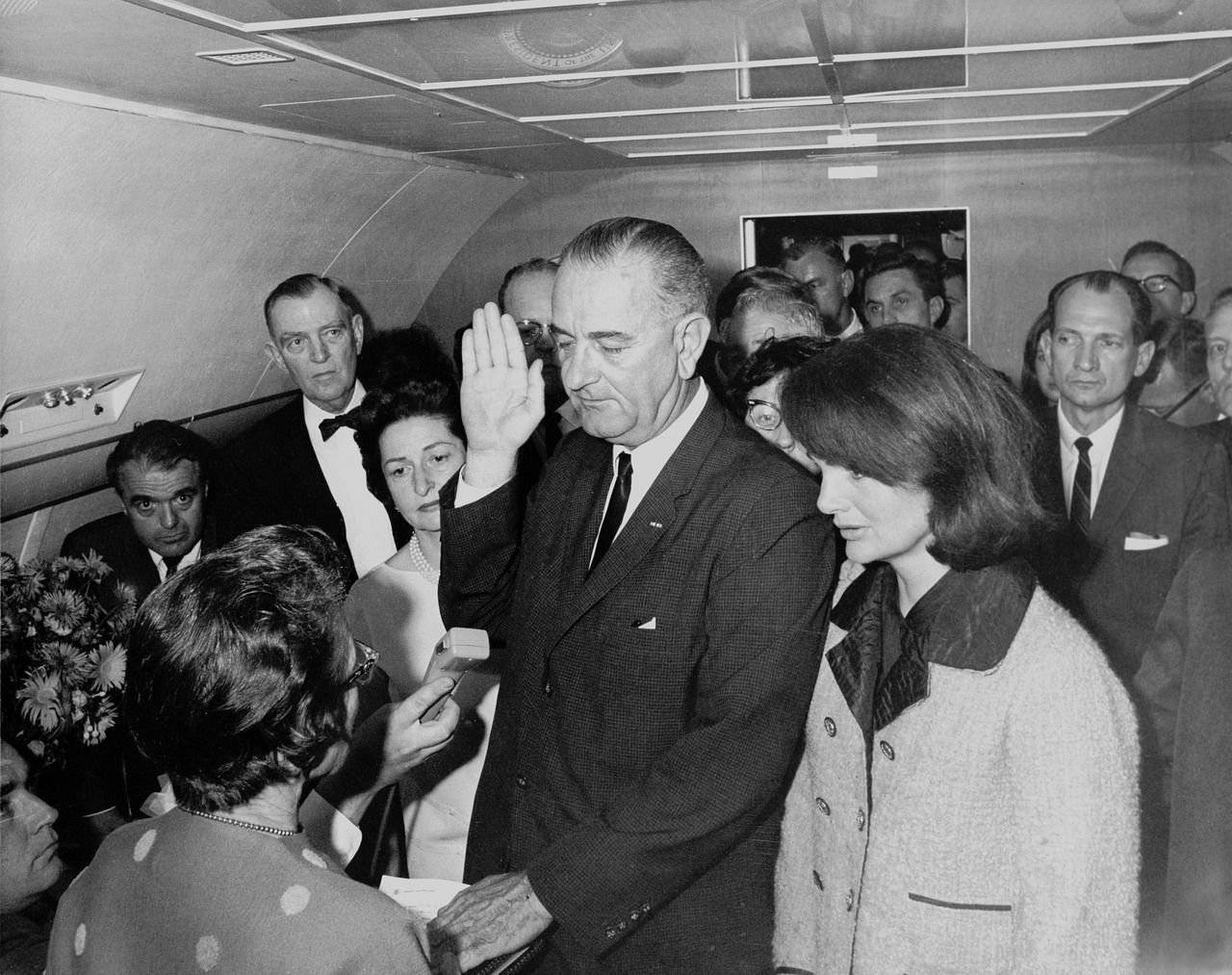
Image: WikiImages

The Texas White House, as LBJ called it, is where the 36th president went to escape Washington's fishbowl and reconnect with his Hill Country roots. The ranch is still a working cattle operation, which somehow makes it even more authentically Texan. You can tour the ranch house, see LBJ's famous Amphicar (half car, half boat, all LBJ showmanship), and visit the one-room schoolhouse where his education began .

The ranch is part of Lyndon B. Johnson National Historical Park, which also includes his birthplace and the family cemetery where he's buried. The house itself is modest but comfortable, filled with Western art and the kind of leather furniture you'd expect from a Texas rancher.

8
Jimmy Carter Boyhood Farm - Plains, Georgia
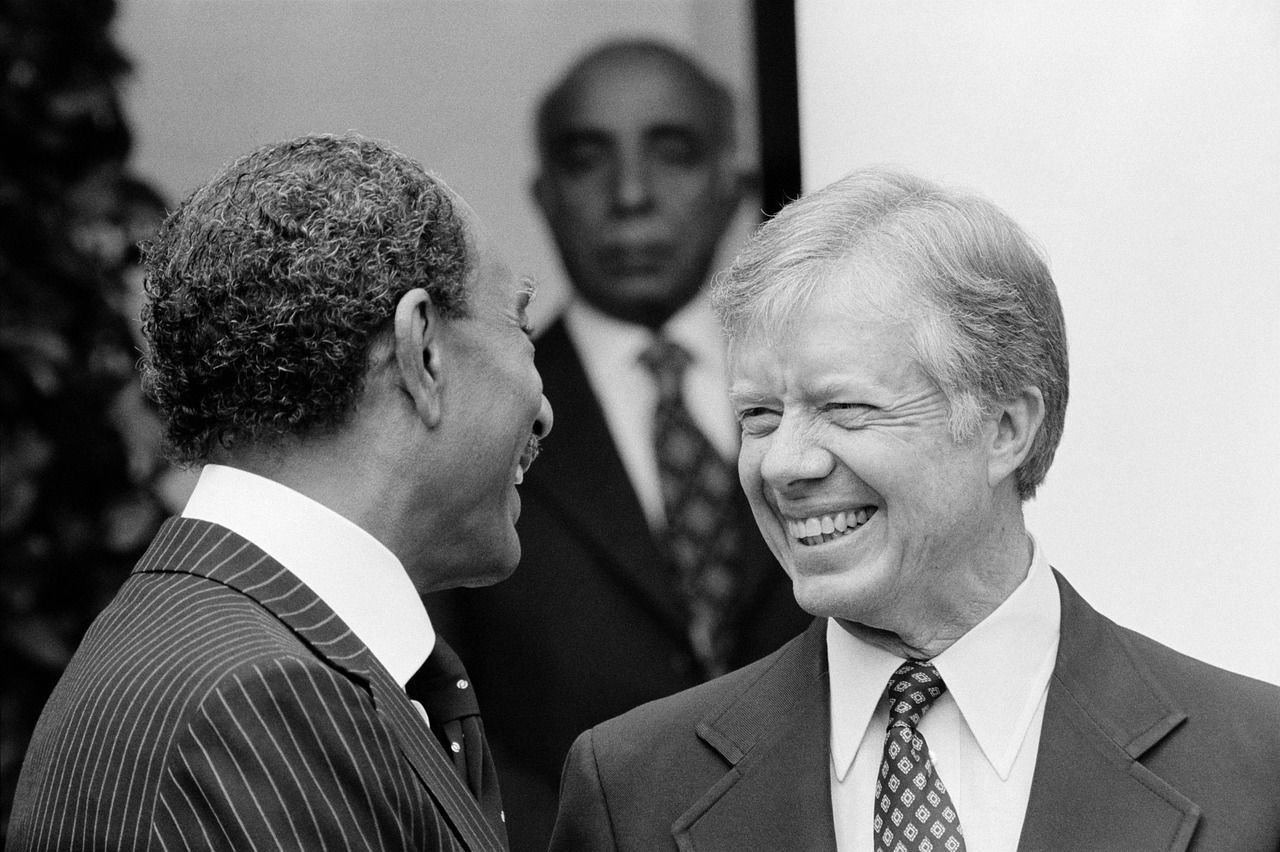
Image: WikiImages

Before he was president, Jimmy Carter was just a peanut farmer's kid growing up in rural Georgia without electricity or running water. The restored farmhouse and grounds show what life was like in 1930s rural America . The pump in the yard wasn't decorative; it was how they got water.

Visiting the Carter farm is like stepping into a time machine. You'll see the commissary where tenant farmers bought supplies, the blacksmith shop, and the outhouse that served as the family's "facilities."

9
Ronald Reagan Ranch - Santa Barbara, California
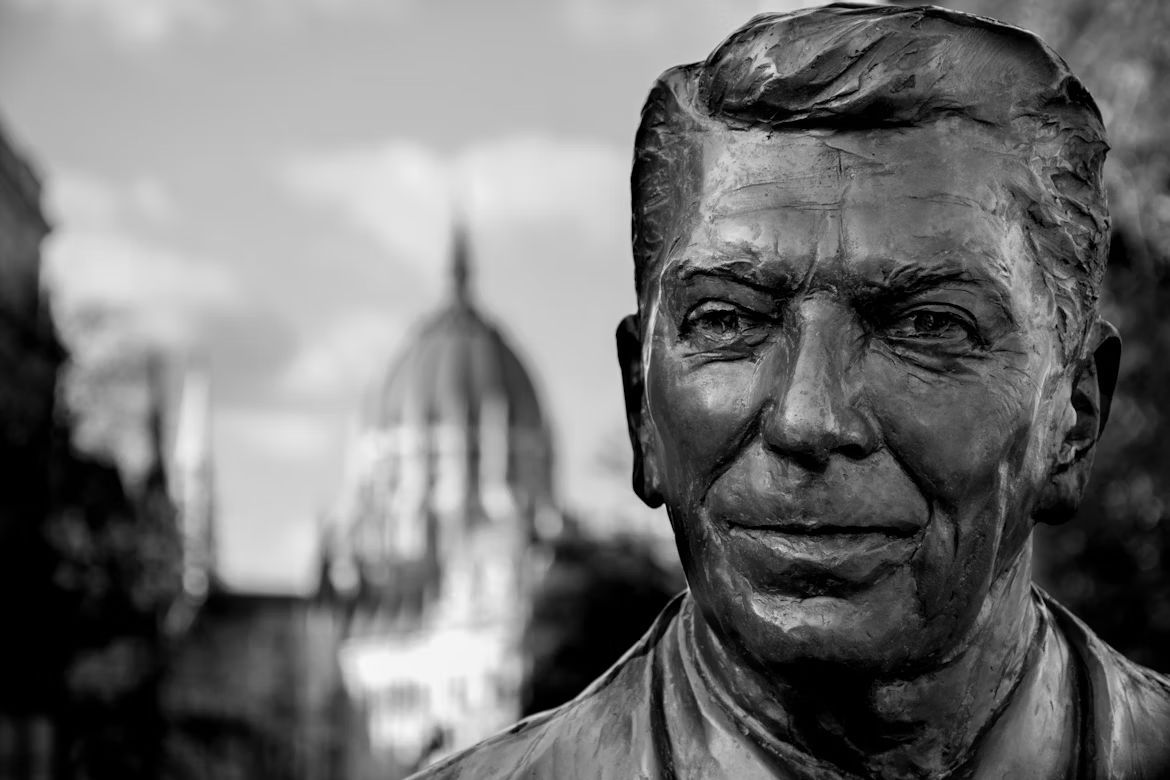
Image: Nicolas HIPPERT

Perched in the Santa Ynez Mountains with sweeping Pacific views, this 688-acre ranch was where the Gipper went to ride horses, clear brush, and make decisions that shaped the 1980s. The rustic adobe house is surprisingly modest : no movie-star mansion here, just a comfortable retreat.

Tours are limited and require advance booking, but they're worth the effort. You'll see Reagan's Jeep, the tack barn where he kept his horses, and the house where he and Nancy entertained world leaders like Mikhail Gorbachev.

10
George W. Bush Prairie Chapel Ranch - Crawford, Texas
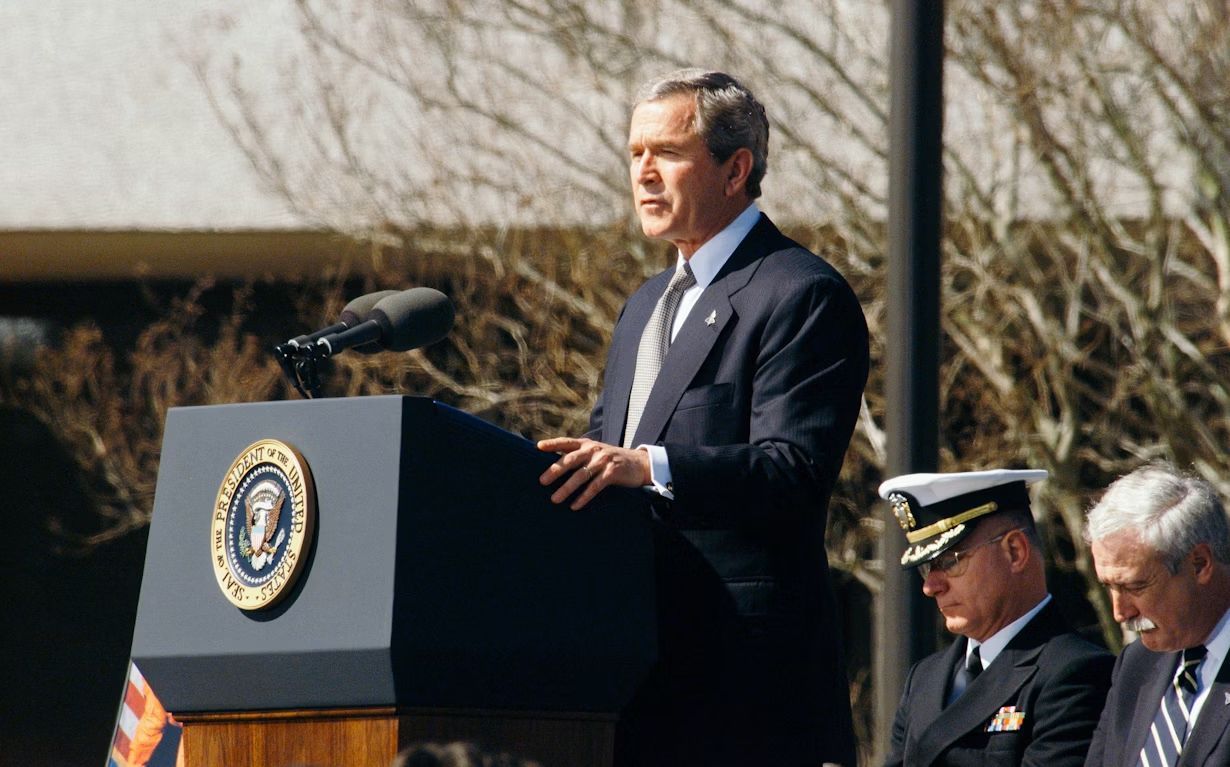
Image: History in HD

While Bush's Crawford ranch isn't open for public tours (yet), it deserves mention as a modern presidential retreat that captured the nation's imagination. The environmentally conscious "Western White House" featured geothermal heating, a rainwater collection system, and lots of brush for W to clear while contemplating post-9/11 America . It's where he hosted everyone from Vladimir Putin to Tony Blair, proving that Texas hospitality works in any era.
General General 5 min read

Culinary influences

Discover 10 "foreign" foods that are actually American

Image: Dyana Wing So

In the United States—the great melting pot—we have embraced countless delicious dishes brought by immigrants when they arrived in America. At the same time, this cultural exchange gave rise to new recipes that, while borrowing elements from cuisines around the world, were created entirely on American soil. For example, did you know that no one in Italy would serve meatballs and pasta in the same course? Or that there isn’t a single restaurant in Cuba where you can order an authentic Cuban sandwich? Read on to discover 10 dishes you thought were foreign but are, in fact, American!

1
Chimichangas

Image: Pedro Gil

What do you mean it’s not a Mexican dish? The name sounds Mexican!" While two Mexican-American restaurants—one in Tucson and the other in Phoenix—dispute the authorship of this dish, one thing is certain: it originated in the United States, more specifically in Arizona .

Today, chimichangas— a stuffed burrito fried in oil or butter —are one of America’s favorite dishes. And although they could never have existed without the culinary influence of our southern neighbor, we also had a lot to do with their creation.

2
Chop suey

Image: Albert Stoynov

There are many theories about the origin of this popular dish, but one of the most widespread is particularly intriguing. According to lore, chop suey was invented in 1896 by the cook of the Chinese ambassador to the United States . Apparently, the diplomat, who was hosting a dinner for American guests, instructed the chef to prepare a dish that would appeal to both Eastern and Western palates.

While there is no dispute that similar dishes exist in Asian cuisine, this particular moment of cultural and culinary exchange is said to have sparked the American public's fascination with Asian flavors . Soon after, Chinese restaurants began to proliferate across the country, with chop suey as their signature dish.

3
Russian dressing

Image: Rachel Claire

Did you know that nobody in Russia has ever seasoned their salad with Russian dressing? It doesn't exist there! This popular condiment is a completely American invention. It’s believed to have been created by a New Hampshire butcher in the early 20th century , who originally called it "Russian mayonnaise." Interestingly, he had no known ties to Russia, so it is unclear why he chose that name.

Perhaps the answer lies in one of the dressing’s original ingredients: black caviar, one of Russia’s most famous exports . Unfortunately, we’ll probably never know the full story. One thing is certain, though—Russian dressing was born in the United States!

4
Chili con carne

Image: https://images.unsplash.com/photo-1545433243-0a87e3fed9b4?q=80&w=1470&auto=format&fit=crop&ixlib=rb-4.0.3&ixid=M3wxMjA3fDB8MHxwaG90by1wYWdlfHx8fGVufDB8fHx8fA%3D%3D

Okay, chili may sound like a traditional Mexican dish, but this meaty version, chili con carne , was actually created in South Texas in the late 19th century . Not only did it feature added animal protein, but one of the key ingredients often associated with chili today—beans—was originally left out.

Chili con carne quickly became a national favorite. Families across the country began experimenting with their own versions, and soon, nearly every state had its own take on the dish . But nothing quite compares to the original Texan chili—the one that started it all!

5
Fortune cookies

Image: hannahlouise123

If you asked someone where fortune cookies come from, they’d probably say China. After all, they’re the quintessential treat served at Chinese restaurants around the world. But surprisingly, fortune cookies were invented in the United States —and they’re not even Chinese !

They were first created in the early 20th century in San Francisco , one of the American cities with the largest Asian immigrant populations. Even more surprisingly, they were invented by a Japanese man as a gesture of gratitude to the mayor who had hired him as a designer. He was inspired by a Kyoto tradition called omikuji , which involves offering a treat that contains a random fortune written on a slip of paper.

After World War II, many Chinese entrepreneurs took over Japanese bakeries in the Bay Area, helping to spread the cookie's popularity—and contributing to the common misconception about their origin.

6
Cuban sandwich

Image: Conor Brown

Despite its name, the Cuban sandwich originated in the Cuban-American communities of Ybor City, Key West , and Plant City , Florida , in the early 20th century. It later became popular in Miami and other American cities with large Cuban populations.

Interestingly, the ingredients vary from place to place. What all versions share, however, is Cuban bread —similar to a French baguette but made with slightly different ingredients and a unique baking method. So, is this bread authentically Cuban? Not exactly. It was actually created alongside the sandwich, right here in the United States!

7
German chocolate cake

Image: BraggsDiner

Despite its name, German chocolate cake has no culinary ties to Germany, nor is it named in honor of the country. In fact, it takes its name from Samuel German , a confectioner who, in the mid-1850s, developed a type of baking chocolate for the Baker's Chocolate Company of Boston, Massachusetts.

A century later, a recipe using German’s Sweet Chocolate appeared in the Dallas Morning News and became an instant hit among homemakers. Before long, Baker's Chocolate sales soared, marking a strong comeback for German's baking bar. Today, German chocolate cake is an American classic —and now you know its true origin!

8
Spaghetti and meatballs

Image: Ivy Farm

You probably thought this dish was authentically Italian your whole life. Well, we hate to break it to you, but spaghetti and meatballs are a hundred percent American invention, though it is, to be fair, a product of early 20th-century Italian immigration.

Meatballs were likely inspired by Italian polpette , a stew made of small balls of breadcrumbs mixed with meat or fish. However, in the Old World, polpette was never served with pasta and marinara sauce; it was a dish on its own. When Italian immigrants discovered how easy it was to buy beef in America, they began incorporating it into many dishes. And thank goodness they did!

9
Garlic bread

Image: Mariana Kurnyk

Another food with Italian influences but created in the United States is garlic bread. A staple of Italian restaurants, this side dish was introduced by immigrants who were likely trying to emulate the famous bruschetta .

However, they ran into an obstacle that led to the invention of something totally new—but just as delicious. Olive oil, so abundant in the mother country, was scarce and difficult to obtain in America. Therefore, they resorted to an ingredient found in abundance here: butter . And the rest is history!

10
Vichyssoise

Image: Julia Kicova

With such a name, you might think this dish is purely French! Well, not exactly. Although it was created by a French-born chef, it was first made in Manhattan, New York. In 1917, feeling a bit homesick for his homeland, Louis Diat, head chef of the Ritz-Carlton Hotel, wanted to recreate a potato and leek soup his mother used to make when he was growing up in Montmarault, France.

But there was a problem: it was summer. Finally, he came up with a brilliant idea—to thin down the hot soup with cold milk and cream . He named his invention after Vichy, the famous spa town near his hometown. The dish was an instant hit among the restaurant’s guests, who soon asked for it to be available year-round.

History History 4 min read

Historical misconceptions

No, George Washington did not have wooden teeth: Debunking American myths

Image: EricThriller

Did you really imagine George Washington with wooden teeth? Or Betsy Ross drawing the Star-Spangled Banner in a scrapbook? Some longstanding stories associated with US history are, after all, more myth than reality. Let’s explore what is fact and what is fiction about stories we have probably all heard!

1
George Washington had wooden teeth

Image: Todd Trapani

Washington suffered from dental problems throughout his adult life and did wear several sets of false teeth. However, he did not wear wooden ones.

They were made from materials like ivory, metal, and springs . The "wood" myth probably comes from the staining of ivory and from 19th-century caricatures.

2
Salem witches were burned at the stake

Image: Sofia Holmberg

We hold the long-standing belief that the accused Salem "witches" were burned like European witch victims.

However, in the Salem (and colonial New England) trials of 1692–1693, convicted witches were almost always executed by hanging ; burning at the stake was not the legal penalty under English law in the colonies.

3
Paul Revere rode and shouted, "The British are coming!" alone

Image: Mikhaël Noury

He may be riding alone in the Boston statue that represents the dramatic midnight ride in which he warned of the British troop movements.

But in reality, Revere was one of several riders who spread word of the British troop movements; Longfellow’s 1860 poem amplified and simplified the story, including the shouted line, which would have been unlikely among colonists.

4
Betsy Ross designed the first American flag

Image: Heather Newsom

We have heard again and again the myth that Betsy Ross stitched the first Stars and Stripes after being asked by George Washington. In reality, this tale grew from a family tradition promoted more than a century after 1776. Historians have found no contemporary documentation proving that she designed the first official flag.

The flag’s creation was likely more complex and collective. Ross has always remained a folk symbol, but there is no proof that she was the sole designer.

5
Mrs. O’Leary’s cow started the Great Chicago Fire

Image: raquel raq

The myth: a cow kicked over a lantern in Catherine O’Leary’s barn and caused the 1871 conflagration. The cow story originated in sensational newspaper reporting and later became part of folklore.

Investigations have never produced conclusive proof, and modern historians treat the O’Leary–cow tale as an unfair scapegoating and probably apocryphal. The fire’s precise origin remains a mystery.

6
"Molly Pitcher" was a famous woman who operated a cannon at Monmouth

Image: Foysal Razu

The story of Molly Pitcher, a single heroic woman who supposedly took over a cannon when her husband fell, may have been created to represent several women . The best documented candidate is Mary Ludwig Hays, but the legend also reflects the broader contributions of women who supported troops during the Revolutionary War, with or without having been widowed.

7
Davy Crockett died fighting to the last at the Alamo

Image: Eric Francis

Did Crockett heroically fight to the death amid hand-to-hand combat at the Alamo? Well, that was indeed the location of his death, but sources conflict about the manner.

Some eyewitness accounts and Mexican records suggest he may have been captured and executed; other accounts describe him dying in combat. The neat heroic portrait was shaped by 19th-century myth-making.

8
The Declaration of Independence was signed on July 4, 1776

Image: The New York Public Library

It is widely believed that all signers of the Declaration of Independence scribbled their names on it on July 4, which is why we celebrate that date.

Congress adopted the Declaration on July 4, but most delegates did not sign the parchment copy until August 2 of that year (and a few added their names even later). July 4 became the commemorative date for adoption and celebration, not the universal signing day.

9
The Pilgrims’ "First Thanksgiving" centered on a big roast turkey, like today

Image: Tyler Donaghy

No, the 1621 harvest meal at Plymouth did not feature the same turkey-centered feast we picture now.

Accounts mention venison and wildfowl, but the menu and ritual context were very different from modern Thanksgiving dinners. The idea of an annualized, turkey-centered national holiday developed much later (19th century onward).

10
Thomas Edison single-handedly invented the light bulb

Image: Tamas Pap

Many believe that Edison alone invented the incandescent light bulb out of whole cloth. But electric light was the product of decades of work by many inventors (from Humphry Davy to Swan and others).

Edison’s contribution was significant improvements and the critical development of a commercially viable, manufacturable system, but he did not "invent" electric light in isolation.

11
Pocahontas dramatically saved John Smith from execution

Image: EricThriller

The myth holds that Pocahontas heroically rescued Captain John Smith by throwing herself over him at the moment of execution.

Disney may have amplified the romantic and dramatic aspects of this story. John Smith’s account of a dramatic rescue appears in later writings and is debated by historians. Many scholars now interpret the scene as a ritual adoption or a ceremonial act rather than a literal rescue, or they suspect Smith embellished the story.

Explore more American facts

Choose your favorite category!

General
General

As American as apple pie—the very best America has to offer!

Culture
Culture

Delve into the astounding richness of American lore.

Geography
Geography

Hop in and explore vast and diverse American landscapes.

History
History

Discover the key moments that shaped the United States.