History History 4 min read

Presidential anecdotes

When Presidents Went Off Script: 10 crazy moments from US leaders
Image: NASA, Public domain, via Wikimedia Commons

Sure, many big moments in our history were protagonized by presidents. But today, we’d like to highlight those times when presidents found themselves at the center of odd situations and wild stories: less polished, less formal, and much crazier! Here are 10 surprising facts you probably didn’t know about our commanders-in-chief.

1
Richard Nixon proposed to his wife the day they met
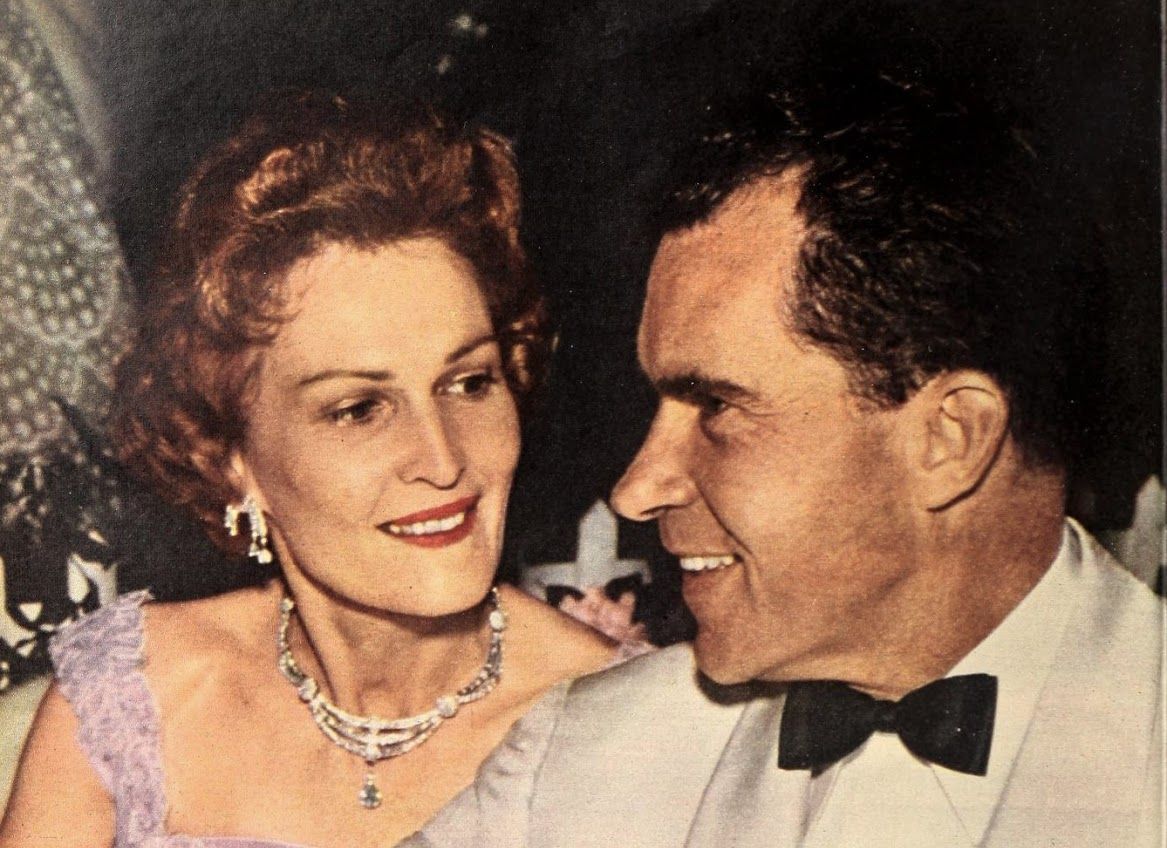
Image: Dell Publishing, 1960. Photographer: Maggi of Pictorial, Public domain, via Wikimedia Commons

Richard Nixon met Pat Ryan in 1937 while auditioning for a community theater play. According to reports, he fell head over heels for her right away, and even proposed on their very first date! Pat, showing a little more sense, said no at the time, but two years later, in June 1940, she finally said yes and became his wife. The true romantic-in-chief!

2
George H.W. Bush almost chose Clint Eastwood as his running mate
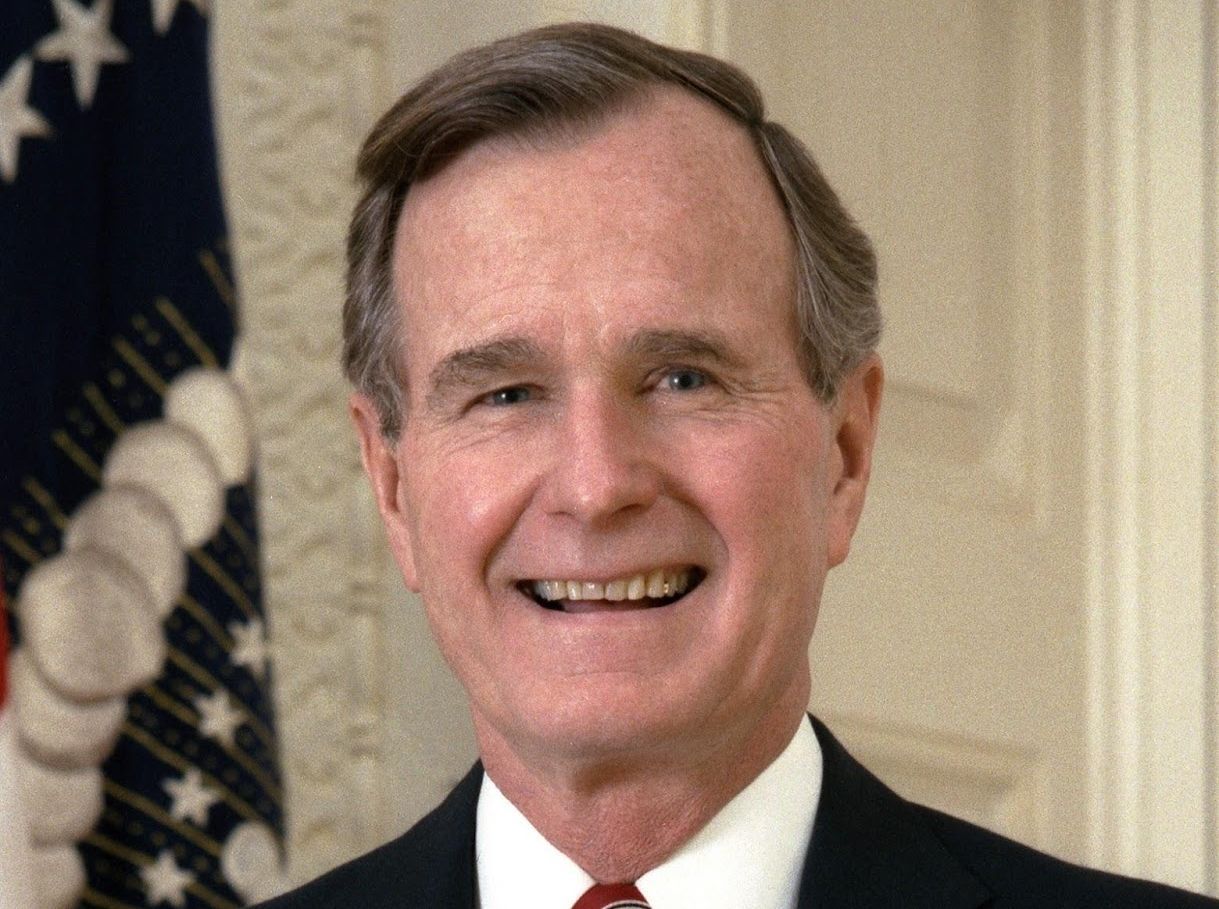
Image: David Valdez, Public domain, via Wikimedia Commons

During George H.W. Bush's 1988 presidential campaign, his team considered a candidate who was definitely well-known to everyone, even people who didn’t follow politics. It was none other than Clint Eastwood, Hollywood star and former mayor of Carmel, California. Can you imagine if a movie star had been Bush’s vice president?

3
Martin Van Buren wrote an autobiography without mentioning his wife
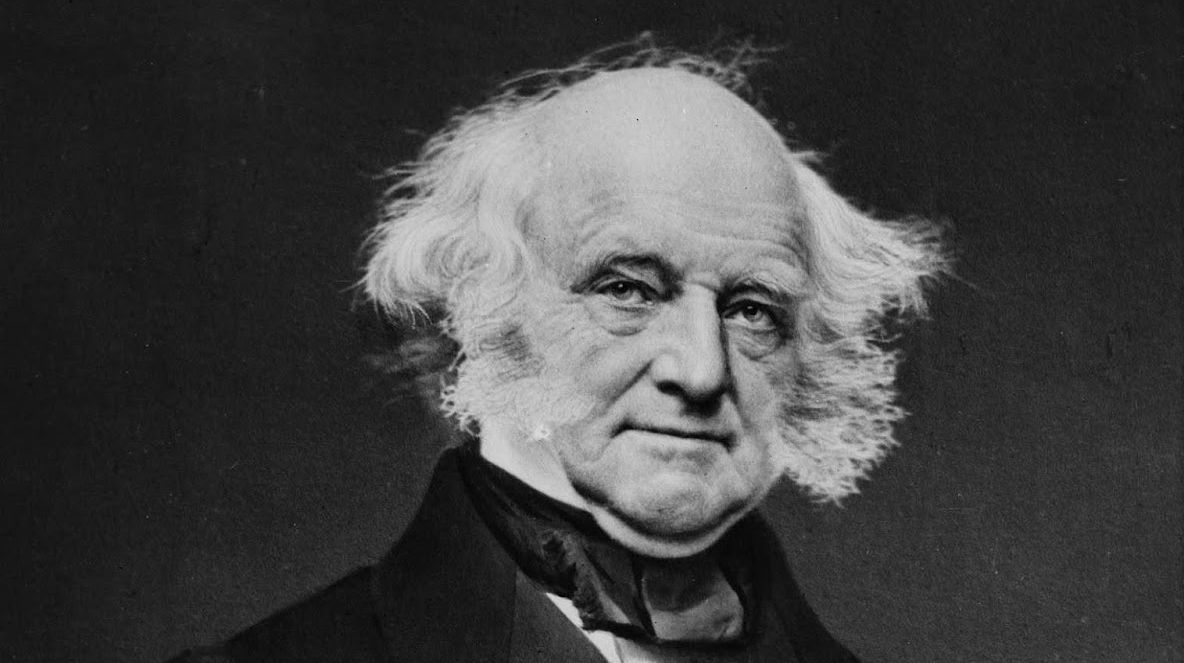
Image: Mathew Benjamin Brady, Public domain, via Wikimedia Commons

How do you write an autobiography and leave out your wife? Well, President Martin Van Buren did exactly that. Historians suggest two reasons: at the time, it was considered poor taste to write about one’s wife, and the other reason was Van Buren’s heartbreak. Hannah Hoes Van Buren, his wife and also his childhood sweetheart, died of tuberculosis years before he became president, and some believe his grief kept him from remarrying or even talking about her.

4
William Faulkner turned down an invitation from JFK
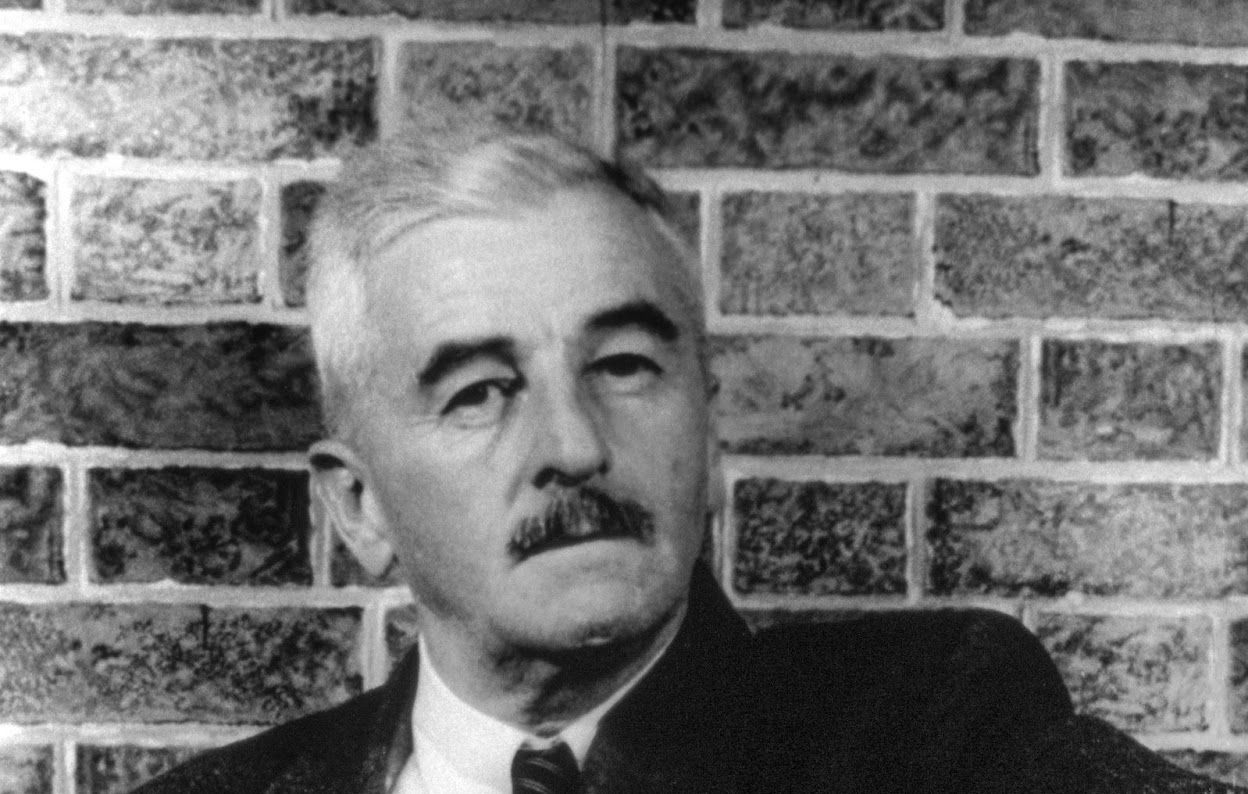
Image: Carl Van Vechten, Public domain, via Wikimedia Commons

Would you turn down a dinner invitation at the White House? Renowned writer William Faulkner did. He declined an invitation from President John F. Kennedy, who had included him in an event honoring Nobel Prize winners. Faulkner explained he was "a hundred miles away" and that it was "a long way to go just to eat."

5
Jimmy Carter wrote a children's book
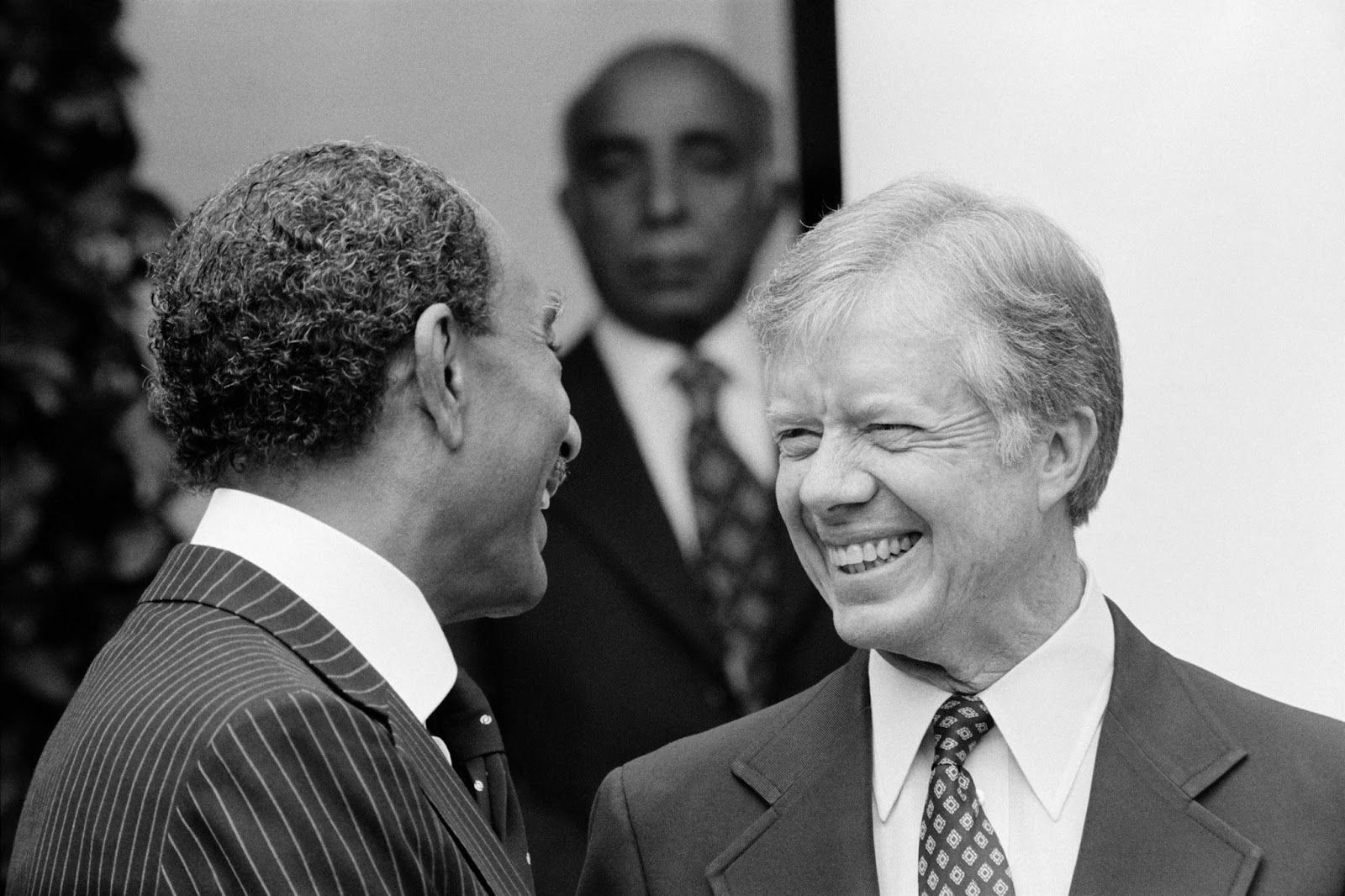
Image: Leffler, Warren K., photographer or Trikosko, Marion S., photographer. Work for hire made for U.S. News and World Report., Public domain, via Wikimedia Commons

Jimmy Carter wasn’t just a state senator, governor, and President of the United States. It turns out he had other interests too, including literature. Did you know he wrote a children’s book? Titled The Little Baby Snoogle-Fleejer , it was published in 1995.

6
Theodore Roosevelt didn’t think a black eye seemed presidential
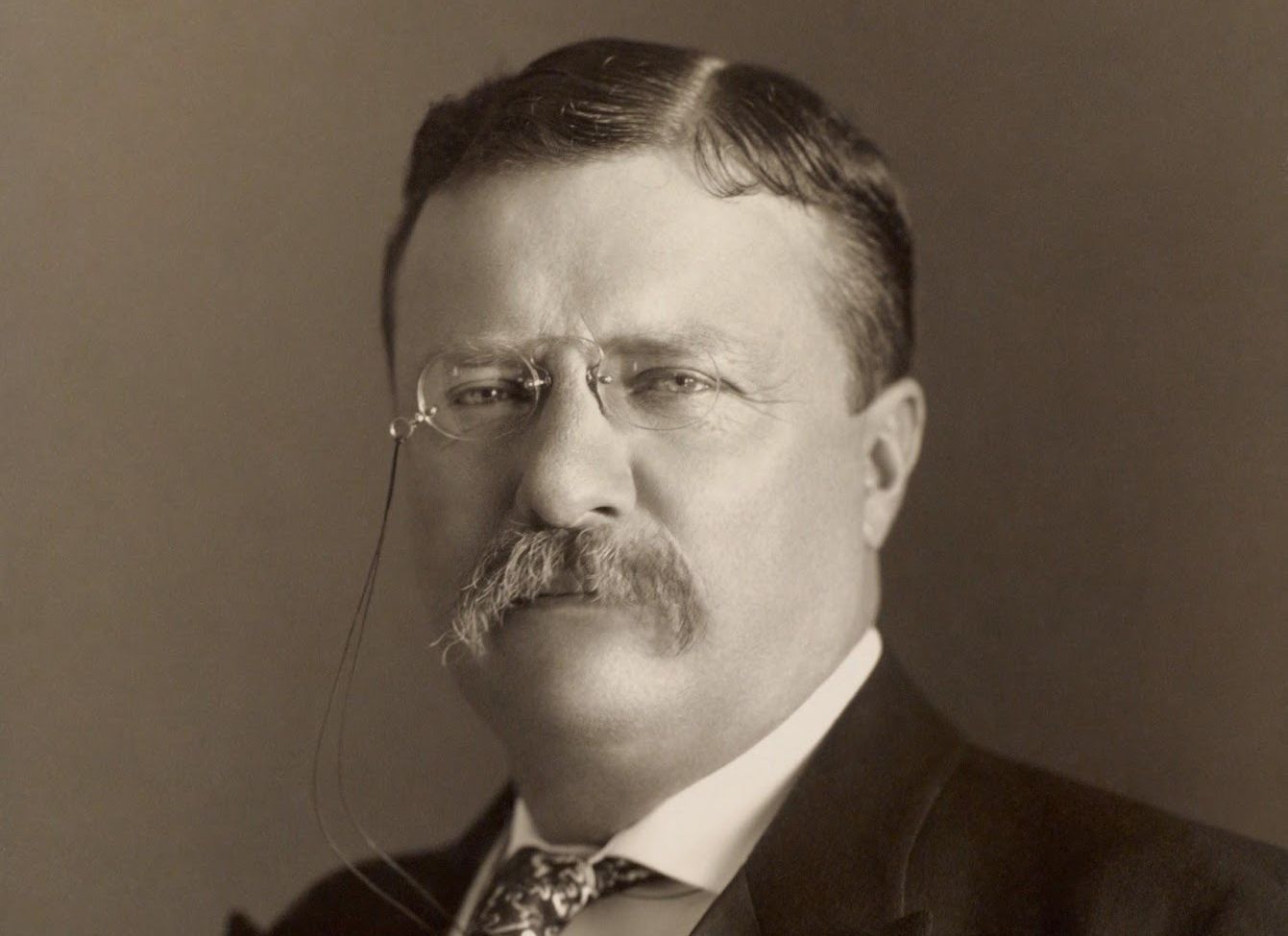
Image: Theodore_Roosevelt_by_the_Pach_Bros

Teddy Roosevelt loved boxing, but once he became president, he had to be cautious. He chose to scale back his training sessions at the White House, saying it was, in his own words, "rather absurd for a president to appear with a black eye, a swollen nose, or a cut lip."

7
Bill Clinton's cat had its own video game
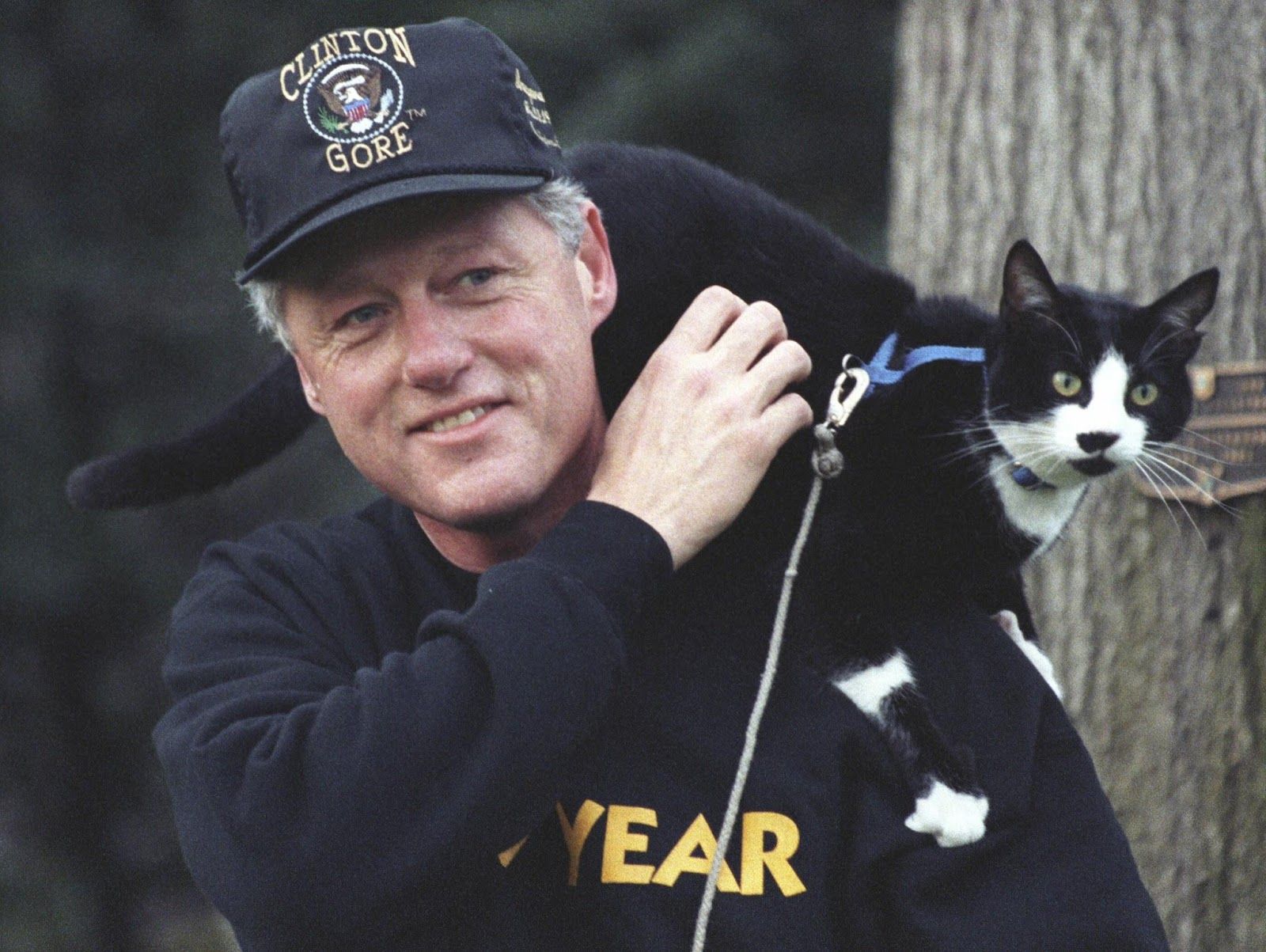
Image: The U.S. National Archives, No restrictions, via Wikimedia Commons

Have you heard of Socks the Cat Rocks the Hill ? It was a game developed for the Super Nintendo Entertainment System (SNES) and Sega Genesis, starring Socks, the Clinton family’s famous cat. Unfortunately, it was canceled before it ever reached the public.

8
Theodore Roosevelt had a lock of Abe Lincoln's hair
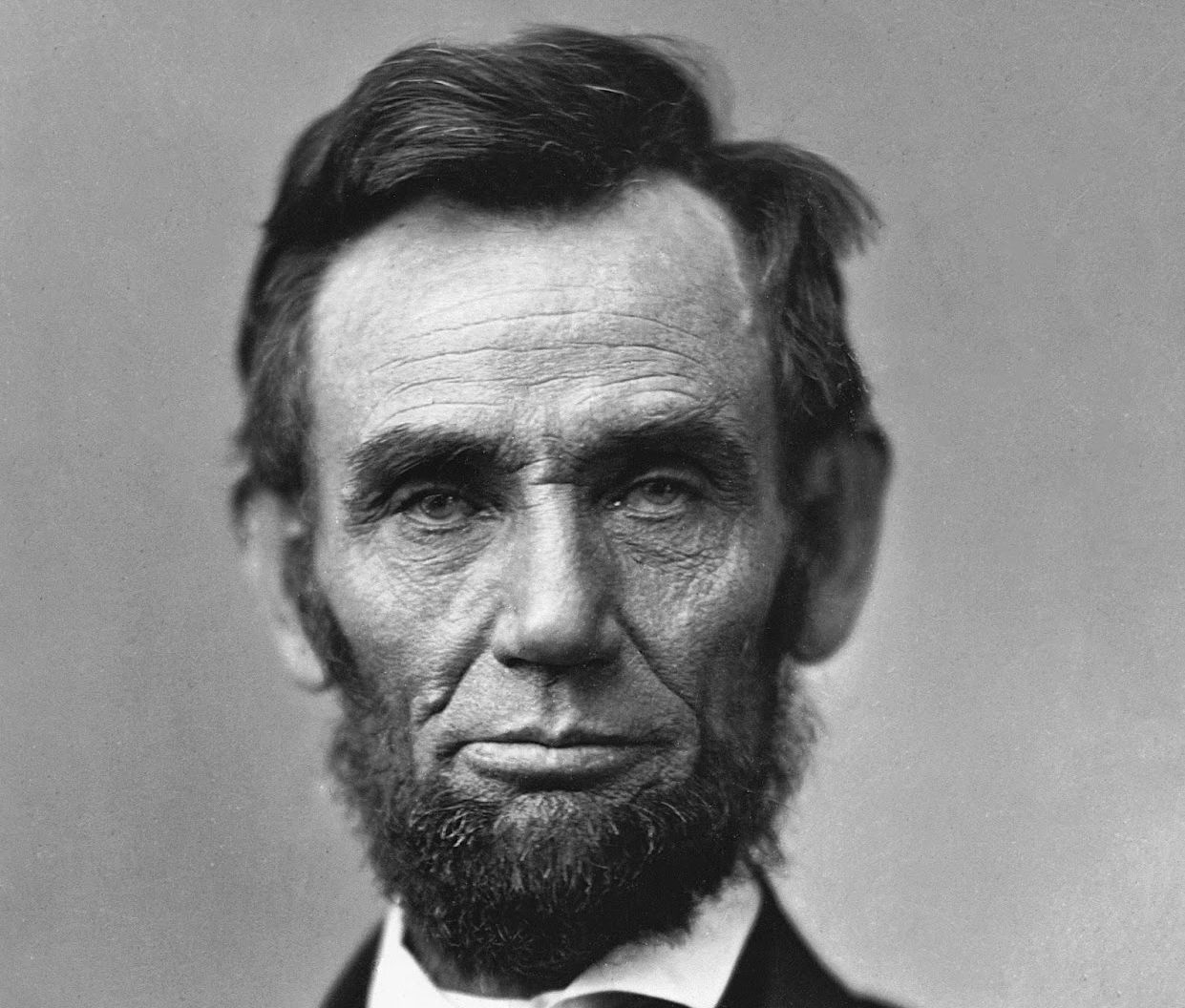
Image: Alexander Gardner, Public domain, via Wikimedia Commons

Yes, we know, the title sounds a little odd, but it’s actually a story of loyalty and admiration. When Teddy Roosevelt started his second term, he wore a ring containing a lock of hair from none other than Abraham Lincoln. It was a gift from John Hay, one of Lincoln’s private secretaries, who knew of Roosevelt’s deep respect for Honest Abe.

9
Gerald Ford worked as a model
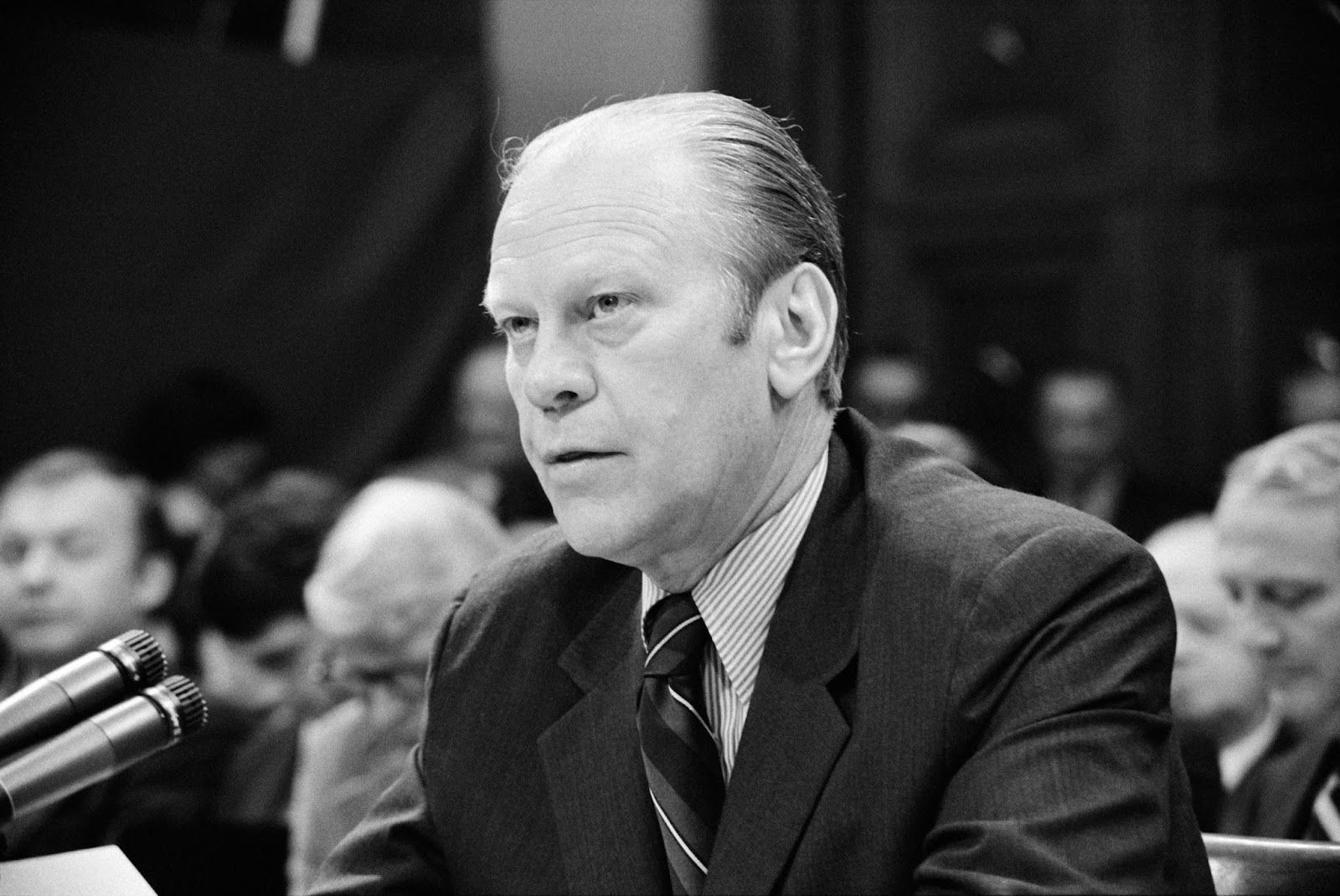
Image: Thomas J. O'Halloran, photographer, Public domain, via Wikimedia Commons

Many presidents had hobbies, and some even held jobs outside politics before the Oval Office. One of them was Gerald Ford, who worked as a model! In fact, it was through modeling that he met the woman who would become his wife.

10
Herbert Hoover managed the football team
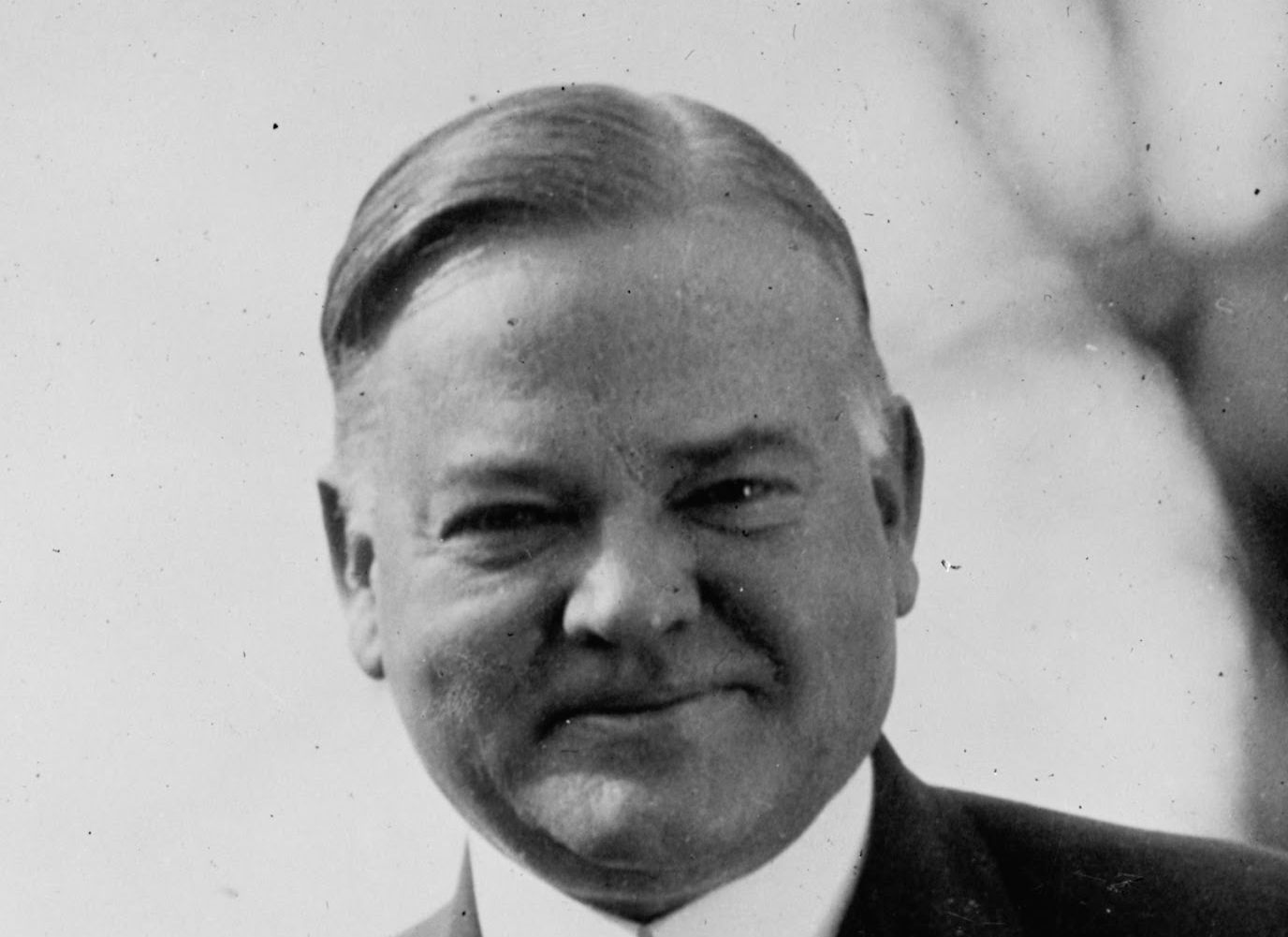
Image: Herbert E. French, Public domain, via Wikimedia Commons

Speaking of hobbies and interests, Herbert Hoover had a pretty common one: He really loved sports. But here’s the interesting part: He came to manage the baseball and football teams at Stanford in 1892.
History History 4 min read

The strangest battles ever fought

11 of America’s shortest wars and strangest battles in history

Image: Chandler Cruttenden

Some of America’s most memorable conflicts weren’t long campaigns but rather quick clashes, odd standoffs, or brief fights that, for one reason or another, became well known. These short or unusual events often reveal how chaotic, improvisational, or downright strange these kinds of situations can be in real life. Take a look at 11 of these curious affairs involving our nation.

1
The Pig War (1859)

Image: Pascal Debrunner

A boundary dispute on San Juan Island nearly escalated into a U.S.-British war after an American farmer shot a British-owned pig that was rooting in his garden . Troops rushed in, tensions rose, and both sides came to the verge of open conflict.

Thankfully, the "war" ended without a single human casualty. Diplomacy prevailed, leaving history with a famously absurd standoff where the only fatality was the unfortunate hog that started it all.

2
The Toledo War (1835-36)

Image: Leo Escala

Believe it or not, Michigan and Ohio once squared off over a slim strip of land containing the city of Toledo . Militias mobilized, tempers flared, and political rhetoric soared past anything that the dispute really deserved.

The conflict produced only one injury: a sheriff was stabbed with a pocket knife. It ended with Michigan receiving the Upper Peninsula as compensation.

3
The Aroostook War (1838-39)

Image: Jason Abdilla

A mix of lumberjacks, militias, and confused officials sparked a border showdown between Maine and British Canada. Though the name sounds dramatic, the "war" consisted mostly of shouting, arrests, and paperwork .

Still, it lasted less than a year and recorded no combat deaths. Its odd blend of frontier folklore and diplomatic missteps gave it a reputation as one of America’s most harmless "wars."

4
Battle of Lake Erie (1813)

Image: National Historical Museum of Sweden (NHM)

In a fierce naval engagement that lasted only a few hours, Commodore Oliver Hazard Perry secured control of Lake Erie during the War of 1812 . His quick, decisive victory shifted momentum in the northern theater of the war.

The battle is remembered for its speed and for Perry’s bold message: "We have met the enemy, and they are ours."

5
Battle of Blair Mountain (1921)

Image: Art Institute of Chicago

For five tense days in West Virginia, thousands of coal miners armed themselves against hired gunmen, local law enforcement, and eventually federal troops . It became the largest labor uprising in U.S. history.

Despite its scale, the conflict ended quickly once the Army intervened. Its strange blend of union struggle, machine guns, and biplanes made it one of the most dramatic yet short-lived labor battles ever fought.

6
Battle of Athens, Tennessee (1946)

Image: Thi Nguyen Duc

World War II veterans took matters into their own hands and clashed with a corrupt county political machine after years of election wrongdoing. In a single night of gunfire and sieges, the veterans seized the jail and exposed the fraud .

By morning, order was restored and democracy reclaimed. The brief uprising became a legendary example of ordinary Americans pushing back against local tyranny.

7
Shelling of Fort Stevens (1942)

Image: Ray Graciano

During World War II, a Japanese submarine surfaced off the Oregon coast and fired on Fort Stevens for roughly fifteen minutes . The startled gunners held their fire to avoid revealing their positions.

No lives were lost, and damage was minimal. Still, the brief attack stands out as one of the only direct assaults on the U.S. mainland during the war.

8
Battle of Palmito Ranch (1865)

Image: Rosanne Rapata

Fought in Texas weeks after the Confederacy had effectively collapsed, this short skirmish featured U.S. and Confederate troops battling despite the war’s official end . Confusion and poor communication kept the fighting alive.

The engagement lasted only a few hours but became the Civil War’s final battle. Its odd timing makes it a historical footnote with a bizarre twist.

9
Battle of Ambos Nogales (1918)

Image: Art Institute of Chicago

A border misunderstanding escalated into a sudden firefight between U.S. and Mexican troops in the twin towns of Nogales, Arizona, and Nogales, Sonora. The shooting lasted only a few hours but drew civilians into chaos.

The brief clash prompted both governments to rethink border security. It remains the only World War I-era battle fought on U.S. soil involving foreign troops .

10
The Great Locomotive Chase (1862)

Image: Naveed Ahmed

Union raiders stole a Confederate locomotive and sparked a dramatic pursuit through northern Georgia. The "battle" unfolded across railroad tracks and small towns over the course of a few hours.

Though unconventional, it was officially a military operation and became legendary for its daring and scope. The episode showed how even a train theft could become an act of war.

11
Little Belt Affair (1811)

Image: The New York Public Library

This brief naval encounter between USS President and HMS Little Belt lasted less than an hour. Confusion over signals led to sudden gunfire and heavy damage to the British vessel.

The brief clash worsened tensions between the two nations and helped push the U.S. and Britain toward the War of 1812.

General General 4 min read

Fast-food flops

Do you recall these 11 big McDonald's menu fails?

Image: Lucas van Oort

Around 2014, McDonald's received a lot of criticism for not including healthier, more nutritious options on its menu, especially for kids. In response, the company embarked on a mission to create bubblegum-flavored broccoli. Needless to say, it was a complete failure. But this was not the only unsuccessful attempt to introduce new recipes and flavors. Throughout its several decades of existence, the Golden Arches has ventured into a wide variety of products that didn’t receive the expected reception. Do McPizza, Hula Burger, or McDLT ring a bell? Join us as we look back at 11 McDonald's products that were complete misfires!

1
McLean Deluxe

Image: Szabo Viktor

Remember the low-fat diet craze of the 1990s? Well, McDonald's was no stranger to it. To attract customers seeking "healthier" options, Mickey D's introduced the McLean Deluxe—a supposedly lighter burger than the Big Mac . The patty, developed by food scientists at Auburn University, was made with 90% meat and seaweed extract.

The company’s intentions were noble, but most consumers weren’t convinced by the "low fat but tastes great" slogan. Apparently, it was not tasty enough for the American palate and was ultimately pulled from stores in 1996 .

2
McHotDog

Image: sstoyanov

It doesn’t seem far-fetched for McDonald's to offer a hot dog on its menu. Yet, for many years, the company avoided it because Ray Kroc—the man who transformed McDonald's into the megafranchise we know today—had banned them on the grounds that sausages were of questionable quality.

Despite his reservations, McDonald's introduced the McHotDog in several locations in the mid-1990s. For unknown reasons, however, the product never took off. Have you ever tried it? What did you think?

3
McDLT

Image: Aaron Boucicault

No, it has nothing to do with Subway's BMT or the classic BLT sandwich. The McDLT, introduced in 1984, was a lettuce and tomato burger with only one novelty: it was sold in a Styrofoam container, separated in two, and you had to assemble it yourself.

The most likely reason for the McDLT’s demise was the backlash against Styrofoam in the late 1980s, due to its environmental impact. And let’s be honest—how many people actually want to assemble their own hamburger?

4
Hula Burger

Image: Irene Kredenets

Long before vegan options became popular, Ray Kroc attempted to offer a meatless option for Roman Catholics to eat during Lent. Introduced in 1963, the Hula Burger was essentially a cheeseburger with a slice of pineapple instead of a meat patty.

The idea was a complete flop and was quickly replaced by the Filet-O-Fish, which served the same purpose but was much better received by the public.

5
McLobster

Image: ucomedia

Believe it or not, McDonald's once had a lobster roll on its menu. Introduced in 1993, the McLobster was a sandwich served in a hot dog bun with lobster sauce and shredded lettuce.

Why did it fail? Mostly because of the price . Not only was it expensive for a fast food chain, but if you wanted lobster, you’d probably go to a seafood restaurant instead—don’t you agree?

6
Arch Deluxe

Image: HamZa NOUASRIA

Flavor-wise, the burger "with the grown-up taste" was decent enough, the problem was the marketing campaign that went along with it. The Arch Deluxe was designed for adults , featuring more sophisticated and expensive ingredients.

However, the ads showed Ronald McDonald engaging in adult activities and young rappers saying, "Yuck," which failed to resonate with anyone. The product flopped and was discontinued in 2000 . After all, no matter how old we are, when we go to McDonald's, we all want to feel like kids again.

7
McPizza

Image: dankeck, CC0, via Wikimedia Commons

In hindsight, McDonald's should have stuck to selling burgers. But we have to give them credit for trying something different. In the late 1980s, the Golden Arches attempted to expand its menu with dinner options, introducing the McPizza. Sold only after 4 p.m. , it was heavily promoted through a major marketing campaign.

However, it was doomed to fail. Pizza takes much longer to prepare than a burger, and most people prefer to buy theirs from traditional pizza parlors. The McPizza was discontinued around 2000 and hasn’t returned to the menu since.

8
McPasta

Image: Lance Lozano

Just as pizza was a bad idea, offering pasta dishes at a burger joint was an even bigger stretch. Since the 1970s , McDonald's has attempted to market pasta, adding items like spaghetti and meatballs, lasagna, and fettuccine to its menu.

Needless to say, despite multiple attempts, all of McDonald's pasta products eventually flopped.

9
Onion Nuggets

Image: Brett Jordan

In 1975, a year after Burger King debuted its famous Onion Rings, McDonald's introduced Onion Nuggets. As the name suggests, this side dish consisted of small, fried onion pieces .

Unfortunately for vegetable lovers, Onion Nuggets were not as successful as their ring-shaped competitors and were finally removed from the menu in the mid-1980s. Just a few months later, McDonald's launched Chicken McNuggets, which proved to be a far bigger success.

10
McSalad Shakers

Image: Hermes Rivera

It seems that most of McDonald's attempts to offer healthier options were fruitless. The McSalad Shakers were salads sold in plastic cup-like containers that you had to shake to distribute the dressing evenly.

Although they featured three appealing flavors—Chef, Grilled Chicken Caesar, and Garden—McSalad Shakers lasted only a few years on the market. In 2003, the cups were replaced by traditional bowls, which, you’ll probably agree, make much more sense.

11
McDonaldland Cookies

Image: 三岁 陈

It remains a mystery why this item disappeared from the McDonald's menu, as it was a favorite among many for years. First introduced in 1974, this dessert consisted of crunchy lemon-flavored cookies shaped like the classic McDonaldland characters—Grimace, Hamburglar, The Fry Kids, Birdie, and Ronald himself!

McDonaldland Cookies came with the Happy Meal but were discontinued in the early 2000s , likely due to health concerns. The good news is, if you want to bring back this childhood flavor, you can still find them in Australia!

Explore more American facts

Choose your favorite category!

General
General

As American as apple pie—the very best America has to offer!

Culture
Culture

Delve into the astounding richness of American lore.

Geography
Geography

Hop in and explore vast and diverse American landscapes.

History
History

Discover the key moments that shaped the United States.