Culture Culture 3 min read

American Ingenuity

Meet the 10 Americans who changed the course of history forever
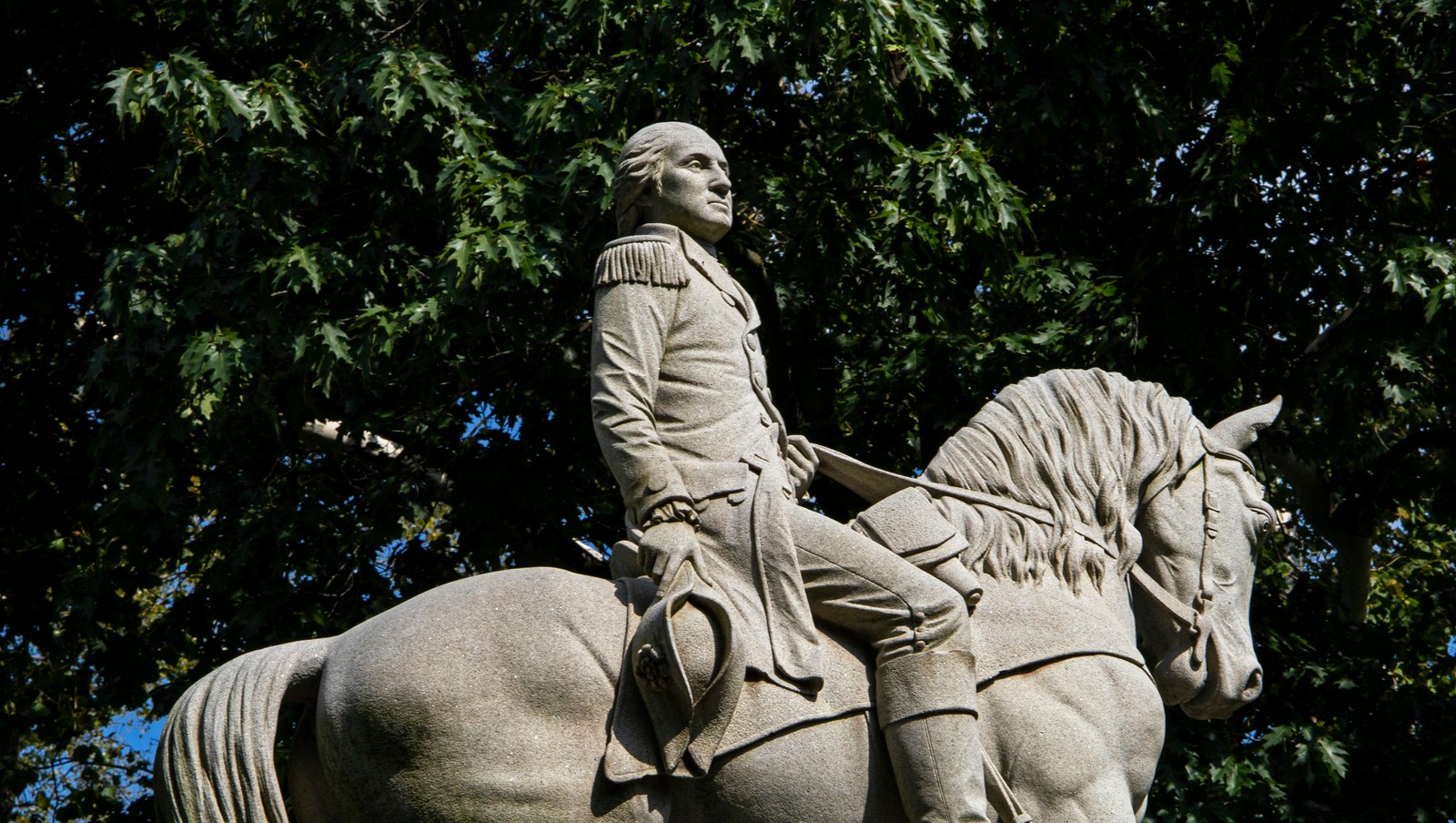
Image: Henry Gartley

The United States has left its mark on world history in countless ways, but a few figures have stood out for changing the course of the world as they knew it. From Thomas Edison, who gave us the first practical light bulb, to the Wright brothers, who made human flight a reality, let's remember 10 Americans who, each in their own way, transformed the world!

1
George Washington

Image: Ben Noble

There was one American who laid the foundation for all the influential figures who would follow: George Washington. He led American forces to victory over Great Britain in the Revolutionary War and went on to serve as the nation's first president from 1789 to 1797. He set important precedents, such as the two-term tradition, that helped shape not only the US presidency but also democracy itself, inspiring nations around the world to follow a similar path.

2
Neil Armstrong
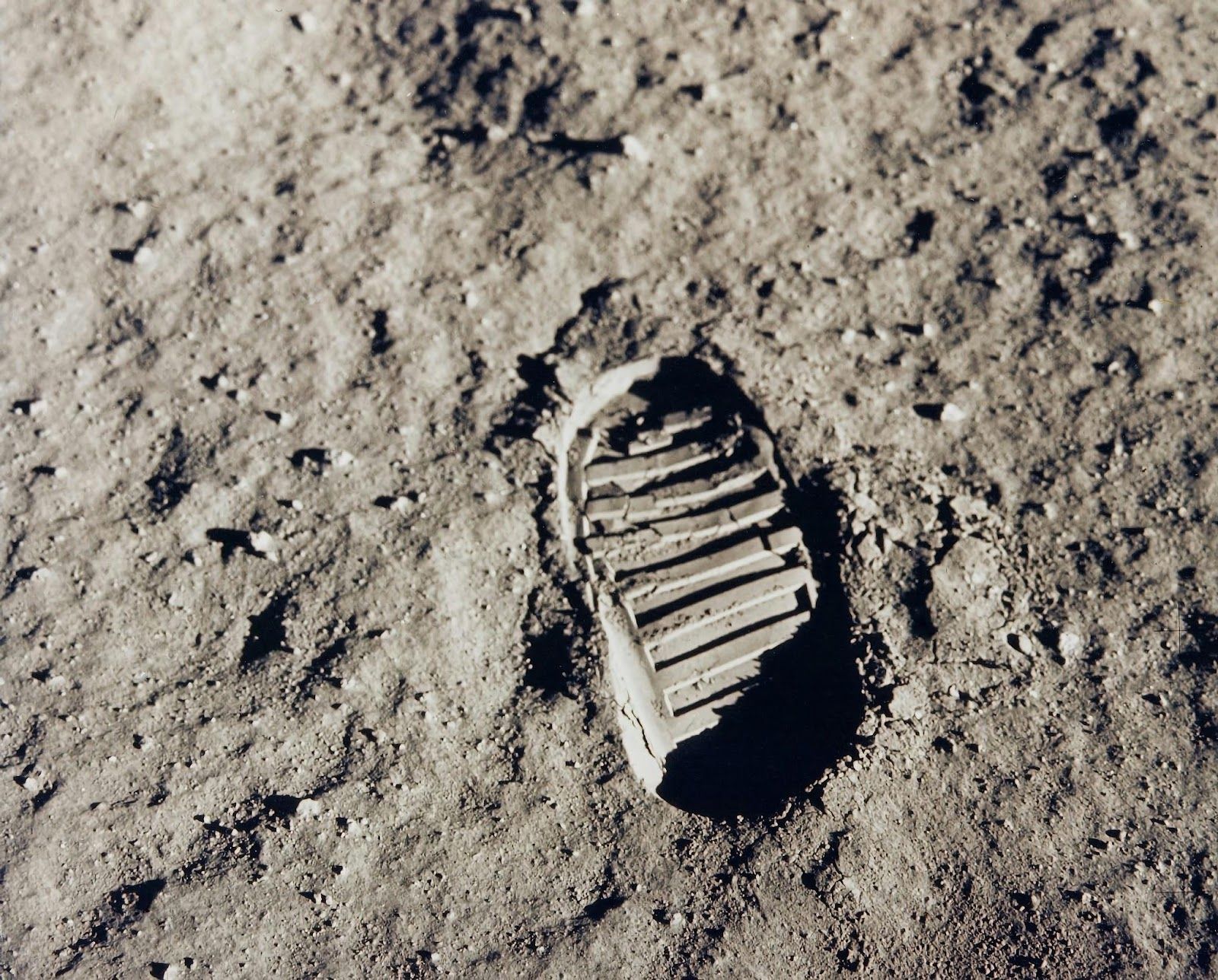
Image: NASA

Neil Armstrong was absolutely right when he said that reaching the moon was "one small step for man, one giant leap for mankind." In 1969, during NASA's Apollo 11 mission, Armstrong became the first human to set foot on the moon . This historic achievement marked a turning point in science and investigation, and the world was never the same again.

3
Martin Luther King Jr.
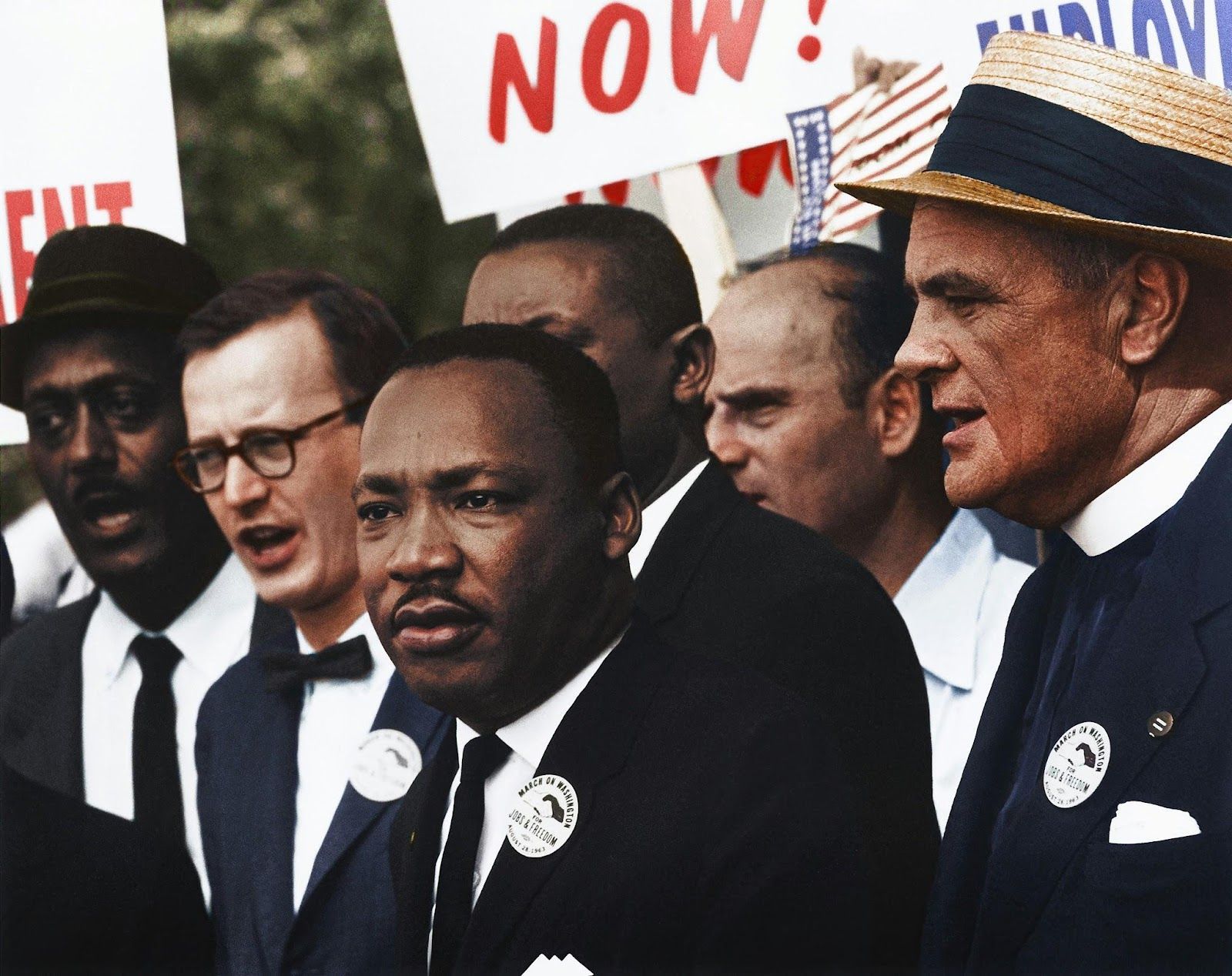
Image: Unseen Histories

If there is one name that could not be left off this list, it is that of Martin Luther King Jr., the most notable leader of the Civil Rights Movement in the 1950s and 1960s. Together with other activists, his efforts led to milestones such as the Civil Rights Act of 1964 and the Voting Rights Act of 1965. Without his fight for equality, the world would be very different today.

4
Elvis Presley
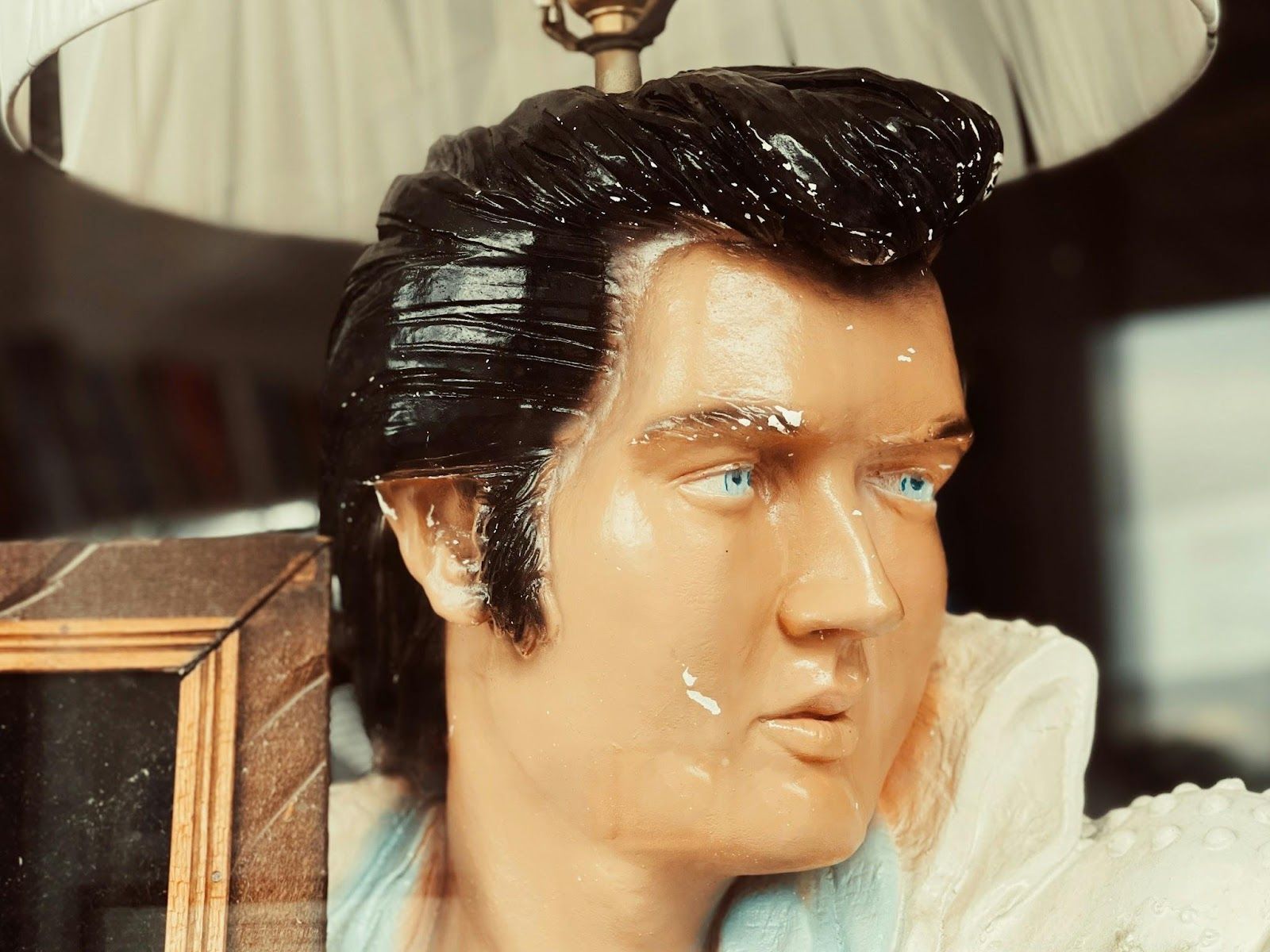
Image: Adam Nemeroff

In the 1950s, one American completely revolutionized popular music and culture; no wonder he's called the King! That's right, we're talking about Elvis Presley, who took the stage and transformed rock and roll into a global thing. He wasn't just a singer; his style, his moves, his legacy, and even his private life marked a definitive turning point in music history.

5
Thomas Alva Edison

Image: Johannes Plenio

There's no doubt that daily life would be very different without the work of Thomas Edison. From a young age, he pursued his passion for invention, which led him to create the first practical electric light bulb in 1879. He was also the inventor of the phonograph, the first device that could both record and play back sound. In addition, his improvements to the motion picture camera made big contributions to the film industry.

6
Wright brothers
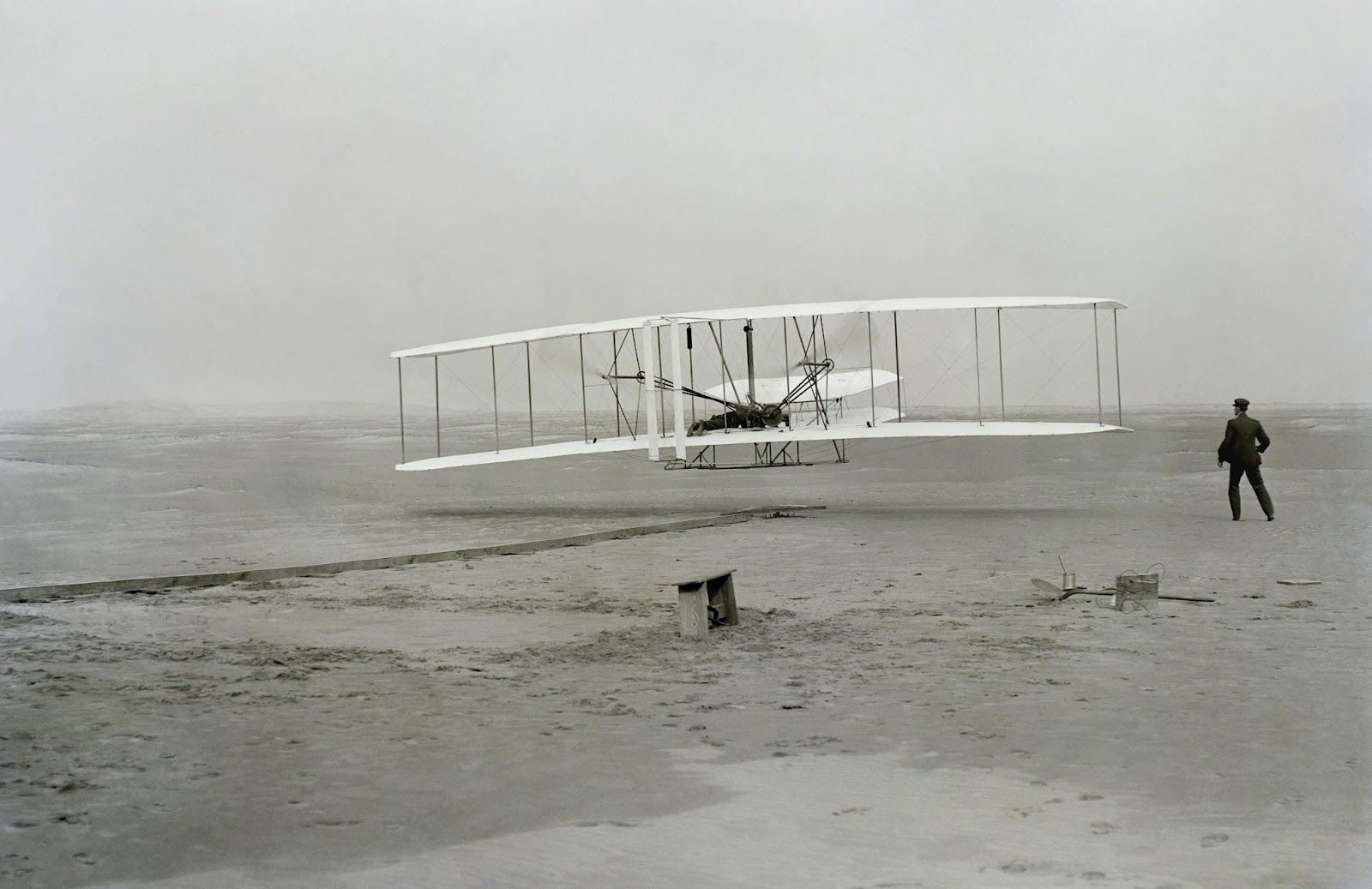
Image: History in HD

Imagine having to travel to another continent, and your only option is by boat. That might have been the reality if it weren't for the incredible Wright brothers. These two self-taught American engineers changed the world with a legendary milestone: in 1903, they invented and successfully flew the first powered, controlled airplane. Thanks to them, the dream of flight became a reality!

7
Walt Disney
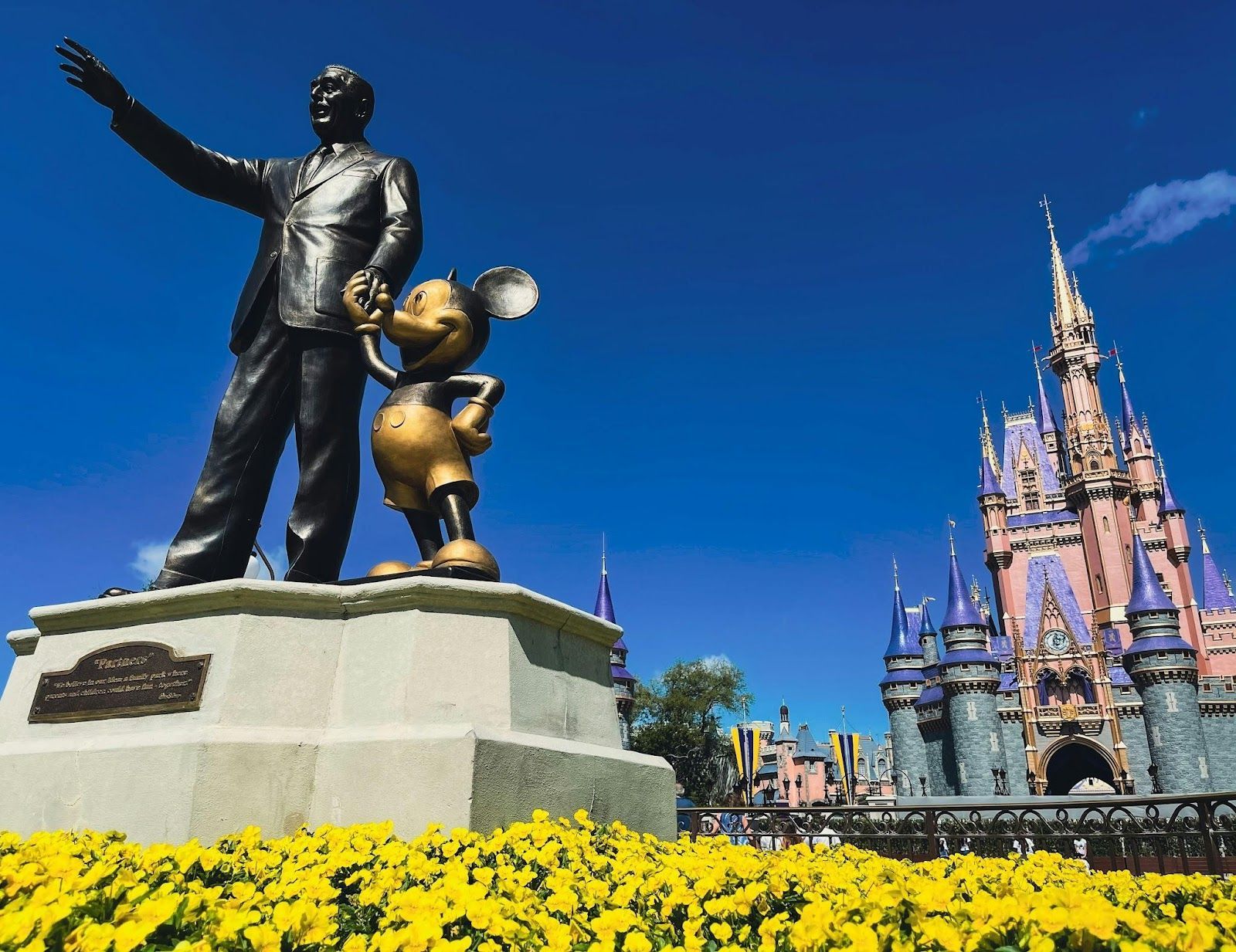
Image: Jose Mizrahi

The world of entertainment and storytelling wouldn't be what it is today without Walt Disney. From the early 20th century, with iconic characters like Mickey Mouse, Disney revolutionized animation, transforming it into an art form that generated enormous profits and created millions of employment opportunities.

8
Susan B. Anthony

Image: Element5 Digital

Susan B. Anthony was one of the women who changed the course of history, not only in our country but around the world, by challenging the belief that politics was only for men. She became a leader in the fight for social reforms, including labor rights for women. Most importantly, her tireless work for women's suffrage led her to co-found the National Woman Suffrage Association, paving the way for generations to come.

9
Steve Jobs

Image: AB

When we think of Steve Jobs, his most iconic creation, the iPhone, comes to mind. But he did far more than that. By founding Apple, Jobs forever changed the way people interact with technology, designing devices and interfaces that are far more user-friendly and intuitive.

10
Benjamin Franklin
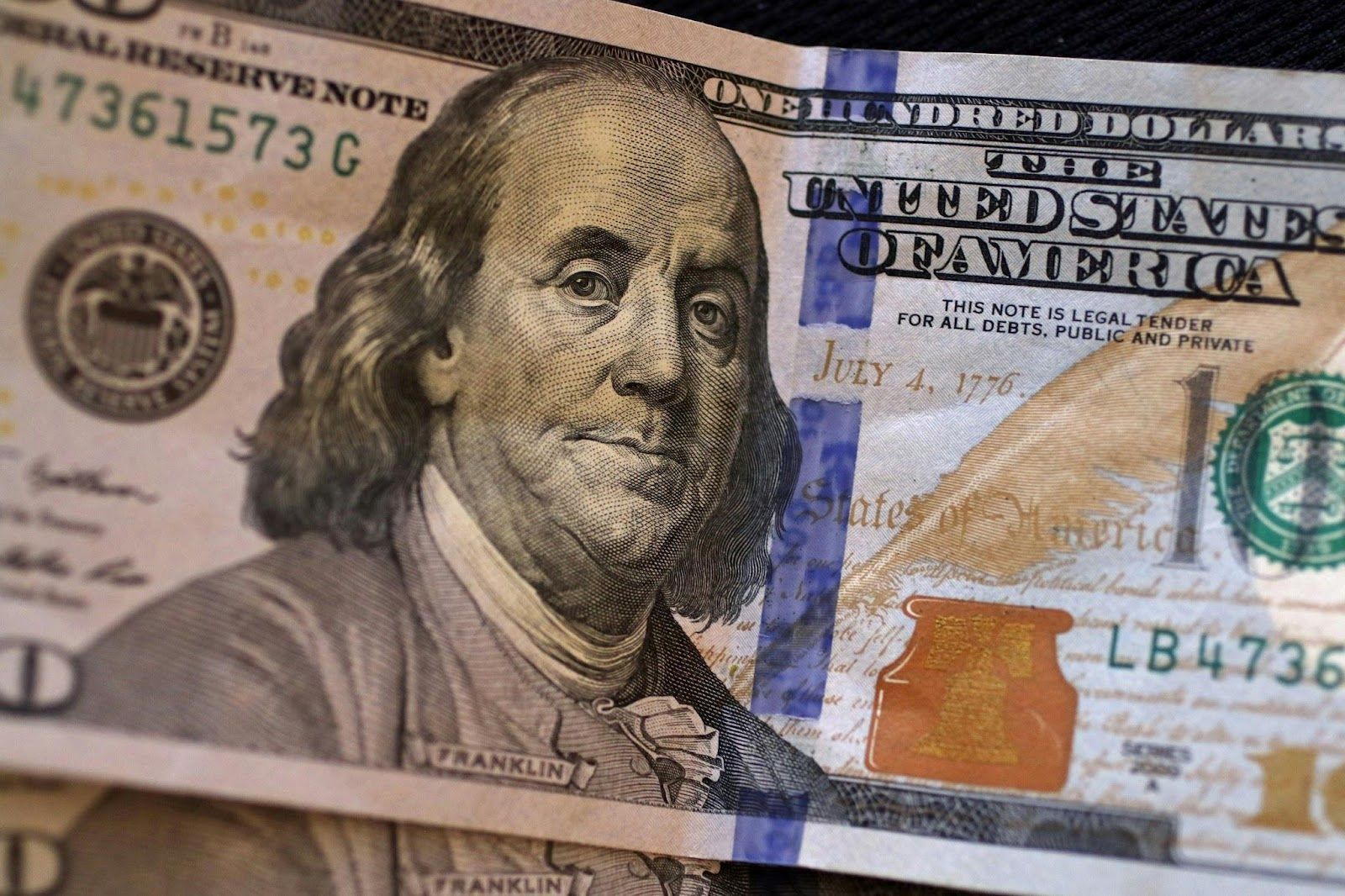
Image: David Trinks

Scientist, inventor, writer, statesman: Benjamin Franklin was all that and more! We could easily dedicate an entire article to his achievements, but here's a brief summary: he definitely changed the world thanks to his groundbreaking experiments with electricity and his important role in shaping modern democracy as a Founding Father of the US.

General General 5 min read

Second look

Lost in history: 10 forgotten presidents who changed America

Image: Library of Congress

Be honest—how many U.S. Presidents can you name off the top of your head? Great leaders like Washington and Lincoln often steal the spotlight, and with legacies as groundbreaking as theirs, it's totally understandable. However, this also means the work of many lesser-known—but no less important—figures in American history is often overlooked. From controversial characters to underrated statesmen, join us as we unravel the stories of 10 forgotten U.S. presidents.

1
Martin Van Buren (1837-1841)

8th President

Image: Library of Congress

Van Buren, the first president born after the American Revolution, inherited an economic crisis shortly after taking office, known as the Panic of 1837 . The market crash, caused by speculative banking practices, led the country into a severe economic depression.

Van Buren’s quick response was to establish an independent treasury system, which effectively separated federal funds from private banks. This system helped stabilize the currency and laid the foundation for modern federal financial management. Furthermore, Van Buren was also a key figure in the development of the two-party system that continues to shape American politics today. Quite the legacy for an often-overlooked figure!

2
John Tyler (1841-1845)

10th President

Image: Library of Congress

John Tyler became president in 1841 following William Henry Harrison’s death, marking the first time a vice president succeeded a sitting president. Although this might seem unremarkable today, Tyler asserted the constitutional authority of the presidency by doing so, setting an important precedent for the peaceful transfer of power and solidifying the role of the vice presidency in American democracy.

However, Tyler is mostly remembered for championing westward expansion and overseeing the initial negotiations for the annexation of Texas—a move that literally reshaped the nation. Though this ultimately led to tensions with Mexico and the Mexican-American War, his efforts to settle a peaceful border treaty between the United States and Canada helped balance his legacy.

3
James K. Polk (1845-1849)

11th President

Image: Library of Congress

James K. Polk, the 11th president, is often called the "expansionist president" due to his aggressive territorial policies. Under his leadership, the United States expanded significantly, acquiring more than a million square miles of land through various treaties and the victory in the Mexican-American War.

His presidency fulfilled the concept of Manifest Destiny, extending the nation's reach to the Pacific Ocean. However, his legacy remains somewhat controversial, as many of his actions exacerbated the divide between the northern and southern states, setting the stage for the American Civil War.

4
Zachary Taylor (1849-1850)

12th President

Image: Library of Congress

Zachary Taylor, a hero of the Mexican-American War, became president in 1849 with little political experience. Despite being a Southern slave owner, he opposed the expansion of slavery into the newly acquired western territories, a stance that put him at odds with many in the South.

While Taylor's presidency was cut short by his sudden death in 1850, his role in opposing the spread of slavery into new states set the stage for future debates. Though brief, his actions as president are often praised for their conciliatory nature, as he sought compromises in an attempt to prevent the looming conflict.

5
Millard Fillmore (1850-1853)

13th President

Image: Library of Congress

Millard Fillmore took over after Zachary Taylor's untimely death in 1850, inheriting a fractured nation on the brink of civil war. His most controversial act was signing the Compromise of 1850, which included the Fugitive Slave Act, requiring the return of escaped slaves to their owners.

This somewhat ham-fisted attempt to maintain the fragile peace between the North and South only deepened the divisions that eventually led to the Civil War. On a lighter note, Fillmore was the first president to initiate trade relations with Japan, marking the start of Japan’s modernization and its integration into the global economy.

6
Franklin Pierce (1853-1857)

14th President

Image: Library of Congress

Franklin Pierce, elected in 1852, faced an increasingly divided nation over the issue of slavery. His signing of the Kansas-Nebraska Act in 1854 allowed new territories to decide for themselves whether to permit slavery, leading to violent confrontations between pro- and anti-slavery factions in what became known as "Bleeding Kansas."

Despite his troubled domestic policies, Pierce followed his predecessor's path of expanding U.S. influence abroad. He pushed for new trade routes and even attempted to negotiate the acquisition of Cuba from Spain, though his efforts ultimately failed.

7
James Buchanan (1857-1861)

15th President

Image: Library of Congress

James Buchanan’s inability to resolve the tensions between North and South is often criticized, but he faced a nearly impossible task. He sought to avert conflict through diplomacy but was hesitant to overstep states' rights, arguing that the Constitution did not grant him the authority to prevent secession.

Despite his efforts, South Carolina seceded in December 1860, just weeks after Abraham Lincoln’s election, setting the stage for war. In foreign policy, Buchanan strengthened U.S. relations abroad, securing trade agreements with China and managing tense relations with Great Britain.

8
Rutherford B. Hayes (1877-1881)

19th President

Image: Library of Congress

Rutherford B. Hayes is often remembered for his controversial election in 1876, which was decided by a congressional commission after a disputed vote count. His administration is also known for effectively ending the Reconstruction Era by withdrawing federal troops from the South.

While this helped bring stability to the South, it also allowed the rise of segregationist policies. On the other hand, Hayes was one of the first presidents to advocate for civil service reform, arguing that a merit-based government workforce was necessary to reduce corruption and ensure efficiency within the federal system.

9
Chester A. Arthur (1881-1885)

21st President

Image: Library of Congress

Initially seen as a product of the corrupt political machine system, Chester A. Arthur surprised many by becoming a champion of civil service reform. In 1883, he signed the Pendleton Civil Service Reform Act, which mandated that government jobs be awarded based on merit rather than political connections.

This act significantly reduced the influence of patronage in American politics, a practice that had long fueled corruption. Arthur also modernized the U.S. Navy, which had been neglected since the Civil War. His administration helped lay the foundation for the powerful naval force that would emerge in the 20th century.

10
Benjamin Harrison (1889-1893)

23rd President

Image: Library of Congress

Though almost forgotten today, Harrison’s administration was marked by significant legislative accomplishments. In particular, the Sherman Antitrust Act aimed at curbing the power of monopolies and promoting competition, and is considered the first major attempt by the federal government to regulate corporate power.

Harrison pushed to secure federal funding for education and voting rights for African Americans, but many of his efforts were blocked by Congress. Despite these setbacks, he remained a vocal advocate for African American civil rights, consistently addressing the issue in his speeches to Congress.

General General 6 min read

THE ALL-AMERICAN MENU

Let's Enjoy These 10 American Dishes Everyone Should Try

The United States of America is known for its freedom, diversity, and, of course, its delicious food . Today, we're touring the nation to taste some emblematic dishes that have become icons of American culture!

While hamburgers, hot dogs, and the comforting Mac and Cheese are undeniable parts of our identity, it's time to highlight other delicious dishes equally significant in American gastronomy . Join us to review the origins and recipes of these 10 iconic American specialties . We'd love to know which one is your favorite!

1
Cornbread

Image: Rafael Cisneros Méndez

With its roots planted in Native American cuisine, cornbread has become a unique staple, especially in the South of our country.

Easy to make and irresistibly tasty , this quick bread stands out for its versatility , making it a great companion to meals of many Americans at different times of the day .

And the best part? You only need cornmeal, all-purpose flour, buttermilk, melted butter (or vegetable oil), and a couple of eggs to make it! What time of the day do you prefer to enjoy this recipe?

2
Apple Pie

Image: Priscilla Du Preez 🇨🇦

Did you know that apple pie was one of the favorite desserts of our first president, George Washington ? While it originated in England, the apple pie was brought to America by European settlers and stayed here to evolve into the special dessert we know today. It is now so linked with American culture that we have the saying, "As American as apple pie," to prove it!

Often enjoyed during Thanksgiving and other holidays as a tasty autumn dessert , this is a slightly more elaborate recipe, but definitely worth a try.

And if you're looking for a special occasion to bake one, May 13th is the perfect date, since it's National Apple Pie Day in the United States!

3
Pecan Pie

Image: Leila Issa

Pecans are a delightful treat, right? And you know what? They are native to North America , especially the South , which is why the wonderful Pecan Pie is associated with this region of the country.

The formula for this tasty dessert is said to have emerged in the late 19th century , with one of its earliest recipes appearing in an 1886 recipe book!

And, while it's a classic during holidays like Thanksgiving , you can actually enjoy it anytime, all year round. In fact, this recipe is so popular that the state of Texas has declared it their official state pie !

4
Philly Cheesesteak

Image: Ir Like

Enough sweet for now. Now, let's talk about a savory delight, the Philly Cheesesteak .

As its name suggests, this classic was born in the city of Philadelphia , Pennsylvania, and is believed to be the creation of a hot dog vendor in the 1930s .

Who can resist the combination of a crispy hoagie roll, thinly sliced pieces of steak, onion, bell pepper, and melted cheese? We can't!

Of course, people in Philadelphia have a special day to celebrate this dish: March 24. Have you ever joined the celebration? If not, consider this as a sign to do it next year!

5
Thanksgiving Turkey

Image: Megan Watson

As you probably already know, it is believed that in Plymouth, Massachusetts , a special meeting took place in 1621 . According to myth, English settlers there shared a feast with Native Americans that included primarily turkey , among other foods. This gathering is often considered the very first Thanksgiving , forever linking turkey to this day of gratitude.

For this delicious recipe, you won't need many ingredients; just butter, fresh herbs, an onion, a lemon, some garlic, and salt and pepper to taste, along with your turkey , of course! In addition, you can stuff it with the option of your choice.

And while all this may sound familiar, here's a surprising fact: According to the National Turkey Federation, approximately 46 million turkeys are eaten each year at Thanksgiving!

6
Biscuits and Gravy

Image: Stephen McFadden

Originally from the South of the United States , the Biscuits and Gravy recipe is today a classic comfort food that has also spread to other parts of the country.

Mainly consumed as breakfast but also having special appearances as brunch or dinner, this dish is characterized by its flavor and simplicity.

Depending on the area where it is prepared, the type of gravy may vary, and sometimes, you can find combinations with some extra ingredients, like bacon or eggs . Are you one of the fans of this dish?

7
Po' Boy Sandwich

Image: Anastasia gezalova

While its origin is still debated, there is a story about the birth of the Po' Boy Sandwich that has been accepted by most New Orleanians.

The year was 1929 when a strike of streetcar conductors broke out. In the city of New Orleans , Benny and Clovis Martin decided to support the striking workers. As restaurant owners, they began handing out free special sandwiches to the conductors, affectionately known as "Poor Boys." This name later became associated with the sandwich and, over time, "Poor Boy" evolved into the "Po' boy" we know today, a staple of Louisiana cuisine .

The classic recipe contains the delicious combination of fried shrimp or roast beef, lettuce , tomato , pickles , mayonnaise , and a sauce of choice, all on a good loaf of French bread . Irresistible!

8
Reuben Sandwich

Image: Asnim Ansari

If you love grilled sandwiches, then the Reuben Sandwich is the choice for you.

Its origin is still debated, with two competing stories: one from the Blackstone Hotel in Omaha, Nebraska, in 1920 , and the other from Reuben's Delicatessen in New York City in 1914. Whether it comes from New York or Omaha, the Reuben is undeniably an American classic .

Making this dish is quite simple. You'll need rye bread , thinly sliced corned beef, sauerkraut, a good Swiss cheese , and dressing (Russian or Thousand Island dressing). And don't forget to butter the bread before grilling !

With a combination of Jewish deli meats, German sauerkraut, Swiss cheese, and Russian dressing, this sandwich is a representation of the diverse cultures and cuisines that enrich our nation.

9
Buffalo wings

Image: Clark Douglas

If you offer this dish to a foreigner, you might confuse them a bit. After all, buffaloes don't have wings! The thing is that this delicacy is named after the city where it originated.

The story goes that Buffalo wings were invented in 1964 at the Anchor Bar in Buffalo, New York , where co-owner of the bar Teressa Bellissimo created the dish in search of a quick snack. That's when she deep-fried some chicken wings and tossed them in a sauce made from butter and seasonings . She then served them with celery sticks and blue cheese dressing, just as they are served today.

If you're not among the millions who prepare this dish for the Super Bowl , don't worry. You can enjoy it at the National Buffalo Wing Festival , held every Labor Day weekend; you probably guessed where: in Buffalo, New York.

10
Clam chowder

Image: Kevin Lanceplaine

Representing New England cuisine , Clam Chowder has become one of America's staples, and its origin and ingredients can prove it.

It is said that when the European settlers arrived on the Atlantic coast , they wanted to recreate their traditional seafood stews. However, inspired by the local ingredients , something entirely new was born. It was a creamy soup with clams and other coastal treats. The first known written recipe for this dish appeared in 1832 in "The New England Farmer" magazine.

And as if all that was not enough, this recipe definitively sealed its status as a classic when it was included in Herman Melville's unforgettable novel, "Moby-Dick" !

Explore more American facts

Choose your favorite category!

General
General

As American as apple pie—the very best America has to offer!

Culture
Culture

Delve into the astounding richness of American lore.

Geography
Geography

Hop in and explore vast and diverse American landscapes.

History
History

Discover the key moments that shaped the United States.



