Culture Culture 7 min read

Celebrating Dolly

When Dolly Parton turned down Elvis: 10 incredible facts about her life
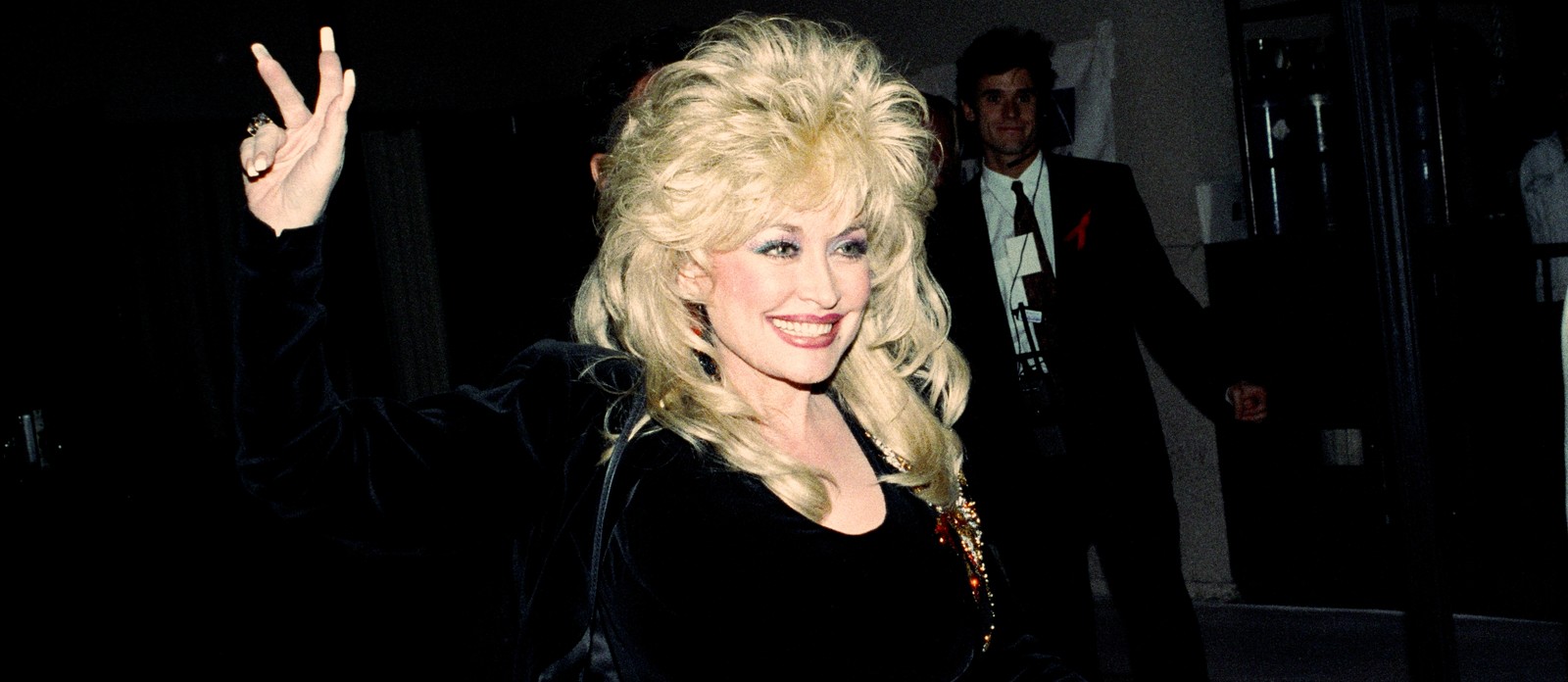
Image: Bart Sherkow

Song by indelible song, Dolly Parton wrote and recorded the soundtrack of America for many generations — but there was far more to Dolly’s story than her music. From turning down Elvis Presley to a six-decade marriage to the resolutely private man she loved, her life was filled with stories that are just as fascinating as her catalog. Here are 10 surprising facts and unforgettable moments from the life of Dolly Parton.

1
Her parents paid for her birth with cornmeal
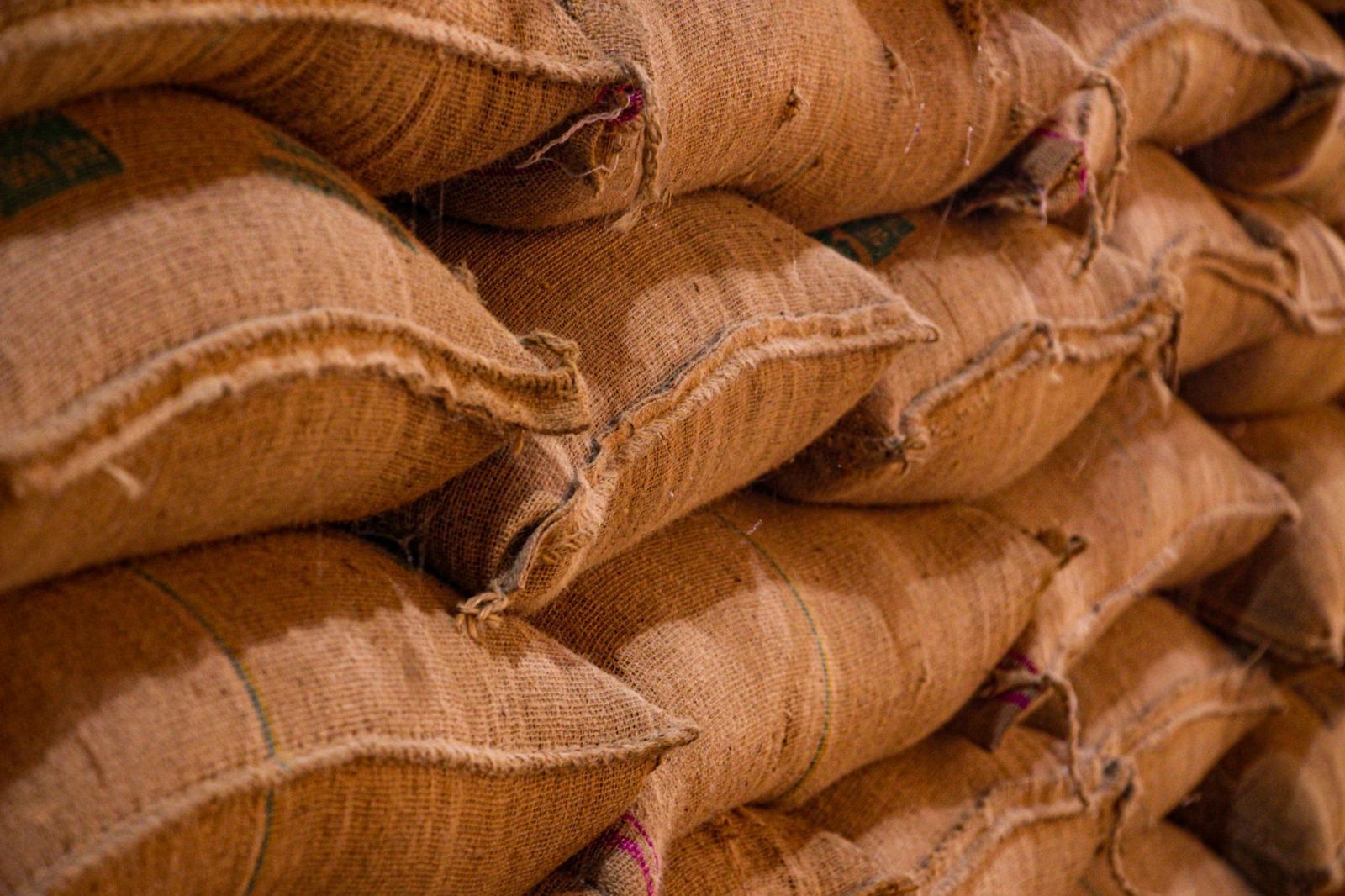
Image: Vinicius Benedit

Dolly Parton’s life has been filled with talent, music, art, and an adoring audience, but it wasn’t always easy for her or her family.

She was born on January 19, 1946, in a one-room log cabin in the Great Smoky Mountains of Tennessee, during a snowstorm. The fourth of 12 children, Dolly was born to Robert Lee Parton Sr. and Avie Lee Owens Parton, who were far from wealthy. According to Dolly, her parents paid the doctor who delivered her, Dr. Robert F. Thomas, with a sack of cornmeal because they couldn't afford to pay him in cash. Dolly later honored him in the song "Dr. Robert F. Thomas," which appeared on her 1973 solo studio album, My Tennessee Mountain Home.

2
She made her first guitar from an old mandolin
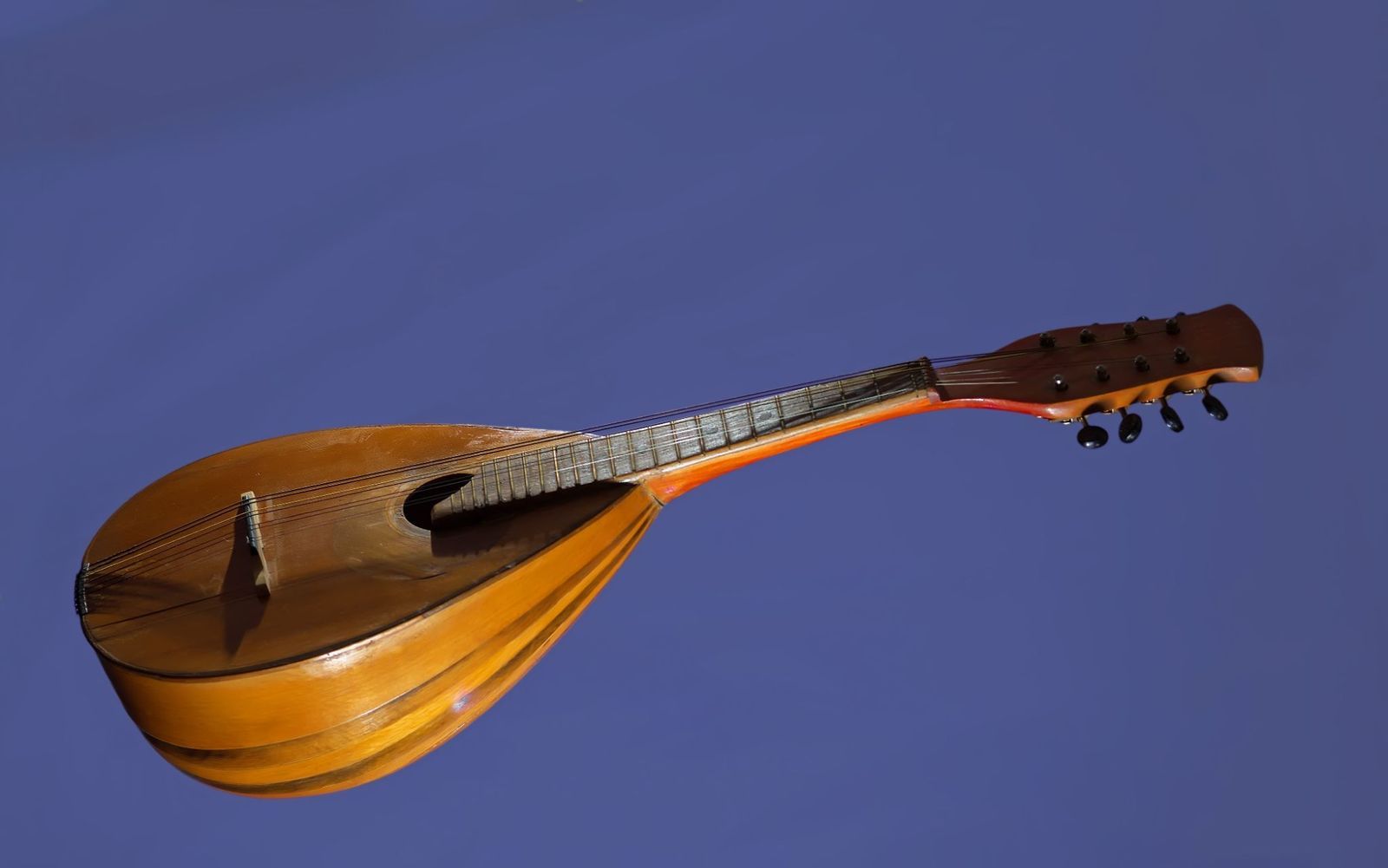
Image: VladKK

From a young age, Dolly showed that hard times wouldn’t stop her.

Around 1951, when she was about five years old, she wrote her first song, titled "Little Tiny Tasseltop," about a doll with corn-silk hair that her mother made for her. A couple of years later, Dolly got her first guitar, or rather, she made one herself. Growing up poor, buying a new instrument was impossible for her family. So she decided to turn a broken old mandolin into a makeshift guitar by adding two bass guitar strings. Not long afterward, an uncle gave her a small, proper acoustic guitar, an instrument that helped a young Dolly take her first steps toward performing professionally on local radio and television.

3
She was married to the same man for nearly 60 years
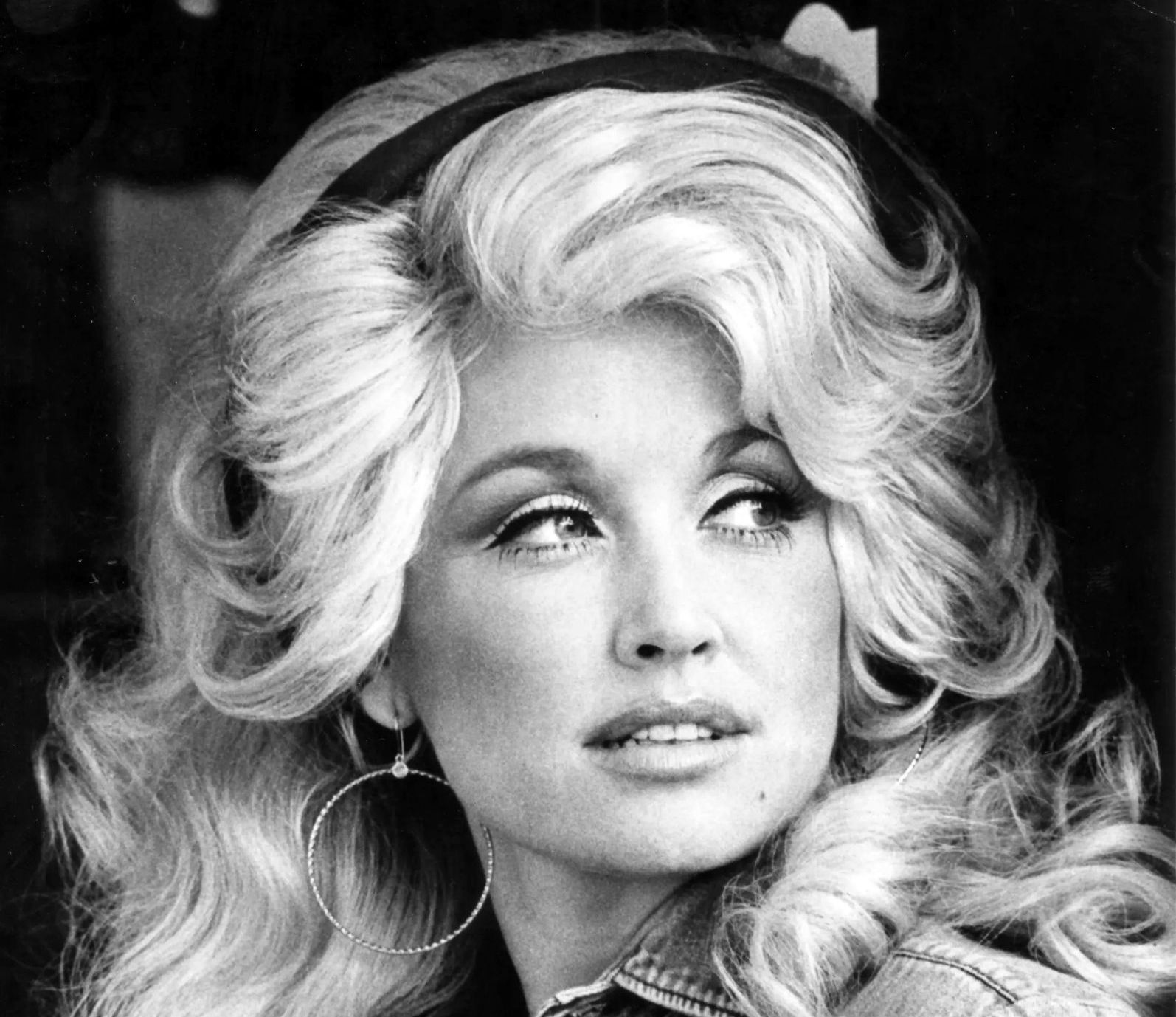
Image: RCA Records, Public domain, via Wikimedia Commons

Although they were rarely seen together in public, Dolly Parton married at 20 and spent nearly six decades with the same man.

Dolly was 18 when she arrived in Nashville in 1964, and the city had quite a surprise waiting for her. On her very first day, she went to do laundry at the Wishy Washy Laundromat, where she met Carl Dean, then 21. He spotted her outside, stopped his pickup truck, and struck up a conversation. According to Carl, his first thought was, "I’m gonna marry that girl." Dolly and Carl wed on May 30, 1966, in Ringgold, Georgia, in a small private ceremony. They remained together until Carl’s death on March 3, 2025, just shy of their 60th wedding anniversary.

4
She wrote "Jolene" and "I Will Always Love You" to launch her solo career
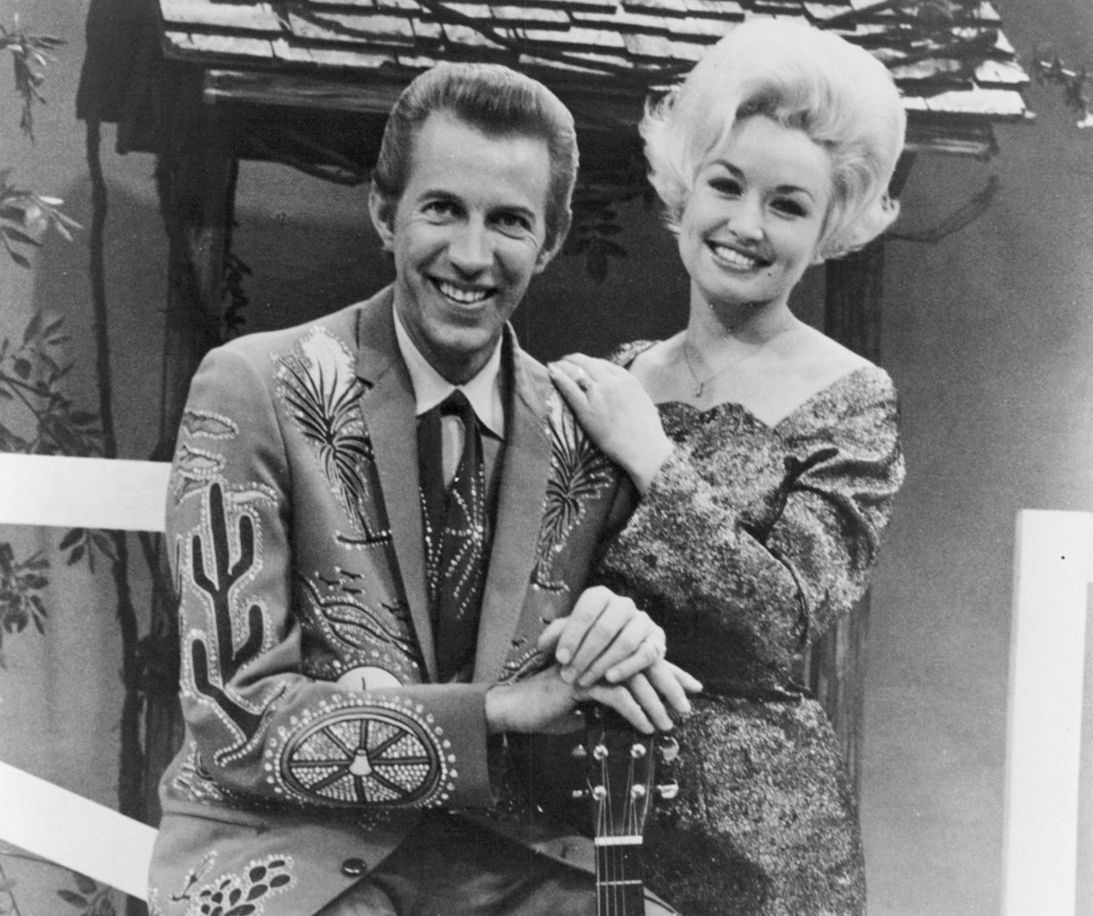
Image: Moeller Talent, Inc. Nashville (management), Public domain, via Wikimedia Commons

During the 1970s, Dolly decided to leave the famous Porter Wagoner Show and strike out on her own as a solo artist. To do it, she turned to what she did best: writing songs.

But she didn’t write just any songs; she wrote two of the most famous hits of the 20th century: "I Will Always Love You" and "Jolene." The first was an emotional farewell to her mentor and duet partner, Porter Wagoner. The other was inspired by a red-haired bank teller who caught Dolly’s attention by openly flirting with her husband at his local bank during the early years of their marriage. Some accounts say she wrote them during the same intense songwriting session in 1973, and there’s even a story that she wrote both on the same day, but Dolly herself has stated she wasn’t 100% sure about that. What is known is that the two songs appeared back-to-back on the same album, 1974’s Jolene .

5
She turned down Elvis
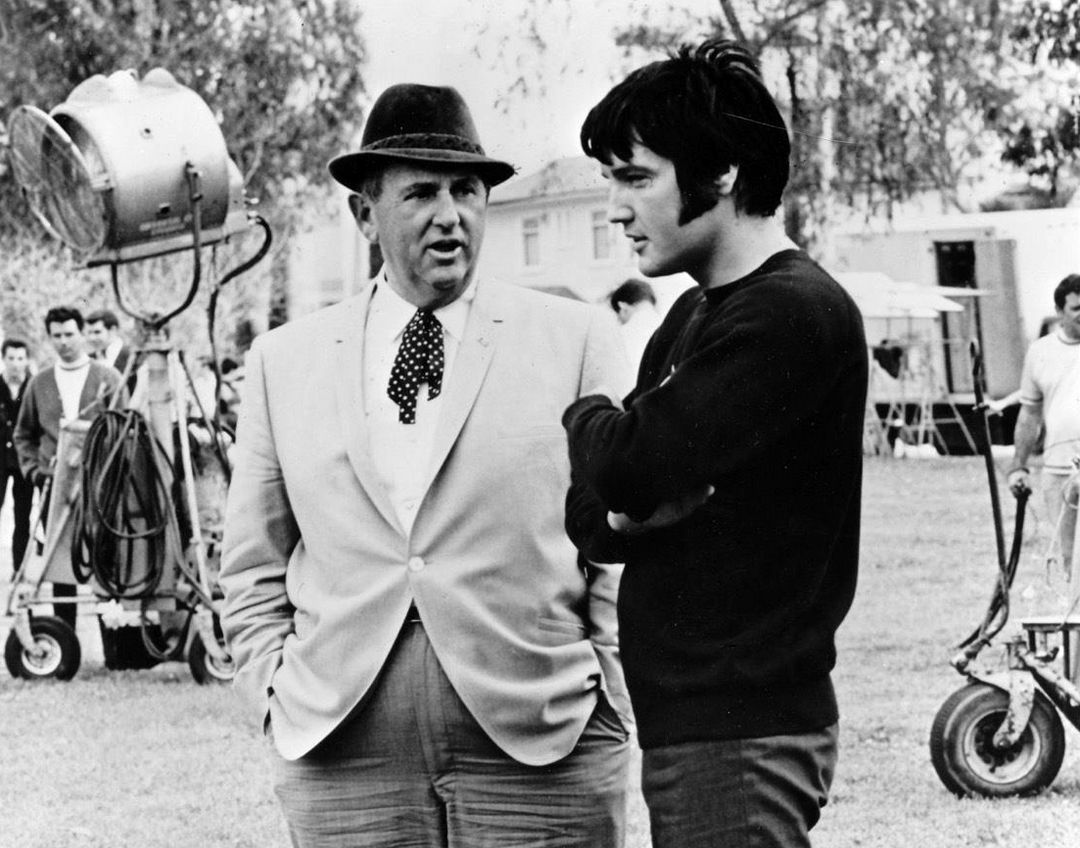
Image: eBay, Public domain, via Wikimedia Commons

In 1973, Dolly Parton was at a turning point in her career, working hard to establish herself as a solo artist and prove she could make it on her own. That process resulted in one of the most famous and beautiful songs ever recorded: "I Will Always Love You." But she had no idea what would happen just about one year later.

Someone heard the song and immediately wanted to record a cover, and it wasn’t just anyone; it was Elvis Presley himself. Dolly was thrilled by the offer, but eventually had to say no after Presley’s manager, Colonel Tom Parker, demanded that she give up 50% of the song’s publishing rights. Parton refused because she wanted to keep the publishing income for her family, but in later interviews, she openly admitted she cried all night after turning down the King.

6
She created "9 to 5" using her fingernails
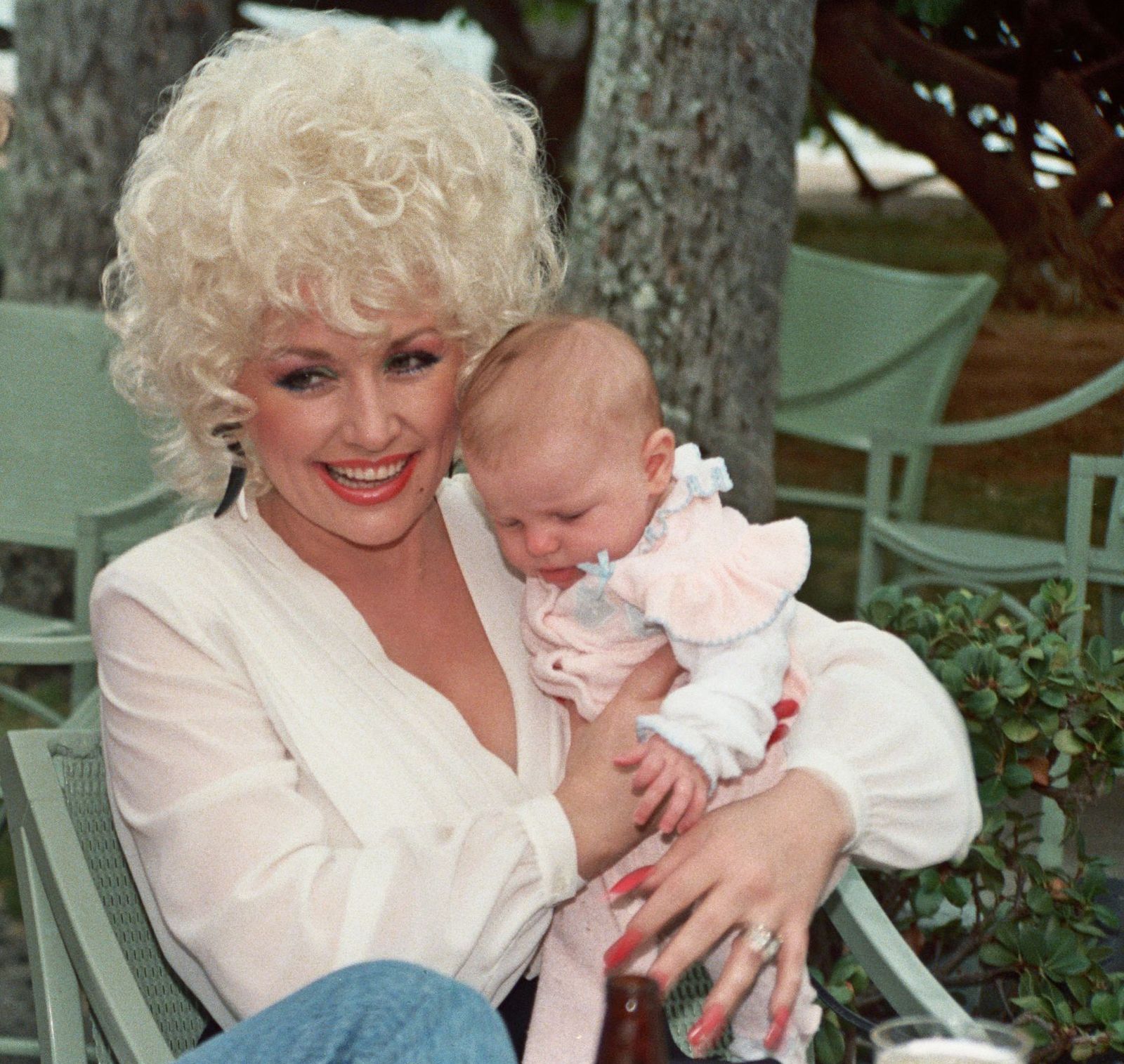
Image: Alan Light, CC BY 2.0, via Wikimedia Commons

Everything about Dolly was big: her talent, her creativity, her heart, and also her hair, makeup, and acrylic fingernails. As it turned out, those famous nails even played a part in creating the sound of one of her biggest hits.

Dolly used her nails as a percussion instrument while working on "9 to 5," the theme song for the 1980 movie of the same name. While on the set without a guitar handy, she clacked her long acrylic nails together to create the typical sound of a typewriter, giving the song its memorable rhythm. She even recreated that sound during the recording, earning an unusual credit on the album: "Nails by Dolly."

7
She entered a Dolly Parton lookalike contest... and lost
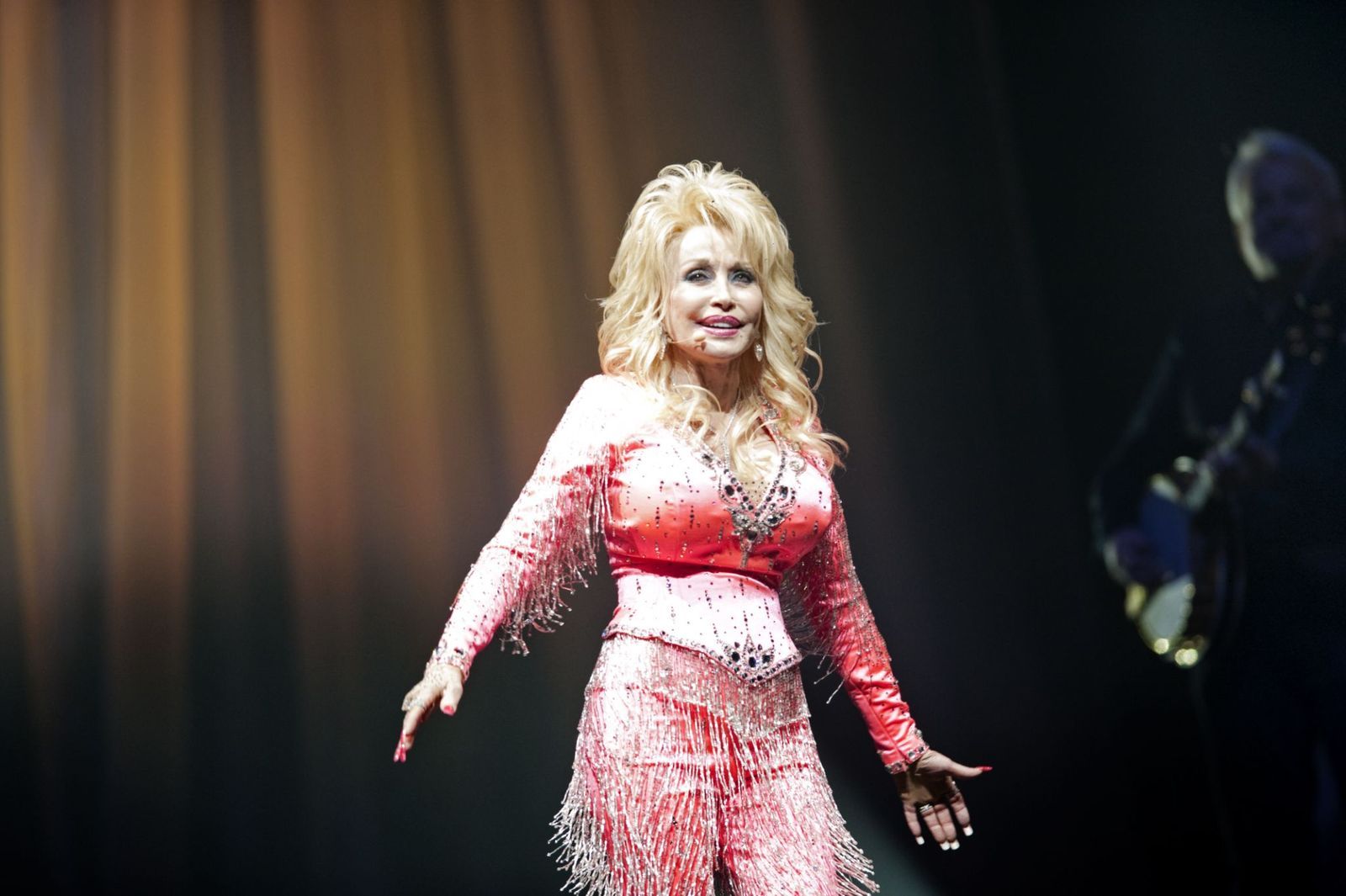
Image: Jack Fordyce

Dolly Parton always knew how to have a good time, and this story is a perfect example.

As she recalled in her 2012 memoir, Dream More: Celebrate the Dreamer in You , Dolly was in Los Angeles during Halloween when she heard about a look-alike contest at a gay bar on Santa Monica Boulevard, featuring drag queens dressed as her. She couldn’t resist, so she went all out with her hair and makeup, arrived with friends, and entered the contest without revealing who she was. The funniest part? Nobody recognized her; the judges reportedly thought she was a "cheap imitation" of the real thing. As she has said in several interviews, she didn’t win, but she definitely had a good laugh.

8
She had her own theme park
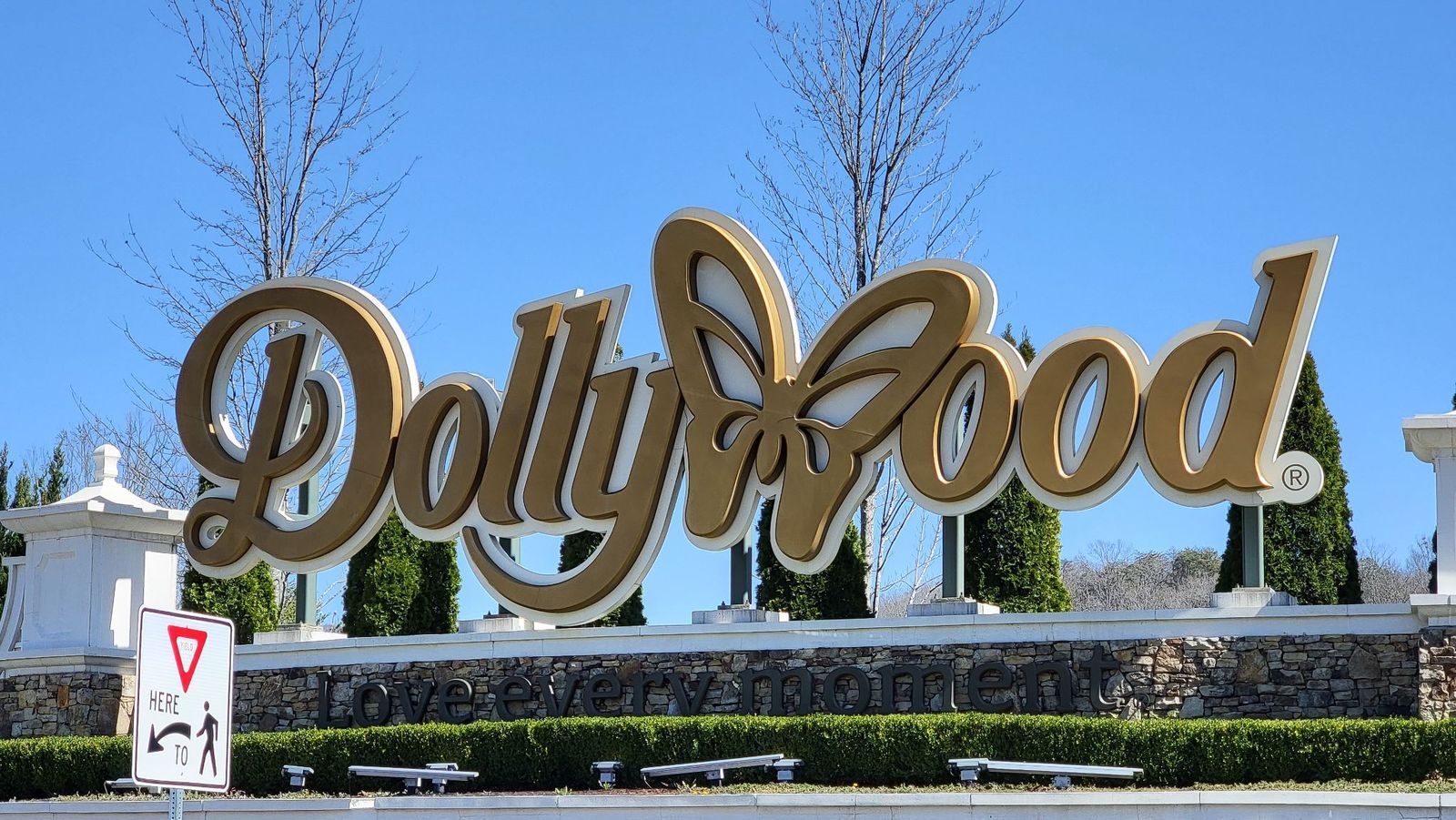
Image: Joseph Hendrickson

Music wasn’t the only thing that came out of Dolly’s imagination; she also dreamed up another ambitious project: a theme park that would bear her name.

In September 1985, Dolly announced plans to build a "fantasy mountain park" in Pigeon Forge, Tennessee, hoping to bring jobs and economic growth to her native region. Rather than competing with others or starting from scratch, her team partnered with the Herschend family, owners of Silver Dollar City park in Pigeon Forge. After a $5 million expansion, the park reopened as Dollywood on May 3, 1986. Attendance more than doubled in its first season, and the park became a major Smoky Mountains attraction. After Dolly’s passing, park officials said keeping Dollywood open had been her wish, reflecting her belief that "the show must go on."

9
The Imagination Library
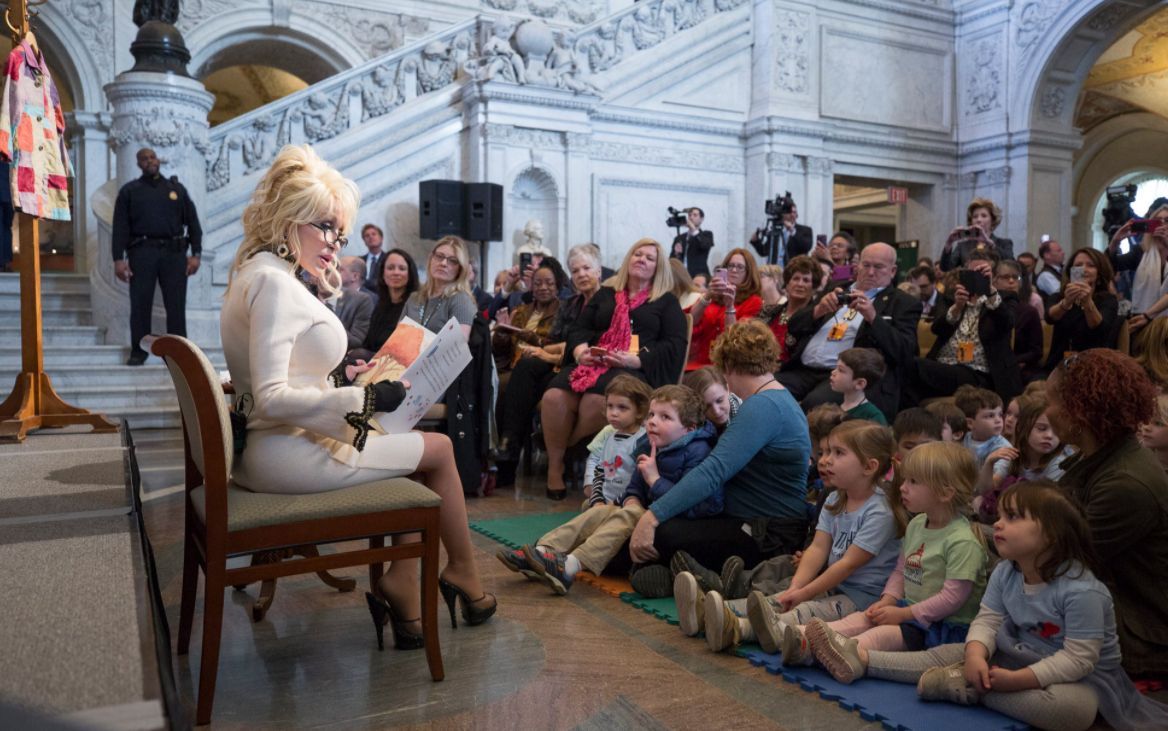
Image: Shawn Miller., Public domain, via Wikimedia Commons

In addition to thousands of songs and a successful amusement park, Dolly created something else filled with love: a program that put books into children’s hands.

Dolly Parton established the Dollywood Foundation in 1988 and launched Dolly Parton’s Imagination Library in 1995 . The program sends free books each month to children from birth until age five. It eventually expanded beyond the United States to Canada, the United Kingdom, Australia, and the Republic of Ireland, reaching millions of children, but the idea was deeply personal. Dolly often called her father, Robert Lee Parton, who she said was the smartest man she had ever known, while noting that his limited literacy had kept him from pursuing some of his dreams. She created the Imagination Library in large part to honor her father and provide children with the opportunities he never had.

10
She was a Guinness World Record holder
Image: JHVEPhoto

We all know how talented and prolific Dolly Parton was, so it’s no surprise that she has earned an impressive number of awards. But Dolly has done more than fill trophy cases; she’s also filled the record books.

Besides her 10 competitive GRAMMY Awards from 55 nominations, along with the GRAMMY Lifetime Achievement Award that she received in 2011, Dolly also holds 11 Guinness World Records titles, many of them recognizing the extraordinary longevity and success of her career on the country charts. Among them are the record for the longest span of No. 1 hits on the U.S. Top Country Albums chart by a female artist (46 years and 197 days) and the record for the most No. 1 hits on the U.S. Hot Country Songs chart by a female artist, with 25.
General General 5 min read

How did a slogan turn a fast-food order into a promise of total control?

Image: Sergiu Bretea

One of the world’s most famous slogans came from a death row sentence . Another arose from observing soldiers eat chocolate that wouldn’t melt during the Spanish Civil War. And one turned a fast-food order into a promise of total control. Check out these 10 slogans and the incredible secrets behind them.

1
I’m lovin’ it

Image: PhotoGranary02

McDonald’s tapped into the 2003 zeitgeist with its slogan "I’m lovin’ it," one of its most enduring campaigns. It also has a catchy tune originally produced by Pharrell Williams, and Justin Timberlake was paid millions to sing the first radio edit and make it cool.

The catchphrase hits home because it focuses on happy emotions we can all relate to. The active grammar of "I’m lovin it", instead of the passive "I love it", implies an ongoing pleasurable experience, not just one isolated bite .

2
Just do it

Image: Robert Way

How many times have we renewed our New Year’s resolutions, promised to start going to the gym, or get outdoors as soon as spring arrives? But actualizing our ambitions isn't as easy as it sounds.

That’s exactly what Nike captured so well in its iconic slogan, "Just do it", because it motivates action, inspiring a resilient and go-getter attitude. But the origin story is darker than most people know. It was Gary Gilmore, a convicted murderer, who uttered the words "Let’s do it" before his execution in 1977 . Advertising executive Dan Weiden later said that that blunt line inspired the slogan.

3
Maybe she's born with it, maybe it's Maybelline

Image: Mustday

It’s natural to wonder about the beauty secrets of celebs or people we know. They could be genetics, a healthy lifestyle, or a skin-care routine. Whatever it may be, when we admire someone’s look, we want to find out how they do it.

That’s why this slogan, introduced in the 1990s by the cosmetic brand, works so well. It cleverly leaves room for doubt: maybe it’s natural beauty, or maybe it’s the product . Either way, it connects directly to the desire for effortless, flawless beauty.

4
Think different

Image: Hadrian

Who hasn’t felt different at some point? And being different is often perceived as a negative. Apple flipped the idea, asserting that those who don’t fit in are the ones who change the world ; they are the true visionaries, the rebels and the geniuses.

This two-word slogan, "Think different", used by Apple from 2002 to 2007 and created by art director Craig Tanimoto, appeals not just to what you buy, but to who you become by buying it . The audacious campaign even invoked such history-making icons as Albert Einstein and Martin Luther King Jr. It’s also believed to be a response to IBM’s "Think," adding boldness by even breaking grammar rules (since "Think differently" would be technically correct).

5
Like a good neighbor, State Farm is there

Image: JHVEPhoto

Have you ever run out of sugar and knocked on your neighbor's door? Or has a neighbor fed your cat when you’re away? At the end of the day, everyone wants a good neighbor .

State Farm, one of the largest insurance companies in the U.S., turned a faceless corporation into a helpful friend next door through this jingle, created by Barry Manilow in 1971. It is still widely used today, alongside the "Jake from State Farm" character.

6
Have it your way

Image: Sorbis

Wanting things our way is one of the most universal human desires. But from a young age, we’re taught the opposite: that not everything can go our way and we need to adapt.

Burger King promises the opposite: at this eatery, you can "Have it your way" . Introduced in 1974, it emphasizes customization by letting customers choose their toppings and make the burger their own; turning it into a promise of choice, like no pickles or extra sauce. Here, at least, buyers are the boss.

7
Built Ford Tough

Image: Jonathan Weiss

When it comes to vehicles, durability matters, especially over long distances, in tough conditions, and through unpredictable weather.

That’s why this slogan, introduced in 1979 for the Ford F-series, was so effective. It highlights endurance and reliability, while elevating the brand to a whole new level of toughness , asserting that Ford stands out from the rest.

8
Melts in your mouth, not in your hands

Image: Longfin Media

Even if we’re not that hungry, thinking of our favorite treats can make our mouths water. This slogan is a good play on this reaction, although its origin is unexpected.

"Melts in your mouth, not in your hands" is the 1954 catchphrase promoting M&M’s candy-coated chocolates. The outer shell is what keeps it from melting, letting you enjoy it without the sticky mess. Reportedly, it was during the Spanish Civil War (1936 -1939) that the creator, Forrest Mars, saw soldiers eating a chocolate pellet that wouldn’t melt in the heat. In fact, during World War II, M&M’s were sold exclusively to the US military for this reason .

9
Don't leave home without it

Image: kevin brine

Getting ready to head out the door is no simple task. Even today, we double-check essentials like keys, wallets, and more.

American Express made a fantastic play on this in its 1975 slogan, first coined by advertising legend David Ogilvy for traveler's checks. Although at first glance it’s simple travel advice, it subtly suggests worldliness, wealth, safety, and security; ultimately making people feel that traveling without the card is simply a bad idea .

10
Can you hear me now?

Image: PJ McDonnell

How many times have you asked this during a call, a Zoom, or a FaceTime? A bad connection leads to poor communication, and Verizon turned that frustration into a memorable message.

Launched in 2002, "Can you hear me now?" reminds us of all the times we’ve asked this question when trying to talk with someone, highlighting signal reliability over cheaper plans. The actor Paul Marcarelli was featured in various locations across the country yelling the question and, after a pause, saying, "Good" . The catchphrase and Marcarelli became so well known that people would shout it at him in real life, and, allegedly, even at his grandmother's funeral.

General General 4 min read

Into the Executive Mansion

A bowling lane in the White House? Read all about this national landmark!

Image: Tomasz Zielonka / Bravo Prince

The White House isn’t just where the president lives; it represents American history, power, and plenty of peculiar stories. This iconic building has seen it all, and probably so have you, but have you ever wondered about the number of rooms or secret passages within? Did you know it suffered a fire? Whether you’ve toured it yourself or admired it from afar, there’s always more to learn about this national landmark. Let’s pull back the curtain and explore some fun and surprising facts about 1600 Pennsylvania Avenue.

1
The numbers behind it

Image: Melo Liu

One could say the White House is a home, but a more accurate description would be "small city." With 132 rooms, 32 bathrooms, and six levels, it accommodates everyone from the First Family to visiting dignitaries.

As if that wasn’t enough in terms of numbers, add 412 doors, 147 windows, 28 fireplaces, seven staircases, and three elevators, and you’ve got a place that’s as grand as it is functional. The only number left to wonder about is how many people it takes to clean it! With so much going on, it’s safe to say the White House is always buzzing.

2
From "President’s House" to "The White House"

Image: Saul Rodriguez

Did you know the White House wasn’t always called that? Over the years, it’s been referred to as the "President’s Palace," the "President’s House," and the "Executive Mansion."

But it wasn’t until 1901 that President Theodore Roosevelt made "The White House" the official name. The change reflected a more democratic image, distancing the building from European-style palaces.

3
6,000 visitors a day: A popular destination

Image: Saul Rodriguez

You have probably toured the White House at least once, haven’t you? Well, on any given day, the White House welcomes around 6,000 visitors.

From local and foreign tourists on a guided tour, diplomats, to school groups, the building sees a steady stream of guests. That’s a lot of handshakes, selfies, and security checks! More than power and politics, the charm of the White House lies in the national history it holds.

4
Presidential firsts: Planes, photos, and more

Image: Jainam Sheth

Every president brings something new to the White House, but some have achieved truly historic "firsts."

For example, John Tyler was the first to have his photograph taken. Theodore Roosevelt rode in the first presidential car and became the first president to travel abroad, to Panama. Franklin Roosevelt added air travel to the mix as the first president to fly.

You may be wondering who the first president to live there was, but we’ll cover that fact later in this article!

5
A kitchen built for a crowd

Image: Odiseo Castrejon

We may not know about the cleaning crew, but we do have some facts about the chefs!

There are five full-time chefs in the White House, so the kitchen is ready for any occasion. It can serve dinner to 140 guests or hors d’oeuvres to more than 1,000 people at a time. From state dinners to casual family meals, the kitchen staff handles it all with finesse. Five stars for them, please!

6
Painting the town (or the House) White

Image: Steve Johnson

Keeping the White House pristine is no small task: Can you guess how much paint it takes to cover it? Here’s the answer: It takes a whopping 570 gallons of paint to cover its iconic exterior. This monumental paint job ensures the building remains the picture of elegance and charm. Over the years, this white coat has become a symbol of the presidency itself. Who knew painting could carry so much historical weight? Fun fact: ours is not the only presidential home with a trademark color!

7
Fun and games at 1600 Pennsylvania Avenue

Image: Jay Wennington

When you think of the Executive Mansion, you probably picture people in suits going from one point to another, solving national and international matters, right? Well, that may be true, but the White House isn’t all business; there are some recreational rooms, too.

Residents (which range from the presidential family to diplomats to staff) enjoy a tennis court, jogging track, swimming pool, movie theater, billiard room, and even a bowling lane. Talk about a house with some serious amenities, huh?

8
George Washington never slept here

Image: Kenny Eliason

While George Washington oversaw the creation of the White House, he never got to live in it. The mansion wasn’t completed until 1800, a year after Washington’s death.

So, to answer the question from the "presidential firsts" section, John Adams became the first president to move in, and it’s been the home of every president since. Washington’s influence is still felt, but don’t expect to see his ghost wandering the halls.

9
The White House has survived two fires

Image: Cullan Smith

Well, the title pretty much covers it, right? The White House has faced fire twice in its history.

In 1814, British forces burned it during the War of 1812, though some exterior walls and the famous Gilbert Stuart portrait of George Washington were saved. Then, on Christmas Eve in 1929, a chimney flue sparked a blaze that gutted parts of the West Wing. President Herbert Hoover even directed firefighting efforts during the chaos. Now, this is proof of its true Americanness: It only came back stronger and taller!

10
Teddy Roosevelt built the West Wing

Image: Srikanta H. U

Teddy Roosevelt is the man behind the West Wing. In 1902, he expanded the White House by adding this now-famous section to house presidential offices.

The project replaced some old conservatories and introduced the colonnaded gallery that connects it to the main residence. Later presidents, like Taft and Franklin Roosevelt, expanded the West Wing further, but it all started with Teddy’s vision. Today, the West Wing is the spinal cord of the presidency as it holds the Oval Office.

Explore more American facts

Choose your favorite category!

General
General

As American as apple pie—the very best America has to offer!

Culture
Culture

Delve into the astounding richness of American lore.

Geography
Geography

Hop in and explore vast and diverse American landscapes.

History
History

Discover the key moments that shaped the United States.