Culture Culture 5 min read

Travel guide

Harlem, New Orleans, Montgomery, and more places where jazz began
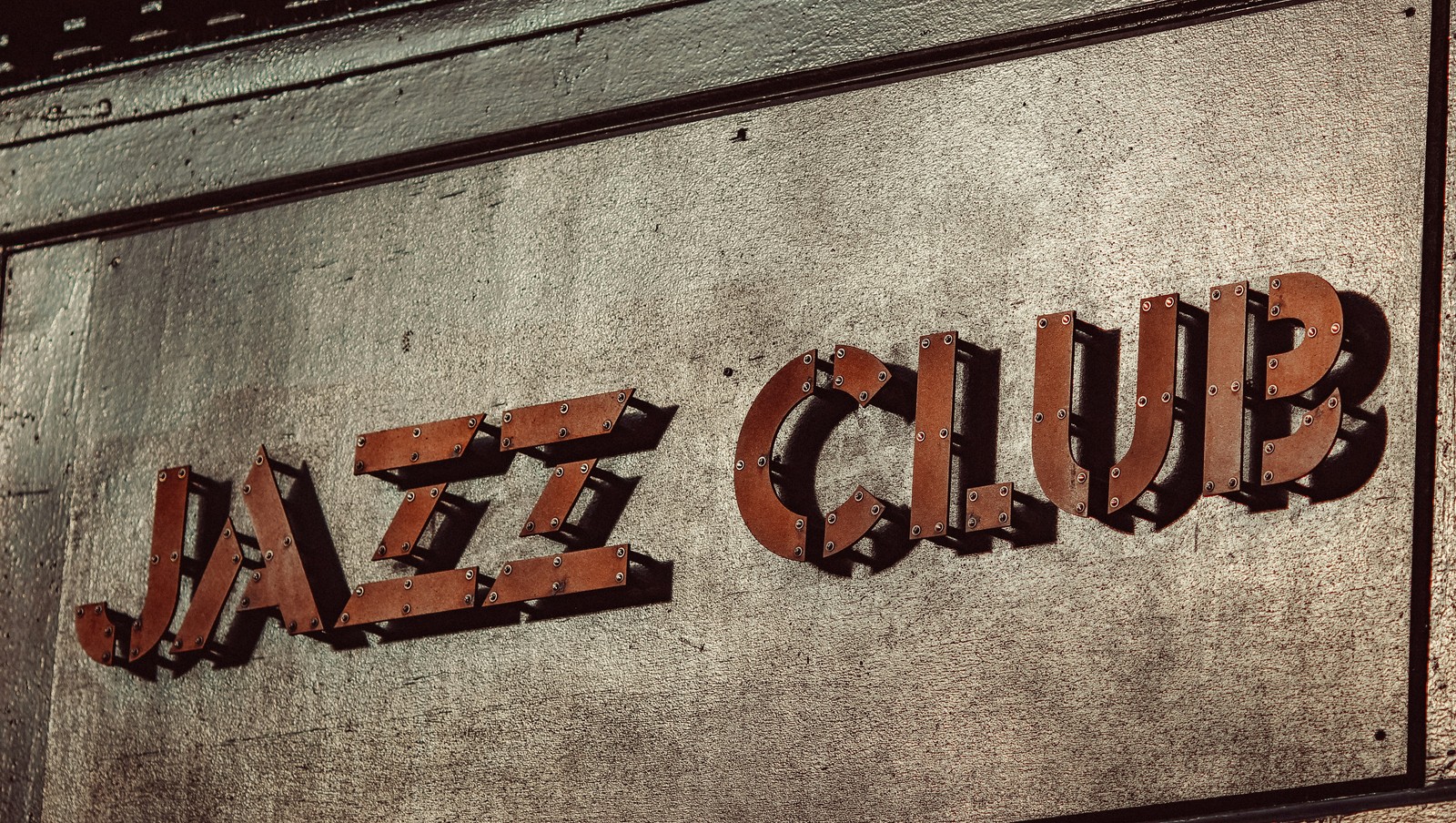
Image: Jon Tyson

If you’ve ever tapped your foot to a jazz tune, you already know it’s more than music; it’s a feeling. Now imagine stepping right into the places where it all originated. Across the U.S., you’ll find museums, historic homes, and lively venues that keep jazz alive and swinging. Whether you’re planning a trip or just dreaming for now, these stops bring the story of jazz up close in a way no recording ever could.

1
French Quarter Festival (New Orleans)
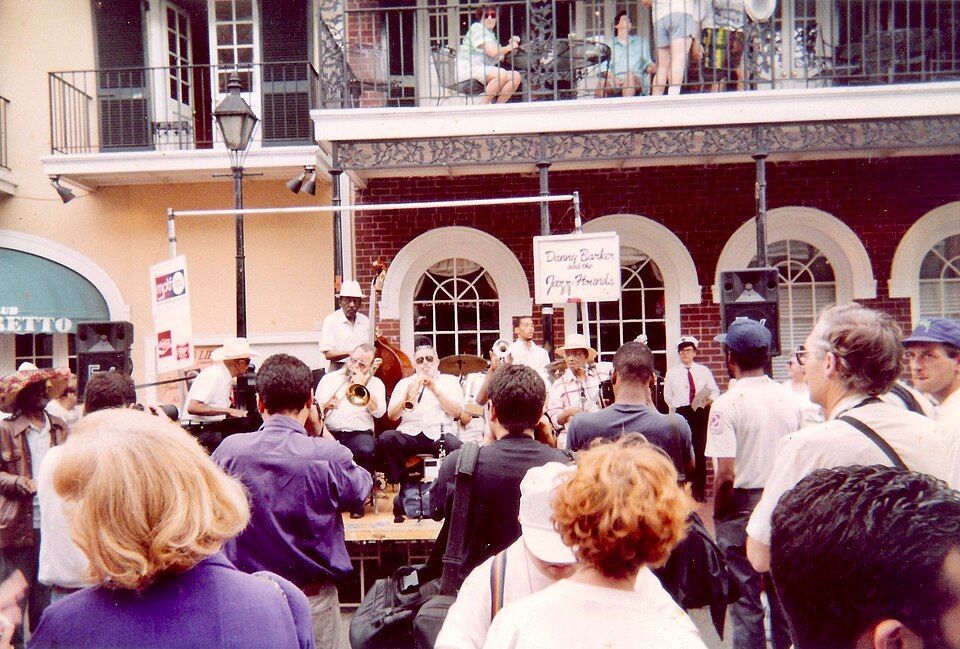
Image: Infrogmation of New Orleans, CC BY-SA 4.0, via Wikimedia Commons

Every March since 1984, New Orleans turns into one big open-air stage during the French Quarter Festival. With hundreds of performances spread across the neighborhood, live music is around every corner. What makes it special is its local flavor — you’re hearing musicians who live and breathe the city’s sound. It’s lively, welcoming, and admission is free! Bonus: Throughout the fest, you can sample food from beloved local restaurants, too.

2
Louis Armstrong House Museum (Queens, New York)
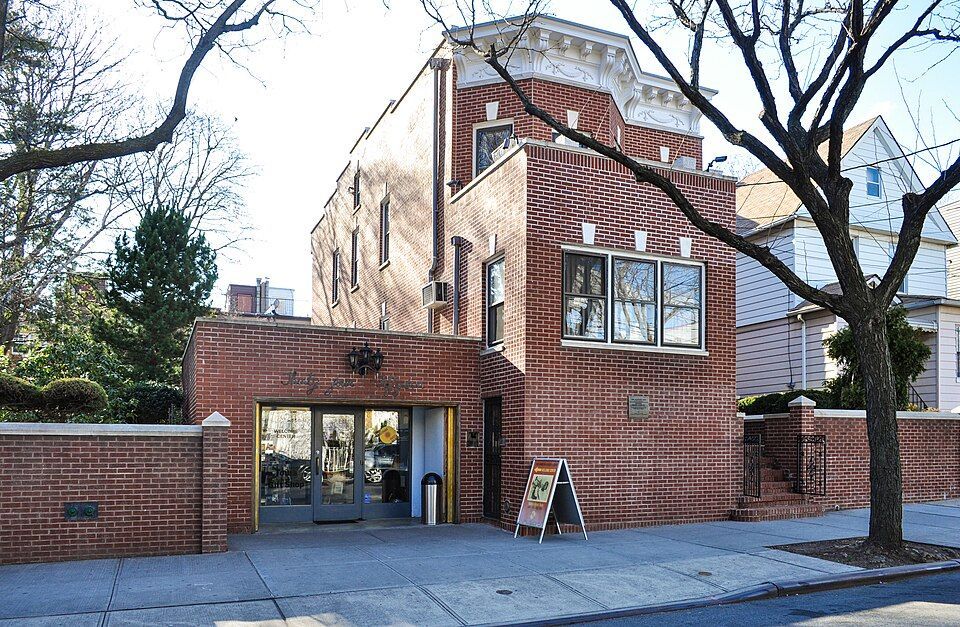
Image: Joe Mabel, CC BY-SA 3.0, via Wikimedia Commons

In Queens, New York, the Louis Armstrong House Museum lets you see the quieter side of a global legend. This is where Armstrong lived with his wife Lucille from 1943 until his death in 1971, and walking through the building feels surprisingly intimate. Guided tours share stories that go beyond the stage, giving you a sense of the man behind the music. It’s a simple but meaningful stop for anyone who has ever hummed "What a Wonderful World."

3
Jazz at Lincoln Center (New York)
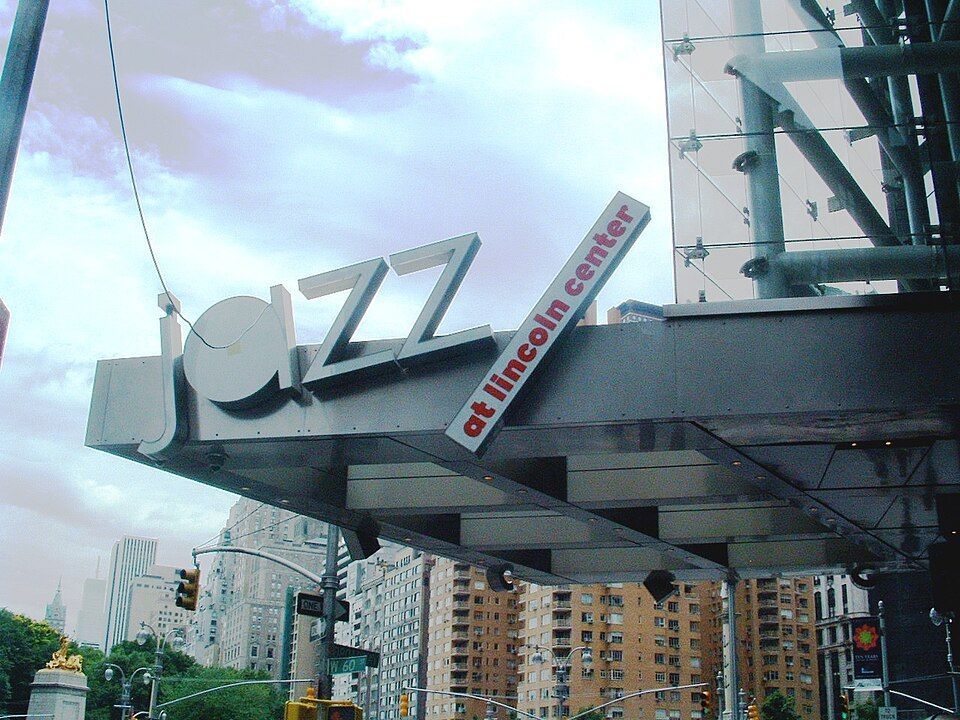
Image: I, Fbv65edel, CC BY-SA 3.0, via Wikimedia Commons

At New York City’s Columbus Circle, the Jazz at Lincoln Center tour offers more than just a seat in the audience. You get a peek inside Frederick P. Rose Hall , along with sweeping views of Central Park from the House of Swings, which makes the visit feel extra special. The tour brings the jazz world to life through stories and history lessons. You can learn about the educational programs the center offers, as well as how performances come together in one of the country’s top venues.

4
Apollo Theater (New York)
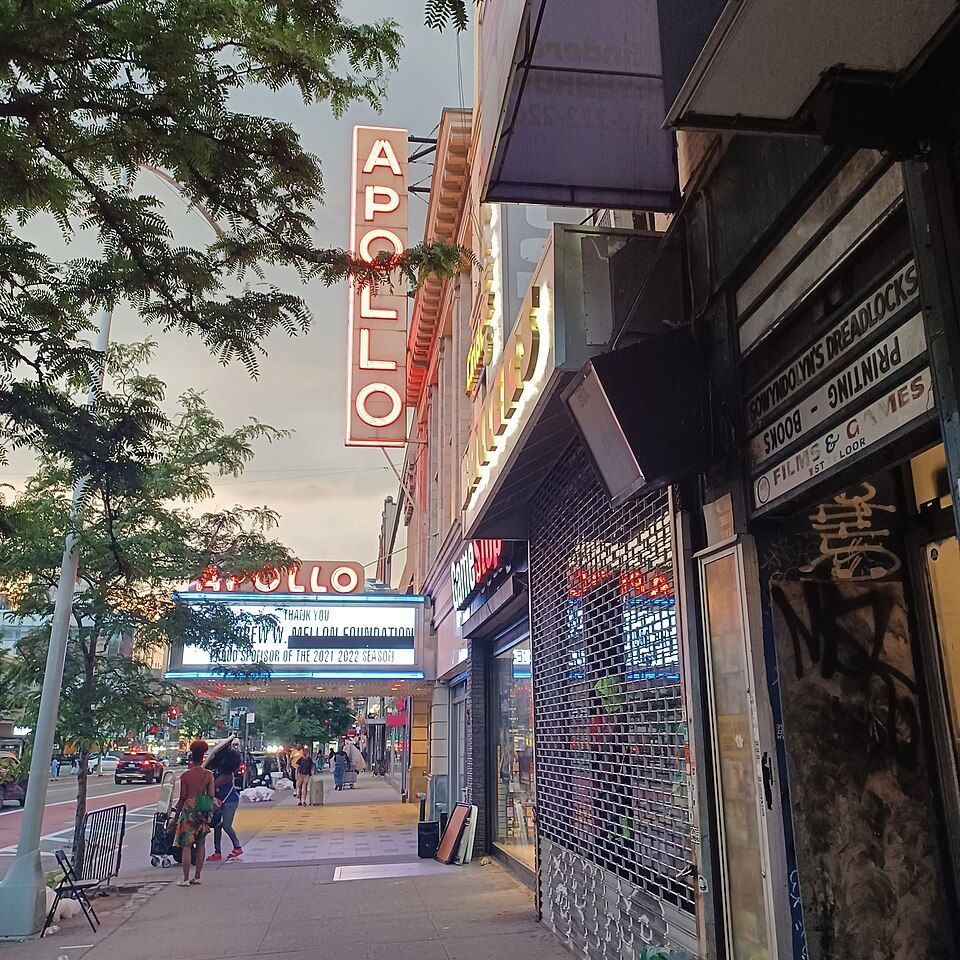
Image: Adjoajo, CC BY-SA 4.0, via Wikimedia Commons

Built in 1914, the historic Apollo Theater in Harlem has launched some of the biggest names in music: Ella Fitzgerald, Sammy Davis Jr., and so many more. Stepping through its doors, you’ll discover a place where audiences enjoyed unforgettable performances while careers were born. You can access guided tours only by reservation, so check the webpage for details on booking your visit.

5
Satchmo SummerFest (New Orleans)
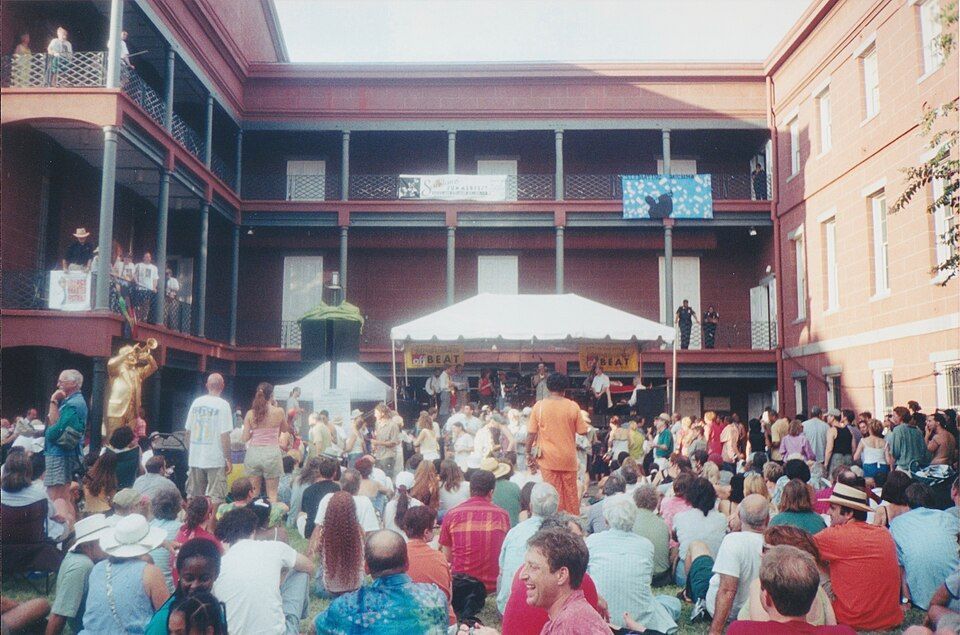
Image: Infrogmation of New Orleans, CC BY-SA 4.0, via Wikimedia Commons

Late summer in New Orleans brings Satchmo SummerFest, a two-day tribute to Louis Armstrong . The atmosphere is relaxed, the music is rich, and it’s free! More than anything, it feels like a community gathering, one that keeps Armstrong’s spirit alive while supporting local musicians. It’s the kind of event that leaves you smiling long after the last note fades.

6
Nat King Cole’s birth house (Montgomery, Alabama)
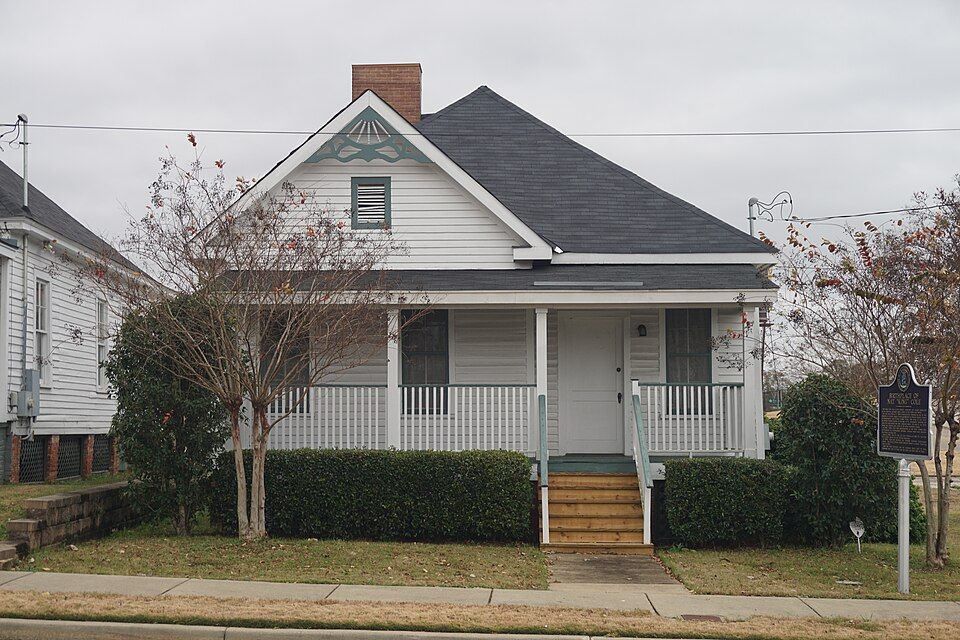
Image: Michael Barera, CC BY-SA 4.0, via Wikimedia Commons

Montgomery, Alabama, offers a look at where Nat King Cole was born in 1919. The entrance is free, but it’s currently going through renovations . However, a curbside visit can be enough to get a sense of Cole’s history. The house was moved from its original location in Montgomery County to the campus of Alabama State University in 2000, where it is part of the Selma to Montgomery Civil Rights Trail.

7
New Orleans Jazz National Historical Park
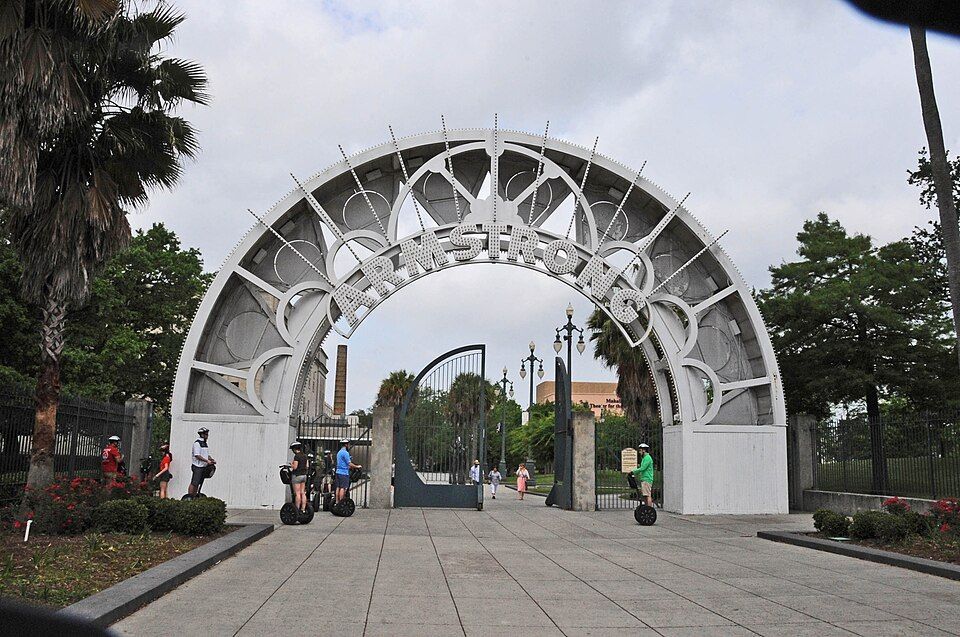
Image: Jerrye & Roy Klotz, MD, CC BY-SA 4.0, via Wikimedia Commons

The New Orleans Jazz National Historical Park , located in the Treme neighborhood and created in 1994, gives you a deeper appreciation for how jazz began. Rangers host talks, while frequent live performances make the music feel personal and immediate. Not far away, the New Orleans Jazz Museum adds another layer, with thousands of artifacts and regular concerts.

8
Village Vanguard (New York)
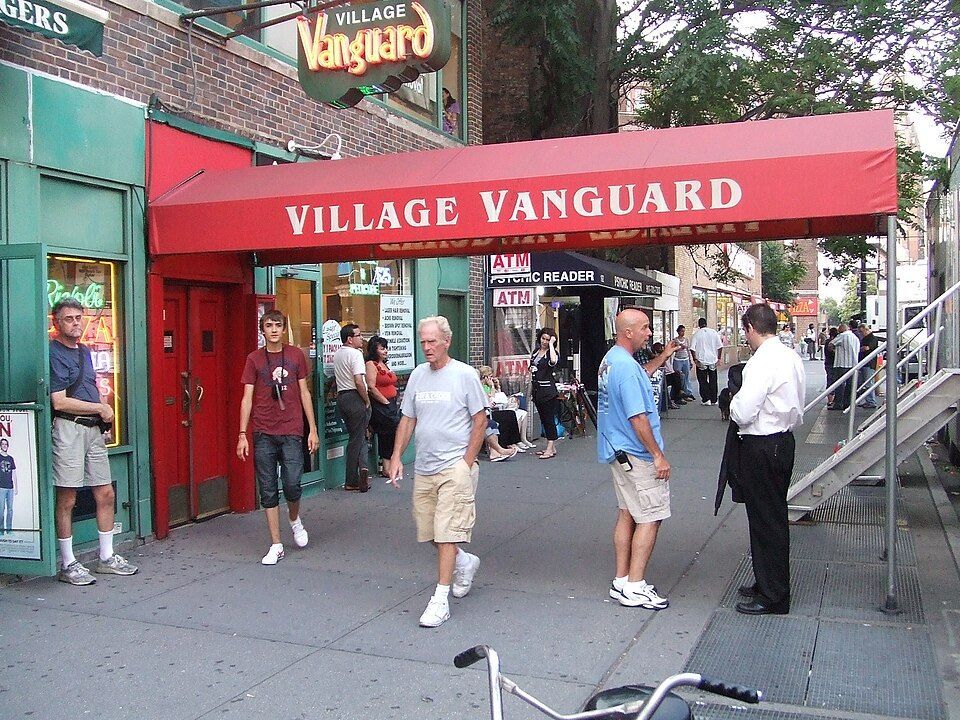
Image: Freimut Bahlo, CC BY-SA 3.0, via Wikimedia Commons

The Village Vanguard is one of those rare places that has stood the test of time. Located in New York’s Greenwich Village downtown, the club opened in 1935 and became a jazz hotspot in 1957 . Unlike other historic sites that closed, it still hosts live jazz in the same cozy space. Sitting there, you can almost feel history coming from the speakers. Monday nights are a treat with the Vanguard Jazz Orchestra, but any evening offers a chance to hear world-class musicians up close.

9
New Orleans Jazz Museum
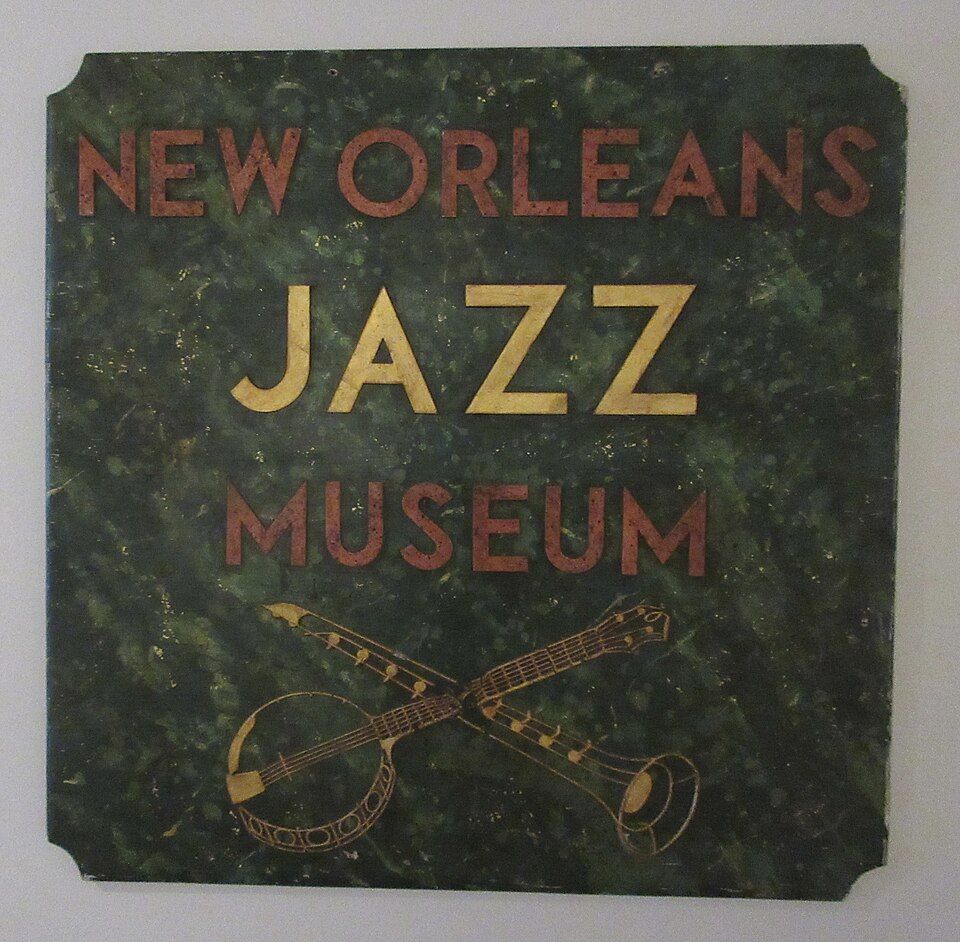
Image: Infrogmation of New Orleans, CC BY-SA 4.0, via Wikimedia Commons

Few places are as closely tied to jazz as New Orleans. With its mix of cultures, the city created the perfect setting for a new kind of music to take shape at the turn of the 20th century. At the New Orleans Jazz Museum, you’ll find thousands of artifacts that trace jazz from its earliest days. Not far away, Preservation Hall continues the tradition with live performances that stay true to the original sound.

10
Dizzy Gillespie Home Site Park (Cheraw, South Carolina)
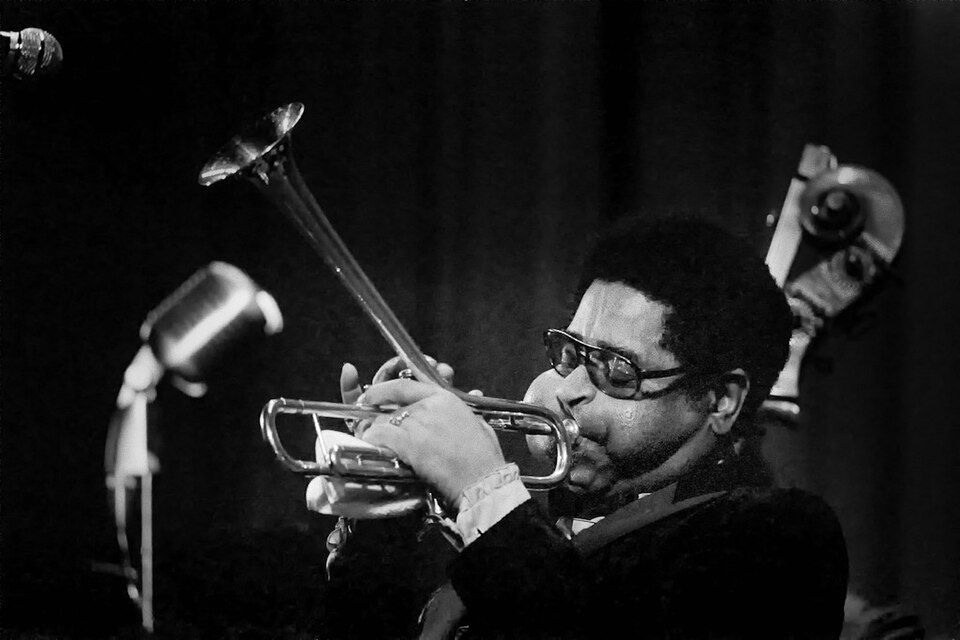
Image: JPRoche, CC BY-SA 4.0, via Wikimedia Commons

In Cheraw, South Carolina, a small park called the Dizzy Gillespie Home Site Park celebrates the great trumpeter. It’s a quieter stop, but one that feels personal. You can follow a simple brochure to explore spots tied to Dizzy’s early life, including Wesley Methodist Episcopal Church and the Robert Smalls School. If you visit in October, the town’s jazz festival adds a lively touch, turning this peaceful place into a celebration of music and community.
History History 4 min read

Lands that were only dreams

Superior, Transylvania, Sequoyah, and other states that never were

Image: Chris Lawton

The map of the United States could have looked very different—perhaps with around 70 states, each having its own capital and constitution. For example, have you ever heard of the proposed states of Franklin or Westsylvania? And can you guess where Superior was supposed to be located? Let’s dive into 13 states that almost—but never—found a place on the map.

1
Superior

Image: Brian Beckwith

As we know, Michigan is divided into the Upper and Lower Peninsulas. The discussion about whether the Upper Peninsula should become its own state dates back as far as 1858.

During the 19th and 20th centuries, residents of the region proposed creating the State of Superior , named after the Great Lake that defines the region. Although the movement never gained enough traction, some people still support the idea today, even though Superior would become the state with the smallest population.

2
Jefferson

Image: Kirk Thornton

Jefferson was a proposed state, much like Washington was before it became a state. Picture this: a state straddling Northern California and Southern Oregon, rich in timber and minerals. This was the vision for Jefferson , first proposed in the mid-19th century and revived in 1941.

Residents even declared a symbolic "secession" and distributed pamphlets proclaiming their independence. However, World War II shifted priorities , and the movement eventually fizzled out.

3
Deseret

Image: Wolfgang Hasselmann

Mormon settlers had big dreams in 1849—they proposed Deseret , a massive theocratic state . The name, meaning "honeybee" in the Book of Mormon , symbolized industry and cooperation. But Congress wasn’t exactly buzzing with enthusiasm.

Instead, Congress created the smaller Utah Territory , which at the time included present-day Utah as well as parts of Nevada, Colorado, and Wyoming.

4
Sequoyah

Image: Nina Luong

In 1905, Native American tribes in eastern Oklahoma proposed the State of Sequoyah , named after the Cherokee scholar who created the Cherokee syllabary .

It was a bold move to create a Native-majority state. However, Congress chose instead to merge the area with Oklahoma Territory to form the state of Oklahoma . The constitution drafted for the proposed State of Sequoyah went on to influence the final Constitution of Oklahoma.

5
Lincoln

Image: Clark Van Der Beken

The proposed State of Lincoln had multiple identities. One version placed it in eastern Washington and northern Idaho. Although the name was intended to honor Abraham Lincoln, other names, such as Columbia and Eastern (East) Washington , were also considered.

Another proposal envisioned Lincoln in southern Texas. This version reportedly had a prepared constitution and a distinctive red flag featuring Lincoln’s face inside a yellow circle.

6
East and West Jersey

Image: Nick Fewings

Can you imagine two New Jerseys? Back in 1674, when the area was still a British province, New Jersey was divided into East Jersey and West Jersey , each with its own government and constitution.

But the separation lasted only 28 years . The territories were rejoined in 1702, and the first New Jersey state constitution wasn’t adopted until 1776, following independence from Britain.

7
Franklin

Image: Dan Mall

The State of Franklin was another plan, except this one worked, for a while. In 1784, settlers in eastern Tennessee had had enough with what they saw as North Carolina’s neglect. They declared independence and formed the State of Franklin , named after Benjamin Franklin, of course.

For four years, Franklin operated as a de facto state , complete with its own constitution and government. However, Congress refused to recognize it, and by 1788, the State of Franklin ceased to exist.

8
Transylvania

Image: Julia Volk

Transylvania (from the Latin for "beyond the woods" ) is more than just a remote land of vampire legends—it was also nearly the name of a short-lived American colony in what is now mostly Tennessee and parts of Kentucky.

In 1775, land speculator Richard Henderson struck a deal with the Cherokee to create the Colony of Transylvania , in parts of Kentucky, Tennessee, and Virginia. But Virginia and North Carolina declared the venture illegal. Still, the name lives on today in Transylvania University in Lexington, Kentucky.

9
Nickajack

Image: lauren barton

During the Civil War, Union sympathizers in northern Alabama, northern Georgia, and eastern Tennessee proposed the creation of the State of Nickajack . The name came from a Cherokee village, but the idea never gained much traction.

Today, the Nickajack Dam and Nickajack Lake reservoir mark areas that would have fallen within the boundaries of this proposed state.

10
Absaroka

Image: Mohan Nannapaneni

Have you ever heard of Absaroka ? During the Great Depression, residents of parts of Wyoming, South Dakota, and Montana proposed the creation of the State of Absaroka , named after the Crow Nation’s word for "children of the large-beaked bird."

The movement was largely a symbolic protest against federal neglect. Absaroka even had its own license plates and a self-declared "governor," but the state never came to fruition.

11
Westsylvania

Image: Isaac Wendland

Yet another -vania . In the late 18th century, settlers west of the Appalachian Mountains proposed the creation of the State of Westsylvania . Frustrated by neglect from eastern state governments—especially Virginia and Pennsylvania—they wanted a state of their own.

But like many other separatist efforts, the proposal was rejected by Congress and never became a reality.

12
Madison

Image: Library of Congress

Another president nearly had a state named after him—but didn’t. The name of the fourth U.S. president, James Madison, was once proposed for the area that is now part of the Dakotas.

In the late 19th century, residents of what is now southwestern North Dakota proposed the creation of the State of Madison . However, the idea faced a major hurdle: Congress was already considering dividing the Dakota Territory into two separate states. In 1889, North and South Dakota were admitted to the Union, and the Madison proposal was quietly shelved.

Culture Culture 4 min read

How many lives can you fit into one?

Mark Twain, riverboat pilot? 10 facts about America’s wittiest writer

Image: Kenny Eliason

A man of many trades, Mark Twain is best known for his classics, including The Adventures of Huckleberry Finn , The Adventures of Tom Sawyer , and The Mysterious Stranger , among others. However, literary masterpieces aside, Twain also did and said quite a few other interesting things. Did you know he was a gold digger in California? Or that he based the character of Huckleberry Finn on a real friend? Aside from his beloved books and his great mane of white hair, this remarkable American has many more fascinating stories to tell—10 of which are highlighted below.

1
The Real Huckleberry Finn

Image: Demure Storyteller

As mentioned earlier, Huckleberry Finn was, at least in part, based on a real person. Much of Mark Twain’s inspiration comes from his own life and experiences. Though Huckleberry Finn is a fictional character, his appearance, demeanor, and lifestyle closely mirror almost exactly Mr. Twain’s dear childhood friend, Tom Blankenship.

Huckleberry Finn first appeared in The Adventures of Tom Sawyer before becoming the central figure in his own story, The Adventures of Huckleberry Finn , a work widely regarded as a cornerstone of American literature.

2
Education

Image: Johnny Cohen

Mark Twain’s intellectual achievements might suggest he was a highly academically educated individual, but that was not the case. He had to leave school at a very early age to help support his family after his father’s death.

After he dropped out of school, Twain began working at the Hannibal Journal , where his writing career would find its start. Always the avid reader, he was known to spend hours each evening in the library, immersing himself in books.

3
Steamboat pilot

Image: Andreas Haubold

In 1857, Mark Twain began his career as an apprentice steamboat pilot on the Mississippi River . Soon after, he recruited his younger brother to work on the vessel as well, but tragedy struck one day as he died from an explosion on the steamboat. Despite this heartbreaking event, Twain continued his training and earned his pilot’s license in 1859, working as a pilot until the outbreak of the Civil War.

In June 1902, he paid his final visit to the Mississippi River when he accepted an honorary degree at the University of Missouri in Columbia and participated in the dedication of a steamboat named in his honor.

4
Pen Names

Image: Patrick Fore

It is a well-known fact that Mark Twain, though a great name indeed, was not our hero’s real birthname which was Samuel Langhorne Clemens . Choosing a memorable pen name can be a lengthy process, and many authors experiment with a few before settling on one.

Before adopting the now-famous "Mark Twain," Clemens tested out some unusual pseudonyms, including "Epaminondas Adrastus Blab" and "Thomas Jefferson Snodgrass."

5
Miner years

Image: Art Institute of Chicago

A man unafraid of trying new things, Mark Twain also worked as a miner in Nevada , where he and his brother fled, avoiding the Civil War. He later described the work as "hard and long and dismal."

His stint as a miner was short-lived, as he quickly landed his first writing job at The Territorial Enterprise newspaper in Virginia City. There he was tasked with covering crime, politics, culture, and, also, mining.

6
19 cats

Image: Paul Hanaoka

A hardcore cat enthusiast, Mr. Twain was so fond of these felines that he even "rented" them to keep him company while traveling . At one point in his life, he reportedly had 19 cats at the same time.

When asked about this obsession, Twain replied that he found cats much preferable to humans, even going as far as saying, "If man could be crossed with the cat, it would improve man, but it would deteriorate the cat."

7
Board game inventor

Image: Jaciel Melnik

Perhaps learning about English monarchs was a fun activity in the times of Mark Twain but, in any case, it served as the inspiration for a board game he invented and patented , called Memory Builder.

Memory Builder wasn’t Twain’s only invention. He also designed a self-adhesive scrapbook that works like an envelope and created an improvement in adjustable and detachable straps for women’s bras.

8
Bed writer

Image: Annie Spratt

Some might think that working in bed all day would be extremely uncomfortable, especially due to posture. However, Mark Twain found it absolutely delightful, and it became his favorite place to work.

In his old age, Mark Twain was often photographed in his bed, smoking away a cigar or pipe while writing. Though he owned many houses throughout his life, he had only one favorite bed, which he kept with him until the end.

9
Bad businessman

Image: Vasilis Caravitis

Being a great author doesn’t guarantee being successful in other things as well. Despite dabbling in many business investments, Twain’s financial endeavors were largely unsuccessful. He lost money in mining and technology ventures and even went bankrupt.

However, he always managed to make a comeback with his writing and his lectures, proving that his known talents were generous and reliable.

10
Predicted his own death

Image: Frank Zinsli

In 1909, Mark Twain predicted that he would die when Halley’s Comet returned . This was because the last time the comet passed near Earth was the year of his birth. Unfortunately, he was right, and he passed away in 1910.

Twain's family was by his side when he died, and he was buried in Elmira, New York. The exact cause of his death remains a mystery to this day.

Explore more American facts

Choose your favorite category!

General
General

As American as apple pie—the very best America has to offer!

Culture
Culture

Delve into the astounding richness of American lore.

Geography
Geography

Hop in and explore vast and diverse American landscapes.

History
History

Discover the key moments that shaped the United States.