General General 6 min read

Are we there yet?

Every parent should read this article before embarking on a road trip

Image: LeManna

Traveling with children can be one of life's most rewarding adventures and one of its biggest challenges. A trip that looks effortless on social media often involves careful planning, a healthy dose of flexibility, patience, and a willingness to expect the unexpected. Fortunately, experienced parents, pediatricians, and travel experts agree on several practical habits that help reduce stress and keep kids happier on the road.

1
Choose flights that work with your child’s schedule
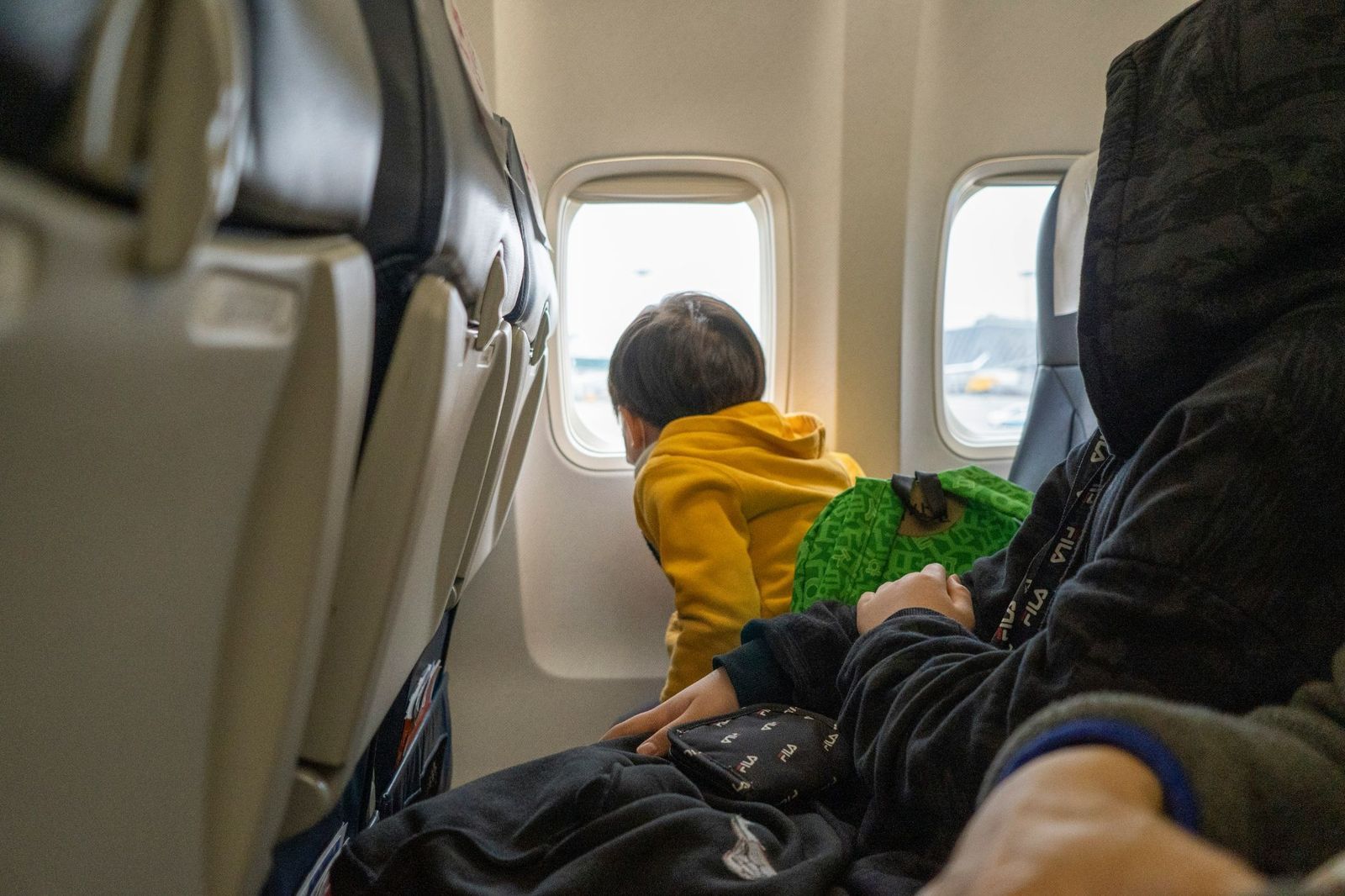
Image: minho jeong

Of course, it’s tempting to book the cheapest flight available, but the lowest fare isn't always the best value when you're traveling with young children. Whenever possible, look for departure times that line up with your child's regular nap or bedtime . A sleepy child is often far more likely to relax, or even sleep, through a good portion of the journey, making the experience easier for everyone on board.

Direct flights can also be worth paying a little extra for. Every layover means another security check, another boarding process, and another opportunity for delays to throw off routines. Pediatric experts also recommend arriving at the airport with plenty of time to spare, reducing the stress of rushing through terminals with children and luggage. Starting the trip calmly often sets the tone for everything that follows.

2
Bring more snacks than you think you’ll need
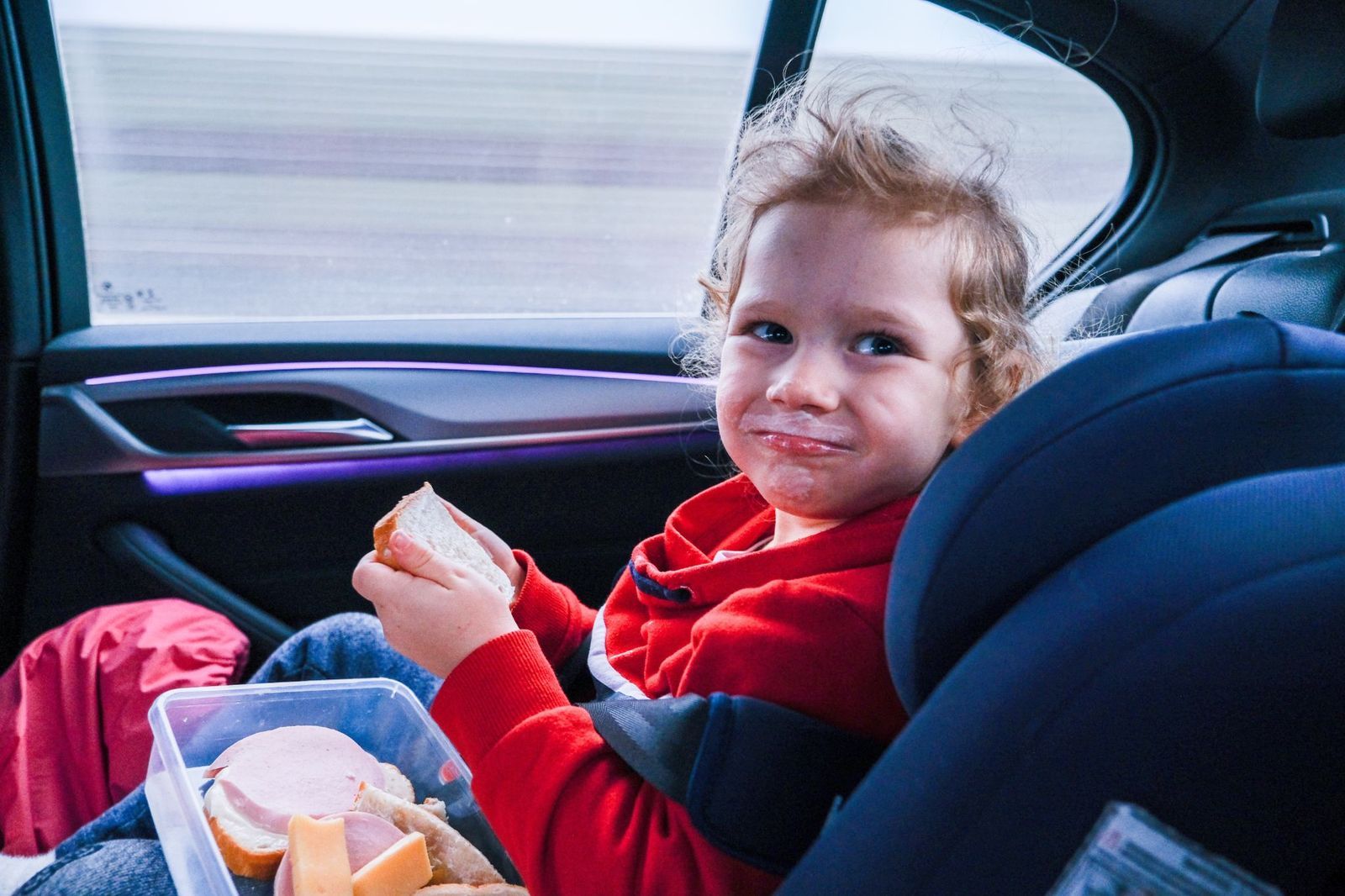
Image: laowaika

If there's one piece of advice nearly every experienced parent agrees on, it's this: pack extra snacks. Delayed flights, long security lines, traffic jams, and unexpected detours have a way of stretching meal times, and hungry children rarely become more patient as the hours pass .

Choose foods that travel well and don't require refrigeration, such as crackers, granola bars, dried fruit, applesauce pouches, or pretzels. Keeping familiar snacks within easy reach can also help picky eaters adjust to new surroundings. Even if you never open every bag, having plenty available provides peace of mind—and may help avoid an expensive airport food stop.

3
Download entertainment before you leave

Image: Tatiana Diuvbanova

Modern travel has become much easier thanks to tablets and smartphones, but they're only helpful if the content is actually available when you need it. Airplane Wi-Fi isn't always reliable, mobile signals disappear in remote areas, and onboard entertainment systems occasionally malfunction.

Before leaving home, download favorite movies, television shows, audiobooks, music playlists, and age-appropriate games directly onto your devices . Packing headphones and portable chargers is just as important. Having entertainment ready to go means you'll never have to rely on an internet connection to keep little travelers happily occupied during long stretches of the journey.

4
Pack a complete change of clothes

Image: Vika Strawberrika

Children have an incredible talent for finding the one puddle, juice box, or muddy patch capable of soaking an entire outfit. That's why seasoned travelers rarely leave home without packing at least one complete change of clothes in their carry-on luggage .

Include fresh socks, underwear, and a lightweight sweater in addition to a clean outfit. A plastic bag for dirty clothing is another simple addition that can make life much easier. Some parents even pack an extra shirt for themselves, since babies and toddlers have a remarkable ability to spread spills well beyond their own clothes.

5
Reserve seats together whenever possible
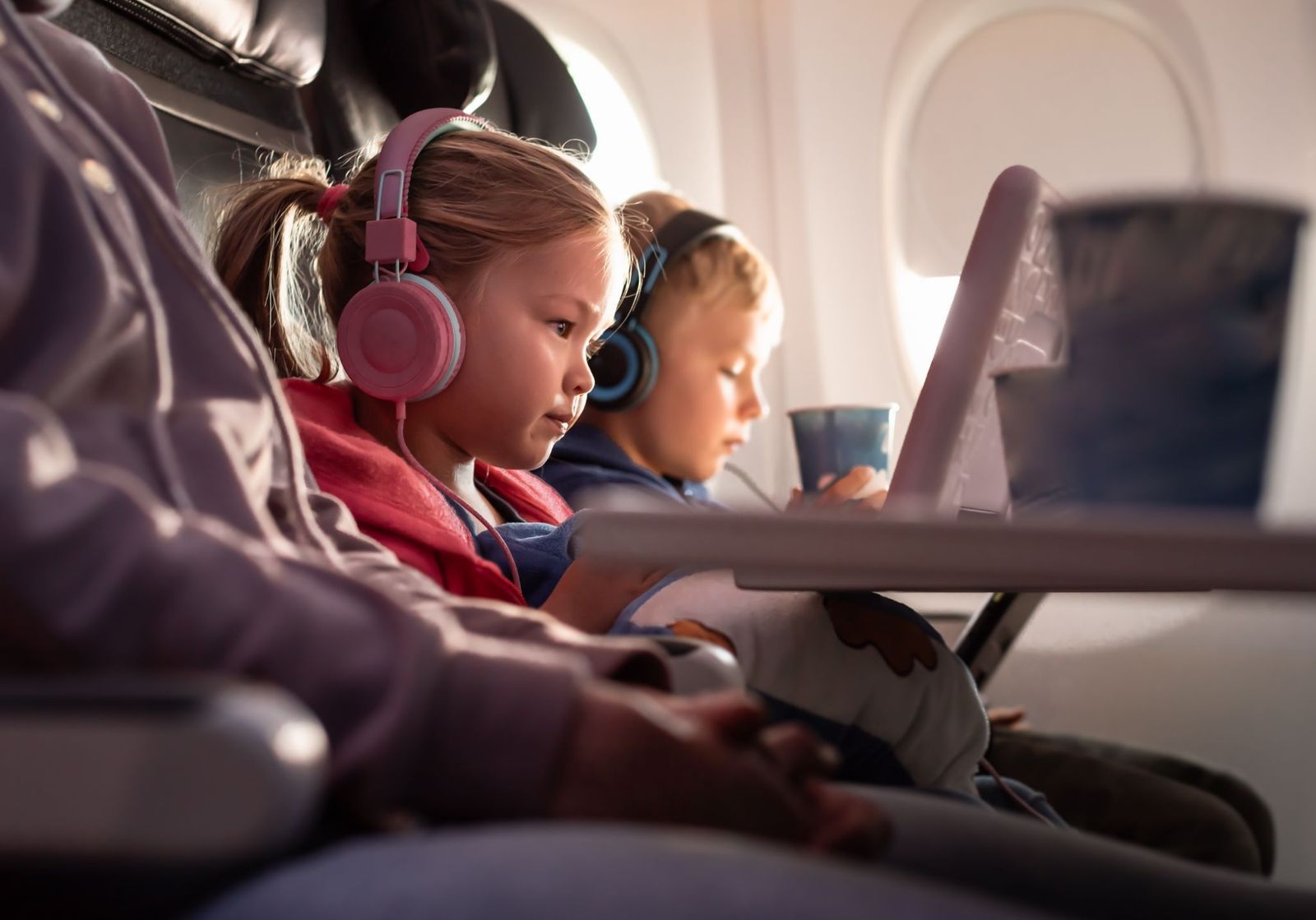
Image: KieferPix

Sitting together isn't simply more convenient; it makes traveling significantly easier. Being close allows parents to quickly hand over snacks, help with entertainment, comfort nervous children, and manage unexpected situations without disturbing other passengers .

While many airlines try to seat families together, it's never guaranteed unless seats are selected in advance. Booking early increases your chances of staying together throughout the flight. For infants and toddlers traveling in their own seats, using an FAA-approved child restraint system provides an additional layer of safety during turbulence and takeoff.

6
Include flexibility in your plans

Image: Davor Geber

One of the quickest ways to create unnecessary stress is to try to pack every hour of the vacation with activities. Children naturally move at a different pace than adults, and even the most exciting attraction can become overwhelming after a long day.

Instead of scheduling four major attractions in a single afternoon, consider planning one primary activity with plenty of free time around it . Unexpected playground visits, leisurely lunches, or simply taking a break at the hotel often become some of the most enjoyable parts of a family vacation. Leaving room for spontaneity allows everyone to enjoy the trip rather than race through it.

7
Follow proper car seat and booster seat rules
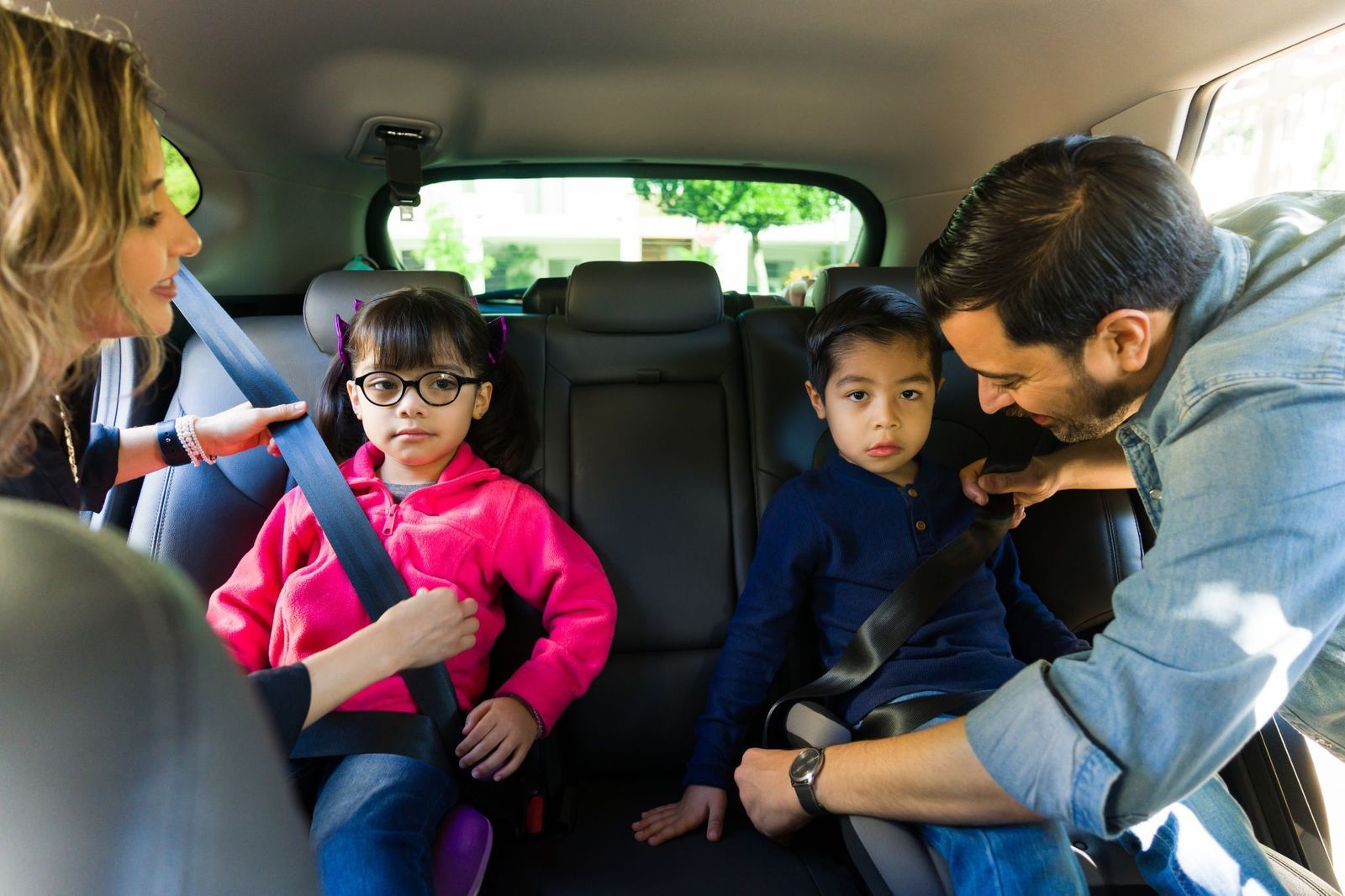
Image: antoniodiaz

Whether you're driving your own vehicle or renting one at your destination, using the correct child restraint is one of the most important safety decisions you'll make. Motor vehicle crashes remain one of the leading causes of injury and death for children, making proper car seat use essential.

Health and safety experts recommend keeping children rear-facing as long as possible before transitioning to forward-facing seats, followed by booster seats until an adult seat belt fits correctly . Children under 13 are generally safest riding in the back seat. Taking a few extra minutes to install a seat correctly can make a tremendous difference in protecting young passengers.

8
Plan regular breaks on road trips

Image: Romvy

Adults may be able to drive for hours without stopping, but children usually need regular opportunities to stretch, move around, and burn off energy. Long periods of sitting can quickly lead to boredom, frustration, and restless behavior.

Planning a break every two or three hours gives everyone a chance to use the restroom, grab a snack, or simply walk around for a few minutes . Scenic overlooks, parks, picnic areas, and playgrounds can transform routine stops into enjoyable parts of the journey while helping drivers stay refreshed as well.

9
Bring a familiar comfort item
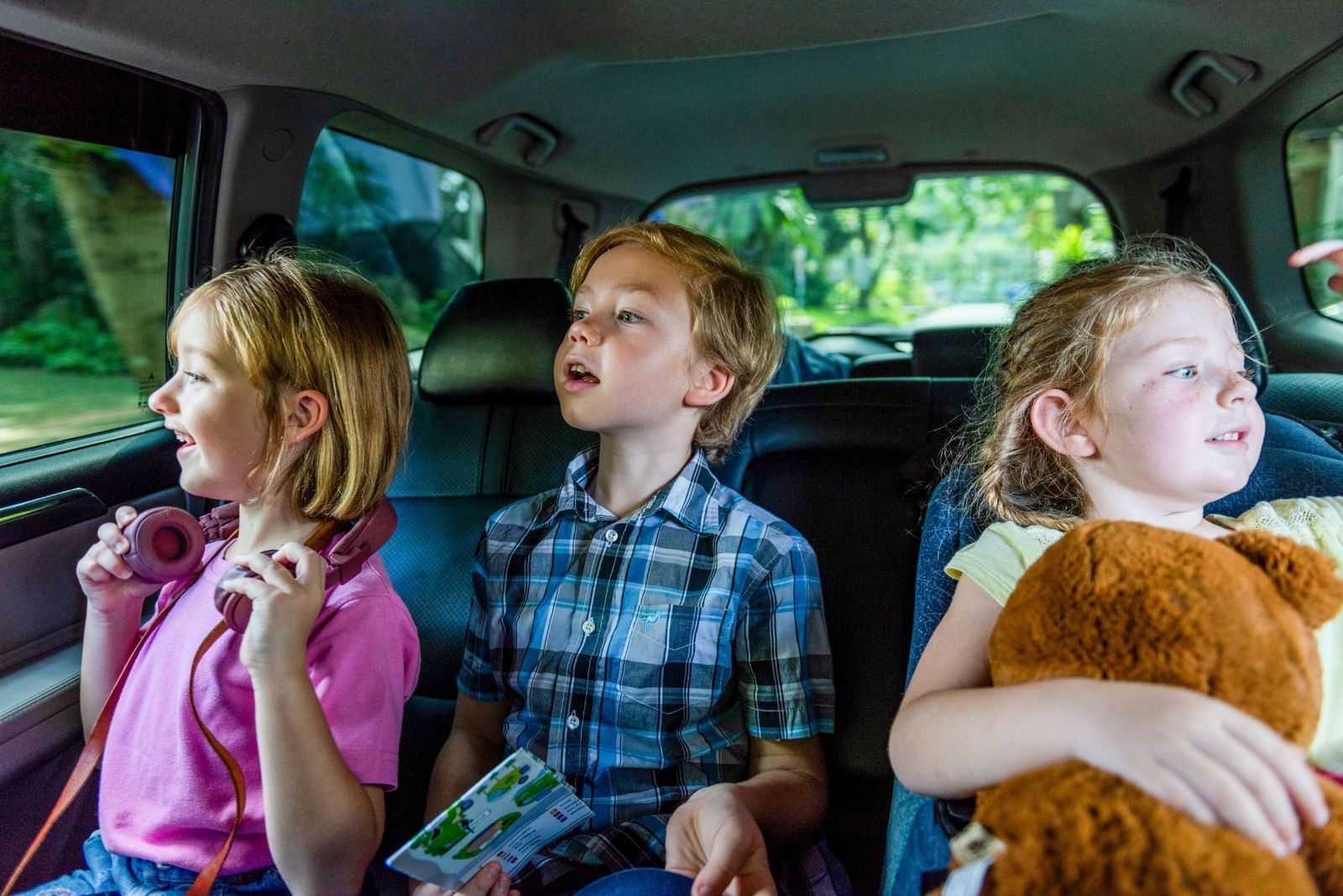
Image: Rawpixel.com

New places can be exciting, but they can also feel overwhelming for younger travelers. A favorite stuffed animal, blanket, bedtime book, or small pillow provides a comforting reminder of home when everything else feels unfamiliar .

Psychologists often refer to these cherished belongings as "transitional objects" because they help children cope with change and unfamiliar situations. Even older children sometimes appreciate having a familiar item nearby while sleeping in hotels or staying with relatives. Small comforts can make a surprisingly big difference after a busy day of sightseeing.

10
Involve kids in the planning

Image: Ground Picture

Vacations become even more exciting when children feel like active participants instead of passive passengers. Depending on their age, let them help choose a restaurant, pick one attraction to visit, or learn interesting facts about the destination before leaving home .

Younger children often enjoy marking locations on a map or helping pack their own travel bag, while older kids may enjoy researching museums, hiking trails, or local foods. Giving every child one special choice during the trip encourages enthusiasm and creates memories they'll feel personally connected to.

11
Keep bedtime routines as consistent as possible

Image: BaLL LunLa

Travel naturally disrupts daily schedules, but maintaining familiar bedtime habits can help children settle down more easily in new surroundings . Reading the same bedtime story, brushing teeth in the usual order, or listening to a familiar lullaby signals that it's time to sleep, even if bedtime happens in a hotel halfway around the world.

Well-rested children generally handle busy sightseeing days, long flights, and unfamiliar environments much better than overtired ones. While vacations don't require military precision, preserving a few comforting routines often helps the entire family enjoy each day a little more.

12
Remember that perfect trips don’t exist
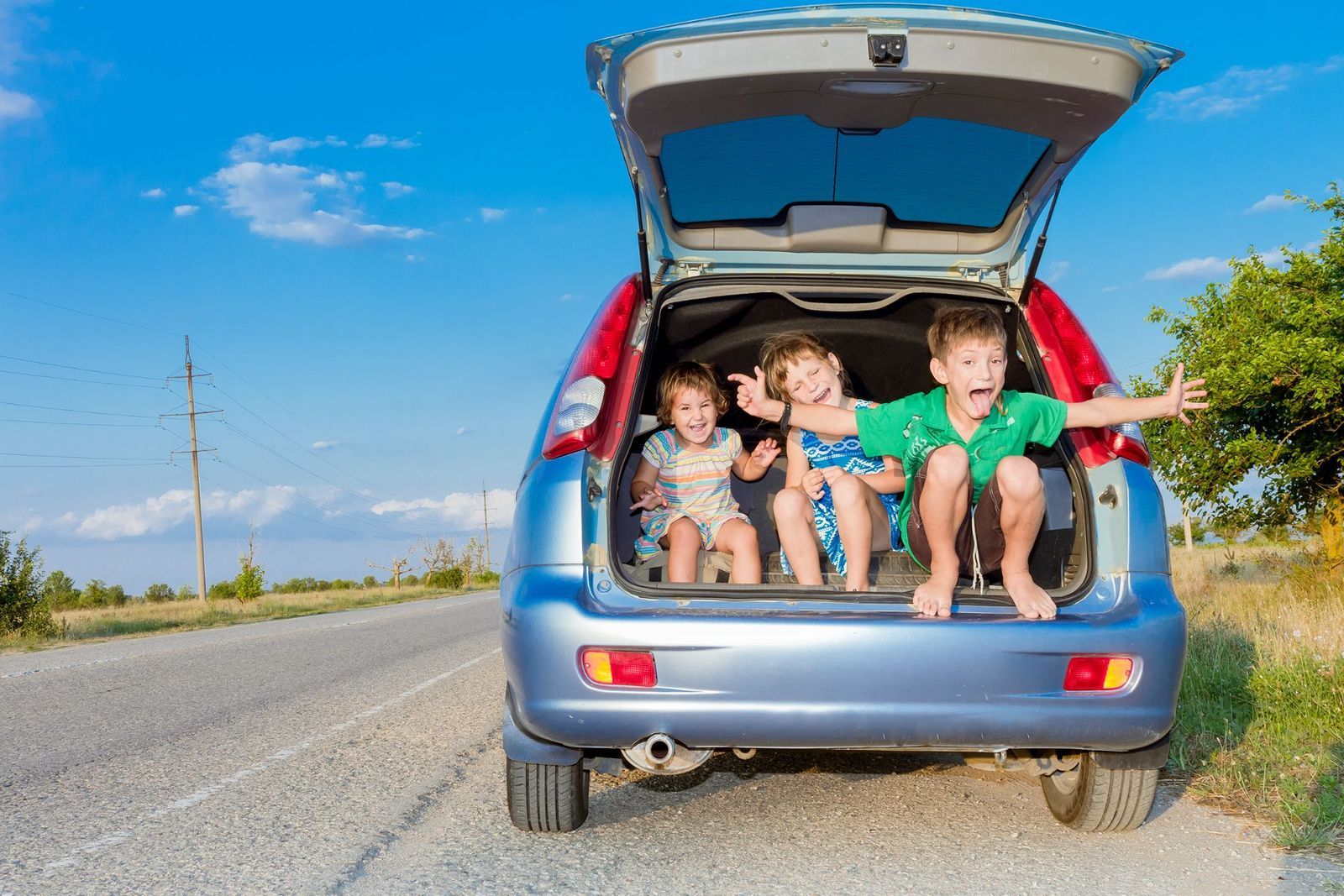
Image: Elena Yakusheva

Perhaps the best family travel advice has nothing to do with luggage, flights, or packing lists. Even the most carefully planned vacation will probably include a delayed flight, unexpected rainstorm, forgotten toy, or missed reservation somewhere along the way .

The families who seem to enjoy traveling the most aren't necessarily the ones whose trips go perfectly; they're the ones who treat surprises as part of the adventure. Years later, it's often the unexpected moments that become the funniest stories and the happiest memories. A successful family vacation isn't measured by perfection, but by the experiences you share along the way.
History History 7 min read

Moments that made a difference

The bloodiest battle in the Civil War could have had a different outcome

Image: Unseen Histories

What key moments made America the country it is today? The first to come to mind include the signing of the Declaration of Independence and the Emancipation Proclamation, and the Allies' Victory in World War II. But what if other events had transpired differently? What if a battle had ended with the victors losing and vice versa? Or if a protest had never happened? Here are ten pivotal what-if moments in our history.

1
The Boston Tea Party (1773)

Image: Nathaniel Currier, Public domain, via Wikimedia Commons

The political unrest that eventually led to the American Revolutionary War was brewing well before the Boston Tea Party of 1773, but things might have gone a different way had this event not happened. The destruction of the East India Company’s tea by the Sons of Liberty as a protest against taxation was seen as a direct act of defiance by the British Parliament , who retaliated by closing the Boston Port, intervening in the Massachusetts colonial government, and stationing troops in private residences. This was seen as an act of war by the colonists, and it accelerated the gathering of the First Continental Congress and the start of the American Revolution.

2
The Crossing of the Delaware (1776)

Image: Emanuel Leutze, CC0, via Wikimedia Commons

By December 1776, the Continental Army was on the brink of defeat after a series of losses. The soldiers’ morale was low, and most enlistments were set to expire by the new year. The British had decided to hunker down for the winter season, instead of chasing the colonists, and General George Washington knew he had to act fast. On the night of December 25th, he led 2,400 across the icy Delaware River in the midst of a blizzard, hoping to catch the British forces garrisoned at Trenton by surprise. The attack was successful, and it was the first of a series of victories that uplifted the revolutionaries’ morale and changed the course of the war.

3
The Whiskey Rebellion (1791)

Image: The National Guard, Public domain, via Wikimedia Commons

In 1791, the newly formed American government levied its first federal tax on whiskey, with the intention of using the revenue to pay war debts. However, this was met with strong resistance, protests, and even armed insurrection in the state of Pennsylvania. The peaceful suppression of the rebellion not only prevented further conflicts but also cemented the authority of the federal government over the states in matters of taxation. The role of the army led by Washington himself was crucial in the creation of a standing army—strongly opposed by many founding fathers—and it was the origin of the American military as one of the world's strongest.

4
The Bill of Rights (1791)

Image: Howard Chandler Christy, Public domain, via Wikimedia Commons

The original U.S. Constitution was met with strong opposition by many states, who saw it as infringing on individual rights and liberties, and as a possible source of government tyranny. A Bill of Rights, establishing and securing fundamental freedoms, was drafted and added as a condition for the ratification of the document. While this compromise was crucial for establishing the bases of the American nation, it also put into practice the mechanism for amending the Constitution, codified in Article V, and set the precedent that the supreme law of the land could evolve with the nation.

5
The Louisiana Purchase (1803)

Image: BioKnowlogy, Public domain, via Wikimedia Commons

Thomas Jefferson’s purchase of Louisiana from the French in 1803 was much more than a simple territorial acquisition. The 828,000 square miles territory, purchased for roughly 15 million dollars, doubled the size of America, now expanding its initial borders from the Mississippi to the Rocky Mountains. By securing the Mississippi River and the port of New Orleans, the U.S. expanded its agricultural economy and gained access to vast natural resources , while the control over a former French territory diminished the influence of European powers—mainly, the rising Napoleon Bonaparte— in North America. The soon-to-follow Westward expansion would add 13 new states to the Union.

6
The Battle of San Jacinto (1836)

Image: Henry Arthur McArdle, Public domain, via Wikimedia Commons

Given its significance in Texan and American history, it is easy to forget that the 1836 Battle of San Jacinto lasted a mere 18 minutes. After the victory of the Mexican army at the Alamo and the massacre of war prisoners in Goliad, Texan morale was low, and the quest for Texas’ independence was nearly ended. Pursuing the remnants of the army led by Sam Houston, Mexican scouts incorrectly reported the route taken by the Texans, which allowed Houston to evade the enemy. After blocking the escape route and while the Mexican soldiers were taking a nap, 900 Texan soldiers attacked by surprise, killing more than half of the Mexican forces (around 1,300 men) and capturing the rest.

7
The Battle of Antietam (1862)

Image: Currier & Ives., Public domain, via Wikimedia Commons

Widely considered to be the bloodiest battle of the American Civil War, with a tally of 22,726 casualties between dead, wounded, and missing people, the 1862 Battle of Antietam ultimately tipped the balance in the Union’s favor. But did you know that the casualties could have been far less? As the Union Army of the Potomac was moving to intercept the Confederate forces of General Lee, two Union soldiers came across a copy of Lee’s battle plans, detailing his intention of dividing the troops , which would allow the Union forces to isolate and defeat the Confederate army. However, Union General McClellan waited 18 hours before deciding to attack, which gave Lee the time to mount a strong defense in Antietam.

8
The New Deal (1932)

Image: Margaret DeMott Brown, Public domain, via Wikimedia Commons

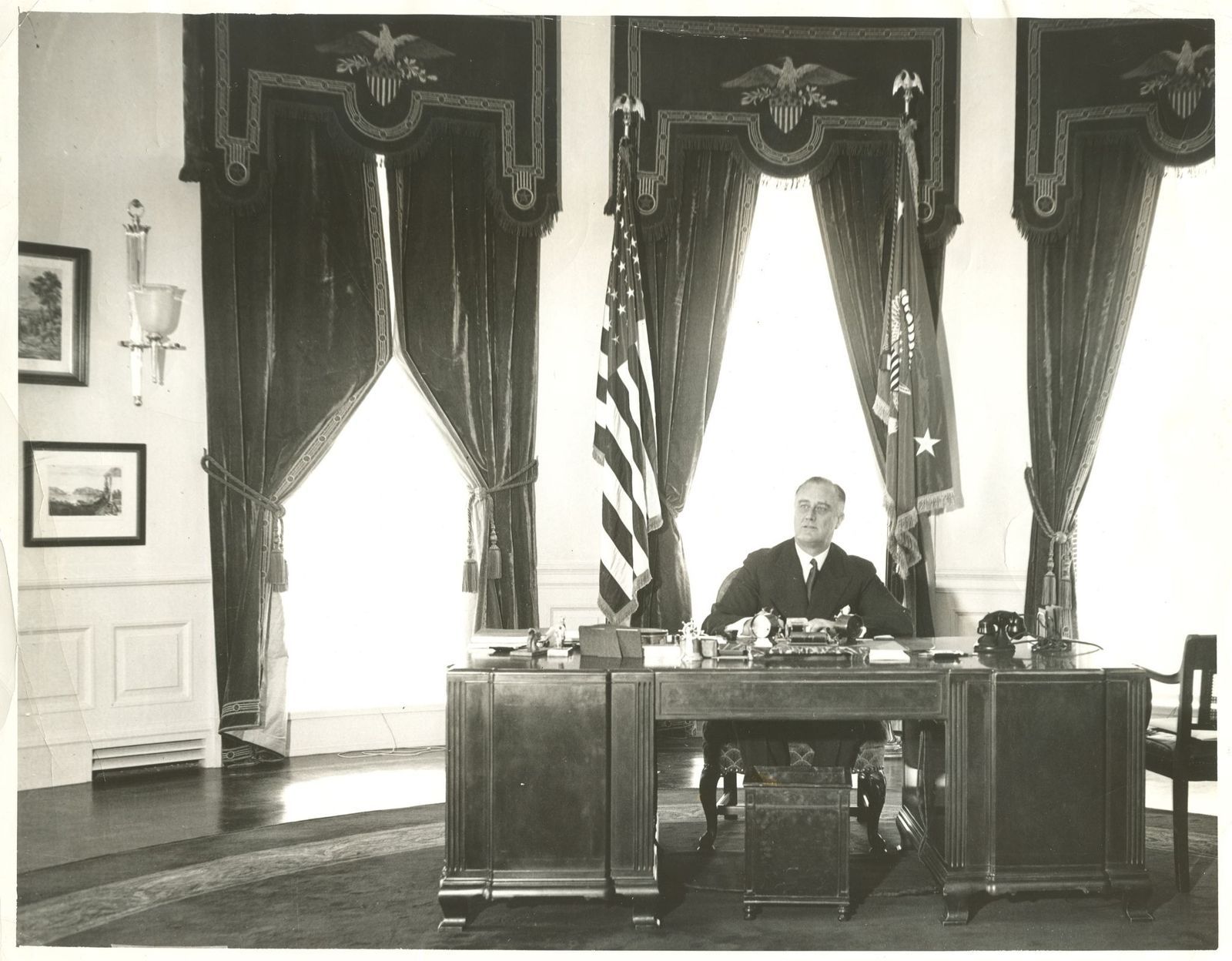
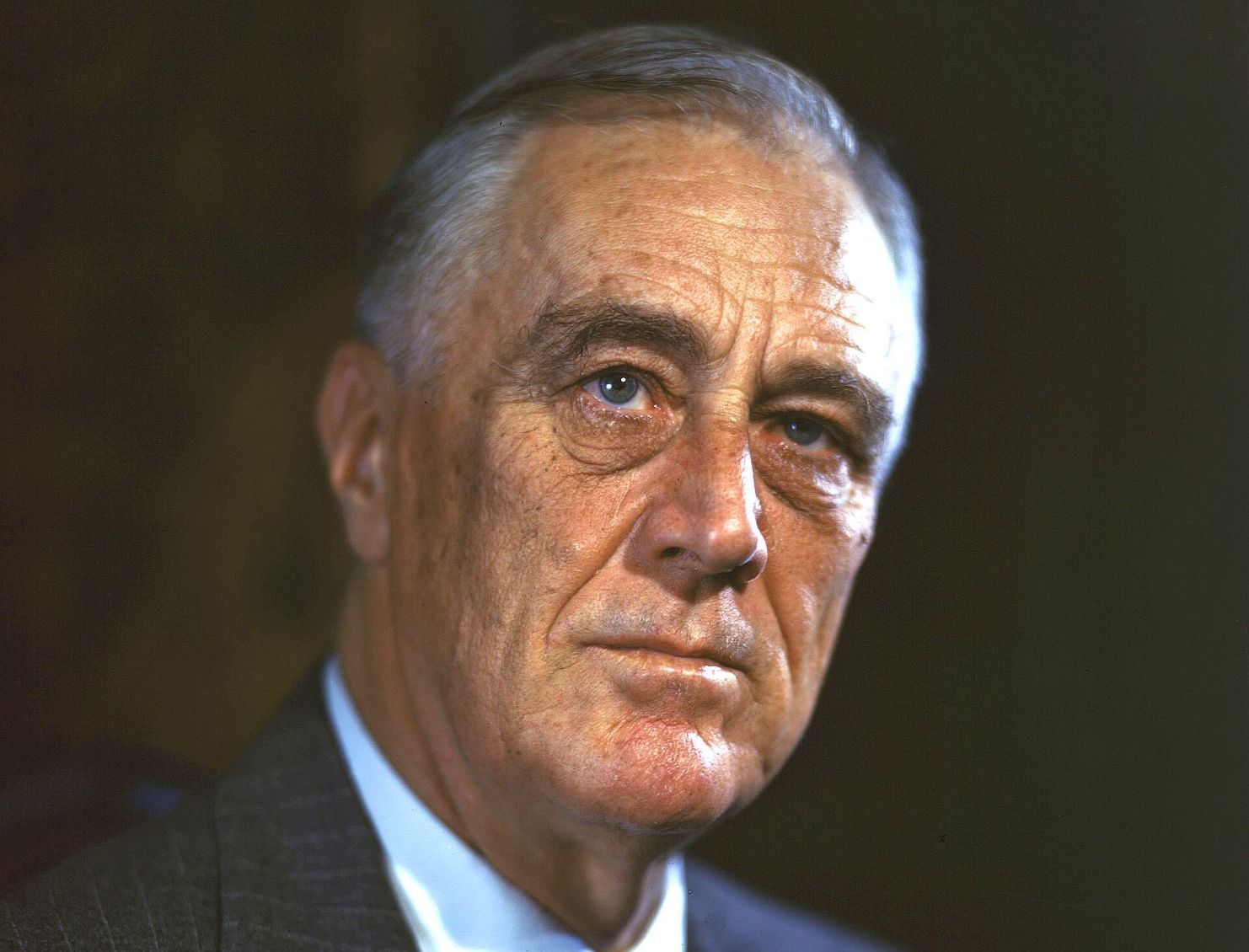
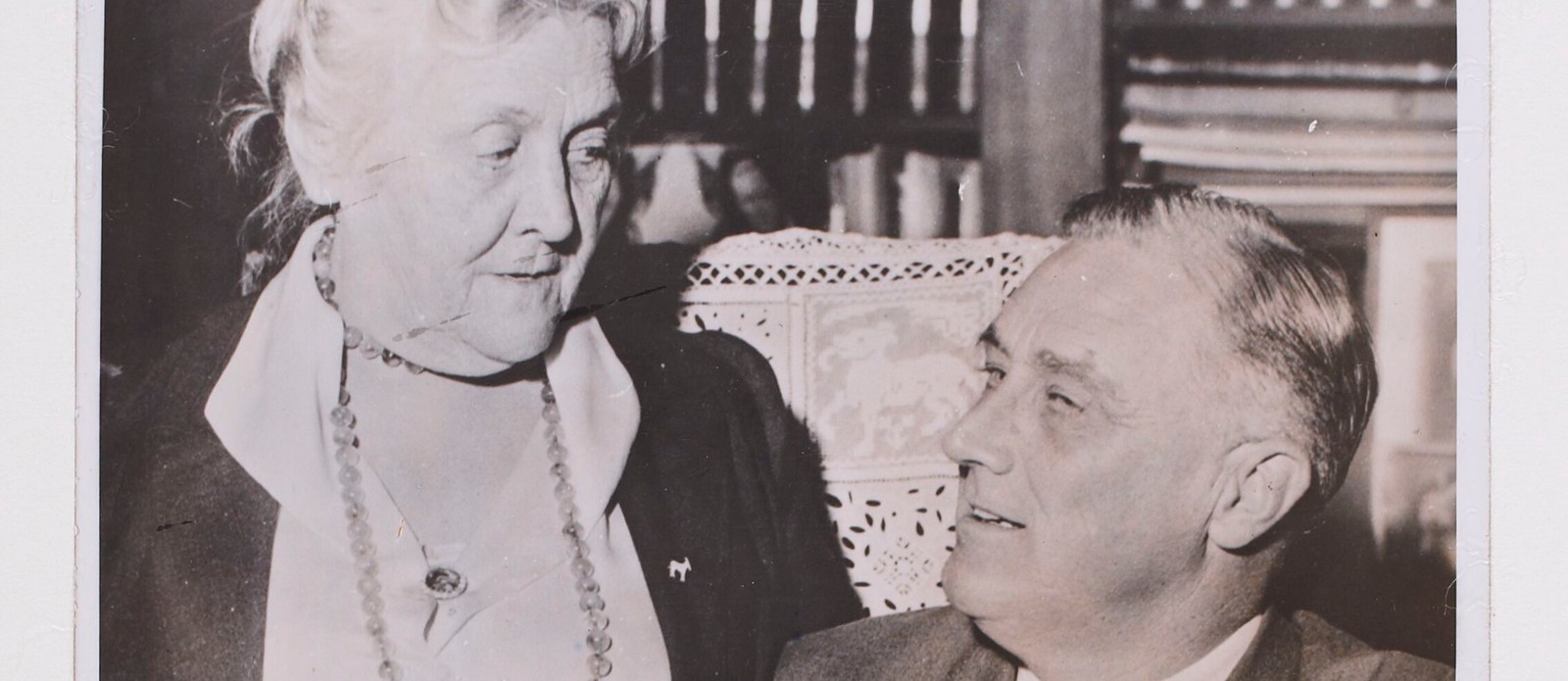
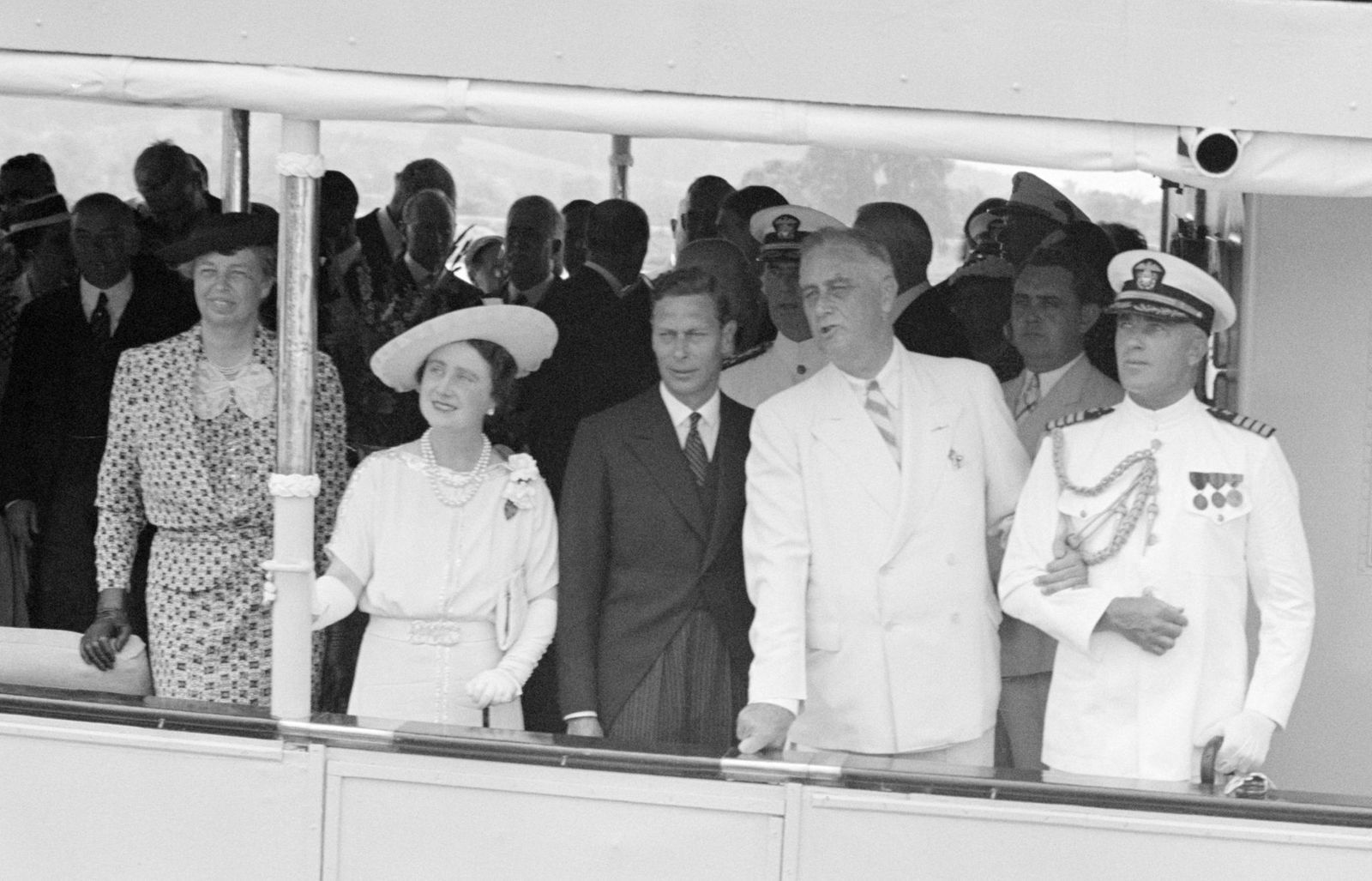
Burdened by the consequences of the Great Depression, Americans overwhelmingly supported the election of Franklin D. Roosevelt as president in 1932. Roosevelt’s main campaign promise, the New Deal, involved a series of economic, social, and political reforms to combat America’s economic crisis and restore the country’s trust in the government. The reforms weren’t entirely successful in ending the Great Depression —it only fully ended with the industrial mobilization for World War II— but they were key to ensuring that America would not suffer such a crisis again by establishing structural changes, relief programs, social security, and safety nets, regulating financial institutions, and ultimately showing American citizens that the government was working to help them.

9
The Cuban Missile Crisis (1962)

Image: Cecil W. Stoughton, Public domain, via Wikimedia Commons

There were several moments during the Cold War Era (1947-1991) when the world thought a nuclear war was imminent, but none as close to it as the Cuban Missile Crisis. In October 1962, the Soviet government deployed nuclear missiles in Cuba as a response to similar deployments made by the U.S. in the UK, Italy, and Turkey. A 13-day crisis ensued, with President Kennedy ordering a naval blockade in Cuba, while his advisors pushed for an air strike and an all-out invasion. While the conflict ended peacefully, the nuclear war had been closer than most imagined: a U.S. Navy ship in the blockade had dropped signaling charges to deter a Soviet submarine, not knowing the submarine carried a nuclear torpedo. The Soviet captain assumed war had started and prepared to attack the ship, but he had to wait for confirmation. Luckily, the attack never happened, and a nuclear war was avoided.

10
The March on Washington (1963)

Image: Unseen Histories

In 1963, at the height of the civil rights movement, social tensions were at an all-time high. Violent confrontations had happened in marches across the country, usually as a result of attacks on peaceful protesters. Still, these incidents had fueled the narrative of Civil Rights activists as violent and dangerous. As President Kennedy announced his intention to push for civil rights legislation, several organizations and leaders came together to organize the ‘March on Washington for Jobs and Freedom’. The march took place on August 28, 1963, and it's considered to have been one of the largest human rights rallies in American history, with an attendance of around 250,000 people. Besides landmark moments—such as MLK’s "I have a dream" speech— the march was crucial in showing peaceful protest and in pressuring the government to advance in what would later become the Civil Rights Act of 1964 and Voting Rights Act of 1965.

General General 5 min read

Say cheese!

Did you know American cheese is not actually cheese?

Image: Jonathan Borba

Few foods trigger as much heated debate as the neon-orange, perfectly square slice of American cheese. To culinary purists, it’s an industrial piece of rubber. But to the backyard grill master and the late-night grilled cheese enthusiast, it is a scientific masterpiece of consistency and meltability. The truth is, American cheese has been both witness and party to U.S. history, from World War I to Apollo missions. Before you peel back the wrapper on your next slice, let’s dive into 10 mind-melting facts that prove American cheese is one of the most fascinating—and misunderstood—innovations in food history.

1
It was invented in Switzerland

Image: NastyaSensei

While the name suggests a US origin, the technology that created American cheese actually began in the heart of the Alps. It was developed in 1911 by Swiss researchers Walter Gerber and Fritz Stettler, who were looking for a way to extend the shelf life of their country’s famous Emmental cheese.

The problem with traditional cheese is that it eventually dries out, molds, or separates into a greasy mess when heated. By shredding the cheese, adding sodium citrate, and heating it, the Swiss duo discovered they could create a stable, smooth product that didn't separate. While they weren't trying to create "American" cheese as we know it today, their emulsification process laid the foundational science for every single-wrapped slice produced today.

2
It was popularized by a Canadian

Image: Martylunsford, CC BY-SA 4.0, via Wikimedia Commons

The man responsible for the global dominance of American cheese was James L. Kraft. Ring any bells? Kraft was a Canadian immigrant who moved to Chicago in 1903. While he didn't invent the concept of processed cheese, he perfected the industrial scale of its production and marketing.

Kraft noticed that retailers struggled with cheese spoilage; if a wheel of cheddar didn't sell quickly, it was a total loss. He experimented with various methods of heating and blending cheese until he found a formula that could be canned and shipped long distances without spoiling. In 1916, he received a patent for his "processed cheese," and during World War I, the U.S. government purchased millions of pounds of it for soldiers, cementing its privileged place in the American diet.

3
It was almost called "Embalmed Cheese"

Image: Internet Archive Book Images, No restrictions, via Wikimedia Commons

When processed cheese first hit the market, it had its detractors. Traditional cheesemakers were horrified, and so were pure food advocates. These critics argued that the product shouldn't even be called cheese. They’ve even gone so far as to call it "embalmed cheese" because of its unnaturally long shelf life and the chemical emulsifiers used to keep it stable. Yet, Kraft’s marketing prowess and the sheer convenience of the product ultimately won the naming battle. At least in the court of public opinion.

4
Technically, it isn’t cheese

Image: RDNE Stock project

Kraft may have won the battle among the people, but legally, American cheese is not considered cheese. If you look closely at the packaging, you will rarely see the word "cheese" on its own. Because of strict FDA regulations, most varieties are legally classified as "Pasteurized Process Cheese Product" or "Pasteurized Process American Cheese Food."

To be labeled "cheese," a product must be made primarily of milk, salt, and enzymes. Processed American cheese, however, is made by blending real cheese—usually cheddar or Colby—with emulsifying salts, whey, and sometimes extra milk or fats.

5
Any cheese can be made into American cheese

Image: Edita Brus

The term "American cheese" refers more to a process than a specific flavor. In theory, you could make "American-style" brie, blue cheese, or parmesan. The defining characteristic is the addition of an emulsifier, which breaks down the proteins and allows the fats and water to stay together.

In fact, some high-end chefs now make their own artisanal American cheese with aged cheddars processed with sodium citrate to create a slice that has the complex flavor of an expensive block but the melting point of a Kraft Single.

6
It isn’t naturally yellow

Image: jianwei zhu

The vibrant orange-yellow hue of American cheese is entirely a cosmetic choice. Traditionally, cheese color varied by the season; when cows ate fresh grass in the summer, their milk contained more beta-carotene, leading to a naturally yellowish cheese. To make their cheese look high-quality all year round, cheesemakers began adding dyes.

American cheese takes this tradition to the extreme. It is typically colored with annatto, a seed from the achiote tree. Without this dye, American cheese would be a pale, creamy white, which is how it is sold in many delis as "White American". Yes, that’s right, there is no flavor difference between the white and yellow versions.

7
It has an extremely low melting point

Image: Vinícius Caricatte

The scientific superpower of American cheese is its meltability. Traditional cheeses have a protein structure that tightens when heated, which is why a slice of aged cheddar on a burger often results in an oily puddle and a rubbery clump.

Because of the emulsifying salts, the proteins in American cheese can withstand heat without clumping together. This gives it an incredibly low and stable melting point, transforming the slice into a silky sauce. This is why it remains the undisputed king of grilled cheese sandwiches.

8
It’s been in space

Image: NASA, Public domain, via Wikimedia Commons

When you're hurtling through orbit in a cramped capsule, you need food that is stable, easy to eat, and won't crumble into thousands of tiny, electronics-clogging pieces. American cheese fit the bill perfectly for early NASA missions.

Processed cheese in tubes or cubes was a staple of the Apollo missions. Because it doesn't separate or sweat oil in varying temperatures and pressures, it was one of the few dairy products that could reliably provide flavor and calcium to astronauts.

9
It helped bring cheese to the masses

Image: Internet Archive Book Images, No restrictions, via Wikimedia Commons

Before the advent of processed cheese, cheese was often a seasonal luxury. It was difficult to transport, expensive to store, and highly variable in quality. James L. Kraft’s invention changed that. By creating a product that was uniform in flavor and shelf-stable, he made cheese affordable and accessible to every corner of the United States.

10
The U.S. Government once gave it out

The U.S. government not only bought tons of American cheese during World War I. In the 1980s, the term "government cheese" became a thing. During a period of dairy surpluses, the government bought millions of pounds of cheese to prop up prices for struggling farmers.

To avoid letting it rot, the Reagan administration began distributing five-pound blocks of cheese to low-income families, seniors, and schools. For many who grew up in that era, that pale orange processed cheese was a lifesaver.

Explore more American facts

Choose your favorite category!

General
General

As American as apple pie—the very best America has to offer!

Culture
Culture

Delve into the astounding richness of American lore.

Geography
Geography

Hop in and explore vast and diverse American landscapes.

History
History

Discover the key moments that shaped the United States.