History History 4 min read

White House, obscure facts

What’s under the White House? Discover 10 incredible secrets revealed
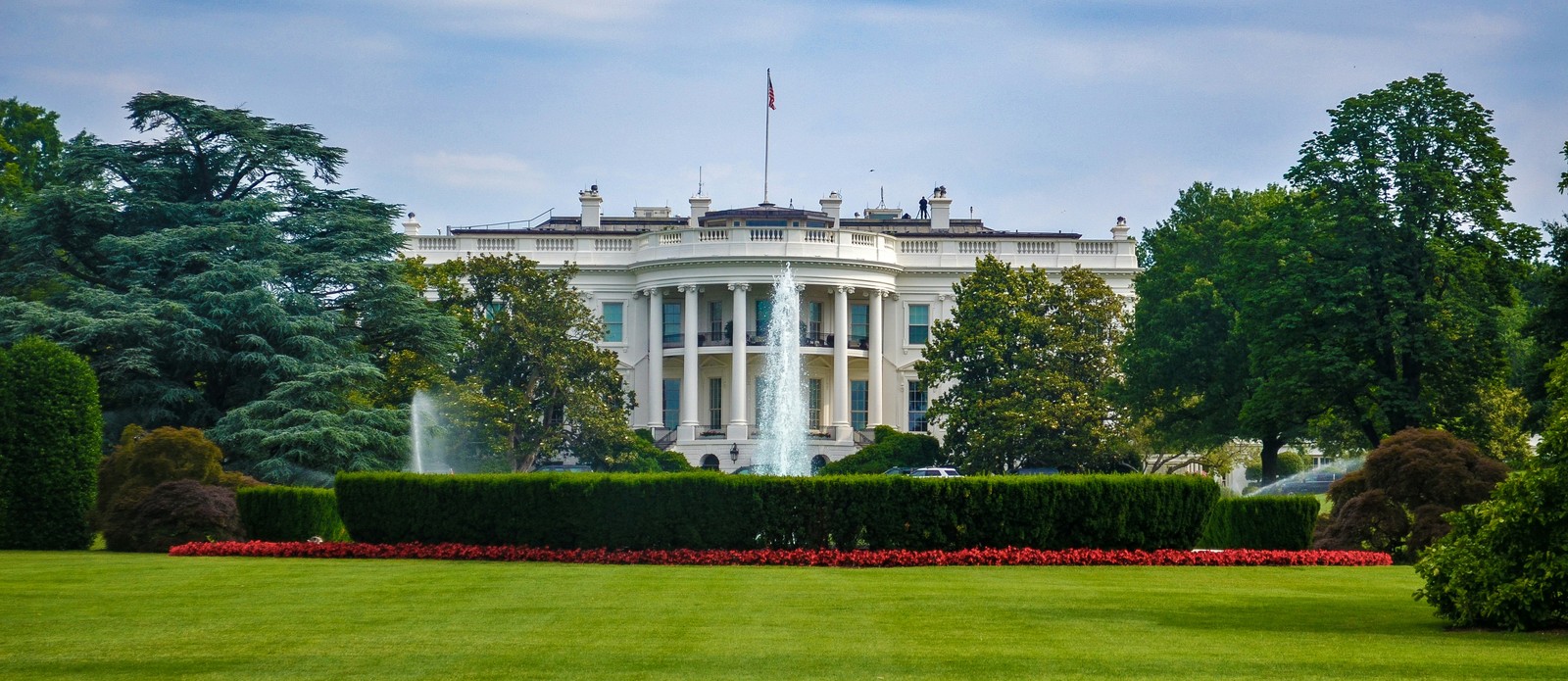
Image: David Everett Strickler

For more than two centuries, the White House has served as the home of American presidents and the center of the executive branch of the U.S. government. But behind its famous columns and historic rooms lies a hidden world that most visitors never see. Beneath the mansion are secret bunkers, underground passageways, forgotten spaces, and surprising facilities built for emergencies, security, and private presidential life. Take a look at 10 of these incredible secrets. Did you know about any of these?

1
Hidden bunker
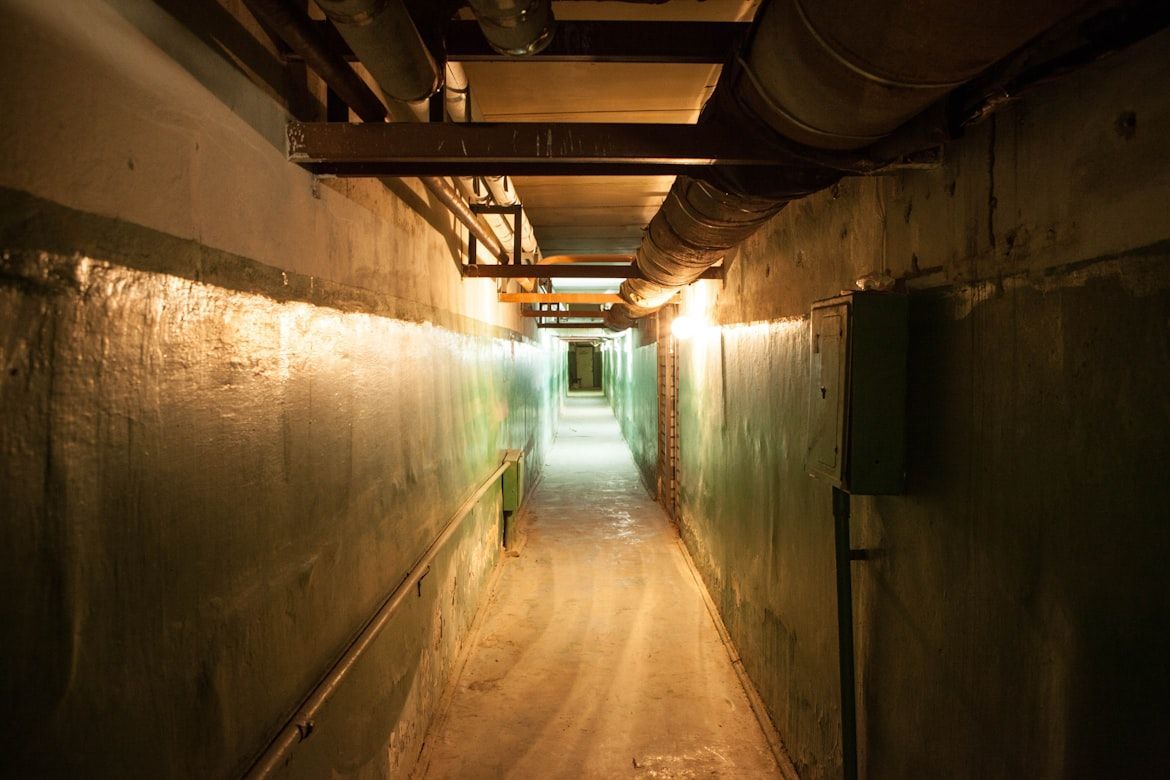
Image: Evgeniy Smersh

Beneath the East Wing sits the Presidential Emergency Operations Center (PEOC), a heavily fortified bunker created during World War II for President Franklin D. Roosevelt. It was expanded during Harry Truman’s massive White House renovations from 1948 to 1952 and became one of the safest locations in Washington, D.C.

The bunker became widely known after the September 11, 2001, attacks, when Vice President Dick Cheney and senior officials were rushed underground by the Secret Service. It was eventually dismantled in October 2025 when the entire White House East Wing was torn down by work crews to make way for a new, modernized underground command center and a large State Ballroom

2
Indoor swimming pool

Image: Thomas Park

An indoor swimming pool was installed in 1933 by Franklin D. Roosevelt, who used swimming therapy to help manage the effects of polio. The pool was considered extremely modern for its time, with underwater lighting and advanced filtration systems .

Harry Truman, John F. Kennedy, and Lyndon Johnson all used the pool regularly. In 1970, President Richard Nixon ordered the space converted into the White House press briefing room, though the original pool structure remains hidden underneath the floor today.

3
Dentist office

Image: Benyamin Bohlouli

Very few people realize the White House has had its own dental office since the Hoover administration in the early 1930s. The facility was placed in the basement so presidents could receive emergency treatment without leaving the building .

Historic photographs from March 10, 1948, show the office fully equipped before the Truman renovation began. Barack Obama later joked in an interview that he was surprised to discover "the whole chair" and dental setup hidden beneath the White House. The practice is still fully operational and in use today.

4
Private movie theater
Image: Marius GIRE

The White House once contained its own private movie theater inside the East Wing. Created during Franklin Roosevelt’s presidency in the 1940s, the room was converted from a cloakroom into a screening space during wartime renovations .

Presidents have used the theater for both entertainment and diplomacy. Ronald Reagan frequently screened westerns there, while modern presidents have previewed major Hollywood releases before public premieres. The theater was demolished in October 2025 alongside the rest of the East Wing to make way for a new state ballroom.

5
Almost demolished during the Truman era
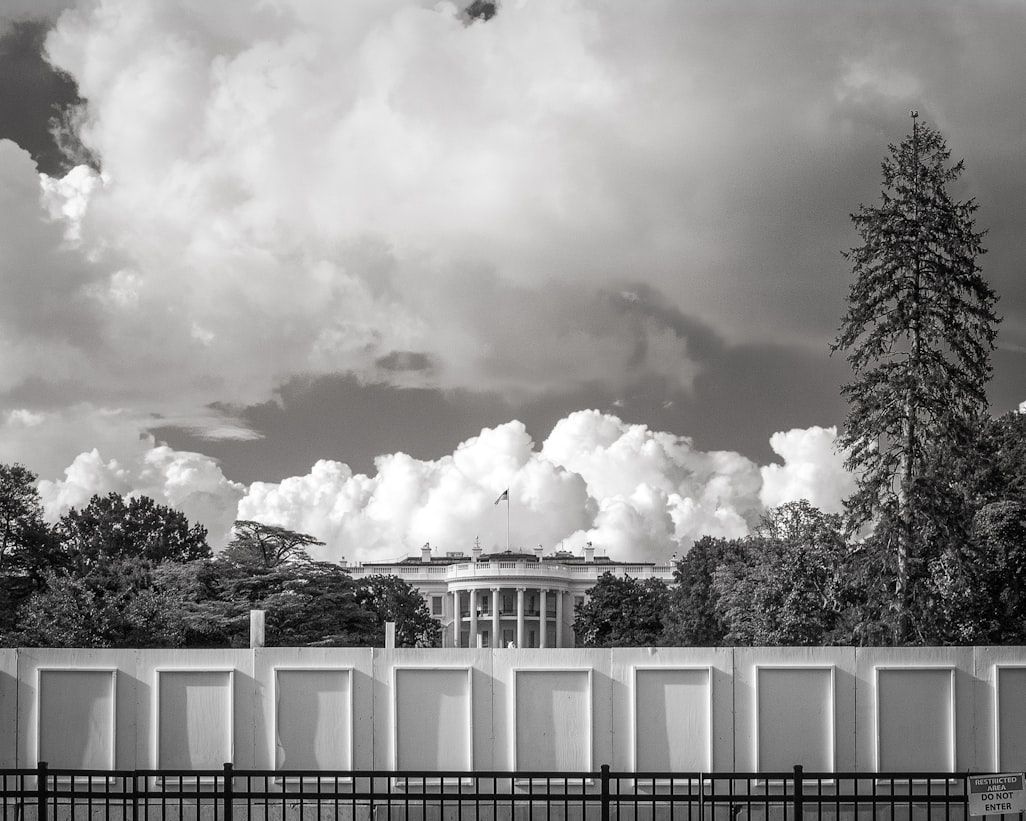
Image: Rosie Kerr

By the late 1940s, the White House had become dangerously unstable, physically speaking. Floors sagged, walls cracked, and parts of the building were close to collapse after decades of expansions and poor structural support .

President Harry Truman ordered a complete gut renovation from 1948 to 1952. The interior was almost entirely dismantled while the exterior walls were temporarily held in place with steel supports. The Truman family lived across the street at Blair House during the reconstruction.

6
Escape route for the Cold War era
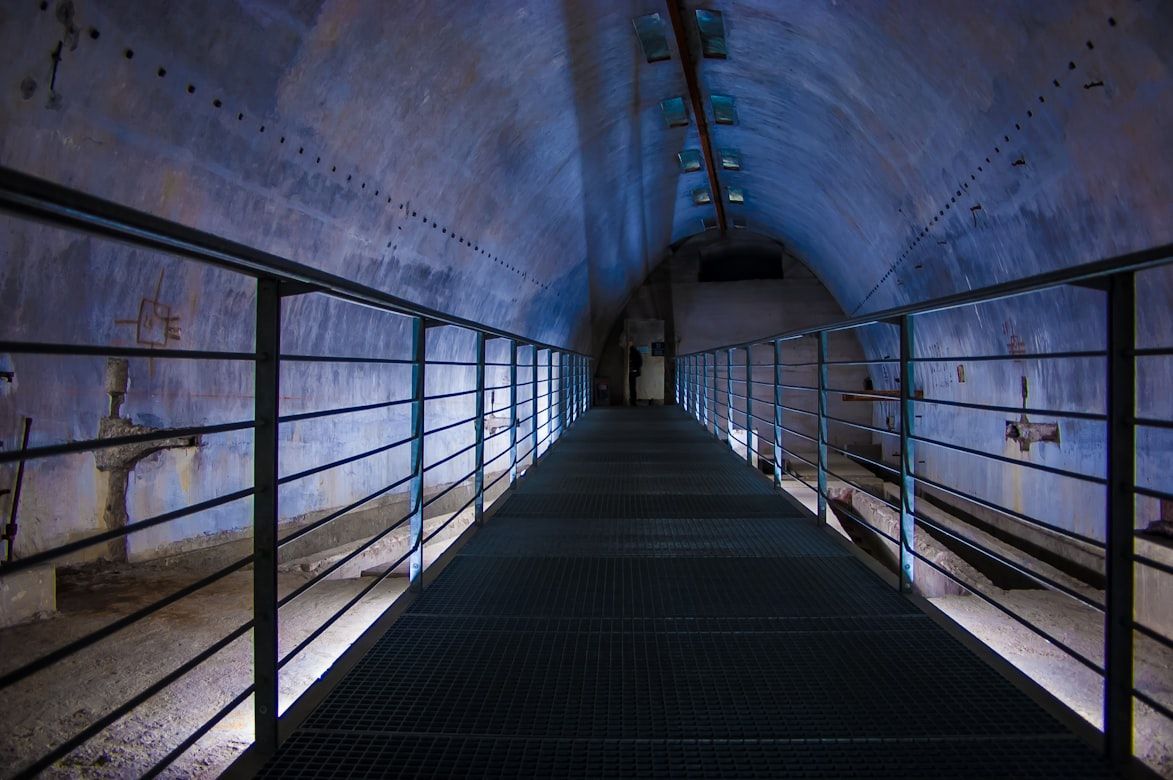
Image: Alex Holzreiter

During the Cold War, secret underground passageways and emergency routes were reportedly added beneath the White House complex to prepare for nuclear threats . Many details remain classified even today.

The reinforced underground network connected secure areas beneath the East Wing and surrounding government buildings. These emergency systems were especially strengthened during the Truman renovation as fears of atomic attack grew in the early 1950s.

7
The attic was used as wartime storage
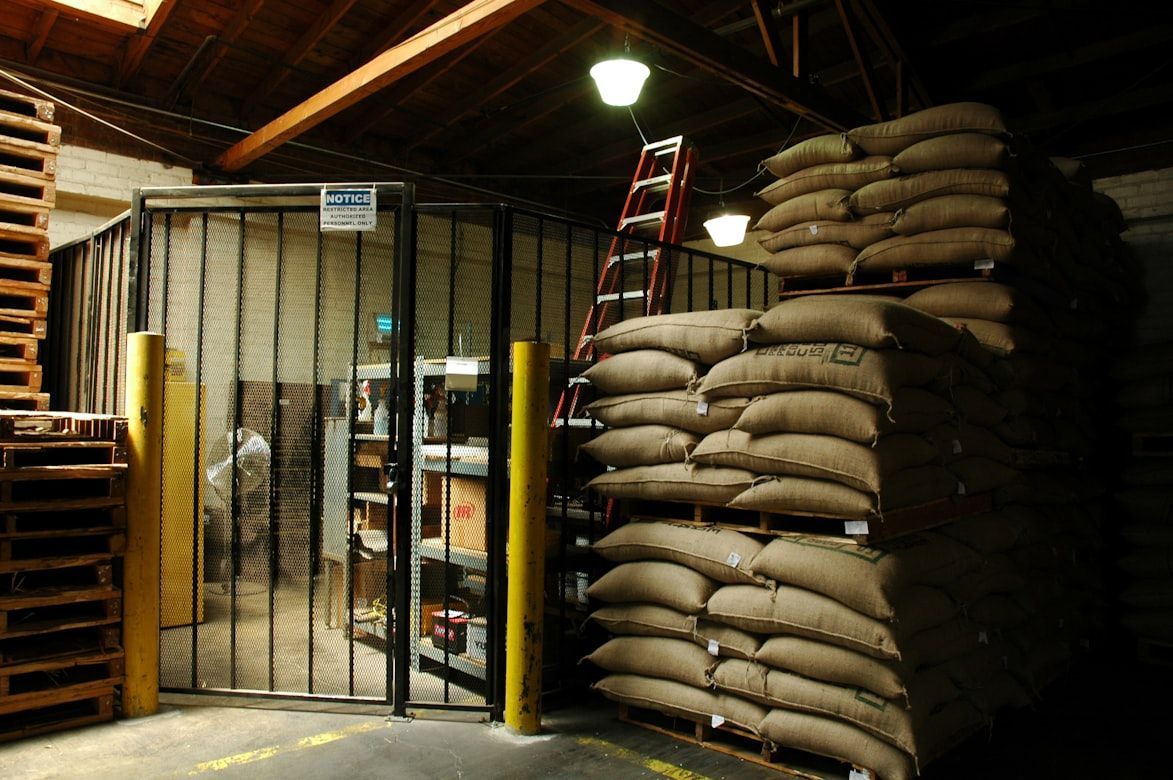
Image: Wonderlane

During World War II, unused areas of the White House attic were used as storage for emergency supplies, documents, and wartime materials . Security concerns dramatically increased after the attack on Pearl Harbor in 1941.

The upper levels of the mansion were also used to protect historic furnishings and archives during renovation projects and wartime precautions. Many visitors never realize the White House includes hidden utility and storage spaces above the famous state rooms.

8
Secret floral workshop
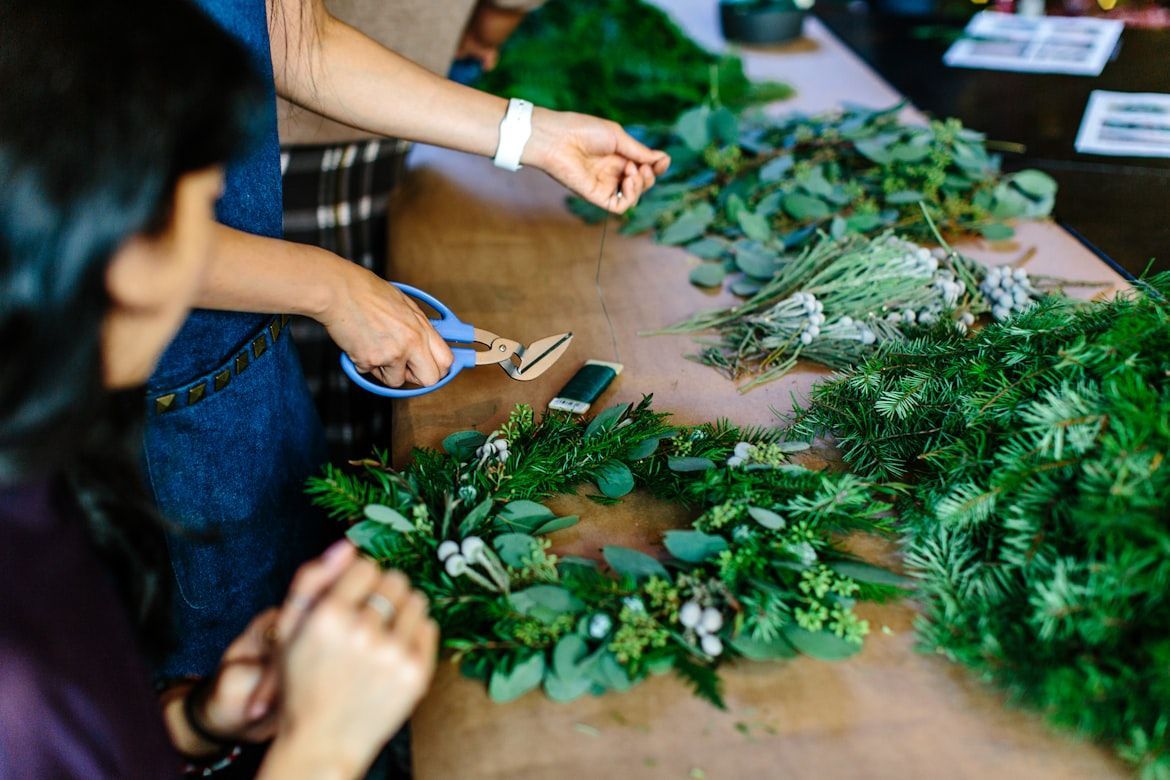
Image: Hillary Ungson

The White House maintains a hidden floral design workshop operated by an official team of florists. They prepare thousands of flower arrangements each year for state dinners, diplomatic receptions, and holiday events.

The operation works behind the scenes to coordinate flowers with historic rooms, national traditions, and visiting foreign leaders . Designers often work overnight before major ceremonies so arrangements appear fresh for televised events and tours.

9
Forgotten rooms and artifacts

Image: Hans Eiskonen

The White House contains dozens of lesser-known rooms rarely seen by the public, including old service areas, storage rooms, and spaces left over from earlier renovations . Some hidden corners still preserve traces of earlier administrations.

Historic artifacts are also stored throughout the mansion and its underground levels, including furniture, paintings, and decorative objects removed during renovations. Some pieces date back to the early 1800s and are noted in and out of public rooms over time.

10
Multiple underground levels
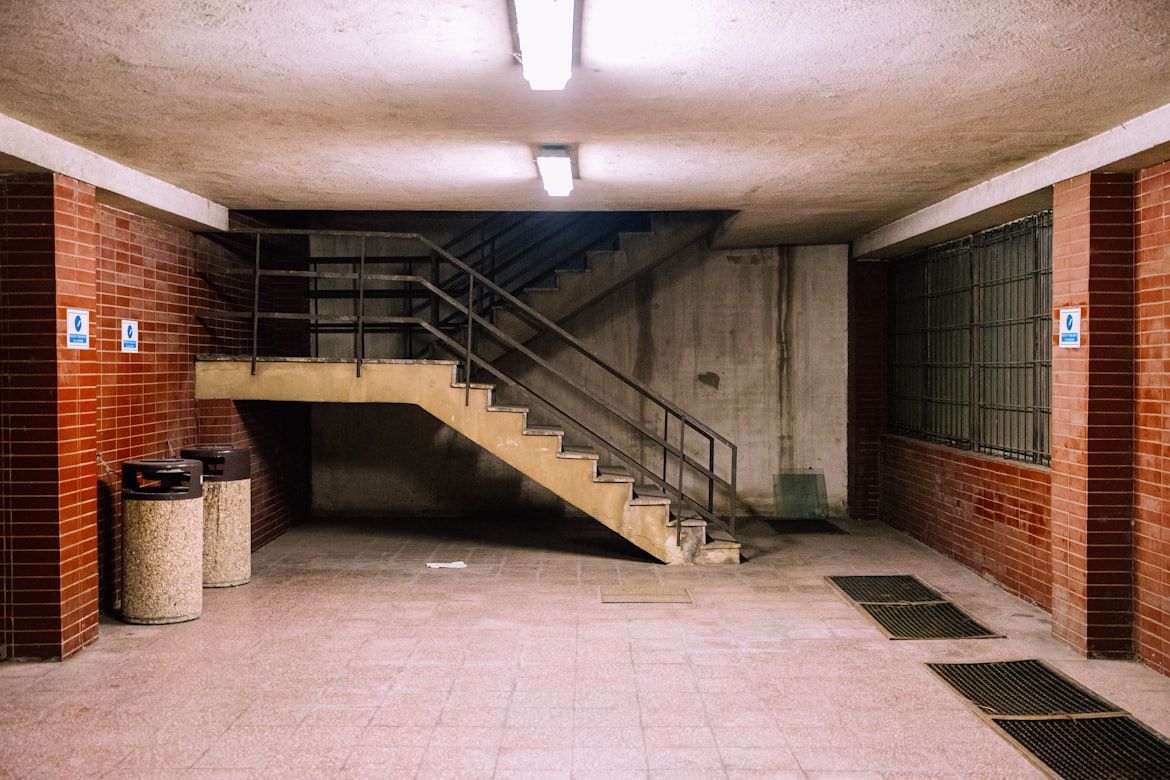
Image: Michal Balog

Most visitors never realize the White House extends far below ground level. In addition to the main floors, the complex includes sub-basements, mechanical systems, secure communications areas, kitchens, storage facilities, and emergency infrastructure.

Historians estimate the White House contains roughly 55,000 square feet and six levels in total . Much of the underground structure was reinforced with concrete and steel during the Truman renovation to improve security and stability.

Culture Culture 4 min read

How many lives can you fit into one?

Mark Twain, riverboat pilot? 10 facts about America’s wittiest writer

Image: Kenny Eliason

A man of many trades, Mark Twain is best known for his classics, including The Adventures of Huckleberry Finn , The Adventures of Tom Sawyer , and The Mysterious Stranger , among others. However, literary masterpieces aside, Twain also did and said quite a few other interesting things. Did you know he was a gold digger in California? Or that he based the character of Huckleberry Finn on a real friend? Aside from his beloved books and his great mane of white hair, this remarkable American has many more fascinating stories to tell—10 of which are highlighted below.

1
The Real Huckleberry Finn

Image: Demure Storyteller

As mentioned earlier, Huckleberry Finn was, at least in part, based on a real person. Much of Mark Twain’s inspiration comes from his own life and experiences. Though Huckleberry Finn is a fictional character, his appearance, demeanor, and lifestyle closely mirror almost exactly Mr. Twain’s dear childhood friend, Tom Blankenship.

Huckleberry Finn first appeared in The Adventures of Tom Sawyer before becoming the central figure in his own story, The Adventures of Huckleberry Finn , a work widely regarded as a cornerstone of American literature.

2
Education

Image: Johnny Cohen

Mark Twain’s intellectual achievements might suggest he was a highly academically educated individual, but that was not the case. He had to leave school at a very early age to help support his family after his father’s death.

After he dropped out of school, Twain began working at the Hannibal Journal , where his writing career would find its start. Always the avid reader, he was known to spend hours each evening in the library, immersing himself in books.

3
Steamboat pilot

Image: Andreas Haubold

In 1857, Mark Twain began his career as an apprentice steamboat pilot on the Mississippi River . Soon after, he recruited his younger brother to work on the vessel as well, but tragedy struck one day as he died from an explosion on the steamboat. Despite this heartbreaking event, Twain continued his training and earned his pilot’s license in 1859, working as a pilot until the outbreak of the Civil War.

In June 1902, he paid his final visit to the Mississippi River when he accepted an honorary degree at the University of Missouri in Columbia and participated in the dedication of a steamboat named in his honor.

4
Pen Names

Image: Patrick Fore

It is a well-known fact that Mark Twain, though a great name indeed, was not our hero’s real birthname which was Samuel Langhorne Clemens . Choosing a memorable pen name can be a lengthy process, and many authors experiment with a few before settling on one.

Before adopting the now-famous "Mark Twain," Clemens tested out some unusual pseudonyms, including "Epaminondas Adrastus Blab" and "Thomas Jefferson Snodgrass."

5
Miner years

Image: Art Institute of Chicago

A man unafraid of trying new things, Mark Twain also worked as a miner in Nevada , where he and his brother fled, avoiding the Civil War. He later described the work as "hard and long and dismal."

His stint as a miner was short-lived, as he quickly landed his first writing job at The Territorial Enterprise newspaper in Virginia City. There he was tasked with covering crime, politics, culture, and, also, mining.

6
19 cats

Image: Paul Hanaoka

A hardcore cat enthusiast, Mr. Twain was so fond of these felines that he even "rented" them to keep him company while traveling . At one point in his life, he reportedly had 19 cats at the same time.

When asked about this obsession, Twain replied that he found cats much preferable to humans, even going as far as saying, "If man could be crossed with the cat, it would improve man, but it would deteriorate the cat."

7
Board game inventor

Image: Jaciel Melnik

Perhaps learning about English monarchs was a fun activity in the times of Mark Twain but, in any case, it served as the inspiration for a board game he invented and patented , called Memory Builder.

Memory Builder wasn’t Twain’s only invention. He also designed a self-adhesive scrapbook that works like an envelope and created an improvement in adjustable and detachable straps for women’s bras.

8
Bed writer

Image: Annie Spratt

Some might think that working in bed all day would be extremely uncomfortable, especially due to posture. However, Mark Twain found it absolutely delightful, and it became his favorite place to work.

In his old age, Mark Twain was often photographed in his bed, smoking away a cigar or pipe while writing. Though he owned many houses throughout his life, he had only one favorite bed, which he kept with him until the end.

9
Bad businessman

Image: Vasilis Caravitis

Being a great author doesn’t guarantee being successful in other things as well. Despite dabbling in many business investments, Twain’s financial endeavors were largely unsuccessful. He lost money in mining and technology ventures and even went bankrupt.

However, he always managed to make a comeback with his writing and his lectures, proving that his known talents were generous and reliable.

10
Predicted his own death

Image: Frank Zinsli

In 1909, Mark Twain predicted that he would die when Halley’s Comet returned . This was because the last time the comet passed near Earth was the year of his birth. Unfortunately, he was right, and he passed away in 1910.

Twain's family was by his side when he died, and he was buried in Elmira, New York. The exact cause of his death remains a mystery to this day.

History History 6 min read

Saddle up, partner

Do you know what cowboy life was like? These 11 facts might surprise you

Image: Jordan Crawford

"Oh, give me a home where the buffalo roam,

Where the deer and antelope play,

Where never is heard a discouraging word

And the sky is not clouded all day."

Home on the range - Traditional

If you grew up **dreaming of "being a cowboy and loving the cowboy ways"**—just like the great Willie Nelson sang—maybe that’s the life for you! But not everything is rosy in a cowboy’s life. Behind the romanticized image of wide-open ranges and carefree cattle drives lies one of the toughest jobs ever known. From brutal weather to dangerous animals—and lawless characters of all kinds —those who took this path had their strength, endurance, and grit tested daily. Here are 11 facts that reveal just how grueling life was for these iconic figures of America’s West.

1
Relentless weather

Image: Donnie Rosie

"There's a blizzard coming on, how I'm wishing I was home

For my pony's lame, and he can't hardly stand.

Listen to that norther sigh, if we don't get home we'll die.

But it's only seven miles to Mary Ann's"

The Blizzard - Jim Reeves

Across the plains from Texas to Montana, cowboys faced everything nature could throw at them —from scorching sun to freezing snowstorms and deadly tornadoes. The elements were a constant, unforgiving adversary in this rugged way of life.

Cowboys had to fear not only for their own lives but also for the lives of their cattle —and reining in a panicked herd during a lightning storm was certainly no walk in the park. Even today, with modern gear and technology, those who still drive cattle must rely on their instincts and skill to survive in the wilderness.

2
Dangerous animals

Image: Duncan Sanchez

"Lightning a flashin' everywhere

Thunder a rollin' through the air

Wind and rain, cattle look insane

This herd might stampede tonight"

Stampede - Sons of the Pioneers

Just as the weather tested their endurance, managing both wild and domesticated animals was no easy task. From wild predators to angry bulls, nervous bucks, and rattlesnakes hiding in the tall grass, the cowboy’s world was full of lethal threats.

Stampedes could scatter thousands of cattle in seconds, leaving riders vulnerable to trampling or injury. Even on the relative safety of the ranch, one wrong move could quickly end in tragedy.

3
Limited medical care

Image: Mathieu Stern

"Far away from his New England,

'Neath the southern sultry skies,

On the banks of a little river

They lay him down to die"

The Dying Cowboy - Traditional

An inherently dangerous job, cowboy life inevitably meant that injury was part of the work. Falling from a horse or taking a kick could incapacitate a cowboy for days or weeks, and with no formal workers’ compensation, many had to keep working despite the pain.

Cuts, broken bones, and infections could quickly turn deadly without proper treatment. Many cowboys learned rudimentary medical skills themselves or relied on frontier doctors with minimal supplies. Even today, those working in remote areas are hours away from medical help.

4
Grueling work hours

Image: Bailey Alexander

"Oh say, little dogies, why don't you lay down? [...]

My horse is leg-weary and I'm awful tired

But if I let you get away, I'm sure to get fired

Bunch up, little dogies, bunch up"

Night Herding Song - Harry Stephens

Cattle drives demanded 14 to 18-hour days with barely any rest. Cowboys often worked dawn till dusk, and sometimes even through the night.

The long days involved walking alongside thousands of cattle, breaking trail, and maintaining herd order. Sleep was often just a few hours, squeezed in wherever possible on the open range or near a campfire.

5
Horseback riding

Image: Jon Sailer

"He started his long ride in Prescott

The sun was a hundred or more

On down he rode at full gallop

Into the flat desert floor"

Ride, Cowboy, Ride - Marty Robbins

That brings us to the next point… all of that had to be done on horseback, and let me tell you, riding a horse for hours on end is much harder than it looks! Expert riders may make it seem effortless, but it’s far from easy.

Cowboys needed strong legs, resilient backs, and excellent balance. Horses could become tired or lame, but the cowboy had to press on regardless, often swapping mounts to keep the drive moving.

6
Limited food options

Image: Blake Carpenter

"Bacon and beans most every day

Soon to be eating that prairie hay"

Chisholm Trail - Traditional

Meals were often sparse and repetitive, mostly beans, salted meat, and hardtack. Cooking was done over open fires, with limited tools, and fresh food was a luxury rarely available.

Preserving meat through salting or smoking was essential for long drives. Still, fresh produce was so scarce that vitamin deficiencies—and even scurvy—could develop in some cases.

7
Water scarcity

Image: Jonathan Greenaway

"All day I've faced a barren waste

Without the taste of water

Cool water

Old Dan and I with throats burned dry"

Cool Water - Bob Nolan

Particularly in the arid southern regions of the West, finding clean water was a daily struggle for both cowboys and cattle—a dry creek could mean the difference between reaching the next stop or falling behind entirely.

While most cowboys were savvy navigators of their regions and often knew where to find drinking water, water holes could still be miles apart, forcing long detours or risky stops. Drinking from stagnant sources carried serious risks, including dysentery, cholera, and other waterborne diseases that could quickly incapacitate both men and animals.

8
Long, dusty trails

Image: Bailey Alexander

"The blue skies have failed so we're on our last trail

Underneath these dusty skies

These ain't tears in my eyes

Just sand from these dusty skies"

Dusty Skies - Bob Wills

Cattle drives could stretch over 1,000 miles, with cowboys and their herds enduring endless dust and scorching heat along the trail.

Prolonged exposure to dust caused respiratory problems and irritated eyes, which is why many cowboys tried to limit their exposure using bandanas or makeshift rags to cover their faces. The same cloth also provided protection from the unforgiving sun and drying wind.

9
Lawlessness and violence

Image: Jon Sailer

"Texas Red had not cleared leather

When a bullet fairly ripped

And the ranger's aim was deadly,

with the big iron on his hip"

Big Iron - Marty Robbins

As beautiful and serene as the open range was, the West was also full of danger—outlaws, land disputes, and conflicts over cattle and water were common. Far from the comforts of civilization, the strong arm of the law was often hours or days away, making gunfights, rustling, and revenge killings part of everyday reality.

Cowboys frequently carried firearms for protection, relying on their own skills and the support of their fellow riders to maintain some measure of security on the frontier.

10
Working for dust and pennies

Image: Ashim D’Silva

"And I nearly starved to death, boys

He did mistreat me so

And I never saved a dollar

In the pay of Diamond Joe"

Diamond Joe - Traditional

Despite the danger and hard work, cowboys earned little—sometimes as low as $25 a month, and that was when the boss was being somewhat fair!

The job was seasonal and unstable, with no benefits or retirement plans, so many worked well into old age. Some took on multiple jobs or moved frequently just to get by. Far from lucrative, the cowboy lifestyle was often endured only by those who loved the work or had nowhere else to turn.

11
Isolation and loneliness

Image: Luke Schlanderer

"Cowboys are special with their own brand of misery

From bein' alone too long

You can die from the cold in the arms of a night, man

Knowin' well that your best days are gone"

My Heroes Have Always Been Cowboys - Willie Nelson

While the near-mythological image of the cowboy paints him as a lone, self-reliant hero, the reality is that cowboys depended heavily on one another. Even so, the work could be deeply isolating. Weeks could pass without seeing a town, friends, or family, as they roamed vast, empty landscapes.

This constant solitude often weighed on their mental health, but many fought the loneliness of the trail with campfire songs shared among fellow cowhands or by writing letters to their loved ones.

Explore more American facts

Choose your favorite category!

General
General

As American as apple pie—the very best America has to offer!

Culture
Culture

Delve into the astounding richness of American lore.

Geography
Geography

Hop in and explore vast and diverse American landscapes.

History
History

Discover the key moments that shaped the United States.