Culture Culture 4 min read

More than a dream

Was MLK's "I Have a Dream" speech improvised? Discover more!

Image: Tim Simons

We all know the legendary Martin Luther King Jr., the father of the civil rights movement and the man behind four words that changed the course of our nation's history: "I have a dream." However, Martin Luther King Jr. was a multifaceted man, and there’s probably much you don’t know about him yet . If you’re up for a surprise, join us as we explore 10 fun facts about MLK!

1
Federal holiday

Image: Kyrie kim

Every year in America, we celebrate Martin Luther King Jr. Day on the 3rd Monday of January. This date was chosen because MLK was born on January 15, 1929, which fell on a Thursday.

But did you know that MLK Day is the only US federal holiday that celebrates the birthday of someone who wasn't a US president? Can you guess what the other one is? That’s right—it’s Presidents’ Day, observed on the 3rd Monday of February in honor of George Washington’s birthday.

2
Not afraid

Image: Grant Durr

If there’s one thing that defines MLK, it’s his bravery. And just as he was not afraid to confront the oppressive norms of his time, neither was he afraid of jail. In fact, he was arrested between 25 and 30 times, always for reasons related to his nonviolent activism.

It was during one of these arrests, in 1963, that he wrote his famous Letter from Birmingham Jail.

3
Improvisation

Image: Demure Storyteller

Martin Luther King Jr.'s " I Have a Dream" speech remains one of the most famous speeches in the world to this day. Those powerful, inspiring words could only come from a brilliant mind. But did you know that part of his speech was improvised?

That's right! On August 28, 1963, MLK impressed the world from the Lincoln Memorial steps with a carefully prepared speech, but he also added spontaneous thoughts inspired by the excitement of the moment. In fact, the speech's most famous words—the ones that gave it its title—weren’t part of the original draft.

4
Star Trek fan

Image: Stefan Cosma

MLK was also someone who appreciated quality TV. He was known to be a fan of the original Star Trek series.

But he wasn't just a fan—he went on to influence the show! Actress Nichelle Nichols, best known for playing Lieutenant Uhura, was about to leave the show, but she met King, and he encouraged her to stay. He believed that Nichols' role was crucial in inspiring young African Americans.

5
Birth name

Image: insung yoon

The famous Martin Luther King Jr. was born on January 15, 1929, as Michael King Jr. in Atlanta, Georgia, named after his father, Michael King Sr. However, a few years later, that would change.

In 1934, after learning about Martin Luther, the leader of the Protestant Reformation, Michael King Sr. decided to change both his own name and his son’s to Martin Luther King Sr. and Martin Luther King Jr., respectively.

6
College at 15

Image: Priscilla Du Preez 🇨🇦

Martin Luther King Jr. skipped several grades and entered college at the young age of 15! Given his remarkable intelligence, this isn’t surprising, but his brilliance never fails to impress.

In 1944, he was admitted to Morehouse College in Atlanta, where he earned a Bachelor of Arts degree in Sociology. His studies there helped shape his critical perspective on society and its dynamics. Additionally, it was during his time at Morehouse that he decided to become a minister.

7
The first on Time

Image: NordWood Themes

Time magazine's Person of the Year (originally called "Man of the Year") debuted in 1927, with American aviator Charles Lindbergh gracing the cover.

It took 36 years for the first African American to earn this recognition. Of course, that honor went to Martin Luther King Jr., who was named Person of the Year in 1963 , following the historic March on Washington and his unforgettable " I Have a Dream " speech.

8
Julia Roberts!

Image: Nikhil Mistry

Just when you think there are no more surprises , here’s a fact that will astonish you: What do Martin Luther King Jr. and actress Julia Roberts have in common?

It turns out that Julia Roberts’ mom, Betty Lou Bredemus, was an active member of the Civil Rights Movement—even during her pregnancy—making her well-known to Martin Luther King Jr.'s family. And here’s the surprising part: MLK’s parents helped cover the medical expenses for Julia Roberts’ birth!

9
He lived to 39

Image: Unseen Histories

His impressive career, filled with groundbreaking achievements, might lead us to believe that he had many years to achieve all of it.

However, the minister was still a young man when he was tragically attacked on April 4, 1968, in Memphis, Tennessee. Sadly, Martin Luther King Jr. lived to be only 39 years old.

10
Writer

Image: Aaron Burden

MLK was not only a leader, activist, thinker, pastor, and Nobel Peace Prize winner; he was also a writer. That's right! King Jr. wrote several articles, letters, and books.

Among the most cited are his books Stride Toward Freedom: The Montgomery Story (1958), Strength to Love (1963), Why We Can't Wait (1964), Where Do We Go from Here: Chaos or Community? (1967), and the Letter from Birmingham Jail (1963).

Culture Culture 5 min read

FEMALE POWER

From Roosevelt to Child: 10 American Women That Shaped The 20th Century

Image: Courtney Hedger

The 20th century had its ups and downs, but no one can argue it was a time of cultural and political transformation. Throughout the century, we can see advances in politics, sports, the arts, and more. And some women played a pivotal role in the shaping of a modern nation . That is why we want to honor women whose contributions marked our history and inspired future generations. From Althea Gibson in sports to Eleanor Roosevelt in politics, here are 10 women who committed to progress.

1
Althea Gibson

Image: Josephine Gasser

Born in 1927, Althea Gibson was an American tennis player and a professional golfer. As a sportswoman her ability was extraordinary, but her major achievement was breaking the color barrier in tennis in the 1950s.

Althea was the first African-American woman to play the U.S. National Championships and the first black woman to win a Grand Slam in 1956.

She won 11 Grand Slams, five singles titles, five doubles, and one mixed doubles title. And she opened the door for other black sportswomen to be under the spotlight. Quite impressive, right?

2
Eleanor Roosevelt

Image: René DeAnda

If aviation or sports were controversial places for women, imagine politics! But that didn’t stop Eleanor Roosevelt, a key figure in American politics .

As Franklin D. Roosevelt’s wife, who presided over America from 1933 to 1945, Eleanor was the longest-serving first lady of the United States and, as such she was unwaveringly committed to the people. She redefined the concept of the first lady.

She advocated for human rights and social justice and used her position to work for women, African Americans, and the impoverished. And to top it all, she was a central figure in drafting the Universal Declaration of Human Rights.

3
Amelia Earhart

Image: Tomas Martinez

Even if she was born in 1897, Amelia is considered a key figure of the 20th century because she was an aviation pioneer . As such she broke several records: She was the first woman to fly solo across the Atlantic and the first to promote commercial air travel.

But that wasn’t all, Amelia was an activist for women’s rights and wrote best-selling books narrating her adventures as a pilot. The mysteries behind her disappearance during her flight across the Pacific only made her a bigger icon.

4
Estée Lauder

Image: Towfiqu barbhuiya

Most of the professions held by the women in this article are accepted for women today, but not so long ago, being a woman and a successful businessperson wasn’t very common: That was the case with Estéé Lauder who launched her eponymous cosmetics company with her husband.

The brand's success never went unnoticed and it is a best-selling company in the present world. But to top her achievements, Lauder was listed as one of the 20 most influential businesspeople of the century!

5
Aretha Franklin

Image: Alberto Bigoni

During the 20th century, the music industry has seen some of the best singers and songwriters of all time. America has no shortage of talented musicians, but being named the Queen of Soul is something else altogether!

Aretha was a black singer, songwriter, and pianist, and her music gained her the Rolling Stones magazine recognition of "Greatest Singer of All Time" not once, but twice! Not to mention the 18 Grammy Awards or the Presidential Medal of Freedom, among other acknowledgments.

Her music has inspired millions of people around the world and it is still a reference in music and culture today.

6
Marilyn Monroe

Image: Jarvik Joshi

Marylin doesn’t need any kind of introduction, does she? She was and still is to this day a pop culture icon. Her work as an actress had a massive impact on the entertainment industry, but her work as a model did something else to the fashion industry: She was known as the "blonde bombshell" and gave birth to a true revolution in terms of body shapes, relationships, and more.

Influential and controversial depending on who talked about her, she was living proof that there is no such thing as bad marketing: All things considered, she still was the best-paid Hollywood actress of the time.

7
Helen Keller

Image: Aaron Burden

Keller’s story is both shocking and inspiring at the same time. At only 19 months of age, Hellen lost her sight and hearing due to an illness. But having a rough childhood never stopped her. Instead, and despite her disability, she became an advocate for the rights of disabled people, a political activist, and a lecturer.

She wrote 14 books, and hundreds of speeches and fought for women’s right to vote, labor rights, and world peace. If you want to be inspired by her story, you can read her autobiography The Story of My Life .

8
Julia Child

Image: Alyson McPhee

French cuisine is exquisite and we’ve got Julia Child to thank for the fact that we Americans know about it. Child revolutionized American cooking by bringing French cuisine to America through her cookbook Mastering the Art of French Cooking and her television show "The French Chef."

In her TV show, Child taught French cooking techniques in a way that is accessible to everyone. She was approachable and enthusiastic which made her an influential figure beyond the kitchen, she was a cultural icon.

9
Toni Morrison

Image: Olga Tutunaru

In the field of literature, Morrison is our chosen one since she was a true giant. Toni Morrison wrote novels that deeply influenced American literature and culture as well.

Her writing made her the first African American woman to receive the Nobel Prize in Literature. In her novels, like Beloved, Sula, and Song of Solomon , Morrison explores the topics of identity, race, history, and heritage. Her characters offer deep insights into the African American experience and humanity which makes her legacy an everlasting one.

10
Rosa Parks

Image: Ant Rozetsky

No article about influential women of the 20th century would be complete if we didn’t mention Rosa Parks.

In 1955, she refused to give her seat on a bus to a white passenger. Her courageous act of defiance sparked the Montgomery Bus Boycott and initiated the modern Civil Rights Movement. With a simple, but huge action, she challenged the whole system of racial segregation and inspired a nationwide movement for equality.

The bus boycott was the beginning, yet her work continued beyond that as she fought tirelessly for civil rights for the rest of her life.

History History 3 min read

Black blood

How oil powered the world: a story of America’s most lucrative industry

Image: Provincial Archives of Alberta

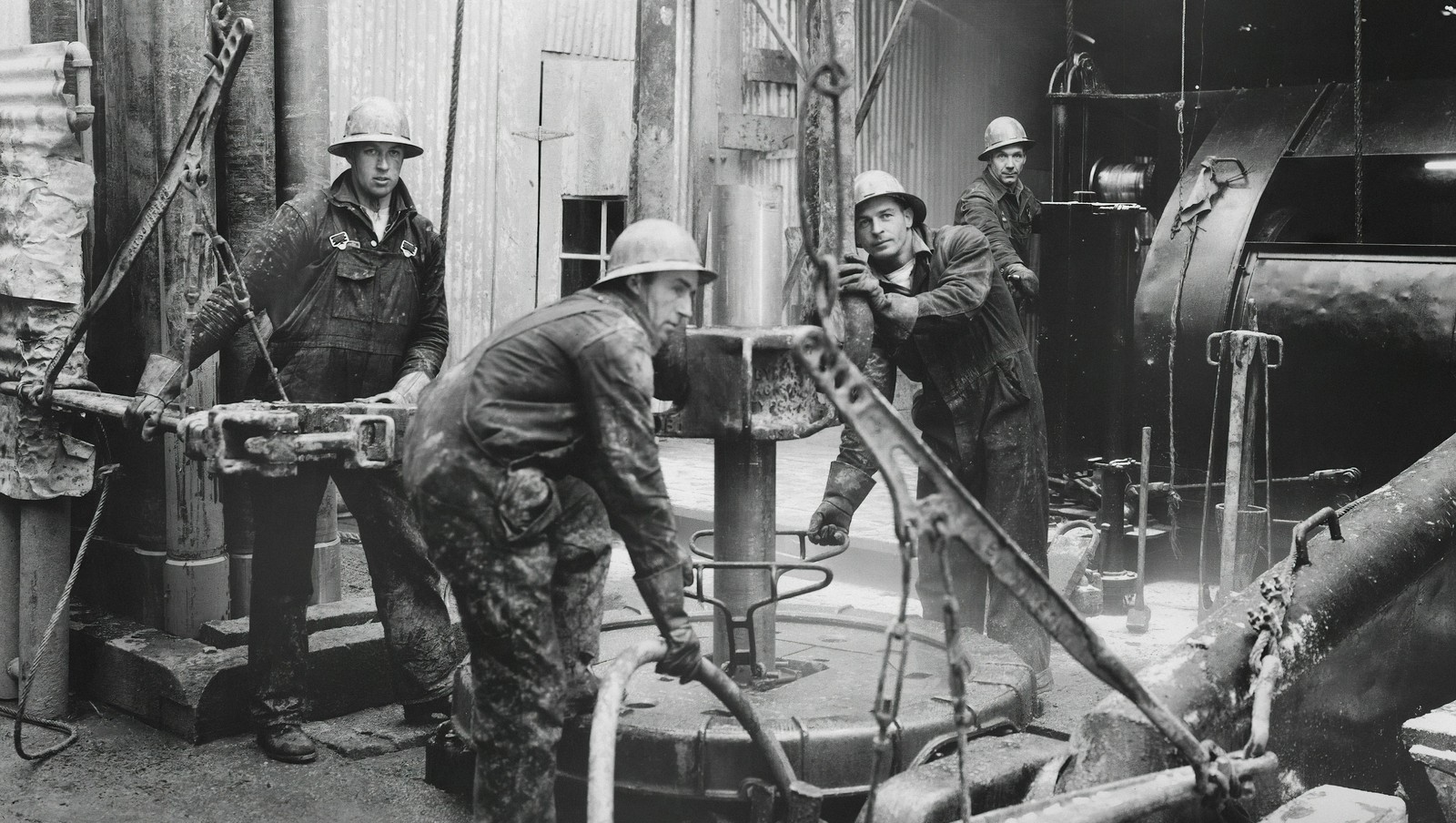
Since the first oil well was drilled, the United States’ crude oil industry has been a story of ambition, innovation, and power. Here are 10 pivotal moments—from the first black gold gush to the modern shale surge—that defined the role of oil in America.

1
1851: Early refining emerges

Image: Cedrik Wesche

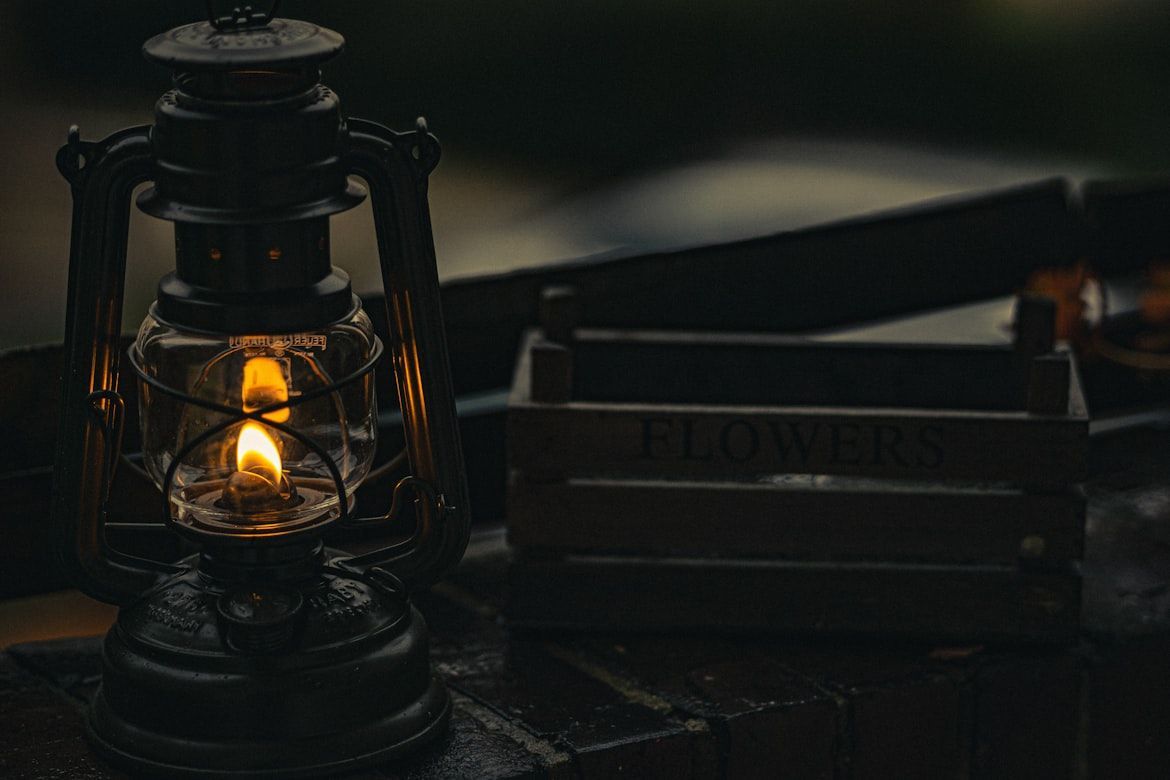
Just before the drilling boom, chemists like Samuel Kier developed small stills to refine crude oil into kerosene for lamps.

That innovation turned oil from a curiosity into a practical commodity. Kerosene replaced whale oil, making lighting cheaper and more widely available, and it created demand for a reliable crude supply.

2
1859: First commercial well

Image: Provincial Archives of Alberta

On August 27, 1859, Drake Well near Titusville, Pennsylvania, drilled by Edwin L. Drake, became the first purposefully drilled commercial oil well in U.S. history.

This moment ignited the first true American oil boom. Suddenly, it was possible to produce large volumes of crude—not just collect surface seepage—and to refine it into useful fuels.

3
1860s–1870s: Pennsylvania oil rush

Image: Jeff W

Word of the Drake success spread fast, and drilling spiked throughout Pennsylvania. Towns such as Titusville swelled almost overnight as wells and refineries spread along Oil Creek Valley.

Railroads extended into western Pennsylvania to transport oil across the country, embedding petroleum into America’s emerging industrial infrastructure.

4
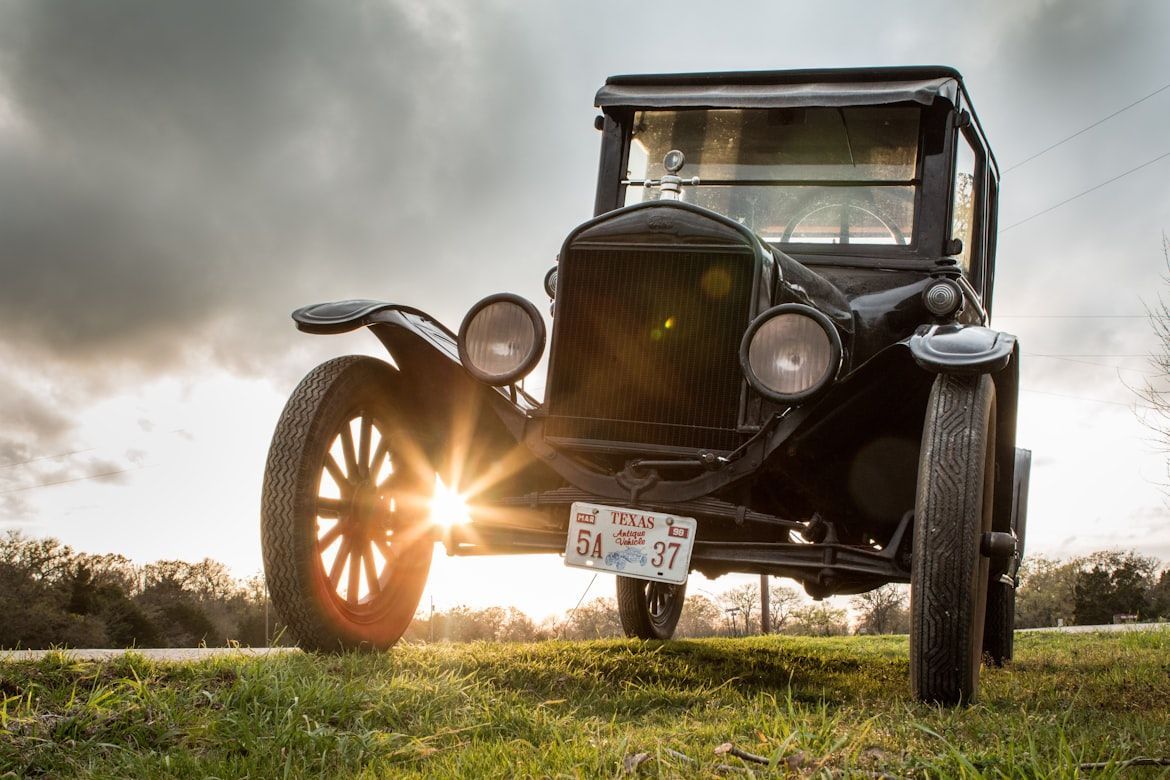
1890s: Dawn of the automobile

Image: Matthew Lancaster

By the 1890s and into the early 20th century, the rise of the automobile created growing demand for gasoline , which had previously been a relatively minor byproduct of crude oil refining.

This shift moved oil’s primary role away from lighting and industrial lubrication and toward transportation fuel , setting the stage for petroleum to dominate America’s energy needs in the decades that followed.

5
1900s–1910s: Rise of big oil companies

Image: Russel Bailo

Following early successes, oil refining and distribution consolidated. Firms like Standard Oil Company rose to dominate refining, pipelines, and distribution networks.

At the same time, new oil fields and competition still challenged monopolies and spread oil wealth and infrastructure across more regions of the country.

6
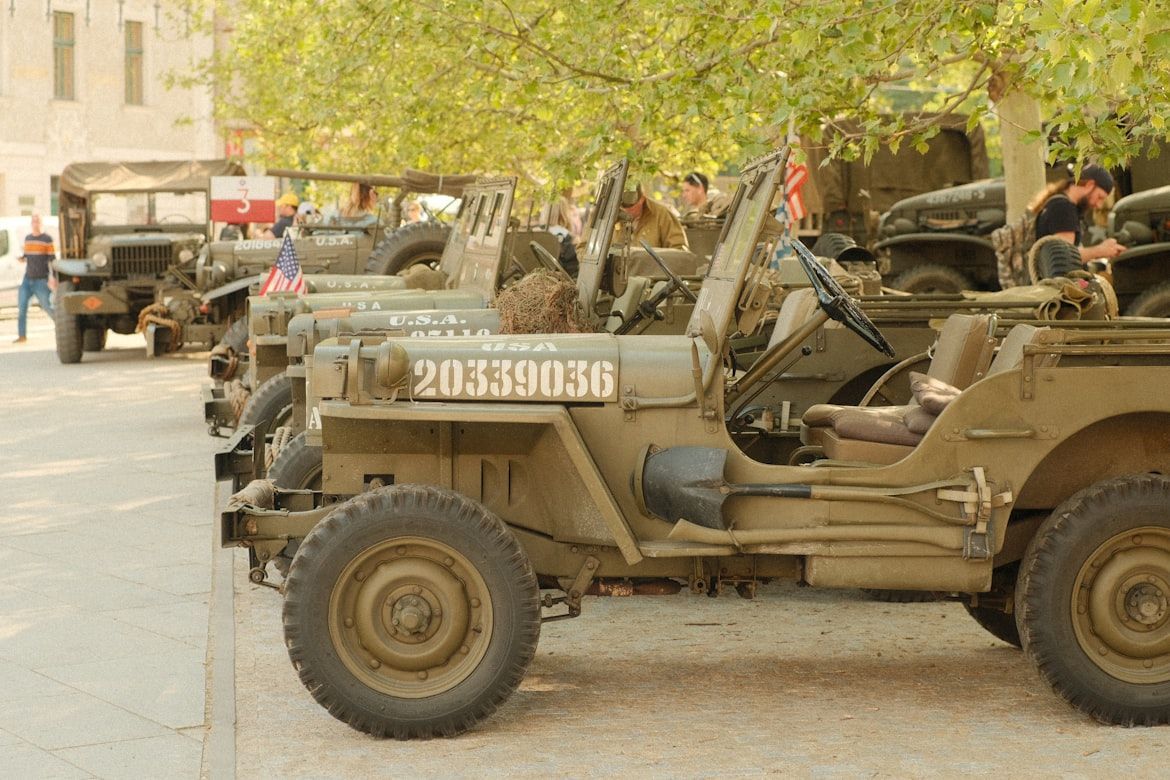
1914–1945: Oil & war

Image: Roman

During both World War I and World War II, U.S. oil production and refining capacity became critical to the Allied war effort , fueling ships, vehicles, aircraft, and manufacturing.

That strategic role cemented oil’s position not only in industry but also in American global power, military strategy, and foreign policy.

7
1960: A global oil cartel forms

Image: Christian Harb

On September 14, 1960, the main oil‑exporting nations formed the Organization of the Petroleum Exporting Countries (OPEC) to coordinate oil production and influence prices globally.

Though initially limited in power, OPEC’s rise began to challenge American dominance , setting the stage for decades of geopolitical tension around oil supply.

8
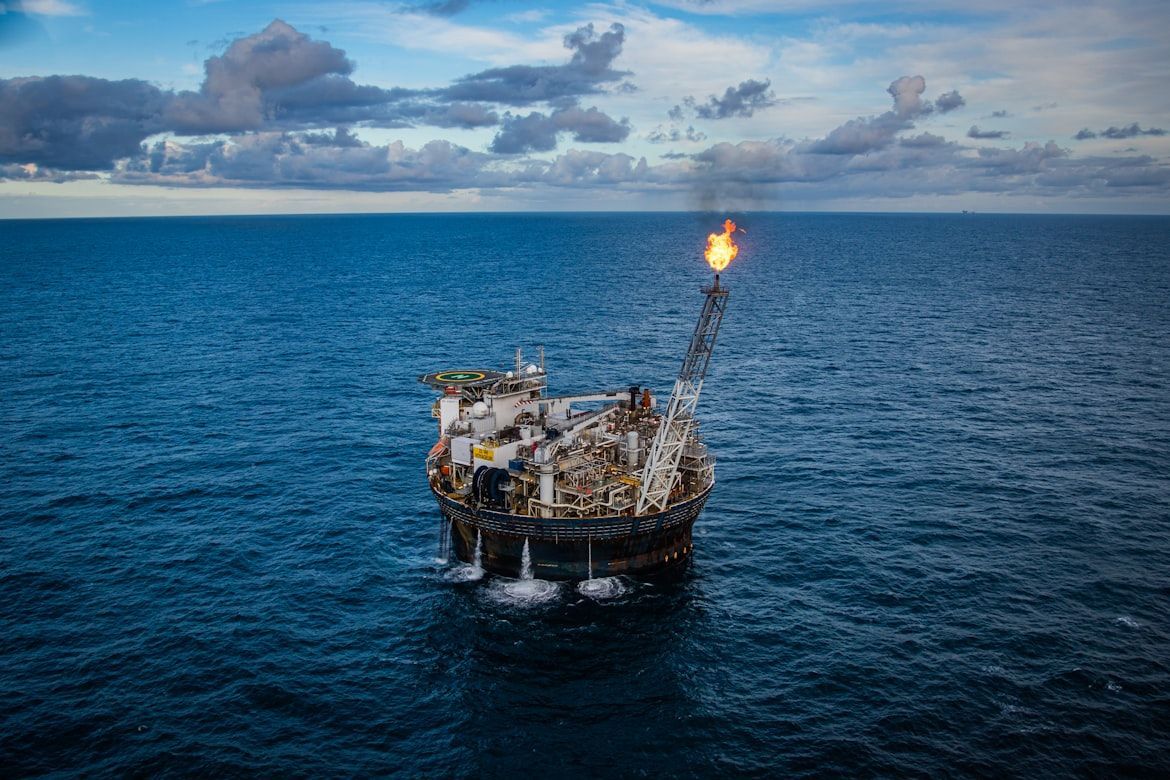
1969: Santa Barbara oil spill

Image: matt brown

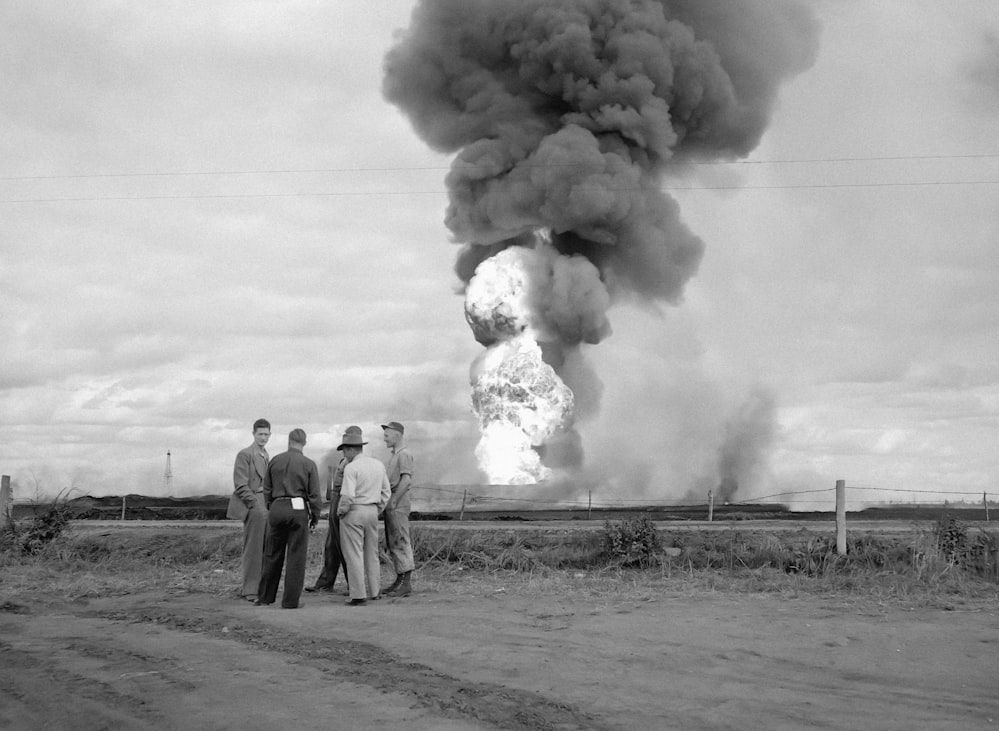
In early 1969, a blowout from an offshore drilling platform released tens of thousands of barrels of oil into the waters off California’s coast, devastating marine life and beaches.

The resulting public outrage helped trigger a surge in environmental awareness and regulation, marking a turning point in how the oil industry was perceived socially and politically.

9
1970–1973: Peak and decline

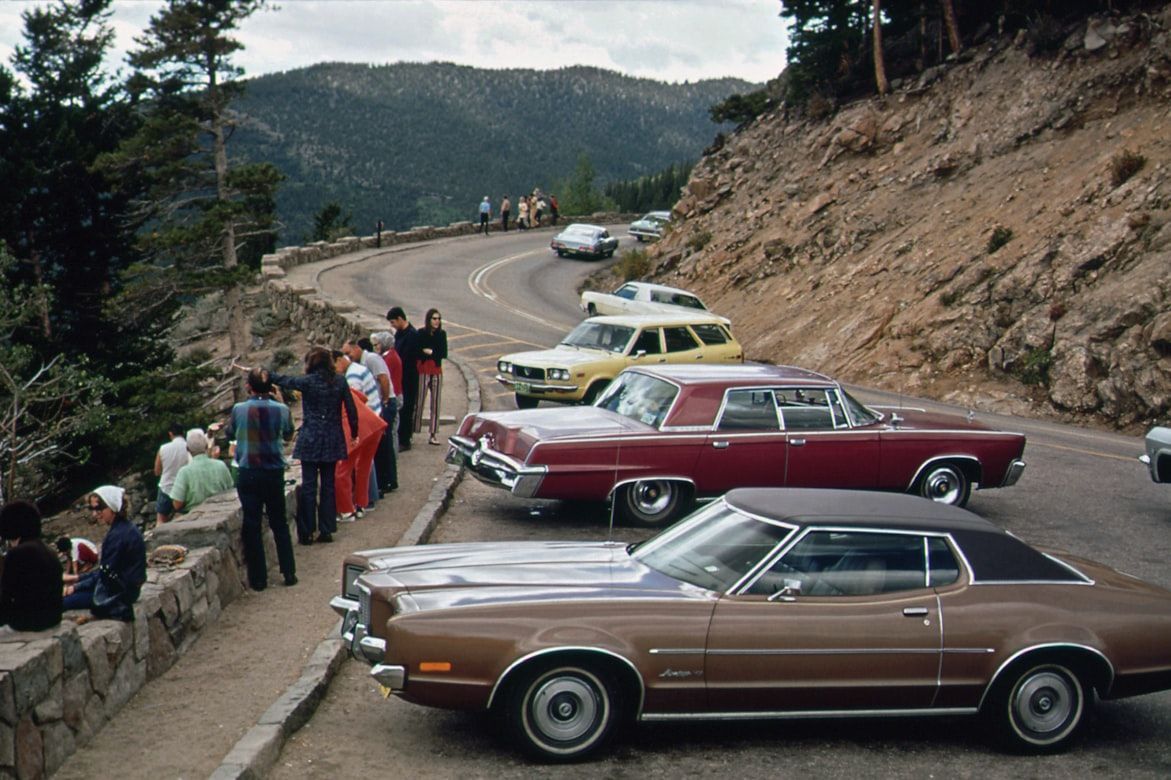
Image: Documerica

By 1970, U.S. conventional oil production reached its peak, but soon after began a decline as domestic fields matured and couldn’t keep up with the growing demand.

As American production fell, the country gradually became more reliant on foreign oil, a shift that would have major economic and political repercussions.

10
2000s–2010s: Top oil producer again

Image: engin akyurt

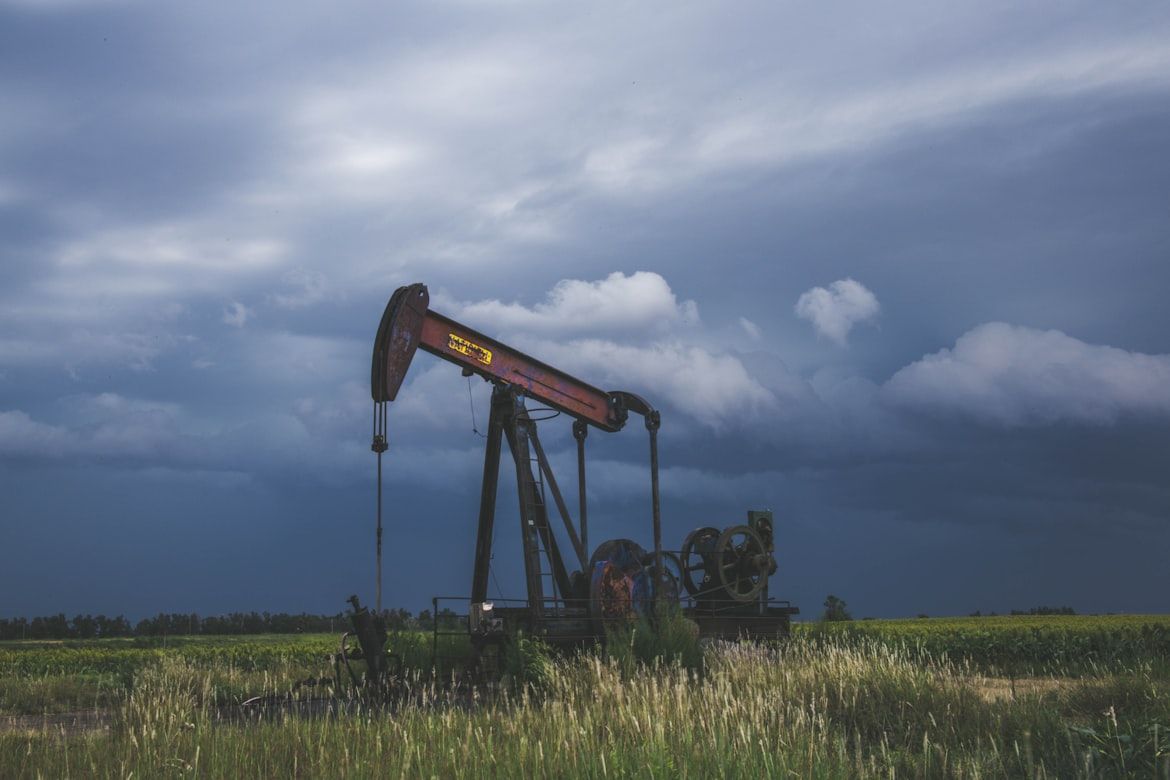
In the early 2000s, engineers refined techniques like hydraulic fracturing and horizontal drilling. This unlocked vast shale‑oil and shale‑gas reserves previously uneconomical to tap.

From about 2010 onward, U.S. crude oil production rose sharply, reversing decades of decline. By 2019, the country was producing at levels not seen since the early 1970s.

Explore more American facts

Choose your favorite category!

General
General

As American as apple pie—the very best America has to offer!

Culture
Culture

Delve into the astounding richness of American lore.

Geography
Geography

Hop in and explore vast and diverse American landscapes.

History
History

Discover the key moments that shaped the United States.