General General 6 min read

Humans behind greatness

What’s been Clint Eastwood’s lifelong passion BESIDES movies?

Image: Collab Media

We tend to put celebrities and public figures on a pedestal: they're icons, legends, faces on magazine covers. But behind the fame, they're also just people who get bored, need an outlet, or want to do something fun on a Saturday afternoon . Did you know that Clint Eastwood has played jazz piano his whole life? Or that Albert Einstein preferred to spend his free time drifting on a sailboat with no particular destination in mind? Let's pull back the curtain and take a look at the surprisingly human side of some of America's most celebrated figures.

1
Clint Eastwood: Jazz piano
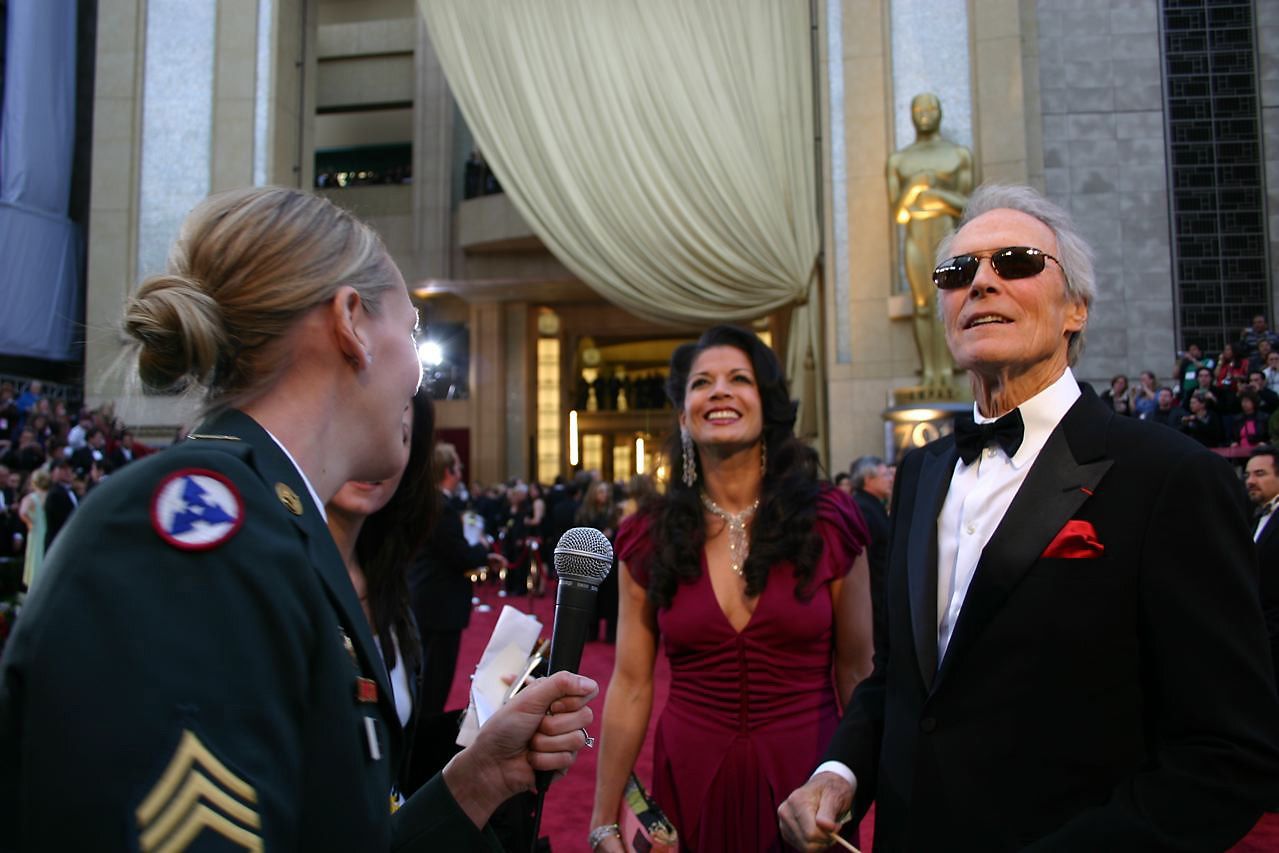
Image: Army.mil, Public domain, via Wikimedia Commons

Clint Eastwood has spent many decades playing the toughest, coolest characters in Hollywood—the Man with No Name, Dirty Harry—men of few words and steely nerves. So it might come as a surprise that he has always had a deeply sensitive, artistic side rooted in jazz piano. He started playing as a teenager in Oakland, California, influenced by the bebop era.

Eastwood has composed music for several of his own films and even directed Bird (1988) , a biographical film about jazz legend Charlie Parker. He plays piano regularly to this day and has spoken about jazz as a lifelong love.

2
Albert Einstein: Sailing
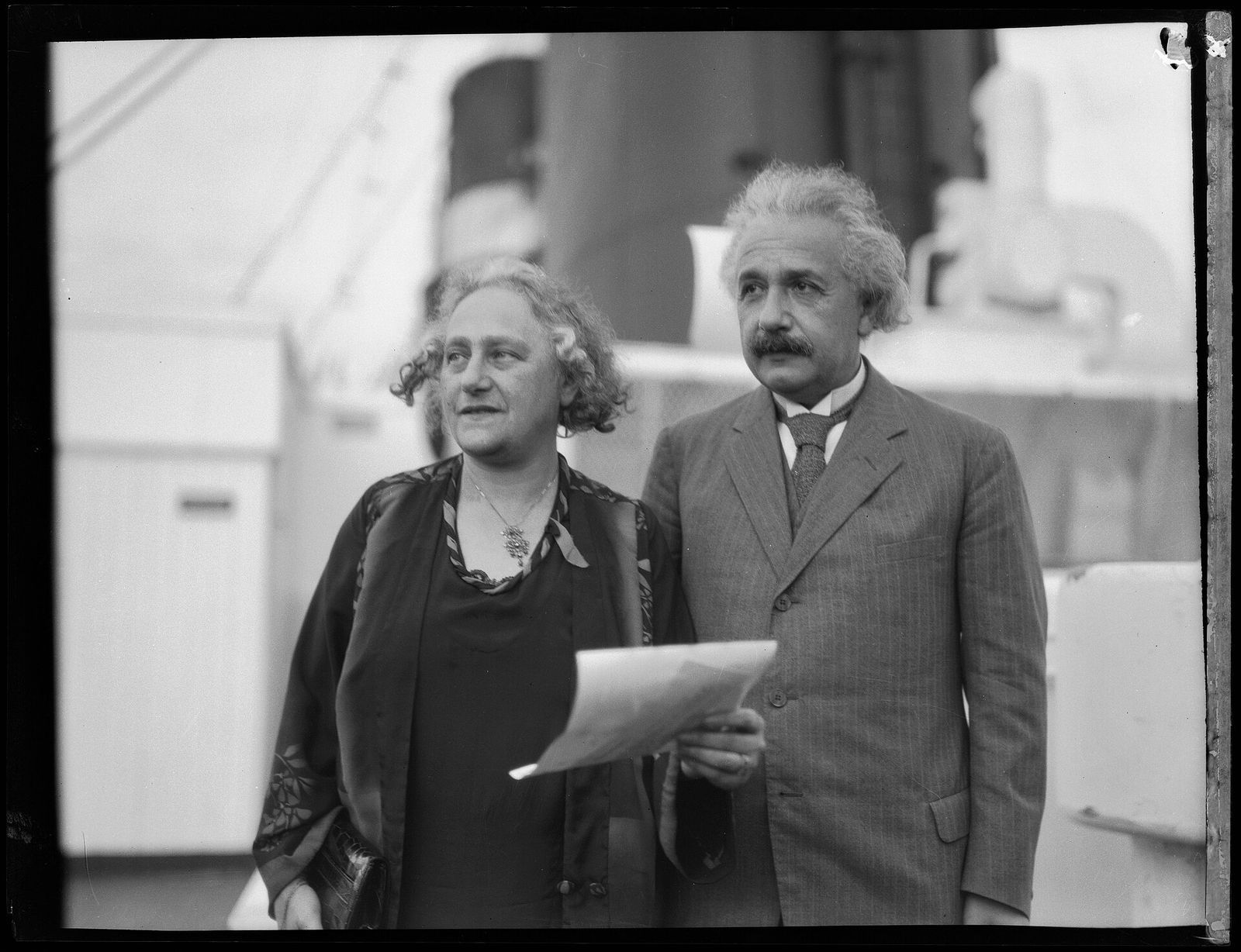
Image: Los Angeles Times, CC BY 4.0, via Wikimedia Commons

You might expect Albert Einstein's hobby to involve something complicated: equations on a chalkboard, perhaps, or building gadgets in a laboratory. Instead, the man who gave us the theory of relativity loved nothing more than to take a small sailboat out on a lake and just… drift. No engine. No motor. Just the wind.

Einstein was, by all accounts, a mediocre sailor who didn't particularly worry about being good at it. He called his sailboat Tümmler (German for "porpoise") and used those quiet hours on the water to think. He often said that some of his best ideas came to him while sailing .

3
Abraham Lincoln: Wrestling
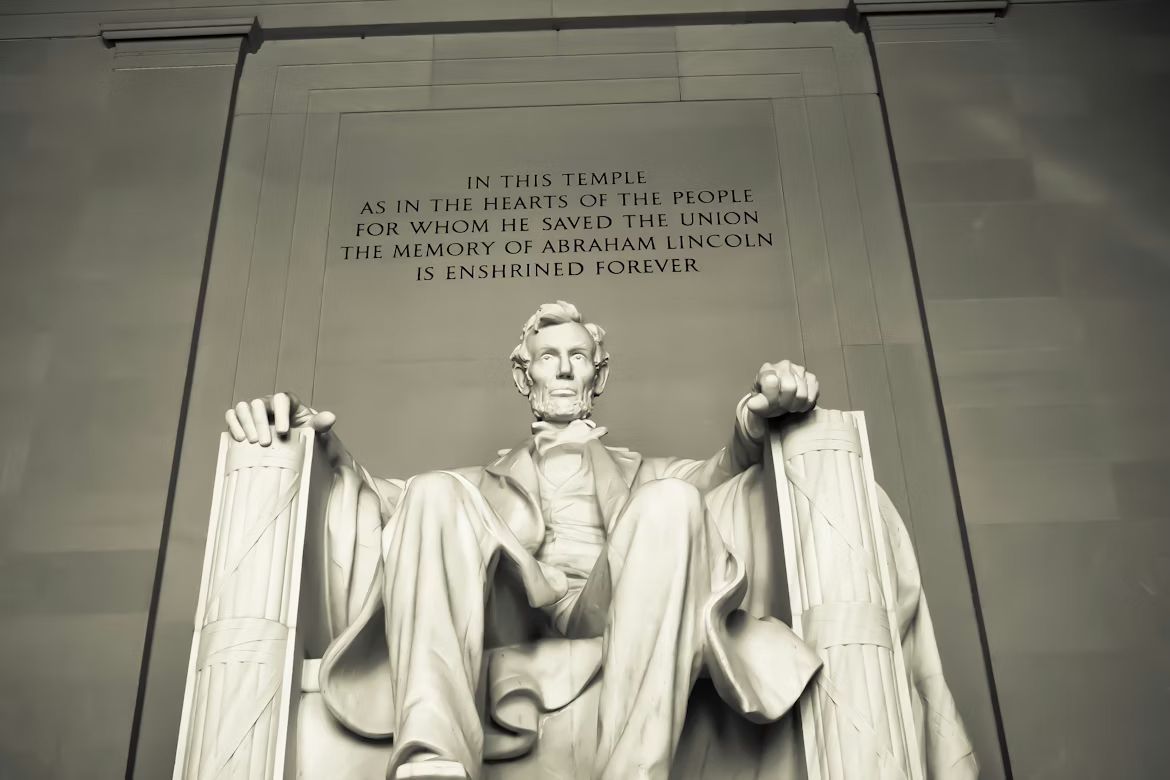
Image: Joshua Bedford

Before he was Honest Abe, Lincoln was just a tall, lanky young man from Illinois with remarkably long arms and a low center of gravity—which, as it turns out, makes you a pretty formidable wrestler. He took up the sport as a young man and quickly developed a reputation in his community as someone you really didn't want to tangle with.

Lincoln compiled an outstanding record, with reportedly one defeat in roughly 300 matches. He was so good that he was eventually honored by the National Wrestling Hall of Fame —yes, that's a real place, and yes, Abraham Lincoln is in it.

4
Meryl Streep: Knitting

Image: Kevin Payravi, CC BY-SA 4.0, via Wikimedia Commons

Meryl Streep is widely considered the greatest actress of her generation, with a record 21 Oscar nominations to date. She's played everything from a Nazi commandant's mistress to Margaret Thatcher. And between takes on set, she knits.

She's said in interviews that knitting helps her stay grounded and present , even in the middle of emotionally demanding shoots. It gives her hands something to do while her mind processes a role. There's also something wonderfully ironic about the most decorated actress in Hollywood finding her peace in something so delightfully ordinary.

5
Tom Hanks: Typewriter collecting

Image: Dick Thomas Johnson from Tokyo, Japan, CC BY 2.0, via Wikimedia Commons

Tom Hanks has won two Oscars, starred in some of the most beloved films in American history, and also owns—by his own estimate—more than 250 typewriters . He started collecting them in the early 1980s when he came across an old machine at a second-hand shop and was instantly hooked by the sound and feel of the keys.

Hanks became such a devoted enthusiast that he wrote an entire book about it: Uncommon Type, a collection of short stories where a typewriter appears in every single tale. He's also said he writes all his personal correspondence by hand or on a typewriter.

6
Steve Martin: Banjo playing
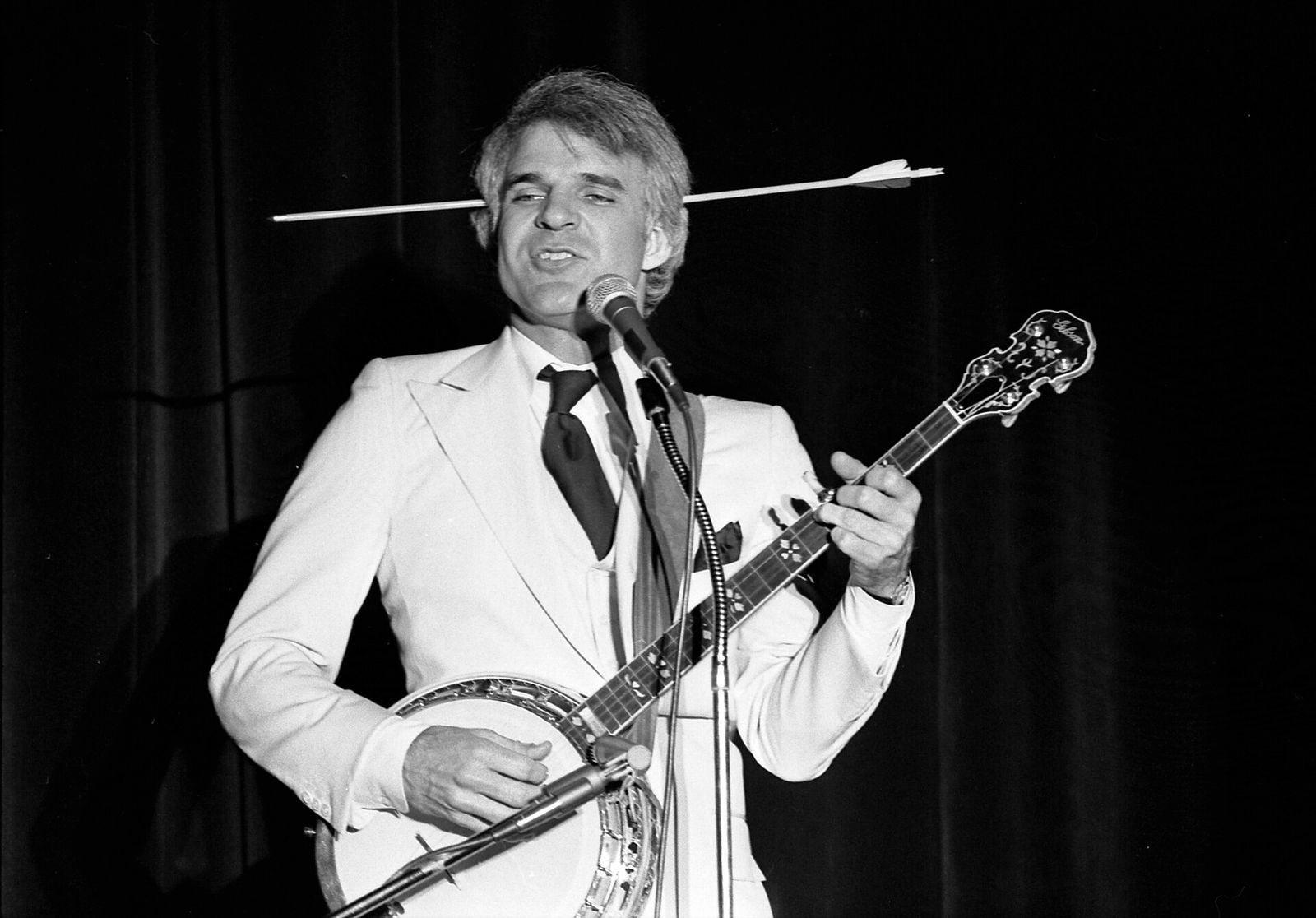
Image: Marianna Diamos, Los Angeles Times, CC BY 4.0, via Wikimedia Commons

Steve Martin built his career on comedy: the arrow through the head, the wild and crazy guy, the absurdist humor that made him a superstar in the 1970s and '80s. But long before the standup, film, and TV career, there was the banjo. He started learning as a teenager while working at Disneyland, drawn in by the bluegrass musicians performing there.

He never stopped playing. Martin has released multiple bluegrass albums, toured with accomplished musicians, and won a Grammy for his 2009 album The Crow: New Songs for the Five-String Banjo . For him, it was never a joke or a gimmick: the banjo is the real deal, and he plays it with genuine heart.

7
Jimmy Carter: Woodworking
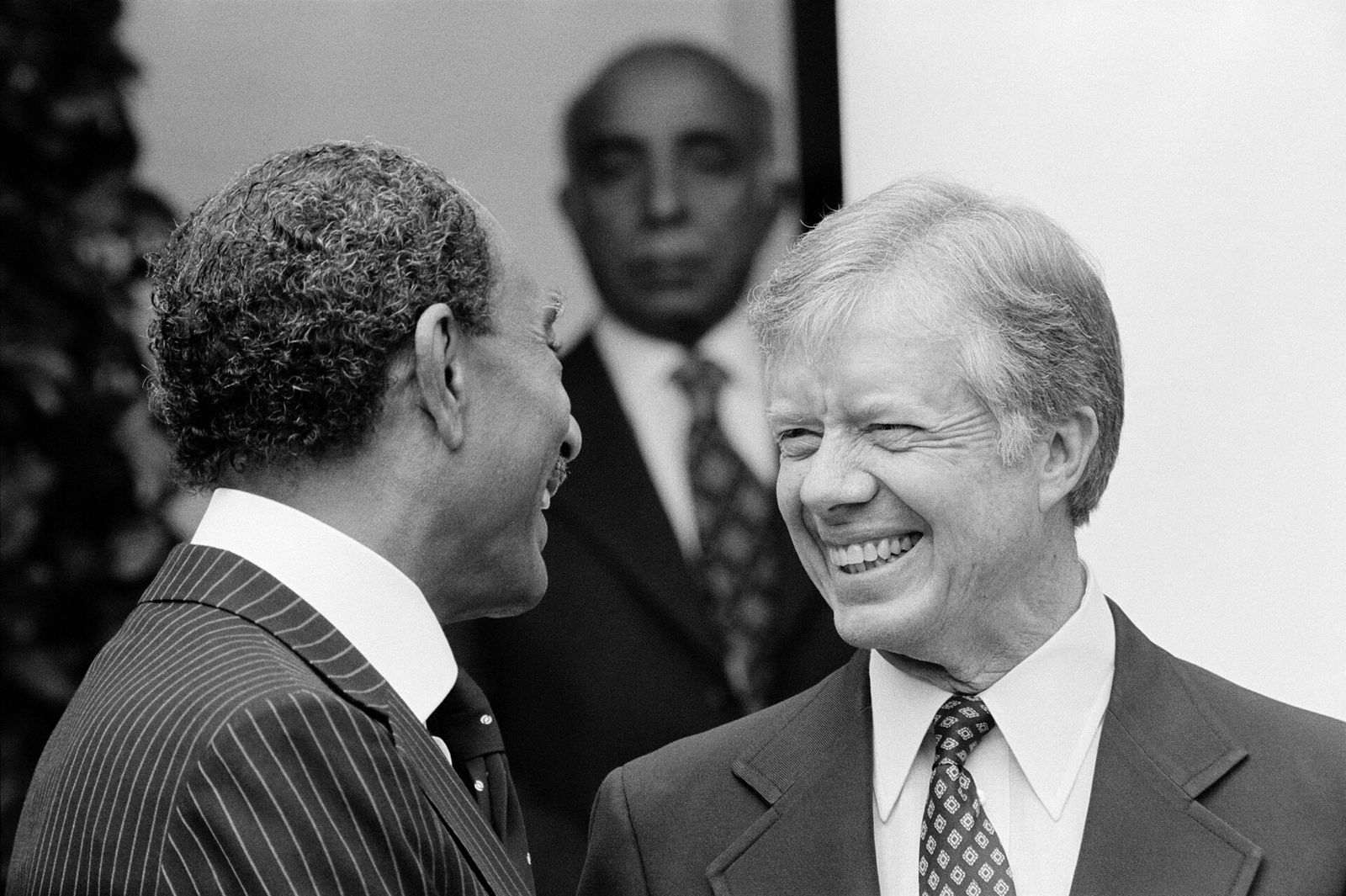
Jimmy Carter didn't pick up woodworking as a retirement hobby: he learned it out of necessity. Growing up on a Georgia farm during the Great Depression, his father taught him to be handy with just about everything. He kept at it through shop class and Future Farmers of America, and even built furniture for his own home during his Navy years.

Carter donated many of his handmade pieces to charity auctions benefiting Habitat for Humanity , a cause he championed throughout his post-presidential life. He even joked that a miniature of the White House he once built had nothing to do with his ambitions — though history would suggest otherwise.

8
Theodore Roosevelt: Boxing and judo
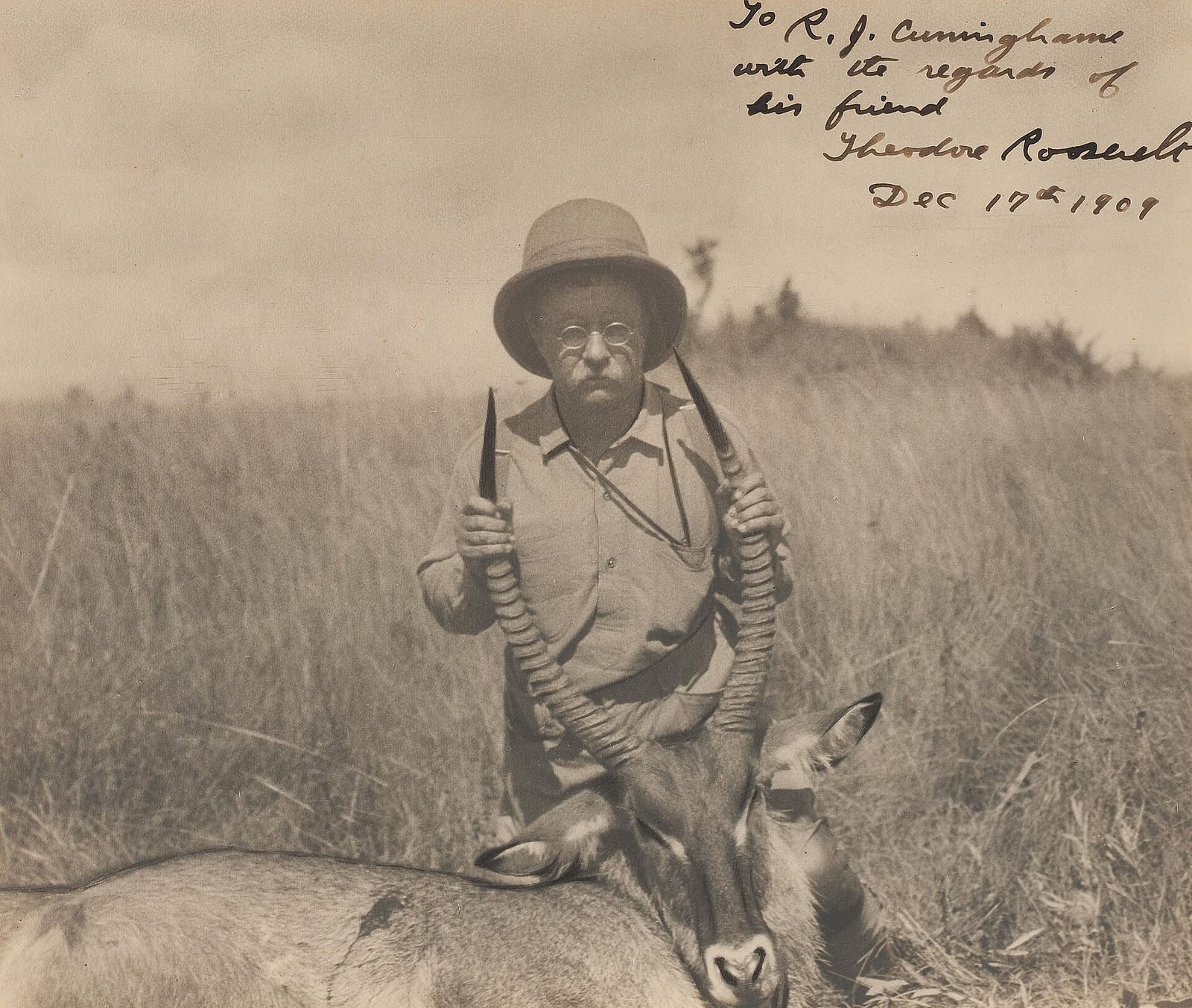
Image: Richard John Cunninghame (1871-1925), Public domain, via Wikimedia Commons

Teddy Roosevelt didn't exactly need a tough-guy reputation boost: the man charged up San Juan Hill, for crying out loud. But even as President of the United States, he kept up a regular boxing practice right inside the White House. He'd spar with aides and military officers, seeing it as a way to stay sharp, both mentally and physically.

That hobby came with a real price, though. In 1908, during one sparring session while in office, a punch left him blind in his left eye, a fact he kept secret for years. He later switched to judo, eventually earning a brown belt.

9
Condoleezza Rice: Competitive figure skating

Image: TechCrunch, CC BY 2.0, via Wikimedia Commons

Condoleezza Rice served as National Security Advisor and then Secretary of State under President George W. Bush, two of the most demanding jobs in the world. She's also a trained classical pianist. But here's the one that really catches people off guard: she was a competitive figure skater as a young girl growing up in Birmingham, Alabama.

Rice started skating as a child and trained seriously enough to compete. She has spoken about how the discipline required in skating —the repetition, the commitment, the ability to get up after you fall— shaped the way she approached everything else in her life . From the ice rink to the world stage, the mindset, it turns out, was always the same.

10
George W. Bush: Painting

Image: Paul Morse, Public domain, via Wikimedia Commons

After leaving the White House in 2009, George W. Bush picked up a paintbrush, and nobody was more surprised than he was by how much he loved it. He started with his dogs and landscapes, quietly teaching himself the basics of oil painting with the help of online tutorials and books.

He eventually moved on to portraits of world leaders, veterans, and immigrants, and held gallery showings of his work . Critics who expected something amateurish were genuinely taken aback by the results. For instance, Washington Post journalist Karen Tumulty summed up the reaction of many when she admitted on social media that Bush's paintings were, surprisingly, kind of edgy.

General General 6 min read

Where ingenuity and creativity meet

Behind closed doors: 12 hidden secrets of American landmarks

Image: Kenny Nguyễn

For some, architecture might seem like the most boring subject in the world, but if you take a closer look, you'll discover that sometimes buildings hide fascinating secrets. From skyscrapers and monuments to government buildings, America has iconic structures guarding incredible mysteries behind their walls. Read on to uncover the secrets hidden beneath, within, and atop 12 of the most paradigmatic structures in the U.S.

1
Gateway Arch’s time capsule

Image: Roger Miesfeld

The Gateway Arch, the 630-foot-tall monument located on the west bank of the Mississippi River in St. Louis, Missouri, is famous for being the world's tallest arch. But few people know about the secret hidden at its peak.

In 1965, before the final piece of the stainless steel arch was put in place, a time capsule containing the signatures of 762,000 St. Louis students and residents was welded into the keystone. Just one more fun fact added to the mystique of this midwestern icon!

2
A celluloid treasure trove

Image: Denise Jans

Have you ever wondered where Hollywood's golden age films are preserved? Well, as it happens, they are not in the basement of some Tinseltown studio but more than 650 feet below the surface in a facility in Hutchinson, Kansas. Established in 1959, Underground Vaults & Storage specializes in storing a wide range of valuables, including paper documents and client records.

In addition, this site is a precious resource for the entertainment industry. Underground Vaults & Storage preserves—under optimal temperature and humidity conditions—film copies of classic cartoons, television programs like Friends , game shows, soap operas, and even the original reels of cinematic masterpieces like The Wizard of Oz and Gone with the Wind .

3
A ‘Big Basket’ building

Image: Photo shot by Derek Jensen (Tysto, Public domain, via Wikimedia Commons

Who says a building has to look traditional to be iconic? Why settle for an ordinary office building when you can work inside a basket? That's what the executives of the Longaberger Company, an American manufacturer and distributor of handcrafted maple wood baskets, thought when they relocated to Newark, Ohio, in 1997.

Their headquarters was designed as a seven-story building, a perfect replica of the company's top-selling product, the Medium Market Basket. The massive handles are attached to the structure with copper and wooden rivets, and the gold-leaf-plated tags each weigh 725 pounds. Though the building was a novelty, the company eventually abandoned it, and it is now listed for sale.

4
Empire State Building Wedding Club

Image: William Wachter

Popping the question on top of the Empire State Building has become a cherished tradition in the United States. Thousands of couples travel from all over the country to get engaged at one of New York City's most iconic buildings. But did you know that you can also celebrate a wedding there?

Every February 14, a few lucky couples are granted the unique opportunity to exchange wedding vows at the building's 86th Floor Observatory. Since 1994, hundreds of couples have said "I do" at this breathtaking location, celebrating Valentine's Day at America's most romantic landmark.

5
A supernatural castle

Image: Michelle_Raponi

Creativity, ingenuity, and perseverance can achieve extraordinary feats. Such is the case with Coral Castle, a massive limestone structure built by self-taught engineer Edward Leedskalnin in the early 20th century.

Located just north of Homestead, Florida, sits this construction built with stones larger than those at Stonehenge. Leedskalnin, who invested more than 28 years in this project, claimed that he raised it single-handedly using reverse magnetism and supernatural abilities. The truth is he probably used pulleys and other tools, but that doesn’t make it any less of a unique and original building that is a fascinating tourist attraction to this day.

6
Walt Disney's utopian city

Image: Paul Moody

Walt Disney was a visionary, and thanks to his infinite imagination today we have the most endearing characters and the best amusement parks in the world. But did you know that Disney originally envisioned his famous EPCOT Center as the blueprint for a larger utopian society?

EPCOT stands for Experimental Prototype Community of Tomorrow. Had Disney’s dream come to fruition, 20,000 people could have lived in a real, futuristic city complete with residential areas, shopping malls, factories, recreational parks, and a state-of-the-art multimodal road system to connect it all. Unfortunately, after his death in 1966, the company felt his original vision was a bit impractical. Instead, they created a theme park that captures the spirit of its creator, a permanent celebration of human achievement, from culture to technological innovation.

7
Secret codes

Image: Pixabay

The CIA is a mysterious organization, so it's no wonder that there is a sculpture hiding secrets sitting right in the courtyard of the George Bush Center for Intelligence in Langley, Virginia.

Named "Kryptos," this large copper sculpture was installed in 1990 and holds a series of four encrypted messages. Only three of these codes have been cracked, while the fourth remains one of the most famous unsolved cryptograms in the world.

8
The paper house

Image: Daderot, Public domain, via Wikimedia Commons

It seems that the 1920s was a time of inventiveness, innovation, and originality in architecture. During this decade, the United States built the most impressive skyscrapers and, as we've explored, even a massive limestone castle. But a house made of paper? It seems almost impossible, doesn’t it?

Well, we are about to prove you wrong. In 1924, a mechanical engineer called Elis Fritiof Stenman built a summer cottage made almost entirely out of pasted, coated, or rolled-up newspapers. The only exceptions were the framework, floorboards, and shingles. The house is located in Rockport, Massachusetts, and, believe it or not, is still standing and can be visited.

9
Race into the sky

Image: roberto_bellasio

The Chrysler Building on the East Side of Manhattan in New York City was once the world’s tallest building, holding the title for 11 months. But did you know that it almost didn't make it? Industrial pioneer Walter Chrysler, who commissioned the project, wanted his building to be taller than the Eiffel Tower. Originally designed to be 925 feet tall , the imminent construction of other taller skyscrapers forced architect William Van Alen to revise his plans.

This competition for the title of the world’s tallest building became known as the " Race into the Sky ." To beat his opponents, Van Alen ordered a 125-foot spire to be built in secret. It would only be attached to the roof after the rival buildings were finalized. When it was finished in May 1930, the Chrysler Building reached 1,046 feet, making it the tallest man-made structure in the world at the time. Unfortunately, less than a year later, the Empire State Building would claim that honor.

10
A laboratory under the sea

Image: NEOM

Did you know the world's only undersea research laboratory is located in the United States? Sixty-six feet below the surface of the ocean off the coast of Florida lies Aquarius Reef Base, an underwater lab where researchers work for up to ten days at a time.

Aquarius is dedicated to the study and preservation of coral reefs, fish, and aquatic plants. The facility is currently operated by Florida International University and contains sophisticated state-of-the-art lab equipment.

11
Give me the time of day

Image: Leo_Visions

A bridge that tells time? We are not kidding! When it’s not being used by pedestrians and cyclists to cross the Sacramento River in Redding, California, the Sundial Bridge at Turtle Bay serves as a giant timepiece.

The bridge's 217-foot support tower points north, and its shadow can be used to calculate the time. Designed by renowned Spanish architect Santiago Calatrava, it was completed in 2004. So now you know, if your watch breaks or your cell phone dies on your way to Turtle Bay Exploration Park, you don't have to worry, the Sundial Bridge will always tell you the time of day!

12
The Capitol Subway System

Image: Harrison Haines

Few people know that a network of subway cars runs beneath Washington’s labyrinthine Congressional headquarters. The first Capitol Subway System opened on March 7, 1909, and has been transporting politicians seeking shelter from the weather—and curious onlookers—for more than a century.

The rails stretch for nearly a mile, connecting the United States Capitol to several congressional office buildings. While the public can ride the trains, the subway is restricted to congressional members and staff during votes.

General General 4 min read

Meet your local fauna

Which animals can only be found in North America? 11 native species

Image: Tracy Jentzsch

In today’s globalized world, we sometimes forget that many animal species are native to a specific region , despite having been introduced to other habitats. Some of these species seamlessly adapt to their new environments with minimal to no negative impact, but many become invasive, disrupting ecosystems and preying on native fauna and flora. North America’s ecosystems have their fair share of native species that have become so familiar worldwide that their origins are often overlooked. Here are 11 species that originated in North America!

1
American Alligator

Image: Joshua J. Cotten

Did you know that American alligators are one of only two alligator species in the whole world ? China is the only other place with an alligator species, the Chinese alligator. Often confused with their relatives, the crocodiles and the caimans, alligators can be differentiated by the shape of their teeth, their round snouts, their darker color, and their preference for freshwater habitats. An inhabitant of tropical and subtropical wetlands, the American alligator can be found throughout the Southeastern U.S.

2
Nene

Image: Lyle Wilkinson

Also known as the Hawaiian goose, this bird can only be found in its wild state across the islands of Maui, Kauaʻi, Molokai, and Hawaiʻi . Believed to be distantly related to the Canada goose, the nēnē is considered the rarest goose species in the world and is a protected species. Thanks to successful conservation efforts, it has been reclassified from endangered to near threatened. It has also been designated as the official state bird of Hawaiʻi.

3
Common Raccoon

Image: Chris Ensminger

If you are asked to describe a raccoon, the common raccoon, native to North America, will most likely come to mind. The other two species of raccoon—also native to the Americas—present marked differences in color and size. Their name is derived from the Algonquian aroughcoune , meaning ‘he who scratches with his hands.’ The unusual shape of their thumbs, combined with their cleverness, allows them to open closed containers to access food and trash, which has earned them the nickname of "trash pandas." Due to human intervention, they have become a highly invasive species in European and Asian ecosystems.

4
Monarch Butterfly

Image: Alex Guillaume

One of the most recognizable butterfly species, the Monarch can be identified by its orange and black wings with white spots . Monarch subspecies can be found across the Americas, but the North American monarch is especially known for its remarkable migratory behavior. As winter approaches, monarch butterflies in the northern United States travel thousands of miles to overwintering sites in California and central Mexico. In spring, they will return home in time for summer.

5
North American Beaver

Image: Tim Umphreys

Though North American beavers are related to those found in Asia and Europe, their genetics are so different that they are unable to mix. North American beavers are generally larger and darker than their Eurasian counterparts , and they have a broader and longer tail. They are a widespread species across the Continental U.S., Canada, and northern Mexico and have been chosen as the official state mammal of Oregon and New York.

6
Bald Eagle

Image: Mathew Schwartz

Widely recognized as a national U.S. symbol and featured in multiple official imagery , the bald eagle came close to extinction in the late 20th century. Found across most of North America, it favors habitats near large bodies of water. Fun fact: bald eagles were named after the color of their head feathers, as the word ‘bald’ was anciently used for ‘having a white head.’

7
Alligator Snapping Turtle

Image: U.S. Fish and Wildlife Service Southeast Region, Public domain, via Wikimedia Commons

Like the reptile it takes its name from, this pointy reptile is only found in freshwater habitats across the U.S. The spiky ridges on its shell give it an armored tank appearance, but these will flatten as the turtle ages. They have an extremely powerful bite , and they have been known for biting human fingers off, which makes them a dangerous animal that should be approached with caution.

8
Texas Blind Salamander

Image: Ryan Hagerty/USFWS, Public domain, via Wikimedia Commons

Unlike other entries on this list, this amphibian can only be found in a very specific place: San Marcos, Texas . Considered to be a critically endangered species, the Texas blind salamander lives in underground caves and streams and is highly sensitive to water pollution and droughts.

9
Coyote

Image: Dylan Ferreira

Also known as the American jackal or prairie wolf, the coyote fulfills a key role in North American ecosystems by helping regulate the population of smaller animals and consuming carrion that could otherwise spread disease. Somewhat friendly toward humans, coyotes play an important role in Native American folklore, and there are recorded cases of domesticated coyotes.

10
Giant Kangaroo Rat

Image: Harrison, George, Public domain, via Wikimedia Commons

Although kangaroos are native to Australia, giant kangaroo rats are found only in California . Preferring dry, sandy habitats that allow them to dig burrows, these rodents are known for using foot stomps as a way of communicating. Due to habitat loss caused by agriculture, the giant kangaroo rat has been classified as an endangered species.

11
American Mink

Image: Alexandre Daoust

American minks can be found across Alaska, Canada, and the northern and central United States, both in the wild and on farms. Although they are not specifically bred to be tame, they are officially considered suitable to be pets if trained from a young age. Their introduction to many parts of Europe, Asia, and South America has harmed native species, and they have been classified as invasive in many of these regions.

Explore more American facts

Choose your favorite category!

General
General

As American as apple pie—the very best America has to offer!

Culture
Culture

Delve into the astounding richness of American lore.

Geography
Geography

Hop in and explore vast and diverse American landscapes.

History
History

Discover the key moments that shaped the United States.