Culture Culture 5 min read

It’s called popular wisdom for a reason

What should you do in the woods? Popular wisdom has the answer

Image: Peter Burdon

The United States of America is a melting pot of cultures and traditions, which means many superstitious beliefs can be traced back to other places. Think, for example, of beliefs around black cats or cemeteries. But some superstitions were born here, out of the unique idiosyncrasies of each American region. Why is the color of a porch such a big deal? Why are the woods dangerous? Is it crucial where I place my hat? Popular wisdom has an answer for all these questions, and more.

1
The cowboy hat on the bed
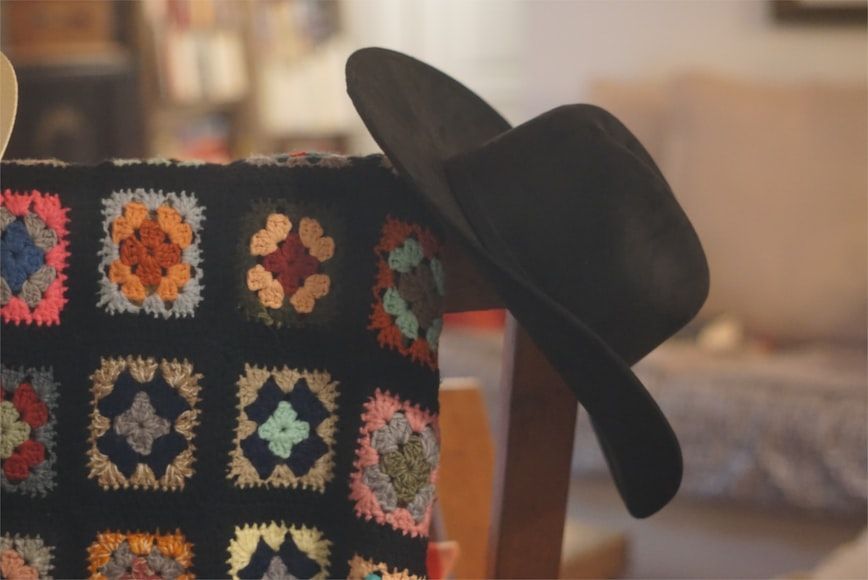
Image: Olivier Piquer

For a proper cowboy, a hat is as important as their horse or saddle. This means that there’s a protocol around this garment that needs to be followed, one important rule being that a hat should never be placed on top of a bed.

Why? There are several explanations, including the idea of bad spirits living in your hair, the old custom of placing a deceased person’s hat on top of their coffin, or the more practical reasoning of wanting to avoid lice. No matter the origin, no respectable cowboy would place his hat on the bed unless he wanted to attract misfortune his way.

2
The Appalachian woods
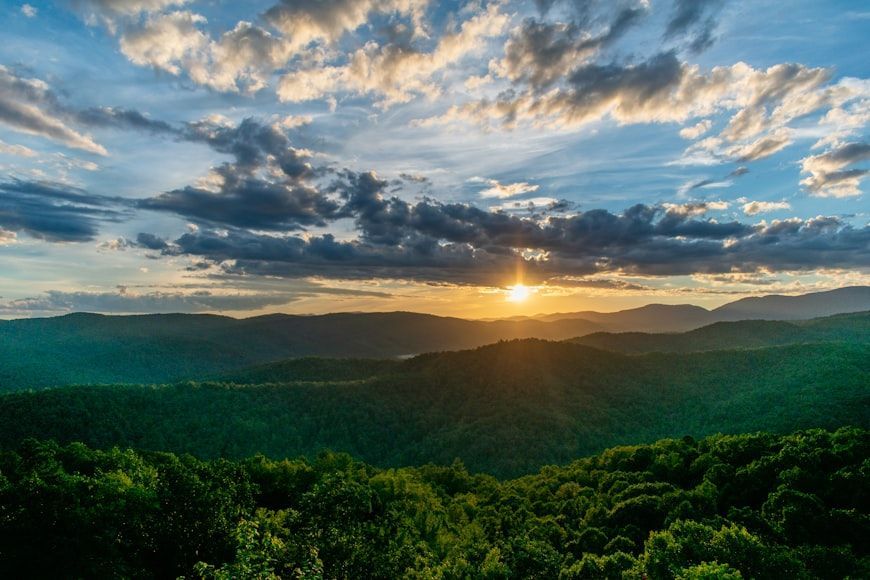
Image: Elijah Mears

The Appalachian Mountains are filled with myths and legends, and certain rules are passed down and followed by nearly everyone, even those most skeptical about the supernatural. Many of these rules concern the woods and how one should behave in them : don’t go into the woods from dusk till dawn, don’t leave the marked trail, ignore any unknown voice calling you, and don’t look too closely into the trees.

While these rules could be explained by the simple reason of the woods being the hiding place of bandits in the past, and a difficult place to navigate in the dark, they have also been regarded as a place filled with spirits and supernatural beings, which no one wants to come across.

3
Seeing Mothman
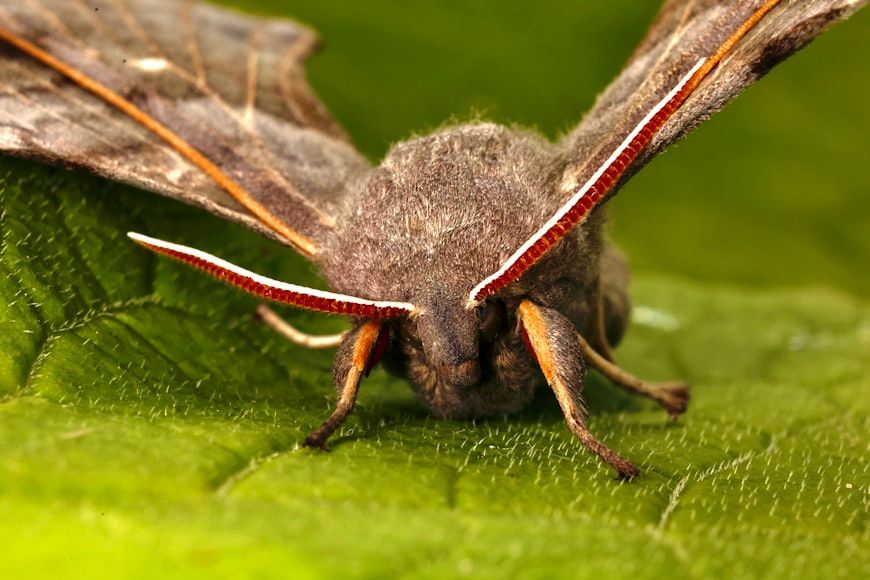
Image: James Wainscoat

A local cryptid celebrity in Point Pleasant, West Virginia, the Mothman has allegedly been sighted several times since the 1960s. Many legends and beliefs have formed around his figure, one of them being that coming across the Mothman is a sign of an impending tragedy .

This belief gained strength after several reported sightings occurred just before the collapse of the Silver Bridge in 1967. Since then, the Mothman has been considered a harbinger of doom and a bad omen.

4
A mirror to ward off the devil
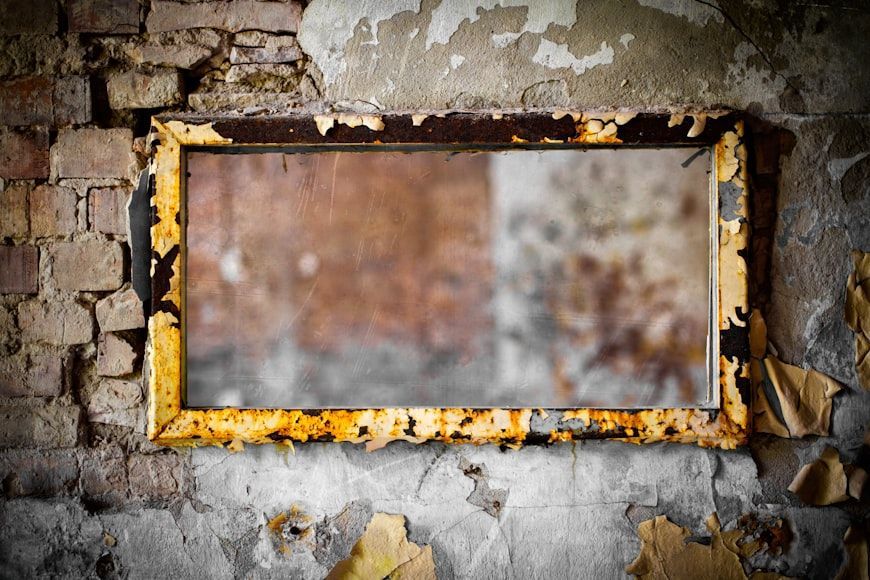
Image: Denny Müller

Louisianans have many myths and beliefs, especially those rooted in Cajun culture. Influences from French Acadia, Spain, and Western Africa have been incorporated into popular wisdom in a distinctly unique way.

One Cajun custom advises the use of a mirror to repel M’su Diable or "Mr. Devil." M’su Diable is known for being very vain, so he will never waste the opportunity to admire himself. If you hang a mirror in the porch, next to the door, he will stay there all night instead of entering the house, and the sunrise will scare him off.

5
Eating black-eyed peas on New Year’s Eve
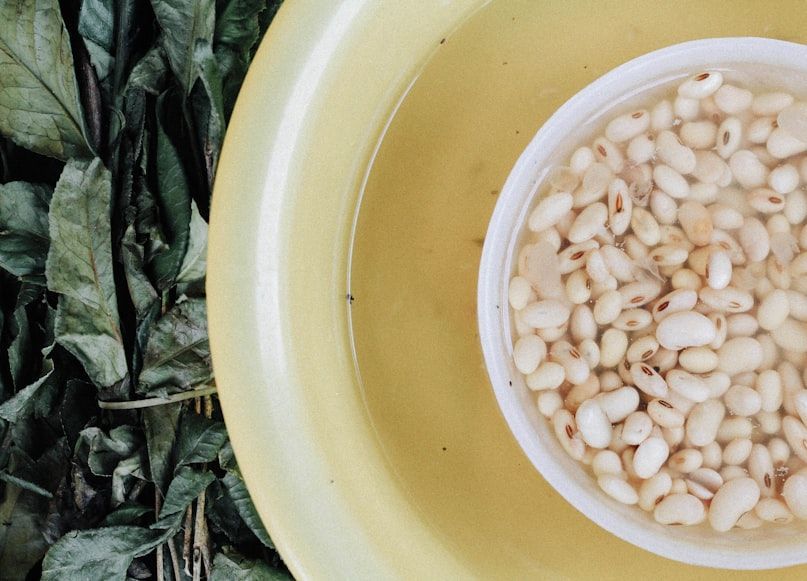
Image: Nguyen Dang Hoang Nhu

Each holiday has certain foods associated with it, many of which are considered non-negotiable. For many Southern households, New Year’s Eve is synonymous with black-eyed peas, which are said to attract good luck and prosperity for the coming year.

While it’s a popular belief, this custom has distinctly historical origins. After the Civil War, black-eyed peas became a staple food across the South and saved more than one family from starvation. Today, they are often paired with collard greens, which are said to represent dollar bills.

6
Rocking an empty chair
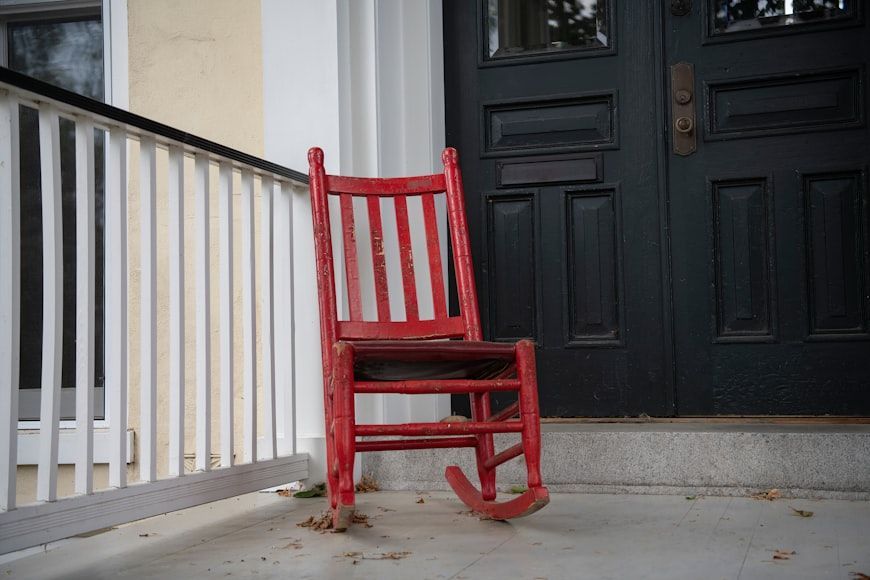
Image: Robin Jonathan Deutsch

Irish and Scottish settlers brought with them a deeply rooted belief: you shouldn’t rock an empty cradle, cause you might wake the spirits. Across the South and the Appalachians, this belief transformed over time and became attached to another object: the rocking chair.

Often placed on porches or near the fire, a rocking chair moving on its own was believed to be occupied by a supernatural being . If someone rocked an empty chair, the spirits might consider this an invitation into the house.

7
The color of the porch
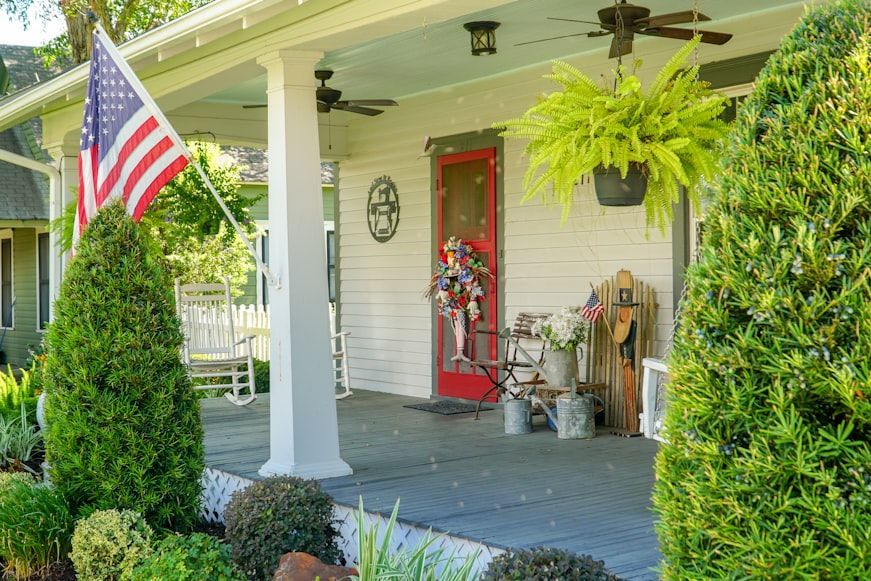
Image: Thomas Park

If you like the look of Southern front porches, you may have noticed that they often feature a pale blue ceiling. The use of haint blue—a collection of pale blue-green shades —is not an aesthetic choice, but a spirit-warding custom stemming from the enslaved Gullah Geechee people.

By painting the ceiling (and sometimes doors, windows, and shutters) blue, spirits might confuse it with the sky and pass through it, or with water, and avoid it. Over time, the tradition of haint blue— haint being an alternative spelling of _haunt_—spread throughout the South.

8
Bananas on a boat
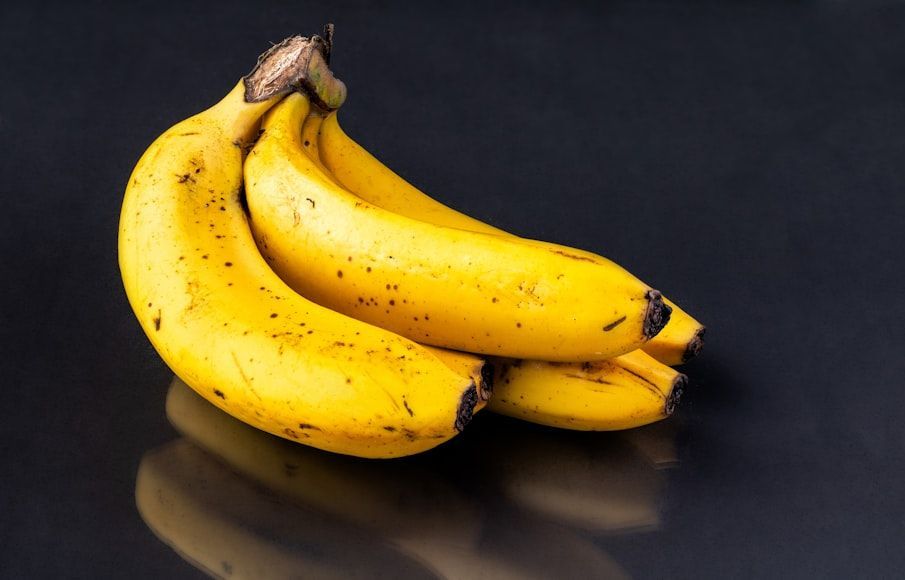
Image: Ian Talmacs

Bananas are a pretty convenient fruit: they’re tasty, nutritious, and come naturally prepackaged. But don’t try saying that to Alaskan fishermen. They’ll tell you that bananas should never be brought on a boat, or no fish will be caught.

There are two possible origins of this belief. Some say the aversion to bananas stems from the old ships that carried this fruit—they sailed as fast as possible to prevent the cargo from spoiling, which disturbed the water and scared away fish. Others say that overripe bananas attract fruit flies and were believed to cause other food to spoil.

9
The tail of the cow
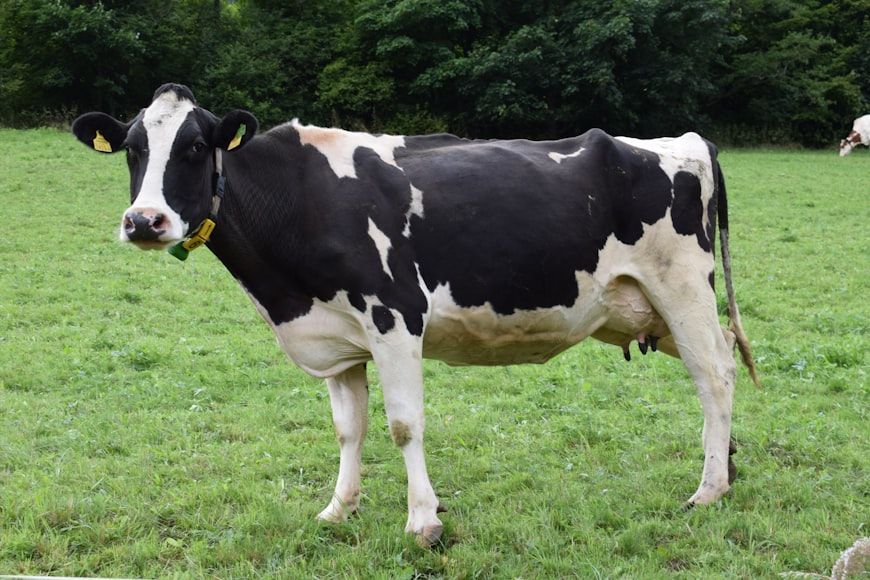
Image: Screenroad

Florida has historically been the state most prone to hurricanes, which has led to the development of superstitions and beliefs around the subject. A common belief involves cows, or more specifically, their tails.

If a cow holds its tail straight up, many Floridians say it means a hurricane is on the way . There are many scientific reasons for cows to hold their tail upright, and none have to do with weather prediction, but as far as we know, Floridians have not been proven wrong yet.

10
Whistling at night
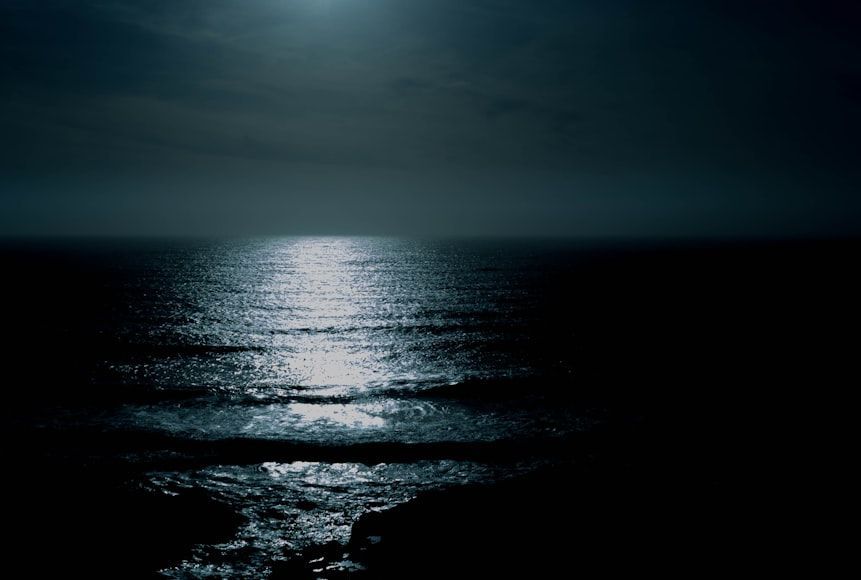
Image: Lukas Robertson

Many cultures across the world refrain from whistling at night to avoid attracting spirits and malevolent beings. For Hawaiians, it is not just any spirit**. A whistle after dark might attract the** Huakaʻi pō or Nightmarchers , the ghosts of ancient Hawaiian warriors.

If you happen to come across them, your only hope is to lie on your stomach and avoid looking at them as a sign of respect. If you are lucky enough to be a descendant of a warrior, they will recognize you and protect you. But just to be on the safe side, it’s best to leave the whistling for daytime.
General General 5 min read

Foreign affairs

An ode to diplomacy: 12 extraordinary US embassies around the world

Image: Christian Lucas

You might think an embassy is just a plain office building for diplomats. Well, think again! The United States has some of the most eye-catching, quirky, and downright unique embassies you’ll ever see. From gleaming glass towers to tropical hideaways, these buildings aren’t just about paperwork—they’re part of America’s handshake to the world. Here are 12 beautifully designed US embassies where architecture meets foreign politics.

1
Paris, France

Image: U.S. Department of State from United States, Public domain, via Wikimedia Commons

The U.S. Embassy in Paris is the oldest American diplomatic mission in the world. Benjamin Franklin himself served as the first ambassador, back when the United States was fighting for independence. Today, the chancery building stands on the Place de la Concorde, a spot once used for public executions during the French Revolution. Few embassies can match this mix of American heritage and European history.

2
New Delhi, India

Image: Ash Carter, Public domain, via Wikimedia Commons

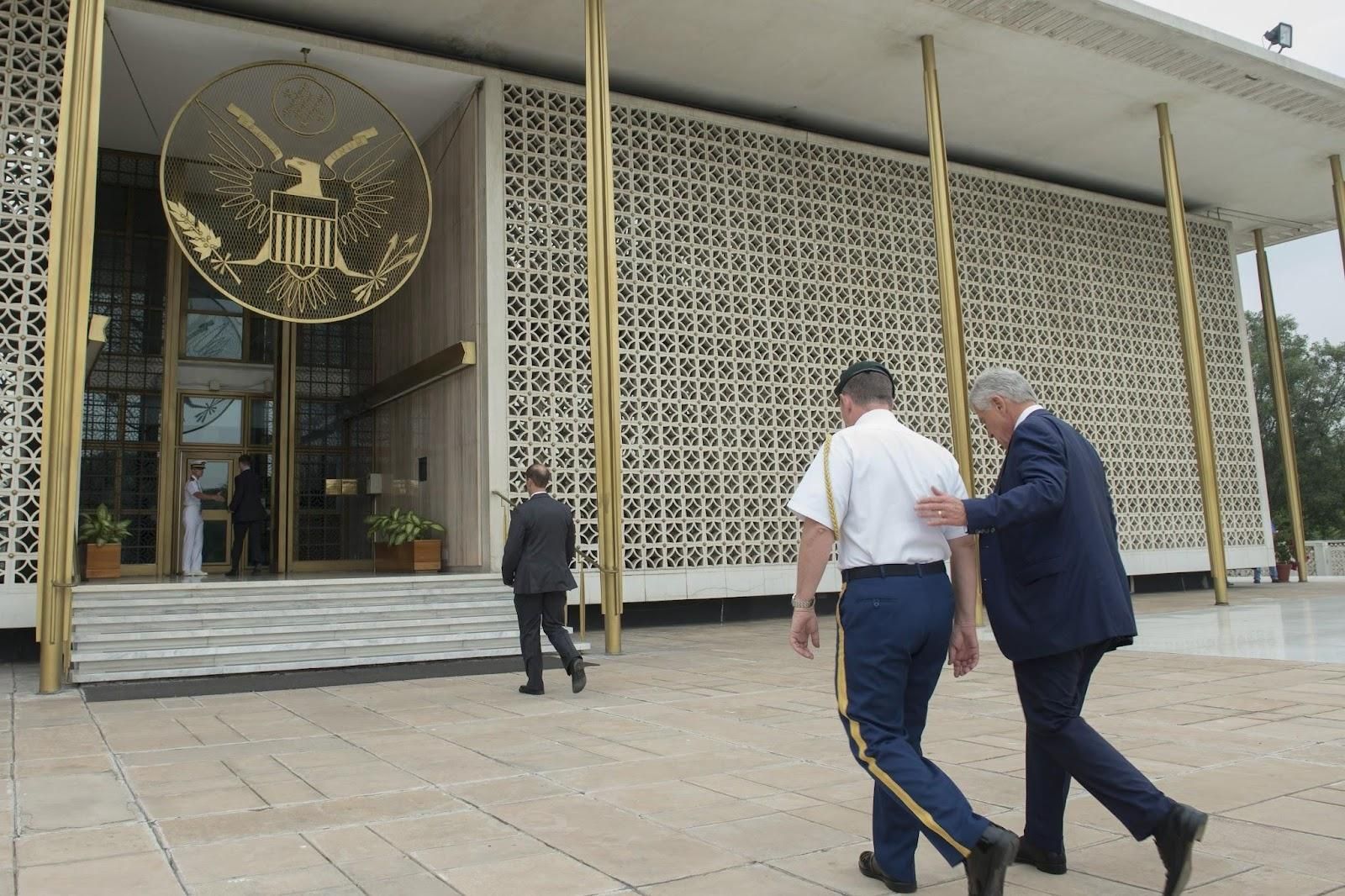
Set on 28 acres in a district where nearly every corner is marked by a foreign flag, the U.S. Embassy in New Delhi feels more like a grand estate than a government office. The entrance alone impresses visitors with its broad fountain and big golden Great Seal of the United States.

When it first opened in the 1950s, the complex introduced many locals to the clean lines and bold simplicity of American modernist design. Decades later, the compound still carries that sense of mid-century optimism, standing as both a piece of architectural history and a stage for diplomacy.

3
London, United Kingdom

Image: Phil Lev

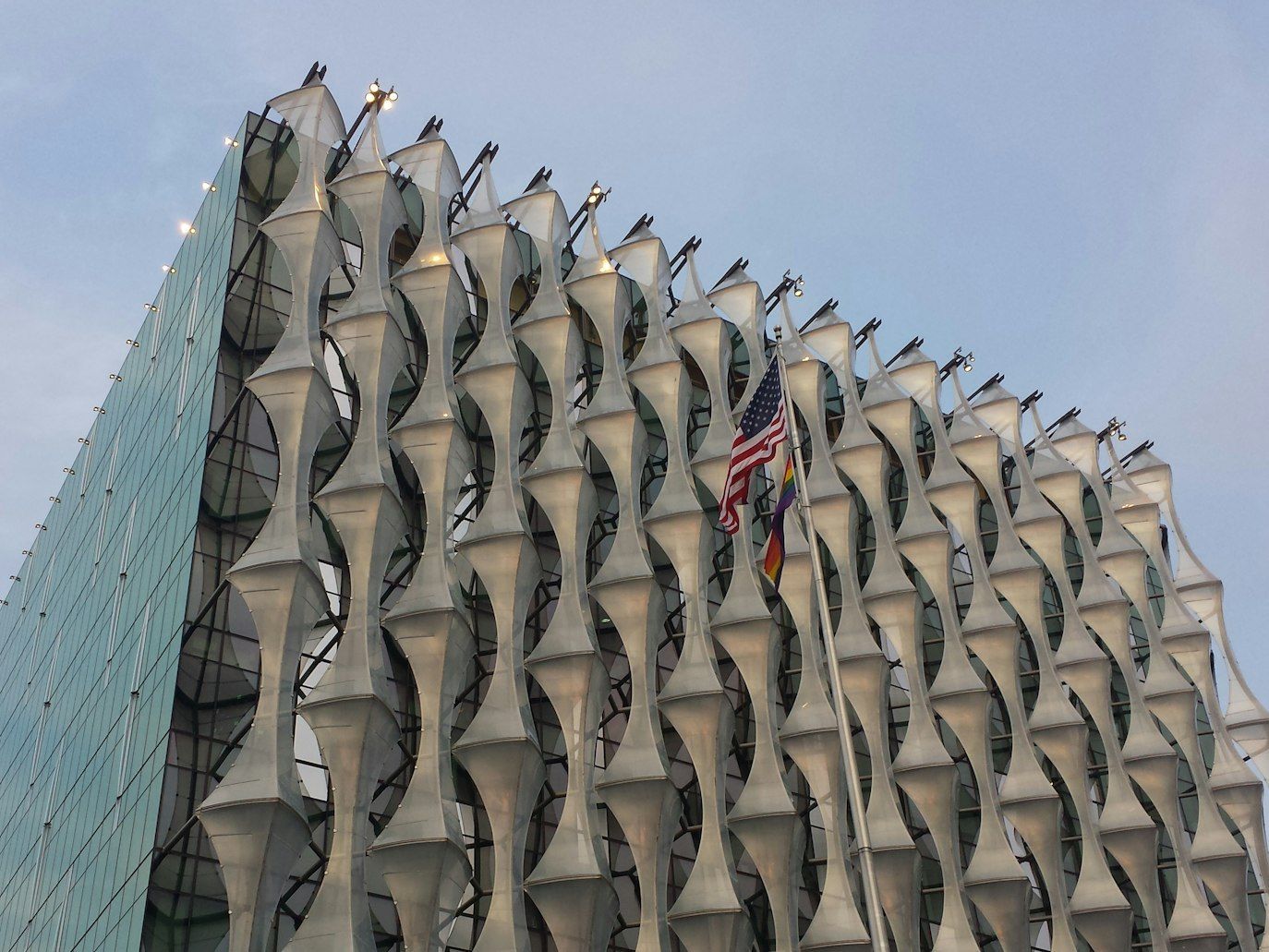
If James Bond had to hand-deliver a top-secret note to Uncle Sam, this is exactly where he’d go. Opened in 2018, the current building of the U.S. Embassy in London came with a price tag of about $1 billion—yes, billion with a "B." It spans nearly 12 acres along the River Thames, enough to be one of the most enviable addresses in town.

The sleek glass cube design doesn’t just reflect light, it sparkles as if auditioning for a starring role in a spy flick. Its gardens and public walkways also make it one of the few embassies in the world that feels just as welcoming as it does secure.

4
Brasília, Brazil

Image: mbastosbr

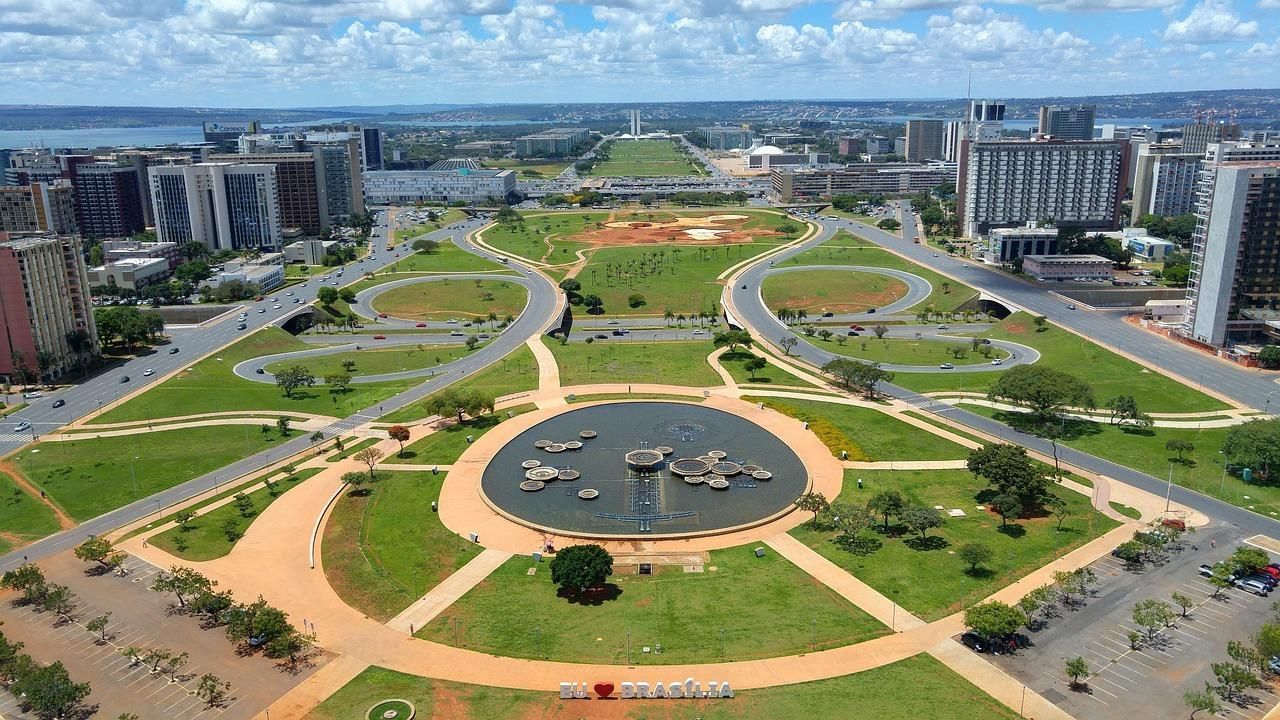
When Brazil built a new capital in 1960, the United States became the first nation to establish its embassy in the brand-new city of Brasília. The 12-acre compound took another decade to finish, but the wait was totally worth it.

Today, the building unfolds like a tropical retreat with lush courtyards, a marble facade, clusters of palms, and broad office space that seem to invite a slower pace. Inside, the Stars and Stripes waving overhead reminds you that this is less about vacation and more about international business, carried out in unmistakably American style.

5
Yerevan, Armenia

Image: Arina Dmitrieva

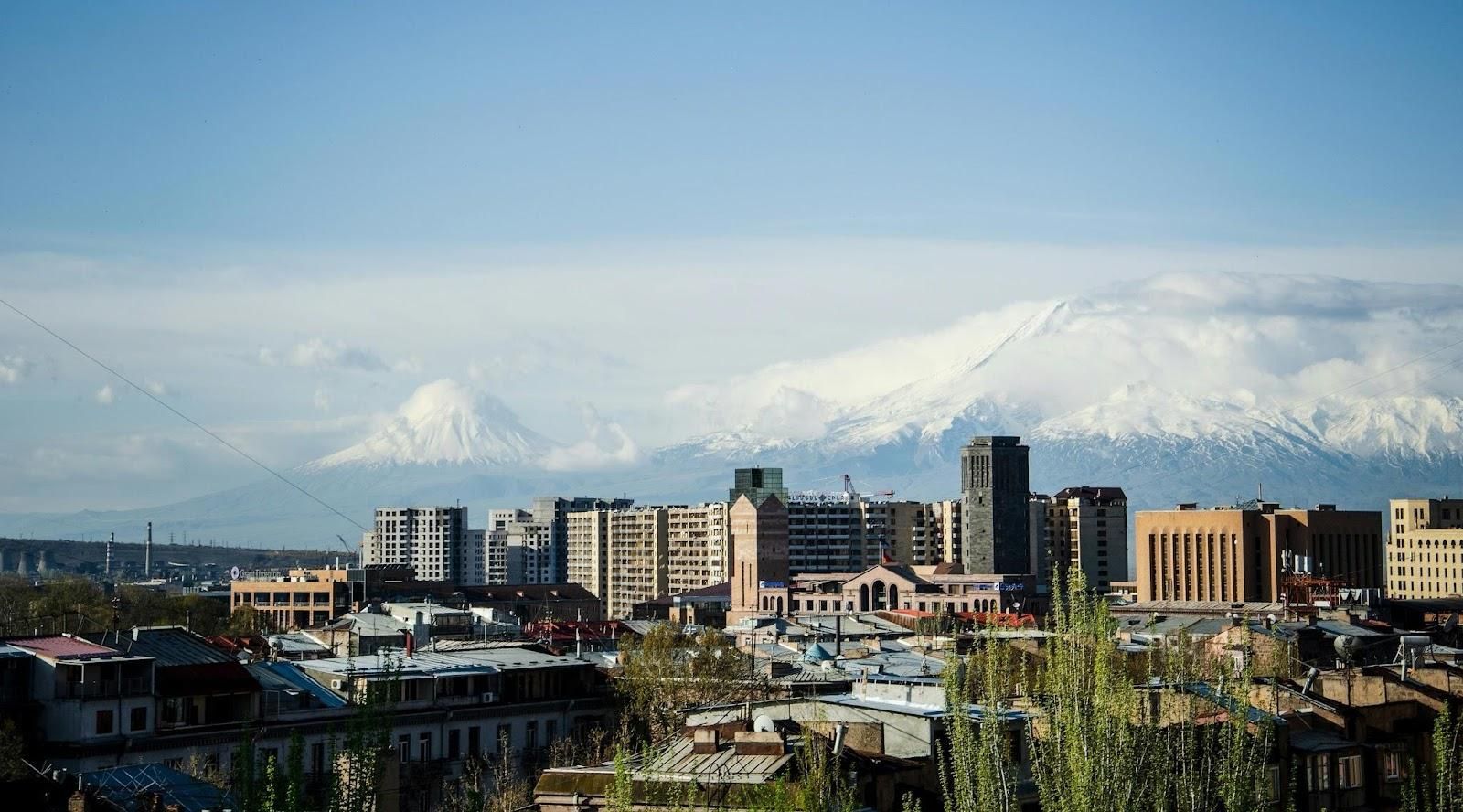
If embassies were given awards, the U.S. outpost in Yerevan would easily take home the trophy for "biggest backyard." Sprawled across 22 acres, it’s more park than office, with open lawns rolling out under the backdrop of Armenia’s rugged mountains.

Yet, the real deal is inside. The embassy serves as a gathering spot for locals, hosting cultural festivals, English-language programs, art exhibits, and workshops that make diplomacy accessible and engaging. With its airy design and community-centered vibe, it feels less like a fortress and more like an open invitation to join.

6
Ottawa, Canada

Image: Jane T D.

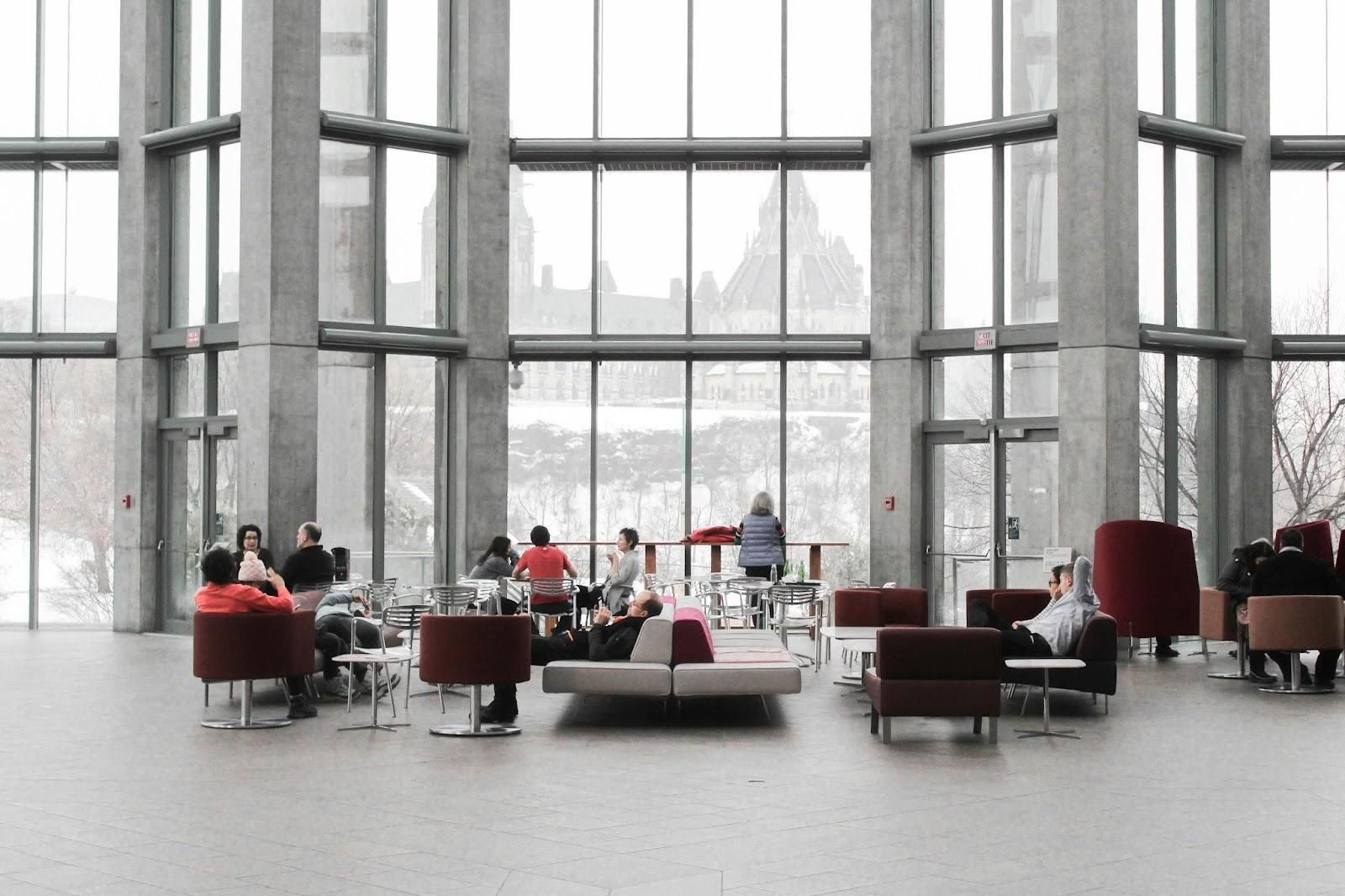
Right across the northern border, Canada hosts a striking U.S. Embassy right on Ottawa’s Sussex Drive. Spanning 138,000 square feet and completed in 1999, the building simply stands out. With its stainless-steel dome that gleams in the sunlight, it feels like a freshly minted coin.

Step inside and you’ll find an airy glass interior with open spaces, echoing the values of dialogue and solidarity. In a city lined with Gothic revival architecture, the U.S. Embassy rises as both a modern landmark and the stage where American diplomacy meets Canadian friendliness.

7
Tokyo, Japan

Image: Evgeny Tchebotarev

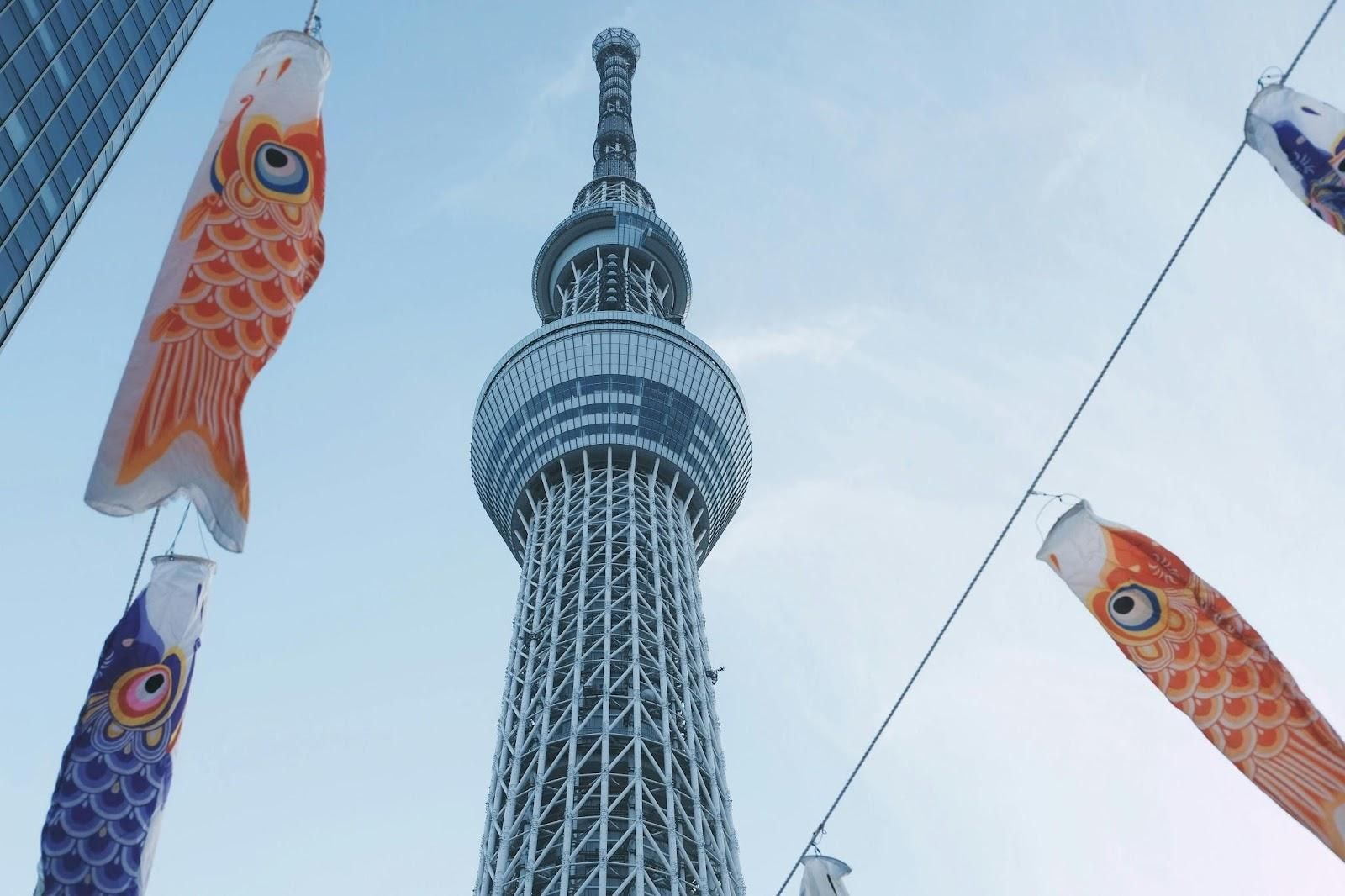
Set amid Tokyo’s frantic setting, the U.S. Embassy in Japan has stood its ground since the 1970s, quietly observing one of the world’s most dynamic capitals. Step outside its secure walls, and in just minutes you’re in the tranquil embrace of the Imperial Palace gardens, where koi ponds and ancient stone bridges feel worlds apart from the neon lights. Contrast is the essence of this post, rooted in a nation where skyscrapers rise beside shrines, and where diplomacy intertwines with both centuries-old heritage and cutting-edge modernity.

8
Canberra, Australia

Image: National Archives at College Park - Still Pictures, Public domain, via Wikimedia Commons

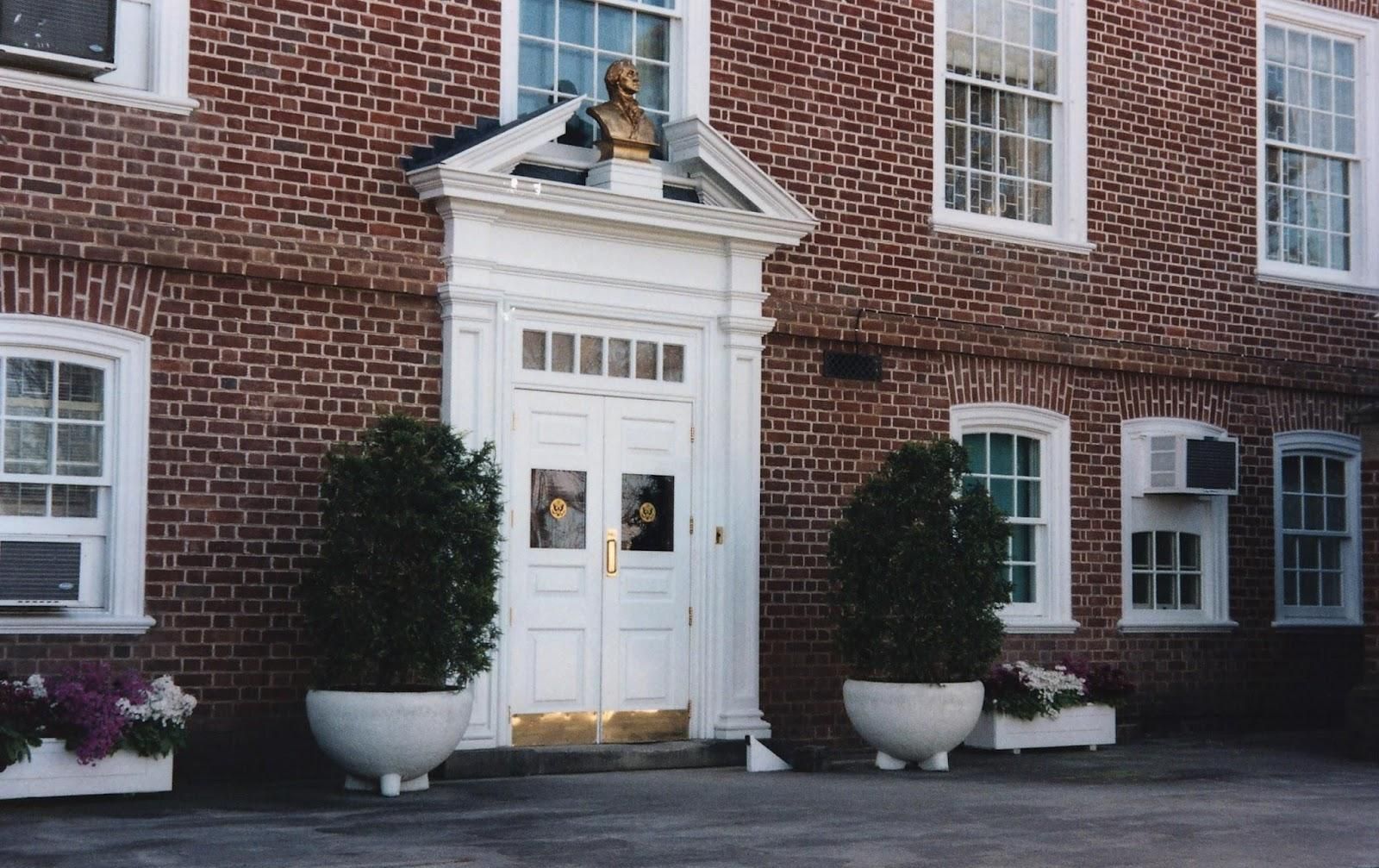
Opened in 1963, the U.S. Embassy in Canberra feels like a time capsule from the golden age of mid-century design. With its grand dome and red-brick elegance modeled after Thomas Jefferson’s Monticello, the building brings a piece of Virginia heritage halfway around the world.

Framed by tall eucalyptus trees and the crisp skies of Australia’s capital, it strikes a balance between old-world stateliness and natural charm. For many visitors, this government office is a symbol of American history and Australian hospitality.

9
Buenos Aires, Argentina

Image: here, Public domain, via Wikimedia Commons

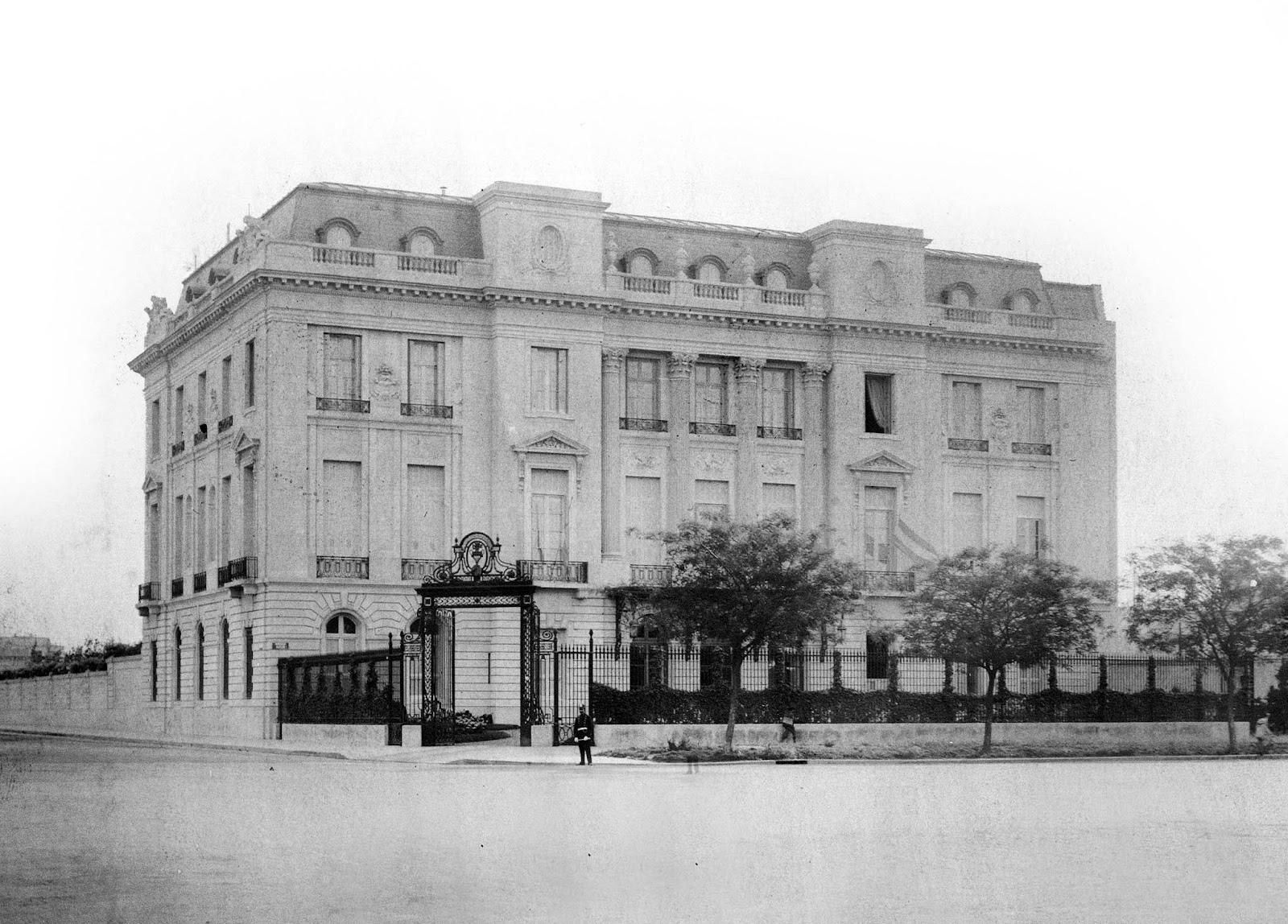
Known as Palacio Bosch, this embassy doesn’t look like an office building at all. Originally built in 1910 for one of Argentina’s wealthiest families, the mansion still carries a Belle Époque aura. With sweeping marble staircases, glittering chandeliers, and fancy salons full of gilded details, it feels like the set for The Great Gatsby .

Outside, the gardens stretch wide and elegant, providing the backdrop for countless receptions where formal diplomacy blends with the warmth of Argentine culture. Guests might hear live music drifting through the air, join in animated conversation, or even share a round of _mate_—a reminder that this embassy is as much a cultural meeting point as it is a place for politics.

10
Oslo, Norway

Image: Christoffer Engström

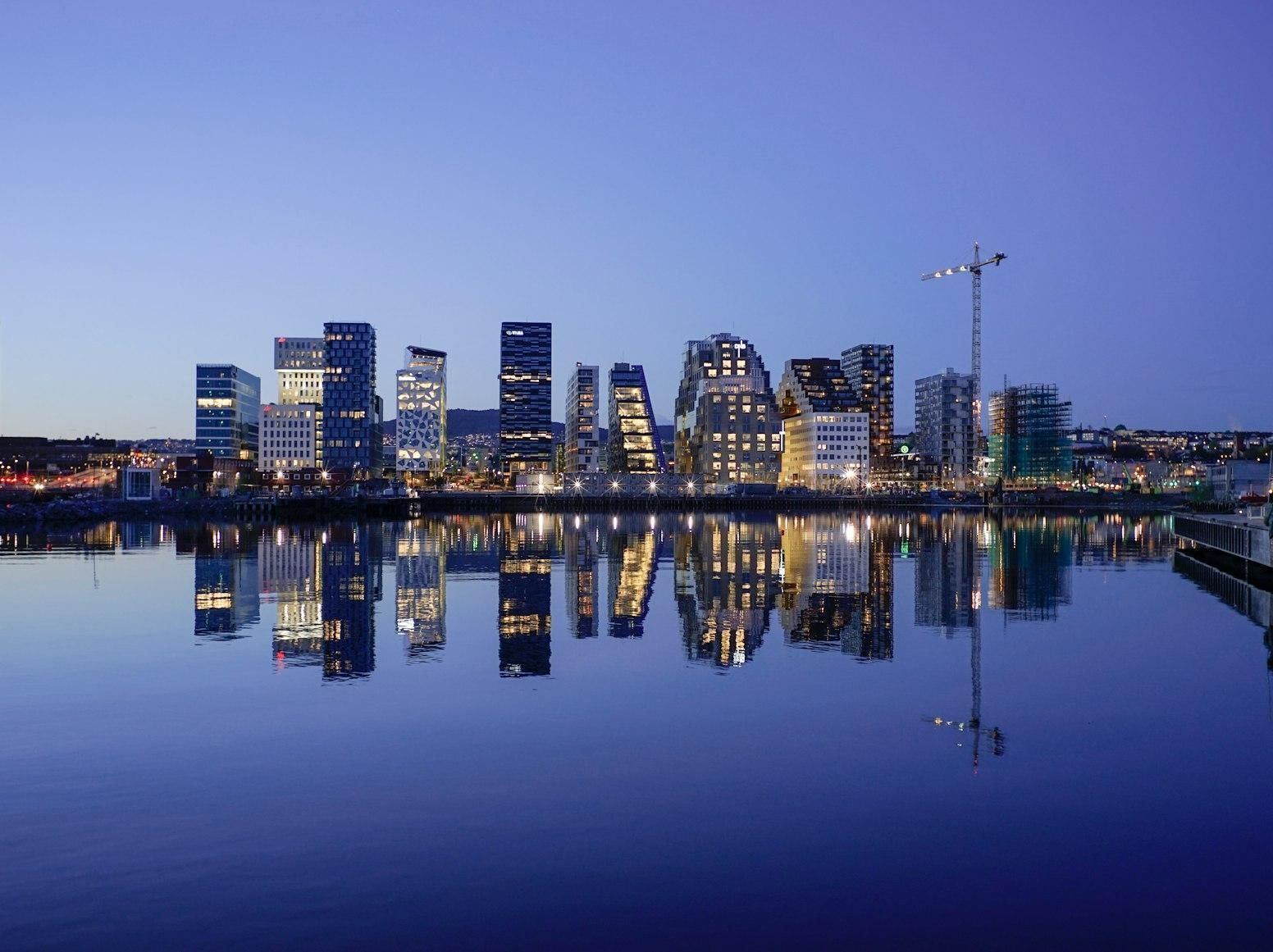
Though smaller in scale than others on this list, the U.S. Embassy in Oslo stands out with a design that mirrors the Norwegian landscape. Its facade pairs sleek glass walls with rugged stone, a blend that feels both contemporary and timeless.

In the summer, the building glimmers in the glow of endless daylight. Come winter, snow transforms its sharp lines into something out of a Nordic fairytale, with frosted rooftops and a quiet stillness in the air. More than just an office, this embassy feels woven into its setting—an architectural nod to Norway’s mix of modern design and deep connection to nature.

11
Mexico City, Mexico

Image: Oscar Reygo

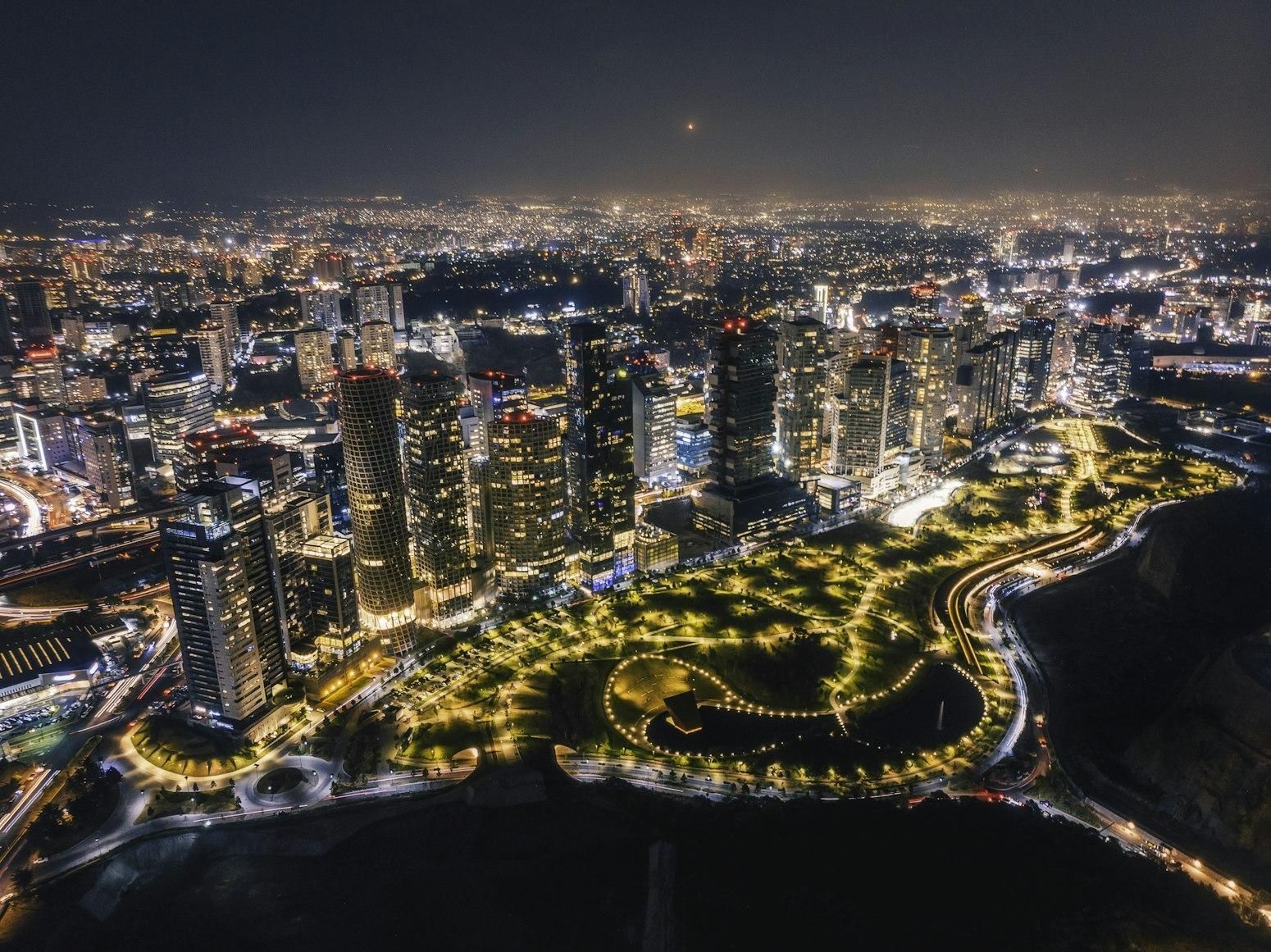
In one of the world’s liveliest capitals, this embassy makes its mark with sheer scale: over 1.8 million square feet of workspace. That makes it one of the largest American embassies , almost a city within a city.

Beyond its size, the U.S. Embassy in Mexico plays a central role in cultural exchanges and international cooperation, making it as vital to daily life as the bustling neighborhoods that surround it.

12
Singapore

Image: Mark Stoop

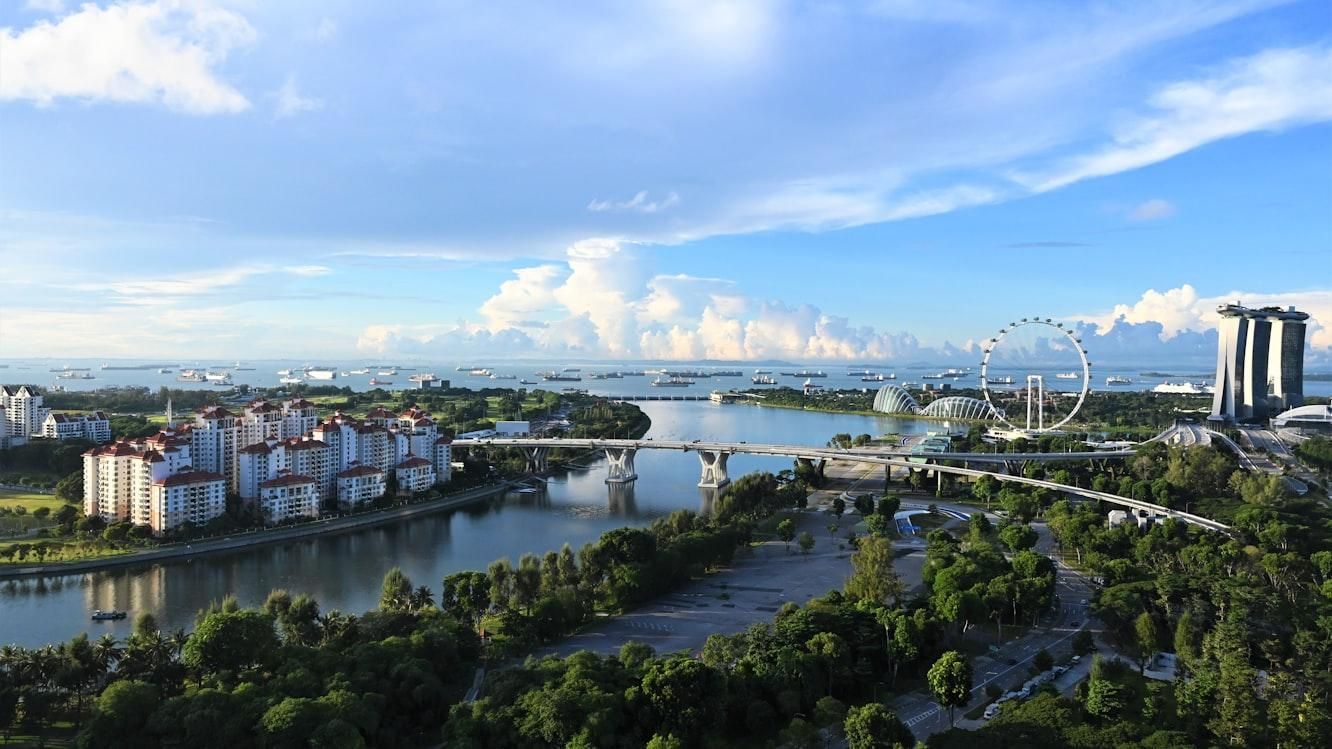
Nestled among orchids, palms, and flowering shrubs, the U.S. Embassy in Singapore feels more like a tropical retreat than an office. Its wide, low-slung profile is designed to stay cool in the humid climate, blending seamlessly into the greenery. Just like in the rest of the city, architecture and nature work in harmony, offering a daily reminder that diplomacy can grow strong roots in even the warmest of places.

History History 4 min read

Big Friday instead of Black Friday? That was a flop, this article isn't!

Image: Max Fischer

Ah, Black Friday! A day when we brave the crowds (or click feverishly online) to snag the best deals, right? But how much do you really know about its history? It’s not just about discounts and doorbusters, even if that’s what comes to mind first. From surprising origins to unexpected traditions, Black Friday has plenty of fascinating facts to share. Let’s dive into some fun facts that’ll have you seeing this shopping holiday in a whole new light. Who knows, you might impress your friends at the next dinner with these tidbits!

1
Before bargains, there were stock market crashes

Image: Kelly Sikkema

Long before Black Friday meant shopping sprees, it had a gloomier vibe. Back in the late 1800s, the term was used to describe major stock market crashes . Imagine a Wall Street meltdown, and you’ll get the picture.

One infamous event occurred in 1869 when a financial fiasco involving gold prices rocked the country. While the term’s meaning has flipped over the years, its history isn’t always as rosy as a holiday ad. Thankfully, these days, "Black Friday" is more about spending than stressing—well, unless you’re in line at 5 a.m.!

2
From Santa Claus to shopping sprees

Image: rawkkim

Before malls opened at dawn and websites crashed under traffic, Black Friday was all about parades —specifically, Santa Claus parades! The tradition began in the early 1900s, with department stores like Macy’s sponsoring grand events to usher in the holiday season. These parades were a spectacle of floats, marching bands, and, of course, jolly old St. Nick.

Over time, the day became synonymous with shopping as stores started offering sales to parade-goers. So, if you’ve ever wondered why Santa and Black Friday seem so intertwined, it all started with a parade and a clever marketing move.

3
The plumber’s busiest day

Image: Unseen Histories

Here’s a fun (and slightly gross) fact: Black Friday is a goldmine for plumbers. Why, you may ask? Well, Thanksgiving feasts often lead to… let’s call them plumbing emergencies . From overloaded garbage disposals to bathroom backups, plumbers are busier than ever on this day. In fact, many in the industry refer to it as "Brown Friday" (we don’t need to explain that one to you!). It’s not the most glamorous Black Friday gig, but someone has to do it!

4
Why Thanksgiving got a time-out

Image: Iga Palacz

Did you know that Thanksgiving wasn’t always on the fourth Thursday of November? Back in 1939, retailers panicked over a shorter holiday shopping season, so President Franklin D. Roosevelt decided to push Thanksgiving back by a week to give everyone more time to shop .

The change caused quite an uproar, with people dubbing it "Franksgiving." Eventually, Congress stepped in and settled on the date we know today. So, next time you’re enjoying leftovers and plotting your Black Friday buys, thank FDR for the extra shopping days.

5
"Big Friday" was a big flop

Image: 愚木混株 cdd20

In 1961, officials in Philadelphia tried to give Black Friday a friendlier spin by renaming it "Big Friday." The reason? Local police were fed up with the day’s chaotic traffic and crowds . Unfortunately, the new name didn’t catch on; after all, "Black Friday" had a certain dramatic twist. Over time, the term stuck, and its connotations shifted to something more positive. But can you imagine telling friends, "I’m gearing up for Big Friday sales"? It doesn’t have the same charm, does it?

6
When Saturday stole the spotlight

Image: Kelly Sikkema

Believe it or not, Black Friday wasn’t always the reigning king of shopping days. For decades, the Saturday after Thanksgiving held that title . Can you guess why? Many people preferred to relax on Friday before diving into the holiday hustle. That would be our choice if you asked us!

It wasn’t until the early 2000s, when retailers began offering jaw-dropping deals, that Black Friday took the crown. Long live the king!

7
The global spread of Black Friday

Image: Kelsey Knight

Black Friday isn’t just an American obsession anymore—it’s gone global! Over 15 countries, including Canada, the UK, and even Brazil, have embraced the tradition of post-Thanksgiving sales.

Even if some places don’t celebrate Thanksgiving, they’ve adopted the shopping frenzy with open arms. After all, a good bargain is a universal language. So, if you find yourself traveling during the holidays, don’t be surprised to see Black Friday signs in unexpected places.

8
Thanksgiving evening: The new Black Friday

Image: Libby Penner

In 2011, Walmart threw tradition out the window by opening on Thanksgiving night. This controversial move kickstarted the trend of retailers starting sales earlier and earlier . While some loved getting a head start, others missed the old-school thrill of early-morning Black Friday madness.

In any case, it marked a significant shift in how we approach holiday shopping. These days, "Black Friday" often feels more like "Black Thursday Night," but hey, nobody’s complaining about the extra deals.

9
Contactless is the new black

Image: SumUp

Black Friday shoppers are going cashless in droves; 53% of people prefer using contactless payments when hitting the stores . Are you one of them? With just a tap, you’re out the door, deal in hand—no fumbling for change or wrestling with a wallet while juggling bags! Meanwhile, 30% of shoppers admit they’re not too comfortable using cash anymore. And can you blame them? Between convenience and hygiene, contactless is clearly the king of modern shopping. Which method do you prefer?

10
Shopping under the influence

Image: Douglas Lopez

Here’s a fact that might make you chuckle: about 12% of Black Friday shoppers admit to hitting the stores—or their keyboards— after a drink or two . Maybe it’s leftover wine from Thanksgiving, or perhaps it’s liquid courage for battling the crowds.

Either way, some of those impulse buys might be less about bargains and more about buzzed decision-making. So, if you’ve ever woken up to a mysterious order confirmation, you’re not alone! Black Friday shopping is wild enough; add wine, and it’s a whole new adventure!

Explore more American facts

Choose your favorite category!

General
General

As American as apple pie—the very best America has to offer!

Culture
Culture

Delve into the astounding richness of American lore.

Geography
Geography

Hop in and explore vast and diverse American landscapes.

History
History

Discover the key moments that shaped the United States.