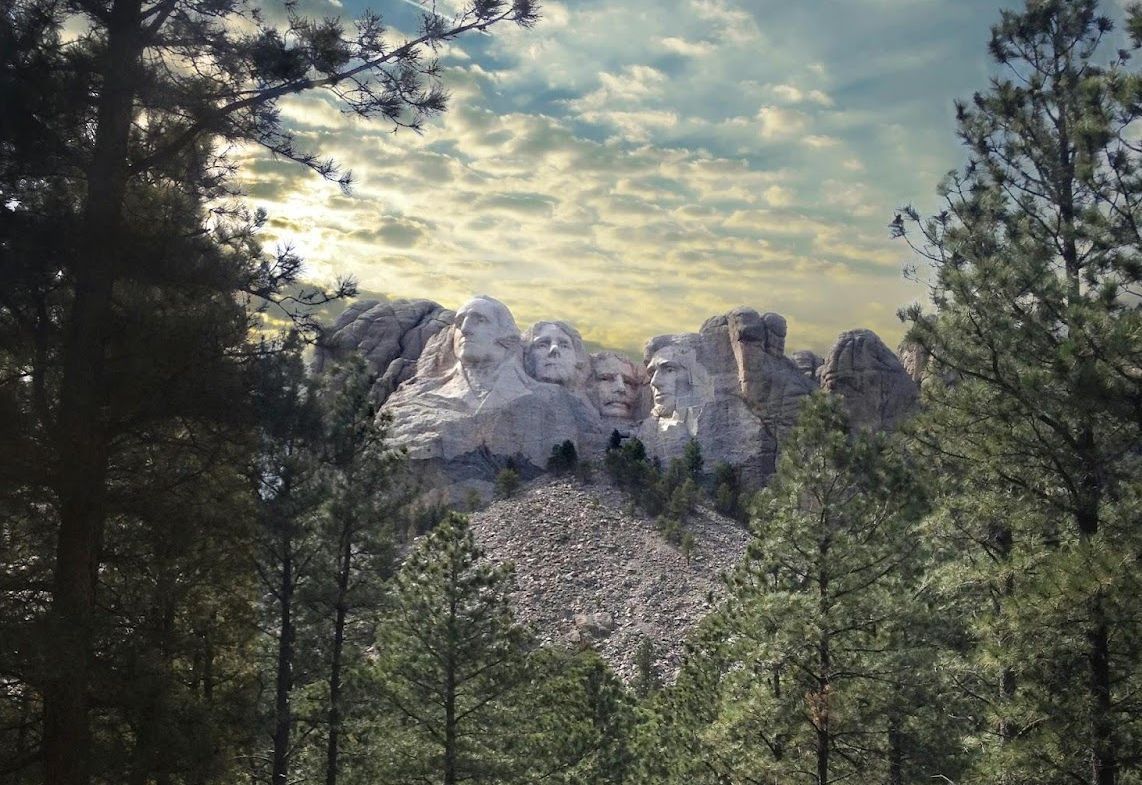
General General 5 min read

What really happened to Woolworth’s?

Image: Shutterstock AI Generator

Remember grabbing school supplies or a milkshake at Woolworth’s ? Stopping by Blockbuster to rent a movie for the weekend? Or doing your grocery shopping at A&P ? What happened to these once-ubiquitous stores we thought we couldn't live without? Keep reading to find out why these beloved chains disappeared.

1
Woolworth’s
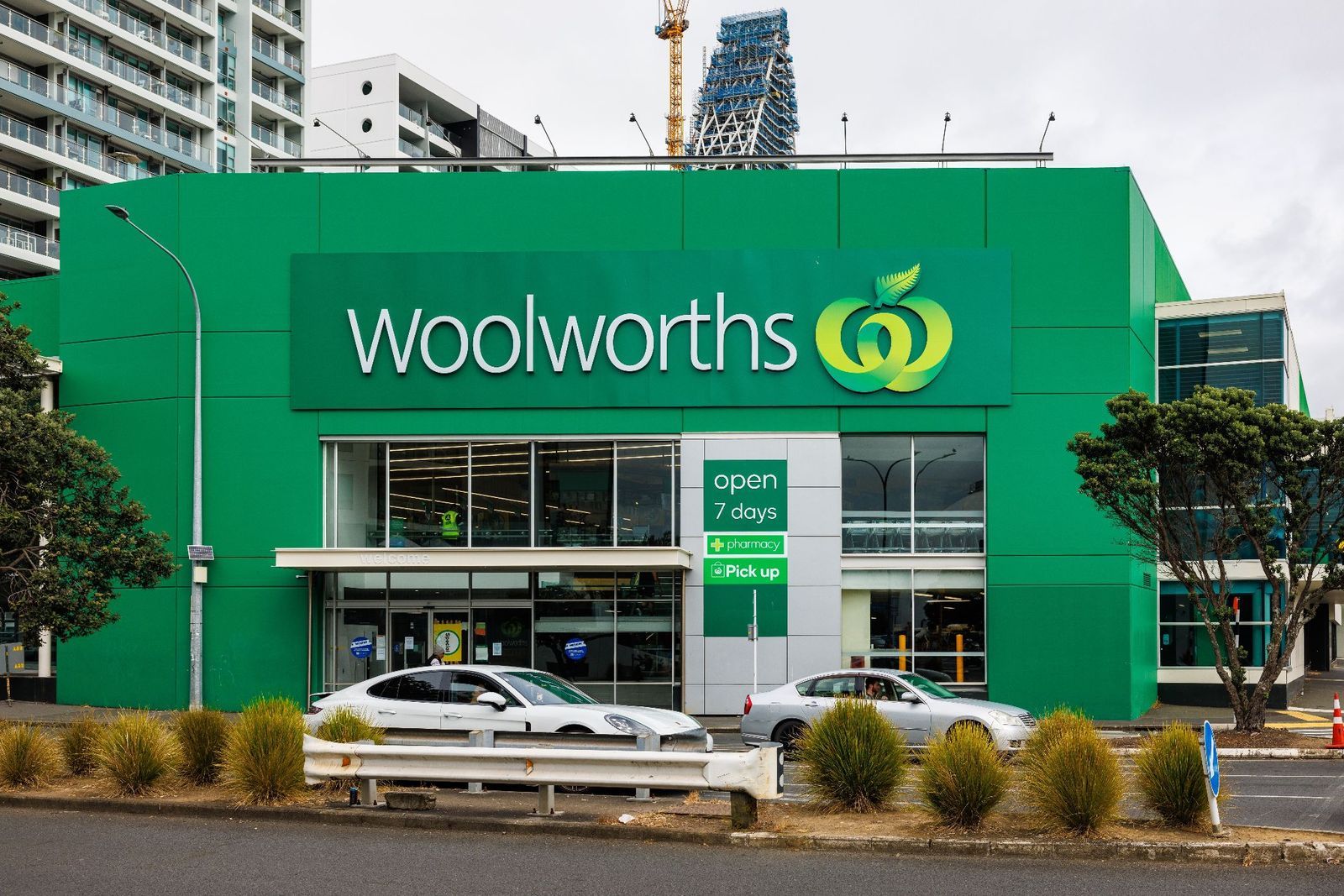
Image: ArDanMe

Woolworth’s was the place to buy everything from school supplies and toys to household goods and candy—or even to grab lunch. The first store opened its doors in Lancaster, Pennsylvania, in 1879. It was a five-and-dime shop, and the chain soon became one of America’s most recognizable retail names, with over 3,000 stores nationwide at its peak. So, why did it disappear?

With the steady rise of suburban shopping centers and large discount stores, Woolworth’s couldn’t keep up and began a slow decline in the 1960s that culminated in 1997, when it closed its final stores for good.

2
A&P

Image: Vladimka production

A&P used to be the spot to get everyday groceries. It began as a tea and coffee business in 1859 and later evolved into one of America’s biggest supermarkets with more than 16,000 stores in the country at its peak. But despite pioneering high-volume retailing, A&P couldn’t stick around.

Over the decades, newer competitors entered the market, and grocery shopping became more and more competitive. Walmart, Target, Aldi, Whole Foods—A&P failed to adapt and filed for bankruptcy twice, first in 2010 and again in 2015, and finally shut down in November 2015.

3
Blockbuster
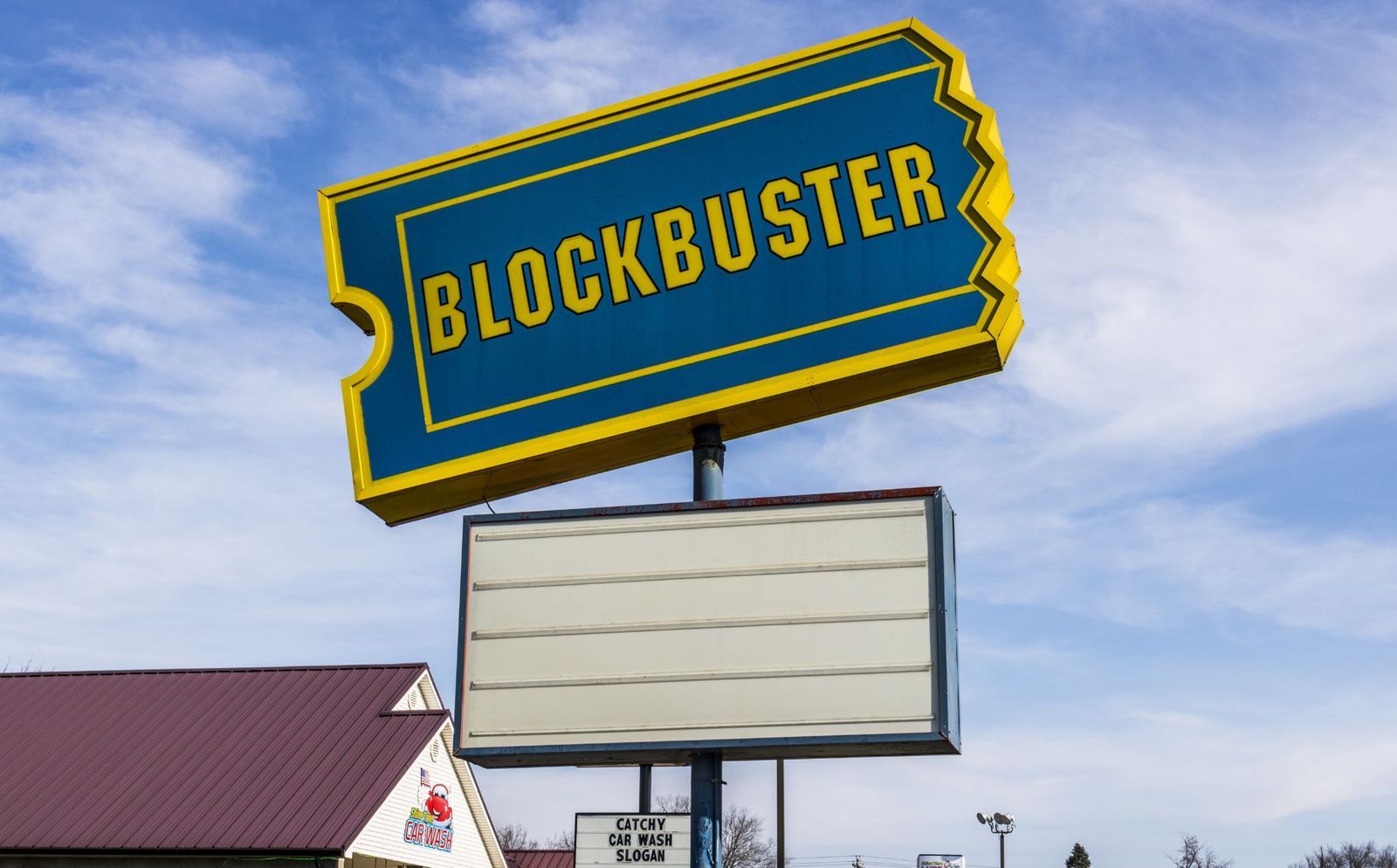
Image: Jonathan Weiss

Blockbuster was the go-to for movie rentals . It dominated the market with 9,100 stores worldwide by 2004, about $6 billion in revenue, and thousands of movies to choose from—it was hard to imagine Blockbuster ever falling, but it did.

The rapid advancement of technology hit Blockbuster hard, with newer options like DVD-by-mail services, Redbox kiosks, and the final blow: streaming services like Netflix, Amazon Prime Video, Disney+, and more. All Blockbuster corporate-owned stores closed by January 2014; however, you can still visit one holdout location in Bend, Oregon.

4
Montgomery Ward
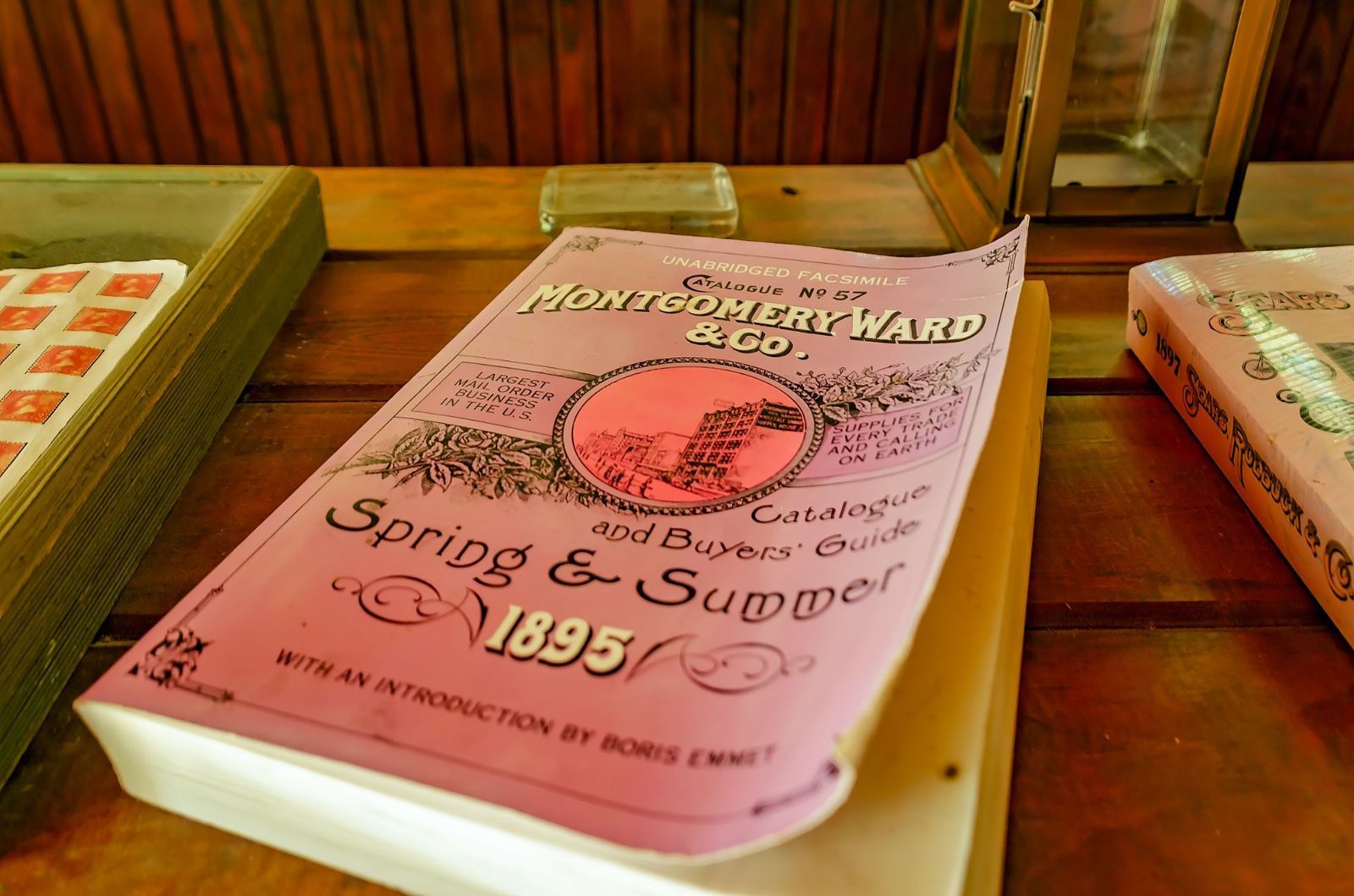
Image: Carmen K. Sisson

Long before Amazon, consumers could buy almost anything from Montgomery Ward from the comfort of their homes , and the company would ship it directly to them. It felt like online shopping before the internet. So why did it vanish?

To adapt to newer shopping habits, Montgomery Ward opened physical stores and started competing with brands like Sears; but once suburban malls and discount stores became widespread in the 1980s, Montgomery Ward couldn’t keep pace and eventually filed for bankruptcy in 1997 and again in 2001.

5
Circuit City
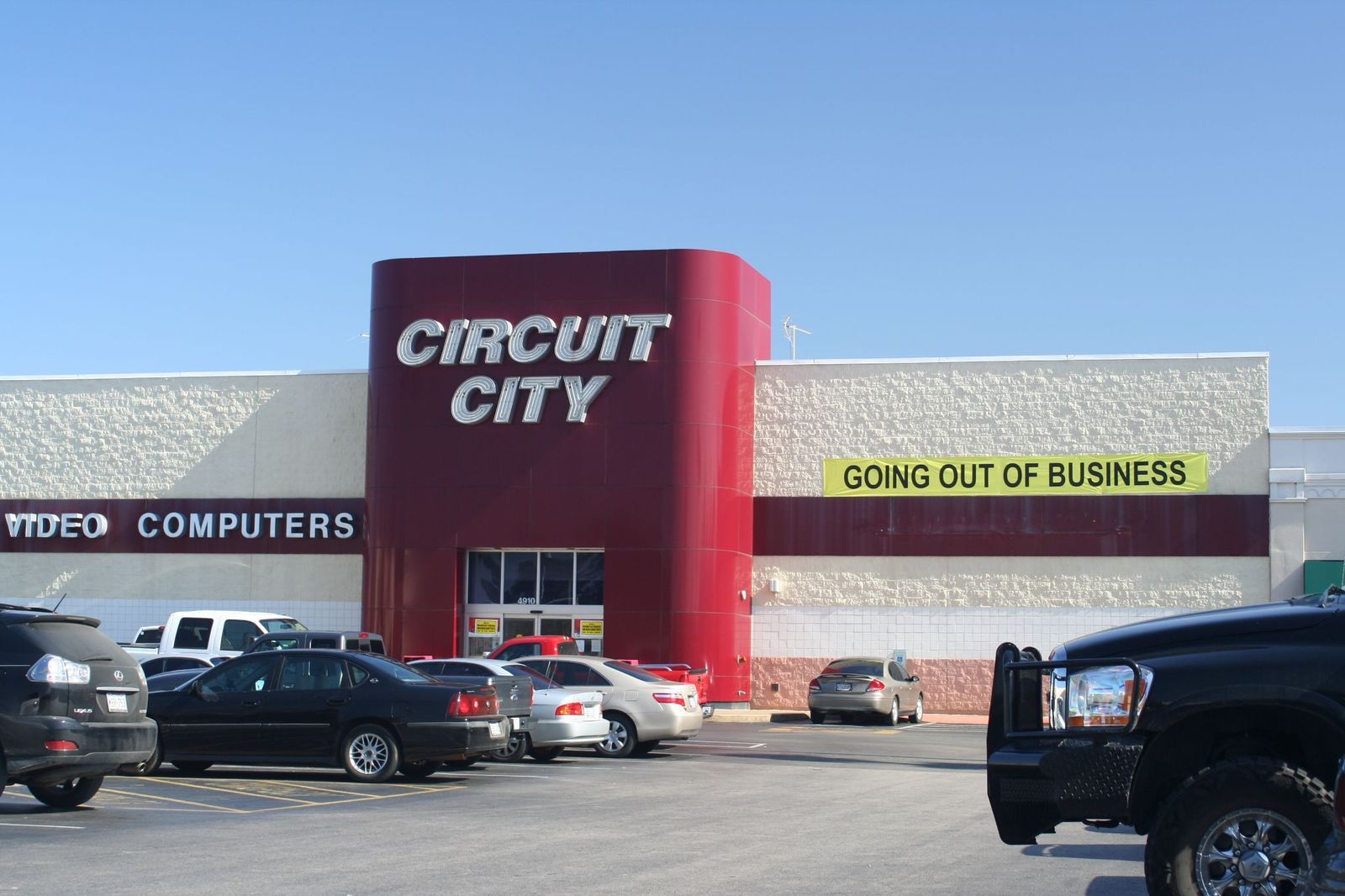
Image: LMPark Photos

Circuit City started in 1949 and quickly became the source for TVs, stereos, VCRs, video games, and just about every kind of electronics , especially during the 1980s. The company continued growing by the early 2000s, expanding to more than 600 stores, though one controversial decision made it trip and fall.

Circuit City was already struggling to compete with Best Buy and Walmart. And in 2007, it replaced its commissioned sales staff with low-paid hourly workers, damaging customer service—often considered one of Circuit City’s biggest strategic mistakes. By March 2009, the chain was gone.

6
Caldor
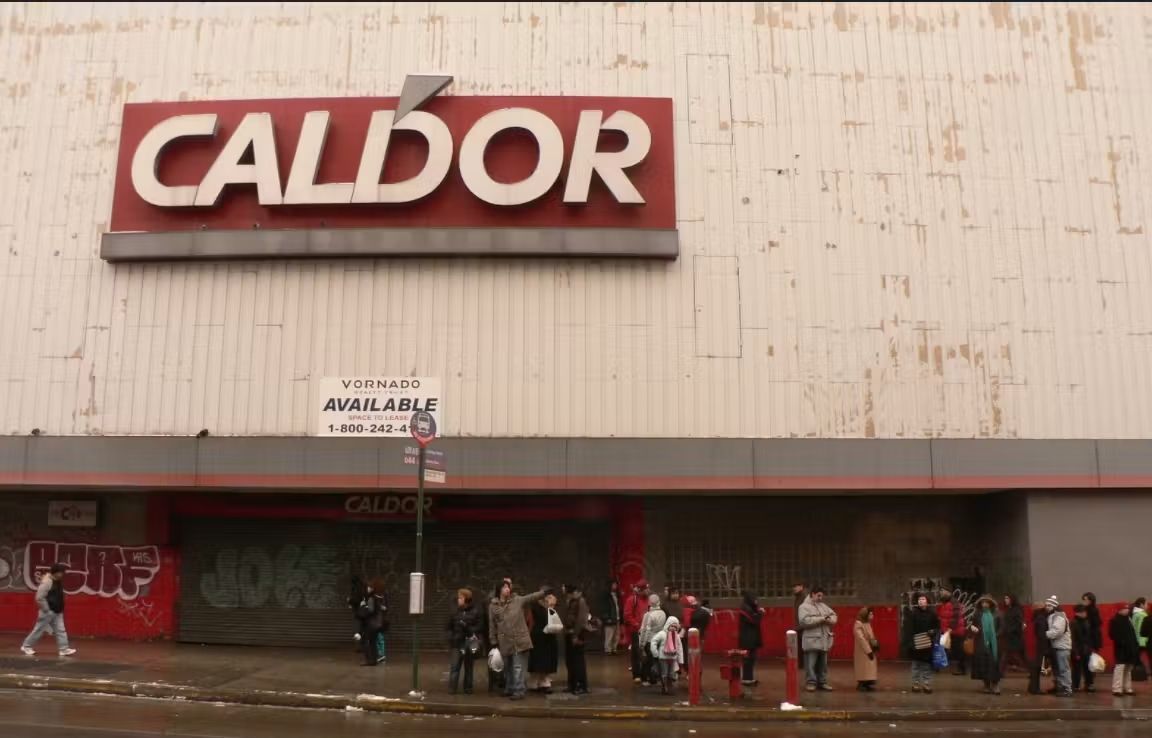
Image: CC: 2.0 Ian Westcott

There was a time when one trip to Caldor could cover almost everything on your shopping list. Founded in 1951, it became a major one-stop discount department store . By the 1990s, it had grown to more than 150 stores across New York, Connecticut, New Jersey, and Massachusetts, but in 1995 it filed for bankruptcy. What happened in between?

Big box stores like Walmart and Target were expanding rapidly, and Caldor simply fell behind as people moved toward newer retail formats that combined department stores and supermarkets. Plus, the company took on a lot of debt in 1991, which only made things worse. Caldor finally closed for good in 1999.

7
Borders

Image: Raymond Vong Photography

Borders is a reminder of a time when buying a book was an experience, rather than just clicking a few buttons online. It opened in 1971 and set itself apart from other modern bookstores. At Borders, you could spend an entire afternoon browsing not just books, but music and DVDs or even grabbing a coffee.

Around 2003–2004, Borders had more than 1,200 stores worldwide , but it failed to adapt to an inevitable growing trend: online book sales. Amazon eventually took over, and Borders couldn’t stay in the game, closing its final location in September 2011.

8
G.C. Murphy
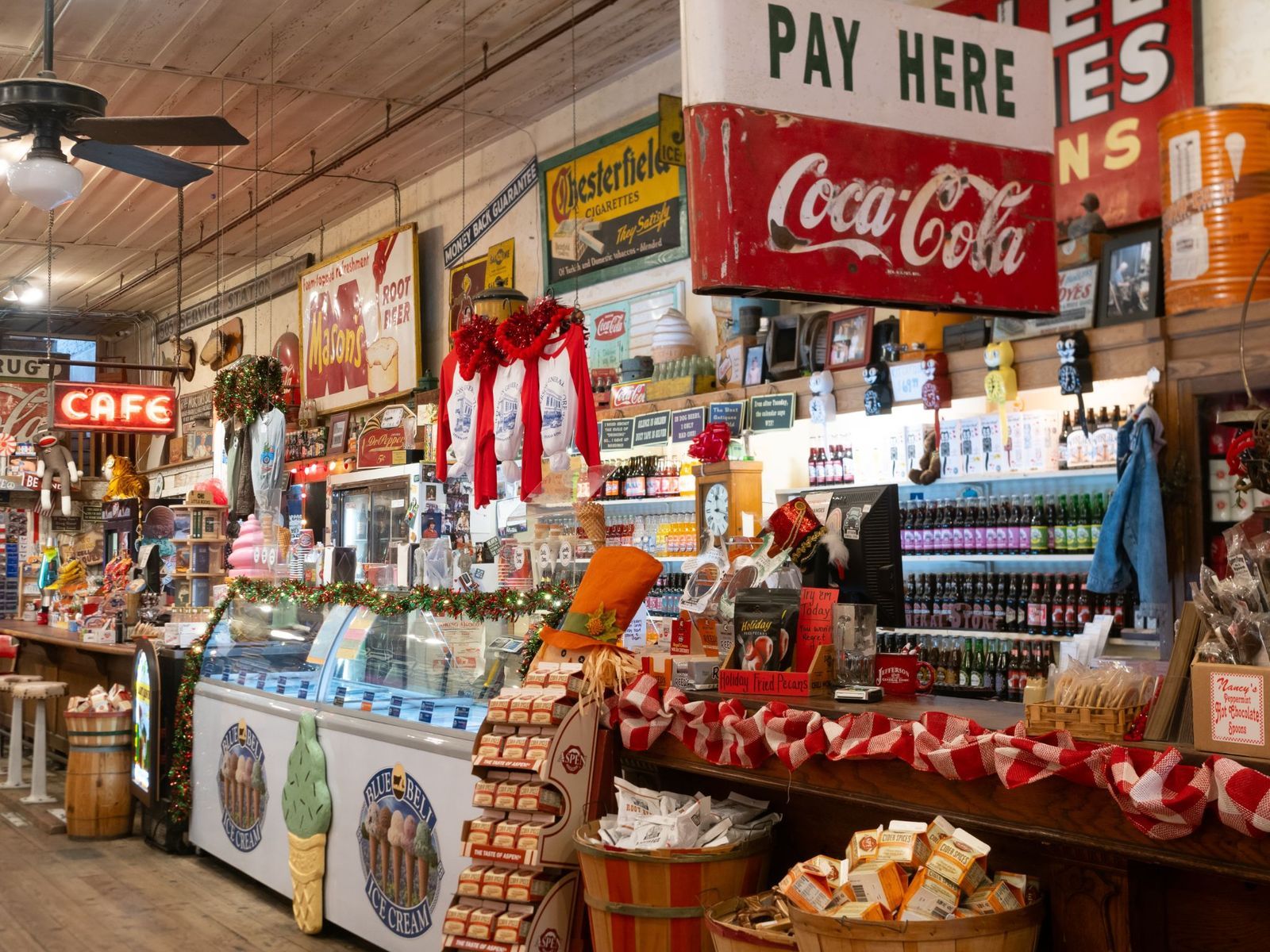
Image: Teresa Otto

Much like Woolworth’s, G.C. Murphy was a five-and-dime store that sold a little bit of everything and had lunch counters or snack bars where people would hang out. The company opened in 1906, and it operated more than 500 stores by 1976.

But once the traditional five-and-dime model came under pressure from discount giants, G.C. Murphy was forced to adapt. The chain did make some efforts and experimented with bigger stores and different formats, but it wasn’t enough, and G.C. Murphy filed for bankruptcy in 1985.

9
Zayre
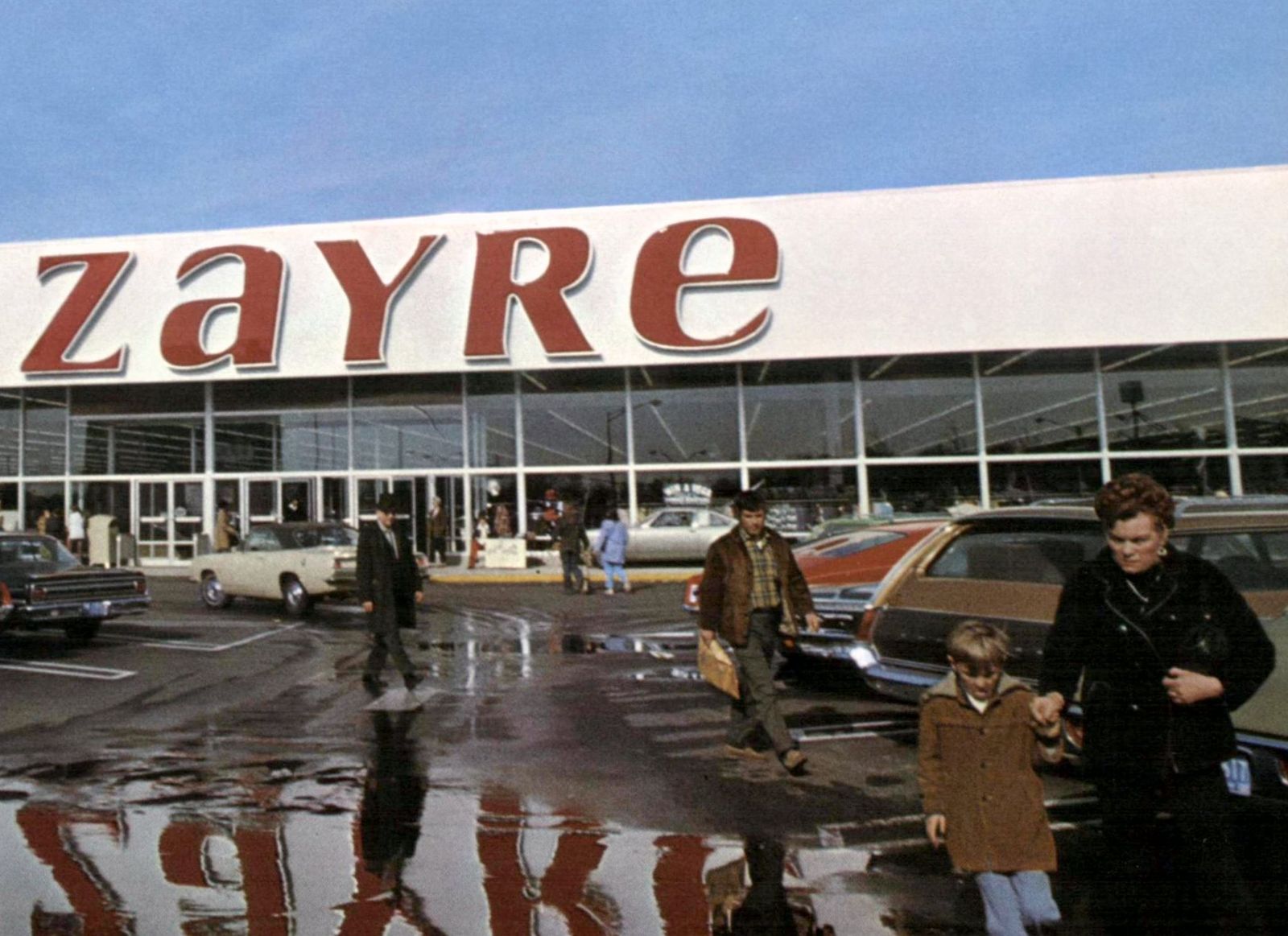
Image: Click Americana, CC BY 2.0, via Wikimedia Commons

Zayre entered the market in 1956 as a classic discount department store that looked more like a warehouse . It was a no-frills, self-service shopping experience with massive stores, wide-open interiors, and exposed ceilings where you could find lots of everyday items like clothing, household goods, or appliances at low prices.

While it was pretty successful, especially across the Northeast and Midwest, Zayre struggled to keep up with giants like Target. It tried to reinvent itself by founding TJ Maxx in 1977, but eventually sold the remaining Zayre stores to Ames in 1988, and the Zayre name vanished by 1990.

10
Service Merchandise
Image: Service Merchandise, Public domain, via Wikimedia Commons

Service Merchandise was founded in 1934 and, unlike typical retail stores, it introduced a strange new concept called the " catalog showroom " in 1960, where display floors showcased single working samples of products, and the actual inventory was stored in an adjacent backroom warehouse. Customers would look at a catalog, place an order, and an employee would bring it to them.

The concept proved successful, and Service Merchandise operated more than 400 showrooms by the mid-1990s. But Service Merchandise’s model meant longer waiting times, and traditional discount stores began offering a faster and easier shopping experience. The company tried to modernize by introducing electronic inventory systems, but it didn’t work out. By 2002, Service Merchandise was gone.
Culture Culture 5 min read

Do you know which U.S. state boasts the oldest tree in the world?

Image: RDNE Stock project

America is full of tall tales, but some of them happen to be true. From giant rocking chairs to super-sunny cities, many states proudly claim a "world’s largest" title that’s as fun as it is mind-blowing. Here are 12 states where everyday life comes in extra-large size, proving that the spirit of "bigger and better" is alive and well.

1
California

Image: Ross Stone

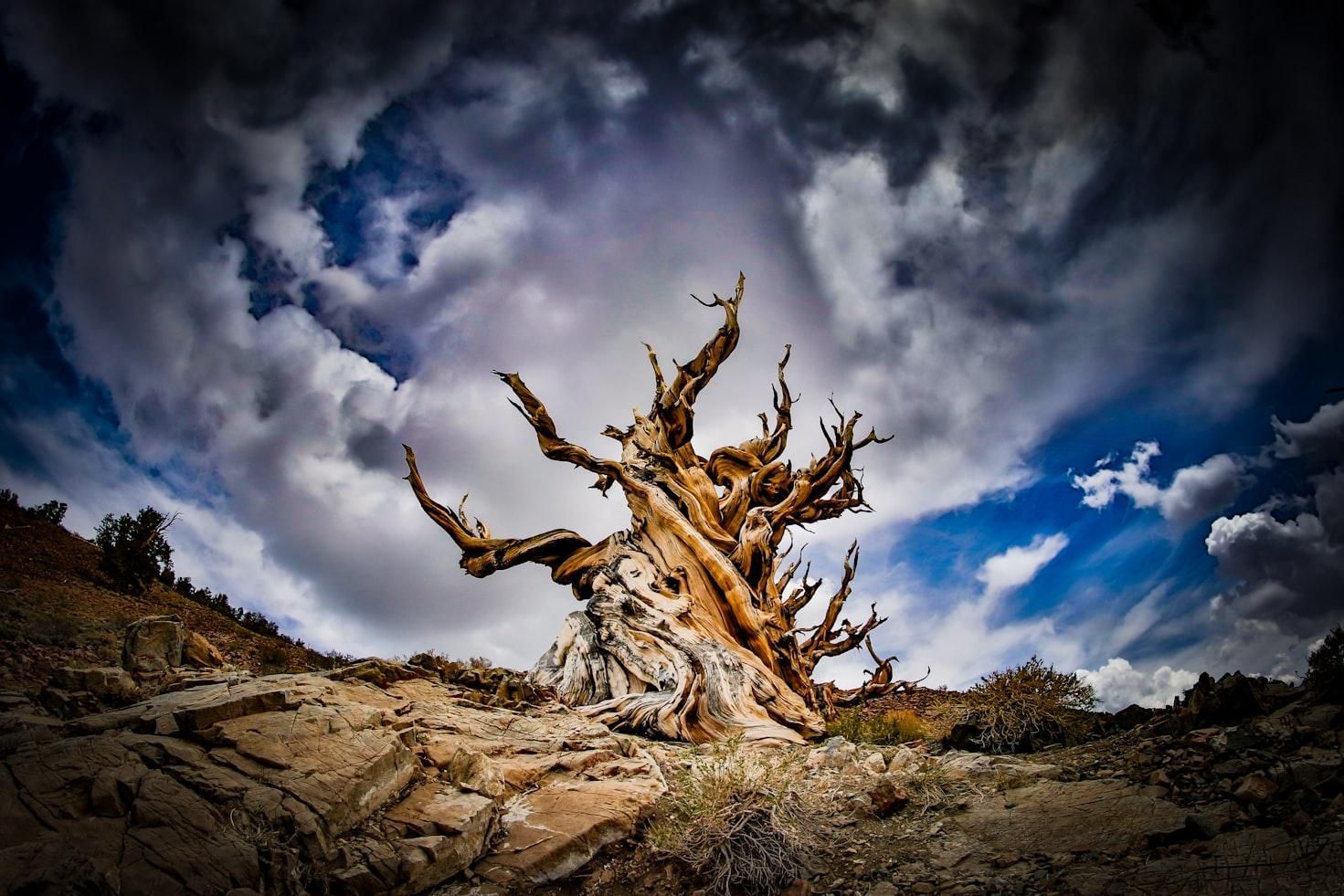
California is famous for its grand sights, but few can compete with Methuselah, a Great Basin bristlecone pine more than 4,800 years old, widely considered the oldest known tree on Earth.

Beyond its ancient forests, the state also shines in pop-culture records: one of Kurt Cobain’s guitars sold in Los Angeles for over $6 million, becoming the most expensive guitar ever auctioned. California is also home to eye-catching personal records, including the world’s longest female arm hair and the largest male afro. From timeless trees to memorable modern oddities, California’s record list is full of true West Coast flair.

2
Nevada

Image: Jordi Vich Navarro

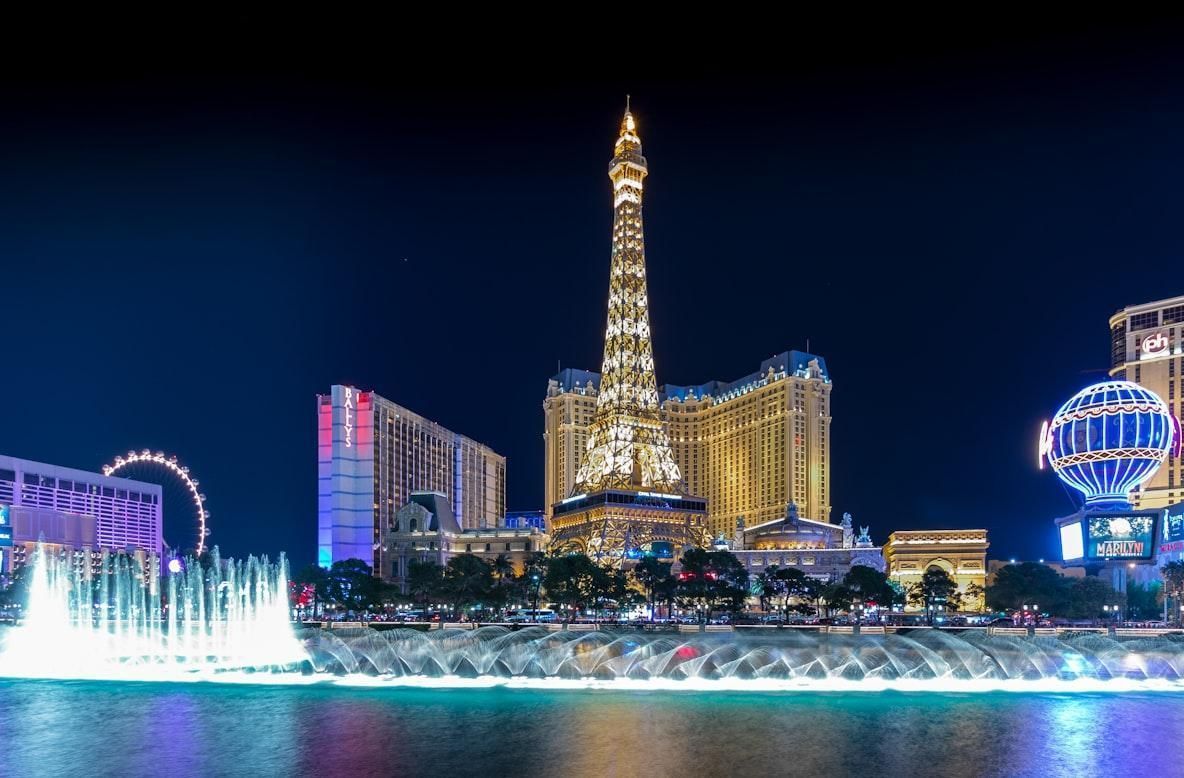
Nevada knows how to entertain…and break records along the way! Las Vegas boasts the highest density of hotel rooms in the world, along with an unmatched lineup of themed resorts that range from ancient pyramids to miniature European cities.

The Bellagio holds the record for the most fountains in a hotel, and the Venetian shines with the world’s largest polished-marble floor area. The city also has more resident magicians than anywhere else and hosts thousands of weddings each month. In Nevada, the show is always bigger, brighter, and endlessly jaw-dropping.

3
Idaho

Image: Craig Adderley

The Gem State holds some of the country’s most lighthearted records. Beard enthusiast Joel Strasser turned facial hair into a full-time hobby. He has tucked thousands of everyday objects into his whiskers, from 3,500 toothpicks to 600 barbecue skewers.

Idaho is also home to record-setter David Rush, known for everything from lightning-fast lemon-juice sipping to catching marshmallows fired from a homemade catapult. And on the scientific side, the University of Idaho helped welcome Idaho Gem, the first cloned mule in history.

4
Arizona

Image: Edmundo Mendez, Jr.

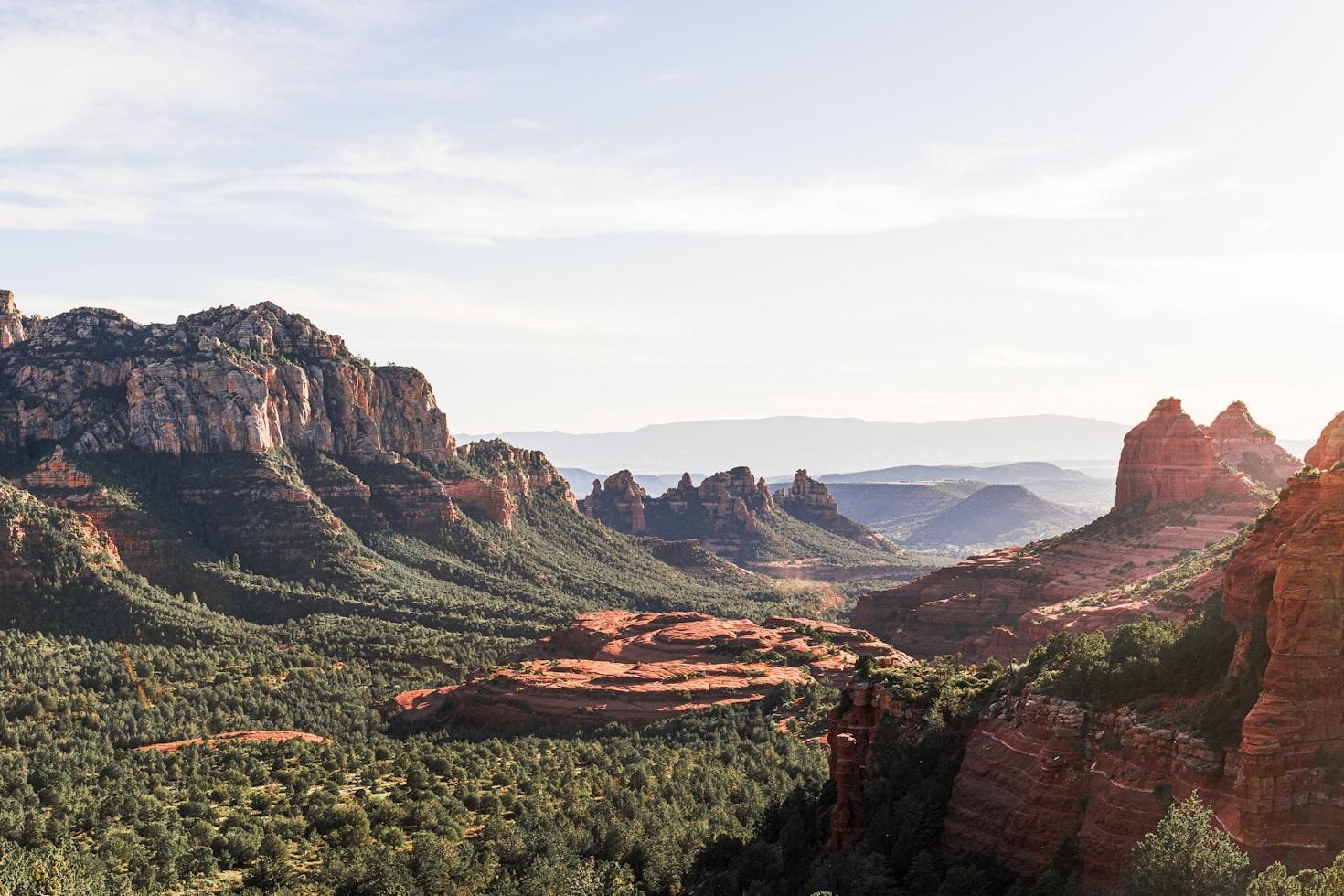
Arizona loves a good spectacle. In Phoenix, an exhibition opening once used a pair of 10-foot scissors —the largest in the world— to cut the ribbon in style. Down in Yuma, sunshine reigns supreme: the city enjoys about 91% of all possible daylight hours each year, adding up to more than 4,000 hours of bright, warm weather.

The state also embraces playful oddities, including its own "Poozeum", the world’s largest collection of fossilized… well, you can guess the rest. And at the Phoenix Zoo, visitors can even meet Nikki, the world’s oldest mandrill, adding another unique distinction to Arizona’s lineup of record-setters.

5
Georgia

Image: Public domain, via Wikimedia Commons

Georgia blends big art with big sports. The state is home to the world’s largest tattoo artwork —a massive 79-plus square-foot piece created by two Atlanta studios using a special silicone canvas and more than $30,000 in materials.

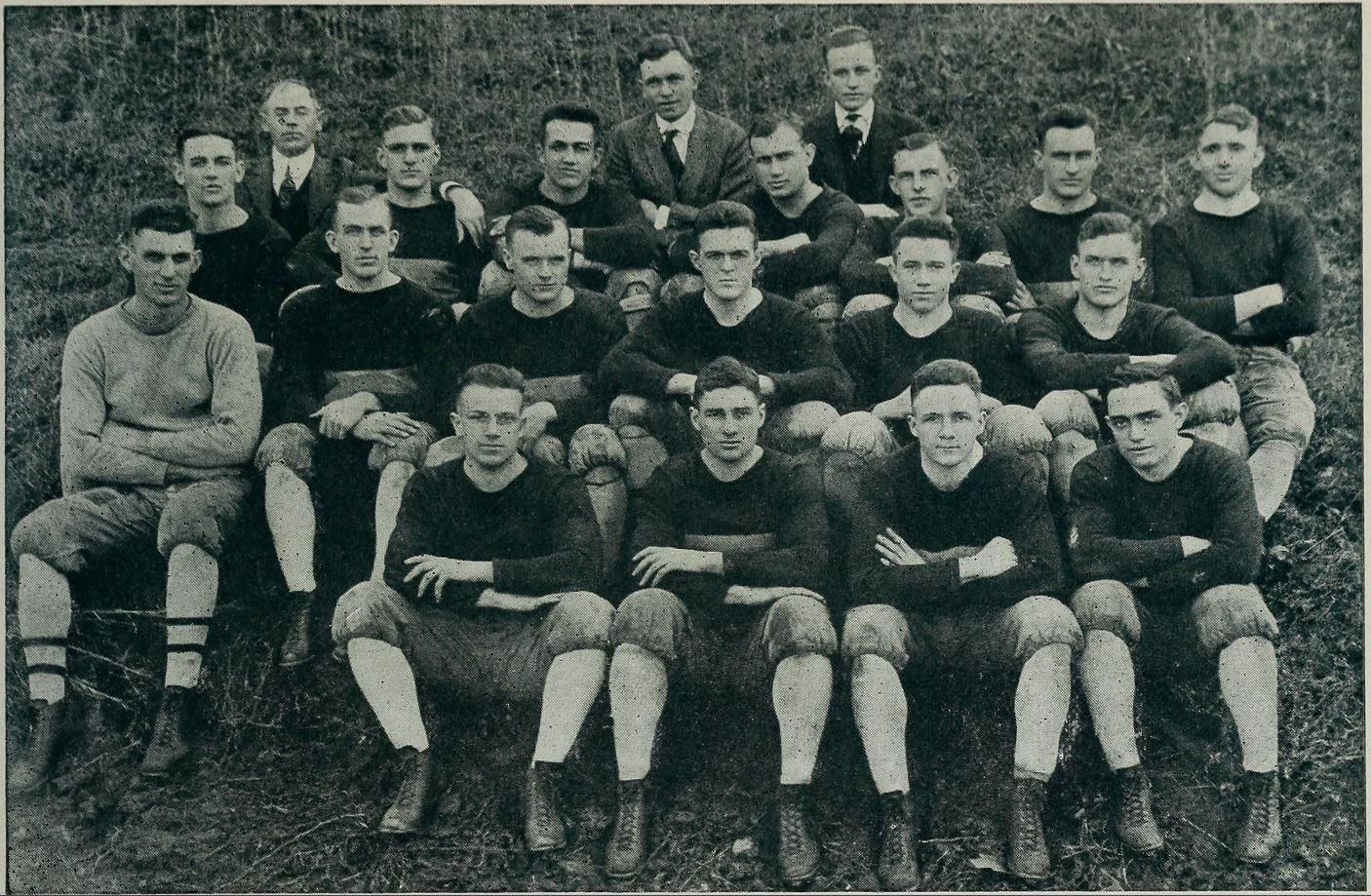
On the athletic side, Georgia Tech once set the highest football score ever recorded, finishing an unforgettable 222-0 game back in 1916. From oversized art to record-setting touchdowns, Georgia knows how to leave a bold, lasting impression.

6
Alaska

Image: Rod Long

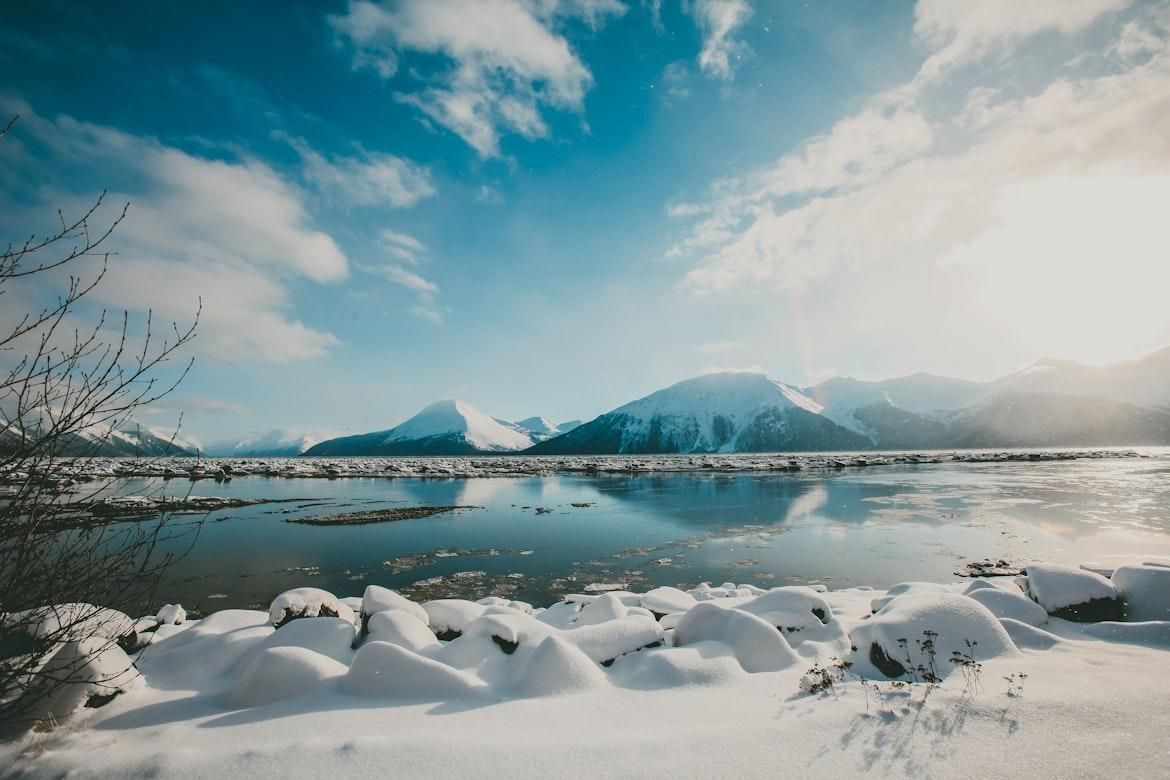
Up north, "large" takes on a whole new meaning. Alaska’s Pribilof Islands host the biggest northern fur seal colony on Earth, with close to a million animals gathering during peak seasons.

The state also celebrates remarkable feats of endurance: a tagged bar-tailed godwit flew more than 8,400 miles nonstop from Alaska to Tasmania, setting a record for the longest continuous bird migration. And in the Arctic interior, the Great Kobuk Sand Dunes stretch across nearly 24 square miles —the largest active dune field in the region. Even in a land known for ice and mountains, Alaska proves it can go big in surprising ways.

7
Delaware

Delaware may be tiny on the map, but it knows how to draw a crowd. The state is home to 11 record holders, including the World's Largest Doctor's Bag Monument.

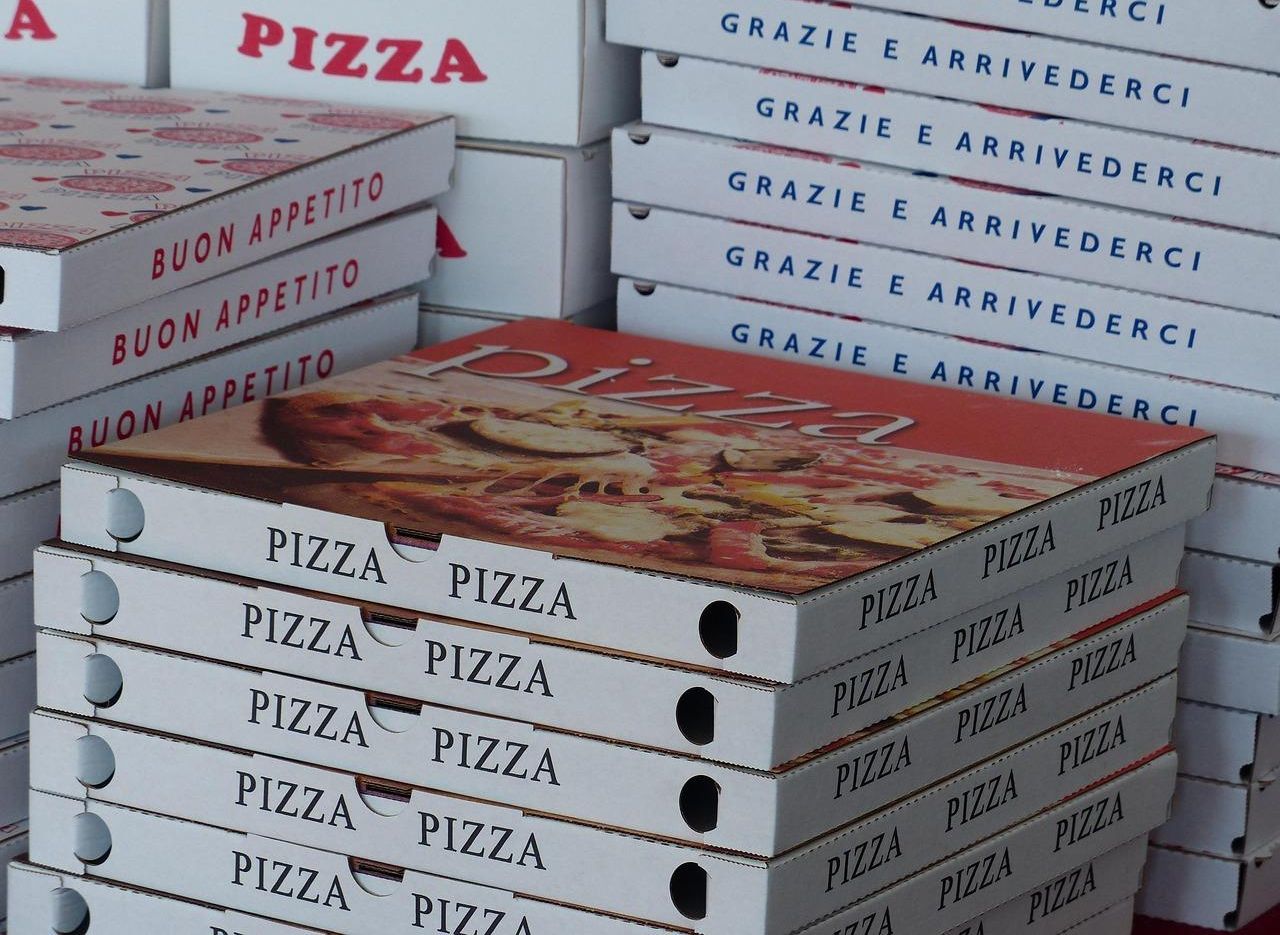
Delaware State University once gathered 1,709 people waving foam fingers at the same time, and another huge group buzzing handheld buzzers together. The state is also home to a towering 36-foot stack of cardboard boxes called the "Leaning Tower of Pizza." Small state, big personality.

8
Hawaii

Image: Matt Paul Catalano

Hawaii’s natural wonders reach record heights, and many of them are straight from the islands’ own landscape. Kīlauea is recognized as the world’s most active volcano, with decades of steady activity and a name that fittingly means "spewing."

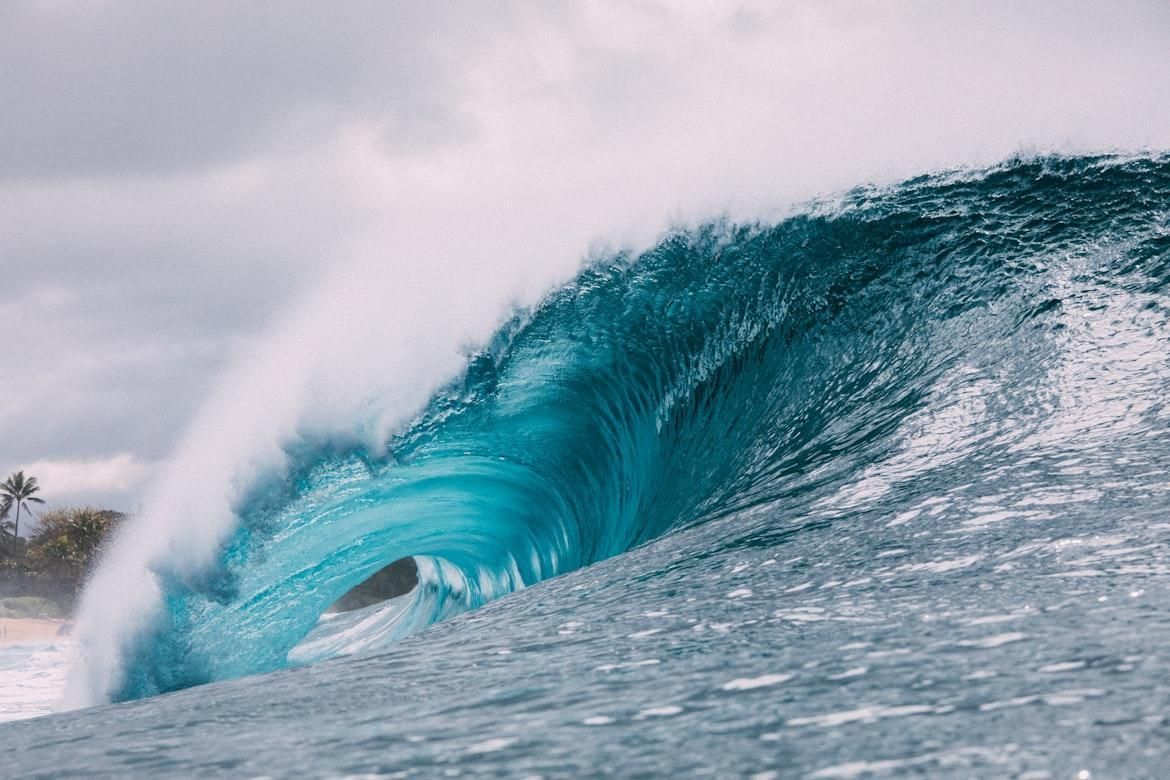
The islands also celebrate remarkable achievements on the ocean: off Oahu, Australian surfer Laura Enever rode an astonishing 43.6-foot paddle-in wave, the largest ever recorded for a woman.

9
Illinois

Image: Brett Sayles

Illinois loves to go big, and it shows in all kinds of creative ways. In the small town of Casey, visitors can stand beneath a giant rocking chair more than 56 feet tall —one of the state’s many oversized roadside attractions.

The Prairie State also stirred up the world’s largest jar of spread, using more than a ton of peaches and tomatoes in a three-day cooking marathon. Are you waiting for something more extreme? An Illinois native set the record for the fastest clapping ever recorded, reaching an incredible 804 claps in one minute.

10
Alabama

Alabama has a special talent for turning simple moments into big record-breakers. Here you’ll find the largest bubblegum bubble ever blown —a bright 20-inch sphere made from just three pieces of gum and plenty of practice.

The state also celebrated the Apollo 11 anniversary by launching nearly 5,000 model rockets at once, filling the sky with a burst of color. Alabama is home to more than 50 record holders, including inspiring stories like Curtis Means’, the world’s most premature baby to thrive and grow. If you enjoy bold, cheerful achievements, Alabama delivers them in generous size.

11
Arkansas

Image: Jametlene Reskp

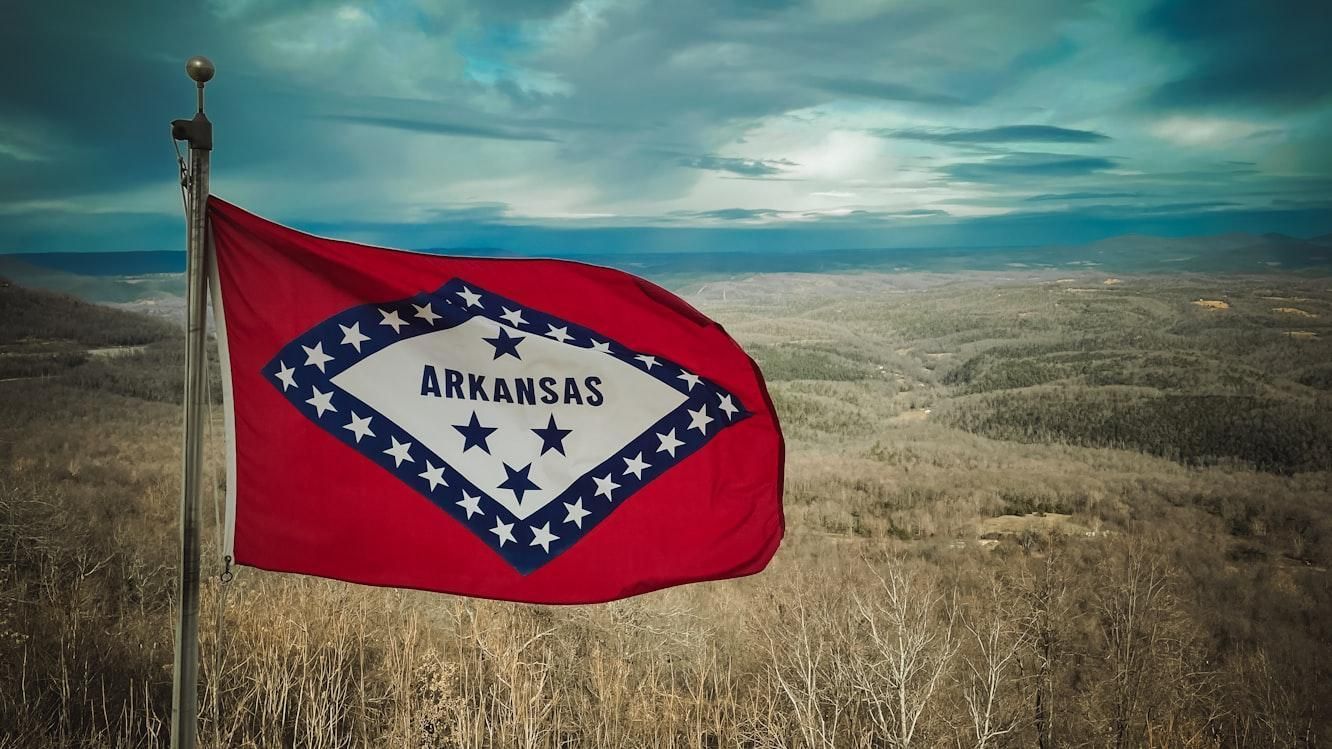
The Natural State mixes small-town charm with some truly memorable oddities. Arkansas was once home to Lurch, the African watusi steer famous for having the largest horn circumference ever measured —an incredible 37.5 inches around.

Arkansas also wears its heart on its sleeve: a statewide effort gathered more than 81,000 pounds of pet food in just 24 hours, setting a cheerful charity record. And for pure determination, a young Arkansan even held a deep squat for nearly three hours. In Arkansas, generosity and eye-catching achievements go hand in hand.

12
Florida

Image: Richard R

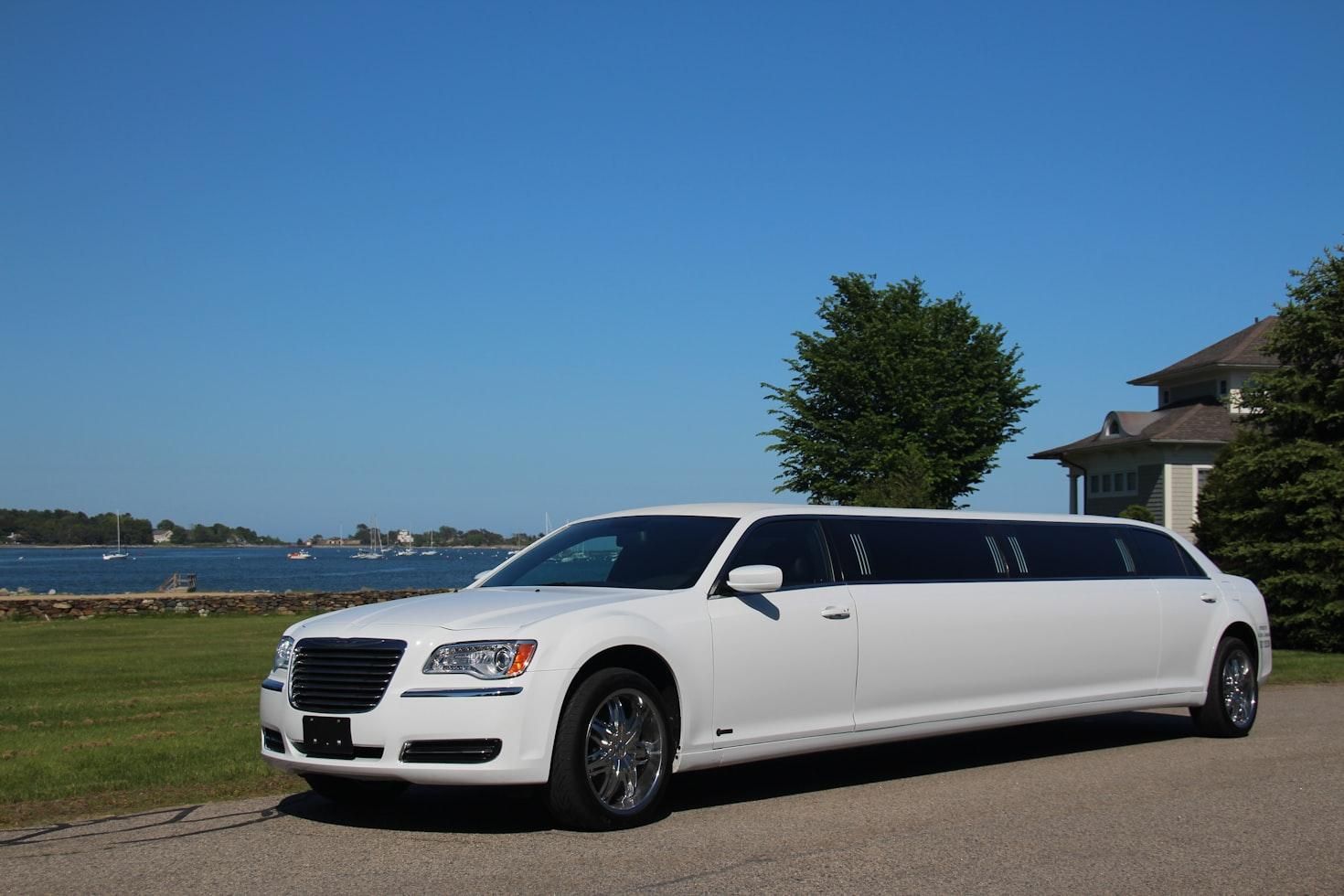
Florida takes "large" to heart. The Sunshine State is home to the world’s longest limousine, a restored 100 ft 1.5 in cruiser with room for 72 passengers —nearly three times the length of an ordinary stretch limo!

Florida also knows how to put on a show: Miami hosted the first-ever pay-per-view pillow fight, complete with pro fighters and custom-made pillows; in Bradenton, a Monster Jam driver set two eye-popping records for the most consecutive spins in a monster truck.

Geography Geography 4 min read

Behind tall faces

Mount Rushmore hides many secrets. Did you know all of these?

Image: Jake Leonard

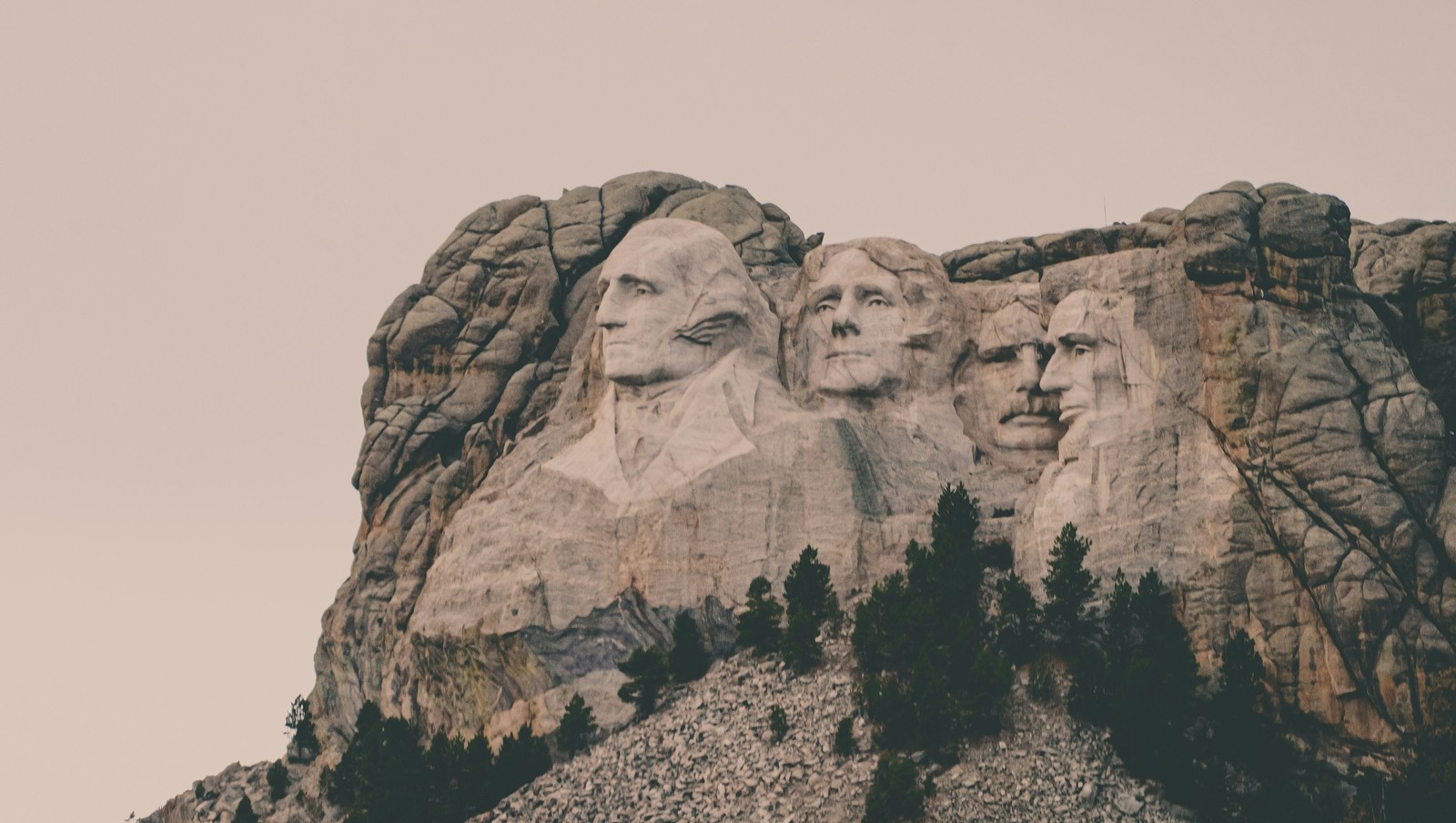
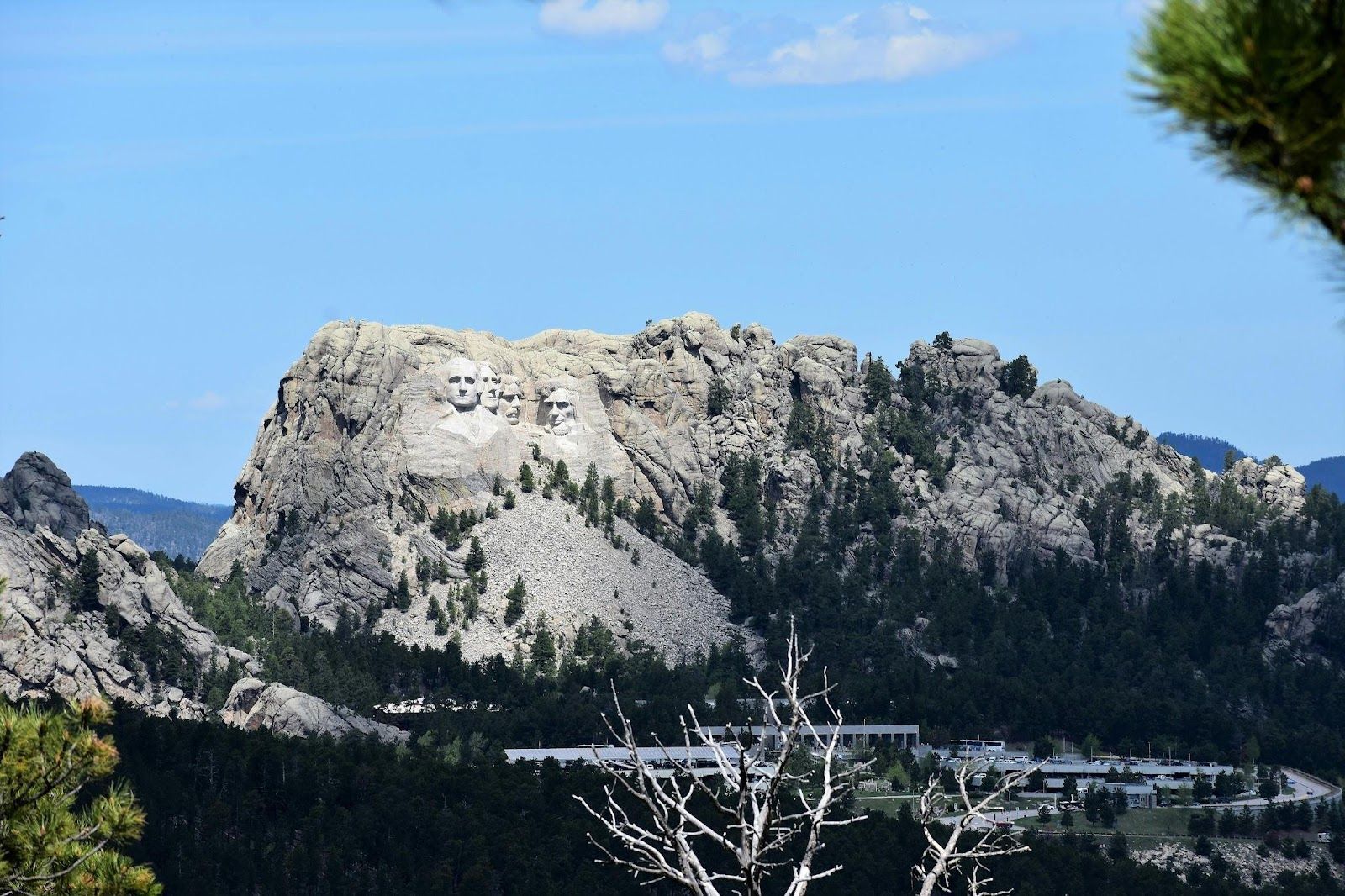
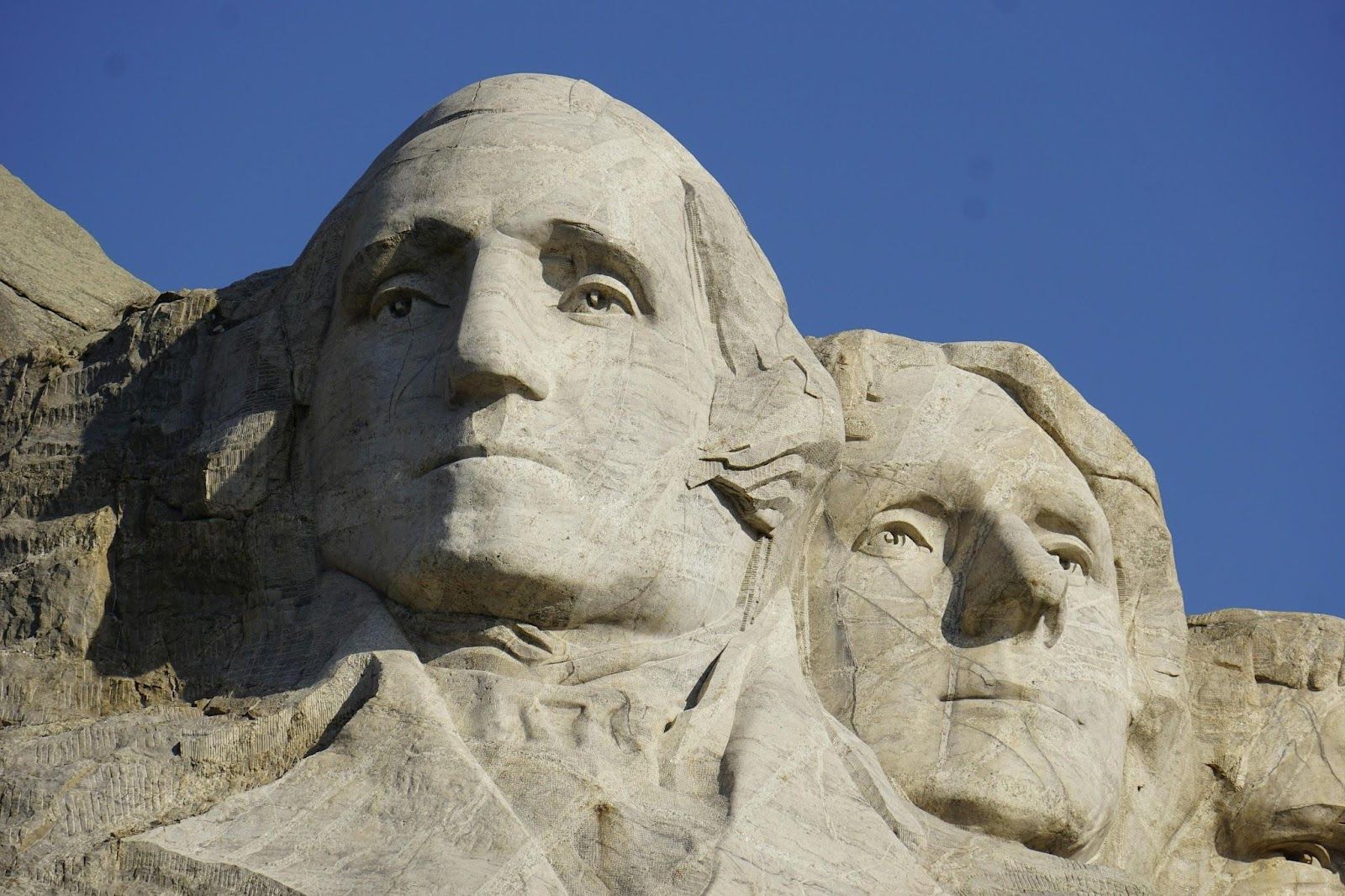
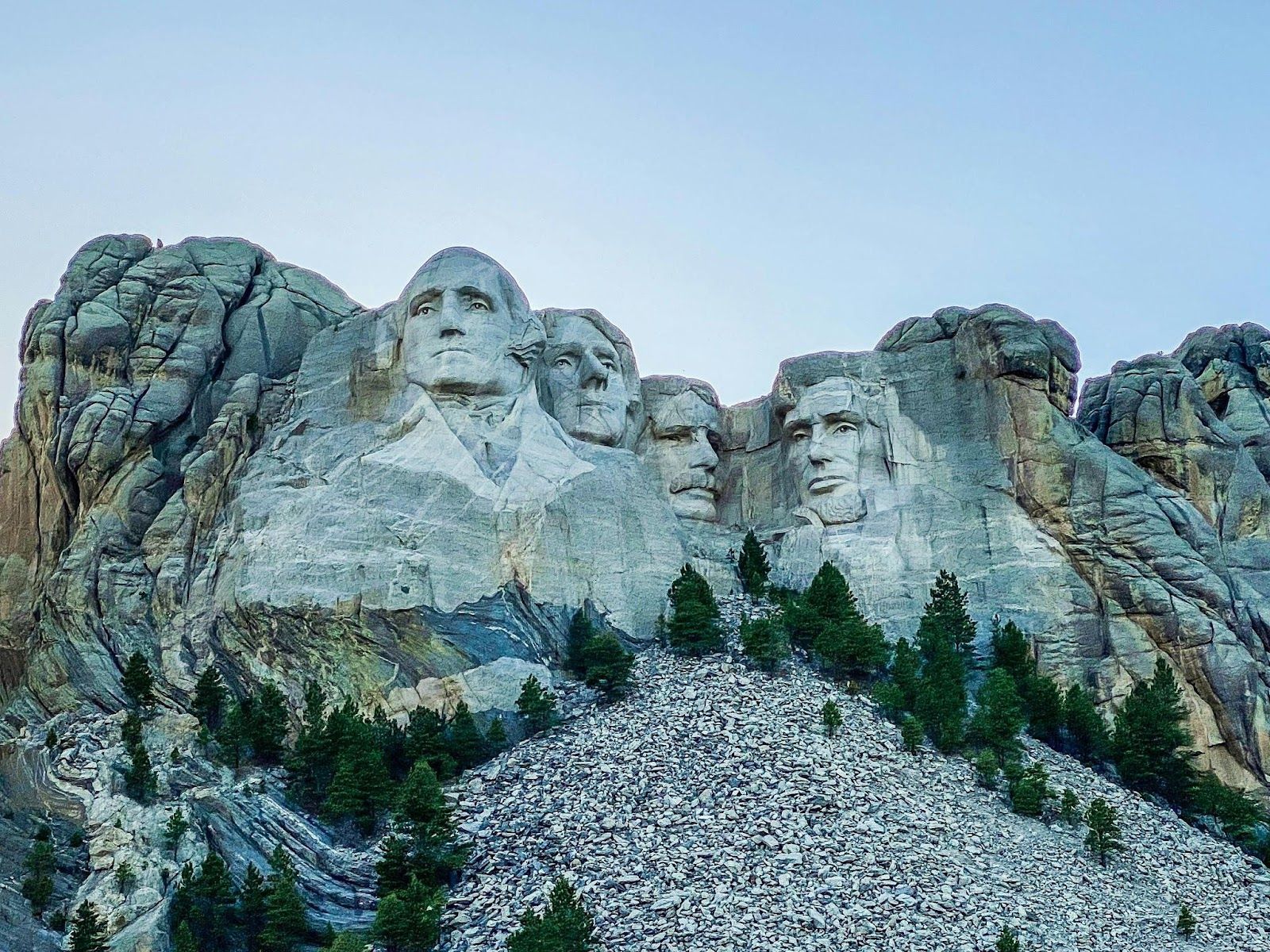
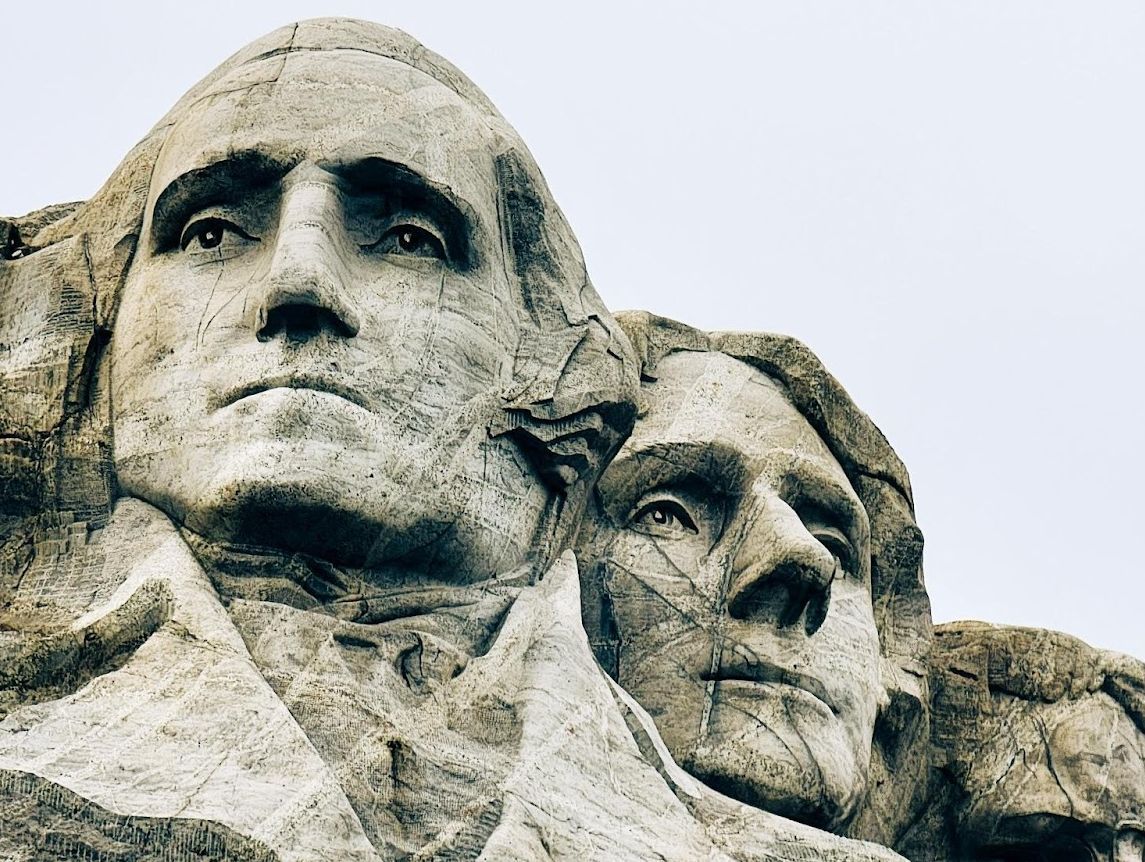
What famous woman’s face almost became the fifth face on Mount Rushmore? Did the sculptor Gutzon Borglum really intend to just carve out the heads? Why is the mount named that, and not Borglum? The answers to these questions are some lesser-known facts about one of the most famous landmarks and sights in our country. Let’s dive into these stories!

1
The original plan included full-body figures

Image: Thomas Shockey

Mount Rushmore was supposed to be even more colossal than it already is. Sculptor Gutzon Borglum envisioned the four presidents carved from the waist up .

He even made plaster models showing Abraham Lincoln's coat folds and Teddy Roosevelt’s hand clutching his lapel. But as costs went up, Congress said: "heads only, please."

2
Charles Rushmore was just a curious New Yorker

Image: Maarten van den Heuvel

Back in 1925, when the mount was about to be carved into a monument, Charles Rushmore wrote a letter explaining why the peak bore his name. He recalled that in the 1880s he was a young New Yorker working in the area, and fell fond of that particular granite peak .

When he asked the locals about it, they informed him that it had no name, but that if he wished so, they would just start calling it Rushmore Peak, or Mount Rushmore, or the likes. Years later, that very name had been inscribed in the public domain to designate the peak.

3
Yes, there’s a hidden room behind Lincoln’s head

Image: Laura Nyhuis

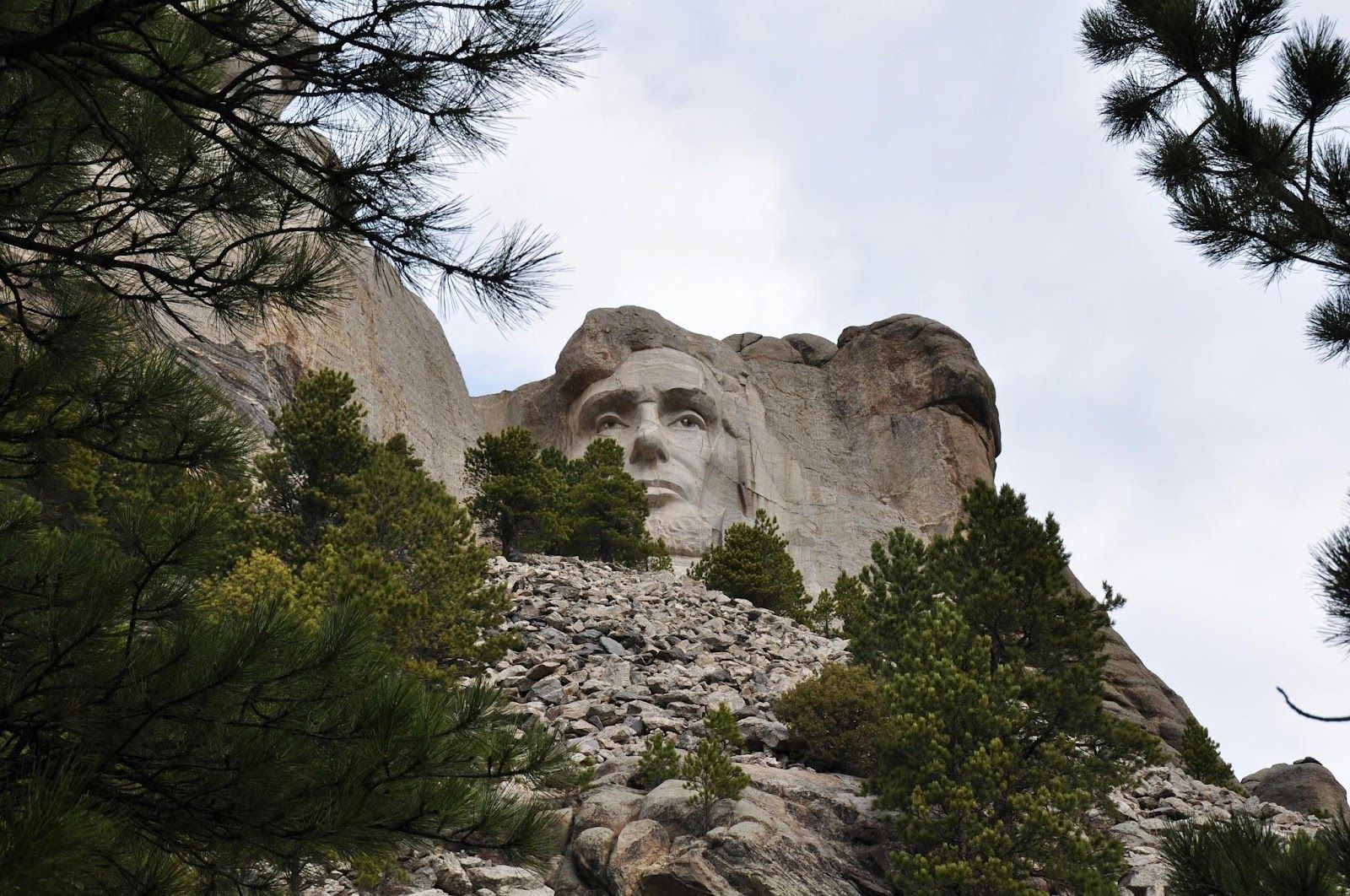
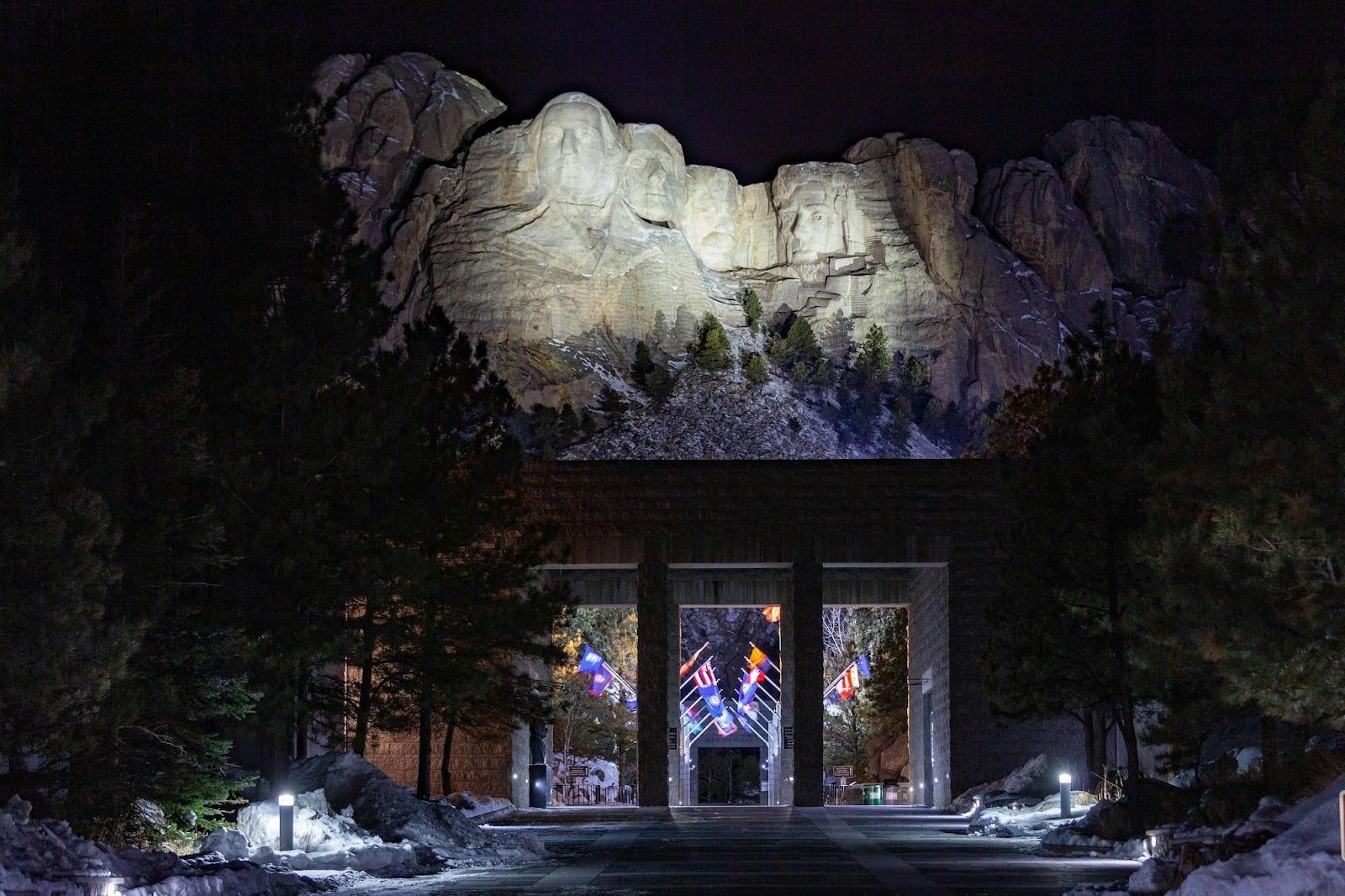
Behind Abraham Lincoln’s hairline lies a hidden chamber, part of Borglum’s lofty idea for a "Hall of Records." This room was meant to house foundational American documents like the Constitution or the Declaration of Independence.

Instead of that, in 1998, a titanium box was placed inside, filled with copies of important documents and biographies, as a time capsule to preserve the treasure of knowledge for future generations.

4
Thomas Jefferson was moved

Image: Dave Baraloto

Jefferson was originally supposed to go to Washington’s right, but after 18 months of chiseling , the granite betrayed them. Cracks and flaws made the site unworkable.

Borglum made the painful decision to blast Jefferson’s half-formed face clean off and start anew on Washington’s left.

5
The mountain was almost a monument to western heroes

Image: Timberly Hawkins

Before presidents took over, the mountain was pitched as a giant tribute to the Wild West . South Dakota historian Doane Robinson wanted to see frontier legends like Lewis & Clark carved into the Black Hills.

But when Borglum came aboard, he had a grander (and more politically bankable) idea: four presidents to symbolize national unity and expansion.

6
A woman’s face was almost added

Image: Tom Fournier

In the 1930s, there was serious talk of honoring Susan B. Anthony alongside the Founding Fathers, as a nod to the women’s suffrage movement.

Borglum wasn’t opposed to the idea, but Congress quickly nixed it, stating that only U.S. presidents could be included.

7
The workers were mostly local miners and loggers

Image: Pixabay

They were neither sculptors nor artists. Most of the workforce came from nearby Keystone, South Dakota: miners, loggers, and hard-up laborers looking for work during the Great Depression.

Borglum trained them himself. There were no safety harnesses, and yet, remarkably, no one died on the job.

8
Dynamite did 90% of the work

Image: Alexander Paramonov

To carve the faces of Washington, Jefferson, Roosevelt, and Lincoln, workers used carefully timed dynamite blasts to remove over 450,000 tons of rock. They got so precise, they could blast within inches of where the final surface would be.

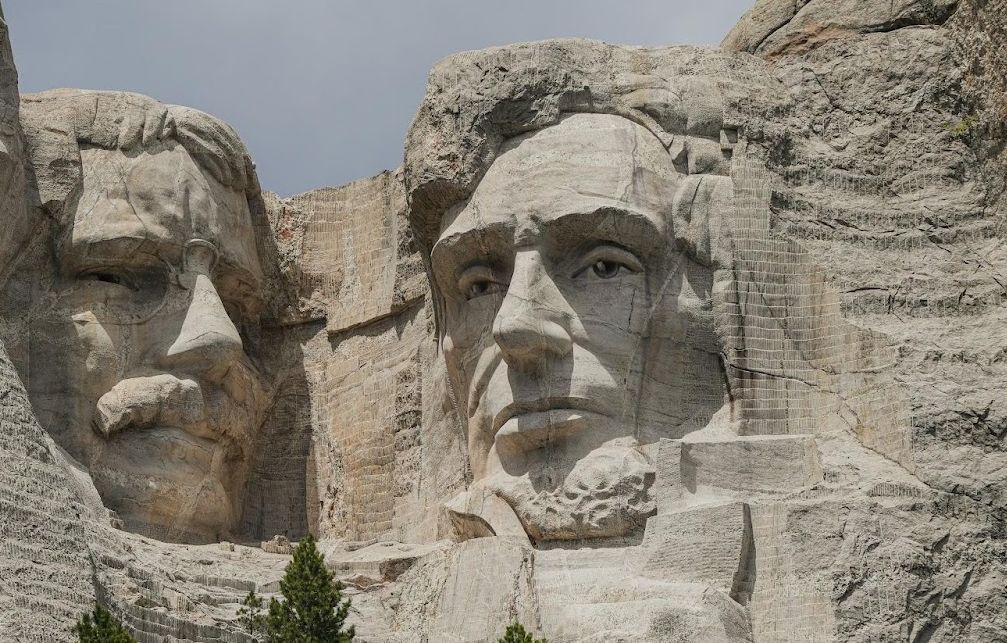
The last details, like wrinkles, pupils, or Roosevelt’s glasses, were done with jackhammers and chisels.

9
The noses are disproportionate

Image: Dudubangbang Travel

Standing in front of the mountain, the faces seem alright. But that’s a trick of perspective. Each presidential nose is a whopping 20 feet long .

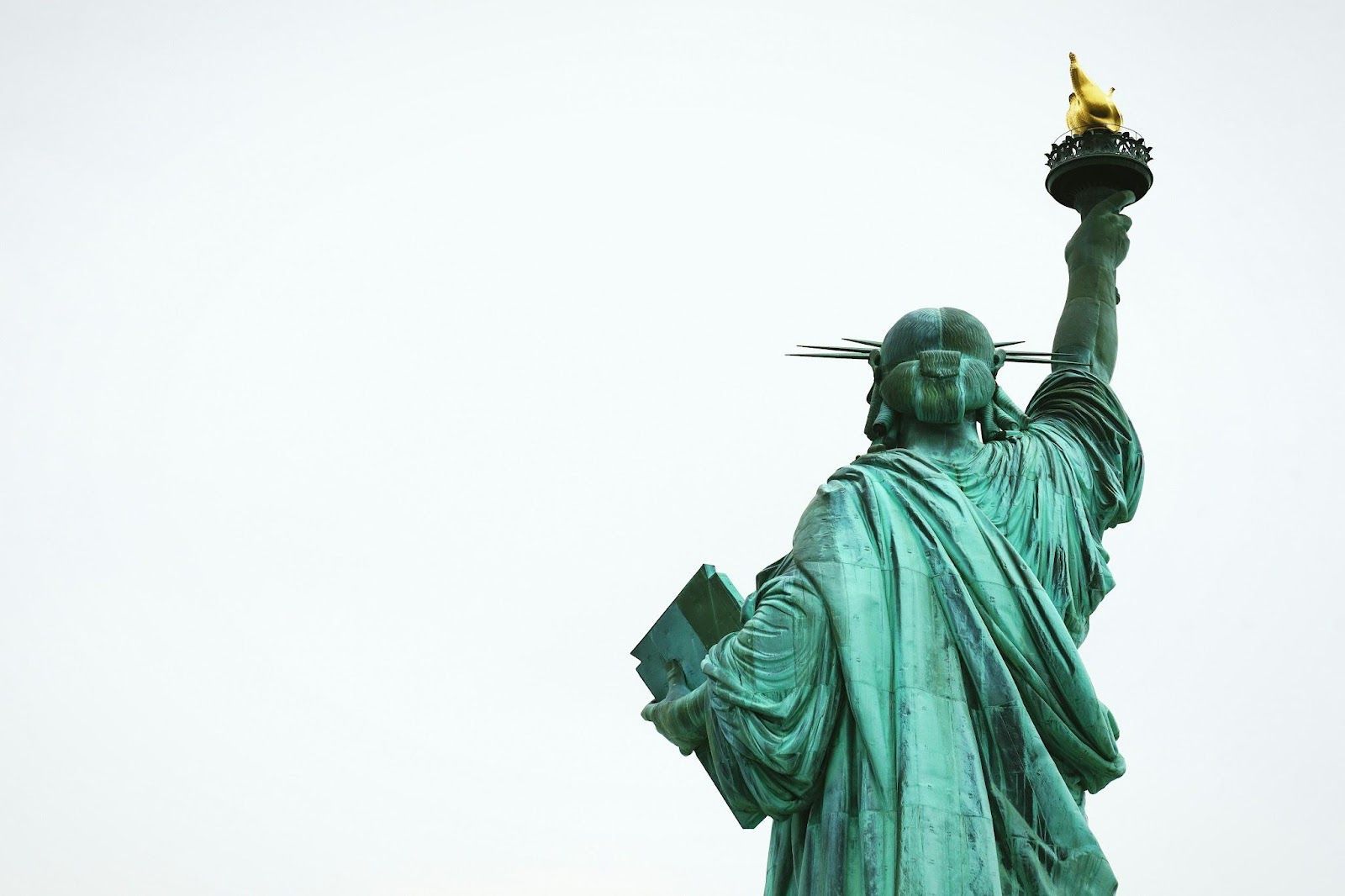
If the sculptures had included full bodies as planned, each figure would have stood 465 feet tall. That’s taller than the Statue of Liberty and most downtown skyscrapers.

10
Teddy Roosevelt was the most controversial pick

Image: Dudubangbang Travel

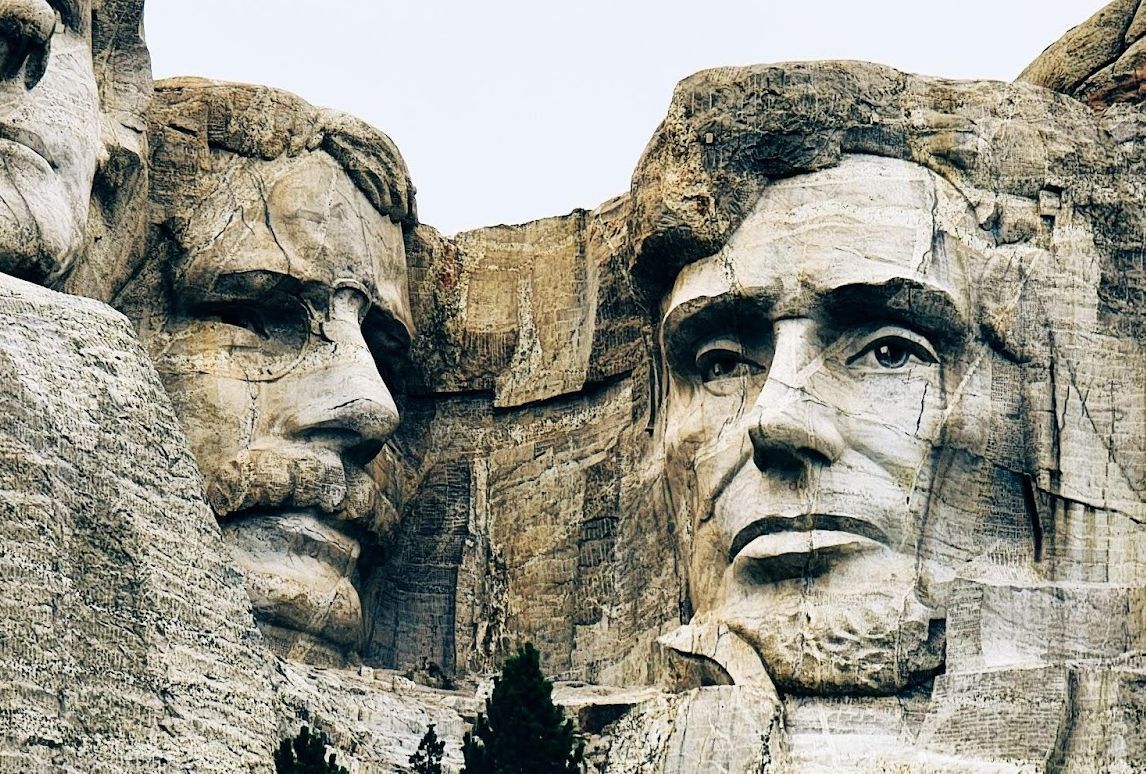
Washington, of course. Jefferson, made sense. Lincoln, sure. And Teddy? Some critics raised their eyebrows at Borglum’s fourth choice. Roosevelt had only recently passed away in 1919, and many questioned whether he'd stood the test of time.

But Borglum defended the decision Roosevelt’s role in breaking up monopolies, conserving national parks, and engineering the Panama Canal. Plus, Borglum had met him personally and was a fan.

11
It was supposed to have inscriptions

Image: Dan Pick

Borglum had grander plans than just four giant heads. He wanted to carve a massive inscription next to them, a timeline of America’s most important milestones , chiseled straight into the mountain. In time, the idea was scrapped for practical and aesthetic reasons.

12
The visionary died before completion

Image: Lisa Reichenstein

Gutzon Borglum, the visionary behind it all, didn’t live to see his masterpiece finished. He died in March 1941, just as the construction was reaching its end. His son, Lincoln Borglum (yes, named after that Lincoln), took over the project.

Still, with WWII drawing resources elsewhere, funding was slashed, and Lincoln had to wrap things up quickly . Some features, like Lincoln’s ear, were never fully detailed.

Explore more American facts

Choose your favorite category!

General
General

As American as apple pie—the very best America has to offer!

Culture
Culture

Delve into the astounding richness of American lore.

Geography
Geography

Hop in and explore vast and diverse American landscapes.

History
History

Discover the key moments that shaped the United States.