General General 5 min read

Were you watching?

What is the most-watched show in American TV history?
Image: freestocks / Oscar Nord

Were you among the 76 million people who watched the ending of Seinfeld live? Or one of those who waited to see who shot J.R.? Some American TV shows became so popular that they operated as a social ritual. We would sit and watch, all of us at the same time, and wait to discuss the plot twists and cliffhangers with our friends. Let’s look at some TV shows that had the largest sustained audiences in U.S. history!

1
Friends

Image: Ilse Orsel

Who couldn’t sing along to the opening song of Friends ? "I'll be there for you" is an anthem that sparks instant nostalgia. Friends was the comfort blanket of the '90s and early 2000s: Six pals navigating life and love in a surprisingly affordable New York apartment.

Rachel, Ross, Monica, Chandler, Joey, and Phoebe. Over 52 million viewers watched the finale. For ten years, Friends made millions feel like part of the gang.

2
The Ed Sullivan Show
Image: william f. santos

For over two decades, between 1948 and 1971, The Ed Sullivan Show was America’s Sunday night ritual. It had over 20 million average weekly viewers!

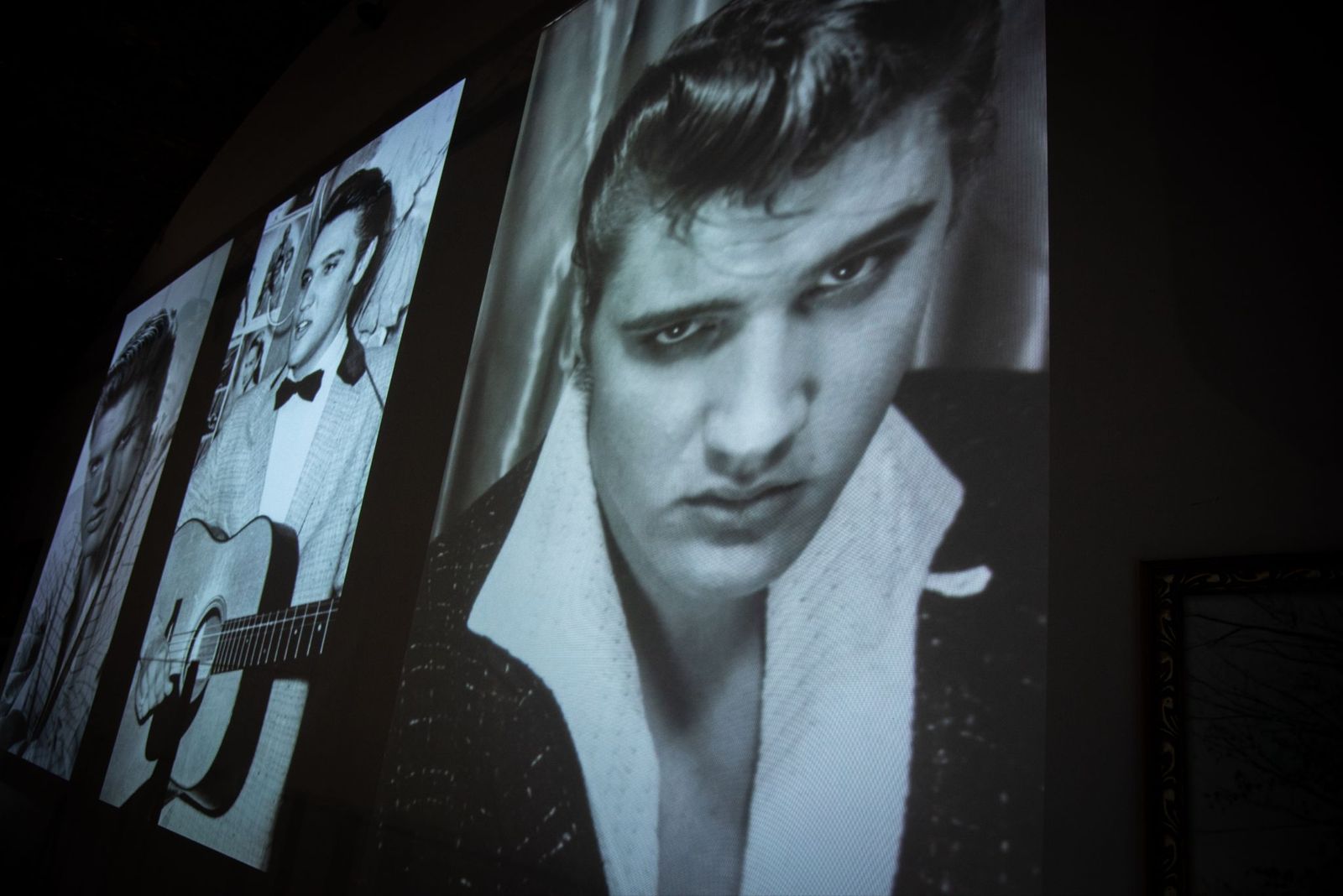
Families gathered in living rooms across the country to watch this variety show that brought together everything from opera to Elvis . And in 1964, over 73 million viewers tuned in to see four mop-topped Brits called The Beatles make their U.S. debut!

3
All in the Family
Image: Daniel von Appen

At the center of the 70s sitcom All in the Family was Archie Bunker, a prejudiced but lovable working-class man played by Carroll O’Connor, whose outdated views clashed with his liberal son-in-law "Meathead" (Rob Reiner).

The show tackled topics like racism, women’s rights, and the Vietnam War, and viewers loved seeing arguments they were having at home play out on screen.

4
Bonanza
Image: Olivier Piquer

Bonanza was the number one show between 1964 and 1967, although it aired from 1959 to 1973. Set on Ponderosa Ranch, near Lake Tahoe, Bonanza was a cowboy family drama .

Audiences fell in love with the Cartwrights: Ben, the wise patriarch, and his three very different sons. The show stood out for its lush color cinematography (very rare at the time) and storylines that combined action with moral lessons.

5
Gunsmoke

Image: Brice Cooper

Gunsmoke, which also boasted the Western genre, remained number 1 for multiple years as well. It was one of the first TV titans to accomplish such a thing. It held the record for the longest-running primetime drama for decades. Set in Dodge City, it followed law-upholding Marshal Matt Dillon (James Arness).

When Chester, Dillon’s original deputy, left the show, fans were devastated. With over 600 episodes , Gunsmoke redefined the genre and left a permanent mark on American pop culture.

6
Jeopardy!

Image: Gift Habeshaw

Jeopardy! is a legacy that started in 1984 and is still going strong! That has led to its amassing over 10 million average viewers over the decades. How many TV shows share the same claim?

For generations, it’s been the show that makes you feel smarter just for watching (if you can outsmart the participants, that is). The answer-first, question-last format ("What is the Eiffel Tower?") became iconic, and the theme music is forever ingrained in America’s collective brain.

7
Who Wants to Be a Millionaire

Image: Jordon Conner

Whenever Regis Philbin asked, "Is that your final answer?" America held its breath. Who Wants to Be a Millionaire exploded onto U.S. screens in 1999 at the turn of the millennium.

The phenomenon drew 28 million viewers at its peak. The first winner, John Carpenter, made headlines for not using a single lifeline until the final question, when he used "Phone a Friend" just to call his dad and say, "I’m about to win a million dollars." That moment alone is a TV legend.

8
Survivor

Image: Rowan Heuvel

Sixteen strangers marooned on a tropical island, forced to build shelter, find food, and outwit each other for a million dollars. This had a social-experiment factor that made it impossible for America to look away.

The very first season, set in Borneo, was an instant smash, with 28 million viewers. Host Jeff Probst’s fire-snuffing catchphrase ("The tribe has spoken") became iconic.

9
American Idol

Image: Eduardo Balderas

Did you watch live as the life of American Idol’s first-ever winner (Kelly Clarkson!) changed forever? In the early 2000s, American Idol turned everyday dreamers into superstars and had the whole country voting on their fates.

At its peak, it drew over 30 million viewers each week.

10
60 Minutes
Image: Alla Eddine Taleb

Do you remember a 60 Minutes episode that had you at the edge of your seat? Beginning in 1968, this show proved that journalism could be far more riveting than fiction.

Its secret was in smart and human storytelling, no-nonsense interviews, and a lineup of legendary correspondents like Mike Wallace, Morley Safer, and Ed Bradley.

11
The Cosby Show
Image: Francisco Andreotti

In the 1980s, The Cosby Show was the cultural touchstone. At its heart was the Huxtable family, an upper-middle-class Black household in Brooklyn, led by Cliff (Bill Cosby), an affable obstetrician, and Clair (Phylicia Rashad), a sharp attorney. Plus their chaotic five kids.

One of the most beloved moments was the family lip-syncing Ray Charles' "Night Time Is the Right Time" for Cliff’s birthday.

12
Seinfeld
Image: Rob Laughter

The premise of Seinfeld was a show about nothing . The sitcom ended up stealing the show. Between 1989 and 1998, Seinfeld cast a light on mundane life (you know, waiting in line, losing socks, awkward small talk) and turned it into comedy gold.

This "show about nothing" gave us four unforgettable New Yorkers: Jerry, George, Elaine, and Kramer. Its finale drew 76 million viewers, making it one of the most-watched episodes ever.

13
Cheers
Image: Andrea Mininni

This gem of the 80s invited America into a cozy Boston bar that felt like home. Centered around bartender Sam Malone (Ted Danson) and a colorful cast of barflies, waitstaff, and neurotic patrons, it delivered laughs, heart, and genuine warmth.

The chemistry of the ensemble was golden. And what people loved the most was that "Cheers," much like the "Central Perk" of Friends , was a place of belonging.

14
Dallas
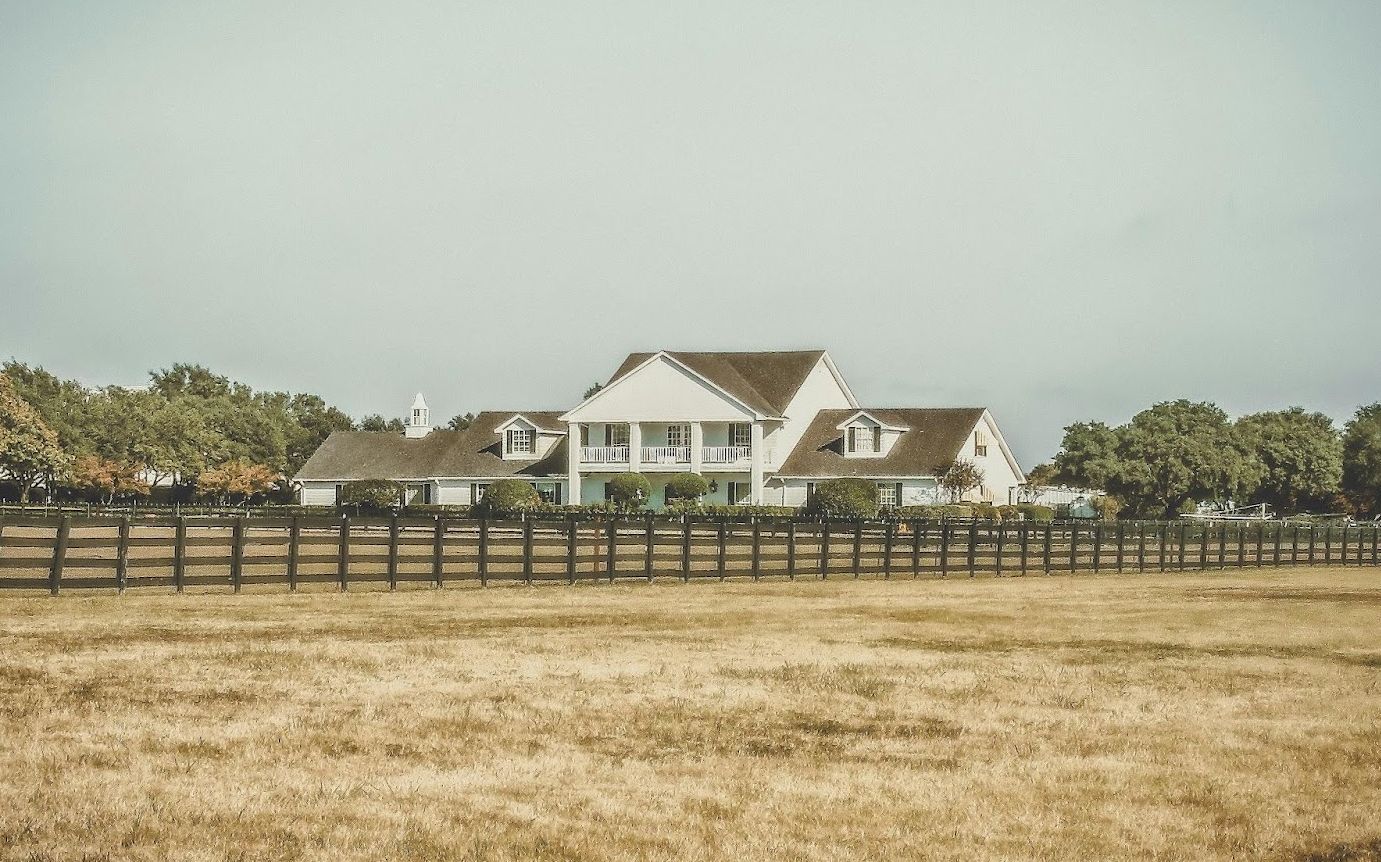
Image: K. Mitch Hodge

Of course, Dallas, the ultimate primetime soap, cannot be left out of this list! This dramatic master of cliffhangers left the nation gasping. At its core was J.R. Ewing (Larry Hagman), one of TV’s most devious villains, who still had fans rooting for him.

The show became a cultural phenomenon, especially in 1980 when America asked, "Who shot J.R.?" That season finale was watched by more than 80 million people.

15
MAS H
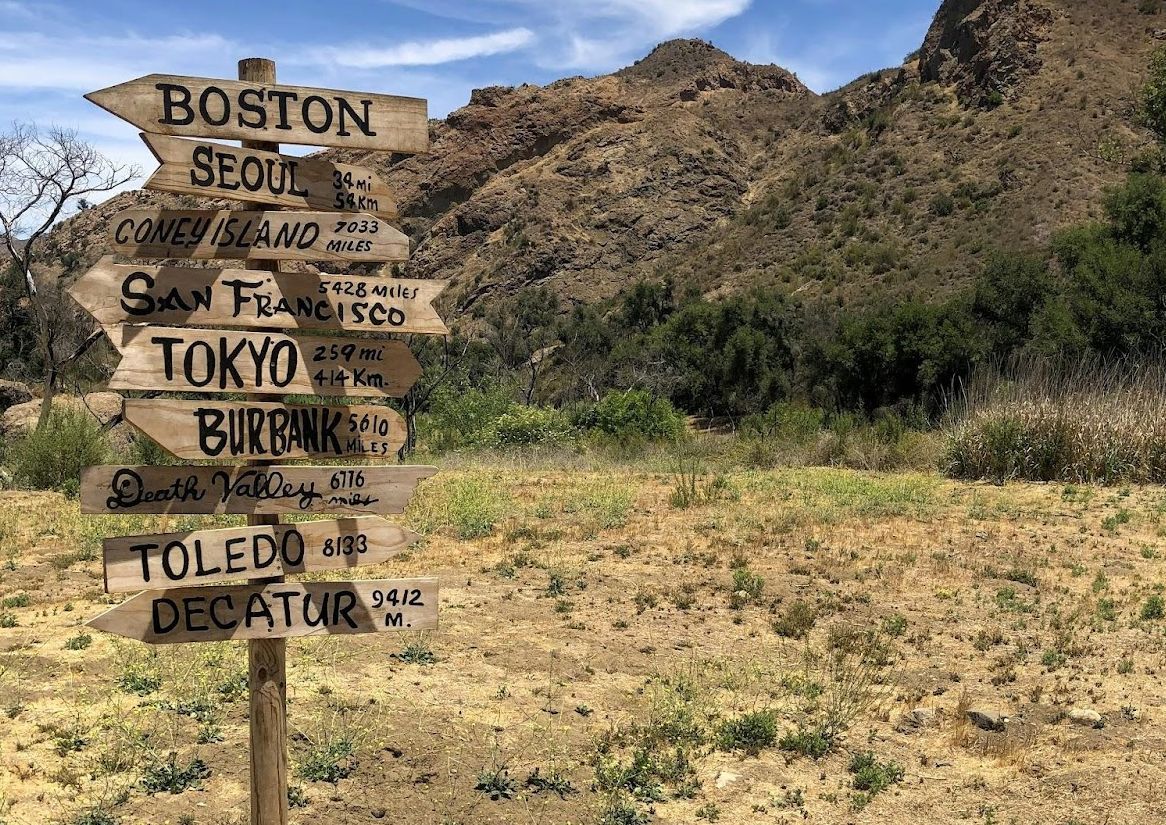
Image: Robert Ruggiero

Set during the Korean War, MASH was unlike anything else on TV. It mixed satire and unforgettable characters in a mobile army surgical hospital. Alan Alda led the cast as Hawkeye Pierce, backed by a beloved ensemble that included Loretta Swit, Jamie Farr, and Mike Farrell.

The show’s final episode, "Goodbye, Farewell and Amen," aired in 1983 and drew 106 million viewers. That was a record that stood for decades!

Geography Geography 5 min read

Special details

Have you heard these fun facts about 10 famous American landmarks?

Image: Joe Richmond

Yes, we all know which cities are home to America's most iconic monuments and attractions, such as the Statue of Liberty, the impressive Gateway Arch, or the unique Hollywood Sign. However, as famous as these landmarks are, there are some hidden details and stories about them that you might have never heard before! If you'd like to surprise your friends in your next conversation, keep reading to discover 10 incredible facts about America's most famous landmarks!

1
A change in plans

Image: Alexey Komissarov

Can a color be a worldwide celebrity? It seems so! This is the case of the famous "international orange" of the Golden Gate Bridge in San Francisco, California.

It's hard to imagine this iconic bridge in any other color. But believe it or not, it was once about to be painted in another hue.

The original idea was to paint the Golden Gate Bridge black with yellow stripes to make it visible to ships and planes. However, the sharp vision of consulting architect Irving Morrow changed the plans. When he saw the reddish color of the primer used on the iron, he realized that this color would work much better and would also give the imposing structure an original touch.

2
Too good to be true?

Image: Hana Oliver

We all know that incredible creatures and breathtaking landscapes await us in Yellowstone. You probably also know that this amazing area that covers more than 3,400 square miles in parts of Wyoming, Montana, and Idaho was the first national park in the United States. Not only that, it was actually the first national park in the entire world!

But, while it's totally famous and celebrated today, there was a time when only a few knew about this place. Early explorers who walked Yellowstone in the 19th century wrote detailed journals about what they saw and experienced there, but when they returned, they found that people didn't believe their stories. We have to admit that those skeptics had a point; such a beautiful place seems out of this world!

3
Capitol's subway

Image: Louis Velazquez

Nobody can deny the metro system is great. Its speed and efficiency allow thousands of people around the world to get to their homes and jobs every day. Did you know that the members of the U.S. Congress have their own subway system right underneath the Capitol building?

That's right! Under the impressive structure that houses U.S. Representatives and Senators lies an entire subway system. This allows workers there to access different parts of the complex in a matter of seconds. It must make things easier on busy days, don't you think?

4
The final detail

Image: MIKE STOLL

But not all of the Capitol's surprises are underground; some are in plain sight. We're talking about the spectacular dome that crowns the famous neoclassical building in Washington, D.C. While the dome is a symbol of our country today, there was a time when the Capitol Building didn't have this gracious final detail.

The construction was considered completed in 1800. However, one last touch was still needed. In 1824, the first and smaller dome arrived, made of wood. Finally, it was replaced in 1866 by the impressive dome we see today, which stands an incredible 288 feet high and is made of cast iron, brick, stone, and copper.

5
A misspelling?

Image: Dan Mall

The Liberty Bell must be one of the most recognized icons of the United States. Preserved as a symbol of our Independence, everyone can visit the famous bell at the Independence Hall in Philadelphia, Pennsylvania.

In addition to its well-known history and its famous "crack," this bell has even more hidden details to discover. When you read the inscription on the Liberty Bell, you'll be able to read "Pensylvania" instead of "Pennsylvania." While you could think that those in charge of inscribing the bell weren't paying attention, it wasn't actually a misspelling; it was one of the accepted spellings for Pennsylvania in those days.

6
Hollywood(land)

Image: Justin Aikin

Whether in person or through the screen, we all had the chance to see the legendary Hollywood sign over Mount Lee in Los Angeles, California.

But, while this landmark is recognized around the world today, it didn't always look as we see it now. The Hollywood sign had several changes throughout its history. It was first erected in 1923 as an advertisement for a real estate development. At the time, it read "Hollywoodland" and even had lights, illuminating the entire area at night.

Many things happened in our country before 1949, when the last four letters were removed, leaving just the current "Hollywood."

7
Good things take time

Image: Jeromey Balderrama

As we grow older, we understand one truth: good things often take time. While patience seems to be in short supply these days, it was certainly in abundance for those who built the impressive Mount Rushmore National Memorial, one of our most famous attractions.

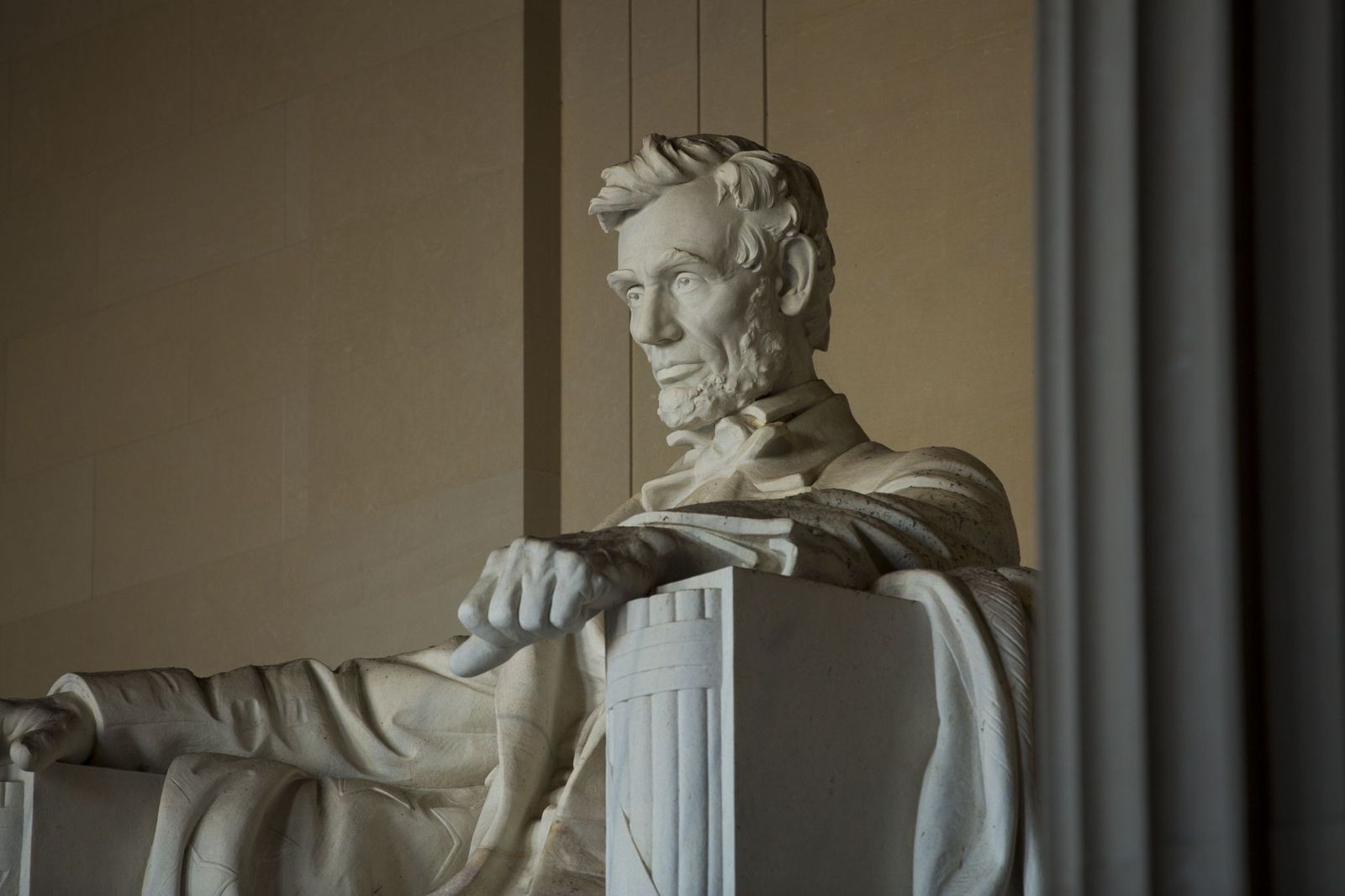
The construction of this imposing monument that features the faces of George Washington, Thomas Jefferson, Theodore Roosevelt, and Abraham Lincoln began in 1927 and took 14 years to complete. Carving four 60-foot-tall heads on a granite hill is no easy task. But, on top of that, some budget difficulties slowed down the process even more.

8
Mount Rushmore's secret door

Image: John Bakator

Mount Rushmore National Memorial has more secrets to disclose! Although not visible to the naked eye, there is a particular detail among the heads of Washington, Jefferson, Roosevelt, and Lincoln. Want to know what it is?

If you haven't heard about it, this might surprise you: there is a small door right there on Mount Rushmore. Mysteries everywhere! The door leads to a chamber known as the "Hall of Records." According to the plans of sculptor Gutzon Borglum, this spot would hold important documents and objects of our history.

9
Time capsule

Image: Mark Serafino

Besides being the tallest human-made monument in the United States and also the tallest arch in the world, the famous Gateway Arch in St Louis has much more to offer.

During its construction in the 1960s, a curious detail was placed inside its iconic metal structure. At the base of the monument, you can find nothing less than a time capsule!

The capsule, which contains various artifacts and relics from our country's history and culture, was thought to give future generations an idea of what the world and the United States were like in those days.

10
19th-century graffiti

Image: Dineda Nyepan

At 555 feet tall, the Washington Monument is one of the most imposing in our country. But besides its height, this landmark also possesses a couple of surprising facts.

It might seem that graffiti is a modern artistic expression that has only been around recently, but this isn't the case, and the Washington Monument is proof of that. At the structure's base, there is a series of graffiti made in the 19th century, during the Civil War.

That's right! Many people and soldiers passing by at the time left signatures, dates, and patriotic messages inscribed on the famous obelisk, and some of them are still visible!

General General 3 min read

Which one is your favorite?

How word of mouth has changed over the years

Image: Cottonbro Studio

Over the years, how we’ve tuned into news, music, and entertainment in America has undergone serious changes. From the days of gathering around to hear stories passed down through oral traditions, to listening to the radio for the evening broadcast, to the modern age of podcasts, each era has its flavor. Take a look at these 12 media formats that we have used and use today.

1
The human voice

Image: Priscilla Du Preez 🇨🇦

Before modern technology, oral communication and word of mouth were the primary ways people shared news, stories, and music everywhere.

From Native American storytelling traditions to community gatherings, spoken word connected people, passed down history, and spread important information long before any other medium ever existed.

2
Public proclamations

Image: Andrew Ebrahim

Public proclamations were an early form of mass communication in America, used to spread news and official announcements.

Town criers or officials would read proclamations aloud in public squares , ensuring that important information reached everyone, even those who couldn't read, who were more than a handful at the time.

3
Live music

Image: Francesco Giacomini

Before recorded music, people would gather at local events, fairs, or churches to hear musicians perform songs that reflected current events, social issues, or, often, served as entertainment.

In the same way as today, live performances were a major form of entertainment and communication.

4
Gramophones

Image: Tasha

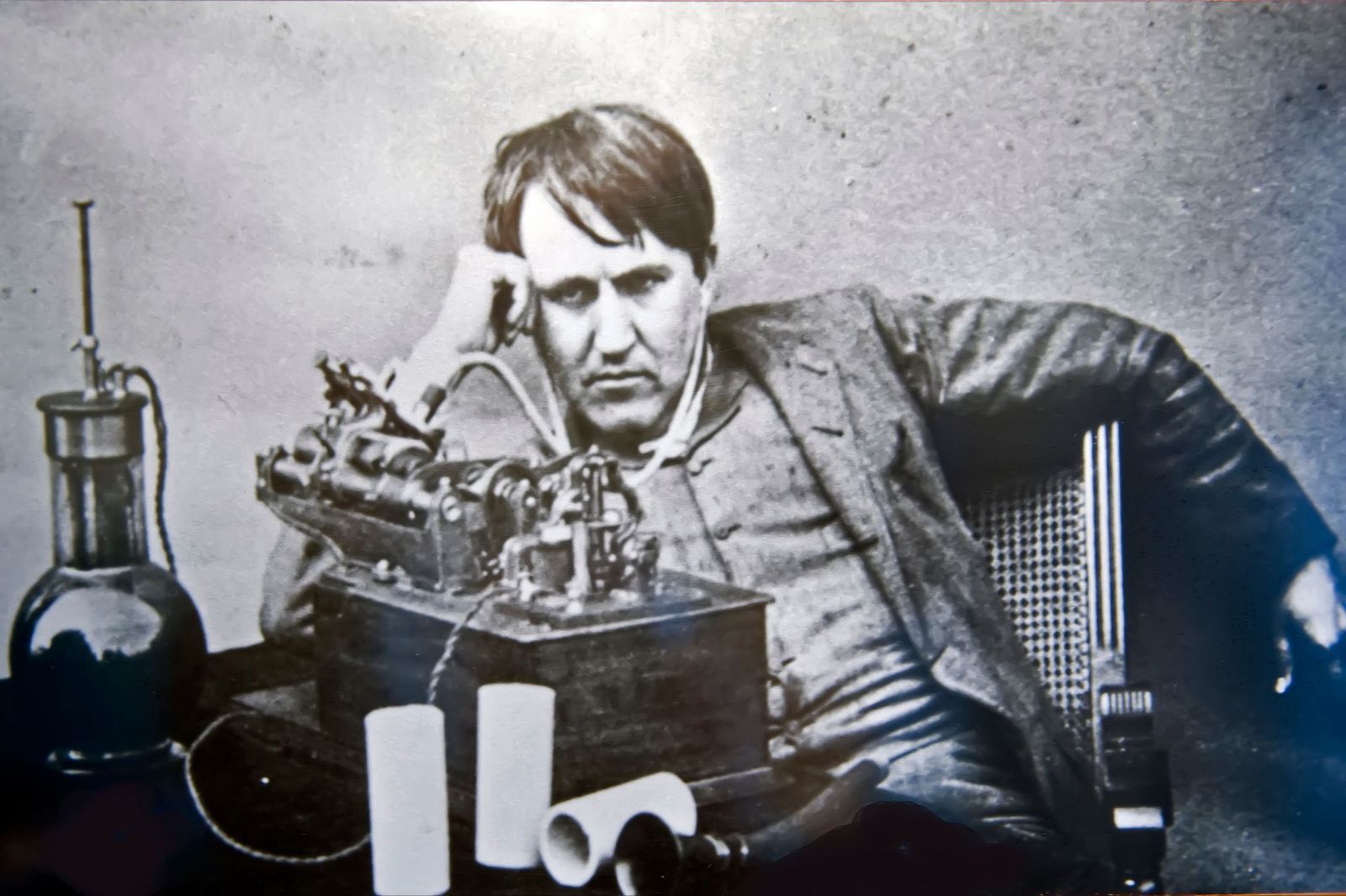
Gramophones and Edison’s musical cylinders revolutionized how Americans consumed music and news in the late 19th and early 20th centuries.

These devices allowed people to listen to recorded sound at home for the first time , offering a new way to enjoy music, speeches, and even news broadcasts.

5
Radio broadcasts

Image: Maximilian Hofer

It is hard to overstate the importance of radio. It was a game-changer in the early 20th century, bringing news, music, and entertainment directly into homes across America.

For the first time, families could listen to live broadcasts of events, catch the latest hits, or hear radio dramas .

6
Television

Image: PJ Gal-Szabo

Television caused a huge impact in the 1950s, blending news, music, and entertainment into one screen . As with radio, families gathered around the TV for nightly broadcasts, from the evening news to variety shows and music performances.

This new visual element added a deeper level of engagement, shaping how Americans consumed information and entertainment, making TV a major force in media for decades.

7
Vinyl record players

Image: Eran Menashri

Vinyl record players became a major music format in the mid-20th century, offering high-quality sound. People could listen to entire albums, making music a personal, immersive activity .

Vinyl records also became a cultural icon, with album artwork and collector’s editions turning listening into a ritual.

8
Magazine players

Image: Ciocan Ciprian

Somewhat of a half-step format between the vinyl records and compact cassettes , magazine players offered a portable way to listen to music and news in the 1960s through the 1980s.

These devices used cartridges or tapes that could hold multiple songs or recordings, making it easy for people to enjoy their favorite tunes on the go.

9
Cassette players

Image: Dave Weatherall

If magazine players made music a portable activity, cassette players and, especially, Walkmans, took it even further.

With the ability to play mixtapes or purchased albums anywhere, these devices gave people personal control over their music while on the go . Walkmans, in particular, became iconic for offering a private, on-demand listening experience.

10
CD players

Image: Lucky Alamanda

CD players became the go-to music format in the 1990s, offering a digital upgrade to cassettes with better sound quality and durability .

Compact discs could store albums without the wear-and-tear issues of tapes, and CD players were easy to use, making them popular in cars, homes, and portable devices.

11
MP3 players

Image: Ben Szymanski

The possibility of holding entire album catalogs and more in a single portable device became real in the early 2000s when MP3 players made their appearance.

Devices like the iPod became cultural icons, shaping how people accessed and enjoyed music, paving the way for the next and last item on our list.

12
Streaming services

Image: Heidi Fin

In the last decade, streaming services and podcasts have transformed the media landscape, allowing everybody to instantly access music, news, and entertainment on demand.

Platforms like Spotify and Apple Music put millions of songs at users' fingertips, while podcasts offer a vast range of topics for all interests .

Explore more American facts

Choose your favorite category!

General
General

As American as apple pie—the very best America has to offer!

Culture
Culture

Delve into the astounding richness of American lore.

Geography
Geography

Hop in and explore vast and diverse American landscapes.

History
History

Discover the key moments that shaped the United States.