General General 3 min read

Unveiling the truth

Believe it or not? A stroll through some conspiracy theories
Image: Cottonbro Studio

Let’s face it, America has always loved a good mystery, right? Whether it's whispers about aliens or oddball internet chatter, conspiracy theories have a way of capturing our imagination. Some make us chuckle, others make us scratch our heads, and a few might even make us wonder, "What if?" So pour yourself a cup of coffee, and let’s take a lighthearted tour through some of the most talked-about conspiracies.

1
The moon landing: staged in Arizona?
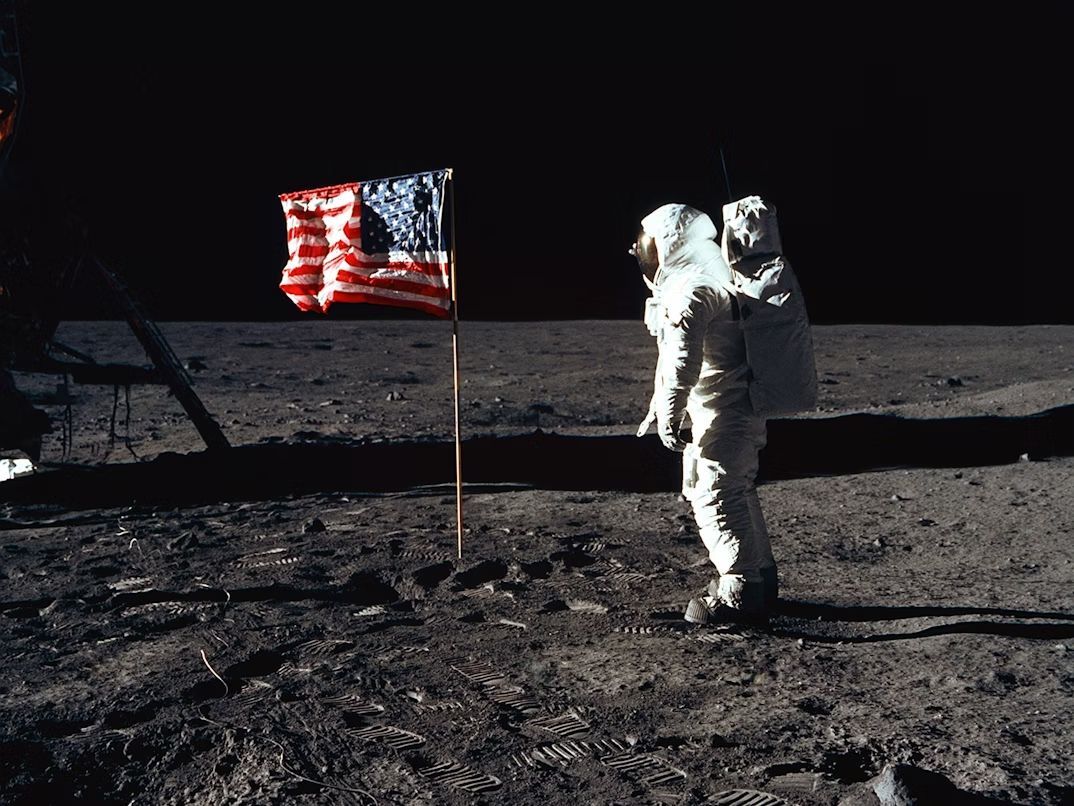
Image: NASA

Back in 1969, Americans watched Neil Armstrong take one small step for man on TV. But not long after, rumors started floating around that it was all filmed on a Hollywood-style set somewhere in the desert. Books and even a movie helped the idea spread. Still, with hundreds of pounds of moon rocks and decades of scientific study to back it up, it seems pretty clear the only thing fake was the rumor itself.

2
The dead internet theory: bots gone wild
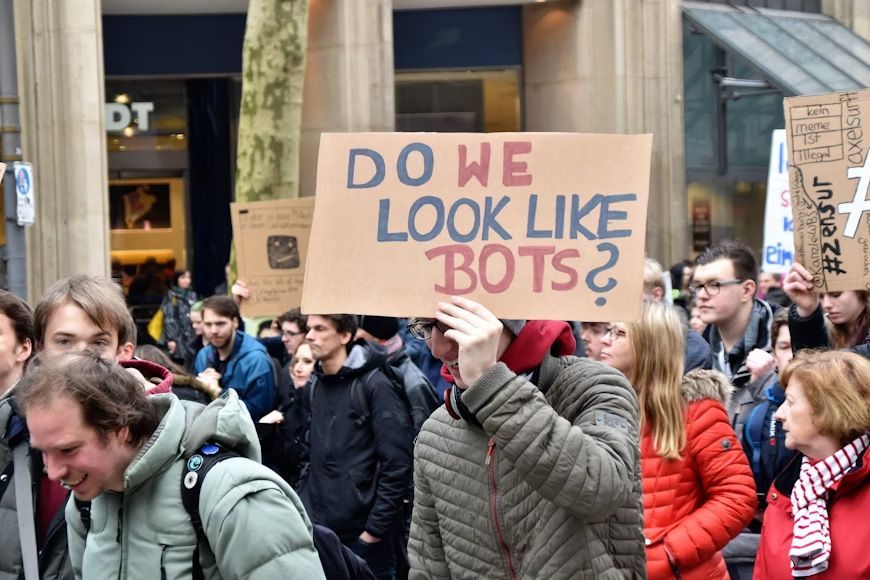
Image: Waldemar

According to this theory, you might be talking to a wall online. The idea is that most of the internet isn’t run by people at all but by bots—that is, automated programs pretending to be humans. They supposedly post, reply, and argue, all to keep clicks coming. Even if bots are increasingly popular on some sites and apps, it’s evident that this is nothing but a crazy conspiracy theory!

3
Subliminal advertising: blink and you’ll miss it
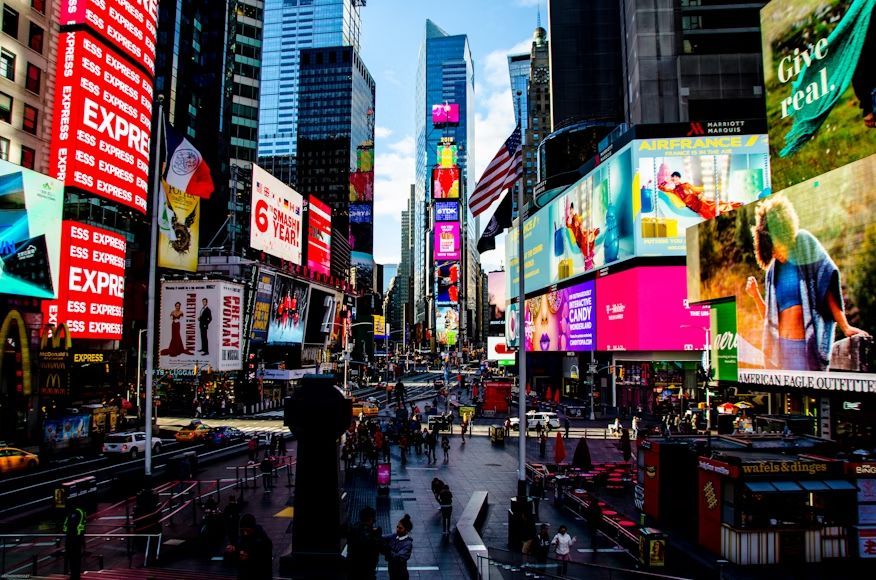
Image: Wojtek Witkowski

Remember when people thought ads were sneaking messages into our brains? Some authors were convinced that companies were hiding secret images in movies and commercials to mess with our minds. This theory hit headlines in the ’70s, but most of those claims didn’t hold up under scrutiny. Marketing and advertising do know some tricks around our minds, but your sudden craving for popcorn probably has more to do with the smell than secret mind control.

4
Paul is (not) dead
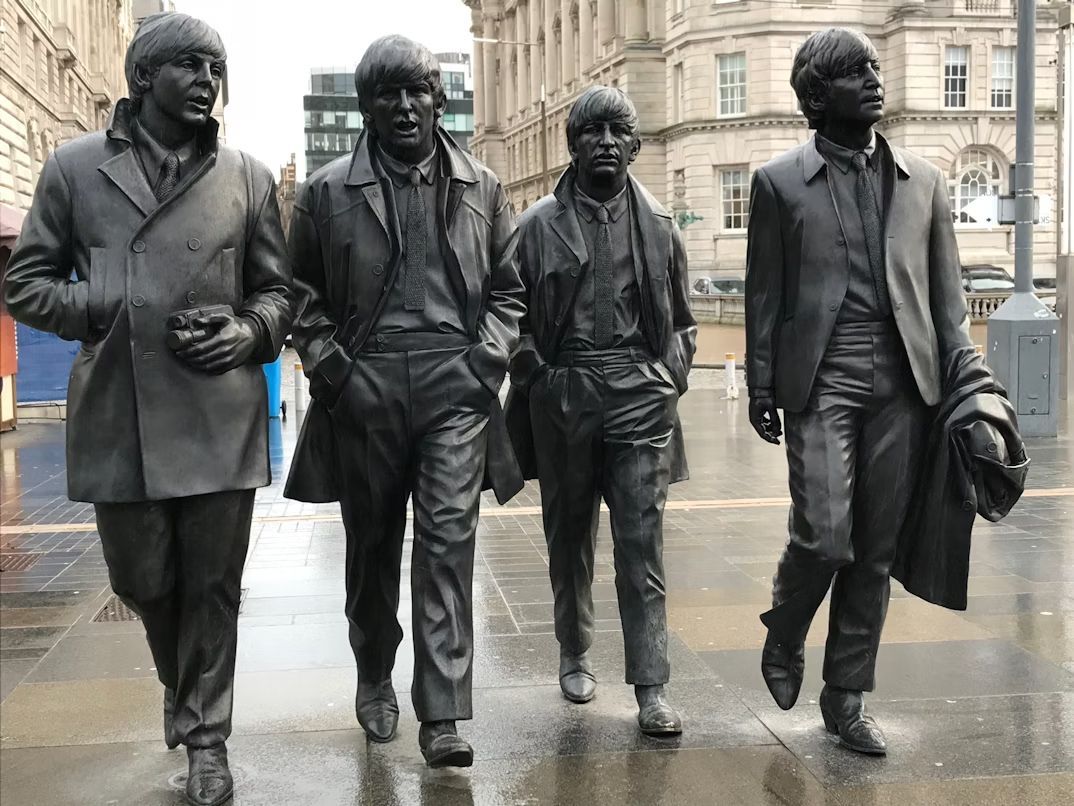
Image: IJ Portwine

Back in the swinging ’60s, a bizarre rumor began circulating: Paul McCartney had supposedly died and been replaced by a lookalike. Fans claimed to find hidden clues in Beatles albums, like barefoot walks and cryptic lyrics. The theory quickly crossed borders and spread worldwide. But don’t worry, Paul was (and still is) very much alive, touring, and giving interviews.

5
Roswell: crash course in confusion
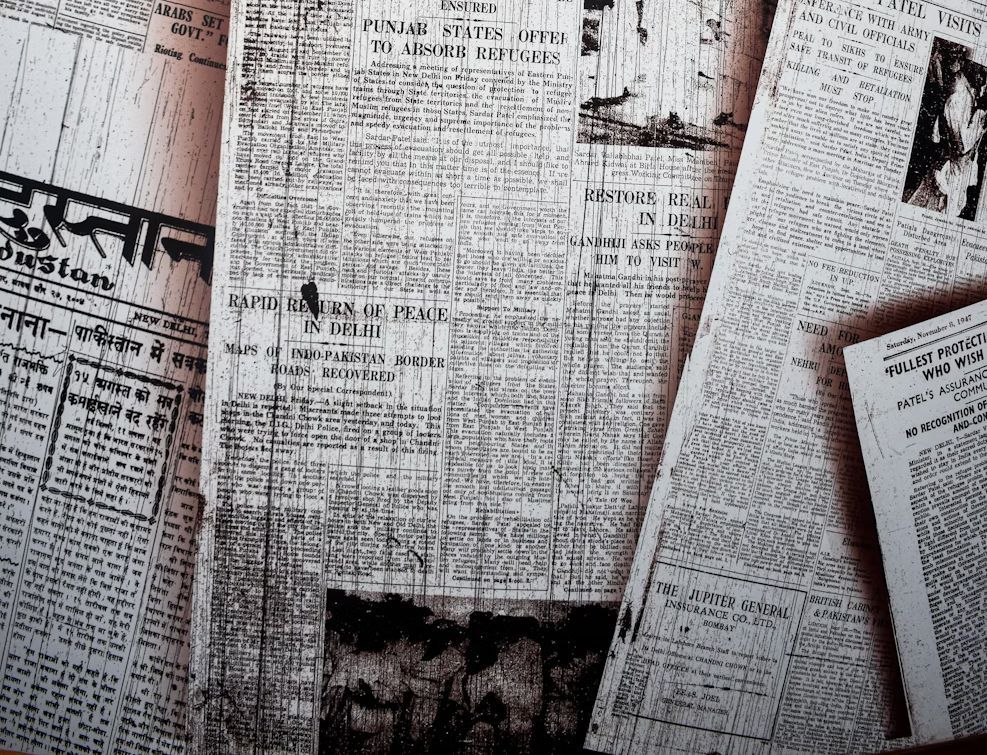
Image: Rishabh Sharma

Something definitely fell near Roswell, New Mexico, in 1947—remember that? The question is, what was it? The government first hinted at flying saucers , then changed the story to a weather balloon. That was all it took for conspiracy theories about aliens to bloom. Years later, it turned out the object was actually a Cold War–era military balloon from a classified program. No aliens—just some top-secret tech.

6
Chemtrails: clouds of confusion
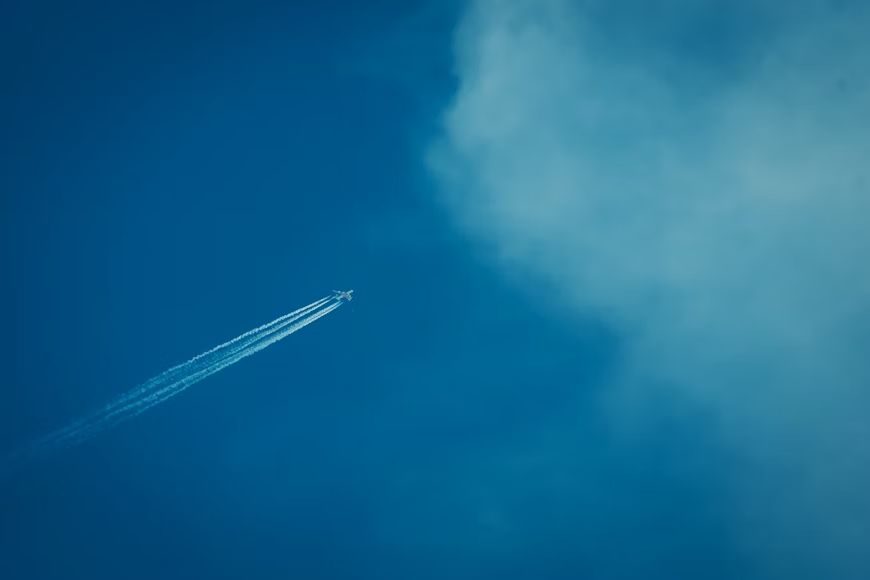
Image: Val Vesa

Those streaks behind planes? They’re called contrails, and they’re mostly made of water vapor. But some believe they’re really "chemtrails" (chemical agents sprayed into the sky). Theories range from weather control to population mind games. Scientists have tested the air and found nothing unusual, but some folks still keep looking up and wondering. What do you think?

7
COVID and 5G: a confusing combo
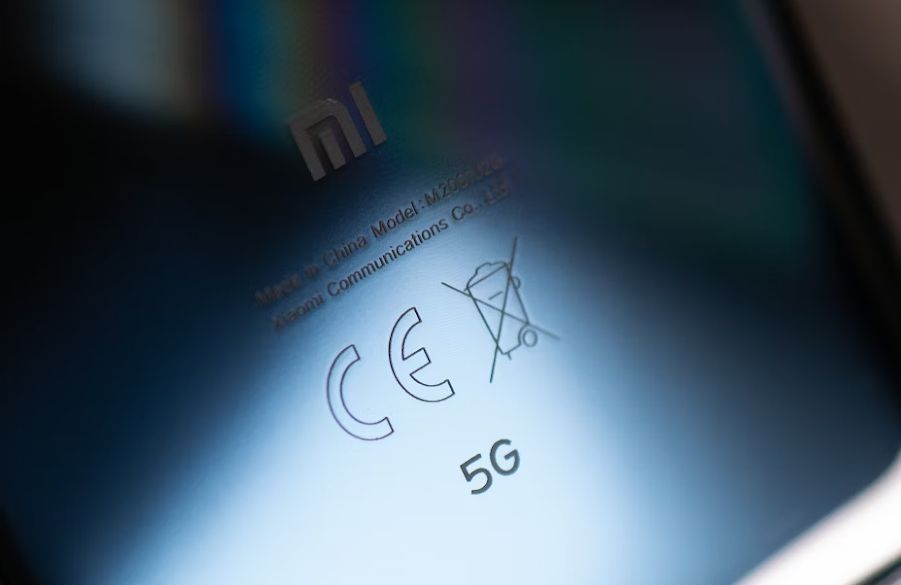
Image: Shiwa ID

When the pandemic hit, it brought more than just a virus. With so much uncertainty, conspiracy theories spread just as fast. One unusual claim linked COVID-19 to 5G technology, even suggesting that vaccines contained tracking chips. Researchers and doctors around the world quickly debunked it all, but it just goes to show how fear and confusion can breed some pretty wild ideas.

8
Birds aren’t real... or are they?

Image: Gareth Davies

This one takes the cake. A satirical movement claims that birds are actually government surveillance drones . What started as a joke by a college student quickly went viral, billboards and all. While some people mistook it for a real conspiracy theory, it’s actually a commentary on how misinformation spreads.

9
Flat Earth: going against the grain
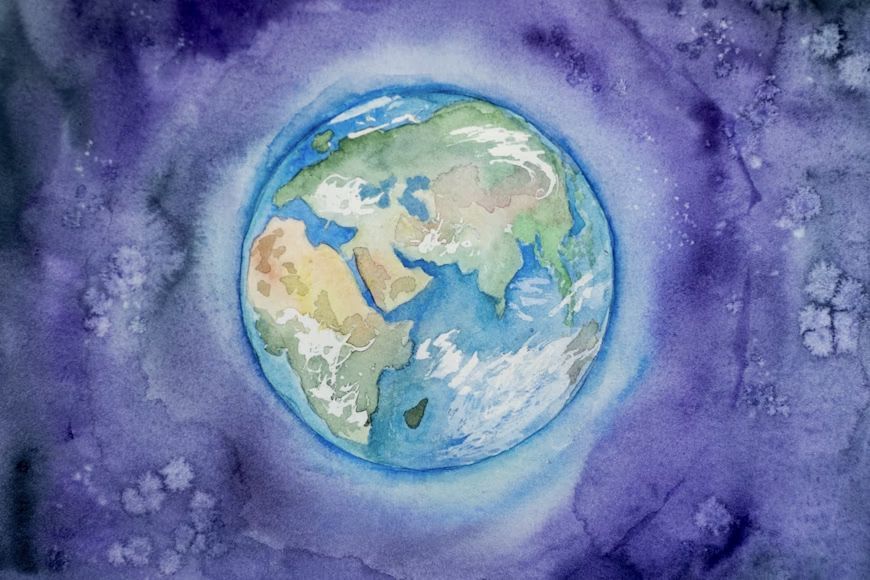
Image: Elena Mozhvilo

Despite centuries of science and countless space photos, some people still believe the Earth is flat . They point to the horizon, question gravity, and invent creative explanations for eclipses and orbits. It’s a belief often fueled by mistrust or ideology, but the round Earth, seen from space, keeps on spinning just the same.

10
Denver Airport: baggage and bunkers
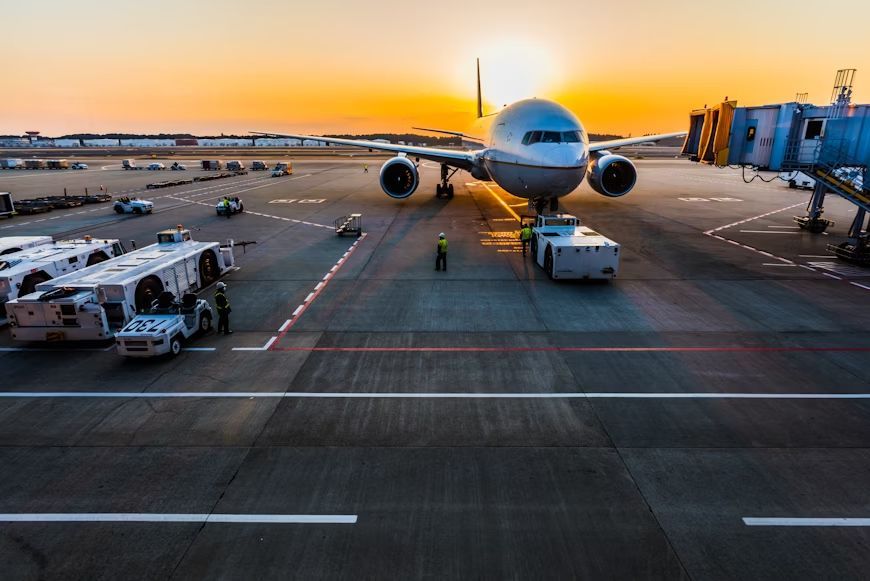
Image: Rocker Sta

Denver’s airport has some… interesting décor. Murals of chaos, red-eyed horses, and creepy gargoyles have sparked rumors that it’s hiding secret bunkers for the Illuminati. While the truth is less exciting (just over-budget construction and bold public art), the place does have a weird vibe that fuels the fun of imagining a secret space beneath the baggage claim. If only!

Geography Geography 2 min read

Regional lingo

Say these terms, and we'll guess where you grew up!

Image: Houcine Ncib

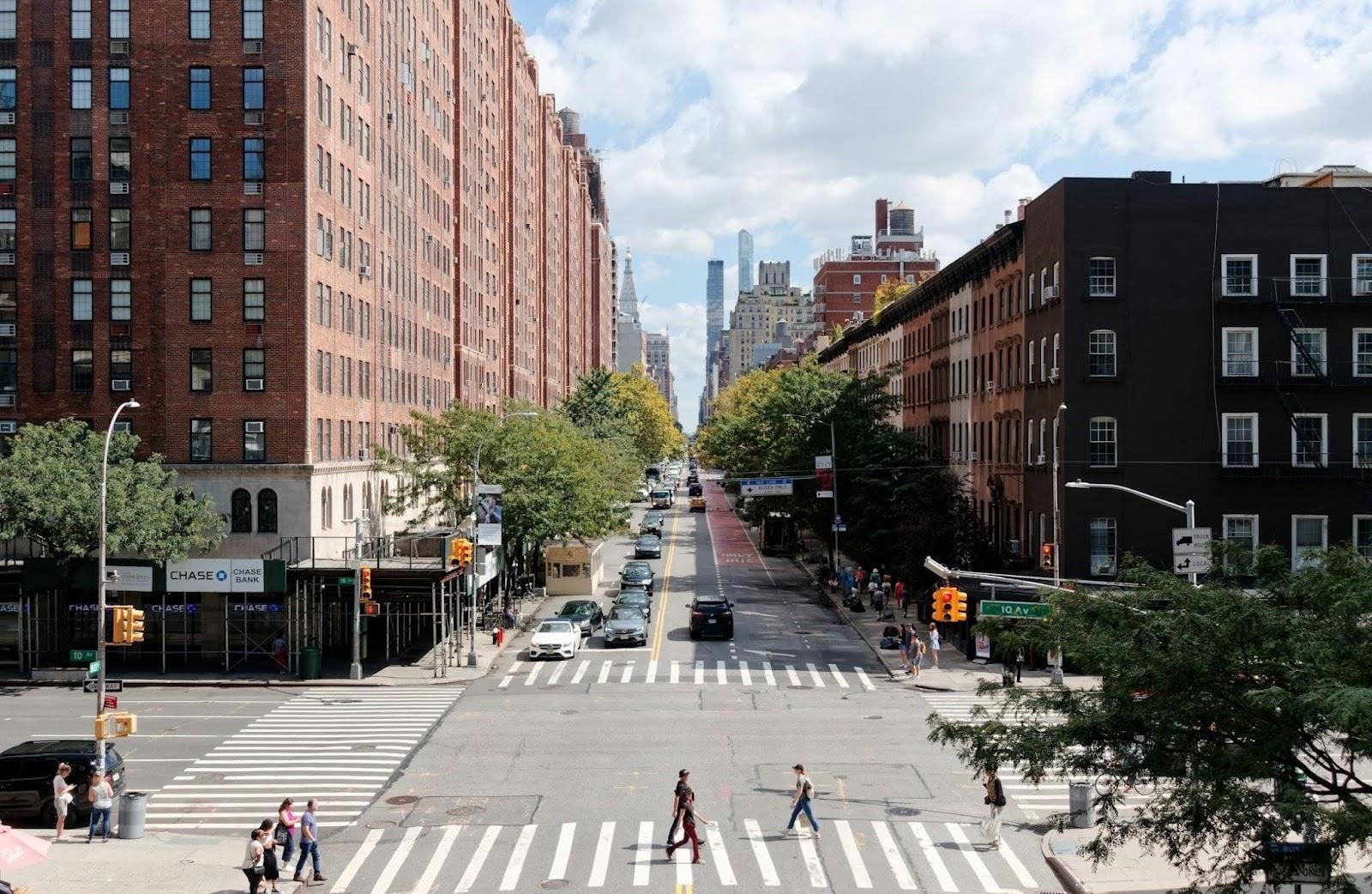
Language works because it changes; science says so! Across the globe, people use different words for the same things. But here's the fun part: even within the US, regional slang and expressions vary significantly . What you call something in Massachusetts might mean something totally different in Oregon. Let's explore these 10 regional terms and see what they reveal about where you grew up!

1
Jawn

Image: Salonagility.com Daniel

If you spend time chatting with someone from Philadelphia, this word will probably come up. "Jawn" is a unique term that can refer to just about anything: objects, people, or places.

2
Sneakers

Image: Luis Felipe Lins

If you're going to the gym today, make sure you bring your workout clothes and water bottle. Don't forget your tennis shoes, which, by the way, people in the US Northeast often call "sneakers"!

3
Ope!

Image: CHUTTERSNAP

When you drop a glass or accidentally step on the dog's tail, "ope!" is the perfect word to say. In the Midwest, especially in states like Wisconsin and Minnesota, people use this expression whenever something surprising or a small accident happens. It's like a version of "Oops!"

4
Bubbler

Image: Deborah L Carlson

Have you ever drunk from a "bubbler"? If you're from New England, we're sure you have, because that's what people in that region call drinking fountains. If you didn't know this fact, don't worry! A study found that only 18% of people use this original and creative term.

5
Sugar

Image: Jonah Pettrich

This term is better known than the last one, so you've probably heard it before. In the southern US, when you kiss someone—either on the lips or on the cheek—you're giving them "sugar." So sweet!

6
Wicked

Image: Josh Rakower

While for most Americans, "wicked" means something evil, that's not the case for the people of Massachusetts. In the Bay State, residents use "wicked" as an intensifier to describe something cool or awesome. Instead of saying their food is "really good", they say: "Our Clam Chowder is wicked good."

7
Gnarly

Image: Collin

Coming from surfer culture, "gnarly" is West Coast slang for something exciting, intense, or really cool. It was originally used to describe big, rough waves, so it can also mean "challenging."

8
Ayuh

Image: Jon Tyson

If you've ever asked a question and got "ayuh" as an answer, chances are you were in Maine. Locals there use this expression, pronounced "a-yuh," to say "yes." It might sound odd to outsiders, but for Mainers, it's everyday talk!

9
Ragamuffin

Image: Tim Mossholder

You definitely don't wanna be called a "ragamuffin." Why? Well, in the southern part of the country, this term refers to someone who looks dirty or messy. In other words, a "ragamuffin" is someone who doesn't look their best.

10
Grinder

Image: Mae Mu

Sandwiches have many nicknames in different parts of the U.S., and New England is no exception! In Connecticut and parts of Massachusetts and Rhode Island, this delicious staple is called a "Grinder."

General General 5 min read

Culinary influences

Discover 10 "foreign" foods that are actually American

Image: Dyana Wing So

In the United States—the great melting pot—we have embraced countless delicious dishes brought by immigrants when they arrived in America. At the same time, this cultural exchange gave rise to new recipes that, while borrowing elements from cuisines around the world, were created entirely on American soil. For example, did you know that no one in Italy would serve meatballs and pasta in the same course? Or that there isn’t a single restaurant in Cuba where you can order an authentic Cuban sandwich? Read on to discover 10 dishes you thought were foreign but are, in fact, American!

1
Chimichangas

Image: Pedro Gil

What do you mean it’s not a Mexican dish? The name sounds Mexican!" While two Mexican-American restaurants—one in Tucson and the other in Phoenix—dispute the authorship of this dish, one thing is certain: it originated in the United States, more specifically in Arizona .

Today, chimichangas— a stuffed burrito fried in oil or butter —are one of America’s favorite dishes. And although they could never have existed without the culinary influence of our southern neighbor, we also had a lot to do with their creation.

2
Chop suey

Image: Albert Stoynov

There are many theories about the origin of this popular dish, but one of the most widespread is particularly intriguing. According to lore, chop suey was invented in 1896 by the cook of the Chinese ambassador to the United States . Apparently, the diplomat, who was hosting a dinner for American guests, instructed the chef to prepare a dish that would appeal to both Eastern and Western palates.

While there is no dispute that similar dishes exist in Asian cuisine, this particular moment of cultural and culinary exchange is said to have sparked the American public's fascination with Asian flavors . Soon after, Chinese restaurants began to proliferate across the country, with chop suey as their signature dish.

3
Russian dressing

Image: Rachel Claire

Did you know that nobody in Russia has ever seasoned their salad with Russian dressing? It doesn't exist there! This popular condiment is a completely American invention. It’s believed to have been created by a New Hampshire butcher in the early 20th century , who originally called it "Russian mayonnaise." Interestingly, he had no known ties to Russia, so it is unclear why he chose that name.

Perhaps the answer lies in one of the dressing’s original ingredients: black caviar, one of Russia’s most famous exports . Unfortunately, we’ll probably never know the full story. One thing is certain, though—Russian dressing was born in the United States!

4
Chili con carne

Image: https://images.unsplash.com/photo-1545433243-0a87e3fed9b4?q=80&w=1470&auto=format&fit=crop&ixlib=rb-4.0.3&ixid=M3wxMjA3fDB8MHxwaG90by1wYWdlfHx8fGVufDB8fHx8fA%3D%3D

Okay, chili may sound like a traditional Mexican dish, but this meaty version, chili con carne , was actually created in South Texas in the late 19th century . Not only did it feature added animal protein, but one of the key ingredients often associated with chili today—beans—was originally left out.

Chili con carne quickly became a national favorite. Families across the country began experimenting with their own versions, and soon, nearly every state had its own take on the dish . But nothing quite compares to the original Texan chili—the one that started it all!

5
Fortune cookies

Image: hannahlouise123

If you asked someone where fortune cookies come from, they’d probably say China. After all, they’re the quintessential treat served at Chinese restaurants around the world. But surprisingly, fortune cookies were invented in the United States —and they’re not even Chinese !

They were first created in the early 20th century in San Francisco , one of the American cities with the largest Asian immigrant populations. Even more surprisingly, they were invented by a Japanese man as a gesture of gratitude to the mayor who had hired him as a designer. He was inspired by a Kyoto tradition called omikuji , which involves offering a treat that contains a random fortune written on a slip of paper.

After World War II, many Chinese entrepreneurs took over Japanese bakeries in the Bay Area, helping to spread the cookie's popularity—and contributing to the common misconception about their origin.

6
Cuban sandwich

Image: Conor Brown

Despite its name, the Cuban sandwich originated in the Cuban-American communities of Ybor City, Key West , and Plant City , Florida , in the early 20th century. It later became popular in Miami and other American cities with large Cuban populations.

Interestingly, the ingredients vary from place to place. What all versions share, however, is Cuban bread —similar to a French baguette but made with slightly different ingredients and a unique baking method. So, is this bread authentically Cuban? Not exactly. It was actually created alongside the sandwich, right here in the United States!

7
German chocolate cake

Image: BraggsDiner

Despite its name, German chocolate cake has no culinary ties to Germany, nor is it named in honor of the country. In fact, it takes its name from Samuel German , a confectioner who, in the mid-1850s, developed a type of baking chocolate for the Baker's Chocolate Company of Boston, Massachusetts.

A century later, a recipe using German’s Sweet Chocolate appeared in the Dallas Morning News and became an instant hit among homemakers. Before long, Baker's Chocolate sales soared, marking a strong comeback for German's baking bar. Today, German chocolate cake is an American classic —and now you know its true origin!

8
Spaghetti and meatballs

Image: Ivy Farm

You probably thought this dish was authentically Italian your whole life. Well, we hate to break it to you, but spaghetti and meatballs are a hundred percent American invention, though it is, to be fair, a product of early 20th-century Italian immigration.

Meatballs were likely inspired by Italian polpette , a stew made of small balls of breadcrumbs mixed with meat or fish. However, in the Old World, polpette was never served with pasta and marinara sauce; it was a dish on its own. When Italian immigrants discovered how easy it was to buy beef in America, they began incorporating it into many dishes. And thank goodness they did!

9
Garlic bread

Image: Mariana Kurnyk

Another food with Italian influences but created in the United States is garlic bread. A staple of Italian restaurants, this side dish was introduced by immigrants who were likely trying to emulate the famous bruschetta .

However, they ran into an obstacle that led to the invention of something totally new—but just as delicious. Olive oil, so abundant in the mother country, was scarce and difficult to obtain in America. Therefore, they resorted to an ingredient found in abundance here: butter . And the rest is history!

10
Vichyssoise

Image: Julia Kicova

With such a name, you might think this dish is purely French! Well, not exactly. Although it was created by a French-born chef, it was first made in Manhattan, New York. In 1917, feeling a bit homesick for his homeland, Louis Diat, head chef of the Ritz-Carlton Hotel, wanted to recreate a potato and leek soup his mother used to make when he was growing up in Montmarault, France.

But there was a problem: it was summer. Finally, he came up with a brilliant idea—to thin down the hot soup with cold milk and cream . He named his invention after Vichy, the famous spa town near his hometown. The dish was an instant hit among the restaurant’s guests, who soon asked for it to be available year-round.

Explore more American facts

Choose your favorite category!

General
General

As American as apple pie—the very best America has to offer!

Culture
Culture

Delve into the astounding richness of American lore.

Geography
Geography

Hop in and explore vast and diverse American landscapes.

History
History

Discover the key moments that shaped the United States.