Culture Culture 5 min read

Off-screen talent

What instrument was Jimmy Stewart known to bring to movie sets?
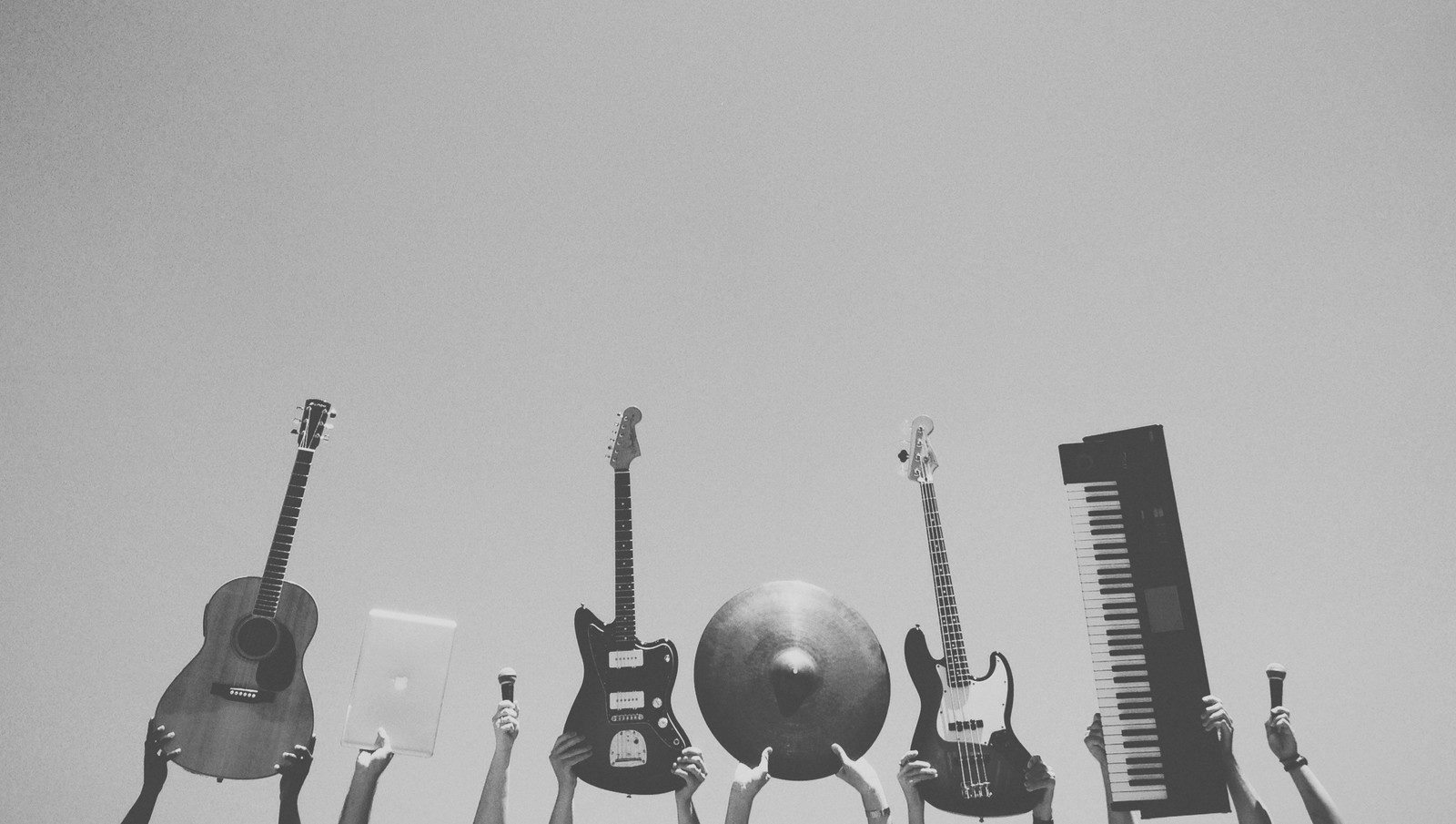
Image: Caleb George

Long before it became fashionable for celebrities to branch out into other media, there were already well-known figures in Hollywood with impressive musical abilities hidden behind their fame. Actors, comedians, and even talk show hosts often revealed surprising talent in playing instruments, writing songs, or stepping into a recording studio. For some, music was a personal interest pursued in private; for others, it was part of an early career path. Whether performing for an audience or simply playing at home, these 12 individuals remind us that artistic talent often runs deeper than what we see on screen or stage.

1
Charlie Chaplin
Image: Sigmund

Charles Chaplin was far more than a slapstick icon; he was also a gifted, self-taught composer. Despite never learning to read music, he had an exceptional ear and a deep love for melody. He personally created the musical scores for many of his films, ensuring every note matched his vision. One of his most enduring compositions, "Smile," was later turned into a beloved ballad recorded by Nat King Cole, Michael Jackson, and many others. Did you know that?

2
Clint Eastwood
Image: Markus Gjengaar

Known for his lone-wolf type characters and acclaimed work behind the camera, Clint Eastwood also has a deep love for jazz that has shaped much of his personal and creative life. A skilled piano player, Eastwood doesn’t just tinker with the keys—he plays with real finesse. He’s even composed original scores for several of his own films, including Mystic River and Million Dollar Baby . At home, his Steinway grand piano sits surrounded by a carefully curated vinyl collection, a tribute to the music that inspires him.

3
Mae West
Image: Clo Art

Long before anyone coined the term "multi-hyphenate," Mae West was already doing it all. A screen legend and the epitome of 1930s allure, she wasn’t just known for her wit and curves—she also had serious musical chops. Her signature sultry voice was famous, but did you know she also composed music and wrote her own lyrics? She even experimented with rock ’n’ roll in the 1960s, releasing albums well into her seventies. True to form, her songs—like her film scripts—were brash, playful, and unapologetically ahead of their time.

4
Jimmy Stewart
Image: Tomas Tuma

Beyond his warm, everyman charm, Jimmy Stewart had a lesser-known talent: playing the accordion. Though he never pursued it professionally, the instrument was his faithful companion. He often brought it to movie sets, entertaining cast and crew during breaks. For Stewart, music wasn’t about showmanship but a way to unwind and create a friendly atmosphere wherever he went.

5
Jerry Lewis
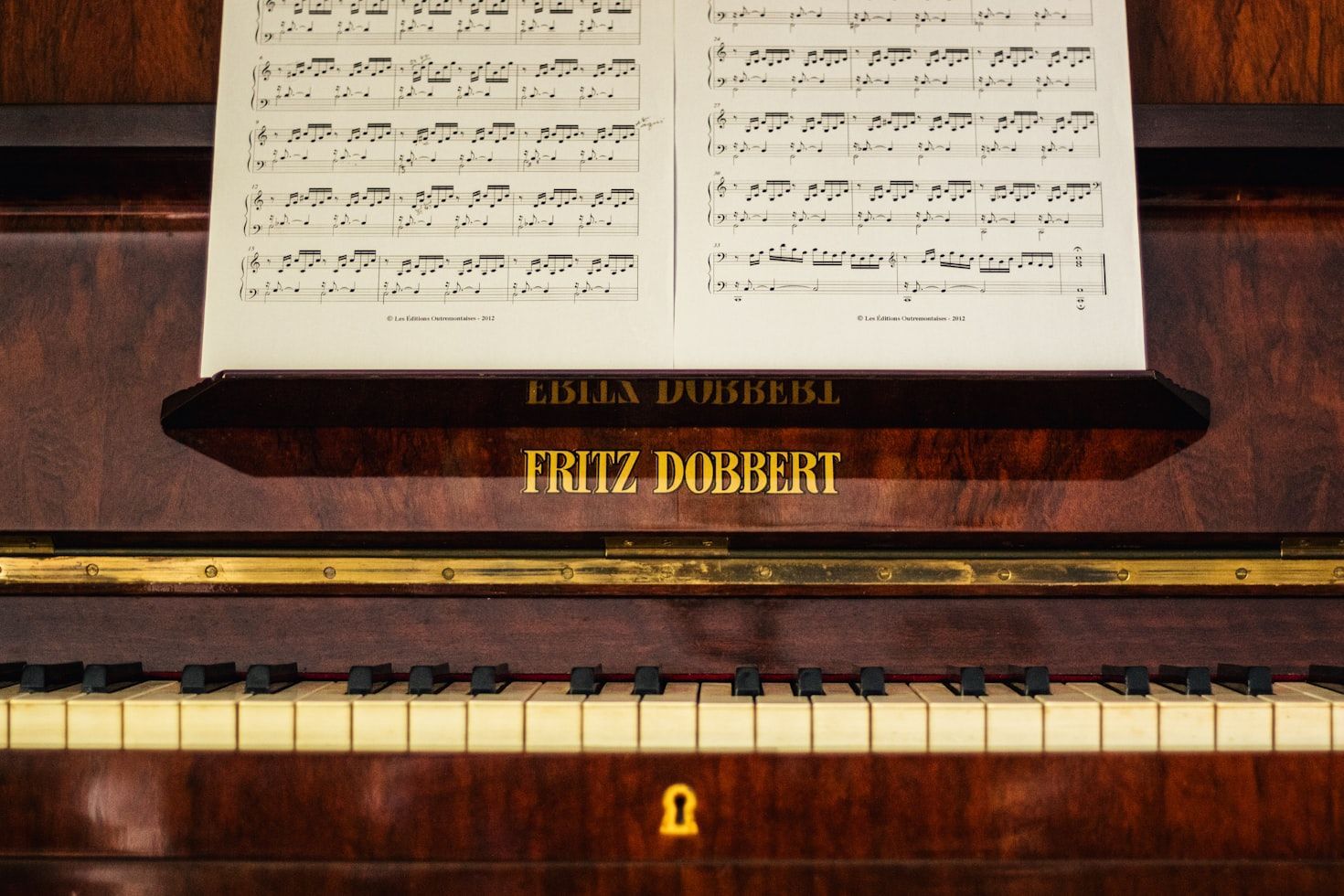
Image: Stéfano Girardelli

Renowned for his wild antics and legendary comedy duo with Dean Martin, Jerry Lewis was more than just a funny man—he was also a talented, self-taught pianist. He began playing as a child and kept music close throughout his career, often incorporating piano interludes into his routines. Beyond the stage, Lewis composed original pieces for films and television specials, showcasing a musical side that many fans may not even know about.

6
Meryl Streep
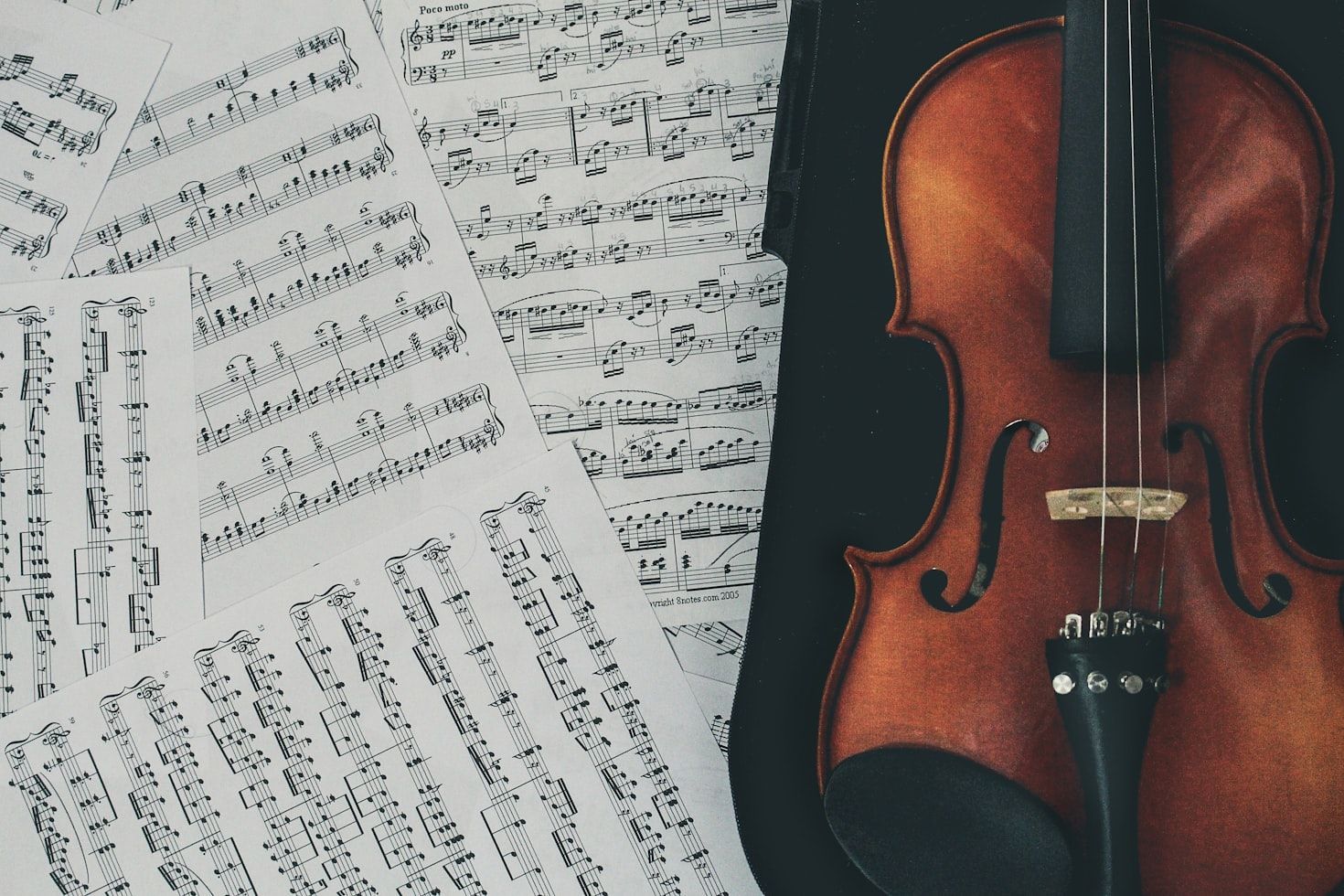
Image: Stefany Andrade

Meryl Streep may be the queen of acting, but long before she stepped in front of a camera, she was busy mastering the violin. As a young woman, she studied classical violin passionately, developing not just technique but a deep appreciation for music. Though she didn’t pursue it professionally, her early training paid off in unexpected ways—giving her the confidence and credibility to tackle musically demanding roles later in life, such as the hilariously off-key opera singer in Florence Foster Jenkins or the show-stopping mother in Mamma Mia!

7
Paul Robeson
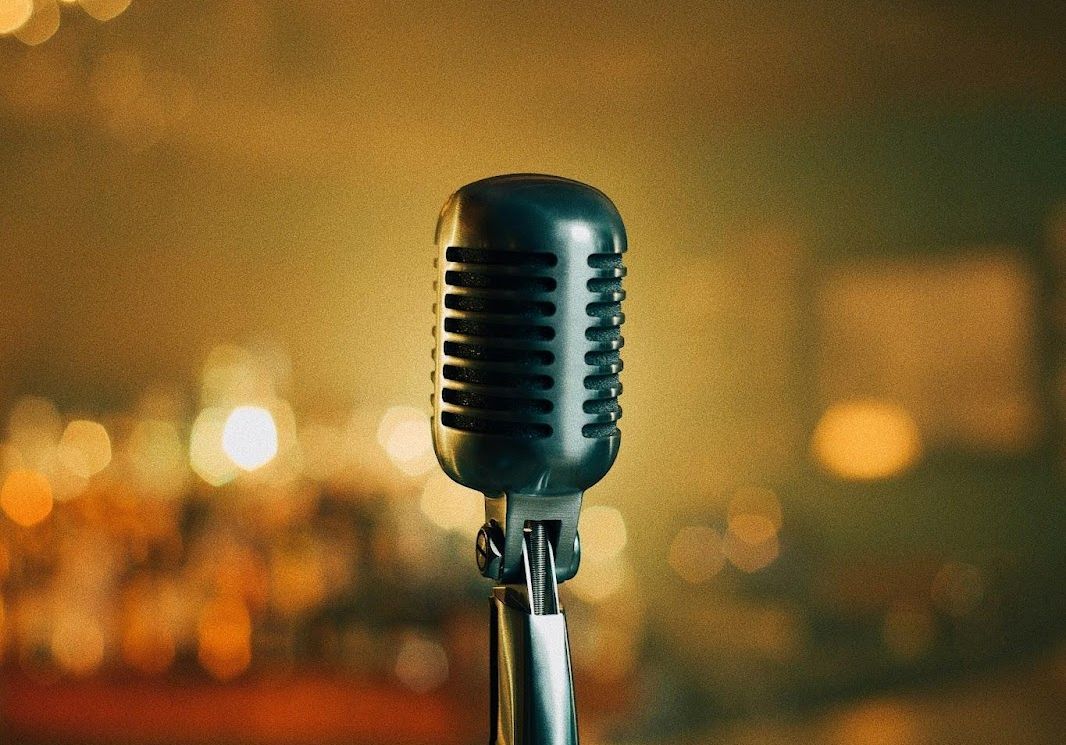
Image: Yoel J Gonzalez

More than just a performer, Robeson was a powerful voice —both literally and politically. His booming bass made "Ol’ Man River" unforgettable, but his musical talent went far beyond that. A trained singer and accomplished actor, he viewed art as a force for justice. Fluent in over 20 languages, Robeson performed around the world, using his voice not only to entertain but also to speak out against racism and inequality wherever he went.

8
Johnny Carson
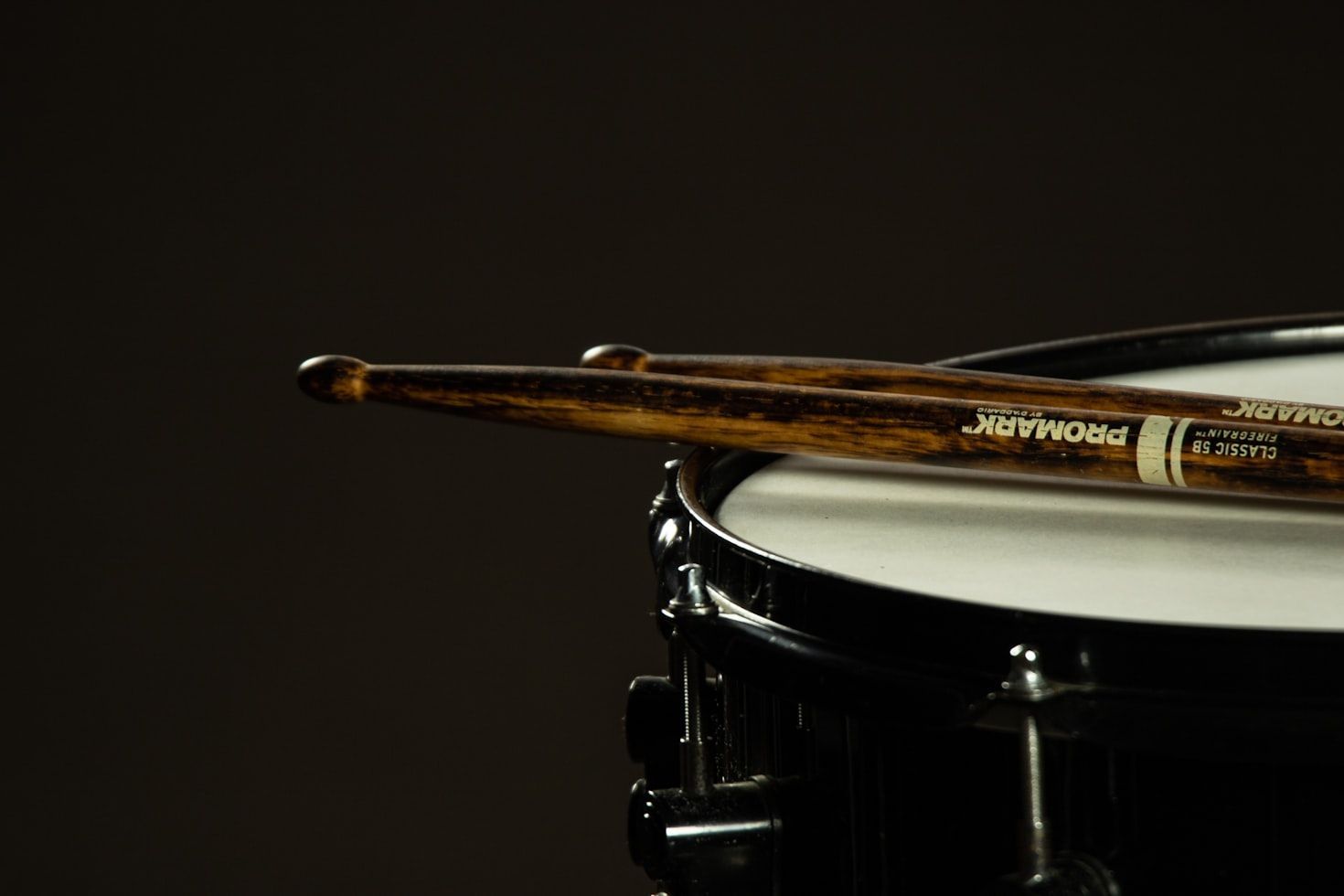
Image: Brent Ninaber

Best known as the face of The Tonight Show , Johnny Carson also had rhythm running through his veins. A lifelong music lover, he took up the drums as a boy and never lost the habit. While he never pursued it professionally, he occasionally surprised audiences by sitting in with the studio band for a quick jam—a subtle reminder that behind the suit and tie was a performer with more than one talent.

9
Anthony Quinn
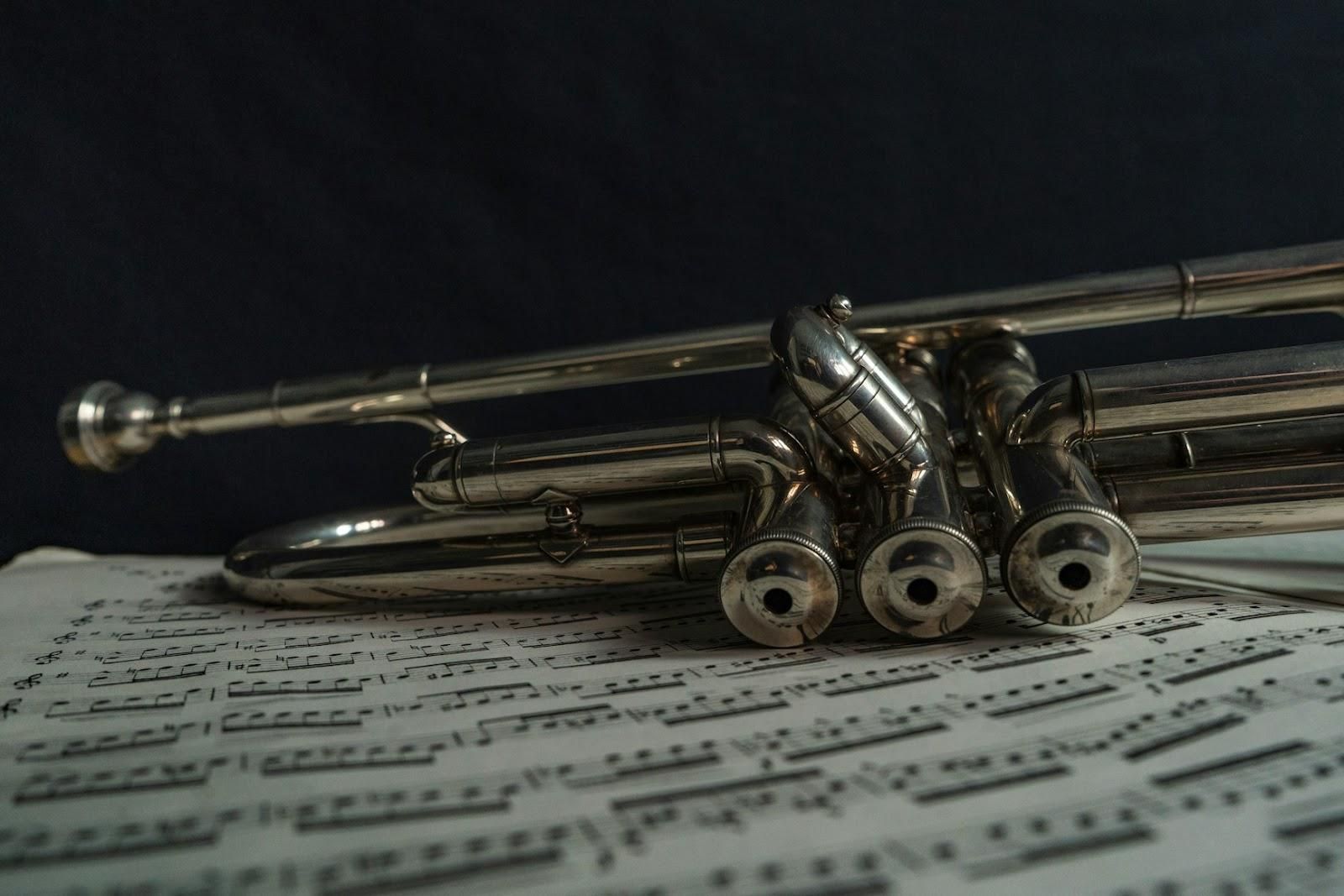
Image: Eric Awuy

Long before captivating audiences as Zorba the Greek, Anthony Quinn was making noise in a completely different way. Born in Mexico and raised in Los Angeles, he picked up the trumpet and saxophone, playing in local jazz bands to earn money and express himself creatively. Music was his first love, and although acting eventually took center stage, those early musical roots stayed with him throughout his life.

10
Jack Lemmon
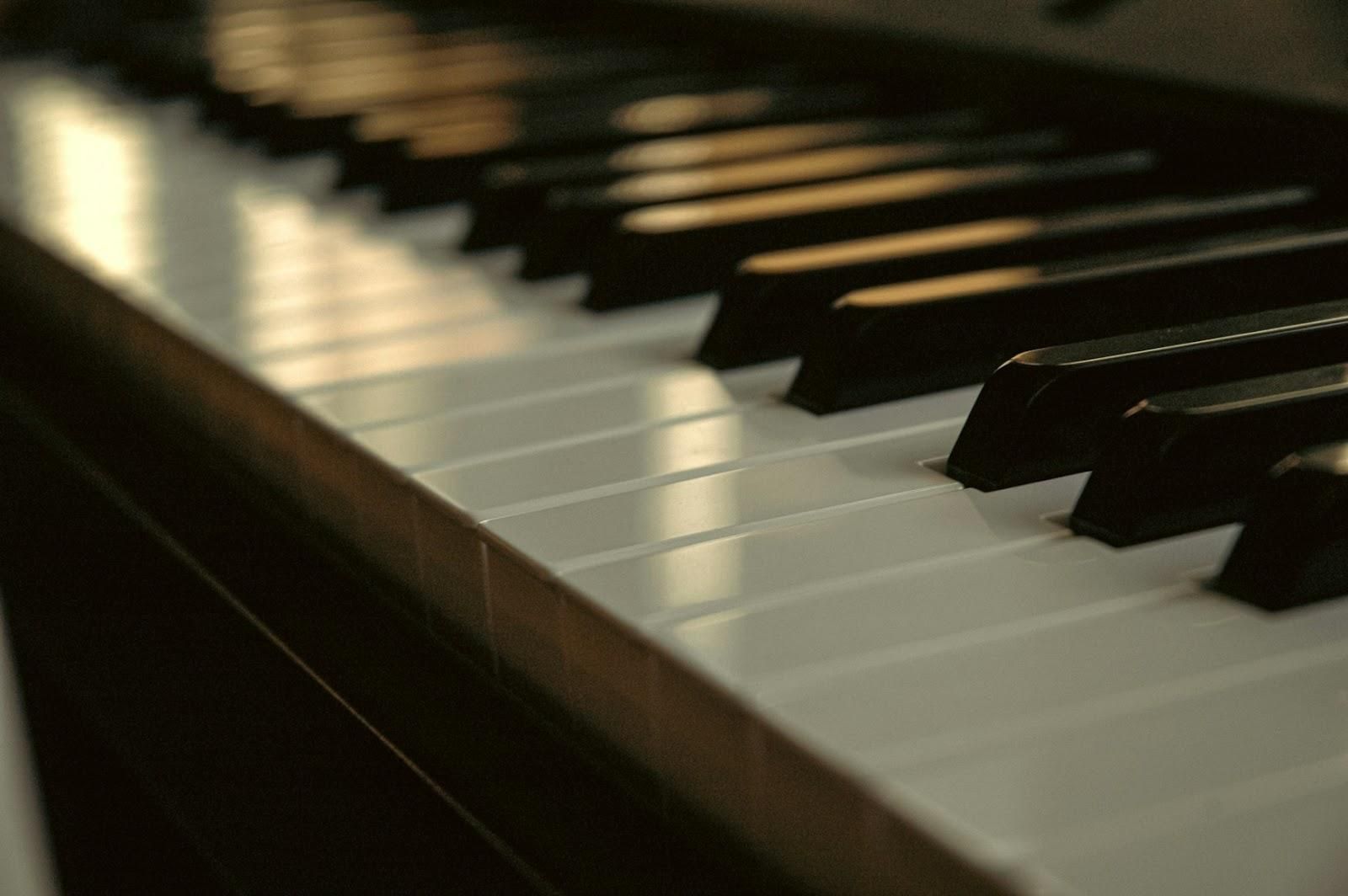
Image: Rohit Tandon

Beloved for his wit and warm on-screen charisma, Jack Lemmon had another talent up his sleeve: he was a gifted pianist. Audiences who saw him on talk shows were often treated to impromptu performances, where he’d sit down at the piano and play with real flair. It wasn’t just a party trick—music was a lifelong passion for Lemmon, a source of joy, and a way to express himself beyond the roles he played. Whether behind the keys or in front of the camera, his genuine charm always shone through.

11
Steve Martin
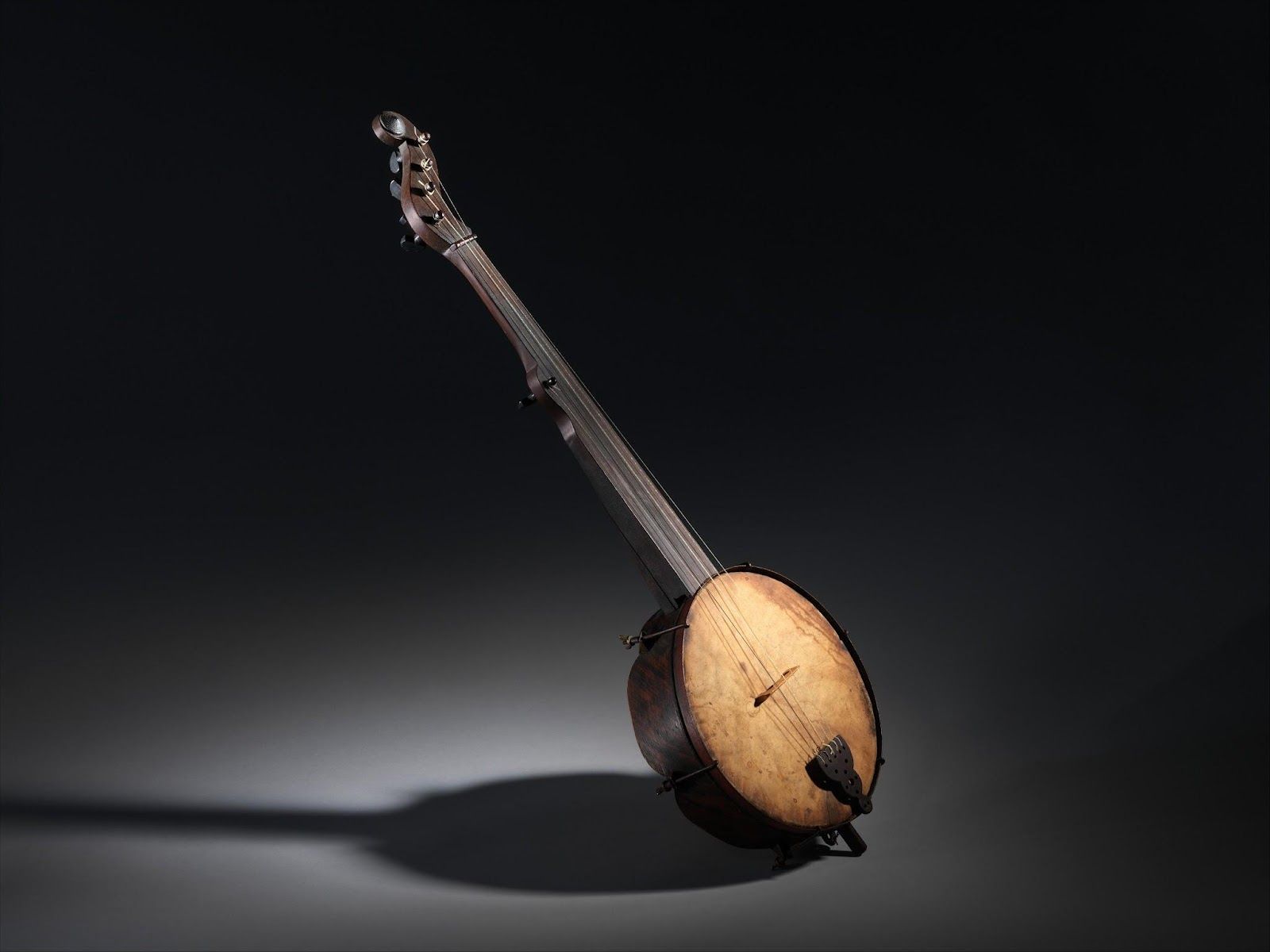
Image: Metropolitan Museum of Art, CC0, via Wikimedia Commons

Long before he became a household name with comedies like The Jerk , Steve Martin was already strumming the banjo with remarkable skill. What began as a teenage hobby grew into a lifelong passion for bluegrass. He has recorded several albums, earning multiple Grammy Awards, and shared the stage with legends like Earl Scruggs and Dolly Parton. Not just a performer, Martin also founded a nonprofit to support up-and-coming banjo players and keep the tradition alive.

12
Julie Andrews
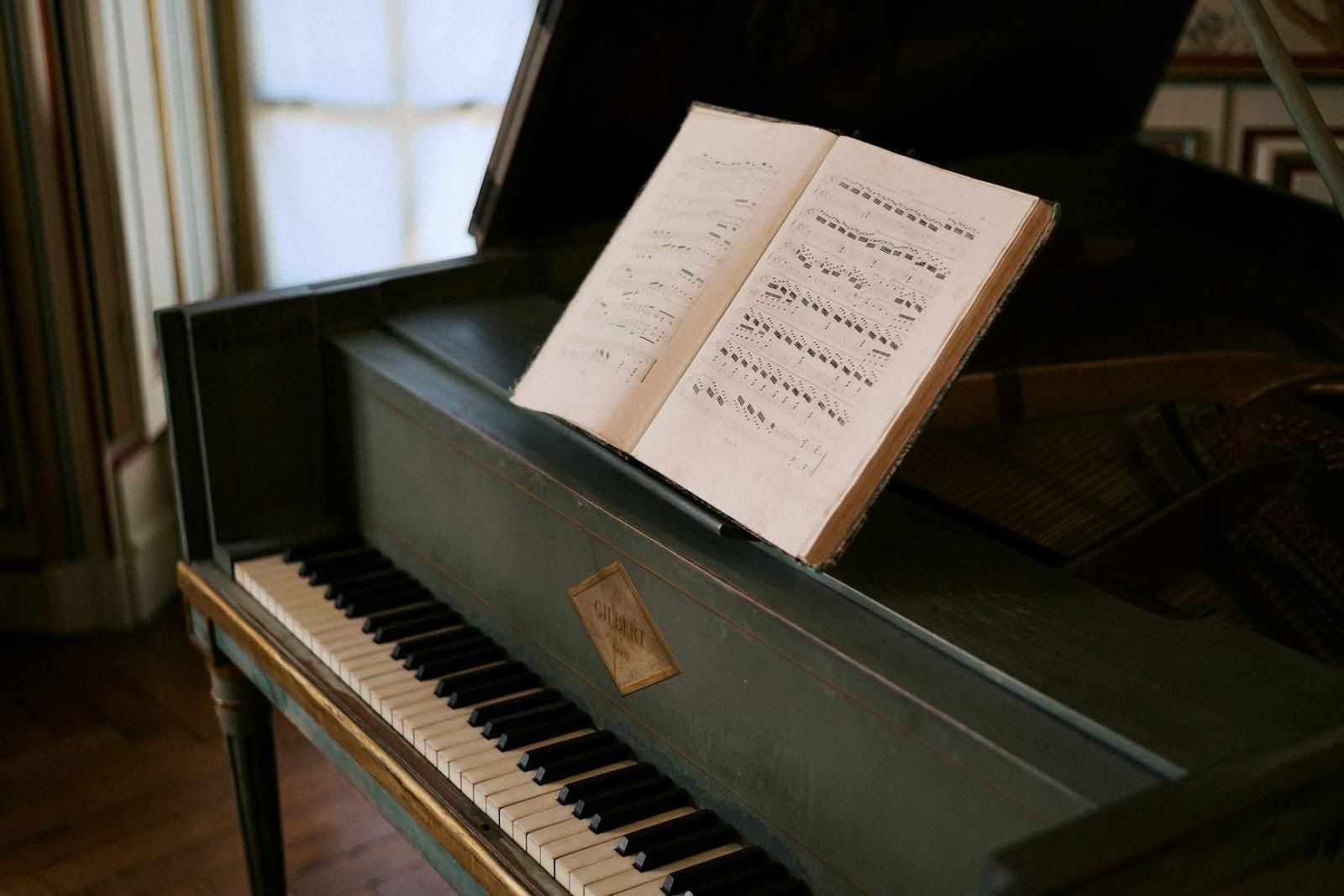
Image: The Now Time

We can’t wrap up this list without tipping our hat to the great Julie Andrews. Most folks remember her as the angel-voiced Maria from The Sound of Music , but did you know she’s also a talented pianist? Trained in music from an early age, her time at the piano helped shape her legendary perfect pitch. Later in life, she often sat down to compose music—sometimes even teaming up with her daughter to create songs for children. A true class act, on and off the screen!

History History 4 min read

Nature’s wrath unleashed

Wild, wild weather: 10 natural disasters that changed U.S. history

Image: Greg Johnson

America’s vast territories and diverse landscapes make it a hotspot for some of the world’s most remarkable weather and natural phenomena . From raging tornadoes to volcanic eruptions, the U.S. is no stranger to extreme natural events. While some of these events have left deep scars on the nation’s collective memory, many have also driven significant advancements in prevention and disaster response protocols, helping to mitigate the impact of future occurrences. Here’s a look at 10 of the most powerful natural events in American history.

1
Tri-State tornado

Image: Greg Johnson

In 1925, the Tri-State Tornado carved a path of destruction across Missouri, Illinois, and Indiana. With winds exceeding 300 mph, it remains the deadliest tornado in U.S. history, claiming more than 700 lives and leaving thousands homeless.

This record-breaking F5 tornado—classified as such by modern standards—traveled over 200 miles in just three and a half hours, leveling entire towns. Its unprecedented speed and longevity exposed the limitations of early warning systems, prompting significant advancements in tornado research and forecasting.

2
The Dust Bowl

Image: Sophia Simoes

The 1930s Dust Bowl was a man-made disaster exacerbated by a severe drought across the Great Plains. Decades of over-plowing and unsustainable farming practices had left the farmland highly vulnerable to erosion.

When the drought struck, winds swept loose soil into colossal clouds that darkened cities and devastated remaining crops. These massive dust storms, known as "Black Blizzards," choked the skies and forced thousands of families to abandon their homes . Eventually, the disaster led to significant agricultural reforms under the New Deal.

3
Lake Michigan's seiche wave

Image: Silas Baisch

On the morning of June 26, 1954, a 10-foot-high seiche wave crashed onto the Chicago shoreline , sweeping away eight people and injuring many others. But what exactly is a "seiche wave"?

According to researchers, seiche waves are large, sudden standing waves that form in enclosed bodies of water due to extreme atmospheric changes, such as abrupt shifts in air pressure or strong winds. This rare event shocked the Midwest and prompted scientists to study lake oscillations and their connection to storm systems.

4
Great Alaska earthquake

Image: Joris Beugels

In 1964, Alaska was struck by a devastating earthquake with a magnitude of 9.2, making it the most powerful ever recorded in North America and the second most powerful worldwide. Lasting four minutes and thirty-eight seconds, the earthquake triggered massive tsunamis and landslides across the state, along with significant geographic changes —some coastlines sank while others rose dramatically.

The destruction it caused led to major updates in seismic safety protocols and infrastructure standards throughout the U.S. This event emphasized the need for better preparedness and stricter building codes , to handle similar future events, especially in earthquake-prone areas.

5
Hurricane Katrina

Image: NASA

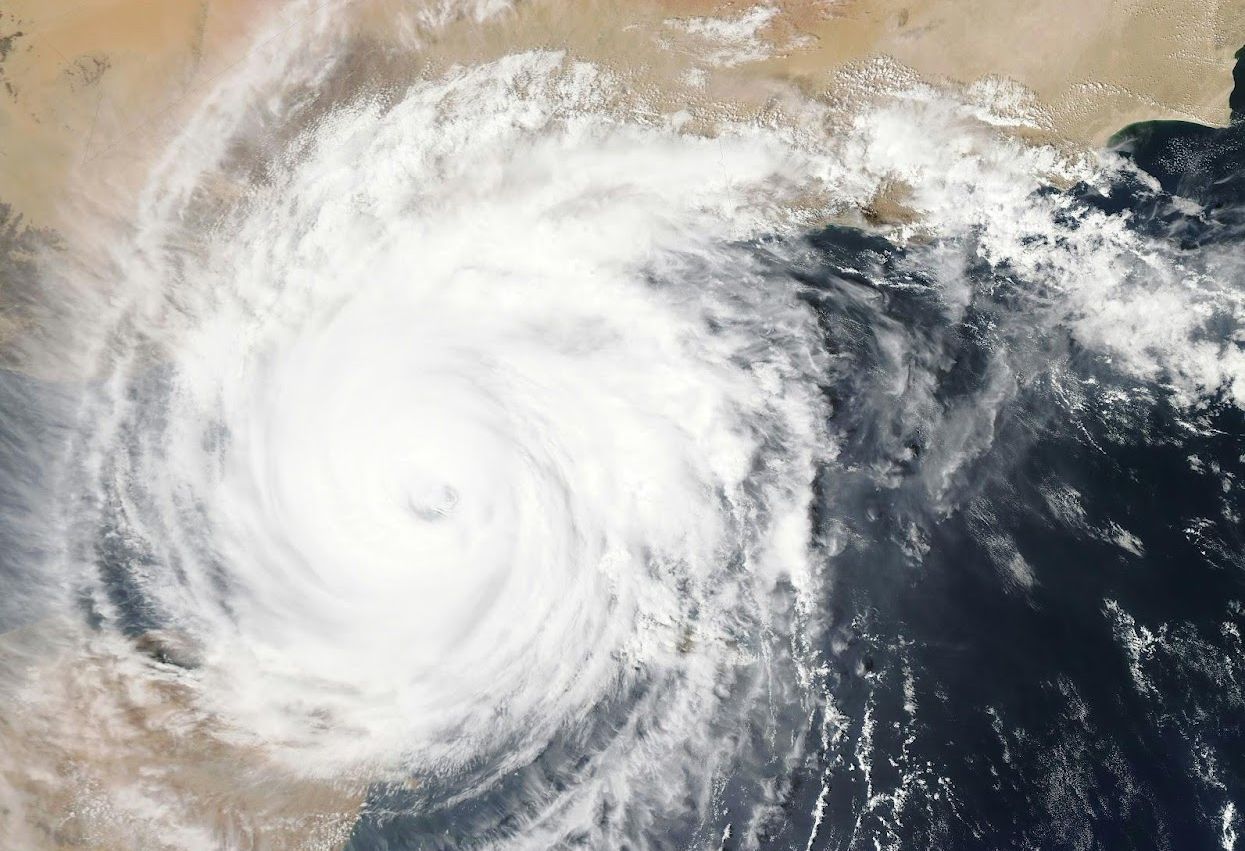
In 2005, Hurricane Katrina ravaged New Orleans and the Gulf Coast, claiming more than 1,300 lives and leaving millions homeless, sparking an urgent humanitarian crisis. The storm caused an estimated $125 billion in damages, making it one of the costliest hurricanes in history , tied with Hurricane Harvey in the Atlantic basin.

Katrina exposed critical flaws in the region's levee systems and emergency response efforts, prompting widespread criticism and driving essential reforms in disaster preparedness and infrastructure.

6
The Peshtigo firestorm

Image: Tim Mossholder

On the same day as the Great Chicago Fire of 1871, a catastrophic firestorm near the small town of Peshtigo, Wisconsin, scorched approximately 1.2 million acres, making it the deadliest wildfire in recorded history . The uncontrolled blaze claimed over 1,500 lives, though the exact number of fatalities remains uncertain.

Since 1883, there has been speculation that the simultaneous outbreaks of major fires across Illinois, Michigan, and Wisconsin, including the Peshtigo and Chicago fires, were not coincidental but caused by burning fragments from Biela's Comet . However, this theory remains unproven.

7
Superstorm Sandy

Image: Matt Hardy

Nicknamed "Superstorm" by the media, Hurricane Sandy wreaked havoc on the Caribbean and the coastal Mid-Atlantic region of the United States in late October 2012. While it affected 24 states, the most severe damage was concentrated in New Jersey and New York .

The storm caused an estimated $70 billion in damages, flooding New York City's subway system and displacing thousands of residents. It also ignited a nationwide debate about the role of man-made climate change in amplifying the intensity of seasonal storms.

8
Death Valley heatwave

Image: Johannes Plenio

Death Valley recorded the world’s hottest temperature —134°F—in 1913. A testament to America’s climatic extremes, the region’s unique topography traps heat, effectively turning it into a natural furnace.

While the record remains a point of fascination for meteorologists and tourists alike, some recent researchers have challenged the accuracy of the 1913 measurement. Regardless, the region has come close to this temperature in recent years, indicating that a new record-breaking summer may be in the cards.

9
The Great Blizzard of 1888

Image: Jan Canty

The "White Hurricane" of 1888 buried the Northeast under as much as 55 inches of snow, crippling major cities and resulting in over 400 fatalities. Railroads were shut down, and many residents were confined to their homes for up to a week.

As one of the most severe blizzards in American history , the storm compelled New York City to bury power lines and redesign its transportation systems to better withstand future extreme weather events.

10
Mount St. Helens eruption

Image: Tetiana Grypachevska

On May 18, 1980, Mount St. Helens erupted in Washington, triggering massive landslides and pyroclastic flows, killing 57 people and causing over $1.1 billion in damages. The violent blast also reduced the mountain’s height by more than 1,300 feet and sent a plume of ash 80,000 feet into the atmosphere, disrupting air travel for weeks.

This volcanic event, the first in the contiguous United States since the much smaller 1915 eruption of Lassen Peak in California, is considered one of the most disastrous volcanic eruptions in U.S. history. Its aftermath raised awareness of volcanic hazards and underscored the importance of geological research in the country.

Culture Culture 6 min read

An American legend

“Chairman of the Board”: How much do you know about Frank Sinatra?

Image: Alesan Aboafash

Frank Sinatra truly needs no introduction: from "The Sultan of Swoon" to "Ol’ Blue Eyes," we could fill this entire introduction only with all the iconic nicknames Sinatra collected throughout his life. This singer and actor’s amazing talent and magnetic personality have truly cemented him as one of America’s most iconic artists. While his remarkable career is definitively too extensive to cover in this article, we have selected 10 moments in Sinatra’s life to celebrate the legacy of this groundbreaking American. Enjoy!

1
Early life

Image: Laith Abuabdu

Let’s start with the very beginning, in a small tenement in Hoboken, New Jersey. It’s no secret that Frank is one of the Garden State’s favorite sons, and we like to believe that the feeling was mutual. According to biographers, Sinatra developed his love of music at an early age, becoming interested in big band jazz and singers like Gene Austin and Bing Crosby.

By the time he was a teenager, Frank began singing professionally with a group called "the 3 Flashes," which renamed itself "the Hoboken Four" after Sinatra joined. A few years later, he became the lead singer of the band, which was conducted by Tommy Dorsey, one of the most influential figures in Sinatra’s early career.

2
Time to go solo

Image: Dushawn Jovic

In 1942, Sinatra convinced Dorsey to allow him to record a few solo songs ; these included some of his first hits, like "Night and Day" and "The Song is You." Impressed by the way these recordings sounded, Frank decided it was time to go solo. This was easier said than done, since his contract stipulated that he had to give Dorsey 43% of his lifetime earnings.

After a lengthy legal battle, Frank was able to become a solo artist , although his relationship with Dorsey never recovered. Part of their dispute included the fact that Sinatra offered Dorsey’s conductor, Axel Stordahl, five times his salary to sign with him and become his personal arranger.

3
"Sinatramania"

Image: Ethan Rougon

By the start of the 1940s, Frank’s popularity was soaring, and the whole country seemed to be enraptured by a wave of "Sinatramania." He topped the male singers' polls and was the quintessential idol of "Bobby Soxers," a subculture of teenage girls characterized for their fondness of popular music.

Perhaps this following anecdote can encapsulate how hard the "Sinatramania" had hit America: In 1944, Sinatra returned to the Paramount Theatre in New York after two amazing performances a few years earlier. The audience that gathered for that show was so massive that only 250 people were allowed to enter the theatre, while the remaining 35,000 protested outside. They were so determined to see "the Sultan of Swoon" that their rejection caused a riot known as the "Columbus Day Riot."

4
World War II

Image: Museums Victoria

Sinatra’s birth was a difficult one, and his eardrum was perforated during delivery. This condition made him ineligible for military service during the onset of World War II. However, he did serve his country by raising morale, traveling through Europe, and entertaining the troops towards the end of the war.

Frank performed in several USO tours alongside comedian Phil Silvers. Not only that, many of his radio performances with the "Andrews Sisters" harmony group were broadcast to the soldiers through the American Forces Radio service.

5
Acting career

Image: Los Angeles Times, CC BY 4.0

Sinatra’s acting chops are sometimes overshadowed by his singing career, which is an absolute shame. While he had small singing roles and cameos in 1940 films like Las Vegas Nights and Reveille with Beverly , his breakthrough came with the 1945 musical Anchors Aweigh , in which he starred alongside Gene Kelly and Kathryn Grayson. The film’s success and Academy Award nominations ensured a series of movies with Gene Kelly, including the now iconic On the Town in which Sinatra plays a sailor.

However, Frank’s acting credits are not limited to musicals that showcased his amazing voice; he starred in groundbreaking films like The Manchurian Candidate , High Society, and The First Deadly Sin . Not only that, he was the first choice to play the legendary Detective Harry Calahan in Dirty Harry , but he had to turn down the role. Picture this: There’s an alternate universe in which "The Voice" is the one that utters the film’s famous line, "Do you feel lucky, punk?"

6
The Rat Pack

Image: Los Angeles Times, CC BY 4.0

What’s life without a few friends? The term "rat pack" is an old New Yorker slang name used to describe a group of friends. However, today we use it to refer to a distinct group of actors and singers, the quintessential "Rat Pack" of which Frank Sinatra was one of the shiniest stars.

Alongside Frank, the Rat Pack included iconic singers like Dean Martin, Sammy Davis Jr., Judy Garland, Mickey Rooney, and Nat King Cole. According to legend, the group received its name from Humphrey Bogart and Lauren Bacall after they were seen returning from a night in Las Vegas. Many remember the original iteration of the classic heist film Ocean’s Eleven, which starred five members of the Rat Pack.

7
The Capitol years

Image: Dane Deaner

The 1950s were truly a Renaissance time for Sinatra. While interest in his music had slowly waned over the years, Frank saw the success of the 1953 film From Here to Eternity as an opportunity to revitalize his career. In that sense, that same year, the singer made a move that would prove to be essential in this revival: his signing with Capitol Records .

SInatra’s seven-year contract with Capitol produced some of this singer’s most beloved albums , including "Where Are You?" and "Come Fly with Me." One of the strongest elements behind these albums was arranger Nelson Riddle, who was wonderfully adept at matching Sinatra’s perfectionism.

8
Family life

Image: Jorge Moncayo

Let’s step away from the spotlight for just a moment and focus on Sinatra’s family life . Frank’s four marriages were highly publicized; some of them included Ava Gardner and Mia Farrow, two of the biggest actresses of their time. However, we have decided to instead highlight the most important things that came from his relationships: his children.

Frank had three children with his first wife, Nancy Barbato: Nancy, Frank Jr., and Christina, known as "Tina." Most biographers agree that, while his relationships may have been tumultuous, Frank was by all accounts a devoted father. Two of his children, Nancy and Frank Jr., went on to follow in their father’s footsteps and became singers themselves, with Nancy turning out to be one of the most prominent artists of the ‘60s and ‘70s.

9
Retirement

Image: Los Angeles Times, CC BY 4.0

As the saying goes, "All good things must come to an end," and in 1970, Sinatra announced he would be retiring from recording and performing. However, it should come as no surprise that his retirement was definitively short-lived or, at the very least, as packed with excitement as his career had been.

By the 1970s, Sinatra’s voice had grown coarsened after years of demanding use. However, this only added a new layer of depth to Frank’s singing; audiences loved the deeper and rougher tones he added to his performances. Not only that, in 1980, Sinatra starred in his final film The First Deadly Sin , an extraordinary goodbye to his acting career.

10
Legacy

Image: IrishFireside, CC BY 2.0

On May 14, 1998, Frank Sinatra bid farewell to the world. While he is surely missed, his outstanding legacy still lives on, so we thought dedicating this final entry to some of the many homages this American icon received would be a fitting tribute.

In 1995, to honor Frank’s 80th birthday, the Empire State Building was lit blue to show its appreciation for "Ol’ Blue Eyes." Ten years after his death, the United States Postal Service issued a postage stamp honoring Frank, and Congress passed a resolution declaring May 13 as "Frank Sinatra Day."

Explore more American facts

Choose your favorite category!

General
General

As American as apple pie—the very best America has to offer!

Culture
Culture

Delve into the astounding richness of American lore.

Geography
Geography

Hop in and explore vast and diverse American landscapes.

History
History

Discover the key moments that shaped the United States.