Culture Culture 8 min read

Singers before fame

How 10 superstars made ends meet before they were famous
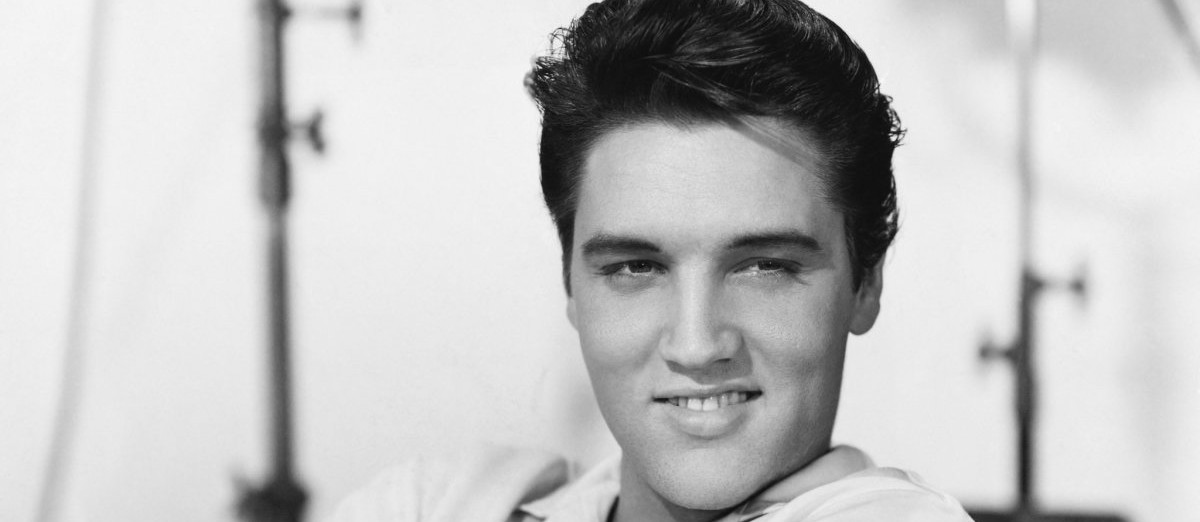
Image: See page for author, Public domain, via Wikimedia Commons

It’s hard to picture Elvis Presley behind the wheel of a delivery truck, Johnny Cash in the U.S. Air Force, or Tina Turner working in a hospital. But before they became icons, these music legends had ordinary jobs and different plans for their lives. Some worked in factories, some waited tables, and others had careers that had nothing to do with music. Here are 10 generational musicians whose lives before fame may surprise you.

1
Elvis Presley
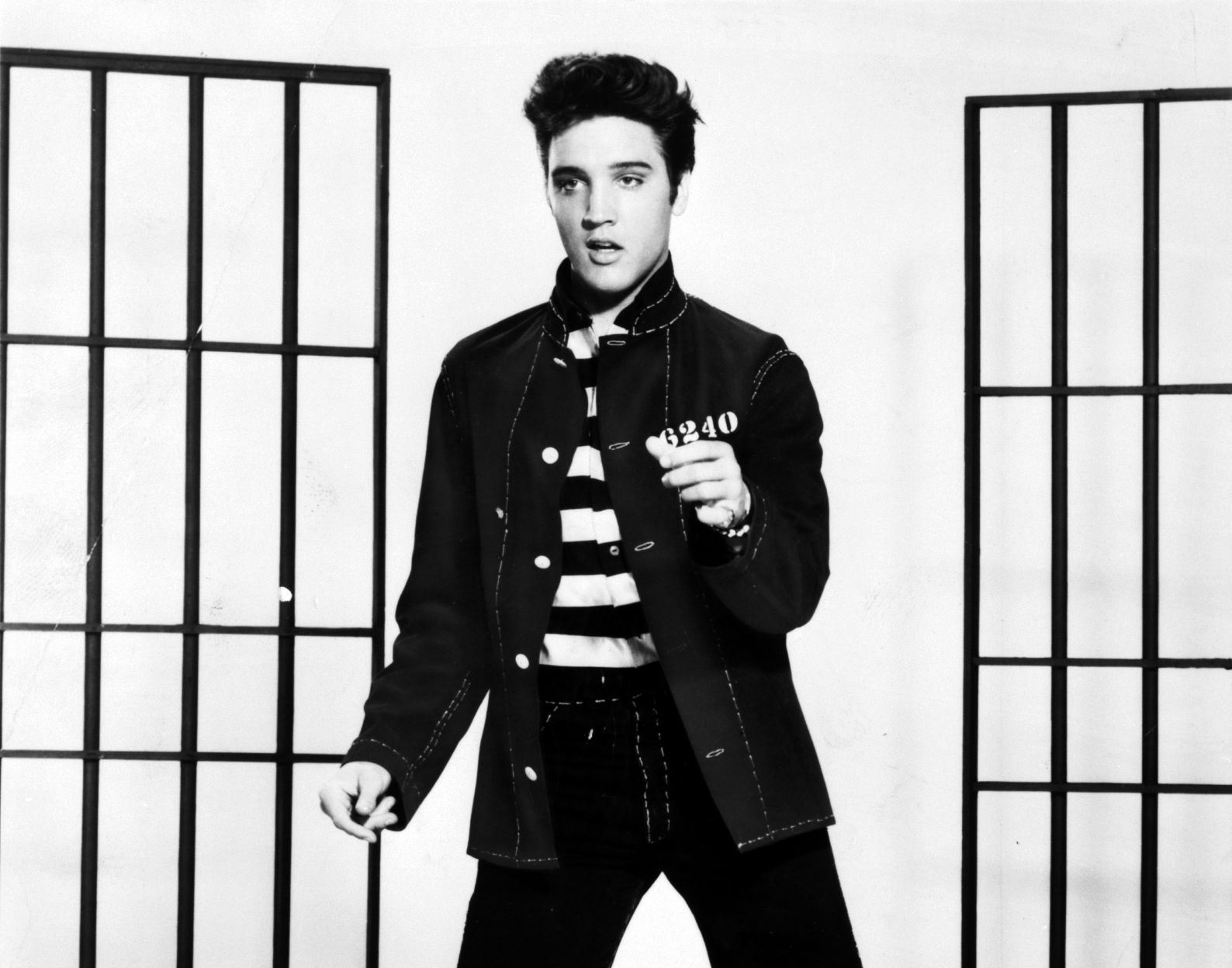
Just two years before "Heartbreak Hotel" catapulted him to worldwide fame in 1956, Elvis was working as a truck driver and deliveryman in Memphis, Tennessee.

He started at Crown Electric Company on April 20, 1954, earning $1 an hour to deliver electrical supplies to local job sites while hoping to train as an electrician. But everything changed that June, when Sun Records owner Sam Phillips remembered a recording Elvis had made a few years earlier as a gift for his mother and called him into the studio. They recorded a high-energy version of Arthur Crudup’s blues song "That’s All Right," which became Elvis’s first hit. Even after the song hit local radio stations, Elvis didn’t quit his job right away; he continued driving until mid-October 1954, when his touring schedule made it impossible to keep working a 40-hour week.

2
Johnny Cash
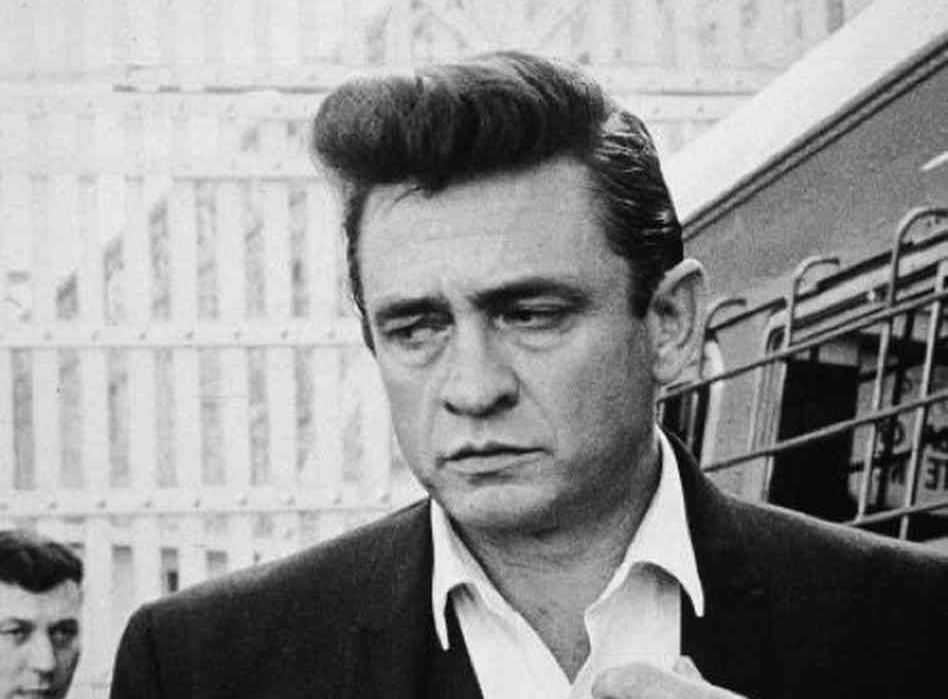
Image: Dillan Stradlin, CC BY-SA 4.0, via Wikimedia Commons

We all know Johnny Cash for hits like "I Walk the Line" and "Ring of Fire," but before becoming a country music legend, he had a totally different career.

In 1950, at 18, Cash enlisted in the U.S. Air Force during the Cold War. Stationed in Landsberg, West Germany, he worked as a Morse code intercept operator, transcribing secret Soviet transmissions. According to his 1997 autobiography, he was the first American to learn of Joseph Stalin’s death on March 5, 1953 , after decoding the Soviet message announcing it. But the Air Force also brought Cash closer to music. While in Germany, he bought his first guitar for 20 Deutsche Marks (about $5 at the time) and began writing songs and performing for fellow soldiers. Several years later, after moving to Memphis, Cash took the lyrics to "Folsom Prison Blues" to Sam Phillips, the same man who helped launch Elvis Presley’s career.

3
Madonna

Image: chrisweger, CC BY-SA 2.0, via Wikimedia Commons

Can you imagine walking into Dunkin’ Donuts for a coffee and being served by Madonna? If you lived in New York City in the late ’70s, it could have happened.

Madonna moved from her native Michigan to New York in 1978 at age 20, dreaming of becoming a singer and dancer. With just $35 in her pocket, she needed a job to pay the rent, and landed her first one at Dunkin’ Donuts in Times Square. But it lasted only a week. As she later recalled, she was fired for playing with the jelly-squirter machine. Over the next few years, Madonna took cassette recordings of her songs to producers, nightclubs, and DJs around the city. Her persistence paid off in 1982, when she gave a tape to Mark Kamins, a DJ at Danceteria. He played her song "Everybody," and the crowd loved it.

4
Tina Turner
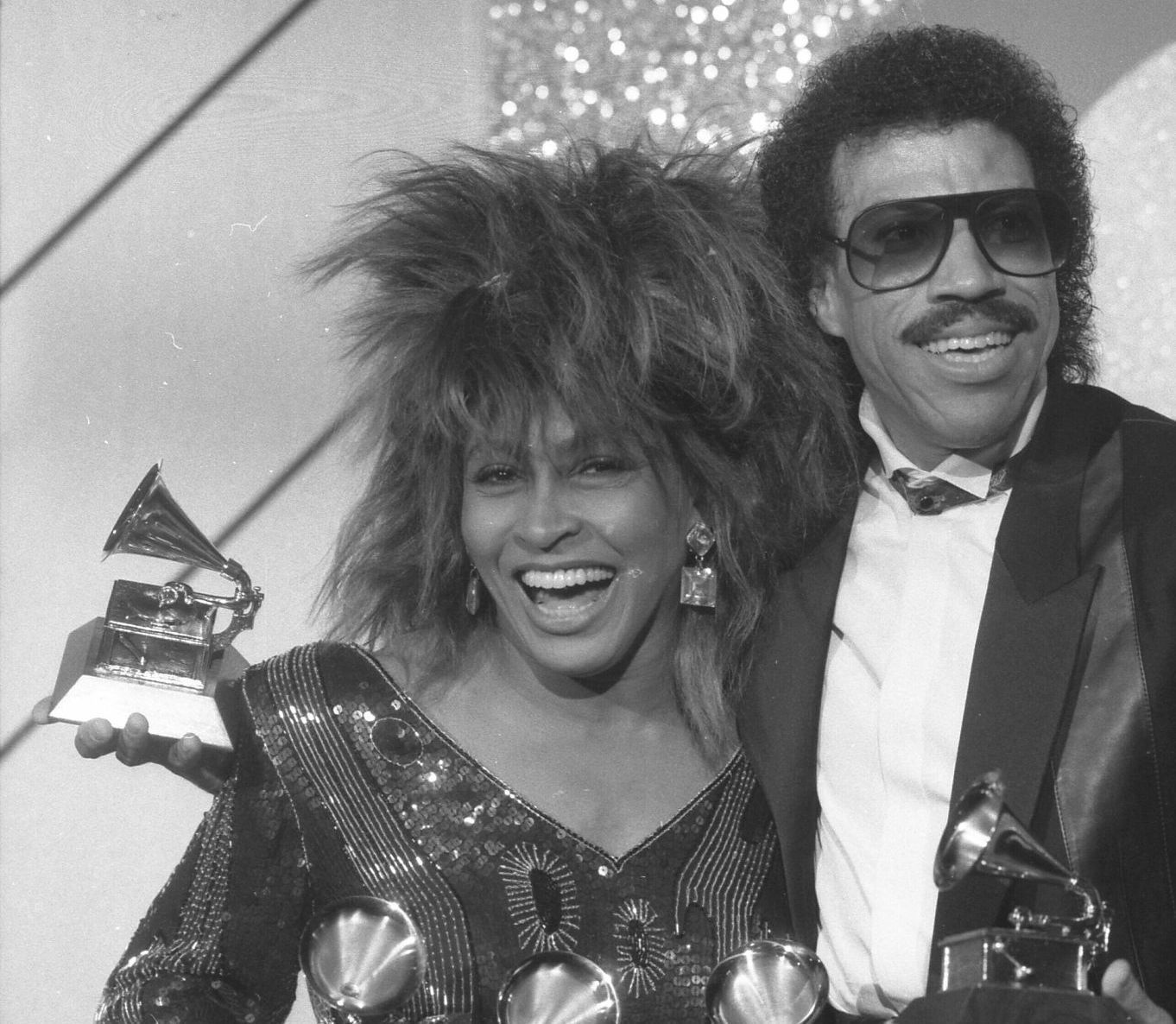
Image: Iris Schneider, Los Angeles Times, CC BY 4.0, via Wikimedia Commons

Before becoming one of the world’s greatest voices and performers, Tina Turner worked at a hospital.

Born Anna Mae Bullock in November 1939, she graduated from Sumner High School in St. Louis, Missouri, in 1958 and got a job as a nurse’s aide at the city’s Barnes-Jewish Hospital, hoping to pursue a career in medicine. But music soon changed her plans. She and her sister often visited clubs where Ike Turner performed with the Kings of Rhythm. One night, a drummer handed Tina the microphone, and Ike was so impressed by her voice that he invited her to sing with the group. For a while, Turner worked at the hospital by day and performed at night, but that changed in 1960, when she recorded "A Fool in Love" with Ike. The song became a huge hit, and touring demands forced her to leave her hospital job behind.

5
Chuck Berry
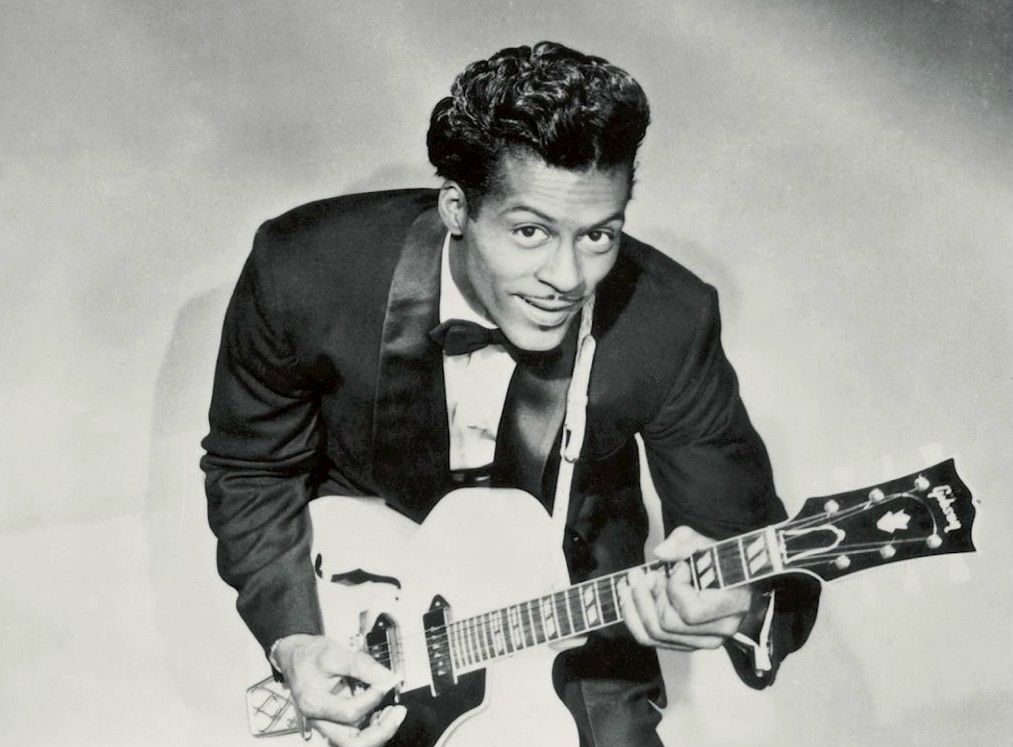
Image: Pickwick Records, Public domain, via Wikimedia Commons

Before becoming the Father of Rock and Roll with hits like "Johnny B. Goode," Chuck Berry had some surprisingly ordinary jobs.

After leaving a youth reformatory in 1947, Berry settled in St. Louis, got married, and found work on General Motors’ auto assembly line. While working at the factory, he developed a love for cars (which later showed up in songs like "Maybellene") and continued his longtime passion: playing guitar. In the early 1950s, he began exploring other fields, and in 1953, he left the factory to work as a professional hairstylist and cosmetologist, a job that allowed him to play guitar at local clubs on weekends. His ordinary life changed in 1955 when Berry showed up right at Chess Records' doors with his songs. That July, "Maybellene" became a huge hit and launched his music career.

6
Axl Rose

Image: Raph_PH, CC BY 2.0, via Wikimedia Commons

After seeing Axl Rose on stage, it’s hard to imagine him doing anything other than music. But he certainly did.

Born William Bruce Rose Jr. on February 6, 1962, in Lafayette, Indiana, he moved to Los Angeles in 1982 and formed a band named Hollywood Rose. During those years, he took a job as a clerk at Tower Records on Sunset Boulevard. He was pretty good at it and was eventually promoted to store manager. In his new position, he hired Saul Hudson, better known as Slash, who would later become his bandmate. They were both fired from Tower Records in 1984, but they didn’t give up on music. In June 1985, Rose joined Izzy Stradlin, Duff McKagan, Slash, and Steven Adler to form Guns N’ Roses. After building a following in LA bars, a Geffen Records executive saw the band perform, and they were finally signed to a major deal in 1986.

7
Cyndi Lauper

Image: John Bellissimo; Distributed by Portrait Records, Public domain, via Wikimedia Commons

We tend to imagine famous artists as having glamorous lives, but many had difficult beginnings. That was the case for Cyndi Lauper, who, in 1970, dropped out of school and left her home in Queens at 17 to escape her abusive stepfather.

She left with little more than a toothbrush, an apple, her cat, and some art supplies. In those early years, she relied partly on unemployment checks and money from panhandling. But she needed a steady income to support herself while pursuing her dreams. So she took on a series of odd jobs, working as a dog kennel assistant, personal assistant, vintage clothing clerk, and even a horse walker at Belmont Park racetrack. Her life finally began to change in 1981 when David Wolff discovered her singing covers at a New York piano bar and became her manager.

8
Duke Ellington
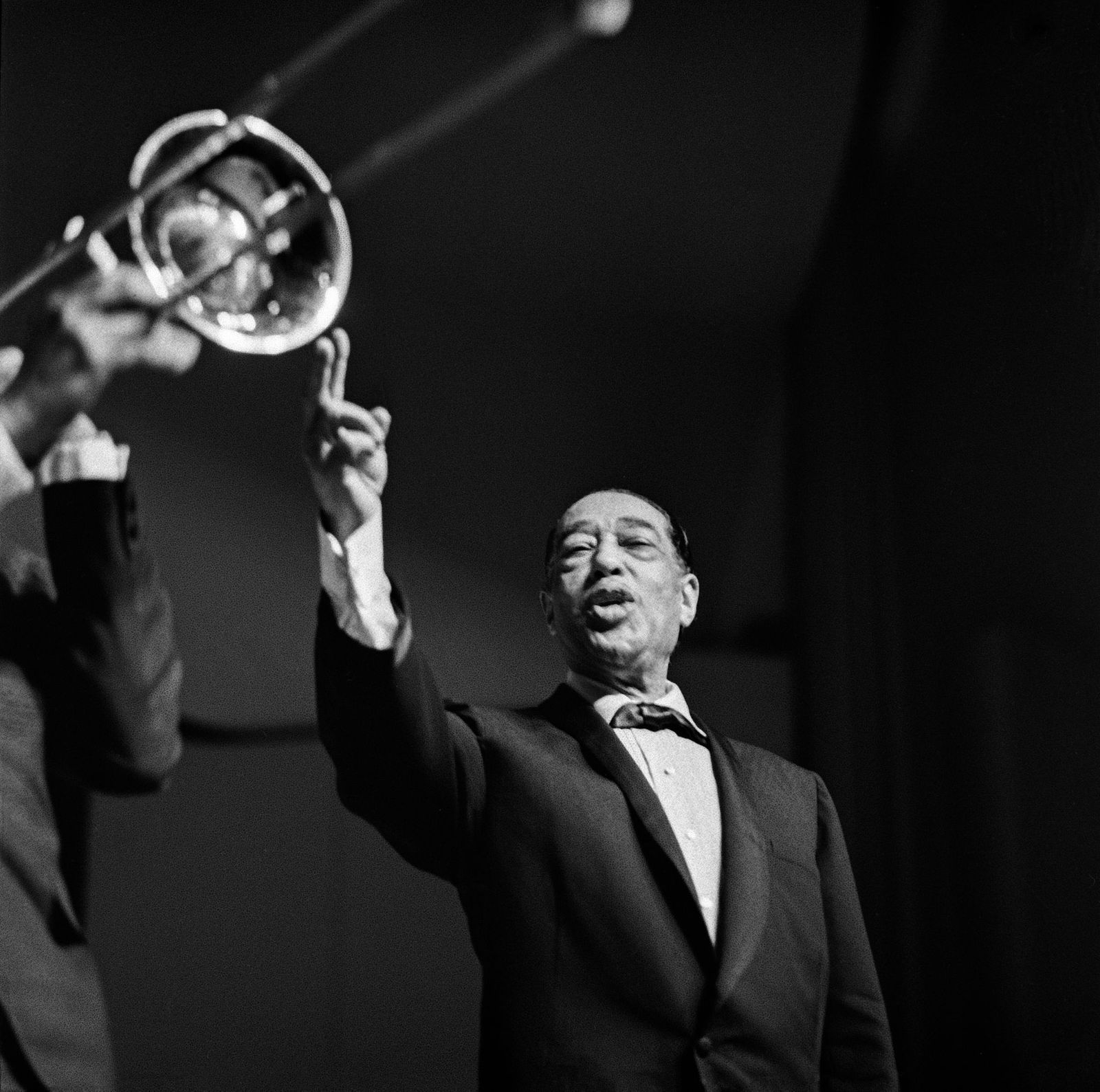
Image: Bert Carpelan, CC BY 4.0, via Wikimedia Commons

As a child growing up in Washington, D.C., in the early 1900s, Edward Kennedy Ellington was actually more interested in baseball than the piano.

At just 7, he would skip piano lessons to play baseball. His love for the sport became a way to earn money when he took a job as a vendor at Washington Senators games, selling peanuts, popcorn, cigars, and candy from around 1908 to 1912. But as a teenager, his interests began to change. At 14, he started sneaking into Frank Holliday’s Poolroom, where hearing local ragtime pianists sparked his passion for music. By 1914, Duke had written his first song, and over the years, his talent made him a local star. In 1923, he moved to New York City, and four years later, his big break came when his orchestra became the house band at Harlem’s famous Cotton Club.

9
Neil Diamond
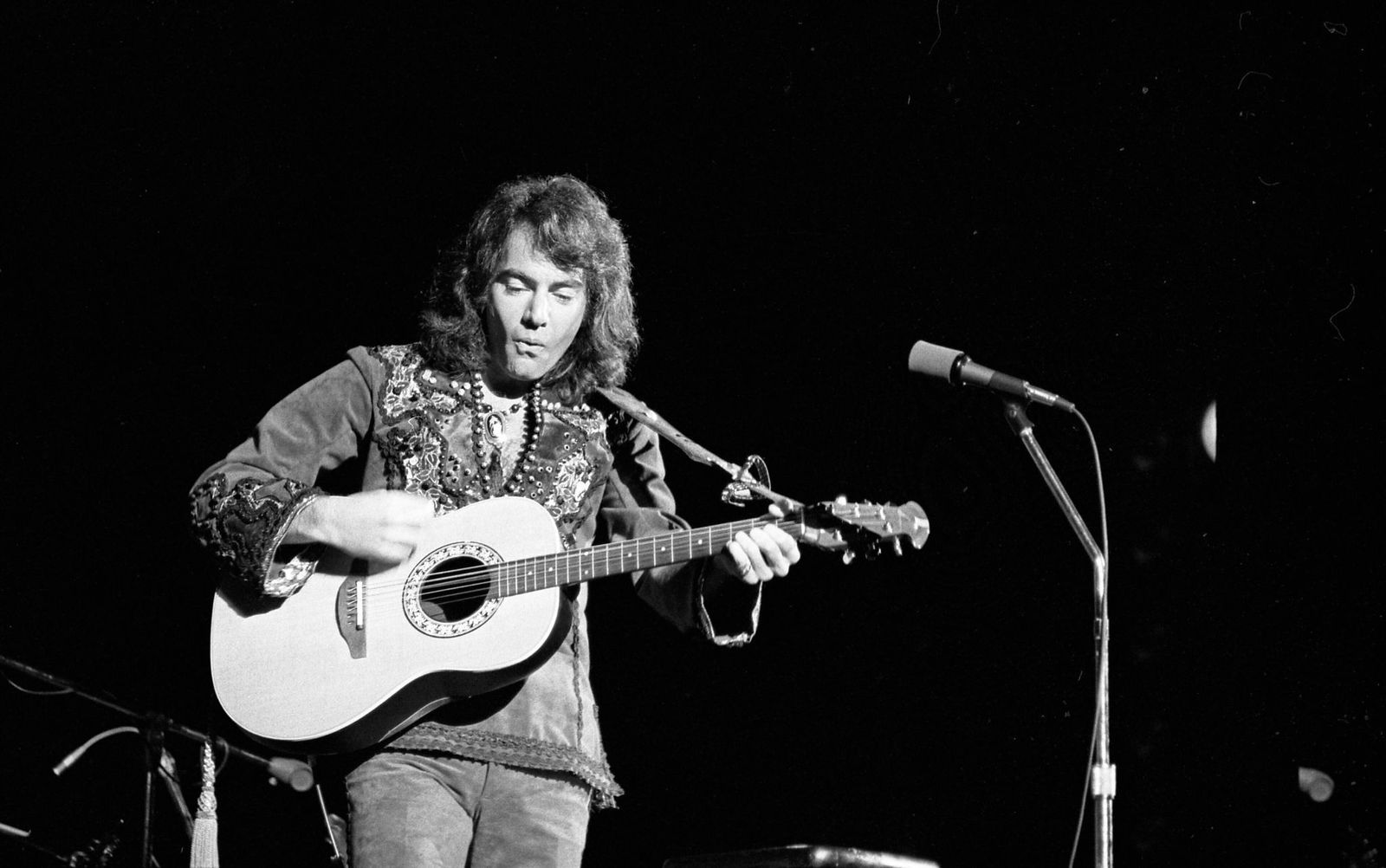
Image: Larry Bessel, Los Angeles Times, CC BY 4.0, via Wikimedia Commons

It’s hard to believe, but the man who gave us "Sweet Caroline" once imagined a life in medicine — and was a talented fencer, too.

After his grandmother died of cancer, young Neil Diamond dreamed of becoming a doctor or biologist so he could help find a cure. In 1958, he went to New York University on a fencing scholarship and studied pre-med, while also helping his team win the 1960 NCAA men’s fencing championship. But just 10 credits short of graduating, he took a job doing what he loved most. For about 4 months, he worked writing songs for Sunbeam Music Publishing for $50 a week. That job changed everything, and Diamond eventually dropped out of college to pursue music full-time. His career took off in 1965 when producers Jeff Barry and Ellie Greenwich helped him land a deal with Bang Records.

10
Patti Smith
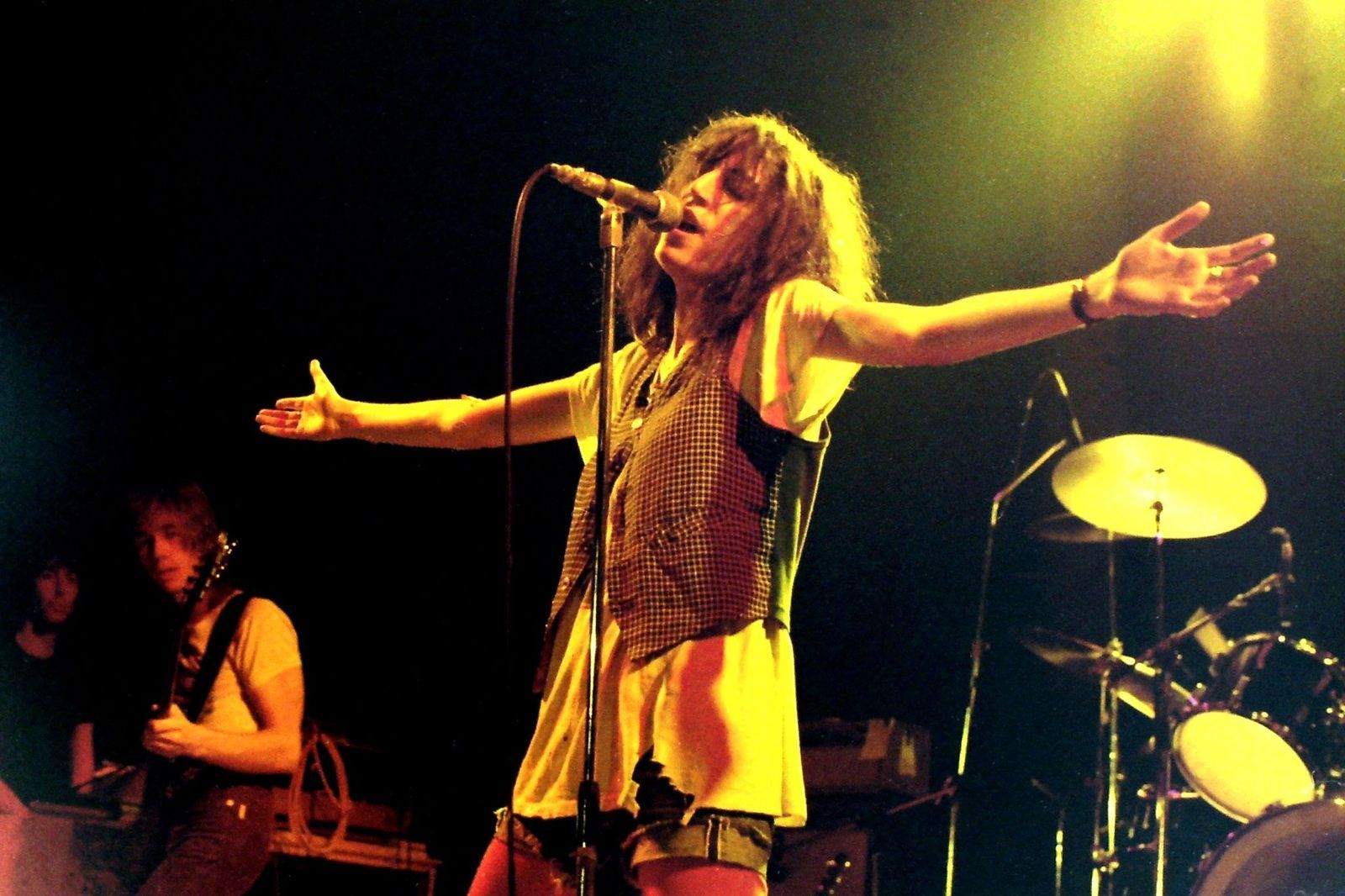
Image: Klaus Hiltscher, CC BY-SA 2.0, via Wikimedia Commons

What does Patti Smith have to do with tricycles? It sounds like a strange question, but before becoming the "Queen of Punk," Smith worked in a factory inspecting parts for baby strollers and tricycles.

At 16, while growing up in New Jersey, she took a summer job at a factory checking metal pipes and handlebars for defects. After graduating high school in 1964, she returned to the factory full-time while briefly attending Glassboro State Teachers College. In 1967, she dropped out and moved to New York City, where she worked at a Brentano’s bookstore while struggling to get by. After years in the city’s underground music scene, Smith finally broke through with her legendary 1975 album, Horses.

History History 3 min read

Surprise memorabilia!

Did you know that Steve Jobs put a computer mouse in a time capsule?

Image: Ray Shrewsberry

Time capsules work like surprise packages from the past, found hidden all over America, from the Gateway Arch to unassuming backyards. But, for the most part, these artifacts are filled with whatever people thought was important at the time, which might not coincide with what is important during the opening. Folks have buried everything from handwritten letters to coins, but also a few other quite bizarre items, in the hopes of giving future generations a peek into their world. Read on and take a look at some of the weirdest things found inside these time vessels!

1
An empty whiskey bottle

Image: Zhivko Minkov

In 2015, a time capsule from 1944 was found beneath the City Hall stairs in Lebanon, New Hampshire. Inside was a whiskey bottle with a humorous note: "Whoever finds this bottle may keep it. Sorry, there is no liquor in it, but I drank it all up."

The note was signed by Samuel Stevens, a former city surveyor. Along with the bottle were old newspapers and a penny, but Stevens’ decades-old joke stole the spotlight.

2
Electroshock therapy video

Image: Museums of History New South Wales

In 1958, a time capsule was buried at a former state hospital on the west side of Indianapolis. It included a video from the Bahr Treatment Center's groundbreaking ceremony, which focused on mental health care.

Though some audio is lost, the video references electroshock and insulin shock therapy . The footage is a somber reminder of how far mental health treatment has progressed.

3
A piece of cake

Image: Caitlyn de Wild

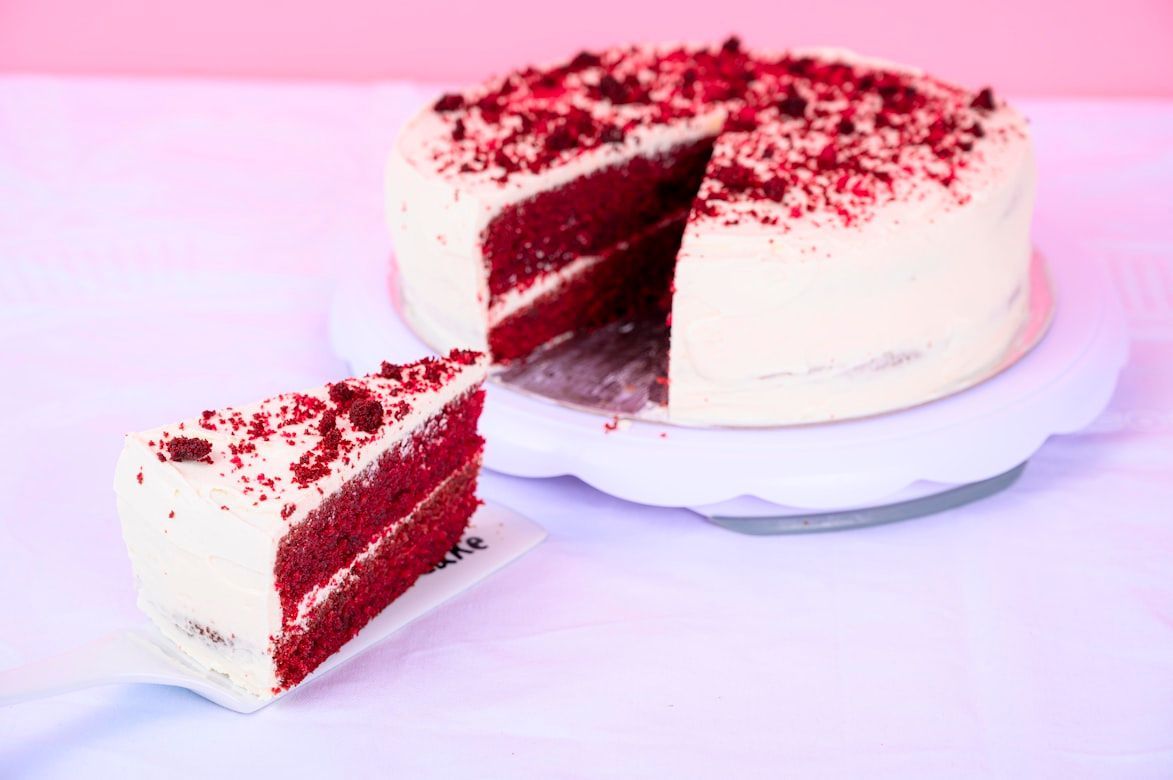
During renovations, a Niagara Falls funeral home discovered a 1948 time capsule. It held typical items like newspaper clippings, letters, and postcards.

But one surprise stood out: a piece of cake, possibly from the building's opening party .

4
Vintage optical glass

Image: Daniel Novak

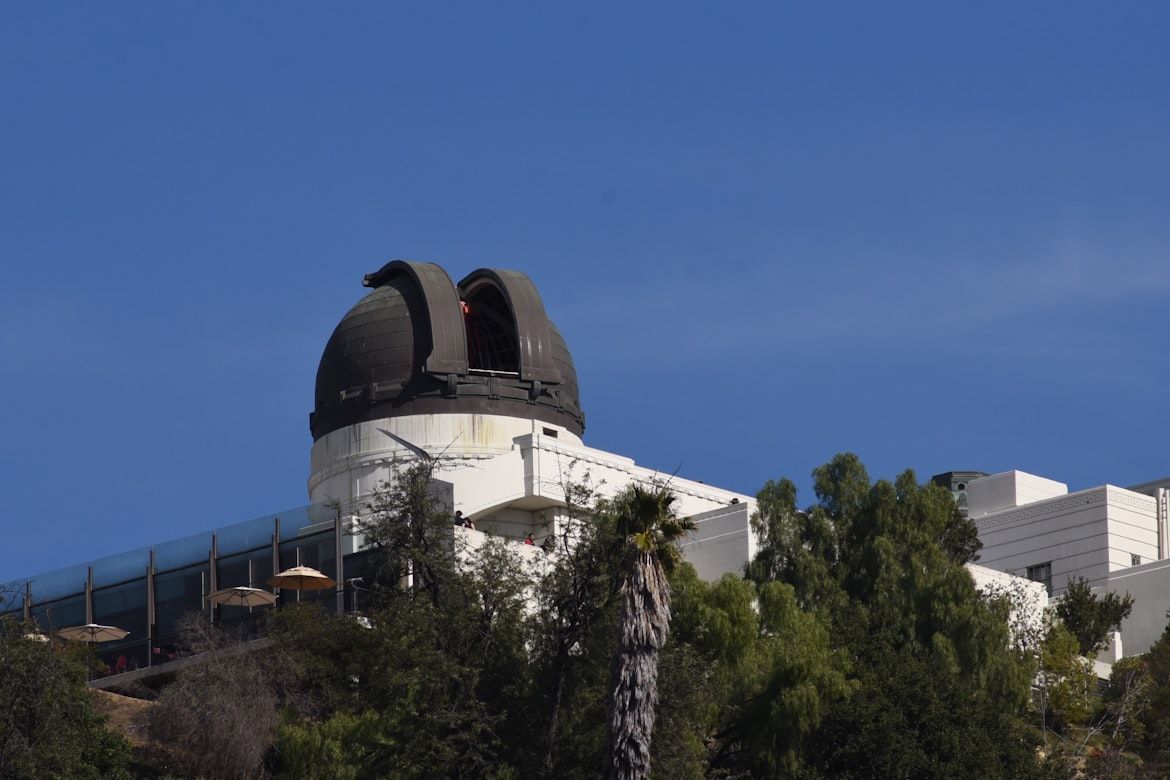
In March 2015, a 19th-century time capsule was found in the cornerstone of a former telescope factory in Pittsburgh. It included what may be one of the first pieces of optical glass made in America .

The Brashear Company, founded by astronomer Dr. John A. Brashear, made telescopes and scientific tools from the 1880s to the early 1900s. By the 1940s, the site was used to produce bombsights for the U.S. military.

5
Lisa mouse

Image: Bryan Natanael

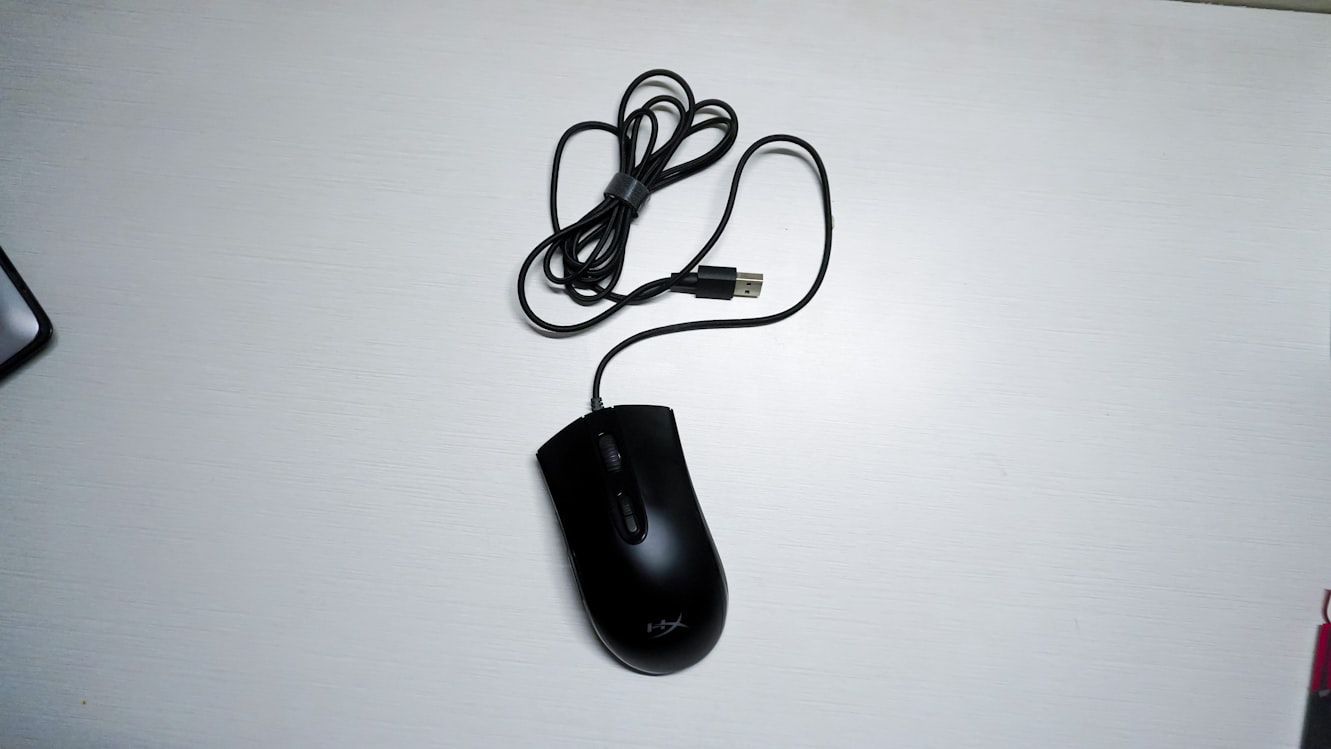
In 1983, Steve Jobs spoke at the Aspen Design Conference and added a computer mouse to the Aspen Time Tube , buried nearby. Meant to be opened in 2000, its location was forgotten over time.

In 2013, a National Geographic crew finally unearthed it. Along with the Lisa mouse, the capsule held a Rubik's Cube and a Moody Blues 8-track tape.

6
Vintage shoestore

Image: Erik Mclean

While technically, this is not a time capsule in strict terms, it can be seen as one. An American family inherited an old building from their grandparents and discovered a forgotten shoe store locked for decades .

The store, active from the 1940s to 1960s, held hundreds of vintage shoes in mint condition, possibly worth thousands. The family is keeping the location secret while they assess its full value.

7
Budweiser beer

Image: Giuliana Catachura

Inspired by Egyptian tombs, Dr. Thorwell Jacobs of Oglethorpe University created a massive time capsule called the "Crypt of Civilization."

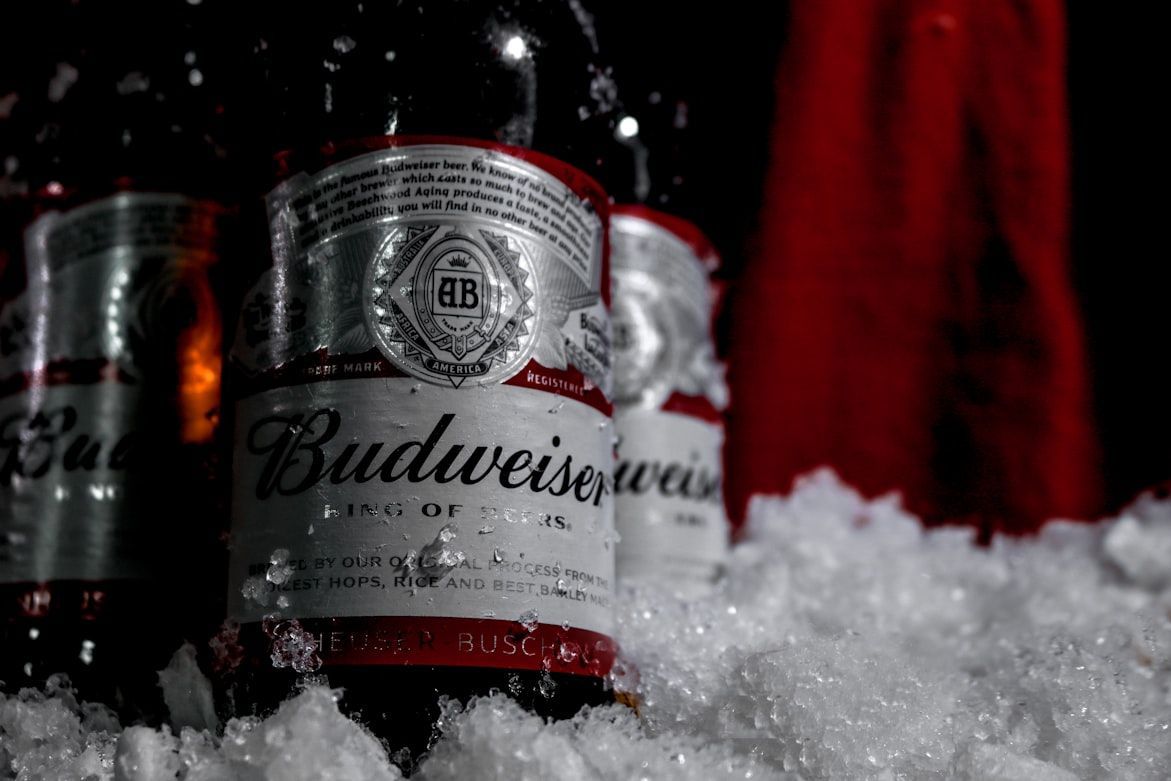
Buried beneath the school, it holds items like a Gone with the Wind script, recordings, plastic toys, an English-teaching machine, and a sealed Budweiser . It’s meant to be opened in the year 8113 AD.

8
Stephen Hawking’s DNA

Image: Sangharsh Lohakare

The Immortality Drive, located aboard the ISS, is a memory device designed to preserve human DNA. It holds the genetic codes of Stephen Hawking, Stephen Colbert, Jo Garcia, Laura Hickman , and others.

Also in space are messages from 73 world leaders, left on the moon’s Sea of Tranquility by Apollo 11 envoys in 1969.

9
Spooky message

Image: Daniel Lincoln

In 2016, a time capsule from Montgomery Elementary in Albuquerque was found, containing notes from a 1968 fourth-grade class. Most messages were typical for kids at the time. But one stood out: Greg Lee Youngman began his note with "I am dead" and claimed he was born in 1900 . Whether he was imagining the distant future or pretending to be a ghost, it added a spooky twist.

10
A single black shoe

Image: mostafa mahmoudi

While demolishing his parents' old barn, a man discovered a 128-year-old time capsule hidden beneath the rubble.

Inside were a Mason jar, a newspaper from August 10, 1894, an almanac, a damaged notebook or storybook, and a single black shoe .

General General 4 min read

Cash curiosities

What would you do with a $10,000 bill? 10 rare facts about US money!

Image: Photo By: Kaboompics.com

While cash is becoming less common, there's no denying the economic and historical value of banknotes and coins. That's why so many people collect them! You might think you know a lot about the money we use every day, but there are plenty of hidden details and surprising facts that most people don't realize. From a $10,000 bill featuring Salmon P. Chase to coins with unexpected features, join us as we uncover 10 fun facts about US currency that just might surprise you!

1
$10,000!

Image: Eyestetix Studio

Did you know that, for a time, there was a $10,000 bill? That's right! The bill featured the portrait of Salmon P. Chase, President Lincoln's Secretary of the Treasury, and it was the highest denomination of US currency ever to be publicly circulated! While there was also a $100,000 bill, the latter was only used for large transactions between Federal Reserve Banks.

2
The first President on a coin

Image: Sebastian Enrique

We're totally used to seeing Abraham Lincoln's face on a penny, but that wasn't always the case.

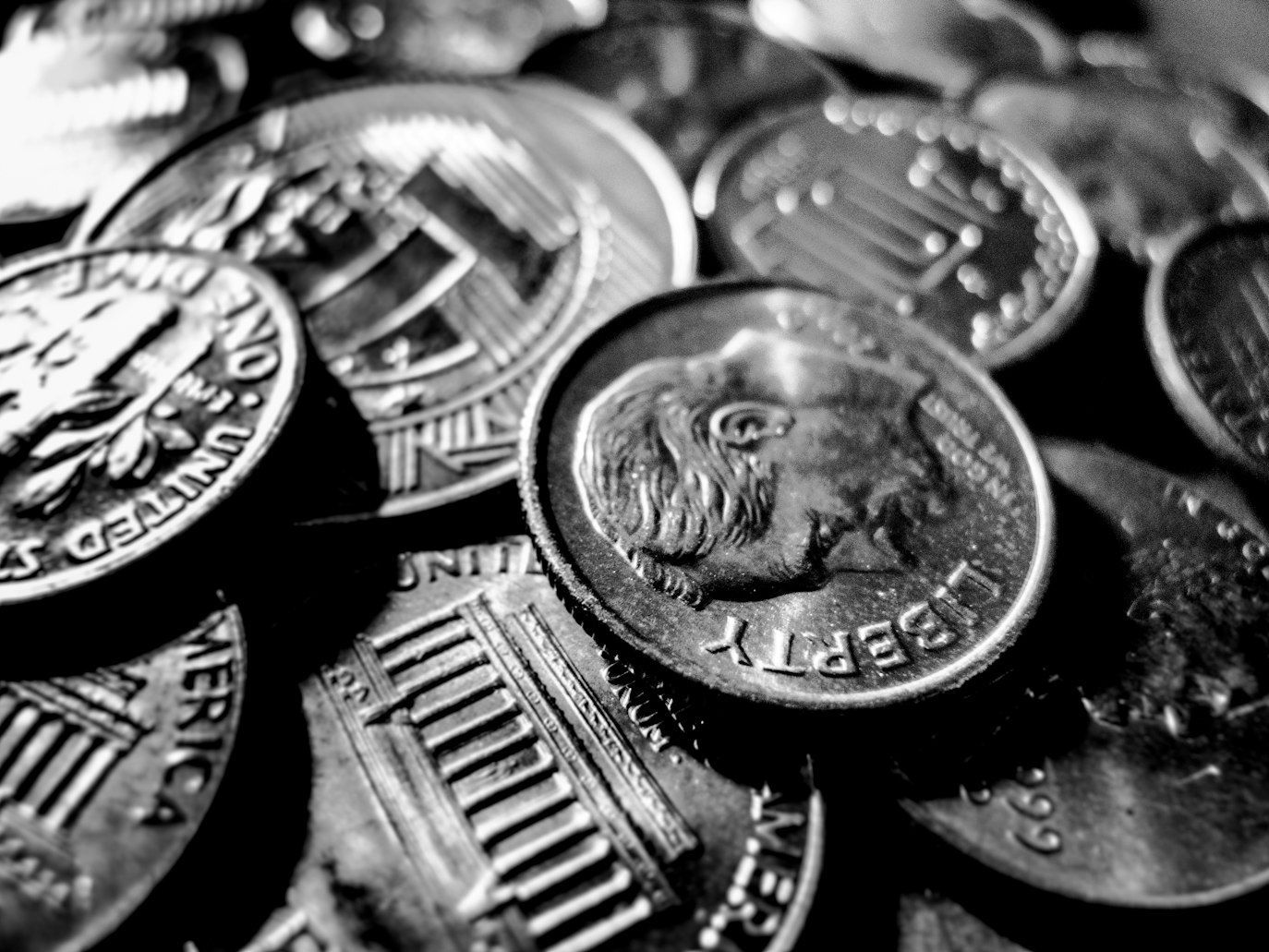
Lincoln's image first appeared on the penny in 1909 to commemorate the 100th anniversary of his birth, making him the first US president to appear on a coin, an honor befitting our great Honest Abe! More than 115 years have passed since that addition, and his face is still featured on the iconic penny.

3
Silver pennies

Image: Josh Appel

In addition to featuring Abraham Lincoln's face, pennies are famous for their classic copper color. However, there was one year when the penny took on a different hue.

During WWII, a copper shortage occurred, hindering the usual production of pennies. For that reason, in 1943, pennies were made of steel coated in zinc, giving them a silver color and making them closely resemble dimes.

4
2 and 3 cents?

Image: Towfiqu barbhuiya

Did you know that, in the 19th century, the US had 2- and 3-cent coins? That's right! The 2-cent coin was minted from 1864 to 1873. On the front, it featured a shield symbolizing the Union during the Civil War . On the reverse, it bore the phrase "In God We Trust," making it the first coin to use the motto . The 3-cent coin had two versions: the silver 3-cent coin (1851–1873) and the nickel 3-cent coin (1865–1889).

5
Long lifespan

Image: Shot by Cerqueira

While each coin is used with a different frequency, the average lifespan of a coin can be as long as 40 years ! Just think about all the places and situations it might pass through during that time. Of course, the more a coin circulates, the quicker it will wear down. That’s why the penny has the shortest lifespan , lasting about 25 years on average.

6
In God We Trust

Image: Kelly Sikkema

"In God We Trust" is not only the official motto of the United States (and the state of Florida), but also the phrase that appears on all US currency currently in circulation. But how long has this phrase been there?

"In God We Trust" first appeared on some coins during the Civil War, starting with the aforementioned 2-cent piece. By 1938, the motto appeared on all US coins, but it wasn't until 1955 that President Eisenhower signed a law requiring "In God We Trust" to be included on all US coins and paper money.

7
Precious metals

Image: Jingming Pan

Today, US coins are primarily made of zinc, copper, and nickel. However, back in the early days of the US Mint, things were quite different. In the past, US coins were made not just of copper, but also of silver and even gold!

Over time, using those materials for coins became too expensive, and production shifted to more affordable metals such as zinc and nickel.

8
Safety edges

Image: Joshua Hoehne

When coins were made of precious metals like gold and silver , there was always the risk that someone might tamper with or shave the edges to extract the valuable material. Fortunately, the brilliant Isaac Newton came to the rescue. He introduced the clever idea of adding reeded edges to coins, which helped protect them from opportunistic tampering. With these marked edges, any shaving of the coin would be immediately noticeable. Pretty smart, right?

9
The most coins in the world

Image: Sarbasri Bhaumik

The US Mint manufactures billions of coins each year for circulation, and while that’s nothing new, there’s something about it that might surprise you: the United States is actually the world’s largest producer of coins . No other country makes more!

Pennies, nickels, dimes, and quarters are produced in large quantities every day. But that’s not all—dollar coins and special collectors’ coins are also minted, though in much smaller amounts.

10
"Paper" currency

Image: Adam Nir

Our paper money isn’t actually made of paper . It’s composed of 25% linen and 75% cotton. This blend gives US bills greater strength and flexibility, making them not only more durable but also more difficult to counterfeit. Plus, if you accidentally toss a buck in the washing machine, there’s a good chance it’ll come out just fine!

Explore more American facts

Choose your favorite category!

General
General

As American as apple pie—the very best America has to offer!

Culture
Culture

Delve into the astounding richness of American lore.

Geography
Geography

Hop in and explore vast and diverse American landscapes.

History
History

Discover the key moments that shaped the United States.