History History 4 min read

Movies that were to be

Were these movies cursed? Films that never got finished

Image: DS stories

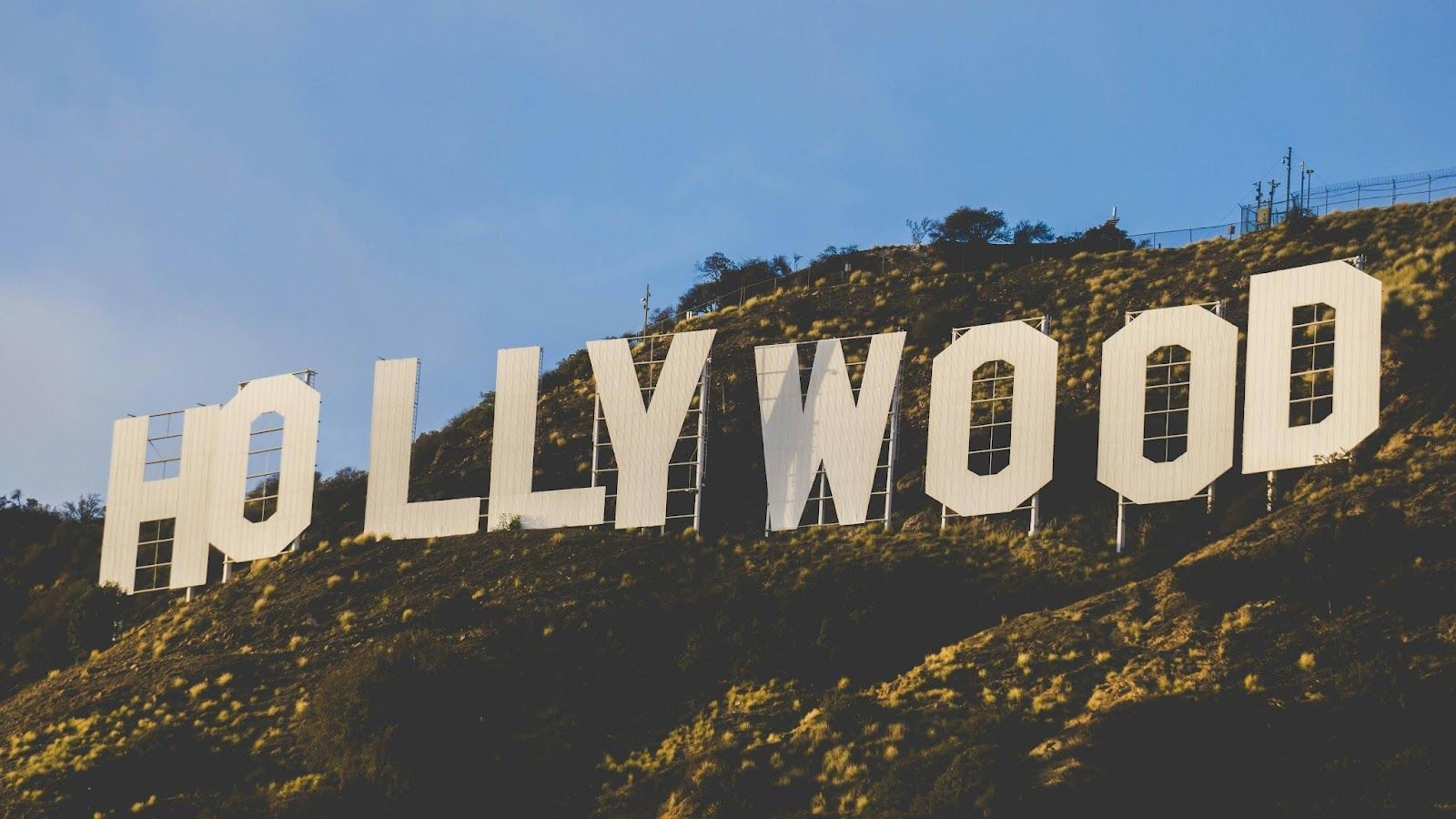
Some movies flicker out before they’re even made. What do you call a film with a famous director, a finished script, and a dream cast? In many cases, unfinished. Hollywood’s drawers are filled with a graveyard of unfinished movies in varying stages: scripts, production plans, casting decisions, and even filmed footage. But they all remain tantalizing what-ifs. Let’s look into the stories of some flicks that never achieved their full potential!

1
The mythical "Kill Bill Vol. 3"

Image: Til Man

Ah, yes, the revenge of the revenge. Quentin Tarantino has been teasing Kill Bill Vol. 3 for nearly two decades. He’s talked about giving the character of Nikki time to grow up and take center stage in the third installment, even floating the idea of casting Zendaya or another grown-up actress in the role.

But as of now? It’s all smoke and samurai swords. Tarantino claims he has one more film left in him, and every fan theory points to Vol. 3 as the final strike.

2
The loaded history of "The Man Who Killed Don Quixote"
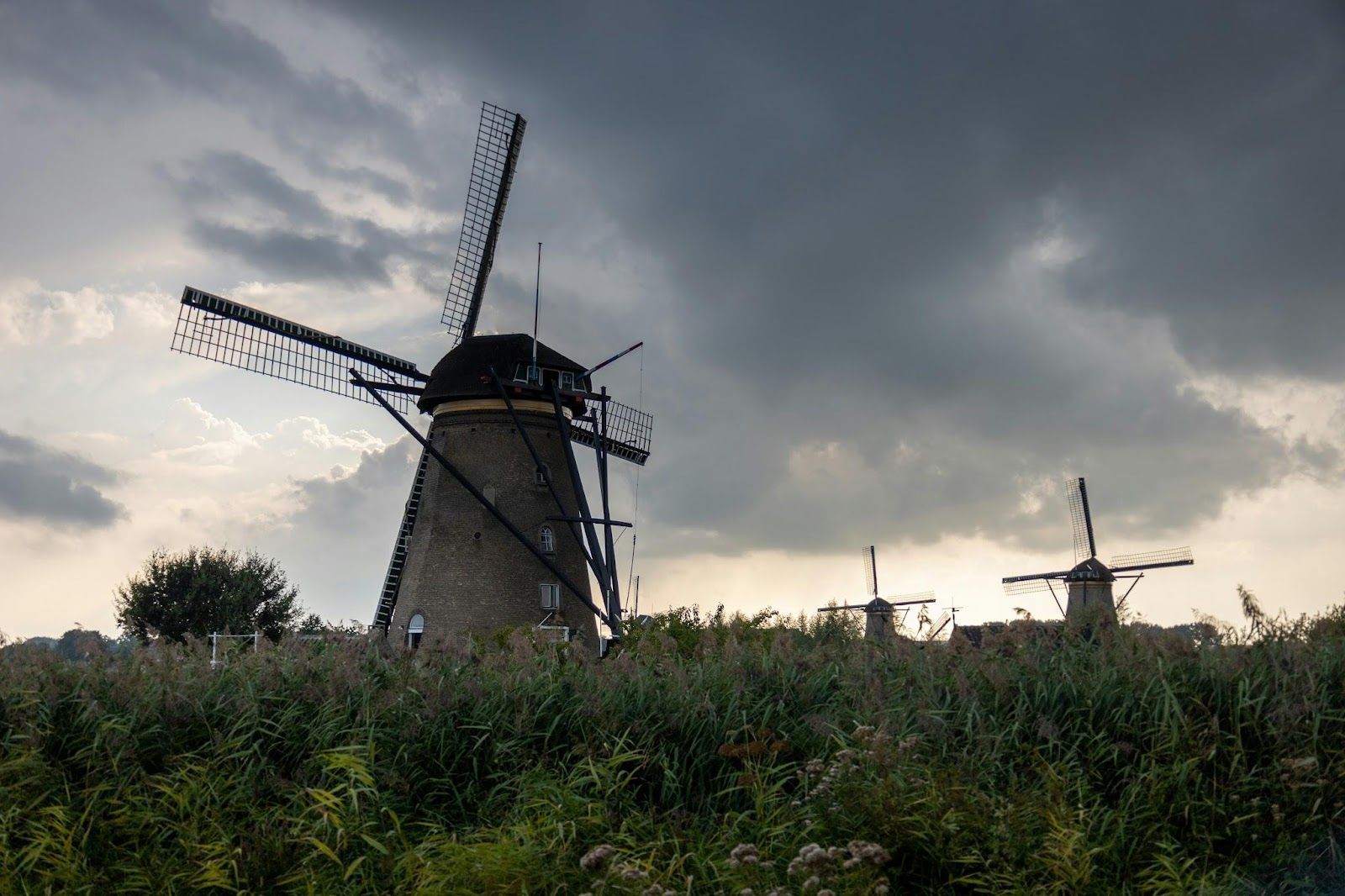
Image: Iuliia Dutchak

Johnny Depp and Jean Rochefort were originally set to take the leads, battling windmills as Cervantes’ mad knight and his companion. But this is another case of a film that seemed hexed.

Terry Gilliam first attempted the project in 2000, but many disasters ensued. Health issues, floods that wrecked the sets, and insurance company failings led to the project's dramatic collapse. In 2018, Gilliam finally released a version starring Adam Driver and Jonathan Pryce. But fans agree—it wasn’t that version.

3
Kubrick’s "Napoleon"
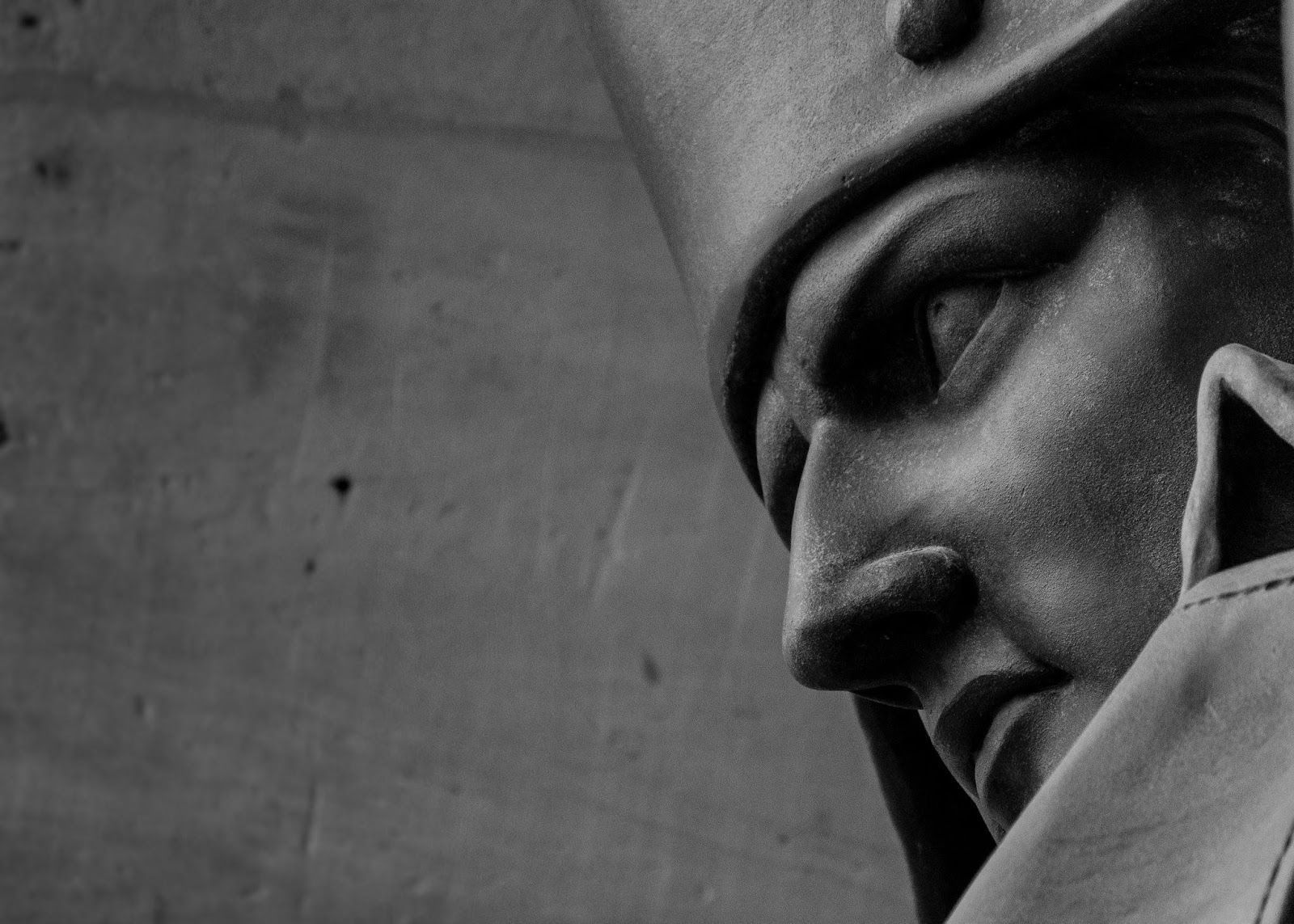
Image: Nicolas HIPPERT

The holy grail of unmade epics. Stanley Kubrick devoted years to this project—allegedly reading over 500 books, creating a card catalog of Napoleon’s daily life, and scouting locations across Europe.

He wanted Jack Nicholson in the lead and even planned to use actual armies to stage the battles. MGM said yes… then said nope. The budget was colossal, and Kubrick ultimately shelved it. Though he carried the idea to his grave, the script survived. Steven Spielberg has since talked about adapting it into a miniseries.

4
The irony of "Superman Lives"

Image: Yogi Purnama

Superman Lives was meant to reboot the Man of Steel, with Tim Burton at the helm and Nicolas Cage sporting long black hair and a glow-in-the-dark suit.

But after years of rewrites, studio shake-ups, and ballooning budgets, the whole thing collapsed under its own weight. Though it was never filmed, test footage of Cage in costume became internet legend. And if you really want the full story, the documentary The Death of Superman Lives: What Happened? is the way to go.

5
Jodorowsky’s "Dune"
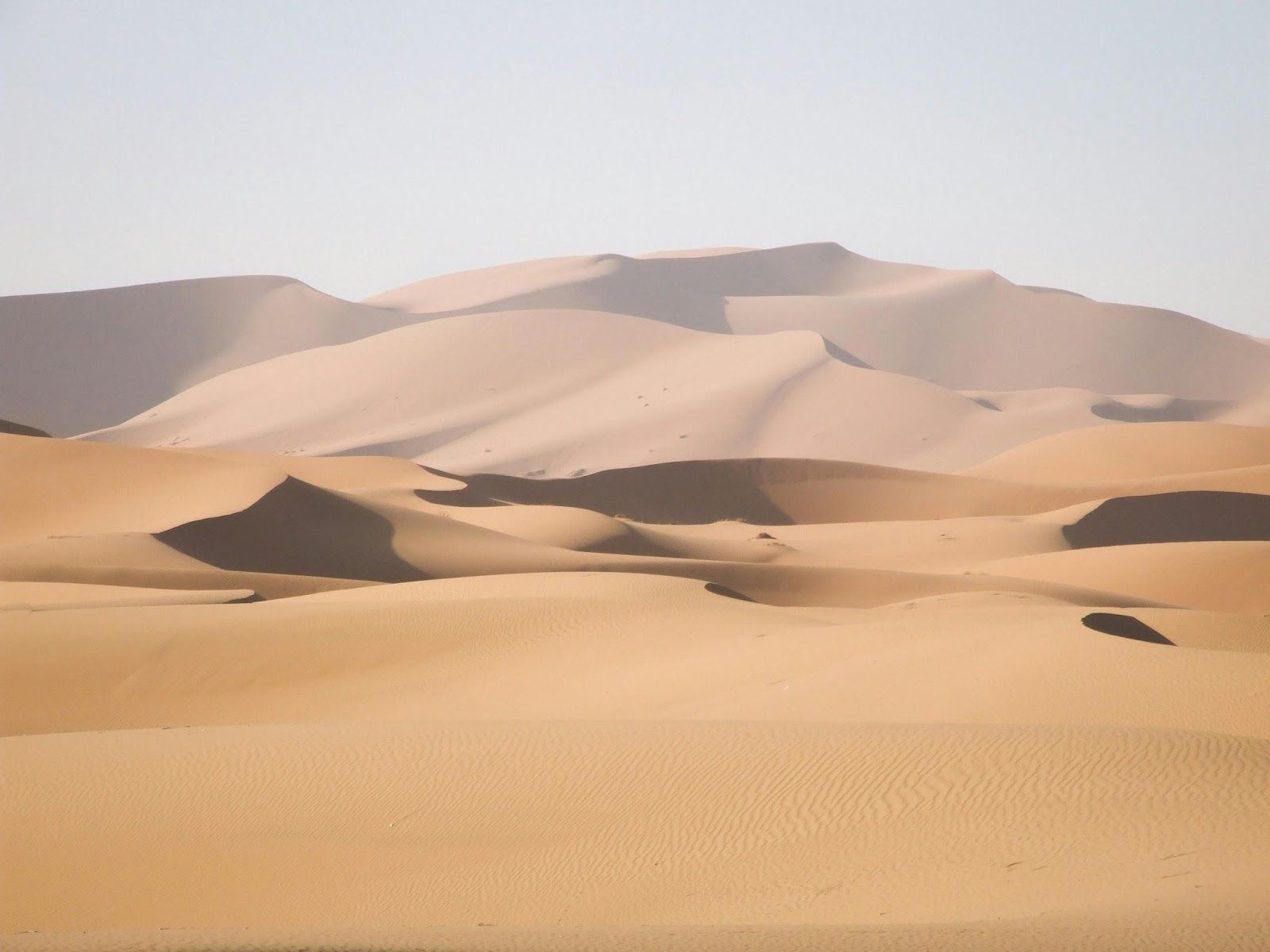
Image: Francisco Gomes

Alejandro Jodorowsky’s Dune was meant to be a 10-hour odyssey, starring Salvador Dalí as the Emperor, Orson Welles as Baron Harkonnen, and featuring music by Pink Floyd. Yes, really.

However, as one can imagine, the budget grew past sanity. No studio could afford Jodorowsky’s vision. The 2013 documentary Jodorowsky’s Dune explores how this unmade film went on to influence countless others—from Star Wars to Blade Runner .

6
The true "The Thief and the Cobbler"

Image: Fabian Centeno

Richard Williams, the man behind Who Framed Roger Rabbit , spent nearly three decades working on _The Thief and the Cobbler_—a painstakingly hand-drawn masterpiece, inspired by Persian art and silent comedy.

However, by the 1990s, delays and mounting costs led the studio to reconsider its decision. The film was recut, rewritten, and released under various titles, with added songs and jarring voice-overs. The truth is, the original version was never fully completed.

7
The cursed "Blood Meridian"
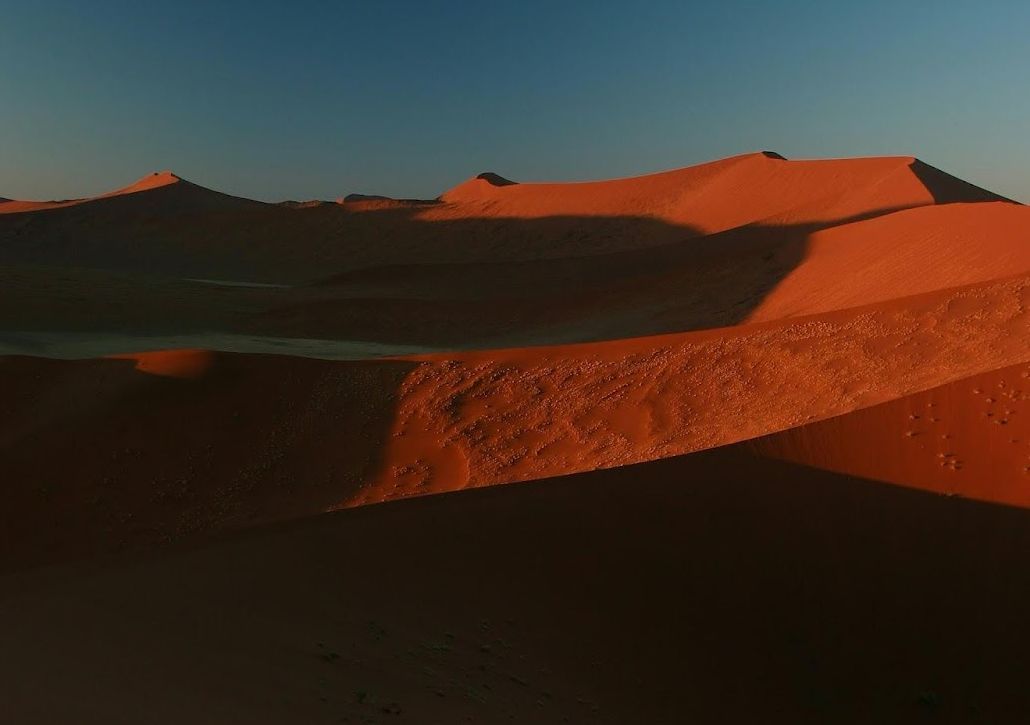
Image: Erik

So many doomed attempts have been made that Cormac McCarthy’s brutal novel is often labeled "unfilmable." Blood Meridian is a violent fever dream, soaked in sun and sand—which might sound easy to bring to the screen.

Ridley Scott tried. So did James Franco and Todd Field. But each version was ultimately abandoned. In 2024, New Regency announced a new adaptation was in the works. As of now, however, it still seems cursed— Blood Meridian remains untouched by the screen.

8
Orson Welles’ "The Other Side of the Wind"
Image: Andre Moura

Yes, a version was released by Netflix in 2018… but it wasn’t quite what its director originally envisioned.

Orson Welles began shooting The Other Side of the Wind in the early ’70s, imagining a satirical, semi-autobiographical tale about a fading director staging a comeback. But financial chaos, legal snarls, political drama, and even missing reels meant that Welles never lived to finish it.

9
"At the Mountains of Madness" featuring Tom Cruise
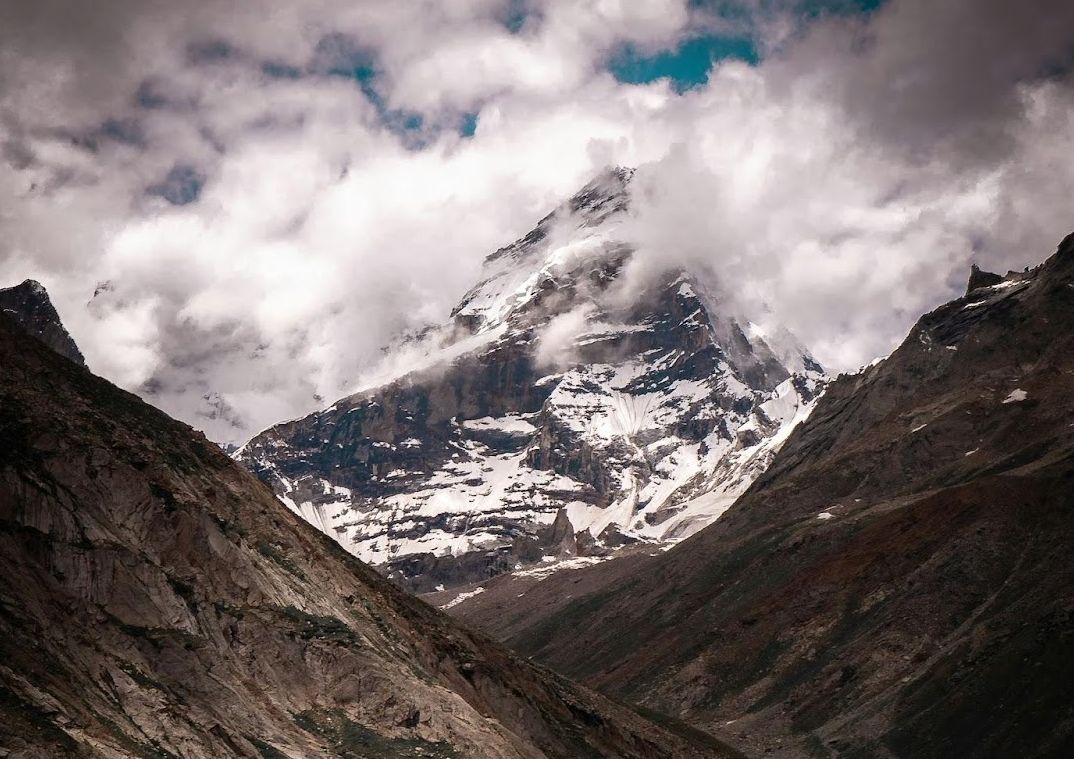
Image: Balazs Busznyak

Imagine Tom Cruise battling ancient, brain-melting monsters in Antarctica—based on H.P. Lovecraft’s most mind-bending novella. Now picture Guillermo del Toro directing that nightmare in IMAX 3D. So what happened? It’s not entirely clear, though budget concerns likely played a role. You never know, though. Del Toro has shared some original concept art and designs that just might be revived someday.

10
The Rat Pack’s "The Rogues"

Image: Brice Cooper

A film called The Rogues , starring the Rat Pack, appears in fan lore and anecdotal sources—though there’s little documented proof. Frank Sinatra. Dean Martin. Sammy Davis Jr. The Rat Pack was Hollywood’s smoothest syndicate, both on and off-screen.

In the mid-’60s, they began filming The Rogues , a heist flick in the spirit of Ocean’s 11 . But egos clashed, schedules frayed, and the project derailed mid-production, as legend has it.

General General 4 min read

From coast to coast

Did you get these 10 US geography facts wrong too?

Image: Nick Seagrave

The United States is an extensive and diverse country, full of surprising geographic facts, some of which even break records! Perhaps that's why many people, even Americans, sometimes confuse certain details about our territory. For example, did you know that Maine is the only state among the 50 that shares its border with just one other state? Get ready to be shocked by some common misconceptions! Today, we're diving into 10 geographic facts about America that people often get wrong.

1
There's only one

Image: Keith Luke

How many states share a border with just one other state? Only one! Do you know which one it is?

Correct! It's Maine. The Pine Tree State, located in the northeastern United States, shares its only state border with New Hampshire to the west. But wait! It also borders Canada (the provinces of New Brunswick and Quebec) to the north and northeast, and the Atlantic Ocean to the east.

2
Alaska's distance

Image: Hari Nandakumar

If someone asked you what the shortest distance is between Alaska and the Lower 48 states, would you know the answer? Most people wouldn't! Well, the average distance between Alaska and the contiguous US is about 500 miles. But that's not the most interesting part. Believe it or not, Alaska is actually closer to Russia than to the mainland United States! At their closest point, Alaska and Russia are separated by just 2.4 miles across the Bering Strait.

3
The US-Canada border

Image: Sergey Pesterev

You probably already know that, at 5,525 miles, the US-Canada border is the longest land border in the world. But there are still some fascinating details about it that many people haven't heard before.

The Haskell Free Library and Opera House (Derby Line, Vermont & Stanstead, Quebec) has an international border inside the building! You read that right: Americans enter through one door, Canadians through another. But be careful! International law requires that you exit through the same door you entered.

4
The largest freshwater lake

Image: Andrew Ling

The Great Lakes —Lake Superior, Lake Michigan, Lake Huron, Lake Erie, and Lake Ontario— are one of the natural wonders of North America, and they also hold a world record!

That's right! The largest freshwater lake in the world by surface area is right here in North America. We're talking about Lake Superior, which is shared by both the United States and Canada.

5
The most densely populated state

Image: Rob Curran

Since New York City is the most densely populated city in the country, many tend to believe that, as a result, New York State is the most densely populated. However, that's not the case.

The most densely populated US state is actually New Jersey! Its small size, combined with the large population in its urban areas and its proximity to New York City, has earned The Garden State this title.

6
The largest US state

Image: Jacob Vizek

Most Americans know which state is the largest by area. But outside the US, some get this fact wrong!

Many people answer "Texas" when asked which is the largest of the 50 states. But in reality, Alaska is far bigger, covering about 665,300 square miles compared to Texas's 268,600. This misconception may stem from Texas's reputation as a "large state" or from the way many maps distort Alaska's true size, making it appear much smaller than it actually is.

7
Florida's capital

Image: Meadow Marie

Miami is not only the most densely populated city in Florida but also one of its most famous, right up there with Orlando! Perhaps that's why many people mistakenly believe Miami is the capital city of the Sunshine State. However, the capital city of Florida is actually Tallahassee, which is smaller and doesn't quite receive as much attention.

8
The longest river

Image: Samantha Sheppard

Measuring the actual length of a river can be tough due to the serpentine shape that these bodies of water often take. This may be why many people are unsure about which river holds the title of the longest in the US.

Well, here's the truth: At 2,341 miles, the Missouri River is the longest river in the US, though just by a small margin. In second place is the Mississippi River, which stretches for some 2,320 miles and is often mistakenly thought to be the longest due to that small difference.

9
New York's capital

Image: Charlize Kruger

Similar to Florida, New York State's capital city is not its largest or most famous.

Contrary to what many people think, the capital of New York is not NYC, but Albany. Although Albany is smaller than NYC, it's an important economic and political hub, and it was chosen as the state capital because of its central location along the Hudson River.

10
Large population

Image: Satyan Chawla

The United States is known for having a large population, partly due to the large size of its territory. But did you know it's also one of the most populated countries in the world? In fact, it's the 3rd most populated, coming right after India and China! There sure are a lot of us, aren't there?

11

Geography Geography 3 min read

American wonders

The Grand Canyon is older than dinosaurs—10 facts you never knew

Image: Drif Riadh

The Grand Canyon is one of America’s greatest natural wonders, but its history holds more surprises than you might think. From its ancient formation to modern discoveries, this canyon’s story is filled with adventure, mystery, and national pride. Here are 10 astonishing facts that reveal its amazing journey through time.

1
Ancient origins

Image: Ameer Basheer

The Grand Canyon isn’t just old—it’s millions of years older than previously thought. Some rock layers at the bottom date back 1.8 billion years, nearly half the age of Earth itself. While the canyon itself is around 5 to 6 million years old, recent studies suggest parts of it began forming 70 million years ago—during the dinosaur era.

2
Once an ocean floor

Image: Yannis Papanastasopoulos

Long before it was a canyon, this region sat beneath an ancient sea. The Kaibab Limestone, the canyon’s top layer, formed from marine fossils left behind as the waters receded 270 million years ago. The presence of coral, shellfish, and even shark fossils proves the area was once home to a thriving ocean ecosystem.

3
Carved by more than water

Image: Wolfgang Hasselmann

While the Colorado River played a huge role in shaping the canyon, other forces were at work. Volcanic activity, tectonic uplift, and even landslides helped carve out its immense depths. Lava flows from nearby volcanoes poured into the canyon, creating layers of rock that tell the story of violent geological change.

4
The earliest human inhabitants

Image: Russ McCabe

Humans have lived near the Grand Canyon for at least 12,000 years. The earliest known inhabitants were Paleo-Indians, who left behind stone tools and spear points. Later, the Ancestral Puebloans built cliff dwellings and left behind intricate pottery, proving that this seemingly inhospitable land was once home to thriving communities.

5
First European encounter

Image: Antoine Vidal de La Blache

Spanish explorer García López de Cárdenas was the first European to lay eyes on the canyon in 1540. Sent by Francisco Vázquez de Coronado in search of legendary cities of gold, he and his men were shocked by its vastness. They tried to climb down for water but failed, unable to comprehend its sheer scale.

6
Named a national monument

Image: Benjamin Cutting

President Theodore Roosevelt designated the Grand Canyon a national monument in 1908, calling it a place "every American should see." He was instrumental in protecting it from commercial exploitation, setting the stage for its eventual National Park status in 1919.

7
Hidden caves

Image: Russ McCabe

The Grand Canyon contains over 1,000 caves, but fewer than 400 have been explored. Some remain completely untouched, preserving prehistoric fossils and evidence of ancient human life. Today, only one cave is open to the public—Grand Canyon Caverns, located nearby in Arizona.

8
Phantom ranch

Image: Annie Spratt

Built in the 1920s, Phantom Ranch remains one of the most isolated lodges in America. Located at the bottom of the canyon, it’s only accessible by hiking, mule ride, or rafting. Due to high demand, reservations are awarded through a lottery system.

9
America’s first canyon explorer

Image: Alex Moliski

John Wesley Powell led the first recorded expedition through the Grand Canyon in 1869. With one arm lost in the Civil War, he braved the Colorado River’s treacherous rapids in wooden boats. His journey mapped the canyon’s uncharted territory, proving it wasn’t an impassable wasteland but a geological treasure trove.

10
Forgotten civilizations?

Image: Otacilio Maia

In the 1930s, explorer Emery Kolb uncovered a sealed cave in the canyon containing ancient artifacts and human remains. Some speculated it belonged to a lost civilization, but archaeologists determined it was a prehistoric Native American site. The canyon still holds thousands of undiscovered archaeological sites, adding to its mystery and historical significance.

Explore more American facts

Choose your favorite category!

General
General

As American as apple pie—the very best America has to offer!

Culture
Culture

Delve into the astounding richness of American lore.

Geography
Geography

Hop in and explore vast and diverse American landscapes.

History
History

Discover the key moments that shaped the United States.