General General 5 min read

Historic ghost towns open for visitors

What happens when an entire town just disappears?
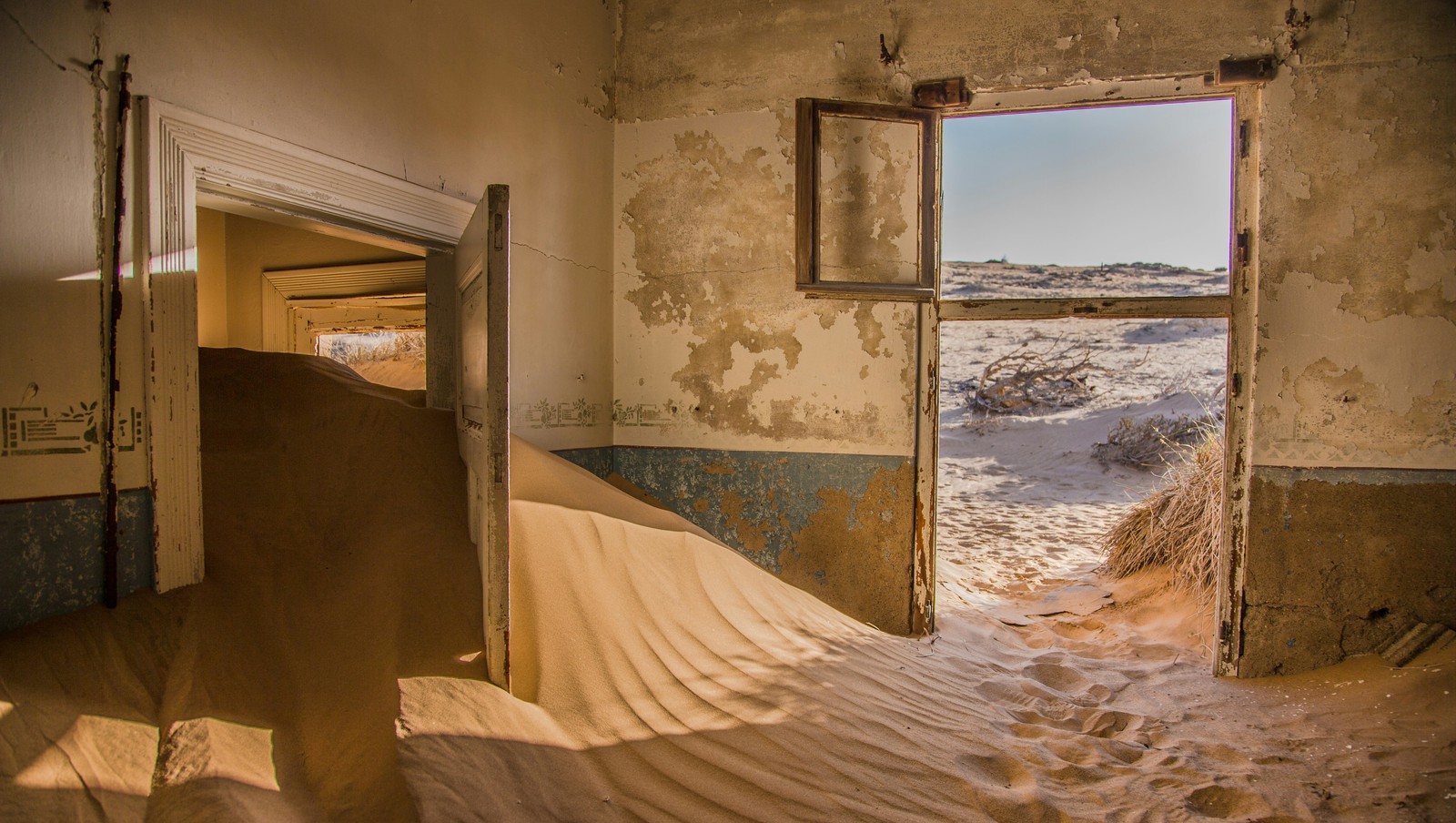
Image: jean wimmerlin

Ever wondered what happened to those Wild West towns after the gold rush ended? Or where all those miners went when the silver ran out? Across America, dozens of ghost towns sit frozen in time, waiting for curious travelers like you to explore their dusty streets . Get ready to explore ten of America's most fascinating ghost towns that are still standing and open for visitors.

1
Bodie, California
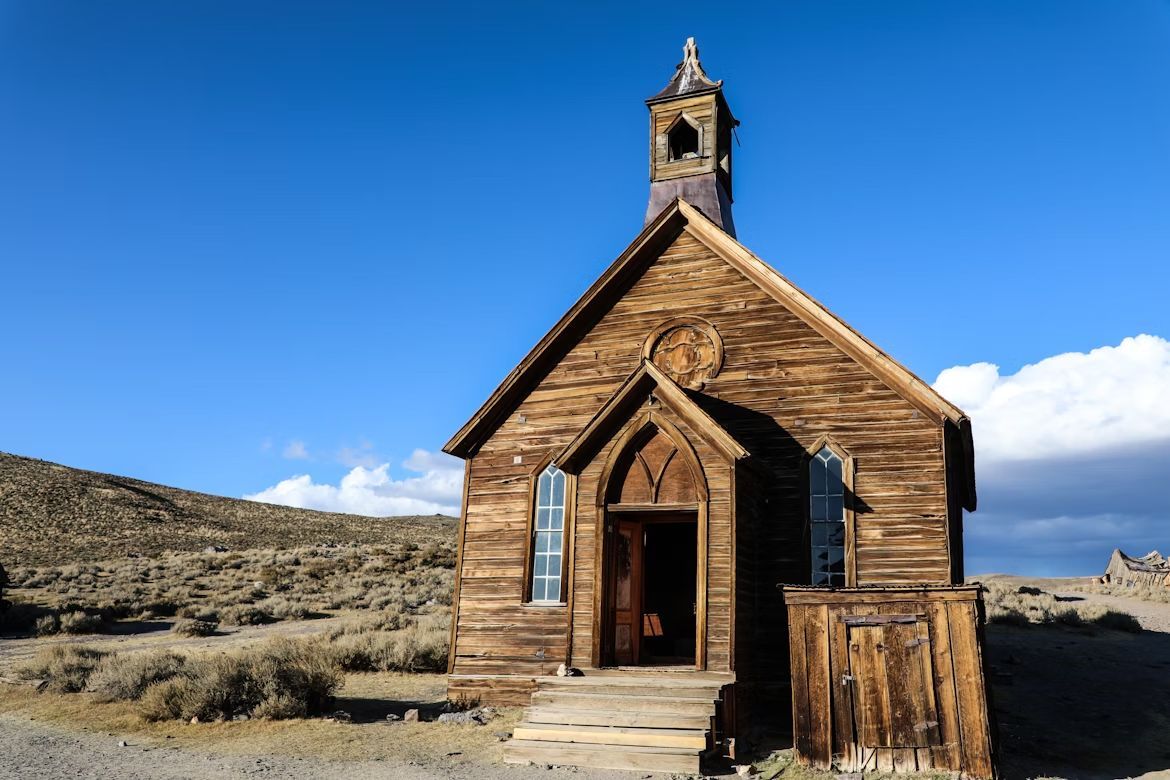
Image: Michael & Diane Weidner

This former gold-mining hub in the Sierra Nevada once boasted nearly 10,000 residents, dozens of saloons, and a reputation for being one of the wildest towns in the West. Today, it's preserved in a state of "arrested decay," meaning the buildings are maintained exactly as they were found, complete with dishes still on tables and goods still on store shelves .

The California State Parks system manages Bodie, which means it's well-maintained but authentically eerie. About 200 buildings still stand, including a church, schoolhouse, and that infamous red-light district (though considerably quieter now).

2
Jerome, Arizona
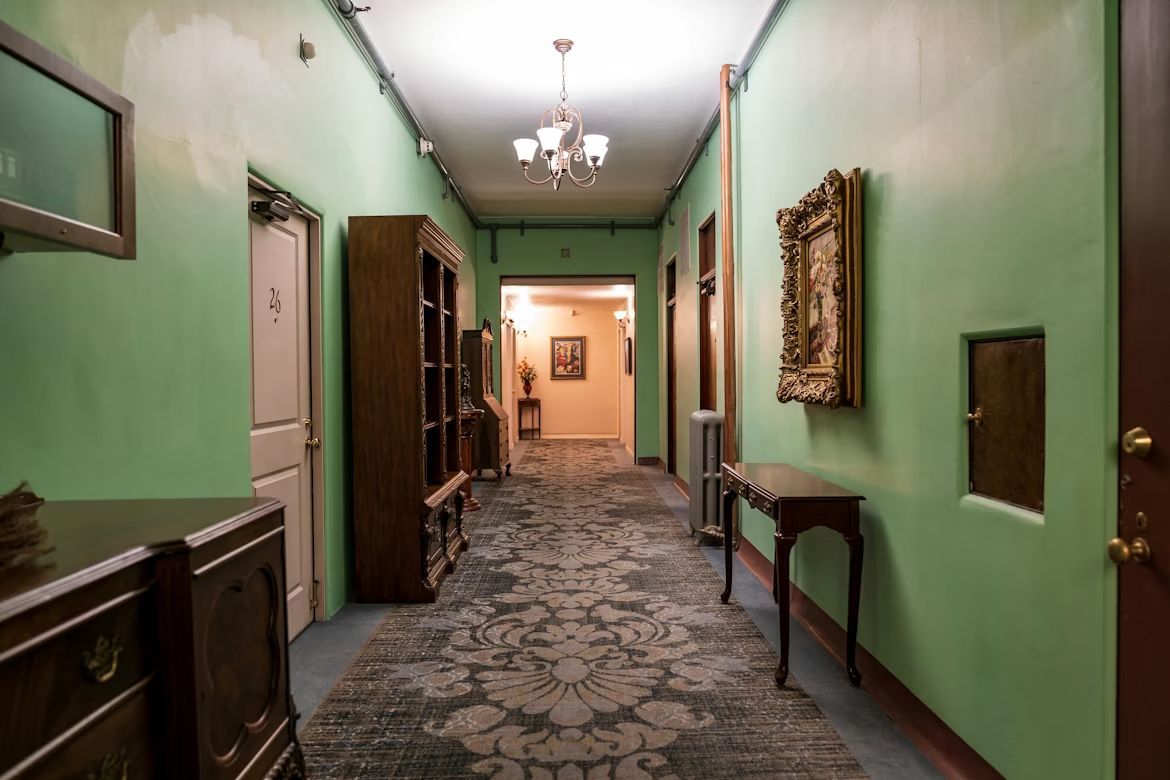
Image: Strange Happenings

Perched impossibly on Cleopatra Hill in central Arizona, Jerome has pulled off the ultimate comeback story. This former copper mining town was literally sliding down the mountain in the 1950s, but instead of becoming a pile of rubble at the bottom, it reinvented itself as an artist colony and tourist destination. Today, it's one of the few ghost towns where you can actually spend the night, grab dinner, and browse art galleries .

The town's steep streets are lined with buildings that seem to defy gravity, and many claim the place is seriously haunted: the Jerome Grand Hotel, a former hospital, supposedly has particularly active spirits. Whether you believe in ghosts or not, you'll definitely believe in the impressive engineering it took to build a town on a 30-degree slope.

3
Rhyolite, Nevada
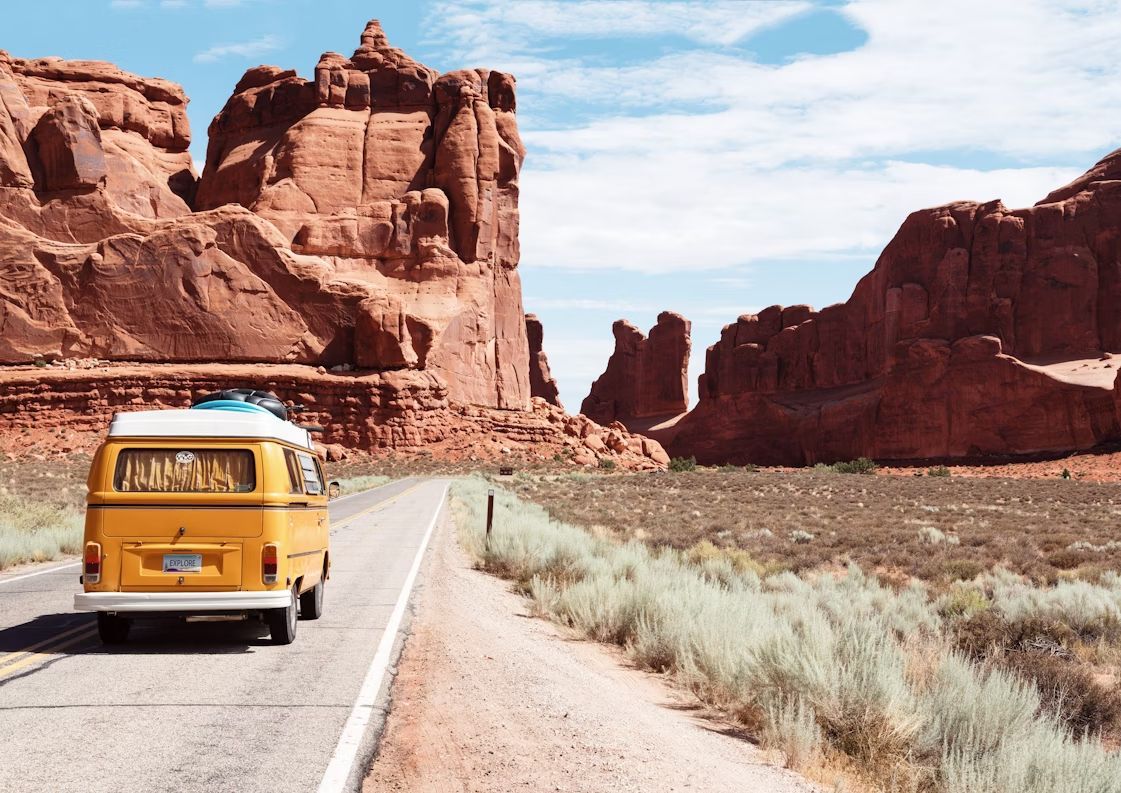
Image: Dino Reichmuth

In 1905, this place exploded from nothing to a town of 5,000 people in just two years, complete with electric lights, a stock exchange, and even an opera house. Then the financial panic of 1907 hit, the mines proved less profitable than hoped, and by 1916, the lights went out for good.

What makes Rhyolite especially photogenic are the ruins themselves—massive concrete structures and the famous Bottle House, built entirely from beer and liquor bottles . The three-story bank building and the remnants of the jail are particularly impressive, showing just how convinced everyone was that this town would last forever.

4
St. Elmo, Colorado

Image: Arturo Rivera

Tucked in the Sawatch Range at 10,000 feet, St. Elmo is Colorado's best-preserved ghost town and one of the most visited. Founded in 1880 as a mining and rail hub, it once had a population of 2,000 people and all the amenities a Victorian-era miner could want.

What really sets St. Elmo apart is accessibility and atmosphere. It's an easy drive from nearby towns, and during the summer months, a few seasonal residents actually run the general store, selling snacks and souvenirs .

5
Bannack, Montana
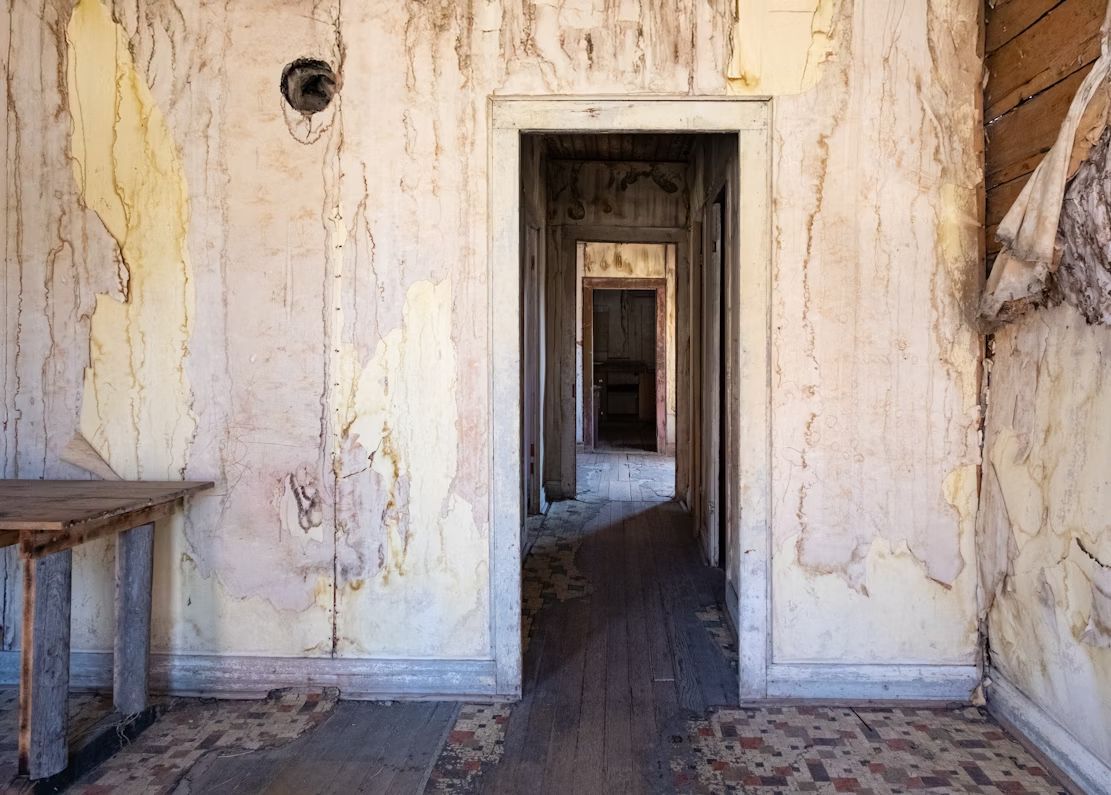
Image: Donald Merrill

Montana's first territorial capital, Bannack, sprang up in 1862 after gold was discovered in Grasshopper Creek. Within a year, it had 3,000 residents and a serious problem with road agents (fancy term for bandits). The town's sheriff, Henry Plummer, turned out to be secretly leading the gang of robbers—one of the West's great scandals. After Plummer was hanged by vigilantes in 1864, Bannack settled down, but eventually, the gold ran out, and so did the people. The last residents left in the 1970s.

Now a well-preserved state park, Bannack features over 60 structures you can explore, including the hotel, church, schoolhouse, and Plummer's old jail . They even host a popular "Bannack Days" event each July with period costumes, demonstrations, and activities.

6
Grafton, Utah
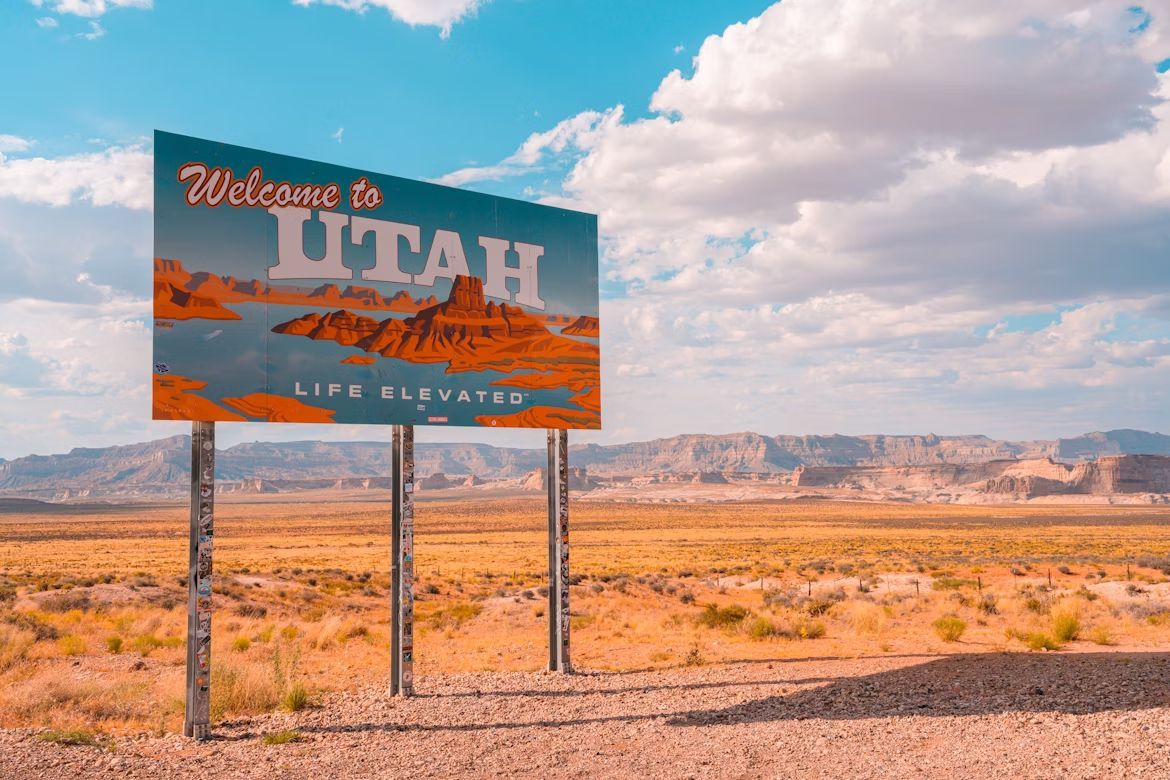
Image: Arturo Rivera

This tiny Mormon settlement near Zion National Park has been featured in dozens of movies and commercials, most famously in "Butch Cassidy and the Sundance Kid." Founded in 1859, Grafton struggled with flooding from the Virgin River, conflicts with Native Americans, and general isolation. By 1944, the last resident had left, but unlike many ghost towns, Grafton's buildings were later restored and maintained by preservation groups.

Today, only a handful of structures remain—a schoolhouse, a church, and a few cabins—but they're set against absolutely spectacular red rock canyon scenery . The Grafton Cemetery, still maintained by descendants, sits on a hill with jaw-dropping views. It's free to visit, though donations are encouraged for preservation efforts.

7
Terlingua, Texas
Image: Glen Carrie

Once a thriving mercury mining town with 2,000 residents, it collapsed in the 1940s when the mines closed. Today, it's home to about 60 full-time residents, plus a rotating cast of artists, wanderers, and people who just couldn't handle civilization anymore.

The original townsite features impressive ruins of the Chisos Mining Company headquarters, a crumbling movie theater, and a cemetery with elaborate Mexican grave decorations . But the real attraction is the eccentric present-day community that's grown up around the ruins. You can stay in unique lodgings, eat at the famous Starlight Theatre, and experience some of the darkest night skies in the continental US.

8
Garnet, Montana
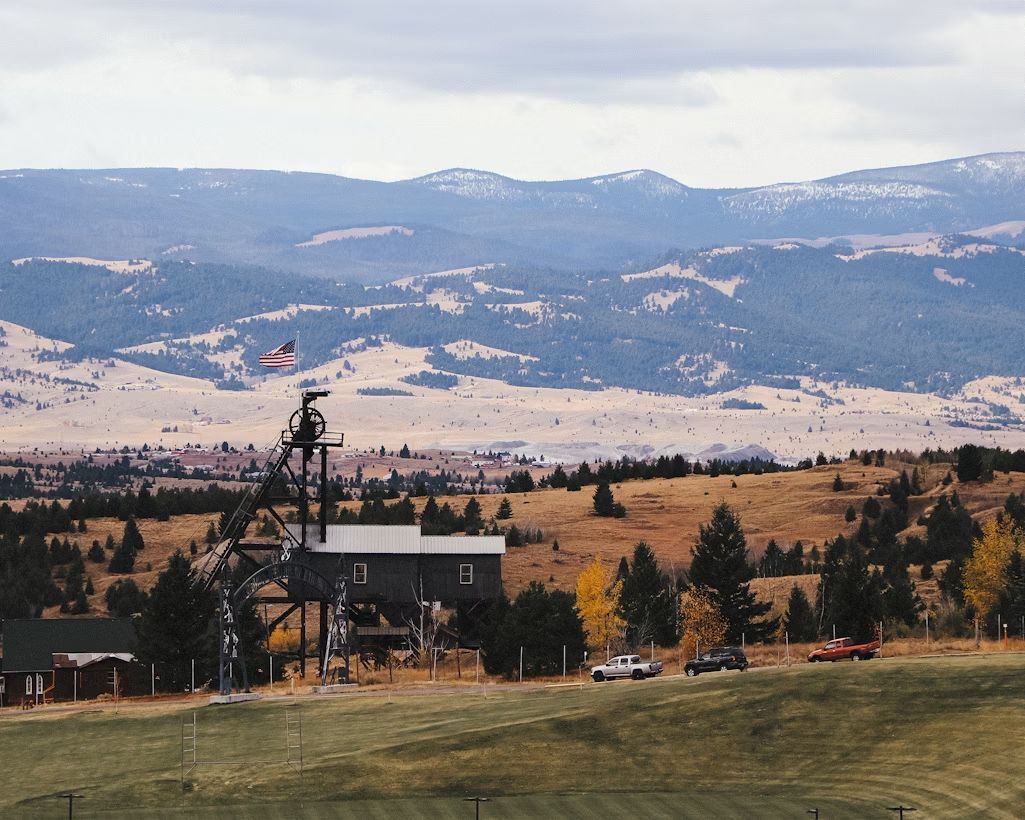
Image: Natalie Nicks

Located deep in Montana's mountains about 35 miles from Missoula, this gold mining town boomed in the 1890s with about 1,000 residents. The last 11 miles are on a rough dirt road that's impassable in winter, but that difficulty is exactly why Garnet remains so well-preserved and authentic. Casual tourists don't make the trek, which means you'll likely share the site with only serious ghost town enthusiasts.

About 30 buildings still stand, including the surprisingly intact Kelly's Saloon, complete with bar and furnishings . The Bureau of Land Management maintains the site and even offers rustic cabin rentals if you want to spend the night.

9
Centralia, Pennsylvania
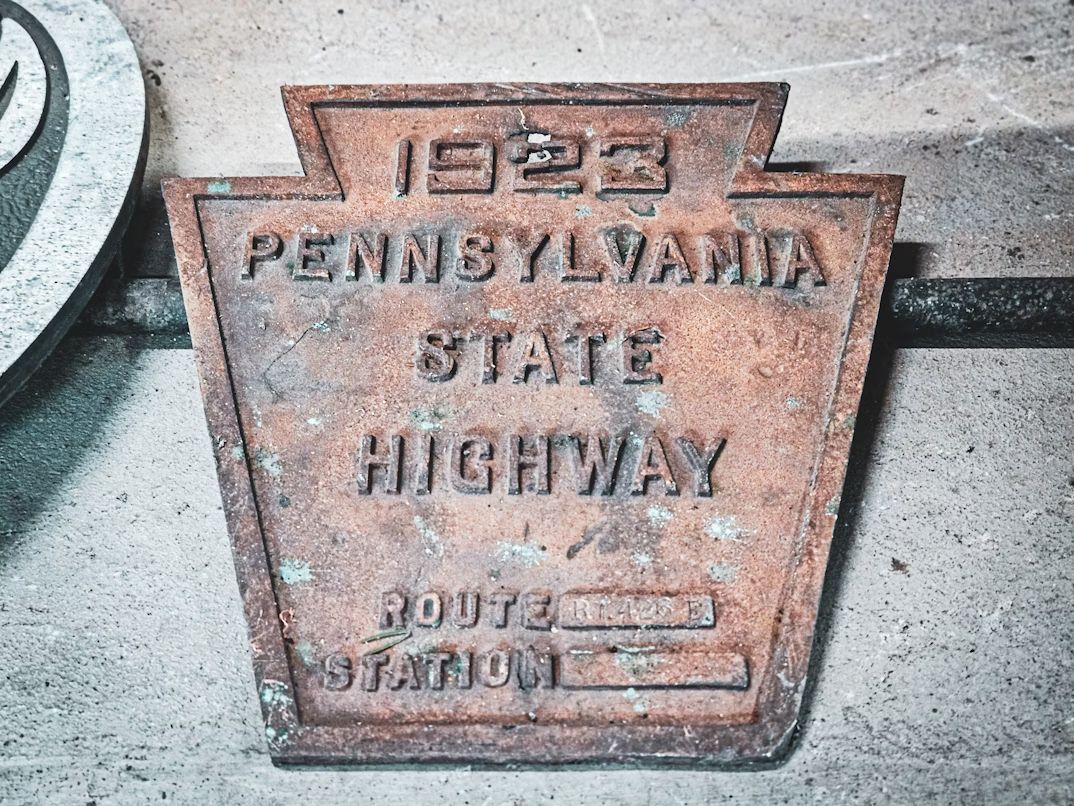
Image: Megs Harrison

This isn't a Wild West mining town—it's a modern ghost town with an underground coal fire that's been burning since 1962 and could continue for another 250 years. At its peak, Centralia had over 1,000 residents. Today, fewer than five people remain in what's become one of America's most surreal abandoned places. The fire releases toxic gases through cracks in the ground, and the heat has buckled roads into impossible angles.

The most famous feature is the graffiti-covered section of abandoned Route 61, where smoke sometimes rises through cracks in the pavement . Most buildings have been demolished, but the street grid remains, marked by empty lots and crumbling foundations. It inspired the video game and film "Silent Hill," and it's easy to see why—the place feels genuinely otherworldly. Technically, Centralia is off-limits, and Pennsylvania has tried to discourage visitors due to safety concerns about the underground fire.

10
Calico, California
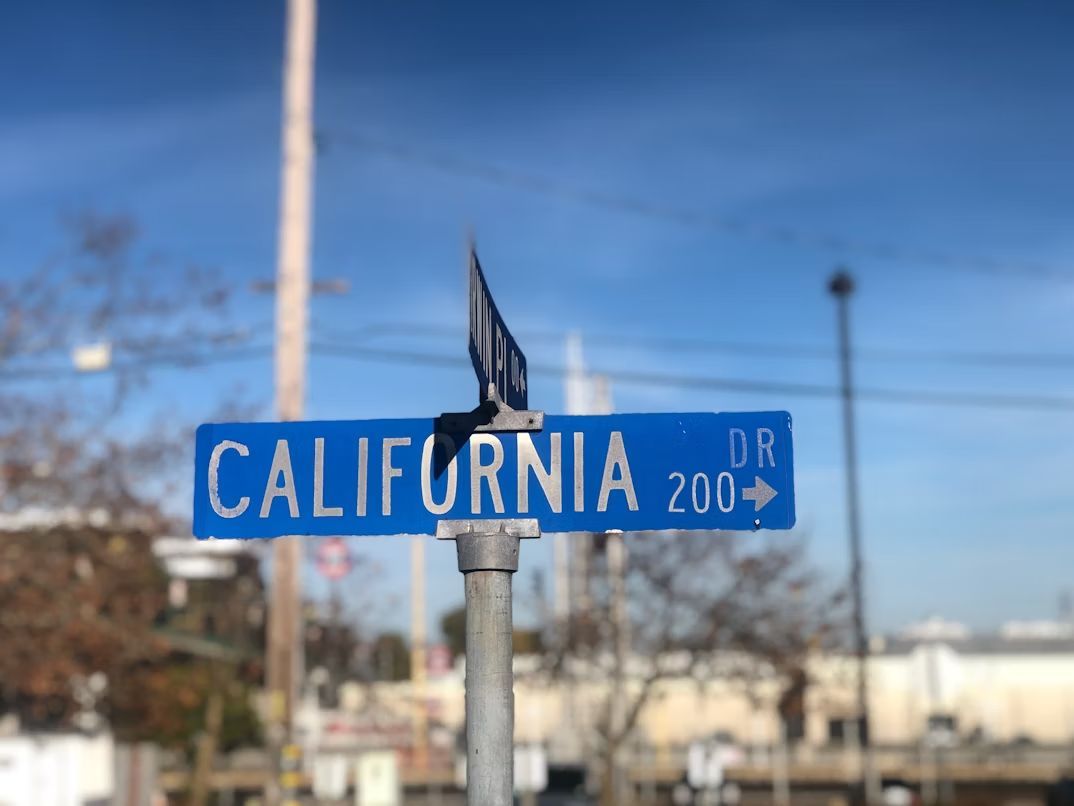
Image: Volodymyr Hotsyk

Founded in 1881 after a major silver strike, it boomed to 1,200 residents before the silver price crash killed it in the 1890s. Unlike other ghost towns on this list, Calico was reconstructed and restored as a theme-park-style attraction in the 1950s by Walter Knott.

Today, Calico is a San Bernardino County park with restored buildings, shops, restaurants, and even staged gunfights on weekends . You can tour a genuine silver mine, pan for "gold" (spoiler: you'll find some), and ride a narrow-gauge railroad. About half the buildings are original, and half are reconstructions, giving you the ghost town experience without the sadness of actual decay.

General General 4 min read

PROTEST SONGS CAN BE CATCHY TOO

Born In The USA: 10 Political Songs And Their Meanings

Image: Jseph Chan

Every song expresses an opinion, and a great number of artists have used the tools of their trade to communicate their political ideas since the dawn of mankind. Popular music, with all of its sub-genres, is a particularly powerful instrument for expressing political opinions. From Nina Simone to Rage Against the Machine , we have selected ten examples of how a song can carry a strong message and add a beat to make it more palatable for the masses.

1
Mississippi Goddam, Nina Simone

Image: Alano Oliveira

Nina Simone was an outspoken soul, and her 1963 song, "Mississippi Goddam," is considered by many to be her first song about civil rights. The tune was written as a response to the murder of civil rights activist Medgar Evers , as well as other tragedies that involved the movement during the volatile and ever-changing social dynamics of the decade.

As time went on, Nina Simone continued to send a message through her music, specifically regarding activism and social injustice issues.

2
The Times They Are a-Changin', Bob Dylan

Image: Chris Boland

Never one to keep his mouth shut when it came to topics that he found worth communicating, Bob Dylan wrote this song about the changing tide in America , where young people were voicing their displeasure on issues such as war and racism.

The song is considered one of the greatest of all time. It's also one of the most covered—thanks to the likes of Bruce Springsteen, Joan Baez, and Tracy Chapman.

3
Fortunate Son, Creedence Clearwater Revival

Image: Austin Prock

Anti-Vietnam songs were a staple of 1960s and '70s culture. However, this Creedence Clearwater Revival hit stands out as one of the more mainstream songs that continues to be heard today.

The tune enjoyed prominence in movies like Forrest Gump and has been covered countless times by such bands as Dropkick Murphys.

4
Give Peace a Chance, Plastic Ono Band

Image: Erin Song

One of the most popular anti-war songs of all time, which always makes an appearance in the event of conflict, is "Give Peace A Chance."

While this timeless classic was recorded by the Plastic Ono Band, the writing credit is actually shared between John Lennon and Paul McCartney, marking the beginning of a post-Beatles world.

5
Get Up, Stand Up, The Wailers

Image: Bill Fairs

Bob Marley wrote this classic track in collaboration with his bandmate Peter Tosh. The song was reportedly inspired by Marley’s tour in Haiti . He was taken aback by the country's high level of poverty, as well as the class system.

It has since become a long-time favorite of the band and a staple of Marley's live shows during his lifetime.

6
Ronnie, Talk To Russia, Prince

Image: DJ Johnson

Prince had many hits but this one was not among them. In fact, we can safely assume that The Purple One wrote this song for the express purpose of communicating his political feelings in the most direct possible way. And, being Prince, that had to be done through a song.

"Ronnie, Talk To Russia" is, as the name implies quite obviously**, a straight shout-out to former president Ronald Reagan**. It addresses America's relationship with Russia and the heightened tensions of the time due to the nuclear threat.

7
Born in the U.S.A., Bruce Springsteen

Image: Jose Antonio Gallego Vázquez

Having just mentioned the case of an artist who used music to speak to Ronald Reagan, we now turn to one who was very upset when Reagan spoke about him. The reason for this conflict originated from what may be the most misunderstood and seemingly patriotic song in music history.

"Born In The U.S.A." is a Bruce Springsteen classic that sounds very anthemic but is, in fact -yet another- anti-Vietnam tune.

8
Peace Sells, Megadeth

Image: Juan Di Nella

Megadeth’s frontman Dave Mustaine has never been one to shy away from political commentary, and this song is, perhaps, the most famous example. "Peace Sells… But Who’s Buying" packs his thoughts on government corruption, failing foreign policy, and more , with catchy riffs and an infectious bass line.

The song’s direct and provocative lyrics resonated with many listeners and became a defining anthem of the thrash metal genre.

9
Fight The Power, Public Enemy

Image: Nicholas Green

It is hard to think of a more straightforward political message in a song title than "Fight The Power" released as a single in 1989. Public Enemy was all about the message, and taking down the establishment, big government, and abuse of authority were usually central themes.

The song is one of the group's most famous and influential tracks, and gained additional prominence when it was featured in Spike Lee's film Do the Right Thing.

10
Killing in the Name, Rage Against the Machine

Image: Jordy

Another highly political band, Rage Against The Machine, created this song, which is fitting for the current political and social climate. Police brutality and systemic racism are at the forefront of the message , delivered with massive guitar hooks and aggressive vocals.

Most of RATM’s catalog delves into these kinds of themes with varying success but this song was a hit when it first came out and still remains a fan favorite.

History History 5 min read

First things first

Pioneering presidents: The 10 firsts that shaped American history

Image: Caleb Perez / Wes Hicks

One fascinating aspect of history is that we can discover who was the first to accomplish certain things. Photography is an everyday activity today, but who was the first president to be photographed? Have you ever wondered who was the first U.S. president to be born in a hospital? The presidency has seen many "firsts" that have left a lasting impact on the nation. Let’s dive into some of the most significant presidential milestones that have shaped the course of American history. From the momentous to the most mundane, here are 10 presidential firsts!

1
Reagan: Breaking the glass ceiling

Image: Library of Congress

Although the numbers are still unequal, women occupy decision-making positions every day. They play an active role in political life, but that wasn’t always the case.

Ronald Reagan made a bold move for gender equality by nominating Sandra Day O'Connor to the Supreme Court in 1981. This historic decision marked the first time a woman would serve on the highest court in the country.

O'Connor’s nomination was a landmark moment for women’s rights, opening doors for future generations. Reagan’s choice was both strategic and symbolic, of course. It was a significant step toward inclusivity in the judiciary. Sandra Day O’Connor went on to serve with distinction, becoming a pivotal figure in many key rulings.

2
Johnson: A historic appointment

Image: Library of Congress

America has already seen a black president, but even that marked a significant turning point in history. However, Black men in such high government positions weren’t a reality until 1967 when Lyndon B. Johnson appointed Thurgood Marshall as the first Black Supreme Court Justice . In the ongoing struggle for civil rights and equality in the U.S., this was a monumental step.

At the time, Marshall was already a legendary figure for his role in Brown v. Board of Education, and his appointment brought a powerful voice to the court. It was a clear signal of the administration’s commitment to racial justice. Marshall served on the court for 24 years! Talk about leaving a mark, huh?

3
Roosevelt: The star of the show

Image: Library of Congress

We can’t get enough of our TVs today, right? But this device was once an innovation, and one can easily imagine how surprising it must have been to see a president on screen for the first time!

In 1939, Franklin D. Roosevelt became the first U.S. president to appear on television during the World’s Fair in New York.

It’s not that he had gone unnoticed, FDR was already a radio sensation with his "fireside chats," but the television debut marked a new era of presidential communication. This historic moment allowed Americans to not only hear but also see their president, making FDR an even more influential figure.

4
Adams: Picture perfect

Image: Library of Congress

People take pictures of everything, everywhere, all the time today. Photos are like our business cards on social media and even in our job profiles, but it wasn’t always like that. And John Quincy Adams was part of a photography milestone.

Adams wasn’t just a former president, he holds the prize for first presidential photography . In 1843, he became the first president to have his photograph taken, although it was after his term had ended. Before Adams, presidents were immortalized through paintings, but his photo brought a new sense of realism to how leaders were remembered. Was he, by any chance, the first influencer?

5
Hayes: A direct line to history

Image: Library of Congress

What would we do without our telephones? It’s like we can’t imagine our lives without them anymore, right? But have you ever wondered who was the first president to have a phone in the White House ?

In 1877, Rutherford B. Hayes ushered the presidential residence into the age of technology by installing the first telephone. Of course, this was far from the smartphones we use today, but it was quite revolutionary at the time.

Fun fact: Hayes’s telephone had the number "1," a fitting symbol for such a groundbreaking moment. Only a few could actually get in direct contact with that line, but the step was taken anyway and history was made.

6
John Adams: Home sweet white house

Image: Library of Congress

While George Washington oversaw the construction of the White House, he never actually lived in it. It was John Adams who had the honor of being its first resident in 1800 .

Adams and his wife Abigail moved into the unfinished mansion, making history as the first Presidential Family to live in the iconic building. Despite the unfinished state of the residence, the Adams family’s presence made it the center of American politics. And of course, he was the first, but he was certainly not the last, as the tradition continues today.

7
Truman: Code name "general"

Image: Library of Congress

If you’re a fan of detective novels, you probably always thought that having a code name is super cool! Well, imagine being the first president with a code name!

Harry Truman made history as the first U.S. president to receive a Secret Service code name . Known as "General," his code name served as a security measure. Although now that you know it, it doesn’t seem so secretive or mysterious, right?

The use of code names has since become standard practice, used to protect presidents and their families. While the tradition of assigning code names has evolved, Truman’s "General" remains a nod to the early days of presidential security. It was just the beginning of a tradition that still exists today.

8
Coolidge: A father’s pride

Image: Library of Congress

Few moments in life are so beautiful as when a father’s eyes are filled with tears of pride for his child, don’t you think? Well, now think about that, between a president and his father!

In a unique and touching moment in U.S. history, Calvin Coolidge was sworn in as president by his own father. After President Harding’s unexpected death in 1923, Coolidge’s father, a notary public, administered the oath of office in their Vermont home.

This made Coolidge the first and only president to be inaugurated by a family member, creating a truly personal and memorable moment. This father-son moment added a deeply personal touch to the transfer of power, making it a memorable event in both their personal lives and American history.

9
Carter: Born in a hospital

Image: Library of Congress

When you think of a birth, you think of a hospital, right? However, that hasn’t always been the case.

Jimmy Carter holds the distinction of being the first U.S. president born in a hospital, on October 1, 1924. Before Carter, presidents were typically born at home, which was the norm for the times.

His birth at the Wise Clinic in Plains, Georgia, marked a shift toward modern medical practices. This milestone highlighted the changing nature of healthcare in America. Carter’s hospital birth was a small, yet significant, indicator of progress in our country.

10
McKinley: Cruising into history

Image: Library of Congress

Our last "first" is a bit crazy and you’ll see why in a minute: William McKinley became the first sitting president to experience the thrill of a car ride .

In 1899, he took a ride in a Locomobile steam carriage, a cutting-edge mode of transportation at the time. The car was driven by the inventor himself!

This ride was quite an oddity, and McKinley’s willingness to try it out showed his interest in new technology. Why is it crazy? Because no president drives their own car today! Regardless of how innovative and technologically advanced it may be!

Explore more American facts

Choose your favorite category!

General
General

As American as apple pie—the very best America has to offer!

Culture
Culture

Delve into the astounding richness of American lore.

Geography
Geography

Hop in and explore vast and diverse American landscapes.

History
History

Discover the key moments that shaped the United States.