General General 3 min read

What is your hobby?

Imagination knows no boundaries: 10 bizarre hobbies

Image: Cristine Despares

Imagination knows no boundaries, especially when it comes to finding ways to entertain itself. For most of us, a hobby might involve having a stamp collection or pruning the garden. But for some people, that is not enough. If you think that building tiny ships inside bottles is an odd hobby, you will be amazed by the following 12 activities that some humans indulge in.

1
Extreme ironing
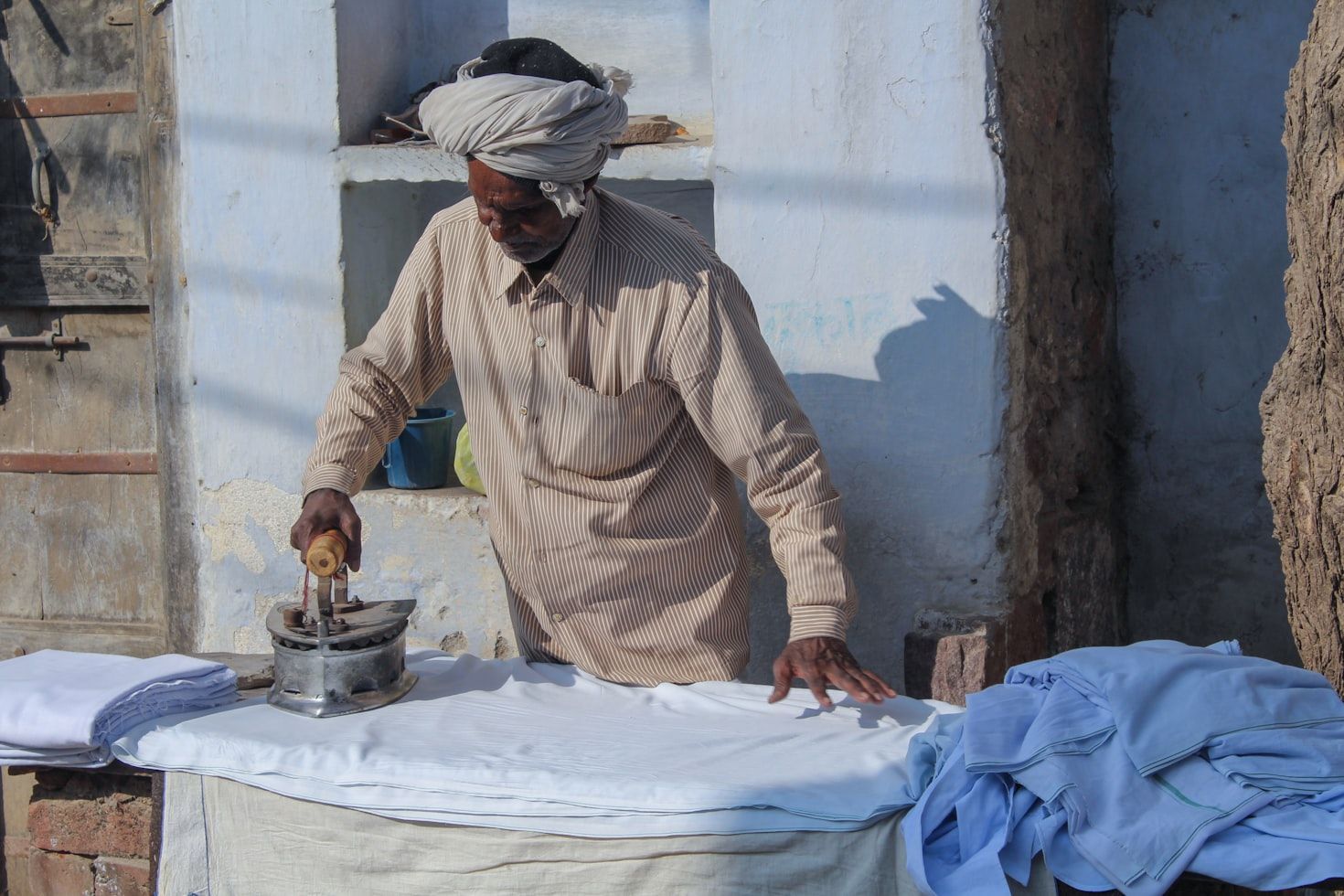
Image: Eric Vö

There is nothing extreme about ironing if you do it the usual way. But what if you were to iron your shirts atop a mountain peak ? Believe it or not, ironing clothes in extreme environments is a thing. There is even a world record for the most outrageous example of extreme ironing, which was set 200 feet underwater in 2011.

2
Worm charming

Image: sippakorn yamkasikorn

Worms are not the first creatures that come to mind when one thinks of interactive animals. However, they do respond to certain stimuli, especially vibrations on the ground and sound.

A small but dedicated group of people devote themselves to the odd hobby of worm charming, attracting worms from the ground using vibrations, sound, and other ingenious methods . This unusual activity requires patience and a gentle touch, but for its followers, it is very rewarding.

3
Toy voyaging

Image: Barrett Ward

Whoever saw the early 2000s movie Amélie will recognize this one. Some people have small toys that accompany them on vacations and appear in photos at famous landmarks , which are then uploaded to their Instagram and Facebook accounts.

4
Soap carving

Image: Aurélia Dubois

As it turns out, soap can be used for more than just washing and bathing. Yes, a particularly fragrant soap placed in your sock drawer will add a pleasant scent each time you open it. But this is something entirely different. Some people carve soap bars into intricate sculptures , using small knives or other fitting instruments.

5
Human knotting

Image: engin akyurt

A hobby can also be a group activity. In some parts of the world, groups of people engage in the challenging task of tying themselves into a human knot , and then work together to find creative solutions and untangle the puzzle without letting go . It's like Twister, but without the board underneath.

6
Geocaching
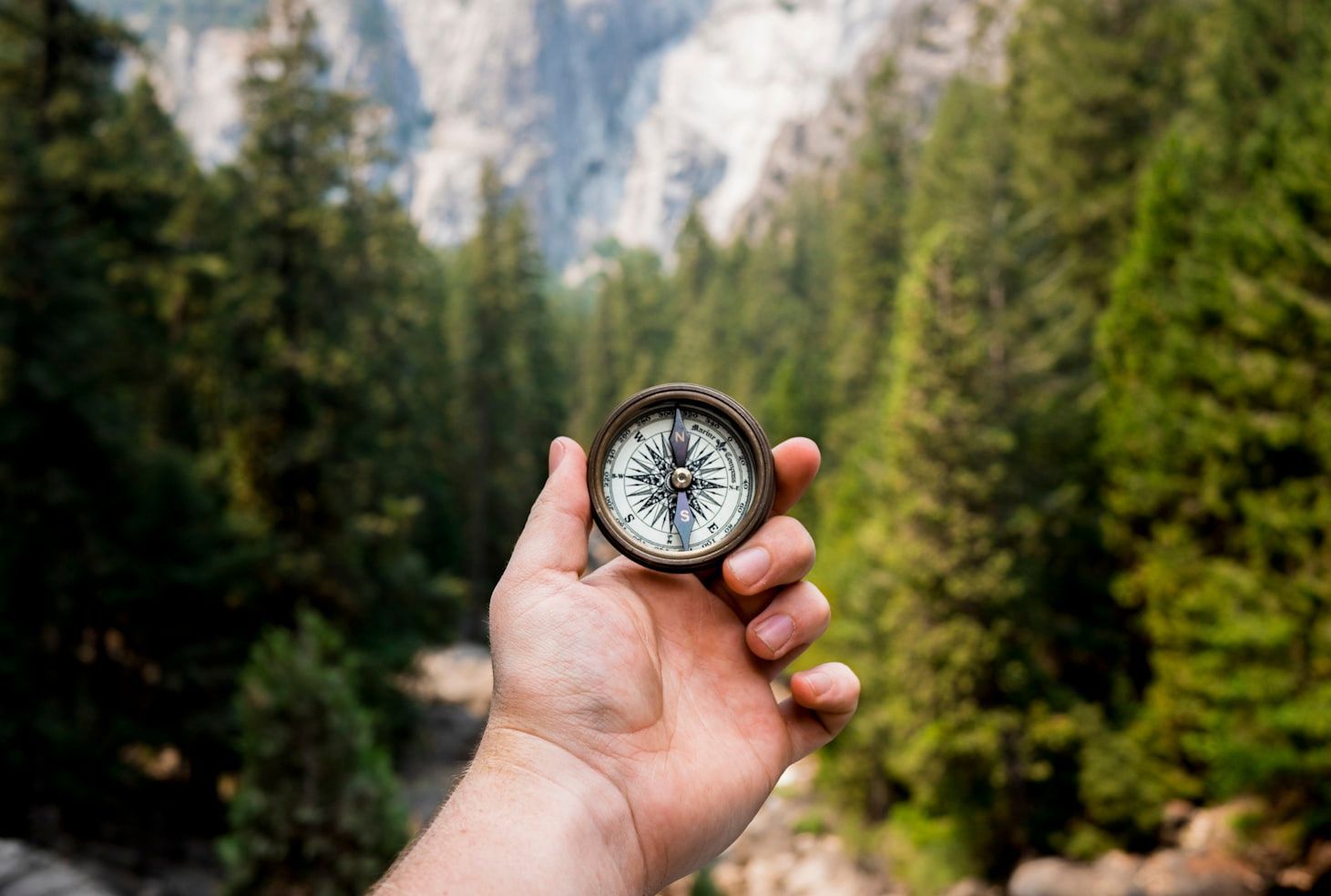
Image: Jamie Street

A sort of digitally-aided treasure hunt, geocaching is a fun hobby that requires a hand-held GPS receiver or a phone app to guide participants to a destination where a hidden container is stored . Once found, the participant logs their visit in an included logbook and can also trade one of the many small items inside the container for one of their own. Sounds like fun, right?

7
Trainspotting

Image: Silver Ringvee

Other than being a movie and a book, trainspotting is also a hobby where enthusiasts, you guessed it, spot trains. Train spotters often watch trains and track the number of each engine , as well as share information about the whereabouts of the trains, technical data, and specific characteristics.

8
Duck herding

Image: Vlad Tchompalov

Most people have heard of sheep herding, but what about duck herding? This hobby is performed as a team effort with trained sheepdogs who know how to maneuver a group of geese or ducks back into their pen . This unusual activity is suitable for all ages and fitness levels, making it a great team-building exercise for corporate groups.

9
Historical cooking

Image: Alyson McPhee

Several YouTube channels feature expert and amateur chefs cooking historical recipes and then tasting the results. This fun activity involves trying out recipes from the past , some dating back centuries, as far back as recipes can be found, and appreciating flavors that are not around anymore.

10
Ghost hunting
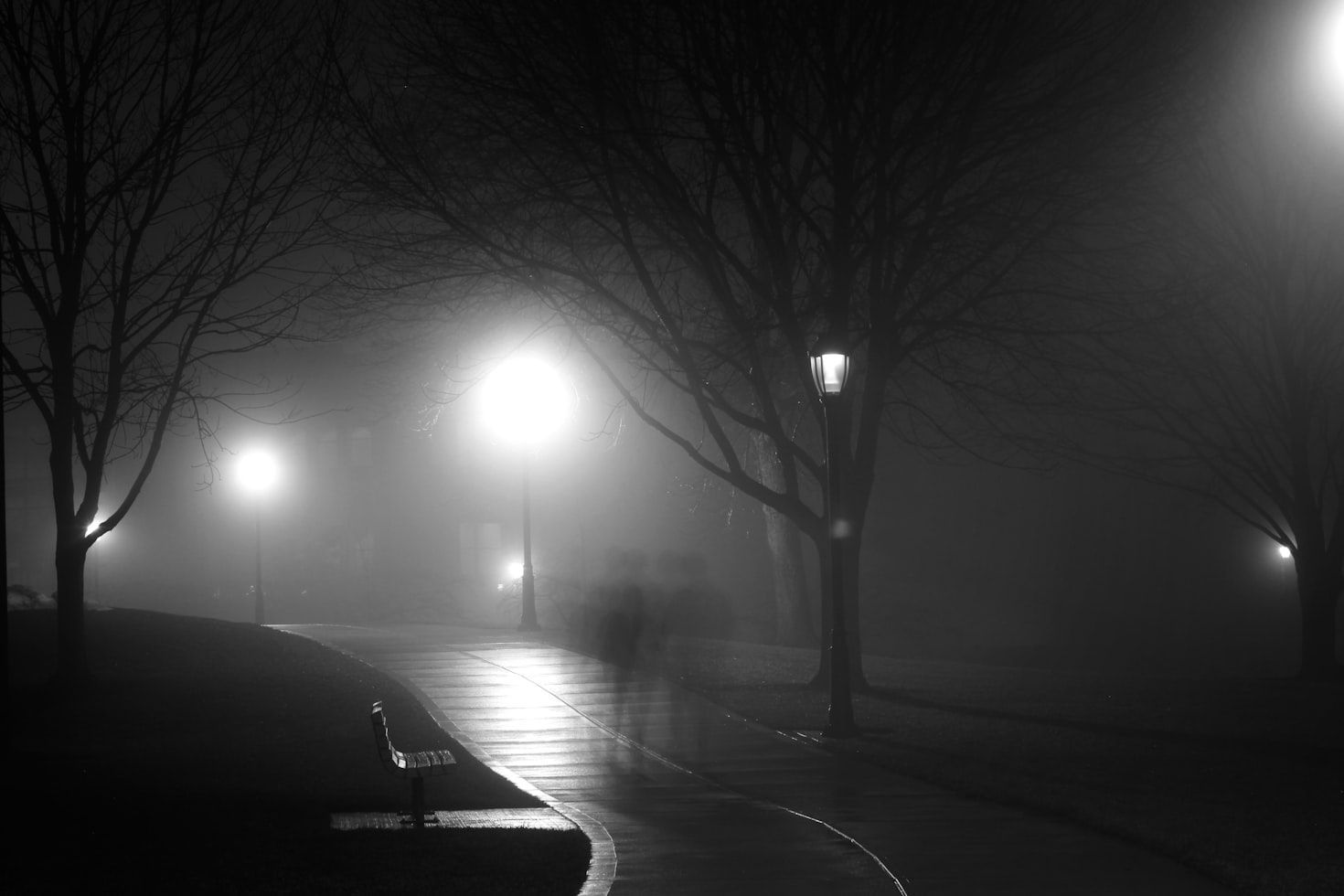
Image: Jesse Bowser

As the name suggests, ghost hunting is a hobby that involves investigating and documenting paranormal activity in order to capture evidence of ghostly sightings or encounters . This activity does not require participants to believe in the existence of ghosts, but rather to enjoy the thrill of visiting eerie places filled with spooky stories.

11
Mobile phone throwing

Image: Vojtech Bruzek

If you've ever felt the urge to throw your mobile phone in frustration over a situation, this hobby might be for you. Mobile phone throwing is a competitive sport in which contestants throw phones and are judged based on their technique and the distance covered. This hobby originated in Finnish culture, and it was started by Nokia, known for its reputation as an unbreakable "brick" that supposedly outlasts all our smartphones.

12
Painting memes

Image: Crystal Mapes

Memes are, by nature, ephemeral creations, meant to last for a while before fading into obscurity. However, some kind souls have taken up meme painting as a hobby, giving these digital images a more elevated existence as works of art .
Culture Culture 3 min read

Do you still eat any of these?

Food can go extinct too: 12 once-common American dishes no longer around

Image: Annie Spratt

Just a few decades ago, American menus looked very different. Before refrigerators, mass branding, and globalization, everyday meals were shaped by practicality, leftovers, and local habits. Some dishes thrived for decades, or even generations, before fading away. The following 12 meals were not exotic or fancy but plain, everyday dishes. Which one do you remember most?

1
Jello Molds

Image: Girl with red hat

Jello molds were once a centerpiece of American entertaining, especially from the 1930s through the 1960s. They appeared at holidays, potlucks, and family dinners, often filled with fruit, marshmallows, or even vegetables and meat .

As tastes shifted away from gelatin-based dishes, these colorful creations slowly disappeared. Today, they’re more likely to spark nostalgia or even humor than appetite.

2
Chicken à la King

Image: Cristian Guillen

Chicken à la King was a creamy comfort dish found in homes, cafeterias, and hotel dining rooms across the country. Made with diced chicken, mushrooms, and peppers in a rich sauce , it was commonly served over toast or rice.

Once considered elegant yet approachable, it fell out of popularity as lighter, faster meals took over. Today, it’s rarely seen outside vintage cookbooks.

3
Salisbury Steak

Image: Nima Naseri

Salisbury steak was once a standard American dinner, served in restaurants, school cafeterias, and home kitchens alike. Made from seasoned ground beef and smothered in gravy, it was filling, affordable, and easy to prepare.

As food culture moved away from processed and institutional meals, Salisbury steak lost its appeal. Today, it’s mostly associated with frozen dinners or nostalgic meals.

4
Chipped Beef ("SOS")

Image: Raman

Chipped beef, thin slices of dried beef served in white gravy , was once ubiquitous. It appeared on breakfast tables and became especially associated with military dining during the early and mid-20th century.

Its strong, salty flavor eventually pushed it out of favor. While still remembered by many Americans, chipped beef is now rarely served outside a few traditional diners.

5
Porcupine Meatballs

Image: Reshu Drolia

Despite the name, no porcupines were involved in making this dish. The meatballs were made from ground beef mixed with rice , which poked out during cooking, giving the dish its nickname.

Popular during the Great Depression, porcupine meatballs stretched limited meat into hearty meals. As economic conditions improved and tastes changed, this clever and thrifty dish gradually faded from everyday cooking.

6
Olive Loaf

Image: GRANT LEE

Olive loaf was once a common deli meat, recognizable by its pink color and green olive pieces . It was frequently sliced for sandwiches and served at lunches throughout the mid-20th century.

Changing tastes and the rise of fresher deli options pushed olive loaf into obscurity. Today, it’s remembered mostly by those who grew up seeing it behind deli counters.

7
Pickled Herring

Image: Towfiqu barbhuiya

Pickled herring was widely eaten by Americans of Northern European descent and was once a common item in grocery stores and home pantries. It was valued for its long shelf life and strong flavor .

As newer protein options became widely available, pickled fish fell out of favor. Today, it survives mainly in specialty stores and cultural traditions rather than on mainstream American menus.

8
Ambrosia Salad

Image: Joshua Hoehne

Ambrosia salad combines fruit, coconut, marshmallows, and cream into a sweet side dish. It was especially popular at holidays and church gatherings.

Over time, its sugary profile and unusual texture made it feel outdated. While still remembered fondly, ambrosia salad is now far less common on modern tables.

9
Braunschweiger Sandwiches

Image: Stephanie Harvey

Braunschweiger, a type of liver sausage, was once a standard sandwich filling in American households. Spread on bread with mustard or onions , it was inexpensive and widely available.

As Americans moved away from organ meats, Braunschweiger lost popularity. Today, it’s mostly limited to specialty markets and nostalgic diners.

10
Oyster sandwiches

Image: Thomas John

Oyster sandwiches were once everyday food in coastal cities, especially in the 19th and early 20th centuries. Oysters were cheap, abundant, and commonly fried or stewed .

As oyster populations declined and prices rose, the sandwich disappeared from daily menus. Today, oysters are considered a treat rather than a working-class staple.

11
Scrapple

Image: Patryk Pastewski

Scrapple is a pork-based dish made from scraps, cornmeal, and spices . It was once common throughout the Mid-Atlantic, especially as a breakfast food.

While still eaten regionally, scrapple never regained national popularity. Many Americans now view it as unusual, despite its once-widespread presence.

12
Creamed Onions

Image: laura novara

Creamed onions were once a classic American dish, especially at holiday meals. Small onions were simmered and served in a thick, creamy sauce .

As side dishes became simpler and lighter, creamed onions fell out of favor. Now, they appear mainly in old family recipes or historical menus.

General General 7 min read

Sin City’s secrets

Fascinating facts about Las Vegas you won't find on travel guides

Image: Paul IJsendoorn

A man once sold every single thing he owned, flew to Las Vegas, and bet the whole lot on a single spin of the roulette wheel. Do you think he won? There are 600 miles of concrete flood tunnels under Sin City—can you estimate how many people live there? Most of the profits of the whole city come from one single game; could you guess which one it is? Read on to find all the answers to these stunning facts about Las Vegas, Nevada.

1
The man who sold everything he owned and bet it all on one spin

Image: Pavel Danilyuk

In 2004, a 32-year-old British man named Ashley Revell walked into the Plaza Hotel and Casino in Las Vegas and placed every dollar he had in the world on a single spin of the roulette wheel.

In the months before, Revell had sold his house in Kent, his BMW, his Rolex watch, his golf clubs, his electronics, his furniture, and every piece of clothing he owned. The grand total of his liquidated possessions came to $135,300 . He pushed the entire stack of chips onto red as the ball was already spinning. It landed on Red 7.

Revell walked away with $270,600, exactly double what he had come in with. He tipped the croupier $600 on the way out. The whole thing was filmed by Sky One for a reality mini-series called Double or Nothing .

2
Beneath the casinos, an estimated 1,500 people live underground

Image: Stephen Leonardi

Below the glittering hotels and neon lights of the Las Vegas Strip runs a network of concrete flood drainage tunnels stretching roughly 600 miles beneath the city. Built in the 1990s to manage flash flooding in the Nevada desert, these tunnels have become an unofficial home for hundreds of the city’s unhoused residents.

It is estimated that between 1,200 and 1,500 people live there . Some residents have constructed makeshift shelters from plywood and salvaged metal deep inside the tunnels, occasionally just yards below the casino floors above them.

The tunnels pose serious dangers: flooding risk during desert rainstorms, extreme heat, and high rates of substance abuse. A network of nonprofits, outreach teams, and government agencies coordinates aid by providing the residents with essentials and offering them long-term case management, like treatment and housing placement.

3
Las Vegas has a literal black book of people banned for life

Image: BehindTheTmuna

Since 1960, the Nevada Gaming Control Board has maintained what it officially calls the List of Excluded Persons, better known as the Black Book. The original publication was a black-covered booklet held together with Scotch tape, listing eleven people deemed to have "notorious or unsavory reputations."

Most of the early entries were organized crime figures: Chicago outfit boss Sam Giancana; enforcer Anthony "Tony the Ant" Spilotro, whose violent exploits inspired Joe Pesci’s character in the film Casino ; and nine other mob associates. Anyone whose name appears on the list is permanently banned from entering any licensed gaming establishment in the state of Nevada.

Violating the ban is a gross misdemeanor under Nevada law. As of 2026, there are 37 names on the list. No one has ever successfully appealed their removal.

4
Strange casino rules: no clocks, no windows, no soft dice

Image: Elizabeth Ferreira

Las Vegas casinos are designed to keep gamblers at the tables as long as possible. Clocks are banned to distract players from the passing of time. Windows are eliminated so that they cannot tell whether it is noon or 3 a.m.

What’s more, Nevada law governs even the dice. The Nevada Gaming Control Board requires casino dice to be perfectly transparent so that no hidden weights can be concealed inside . Each die must be precision-manufactured to within 1/10,000th of an inch, with razor-sharp corners and edges showing no rounding whatsoever. They are inspected regularly and, in high-stakes games, replaced every eight hours of play to ensure consistent rolls.

5
The famous Las Vegas Strip is not actually in Las Vegas

Image: David Lusvardi

The stretch of Las Vegas Boulevard South that the world knows as the Strip does not lie within the city limits of Las Vegas. This is the area that’s home to Caesars Palace, the Bellagio, MGM Grand, the Venetian, Mandalay Bay, and dozens of other iconic venues.

Technically, it falls within an unincorporated community called Paradise , which is governed by Clark County rather than the city of Las Vegas. Paradise was deliberately established in 1950, when casino owners moved to avoid Las Vegas city taxes and regulations while continuing to trade on the city’s name and benefit from its infrastructure.

The city of Las Vegas actually begins further north along the boulevard, near the Stratosphere. Paradise covers approximately 54 square miles and has a residential population of around 220,000 people, which means it’s one of the largest and most densely populated unincorporated communities in the United States.

6
The Luxor’s sky beam is the most powerful artificial light on earth

Image: Pavel Špindler, CC BY 3.0, via Wikimedia Commons

Rising straight up from the apex of the black pyramid-shaped Luxor Hotel and Casino, the Luxor Sky Beam has been one of the most recognizable sights in Las Vegas since the hotel opened in October 1993. It is, by any measure, the most powerful artificial light beam on the planet. The beam is produced by 39 individual xenon lamps, each with 7,000 watts and roughly the size of a washing machine, focused through computer-designed curved mirrors into a single concentrated column.

Together, they generate an estimated 42.3 billion candlepower. On a clear night, airline pilots have reported seeing the beam from as far as 250 miles away. The total operating cost, confirmed by Luxor engineer John Lichtsteiner, is $51 per hour, of which $20 is electricity. That adds up to $480 a day only for lighting the signature beam each night —or $175,200 a year.

7
Las Vegas is home to the tallest observation tower in the US

Image: Dave Morgan

Standing 1,149 feet above the Las Vegas valley, the Strat Tower, officially rebranded from the Stratosphere in 2020, is the tallest freestanding observation tower in the US and the second-tallest in the entire Western Hemisphere, surpassed only by the CN Tower in Toronto at 1,815 feet. It is also the tallest building in Nevada and the tallest structure west of the Mississippi River.

At the top, the Strat offers four outdoor thrill rides, including one that dangles riders 64 feet beyond the edge of the building on a mechanical arm, over 900 feet above the ground.

8
Slot machines account for around 60% of all casino revenue

Image: Elizabeth Ferreira

Walk into any Las Vegas casino, and the first thing that surrounds you (and the loudest) is the rows of slot machines that line nearly every available wall and corridor. That layout is not a coincidence.

It is estimated that slot machines consistently generate approximately 60 to 65 percent of all casino gaming revenue in Nevada. There is roughly one operating slot machine for every eight residents of Las Vegas. Nevada law requires that video slot machines pay out a minimum average of 75 percent, though Strip machines in practice typically return 87 to 97 percent.

Casinos place the most visible, most tempting machines near entrances, elevators, and high-foot-traffic corridors , a placement strategy that has been studied and refined over decades. Despite the rise of poker rooms and sports betting in recent years, slot machines have remained the single largest source of gaming income in Las Vegas without interruption for more than half a century.

9
The gambling capital of the world does not sell lottery tickets

Image: Obi

Nevada is one of only two states in the entire United States that have no state lottery, the other being Utah. You cannot legally walk into a convenience store and buy a $2 scratch-off ticket.

The reason is straightforward and has nothing to do with moral opposition. Nevada’s gaming industry has lobbied persistently and successfully against a state lottery since gambling was first legalized in 1931, on the grounds that a government-run lottery would directly compete with casino revenues.

10
FedEx was saved from bankruptcy by a Las Vegas blackjack table

Image: Joshua Santos

In 1971, FedEx, then called Federal Express, was days away from collapse. Founder Frederick W. Smith had built the company on the revolutionary idea of overnight package delivery using a central hub-and-spoke air network, but the business was not working.

The company had roughly $5,000 left in its operating account. It was not enough. Facing what appeared to be the end, Smith flew to Las Vegas and sat down at a blackjack table. He gambled the company’s last $5,000 and turned it into $27,000, which was just enough to cover that week’s fuel costs and keep the planes in the air. The breathing room bought by that blackjack session gave Smith enough time to secure additional financing. Today, FedEx employs more than 500,000 people worldwide and is valued at over $60 billion.

Explore more American facts

Choose your favorite category!

General
General

As American as apple pie—the very best America has to offer!

Culture
Culture

Delve into the astounding richness of American lore.

Geography
Geography

Hop in and explore vast and diverse American landscapes.

History
History

Discover the key moments that shaped the United States.