General General 7 min read

What time has left behind

What happened to these 10 abandoned amusement parks? The true story

Image: Erik Jorgensen from Morrison, USA, CC BY 2.0, via Wikimedia Commons

You may remember visiting some of these places as a little kid, or seeing some of them in postcards, magazines, or old news clips. But have you ever wondered what became of them? Once-popular stops on family road trips, they now look very different. And while they may no longer be open for business, many still stand and can still be seen today. From Cypress Gardens in Winter Haven, Florida, to Six Flags in New Orleans, here are 10 abandoned US attractions and the surprising reasons they closed their doors.

1
Cypress Gardens (Winter Haven, Florida)
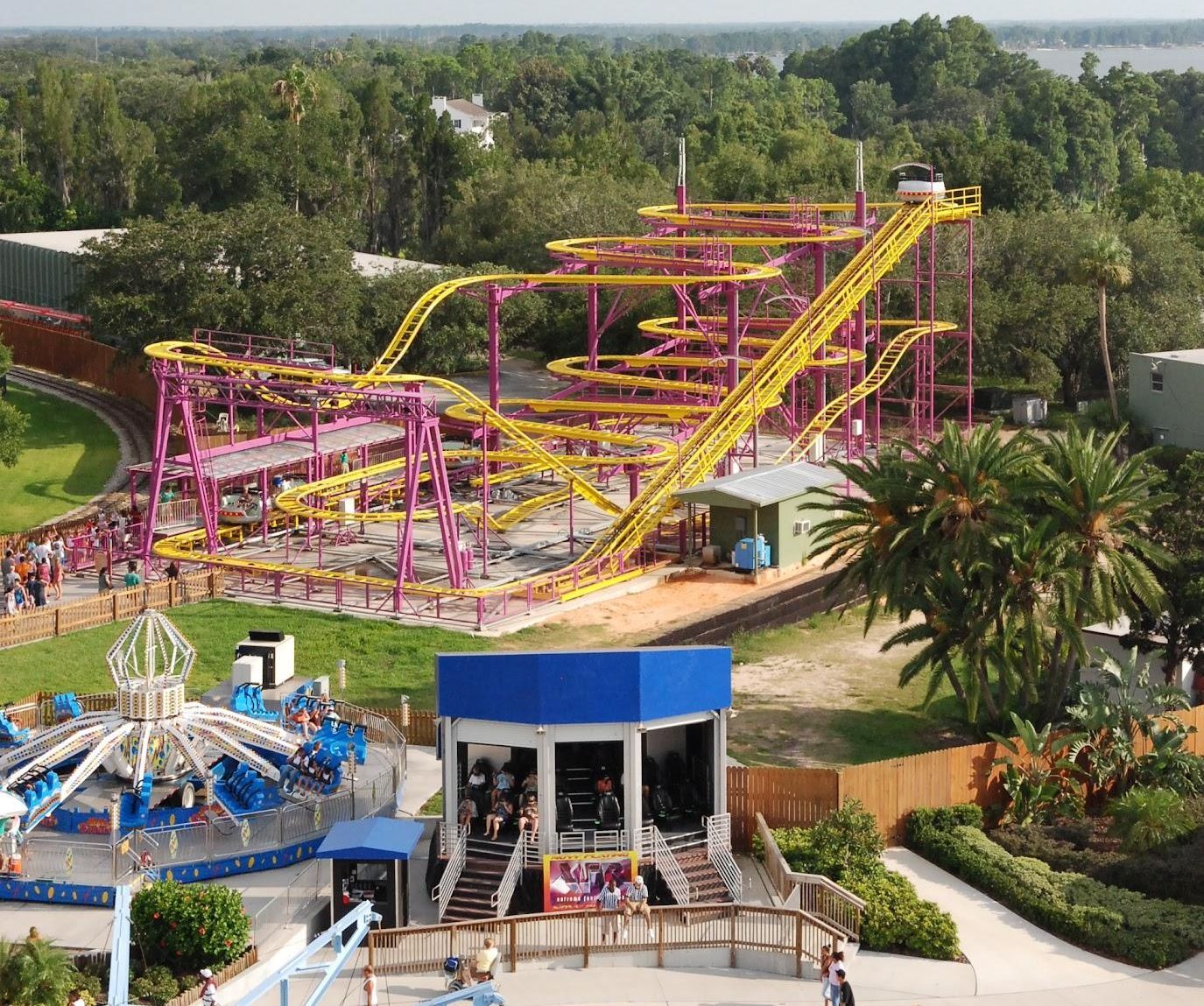
Long before the Disney parks arrived in Florida, another attraction was the most popular, drawing visitors from across the country.

It was Cypress Gardens in Winter Haven, Florida, which opened in 1936 as a botanical garden showcasing the state’s natural beauty. Over time, it became even better known for its water ski shows, something many Americans still remember from family trips in the 60s and 70s. But by the late 70s, things began to shift. The rise of the Disney parks changed tourism expectations, and Cypress Gardens slowly lost its spotlight, ultimately closing in September 2009. But it's not all bad news; parts of the original gardens still survive today, preserved inside LEGOLAND Florida.

2
New York State Pavilion (New York)
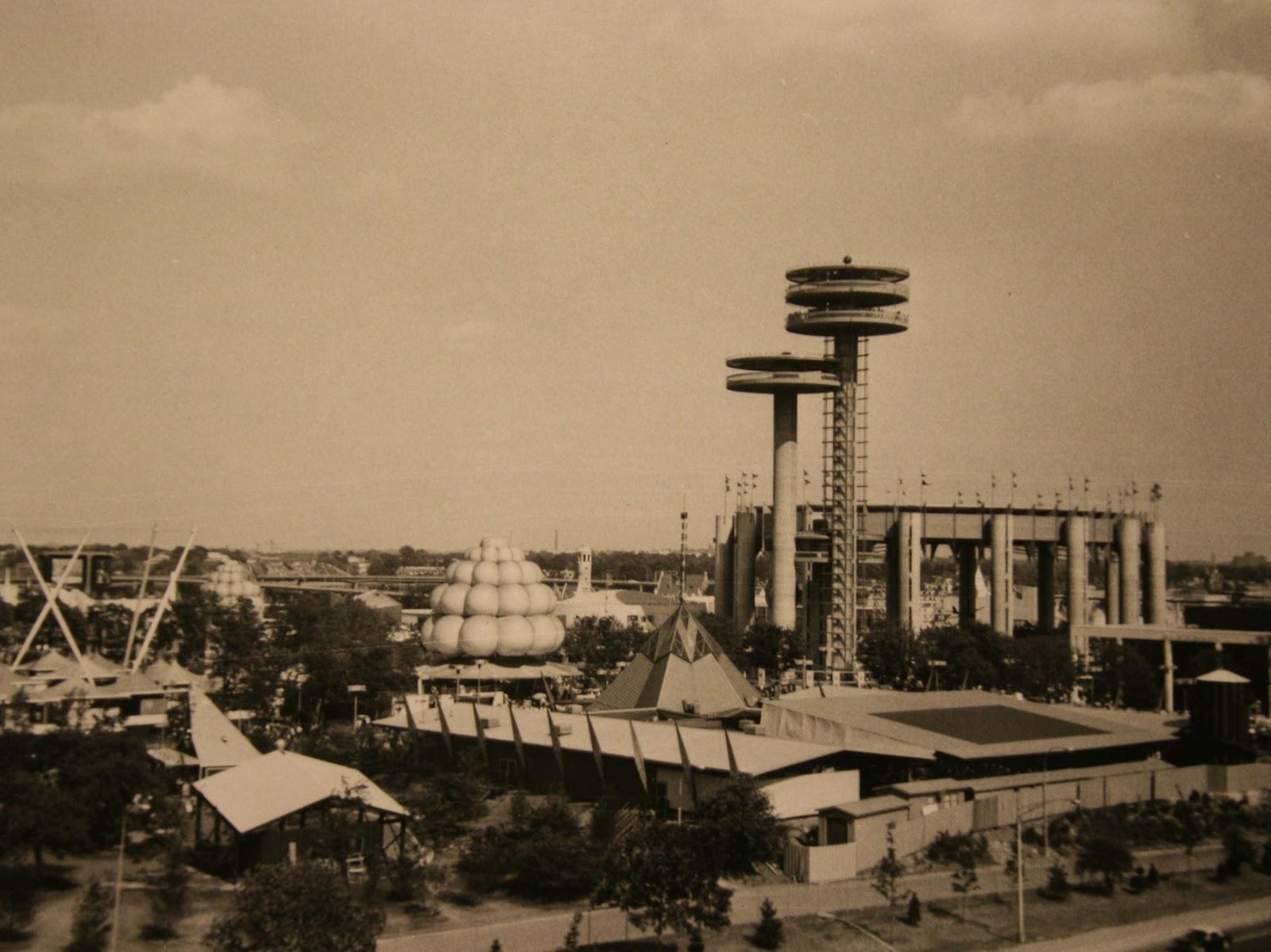
Image: Gary Lee Todd, Ph.D., CC0, via Wikimedia Commons

At the 1964 New York World’s Fair in Queens, the United States unveiled a brave vision of the future: the New York State Pavilion.

With its "Tent of Tomorrow," three towering observation structures, and a giant map of New York on the ground, it drew crowds throughout 1964 with exhibitions, shows, and concerts. But when the fair closed in 1965, the future it represented started to fade. Without a long-term plan or funding, the pavilion declined, and by 1974**,** it was permanently closed due to structural issues. Today, its rusted towers still stand over Queens, NYC, alongside the empty concrete frame. However, restoration efforts have recently begun, hinting at a possible second life for this future that never was.

3
Six Flags New Orleans (New Orleans, Louisiana)
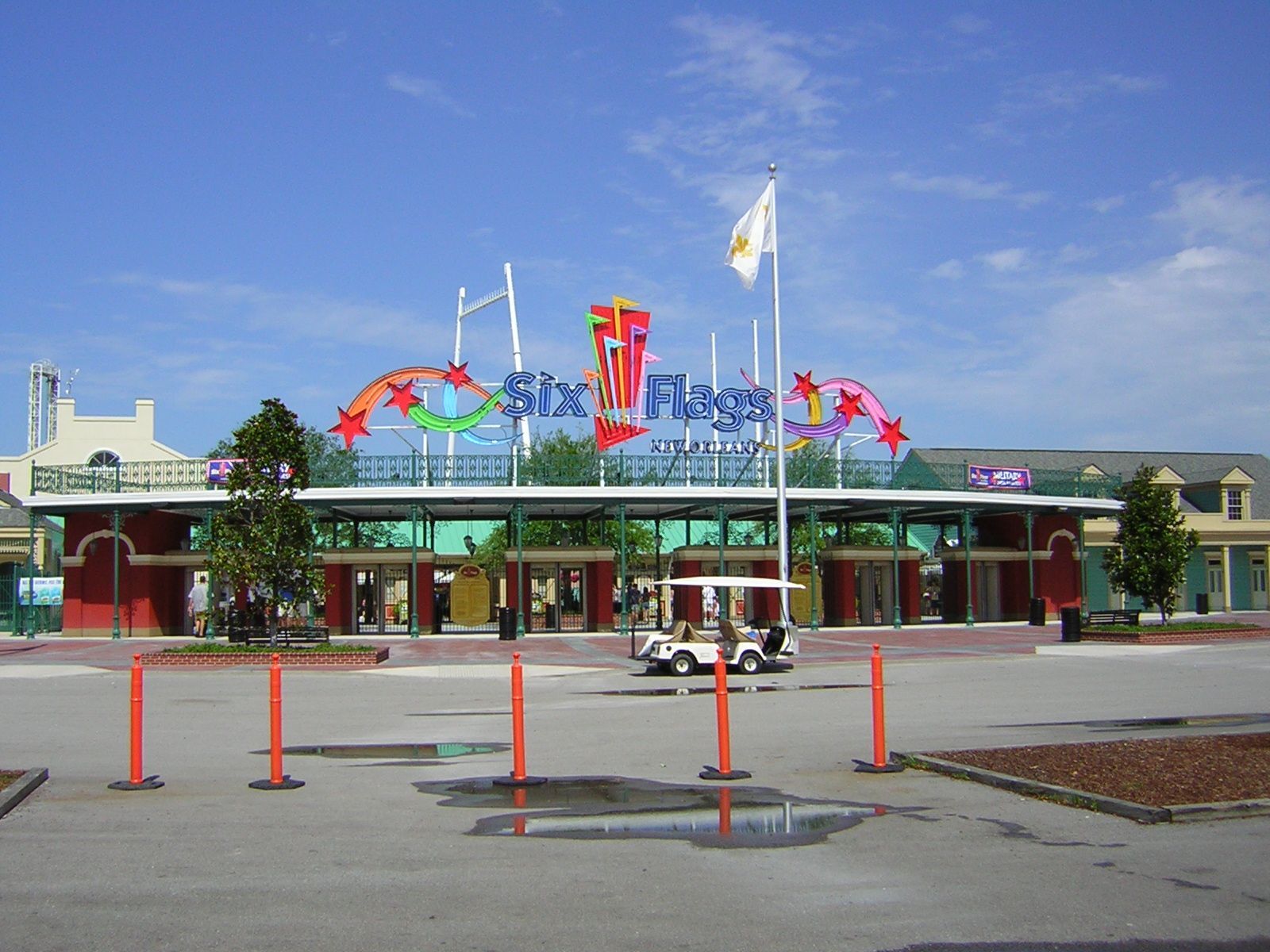
In the early 2000s, it was one of the most popular amusement parks in the region, but soon after, it was left underwater and abandoned.

We’re talking about Six Flags New Orleans, which opened in May 2000 as Jazzland Theme Park. In 2002, Six Flags took over, rebranding it and improving its roller coasters, rides, and water attractions. Its downfall wasn’t due to lack of visitors or investment; it was something far more powerful: in 2005, Hurricane Katrina flooded the park , causing irreversible damage, so it never reopened. Today, it still stands abandoned, with rusting rides and empty streets that are now a reminder of the storm. But it still gets some use: today, the now-haunting site has been transformed into a frequent filming location for movies, including Jurassic World (2015) and Dawn of the Planet of the Apes (2014).

4
Palisades Amusement Park (Bergen County, New Jersey)
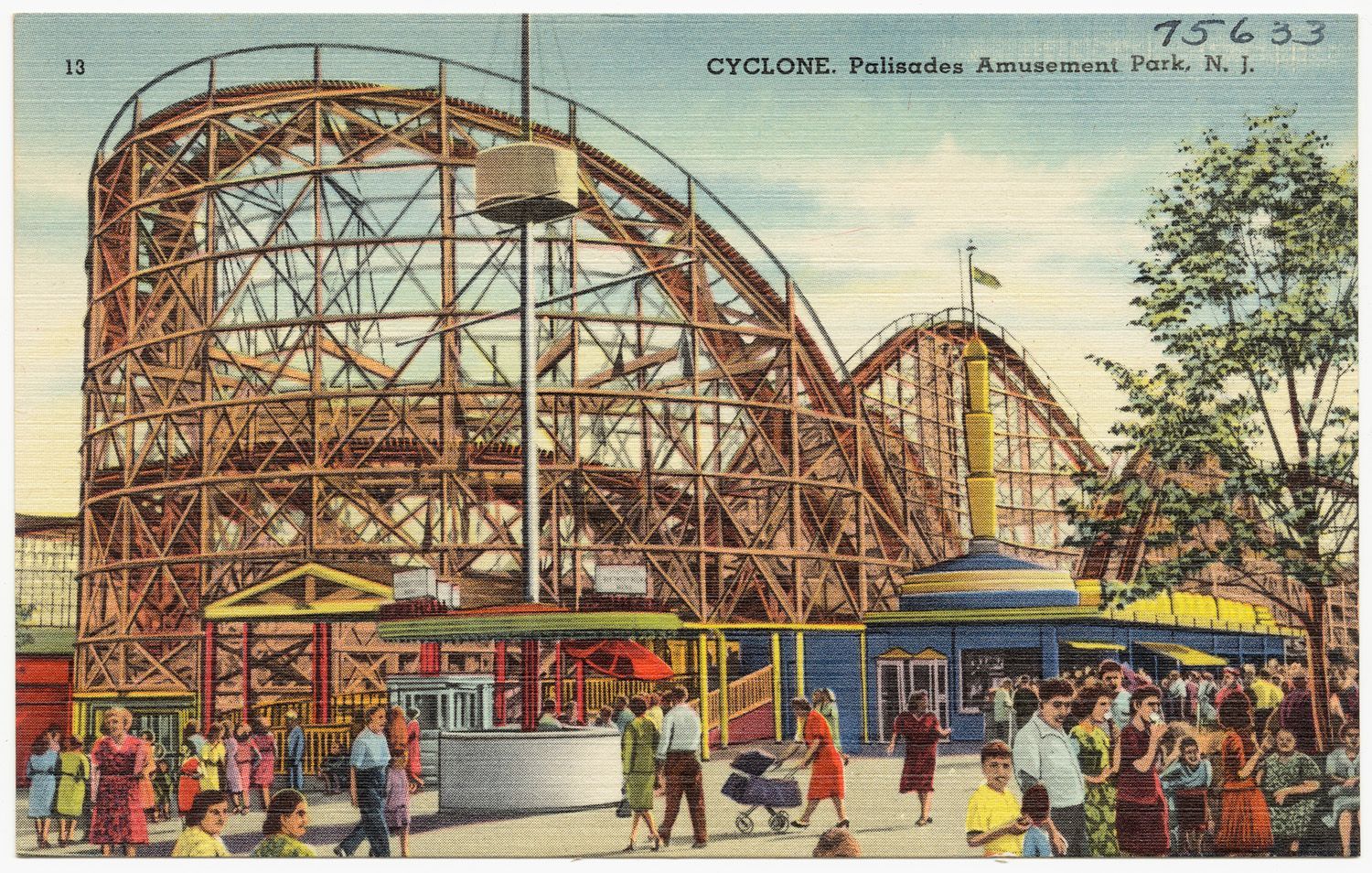
Image: Boston Public Library, CC BY 2.0, via Wikimedia Commons

For decades, especially between 1950 and 1970, it was a classic summer destination for families, but today, it’s completely gone.

Palisades Amusement Park opened in 1898 on the cliffs of the Hudson River in New Jersey. And what began as a trolley stop became one of America’s most famous amusement parks, known for its roller coasters, neon lights, and a massive saltwater pool once called "the largest in the world." However, by the 1960s, overcrowding, rising costs, and local pressure pushed it into decline, and it closed permanently on September 12, 1971. Today, high-rise apartments stand where the rides once were.

5
Disney's River Country (Lake Buena Vista, Florida)
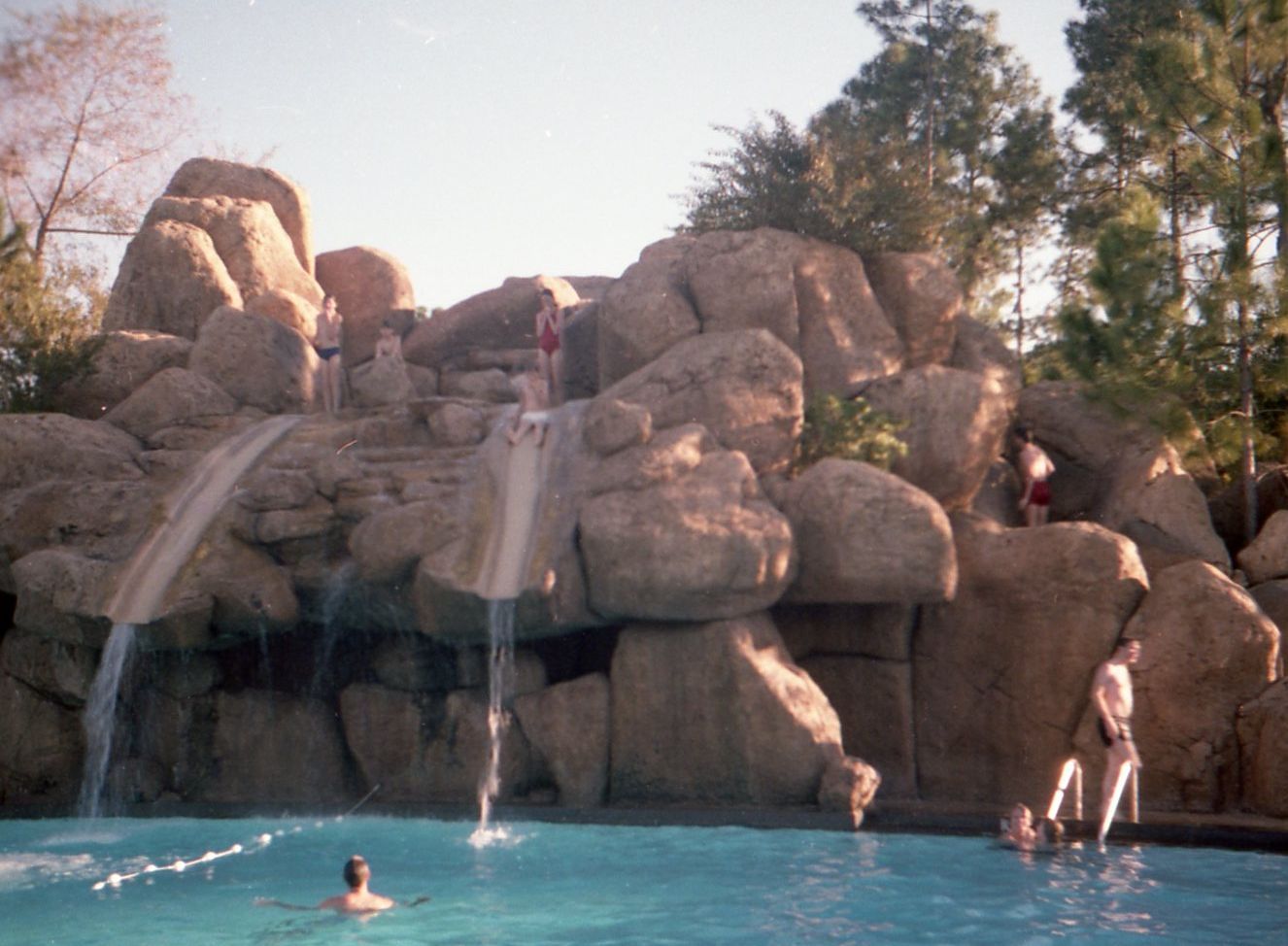
Have you heard about Disney’s abandoned park? Disney's River Country opened in 1976 in Lake Buena Vista, Florida, inspired by the vibes of classic American summer vacations. It had a rustic atmosphere, with wooden slides, rope swings, and water drawn directly from the nearby lake. It was a total success in the 1980s, but by the late 1990s, things began to change.

Newer water parks with advanced systems and stricter safety standards made River Country feel outdated, and Disney gradually shifted its attention elsewhere. The park closed "temporarily" in 2001, but it never reopened. Today, it still sits in the same place, partially reclaimed by nature, quietly overshadowed by the modern resorts around it.

6
Grossinger’s Catskill Resort Hotel (Liberty, New York)
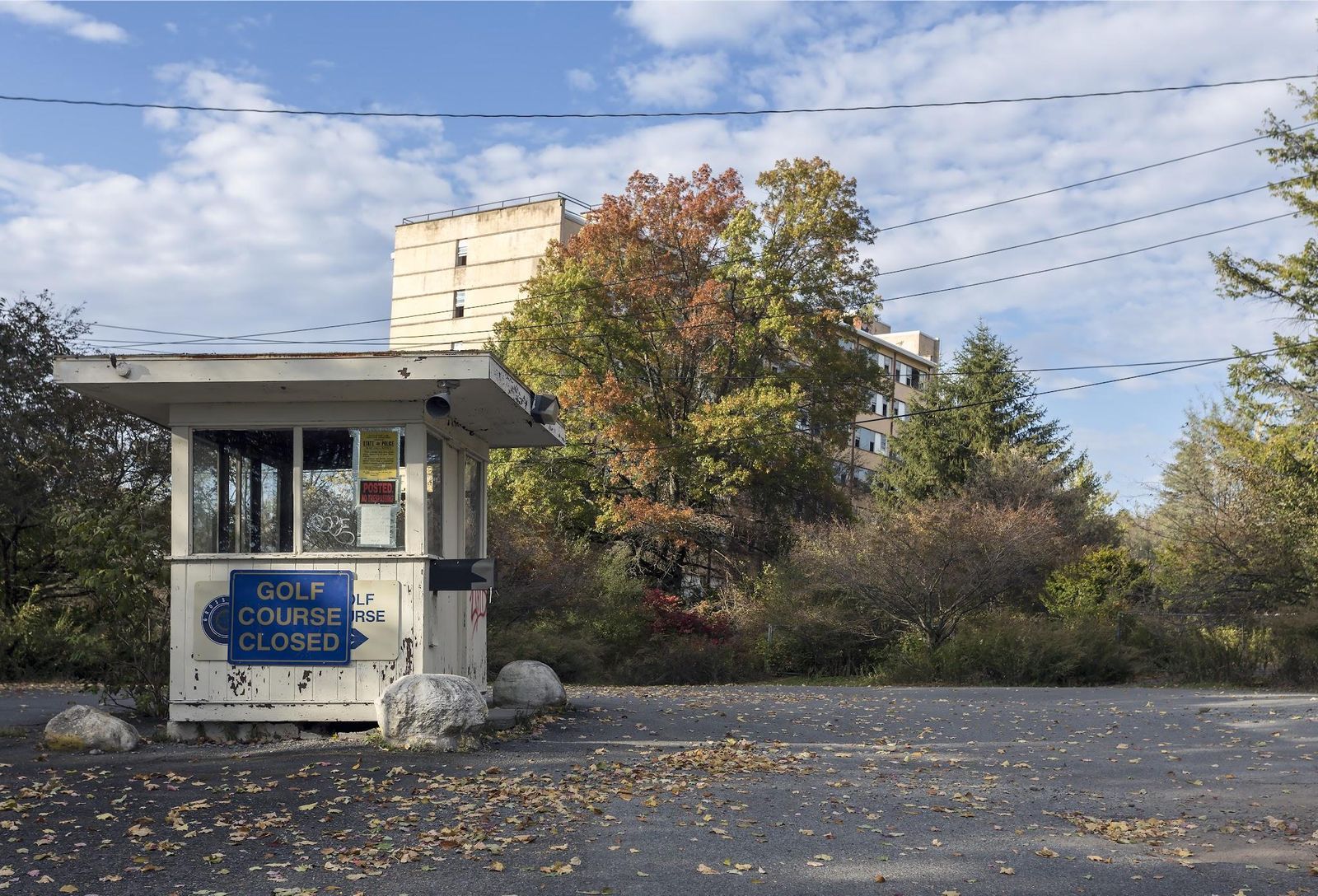
Image: Acroterion, CC BY-SA 4.0, via Wikimedia Commons

What was once one of the most popular family resorts in the country is now an extensive, decaying space with peeling wallpaper and collapsing floors.

Grossinger’s Resort Hotel began in the 1910s as a small guesthouse in the Catskill Mountains of Liberty, New York. What started modestly soon grew into one of the region’s most famous destinations, reaching its peak in the 1950s and 1960s with a golf course and both indoor and outdoor pools. It was incredibly popular with urban and suburban families in the tri-state area, and it even inspired the fictional "Kellerman's Mountain Resort" from Dirty Dancing (1987).

But in the late 1960s, American vacation habits began to change. Air travel and cruise vacations attracted families, and younger generations no longer returned to the places their parents had once loved. The resort gradually declined, leading to its permanent closure in 1986.

7
Dogpatch USA (Marble Falls, Arkansas)
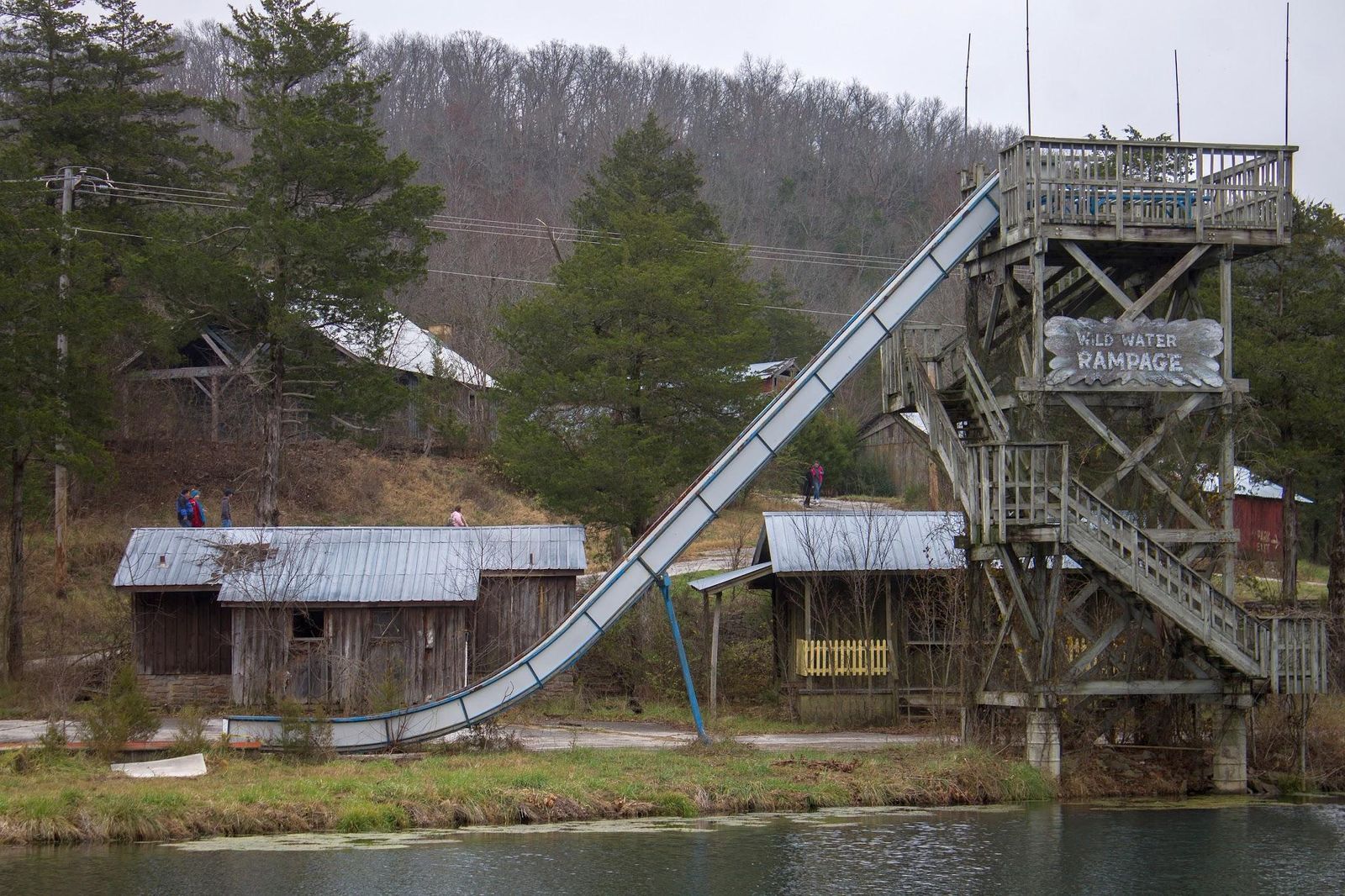
Image: kenzie campbell from springfield, mo, CC BY 2.0, via Wikimedia Commons

Dogpatch USA opened in the Ozarks of Marble Falls, Arkansas, in 1968, taking its name from the fictional town in the popular comic strip Li’l Abner by Al Capp.

Rustic buildings, rides, fishing ponds, and a small amusement area brought the comic world to life. It first attracted curiosity from local visitors, but never reached the popularity its creators had hoped for. Almost from the start, it struggled, in part due to its remote Ozarks location, which made it difficult for most tourists to reach, and its operating costs that surpassed attendance. Over time, the park gradually declined, changing ownership and shrinking in activity, before finally disappearing in the mid-1980s.

8
Ghost Town in the Sky (Maggie Valley, North Carolina)
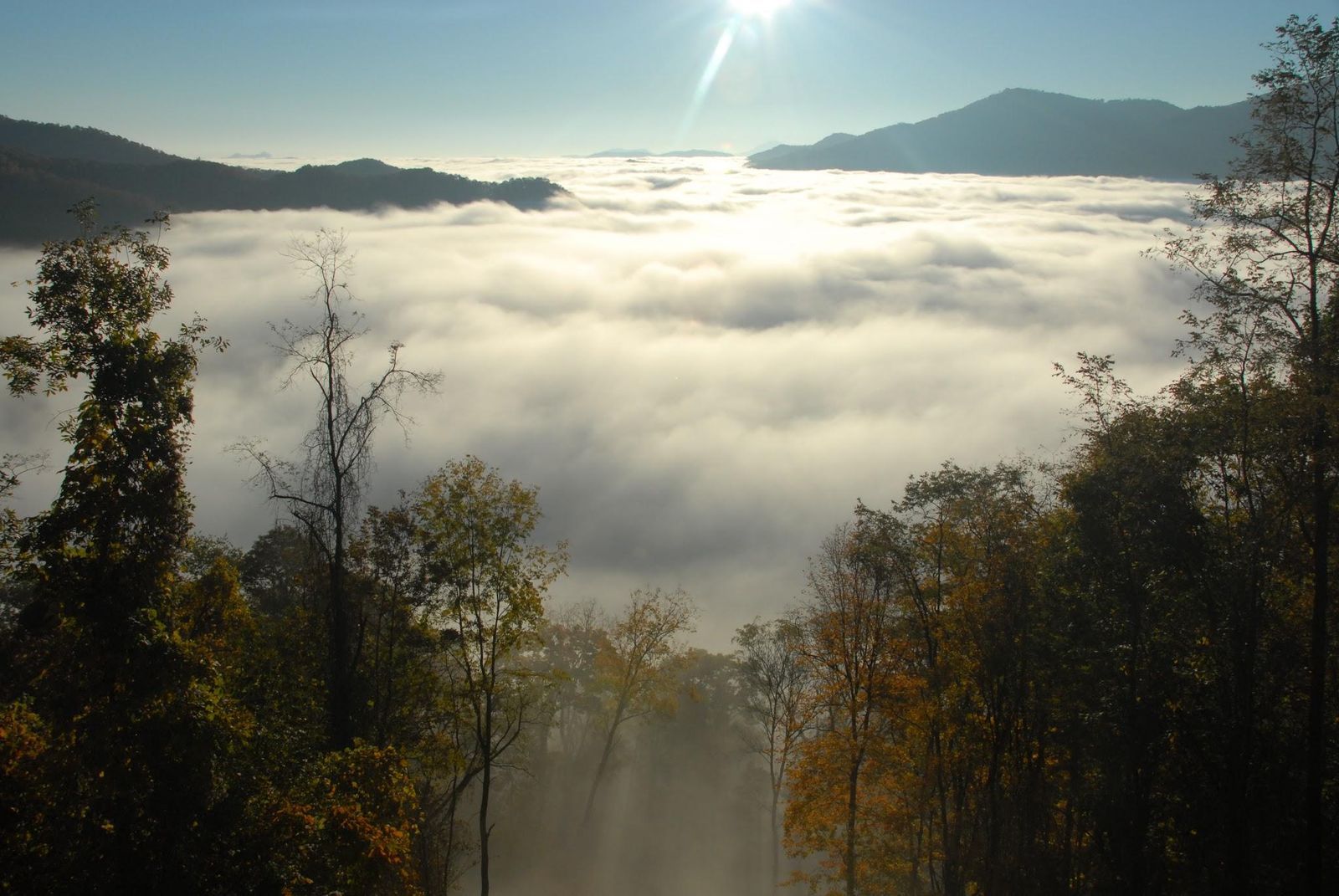
Image: Dsorrells, CC BY-SA 4.0, via Wikimedia Commons

A Wild West–themed amusement park sitting above the clouds in the Smoky Mountains sounds too good to be true, right? But it was real.

Ghost Town in the Sky opened on May 1, 1961, in Maggie Valley, North Carolina, at the top of Buck Mountain. Visitors rode a chairlift up to a full Old West town with saloons, staged gunfights, and mountain views. For its first two decades, it attracted steady crowds, but by the 1990s, it began to shrink. Rising maintenance costs, difficult access, and unstable ownership pushed it into decline. By the 2000s, the aging infrastructure became unreliable, leading to its first closure in 2002 and final closure in 2009. Today, the park still sits abandoned on the mountain.

9
Geauga Lake (Aurora, Ohio)
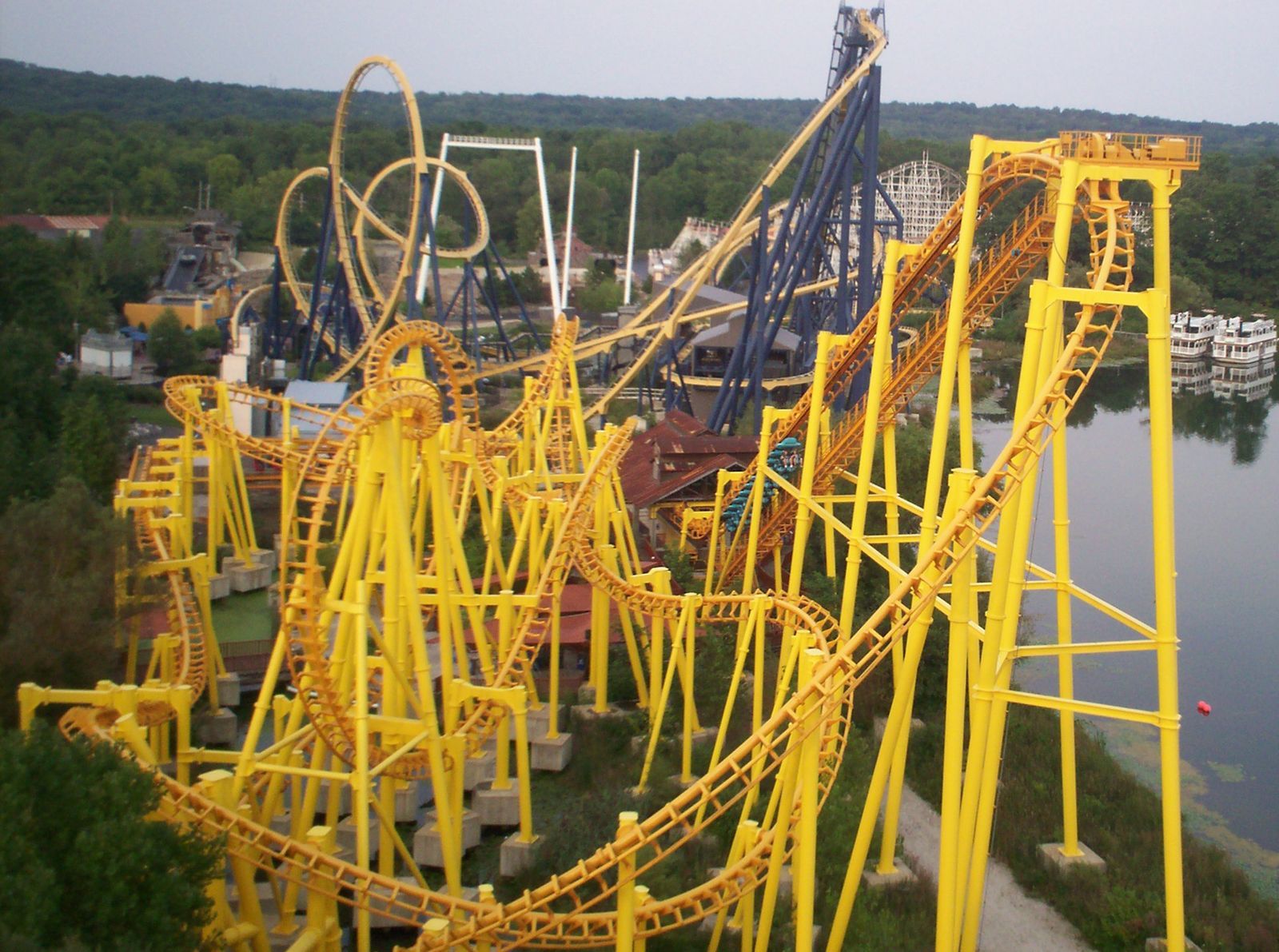
Image: JonRidinger, CC BY 3.0, via Wikimedia Commons

In the early 20th century, many Midwestern families had a go-to summer destination: Geauga Lake Park.

Geauga Lake opened in 1887 in Aurora, Ohio, as a simple lakeside resort. By the 1920s, it had grown into a full amusement park with rides, games, and roller coasters –like its classic wooden coaster, the Big Dipper– attracting thousands of visitors each year. Throughout much of the 20th century, it was a must-stop on family road trips. It reached its peak in the 1990s, after major expansions turned it into a large regional attraction, but those same upgrades also drove up costs and complexity. In the end, the expansion that improved it also sealed its fate, leading to its final closure in 2007.

10
Heritage USA (Fort Mill, South Carolina)
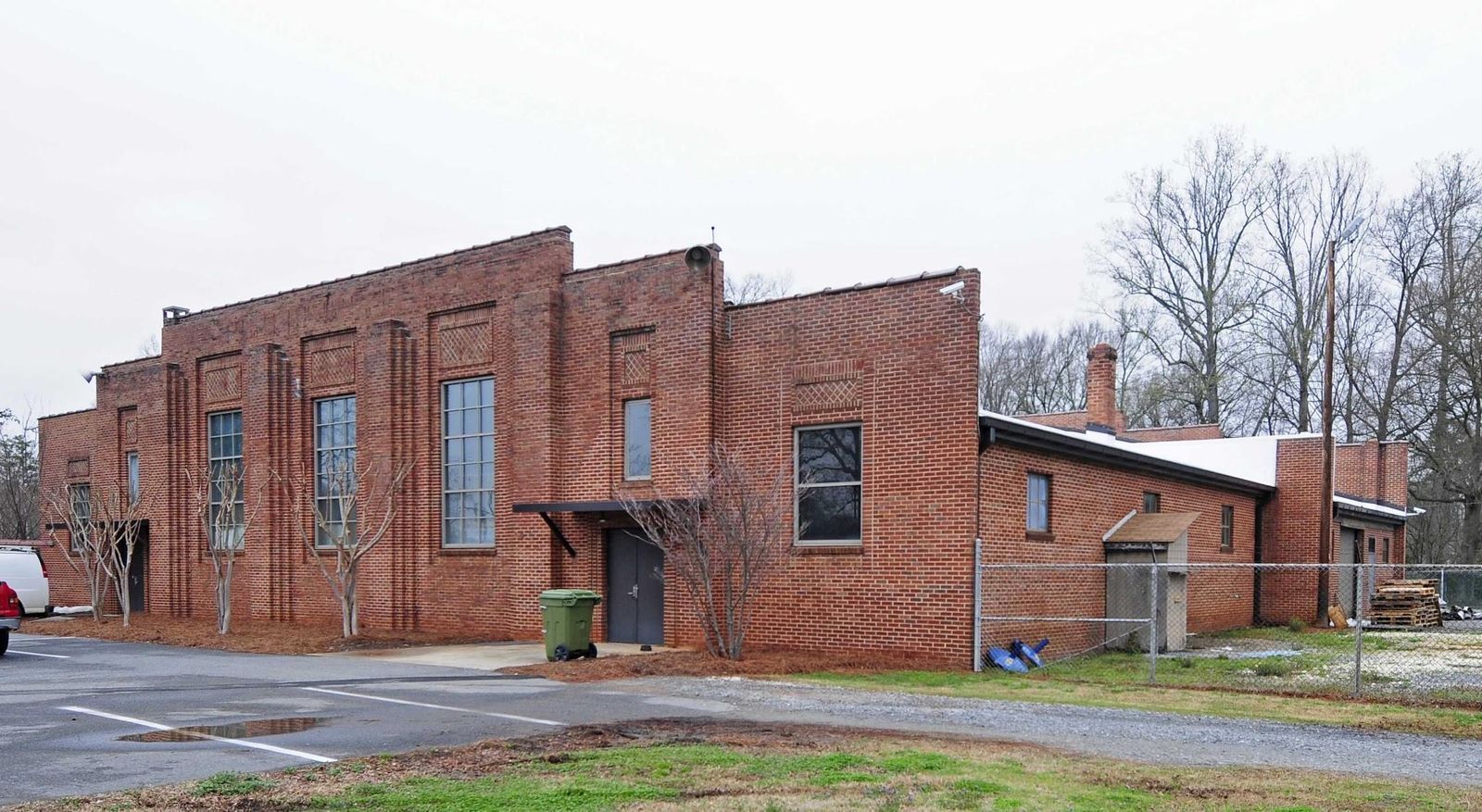
Image: Bill Fitzpatrick, CC BY-SA 3.0, via Wikimedia Commons

Sometimes called "Christian Disneyland," Heritage USA opened in 1978 in Fort Mill, South Carolina, founded by famous televangelists Jim and Tammy Bakker with the idea of building a major Christian-themed resort to rival the big amusement parks.

For a time, it was hugely popular, at one point even ranking as the third most-visited theme park in the U.S., with rides, a water park, hotels, and a large church auditorium. But in 1987, a financial scandal involving Jim Bakker shook public trust, and in 1989, Hurricane Hugo caused further damage. By the end of 1989, the park had effectively shut down, leaving its once-famous 21-story hotel as a hollow reminder of what it had been.

Culture Culture 5 min read

SILVER SCREEN LEGENDS

The Golden Era: 10 classic American films that helped shape Hollywood

Image: Nathan DeFiesta

The Golden Age of Hollywood, spanning from the early 1930s to the late 1950s, marked a period when American cinema reached new heights, setting the future standards for storytelling, innovation, and star culture. During this era, visionary filmmakers and legendary actors crafted films that became integral to America's cultural identity. Join us as we explore 10 iconic classics that not only defined this golden era but also solidified Hollywood's status as the global beacon of cinematic excellence it remains today.

1
Gone with the Wind

Image: Adam Kring

Released in 1939, Gone with the Wind stands as one of the most iconic films in American cinema. Adapted from Margaret Mitchell's 1936 novel of the same name, the film is set against the backdrop of the Civil War and follows the life of Scarlett O'Hara (played by Vivien Leigh), the strong-willed daughter of a Georgia plantation owner.

Featuring legendary performances by Clark Gable and Leslie Howard, the film captivated audiences around the globe. It not only became the highest-grossing film of its time but also held that record for over 25 years, cementing its place in cinematic history.

2
Casablanca

Image: Craig Whitehead

Casablanca is often hailed as the quintessential American film. Both filmed and set against the tumultuous backdrop of World War II, it weaves a poignant tale of romance and sacrifice in a world on the brink of chaos. The film's unforgettable characters, brought vividly to life by the stellar performances of Humphrey Bogart and Ingrid Bergman, have become emblematic of American cinema.

Its most iconic line, "Here’s looking at you, kid," has etched itself into the collective memory of millions. Over the years, Casablanca has only solidified its legendary status, with its characters, famous lines, and theme song becoming a part of popular culture. It consistently ranks near the top of lists of the greatest films in history.

3
Citizen Kane

Image: Daria Kraplak

Citizen Kane (1941) is frequently acclaimed as the greatest film ever made, offering a profoundly intelligent exploration of the life of Charles Foster Kane, a fictional media mogul inspired by real-life figures like William Randolph Hearst and Joseph Pulitzer.

The brainchild of the visionary Orson Welles, who served as the film’s actor, director, and producer, Citizen Kane delves into themes of wealth, power, and democracy with such depth that it remains relevant to this day. The film caused a stir upon its release, prompting Hearst to ban any mention of it in his newspapers. It was also lauded for its groundbreaking cinematography, introducing innovative techniques that set new creative standards for the industry.

4
The Wizard of Oz

Image: Mateusz Raczynski

A beloved piece of Americana, the 1939 film release of The Wizard of Oz is the most iconic adaptation of L. Frank Baum's 1900 children's fantasy novel of the same name. Dorothy’s journey to the Emerald City has captivated audiences for generations and has brought the original story to worldwide audiences.

The film's groundbreaking use of Technicolor and special effects marked a new era in American cinema. Recognized by the U.S. Library of Congress as the most-watched film in history, The Wizard of Oz remains a timeless classic, with its impact on popular culture enduring to this day.

5
It’s a Wonderful Life

Image: Johannes Roth

Frank Capra’s It’s a Wonderful Life (1946) has become an essential Christmas classic. Starring James Stewart as George Bailey, the film tells the heartwarming story of a man who, facing financial ruin and despair, is shown by his guardian angel what life would have been like if he had never existed.

Loosely based on a 1943 short story that echoes Charles Dickens’ all-time classic A Christmas Carol , the film’s messages of hope and redemption resonated deeply with audiences. Despite an initially lukewarm reception, It’s a Wonderful Life gained popularity through television broadcasts and is now regarded as a timeless holiday favorite.

6
Singin' in the Rain

Image: Ricky Turner

Widely celebrated as one of the greatest musicals in American cinema, Singin' in the Rain (1952) offers a nostalgic look at Hollywood’s transition from silent films to "talkies." Directed by Stanley Donen and Gene Kelly, who also stars in the film, it became famous for its iconic musical numbers, particularly Kelly’s unforgettable dance in the rain, which has since become one of the most iconic scenes in movie history.

The film’s vibrant choreography, catchy songs, and clever commentary on the film industry have solidified its place in American film culture. As a delightful homage to Hollywood’s Golden Age, it immortalizes both the magic and the many challenges of filmmaking.

7
North by Northwest

Image: Blake Harbison

Directed by the master of suspense, Alfred Hitchcock, North by Northwest is one of the most iconic American thrillers. Starring Cary Grant as the charming protagonist Roger Thornhill, the film follows his harrowing journey as he’s mistaken for a government agent and pursued across the country by both law enforcement and international spies.

Iconic scenes like the crop duster chase and the climactic showdown on Mount Rushmore are etched in cinematic history. The film’s influence is still evident in modern thrillers, and it is celebrated to this day for its gripping narrative and stylish execution.

8
The Grapes of Wrath

Image: Sonder Quest

Based on John Steinbeck’s Pulitzer Prize-winning novel, The Grapes of Wrath (1940) is a powerful and poignant portrayal of the struggles faced by American families during the Great Depression. Directed by John Ford and starring Henry Fonda as Tom Joad, the film follows the Joad family as they journey from Oklahoma to California in search of a better life, only to encounter hardship and injustice along the way.

The Grapes of Wrath is lauded for its smart adaptation of Steinbeck’s novel and its brutally honest depiction of the social issues of the time. The film’s carefully crafted cinematography focuses on the Joad family as a unit, its visual style providing a stark contrast to the themes of suffering and perseverance that define the story.

9
The Searchers

Image: Jon Toney

John Ford’s The Searchers (1956) is considered one of the greatest Westerns ever made. Starring John Wayne in one of his most iconic roles, the film tells the story of Ethan Edwards, a hardened Civil War veteran who embarks on a relentless quest to find his niece, who has been kidnapped by Comanche Indians.

The film is both a thrilling adventure and a complex exploration of themes such as racism, obsession, and the American frontier. The movie is also praised for its stunning cinematography, particularly its use of Monument Valley’s vast landscapes, which have become synonymous with the genre.

10
Some Like It Hot

Image: Stephanie Valencia

Some Like It Hot (1959) is a comedy classic that pushed boundaries during the waning years of Hollywood’s golden era. Directed by Billy Wilder, the film stars Tony Curtis and Jack Lemmon as two musicians who witness a mob hit and disguise themselves as women to evade the gangsters pursuing them.

Marilyn Monroe co-stars as Sugar Kane, an endearing singer who unwittingly becomes entangled in their criminal scheme. The film’s sharp wit, impeccable comedic timing, and brilliant performances have made it a staple of American cinema, and it remains as fresh and funny today as it was upon its release.

General General 5 min read

Overlooked travel essentials

Pack these travel items, and you'll save yourself a lot of headaches

Image: Getty Images

You've done it all before: the rolling suitcase, the neck pillow, the quart-sized bag for your toiletries. You know how to pack. But here's the thing: after a certain point, travel experience doesn't just teach you where to go. It teaches you what to bring . Little things, like a set of compression packing cubes that magically squeeze three days' worth of clothes into half the space you expected, or a portable luggage scale that saves you from that sinking feeling at the check-in counter when your bag is two pounds over the limit. Sounds useful? Read on.

1
Compression packing cubes

Image: Shawn Augustine

These zippered fabric cubes let you sort your clothes by category—shirts in one, pants in another, underwear in a third—and then compress them down by squeezing out excess air. They keep everything tidy and surprisingly compact . Most come in sets of different sizes, so you can mix and match depending on what you're packing.

Imagine you're flying to visit family for a long weekend but want to avoid checking a bag. Without packing cubes, that's a puzzle. With them, you'd be amazed what fits into a carry-on.

2
Portable luggage scale

Image: isens usa

This little handheld device hooks onto your bag's handle and gives you an instant weight reading. It costs about $10and weighs almost nothing itself. Use it the night before your flight, and you'll never get blindsided by an excess baggage fee of $50 (or more) again.

Picture this: you've spent a week in Florida and picked up a few things for the house. You think your bag is fine. The airline disagrees—to the tune of $75. A luggage scale would have caught that before you ever left the hotel room, giving you time to rearrange or ship something home instead.

3
Doorstop alarm

Image: Jun Ren

This wedge-shaped gadget slides under your hotel room door and sounds a piercing alarm if someone tries to push it open. It's a simple, inexpensive way to add a layer of security that the hotel deadbolt alone doesn't always provide. It fits in the palm of your hand and weighs almost nothing.

If you're traveling solo or in an unfamiliar area, peace of mind matters . Prop one of these under your door at night, and you'll sleep a lot better, knowing that if anyone tries to come in uninvited, the whole hallway is going to know about it.

4
Foldable tote bag

Image: Sasha Pestano

A lightweight tote bag that folds into a tiny pouch is one of those things you'll reach for constantly once you have it . Use it as an overflow bag on the way home when your suitcase is full of souvenirs, or as a beach bag, a grocery bag, or a day-trip bag when you don't want to lug your whole luggage around.

Say you're on a cruise with a port stop in a charming little town. You want to browse the market and pick up some local olive oil and pottery. You didn't plan for that. But if you've got a foldable tote tucked in your bag, you won’t have to scramble for a bag at the gift shop.

5
Travel clothesline

Image: Elisa Calvet B.

This is a simple elastic or bungee-style cord that stretches between two points—a towel bar, a bedpost, a shower curtain rod—so you can hang hand-washed clothes to dry overnight. No suction cups, no hardware, nothing complicated.

If you're on a two-week trip and trying to pack light, being able to wash a few things in the sink and hang them up makes a real difference . Woke up in Rome and realized you need your shirt for the following day? Wash it, and it will be dry by morning.

6
Universal travel adapter

Image: Call Me Fred

Different countries use different outlet shapes and voltages. A universal adapter handles all of it— Europe, Asia, South America, the UK—in one compact device . Most modern ones also have built-in USB ports, so you can charge your phone directly without needing a separate plug.

You've landed in London, and your phone is at 8%. Your American charger is useless in a British outlet. One universal adapter, and that problem will never exist again. It's a one-time, ten-dollar fix for something that can otherwise ruin a morning.

7
RFID-blocking pouch

Image: Geoffrey Crofte

Modern credit cards and passports have chips in them that can, in theory, be scanned wirelessly by someone nearby. An RFID-blocking pouch or wallet liner prevents that from happening by creating a simple signal-blocking barrier around your cards .

Crowded airports, busy subway stations, tourist hotspots; these are exactly the environments where electronic pickpocketing is a concern. Slipping your passport and cards into an RFID pouch takes two seconds and gives you one less thing to worry about in a busy place.

8
Portable hard drive

Image: Uwukuri Emery

A compact external hard drive is no bigger than a deck of cards and lets you back up your photos and documents while you're still on the road. You don't need Wi-Fi, you don't need cloud storage, and you don't need to worry about your phone running out of space at the worst possible moment.

Imagine you've spent eight days photographing the national parks out West. You have thousands of pictures and irreplaceable memories, but your phone gets lost or stolen on day nine. Without a backup, those photos are simply gone. With a portable hard drive, you plug in each night, transfer the day's shots, and travel with the peace of mind that your memories exist in more than one place .

9
Compact extension cord with USB ports

Image: Davied Thielen

Hotel rooms have a frustrating habit of putting their one or two outlets in the least convenient spots: behind the bed, across the room from the desk, nowhere near where you actually sit. A compact extension cord with built-in USB ports solves this instantly. You plug it into whatever outlet exists, and suddenly you've got four or five charging options right where you need them .

Picture arriving at your room after a long travel day with a dead phone, a tablet that needs charging, and a CPAP machine to plug in before bed. One outlet, three needs. A compact extension cord turns that into a non-issue in about ten seconds, and it takes up barely any space in your bag.

10
Collapsible water bottle

Image: Mazin Omron

When it's empty, a collapsible silicone water bottle folds flat, thin enough to slip into a jacket pocket . When you need it, it expands and holds a full 20 ounces or more. It's TSA-friendly when empty, and you can fill it right after security.

Staying hydrated on a long travel day matters more than most people realize, especially if you're dealing with heat, walking a lot, or spending hours in dry airplane air.

Explore more American facts

Choose your favorite category!

General
General

As American as apple pie—the very best America has to offer!

Culture
Culture

Delve into the astounding richness of American lore.

Geography
Geography

Hop in and explore vast and diverse American landscapes.

History
History

Discover the key moments that shaped the United States.