Geography Geography 4 min read

Geography challenge

Double-check it: You might be wrong about the capitals of these 6 states!

Image: Domino Studio

A capital city is where the government of a state or country is based. Just as Washington, DC, serves as the capital of the United States, each of the 50 states also has its own capital city. The US is one of the largest countries in the world, and with 50 states, remembering the capital cities of each one can be difficult. So, here's a challenge for you: Can you match these six capitals to their states? Give it a try!

1
Harrisburg

Image: Judith Chambers

With a long and rich history, Harrisburg may not be the largest or most famous city in its state, but it holds the title of the capital city. Situated along the Susquehanna River, it serves as the heart of a state that played a critical role in shaping the nation. Known as "The Keystone State," this region was central to the Revolutionary War and the signing of the Declaration of Independence.

2
Springfield

Image: Andrew Adams

In Springfield, you'll find landmarks like the Lincoln Home National Historic Site and the Abraham Lincoln Presidential Library and Museum. Why? Well, because Uncle Abe lived in this city for nearly 20 years before becoming the 16th US president.

Beyond Lincoln, Springfield is also known for its signature dish: the horseshoe sandwich ! Have you tried it? We bet you already know which state Springfield represents as its capital!

3
Jefferson City

Image: Ann Schreck

Jefferson City—named after Thomas Jefferson —is the capital of the " Show-Me State ," renowned for the breathtaking Ozarks.

Jefferson City was specifically established to serve as the state capital. With a population of under 45,000, it is the 16th most populous city in the state! Can you guess which state it belongs to?

4
Frankfort

Image: Alek Olson

One of the smallest capitals in the United States by population, Frankfort is the capital of a state located in the Southeastern US, bordered by seven states, including Tennessee and West Virginia. Famous for its fried chicken and bourbon , it is known as the "Bluegrass State." What's your guess?

5
Carson City

Image: Roland Schumann

Located near Lake Tahoe, Carson City is the capital of the "Silver State," known for its mining history, desert landscapes, and unparalleled shrimp cocktail.

It is recognized as the driest state in the country, home to landmarks like the Hoover Dam and the mysterious Area 51 . Have you ever visited?

6
Tallahassee

Image: Damon On Road

If we say: Everglades, Walt Disney World, and Kennedy Space Center, which state comes to mind? Famous for its orange production, its iconic Key lime pie, and delicious Cuban sandwiches, this state’s capital is Tallahassee, a lovely city in the northern part of the state. Do you know which state we’re talking about?

7
Harrisburg: Pennsylvania

Image: Andre Frueh

You were right! Located in the center of the state, Harrisburg has been the capital of Pennsylvania since 1812 . Before Harrisburg, Philadelphia (1682–1799) and Lancaster (1799–1812) served as the capitals of Pennsylvania.

8
Springfield: Illinois

Image: Tucker Good

If you guessed "Illinois," you were right! Springfield has been the capital of the Prairie State since 1839 . As mentioned, the city's history is closely tied to Abraham Lincoln's legacy, which is why you'll find landmarks like the Lincoln Tomb at Oak Ridge Cemetery. Additionally, it was in this city that Lincoln delivered his famous "House Divided" speech !

9
Jefferson City: Missouri

Image: Rythik

Its proximity to the Missouri River was instrumental in choosing Jefferson City as the capital city of the state of Missouri in 1821. Here, you can find the imposing Missouri State Capitol building, completed in 1917!

Bonus fun fact: Before it was named Jefferson City—in honor of our nation’s 3rd president—local authorities considered calling it "Missouriopolis." Can you imagine?

10
Frankfort: Kentucky

Image: Josh Collesano

Frankfort became the capital of Kentucky in 1792, shortly after the state entered the Union. Located in the Bluegrass region of the state, the city is crossed by the Kentucky River, which gives it a unique charm. Frankfort is also home to the iconic Buffalo Trace Distillery —one of the oldest bourbon distilleries in the country—and the historic Kentucky Vietnam Veterans Memorial .

11
Carson City: Nevada

Image: Parth Thakker

Since 1864 , when Nevada became a state, Carson City has served as its lovely capital. But do you know why it's called "Carson City"? The capital of Nevada was named in honor of Christopher "Kit" Carson , a famous frontiersman and explorer of the area.

If you want to learn more about the history of Nevada and its capital, you can visit the Nevada State Museum , also located in Carson City!

12
Tallahassee: Florida

Image: Kevin Dunlap

With an estimated population of about 200,000, Tallahassee has been the capital of sunny Florida since 1824 . Considered a " college town " because of its large population of college students, Tallahassee is home to Florida State University, Florida A&M University, and Tallahassee Community College!
General General 3 min read

Organized living is always better

Most Americans store these 10 items incorrectly. How about you?

Image: Alicia Christin Gerald

Most Americans store household items wherever they seem convenient. Of course they do, why wouldn’t they, right? But as it turns out, over time, heat, humidity, and clutter can quietly shorten an object’s lifespan or make it harder to use. Organizing experts say many common habits are actually working against us. The good news is that small storage changes can make everyday items last longer. Here are some of the most commonly misplaced ones.

1
Books

Image: Ed Robertson

Many of us stash books in closets or basements to save space , but these areas often trap moisture. Over time, humidity can warp covers, yellow pages, and encourage mold growth, especially in older homes.

A better option is open shelving in a living area where air can circulate freely. Keeping books visible not only helps protect them but also encourages reading and makes it easier to enjoy them regularly.

2
Medicine

Image: Joanna Stołowicz

Bathrooms are the most common place Americans store medication, yet heat and steam can reduce a drug’s effectiveness over time . Moisture can also cause pills to break down faster or labels to peel off.

A cool, dry place like a bedroom drawer or hallway cabinet is generally safer. Keeping medication out of the bathroom helps preserve its potency and makes expiration dates easier to track.

3
Important documents

Image: Sear Greyson

Birth certificates, insurance policies, and property deeds are frequently scattered across drawers or stacked in filing piles . This makes them hard to find during emergencies and leaves them vulnerable to damage.

Experts suggest using a dedicated fire-resistant file or document box kept in a consistent location. Centralizing paperwork saves time and reduces stress when documents are suddenly needed.

4
Photo albums and loose photographs

Image: Roman Kraft

Many families store photos in garages or basements, where temperature swings and moisture can cause fading and curling . Once damaged, photographs are often difficult or impossible to restore.

Photos last longest when stored in acid-free boxes kept in interior closets. Proper storage preserves memories and ensures future generations can enjoy family history without deteriorating.

5
Olive oil

Image: Dimitri Karastelev

Many Americans keep olive oil next to the stove for convenience. Unfortunately, exposure to heat, light, and air causes oil to turn rancid faster , affecting flavor and nutritional value.

A cool, dark cabinet away from appliances is ideal. Storing olive oil in a tightly sealed, opaque container further slows degradation. Proper storage helps olive oil retain its taste longer and prevents waste caused by premature spoilage.

6
Coffee

Image: Aldino Hartan Putra

Coffee is often kept in its original bag on the counter or in the pantry. Exposure to air, light, heat, and moisture gradually degrades its aromatic compounds, dulling its flavor , even if the beans are freshly roasted.

An airtight container stored in a cool, dark place is generally best for preserving aroma and taste. This simple change keeps coffee fresher and makes each cup more enjoyable.

7
Bread

Image: Vicky Ng

Many people refrigerate bread to keep it fresh, but cold temperatures actually dry it out faster . The result is a dry, stale texture and often unnecessary food waste.

Freezing bread preserves freshness far more effectively. When wrapped tightly to prevent freezer burn, sliced loaves can be toasted straight from the freezer, extending shelf life without sacrificing quality.

8
Spices

Image: Heather McKean

Spice racks near the stove are common, but heat and steam weaken flavors over time . Spices may still look fine while losing much of their potency and taste.

A drawer or cool cabinet away from heat helps spices last longer. Keeping containers tightly sealed further protects against moisture and oxidation. Better storage keeps meals flavorful and reduces how often spices need replacing.

9
Toothbrushes

Image: Peng Liu

Left uncovered near sinks or toilets, toothbrushes are exposed to moisture and airborne bacteria . This can lead to hygiene issues and faster wear.

Storing brushes upright in a well-ventilated holder that allows them to air-dry completely is generally recommended. Cleaner storage improves longevity and supports better personal hygiene.

10
Batteries

Image: John Cameron

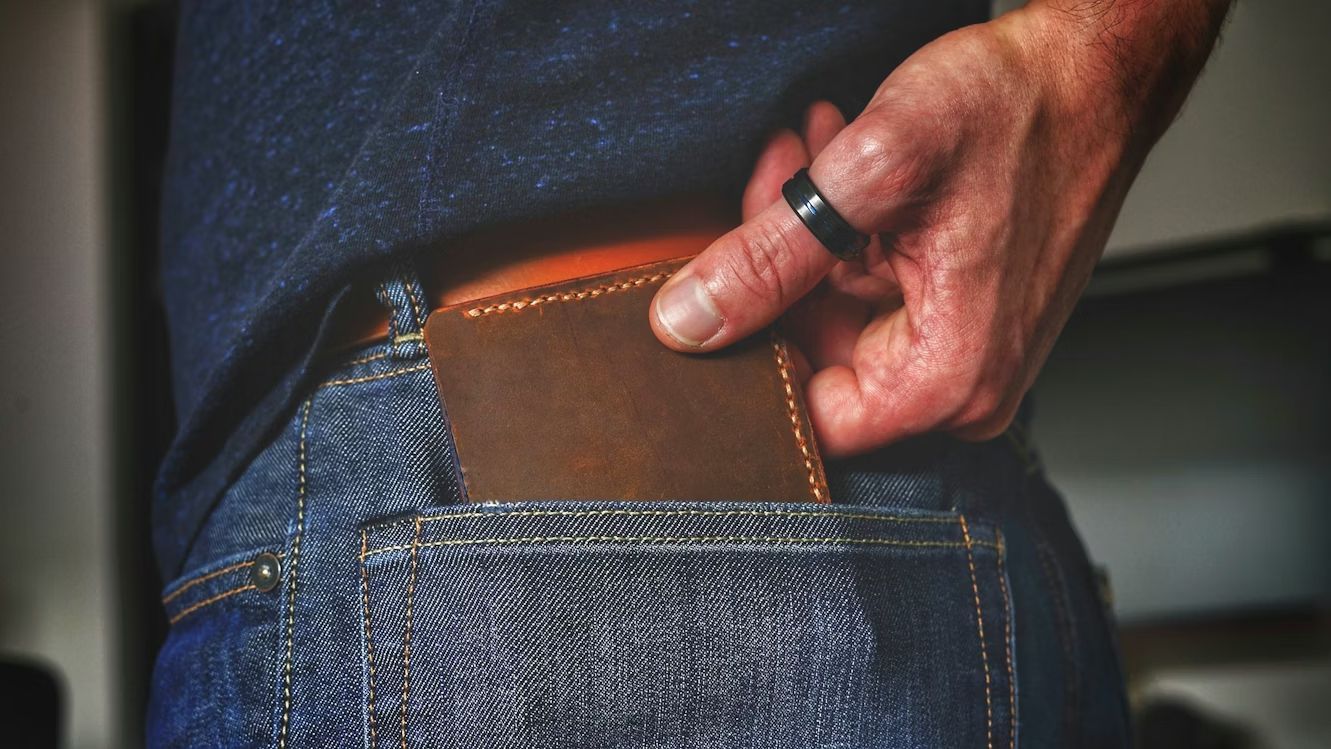
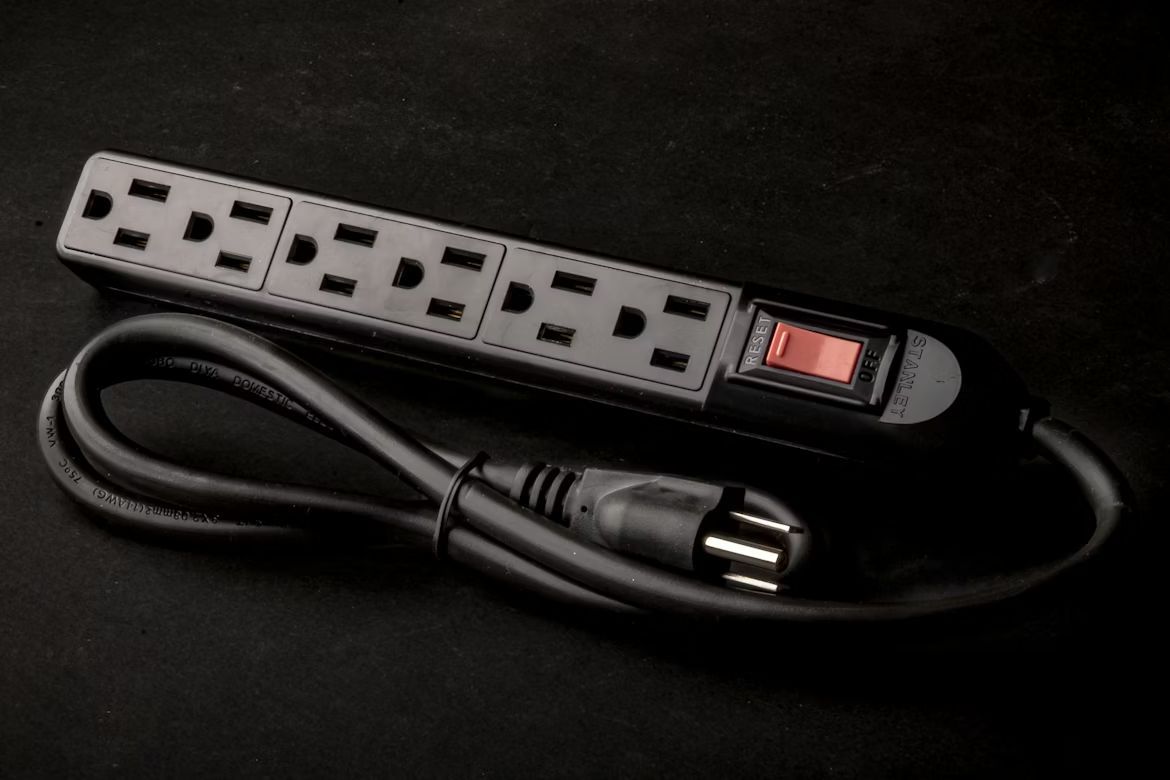
Loose batteries tossed into junk drawers can rub against metal objects such as coins or paper clips, potentially causing short circuits, leaks, or loss of charge . Damaged batteries may ruin devices later.

Keeping batteries stored by type in a labeled container prevents contact issues. Organized storage extends battery life and makes replacements easy to find.

Geography Geography 3 min read

A deep look at the map

From Philly to Miami: These U.S. place names don't mean what you think!

Image: Mackenzie Cruz

Every place name has a story— especially in America ! While some come from Indigenous languages, others trace their origins to European tongues or ancient legends. These names are more than just labels; they offer glimpses into our past , revealing the diverse cultures and pivotal events that have shaped the nation. From Greek influences to names that predate European conquest, we've gathered 12 of the most fascinating origins behind America's place names.

1
Miami

Image: Avi Werde

Miami’s name comes from the Mayaimi people, who lived around Lake Okeechobee. The name itself is thought to refer to the "big water" of the lake, a defining feature for the region's Indigenous inhabitants.

2
Chicago

Image: Neal Kharawala

The name "Chicago" comes from the Potawatomi word shikaakwa, meaning "wild onion" or "wild garlic." These plants were once abundant along the banks of the Chicago River, and early French explorers who heard this term adapted it into the city's name.

3
Philadelphia

Image: Chris Murray

The name "Philadelphia" comes from the Greek words philos (love) and adelphos (brother). Founded in 1682 by William Penn, the city was intended to be a haven for religious freedom and peaceful coexistence—hence its name.

4
Cincinnati

Image: Matt Koffel

Cincinnati's name comes from the Society of the Cincinnati, a patriotic organization formed in 1783 to honor officers of the Continental Army. The society itself was named after Lucius Quinctius Cincinnatus, a legendary hero of the Roman Republic.

5
California

Image: Vital Sinkevich

The name "California" comes from Las Sergas de Esplandián, a 16th-century Spanish novel by Garci Rodríguez de Montalvo. The book describes a mythical island where gold could be found in great quantities. When Spanish explorers reached the Baja Peninsula, they mistakenly believed it was an island and, inspired by the novel, named it after the fictional paradise.

6
Boise

Image: Attorney Sluice

The name "Boise" comes from the French word boisé, meaning "wooded" or "forest." French fur traders were some of the earliest European explorers in the region, and they named the Boise River after observing the thick forests that lined its banks.

7
Albuquerque

Image: Raychel Sanner

Albuquerque was named by the Spanish in the 18th century, but its origins trace back to the Latin words albus (white) and quercus (oak), referring to the white oak trees that are found in the area.

8
Mississippi River

Image: Mathew Benoit

The Mississippi River gets its name from the Ojibwe word Misi-ziibi, meaning "Great River." Certainly a fitting name, given the river’s key role in the development of American trade and transportation, a vital route for settlers and Indigenous people alike.

9
Yellowstone National Park

Image: Meina Yin

Yellowstone National Park takes its name from the Yellowstone River, which was in turn named by fur trappers who used the word "yellow" to describe the river’s striking sandstone cliffs . Established in 1872, Yellowstone became the first national park in the U.S., preserving its unique geological and natural wonders.

10
Appalachian Mountains

Image: Elijah Mears

The Appalachian Mountains, among the oldest in the world, take their name from Apalachee , a term used by the Spanish to refer to a Native American tribe in northwestern Florida . Interestingly, the name was later applied to the distant mountain range, despite no direct connection between the two—perhaps they had run out of names?

11
Niagara Falls

Image: Sergey Pesterev

Niagara Falls takes its name from the nearby Niagara River, which derives from the Iroquois word Onguiaahra , meaning "the strait" or "narrow water." Unsurprisingly, given their breathtaking beauty, the falls have long been a significant natural landmark for both Indigenous peoples and European explorers.

12
Adirondack Mountains

Image: Ty Finck

The Adirondack Mountains in New York are believed to take their name from the Algonquin word adirondacks , meaning "they eat trees" or "bark eaters." This name likely referred to another group of Indigenous inhabitants who relied on the region’s lush forests for food and shelter.

Explore more American facts

Choose your favorite category!

General
General

As American as apple pie—the very best America has to offer!

Culture
Culture

Delve into the astounding richness of American lore.

Geography
Geography

Hop in and explore vast and diverse American landscapes.

History
History

Discover the key moments that shaped the United States.