History History 4 min read

Feel old yet?

What brand was founded when Thomas Jefferson was president?

Image: @felirbe

From Converse footwear to Colgate toothpaste to Jell-O, millions of Americans use these brands every day without realizing how old they really are. Some were around before the Titanic sailed, while others were founded before the Civil War. Despite their modern marketing, updated logos, and constant reinvention, these companies have survived it all. Take a look at 11 brands that have quietly crossed the 100-year mark.

1
Converse (1908)

Image: pure julia

Converse was founded in 1908 by Marquis Mills Converse in Maiden, Massachusetts. The company originally made rubber footwear, including galoshes and winter boots , before expanding into athletic shoes. Its famous Converse All-Star basketball shoe debuted in 1917 and would later become one of the most recognizable sneakers in history.

The brand’s biggest boost came from basketball star Chuck Taylor, who joined the company as a salesman and ambassador. His signature was added to the shoe in 1932, creating the legendary Chuck Taylor All-Star. More than a century after its founding, Converse remains a global fashion staple.

2
Whirlpool (1911)

Image: Andriy Blokhin

Whirlpool traces its roots to 1911, when Louis Upton and his uncle Emory Upton founded the Upton Machine Company in Benton Harbor, Michigan. Their goal was simple but ambitious: add electric motors to washing machines and make household chores easier .

The company eventually evolved into Whirlpool Corporation and became one of the world’s largest appliance manufacturers. Over the decades, it introduced innovations ranging from automatic washing machines to appliances used in NASA’s Gemini and Apollo-era space programs.

3
Colgate (1806)

Image: Atikah Akhtar

Colgate’s story began in 1806 when English immigrant William Colgate started a starch, soap, and candle business in New York City . At the time, toothpaste in tubes did not even exist.

During the nineteenth century, the company expanded into oral-care products and eventually became one of the most recognized names in dental hygiene. Today, many consumers think of Colgate as a modern toothpaste brand, but its origins go back more than two centuries.

4
L.L. Bean (1912)

Image: Joseph Hendrickson

In 1912, Leon Leonwood Bean launched a mail-order business from Freeport, Maine. His first product was a hunting boot designed to keep outdoorsmen comfortable in wet conditions .

The original boot became known as the Maine Hunting Shoe and helped build a company famous for quality outdoor gear. L.L.Bean remains headquartered in Maine and continues to attract customers seeking durable products inspired by the outdoors.

5
3M (1902)

Image: Dimitri Karastelev

Today, 3M is known for everything from Post-It Notes to industrial products, but it started in 1902 as the Minnesota Mining and Manufacturing Company in Two Harbors, Minnesota . Ironically, its original mining venture failed.

Rather than disappear, the company reinvented itself by producing abrasives and sandpaper. That willingness to innovate eventually led to thousands of products and more than a century of inventions used in homes, offices, hospitals, and factories all around the world.

6
Red Wing Shoes (1905)

Image: Henry Saint John

Red Wing Shoes was founded in 1905 in the Mississippi River town of Red Wing, Minnesota. The company specialized in rugged footwear for workers in demanding industries such as farming, mining, and construction .

Its reputation for durability has helped it survive dramatic changes in the American industry. More than a century later, Red Wing Boots remain popular among both workers and fashion enthusiasts who appreciate classic American craftsmanship.

7
Fruit of the Loom (1851)
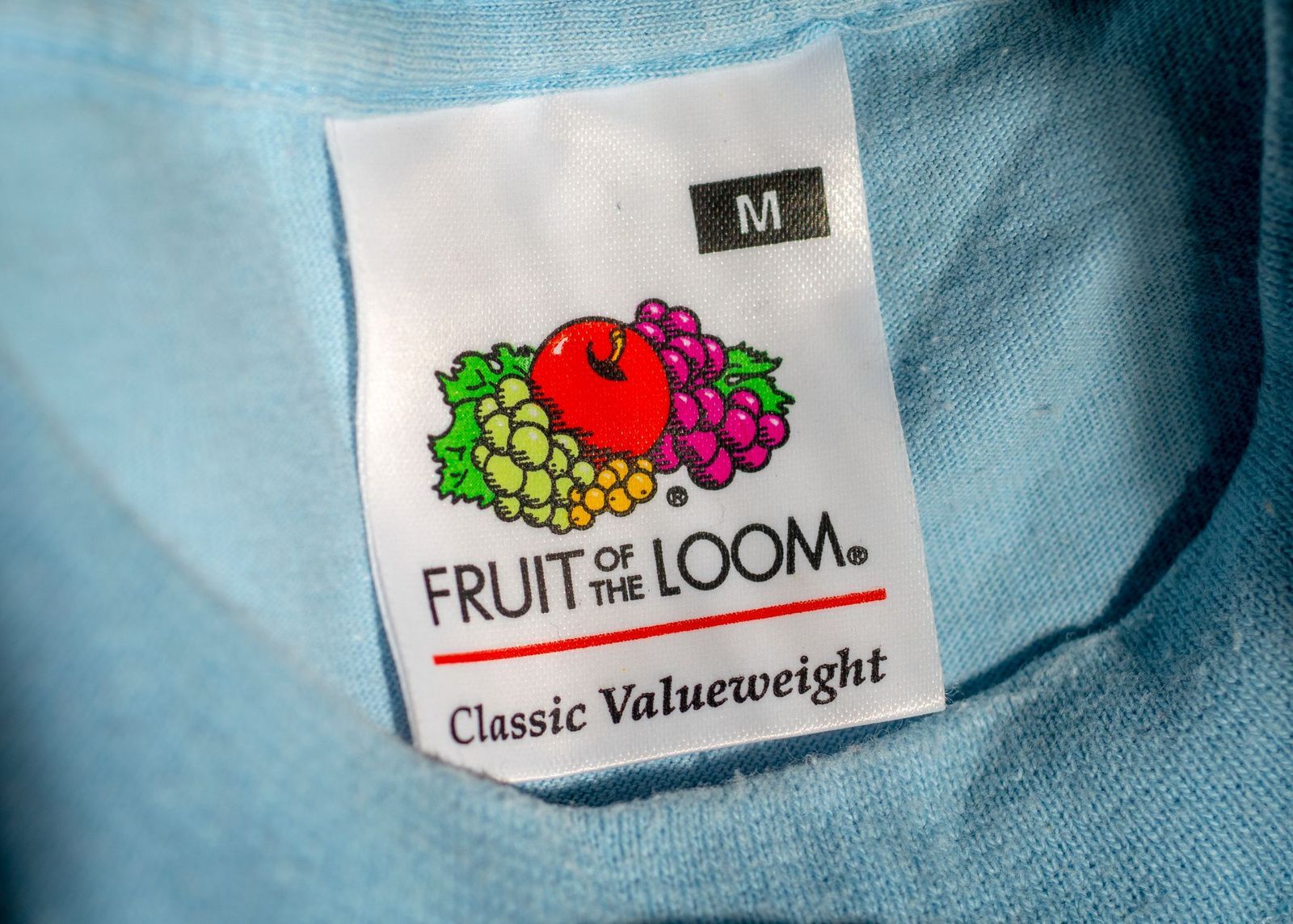
Image: Lenscap Photography

Fruit of the Loom traces its history to 1851, making it one of the oldest brands on this list. The company began as a textile manufacturer in Rhode Island during an era when the country was still expanding westward.

Its colorful fruit logo became one of the most recognizable trademarks in America. Although consumers usually associate the brand with T-shirts and underwear, its roots stretch back to the earliest days of America’s industrial manufacturing.

8
Gibson (1894)

Image: Gabriel Barletta

Founded in Kalamazoo, Michigan, in 1894 by Orville Gibson, this brand became one of the most influential guitar makers in music history. The company helped shape the sound of blues, jazz, country, and rock music .

Its instruments have been played by legendary musicians including B.B. King, Chuck Berry, Jimmy Page, and Slash, among many others. Despite being well over a century old, Gibson remains one of the most relevant and in-demand names in the guitar world.

9
Jell-O (1897)

Image: Girl with red hat

Jell-O began in 1897 when carpenter and cough-syrup manufacturer Pearle Bixby Wait developed a flavored gelatin dessert . His wife, May, suggested the catchy name that would become famous nationwide.

The dessert gained popularity through aggressive advertising and recipe campaigns in the early twentieth century. For generations, Jell-O has been a familiar part of family gatherings, school cafeterias, and holiday meals.

10
New Balance (1906)

Image: @felirbe

New Balance was founded in Boston in 1906 by William J. Riley. Interestingly, the company did not begin by making running shoes. Instead, it produced arch supports and orthopedic products designed to improve comfort and balance, hence the name .

The company later expanded into athletic footwear and became known for its emphasis on fit and performance. Today, New Balance competes with much younger sportswear giants while carrying more than a century of history behind it.

11
Stanley (1913)

Image: Shahrouz Nikpoush

Stanley was founded in 1913 when inventor William Stanley Jr. introduced an all-steel vacuum bottle . His innovation improved durability and helped popularize insulated drink containers.

For decades, Stanley products were associated with workers, campers, and outdoor enthusiasts. In recent years, the brand has experienced a surprising resurgence among younger consumers, proving that even a company founded before World War I can find new audiences.

General General 4 min read

Wave them with pride

Honoring the states: learn about the history of 10 state flags

Image: Tina Chelidze

From the 13 colonies to the consolidation of the 50 states, America’s journey of growth and unity is remarkable. Each state is unique, with distinctive features, mottos, and, of course, flags. Each flag tells a story and honors the rich history and heritage of the state it represents. Among the 50 state flags, we’ve chosen 10 state flags to learn about their design, elements, and the history they represent.

1
New York

Image: Clker-Free-Vector-Images

New York was one of the 13 original colonies and is one of the most populated states today. Its flag, with a vibrant blue in the background, features a sun symbol, one supporter on each side, and the state’s inspiring motto "Excelsior," meaning "ever upward."

The scene in the coat of arms paints a picture of the Hudson River flanked by Liberty on the left, and Justice on the right. Topping it all off is a bald eagle, always majestic, perched atop the world. Powerful, isn’t it?

2
California

Image: Clker-Free-Vector-Images

California was the 31st state to be admitted to the Union (1850) and the history behind its flag has elements present in previous models of banners used by what we know today as Mexico.

This flag was first hoisted in 1846 after American settlers in the territory fought for its independence. Finally, it was recognized as official in 1911.

The flag depicts a grizzly bear —also the official state animal— and a lone red star symbolizing previous attempts to gain independence.

3
Indiana

Image: Clker-Free-Vector-Images

Indiana’s flag was designed by Paul Hadley and approved as the state flag in 1917 after the Daughters of the American Revolution held a flag design contest.

Over the dark blue flag stands a golden torch surrounded by 19 stars . The 13 stars on the outer circle represent the 13 original colonies, while the five stars in the inner circle were added to symbolize the next five states that joined the union, Indiana being the 19th.

The torch? You guessed it right, it represents liberty and enlightenment.

4
Louisiana

Image: Clker-Free-Vector-Images

Blue background abounds among the official state flags and it’s no surprise since it’s one of the national colors. Louisiana’s flag is not the exception.

This flag is the only one to depict a pelican nurturing its offspring in a nest. What is curious about it is that the pelican, an animal that symbolizes devotion to progeny, is crying tears of blood, which represents sacrifice. Underneath, belted in a white ribbon, the state’s motto: "Union, Justice, and Confidence".

5
New Jersey

Image: Clker-Free-Vector-Images

New Jersey’s flag is the only state flag to have a buff background , although it is wrongly depicted as yellow most times. This background color represents the uniform worn by soldiers from New Jersey’s regiments in the Revolutionary War.

In the center of the flag, there is a coat of arms supported by Liberty and the goddess Ceres, representing agriculture. Above the coat of arms, a horse’s head that stands for strength, and, below it, a helmet that symbolizes sovereignty.

6
Arkansas

Image: Clker-Free-Vector-Images

Arkansas’s flag depicts a complex symbolism using well-known elements: a diamond shape, with 25 stars on the outer part, the state’s name in the middle, one star above, and three stars below.

Arkansas was the 25th state to join the union, hence the stars around the diamond. The star over the word "Arkansas" represents the Confederacy to which it was admitted in 1861. The three stars below represent different things: the nations Arkansas belonged to, the Louisiana Purchase, and the fact that it was the third state formed after such purchase. A simple design, yet a complex meaning, don’t you think?

7
Colorado

Image: Clker-Free-Vector-Images

Colorado’s flag is quite simple in its design, although it represents many state elements . For example, the name, a Spanish word that means "red", is symbolized by the red C in the middle. But that’s not all, the letter C also means "columbine" the state flower, represented by the colors blue, yellow, and white. These two last colors also stand for the gold and silver present in the area.

Last, but not least, the letter C stands for "Centennial State" as Colorado became a state in 1876, when the nation was celebrating a century of its independence.

8
Washington

Image: Clker-Free-Vector-Images

Washington is the only state to have a flag with a green background. At the same time, it is the only one to depict a real person . George Washington’s picture is surrounded by a golden ring that reads "The Seal of the State of Washington 1889," the year in which the territory became a state.

The background color refers to the "Evergreen State" while the golden ring represents the wheat areas of the Eastern part of the state.

9
Wyoming

Image: Clker-Free-Vector-Images

This flag was also chosen during a flag design competition held in 1916. It consists of a dark blue background bordered by white and red and, in the center, the silhouette of a bison with the state seal that reads "Great Seal of the State of Wyoming."

Within the seal, the state motto "Equal rights," since Wyoming was the first state to grant women the right to vote. Below the ribbon, a farmer and a cowboy, the main occupations in the state, and two pillars that read "Livestock, mines, grain, oil." And that’s not all, at the bottom, a bald eagle and a star with the number 44, the order of admission to the union.

10
New Mexico

Image: Clker-Free-Vector-Images

Let’s finish this list with what may be the simplest flag of all the 50 states: New Mexico’s. With colors that symbolize the Spanish ruling over the territory, this state flag was adopted in 1925 and it consists of a yellow background with the Zia sun in the center.

The Zia sun is an ancient interpretation of the sun and its design consists of four rays, a sacred number of the Zia. Beautiful, isn’t it?

Culture Culture 5 min read

The 10 best films about real American presidents

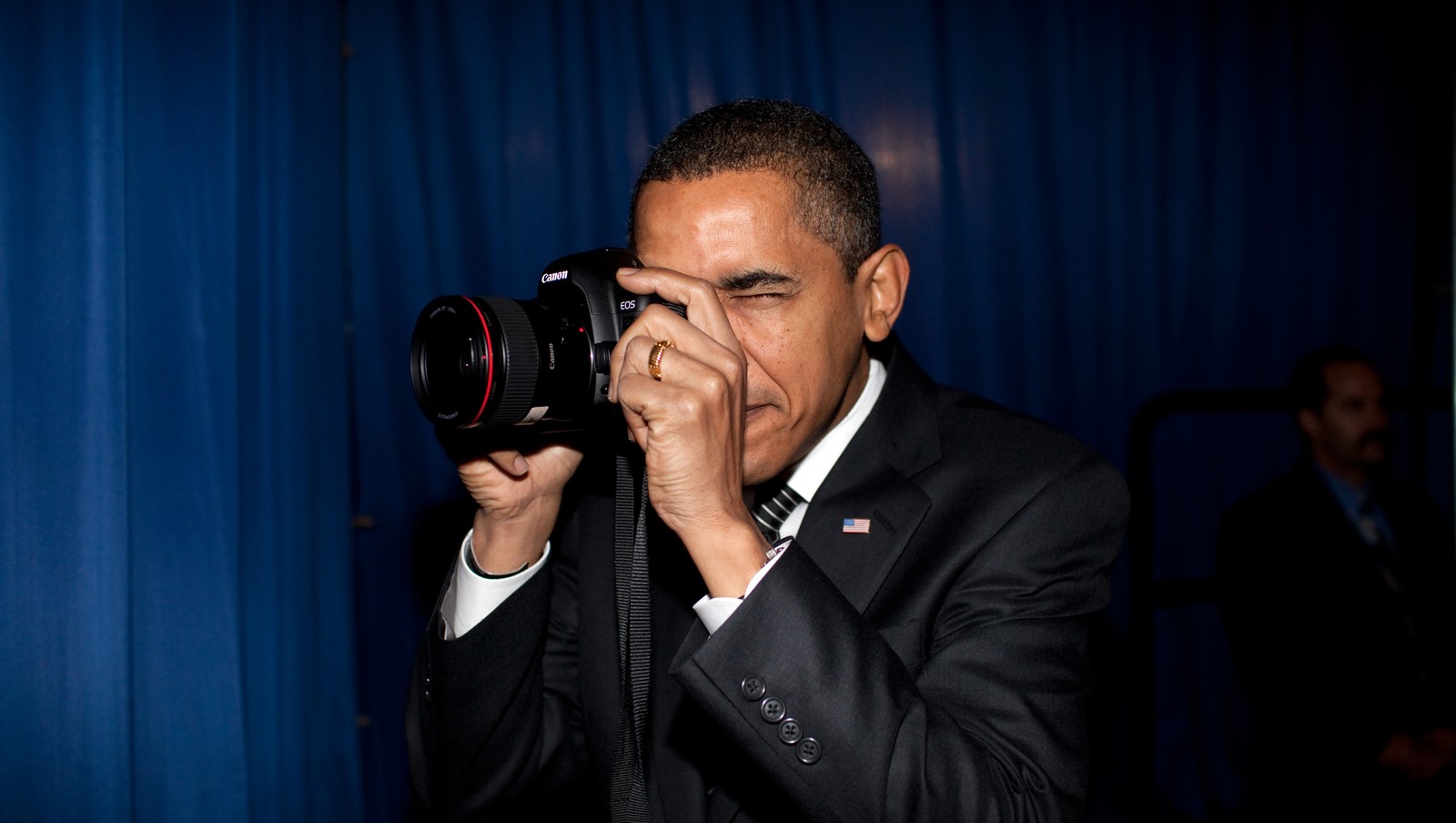
Image: Barack Obama Presidential Library, Public domain, via Wikimedia Commons

Throughout history, Hollywood has captured the complexity of commanding America’s highest office in countless films. The lives and challenges of characters such as Abraham Lincoln, George Washington, and John F. Kennedy have been vastly explored on the big screen. Each of these productions has not only depicted the crucial decisions made by these leaders, but also the values and conflicts that have shaped American society. Can you guess which are the top 10 films about the United States' most emblematic presidents?

1
The Crossing (2000)

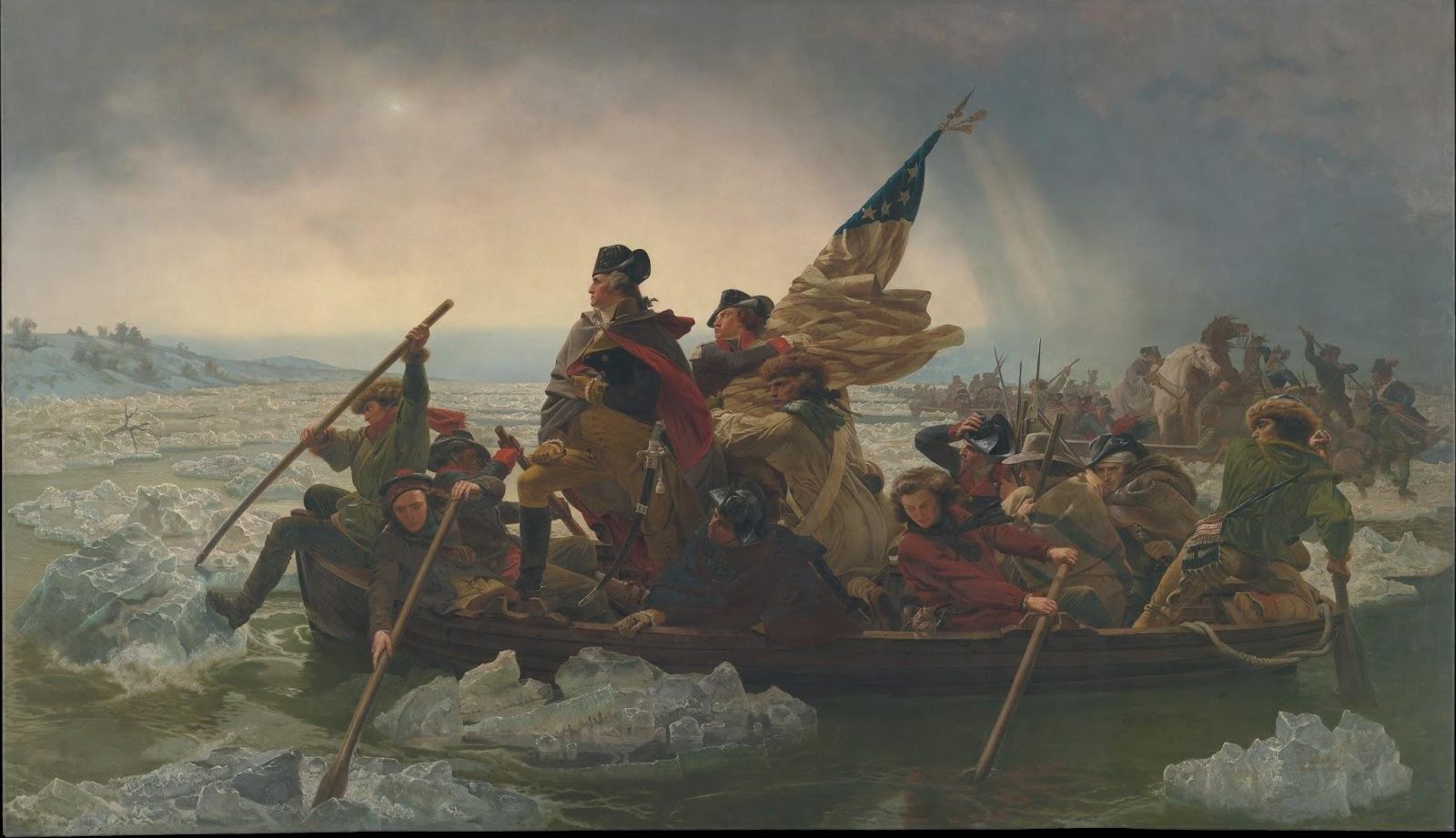
Image: Emanuel Leutze, CC0, via Wikimedia Commons

Of course, there had to be a film that reflected at least a small portion of the extensive political and military life of the first president of the United States. The Crossing focuses on the famous Delaware River mission commanded by Washington, a surprise attack against the British that would definitively change the course of the Revolutionary War.

Jeff Daniels' superb performance expertly captures George Washington's bravery and sense of duty, especially in relation to the patriotic vision that drove him to lead America’s independence.

2
Thirteen Days (2000)

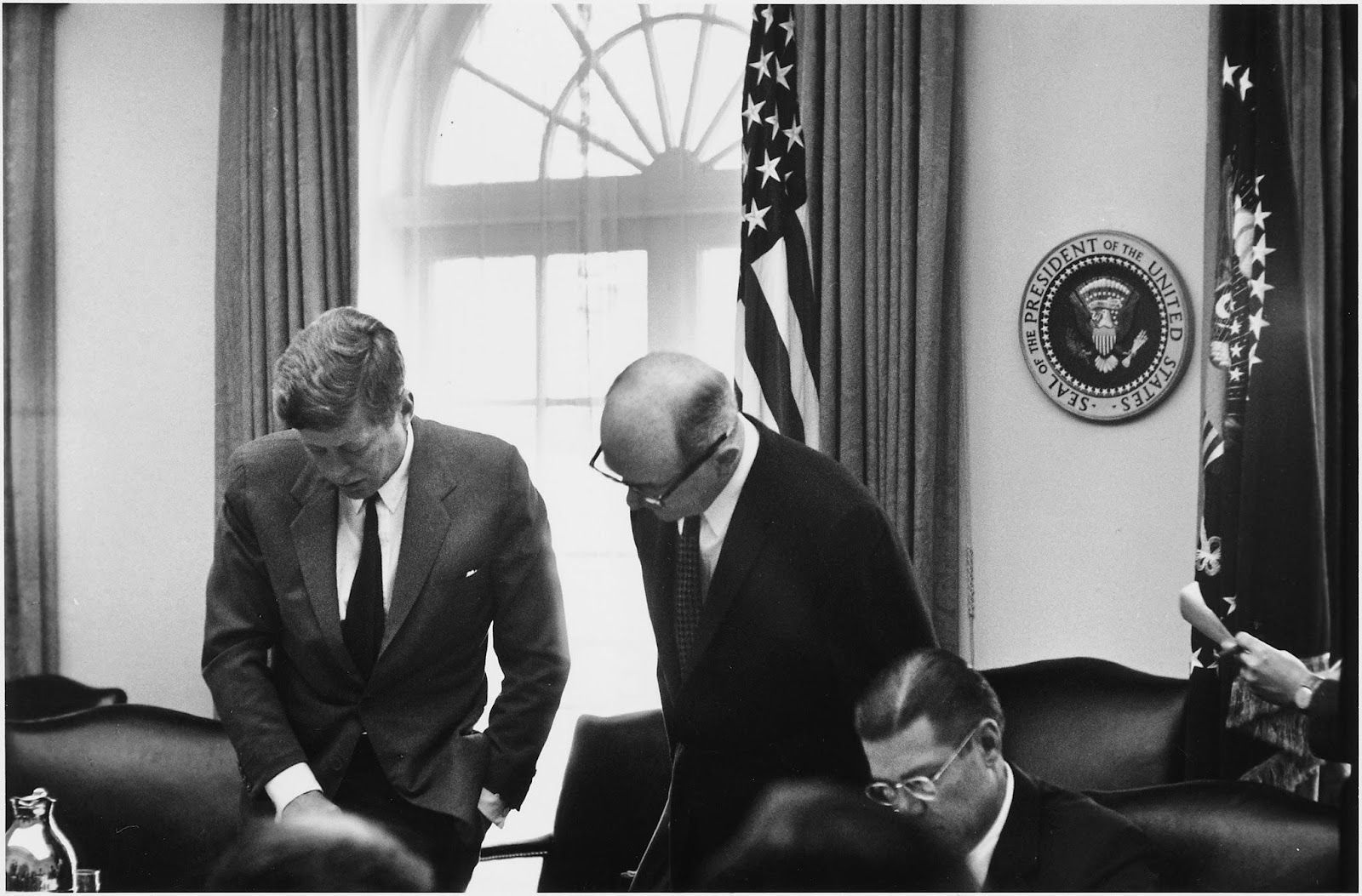
Image: Cecil W. Stoughton, Public domain, via Wikimedia Commons

This historical political thriller dramatizes the intense 13 days during the Cuban Missile Crisis in October 1962. The film captures John F. Kennedy’s strategic mind and leadership qualities as he navigates diplomatic and military dilemmas to avert a nuclear war with the Soviet Union.

Starring Bruce Greenwood, Thirteen Days showcases a president under immense pressure steering the United States through one of the toughest moments of the Cold War. Greenwood’s nuanced portrayal of Kennedy’s resolve, fear, and commitment to peace offers a riveting glimpse into the decision-making process inside the White House during a pivotal moment in history.

3
Truman (1995)

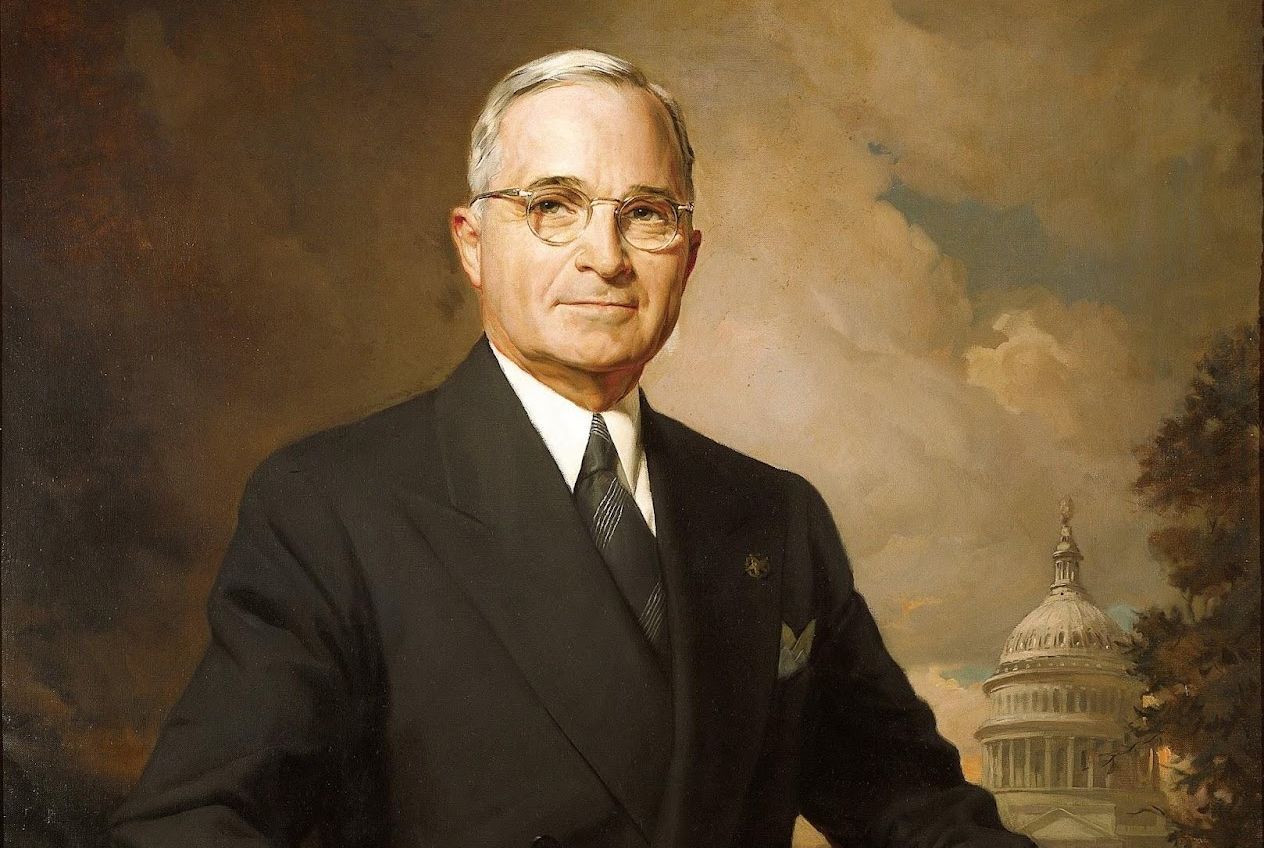
Image: Greta Kempton, Public domain, via Wikimedia Commons

This portrayal of Harry S. Truman is a masterful take on an often underestimated president who led our country through the end of World War II and the first years of the Cold War.

In the role of Truman, Gary Sinise effectively captures the 33rd president’s ascent from a modest background to the highest office. Sinise embodies Truman’s integrity and willpower, while bringing up his pragmatic approach to governance, which earned him a well-deserved Golden Globe.

4
The Special Relationship (2010)

Image: Ralph Alswang White House Photograph Office, Public domain, via Wikimedia Commons

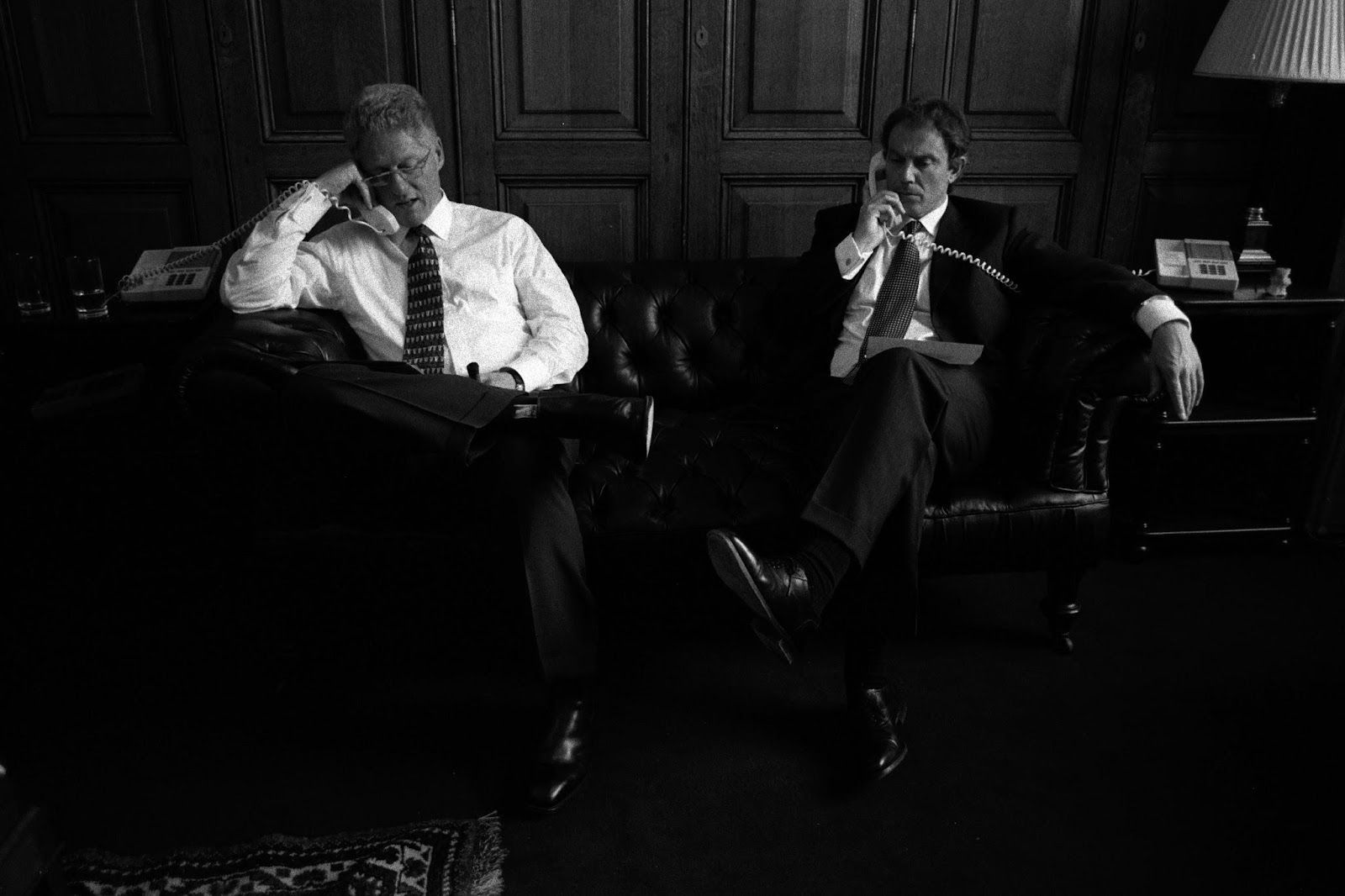
The special relationship traces Bill Clinton’s interactions with British Prime Minister Tony Blair between 1997 and 2001, offering viewers front-row insight on power dynamics, how friendship develops in high-level governance, and its impact on global affairs.

Dennis Quaid brings to life the former president’s multifaceted persona, shedding light on his vulnerabilities. He perfectly nails not only Bill Clinton’s magnetic charm but also his ability to navigate complicated political landscapes and balance diplomacy with personal connections.

5
Hyde Park on Hudson (2012)

Image: National Archives and Records Administration, Public domain, via Wikimedia Commons

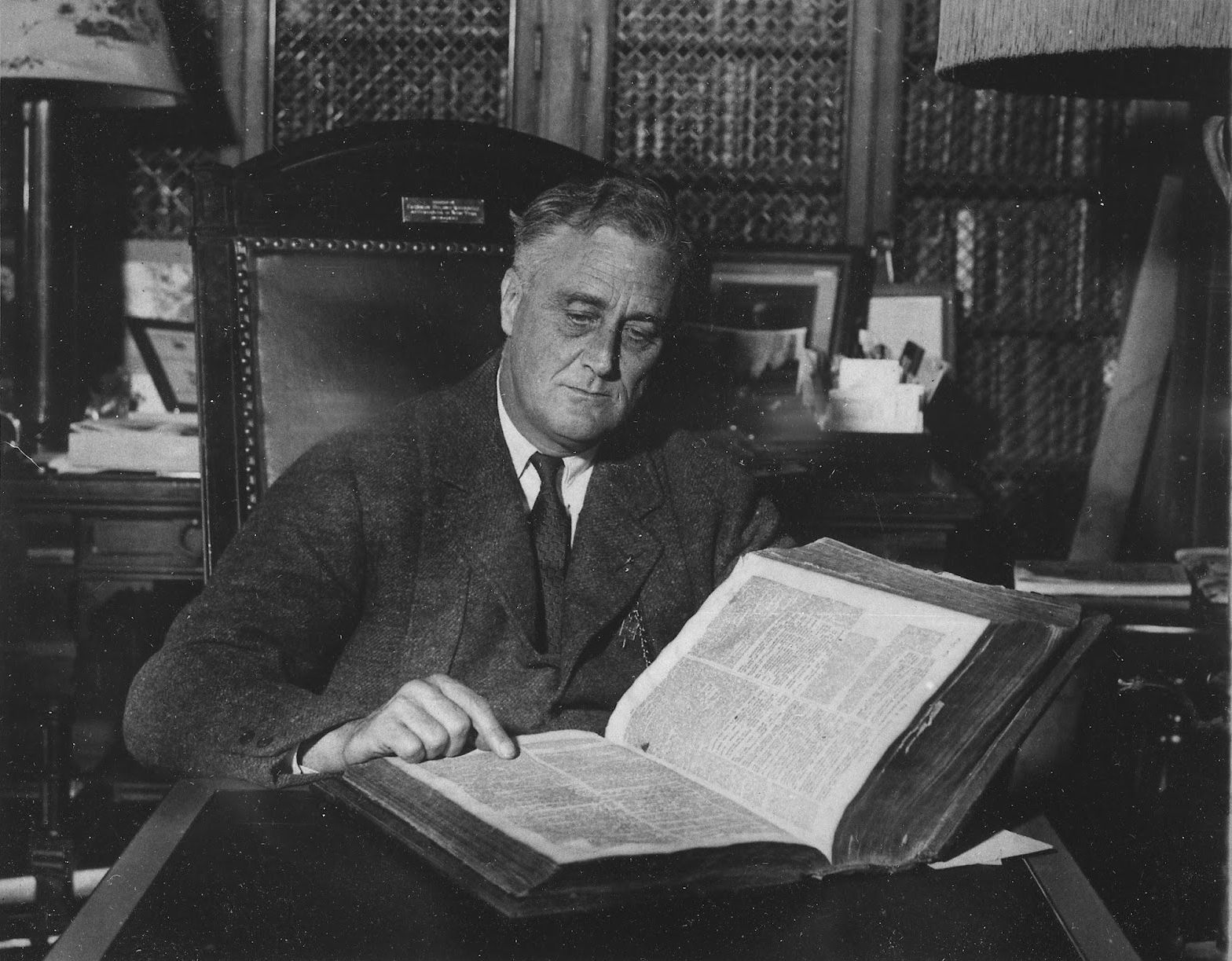
This historical drama depicts Franklin D. Roosevelt’s personal life and the complexities of leadership during a weekend visit by the King and Queen of England. Hyde Park on Hudson navigates through the 32nd president’s intimate relationships within his inner circle while working on strengthening the US-UK alliance on the eve of World War II.

Primarily known for his comedic genius, Bill Murray’s portrayal of Roosevelt reveals a lesser-seen side of the former president. Murray manages to capture his charm, wit, and burdens of leadership with a subtle performance blending the president’s public persona with his private vulnerabilities.

6
W. (2008)

Image: d

Oliver Stone’s W. explores George W. Bush’s journey from his early tumultuous years to his tenure in the White House. The film delves into his motivations, decisions regarding the Iraq war, and his personal and political challenges.

Josh Brolin successfully embodies Bush’s distinctive mannerisms, speech patterns, and the dynamics of his relationships with his family and advisers. The actor’s take is critical yet empathetic, providing insight into the former president’s character without caricature, and offering a deeper understanding of the man behind the president.

7
All the Way (2016)

Image: Cecil Stoughton, White House Press Office (WHPO), Public domain, via Wikimedia Commons

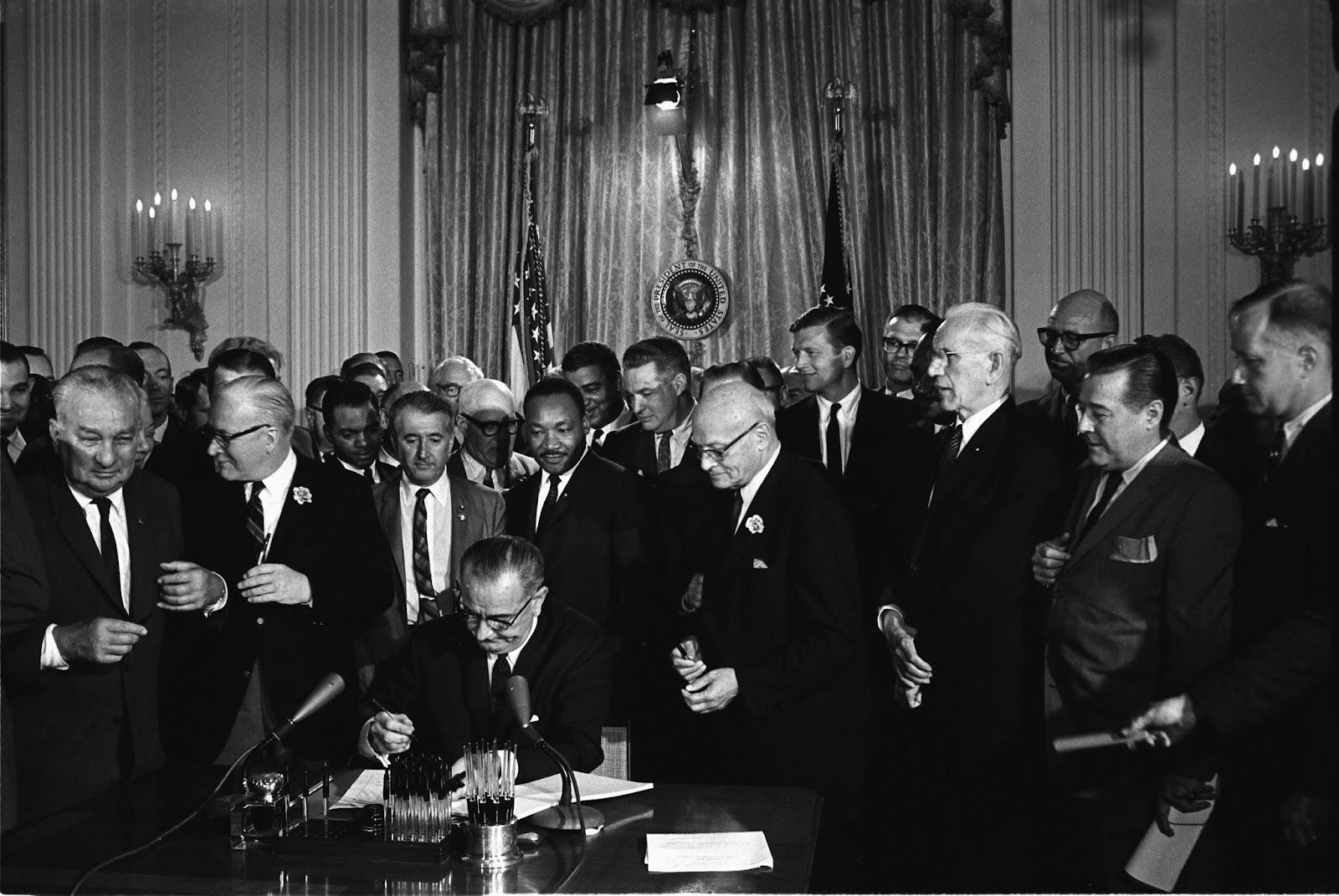
This TV biographical drama focuses on Lyndon B. Johnson’s efforts to pass the Civil Rights Act during his first year in office, while showcasing his persuasive tactics, political dexterity, and the moral challenges he had to deal with.

Bryan Cranston remarkably captures a leader committed to transformative social change who is, at the same time, burdened by the legacy of his predecessor, John F. Kennedy. His embodiment of Johnson’s larger-than-life personality, along with conveying intimate moments of vulnerability, earned Cranston much critical acclaim for bringing humanity to one of America’s most consequential figures.

8
Frost/Nixon (2008)

Image: Robert D. Ward, Public domain, via Wikimedia Commons

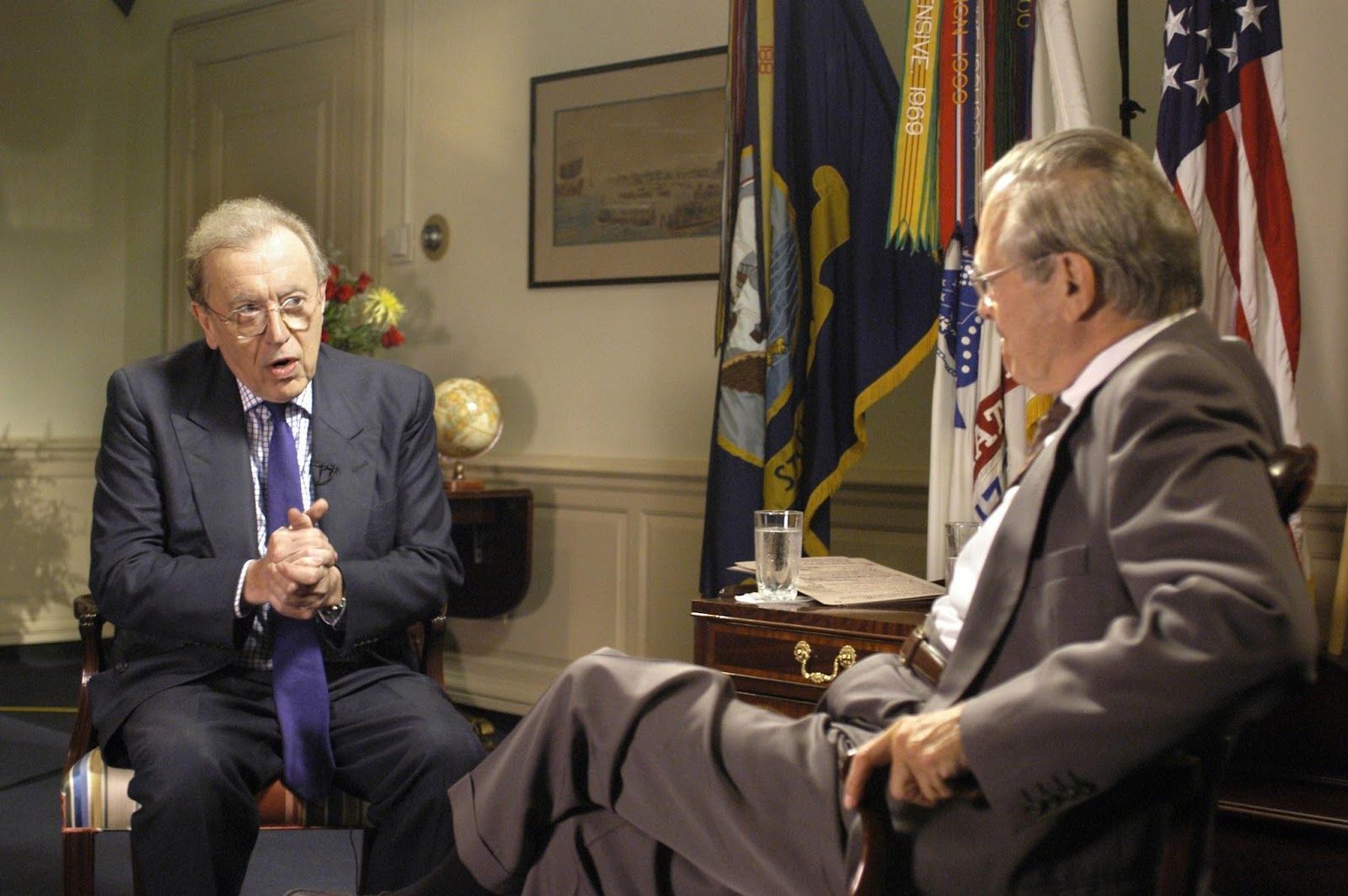
Centered around a series of televised interviews between Richard Nixon and British talk show host David Frost, this riveting film showcases a battle of wits and wills. Directed by Ron Howard, Frost/Nixon offers a deeply human look at an isolated president struggling with the consequences of his actions.

Frank Langella plays Nixon in the aftermath of his resignation, as he attempts to salvage his legacy while grappling with the guilt and shame of his downfall. Langella’s masterful depiction of one of America’s most controversial figures goes beyond impersonation, which earned the actor an Academy Award nomination.

9
Amistad (1997)

Image: Mathew Benjamin Brady, Public domain, via Wikimedia Commons

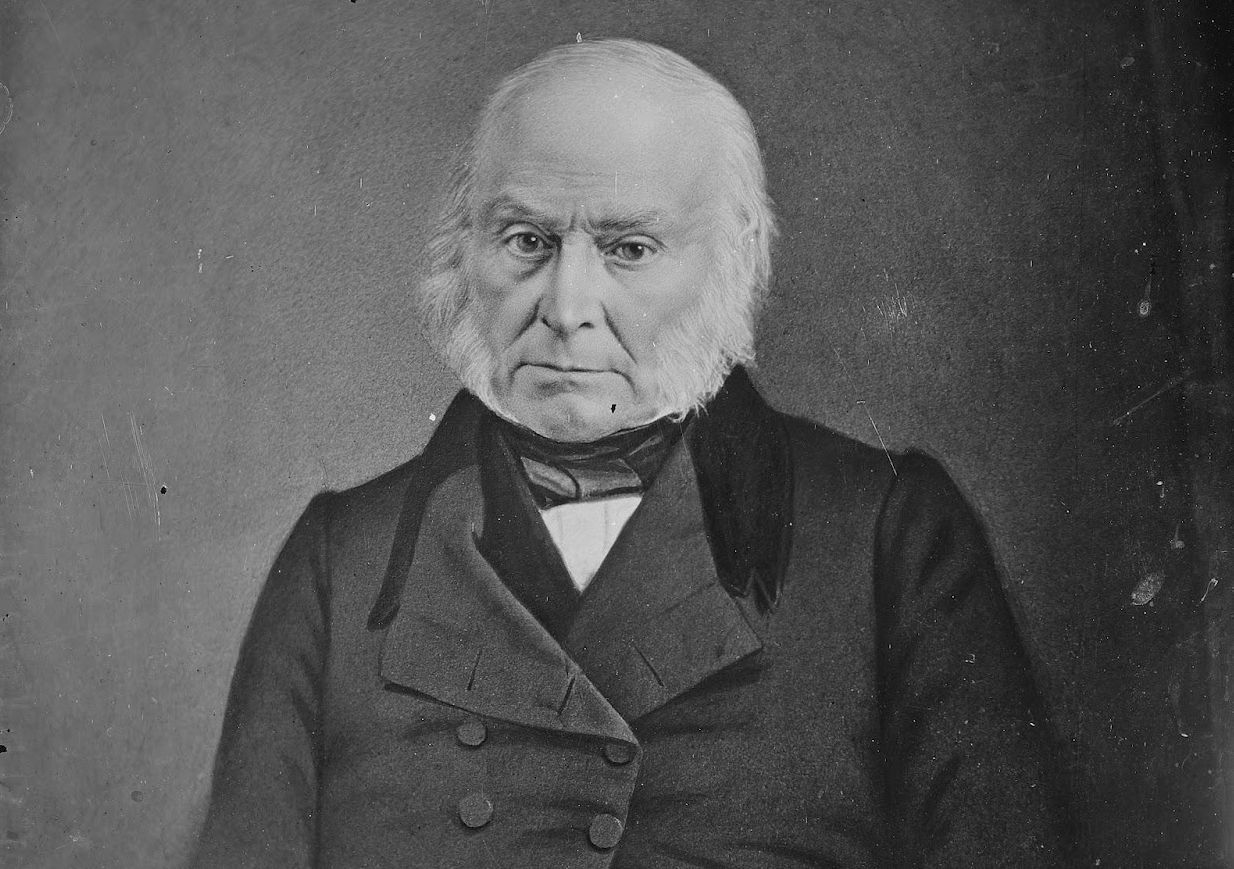
Steven Spielberg’s Amistad revolves around John Quincy Adams’ role as an attorney defending African men who revolted aboard a Spanish slaveship. The legendary Anthony Hopkins portrays Adam’s passionate arguments before the Supreme Court and reveals his commitment to justice and equality.

Hopkins also compellingly conveys Adam’s intelligence, determination, and the weight his legacy as both a former president and a champion of the abolitionist cause represented for him.

10
Lincoln (2012)

Image: George Peter Alexander Healy, Public domain, via Wikimedia Commons

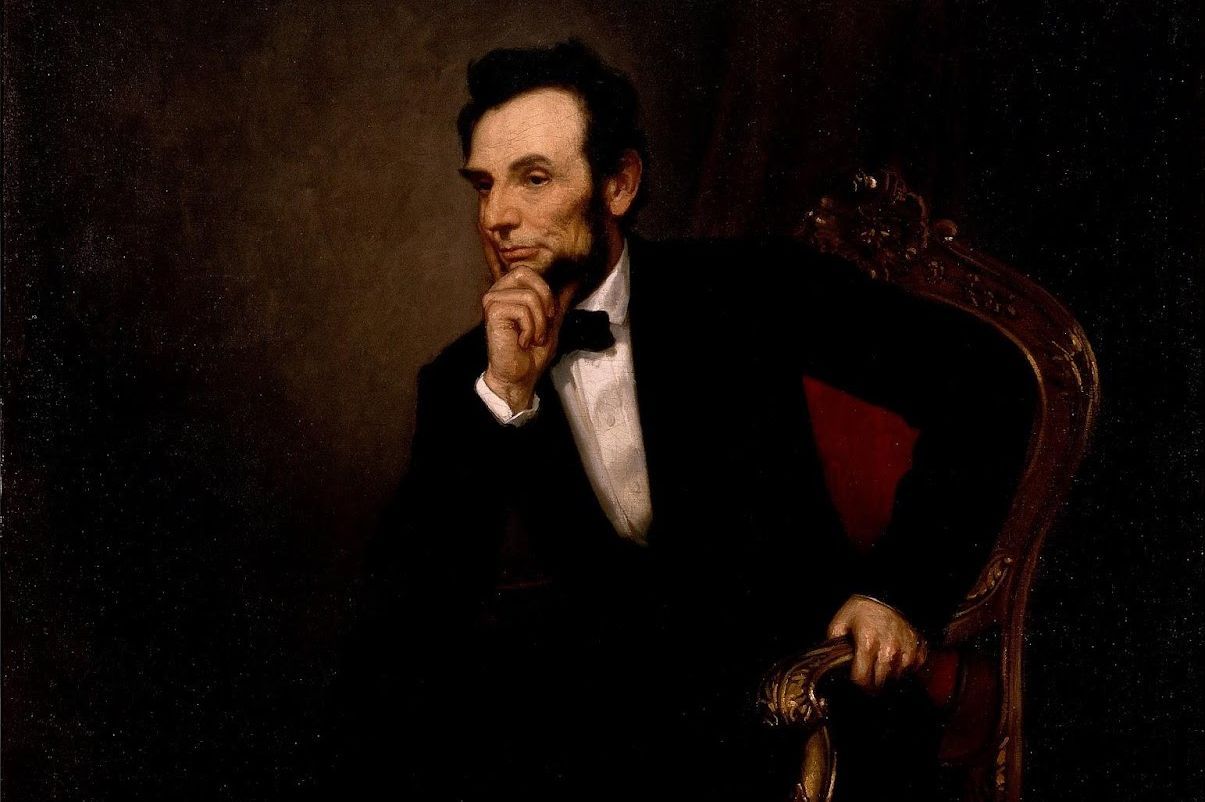
Focused on the final moments of Abraham Lincoln’s life, Steven Spielberg’s biopic highlights the 16th president’s efforts to pass the 13th Amendment, abolishing slavery.

The talented Daniel Day-Lewis delivers an absolutely iconic performance as Lincoln. He embodies the former president’s physicality and voice with such authenticity that viewers are transported to the heart of 19th-century American politics. Day-Lewis also manages to perfectly blend the president’s moral gravity, political savvy, and personal turmoil. His commitment to the role is so evident that it earned him an Oscar for Best Actor.

Explore more American facts

Choose your favorite category!

General
General

As American as apple pie—the very best America has to offer!

Culture
Culture

Delve into the astounding richness of American lore.

Geography
Geography

Hop in and explore vast and diverse American landscapes.

History
History

Discover the key moments that shaped the United States.